Cracking a skill-specific interview, like one for Comfortable working at heights and in confined spaces, requires understanding the nuances of the role. In this blog, we present the questions you’re most likely to encounter, along with insights into how to answer them effectively. Let’s ensure you’re ready to make a strong impression.
Questions Asked in Comfortable working at heights and in confined spaces Interview
Q 1. Describe your experience with fall protection systems.
Fall protection systems are crucial for preventing injuries from falls at height. My experience encompasses a wide range of systems, from simple harnesses and lanyards to more complex systems involving anchor points, lifelines, and fall arrestors. I’m proficient in selecting the appropriate system based on the specific work environment and task. For example, on a recent project involving roof repairs, we used a full-body harness with a self-retracting lifeline anchored to a structural beam, ensuring the worker remained tethered at all times. In another instance, working on a scaffolding system, we implemented a horizontal lifeline system to protect multiple workers simultaneously. I also have experience inspecting and maintaining these systems, ensuring they’re compliant with relevant safety regulations and in good working order.
My understanding includes the critical aspects of system selection such as considering the fall distance, potential impact forces, the worker’s weight and the structural integrity of the anchor points. I am also well versed in different types of anchor points including structural steel, concrete, and purpose built anchor systems.
Q 2. What are the different types of confined space permits?
Confined space permits are legally mandated documents authorizing entry into a confined space. The specific types vary depending on the jurisdiction and the level of risk involved, but generally include:
- Entry Permit: This is the most common type, allowing entry after a thorough risk assessment and implementation of control measures. It specifies the entry procedures, hazards, and emergency response plans.
- Hot Work Permit: Used when work involving heat or sparks (welding, cutting) is to be done in a confined space. This permit adds extra layers of safety measures to prevent fire or explosions.
- Emergency Entry Permit: Issued only in emergency situations where immediate entry is required to rescue someone or mitigate a serious hazard. It typically has less detailed pre-entry checks but prioritizes swift action.
Each permit is specific to the task and the confined space. It requires the signatures of authorized personnel, demonstrating accountability for the safety of those entering the space. In my experience, meticulous completion and adherence to these permits are non-negotiable, and form the cornerstone of confined space safety.
Q 3. Explain the hierarchy of hazard controls in confined spaces.
The hierarchy of hazard controls in confined spaces prioritizes eliminating hazards whenever possible, moving to less effective controls only when elimination is not feasible. It follows this order:
- Elimination: Removing the hazard entirely. For example, redesigning a process to eliminate the need to enter the confined space.
- Substitution: Replacing the hazardous substance or process with a safer alternative. Using robotic systems for inspections instead of human entry.
- Engineering Controls: Implementing physical changes to control the hazard. Installing ventilation systems to improve air quality.
- Administrative Controls: Implementing procedures and training to mitigate risk. Implementing strict entry protocols and regular monitoring of atmospheric conditions.
- Personal Protective Equipment (PPE): Providing workers with equipment to protect them from the hazard. Respiratory protection, fall protection, and protective clothing.
This hierarchy ensures that the most effective and safest control measures are prioritized. For instance, if a confined space contains toxic fumes, elimination (e.g., modifying the process) is ideal. If that’s impossible, engineering controls (ventilation) are the next best option, before relying on respirators (PPE) as the last resort.
Q 4. How do you assess the risks associated with working at heights?
Assessing risks associated with working at heights requires a systematic approach. I typically follow a process that involves:
- Identifying Hazards: This includes the height of the work, the type of surface, the presence of obstacles, weather conditions, and the potential consequences of a fall.
- Evaluating Risks: Assessing the likelihood and severity of a fall. This involves considering factors such as the worker’s experience, training, and the condition of the equipment.
- Implementing Control Measures: Based on the risk assessment, implementing appropriate fall protection systems, such as guardrails, safety nets, or personal fall arrest systems.
- Monitoring and Review: Regularly inspecting equipment and work practices to ensure that the implemented control measures are effective and appropriate.
For example, when assessing a roof work site, I’d consider the roof’s fragility, the presence of any obstacles, and the weather conditions. I’d ensure proper fall protection is in place, and that workers are adequately trained in its use. Regular inspections of anchors, lifelines and harnesses are also key aspects of my assessment process.
Q 5. What are the signs and symptoms of hypoxia and how do you address them?
Hypoxia is a condition where the body is deprived of sufficient oxygen. Signs and symptoms can range from subtle to severe, including:
- Mild Hypoxia: Shortness of breath, headache, dizziness, fatigue, nausea.
- Moderate Hypoxia: Increased heart rate, confusion, impaired judgment, cyanosis (bluish discoloration of the skin).
- Severe Hypoxia: Loss of consciousness, seizures, respiratory arrest, death.
Addressing hypoxia requires immediate action. The first step is to remove the individual from the oxygen-deficient environment. Then:
- Administer supplemental oxygen: Using an oxygen mask or cylinder.
- Provide CPR if necessary: If the individual is unresponsive and not breathing.
- Seek immediate medical attention: Hypoxia can have long-term consequences if not treated promptly.
In my experience, prompt recognition of hypoxia symptoms is paramount. Regular atmospheric monitoring within confined spaces is crucial to prevent this dangerous condition. Team members are trained to recognize the symptoms and respond effectively, while pre-entry atmospheric testing is always performed.
Q 6. Describe your experience with rescue procedures in confined spaces.
My experience with confined space rescue procedures involves a comprehensive understanding of both the rescue plan and the necessary equipment. I’m trained in various rescue techniques, including:
- Self-rescue: Techniques individuals can use to escape a confined space independently.
- Assisted rescue: Using ropes, harnesses, and other equipment to assist someone in escaping.
- Full rescue: Employing specialized equipment and potentially external teams for complex rescues.
Before any entry, a detailed rescue plan is developed and regularly reviewed, taking into account the specifics of the confined space and potential hazards. This includes designating a rescue team, outlining communication protocols, and ensuring appropriate equipment is available and readily accessible. I’ve participated in numerous drills and training exercises to maintain proficiency in these procedures. Furthermore, I am familiar with various rescue equipment including tripods, winches, and harnesses.
A critical aspect is understanding the risks of rescuer intervention and ensuring their own safety. The adage ‘one life in, one life out’ underlines the importance of proper training and procedures in these potentially life-threatening situations.
Q 7. What are the legal requirements for working at heights in your region?
(Note: This answer requires specifying a region. The following is a general example and should be replaced with the specific legal requirements of the relevant region.)
In [Insert Region/State/Country Here], working at heights is governed by stringent regulations designed to protect workers from fall-related injuries. These regulations typically mandate:
- Risk assessments: A thorough evaluation of the hazards associated with working at heights prior to commencing work.
- Fall protection systems: The use of appropriate fall protection equipment, such as harnesses, lifelines, and anchor points, based on the identified risks.
- Training and competency: Workers must receive adequate training and demonstrate competency in the safe use of fall protection equipment and procedures.
- Inspections and maintenance: Regular inspections of fall protection equipment to ensure it’s in good working condition.
- Emergency procedures: Development and implementation of clear emergency procedures in the event of a fall.
Failure to comply with these regulations can result in significant penalties, including fines and potential legal action. Staying informed on updated regulations is crucial for maintaining a safe work environment and preventing incidents. Consult the relevant authorities such as OSHA (in the US) or equivalent agencies in other regions for the most accurate and up-to-date information.
Q 8. Explain your understanding of atmospheric monitoring in confined spaces.
Atmospheric monitoring in confined spaces is crucial for worker safety. It involves systematically testing the air within an enclosed area to identify and quantify potentially hazardous substances before, during, and after entry. This prevents accidents caused by oxygen deficiency, toxic gases, flammable vapors, or lack of ventilation.
The process typically includes using gas detection equipment to measure oxygen levels (O2), flammable gases (LEL – Lower Explosive Limit), toxic gases (e.g., H2S – Hydrogen Sulfide, CO – Carbon Monoxide), and potentially other substances specific to the work environment. Regular monitoring is essential because atmospheric conditions can change rapidly within a confined space due to ongoing work or natural processes.
For example, during a pipeline inspection, we’d meticulously monitor for methane and hydrogen sulfide, both common in natural gas pipelines. Failure to do so could lead to explosions or worker fatalities.
Q 9. What are the different types of respiratory protection and when would you use each?
Respiratory protection is vital in confined spaces where atmospheric hazards exist. Several types exist, each suited to specific situations:
- Air-Purifying Respirators (APR): These use filters or cartridges to remove contaminants from the air. They are only suitable if the oxygen level is sufficient (at least 19.5%). Common examples include N95 masks for dust or particulate matter and respirators with cartridges for specific gases. I’d use an APR for working with sanding or grinding operations where dust is a primary concern, but only when oxygen levels are confirmed to be safe.
- Supplied-Air Respirators (SAR): These provide breathing air from a source outside the confined space, ensuring a continuous supply of clean air. SARs are essential when oxygen levels are low, or the atmosphere contains high concentrations of toxic gases. I would choose a SAR for working in a tank that might contain low oxygen and potentially toxic fumes.
- Self-Contained Breathing Apparatus (SCBA): This independent unit provides a limited supply of breathing air carried by the worker. It’s the most protective but has limited duration and requires proper training and fit-testing. SCBAs are critical for emergency situations or when working in severely hazardous environments where other forms of respiratory protection are inadequate. I would utilize an SCBA during entry into an area with unknown atmospheric conditions or a potential for immediate danger.
Q 10. Describe your experience with harness and lifeline inspection and maintenance.
Harness and lifeline inspection and maintenance are non-negotiable for safe work at heights. My experience involves regularly inspecting all components for wear, tear, damage, and correct functionality before each use, meticulously documenting each check. This includes checking for fraying, cuts, corrosion, and proper functioning of the locking mechanisms and buckles.
I follow a rigorous maintenance schedule that aligns with manufacturer recommendations and industry best practices. This may involve cleaning, lubrication, and replacement of worn or damaged parts. Proper storage in a dry and controlled environment is essential to prolong the lifespan of the equipment.
For example, during a recent project involving roof maintenance, I discovered a minor fray in a colleague’s harness. This was immediately reported, and the harness was replaced to prevent potential accidents.
Q 11. How do you communicate effectively in a confined space team?
Effective communication is paramount in confined space teams, where even minor miscommunication can have deadly consequences. We use a clear and concise communication system, often employing a buddy system, and designated roles such as a confined space attendant and entry supervisor.
Prior to entering, we establish clear communication protocols, including hand signals, voice communication via radios with backup communication methods, and pre-determined emergency procedures. Each member must understand their role and the procedures for emergency response.
In one instance, during a sewer inspection, a change in atmospheric conditions was immediately communicated via radio by one member, allowing the team to safely exit the space and adjust the ventilation.
Q 12. What are the limitations of your personal protective equipment (PPE)?
While PPE significantly enhances safety, it has inherent limitations:
- Respiratory Protection: Fit-testing is essential; an improperly fitted respirator can be ineffective. Also, limitations on usage time and potential for equipment failure exist. Any damage or malfunction renders the respirator useless.
- Harnesses and Lifelines: They don’t protect against all hazards, such as falling objects. Their effectiveness relies on proper inspection, maintenance, and correct usage. Damage or improper use can lead to equipment failure.
- Protective Clothing: Limits dexterity and can cause overheating in some cases. It also may not offer complete protection against all chemicals or hazards.
It’s crucial to understand these limitations and to use supplementary safety measures when necessary, like additional fall protection or backup emergency systems.
Q 13. How do you handle emergencies during confined space entry?
Emergency response in confined spaces demands immediate and decisive action. Our team follows a well-rehearsed emergency response plan. This includes pre-determined evacuation routes, emergency contact information, and procedures for rescue and first aid. Our plan is regularly practiced and revised.
Upon detection of an emergency (e.g., gas leak, worker injury), immediate communication is critical, initiating the emergency response. The attendant will quickly withdraw the team, initiate emergency procedures and contact emergency services. We utilize rescue equipment like tripod systems or retrieval lines if necessary for safely removing an injured worker.
In a past scenario, a sudden power outage within a confined space prompted a swift evacuation, guided by our established emergency procedures. We successfully removed the personnel unharmed.
Q 14. Describe your experience with different types of scaffolding.
My experience encompasses various scaffolding types, each suited to specific tasks and environments:
- Tube and Clamp Scaffolding: Highly versatile and adaptable for various shapes and sizes. Common in construction and maintenance where flexibility is required.
- System Scaffolding: Uses pre-fabricated components, offering faster assembly and enhanced safety features like integrated guardrails. Favored for larger projects with stringent safety requirements.
- Frame Scaffolding: Simple, strong, and robust, suited for heavy-duty applications. It’s less adaptable but very sturdy.
- Mobile Scaffold Towers (or rolling towers): Smaller, easy to move for shorter tasks. However, they need to be properly stabilized and have weight limits.
Selecting the appropriate scaffolding type hinges on factors such as project needs, height requirements, ground conditions, and safety regulations. Regular inspections are essential to ensure the structural integrity and safety of all scaffolding during its use.
Q 15. What are the key safety considerations when using aerial work platforms?
Safety when using aerial work platforms (AWPs), like scissor lifts and boom lifts, hinges on meticulous pre-operation checks, safe operation, and awareness of environmental factors. Think of it like preparing for a high-stakes climb; you wouldn’t rush into it without proper planning.
- Pre-operational checks: This includes inspecting the platform’s stability, ensuring all safety devices (e.g., guardrails, emergency stops) are functional, checking tire pressure, and verifying the load capacity isn’t exceeded. I always run a thorough checklist – it’s my habit, and it prevents accidents.
- Safe operation: Never exceed the platform’s rated capacity. Movement should be slow and deliberate, especially on uneven terrain. Always maintain three points of contact (two hands and a foot, or vice versa) when moving around the platform. I’ve seen accidents caused by simple overconfidence; taking it slow is crucial.
- Environmental awareness: Be mindful of weather conditions (wind, rain, ice), overhead obstructions (power lines, branches), and the ground beneath the platform. A seemingly small detail like soft ground can destabilize the platform. For instance, I once had to abort a lift due to unexpected high winds – better safe than sorry.
- Training and Certification: Only trained and certified personnel should operate AWPs. Regular refresher training keeps skills sharp and promotes a safety-first mentality.
Career Expert Tips:
- Ace those interviews! Prepare effectively by reviewing the Top 50 Most Common Interview Questions on ResumeGemini.
- Navigate your job search with confidence! Explore a wide range of Career Tips on ResumeGemini. Learn about common challenges and recommendations to overcome them.
- Craft the perfect resume! Master the Art of Resume Writing with ResumeGemini’s guide. Showcase your unique qualifications and achievements effectively.
- Don’t miss out on holiday savings! Build your dream resume with ResumeGemini’s ATS optimized templates.
Q 16. How do you manage stress while working at heights or in confined spaces?
Working at heights or in confined spaces inherently generates stress. My approach involves a blend of physical and mental strategies. Think of it like marathon training; both preparation and resilience are key.
- Preparation: Thorough planning, including risk assessments and detailed work procedures, minimizes unexpected challenges and reduces stress. Knowing what to expect is half the battle.
- Physical well-being: Adequate rest, proper nutrition, and hydration are fundamental. Fatigue significantly impairs judgment and reaction time. I always ensure I’m well-rested before commencing any task.
- Mental resilience: Techniques like mindfulness, deep breathing exercises, and positive self-talk help manage anxiety. I sometimes use a simple breathing exercise before entering a confined space to calm my nerves.
- Teamwork: Open communication with colleagues and supervisors fosters a supportive environment. Knowing you have a reliable team behind you makes a huge difference.
- Breaks: Regularly scheduled breaks are critical to avoid burnout. Taking short breaks allows for mental and physical recovery. I ensure I take enough breaks throughout the workday to avoid burnout.
Q 17. Explain your understanding of lockout/tagout procedures.
Lockout/Tagout (LOTO) procedures are critical for preventing accidental energy release during maintenance or repair. It’s like a safety protocol to ensure that no one accidentally turns on a machine while someone is working on it.
The process generally involves these steps:
- Identify the energy sources: This could be electrical, mechanical, hydraulic, pneumatic, or thermal energy.
- Isolate the energy sources: Disconnect the power source, shut down machinery, and physically isolate the equipment.
- Lockout and tagout: Apply a lock and tag to the energy isolation device, clearly identifying the worker responsible. Each person working on the equipment should have their own lock and tag.
- Verify the lockout: Ensure that the energy source is completely deactivated.
- Tagout removal: Only the person who applied the lockout can remove it, after verifying that all work is complete and the area is safe.
Proper LOTO procedures prevent serious injuries and fatalities. I’ve personally witnessed the effectiveness of this procedure countless times on the jobsite, averting potential accidents.
Q 18. How do you identify potential hazards before starting work at heights or in a confined space?
Hazard identification is the cornerstone of safe work practices. It’s like a detective’s work; you need to meticulously examine the scene before you act.
- Pre-job planning: Thorough review of job-specific documentation (drawings, permits, etc.) provides essential details about potential hazards.
- Site inspection: A physical inspection of the work area identifies existing hazards (e.g., unstable surfaces, sharp objects, obstructions). I always conduct a thorough visual inspection. This includes checking for the presence of asbestos, lead paint or other hazardous materials.
- Environmental factors: Assess weather conditions (e.g., wind, rain, temperature), potential atmospheric hazards (e.g., confined space gases, lack of oxygen), and illumination.
- Equipment inspection: Check for proper functionality, safety devices (e.g., harnesses, lanyards, fall arrestors), and any signs of wear and tear.
- Risk assessment: Document all identified hazards and assess the level of risk associated with each. This forms the basis for implementing appropriate control measures.
A systematic approach is key. I often use a checklist to ensure I don’t overlook anything crucial.
Q 19. Describe your experience with incident reporting and investigation.
Incident reporting and investigation are crucial for continuous improvement and preventing future incidents. It’s about learning from mistakes and making the workplace safer.
- Reporting: Accurate and timely reporting is essential. I always document the incident with factual details, including date, time, location, individuals involved, and the sequence of events. Photos and videos can be invaluable.
- Investigation: Investigations aim to identify the root cause of the incident, not just the immediate cause. I use a systematic approach (e.g., the ‘5 Whys’ technique) to delve into the underlying factors that contributed to the event.
- Corrective actions: Based on the investigation’s findings, appropriate corrective and preventive actions are implemented to prevent similar incidents from recurring. I’ve personally led investigations and seen how implementing corrective actions significantly reduces risks.
- Documentation: All findings, actions, and follow-ups are meticulously documented to maintain a record and show continuous improvement. A good record-keeping system is essential.
Q 20. What are the different types of confined space entry techniques?
Confined space entry techniques vary depending on the specific hazards and conditions. Each entry requires a tailored approach, like choosing the right tool for a specific job.
- Permit-required confined space entry (PRCS): This is the most stringent approach used for spaces with potential hazards such as oxygen deficiency, toxic gases, or engulfment hazards. It involves a comprehensive pre-entry assessment, the establishment of a rescue plan, and the use of specialized equipment.
- Non-permit-required confined space entry: Used for spaces with minimal hazards and where the risk is easily controlled. This approach may not require as extensive planning but still needs careful consideration.
- Entry procedures: Regardless of the entry type, procedures typically include atmospheric monitoring, ventilation, use of appropriate personal protective equipment (PPE), and continuous monitoring during the entry. Having a reliable entry/exit system and rescue protocols are key.
Each entry technique is governed by strict guidelines to ensure worker safety.
Q 21. How do you ensure proper ventilation in a confined space?
Ensuring proper ventilation in a confined space is critical to prevent exposure to hazardous gases and to maintain a safe oxygen level. It’s like providing fresh air to a submerged submarine.
- Atmospheric monitoring: Before entering, the atmosphere needs to be tested for oxygen levels, toxic gases, and flammable substances. This usually requires specialized gas detection equipment.
- Mechanical ventilation: This is often the most effective method, using fans or blowers to introduce fresh air and remove contaminated air. The size and placement of fans depend on the size of the space and the type of contaminant.
- Natural ventilation: In some cases, natural ventilation might be sufficient if the space has adequate openings and air movement is sufficient. However, this method usually requires further checks and is often not suitable for hazardous atmospheres.
- Continuous monitoring: Air quality needs to be continuously monitored during the entry to ensure ventilation is effective and safe oxygen levels are maintained. This could require portable gas detectors. I always employ continuous monitoring in my operations.
Ventilation is a crucial aspect to ensure a safe working environment, and it’s often a collaborative effort, ensuring proper selection, implementation, and monitoring of the ventilation system.
Q 22. What are the dangers of working in a confined space with hazardous materials?
Working in confined spaces with hazardous materials presents a significantly heightened risk compared to standard work environments. The dangers stem from a confluence of factors, primarily limited space, potential for oxygen deficiency, the presence of toxic substances, and the difficulty of escape or rescue in an emergency.
- Oxygen Deficiency: Confined spaces can quickly become depleted of oxygen due to consumption by workers or the release of inert gases. This can lead to unconsciousness and death.
- Toxic Gases/Fumes: Hazardous materials like solvents, welding fumes, or decaying organic matter release toxic gases that can cause immediate harm, long-term health issues, or even death. The lack of ventilation in confined spaces concentrates these hazards.
- Flammable Materials: Many hazardous materials are flammable or explosive, creating a significant fire or explosion risk, particularly in the presence of ignition sources.
- Entrapment/Injury: The limited space increases the risk of physical injury from falls, collisions, or becoming trapped by equipment or material.
- Rescue Difficulties: In an emergency, rescuing someone from a confined space can be challenging and time-consuming, potentially worsening the outcome.
For example, imagine working inside a large tank that previously held chemicals. There’s a risk of oxygen deficiency, exposure to residual chemical vapors, and potential for unexpected releases of flammable gases. Proper ventilation, gas monitoring, and personal protective equipment are absolutely essential.
Q 23. Explain your understanding of permit-to-work systems.
A permit-to-work system is a formal, documented process designed to control potentially hazardous work activities. It ensures that the work is planned, authorized, and executed safely by identifying the hazards and implementing necessary controls. Think of it as a checklist and authorization system for high-risk jobs.
- Application: A worker applies for a permit, detailing the tasks, location, hazards, and necessary precautions.
- Review and Authorization: A competent person reviews the application, assesses the risks, and approves or rejects the permit based on safety requirements.
- Execution: Work proceeds only after the permit is issued and all safety measures are implemented.
- Monitoring: Work is monitored throughout the process to ensure compliance with the permit’s conditions.
- Closure: Once the work is complete, the permit is closed, and the area is deemed safe.
For instance, a permit might be required before entering a confined space to perform maintenance. The permit would specify the necessary respiratory equipment, gas monitoring procedures, emergency contact information, and the presence of a standby rescue team.
Q 24. Describe your experience with using and maintaining gas detection equipment.
My experience with gas detection equipment spans several years, encompassing both its use and maintenance. I’m proficient in operating various types of gas detectors, from single-gas monitors to multi-gas detectors with data logging capabilities. This includes calibrating instruments before each use, regularly checking for sensor life and expiry dates, and performing bump tests to ensure functionality.
Maintenance involves following the manufacturer’s instructions meticulously, recording calibration and maintenance data, and recognizing when equipment needs repair or replacement. I’m also familiar with understanding different sensor technologies and their limitations. For instance, I know that electrochemical sensors for oxygen detection have a limited lifespan and require regular calibration. I understand the importance of understanding the specific hazards of the work environment and choosing the appropriate gas detectors accordingly.
In one instance, I detected a significant methane leak during confined space entry, preventing a potentially disastrous situation. Prompt identification allowed for immediate evacuation and mitigation strategies.
Q 25. How do you perform a pre-job safety briefing?
A pre-job safety briefing is crucial before commencing any high-risk task. It’s a structured communication process that ensures everyone understands the hazards, risks, and safe working procedures. My approach involves a combination of visual aids, hands-on demonstrations, and open discussion.
- Identify Hazards: I begin by reviewing the specific hazards associated with the job, including those related to the work itself, the environment, and any equipment involved.
- Discuss Control Measures: I explain the control measures in place to mitigate these hazards, such as the use of personal protective equipment (PPE), emergency procedures, and safe work practices.
- Highlight Emergency Procedures: I detail the emergency procedures, including evacuation routes, communication protocols, and the location of emergency equipment.
- Question & Answer: I encourage open communication and actively solicit questions from the team to address any concerns or uncertainties.
- Demonstrations: Where applicable, I perform practical demonstrations to illustrate correct procedures and the use of safety equipment.
A good briefing ensures everyone feels informed, prepared, and empowered to work safely. I always aim for a participatory environment rather than a one-way lecture.
Q 26. What is your experience with rescue plans and drills for confined spaces?
My experience with confined space rescue plans and drills is extensive. I’ve participated in developing and executing rescue plans, incorporating detailed risk assessments, identification of potential entry and rescue points, and specifying the necessary equipment and personnel. I’m proficient in various rescue techniques, including tripod and winching systems, and I understand the importance of proper training and regular drills.
Drills are crucial for maintaining proficiency and identifying weaknesses in the plan. We regularly conduct simulated rescue scenarios to test our preparedness and responsiveness in emergency situations. This includes practicing communication, equipment operation, and personnel coordination under pressure.
For example, we recently conducted a drill simulating a worker becoming unconscious in a tank. The drill highlighted the importance of communication between the rescue team and the control room. It allowed us to refine our procedures and ensure a faster and safer rescue response.
Q 27. How do you maintain awareness of your surroundings while working at heights?
Maintaining awareness of surroundings at heights demands constant vigilance and a systematic approach. It goes beyond just looking around; it’s about anticipating potential hazards and actively managing risks.
- Regular Inspections: Before starting work, I thoroughly inspect all equipment, including harnesses, ropes, anchors, and fall protection systems.
- Weather Conditions: I monitor weather conditions constantly, as wind, rain, or ice can dramatically increase the risks.
- Foot Placement: I pay close attention to my foot placement, ensuring secure footing on stable surfaces. I avoid distractions.
- Use of Safety Equipment: I always utilize appropriate safety equipment correctly and regularly check its functionality.
- Visual Checks: I regularly conduct visual checks of my surroundings, looking for potential hazards such as loose debris, uneven surfaces, and power lines.
Imagine working on a tall scaffolding. A simple distraction could lead to a fatal fall. Constant awareness, including visual checks and awareness of your physical state, is the only way to mitigate such risks.
Q 28. Describe a time you had to make a quick safety decision while working at heights or in a confined space.
During a roof inspection, high winds suddenly picked up, causing significant swaying of the scaffolding. While I had a safety harness on, the sudden increase in movement made me feel uneasy about continuing. Initially, my plan was to complete the inspection as scheduled, but the increased risk outweighed the value of finishing on time.
I immediately made the decision to halt the work and descend, prioritizing safety over schedule. Communicating this decision clearly to my team and the supervisor was critical. This prompt action avoided a potentially hazardous situation.
This experience reinforced the importance of having contingency plans and making rapid, informed decisions based on real-time risk assessment. Safety always comes first, regardless of schedules or deadlines.
Key Topics to Learn for Comfortable Working at Heights and in Confined Spaces Interview
- Height Safety Regulations and Procedures: Understanding relevant safety standards, regulations (e.g., OSHA), and company-specific protocols for working at heights. This includes harness usage, fall protection systems, and emergency procedures.
- Confined Space Entry and Rescue Procedures: Knowledge of permit-required confined space entry, atmospheric monitoring, ventilation, rescue techniques, and the use of specialized equipment.
- Hazard Identification and Risk Assessment: Developing skills in identifying potential hazards associated with heights and confined spaces (e.g., falls, oxygen deficiency, engulfment). Understanding how to conduct thorough risk assessments and implement appropriate control measures.
- Personal Protective Equipment (PPE): Familiarity with the proper selection, use, and maintenance of PPE specific to working at heights and in confined spaces (e.g., harnesses, respirators, safety helmets).
- Communication and Teamwork: Understanding the importance of clear communication with colleagues, supervisors, and emergency responders in both routine and emergency situations.
- Practical Application: Describe past experiences (if any) where you’ve worked at heights or in confined spaces, highlighting your safety practices and problem-solving skills. Be prepared to discuss specific scenarios and how you addressed potential risks.
- Problem-Solving and Decision-Making: Be ready to discuss scenarios involving unexpected challenges or emergencies while working at heights or in confined spaces, outlining your approach to problem-solving and decision-making under pressure.
Next Steps
Mastering safe work practices for heights and confined spaces significantly enhances your career prospects in many industries. Demonstrating this expertise through a strong resume is crucial. An ATS-friendly resume, optimized for applicant tracking systems, will greatly increase your chances of landing an interview. We recommend using ResumeGemini to build a professional and effective resume. ResumeGemini provides examples of resumes tailored to highlight experience in working comfortably at heights and in confined spaces, ensuring your qualifications stand out to potential employers.

Chimney Sweep Resume Sample
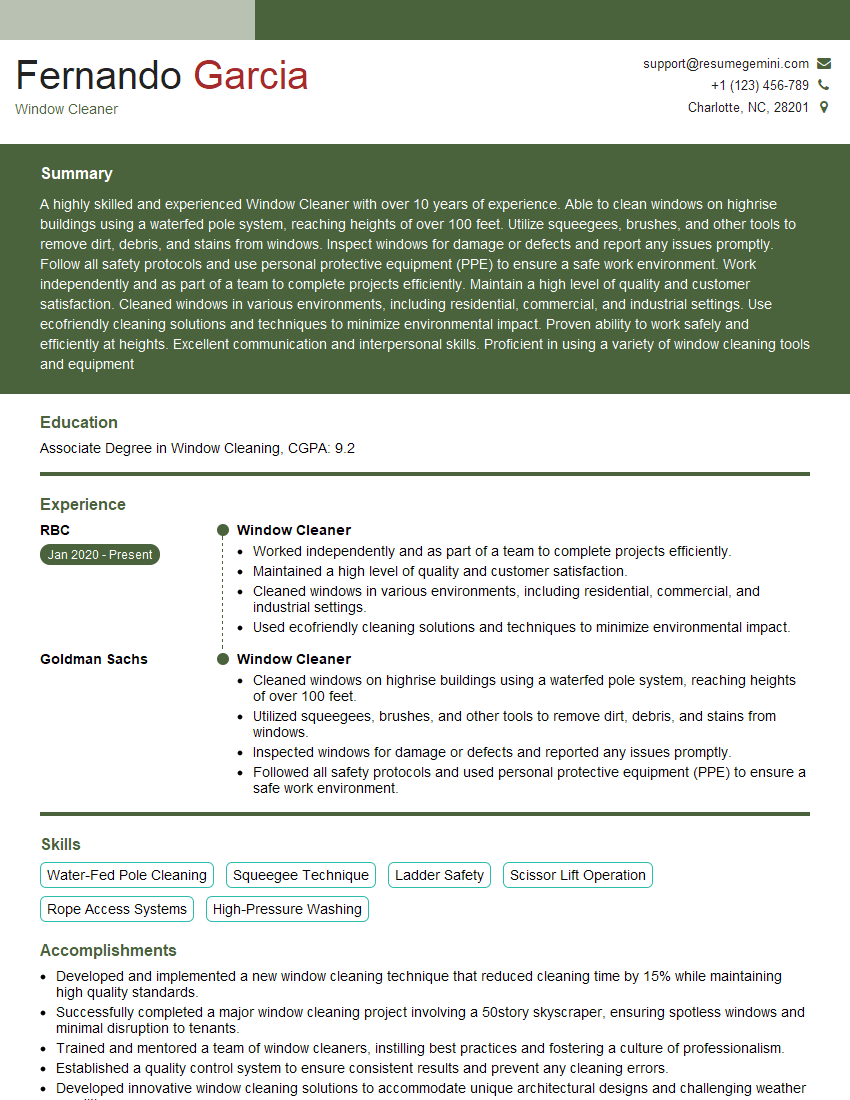
Window Cleaner Resume Sample
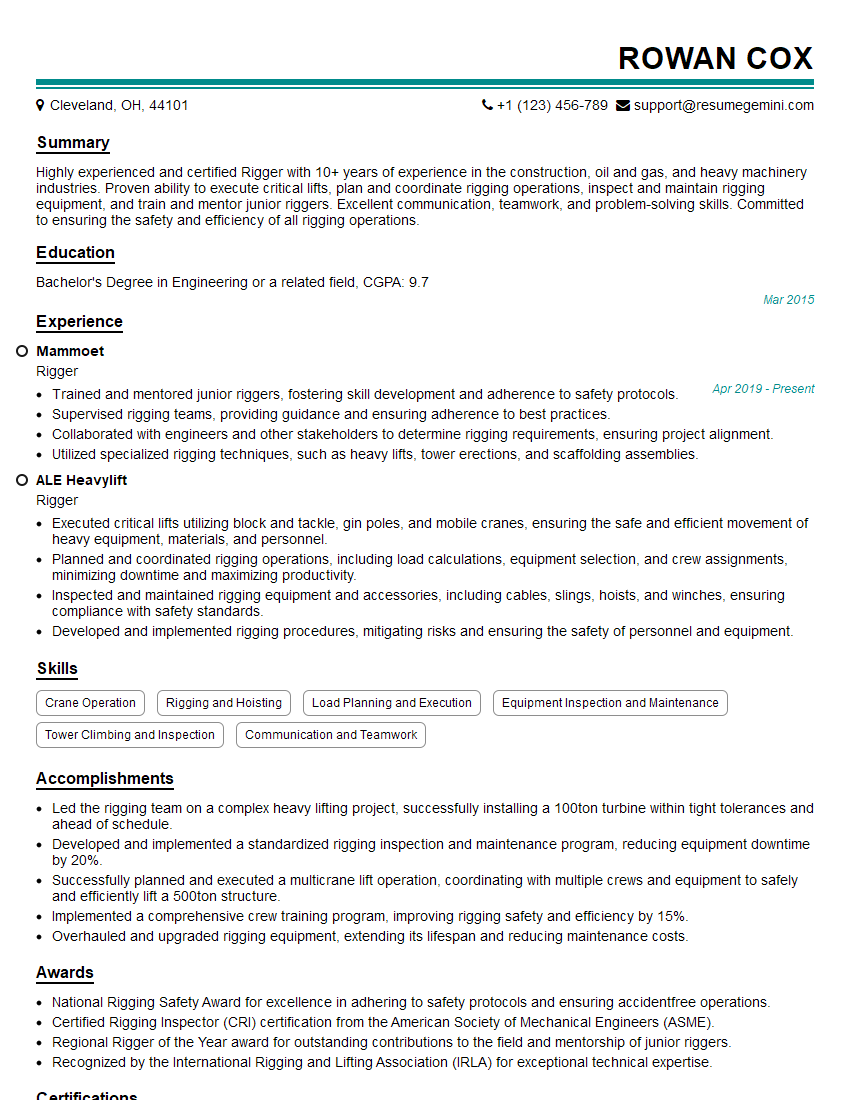
Rigger Resume Sample
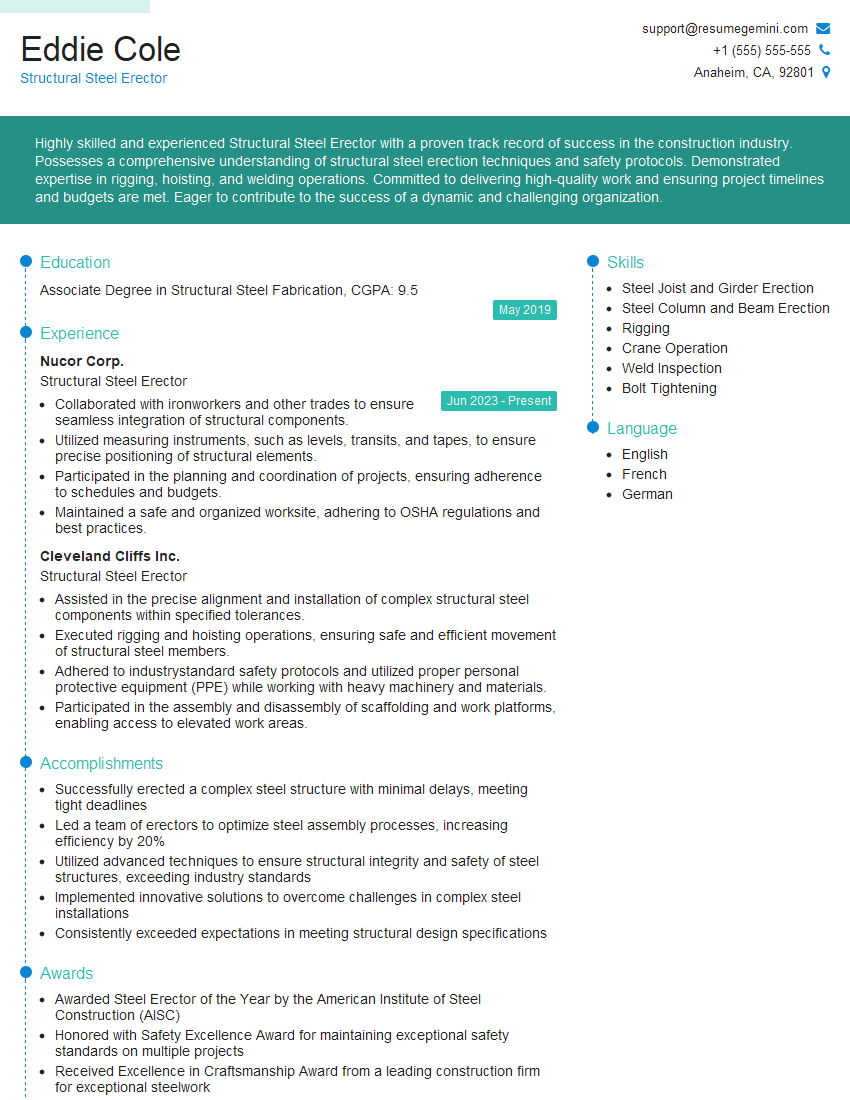
Structural Steel Erector Resume Sample
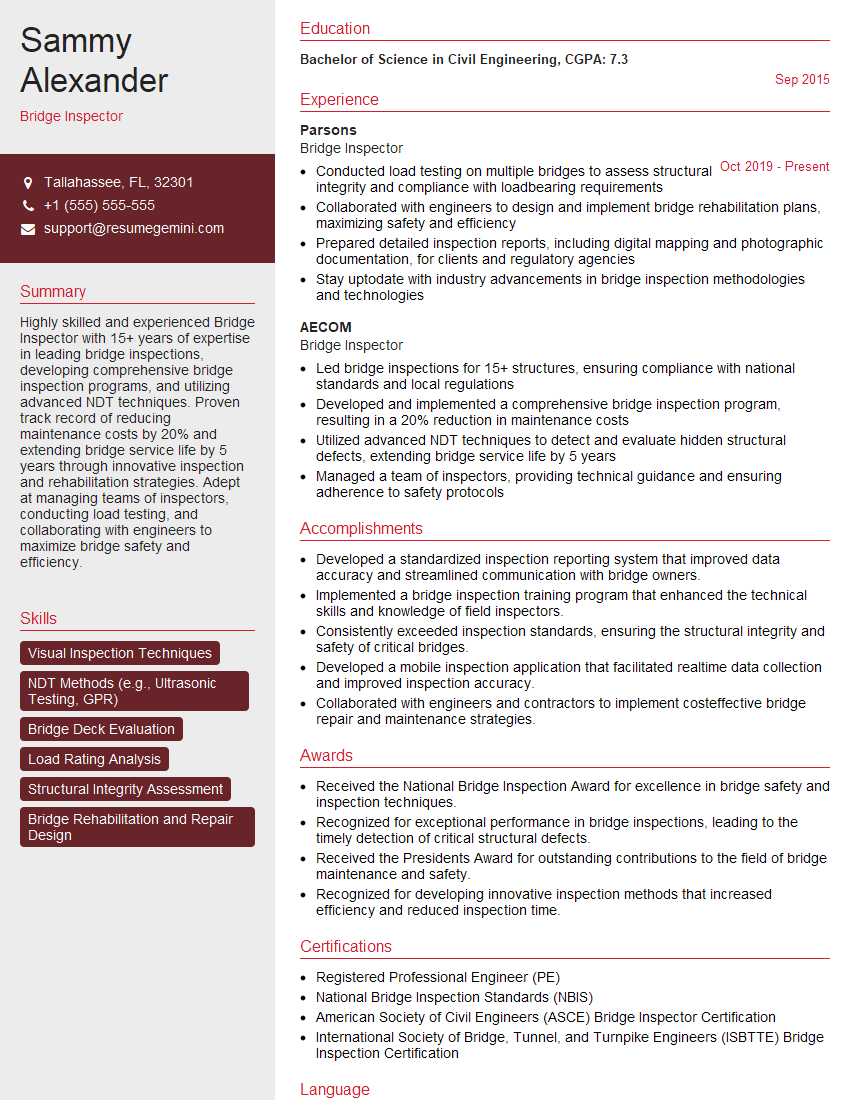
Bridge Inspector Resume Sample
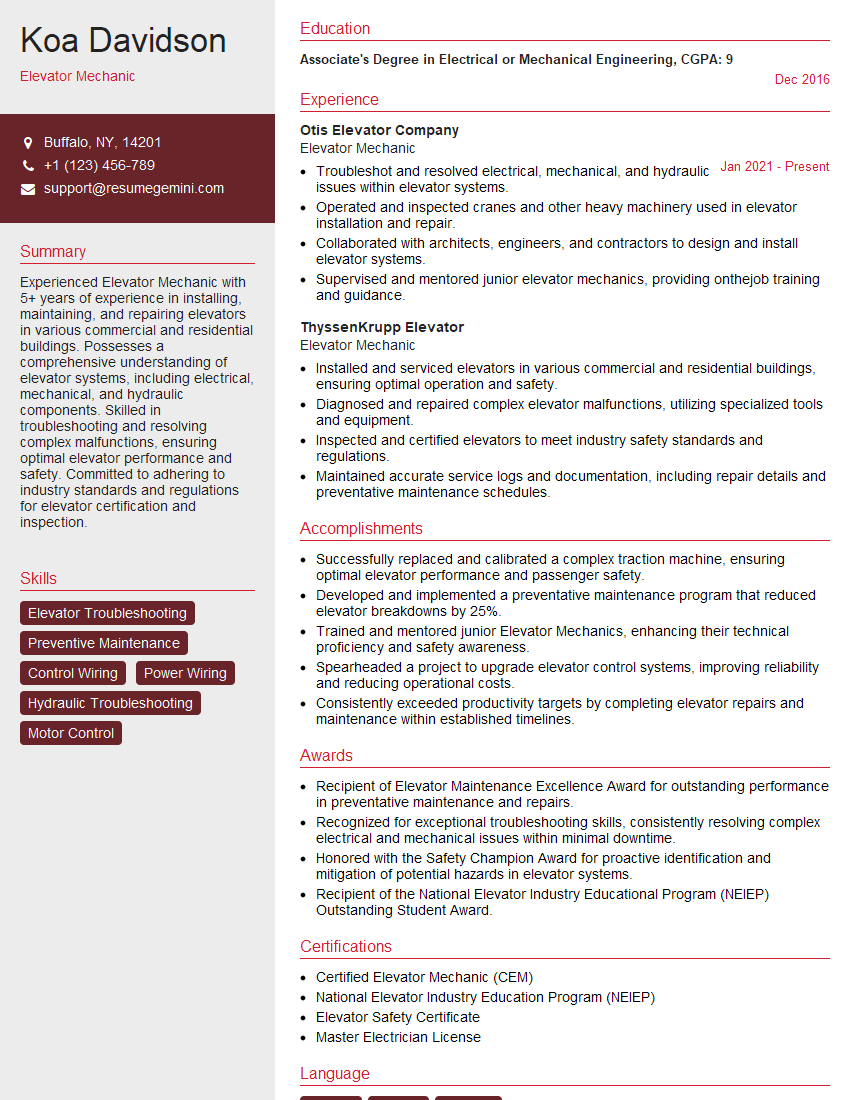
Elevator Mechanic Resume Sample
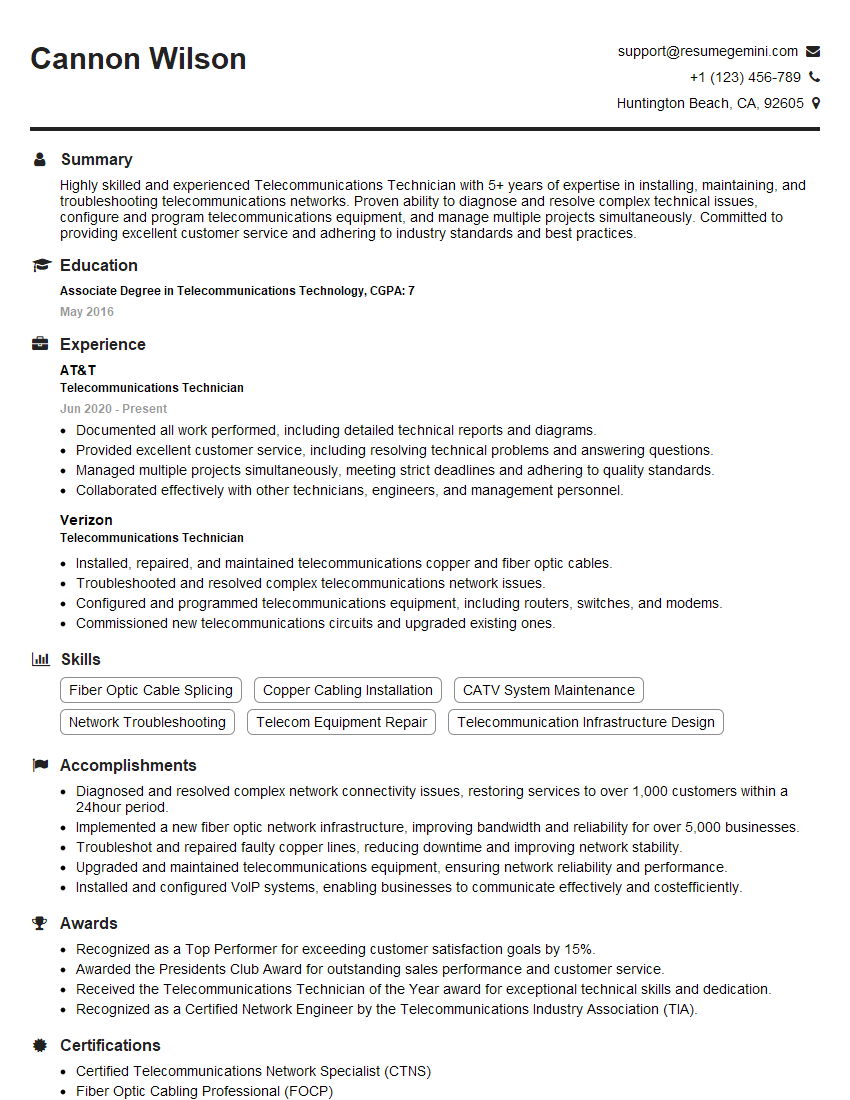
Telecommunications Technician Resume Sample
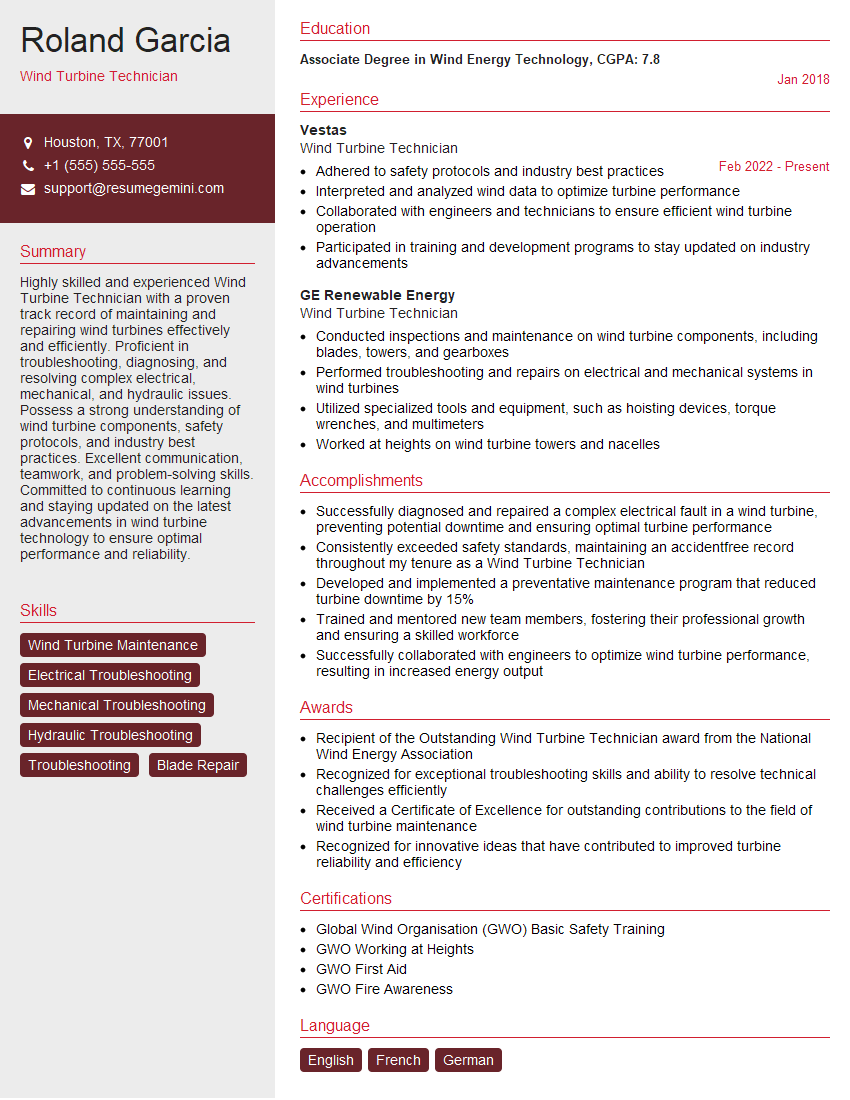
Wind Turbine Technician Resume Sample
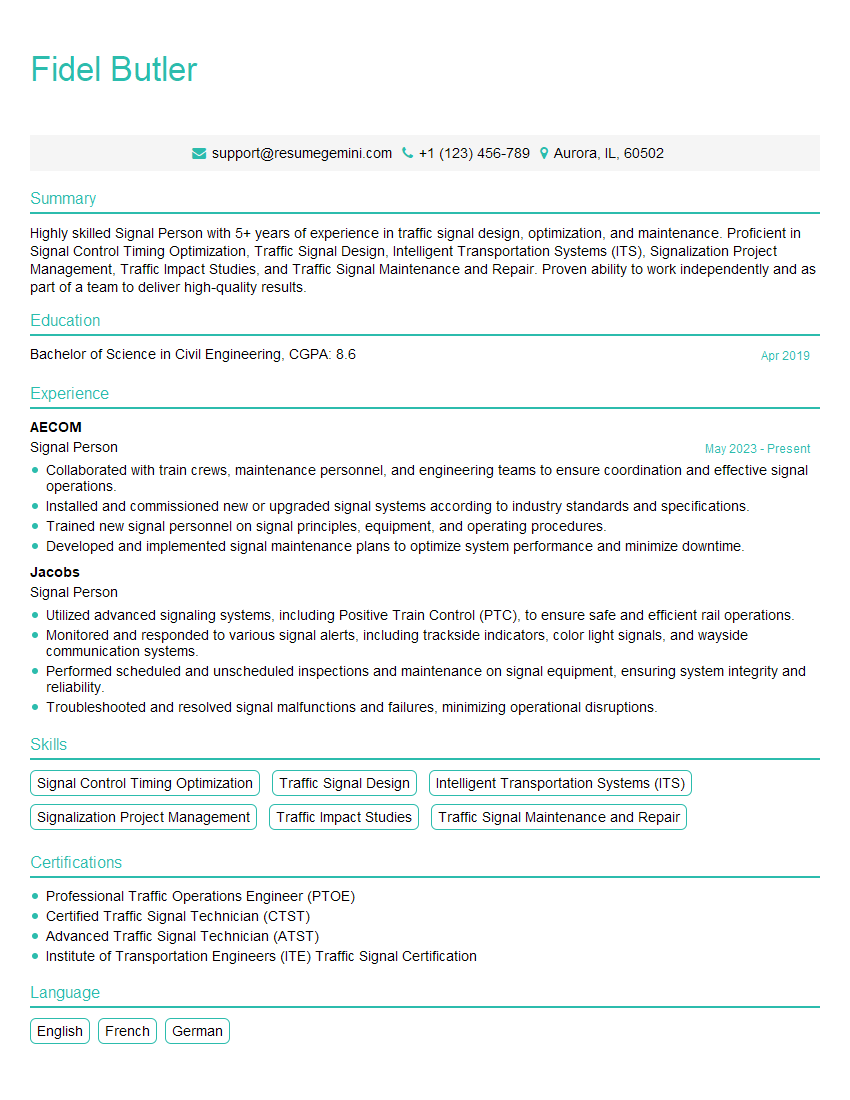
Signal Person Resume Sample

Tank Inspector Resume Sample
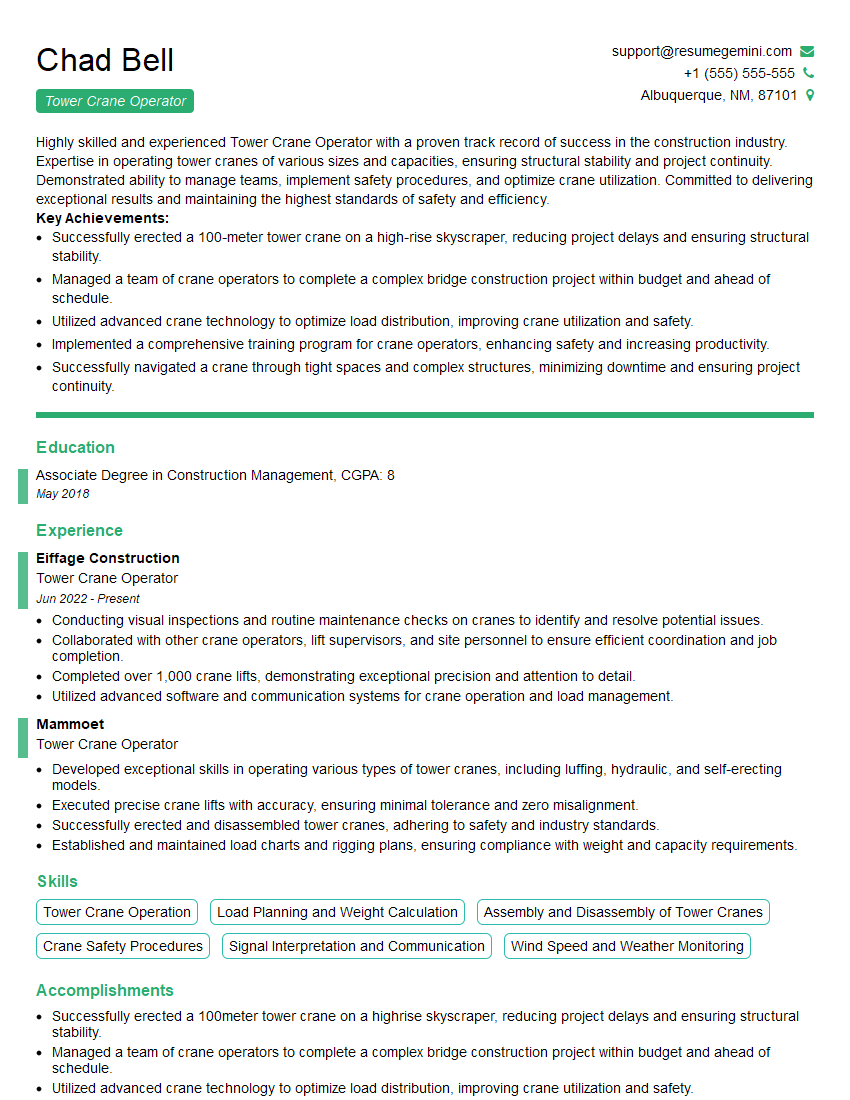
Tower Crane Operator Resume Sample
Explore more articles
Users Rating of Our Blogs
Share Your Experience
We value your feedback! Please rate our content and share your thoughts (optional).
What Readers Say About Our Blog
Very informative content, great job.
good