Interviews are opportunities to demonstrate your expertise, and this guide is here to help you shine. Explore the essential Commitment to Ethical and Fair Play interview questions that employers frequently ask, paired with strategies for crafting responses that set you apart from the competition.
Questions Asked in Commitment to Ethical and Fair Play Interview
Q 1. Describe a situation where you had to uphold ethical standards despite pressure to do otherwise.
Upholding ethical standards under pressure requires strong moral conviction and a clear understanding of ethical frameworks. It’s about prioritizing integrity over expediency or potential personal gain. In a previous role, I was tasked with presenting financial projections to secure a significant investment. My team, under pressure to meet aggressive targets, had subtly manipulated some data to paint a more optimistic picture. While this might have secured the funding in the short term, I knew it violated our ethical guidelines and could damage the company’s long-term reputation. I raised my concerns, presenting the accurate data and explaining the potential consequences of misrepresentation. It wasn’t easy; there was initial resistance, but ultimately, my colleagues agreed that transparency and ethical conduct were paramount. We revised the projections, and while we didn’t secure the investment at that time, we maintained our integrity, and in the long run, that proved to be a far more valuable asset.
Q 2. How would you handle a conflict of interest in a professional setting?
A conflict of interest arises when a person’s personal interests could potentially compromise their professional judgment or objectivity. The key to handling this is transparency and proactive avoidance. My approach involves:
- Disclosure: I would immediately disclose any potential conflict to my supervisor and relevant stakeholders, providing complete and accurate information regarding the nature of the conflict.
- Recusal: If a conflict cannot be avoided or mitigated, I would recuse myself from any decisions or activities where my personal interest could influence the outcome. This ensures impartiality and maintains the integrity of the process.
- Seeking Guidance: If unsure how to proceed, I would consult with ethical guidelines, legal counsel, or a trusted mentor to obtain advice and ensure compliance with relevant policies.
For example, if I had a personal investment in a company that was bidding on a contract with my employer, I would fully disclose this to my supervisor and either remove myself from the evaluation process or request a different assignment.
Q 3. What is your understanding of ‘fair play’ in a workplace context?
Fair play in a workplace context goes beyond simply adhering to rules; it’s about fostering an environment of respect, equality, and equitable opportunity. It means treating everyone with fairness and respect, regardless of their position, background, or beliefs. It includes:
- Equal opportunity: Providing everyone with equal chances for advancement and development.
- Transparent processes: Ensuring that decisions are made using clear, objective criteria and communicated openly.
- Respectful communication: Engaging in constructive dialogue and avoiding discriminatory or bullying behavior.
- Acknowledging contributions: Giving credit where it’s due and recognizing the achievements of others.
Think of it like a team sport: Fair play ensures that everyone has a chance to contribute and that the game is played by the rules, promoting a positive and productive environment for all involved.
Q 4. Have you ever reported unethical behavior? Explain the situation and your actions.
Yes, I have. In a previous role, I witnessed a colleague falsifying expense reports. After initially attempting to address the issue privately with the colleague, with no change, I documented the incidents and reported them to the appropriate authorities within the organization, following the company’s established whistleblower policy. This decision was not easy, as I was concerned about potential repercussions, but I believed that upholding ethical standards was more important than personal comfort. The organization conducted a thorough investigation, and appropriate actions were taken. The experience reinforced the importance of having a well-defined ethical code and a safe reporting mechanism in place.
Q 5. How do you ensure fairness in decision-making processes?
Ensuring fairness in decision-making processes involves creating a structured and objective approach. This involves:
- Establishing clear criteria: Defining the specific factors that will be considered when making a decision, ensuring transparency and consistency.
- Gathering diverse perspectives: Seeking input from various stakeholders and considering diverse viewpoints to avoid bias.
- Using objective data: Basing decisions on factual information and evidence rather than personal opinions or assumptions.
- Documenting the decision-making process: Maintaining a clear record of the rationale behind the decision, promoting accountability and transparency.
- Regularly reviewing processes: Assessing the fairness and effectiveness of decision-making processes and making adjustments as needed.
For instance, when evaluating candidates for a promotion, a well-defined rubric outlining the required skills and experience would prevent bias towards specific candidates.
Q 6. Describe a time you witnessed unethical conduct. How did you respond?
I once witnessed a manager making inappropriate comments about a subordinate’s personal life. I addressed this by speaking to the manager privately, expressing my concerns, and explaining why their behavior was unacceptable and against company policy. I emphasized the potential consequences for both the individual and the company. While I hoped for a change in behavior, I also made it clear that if the behavior continued, I would escalate the matter to higher management. In this case, the private conversation resulted in a positive change, but I was prepared to take further action if necessary.
Q 7. How do you balance ethical considerations with business objectives?
Balancing ethical considerations with business objectives is not a zero-sum game; it’s about finding synergistic solutions. Ethical conduct is not a constraint on business success; it’s a foundation for long-term sustainability and trust. Instead of viewing ethics as an impediment, we should integrate ethical considerations into every aspect of strategic planning and decision-making. For example, prioritizing sustainable practices might involve higher upfront costs, but it can lead to enhanced brand reputation, reduced long-term operational expenses, and increased investor confidence. It’s about considering the broader impact of decisions and selecting the options that align with both business goals and ethical principles. Short-term gains achieved unethically almost always lead to long-term losses.
Q 8. Explain your understanding of corporate social responsibility.
Corporate Social Responsibility (CSR) is a self-regulating business model that helps a company be socially accountable—to itself, its stakeholders, and the public. By practicing corporate social responsibility, companies can be conscious of the kind of impact they are having on all aspects of society, including economic, social, and environmental.
It’s about going beyond simply complying with the law and maximizing profits. It involves integrating social and environmental concerns into a company’s business operations and interactions with its stakeholders. This could include initiatives focused on environmental sustainability, ethical labor practices, community engagement, and promoting diversity and inclusion.
- Environmental Sustainability: Reducing carbon footprint, using renewable energy, and minimizing waste.
- Ethical Labor Practices: Fair wages, safe working conditions, and respect for human rights throughout the supply chain.
- Community Engagement: Supporting local communities through philanthropy, volunteering, and partnerships.
- Diversity and Inclusion: Creating a workplace that values and respects diverse perspectives and backgrounds.
A company demonstrating strong CSR builds trust with customers, attracts and retains talent, enhances its reputation, and ultimately contributes to a more sustainable and equitable society. Think of companies like Patagonia, known for their commitment to environmental sustainability, or Unilever, with its focus on sustainable living.
Q 9. What steps would you take to establish a culture of ethical conduct within a team?
Establishing a culture of ethical conduct requires a multi-faceted approach. It’s not a one-time event but an ongoing process that demands consistent reinforcement and adaptation.
- Lead by Example: Leaders must embody ethical behavior in every decision and action. Their commitment sets the tone for the entire team.
- Develop a Clear Code of Conduct: A comprehensive code of conduct should clearly outline ethical expectations, providing specific examples and outlining consequences for violations. It needs to be easily accessible and regularly reviewed.
- Ethics Training: Regular, engaging training sessions should be provided to all team members. These shouldn’t be dry lectures but interactive workshops exploring real-world scenarios and decision-making processes.
- Establish Reporting Mechanisms: Confidential reporting channels – such as anonymous hotlines or dedicated email addresses – should be available for reporting ethical concerns without fear of retribution.
- Open Communication and Feedback: Foster a culture where team members feel comfortable raising ethical questions and concerns without fear of reprisal. Regular feedback sessions provide opportunities to address issues proactively.
- Regular Audits and Reviews: Conduct periodic reviews of ethical practices and policies to ensure effectiveness and identify areas for improvement.
- Accountability: Ensure that those who violate the code of conduct face appropriate consequences. This demonstrates that ethical standards are taken seriously.
For example, in a previous role, we implemented an ethics training program that included interactive case studies, creating a more engaging and memorable experience compared to a simple lecture format. The program significantly improved employee awareness and understanding of our ethical expectations.
Q 10. How do you identify and mitigate potential ethical risks?
Identifying and mitigating ethical risks requires a proactive and systematic approach. It involves a combination of risk assessment, preventative measures, and monitoring.
- Risk Assessment: Regularly assess potential ethical risks within the organization. This could involve analyzing the industry, reviewing internal processes, and considering external factors such as regulatory changes or societal expectations.
- Develop Preventative Measures: Based on the risk assessment, implement preventative measures to mitigate identified risks. This might include creating new policies, enhancing training programs, or improving internal controls.
- Establish Monitoring Mechanisms: Monitor compliance with ethical standards through regular audits, employee feedback, and whistleblower reports. Early detection of potential issues allows for timely intervention.
- Develop Response Plans: Create detailed response plans for various ethical scenarios to ensure consistent and appropriate action when issues arise.
For instance, if a risk assessment reveals a high potential for bribery and corruption, preventative measures might involve implementing stricter gift acceptance policies, conducting regular anti-corruption training, and establishing independent audits.
Q 11. Describe a time you had to make a difficult ethical decision. What was your process?
In a previous role, I faced a situation where a team member was consistently missing deadlines, resulting in project delays and impacting the team’s performance. Initially, I considered addressing it informally, but after repeated incidents, it became clear a more formal approach was necessary.
My process involved:
- Gathering Information: I documented all instances of missed deadlines, including the impact on the project and the team.
- Seeking Clarification: I met with the team member privately to understand the reasons behind the consistent delays and to offer support if needed.
- Ethical Considerations: I carefully considered the fairness and potential consequences of various actions, balancing the need to address the performance issues with the need to maintain a positive and supportive work environment.
- Action Plan: Based on my findings, I developed an action plan that included setting clear expectations, establishing performance goals with deadlines, and providing ongoing support and mentorship.
- Follow-up and Monitoring: I monitored the team member’s progress closely, providing regular feedback and adjusting the plan as needed.
The situation highlighted the importance of balancing compassion and accountability. While addressing performance issues is crucial, it must be done in a way that supports the employee’s growth while upholding ethical standards and team productivity. The situation resulted in improved performance and underscored the importance of proactive communication and clear expectations.
Q 12. How do you stay informed about relevant ethical guidelines and regulations?
Staying informed about relevant ethical guidelines and regulations is crucial for maintaining ethical conduct. I utilize several strategies:
- Professional Organizations: I actively participate in professional organizations related to my field, attending conferences and webinars, and reading publications that discuss the latest developments in ethics and compliance.
- Regulatory Bodies: I regularly monitor the websites of relevant regulatory bodies such as [mention specific regulatory bodies relevant to your field] to stay updated on any changes to laws and regulations.
- Industry Publications and Journals: I subscribe to industry publications and journals that discuss ethical issues and best practices within my field.
- Online Resources: I utilize reputable online resources such as ethics centers and academic databases to access research and articles on ethical topics.
- Networking: I actively network with other professionals in my field to share information and discuss ethical dilemmas.
By utilizing these resources, I ensure that my understanding of ethical guidelines and regulations remains current and informed, enabling me to make sound ethical decisions.
Q 13. How would you handle a situation where a colleague is behaving unethically?
Handling a situation where a colleague is behaving unethically requires careful consideration and a measured response. The approach depends on the severity of the unethical behavior and the established reporting mechanisms.
- Informal Approach (for minor issues): If the issue is minor and can be addressed informally, I would first attempt to speak with the colleague privately, expressing my concerns and offering guidance. This approach prioritizes a collaborative solution.
- Formal Approach (for serious issues): For serious or repeated unethical behavior, I would follow the organization’s established reporting procedures, ensuring confidentiality and following established protocols. This could involve reporting the issue to a supervisor, HR department, or through an anonymous hotline.
- Documentation: In all cases, maintaining thorough documentation of the unethical behavior, including dates, times, and witnesses, is essential. This is crucial for supporting any formal complaint or investigation.
The key is to act responsibly, considering the potential impact on all parties involved, while maintaining integrity and upholding ethical standards.
Q 14. What is your approach to whistleblowing and protecting whistleblowers?
Whistleblowing is the act of reporting illegal or unethical activities within an organization. Protecting whistleblowers is crucial for fostering a culture of ethical behavior and accountability. My approach involves:
- Clear Policies: A strong whistleblower protection policy must be in place, guaranteeing anonymity and protection against retaliation. This policy should be clearly communicated to all employees.
- Confidential Reporting Channels: Multiple confidential reporting channels should be available, including anonymous hotlines, dedicated email addresses, and trusted individuals within the organization.
- Independent Investigations: All whistleblower reports should be investigated impartially and thoroughly by an independent body to avoid bias or conflicts of interest.
- Retaliation Prevention: Strict measures must be implemented to prevent retaliation against whistleblowers. This could include disciplinary action against those found to have retaliated.
- Support and Counseling: Whistleblowers should be provided with support and counseling to help them cope with the potential stress and challenges they may face. This may include access to legal advice or emotional support.
Protecting whistleblowers is not just a legal obligation; it’s a moral imperative. It creates a safe space for individuals to report wrongdoing, ultimately contributing to a more ethical and accountable organization.
Q 15. How do you define ‘integrity’ in a professional context?
In a professional context, integrity means consistently adhering to strong moral principles and values. It’s about being honest, trustworthy, and accountable in all your actions, even when no one is watching. It’s the foundation upon which trust is built, both internally within a team and externally with clients or stakeholders.
For example, maintaining integrity might involve refusing a bribe, admitting a mistake openly, or refusing to participate in unethical activities, even if it means personal inconvenience or potential professional setbacks. It’s about aligning your words and actions with your professed values and demonstrating unwavering commitment to ethical conduct.
Career Expert Tips:
- Ace those interviews! Prepare effectively by reviewing the Top 50 Most Common Interview Questions on ResumeGemini.
- Navigate your job search with confidence! Explore a wide range of Career Tips on ResumeGemini. Learn about common challenges and recommendations to overcome them.
- Craft the perfect resume! Master the Art of Resume Writing with ResumeGemini’s guide. Showcase your unique qualifications and achievements effectively.
- Don’t miss out on holiday savings! Build your dream resume with ResumeGemini’s ATS optimized templates.
Q 16. How do you ensure fairness and transparency in performance evaluations?
Ensuring fairness and transparency in performance evaluations requires a multi-faceted approach. First, clear, measurable, and achievable performance goals should be established upfront and communicated transparently to each employee. These goals should be directly tied to the overall organizational objectives.
- Standardized Evaluation Criteria: Use a standardized rubric or evaluation form to ensure consistent application of criteria across all employees. This minimizes subjective bias.
- Regular Feedback: Provide regular and constructive feedback throughout the evaluation period, not just at the end. This allows employees to address any performance gaps proactively.
- Multiple Data Points: Gather performance data from multiple sources, including self-evaluations, peer reviews, and manager observations, to create a more holistic and balanced assessment.
- Transparent Process: Clearly communicate the evaluation process, including the criteria, weighting of different factors, and appeals process.
- Calibration Meetings: Conduct calibration meetings among evaluators to ensure consistency in applying the criteria and to identify and address potential biases.
For instance, if we’re evaluating sales performance, we shouldn’t solely rely on sales figures. We should also consider factors like effort, client relationships, and adherence to company policies.
Q 17. How do you address biases in your decision-making?
Addressing biases in decision-making is crucial for ethical and fair practices. Biases are unconscious prejudices that affect our judgments. To mitigate them, we need a conscious and proactive approach:
- Self-Awareness: The first step is recognizing our own potential biases. This involves reflecting on our personal experiences, beliefs, and cultural background, and how they might unconsciously influence our decisions.
- Data-Driven Decisions: Rely on objective data and evidence as much as possible, rather than relying solely on gut feeling or intuition.
- Structured Decision-Making Process: Use a structured decision-making framework to ensure that all relevant factors are considered systematically and consistently.
- Diverse Perspectives: Seek diverse perspectives and involve individuals with different backgrounds and experiences in the decision-making process. This can help to highlight potential blind spots.
- Blind Review Processes: Where possible, anonymize applications or proposals to minimize the impact of factors like gender, race, or age.
For example, during a hiring process, I would ensure that resumes are reviewed without identifying information, focusing solely on qualifications and experience. I would also actively seek diverse candidates and ensure diverse representation on the interview panel.
Q 18. Describe a situation where you had to compromise to achieve a fair outcome.
In a previous role, a dispute arose between two teams over resource allocation. Both teams had legitimate needs, and a zero-sum approach would have severely hampered both projects. To achieve a fair outcome, I had to compromise. Instead of allocating resources based on seniority or perceived importance, I facilitated a negotiation process where each team presented their case, outlining their needs and potential impact on the overall project goals.
Through open communication and a collaborative approach, we found a solution where each team received a portion of the resources they needed, although not the full amount initially requested. This involved re-prioritizing tasks and finding efficiencies within both projects. The compromise wasn’t ideal for either side, but it led to a fairer and more sustainable outcome than forcing a winner-takes-all scenario.
Q 19. What are some common ethical dilemmas faced in your field?
Ethical dilemmas are common in many professional fields. In my area of expertise, some common ethical dilemmas include:
- Conflicts of Interest: Situations where personal interests clash with professional obligations, such as accepting gifts from vendors or having a financial stake in a competing company.
- Data Privacy and Security: Balancing the need for data-driven decision-making with the ethical responsibility to protect sensitive information.
- Whistle-blowing: Deciding whether to report unethical conduct within an organization, weighing the potential personal risks against the importance of upholding ethical standards.
- Intellectual Property: Ensuring proper attribution and avoiding plagiarism or unauthorized use of intellectual property.
- Transparency and Accountability: Maintaining transparency in decision-making and being accountable for the consequences of actions.
These dilemmas require careful consideration of relevant ethical frameworks, professional codes of conduct, and legal regulations.
Q 20. How do you ensure compliance with relevant laws and regulations?
Ensuring compliance with relevant laws and regulations is paramount. This involves a proactive approach that encompasses:
- Regular Training: Providing regular training to employees on relevant laws, regulations, and internal policies related to ethical conduct and compliance.
- Policy Development and Review: Developing and regularly reviewing internal policies and procedures to ensure alignment with current legal requirements.
- Risk Assessment: Conducting regular risk assessments to identify potential compliance vulnerabilities.
- Internal Audits: Performing internal audits to monitor compliance with laws, regulations, and internal policies.
- Reporting Mechanisms: Establishing clear and accessible mechanisms for reporting potential compliance violations without fear of retaliation.
- Staying Informed: Staying current on changes in relevant laws and regulations through professional development, industry publications, and legal counsel.
Compliance is not simply a box-ticking exercise; it is an integral part of fostering a culture of ethical conduct within an organization.
Q 21. How would you approach investigating an allegation of unethical conduct?
Investigating an allegation of unethical conduct requires a fair, impartial, and thorough approach. The process should be:
- Confidential Reporting: Establishing a confidential and secure mechanism for reporting allegations without fear of reprisal.
- Preliminary Assessment: Conducting a preliminary assessment to determine the validity and seriousness of the allegation.
- Objective Investigation: Conducting a thorough and objective investigation, gathering evidence from various sources, including interviews with witnesses and relevant documentation.
- Due Process: Ensuring due process for the individual accused, allowing them to present their side of the story and challenge the evidence against them.
- Documentation: Maintaining meticulous documentation of all aspects of the investigation.
- Impartial Decision: Reaching a decision based on the evidence and applying relevant policies and legal frameworks.
- Follow-up: Implementing appropriate remedial actions based on the findings of the investigation, including disciplinary measures or other corrective actions.
The entire process should be guided by principles of fairness, transparency, and confidentiality, ensuring that all parties involved are treated with respect and dignity.
Q 22. Describe a time you had to make a decision that had ethical implications for others.
Ethical decision-making often involves balancing competing interests. In my previous role, our team was developing a new software feature that, while technically feasible and potentially very profitable, could also be misused for discriminatory purposes. This presented a significant ethical dilemma.
We had a robust internal debate. Some advocated for launching the feature, emphasizing the potential financial gains and arguing that the company couldn’t be held responsible for how users might misuse it. Others, including myself, argued that the potential for harm outweighed the potential profits. We ultimately decided against launching the feature in its original form. Instead, we implemented robust safeguards and built in checks to mitigate the risk of discriminatory use before releasing a modified version. This involved incorporating bias detection algorithms and user reporting mechanisms. This decision, while potentially impacting short-term profits, prioritized ethical considerations and protected vulnerable users.
Q 23. What is your understanding of due process and fair treatment?
Due process and fair treatment are fundamental principles of justice ensuring everyone is treated equitably and has a chance to be heard. Due process emphasizes procedural fairness – a structured and impartial process for addressing grievances or making decisions that affect individuals. Fair treatment focuses on the substantive outcome, ensuring that the decision is just and equitable. Think of it like this: due process is the *how*, and fair treatment is the *what*.
In a workplace context, due process might involve a formal disciplinary process with clear steps, the right to representation, and an opportunity to present your case. Fair treatment ensures that the outcome is proportional to the offense and does not discriminate against any individual or group. For example, a company investigating allegations of misconduct must follow a clear procedure, offering the accused employee a chance to respond to the allegations before making a decision. Ignoring due process risks legal issues and damages employee morale and trust.
Q 24. How do you ensure data privacy and confidentiality in your work?
Data privacy and confidentiality are paramount. My approach involves a multi-layered strategy focused on prevention, protection, and adherence to relevant regulations such as GDPR or CCPA.
- Prevention: This begins with minimizing data collection to only what’s absolutely necessary. We employ data minimization principles, collecting only the data required for specific purposes.
- Protection: Robust security measures such as encryption, access controls, and regular security audits are essential. Data is stored securely, with access strictly limited to authorized personnel on a need-to-know basis. We also regularly update our security protocols and software to address vulnerabilities.
- Adherence: We ensure strict compliance with all relevant data protection laws and regulations. This includes providing individuals with transparency around data collection, use, and their rights. We maintain detailed records of all data processing activities.
For example, if working with sensitive personal data, I would never store it unencrypted, and I’d always obtain explicit consent before collecting or using it.
Q 25. How do you promote a culture of respect and inclusivity?
Promoting a culture of respect and inclusivity is a continuous effort, not a one-time initiative. It requires a holistic approach that addresses both individual behaviors and systemic issues.
- Leading by example: I always demonstrate respect and inclusivity in my interactions with others, regardless of their background or viewpoints.
- Clear communication: We establish clear guidelines and expectations related to respectful conduct and zero tolerance for discrimination or harassment. This is communicated regularly through training and company-wide communication.
- Diversity and inclusion initiatives: Implementing programs and initiatives focused on diversity and inclusion, such as employee resource groups, mentorship programs, and unconscious bias training.
- Feedback mechanisms: Establishing safe and anonymous channels for employees to report incidents or express concerns related to inclusivity and respect.
For example, I actively participate in diversity training and encourage open dialogue about issues of diversity and inclusion in team meetings.
Q 26. How would you address a situation of workplace bullying or harassment?
Workplace bullying or harassment is unacceptable. My approach would be swift, decisive, and consistent with company policy and legal requirements.
- Immediate action: If I witness or am made aware of an incident, I would immediately intervene to ensure the safety of the victim. This might involve separating individuals involved.
- Formal reporting: The incident would be reported to the appropriate authority within the organization, such as HR or a designated ethics officer, adhering strictly to company protocols.
- Investigation: A thorough and impartial investigation is critical to establish the facts. This might involve interviewing witnesses and gathering evidence.
- Disciplinary action: Appropriate disciplinary action, up to and including termination, would be taken against the perpetrator in line with company policies and legal requirements.
- Support for the victim: The victim would be provided with support and resources, such as counseling or legal assistance.
Transparency and fairness are crucial during the entire process to maintain trust and prevent further incidents.
Q 27. Describe a time you had to advocate for ethical practices against resistance.
In a past project, a shortcut was proposed that would save time and resources but potentially compromise data security. While the team initially favored the shortcut due to time pressure, I argued that compromising security was unacceptable. My arguments were initially met with resistance, primarily due to the tight deadline.
My strategy was to present a well-researched case. I highlighted the potential risks, including legal liabilities and reputational damage, and presented alternative solutions that would address the time constraints without compromising security. I also emphasized the long-term consequences of cutting corners, using data on similar security breaches and their costly repercussions. Through persistent and reasoned advocacy, I was able to convince the team to adopt a more secure approach, even if it meant a slightly delayed project launch. The successful completion of the project without security incidents validated my stance.
Q 28. How do you promote accountability for ethical behavior within a team?
Promoting accountability for ethical behavior requires a combination of clear expectations, consistent enforcement, and a supportive environment.
- Clear code of conduct: A well-defined code of conduct clearly outlining ethical expectations and consequences of non-compliance is vital.
- Regular training: Regular training sessions reinforce ethical standards and provide practical examples of how to apply them in various situations.
- Open communication: Creating a culture of open communication where employees feel comfortable reporting ethical concerns without fear of reprisal is crucial.
- Accountability mechanisms: Establishing reporting mechanisms and processes for handling ethical violations, ensuring impartial investigations and fair consequences for any breach of ethics.
- Recognition and reward: Recognizing and rewarding ethical behavior promotes positive reinforcement and encourages ethical conduct among team members.
For example, regular team meetings might include discussions on ethical dilemmas and best practices, reinforcing the importance of ethical behavior.
Key Topics to Learn for Commitment to Ethical and Fair Play Interview
- Defining Ethical Conduct: Understanding different ethical frameworks and their application in professional settings. Consider exploring concepts like utilitarianism, deontology, and virtue ethics.
- Fairness and Impartiality: Analyzing situations requiring unbiased decision-making and identifying potential biases that could compromise fairness. Practice evaluating scenarios with conflicting interests.
- Transparency and Accountability: Exploring the importance of open communication, clear documentation, and taking responsibility for actions and decisions, even when mistakes are made.
- Conflict Resolution and Negotiation: Developing strategies for addressing ethical dilemmas and navigating disagreements constructively, focusing on finding mutually acceptable solutions.
- Whistleblowing and Reporting Mechanisms: Understanding the processes for reporting unethical behavior within an organization and the potential consequences and protections involved.
- Data Privacy and Security: Exploring ethical considerations related to the responsible handling of sensitive information and adhering to relevant regulations and policies.
- Intellectual Property and Copyright: Understanding the importance of respecting intellectual property rights and avoiding plagiarism or unauthorized use of materials.
- Practical Application: Prepare real-life examples demonstrating your commitment to ethical and fair play in past experiences. Focus on showcasing your decision-making process and the positive outcomes.
Next Steps
Mastering Commitment to Ethical and Fair Play is crucial for career advancement. Employers highly value individuals who demonstrate integrity and a strong moral compass. To significantly improve your job prospects, create an ATS-friendly resume that effectively showcases these skills. ResumeGemini is a trusted resource that can help you build a professional and impactful resume, highlighting your commitment to ethical and fair play. Examples of resumes tailored to this area are available to help you get started.
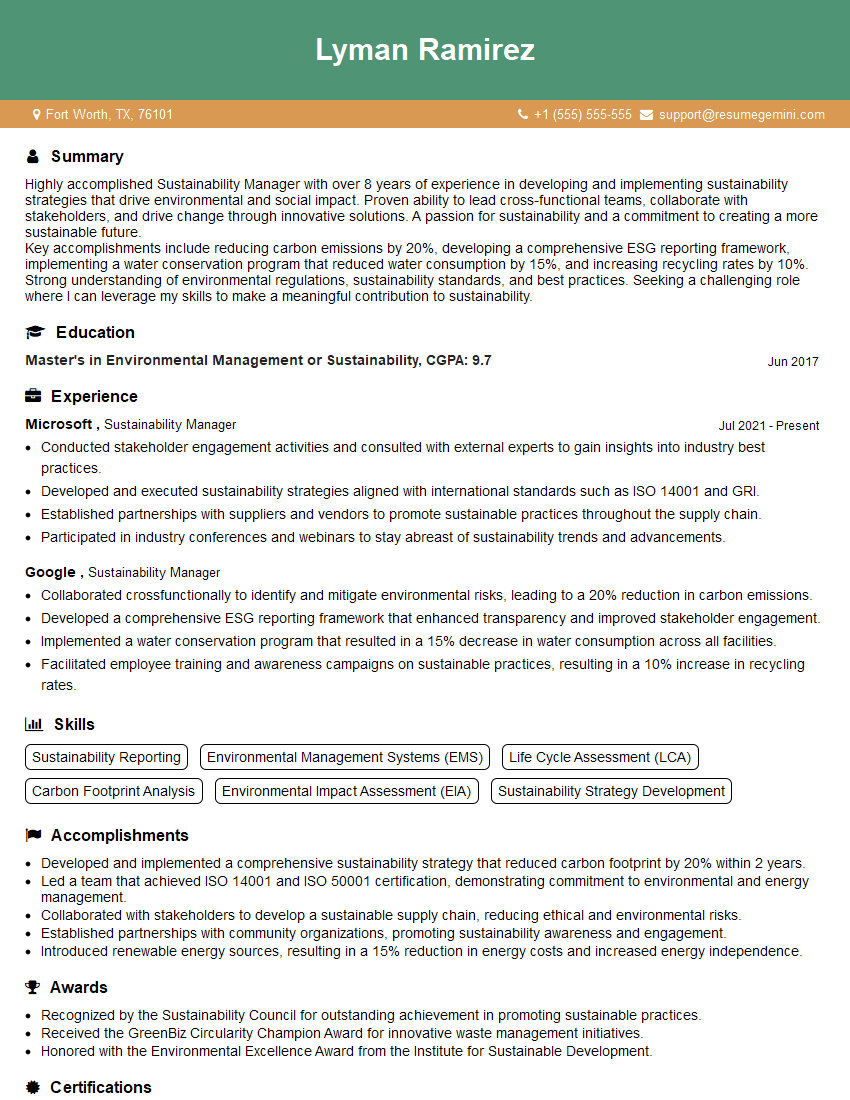
Sustainability Manager Resume Sample
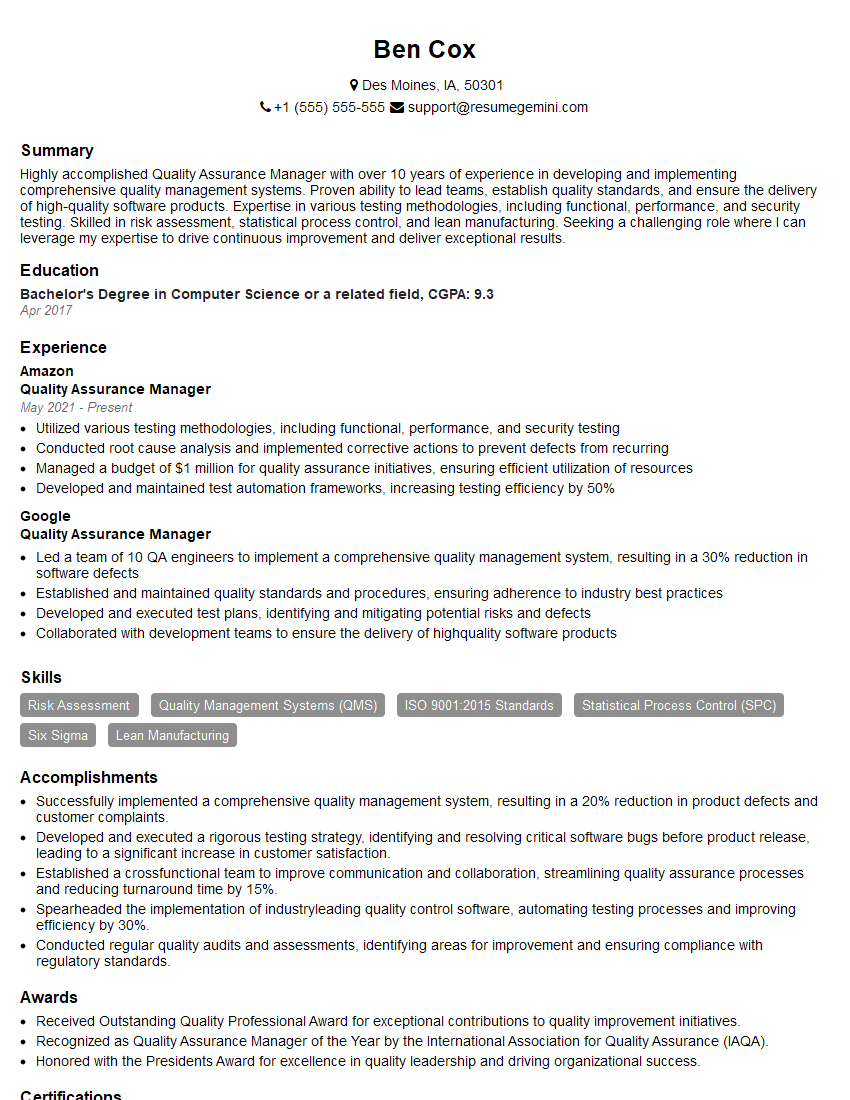
Quality Assurance Manager Resume Sample
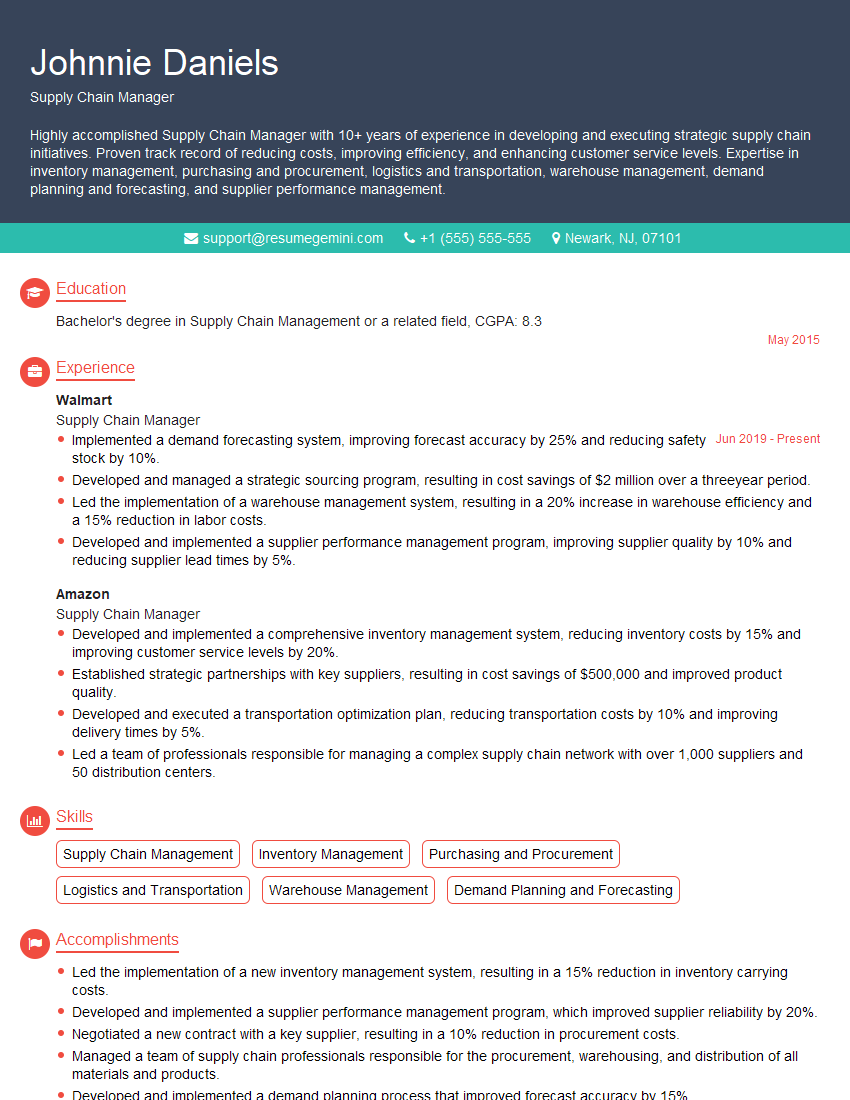
Supply Chain Manager Resume Sample
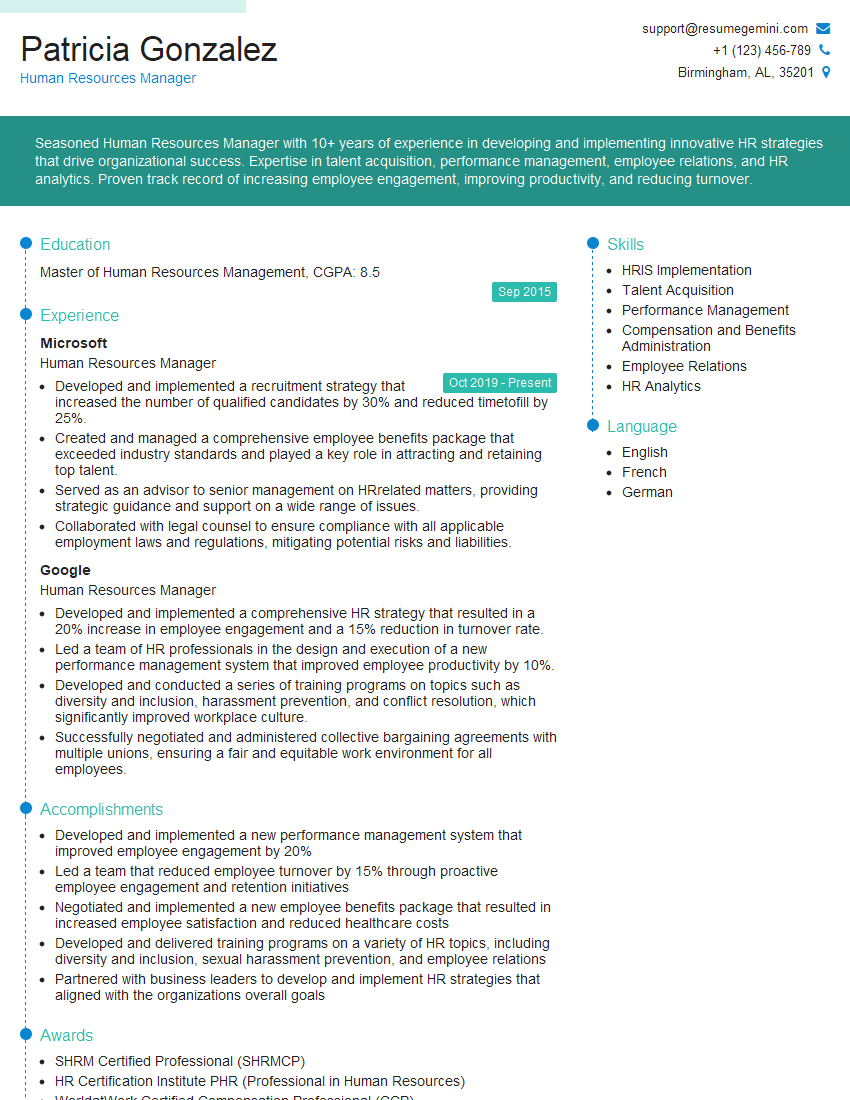
Human Resources Manager Resume Sample
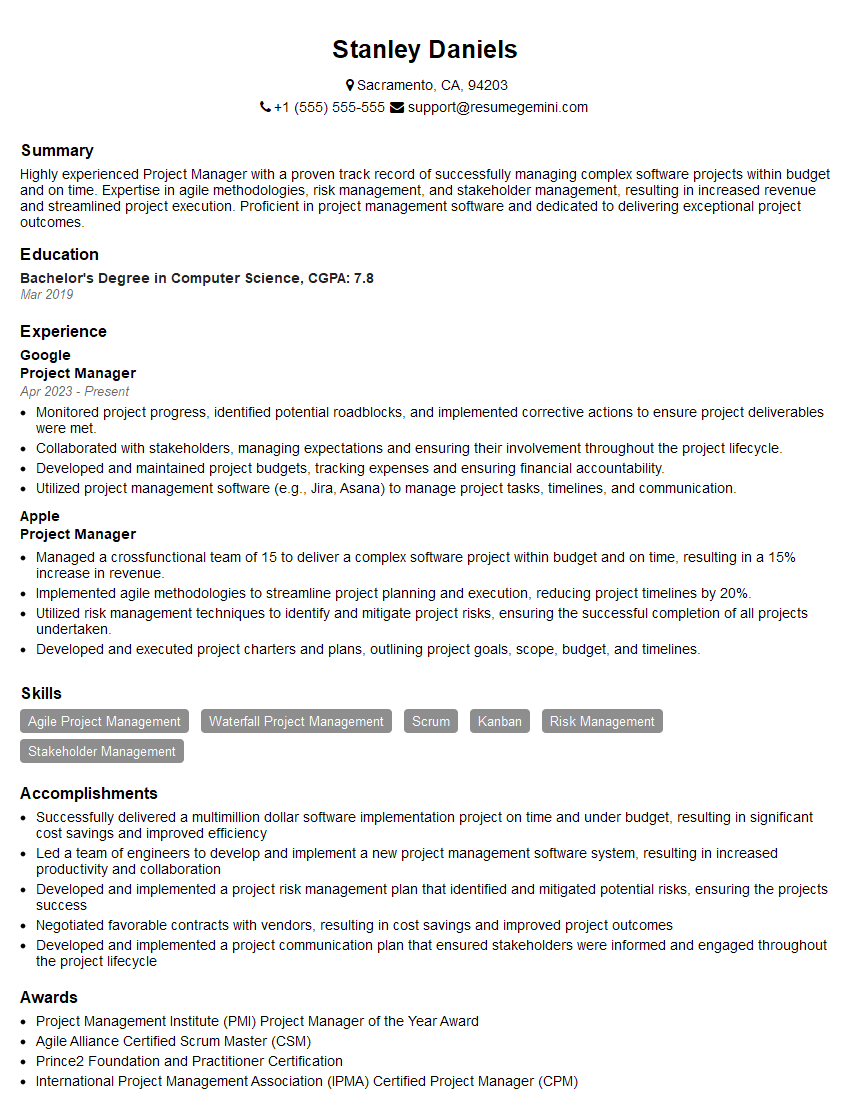
Project Manager Resume Sample
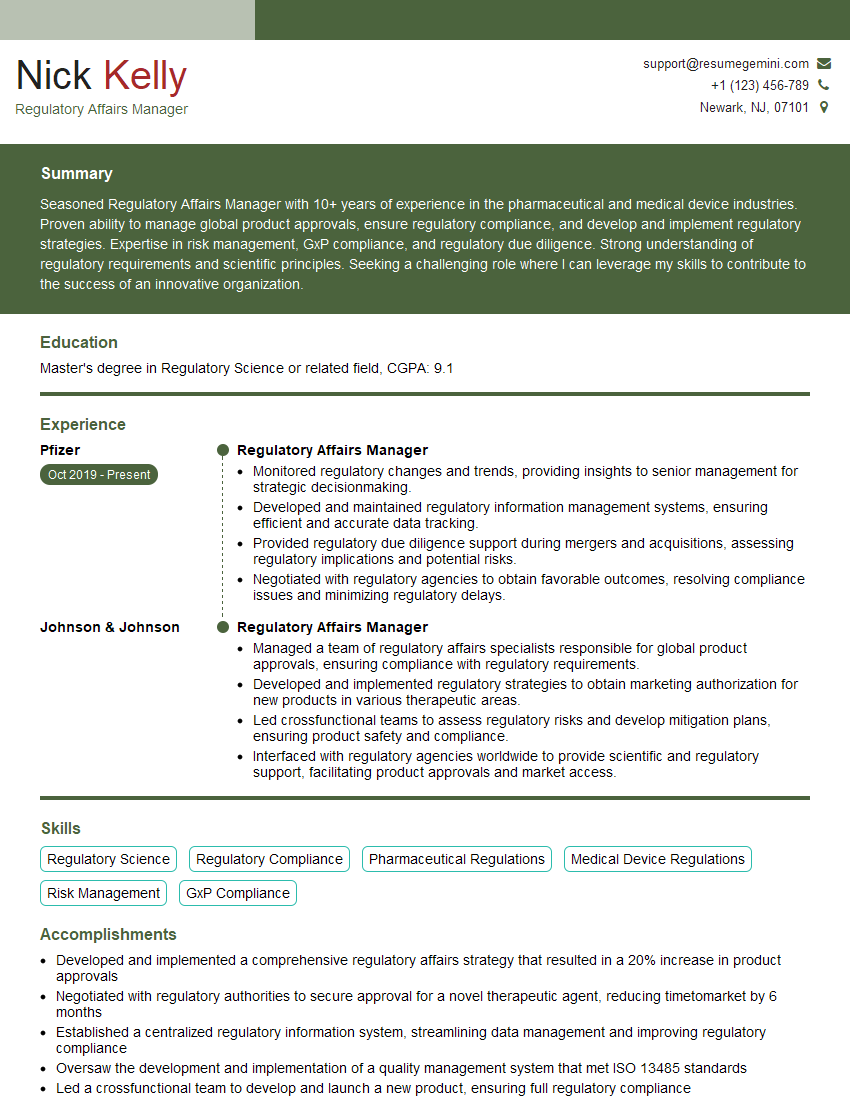
Regulatory Affairs Manager Resume Sample
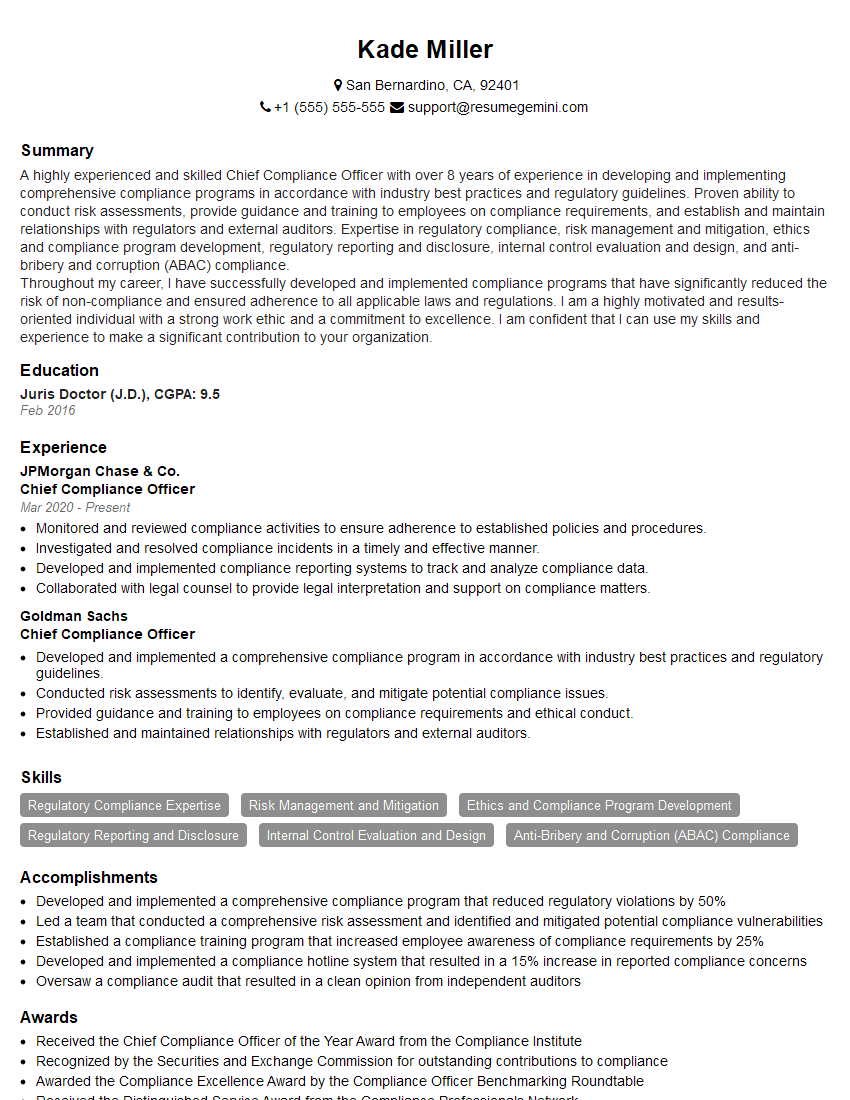
Chief Compliance Officer Resume Sample

Compliance Officer Resume Sample
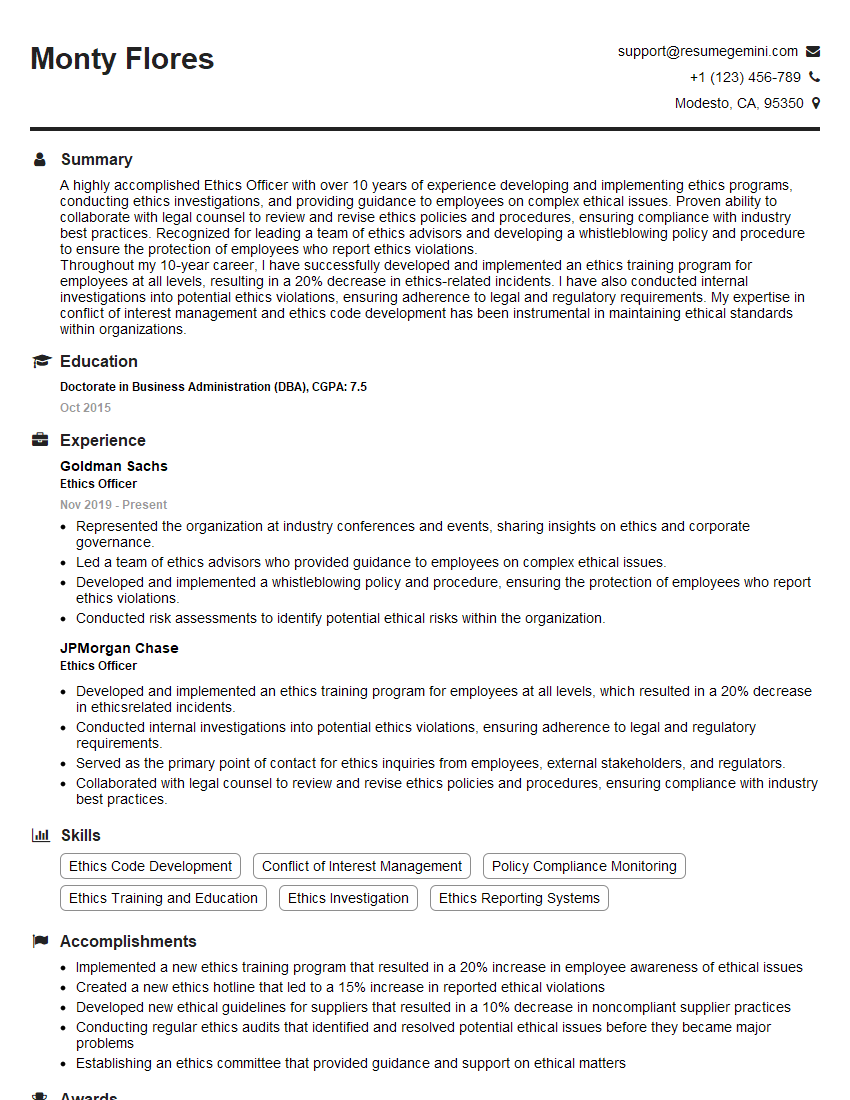
Ethics Officer Resume Sample
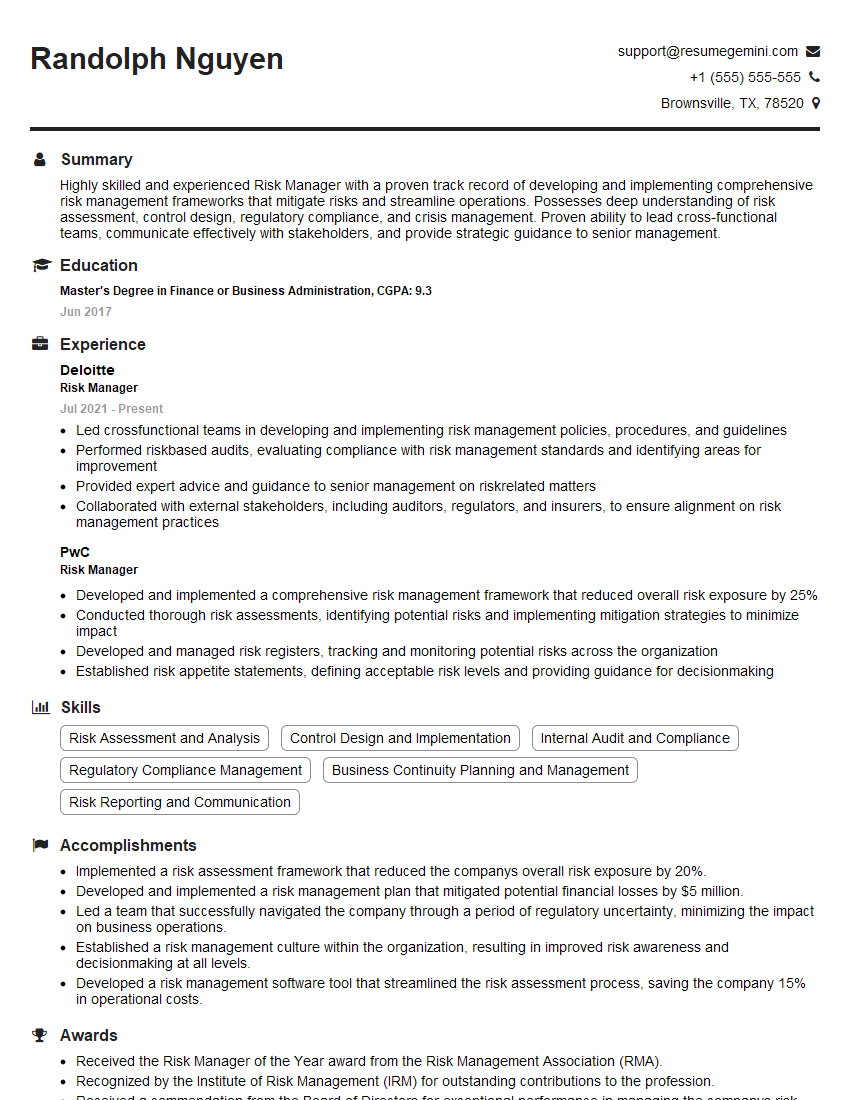
Risk Manager Resume Sample
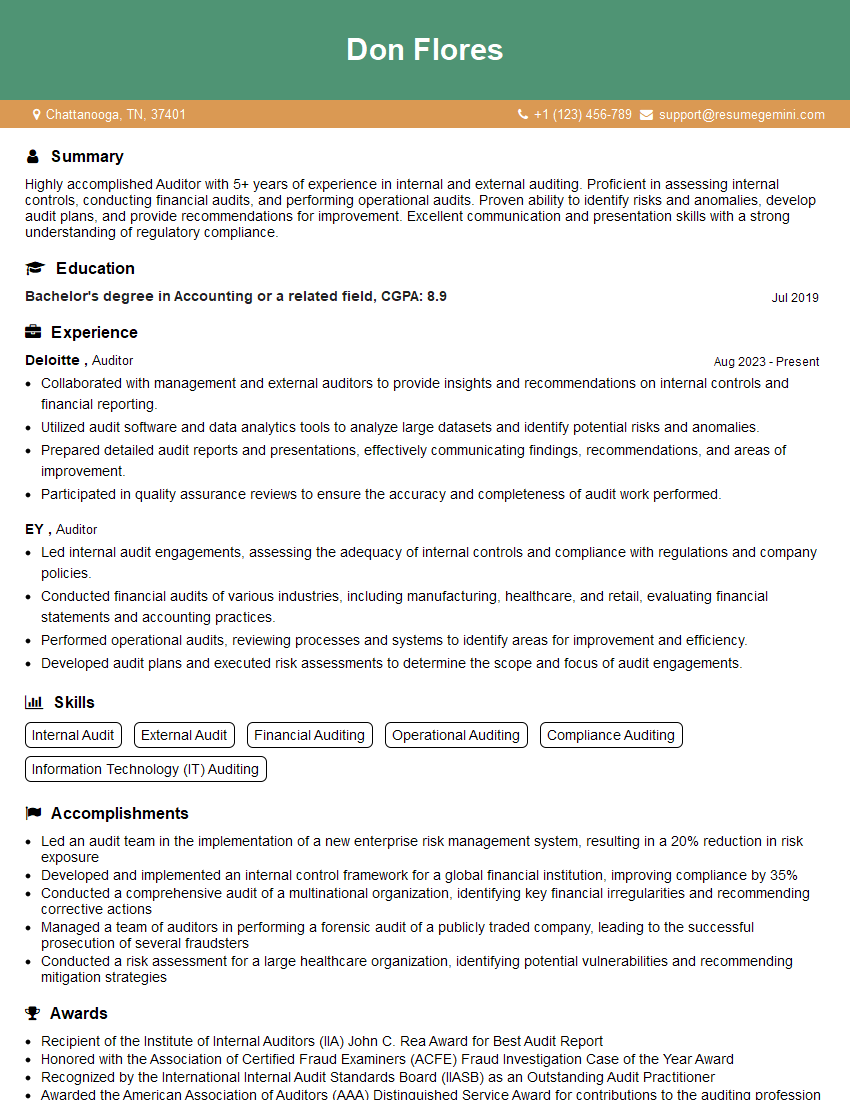
Auditor Resume Sample
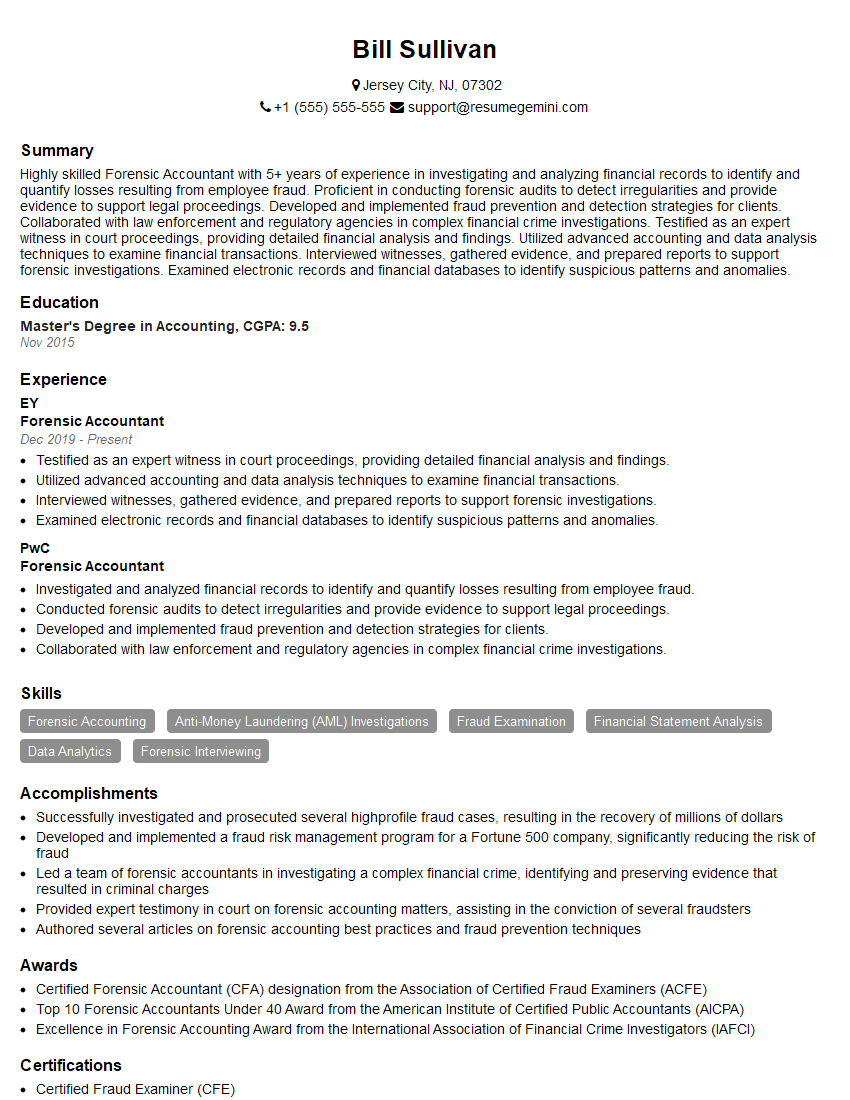
Forensic Accountant Resume Sample
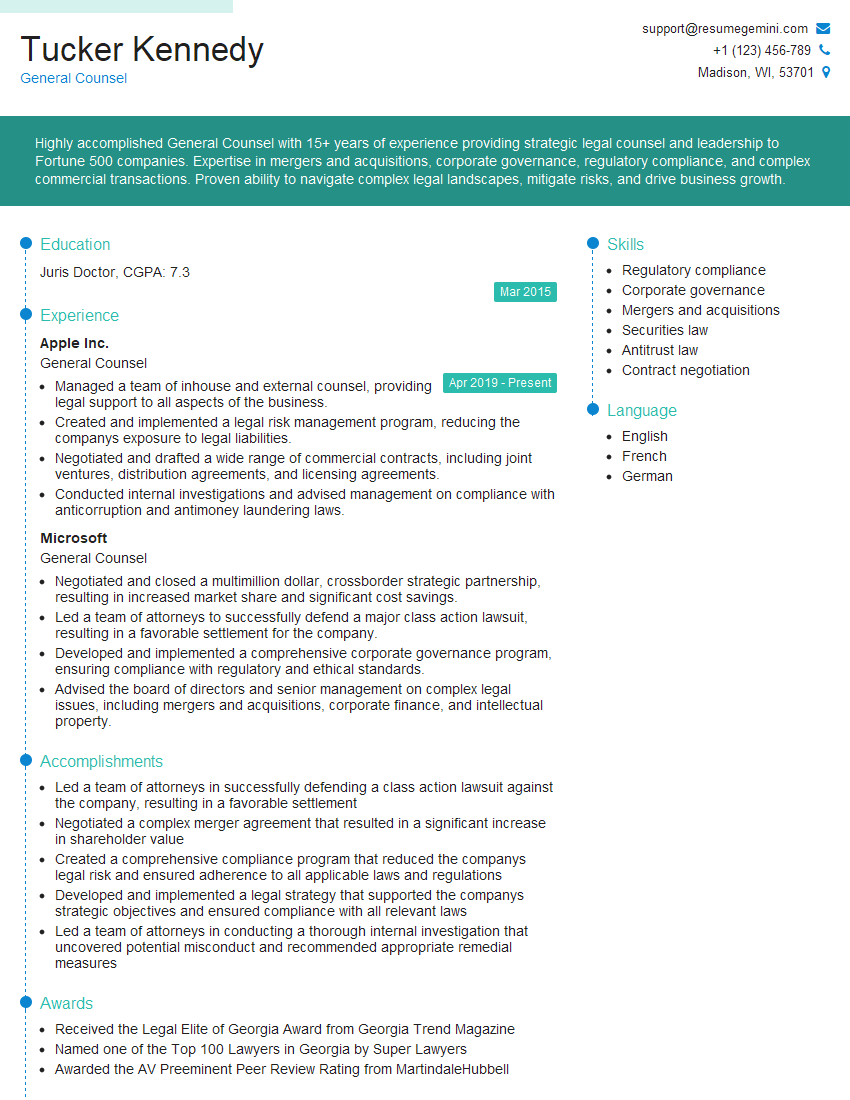
General Counsel Resume Sample
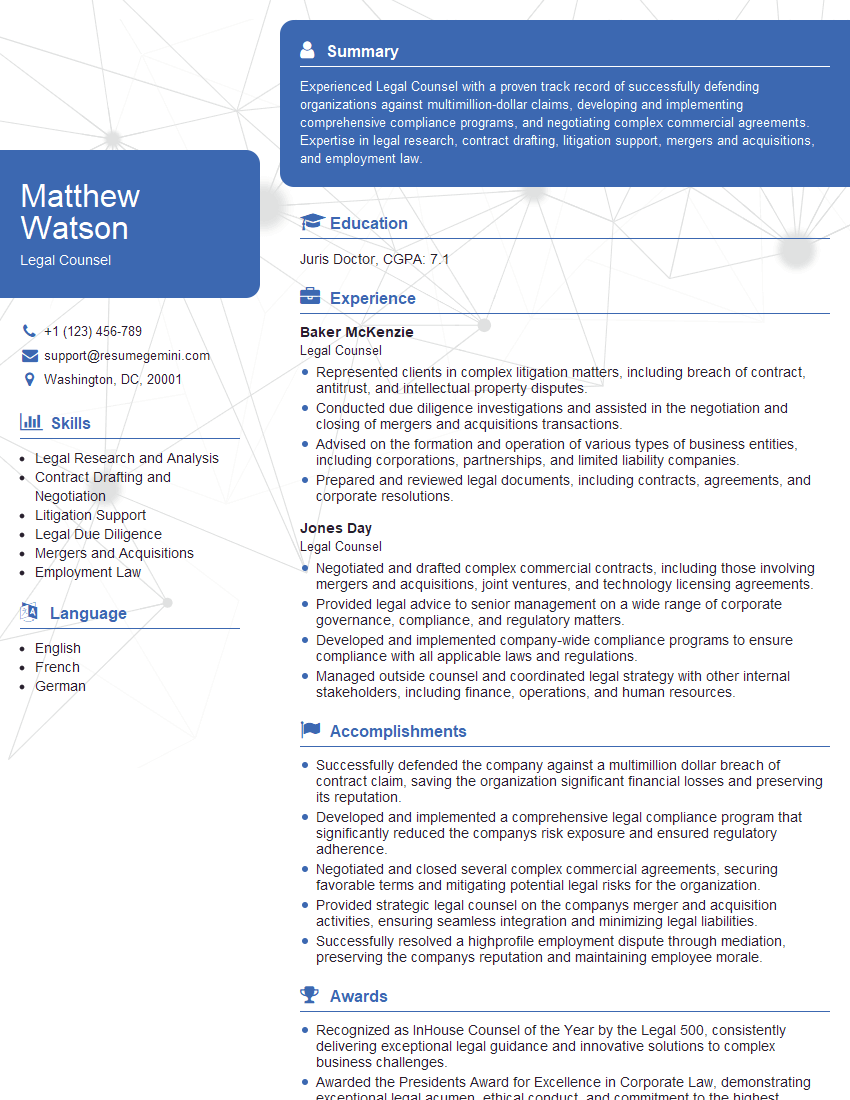
Legal Counsel Resume Sample
Explore more articles
Users Rating of Our Blogs
Share Your Experience
We value your feedback! Please rate our content and share your thoughts (optional).
What Readers Say About Our Blog
Very informative content, great job.
good