The right preparation can turn an interview into an opportunity to showcase your expertise. This guide to Communicating with Parents interview questions is your ultimate resource, providing key insights and tips to help you ace your responses and stand out as a top candidate.
Questions Asked in Communicating with Parents Interview
Q 1. Describe your preferred method for communicating important information to parents.
My preferred method for communicating important information to parents is a multi-faceted approach that prioritizes clarity, accessibility, and timeliness. I believe in using a combination of methods to reach all parents effectively.
Regular Newsletters/Email Updates: These provide general updates on school events, important dates, and policy changes. For example, a newsletter might announce upcoming parent-teacher conferences or highlight a new school initiative.
Targeted Emails/Phone Calls: For individual concerns or urgent matters, I use direct email or phone calls to ensure immediate attention. For instance, if a child is struggling academically, I would directly contact the parents to discuss intervention strategies.
Parent-Teacher Conferences: These scheduled meetings offer a dedicated space for in-depth discussions about a student’s progress and any challenges they are facing. I always prepare an agenda in advance and provide parents with any relevant documentation.
Parent Portal/Online Communication Platforms: I utilize online platforms to share documents, assignments, and announcements. This allows parents to easily access information 24/7, and I frequently update it with relevant information such as student grades and upcoming tests.
This layered approach ensures all parents receive the information they need, in a format that suits their preferences and the urgency of the situation.
Q 2. How do you handle difficult conversations with parents who are upset or disagree with your approach?
Handling difficult conversations with upset parents requires empathy, patience, and active listening. My approach focuses on understanding their perspective and collaboratively finding solutions.
Active Listening: I let the parent fully express their concerns without interruption, demonstrating empathy and validating their feelings. I might say something like, “I understand this is frustrating, and I appreciate you bringing this to my attention.”
Restating and Clarifying: I paraphrase their concerns to ensure I understand their point of view, and I ask clarifying questions to avoid misunderstandings. For example, “So, if I understand correctly, your concern is about…”.
Collaborating on Solutions: Rather than becoming defensive, I work collaboratively with the parent to brainstorm solutions and find common ground. This might involve creating a behavior plan together or devising alternative strategies.
Maintaining Professionalism: Even when dealing with strong emotions, I maintain a calm and professional demeanor. I avoid getting defensive and focus on resolving the issue.
Seeking Support: If the situation is beyond my expertise or if the parent’s behavior becomes inappropriate, I seek guidance from my supervisor or other school personnel.
The goal is to transform a confrontational situation into a partnership where we work together for the benefit of the child.
Q 3. What strategies do you use to ensure that all parents feel included and informed, regardless of their background or communication style?
Ensuring inclusivity requires recognizing that parents have diverse backgrounds, communication styles, and levels of technological literacy. My strategies focus on providing information in multiple formats and offering support to those who may need additional assistance.
Multilingual Resources: I provide translations of key documents and utilize interpreters when necessary to ensure accessibility for non-English-speaking families.
Diverse Communication Channels: I offer various communication channels, such as phone calls, email, text messages, and in-person meetings, to accommodate different preferences.
Simplified Language: I use clear and concise language, avoiding jargon, in all communications. I also ensure that the information is easy to understand and accessible at various literacy levels.
Personalized Communication: I try to tailor the communication approach to individual parent preferences based on previous interactions and any expressed needs. Some parents may prefer email updates, while others might prefer phone calls.
Community Outreach: I engage with community organizations to facilitate communication with parents who might be hesitant to reach out to the school directly. This includes working with local community centers, faith-based organizations, etc.
By acknowledging and respecting the diverse needs of all parents, I can foster a more inclusive and welcoming environment.
Q 4. Explain your approach to building positive relationships with parents.
Building positive relationships with parents is crucial for a child’s success. My approach focuses on open communication, respect, and collaboration.
Proactive Communication: I reach out to parents regularly, not just when there’s a problem. This shows I value their involvement and creates a foundation of trust.
Respectful Interactions: I treat every parent with respect, regardless of their background or viewpoints. I value their input and seek to understand their perspective.
Positive Reinforcement: I actively highlight children’s strengths and accomplishments. Sharing positive feedback boosts parent confidence and strengthens the home-school partnership.
Transparency and Honesty: I am open and honest about any challenges the child is facing, offering solutions and support without making excuses. Open communication builds trust and allows for better collaboration.
Availability and Accessibility: I make myself available to parents through various methods and respond to their inquiries promptly. Showing accessibility demonstrates that I value their partnership.
By consistently demonstrating respect, open communication and collaboration, I can build strong and productive relationships with parents. A strong parent-teacher relationship creates a supportive environment beneficial to the student’s growth and development.
Q 5. How do you tailor your communication style to meet the individual needs of different parents?
Tailoring communication involves recognizing that parents have different communication styles and preferences. I adapt my approach based on individual needs and observed interactions.
Observing Communication Styles: I pay attention to how parents communicate – some may be direct and concise, while others may prefer more detailed explanations. I adjust my language and level of detail accordingly.
Preferred Communication Methods: I respect parent’s preferred methods of communication (email, phone, text, etc.). I ask parents how they would prefer to receive updates and important information.
Understanding Parent Priorities: I try to understand the parent’s priorities and tailor my communication to reflect those concerns. For example, a parent concerned about their child’s social skills will receive updates focused on that area.
Language and Tone: I use language and tone that is appropriate for the parent and situation. Maintaining a professional, yet understanding and empathetic tone, allows me to connect better.
Feedback and Adjustment: I am open to feedback and adjust my communication style accordingly based on parent responses and suggestions.
By carefully considering the individual needs of each parent, I can create a more effective and positive communication dynamic.
Q 6. How do you use technology to effectively communicate with parents?
Technology plays a vital role in effective communication with parents. I utilize various tools to enhance efficiency and accessibility.
School Website/App: I utilize the school’s website and/or app to share announcements, calendars, and important documents. This centralized location is easily accessible to all parents.
Email: Email is used for regular updates, individual communications, and sharing documents. I strive for clear subject lines and concise messages.
Parent Portal/Learning Management System (LMS): I leverage parent portals and LMS platforms (such as Canvas or Google Classroom) to share assignments, grades, and progress reports. These platforms provide real-time visibility into student performance.
Text Messaging (with parental consent): For quick updates or reminders (e.g., about upcoming events or late pick-ups), I use text messaging when appropriate and with explicit parental consent.
Video Conferencing: For more complex discussions, or when face-to-face meetings aren’t feasible, video conferencing provides a convenient alternative.
Using technology strategically enhances communication efficiency, strengthens parent involvement, and facilitates a more informed partnership.
Q 7. How do you address concerns from parents about their child’s progress or behavior?
Addressing parent concerns regarding their child’s progress or behavior requires a calm, collaborative approach focused on providing accurate information and creating solutions.
Gather Information: Before meeting with parents, I gather all relevant data, including academic records, behavioral reports, and observations. This ensures I can provide a comprehensive response.
Objective Presentation: I present the information objectively, using data and examples, rather than opinions. For instance, instead of saying “Your child is disruptive,” I would say “Your child has been observed leaving their seat during class on three occasions this week.”
Active Listening and Empathy: I listen attentively to the parent’s concerns, validating their feelings and perspectives. This creates a safe space for open dialogue.
Collaborative Problem-Solving: I work collaboratively with parents to identify the root causes and develop strategies to address the concerns. This might involve creating a behavior plan, adjusting learning strategies, or seeking additional support services.
Follow-Up and Monitoring: I follow up with parents to monitor progress and adjust strategies as needed. This ongoing communication is critical for sustaining positive change.
Addressing concerns effectively requires a balance of empathy, professionalism, and a commitment to working together to support the child’s well-being and academic success.
Q 8. Describe a time you had to deliver difficult news to a parent. How did you approach the situation?
Delivering difficult news to parents requires sensitivity, empathy, and a structured approach. I always prioritize preparing myself emotionally and mentally before the conversation. I gather all relevant information, anticipate potential reactions, and plan my communication strategy carefully. For example, I once had to inform a parent that their child was struggling academically despite their consistent efforts. Instead of directly stating the problem, I started by acknowledging their dedication and their child’s strengths. Then, I presented the academic data clearly, using non-judgemental language, and focusing on solutions rather than blame. I offered specific support strategies, such as tutoring or extra help sessions, and ended the conversation by reaffirming my commitment to working collaboratively with them to support their child’s success. The key is to frame the conversation around partnership and problem-solving, fostering a sense of shared responsibility.
Q 9. How do you ensure confidentiality and privacy when communicating with parents?
Confidentiality and privacy are paramount. I adhere strictly to FERPA (Family Educational Rights and Privacy Act) regulations and school policies regarding the release of student information. This means I only discuss student information with parents who have legal guardianship. Communication is kept through secure channels like encrypted emails or private phone calls. Never leave sensitive documents unattended and ensure all conversations are conducted in private settings. If a parent calls with questions that I’m unable to answer fully due to privacy concerns, I explain this directly and offer to provide the specific information the parent is legally entitled to access. For instance, I won’t share details about other students even if it relates to a given situation unless it is absolutely necessary and with the consent of all relevant parties. Transparency and consistent adherence to privacy protocols build trust and ensure responsible communication.
Q 10. How do you maintain clear and consistent communication with parents throughout the school year/program?
Maintaining consistent communication involves a multi-pronged approach. I utilize a combination of methods: regular newsletters, parent-teacher conferences, dedicated online portals, and proactive emails/phone calls when necessary. I create a consistent communication schedule, sending out updates about upcoming events, important dates, and academic progress at regular intervals. For example, I send weekly updates highlighting the classroom’s learning focus, upcoming assignments, and reminders for any important events. The online portal is used to share resources, upload assignments, and provide regular feedback on student performance. Regular updates on the online portal are a key feature. Consistent communication keeps parents informed, engaged, and strengthens the parent-teacher partnership.
Q 11. How do you handle situations where parents have conflicting views or expectations?
Handling conflicting views requires skillful mediation and active listening. I begin by acknowledging each parent’s perspective, validating their concerns without judgment, and finding common ground. I strive to create a collaborative atmosphere where parents feel heard and respected. If necessary, I facilitate a discussion where parents can express their views respectfully, guiding them towards finding mutually agreeable solutions. For example, if parents disagree about their child’s extracurricular activities, I would guide them toward a compromise by examining their child’s capabilities, interests and time management skills, potentially suggesting a trial period for each option to allow both parents’ preferences to be considered.
Q 12. How do you proactively communicate with parents to prevent issues from arising?
Proactive communication is key to preventing issues. This involves establishing a welcoming and accessible communication environment from the outset. I schedule early meet-and-greets, send welcome letters with communication expectations clearly defined, and provide parents with multiple channels to reach me with questions or concerns. Regular updates on student progress and proactive communication about potential challenges helps to avoid misunderstandings and build a strong parent-teacher relationship. For example, If I observe a student is struggling with a concept, I immediately contact the parent, rather than waiting for a report card, to discuss strategies to support their child’s learning. Regular communication fosters trust, builds open relationships, and ensures problems are addressed promptly.
Q 13. How would you respond to a parent who is constantly emailing or calling with minor concerns?
Responding to frequent emails or calls requires a balance of responsiveness and boundary setting. I acknowledge the parent’s concerns and address their immediate needs, but also guide them towards more efficient communication strategies. I might suggest consolidating questions into one email, scheduling a brief phone call, or referring them to resources that might answer their questions more effectively. For instance, I might create an FAQ document covering common concerns, or suggest a brief scheduled meeting to discuss several issues at once. Empathy and understanding are important, but establishing clear communication boundaries helps prevent overwhelming communication and protects my time for all students and their families.
Q 14. How do you involve parents in their child’s education or development?
Involving parents is crucial for student success. I utilize various methods like volunteer opportunities in the classroom, parent workshops on educational topics, and creating opportunities for parents to actively participate in their child’s learning. For example, I might invite parents to assist with classroom activities, share their expertise, or participate in creating class projects. Parent-led reading groups, participation in school events, and providing regular feedback sessions on a student’s progress are all effective strategies. I also provide them with resources to help with homework or other academic needs. Active involvement builds a stronger parent-school partnership that helps students thrive.
Q 15. What are your preferred methods for providing feedback to parents?
My preferred methods for providing feedback to parents prioritize clear, timely, and personalized communication. I believe in a multi-faceted approach.
- Positive Reinforcement First: I always begin by highlighting student strengths and accomplishments. This sets a positive tone and fosters collaboration. For example, I might start an email by saying, “I’m writing to share some wonderful news about [student’s name]’s progress in [subject].”
- Specific and Actionable Feedback: Vague comments are unhelpful. I focus on specific behaviors, assignments, or skills, offering concrete examples. Instead of saying “[student’s name] needs to improve their participation,” I’d say, “[student’s name] has been less engaged in class discussions recently. We’ve noticed fewer contributions during group work. We can work together to improve this by…”.
- Multiple Channels: I use a variety of methods – email for quick updates and detailed reports, phone calls for more sensitive or complex issues, and parent-teacher conferences for in-depth discussions. I tailor the method to the situation and parent’s preferences.
- Regular Updates: I provide consistent updates, not just when problems arise. This keeps parents informed and builds trust.
I always end by suggesting concrete steps parents can take to support their child’s learning, emphasizing that we are a team working towards a shared goal.
Career Expert Tips:
- Ace those interviews! Prepare effectively by reviewing the Top 50 Most Common Interview Questions on ResumeGemini.
- Navigate your job search with confidence! Explore a wide range of Career Tips on ResumeGemini. Learn about common challenges and recommendations to overcome them.
- Craft the perfect resume! Master the Art of Resume Writing with ResumeGemini’s guide. Showcase your unique qualifications and achievements effectively.
- Don’t miss out on holiday savings! Build your dream resume with ResumeGemini’s ATS optimized templates.
Q 16. How do you ensure that your communication is culturally sensitive and respectful of diverse backgrounds?
Cultural sensitivity is paramount. I ensure my communication respects diverse backgrounds by:
- Language Access: I offer translation services or communicate through interpreters when necessary. I also am mindful of avoiding idioms or jargon that may not be universally understood.
- Understanding Cultural Norms: I recognize that communication styles vary across cultures. Some cultures prefer direct communication, while others prefer a more indirect approach. I adapt my communication style accordingly, being mindful of nonverbal cues and respectful of differing communication preferences.
- Family Structures: I understand that family structures are diverse. My forms and communications avoid assumptions about family composition, allowing parents to indicate preferred contact methods and individuals to include in communication.
- Active Listening: I practice active listening during conferences or conversations, ensuring I understand the parent’s perspective fully, considering their unique cultural context.
- Building Relationships: I invest time in building rapport with families, showing genuine interest in their backgrounds and perspectives. This helps to establish trust and foster open communication.
For instance, I might offer a parent-teacher conference in their preferred language or at a time that accommodates their work schedule. Building trust takes time, but it creates a much more effective learning partnership.
Q 17. How do you utilize parent-teacher conferences to enhance communication?
Parent-teacher conferences are invaluable for enhancing communication. I utilize them to:
- Share Student Progress: I present a comprehensive overview of the student’s academic performance, social-emotional development, and participation in class activities using concrete examples and data to support my observations.
- Collaborate on Goals: I work with parents to set realistic and achievable goals for their child, ensuring that everyone is on the same page regarding expectations and support strategies.
- Address Concerns: I provide a safe space for parents to voice their concerns and ask questions, actively listening to their input and offering constructive solutions.
- Build Relationships: Conferences are opportunities to build strong, positive relationships with parents, fostering trust and mutual respect. A personal touch, like showing student work or sharing anecdotes, helps build rapport.
- Two-Way Communication: I encourage a two-way dialogue, making sure parents feel heard and understood, and that I have a clear understanding of their child’s home environment and any challenges they might be facing.
I prepare thoroughly for conferences, gathering relevant data and student work. I send out a pre-conference questionnaire, inviting parents to share any questions or concerns in advance.
Q 18. How do you translate complex educational concepts into easily understandable language for parents?
Translating complex educational concepts into understandable language requires clear, concise communication and the avoidance of jargon. I use several strategies:
- Analogies and Real-World Examples: I relate abstract concepts to everyday situations that parents can easily grasp. For example, explaining fractions using pizza slices or illustrating the concept of photosynthesis using a simple plant analogy.
- Visual Aids: I often use charts, graphs, and other visual tools to illustrate complex data or concepts. A visual representation of a student’s progress is more impactful than just numbers on a report card.
- Simple Language: I avoid overly technical terms and use plain language, defining any necessary terminology clearly and concisely.
- Focus on the “So What?”: I always explain the significance of the information, explaining *why* a particular concept is important for the student’s learning and future success.
- Check for Understanding: I regularly check for understanding by asking questions and summarizing key points to ensure that parents are following along.
For example, instead of saying “Your child is struggling with decoding multisyllabic words,” I might say, “Your child is having some difficulty sounding out longer words, which makes reading more challenging. We’re working on strategies to improve their skills.”
Q 19. How would you manage a situation where there is a communication breakdown between you and a parent?
Communication breakdowns can happen. My approach involves:
- Acknowledge and Validate: I acknowledge the parent’s feelings and validate their concerns, even if I don’t agree with their perspective. Showing empathy is crucial.
- Active Listening: I listen carefully to understand their viewpoint without interruption. I rephrase their concerns to ensure mutual understanding.
- Find Common Ground: I focus on shared goals – the student’s success. I identify areas of agreement to build a foundation for productive dialogue.
- Mediation if Necessary: If the issue persists, I may involve a school counselor or administrator to facilitate communication and find a resolution.
- Document Everything: I maintain detailed records of all communication attempts and outcomes.
- Follow-Up: I follow up with the parent to ensure that the issue is resolved and that the lines of communication are open.
A calm, respectful approach is key. I always aim to de-escalate the situation and find a resolution that benefits the student.
Q 20. Describe your experience using different communication channels (e.g., email, phone, newsletters).
I utilize a variety of communication channels, each with its own strengths:
- Email: Ideal for sharing regular updates, providing detailed information, and documenting communication. I use clear subject lines and keep emails concise and focused.
- Phone Calls: Best for sensitive issues or when a more personal conversation is needed. I ensure I have the parent’s availability before calling.
- Newsletters: Excellent for disseminating general information to the entire parent body. I use these to share upcoming events, school news, and important announcements.
- School Website/Portal: I utilize the school’s online platform for sharing resources, important forms and announcements, streamlining communication and ensuring parents have easy access to relevant information.
- Parent-Teacher Communication Apps: These apps offer a streamlined way to send quick updates, share photos, and allow for secure messaging. I choose apps that align with school policy and parent preferences.
I choose the channel best suited to the message and the recipient’s preferences, ensuring consistency and clarity across all communications.
Q 21. How do you document your communications with parents?
Thorough documentation of parent communication is essential for accountability and effective record-keeping. I utilize various methods:
- Email and Phone Logs: I keep detailed records of emails sent and received, including the date, time, subject, and key points discussed. Similarly, I document phone conversations with a brief summary of the conversation’s key points.
- Parent-Teacher Conference Notes: I take detailed notes during conferences, summarizing key topics, agreements, and next steps. These notes are shared with the parent for verification and agreement.
- School Management System: Many schools have dedicated systems for tracking parent communication. I utilize these platforms to record interactions, ensuring all communications are logged centrally and securely.
- Student Files: Relevant communication records are kept in the student’s file, ensuring easy access to this information when needed for reviews or future reference.
My documentation is always factual, objective, and respectful of both parent and student confidentiality. I ensure all recorded information is accurate and reflects the details of communication exchange.
Q 22. What resources do you utilize to support effective parent communication?
Effective parent communication relies on a multi-faceted approach utilizing various resources. I leverage a combination of digital and traditional methods to ensure broad reach and accessibility.
School Website and Communication Platforms: Our school website serves as a central hub for announcements, calendars, and important documents. We also utilize platforms like email, text messaging systems (with parental opt-in), and dedicated parent portals for secure information sharing. For example, weekly newsletters are distributed electronically, summarizing upcoming events and relevant school news.
Parent-Teacher Conferences: Scheduled conferences provide a dedicated space for individualised communication, allowing for in-depth discussions about student progress, needs, and concerns. I actively encourage parents to participate and ask questions during these meetings.
Translation Services: To overcome language barriers, we utilize both professional translation services and bilingual staff members, ensuring that vital information is accessible to all families.
Printed Materials: While digital communication is primary, we also provide printed materials in various languages for parents who may have limited internet access. This could include flyers for school events or simplified summaries of key policies.
Community Partnerships: We collaborate with local community organizations to provide additional support, such as literacy programs or workshops for parents. This fosters a stronger sense of community and enhances communication pathways.
Q 23. How do you address language barriers when communicating with parents?
Addressing language barriers is crucial for equitable communication. My approach is multifaceted and prioritizes accessibility and inclusivity.
Translation Services: We utilize professional translation services for important documents, such as school handbooks, permission slips, and communications regarding critical issues. These services are especially important for legally required notices.
Bilingual Staff: Employing bilingual staff members is invaluable for direct communication. They can interpret during meetings, answer questions in parents’ native languages, and provide culturally sensitive support.
Translation Apps and Technology: While not a replacement for human interaction, translation apps can supplement communication during quick conversations or for translating simple messages. We make sure parents know these tools are available.
Visual Aids: Utilizing visual aids, like pictures or diagrams, can help bridge language gaps, especially when explaining complex concepts or procedures.
Community Interpreters: In situations where we lack readily available resources, we collaborate with community organizations to access volunteer interpreters.
For example, during parent-teacher conferences with families who speak a different language, I always make sure to have a translator present. This ensures everyone is informed and can actively participate.
Q 24. Describe your approach to facilitating parent involvement in school events or activities.
Facilitating parent involvement is vital for creating a supportive school environment. I employ a multi-pronged approach that focuses on creating opportunities for meaningful participation.
Clear Communication: Providing clear and timely information about upcoming events and activities is paramount. I use various channels (website, email, flyers) to ensure widespread awareness.
Diverse Opportunities: Offering a range of involvement options caters to different time commitments and interests. This might include volunteering in the classroom, attending school events, participating in committees, or contributing to fundraising efforts.
Flexible Scheduling: Where possible, I offer flexible scheduling for events and meetings to accommodate parents’ work schedules and other commitments. For instance, offering evening sessions for parent workshops.
Parent-led Initiatives: Encouraging parents to lead or organize activities (like a book fair or holiday celebration) empowers them and fosters a sense of ownership.
Feedback Mechanisms: Regularly soliciting parent feedback on events and activities ensures that future initiatives are relevant and engaging.
For instance, I recently organized a ‘Parent Coffee Morning’ to discuss curriculum changes, providing both formal presentations and informal discussion time. This format was very well-received.
Q 25. How do you respond to critical feedback from parents?
Responding to critical feedback requires a professional and empathetic approach. My aim is to address concerns constructively and collaboratively.
Active Listening: I begin by actively listening to the parent’s concerns, ensuring they feel heard and understood. I use reflective listening techniques to confirm understanding.
Empathy and Validation: Acknowledging the parent’s feelings and validating their concerns, even if I don’t necessarily agree with their perspective, is vital. Phrases like ‘I understand your frustration’ are important.
Seeking Clarification: If I’m unsure about a specific point, I ask clarifying questions to ensure I have a complete picture of the situation.
Problem-Solving: Once I fully understand the concerns, I work collaboratively with the parent to find a solution. This may involve policy review, process adjustments, or exploring additional support options.
Follow-Up: After addressing the concern, I follow up with the parent to ensure their satisfaction and to monitor the effectiveness of the implemented solutions.
For example, if a parent expresses concern about a classroom policy, I’d schedule a meeting to discuss their concerns, explain the rationale behind the policy, and explore possible modifications or alternatives.
Q 26. How do you ensure that all communications are timely and efficient?
Timely and efficient communication is fundamental. I utilize a combination of strategies to ensure information reaches parents promptly and effectively.
Centralized Communication System: Using a single, easily accessible system (such as a parent portal or email list) reduces redundancy and ensures that information is consistently delivered.
Scheduled Communication: Establishing regular communication schedules (weekly newsletters, monthly updates) ensures consistency and helps manage expectations.
Prioritization: Prioritizing urgent communications ensures that critical information is disseminated immediately. For example, using phone calls or text messages for urgent alerts.
Automated Systems: Leveraging automated systems for tasks like sending reminders and distributing announcements saves time and increases efficiency.
Concise Messaging: Keeping communication concise and to the point ensures that parents can quickly grasp the key information.
For example, I use an automated email system to send out weekly reminders about upcoming school events and deadlines.
Q 27. How do you balance providing support to parents with maintaining professional boundaries?
Balancing support with professional boundaries is critical. Maintaining appropriate boundaries ensures effective communication while safeguarding the professional relationship.
Professional Demeanor: Maintaining a professional demeanor at all times, even when dealing with sensitive issues, helps set clear boundaries.
Confidentiality: Protecting the confidentiality of student information and adhering to school policies regarding data privacy is paramount.
Referrals: When parents require support beyond the scope of my role, I provide appropriate referrals to other professionals, such as counselors or social workers.
Limited Personal Information: Sharing only necessary information and avoiding excessive personal disclosures helps maintain professional boundaries.
Clear Communication of Boundaries: If necessary, I communicate my boundaries clearly and respectfully, while remaining supportive and understanding of parental concerns.
For instance, if a parent is experiencing a personal crisis, I’d offer empathetic support while making it clear that I am not a therapist and will refer them to appropriate resources.
Q 28. What strategies do you employ to facilitate two-way communication with parents?
Two-way communication is vital for fostering strong parent-teacher relationships. I employ a range of strategies to actively encourage feedback and participation.
Open-Ended Questions: Asking open-ended questions encourages parents to share their perspectives and concerns.
Feedback Forms and Surveys: Regularly distributing feedback forms and conducting surveys provides opportunities for parents to express their opinions systematically.
Parent Forums and Meetings: Organizing forums and meetings (both formal and informal) provides a platform for open dialogue and discussions.
Parent Advisory Committees: Establishing parent advisory committees empowers parents to actively participate in school decision-making processes.
Individualized Communication: Initiating regular contact with individual parents allows for personalized discussions and targeted support.
For instance, I recently implemented a system of brief, monthly surveys to gather feedback on classroom activities and learning methods. This helped me tailor my approach to better meet the needs of students.
Key Topics to Learn for Communicating with Parents Interview
- Active Listening and Empathetic Communication: Understanding parents’ concerns and perspectives through attentive listening and demonstrating empathy. Practical application: Role-playing scenarios involving difficult conversations with parents.
- Clear and Concise Communication: Effectively conveying information about student progress, classroom activities, and school policies in a way that is easily understood. Practical application: Crafting sample parent-teacher communication letters or emails.
- Conflict Resolution and Problem-Solving: Developing strategies for addressing disagreements or misunderstandings with parents in a professional and constructive manner. Practical application: Analyzing case studies of parent-teacher conflicts and proposing solutions.
- Building Positive Relationships: Establishing trust and rapport with parents through regular communication, proactive updates, and a positive attitude. Practical application: Designing a communication plan to engage parents throughout the school year.
- Utilizing Diverse Communication Channels: Effectively using various methods (e.g., email, phone calls, conferences, newsletters) to reach and communicate with parents with diverse communication preferences. Practical application: Evaluating the effectiveness of different communication strategies.
- Maintaining Confidentiality and Professionalism: Adhering to ethical guidelines and legal requirements regarding student and parent information. Practical application: Identifying and addressing potential ethical dilemmas in parent communication.
- Understanding Diverse Family Structures and Communication Styles: Recognizing and adapting communication approaches to effectively engage with parents from different cultural backgrounds and family structures. Practical application: Developing culturally sensitive communication strategies.
Next Steps
Mastering the art of communicating with parents is crucial for career advancement in education. Strong parent communication skills demonstrate professionalism, build trust, and contribute significantly to a positive learning environment. To enhance your job prospects, focus on creating an ATS-friendly resume that highlights your relevant skills and experiences. ResumeGemini is a trusted resource that can help you build a professional and impactful resume. Examples of resumes tailored to Communicating with Parents are provided to guide your resume creation process.
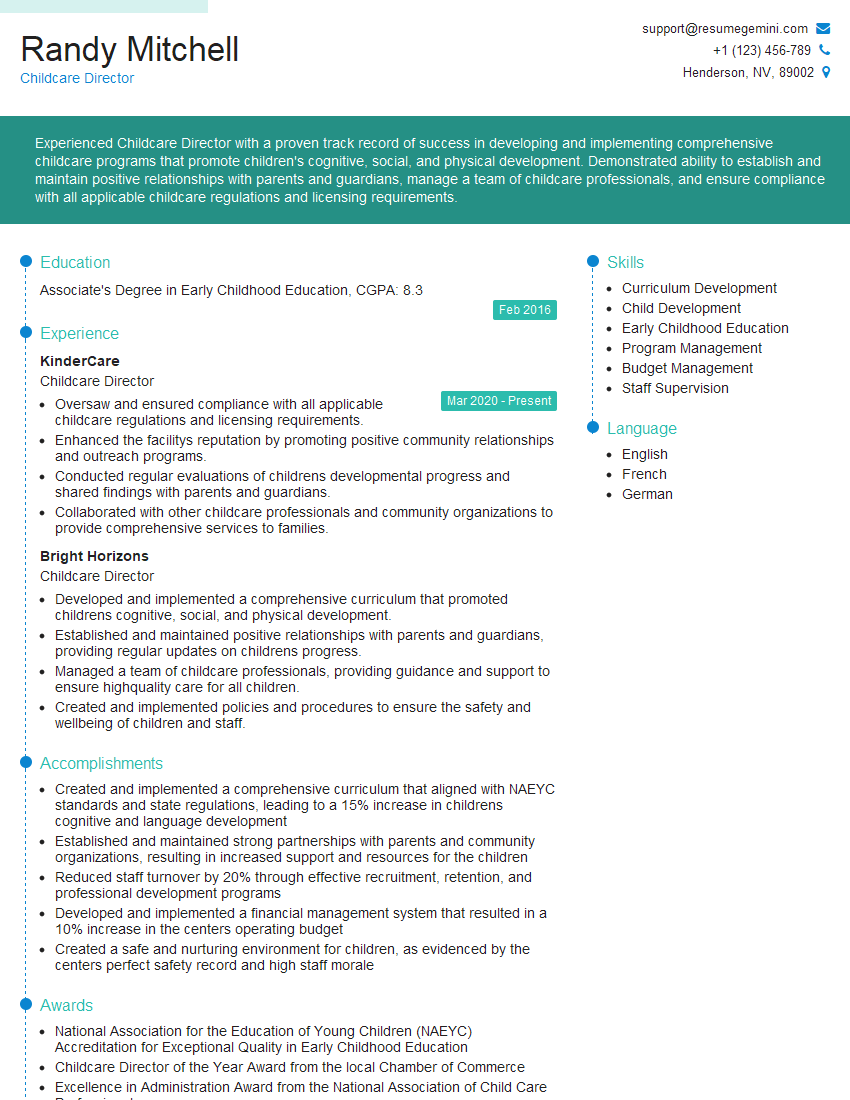
Childcare Director Resume Sample
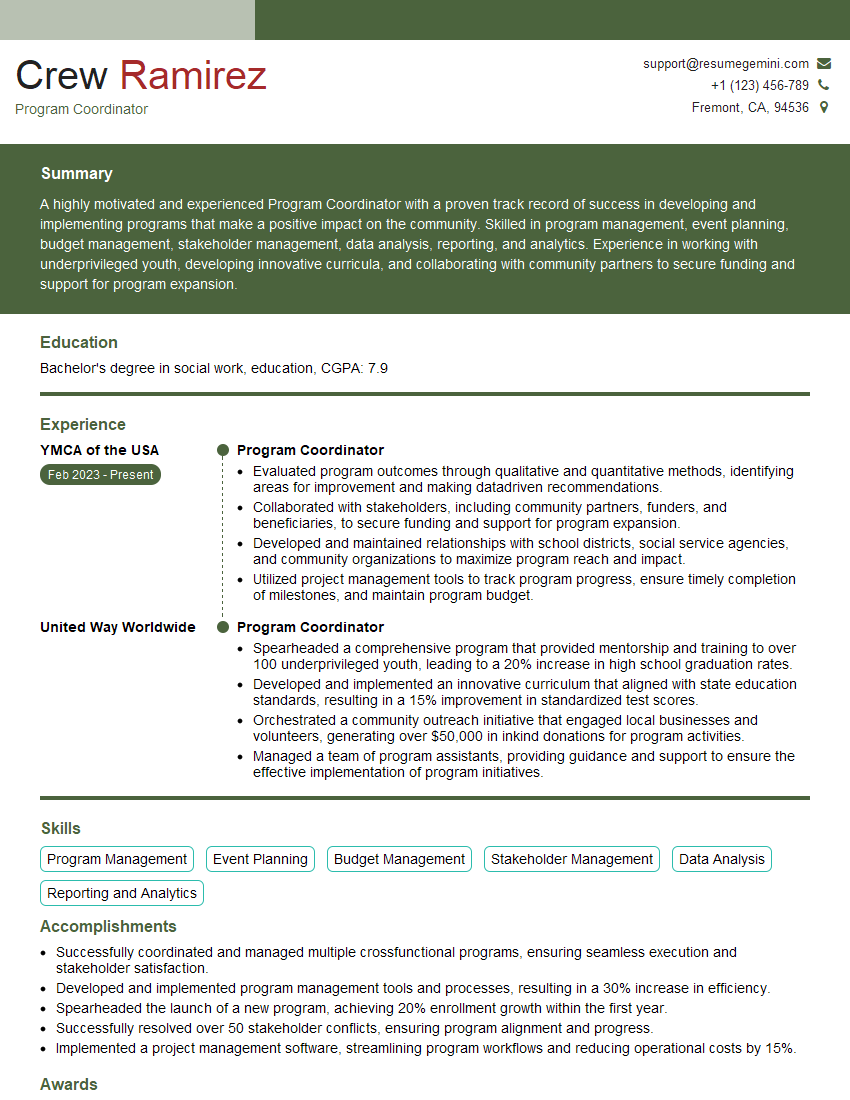
Program Coordinator Resume Sample
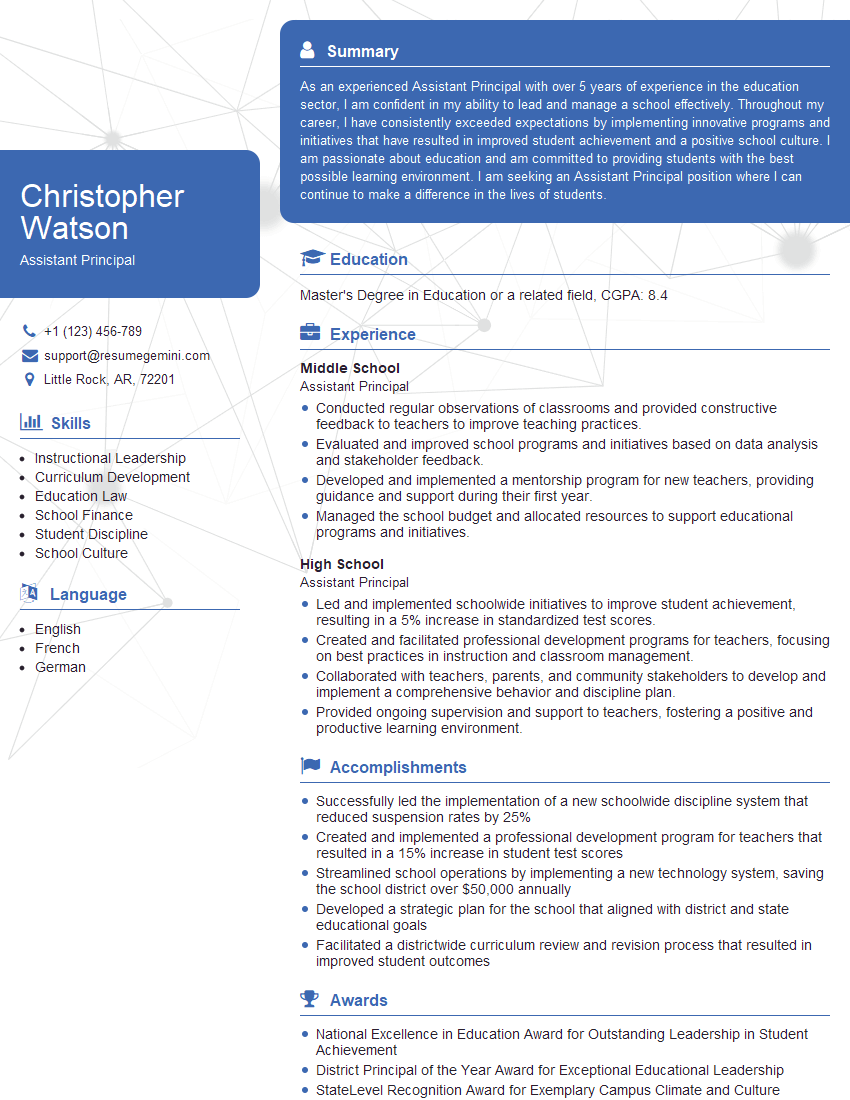
Assistant Principal Resume Sample
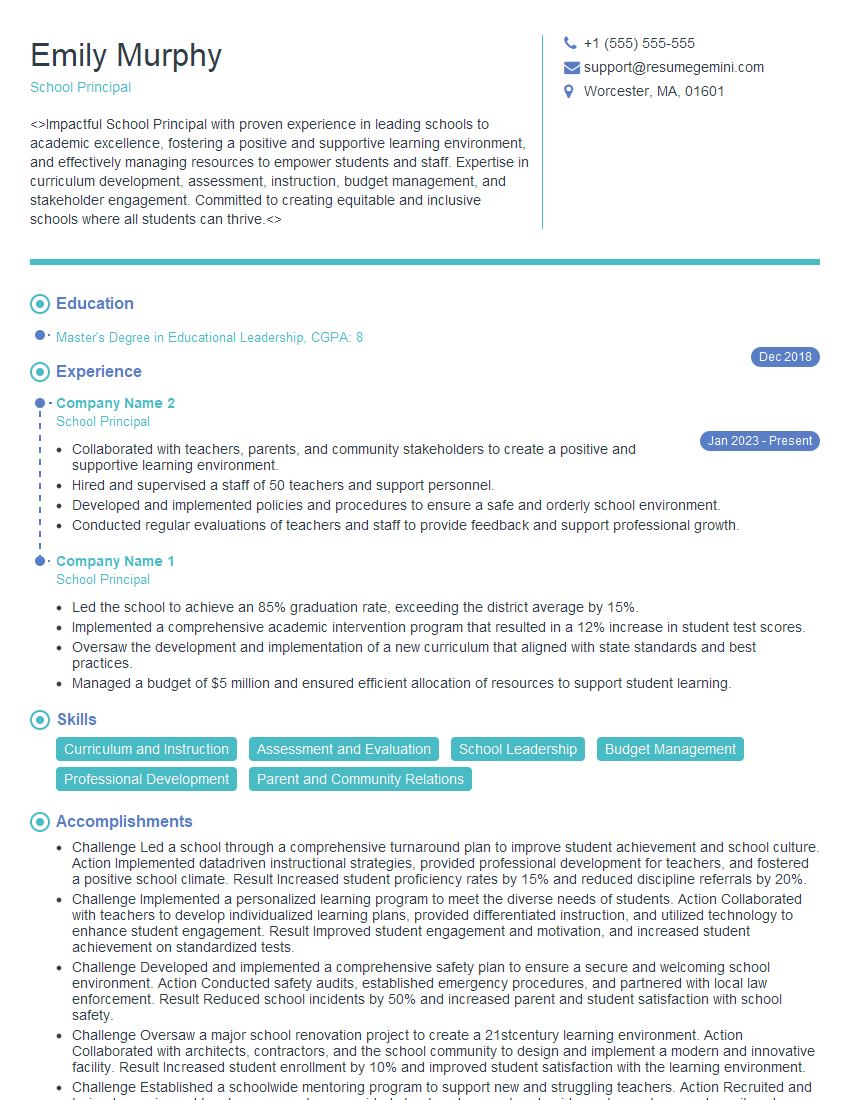
School Principal Resume Sample
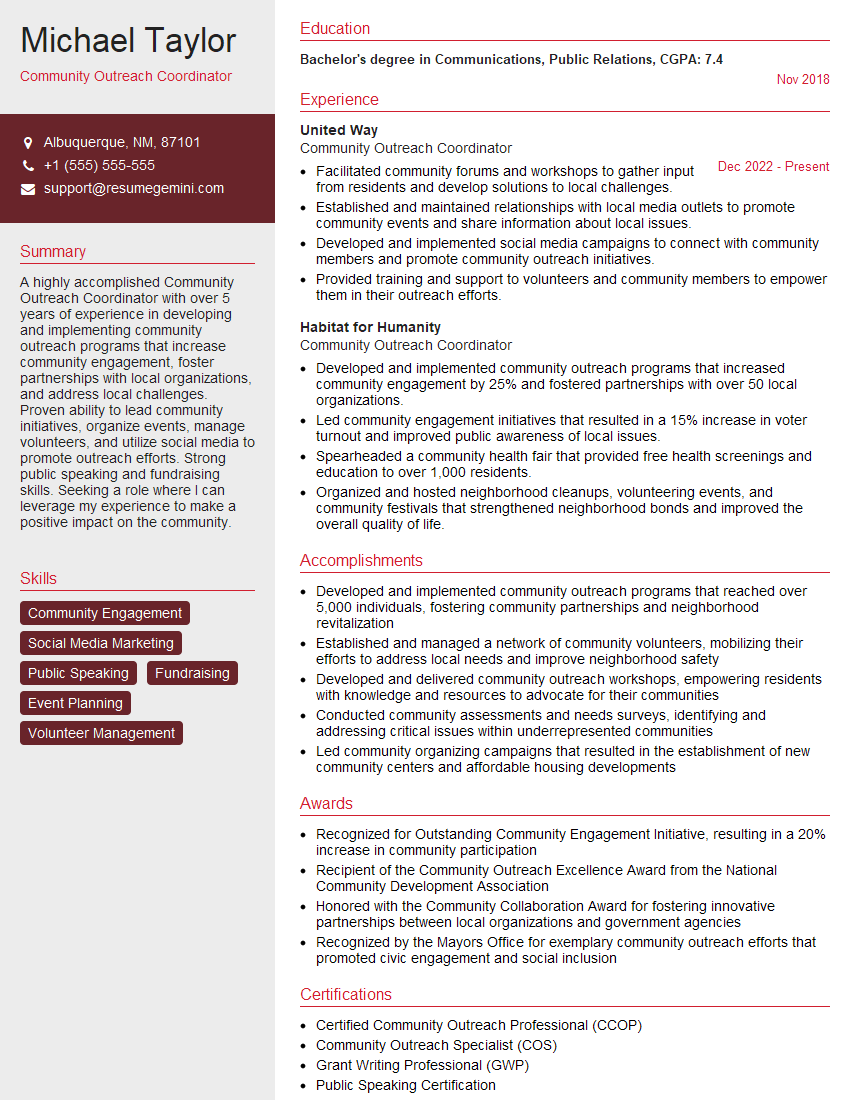
Community Outreach Coordinator Resume Sample
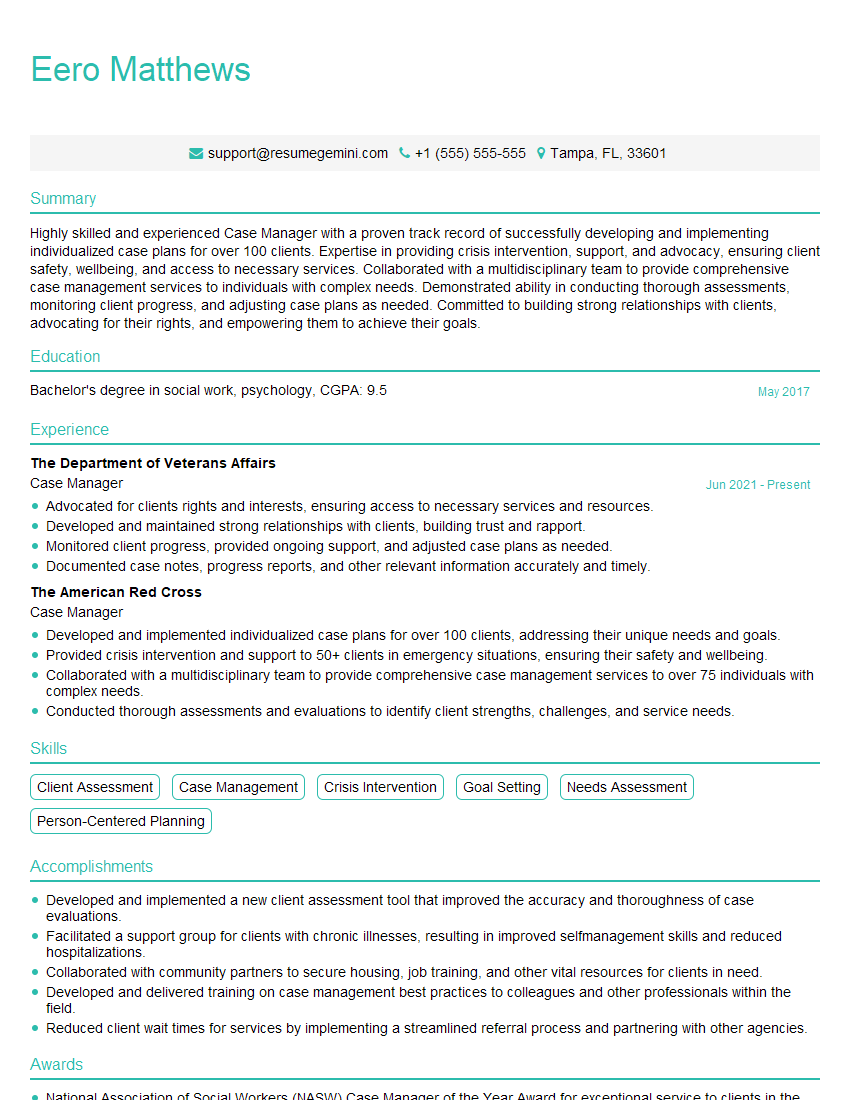
Case Manager Resume Sample
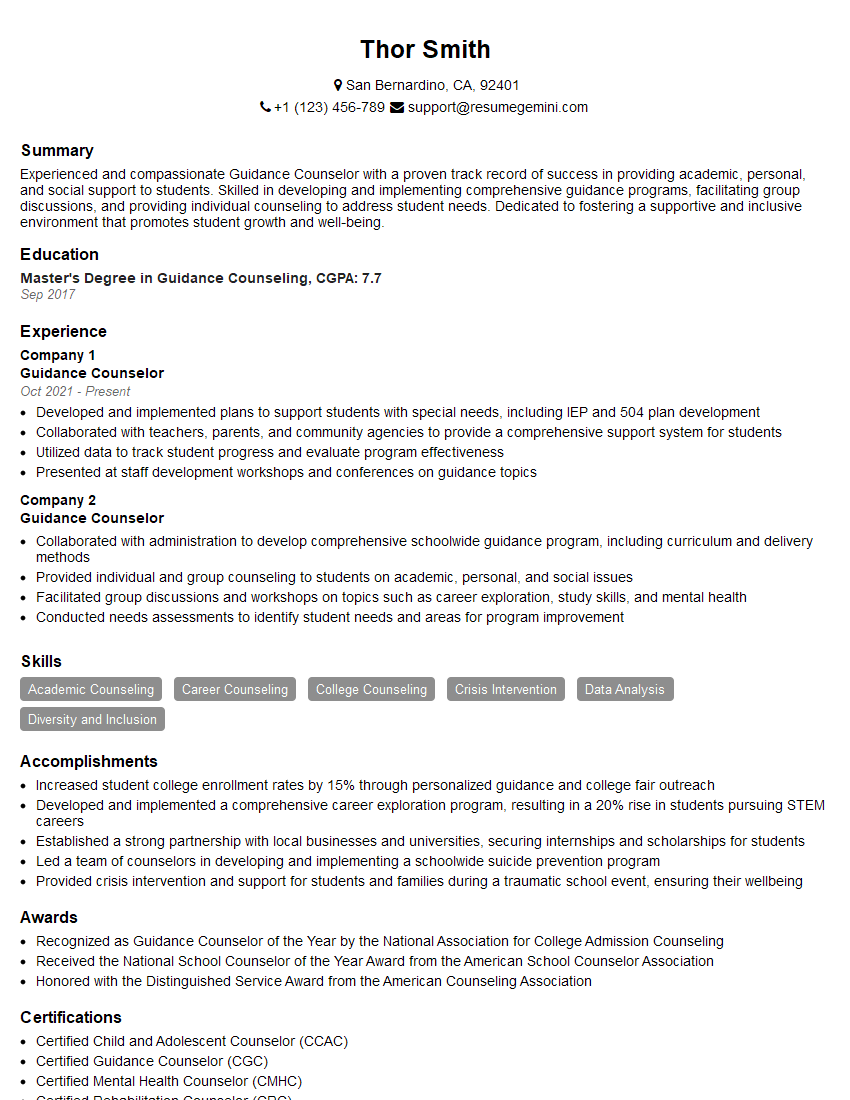
Guidance Counselor Resume Sample
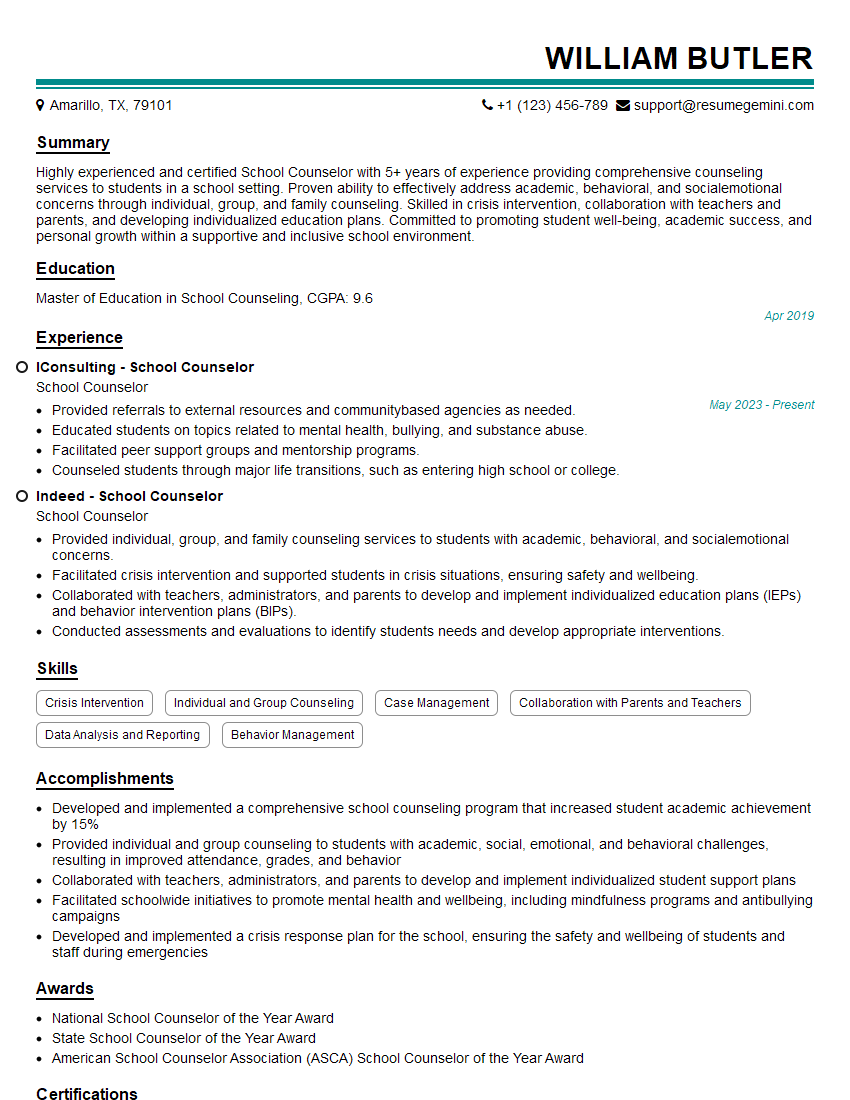
School Counselor Resume Sample
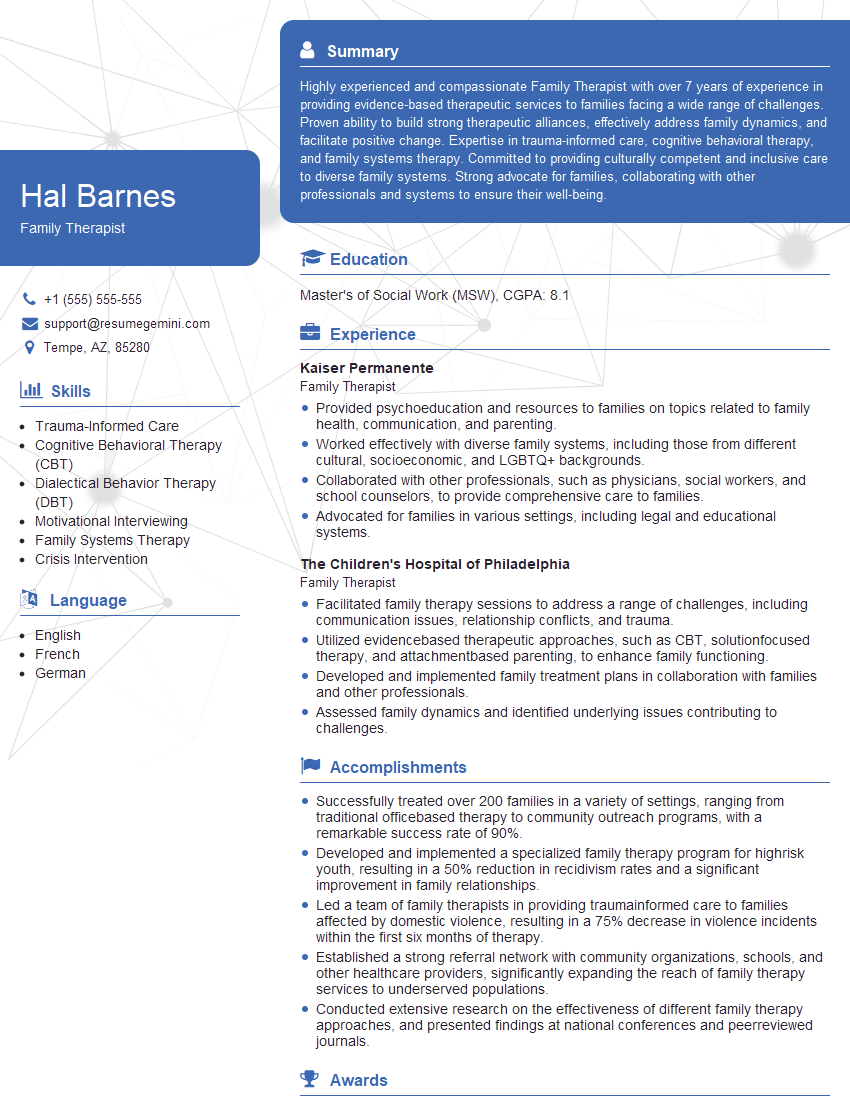
Family Therapist Resume Sample
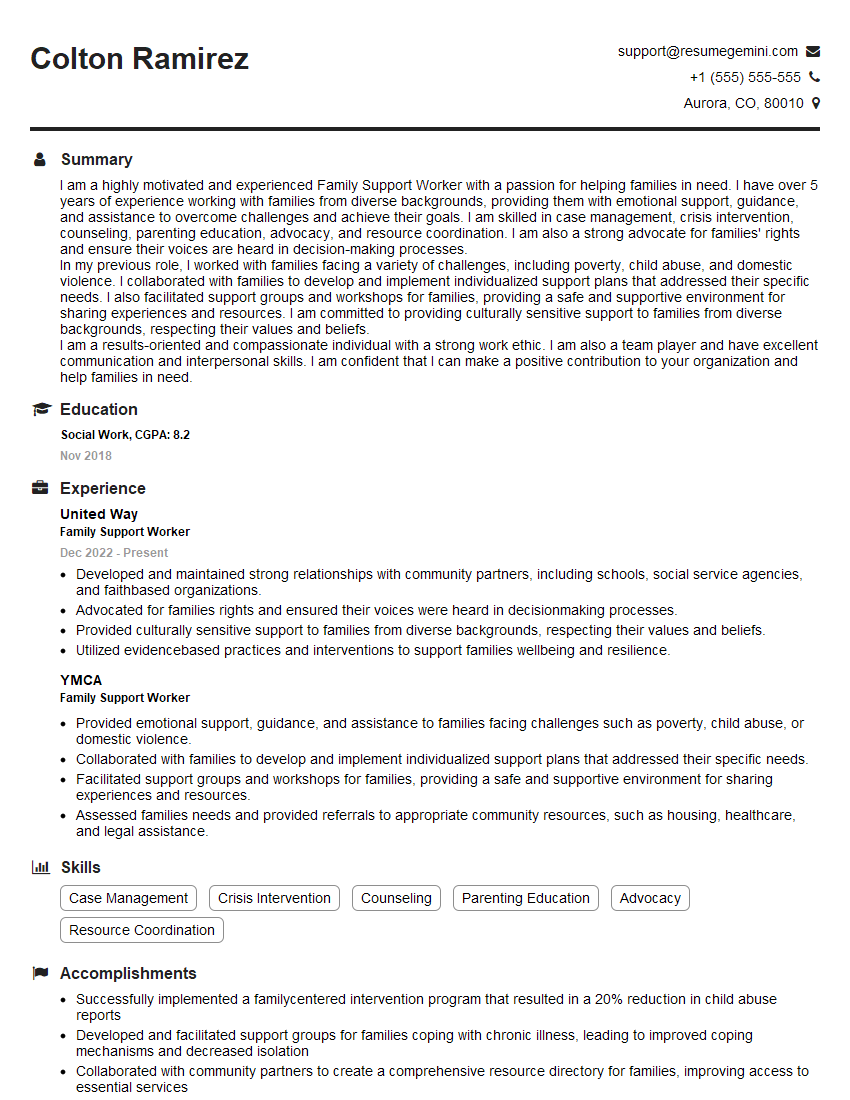
Family Support Worker Resume Sample
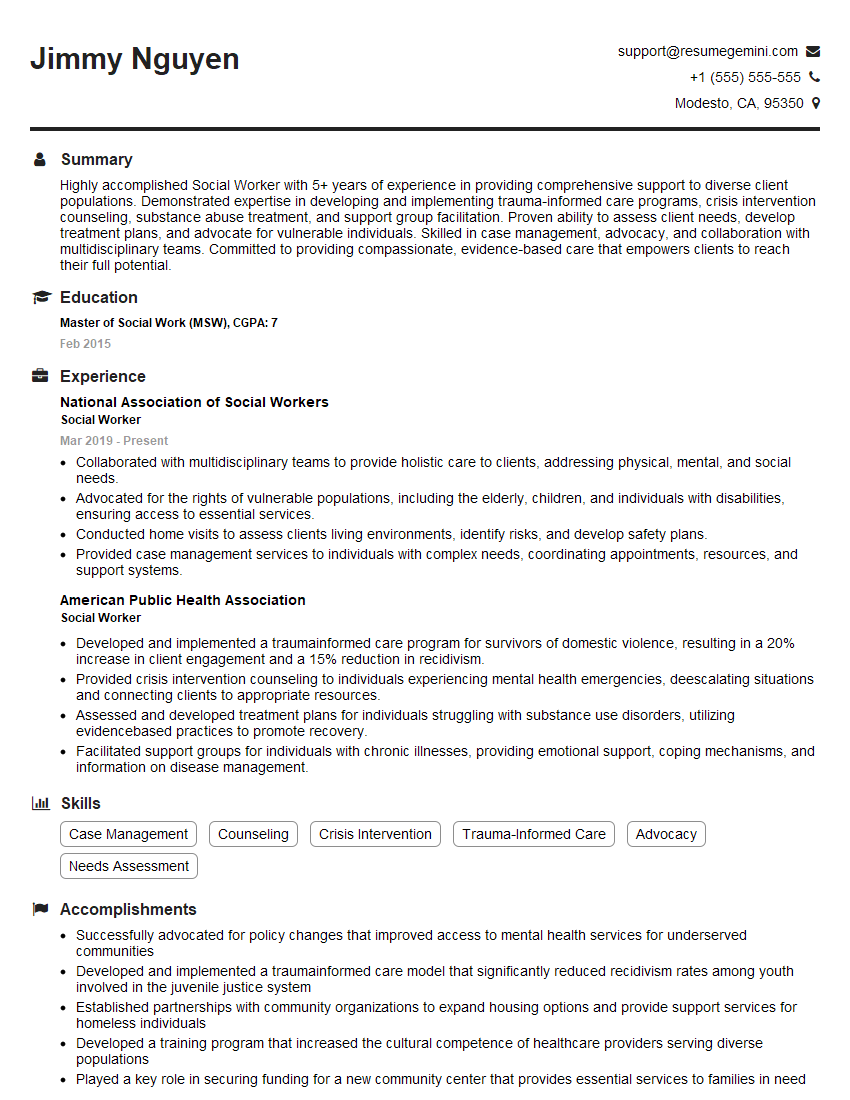
Social Worker Resume Sample
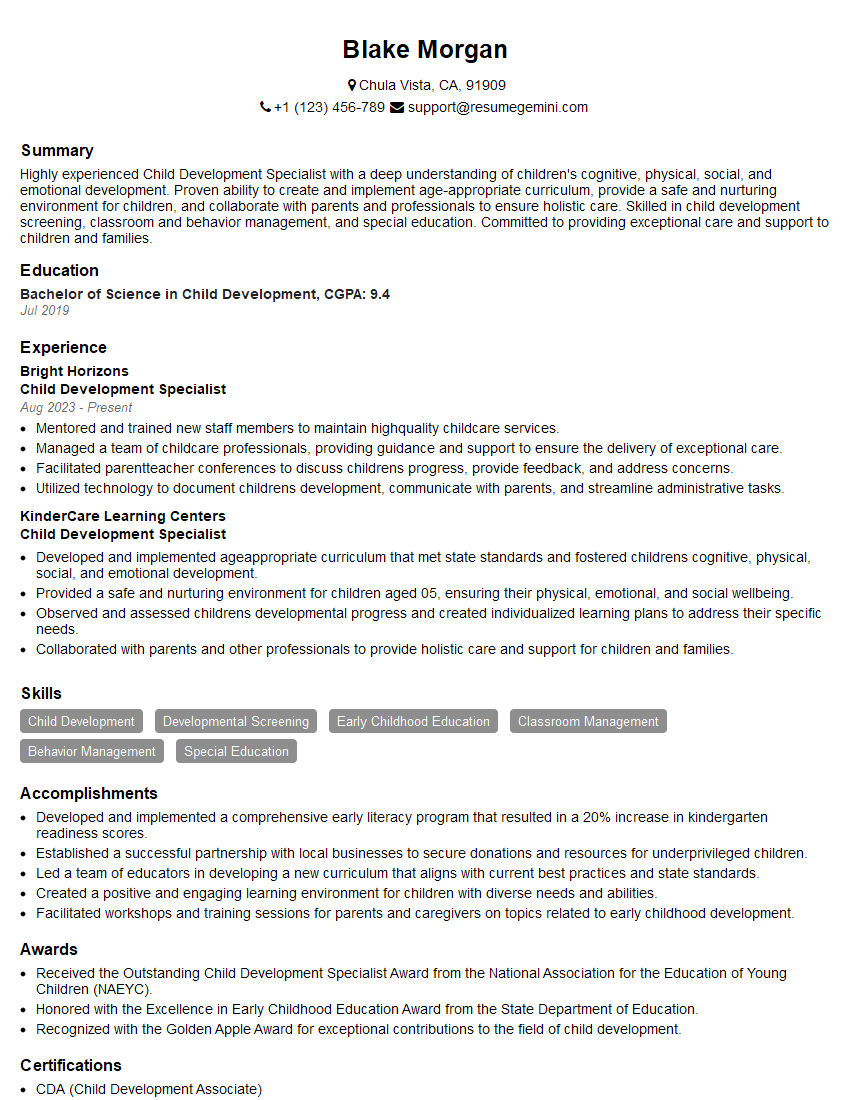
Child Development Specialist Resume Sample
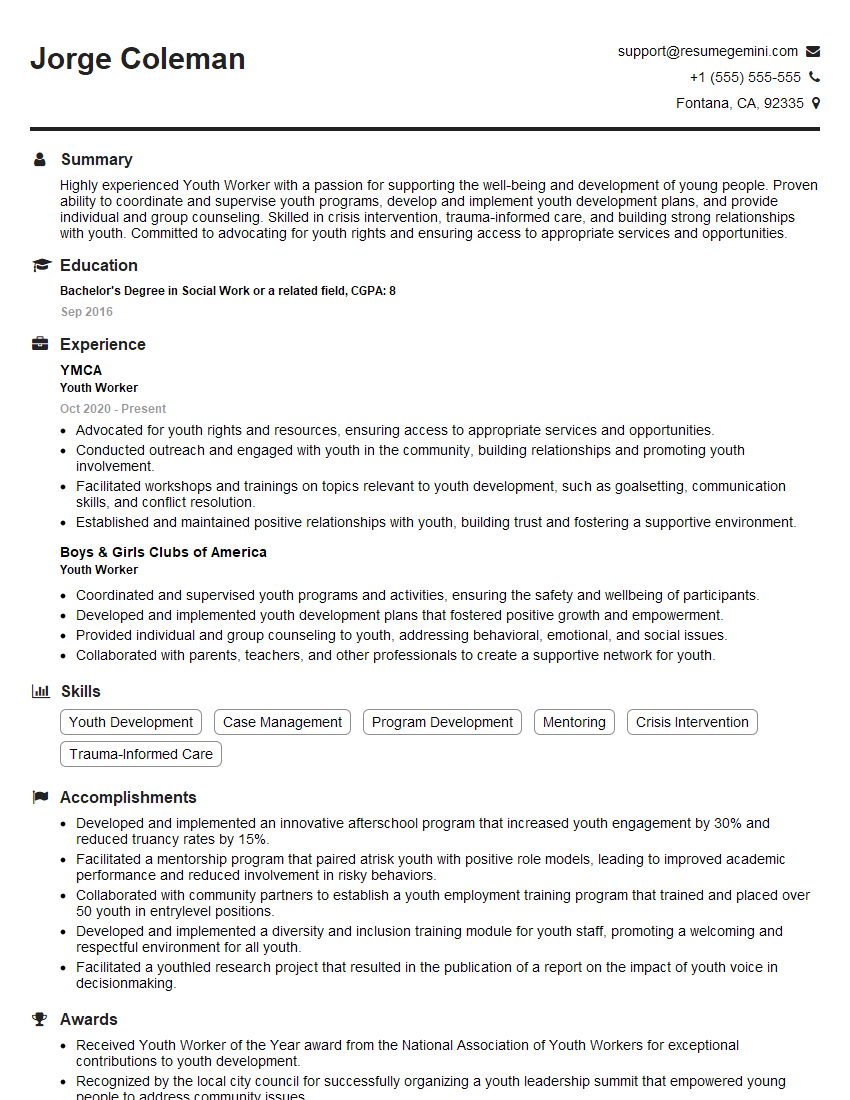
Youth Worker Resume Sample
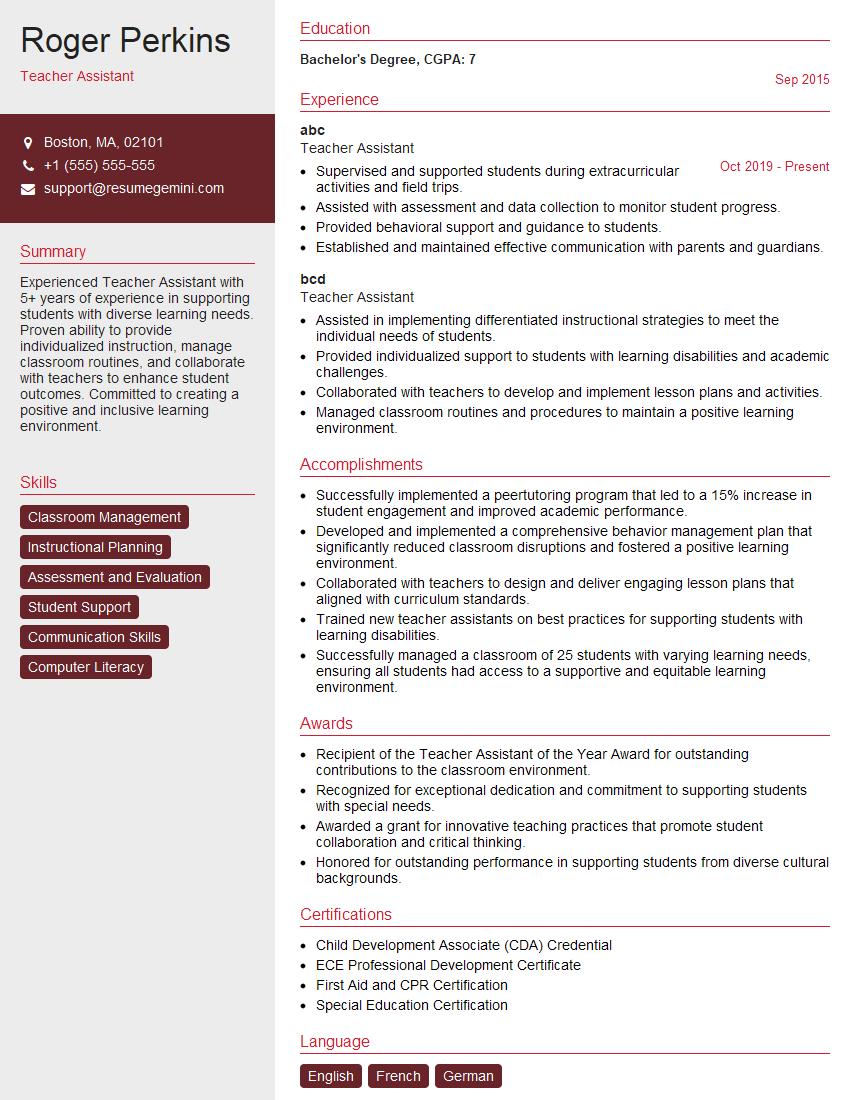
Teacher Assistant Resume Sample
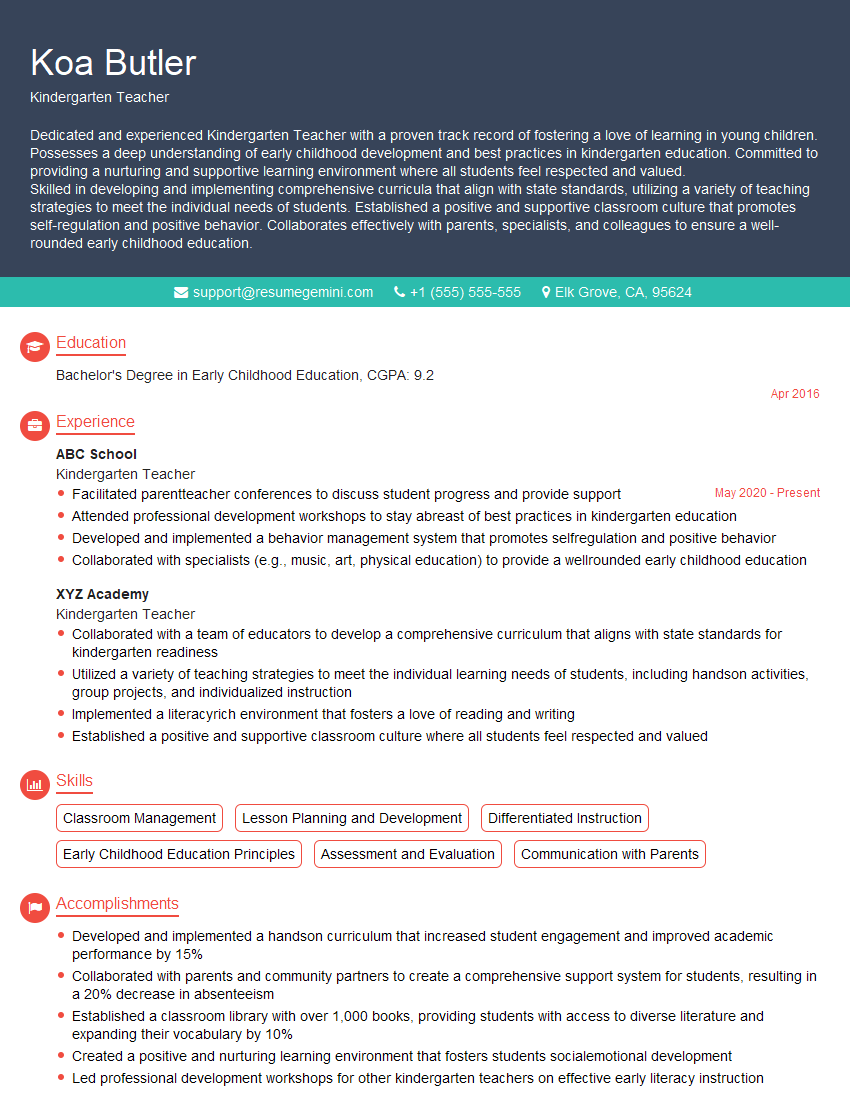
Kindergarten Teacher Resume Sample
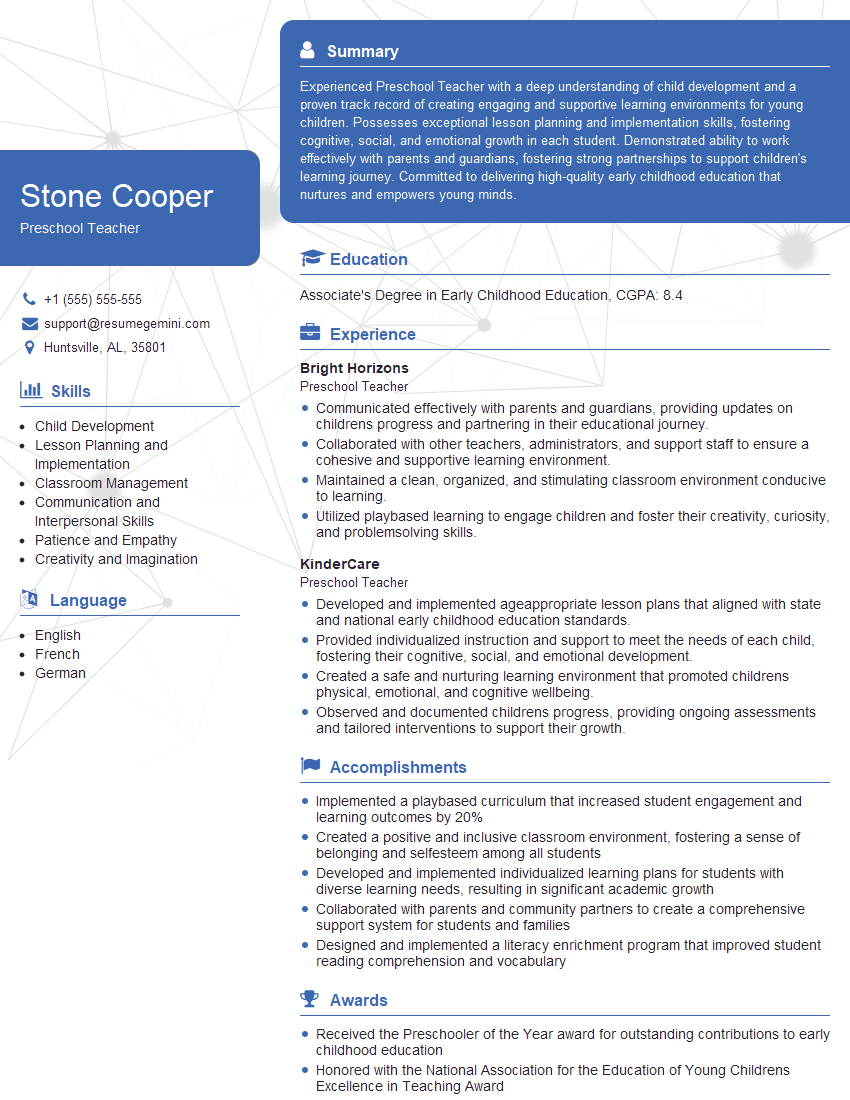
Preschool Teacher Resume Sample
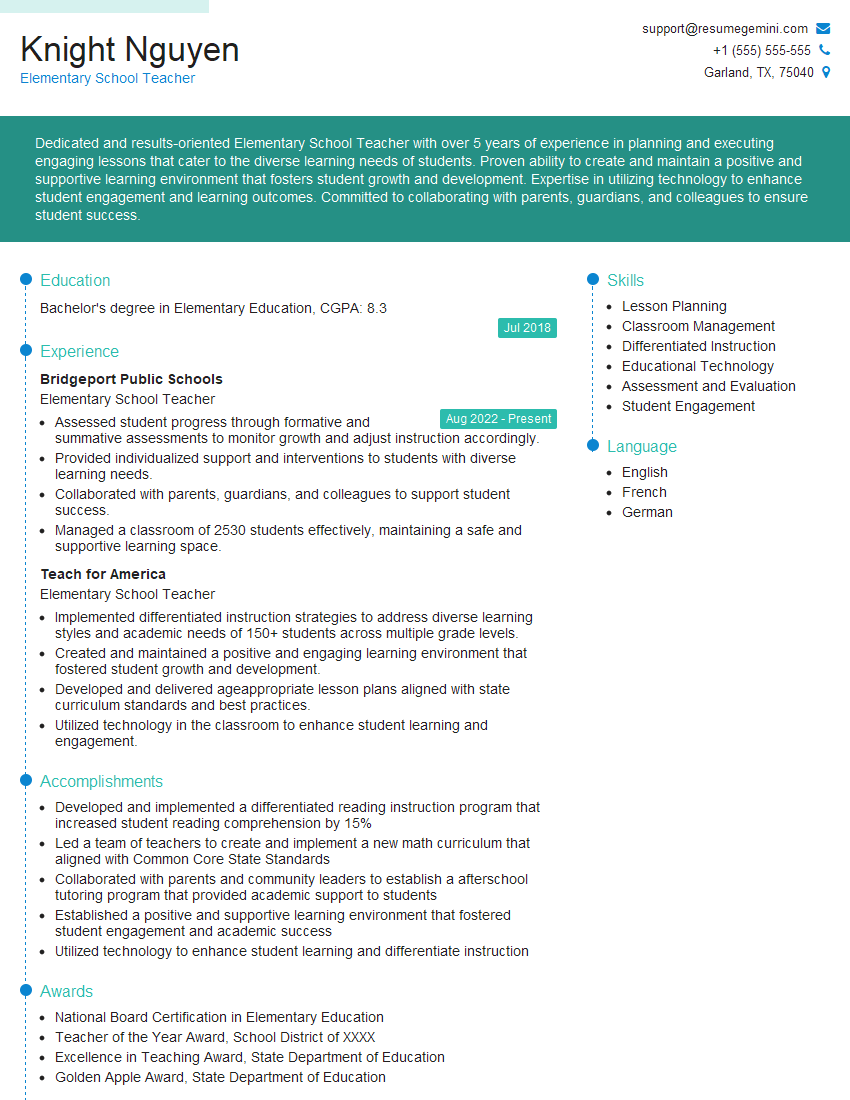
Elementary School Teacher Resume Sample
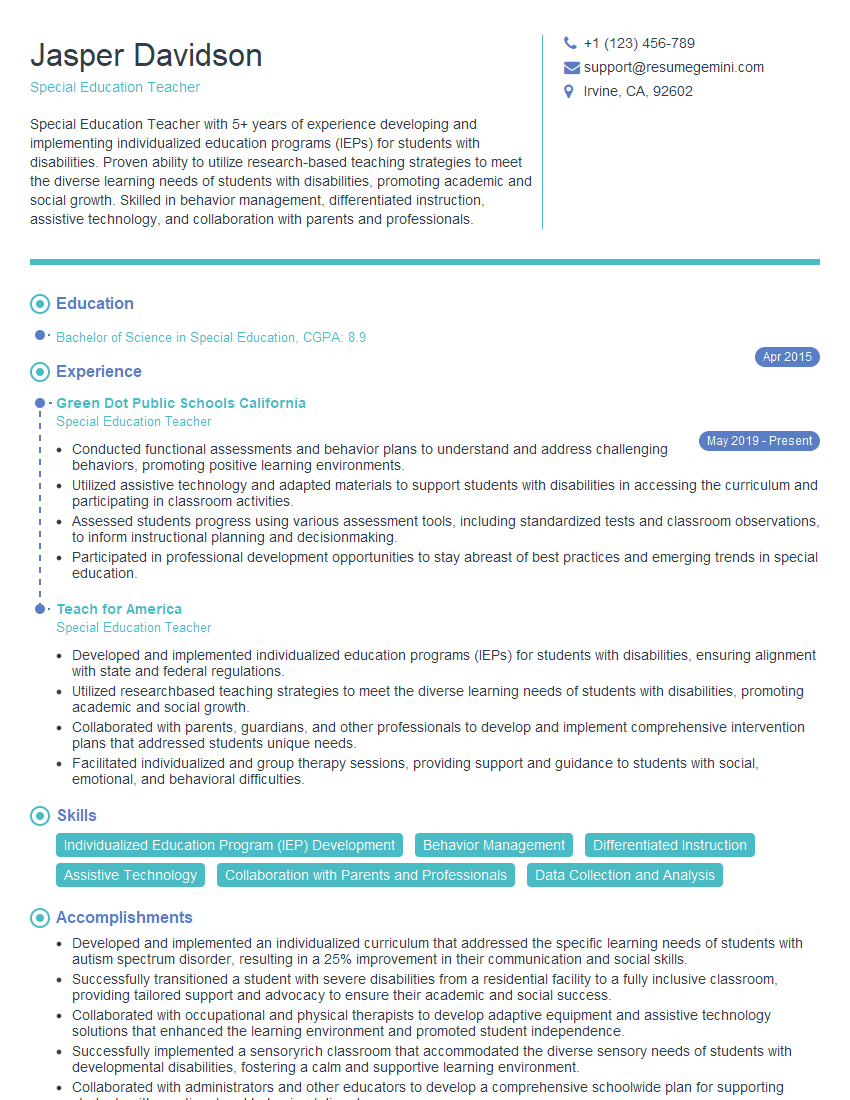
Special Education Teacher Resume Sample

Parent Educator Resume Sample
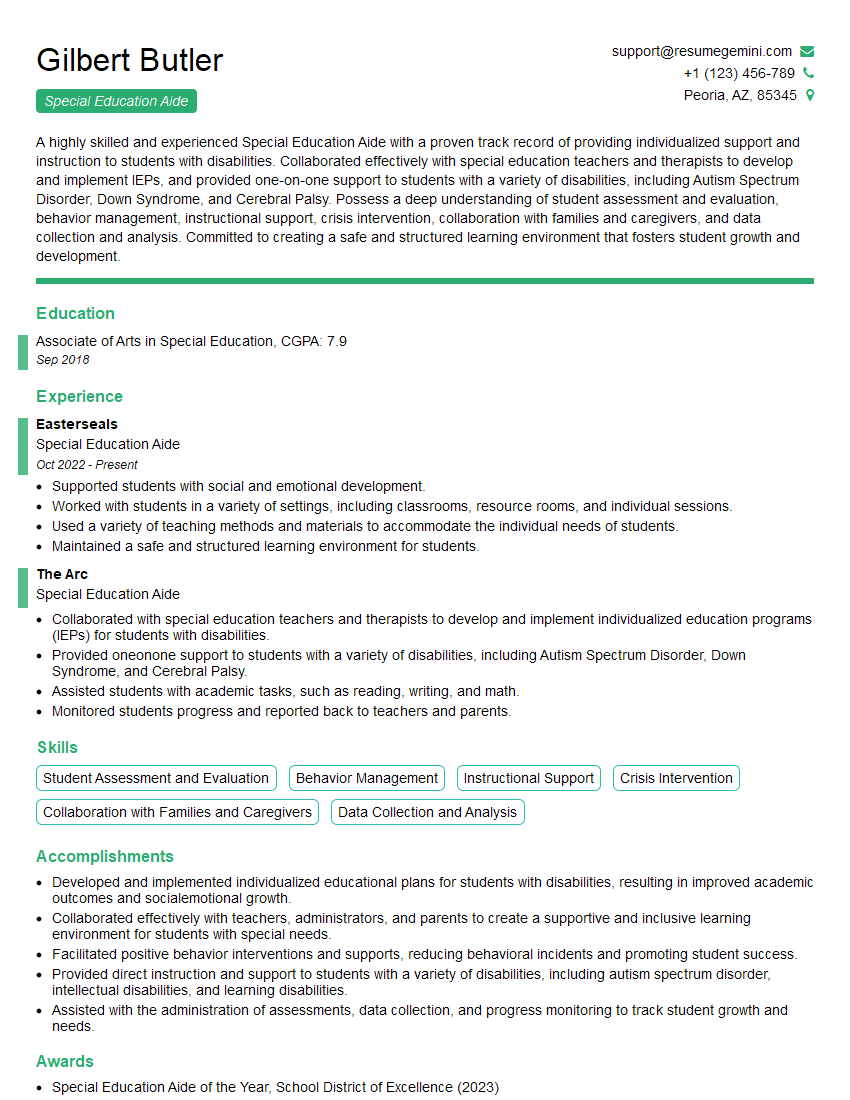
Special Education Aide Resume Sample
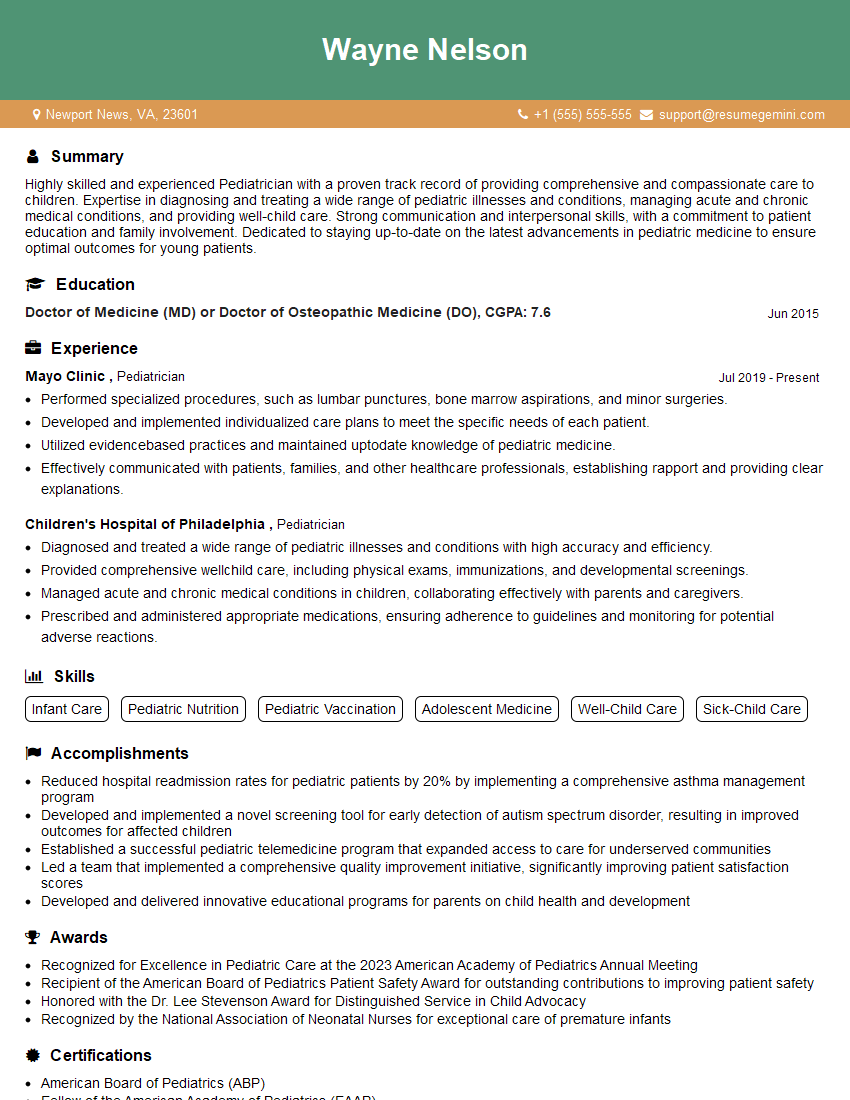
Pediatrician Resume Sample
- Childcare Director
- Program Coordinator
- Assistant Principal
- School Principal
- Community Outreach Coordinator
- Case Manager
- Guidance Counselor
- School Counselor
- Family Therapist
- Family Support Worker
- Social Worker
- Child Development Specialist
- Youth Worker
- Teacher Assistant
- Kindergarten Teacher
- Preschool Teacher
- Elementary School Teacher
- Special Education Teacher
- Parent Educator
- Special Education Aide
- Pediatrician
Explore more articles
Users Rating of Our Blogs
Share Your Experience
We value your feedback! Please rate our content and share your thoughts (optional).
What Readers Say About Our Blog
Very informative content, great job.
good