Every successful interview starts with knowing what to expect. In this blog, we’ll take you through the top Communicating with Supervisors and Team Members interview questions, breaking them down with expert tips to help you deliver impactful answers. Step into your next interview fully prepared and ready to succeed.
Questions Asked in Communicating with Supervisors and Team Members Interview
Q 1. Describe your approach to communicating complex technical information to a non-technical supervisor.
Communicating complex technical information to a non-technical supervisor requires translating technical jargon into plain language. I focus on conveying the impact of the technical details rather than getting bogged down in the specifics. Think of it like explaining a complex recipe to someone who doesn’t cook – you wouldn’t list every individual ingredient’s chemical composition; you’d focus on the outcome (a delicious meal) and the key steps involved.
My approach involves three key steps: 1. Identify the key takeaway: What’s the single most important thing the supervisor needs to understand? 2. Use analogies and metaphors: Relate technical concepts to familiar situations. For example, instead of saying “We’re implementing a microservices architecture,” I might say, “Imagine a restaurant kitchen: instead of one large kitchen, we’re breaking it down into smaller, specialized units (like a separate pasta station, salad bar, etc.) working together efficiently.” 3. Visual aids are essential: Charts, graphs, and diagrams can effectively communicate complex information visually, making it easier to grasp.
For example, when explaining a database migration to a non-technical supervisor, I’d focus on the improved speed and reliability of the system after the migration, using a simple graph to illustrate the performance improvement, rather than detailing the specific SQL commands used.
Q 2. How do you handle disagreements with team members regarding project priorities?
Disagreements over project priorities are inevitable in any team. My approach focuses on collaborative problem-solving, not conflict. I believe in open and respectful dialogue. I’d start by actively listening to each team member’s perspective and understanding their rationale for prioritizing their tasks. Then, I’d work towards a consensus by highlighting the project goals and identifying potential trade-offs.
Specifically, I’d facilitate a discussion using a structured approach, perhaps a prioritization matrix that considers factors like urgency, impact, and dependencies. This matrix helps visualize the various project tasks and facilitates a data-driven decision rather than relying on opinions. If we can’t reach a consensus, I’d escalate the issue to a higher-level manager for resolution, ensuring all parties are included in the discussion and the decision’s rationale is clearly communicated.
Q 3. Explain a time you had to deliver negative feedback to a team member. What was your approach?
Delivering negative feedback is a crucial, yet often challenging, aspect of management. I believe in providing constructive criticism, focusing on behaviors and their impact rather than personal attacks. My approach is always about improvement and growth.
In a past role, a team member consistently missed deadlines. Instead of directly criticizing, I scheduled a private meeting. I started by acknowledging their contributions, then shifted to the impact of the missed deadlines on the project timeline and the team’s morale. I used the ‘Situation-Behavior-Impact’ (SBI) model. I described the situation (missed deadlines), their behavior (missing deadlines), and the impact (delay, stress). I then worked with them collaboratively to identify the root cause – they were overwhelmed by other tasks. We developed a plan together, including task prioritization and delegation strategies to help them manage their workload effectively. Regular follow-up meetings ensured they were on track and felt supported.
Q 4. How do you ensure effective communication within a remote team?
Effective communication in a remote team relies heavily on proactive strategies and the right tools. Over-communication is better than under-communication in this setting. Regular check-ins are crucial.
I utilize a multi-faceted approach: 1. Frequent and structured communication: Daily stand-up meetings (even short ones) using tools like Microsoft Teams or Slack keep everyone synchronized. 2. Asynchronous communication channels: Project management tools like Asana or Jira facilitate task assignment, progress tracking, and document sharing, reducing reliance on real-time communication. 3. Clear communication protocols: Establishing guidelines for response times and preferred communication channels (e.g., email for formal requests, instant messaging for quick updates) avoids confusion and delays. 4. Virtual team-building activities: Regular virtual coffee breaks or team-building events foster camaraderie and improve communication flow.
Q 5. Describe your preferred method for providing updates to your supervisor on project progress.
My preferred method for updating my supervisor is a concise, regular reporting system combined with proactive communication. I avoid bombarding them with daily micro-updates.
I typically provide weekly progress reports summarizing key accomplishments, roadblocks encountered, and upcoming tasks. These reports are brief, focusing on the most critical aspects. For urgent matters or unexpected developments, I communicate promptly through email or a quick phone call. Additionally, I offer regular informal updates during face-to-face (or virtual) meetings, highlighting significant milestones or any issues requiring immediate attention. This approach ensures transparency and allows for quick problem-solving.
Q 6. How do you handle conflicting instructions from different supervisors?
Conflicting instructions from different supervisors are a serious issue requiring immediate attention. My approach is based on diplomacy and clarity.
First, I document the conflicting instructions precisely. I then schedule separate meetings with each supervisor to clarify their expectations, emphasizing the conflict. I aim to understand the reasoning behind each instruction. If reconciliation isn’t possible through dialogue, I escalate the issue to a higher authority to resolve the discrepancy and ensure a clear direction is established for my work. This ensures that I don’t inadvertently cause problems by following contradictory instructions.
Q 7. How do you proactively identify and address potential communication breakdowns within your team?
Proactively identifying and addressing potential communication breakdowns requires a proactive and attentive approach.
I regularly assess team dynamics, looking for signs of communication issues (missed deadlines, misunderstandings, increased conflicts). I encourage open feedback through regular team meetings, surveys, or one-on-one check-ins. I utilize tools to monitor communication flow (e.g., analyzing response times in project management tools). Furthermore, I actively promote clear communication practices by offering training on effective communication strategies, including active listening and conflict resolution. By fostering a culture of open communication and addressing potential issues promptly, I aim to prevent communication breakdowns before they escalate into larger problems.
Q 8. Have you ever had to mediate a conflict between team members? Describe the situation and your resolution.
Conflict resolution is a crucial skill for any team leader. A successful approach involves active listening, empathy, and a focus on finding mutually agreeable solutions. In one instance, two team members, Sarah and Mark, clashed over the design approach for a new feature. Sarah favored a more minimalist design, while Mark preferred a more complex, feature-rich approach. Their disagreement was impacting project deadlines and team morale.
My resolution involved several steps:
- Facilitation: I organized a meeting with both Sarah and Mark, ensuring a neutral and safe space for discussion.
- Active Listening: I listened intently to each person’s perspective, summarizing their points to confirm understanding and ensure both felt heard. This helped diffuse some of the initial tension.
- Identifying Common Ground: I focused on finding common ground. Both valued user experience, but had differing opinions on *how* to achieve it.
- Compromise & Collaboration: We brainstormed a hybrid approach that incorporated elements from both designs. This involved prototyping and user testing segments of each approach to gather data and make informed decisions.
- Follow-up: After implementation, I checked in with both Sarah and Mark to address any lingering concerns and reinforce the value of collaborative problem-solving.
The outcome was a successful project launch and a strengthened working relationship between Sarah and Mark. This experience highlighted the importance of mediation, emphasizing the need for a fair, structured process that prioritizes active listening and collaboration.
Q 9. How do you adapt your communication style to different personality types?
Adapting communication style is essential for effective teamwork. Different personality types respond better to different approaches. I tailor my communication based on individual needs and preferences. For instance, with introverted team members, I prefer one-on-one conversations or written updates to avoid overwhelming them. I might send a detailed email outlining project expectations rather than relying solely on a quick verbal briefing.
Conversely, with extroverted team members, I encourage open discussions and brainstorming sessions. I make sure to include them in group discussions and team-building activities. For decisive individuals, I provide concise information and clearly defined tasks, while with more analytical team members, I offer detailed explanations and data to support my recommendations. The key is to observe, understand, and adjust my communication to foster a productive and inclusive environment for everyone.
Q 10. Describe a time you had to persuade your supervisor to adopt your recommended approach.
Persuading a supervisor requires a strategic approach combining data, logic, and strong interpersonal skills. Once, I recommended implementing a new project management software to improve team efficiency and transparency. My supervisor, initially hesitant due to budget concerns and a resistance to change, needed compelling evidence to support my proposal.
My approach involved:
- Data-driven Argument: I presented data showing the current system’s inefficiencies, including time wasted on manual tasks and potential risks of miscommunication. I then contrasted that with the benefits of the new software, showcasing projected time savings and improved accuracy.
- Cost-Benefit Analysis: I developed a cost-benefit analysis comparing the software’s cost against the potential savings in time and resources. This quantified the return on investment (ROI), addressing my supervisor’s budget concerns directly.
- Pilot Program Proposal: I suggested a pilot program to test the software within a smaller team, reducing the risk and allowing us to demonstrate its effectiveness before full-scale adoption.
- Clear and Concise Communication: I presented my proposal clearly and concisely, using visual aids like charts and graphs to make the data easily understandable.
My supervisor, convinced by the compelling evidence and the low-risk pilot program proposal, approved the adoption of the new software. This demonstrated the value of preparing a comprehensive and persuasive case, aligning with the supervisor’s concerns, and mitigating their risks.
Q 11. How do you use technology to improve communication and collaboration within your team?
Technology plays a vital role in improving communication and collaboration. We use several tools to enhance team interaction. For example, Slack is used for quick updates, file sharing, and informal communication. Microsoft Teams facilitates project-related discussions, file sharing, and video conferencing. Jira helps us track tasks, manage sprints, and monitor project progress transparently. Google Docs enables collaborative document editing, eliminating version control issues.
These tools facilitate asynchronous communication, allowing team members to access information and contribute regardless of their location or time zone. Regular virtual meetings via video conferencing tools ensure face-to-face interactions, promoting a stronger sense of community and facilitating problem-solving. Moreover, we utilize project management software to track progress and highlight any potential roadblocks, ensuring everyone stays informed and aligned.
Q 12. How do you ensure all team members understand project goals and objectives?
Ensuring everyone understands project goals and objectives is paramount for success. My approach involves multiple layers of communication and reinforcement:
- Project Kick-off Meeting: A detailed kick-off meeting establishes clear goals, objectives, timelines, and individual responsibilities. This includes a visual representation like a Gantt chart or project roadmap.
- Documented Objectives: All project goals and objectives are documented in a central repository (e.g., shared document, project management software) accessible to all team members.
- Regular Updates and Check-ins: Regular team meetings, status updates, and one-on-one check-ins ensure continuous alignment and address any emerging questions or concerns.
- Visual Aids: Using visual aids such as Kanban boards, dashboards, and progress charts makes complex information easily digestible and readily accessible.
- Open Communication Channels: Encouraging open communication through channels like Slack or Teams ensures that questions are addressed promptly, fostering a collaborative and supportive environment.
This multi-faceted approach ensures that not only are goals clearly communicated but also that there are multiple avenues for team members to access the information, ask clarifying questions, and maintain a shared understanding throughout the project lifecycle.
Q 13. How do you give constructive feedback to a supervisor?
Giving constructive feedback to a supervisor requires tact, professionalism, and a focus on solutions. It’s crucial to frame feedback positively, focusing on improvements rather than criticisms. Instead of saying “You’re micromanaging,” I might say, “I’ve noticed that a more independent approach to task delegation might improve team efficiency and empower individual contributions.”
Here’s my approach:
- Choose the Right Time and Place: Schedule a private meeting to discuss feedback in a respectful and comfortable environment.
- Focus on Specific Examples: Provide concrete examples to illustrate your points, ensuring the feedback is objective and not based on personal opinions.
- Offer Solutions: Don’t just highlight problems; propose solutions or alternative approaches that could improve the situation. This demonstrates a proactive and solution-oriented mindset.
- Maintain a Professional Tone: Keep the conversation professional, respectful, and focused on achieving better outcomes.
- Be Open to Dialogue: Be receptive to the supervisor’s perspective and engage in a two-way conversation. This shows willingness to collaborate and understand their viewpoint.
The goal is to offer valuable input for improvement, strengthening the working relationship while addressing concerns constructively.
Q 14. How do you solicit feedback from your supervisor and team members?
Soliciting feedback is crucial for continuous improvement. I employ various methods to gather feedback from my supervisor and team members. With my supervisor, I schedule regular one-on-one meetings to discuss project progress, challenges, and areas for improvement. I explicitly ask for their feedback on my performance, seeking specific examples of areas where I can excel and where I might need to focus my efforts.
With team members, I use a combination of methods:
- Regular Team Meetings: Incorporated into our regular meetings are dedicated sessions for feedback and open discussions.
- Anonymous Surveys: Periodic anonymous surveys allow for honest and unbiased feedback on team dynamics, project processes, and overall team satisfaction.
- One-on-One Check-ins: Regular one-on-one check-ins with each team member provide an opportunity for individualized feedback and addressing any specific concerns.
- 360-degree Feedback: When appropriate, I leverage 360-degree feedback systems to collect feedback from multiple sources, providing a holistic perspective on my performance and team dynamics.
By actively seeking feedback and employing a variety of methods, I create a culture of continuous improvement and ensure that I am continuously learning and adapting my leadership style.
Q 15. Describe a time you failed to communicate effectively. What did you learn from the experience?
Early in my career, I underestimated the importance of providing context in a project update to my supervisor. I simply reported progress without explaining the challenges encountered and the decisions made to overcome them. This resulted in unnecessary anxiety for my supervisor, who felt left in the dark. I learned that effective communication isn’t just about stating facts; it’s about painting the complete picture, including the rationale behind choices. Now, I always anticipate potential questions and address them proactively. For example, if I encounter an unforeseen delay, I immediately inform my supervisor, explaining the reason, the impact, and my proposed solution. This proactive approach builds trust and prevents miscommunication.
Career Expert Tips:
- Ace those interviews! Prepare effectively by reviewing the Top 50 Most Common Interview Questions on ResumeGemini.
- Navigate your job search with confidence! Explore a wide range of Career Tips on ResumeGemini. Learn about common challenges and recommendations to overcome them.
- Craft the perfect resume! Master the Art of Resume Writing with ResumeGemini’s guide. Showcase your unique qualifications and achievements effectively.
- Don’t miss out on holiday savings! Build your dream resume with ResumeGemini’s ATS optimized templates.
Q 16. How do you manage communication in high-pressure situations?
High-pressure situations demand clear, concise, and calm communication. My approach involves prioritizing key information, using active listening, and confirming understanding. I use a structured approach: First, I assess the situation quickly to identify the most critical issues. Then, I communicate concisely, focusing on facts and actionable steps. I also utilize visual aids like flowcharts or diagrams to ensure everyone is on the same page, as these help to quickly convey complex information. Finally, I confirm understanding by asking clarifying questions and summarizing key takeaways to mitigate the risk of misunderstanding. For instance, during a product launch crisis, instead of rambling, I calmly outlined the issues, proposed solutions, and assigned responsibilities, confirming each team member’s understanding of their roles before concluding the meeting.
Q 17. How do you handle a situation where a team member is not meeting expectations?
Addressing underperformance requires a thoughtful, empathetic, and structured approach. I begin by scheduling a private meeting with the team member. During the meeting, I use active listening to understand the root cause of the issue, avoiding judgment. It’s crucial to focus on behaviors rather than personality traits. For instance, instead of saying ‘You’re lazy,’ I’d say, ‘I’ve noticed your recent deliverables haven’t met the deadline or quality standards.’ Once the problem is identified, I collaborate with the team member to create a performance improvement plan (PIP) with specific, measurable, achievable, relevant, and time-bound (SMART) goals. Regular check-ins are vital to monitor progress, offer support, and make adjustments as needed. If the situation persists despite the PIP, further actions, potentially including disciplinary measures, might be necessary, but these should always be taken fairly and in accordance with company policy.
Q 18. How do you use active listening to improve communication?
Active listening is more than just hearing; it involves fully understanding the speaker’s message. I practice active listening by maintaining eye contact, nodding to show I’m engaged, asking clarifying questions, summarizing key points to ensure understanding, and reflecting on the speaker’s emotions. This creates a safe space for open communication. For example, instead of interrupting, I wait until the speaker has finished before responding. I also paraphrase their points to confirm my understanding (‘So, if I understand correctly, you’re saying…’) and ask open-ended questions (‘Can you tell me more about…’) to encourage further elaboration. This demonstrates respect and builds stronger relationships, leading to more productive and collaborative interactions.
Q 19. How do you utilize written communication effectively in the workplace?
Effective written communication in the workplace necessitates clarity, conciseness, and professionalism. I always consider my audience and tailor my message accordingly. This involves using clear and concise language, avoiding jargon or overly technical terms unless the audience understands them. I structure my writing logically, using headings, bullet points, and numbered lists to enhance readability. I proofread carefully to eliminate errors in grammar and spelling. For instance, when writing project proposals, I start with a concise executive summary, followed by a detailed description of the project scope, objectives, timeline, and budget. I also include clear visuals like charts and graphs to supplement the text and improve understanding.
Q 20. How do you ensure clarity and conciseness in your written and verbal communication?
Clarity and conciseness are paramount for effective communication. For verbal communication, I avoid using ambiguous language and speak slowly and clearly, ensuring that my message is easy to understand. I also utilize visual aids where appropriate. For written communication, I edit my work rigorously, removing unnecessary words and phrases. Before sending any communication, I ask myself: ‘Could I say this more simply?’, ‘Is every word necessary?’, and ‘Will my audience understand this easily?’. I often use the ‘inverted pyramid’ style in my writing, starting with the most important information and then moving to supporting details. This ensures that the key message is conveyed quickly and efficiently.
Q 21. How do you handle confidential information within your team and with supervisors?
Handling confidential information requires strict adherence to company policies and ethical considerations. I never share confidential information with unauthorized individuals, regardless of their relationship to me or the team. I treat all confidential information with utmost discretion, using secure communication channels and storage methods. I ensure that any shared information is protected by access controls, encryption, and secure file storage. Within the team, I always make sure that confidential information is shared only on a need-to-know basis. I also remind team members of their responsibilities regarding confidentiality. With supervisors, I maintain a professional approach, only sharing information through appropriate channels and documenting all communication concerning sensitive matters.
Q 22. How do you prioritize different communication channels (email, phone, meetings)?
Prioritizing communication channels involves understanding the urgency, formality, and complexity of the message. Think of it like a triage system for information.
- Email: Best for formal communication, detailed information, or when a record is needed. I use email for project updates, formal requests, or sharing lengthy documents. For example, sending a detailed project proposal to a client would be ideal via email.
- Phone: Ideal for quick discussions, urgent matters needing immediate attention, or when a more personal touch is required. I utilize phone calls when I need immediate clarification or feedback on a pressing issue, or to discuss sensitive matters more privately than email. For example, discussing a staffing shortage with my supervisor would be best done over the phone.
- Meetings: Most effective for collaborative brainstorming, complex problem-solving, and team alignment. I schedule meetings for strategic planning sessions, team-building exercises, or discussions that require input from multiple stakeholders. For instance, a weekly team meeting to track progress on a project is efficient.
I always consider the recipient’s preferred method as well. Some individuals might prefer email, while others prefer direct conversation. Flexibility is key.
Q 23. How do you ensure that your communication is inclusive and respects diverse perspectives?
Inclusive communication centers around ensuring everyone feels heard, understood, and respected. It’s about creating a safe space for diverse voices.
- Active Listening: I actively listen to understand different perspectives, acknowledging and validating them. Interrupting less and asking clarifying questions are key components.
- Inclusive Language: I use gender-neutral language, avoiding jargon or slang that might exclude certain individuals. I strive to use clear and simple language that is easy for everyone to comprehend.
- Cultural Sensitivity: I am aware of cultural differences in communication styles and adapt my approach accordingly. This includes understanding the nuances of non-verbal communication. For instance, direct eye contact can be viewed positively in some cultures and negatively in others.
- Accessibility: I ensure my communication is accessible to everyone, including those with disabilities. This could involve using alternative formats for documents, providing captions for videos, or offering multiple communication channels.
For example, when working on a multicultural team, I make sure to address everyone by their preferred name and use a communication style that respects everyone’s background and experience.
Q 24. Describe your experience using collaboration tools to facilitate communication.
I have extensive experience using various collaboration tools to enhance communication and teamwork. Tools like Slack, Microsoft Teams, and Google Workspace have become indispensable for efficient communication in my work.
- Slack/Microsoft Teams: For instant messaging, file sharing, and quick updates within teams. I use channels to organize conversations by project or topic, promoting focused discussions.
- Google Workspace (Docs, Sheets, Slides): Real-time collaborative document editing and presentations have dramatically improved workflow. Simultaneous editing and version control have eliminated many issues associated with document management.
- Project Management Software (Asana, Trello): I’ve used these to track tasks, deadlines, and team progress, increasing transparency and accountability.
In one instance, using Google Docs to collaboratively write a report allowed team members to contribute simultaneously, resulting in a more cohesive and efficiently produced final product.
Q 25. How do you deal with communication barriers such as language differences or cultural nuances?
Communication barriers are common, and addressing them requires patience, understanding, and proactive strategies.
- Language Differences: When faced with language differences, I utilize translation tools responsibly and consider the cultural implications of translations. If possible, I seek the assistance of a professional translator, particularly for crucial documents. I may also encourage team members to use a common language, providing language learning resources if needed.
- Cultural Nuances: Understanding cultural differences in communication styles is vital. Some cultures are more direct than others, and misinterpretations can arise. I focus on clear and concise language, avoiding ambiguity. I also research cultural norms to ensure my communication is appropriate and respectful. For example, understanding the importance of context and indirect communication in certain cultures is crucial to avoid misunderstandings.
- Clarification and Feedback: I always encourage open communication and actively seek feedback to ensure everyone understands the message. Regular check-ins, both individually and as a team, help to address potential misunderstandings early on.
For example, when working with international clients, I explicitly state the expectations and use visual aids to enhance clarity and minimize the chances of cultural misunderstandings.
Q 26. How do you measure the effectiveness of your communication strategies?
Measuring communication effectiveness is crucial for continuous improvement. I use a multi-faceted approach:
- Feedback Surveys: Regular feedback surveys, both formal and informal, from team members, supervisors, and clients help identify areas for improvement. This provides insights into whether communication is clear, concise, and effective.
- Project Outcomes: The success of projects is a strong indicator of effective communication. On-time and within-budget project completion suggests clear and timely communication.
- Team Morale: A positive and collaborative team environment suggests open and respectful communication. Observations of team interactions and informal feedback provide insight into this.
- Data Analysis: Tracking key metrics, such as response times to emails or the number of clarifications needed, can help pinpoint areas that require attention.
By combining qualitative and quantitative data, I gain a comprehensive understanding of communication effectiveness and make data-driven adjustments to my strategies.
Q 27. Describe a time you used visual aids (charts, graphs) to enhance communication.
Visual aids significantly enhance communication by making complex information more accessible and engaging.
In one instance, I was tasked with presenting quarterly financial performance to the executive team. Instead of simply reading numbers, I created charts and graphs that visualized key trends, such as revenue growth, profit margins, and cost fluctuations. The use of visuals made it much easier for the executives to quickly understand the complex data and draw meaningful insights. The use of color-coding further emphasized key performance indicators, making it instantly clear which areas were performing exceptionally well and which required attention.
The presentation was far more impactful and resulted in a more productive discussion than a purely numerical presentation would have.
Q 28. How do you maintain open and honest communication even in challenging circumstances?
Maintaining open and honest communication, even in challenging circumstances, requires a proactive and empathetic approach.
- Empathy and Active Listening: Understanding other perspectives, even when disagreeing, is crucial. Actively listening to concerns and validating feelings fosters trust.
- Transparency and Honesty: Openly communicating challenges, setbacks, and potential solutions builds trust. Withholding information often leads to greater problems down the line.
- Constructive Feedback: Providing and receiving constructive criticism respectfully is essential for growth. Focusing on behaviors and not personalities is key.
- Conflict Resolution: Addressing conflicts directly and respectfully, focusing on finding solutions, rather than assigning blame, helps keep communication flowing.
For instance, during a project crisis, I ensured everyone was aware of the situation, the potential impacts, and any necessary changes in plans. By being honest and transparent, I fostered a collaborative environment where the team worked together to overcome the challenge. Addressing concerns and acknowledging frustrations, without dwelling on negative emotions, allowed us to effectively problem solve and ultimately mitigate losses.
Key Topics to Learn for Communicating with Supervisors and Team Members Interview
- Active Listening and Empathetic Communication: Understanding nonverbal cues, asking clarifying questions, and responding thoughtfully to ensure clear understanding and build rapport with both supervisors and team members.
- Professional Email and Written Communication: Crafting concise, clear, and professional emails; using appropriate tone and language for different audiences; effectively conveying complex information in writing.
- Constructive Feedback and Conflict Resolution: Delivering and receiving feedback professionally; identifying and addressing conflict effectively; finding mutually beneficial solutions.
- Effective Teamwork and Collaboration: Contributing positively to team discussions; sharing information openly and transparently; respecting diverse perspectives and working styles; proactively identifying and addressing potential roadblocks.
- Clear and Concise Verbal Communication: Structuring presentations and conversations effectively; adapting communication style to suit the audience; confidently expressing ideas and opinions.
- Understanding Communication Styles: Recognizing different communication preferences (e.g., direct vs. indirect) and adapting your approach accordingly to optimize understanding and collaboration.
- Utilizing Communication Technologies Effectively: Proficiently using various communication tools (e.g., project management software, instant messaging) to enhance team collaboration and information sharing.
- Navigating Difficult Conversations: Addressing sensitive topics professionally; maintaining composure under pressure; utilizing effective strategies for de-escalation when necessary.
Next Steps
Mastering communication with supervisors and team members is crucial for career advancement. Effective communication builds strong relationships, fosters trust, and contributes to project success. It’s a highly sought-after skill that significantly enhances your value to any organization. To improve your job prospects, create an ATS-friendly resume that highlights your communication skills and accomplishments. ResumeGemini is a trusted resource to help you build a professional resume that showcases your strengths effectively. Examples of resumes tailored to highlighting your skills in Communicating with Supervisors and Team Members are available to further aid your preparation.
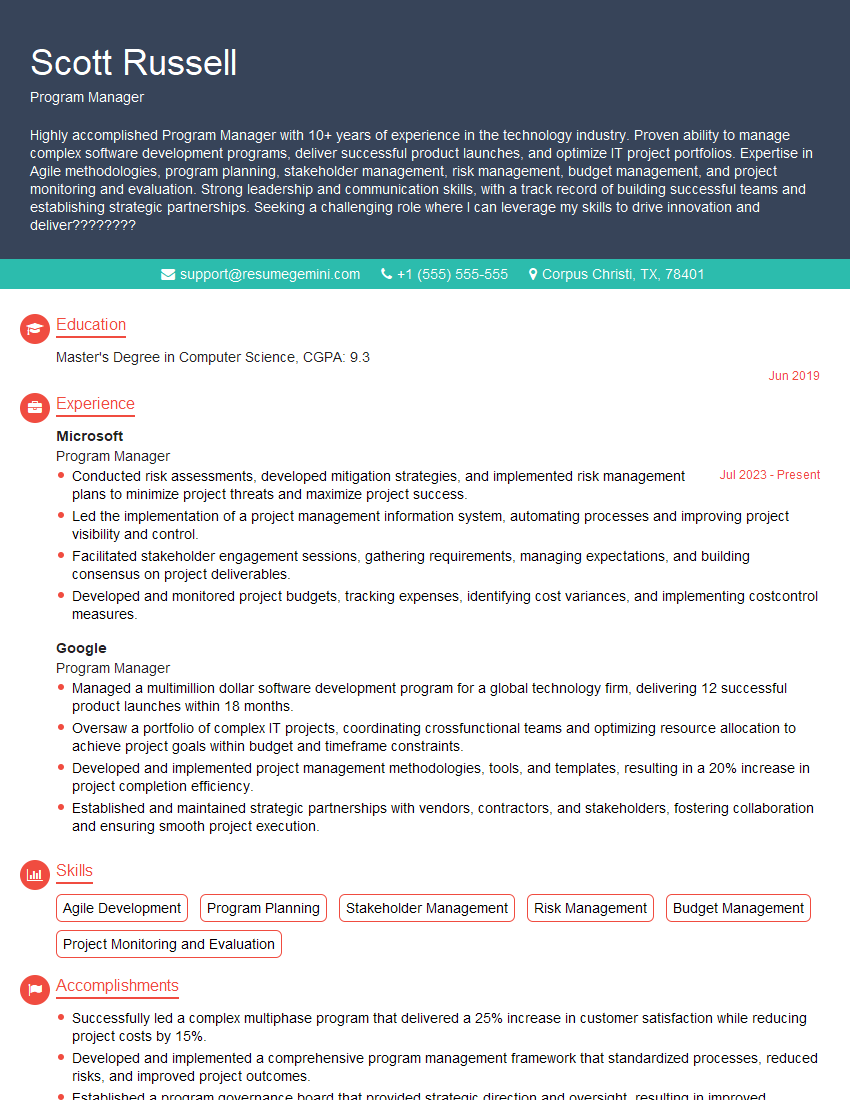
Program Manager Resume Sample

Operations Manager Resume Sample
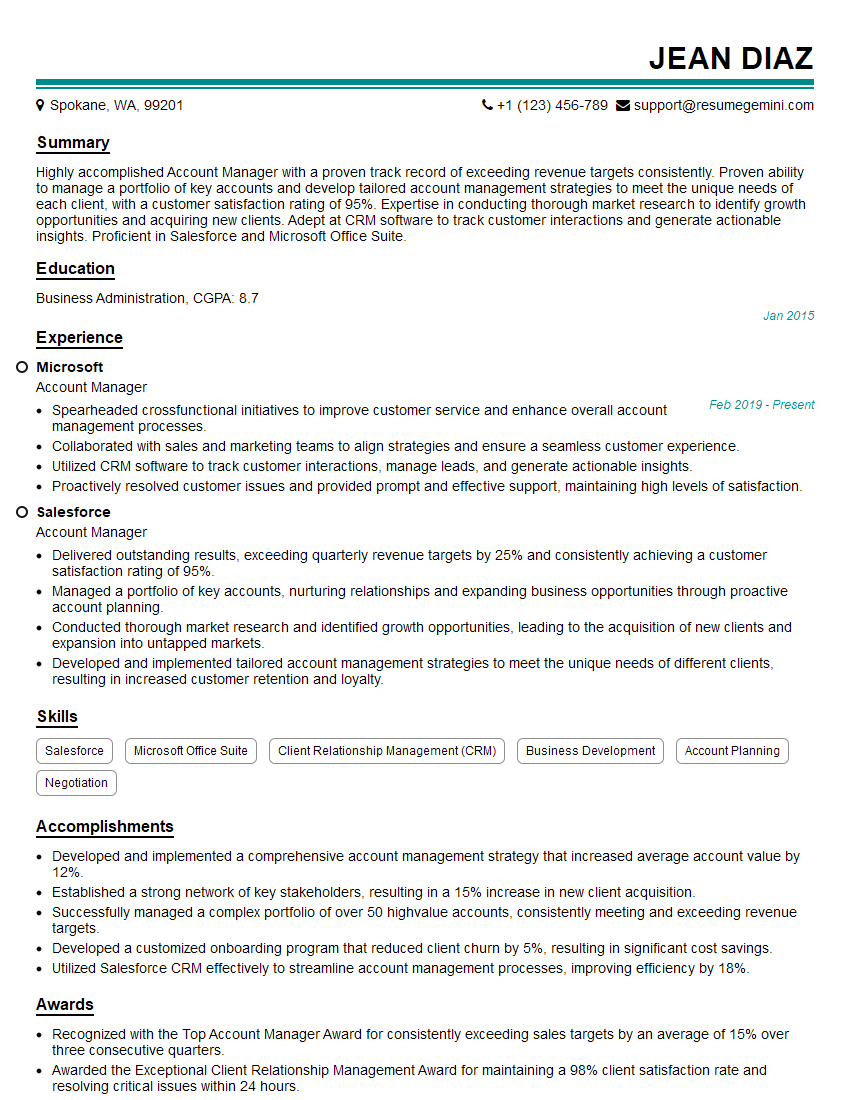
Account Manager Resume Sample
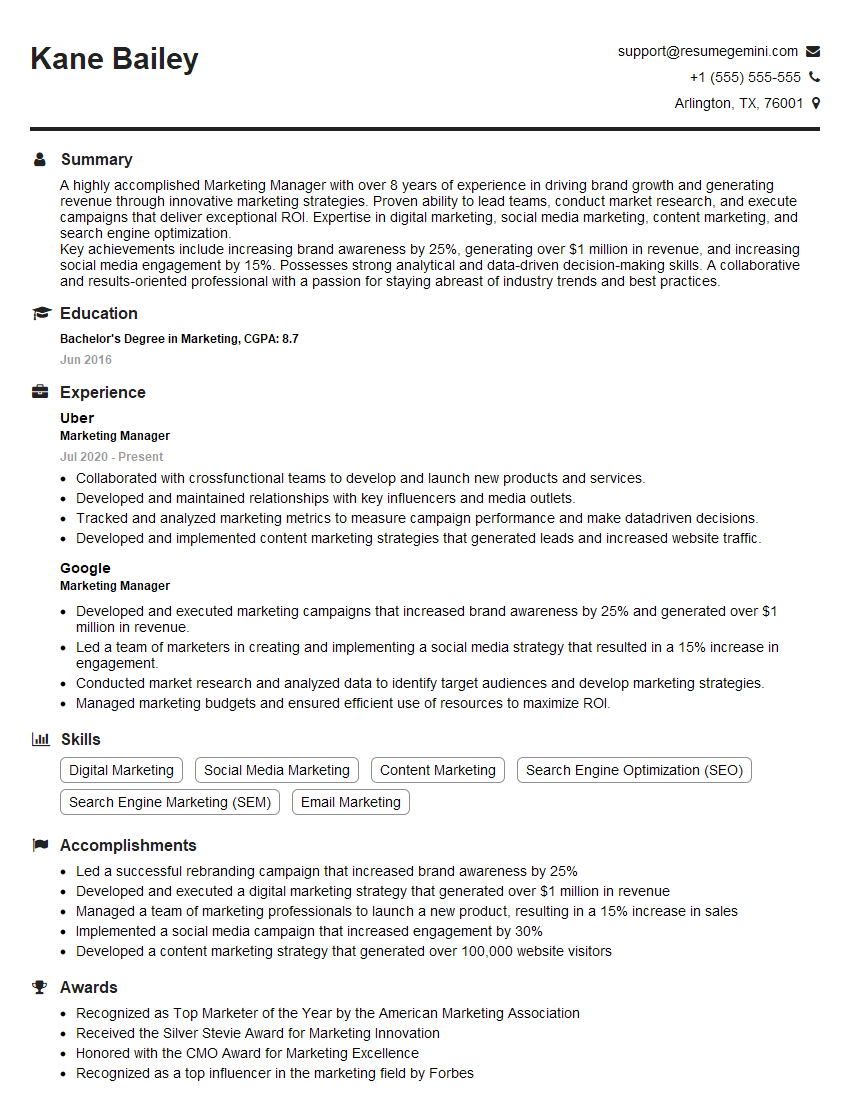
Marketing Manager Resume Sample
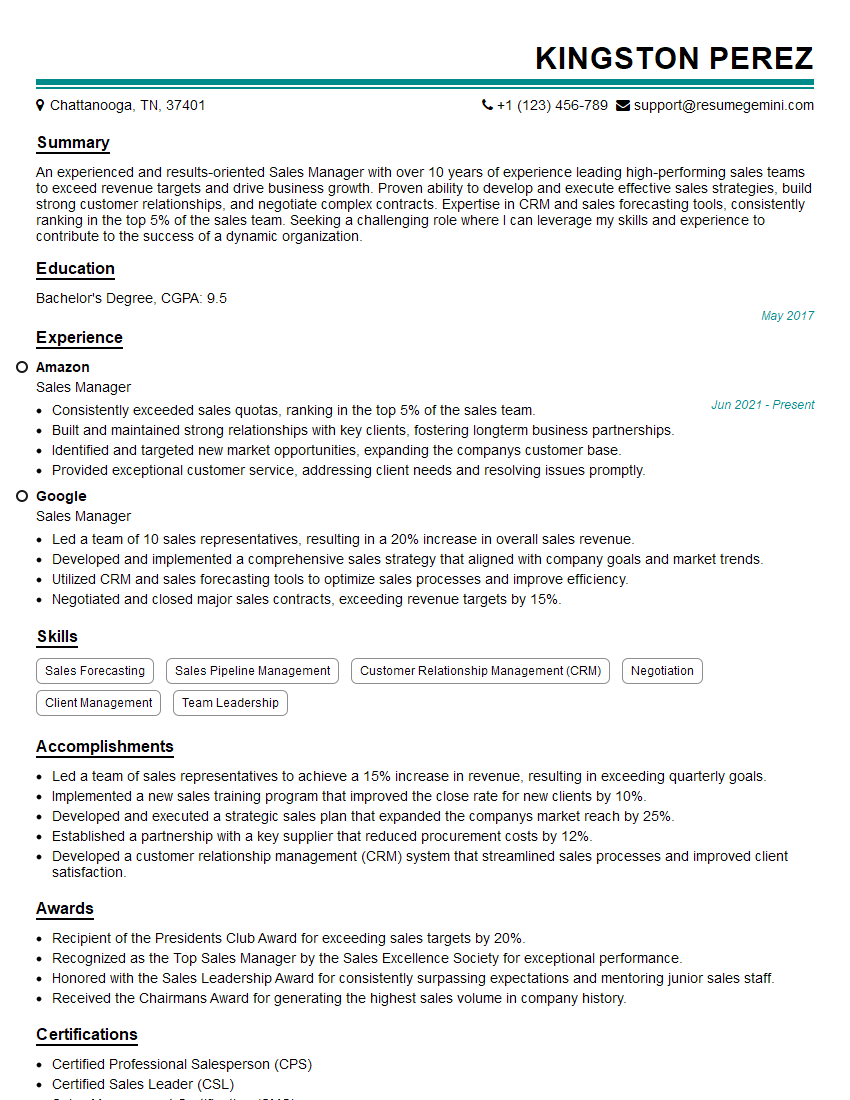
Sales Manager Resume Sample
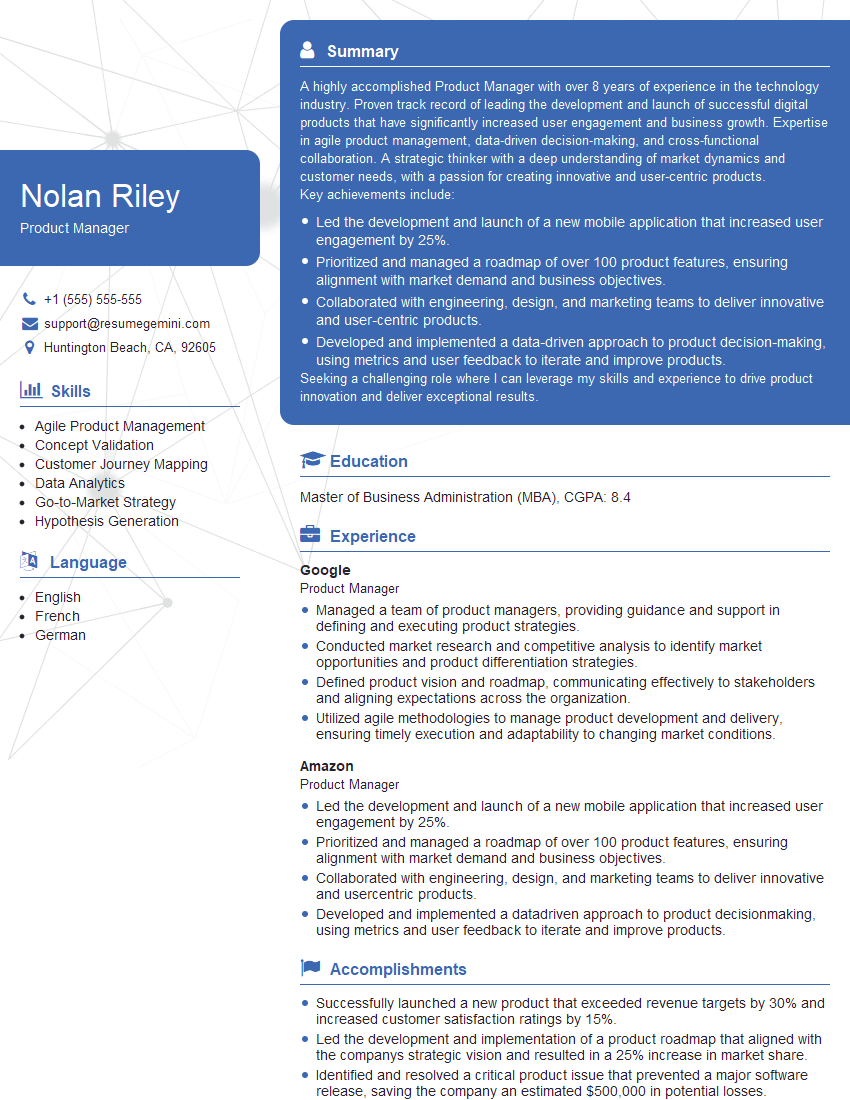
Product Manager Resume Sample

Communications Manager Resume Sample
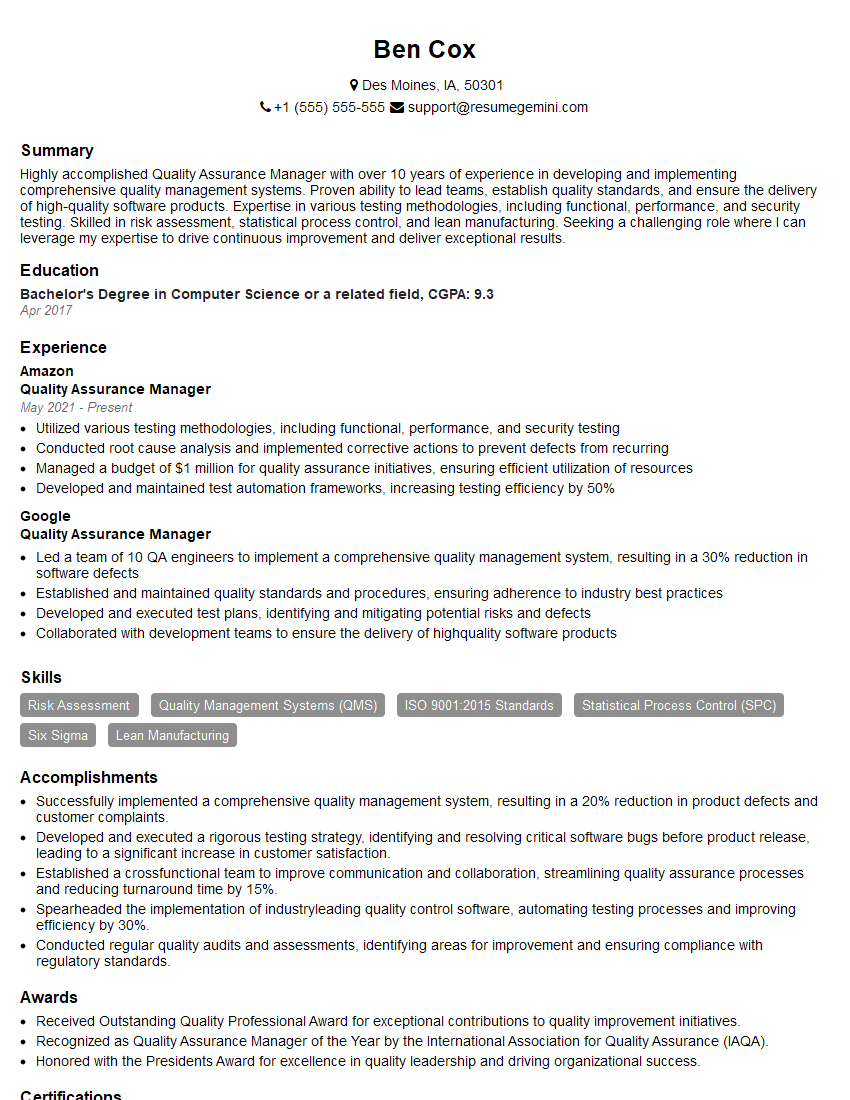
Quality Assurance Manager Resume Sample
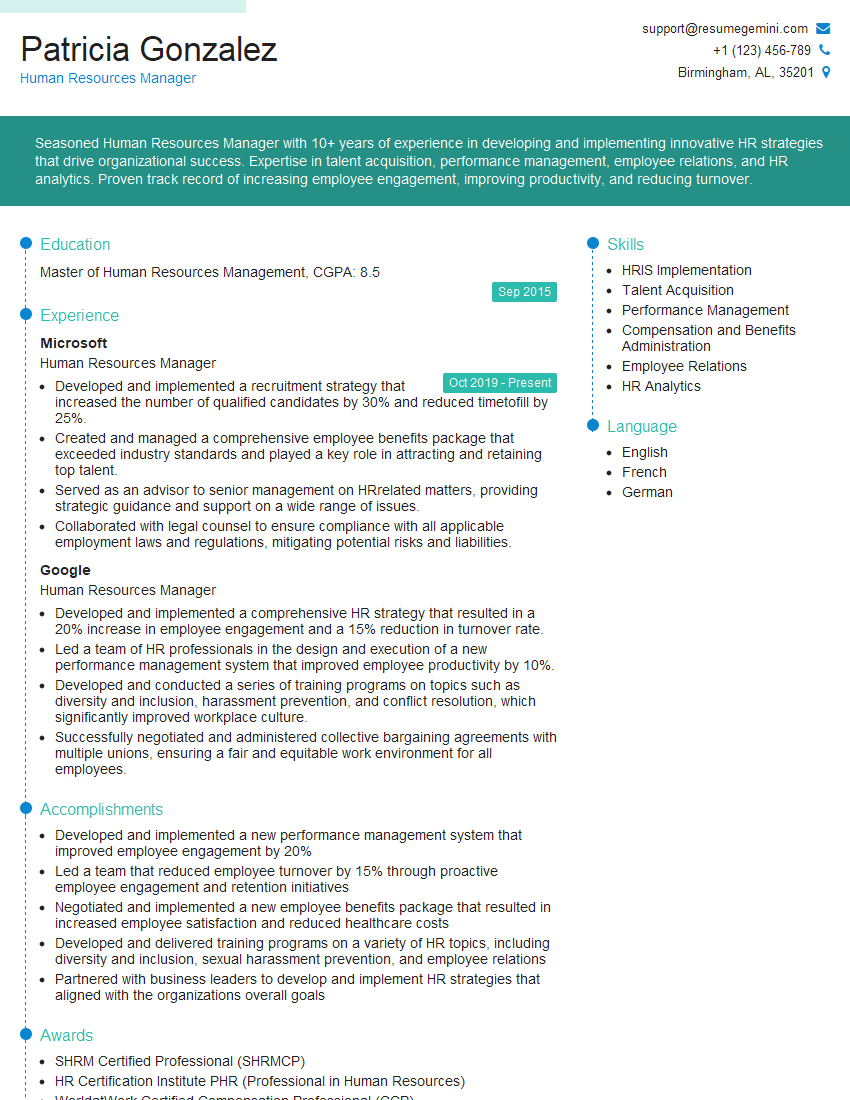
Human Resources Manager Resume Sample
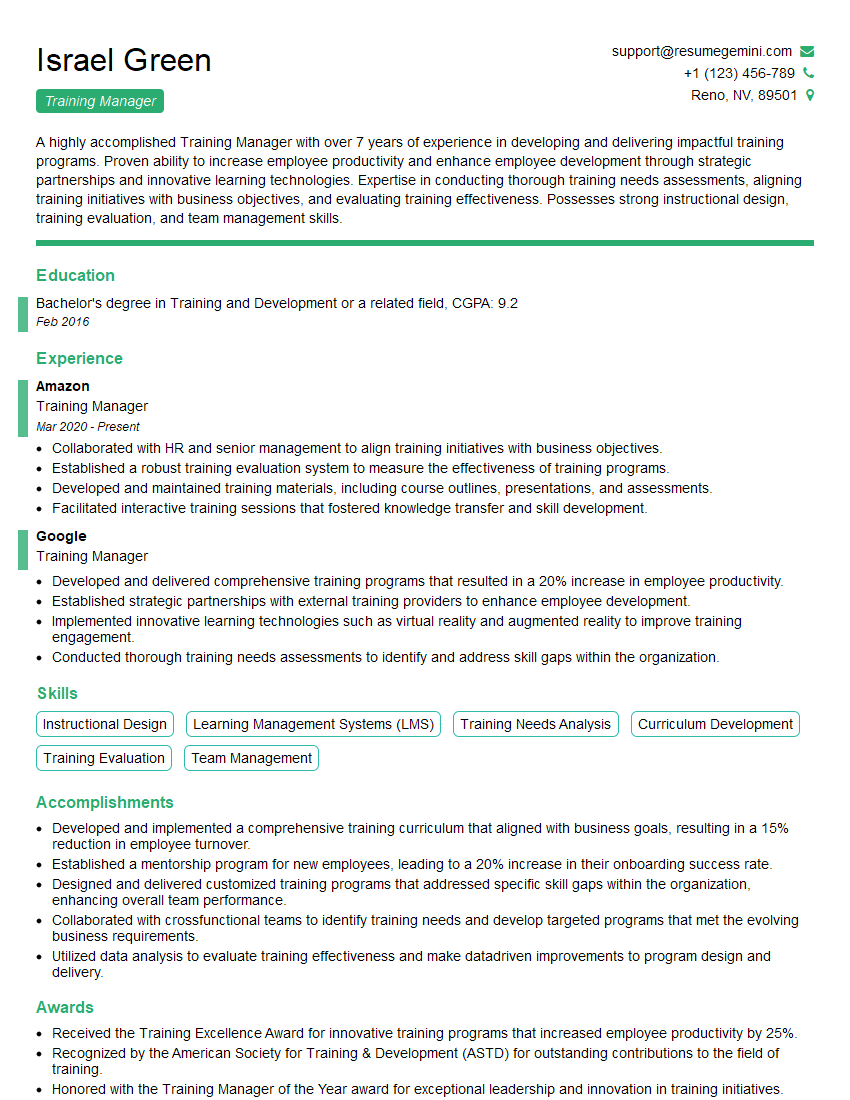
Training Manager Resume Sample
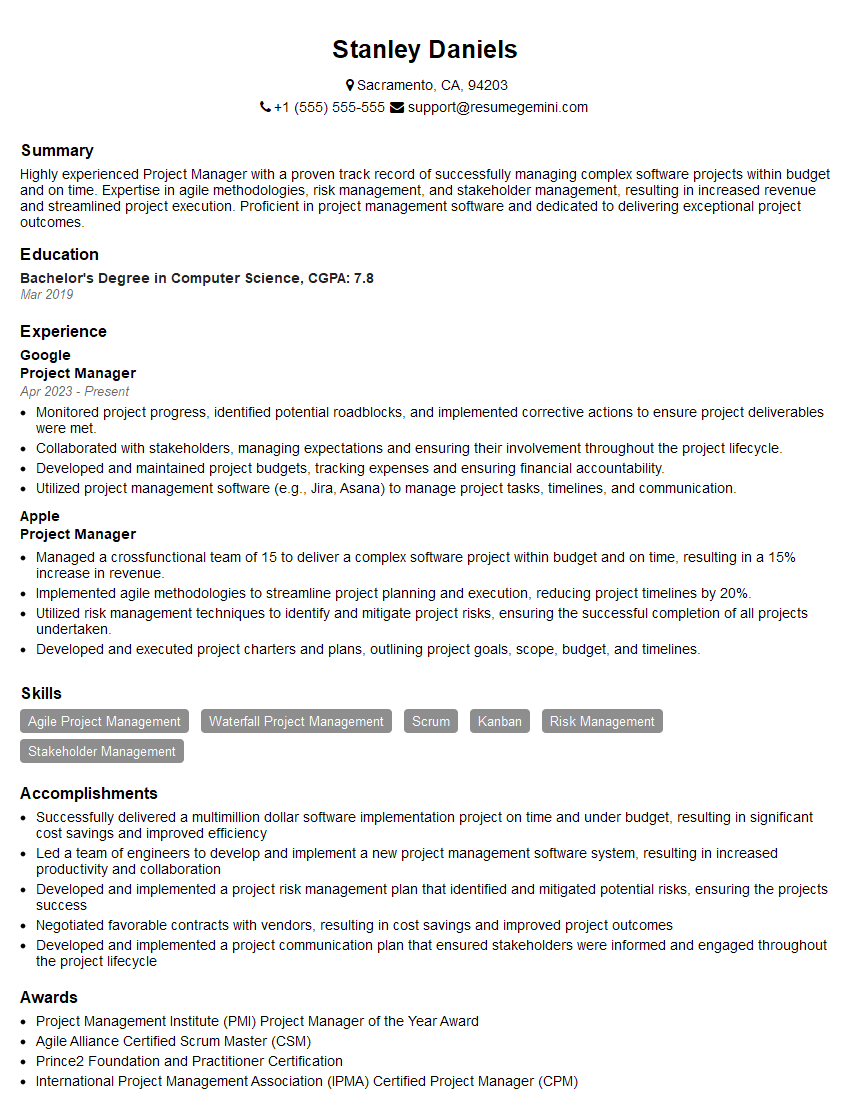
Project Manager Resume Sample
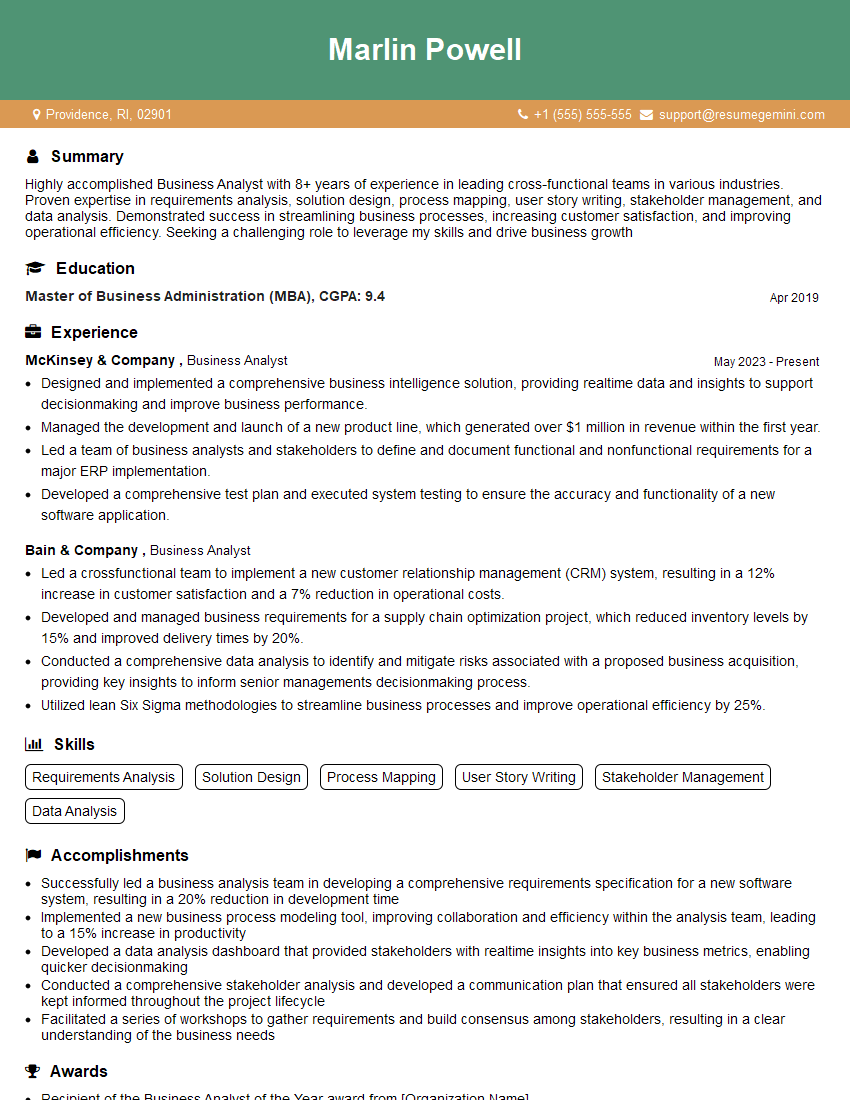
Business Analyst Resume Sample
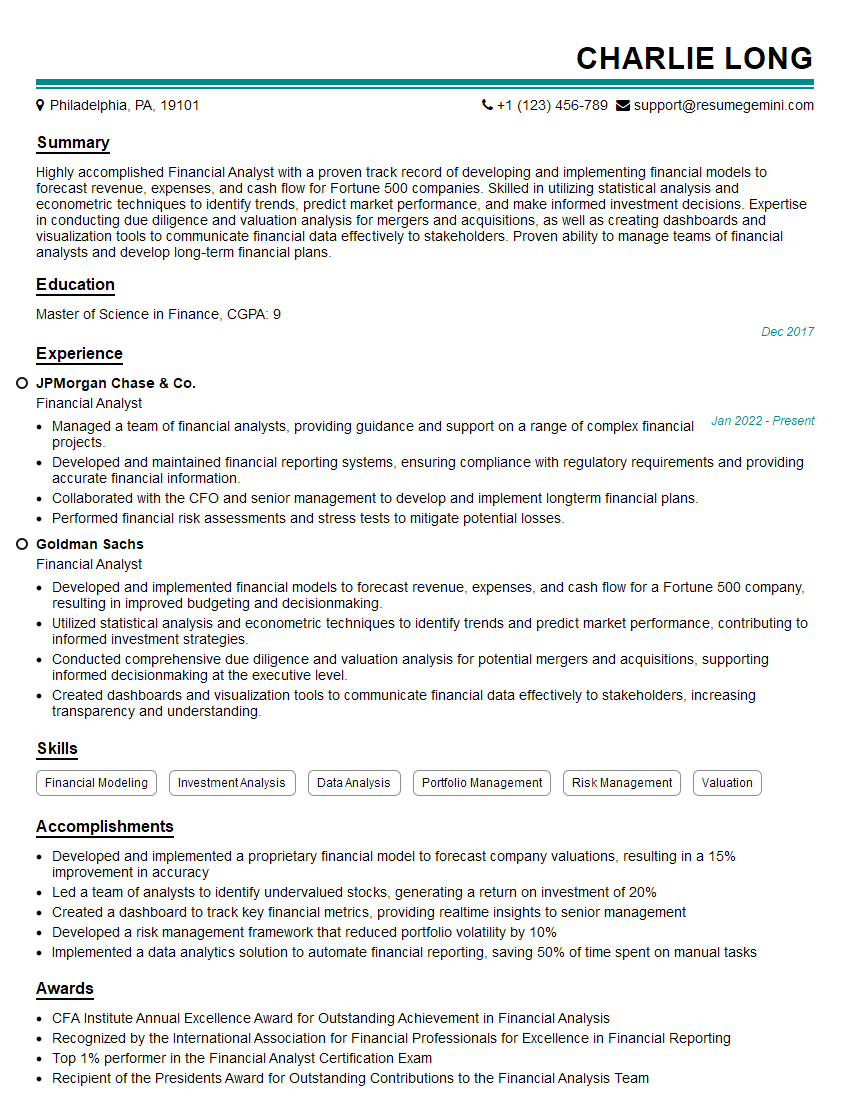
Financial Analyst Resume Sample
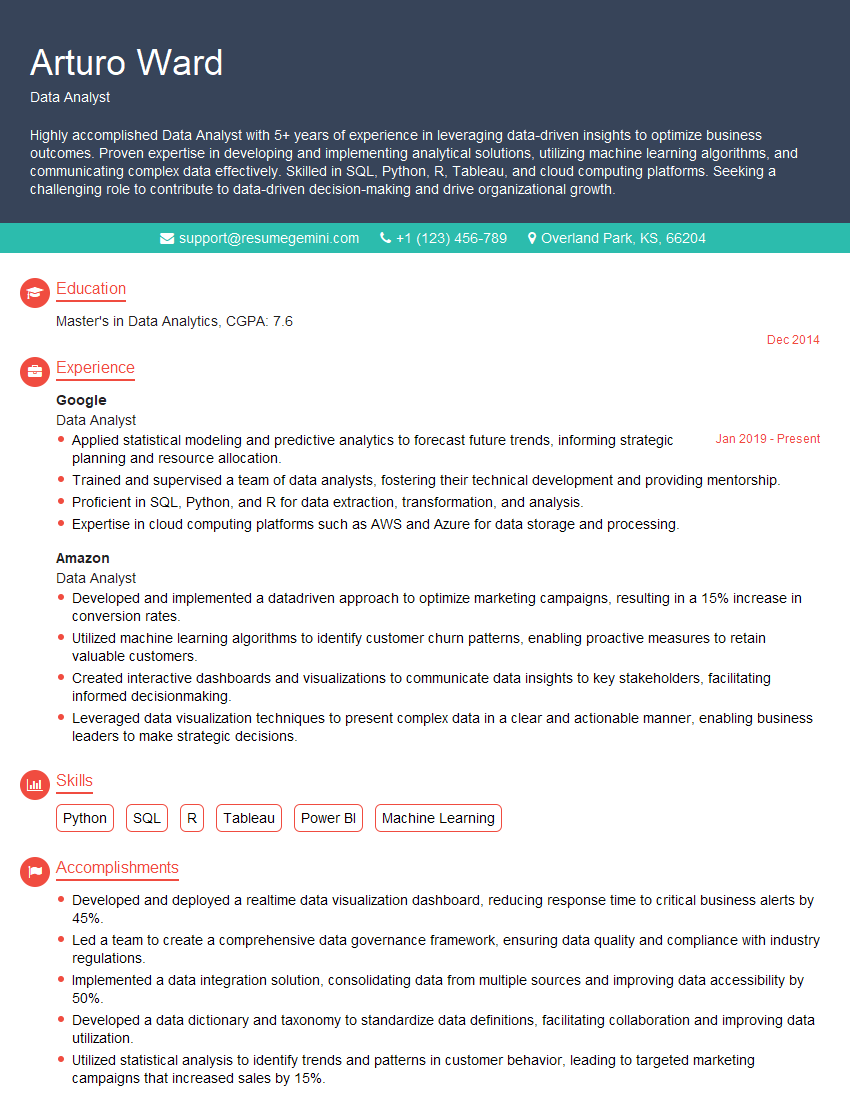
Data Analyst Resume Sample
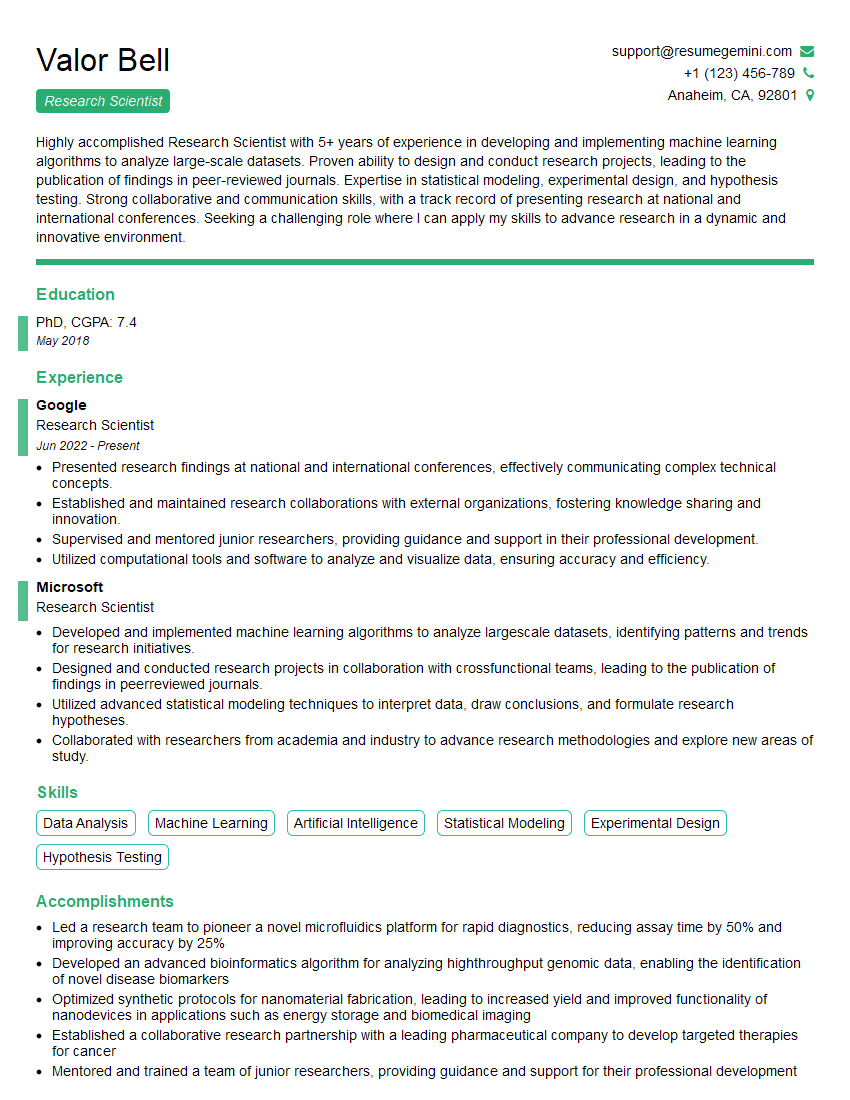
Research Scientist Resume Sample

Senior Software Engineer Resume Sample
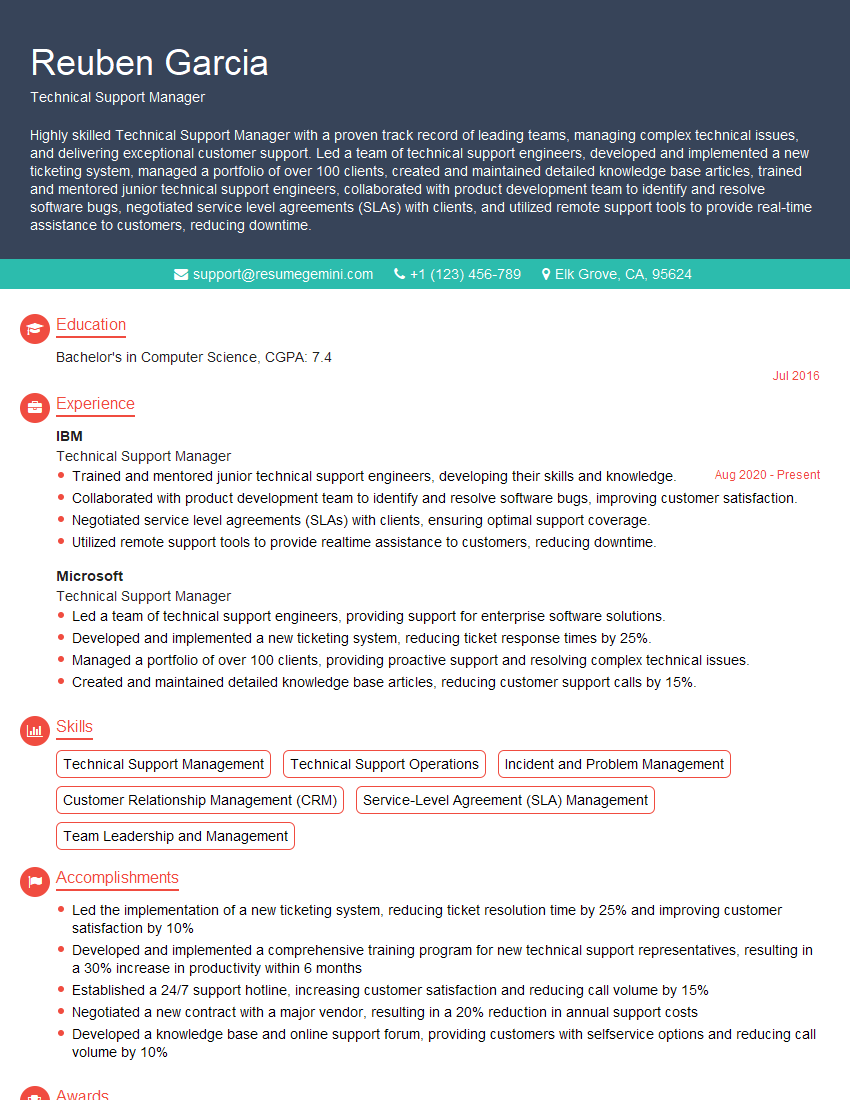
Technical Support Manager Resume Sample
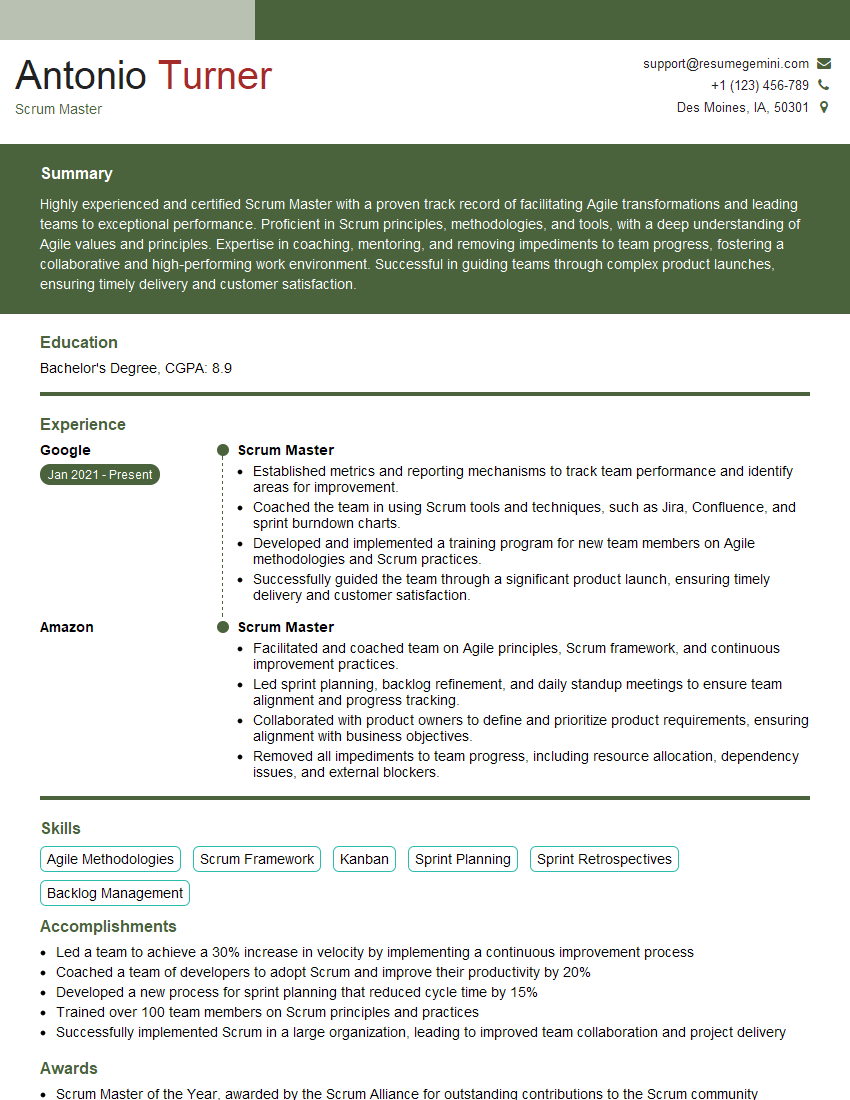
Scrum Master Resume Sample

Technical Writer Resume Sample
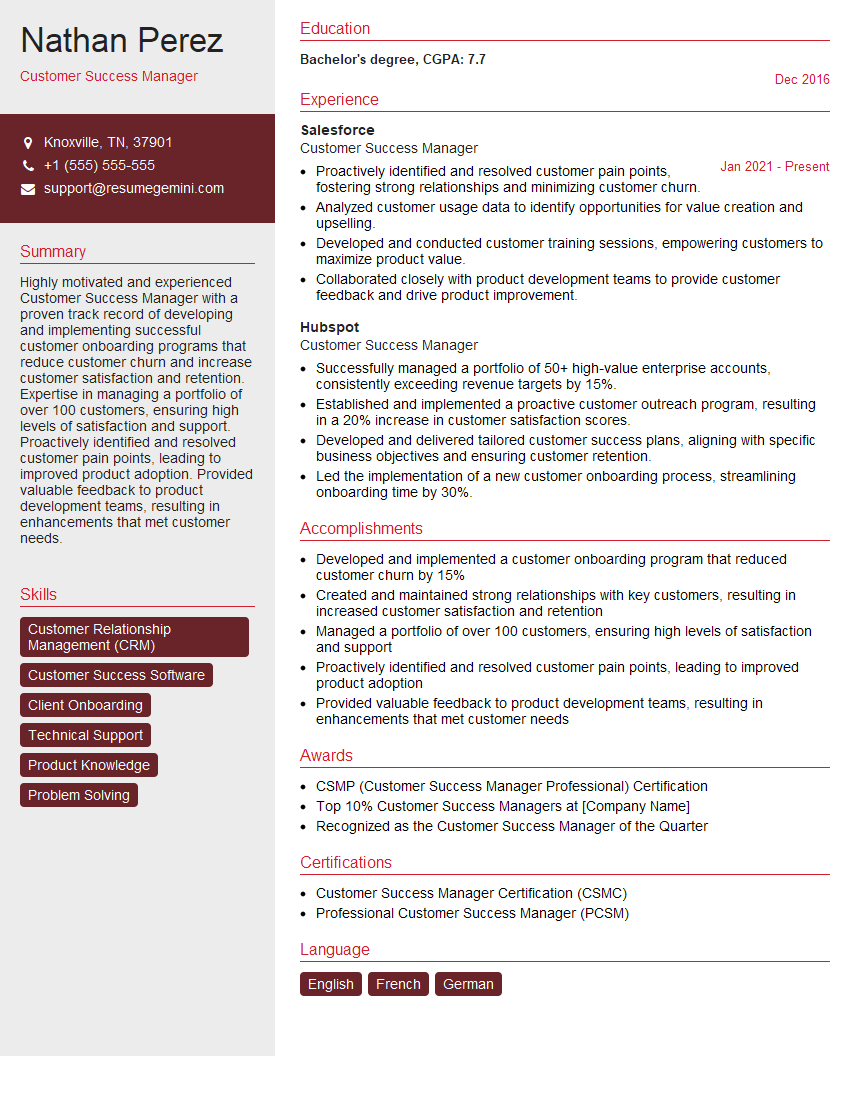
Customer Success Manager Resume Sample
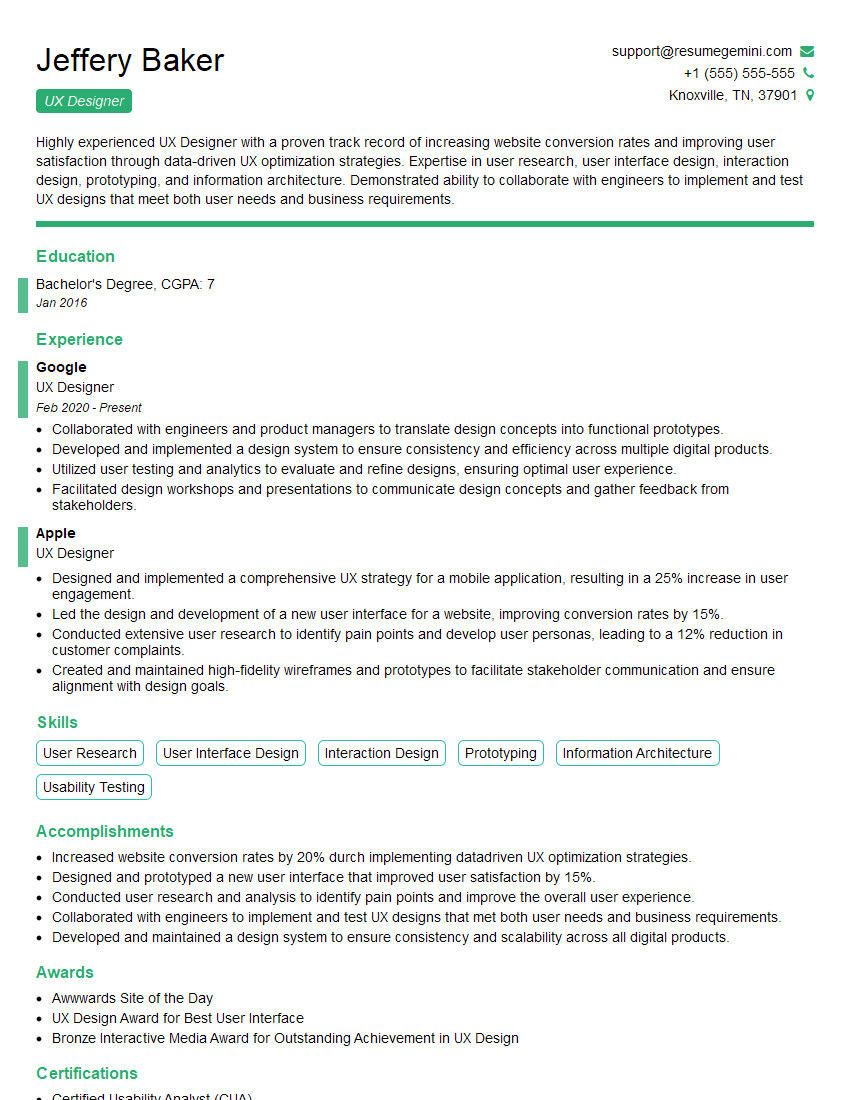
UX Designer Resume Sample
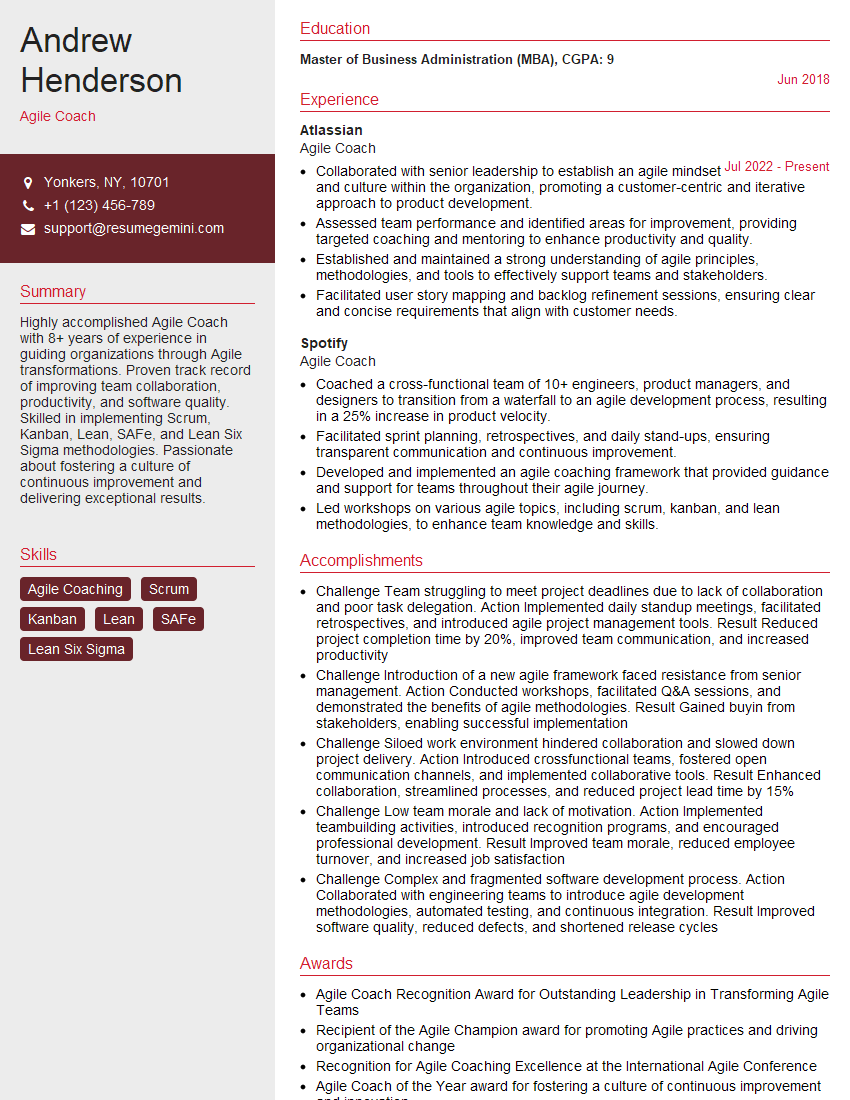
Agile Coach Resume Sample
- Program Manager
- Operations Manager
- Account Manager
- Marketing Manager
- Sales Manager
- Product Manager
- Communications Manager
- Quality Assurance Manager
- Human Resources Manager
- Training Manager
- Project Manager
- Business Analyst
- Financial Analyst
- Data Analyst
- Research Scientist
- Senior Software Engineer
- Technical Support Manager
- Scrum Master
- Technical Writer
- Customer Success Manager
- UX Designer
- Agile Coach
Explore more articles
Users Rating of Our Blogs
Share Your Experience
We value your feedback! Please rate our content and share your thoughts (optional).
What Readers Say About Our Blog
Very informative content, great job.
good