The thought of an interview can be nerve-wracking, but the right preparation can make all the difference. Explore this comprehensive guide to Communication and Collaboration Skills with Musicians and Crew interview questions and gain the confidence you need to showcase your abilities and secure the role.
Questions Asked in Communication and Collaboration Skills with Musicians and Crew Interview
Q 1. Describe your experience managing conflicting schedules within a musical production.
Managing conflicting schedules in a musical production requires meticulous planning and proactive communication. It’s like orchestrating a complex symphony – each musician and crew member is an instrument, and their availability is a crucial note. My approach begins with creating a comprehensive master schedule, consolidating everyone’s availability into a single, easily accessible document (often a shared digital calendar). This allows me to identify potential conflicts early on. Then, I proactively communicate these conflicts to the relevant individuals, offering several alternative options to resolve the scheduling clashes. Sometimes, this involves rescheduling rehearsals or individual tasks. Other times, it might necessitate a shift in the overall production timeline. The key is open communication and flexibility. For example, in one production, a key guitarist had a prior commitment during our planned recording session. Instead of canceling, we successfully rescheduled his recording segment for a different day, while ensuring that other musicians’ schedules were accommodating. This meticulous planning prevents last-minute disruptions and guarantees a smooth production workflow.
Q 2. How do you resolve disagreements between band members regarding creative direction?
Resolving creative disagreements among band members requires a delicate balance of diplomacy and clear communication. Think of it as facilitating a creative brainstorming session, not a debate. My approach begins with establishing a safe space for open dialogue where each member feels comfortable expressing their ideas without fear of judgment. I encourage active listening, ensuring each band member fully understands the perspectives of others. Then, I facilitate a structured discussion, guiding them toward a compromise that respects everyone’s contributions while aligning with the overall production goals. Sometimes, this might involve voting on specific options. Other times, it might mean finding a middle ground that incorporates elements from multiple suggestions. For example, in one instance, two band members had contrasting visions for the album’s artwork. Instead of imposing a decision, we organized a workshop where they could collaborate on sketches, ultimately arriving at a unified design that incorporated elements from both initial ideas. The key is to focus on collaboration, not competition.
Q 3. Explain your process for communicating complex technical instructions to a crew with varying skill levels.
Communicating complex technical instructions to a crew with varying skill levels necessitates a multi-pronged strategy that prioritizes clarity and visual aids. I employ a layered approach, starting with a clear, concise overview of the task. I then break down complex instructions into smaller, manageable steps, using simple language, avoiding jargon. Visual aids such as diagrams, flowcharts, or even short demonstration videos are invaluable here. For those with less experience, I provide one-on-one training and hands-on guidance. I also establish a clear system for asking questions and addressing concerns. For example, when setting up lighting for a concert, I would first provide a comprehensive diagram showing each light’s placement and function. Then, I’d offer individual training for those less familiar with lighting equipment. This ensures everyone understands their roles and contributes effectively to the overall production.
Q 4. How would you handle a last-minute equipment failure during a live performance?
Handling a last-minute equipment failure during a live performance requires quick thinking, resourcefulness, and calm communication. The first step is to assess the situation – identify the problem and its impact on the performance. Then, I immediately communicate the issue to the relevant crew members, informing them about the specifics of the failure and the required actions. This includes both technical crew and the band itself to manage expectations and prevent panic. We’d explore potential workarounds – could we use a backup instrument? Could we adjust the setlist to minimize reliance on the broken equipment? Simultaneously, I would work with the crew to assess the feasibility of a quick repair. In some cases, we might have to improvise or make creative adjustments on stage. It is about prioritizing what’s essential to save the performance. For instance, if a microphone fails, a quick switch to another functioning microphone with minimal disruption is key. Maintaining calm and clear communication throughout is crucial to a graceful recovery.
Q 5. Describe a time you had to adapt your communication style to suit different personalities within a team.
Adapting my communication style to different personalities is paramount for effective teamwork. It’s like speaking different languages – each team member has their own communication preferences. Some individuals respond best to direct, concise instructions, while others prefer a more collaborative, detailed approach. I observe each person’s communication style, paying attention to their body language and response to different communication approaches. I then tailor my approach accordingly – using direct language with those who prefer it and engaging in more collaborative discussions with those who appreciate a more participatory approach. For instance, working with a highly detail-oriented sound engineer, I’d provide extremely precise specifications for sound levels. But with a more intuitive lighting designer, I’d focus on the overall visual effect, trusting their creative expertise. This sensitivity to individual styles promotes harmony and productivity within the team.
Q 6. How do you ensure clear and consistent communication regarding performance details (setlists, timings etc.)?
Ensuring clear and consistent communication regarding performance details demands a structured approach. I utilize a combination of digital and physical methods to ensure everyone is on the same page. We typically use a shared online document (such as Google Docs or a dedicated project management software) to store and update the setlist, timings, stage plots, and any other relevant information. This document is consistently updated and accessible to all team members. In addition, regular team meetings are held to review the information, clarify any doubts, and discuss any potential adjustments. This combination of digital documentation and face-to-face communication eliminates misunderstandings and guarantees the team remains synchronized. For example, in a recent production, using a shared online document enabled easy updates to the setlist, allowing the band and crew to adapt swiftly to spontaneous changes during the show.
Q 7. Explain your strategy for building rapport and trust with musicians and crew members.
Building rapport and trust with musicians and crew members is the cornerstone of successful collaboration. It’s about creating a positive and respectful work environment where everyone feels valued and appreciated. I begin by showing genuine interest in each individual – getting to know their strengths, their interests, and their preferred way of working. I foster open communication, encouraging them to express their thoughts and concerns freely. I actively acknowledge and appreciate their contributions, big or small. I also strive to be approachable, creating an environment where everyone feels comfortable seeking help or expressing any issues. Showing empathy and understanding when dealing with challenges further builds trust. For example, I regularly acknowledge individual achievements during rehearsals and performances, celebrating shared successes as a team. Through consistent appreciation and genuine engagement, I establish a sense of mutual respect and trust that strengthens the overall collaborative effort.
Q 8. How would you motivate a team facing fatigue or low morale during a demanding tour?
Addressing fatigue and low morale on tour requires a multifaceted approach focusing on both individual well-being and team cohesion. It’s not just about motivation; it’s about creating a supportive environment.
- Open Communication: I’d start by holding a team meeting in a relaxed setting, encouraging everyone to openly share their concerns and feelings. This isn’t about assigning blame but about identifying contributing factors.
- Addressing Physical Needs: Fatigue is often a primary culprit. I’d explore possibilities like adjusting schedules, incorporating rest days, or ensuring access to healthy food and hydration. Perhaps arranging for group activities that promote relaxation, like yoga or meditation sessions.
- Boosting Morale: Small gestures can make a big difference. This could involve team-building exercises, celebrating milestones, giving individual recognition for hard work, or even just a spontaneous treat. A shared positive experience can significantly boost morale.
- Professional Support: In severe cases, I’d encourage the use of professional resources, such as a therapist or counselor, to help individuals address burnout or other underlying issues. Confidentiality and access to mental health services are paramount.
- Reframing the Narrative: It’s essential to remind the team of the bigger picture – their shared goals, the positive impact of their work, and the success they’ve already achieved together. Maintaining a positive and collaborative attitude is key.
For example, on one tour, I noticed a significant drop in morale among the lighting crew. After a team meeting where they openly shared their exhaustion from long hours and demanding setups, we adjusted the schedule, incorporating extra breaks and streamlining the lighting changes. We also organized a team dinner to foster camaraderie and boost morale. The result was a noticeable improvement in both productivity and team spirit.
Q 9. What techniques do you use to actively listen and understand the needs and concerns of musicians?
Active listening involves more than just hearing; it’s about truly understanding the speaker’s perspective and needs. With musicians, this requires sensitivity and empathy.
- Non-Verbal Cues: I pay close attention to body language, facial expressions, and tone of voice. These cues often reveal unspoken concerns or anxieties.
- Empathetic Responses: I try to reflect back what I hear to ensure understanding, using phrases like, “So, if I understand correctly, you’re feeling frustrated because…”
- Open-Ended Questions: Instead of asking yes/no questions, I use open-ended questions that encourage the musician to elaborate, such as, “Tell me more about what happened,” or, “How did that make you feel?”
- Creating a Safe Space: A crucial element is establishing a safe and trusting environment where musicians feel comfortable expressing their thoughts and concerns without fear of judgment or reprisal. Confidentiality is crucial.
- Active Note-Taking: I always take notes during conversations to ensure I don’t miss crucial details. This demonstrates that I am truly engaged and value what they share.
For instance, a guitarist once expressed concern about a new monitor setup. By actively listening and asking clarifying questions, I discovered the issue wasn’t just the placement but also the sound quality. This led to adjustments that solved the problem and strengthened our working relationship.
Q 10. How do you facilitate effective feedback sessions between musicians and the production team?
Facilitating effective feedback sessions requires a structured approach that encourages open communication and mutual respect. The goal is to foster collaboration, not confrontation.
- Clear Objectives: Before the meeting, I’d define clear objectives for the feedback session, sharing them with both the musicians and the production team. This ensures everyone is on the same page.
- Structured Format: I’d establish a specific format, perhaps starting with the musicians presenting their observations and suggestions, followed by the production team providing their insights. Allowing each side to offer feedback privately before a joint discussion can improve the quality of interaction.
- Neutral Facilitation: My role is to facilitate a constructive dialogue, ensuring that everyone has an opportunity to speak and that feedback is delivered respectfully and constructively. I help manage the flow of conversation and keep the discussion focused.
- Actionable Outcomes: The goal is to generate actionable steps and assign responsibilities for implementing changes. Documenting these agreements is crucial for ensuring follow-through.
- Follow-up: After the meeting, I’d send a summary of the key points and agreed-upon actions, reminding participants of their assigned responsibilities.
In a past production, a feedback session revealed the drummer’s frustration with inconsistent sound during rehearsals. Through a structured discussion, we identified the issue as a problem with the drum mic setup. By assigning responsibility for adjusting the mics and scheduling a follow-up rehearsal to test the changes, we effectively resolved the problem.
Q 11. Describe your experience using various communication tools (email, instant messaging, etc.) in a professional music setting.
In the music industry, efficient communication is critical. I utilize various tools depending on the context and urgency of the information.
- Email: Email is ideal for formal communication, scheduling, and sharing detailed information like contracts, itineraries, and technical specifications. For example, confirming rider requests with venues or sending comprehensive tour schedules to the crew would use email.
- Instant Messaging (e.g., Slack, WhatsApp): Instant messaging is perfect for quick updates, resolving immediate issues, and informal communication among team members. This is invaluable for quick problem-solving or confirming last-minute changes. Example: confirming stage times, addressing sound issues during a show, or sharing important updates quickly.
- Project Management Software (e.g., Asana, Trello): These tools are helpful for managing tasks, assigning responsibilities, and tracking progress. I use them to manage the logistical aspects of the tour such as scheduling and coordination across different departments. Example: monitoring set-up and breakdown schedules, tracking equipment movements, and coordinating travel arrangements.
- Video Conferencing (e.g., Zoom, Google Meet): Video conferencing is useful for remote meetings, particularly when dealing with geographically dispersed teams or when visual aids are necessary. This works well for rehearsal discussions or pre-production meetings where creative input is vital.
For example, during one tour, I used Slack for quick communication between crew members, email for formal correspondence with the venue managers, and Asana to manage task assignments and track progress on set design and equipment procurement.
Q 12. How do you manage and prioritize competing demands during a busy production schedule?
Prioritizing competing demands in a busy production schedule requires a systematic approach.
- Prioritization Matrix: I use a prioritization matrix (e.g., Eisenhower Matrix) to categorize tasks based on urgency and importance. Urgent and important tasks receive immediate attention, while less urgent tasks are scheduled accordingly.
- Time Blocking: I allocate specific time blocks for different tasks to maintain focus and avoid getting overwhelmed. This ensures dedicated periods for problem-solving, communication and creative processes.
- Delegation: I delegate tasks effectively, assigning them to individuals based on their skills and availability. Clear communication and training are crucial for successful delegation.
- Regular Check-ins: I conduct regular check-in meetings with team members to monitor progress, address obstacles, and make necessary adjustments to the schedule.
- Flexibility and Adaptability: Being flexible and adaptable is crucial in this industry. Unexpected issues frequently arise, and I’m prepared to adjust my priorities based on changing circumstances.
For instance, during a festival performance, we faced a sudden equipment malfunction. Using my prioritization matrix, I quickly assessed the situation, delegated the repair to our tech team, and adjusted the show schedule to allow for the fix, minimizing disruption to the performance.
Q 13. How do you ensure that all crew members are aware of safety protocols and procedures?
Ensuring crew awareness of safety protocols is paramount. This requires a comprehensive and proactive approach.
- Pre-Tour Briefing: I conduct a thorough pre-tour briefing covering all relevant safety procedures, including emergency exits, evacuation plans, fire safety, handling hazardous materials (if any), and equipment safety procedures.
- On-site Training: I provide on-site training specific to the venue, highlighting any unique safety considerations or hazards present. I also ensure everyone knows the location of first aid kits and emergency contacts.
- Regular Reminders: I incorporate regular safety reminders into team meetings and communication channels, especially before and after potentially hazardous tasks.
- Visual Aids: I use clear signage, visual aids, and checklists to reinforce safety protocols. This helps ensure information retention and makes critical information readily accessible.
- Documentation: I maintain detailed records of all safety training and briefings, ensuring everyone acknowledges their understanding and responsibilities.
For example, before every show, I remind the crew about the importance of safe equipment handling and provide clear instructions for moving heavy equipment. I also ensure that our stagehands understand the emergency exit procedures and the locations of fire extinguishers.
Q 14. Describe your approach to conflict resolution in a high-pressure environment like a live concert.
Conflict resolution in a high-pressure environment requires a calm and measured approach. The goal is to find a solution that preserves working relationships and minimizes disruption.
- Address the Issue Promptly: Don’t let conflicts fester. Address them as soon as possible to prevent escalation.
- Private Conversation: I typically address conflicts in a private setting, ensuring all parties feel comfortable expressing themselves without feeling judged or pressured.
- Active Listening and Empathy: I actively listen to each party’s perspective, showing empathy and understanding. This helps them feel heard and valued.
- Focus on Solutions: The goal is to find a mutually acceptable solution. I help to identify the root causes of the conflict and brainstorm possible solutions collaboratively.
- Mediation if Necessary: If the conflict cannot be resolved directly, I might involve a neutral third party to mediate the discussion.
- Document the Resolution: I document the agreed-upon solution and follow-up to ensure the issue is resolved and doesn’t recur.
In one instance, a conflict arose between the sound engineer and the lighting technician regarding stage space. By having a private conversation and actively listening to their concerns, I was able to find a compromise that satisfied both individuals, ensuring a smooth technical run for the show.
Q 15. How do you document and share key information effectively within a music production team?
Effective documentation and information sharing are crucial for a smooth music production. Think of it like building a house – you need detailed blueprints everyone understands. I utilize a multi-pronged approach.
Centralized Digital Hub: We use project management software like Asana or Trello. This allows for task assignment, deadline setting, file sharing (audio files, sheet music, production notes), and real-time communication. This acts as our central repository for all project-related information.
Regular Team Meetings: Weekly (or more frequent, depending on project complexity) meetings are essential. These aren’t just for updates; they are for open dialogue, problem-solving, and ensuring everyone’s on the same page. Meeting minutes are documented and shared afterwards.
Version Control: For audio files, we employ version control systems like Dropbox or Google Drive, where changes are tracked and previous versions are readily accessible. This prevents accidental overwrites and ensures everyone works with the most up-to-date files. Clear naming conventions (e.g., TrackName_v2.wav) are vital.
Clear Communication Protocols: We establish clear guidelines for communication – who to contact for specific issues, preferred methods of communication (email for formal requests, instant messaging for quick updates), and response times.
This layered approach ensures transparency, accountability, and efficient information flow within the team.
Career Expert Tips:
- Ace those interviews! Prepare effectively by reviewing the Top 50 Most Common Interview Questions on ResumeGemini.
- Navigate your job search with confidence! Explore a wide range of Career Tips on ResumeGemini. Learn about common challenges and recommendations to overcome them.
- Craft the perfect resume! Master the Art of Resume Writing with ResumeGemini’s guide. Showcase your unique qualifications and achievements effectively.
- Don’t miss out on holiday savings! Build your dream resume with ResumeGemini’s ATS optimized templates.
Q 16. How do you identify and address potential communication breakdowns within a team?
Communication breakdowns often stem from unclear expectations, inadequate information flow, or personality clashes. Identifying these requires active listening and observation. I look for:
Missed Deadlines: Consistent missed deadlines might signal a lack of understanding or resource constraints.
Recurring Errors: Repeated mistakes in the same area point to a need for clearer instructions or additional training.
Passive-Aggressive Behavior: Subtle signs of frustration or resentment indicate underlying communication problems needing addressing.
Lack of Collaboration: Team members working in silos, without sharing information, is a clear warning sign.
Addressing these breakdowns involves:
Open Dialogue: Facilitating open discussions within the team to uncover the root cause of the problem.
Clarification of Roles: Reiterating roles and responsibilities to ensure everyone understands their contributions.
Improved Communication Channels: Introducing or refining communication strategies based on team needs.
Conflict Resolution: Addressing conflicts directly and fairly, using mediation techniques if necessary.
It’s crucial to create a safe space where team members feel comfortable expressing concerns without fear of retribution.
Q 17. Have you ever had to mediate a disagreement between a musician and a member of the crew? How did you handle it?
Yes, I’ve mediated several disagreements. One involved a musician unhappy with the sound engineer’s microphone placement. The musician felt their performance was compromised, leading to tension. My approach was:
Active Listening: I separately spoke to both individuals, hearing their perspectives without judgment. This helped identify the musician’s concerns about sound quality and the engineer’s perspective on technical limitations.
Facilitation: I then brought them together in a neutral setting and facilitated a discussion. I focused on finding common ground, encouraging them to express their needs and understand each other’s viewpoints.
Collaborative Solution: We explored solutions together – testing different microphone placements, adjusting sound levels, and discussing performance techniques. The outcome was a compromise that addressed both the musician’s artistic needs and the engineer’s technical constraints.
Follow-up: I checked in with them after the session to ensure the solution worked and to address any lingering issues. This proactive approach helped restore a positive working relationship.
The key was creating a collaborative environment where the focus shifted from blame to problem-solving.
Q 18. Explain your experience with creating and maintaining communication channels for large, complex productions.
Large, complex productions demand robust and adaptable communication channels. For a recent opera production, we used a multi-layered system:
Project Management Software (Asana): For overall project tracking, task assignments, and file sharing.
Dedicated Email Lists: Separate lists for specific departments (stage crew, musicians, lighting, etc.) ensured targeted communication.
Instant Messaging (Slack): For quick updates, real-time communication, and addressing urgent issues.
Regular Production Meetings: Weekly meetings with all departments ensured alignment and problem identification. Minutes were meticulously documented.
Daily Call Sheets: Detailed call sheets outlining schedules, call times, and specific responsibilities for each day were distributed to relevant personnel.
Establishing clear communication protocols and consistently using these channels minimized confusion and maximized efficiency.
Q 19. How do you ensure that all team members understand their individual roles and responsibilities?
Clarity of roles is essential. This begins with a well-defined job description for each role, outlining responsibilities and expectations. This is followed by:
Individual Briefings: One-on-one meetings to clarify roles, answer questions, and ensure individual understanding.
Team Introductions: Opportunities for team members to interact and understand each other’s contributions within the larger project.
Visual Aids: Charts and diagrams illustrating the workflow and dependencies between different roles. Think of it as a visual roadmap for the project.
Training and Workshops: Providing necessary training and workshops, especially for complex tasks or new software applications.
Regular Check-ins: Consistent monitoring of progress and addressing any misunderstandings promptly.
By employing these methods, I ensure that everyone knows their part and how it contributes to the bigger picture, minimizing misunderstandings and enhancing collaborative effort.
Q 20. What strategies do you use to maintain positive team dynamics throughout a long project or tour?
Maintaining positive team dynamics is crucial, particularly during long projects. I focus on:
Team-Building Activities: Informal gatherings or activities designed to foster camaraderie and strengthen relationships. These could be anything from casual lunches to team-building exercises.
Open Communication: Encouraging open and honest communication amongst team members, creating a space where they feel comfortable expressing their needs and concerns.
Recognition and Appreciation: Regularly acknowledging and appreciating individual and team achievements, boosting morale and motivation.
Conflict Resolution: Addressing conflicts promptly and fairly, ensuring all parties feel heard and understood.
Well-Defined Breaks: Ensuring adequate rest and breaks, particularly during demanding periods, to prevent burnout and maintain productivity.
Regular Feedback Sessions: Providing regular feedback to gauge morale and identify areas for improvement.
A positive and supportive environment leads to better collaboration and a higher quality end product.
Q 21. How do you provide constructive criticism to musicians without damaging their morale or creativity?
Providing constructive criticism requires tact and empathy. I follow these steps:
Focus on the Work, Not the Person: The feedback should be specific to the performance or creative output, not a personal attack. For example, instead of saying “You’re not a good singer,” say “In this particular section, the pitch could be more consistent.”
Positive Framing: Begin with positive feedback, highlighting the strengths before addressing areas for improvement. This softens the blow and makes the criticism more palatable.
Specificity: Be precise and detailed in your critique. Vague comments are unhelpful. Provide concrete examples and suggest specific solutions.
Offer Solutions: Don’t just point out flaws; offer suggestions for improvement. This demonstrates that the criticism is intended to be helpful, not hurtful.
Active Listening: After delivering the feedback, actively listen to the musician’s response and address their concerns. This shows you respect their feelings and are open to dialogue.
Private Setting: Delivering feedback in a private setting allows for a more comfortable and less intimidating environment.
Constructive criticism is a tool for growth, not for demolition. By approaching it with sensitivity and care, you can nurture talent while improving the overall quality of the musical work.
Q 22. How would you manage communication with external vendors or suppliers during a production?
Managing communication with external vendors and suppliers requires a structured approach, emphasizing clarity, documentation, and proactive follow-up. I begin by establishing clear contracts outlining expectations, timelines, and deliverables. This includes detailed specifications for any required materials or services. I then utilize a centralized communication system, such as a shared project management platform (like Asana or Trello) or a dedicated email thread, to ensure all communication is documented and easily accessible to all relevant parties. This prevents misunderstandings and allows for easy tracking of progress. Regular check-ins, either via phone calls or video conferencing, are crucial to address any emerging issues or questions promptly. For example, if we’re working with a lighting supplier, I’d schedule a call a week before delivery to confirm the order details, delivery time and address any potential logistical challenges.
Finally, I maintain meticulous records of all communication, including emails, meeting minutes, and any changes to the initial agreements. This detailed documentation proves invaluable in managing any discrepancies or disputes that may arise.
Q 23. Describe your experience using project management software or tools to enhance team collaboration.
I’ve extensively used project management software like Asana and Trello to enhance team collaboration. These tools are invaluable for organizing tasks, assigning responsibilities, tracking progress, and fostering transparency. In a recent orchestral recording project, we used Asana to create separate sections for musicians, the recording engineers, the production team, and the marketing team. Each section contained detailed task lists, deadlines, and assigned personnel. This allowed everyone to see their roles within the larger project and how their work contributed to the overall success. We utilized Asana’s file-sharing feature to ensure everyone had access to the latest versions of scores, arrangements, and other relevant documents.
Further, the built-in communication features, such as comments and messaging, facilitated real-time discussions and quick problem-solving. For instance, if a musician had a question about a specific passage in the score, they could post it directly in the relevant task section, and the conductor or arranger could respond immediately, saving time and preventing delays.
Q 24. How do you handle difficult or challenging personalities within a team?
Handling challenging personalities requires a combination of empathy, clear communication, and setting firm boundaries. I start by understanding the individual’s perspective and their motivations. Open and honest communication, focusing on behavior rather than personal attacks, is key. For instance, if a musician is consistently late to rehearsals, instead of criticizing them directly, I’d address the issue by explaining how their lateness impacts the overall workflow and the rest of the team. I would also try to discover if there are underlying reasons for their behavior, perhaps personal issues or logistical problems that could be addressed.
I believe in establishing clear expectations and consequences from the beginning. If the behavior continues despite efforts to address it, then firmer steps may be required, such as mediation or, if necessary, disciplinary action. It’s crucial to remember that maintaining a positive and productive work environment is paramount, so finding solutions that work for the entire team is essential.
Q 25. How do you adapt your communication style when dealing with individuals who are not native English speakers?
Adapting my communication style when working with non-native English speakers involves being mindful of language barriers and cultural differences. I avoid using complex jargon or idioms and speak clearly and slowly. I also make use of visual aids, such as diagrams or written instructions, to supplement verbal communication. Furthermore, I encourage open communication and feedback, ensuring they feel comfortable asking for clarification if needed. Employing simple language, active listening, and confirming understanding through paraphrasing are crucial strategies.
For example, if I’m explaining a technical aspect of a recording session to a crew member who isn’t fluent in English, I’d show them a diagram illustrating the signal flow and then verbally walk them through it, checking regularly to make sure they understand each step. Using a translation app for more complex discussions can also be a valuable tool. The most important factor is to create a supportive and inclusive environment where everyone feels comfortable communicating openly.
Q 26. How would you ensure consistent branding and messaging across all aspects of a musical production?
Ensuring consistent branding and messaging across all aspects of a musical production requires a well-defined brand strategy and clear communication. This begins with creating a comprehensive brand guide that outlines the production’s visual identity (logo, color palette, typography), its verbal identity (tone of voice, key messaging), and its overall aesthetic. This guide then serves as a reference point for all team members involved in creating marketing materials, social media posts, website content, and program notes.
Regular communication and collaboration are vital to maintain consistency. I would utilize a collaborative platform to store and update the brand guide, ensuring everyone has access to the most current information. Consistent feedback sessions and review meetings help identify and address any discrepancies early on. This proactive approach ensures a unified brand experience that strengthens the production’s overall identity and appeal.
Q 27. What steps do you take to promote open and honest communication within a team?
Promoting open and honest communication requires building trust and creating a safe space where individuals feel comfortable expressing themselves without fear of judgment or reprisal. I achieve this by setting a positive example, actively listening to team members, and valuing their input. Regular team meetings, both formal and informal, provide opportunities for open dialogue and feedback. These sessions should focus on both operational matters and team dynamics, allowing for constructive criticism and the identification of potential conflicts early on.
Furthermore, establishing clear communication channels and encouraging the use of appropriate communication tools, such as project management software or instant messaging, can foster collaboration and facilitate the free exchange of ideas. Anonymous feedback mechanisms, such as suggestion boxes or online surveys, can also be valuable tools for gathering input and addressing concerns without fear of repercussions.
Q 28. How do you proactively anticipate potential communication challenges in a music production and address them?
Proactively anticipating communication challenges involves thorough planning and a comprehensive understanding of the project’s complexity and the individuals involved. Before the production begins, I conduct a thorough risk assessment, identifying potential communication hurdles. This might involve analyzing the team’s composition, considering potential language barriers, understanding the technical requirements, and assessing the logistical complexities of the production.
Once potential challenges are identified, I develop contingency plans and implement strategies to mitigate those risks. For instance, if I foresee potential conflicts between different departments, I might schedule regular cross-departmental meetings to foster collaboration and communication. If I anticipate language barriers, I might arrange for translation services or invest in training for team members. Careful planning, proactive communication, and contingency planning are essential to a successful production and minimize disruptive communication breakdowns.
Key Topics to Learn for Communication and Collaboration Skills with Musicians and Crew Interview
- Active Listening and Feedback: Understanding nonverbal cues, providing constructive criticism, and effectively receiving feedback from diverse personalities within a musical setting.
- Conflict Resolution: Addressing disagreements professionally and collaboratively, finding common ground, and mediating conflicts among musicians and crew members during rehearsals and performances.
- Clear and Concise Communication: Delivering instructions, sharing technical information, and coordinating tasks efficiently, adapting communication style to different audiences (musicians, technicians, management).
- Teamwork and Collaboration: Understanding individual roles and responsibilities, fostering a positive team environment, and contributing effectively to shared goals within a time-sensitive production environment.
- Nonverbal Communication: Recognizing and interpreting body language, using appropriate nonverbal cues to build rapport and understanding, especially in high-pressure situations.
- Technical Communication: Clearly explaining technical concepts and procedures to both technical and non-technical personnel, ensuring everyone understands their roles and responsibilities.
- Professional Etiquette: Maintaining professional conduct, respecting boundaries, and demonstrating appropriate communication protocols within the music industry.
- Problem-Solving in a Team Setting: Identifying challenges, brainstorming solutions, and implementing strategies collaboratively to overcome obstacles during rehearsals, performances, or recording sessions.
Next Steps
Mastering communication and collaboration skills is paramount for career advancement in the music industry. Strong interpersonal skills are highly valued, enabling you to build strong working relationships, navigate complex projects, and achieve shared creative goals. To maximize your job prospects, create an ATS-friendly resume that highlights these crucial skills. ResumeGemini is a trusted resource that can help you craft a compelling resume that showcases your abilities effectively. Examples of resumes tailored to Communication and Collaboration Skills with Musicians and Crew are available to help you get started. Investing time in creating a strong resume significantly increases your chances of landing your dream role.
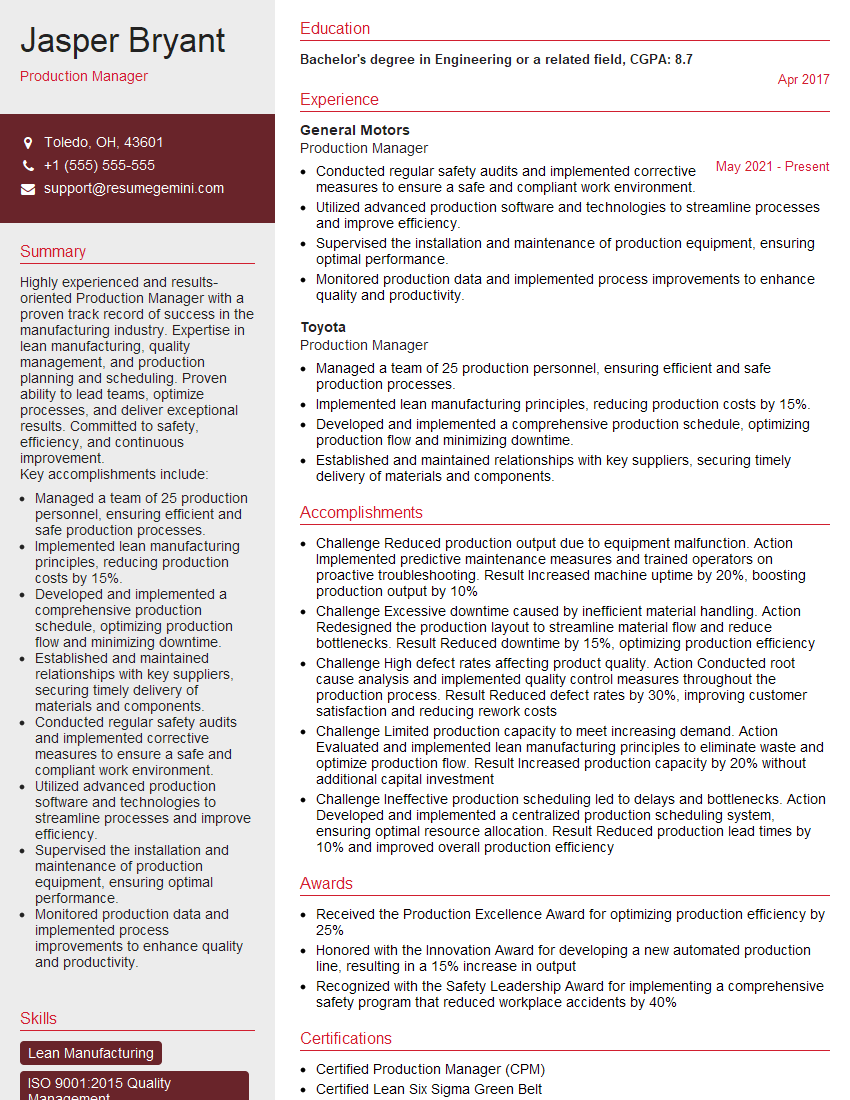
Production Manager Resume Sample
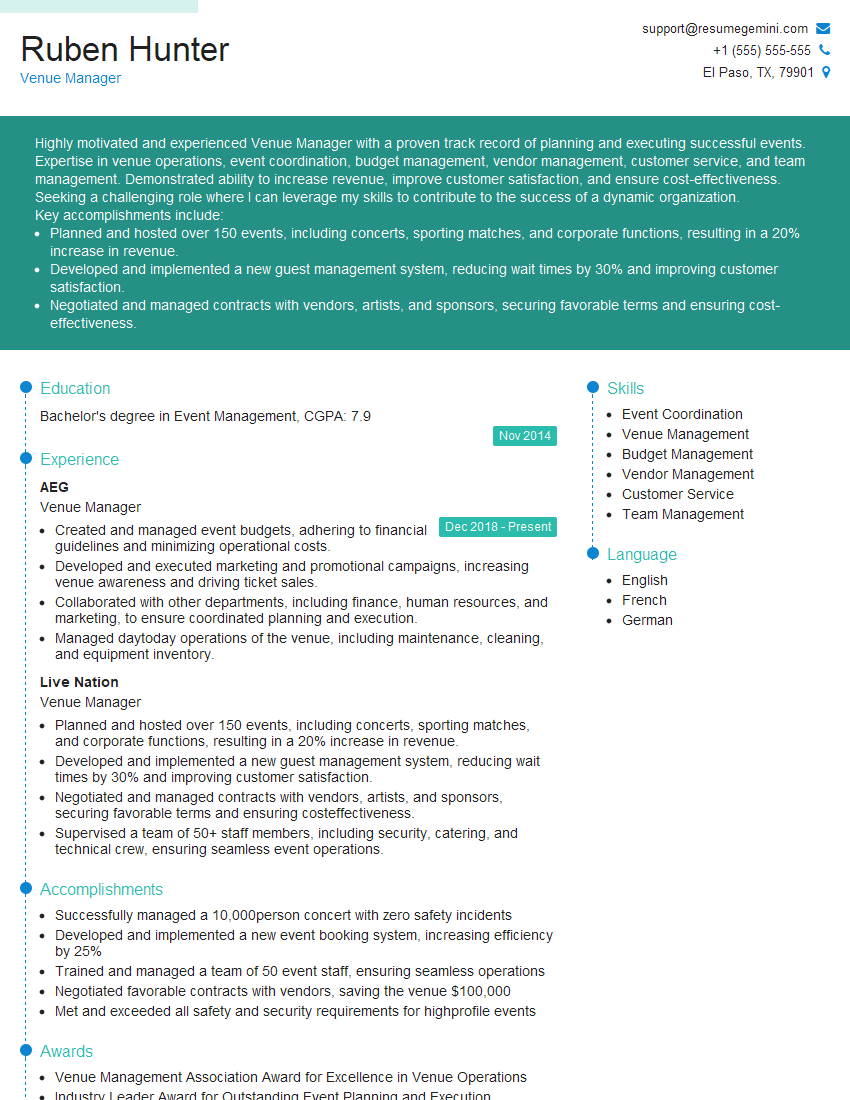
Venue Manager Resume Sample

Production Coordinator Resume Sample
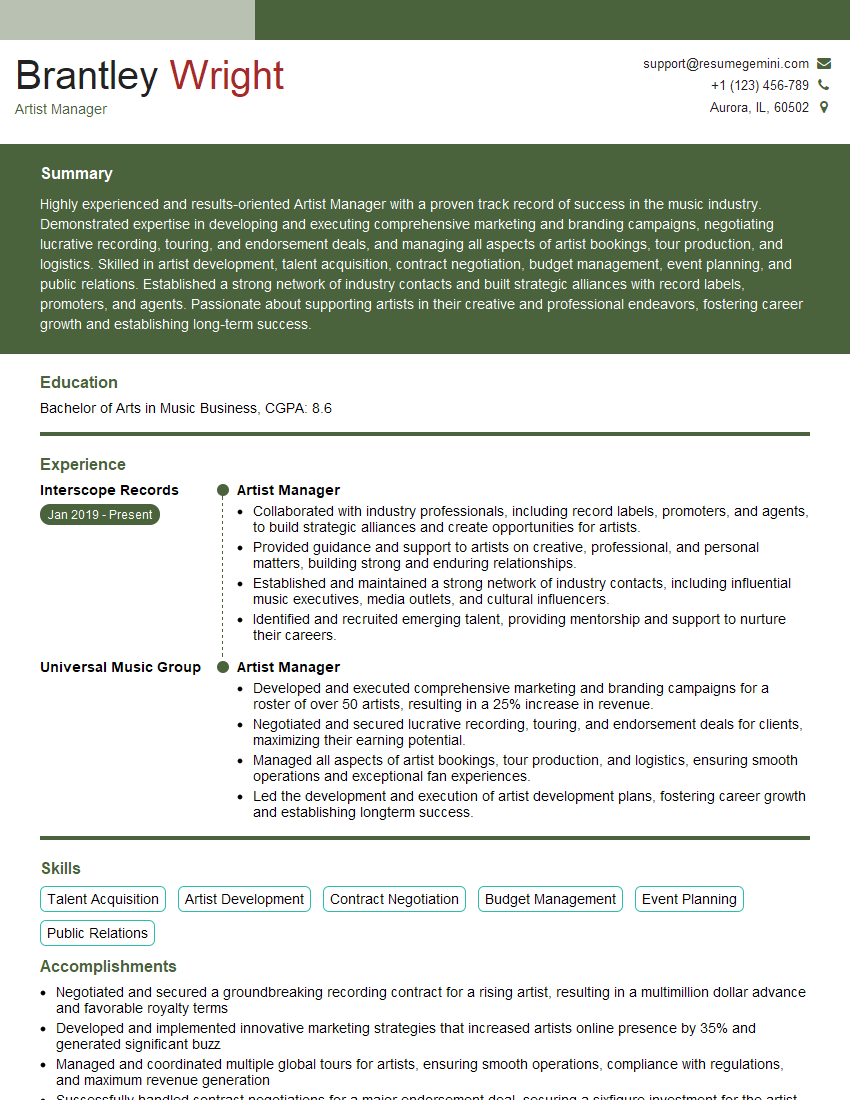
Artist Manager Resume Sample
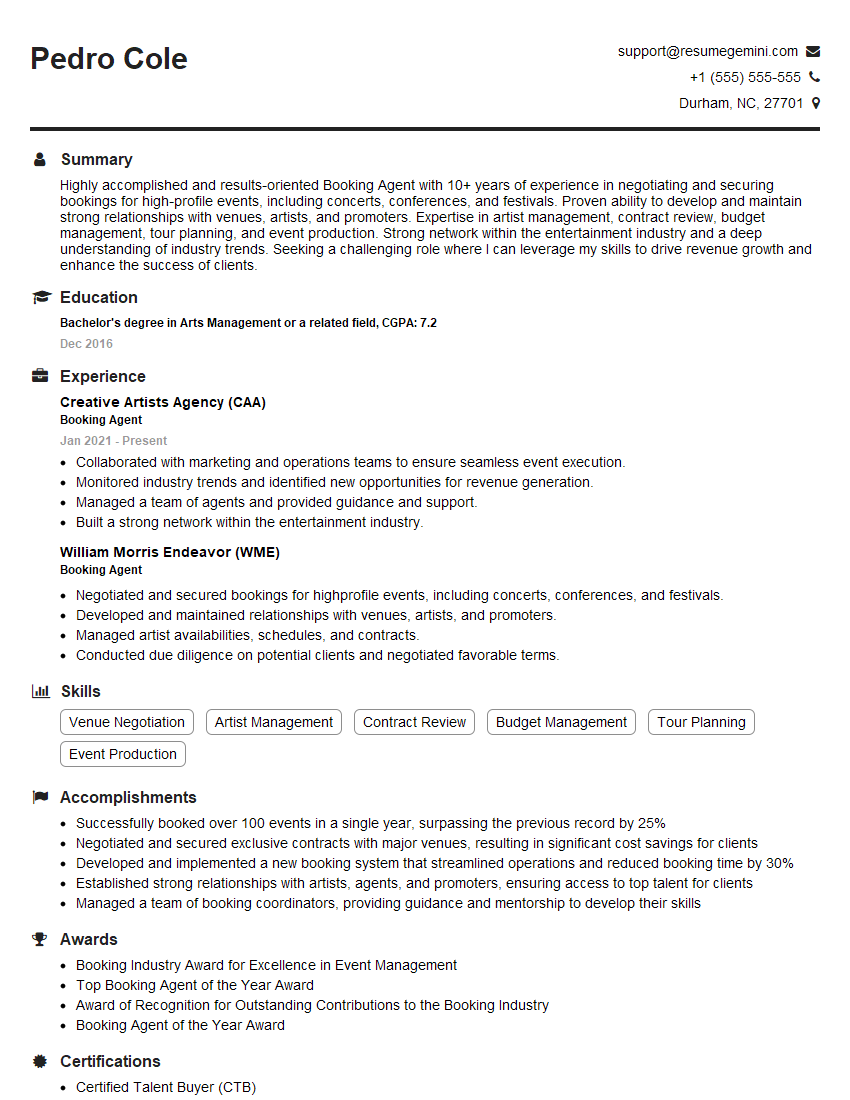
Booking Agent Resume Sample
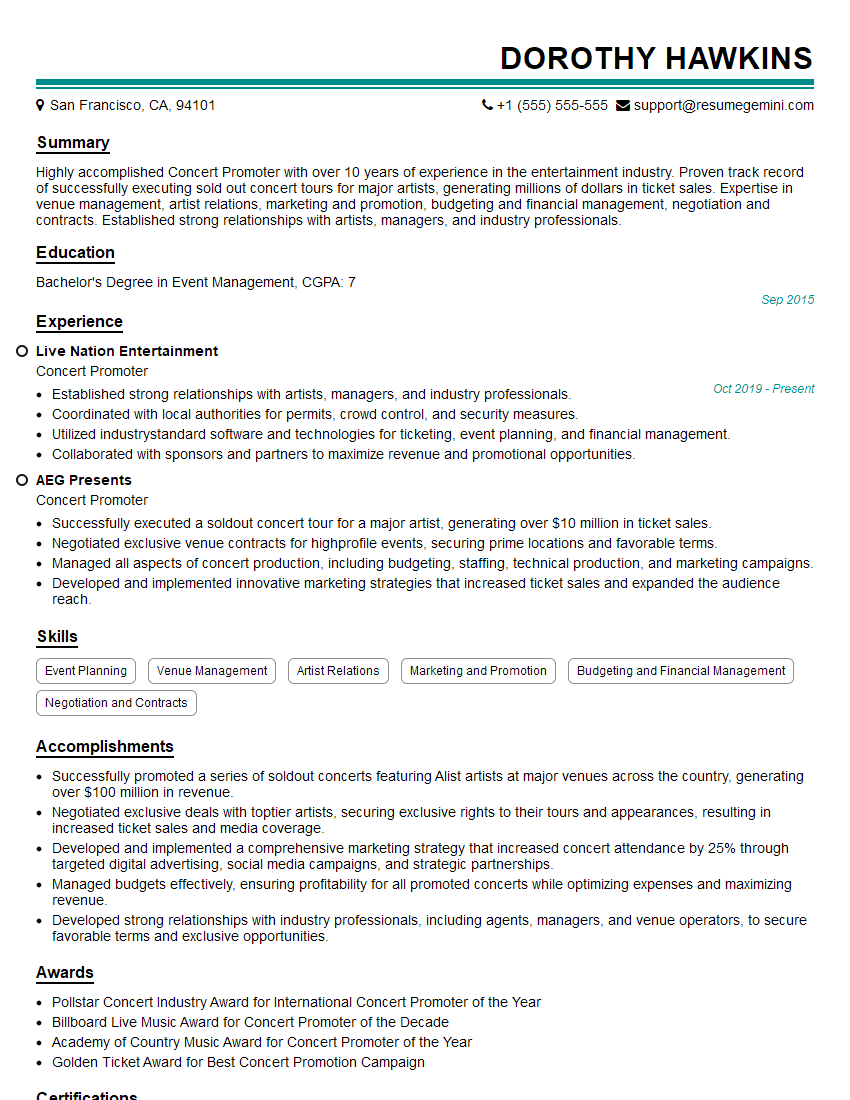
Concert Promoter Resume Sample
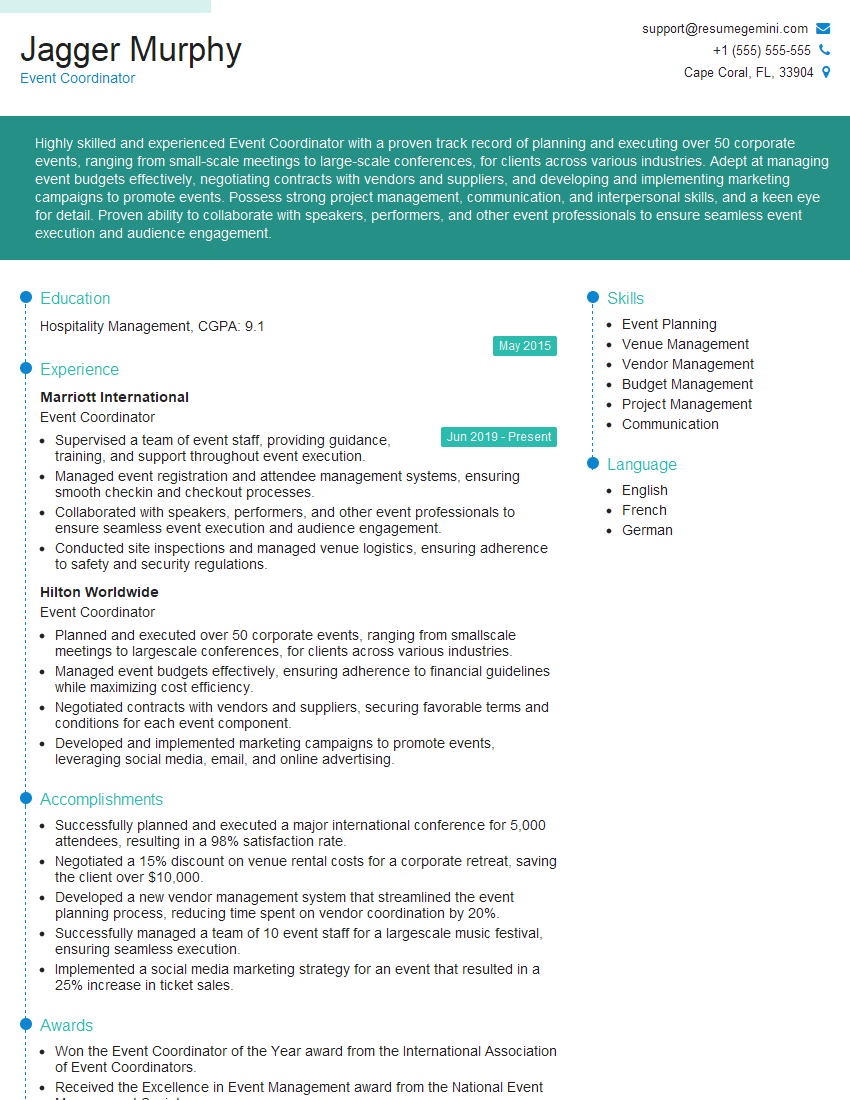
Event Coordinator Resume Sample
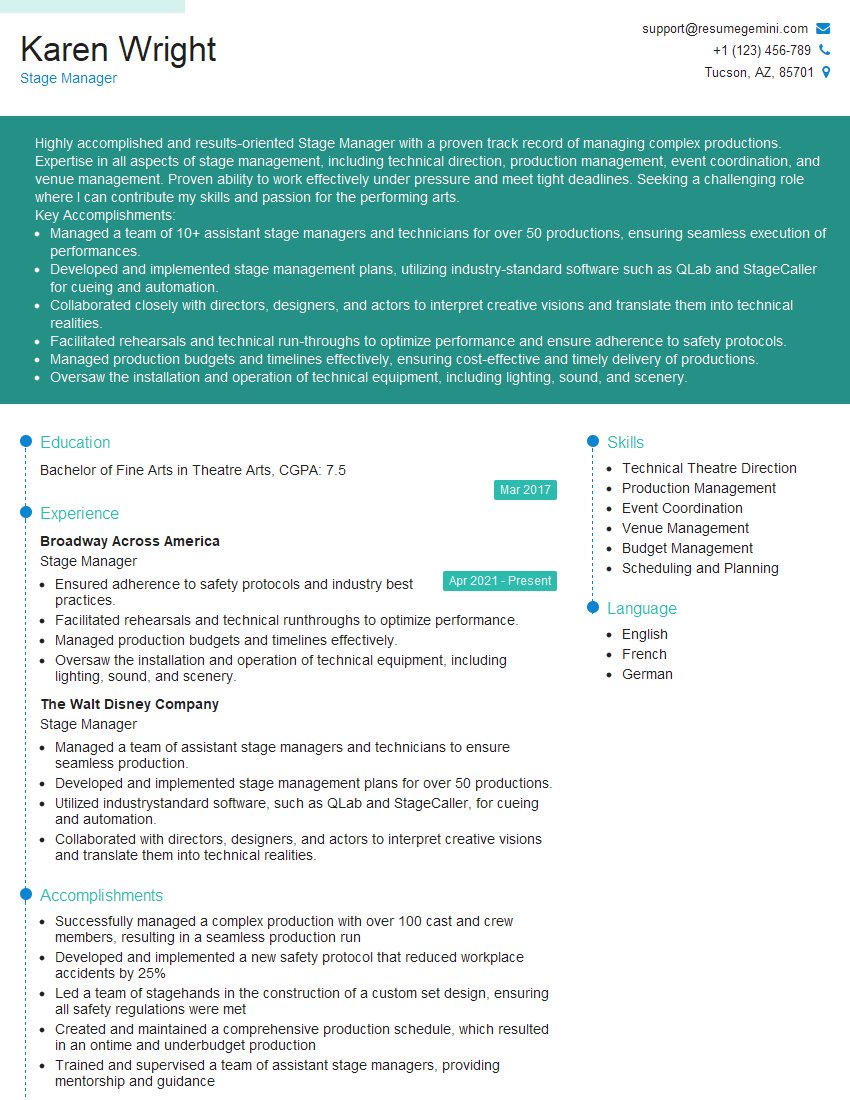
Stage Manager Resume Sample
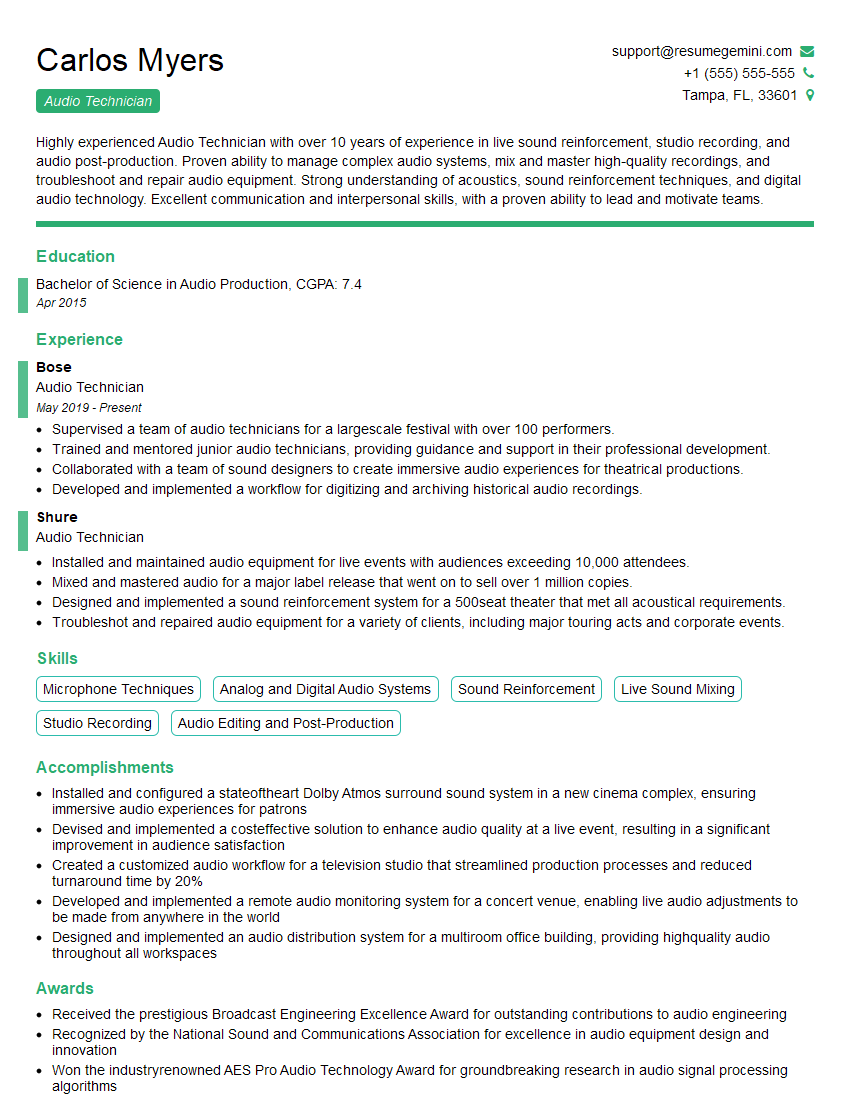
Audio Technician Resume Sample
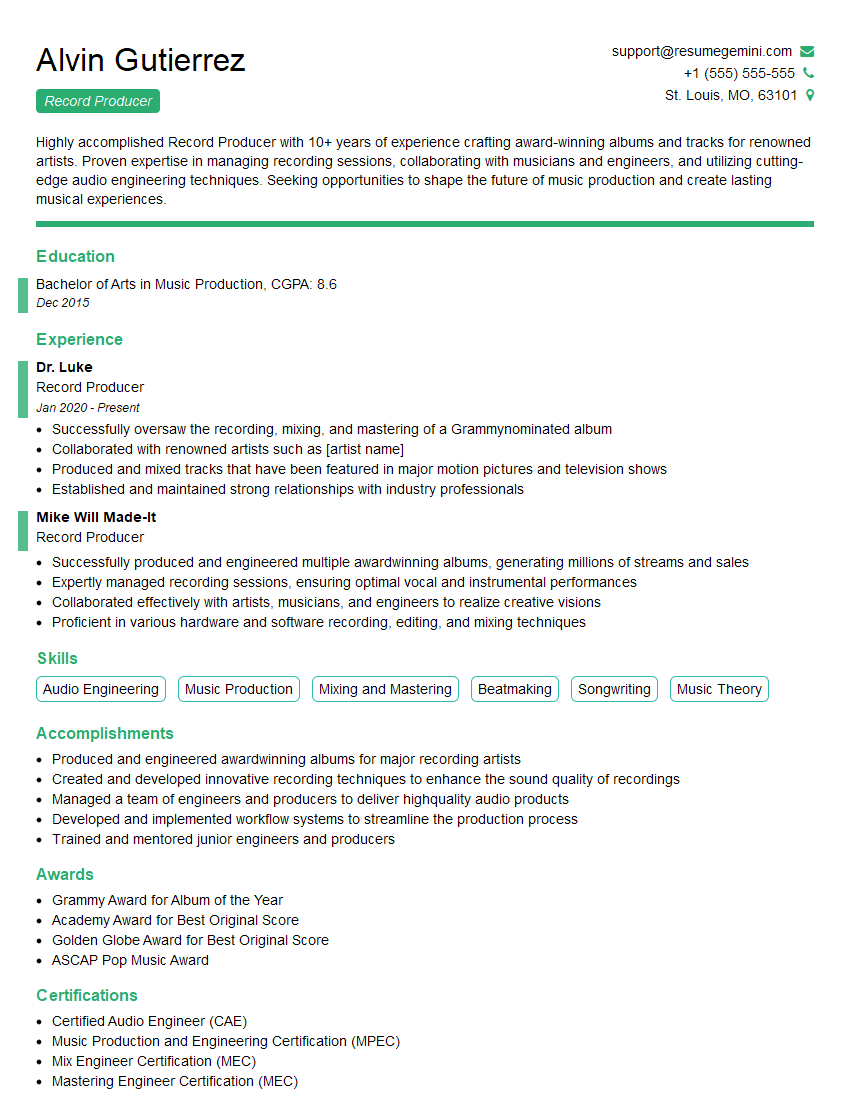
Record Producer Resume Sample
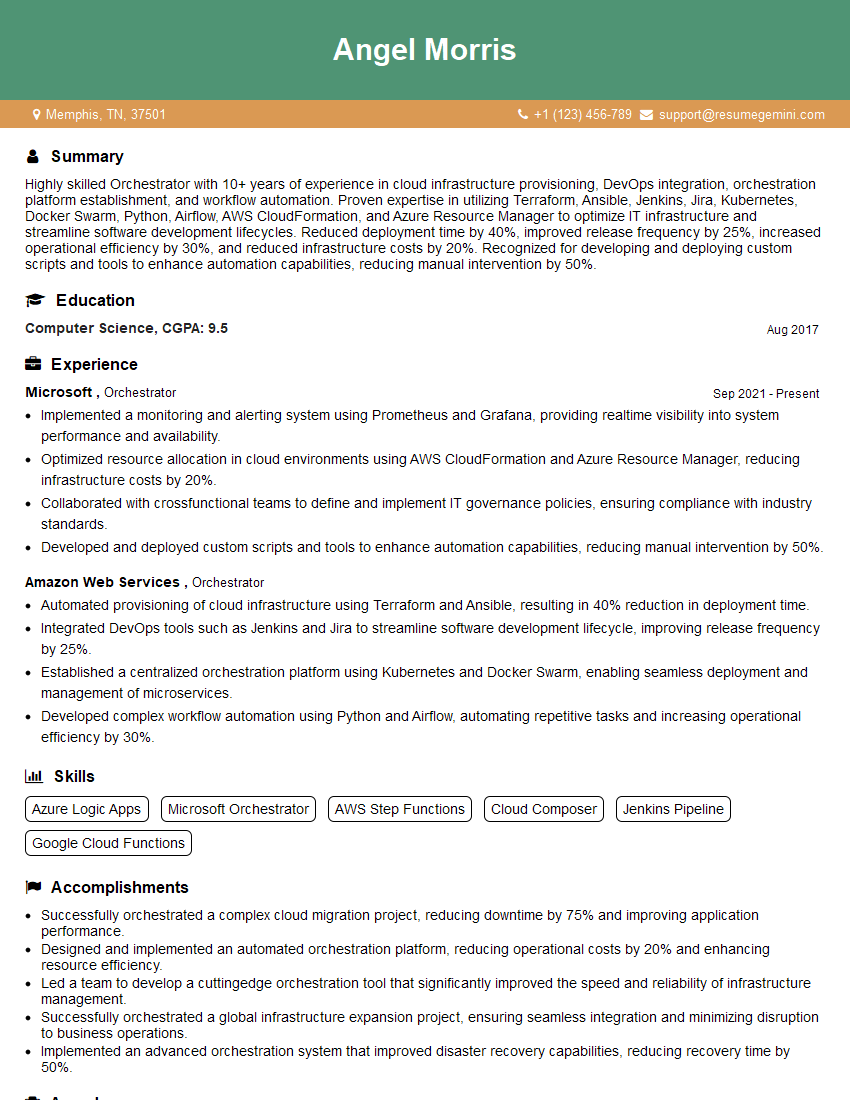
Orchestrator Resume Sample
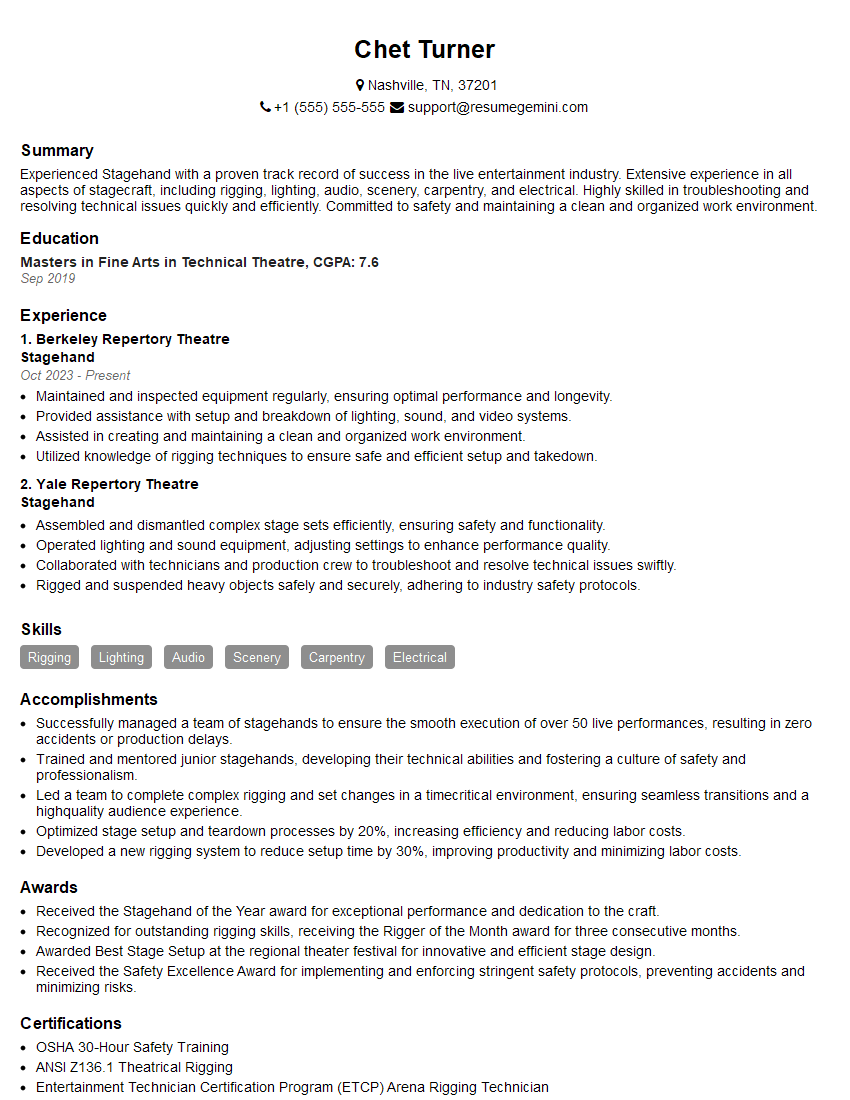
Stagehand Resume Sample
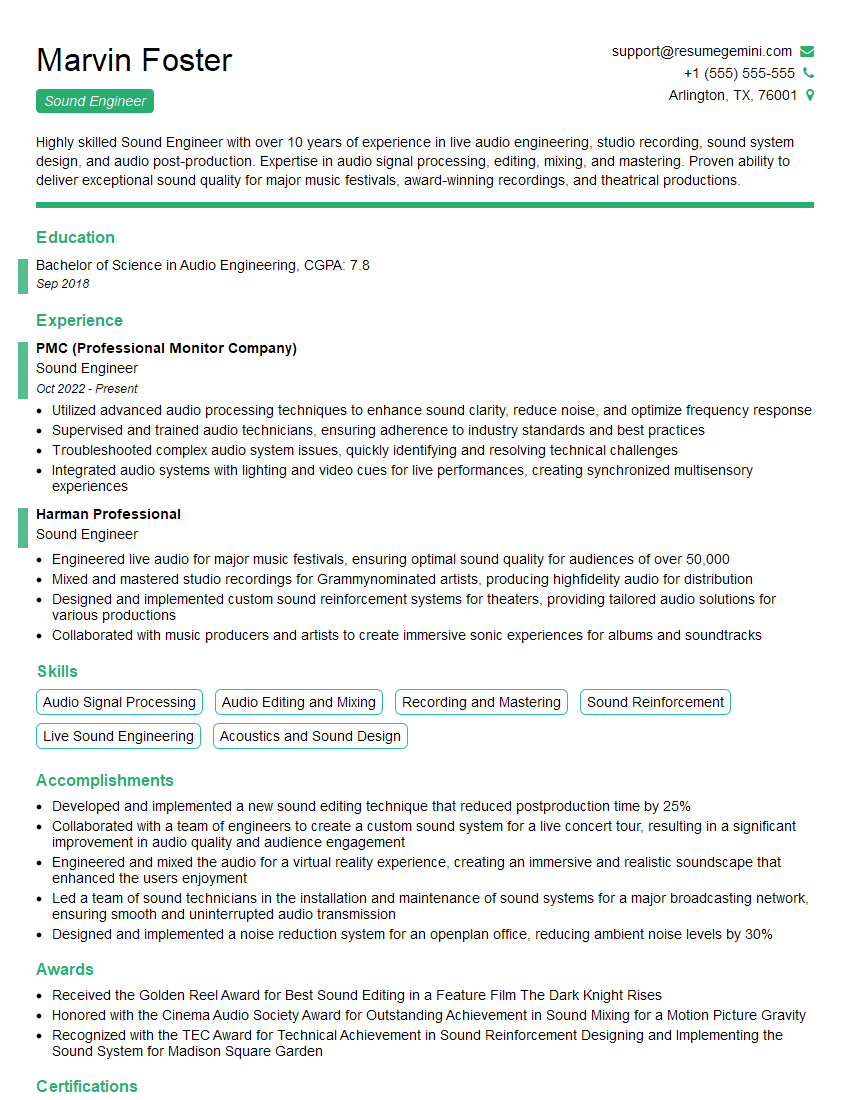
Sound Engineer Resume Sample
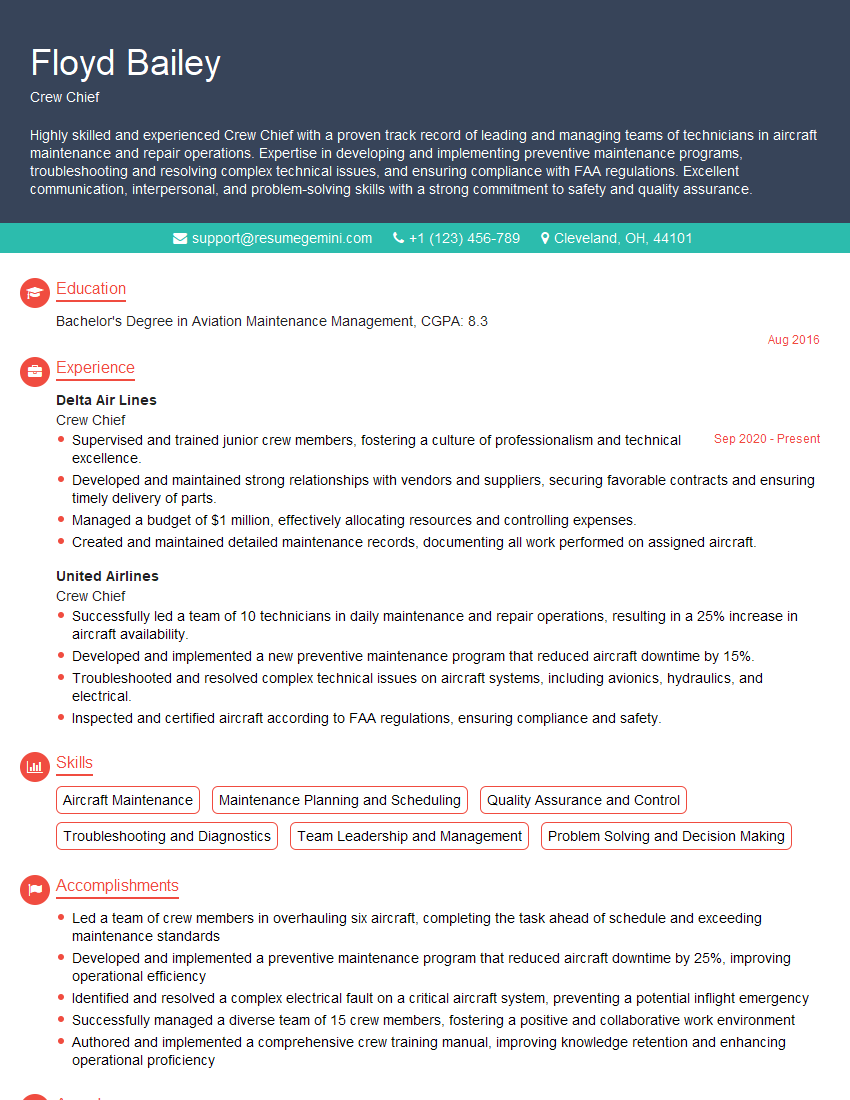
Crew Chief Resume Sample
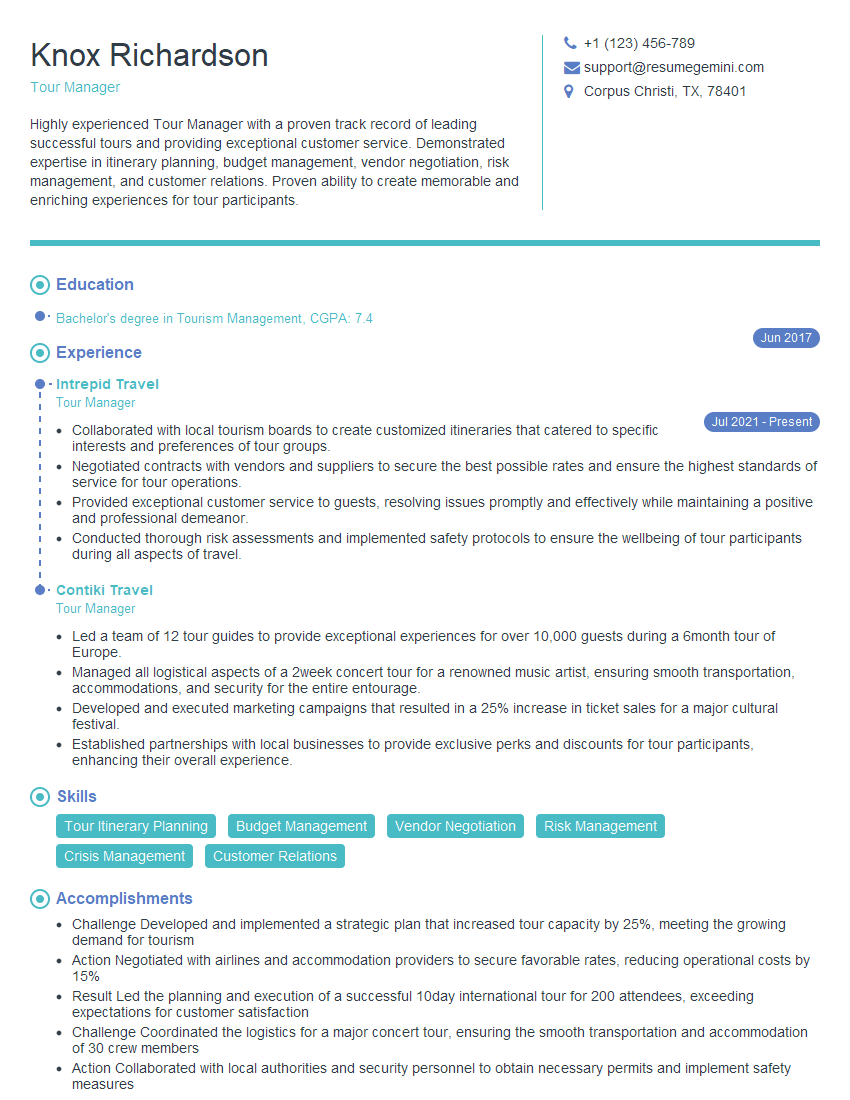
Tour Manager Resume Sample
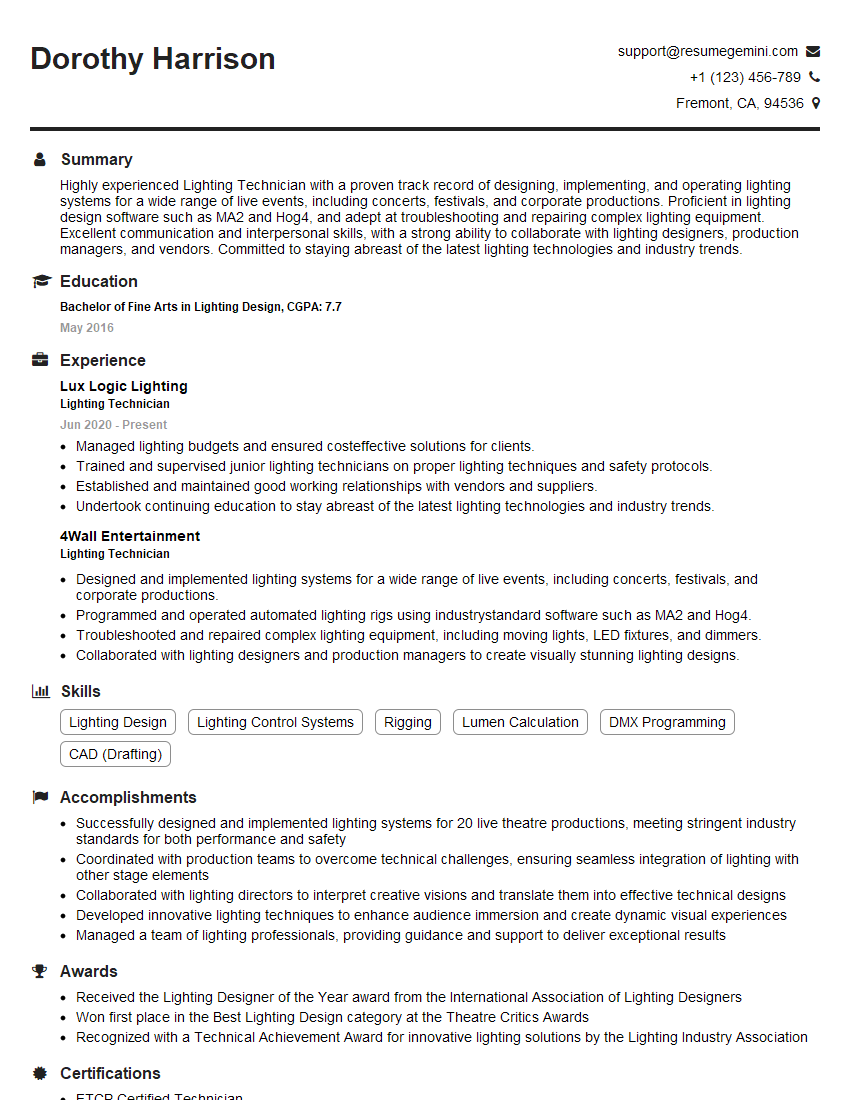
Lighting Technician Resume Sample
Explore more articles
Users Rating of Our Blogs
Share Your Experience
We value your feedback! Please rate our content and share your thoughts (optional).
What Readers Say About Our Blog
Very informative content, great job.
good