Cracking a skill-specific interview, like one for Continuous improvement mindset and willingness to learn, requires understanding the nuances of the role. In this blog, we present the questions you’re most likely to encounter, along with insights into how to answer them effectively. Let’s ensure you’re ready to make a strong impression.
Questions Asked in Continuous improvement mindset and willingness to learn Interview
Q 1. Describe your experience implementing a Continuous Improvement initiative.
In my previous role at Acme Corporation, we faced significant delays in order fulfillment. To address this, I spearheaded a continuous improvement initiative focusing on streamlining our warehouse operations. We started by mapping the current state of the process, identifying bottlenecks using value stream mapping. We discovered that inefficient picking routes and a lack of standardized procedures were major contributors to delays. Then, we implemented a new picking system using a ‘wave picking’ approach, combined with improved training for warehouse staff and a more efficient inventory management system. The results were impressive: we saw a 25% reduction in order fulfillment time and a 15% decrease in errors. This success was due to a combination of data-driven decision-making, collaborative teamwork, and a commitment to ongoing monitoring and adjustment.
Q 2. Explain the DMAIC methodology.
DMAIC is a structured, data-driven methodology used for process improvement, primarily within Six Sigma. It’s an acronym that stands for Define, Measure, Analyze, Improve, and Control.
- Define: Clearly define the problem, project goals, and customer requirements. This involves setting specific, measurable, achievable, relevant, and time-bound (SMART) goals.
- Measure: Gather baseline data to quantify the current process performance. This involves identifying key performance indicators (KPIs) and collecting data to understand the current state.
- Analyze: Identify the root causes of the problem using statistical tools and techniques. This might involve Pareto charts, fishbone diagrams, or regression analysis to pinpoint the critical few factors.
- Improve: Develop and implement solutions to address the root causes identified in the analysis phase. This could involve process changes, technology upgrades, or employee training.
- Control: Implement monitoring systems to ensure the improvements are sustained over time. This includes establishing control charts to track KPIs and making adjustments as needed.
Imagine a manufacturing process with high defect rates. DMAIC would help systematically identify the causes of those defects (Analyze), implement solutions like new equipment or improved training (Improve), and then track the defect rate to ensure the improvements remain effective (Control).
Q 3. How would you identify and prioritize areas for improvement in a process?
Identifying and prioritizing areas for improvement requires a systematic approach. I typically start by using a combination of data analysis and stakeholder input.
- Data Analysis: I’d analyze process data to identify areas with high defect rates, long cycle times, or significant variability. Tools like control charts, Pareto charts, and process capability studies are crucial here.
- Stakeholder Input: I’d engage with employees involved in the process to gain their insights and perspectives. Surveys, interviews, and brainstorming sessions can uncover hidden problems and potential solutions.
- Prioritization: Once potential areas for improvement are identified, I’d prioritize them based on their impact and feasibility. A simple prioritization matrix can be used, considering factors such as the potential cost savings, the ease of implementation, and the risk involved.
For example, if data shows a high defect rate in one specific stage of a manufacturing process, and employee feedback suggests that this is due to inadequate training, then improving training would be a high-priority improvement area.
Q 4. What are some key performance indicators (KPIs) you would use to measure the success of a CI project?
The KPIs used to measure the success of a continuous improvement project depend on the specific goals of the project. However, some common KPIs include:
- Cycle Time: The time it takes to complete a process.
- Defect Rate: The percentage of defective products or services.
- Throughput: The rate at which a process produces outputs.
- Customer Satisfaction: Measured through surveys or feedback.
- Cost Reduction: Savings achieved through process improvements.
- Employee Engagement: Measured through surveys or observation.
For instance, in the warehouse optimization project, we tracked order fulfillment time, error rate, and employee satisfaction to gauge the impact of the changes. These metrics gave us a clear picture of our success and highlighted areas needing further attention.
Q 5. Describe a time you had to adapt your approach to a process improvement project.
During a project aimed at reducing customer service call wait times, we initially focused on optimizing the call routing system. While this yielded some improvements, we quickly realized that the root cause was a lack of sufficient staffing during peak hours. Our initial approach, solely technological, was insufficient. We had to adapt by collaborating with HR to implement a flexible staffing model that adjusted to real-time call volume. This involved analyzing call patterns to predict peak demand and creating a schedule that proactively addressed those peaks. The combined technological and personnel solution proved much more effective than the initial strategy alone, demonstrating the importance of flexibility and adaptability in CI projects.
Q 6. How familiar are you with Lean principles?
I am very familiar with Lean principles. Lean is a systematic approach to identifying and eliminating waste in any process. It focuses on maximizing value for the customer while minimizing waste. Key Lean principles include:
- Value: Defining value from the customer’s perspective.
- Value Stream Mapping: Identifying all steps in a process and analyzing which add value and which are waste.
- Flow: Ensuring a smooth and continuous flow of materials and information.
- Pull: Producing only what is needed, when it is needed.
- Perfection: Continuously striving for improvement.
I’ve applied Lean principles in several projects, including the warehouse optimization project mentioned earlier, where we eliminated waste by optimizing picking routes and reducing unnecessary movements.
Q 7. Explain your experience using data analysis to support continuous improvement.
Data analysis is fundamental to my approach to continuous improvement. I routinely use various statistical tools and techniques to support decision-making. In the warehouse project, for example, I used data from our warehouse management system to analyze order fulfillment times, identify bottlenecks, and measure the impact of implemented changes. Specifically, I utilized:
- Control charts: To monitor process stability and identify special cause variation.
- Pareto charts: To identify the vital few contributing factors to delays.
- Regression analysis: To explore relationships between variables and predict future performance.
By visualizing and interpreting data, I could make data-driven decisions, prioritize areas for improvement, and effectively measure the success of interventions. My proficiency in data analysis allows for a more objective and efficient approach to continuous improvement, ensuring that implemented changes are effective and sustainable.
Q 8. How do you measure the ROI of a continuous improvement project?
Measuring the ROI of a continuous improvement (CI) project requires a multifaceted approach, going beyond simple cost savings. We need to consider both tangible and intangible benefits. Tangible benefits are easily quantifiable, like reduced waste, increased efficiency, or lower defect rates. Intangible benefits, such as improved employee morale or enhanced customer satisfaction, are harder to measure directly but are equally crucial.
Here’s a structured approach:
- Identify Key Metrics: Before starting the project, define clear, measurable metrics aligned with business objectives. For example, if the project aims to reduce production time, the key metric might be ‘cycle time reduction’. If the goal is improved quality, it could be ‘defect rate’.
- Baseline Measurement: Establish a baseline measurement of these metrics *before* implementing the CI project. This provides a benchmark against which to compare post-project results.
- Cost Calculation: Calculate all costs associated with the CI project, including personnel time, materials, software, and training.
- Benefit Quantification: After the project’s implementation, measure the changes in the key metrics. Translate these improvements into monetary value. For instance, a 10% reduction in cycle time might translate to a specific dollar amount saved in labor costs or increased production capacity.
- ROI Calculation: Use the standard ROI formula:
(Total Benefits - Total Costs) / Total Costs. Remember to factor in both tangible and intangible benefits where possible, using methods like surveys or employee feedback to estimate their monetary equivalent. - Long-term Monitoring: Continuously monitor the impact of the CI project over time. Sustained improvements demonstrate a strong ROI and highlight the long-term value of the CI initiative.
Example: In a previous role, we implemented a lean manufacturing project aiming to reduce waste in our production process. We measured the baseline waste levels, implemented Kanban and 5S, and then tracked the reduction in waste. We translated this reduction in waste into cost savings (less material, less labor) and showed a 15% ROI within six months.
Q 9. Describe your experience with root cause analysis.
Root Cause Analysis (RCA) is crucial for identifying the underlying issues causing problems, not just treating the symptoms. My experience involves using various RCA techniques, adapting them based on the situation. I’m proficient in the ‘5 Whys’ method, Fishbone diagrams (Ishikawa diagrams), and Fault Tree Analysis.
The ‘5 Whys’ involves repeatedly asking ‘Why?’ to drill down to the root cause. It’s simple yet effective for straightforward issues. Fishbone diagrams visually map potential causes, categorizing them (e.g., people, methods, machines, materials, environment). Fault Tree Analysis is more complex and systematic, using Boolean logic to identify the combination of events leading to a failure. It’s suitable for critical incidents with significant consequences.
Example: In a past project where customer complaints about delayed orders increased, we used the 5 Whys. Why were orders delayed? Because of insufficient inventory. Why insufficient inventory? Because of inaccurate forecasting. Why inaccurate forecasting? Because of unreliable sales data. Why unreliable sales data? Because of outdated data collection methods. The root cause was identified as outdated data collection. We then implemented new data collection processes and resolved the issue.
Q 10. What tools and techniques are you familiar with for process mapping?
I’m proficient in various process mapping techniques, using tools like Visio, Lucidchart, and even simple whiteboard sessions depending on the project scope. I’m familiar with different types of process maps, including:
- Swimlane diagrams: Excellent for illustrating processes involving multiple departments or teams.
- Value stream maps: Focus on identifying and eliminating waste in a process. Crucial for lean implementations.
- Flowcharts: Basic diagrams showing the sequence of steps in a process.
- Data flow diagrams: Illustrate the flow of data within a system.
I prefer a collaborative approach to process mapping, involving stakeholders at each step to ensure accuracy and buy-in. The choice of tool and technique depends on the complexity of the process and the audience.
Example: In mapping a customer service process, a swimlane diagram clearly showed handoffs between departments, revealing bottlenecks and areas for improvement. Using a value stream map allowed us to identify non-value-added steps (like unnecessary paperwork) and streamline the entire process.
Q 11. How do you handle resistance to change during a CI initiative?
Resistance to change is a common challenge in CI initiatives. It’s crucial to address it proactively and empathetically. My approach involves:
- Communication and Transparency: Clearly communicate the ‘why’ behind the change, emphasizing the benefits for individuals and the organization. Keep everyone informed throughout the process.
- Involvement and Participation: Involve stakeholders in the planning and implementation phases. This fosters ownership and reduces resistance. Solicit feedback and address concerns constructively.
- Training and Support: Provide adequate training and support to ensure people feel comfortable with the changes. Offer ongoing assistance during the transition period.
- Addressing Concerns: Actively listen to and address individual concerns. Acknowledge resistance as valid and work collaboratively to find solutions.
- Incentives and Recognition: Recognize and reward individuals for their contributions and willingness to embrace change. Incentivize adoption of new processes.
Example: During the implementation of a new software system, we held regular town hall meetings to address employees’ concerns, demonstrated the system’s capabilities through training sessions, and acknowledged the learning curve. This open communication significantly reduced initial resistance.
Q 12. Describe your experience with 5S methodology.
5S is a foundational methodology for workplace organization and efficiency. It’s an acronym for five Japanese words: Seiri (Sort), Seiton (Set in Order), Seisō (Shine), Seiketsu (Standardize), and Shitsuke (Sustain). My experience involves implementing 5S in various settings, achieving tangible improvements in workplace safety, efficiency, and morale.
Seiri (Sort): Eliminate unnecessary items from the workspace. Seiton (Set in Order): Organize the remaining items for easy access and use. Seisō (Shine): Clean and maintain the workspace. Seiketsu (Standardize): Establish standards for maintaining order and cleanliness. Shitsuke (Sustain): Develop habits and routines to maintain the improved workplace.
Example: In a warehouse setting, implementing 5S involved removing obsolete materials (Seiri), organizing tools and supplies using shadow boards (Seiton), implementing regular cleaning schedules (Seisō), creating visual checklists for daily tasks (Seiketsu), and incorporating 5S principles into employee training programs (Shitsuke). This resulted in significant improvements in warehouse efficiency and safety.
Q 13. How do you ensure sustainability of continuous improvement efforts?
Ensuring sustainability of CI efforts requires a holistic approach beyond the initial project implementation. Key strategies include:
- Embedding CI into the Culture: Make CI a core part of the organizational culture, not just a project. This requires leadership commitment and employee buy-in.
- Building CI Capacity: Develop the skills and knowledge of employees to sustain CI initiatives. Provide training on relevant tools and methodologies.
- Establishing Feedback Mechanisms: Create mechanisms to continuously monitor the effectiveness of CI initiatives and gather feedback from employees. This allows for adjustments and improvements.
- Regular Reviews and Updates: Conduct regular reviews of CI projects to assess progress, identify challenges, and adapt strategies as needed. This ensures that CI remains relevant and effective over time.
- Celebrating Successes: Acknowledge and celebrate the successes of CI initiatives to reinforce positive behavior and motivation.
- Data-Driven Approach: Track key metrics and use data to demonstrate the impact of CI efforts. This reinforces the value of CI and helps secure ongoing support.
Example: We established a CI steering committee with representatives from different departments, created a company-wide CI training program, and implemented a system for tracking and reporting key metrics. This ensured that the CI initiatives we implemented were not one-off projects but continuous endeavors.
Q 14. What is your understanding of Kaizen events?
Kaizen events, also known as Kaizen workshops or blitzes, are focused improvement events designed to rapidly address a specific problem or process within a short timeframe (typically a few days). These events involve a cross-functional team working intensely to identify waste, develop solutions, and implement improvements.
They are characterized by:
- Focused Scope: Clearly defined problem statement and objectives.
- Cross-functional Teams: Involve individuals from various departments or areas affected by the process.
- Short Duration: Typically 3-5 days of intensive work.
- Data-driven Approach: Utilize data and visual aids to identify problem areas and track progress.
- Rapid Implementation: Solutions are implemented immediately whenever possible.
Example: A Kaizen event might focus on reducing lead time in a manufacturing process. The team would analyze the current process, identify bottlenecks, develop solutions (e.g., improving workflow, reducing setup time), and implement them during the workshop. Post-event follow-up is crucial for tracking the effectiveness of the changes and ensuring sustainability.
Q 15. How do you identify and overcome obstacles in a continuous improvement project?
Identifying and overcoming obstacles in continuous improvement (CI) projects requires a proactive and systematic approach. It’s not simply about reacting to problems, but anticipating them and building resilience into the process. I typically use a three-step process:
- Proactive Identification: This involves utilizing tools like Failure Mode and Effects Analysis (FMEA) or even simple brainstorming sessions with the team to anticipate potential roadblocks. For example, in a project aimed at streamlining a manufacturing process, we might anticipate challenges related to employee training, equipment limitations, or material sourcing. We’d document these potential issues and develop contingency plans.
- Reactive Problem Solving: Inevitably, unforeseen obstacles arise. When this happens, I advocate for using a structured problem-solving methodology, such as the DMAIC (Define, Measure, Analyze, Improve, Control) framework or the PDCA (Plan, Do, Check, Act) cycle. This ensures a methodical approach, preventing emotional reactions and promoting data-driven decision making. For example, if a new software implementation is causing delays, we would use data to pinpoint the source of the problem, test potential solutions, and carefully monitor the results.
- Root Cause Analysis: It’s crucial to go beyond simply solving the immediate problem. We need to identify the root cause to prevent recurrence. Tools such as the 5 Whys or fishbone diagrams are invaluable here. For example, if employee errors repeatedly lead to product defects, we wouldn’t just retrain, but would investigate whether inadequate training materials or insufficient equipment are contributing factors.
By combining proactive planning with reactive problem-solving and root cause analysis, we build a robust CI system capable of handling diverse challenges.
Career Expert Tips:
- Ace those interviews! Prepare effectively by reviewing the Top 50 Most Common Interview Questions on ResumeGemini.
- Navigate your job search with confidence! Explore a wide range of Career Tips on ResumeGemini. Learn about common challenges and recommendations to overcome them.
- Craft the perfect resume! Master the Art of Resume Writing with ResumeGemini’s guide. Showcase your unique qualifications and achievements effectively.
- Don’t miss out on holiday savings! Build your dream resume with ResumeGemini’s ATS optimized templates.
Q 16. Describe a time when you failed to achieve a continuous improvement goal. What did you learn?
In a previous project focused on reducing customer wait times in a call center, we initially focused solely on improving agent handling times. We implemented new software and provided additional training. While agent times improved, overall wait times remained stubbornly high. Our failure stemmed from neglecting a crucial factor: call volume. We hadn’t adequately analyzed the fluctuations in call volume or considered strategies to manage peak periods. The project was deemed partially successful as individual agent performance improved, but failed to reach the main objective of reducing wait times.
The key learning was the importance of holistic analysis. We learned to meticulously analyze all contributing factors to a problem before implementing solutions. This now involves using queuing theory to model call center traffic, alongside more traditional methods, ensuring we address every influencing variable.
Q 17. What are your preferred methods for communicating progress and results in CI projects?
Effective communication is paramount in CI projects. My preferred methods blend visual reporting with regular, interactive discussions.
- Visual dashboards: I utilize dashboards to track key metrics, visualizing progress towards goals. This allows for quick comprehension of performance and facilitates identification of areas needing attention. Simple charts showing trends and key performance indicators (KPIs) are incredibly powerful.
- Regular stand-up meetings: Short, frequent meetings (daily or weekly) foster transparency and enable quick issue resolution. This allows the team to share updates, voice concerns, and collaboratively problem-solve.
- Formal reports: For senior management and stakeholders, I prepare concise and data-rich reports that summarise progress, achievements, and challenges. These reports highlight both short-term and long-term impacts of the CI initiatives.
- Visual project management tools: Tools like Kanban boards provide a clear, visual representation of workflow and task status, enhancing communication and accountability.
By combining various approaches, I ensure that all stakeholders receive the information they need in a clear and accessible format, promoting collaboration and a shared understanding of project progress.
Q 18. How do you balance short-term gains with long-term continuous improvement strategies?
Balancing short-term gains with long-term CI strategies requires a strategic approach that prioritizes sustainability. It’s a delicate balancing act; focusing solely on immediate results may undermine long-term improvements, while neglecting short-term wins can discourage participation.
My approach involves identifying ‘quick wins’ that demonstrate value early. These early wins provide momentum and build support for the longer-term initiatives. For instance, in an office environment, streamlining a frequently used process (e.g., expense reports) delivers a rapid improvement, boosting morale and demonstrating the tangible benefits of CI. Simultaneously, we’d be laying the groundwork for larger-scale process redesign, ensuring that long-term improvements are built on a foundation of early successes.
Ultimately, the key is to view short-term improvements as stepping stones towards long-term sustainability. Each small win reinforces the culture of continuous improvement and prepares the organization for more substantial and sustainable changes.
Q 19. Explain your experience with different change management models.
My experience encompasses several change management models, each suited to different contexts. I’ve utilized:
- Kotter’s 8-Step Change Model: This model is effective for large-scale transformations, focusing on creating urgency, building a guiding coalition, and anchoring new approaches in the culture. I’ve successfully used this in large-scale ERP implementations.
- ADKAR Model: This model focuses on individual change management, highlighting the importance of Awareness, Desire, Knowledge, Ability, and Reinforcement. This is particularly useful when implementing new technologies or processes that require significant individual skill development.
- Lewin’s Three-Step Change Model (Unfreeze-Change-Refreeze): A simpler model, but effective for smaller-scale changes, focusing on creating readiness for change, implementing the change, and solidifying the new state. I often use this for process optimization within a team.
The choice of model depends on the scale, complexity, and nature of the change. Often, I’ll adapt elements from different models to tailor a solution to the specific needs of the project.
Q 20. How do you engage stakeholders in the continuous improvement process?
Engaging stakeholders is crucial for CI success. It’s not simply about informing them, but about actively involving them in the process. My approach is multifaceted:
- Early and frequent communication: Keeping stakeholders informed throughout the process is essential, using methods suitable to their preferences (e.g., formal reports, informal meetings, email updates).
- Seek input and feedback: Actively soliciting their insights and perspectives at each stage ensures buy-in and prevents resistance. This can be achieved through surveys, focus groups, or one-on-one interviews.
- Demonstration of value: Highlighting tangible benefits and demonstrating early successes builds confidence and reinforces commitment. Using data to illustrate impact is essential.
- Empowerment and ownership: Involving stakeholders in decision-making and allowing them a degree of ownership strengthens commitment. This could involve assigning specific tasks or allowing them to lead certain aspects of the project.
- Addressing concerns proactively: Identifying and addressing any resistance or concerns early on is vital. This requires open communication and a willingness to compromise where necessary.
By building strong relationships with stakeholders and demonstrating genuine interest in their perspectives, we can create a collaborative environment conducive to achieving CI goals.
Q 21. How do you use technology to support continuous improvement efforts?
Technology plays a vital role in supporting CI efforts. I leverage various tools to enhance efficiency and effectiveness:
- Data analytics platforms: These allow us to collect, analyze, and visualize data from various sources, providing insights into process performance and identifying areas for improvement. Examples include Tableau or Power BI.
- Process mining software: This helps us to map and analyze actual process flows, identifying bottlenecks and inefficiencies that might not be evident through traditional methods.
- Project management software: Tools like Jira or Asana facilitate task management, collaboration, and progress tracking, enhancing team productivity and transparency.
- Automation tools: Robotic Process Automation (RPA) can automate repetitive tasks, freeing up human resources for more value-added activities and reducing errors. This can dramatically improve efficiency and quality.
- Collaboration platforms: Tools like Microsoft Teams or Slack facilitate seamless communication and collaboration amongst team members and stakeholders, even across geographical boundaries.
Technology isn’t a replacement for human judgment and engagement, but rather a powerful tool that significantly enhances our capacity for continuous improvement. By selecting the right technologies and integrating them effectively, we create a data-driven CI environment that supports continuous learning and optimization.
Q 22. What is your approach to problem-solving in a continuous improvement context?
My approach to problem-solving within a continuous improvement (CI) context is rooted in a structured, data-driven methodology. I don’t believe in simply reacting to problems; instead, I favor a proactive, systematic approach using tools like the DMAIC (Define, Measure, Analyze, Improve, Control) cycle or PDCA (Plan-Do-Check-Act) cycle.
First, I clearly define the problem, ensuring we’re all on the same page regarding the scope and impact. This includes gathering data to understand the problem’s magnitude. Then, I meticulously measure key performance indicators (KPIs) to quantify the problem and establish a baseline. The analysis phase involves identifying root causes, often through tools like fishbone diagrams or 5 Whys. Once the root causes are identified, I collaborate with the team to develop and implement improvements, testing them on a small scale before wider deployment. Finally, we control or monitor the implemented changes, ensuring they deliver sustained improvements and adjusting as needed. This cyclical approach ensures continuous learning and adaptation.
For example, in a previous role, we experienced high customer service call wait times. Using DMAIC, we defined the problem, measured average wait times, analyzed call drivers using Pareto charts, improved call handling procedures through streamlined processes and improved training, and finally, monitored wait times to ensure the improvements were sustained.
Q 23. Describe your experience with A3 reporting.
A3 reporting is a powerful tool for concisely summarizing a problem, its analysis, and proposed solutions. My experience includes using A3 reports extensively for various CI initiatives. I find its visual nature and structured format very helpful for communication and problem-solving. A well-crafted A3 report effectively tells a story, taking the reader from problem definition to proposed solutions and expected outcomes. I’ve used A3s to document everything from process improvements to project proposals, and appreciate how it encourages focused thinking and collaboration.
In one project, I used an A3 report to document a supply chain issue resulting in production delays. The report included a clear problem statement, a data-driven analysis showing the impact, root cause analysis using a fishbone diagram, proposed solutions, action plans with assigned responsibilities, and a timeline for implementation and monitoring. This allowed for clear communication with stakeholders at all levels, ensuring alignment and facilitating swift resolution.
Q 24. How do you measure the effectiveness of your training and development efforts related to CI?
Measuring the effectiveness of CI training is crucial for ensuring its impact and ROI. My approach involves a multi-faceted strategy focusing on both the knowledge gained and behavioral changes. Pre and post-training assessments measure knowledge acquisition. More importantly, I track the application of learned skills on the job. This includes observing employees using new tools and techniques, monitoring KPIs related to the training objectives, and gathering feedback through surveys and interviews.
For example, after a training session on Lean principles, we tracked the reduction in waste identified and eliminated by the team members. This provided concrete evidence of the training’s effectiveness in improving processes and productivity. By combining quantitative data with qualitative feedback, we can get a holistic view of training success and make data-driven adjustments for future sessions.
Q 25. How do you stay up-to-date with the latest trends and best practices in continuous improvement?
Staying current in the dynamic field of CI requires a proactive approach. I regularly subscribe to industry publications and journals like Quality Progress and attend conferences such as those hosted by ASQ (American Society for Quality). I also actively participate in online communities and forums dedicated to CI, engaging with practitioners and experts from around the globe. Furthermore, I actively seek out opportunities for mentorship and knowledge sharing with colleagues who have expertise in specific CI methodologies.
Moreover, I dedicate time to reading books and research papers on cutting-edge CI trends like data analytics for process optimization and the application of AI/ML in CI. This combination of formal and informal learning allows me to continuously refine my skills and knowledge, ensuring I remain at the forefront of the field.
Q 26. Describe a situation where you had to learn a new skill quickly to contribute to a CI project.
During a project focusing on improving our supply chain efficiency, I needed to quickly learn about inventory management software. Our current system was outdated, and implementing a new one was critical for achieving our goals. Despite having limited prior experience with such software, I dedicated evenings and weekends to online courses, tutorials, and documentation. I focused on learning the core functionalities relevant to the project, such as inventory tracking, demand forecasting, and reporting features. Within a few weeks, I was able to contribute effectively to the project, assisting with data migration, system configuration, and training colleagues.
This experience highlighted the importance of self-directed learning and the ability to quickly adapt to new technologies in a dynamic environment. The successful implementation of the new software demonstrably improved our supply chain efficiency and ultimately contributed to the overall CI project success.
Q 27. How do you foster a culture of continuous improvement within a team?
Fostering a CI culture within a team is a continuous process requiring leadership, communication, and empowerment. I start by clearly communicating the vision and benefits of CI to team members. This involves emphasizing continuous improvement as a journey of growth and learning, not just a set of mandates. I encourage open communication, using tools like daily stand-ups or regular feedback sessions to actively discuss process challenges and potential solutions.
Crucially, I empower team members to identify and solve problems. I provide them with the necessary training, resources, and autonomy to implement their ideas. I celebrate successes, both big and small, to reinforce the value of the CI initiative. I make sure that failure is seen as a learning opportunity and that blame is avoided, creating a safe space for innovation. This fosters a collaborative environment where everyone feels empowered to contribute to continuous improvement.
Q 28. What are some common mistakes to avoid in continuous improvement initiatives?
Common mistakes in CI initiatives often stem from a lack of planning, poor communication, and insufficient buy-in from stakeholders. One frequent error is focusing solely on quick wins without addressing root causes. This can lead to short-term gains but fail to address underlying systemic issues. Another common pitfall is a lack of proper measurement. If you can’t track progress, you can’t measure the success of your initiatives.
Additionally, neglecting employee involvement is a major setback. CI requires commitment from the entire team. Finally, not adapting based on results is also a critical mistake. CI should be iterative and evolve based on data and feedback. Continuous monitoring and adjustment are essential. By avoiding these pitfalls, organizations can significantly increase their chances of successfully implementing CI initiatives and reaping long-term benefits.
Key Topics to Learn for Continuous Improvement Mindset and Willingness to Learn Interview
- Defining Continuous Improvement: Understanding the philosophy, principles (e.g., Kaizen, Lean), and its application in various professional settings.
- Practical Application: Providing examples from your experience where you identified areas for improvement, implemented changes, and measured the results. Quantify your achievements whenever possible.
- Problem-Solving Approaches: Demonstrating familiarity with structured problem-solving methodologies (e.g., DMAIC, PDCA cycle) and your ability to apply them to real-world scenarios.
- Learning Agility: Articulating your approach to acquiring new skills and knowledge, including examples of how you’ve adapted to changing circumstances and embraced new technologies or methodologies.
- Growth Mindset vs. Fixed Mindset: Understanding the difference and showcasing your commitment to a growth mindset – a belief in your ability to learn and improve continuously.
- Feedback and Self-Reflection: Demonstrating your ability to actively seek and utilize feedback to improve performance, and how you engage in self-reflection to identify areas for personal and professional growth.
- Teamwork and Collaboration: Highlighting your ability to contribute to a team environment focused on continuous improvement, sharing knowledge, and supporting colleagues in their development.
- Proactive vs. Reactive Approach: Illustrating examples where you proactively identified and addressed potential issues, rather than simply reacting to problems as they arise.
Next Steps
Mastering a continuous improvement mindset and demonstrating a willingness to learn are crucial for career advancement. Employers value individuals who proactively seek improvement, adapt to change, and contribute to a culture of innovation. To significantly increase your job prospects, crafting an ATS-friendly resume is essential. ResumeGemini is a trusted resource to help you build a professional and impactful resume that highlights your continuous improvement skills and achievements. Examples of resumes tailored to showcase a continuous improvement mindset and willingness to learn are available to guide you.
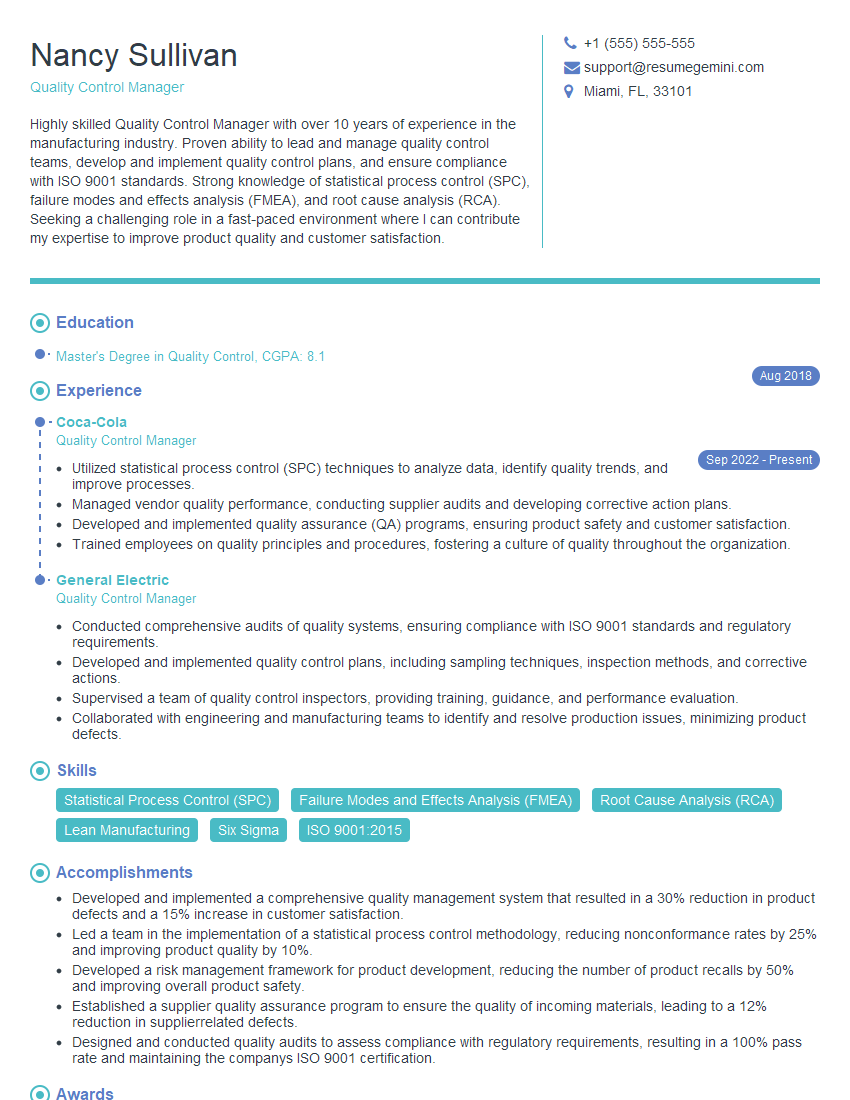
Quality Control Manager Resume Sample
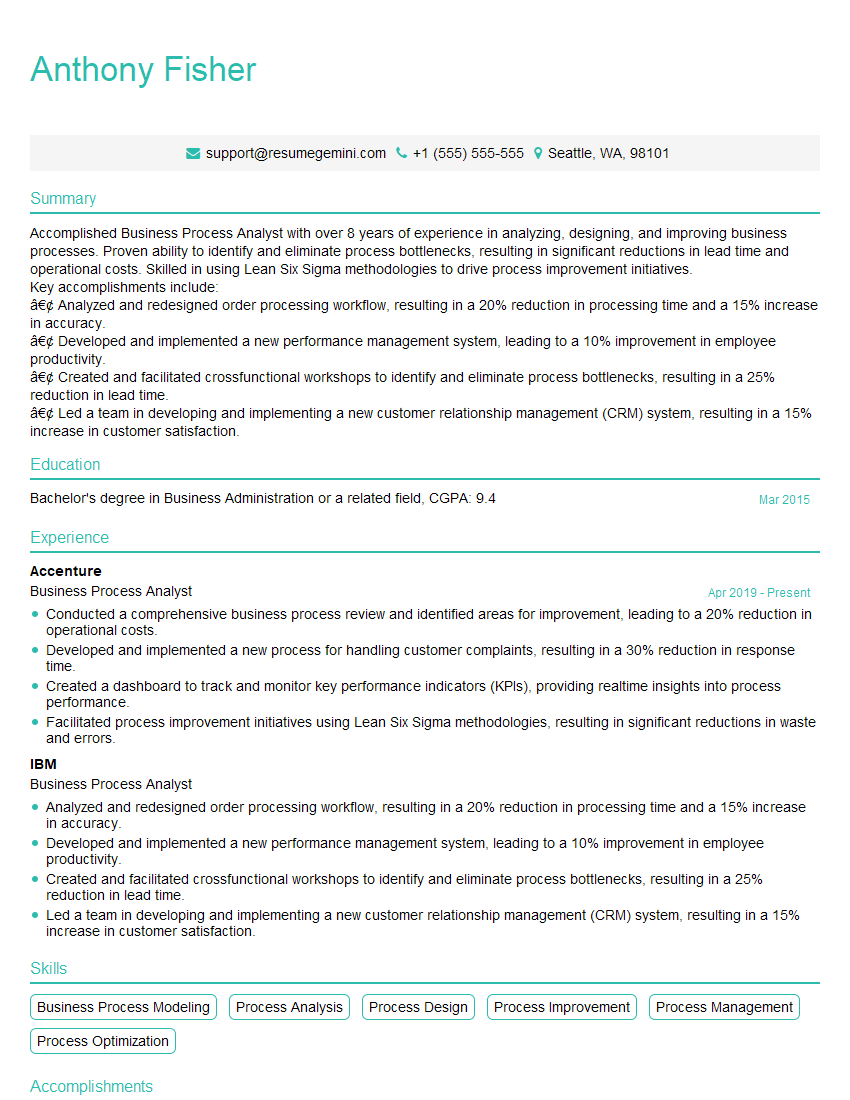
Business Process Analyst Resume Sample
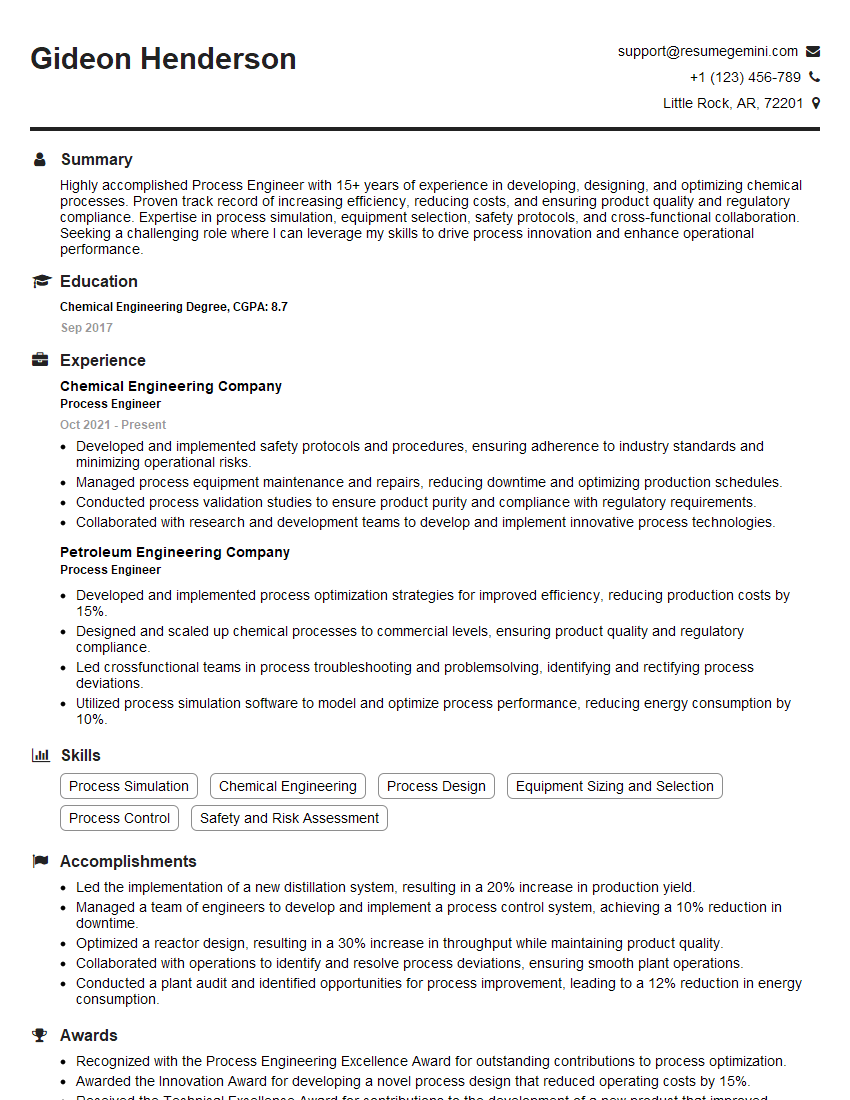
Process Engineer Resume Sample
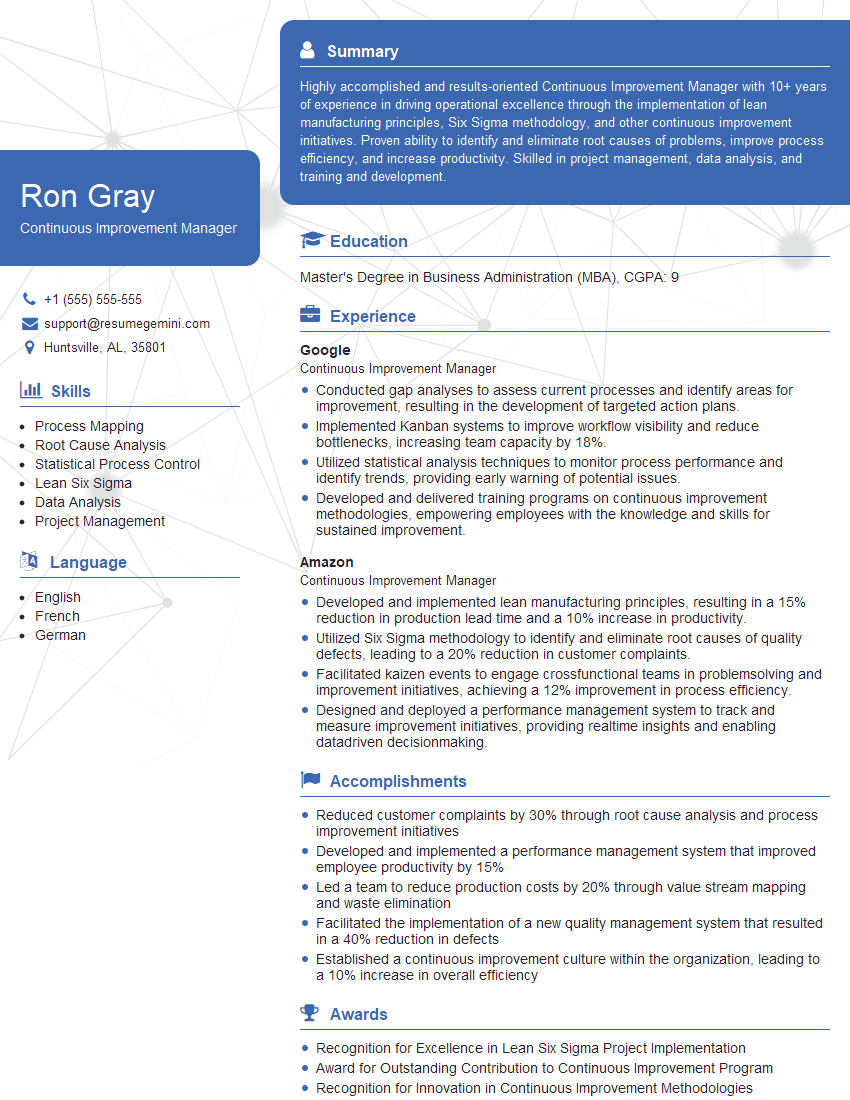
Continuous Improvement Manager Resume Sample
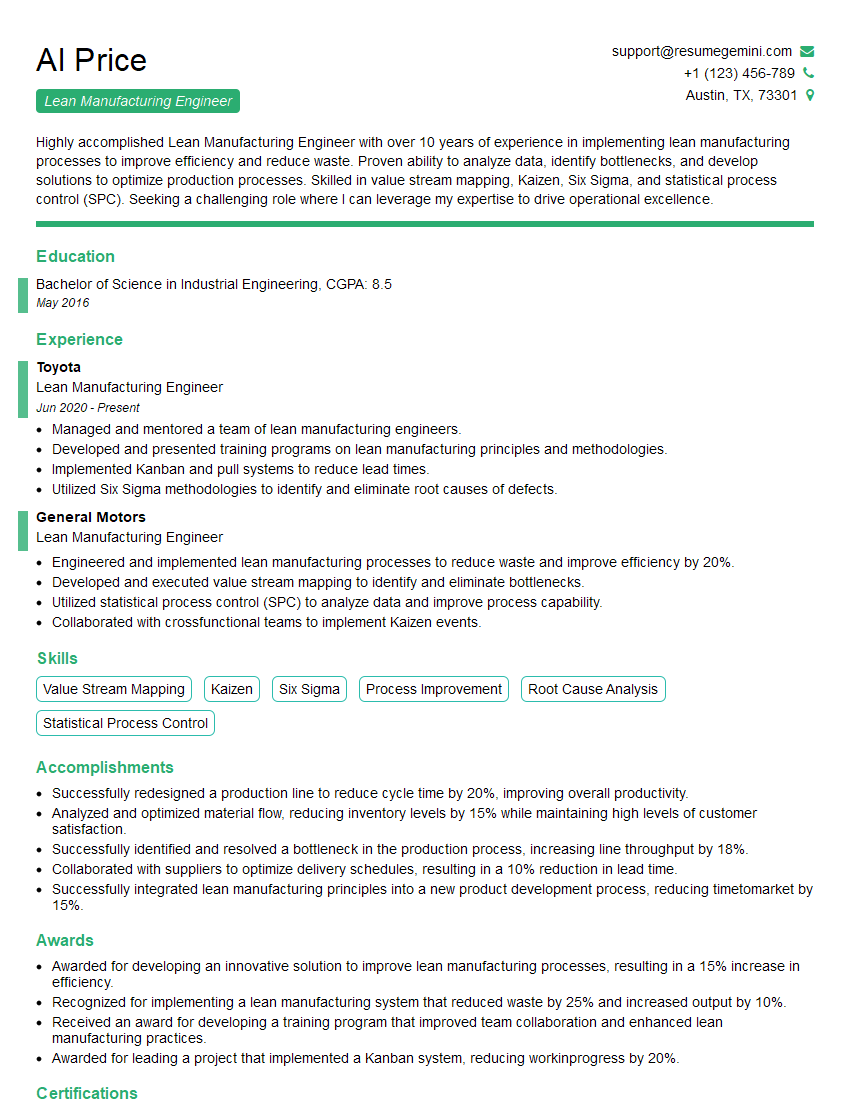
Lean Manufacturing Engineer Resume Sample
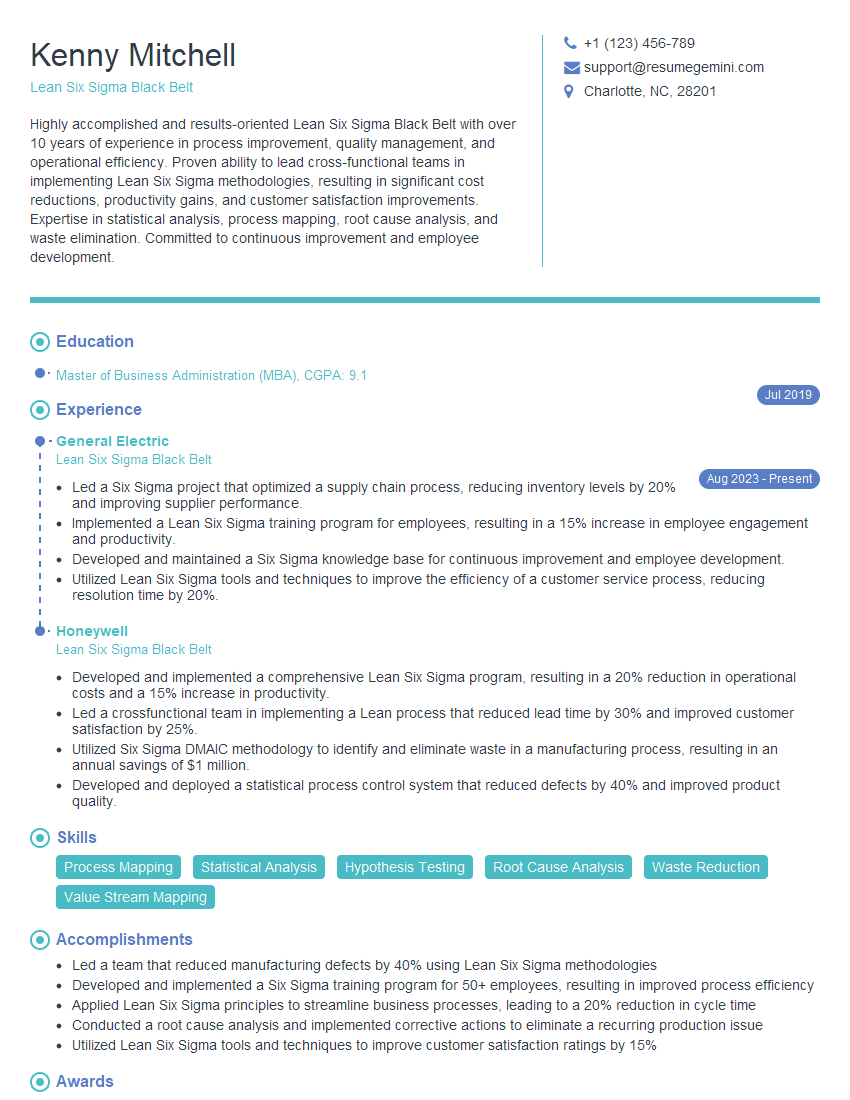
Lean Six Sigma Black Belt Resume Sample
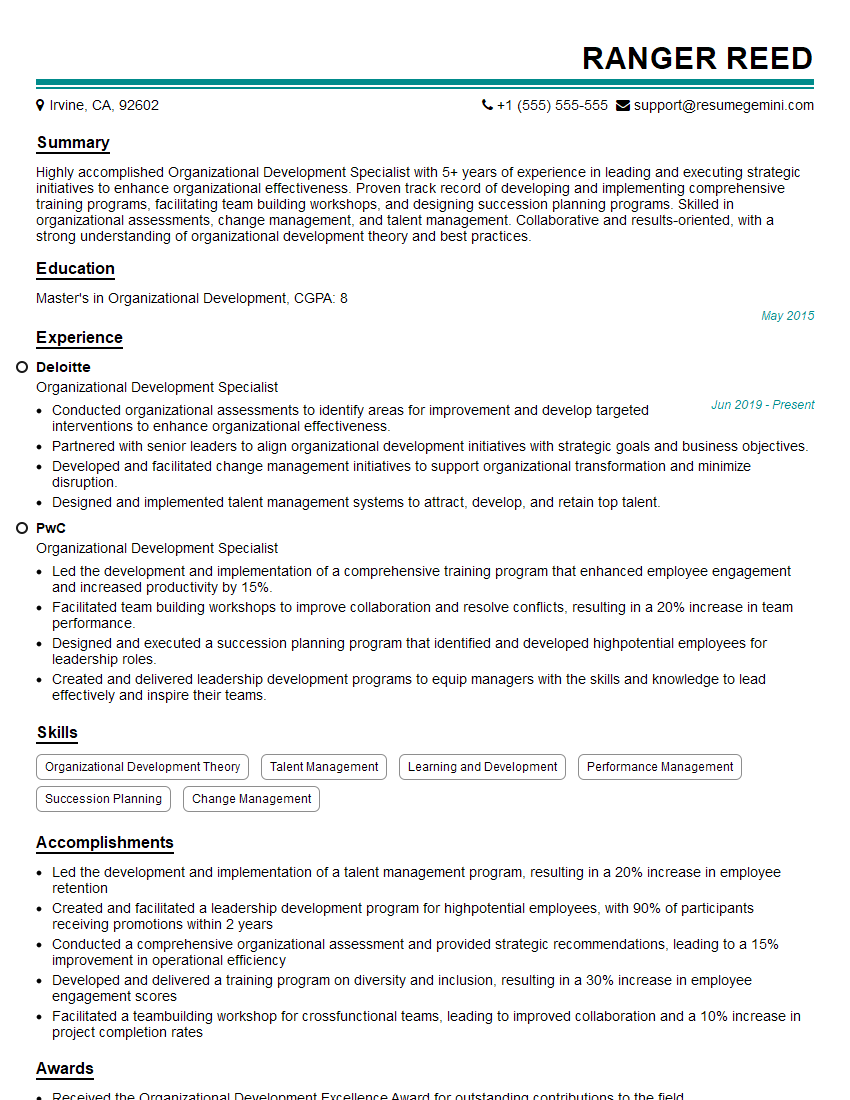
Organizational Development Specialist Resume Sample
Explore more articles
Users Rating of Our Blogs
Share Your Experience
We value your feedback! Please rate our content and share your thoughts (optional).
What Readers Say About Our Blog
Very informative content, great job.
good