Interviews are opportunities to demonstrate your expertise, and this guide is here to help you shine. Explore the essential Communication Logs interview questions that employers frequently ask, paired with strategies for crafting responses that set you apart from the competition.
Questions Asked in Communication Logs Interview
Q 1. Explain the difference between system logs, application logs, and security logs.
Communication logs are categorized into system logs, application logs, and security logs, each serving a distinct purpose. Think of them as different sections in a detailed diary of your system’s activities.
- System Logs: These logs record events related to the operating system itself. They track activities like system boot-up, resource usage (CPU, memory, disk I/O), and kernel operations. They are crucial for diagnosing system-level problems and performance bottlenecks. For example, a system log might record a disk space warning or a failed attempt to start a crucial service.
- Application Logs: These logs record events generated by individual applications running on the system. They offer insights into the application’s functionality, performance, and errors. A web server application log, for instance, would detail requests received, responses sent, and any errors encountered during processing. This level of granularity is essential for debugging application-specific issues.
- Security Logs: These logs record events related to system security, such as login attempts (successful and failed), file access attempts, and security policy changes. They provide a detailed audit trail of security-relevant activities, which is crucial for identifying security breaches and ensuring compliance with security regulations. A failed login attempt from an unusual IP address, for example, would be flagged in the security logs.
In essence, system logs provide a holistic view of system health, application logs focus on individual software behaviors, and security logs highlight any potential security risks.
Q 2. What are the common formats of communication logs (e.g., syslog, CSV, JSON)?
Communication logs can be stored in various formats, each with its own strengths and weaknesses. The most common include:
- Syslog: A standardized, widely used format for logging system and application messages. Its simplicity and interoperability make it suitable for diverse systems and logging tools. A syslog message typically includes a timestamp, severity level (e.g., debug, info, warning, error), and a message string.
- CSV (Comma Separated Values): A simple, human-readable format ideal for storing tabular data. While simple, it lacks the flexibility and structured data capabilities of JSON.
- JSON (JavaScript Object Notation): A lightweight, flexible format for representing structured data. Its ability to handle nested structures and complex data types makes it suitable for applications that generate large amounts of diverse log data. A JSON log entry might contain multiple key-value pairs detailing various aspects of an event. This format is highly beneficial for sophisticated analysis.
Choosing the right format depends on factors such as the complexity of the data, the tools used for log processing and analysis, and the need for human readability. Many tools offer conversion capabilities between these formats for increased flexibility.
Q 3. Describe your experience using log aggregation tools (e.g., Splunk, ELK stack, Graylog).
I have extensive experience with several log aggregation tools, including Splunk, the ELK stack (Elasticsearch, Logstash, Kibana), and Graylog. Each offers a different approach to log management and analysis.
- Splunk: A powerful, enterprise-grade solution known for its scalability and advanced search capabilities. I’ve used Splunk to analyze massive log volumes, creating dashboards and alerts for real-time monitoring and troubleshooting.
- ELK Stack: An open-source alternative to Splunk, offering a cost-effective solution for log management. My experience includes setting up and configuring the ELK stack, ingesting logs from various sources, and building custom dashboards for data visualization and analysis. It’s particularly flexible and customizable.
- Graylog: Another open-source option, Graylog focuses on providing a user-friendly interface for log management. I’ve used Graylog for smaller-scale deployments, appreciating its ease of use and straightforward configuration.
My experience spans the entire log management lifecycle, from configuring log shippers and setting up indexes to creating custom dashboards and alerts, all tailored to specific business needs and monitoring requirements.
Q 4. How do you identify and filter relevant information within large communication logs?
Analyzing large communication logs requires efficient filtering and search strategies. Think of it like searching for a specific book in a massive library. You wouldn’t check every single book; you’d use the catalog.
My approach involves a combination of techniques:
- Keyword Search: Identifying relevant keywords related to the issue at hand (e.g., ‘error’, ‘exception’, ‘failure’, specific application error codes). These keywords are then used to filter the logs, narrowing down the search space.
- Regular Expressions: Using regular expressions to define complex patterns within log messages, enabling sophisticated pattern matching and extraction of relevant information. For instance, you could use a regex to identify all log entries related to specific IP addresses or user accounts.
- Log Parsing and Filtering: Utilizing log management tools to parse log entries and extract relevant fields, enabling efficient filtering and sorting based on specific criteria (timestamps, error codes, severity levels). The tools’ advanced querying capabilities are essential.
- Time Range Selection: Focusing the search on a specific time period when the issue occurred. This drastically reduces the amount of data needing analysis.
By strategically combining these techniques, I can efficiently isolate the relevant information within massive log files and pinpoint the root cause of system issues.
Q 5. Explain your experience with log rotation and archiving strategies.
Log rotation and archiving are crucial for managing the ever-growing volume of log data. Think of it as a filing system for your system’s history.
My experience includes implementing and managing various log rotation and archiving strategies, including:
- Logrotate (Linux): A widely used tool for automatically rotating and archiving log files based on size, age, or number of rotations. This ensures that log files don’t grow excessively large, potentially impacting system performance.
- Cloud-based Storage: Using cloud storage services (e.g., AWS S3, Azure Blob Storage) for long-term archival of logs. This provides a scalable and cost-effective solution for storing large volumes of log data over extended periods.
- Data Retention Policies: Establishing clear data retention policies specifying how long logs should be kept before being archived or deleted. This is crucial for compliance and resource management.
The specific strategy depends on factors such as log volume, storage capacity, compliance requirements, and budget constraints. Properly implemented log rotation and archiving ensure efficient log management while preserving valuable data for auditing and troubleshooting.
Q 6. How do you ensure the integrity and security of communication logs?
Maintaining the integrity and security of communication logs is paramount. Compromised logs can lead to inaccurate analysis, masking security breaches, or hindering troubleshooting efforts. Think of it as protecting a critical piece of evidence.
My approach involves several key measures:
- Secure Storage: Storing logs on secure storage systems with access control mechanisms to prevent unauthorized access or modification. Encryption of logs at rest and in transit is critical.
- Log Integrity Checks: Implementing mechanisms to detect any tampering or corruption of log files (e.g., using checksums or digital signatures). This ensures that the logs are reliable and trustworthy.
- Secure Log Transmission: Transmitting logs securely using encrypted channels (e.g., HTTPS, TLS) to prevent interception and tampering during transfer to central logging systems.
- Auditing: Implementing robust auditing mechanisms to track any changes or access to log files, enabling the identification of potential security incidents.
These measures collectively ensure that logs maintain their integrity and confidentiality, supporting effective security analysis and troubleshooting.
Q 7. Describe a time you used communication logs to troubleshoot a system issue.
In a previous role, our web application experienced intermittent performance degradation. Users reported slow response times and occasional errors. Initial investigations yielded no clear cause.
My first step was to analyze the application logs. I focused on error messages and response times, specifically searching for patterns related to slow requests. I used the application’s logging framework and the log aggregation tool (Splunk in this case) to isolate slow or failed requests. The logs revealed a significant increase in database query times during peak hours, pointing to a database performance bottleneck. Further investigation uncovered inefficient database queries and a lack of indexing on key fields.
By carefully analyzing the communication logs, I was able to pinpoint the root cause of the performance issues. This allowed the development team to optimize database queries, improving application response times and resolving the issue. The thorough logging played a crucial role in quick identification of the problem and provided invaluable data during the resolution process.
Q 8. How do you correlate events from multiple log sources to identify root causes?
Correlating events from multiple log sources is crucial for troubleshooting complex issues. Think of it like piecing together a puzzle – each log file represents a piece, and the goal is to create a complete picture of what happened. We achieve this by identifying common timestamps, user IDs, IP addresses, or transaction IDs across different logs. For example, a failed transaction might leave traces in application logs, database logs, and network logs. By analyzing these logs simultaneously, we can pinpoint the exact point of failure – perhaps a database timeout, a network connectivity issue, or a bug in the application code.
A common strategy involves using a centralized log management system that can ingest and index logs from various sources. These systems often include features for searching, filtering, and visualizing logs across different sources, making correlation easier. We might use tools that allow us to create custom dashboards to monitor key metrics and set up alerts based on specific event combinations. This proactive approach prevents small issues from escalating into major outages.
For instance, imagine a scenario where a user reports they can’t access a website. We might look at the web server logs for any errors, the network logs for connectivity issues, and the database logs to see if there’s a database overload. By correlating these logs, we might discover the root cause is a denial-of-service attack overwhelming the web server.
Q 9. What are some common log analysis techniques you employ?
Log analysis techniques are varied and depend on the specific problem and the data available. Common techniques include:
- Filtering and Aggregation: Isolating relevant events through filters (e.g., based on timestamp, severity level, or specific keywords) and then aggregating these events to identify trends and patterns. For instance, we could filter for all error logs related to a specific module and then aggregate them by hour to see if there are peak error times.
- Statistical Analysis: Using statistical methods to identify outliers or anomalies in the log data that might indicate a problem. For example, a sudden spike in error rate or request latency could signal a performance issue.
- Pattern Recognition: Identifying recurring patterns or sequences of events that are indicative of a specific issue. Regular expressions are often invaluable here.
- Machine Learning: Using machine learning algorithms to detect anomalies and predict potential problems before they occur. This is particularly useful for large-scale systems generating massive amounts of log data.
- Visualization: Transforming log data into visual representations (charts, graphs, etc.) to make it easier to understand and identify trends. Dashboards are vital for this.
Q 10. Explain your familiarity with regular expressions (regex) for log parsing.
Regular expressions (regex) are fundamental to log parsing. They allow me to extract specific information from log lines using powerful pattern-matching capabilities. Think of regex as a search tool on steroids. Instead of simple keyword searches, regex allows defining complex patterns to identify and extract specific data within unstructured text.
For instance, if I need to extract the IP address from a web server log line like this:
192.168.1.100 - - [23/Oct/2023:10:00:00 +0000] "GET /index.html HTTP/1.1" 200 1234 I can use a regex like this: \d{1,3}\.\d{1,3}\.\d{1,3}\.\d{1,3} This expression will match any IP address formatted as four sets of numbers separated by dots.
My proficiency with regex extends to creating complex expressions to handle diverse log formats, extracting relevant fields, and even cleaning up inconsistent data. I’m proficient in using regex in various programming languages like Python and tools like grep and sed.
Q 11. How do you handle log files that are excessively large or complex?
Handling excessively large or complex log files requires a strategic approach. Simply opening them in a text editor is often impractical. The key is to leverage efficient tools and techniques.
- Log Rotation and Archiving: Regularly rotating log files to prevent them from growing indefinitely. Archiving older logs to cheaper storage (e.g., cloud storage) is essential for long-term retention while keeping current logs readily accessible.
- Log Aggregation and Centralization: Using a centralized log management system that can efficiently process large volumes of log data from multiple sources. Such systems often utilize distributed architectures and optimized data structures to handle the scale.
- Log Filtering and Sampling: Applying filters to reduce the amount of data that needs to be processed, focusing on relevant events. Sampling techniques can create a statistically representative subset of the log data for analysis when analyzing the entire dataset is infeasible.
- Log Compression: Compressing log files to reduce storage space and improve processing efficiency. Common compression formats like gzip or zstd are used.
- Specialized Log Analysis Tools: Utilizing tools designed to handle large-scale log analysis, such as Splunk, ELK stack (Elasticsearch, Logstash, Kibana), or Graylog.
Employing these strategies ensures efficient management and analysis of large and complex log files, preventing performance bottlenecks and enabling timely troubleshooting.
Q 12. What are some key performance indicators (KPIs) you monitor in relation to communication logs?
Key Performance Indicators (KPIs) for communication logs depend on the specific system and objectives. However, some common KPIs include:
- Request Latency: The average time it takes to process a request. High latency indicates performance bottlenecks.
- Error Rate: The percentage of requests that result in errors. High error rates point to system problems.
- Throughput: The number of requests processed per unit of time. Low throughput suggests performance limitations.
- Connection Success Rate: The percentage of successful connection attempts. Low success rate points to network or authentication issues.
- Bandwidth Utilization: The amount of network bandwidth used. Excessive bandwidth usage may indicate attacks or inefficiencies.
- Number of Concurrent Users/Connections: Tracking the number of concurrent users or connections to assess system capacity and potential overload.
Monitoring these KPIs allows us to proactively identify potential problems and ensure optimal system performance and user experience. For example, consistent high latency can indicate the need for database optimization or hardware upgrades.
Q 13. Describe your experience with log monitoring and alerting systems.
I have extensive experience with various log monitoring and alerting systems. I’ve worked with both open-source solutions like the ELK stack and commercial products such as Splunk and Datadog. These systems allow for centralized log collection, processing, and analysis, facilitating efficient monitoring and alerting.
My experience encompasses configuring these systems to collect logs from diverse sources, defining custom dashboards to visualize key metrics, and setting up alerts based on specific events or thresholds. For example, I’ve configured alerts that trigger when the error rate exceeds a certain threshold, or when a specific security-related event is detected. The alerts can be sent via email, SMS, or integrated into incident management systems.
Furthermore, I’m familiar with the best practices for log management, including log rotation, retention policies, and security considerations. I prioritize data security and privacy while implementing these systems. We carefully consider data encryption and access control to protect sensitive information within logs. This includes minimizing the number of personnel who have access to the logs and using appropriate encryption methods.
Q 14. How do you identify and respond to security threats indicated in communication logs?
Identifying and responding to security threats from communication logs requires a combination of technical skills and security awareness. We need to look for patterns indicating suspicious activities:
- Failed Login Attempts: A large number of failed login attempts from a single IP address may signal a brute-force attack.
- Unauthorized Access: Logs showing access to restricted resources by unauthorized users or systems.
- Data Exfiltration: Evidence of sensitive data being transferred to unauthorized destinations. For instance, detection of large files sent to external IP addresses not commonly associated with normal system operation.
- SQL Injection Attempts: Logs showing suspicious SQL queries that could indicate an attempt to inject malicious code into the database.
- Malicious Code Execution: Logs indicating the execution of suspicious processes or commands.
Upon detecting suspicious activity, the response depends on the severity and nature of the threat. This might include blocking the offending IP address, investigating the compromised system, patching vulnerabilities, resetting user passwords, and notifying relevant authorities. A comprehensive incident response plan is crucial to ensure efficient handling of security incidents. Using security information and event management (SIEM) systems facilitates threat detection and response by correlating events across multiple sources and providing automated alerts.
Q 15. What experience do you have with log anonymization and data privacy regulations?
Log anonymization is crucial for protecting sensitive data within communication logs, ensuring compliance with regulations like GDPR, CCPA, and HIPAA. My experience involves implementing various techniques, including data masking (replacing sensitive data with non-sensitive equivalents), pseudonymization (replacing identifiers with pseudonyms), and tokenization (replacing sensitive data with tokens). For example, I’ve worked on projects where personally identifiable information (PII) like IP addresses and user names were replaced with unique identifiers or hashed values. We also implemented robust access control mechanisms to limit access to the anonymized logs only to authorized personnel. This involved careful planning and the development of custom scripts and tools to process large volumes of log data efficiently while maintaining data integrity. Successfully navigating data privacy regulations requires a deep understanding of the specific requirements of each regulation, a robust anonymization strategy, and ongoing monitoring to ensure compliance.
Career Expert Tips:
- Ace those interviews! Prepare effectively by reviewing the Top 50 Most Common Interview Questions on ResumeGemini.
- Navigate your job search with confidence! Explore a wide range of Career Tips on ResumeGemini. Learn about common challenges and recommendations to overcome them.
- Craft the perfect resume! Master the Art of Resume Writing with ResumeGemini’s guide. Showcase your unique qualifications and achievements effectively.
- Don’t miss out on holiday savings! Build your dream resume with ResumeGemini’s ATS optimized templates.
Q 16. Explain your knowledge of different log levels (e.g., DEBUG, INFO, WARNING, ERROR).
Log levels are hierarchical indicators of the severity and importance of events recorded in communication logs. They help prioritize and filter log messages for efficient analysis. Common levels include:
DEBUG: Provides detailed information useful for debugging applications. These are usually suppressed in production environments.INFO: Reports routine events, showing the normal operation of a system.WARNING: Indicates potential problems that might require attention. For example, a service running low on disk space.ERROR: Signals that an error has occurred, affecting the system’s functionality.CRITICAL: Indicates a severe error causing a failure in the system.
Think of it like a news report: DEBUG is like a very detailed behind-the-scenes report, INFO is a regular news update, WARNING is a weather warning, ERROR is a breaking news report of an accident, and CRITICAL is an emergency broadcast. Proper use of log levels is critical for efficient troubleshooting and security monitoring.
Q 17. How do you handle discrepancies or inconsistencies within communication logs?
Inconsistencies in communication logs can arise from various sources: faulty hardware, software bugs, or even malicious activity. My approach involves a multi-step process:
- Identify the discrepancy: Analyze the logs to pinpoint the specific inconsistencies. This may involve comparing logs from different sources or checking for unexpected patterns.
- Investigate the root cause: Determine why the discrepancy occurred. This might involve examining system logs, network configurations, or application code. For instance, a mismatch in timestamps could indicate a clock synchronization issue, whereas missing log entries might suggest a log rotation problem or a security breach.
- Reconcile or correct the data (if possible): Where feasible, correct or reconcile conflicting information. This might require reprocessing logs or querying other data sources to fill in missing information. However, if the discrepancy is due to a compromised system, data correction may not be advisable and needs to be dealt with utmost caution.
- Document findings and recommendations: Document the discrepancy, its root cause, and any corrective actions taken. This will help prevent similar issues in the future and enhance the overall log management system.
A consistent approach to anomaly detection and investigation is crucial for maintaining data integrity and ensuring the reliability of log analysis.
Q 18. Describe your experience with log analysis tools specifically designed for network security.
I have extensive experience using various log analysis tools specifically designed for network security. These include:
- ELK Stack (Elasticsearch, Logstash, Kibana): A powerful suite for centralized log management, search, and visualization. I’ve used it extensively to analyze security logs, detect anomalies, and investigate security incidents. For example, I used Kibana dashboards to visualize network traffic patterns and identify potential intrusion attempts.
- Splunk: A widely-used platform for enterprise-level log management and security monitoring. I’ve leveraged Splunk’s advanced search capabilities and machine learning features to detect and respond to security threats in real-time.
- Security Information and Event Management (SIEM) systems: I have experience working with various SIEM solutions, correlating logs from diverse sources to identify and respond to security events effectively. This includes creating customized alerts and dashboards for specific threats and vulnerabilities.
My proficiency in these tools enables me to effectively collect, analyze, and correlate security-related events from various sources. This helps improve incident response times, reduce the impact of security breaches, and enhance overall network security posture.
Q 19. How do you contribute to the development of effective logging strategies?
Developing effective logging strategies requires a holistic approach that considers various factors:
- Defining logging requirements: Start by clearly outlining what information needs to be logged and the purpose of the logging. This often involves discussions with security teams, developers, and operations teams.
- Choosing appropriate log levels: Selecting the right log level for different events ensures that only relevant information is collected, improving efficiency and reducing storage costs.
- Implementing structured logging: Using structured logs (e.g., JSON) makes it much easier to parse and analyze data compared to unstructured free-text logs.
- Centralized log management: This allows for easier search, analysis, and correlation of data from multiple sources, which is crucial for incident response and security monitoring.
- Regular review and improvement: Logging strategies should be regularly reviewed and adjusted as needed, ensuring the ongoing effectiveness of the logging infrastructure.
I actively participate in these discussions, offering my expertise to create strategies that balance the needs of different stakeholders while ensuring compliance with data privacy and security policies.
Q 20. What tools or techniques do you use for visualizing communication log data?
Visualizing communication log data is essential for uncovering patterns and trends that might be difficult to spot in raw log files. I commonly use the following tools and techniques:
- Kibana: Part of the ELK Stack, Kibana provides powerful visualization capabilities, allowing me to create interactive dashboards and charts to display log data in a meaningful way.
- Grafana: A versatile open-source platform for creating dashboards and visualizations from various data sources, including log data. I use this to create custom visualizations tailored to specific analysis needs.
- Custom scripts: For specific analysis tasks or when working with less common data formats, I often develop custom scripts (e.g., in Python) to process and visualize the data. This allows for a more targeted approach to visualization.
The choice of tool depends on the specific needs of the analysis and the scale of the data. Effective visualization significantly enhances the understanding and interpretation of communication logs, facilitating quicker problem identification and resolution.
Q 21. Explain your understanding of centralized logging architecture.
Centralized logging architecture involves collecting and managing logs from multiple sources in a single, central location. This provides numerous benefits:
- Improved visibility: Offers a unified view of system events across the entire infrastructure, making it easier to identify patterns and trends.
- Simplified monitoring: Consolidates log data, streamlining monitoring efforts and improving operational efficiency.
- Enhanced security: Facilitates security monitoring by enabling the correlation of security events across various systems and applications.
- Simplified troubleshooting: Reduces the time needed to troubleshoot issues by providing easy access to logs from multiple sources.
- Scalability and efficiency: Provides a scalable and efficient way to manage large volumes of log data.
Implementing a centralized logging architecture usually involves using tools like the ELK stack or Splunk. The key elements are log collectors (like Logstash), a central repository (like Elasticsearch), and a visualization and analysis tool (like Kibana). Designing a robust centralized logging system requires careful consideration of factors such as data volume, security, and performance.
Q 22. How do you stay updated with the latest trends and best practices in log management?
Staying current in log management requires a multifaceted approach. It’s not enough to just read a few articles; active engagement is key. I leverage several strategies:
- Following industry blogs and publications: Sites like InfoQ, The Register, and dedicated security blogs often publish articles on the latest tools, techniques, and emerging threats related to log management. This gives me exposure to new technologies and best practices.
- Participating in online communities and forums: Platforms like Stack Overflow and Reddit’s r/sysadmin provide opportunities to learn from others’ experiences, troubleshoot challenges, and discover innovative solutions. Engaging in discussions helps refine my understanding and exposes me to diverse perspectives.
- Attending webinars and conferences: Industry events offer invaluable opportunities to network with experts and learn about the latest advancements directly from the source. They also offer insights into real-world implementations and best practices.
- Hands-on experimentation: I actively explore new tools and technologies by setting up test environments. This allows me to gain practical experience and assess their effectiveness firsthand. This ensures I’m not just reading about solutions, but truly understanding their capabilities and limitations.
- Certifications and training courses: Formal certifications, like those offered by various cloud providers or security organizations, demonstrate a commitment to professional development and provide a structured learning path.
By combining these methods, I maintain a comprehensive understanding of the evolving log management landscape.
Q 23. What are the challenges in analyzing logs from distributed systems?
Analyzing logs from distributed systems presents unique challenges due to their scale, heterogeneity, and complexity. Here are some key issues:
- Data Volume and Velocity: Distributed systems generate massive volumes of logs at high speeds. Processing this data efficiently requires robust infrastructure and optimized analysis techniques. Think of a global e-commerce platform – the sheer volume of transactions translates into a deluge of log entries.
- Data Consistency and Correlation: Logs might be generated on different systems with varying formats and time stamps. Correlating events across multiple systems to identify root causes can be extremely challenging. For instance, an error might originate in a database server, propagate through an application server, and finally manifest as a user-facing issue. Linking these disparate logs together is crucial.
- Log Data Silos: Different components of a distributed system might use different logging mechanisms, resulting in data scattered across various locations and formats. This makes centralized monitoring and analysis difficult. Imagine having application logs in a JSON format, database logs in a proprietary binary format, and system logs in a traditional text format – unifying this data requires careful planning and potentially custom parsing logic.
- Network Latency and Bandwidth: Gathering and transferring logs from multiple distributed locations can introduce significant network delays and impact analysis performance. This is particularly critical for real-time monitoring and alerting systems.
Overcoming these challenges requires a combination of centralized log management platforms, efficient data processing techniques, and robust correlation algorithms. Tools like Elasticsearch, Fluentd, and Kibana (the ELK stack) are frequently used to address these issues.
Q 24. Describe your experience with scripting languages (e.g., Python, PowerShell) for log analysis.
I have extensive experience using scripting languages like Python and PowerShell for log analysis. They are invaluable tools for automating tasks and extracting meaningful insights.
- Python: I use Python’s rich ecosystem of libraries (like Pandas, NumPy, and regular expressions) to parse, filter, and analyze log data. For example, I can write a script to identify all instances of a specific error code within a large log file, calculate its frequency, and even visualize the results using libraries like Matplotlib.
- PowerShell: In Windows environments, PowerShell is my go-to scripting language for tasks such as extracting specific information from event logs, generating custom reports, and automating log collection procedures. I can use cmdlets to directly interact with the Windows event log and manipulate the data easily.
Example (Python):
import re
with open('access.log', 'r') as f:
    for line in f:
        match = re.search(r'"(.*?)"', line)
        if match:
            print(match.group(1))
This simple Python script extracts HTTP requests from an Apache access log file.
My scripting skills enable me to create customized log analysis solutions tailored to specific needs, including automated anomaly detection, report generation, and integration with other systems.
Q 25. How do you ensure the accuracy and reliability of log data?
Ensuring the accuracy and reliability of log data is paramount. My approach focuses on several key aspects:
- Log Integrity and Security: Protecting logs from tampering or unauthorized access is crucial. This involves implementing appropriate security measures, including access control lists, encryption, and secure storage. Hashing or digital signatures can verify log integrity.
- Data Validation and Cleansing: Logs are frequently prone to errors or inconsistencies. I perform data validation checks, identify and correct anomalies, and clean up corrupted or incomplete records. This involves parsing and validating the log structure, detecting missing data fields, and handling unusual characters.
- Timestamp Consistency and Synchronization: Accurate timestamps are critical for accurate analysis. I ensure that all logs have consistent and synchronized timestamps. Network Time Protocol (NTP) synchronization helps maintain consistent time across multiple systems.
- Data Source Verification: I rigorously verify the credibility of data sources to ensure the logs are generated by trusted and reliable systems. This can involve verifying certificates, examining source IPs, and checking authentication mechanisms.
- Regular Auditing and Review: I regularly audit logging processes to identify any potential issues or gaps. This helps ensure the ongoing accuracy and reliability of the log data.
By implementing these steps, I build a robust system for generating reliable and trustworthy log data that can be used for accurate analysis and informed decision-making.
Q 26. What is your experience with using communication logs for compliance auditing?
I have extensive experience leveraging communication logs for compliance auditing. This involves analyzing log data to ensure adherence to regulations such as HIPAA, PCI DSS, GDPR, and others. My process generally follows these steps:
- Identifying Relevant Log Sources: The first step is to determine which log sources contain information pertinent to the specific compliance requirements. This could involve network logs, application logs, database logs, or security logs.
- Defining Compliance Criteria: I work closely with compliance officers to define the specific criteria that need to be met. This involves understanding the relevant regulations and translating those requirements into searchable log patterns or data points.
- Log Analysis and Querying: I use specialized tools and techniques to query the relevant logs and identify any potential compliance violations. This often requires complex queries and filtering based on timestamps, user IDs, data types, or other relevant parameters.
- Report Generation and Documentation: After analyzing the logs, I generate detailed reports summarizing the findings. These reports document any potential compliance violations, provide context, and outline any corrective actions that might be needed. Careful documentation is vital for audits.
- Continuous Monitoring: Compliance auditing is not a one-time event. I typically establish ongoing monitoring processes to proactively identify potential violations as they occur, allowing for timely intervention.
My experience ensures that organizations can demonstrate compliance and mitigate potential risks associated with non-compliance.
Q 27. Describe your experience with real-time log analysis and its applications.
Real-time log analysis is critical for monitoring systems and responding quickly to incidents. It involves processing log data as it’s generated, enabling immediate detection of anomalies and security threats. My experience encompasses several applications:
- Security Monitoring and Incident Response: Real-time analysis enables immediate detection of intrusions, malware activity, or unauthorized access attempts. This allows for rapid response and mitigation of threats before significant damage occurs. For example, identifying a large number of failed login attempts from a single IP address in real-time could signal a brute-force attack.
- Application Performance Monitoring: Real-time log monitoring helps identify performance bottlenecks, errors, and other issues affecting application performance. This enables prompt identification and resolution of problems, minimizing downtime and improving user experience. Monitoring database query times, for example, can help identify slow queries impacting application speed.
- System Health Monitoring: Real-time analysis of system logs allows for the early detection of hardware or software failures, enabling proactive maintenance and reducing system downtime. For example, monitoring CPU usage, memory consumption, and disk space usage helps to prevent system crashes due to resource exhaustion.
- Fraud Detection: In financial or e-commerce environments, real-time log analysis is critical for detecting fraudulent activities. By analyzing transaction logs and user behavior patterns, suspicious activities can be flagged immediately for investigation.
Tools like Splunk, Graylog, and the ELK stack are frequently used to perform real-time log analysis. These tools allow for the creation of dashboards and alerts, providing immediate notification of critical events.
Key Topics to Learn for Communication Logs Interview
- Understanding Communication Log Formats: Familiarize yourself with various communication log structures (e.g., chronological, thematic, problem-oriented) and their applications in different professional contexts.
- Effective Log Entries: Learn how to write clear, concise, and informative log entries that accurately reflect communication events, including key details and outcomes. Practice using action verbs and avoiding jargon.
- Data Analysis and Interpretation from Logs: Develop your ability to extract meaningful insights from communication logs, identify trends, and draw conclusions relevant to performance improvement or problem-solving.
- Legal and Ethical Considerations: Understand the importance of maintaining accurate and compliant communication logs, particularly concerning privacy, confidentiality, and data security.
- Technological Applications: Explore how communication logs are utilized in various technologies and systems, and how to effectively manage and utilize these technologies.
- Troubleshooting and Problem-Solving using Logs: Practice identifying communication breakdowns or inefficiencies by analyzing communication logs and proposing solutions.
- Communication Log Security and Access Control: Understand best practices for securing communication logs and managing access permissions to protect sensitive information.
Next Steps
Mastering communication logs is crucial for success in many professional fields, demonstrating your attention to detail, problem-solving skills, and commitment to effective communication. A strong understanding of these principles will significantly enhance your career prospects. To make your application stand out, focus on creating an ATS-friendly resume that highlights your relevant skills and experience. We highly recommend using ResumeGemini to build a professional and impactful resume tailored to your specific experience. Examples of resumes tailored to Communication Logs roles are available for your review.

Compliance Officer Resume Sample
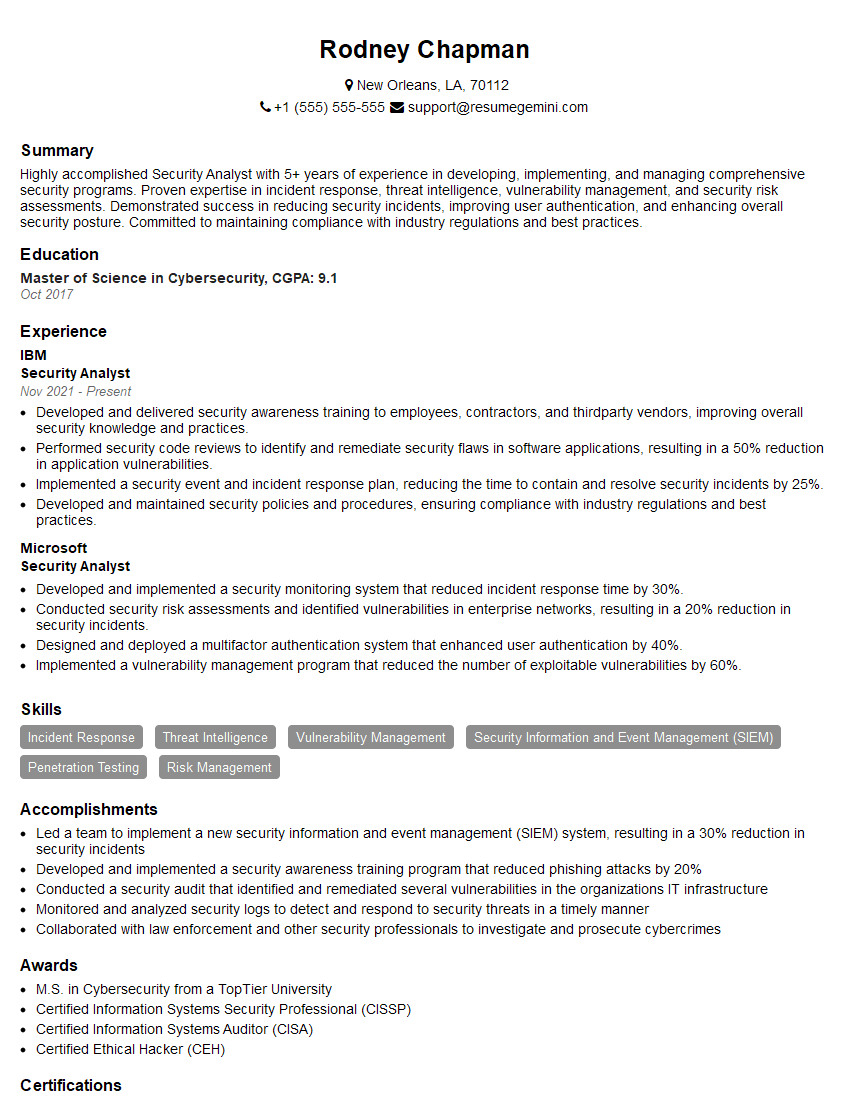
Security Analyst Resume Sample
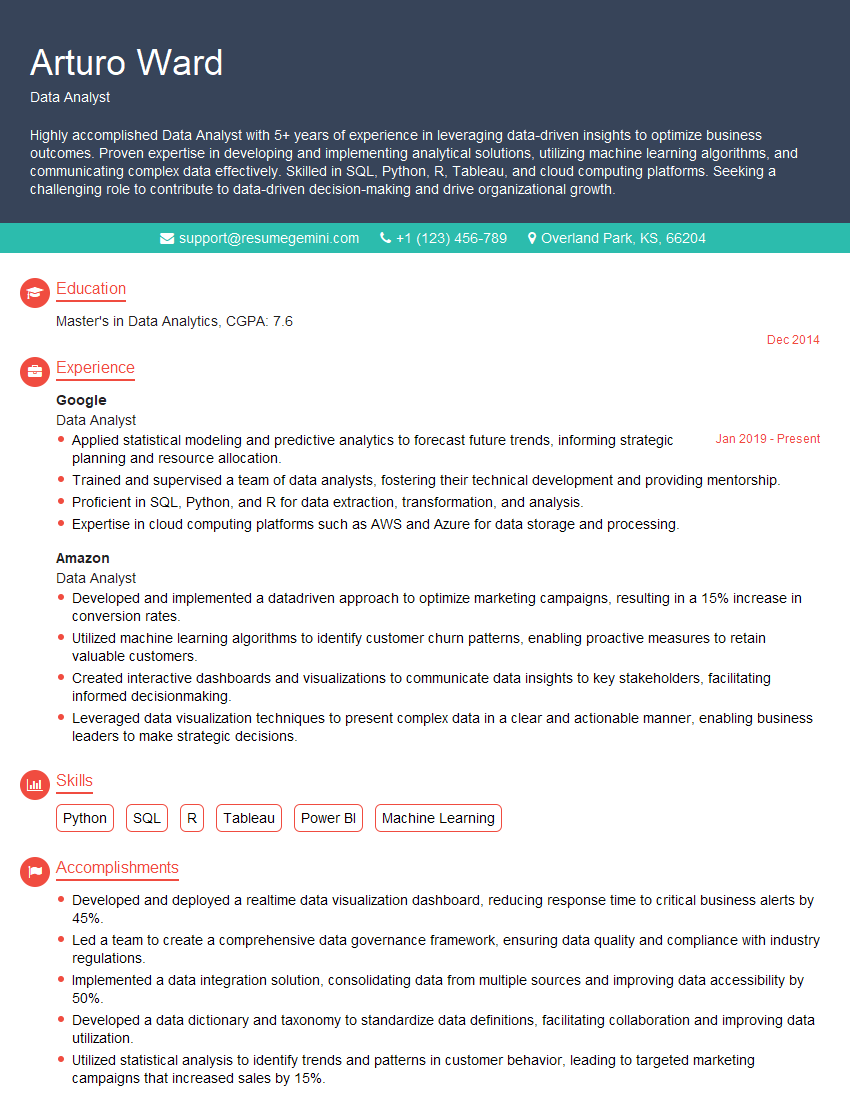
Data Analyst Resume Sample
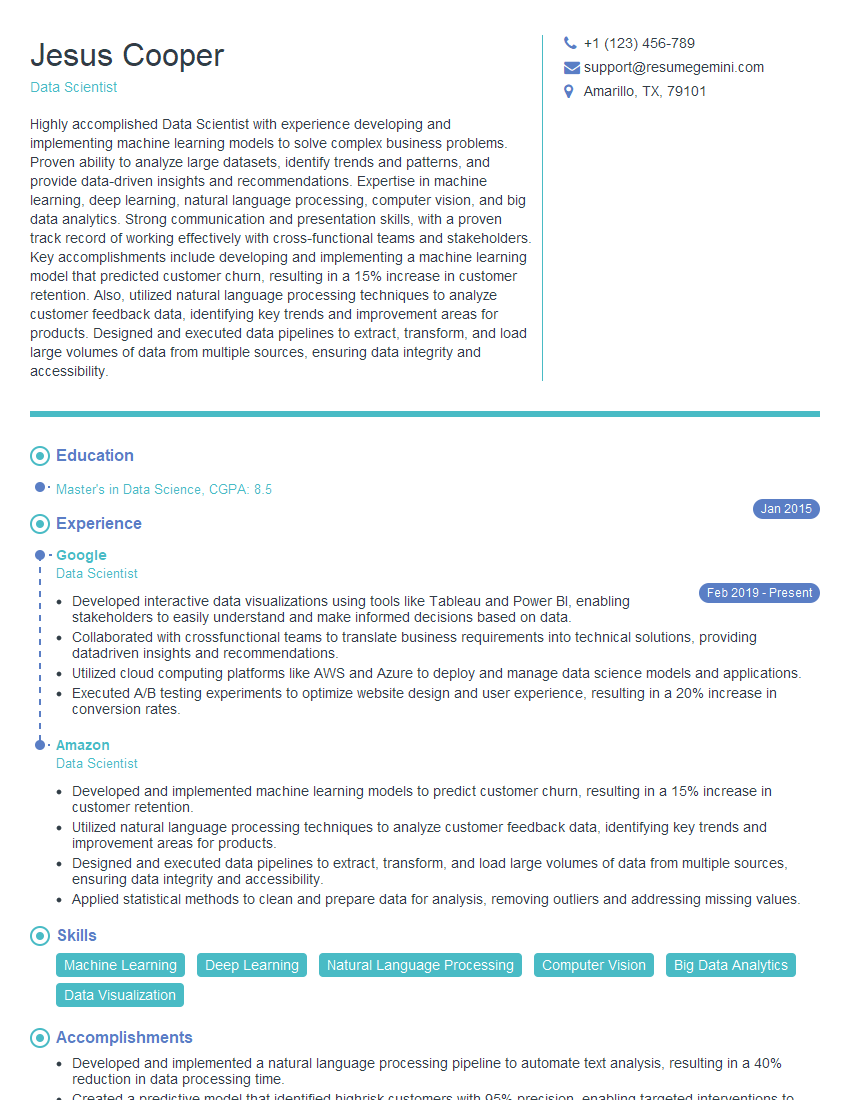
Data Scientist Resume Sample
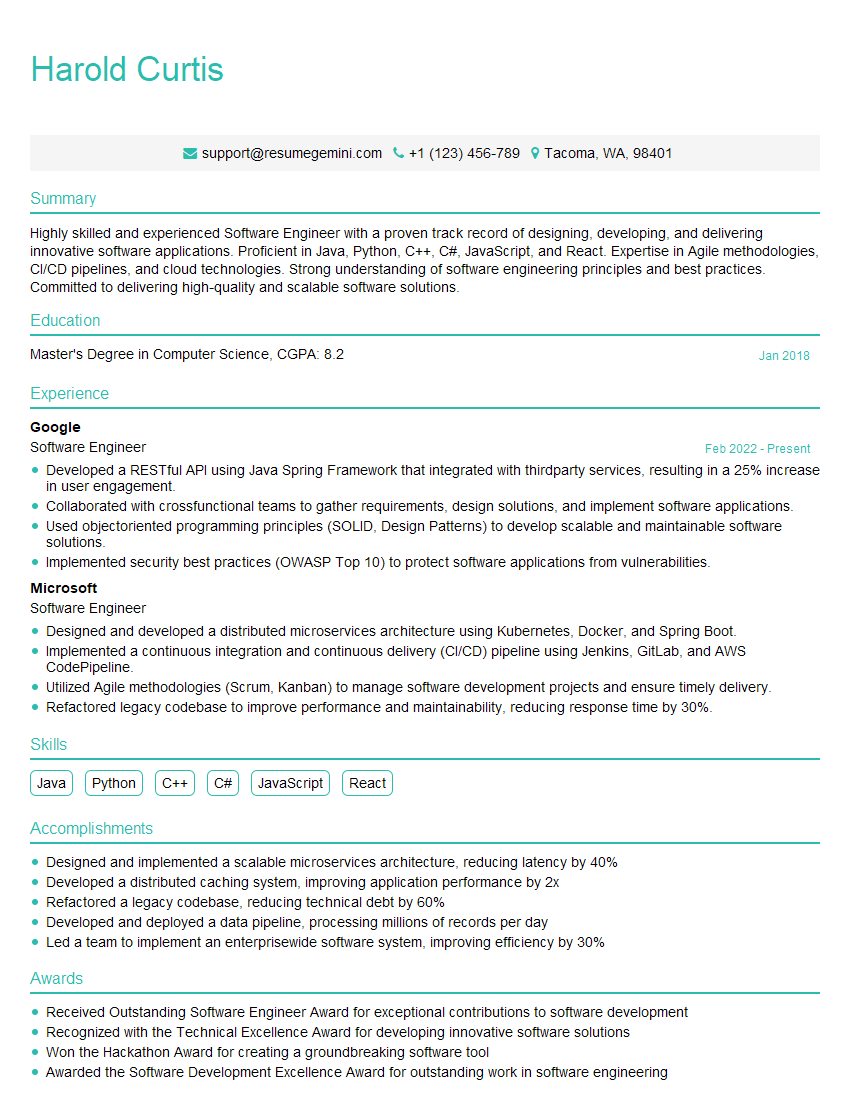
Software Engineer Resume Sample
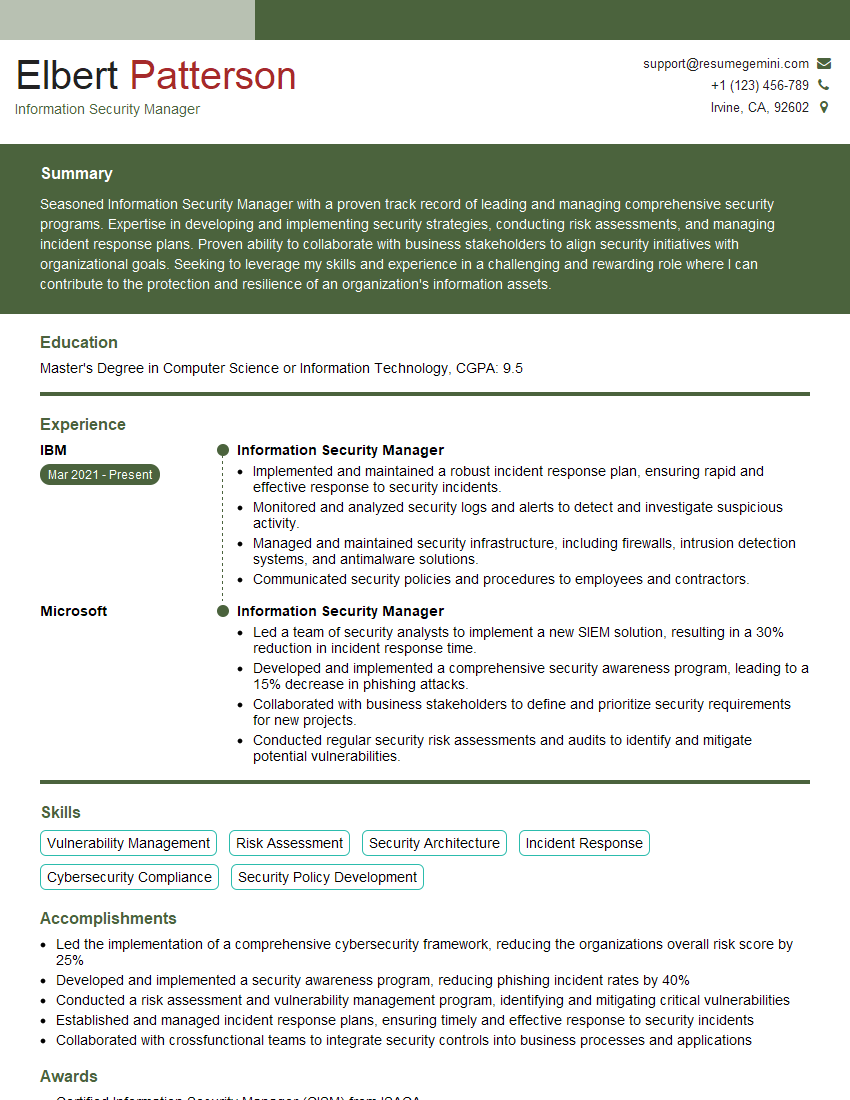
Information Security Manager Resume Sample
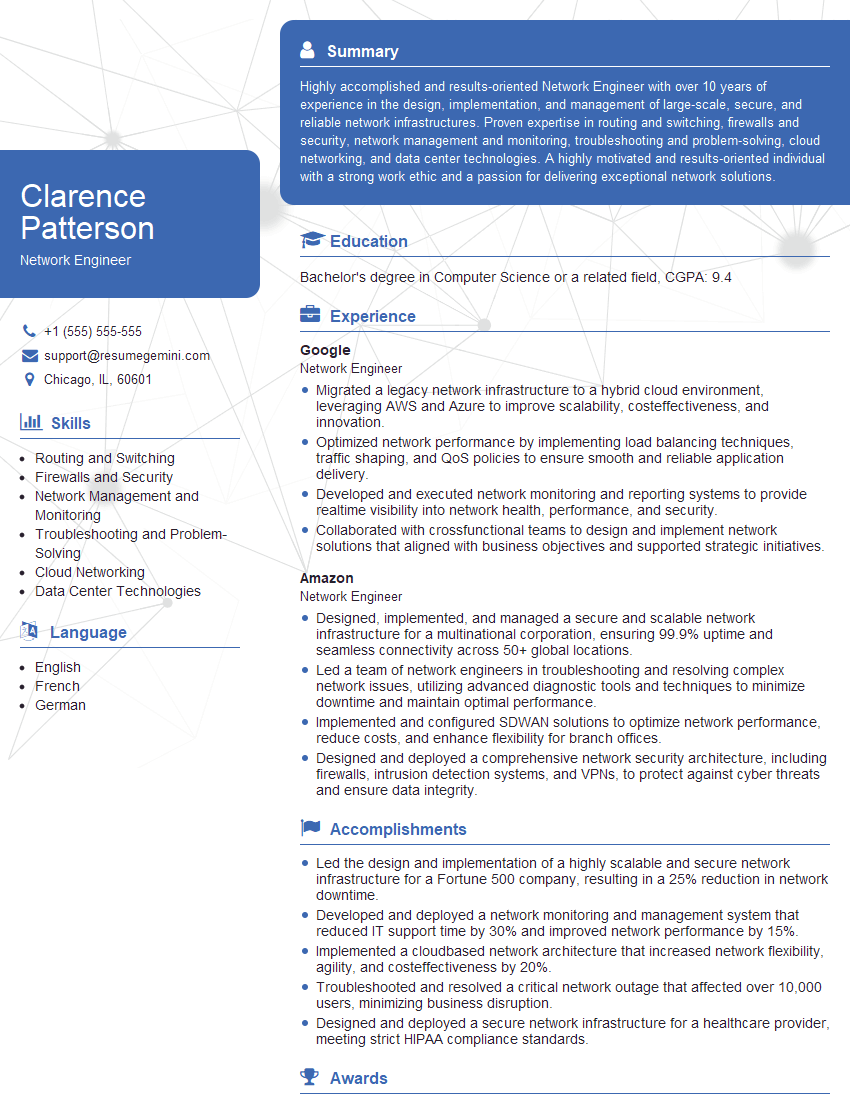
Network Engineer Resume Sample
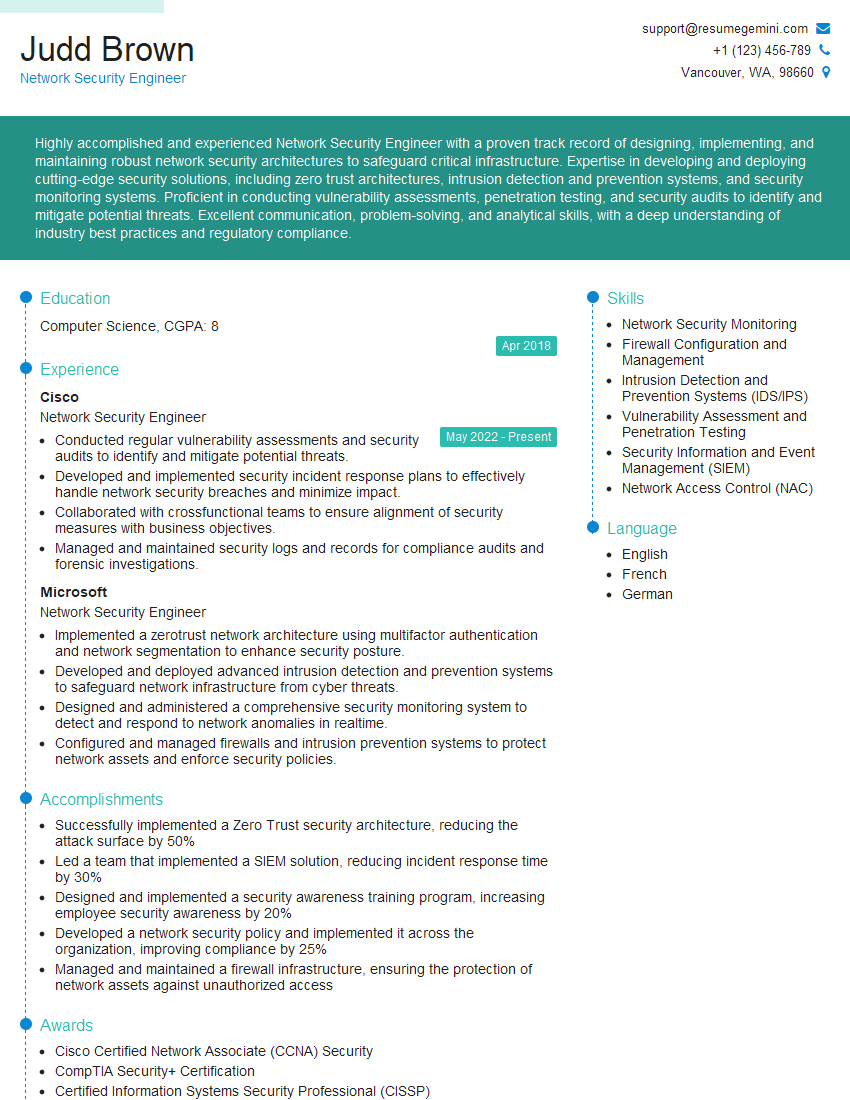
Network Security Engineer Resume Sample

Infrastructure Engineer Resume Sample
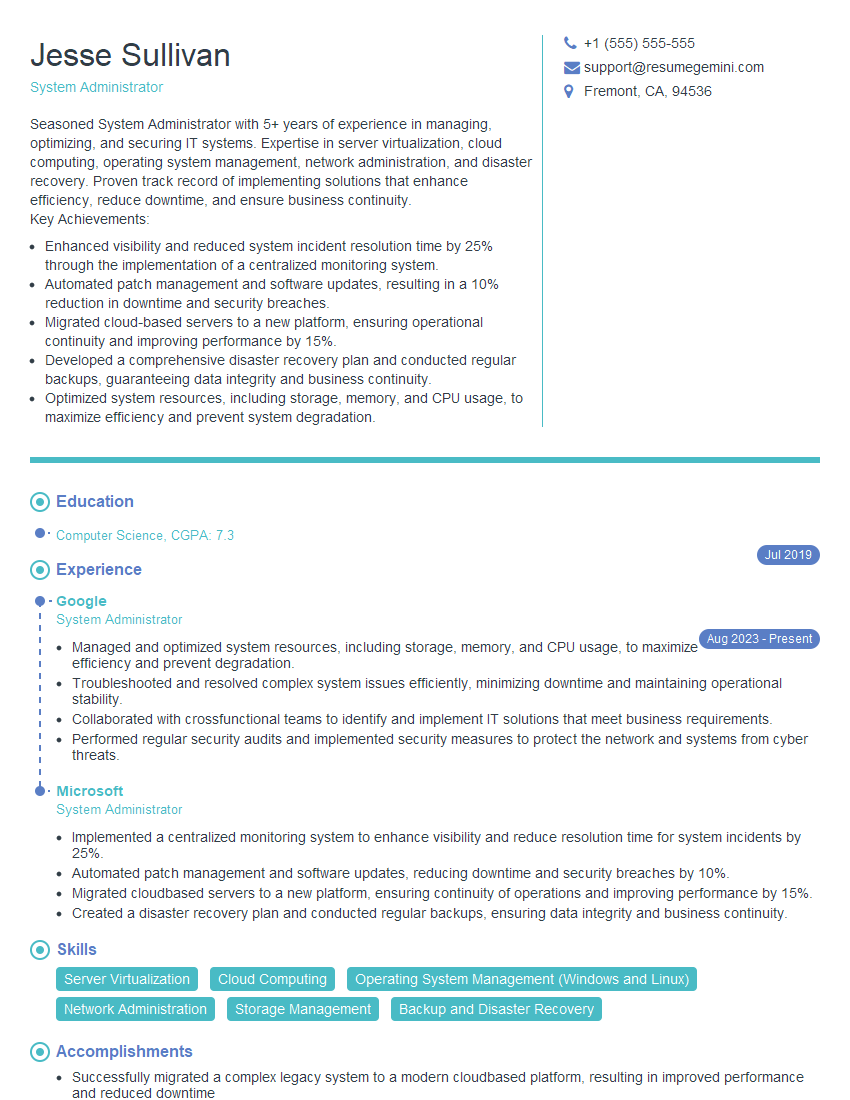
System Administrator Resume Sample
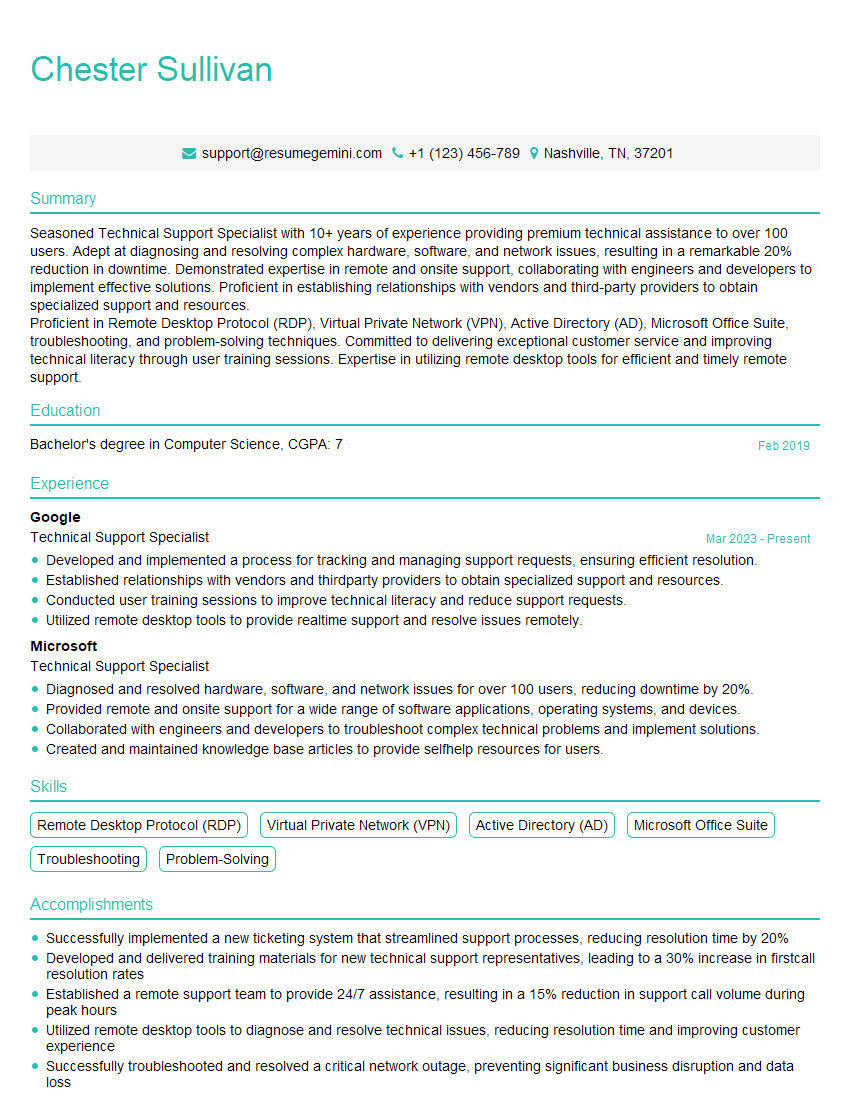
Technical Support Specialist Resume Sample
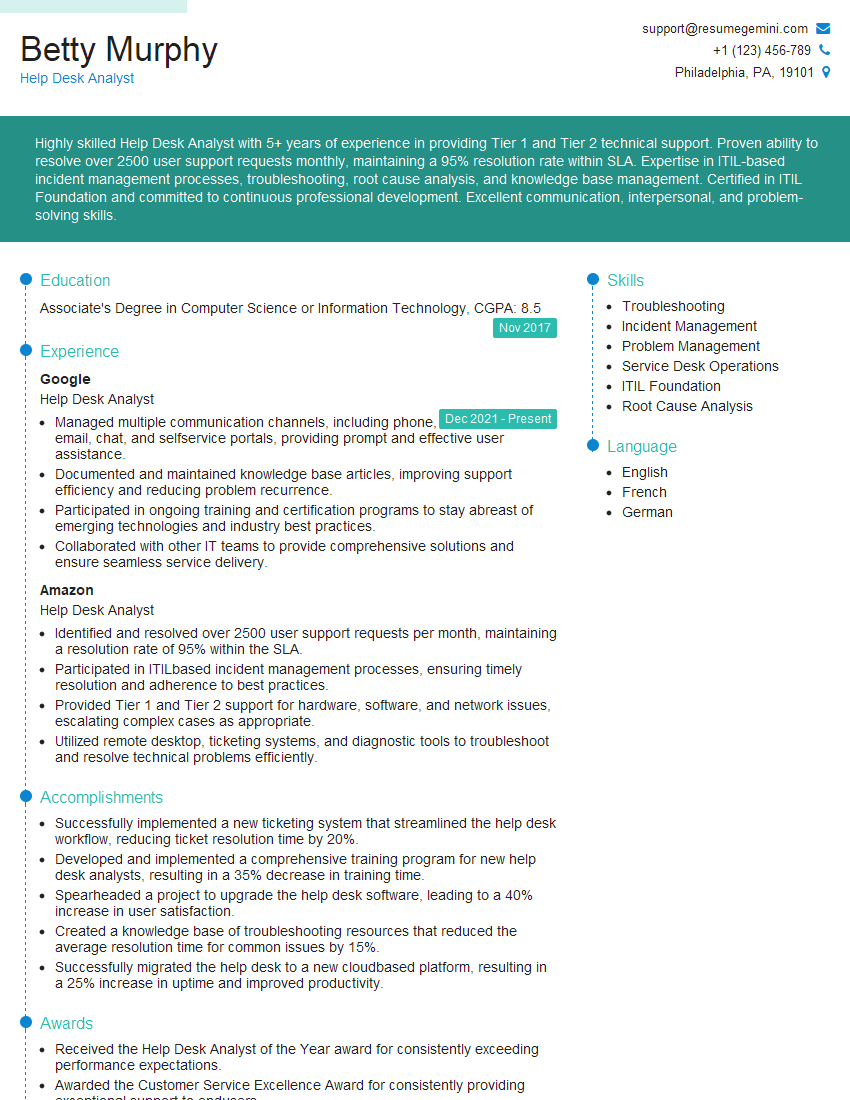
Help Desk Analyst Resume Sample
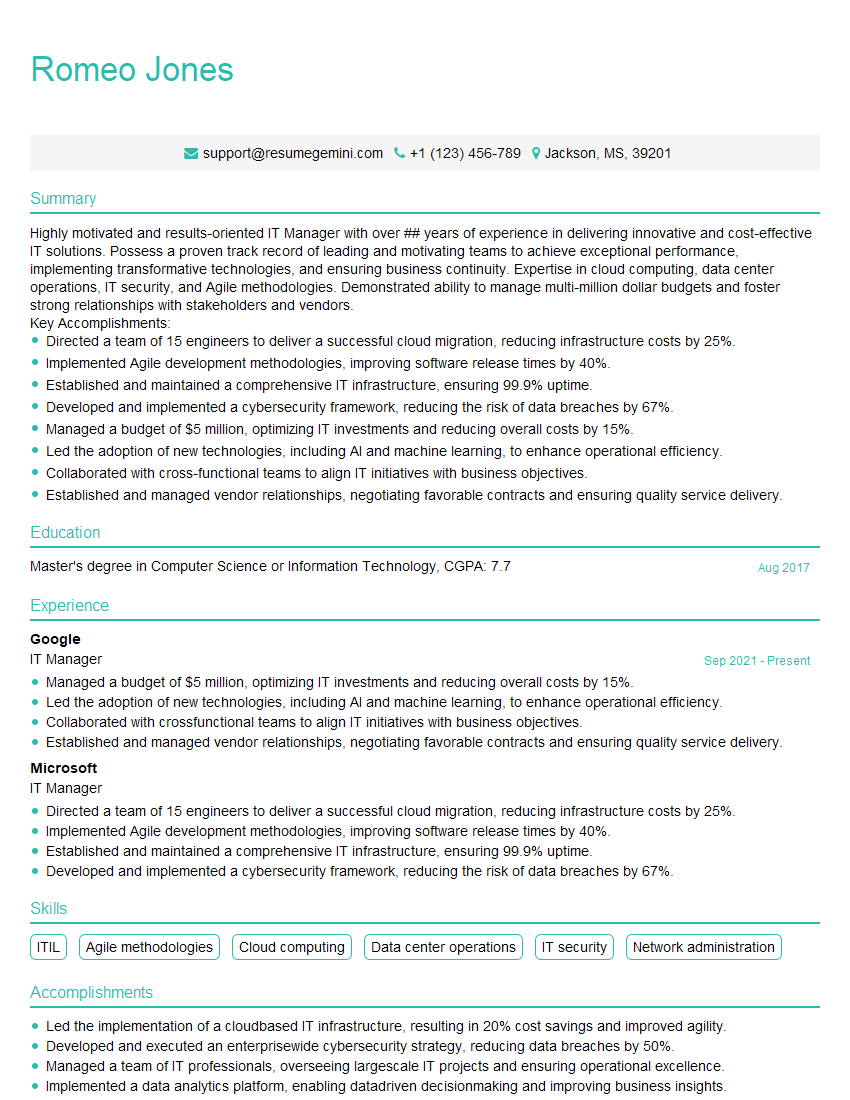
IT Manager Resume Sample
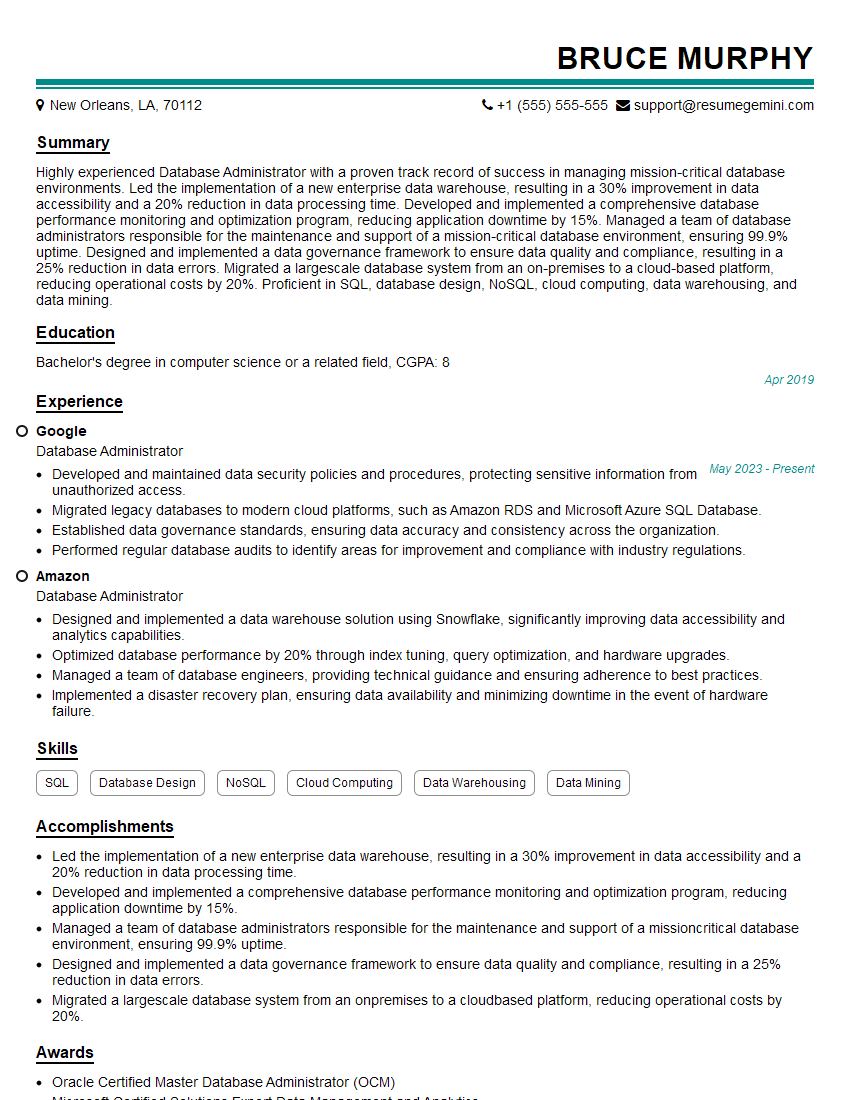
Database Administrator Resume Sample
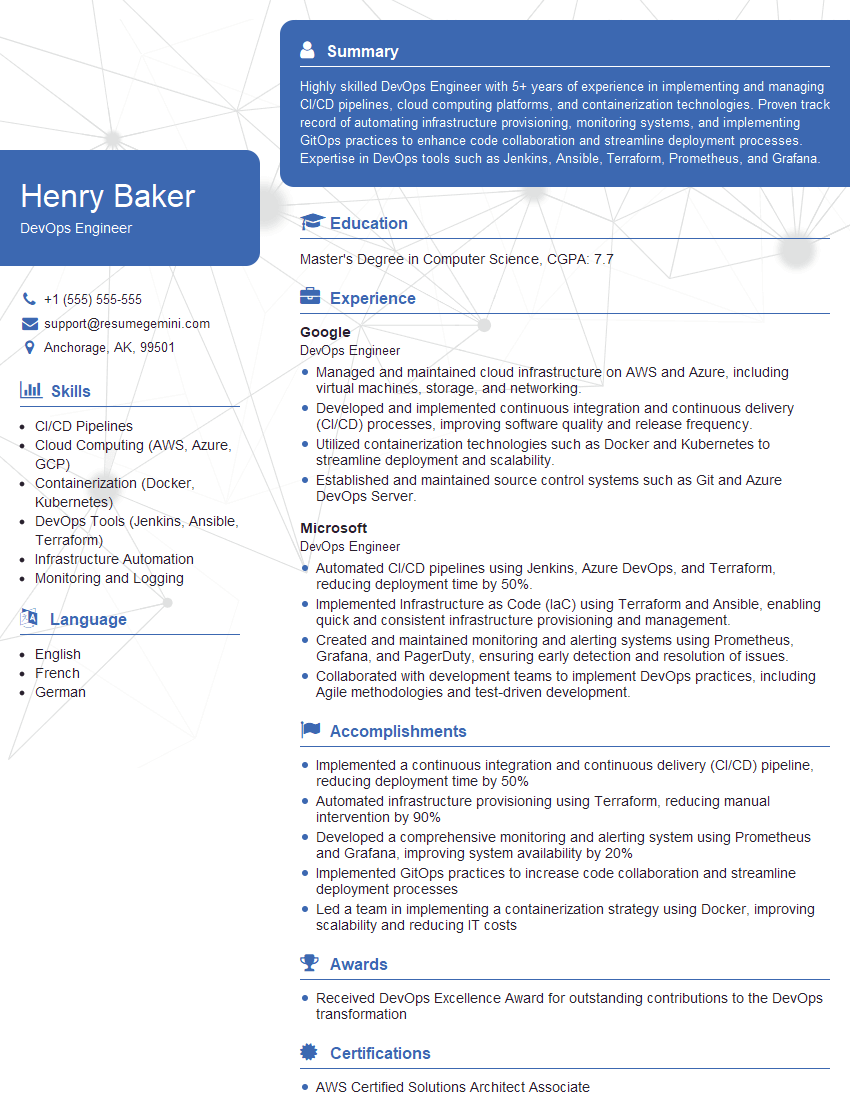
DevOps Engineer Resume Sample

Cloud Engineer Resume Sample
- Compliance Officer
- Security Analyst
- Data Analyst
- Data Scientist
- Software Engineer
- Information Security Manager
- Network Engineer
- Network Security Engineer
- Infrastructure Engineer
- System Administrator
- Technical Support Specialist
- Help Desk Analyst
- IT Manager
- Database Administrator
- DevOps Engineer
- Cloud Engineer
Explore more articles
Users Rating of Our Blogs
Share Your Experience
We value your feedback! Please rate our content and share your thoughts (optional).
What Readers Say About Our Blog
Very informative content, great job.
good