Are you ready to stand out in your next interview? Understanding and preparing for Trapping and Removal interview questions is a game-changer. In this blog, we’ve compiled key questions and expert advice to help you showcase your skills with confidence and precision. Let’s get started on your journey to acing the interview.
Questions Asked in Trapping and Removal Interview
Q 1. Describe your experience with various trapping methods (e.g., live traps, snares, lethal traps).
My experience encompasses a wide range of trapping methods, chosen carefully based on the target species, the environment, and ethical considerations. Live traps, such as Havahart traps, are frequently used for animals like raccoons, squirrels, and opossums, allowing for safe relocation. These traps prioritize the animal’s well-being, minimizing stress and injury. For more elusive animals or in situations where relocation isn’t feasible due to disease concerns or significant property damage, I also utilize snares, which are carefully set to minimize injury and ensure a quick, humane kill. Lethal traps, such as body gripping traps, are employed only as a last resort and strictly in accordance with all relevant regulations and ethical guidelines, typically when dealing with animals posing a significant threat to public health or safety. For example, I’ve used body gripping traps for problem coyotes in urban settings, always prioritizing the safety of the community.
I have extensive experience with different trap types including single-door and double-door live traps, various snare designs (including foothold and snare poles), and different styles of lethal traps depending on the target animal size and the particular situation. My experience also extends to the proper use of bait, lure, and track placement to maximize effectiveness.
Q 2. What are the ethical considerations involved in trapping and removing animals?
Ethical trapping and removal is paramount. It necessitates a deep understanding of animal welfare, legal regulations, and the potential impacts on the ecosystem. Minimizing suffering is key; using appropriately sized traps, checking traps frequently to prevent prolonged distress, and ensuring the animal’s rapid and humane dispatch if lethal methods are used are essential. Relocation should be conducted responsibly, considering the animal’s habitat needs and the capacity of the receiving area. Illegal trapping practices, such as indiscriminate trapping or using inhumane methods, are unacceptable and cause unnecessary harm. Furthermore, all trapping activities must adhere to local, state, and federal laws and regulations, requiring permits and licenses as necessary. For example, I always prioritize releasing animals back into a suitable habitat, far away from populated areas, instead of simply leaving them at another random location.
Another ethical consideration is the impact on the target animal’s family unit. For example, removing a parent animal can severely impact the survival of young. We also need to assess the potential ecological effects of our intervention. We must carefully consider whether we’re interrupting natural processes or inadvertently creating a new problem.
Q 3. How do you identify different animal species and determine appropriate trapping strategies?
Accurate species identification is crucial for selecting the right trapping strategy and ensuring appropriate handling. This involves a combination of observation (tracks, scat, sightings) and knowledge of the animal’s behaviour and habitat preferences. For example, a raccoon’s tracks differ significantly from a dog’s, and its preference for climbing provides a clue to trap placement. Detailed field guides, online resources, and sometimes consultation with wildlife experts are essential for correct identification. Once identified, choosing the appropriate trapping strategy involves selecting the right type of trap (live or lethal), bait, and placement according to the animal’s behavior and the environment. A nocturnal animal will require a different approach than a diurnal animal. For example, a groundhog will require different trap placement and lure than a squirrel.
Q 4. Explain your process for safely handling trapped animals.
Safe handling of trapped animals requires caution and specialized equipment. Live traps are approached with care, minimizing sudden movements to avoid frightening the animal. Thick gloves and sometimes specialized tools for securing the animal are used, especially when dealing with potentially aggressive species. The animal is then carefully transferred to a transport cage, ensuring its safety and preventing escape. For lethally trapped animals, safe handling involves adhering to guidelines for proper disposal to prevent the spread of disease. Always prioritize safety, both for yourself and the animal. We need to be ready to handle any possible unexpected behavior.
After successfully transferring the animal to its transport container, the next steps involve carefully assessing its health, documenting the details for record-keeping purposes, and following through with the relocation plan to ensure the animal’s survival. We prioritize speed and efficiency during the handling process to avoid causing unnecessary stress to the animal. For example, if an animal appears to be injured we might need to prioritize veterinary care.
Q 5. What safety precautions do you take when working with potentially dangerous animals?
Working with potentially dangerous animals demands stringent safety measures. This includes using appropriate personal protective equipment (PPE), such as heavy-duty gloves, protective clothing, and sometimes even eye protection. Understanding the animal’s behaviour and potential reactions is crucial. Never approach a trapped animal without proper equipment and a plan. If dealing with a potentially aggressive animal, we might use tranquilizer darts prior to handling, if permitted and appropriate. If a situation feels unsafe or beyond my capability, I won’t hesitate to call upon backup or specialists to ensure the safety of myself and others.
Q 6. How do you determine the best location to set traps to effectively capture the target animal?
Effective trap placement relies on understanding the target animal’s behaviour and habitat preferences. Traps should be placed along well-worn trails, near food sources, or in areas where the animal is frequently observed. The environment plays a key role; a trap placed in an open area might be less effective than one concealed within vegetation, depending on the species. The use of lures and bait specific to the target animal significantly enhances the effectiveness of trapping. For example, bait might be nuts for squirrels, sweet substances for raccoons, or fish for otters. It is important to observe the location for a period of time before placing traps to better identify the most suitable areas for trap placement.
Q 7. Describe your experience with exclusion techniques to prevent future animal entry.
Exclusion techniques focus on preventing animal entry rather than trapping. This might involve sealing openings in buildings, repairing damaged fences, or installing barriers. Materials used must be strong and durable to withstand the animal’s attempts to gain entry. For instance, installing hardware cloth to block entry points to attics or basements is an excellent strategy to deter animals like raccoons or squirrels. Regular inspections are crucial to ensure the effectiveness of the exclusion measures. In my experience, combining trapping with exclusion techniques has consistently yielded the best results. Trapping addresses the immediate problem of unwanted animals, while exclusion prevents future incursions.
Q 8. What are the legal requirements and permits needed for trapping in your area?
Trapping regulations vary significantly by location. In my area, obtaining the necessary permits involves contacting the relevant wildlife agency – usually the state’s Department of Natural Resources or a similar body. This typically requires completing an application, demonstrating knowledge of safe trapping practices, and potentially undergoing a background check. Permits often specify target species, trapping methods, and seasonal restrictions. For example, you might need a separate permit for trapping raccoons versus trapping beaver, and there may be closed seasons during breeding or denning periods. Failure to obtain the proper permits or adhere to the regulations can result in substantial fines and legal repercussions.
Beyond permits, there are often location restrictions – you might not be allowed to trap within specific areas like parks or residential zones. Understanding zoning regulations and private property rights is crucial. Before deploying any traps, I always make sure I’m operating within all legal frameworks, confirming the necessary permits and understanding any local ordinances.
Q 9. How do you handle injured or sick animals you capture?
Handling injured or sick animals requires a cautious and humane approach. My priority is their immediate safety and well-being. If the animal’s injuries are minor, I may provide first aid, such as cleaning a wound or applying antiseptic. I am trained in basic wildlife first aid techniques. However, for serious injuries or illnesses, immediate veterinary care is essential. I have a network of local veterinarians experienced in wildlife rehabilitation. I transport the animal carefully, using appropriate containers and minimizing stress. Accurate record-keeping of the animal’s condition, treatment, and eventual fate is crucial both ethically and often legally mandated. For example, I might document the type of injury, the treatment administered, and if the animal was released back into the wild or needed longer-term care at a rehabilitation center. The safety of both the animal and myself is paramount during these processes.
Q 10. Describe your experience working with different types of traps and their limitations.
My experience encompasses various trap types, each with its strengths and weaknesses. I’m proficient with body-gripping traps, which are effective for larger animals like raccoons or possums, but require frequent checks to prevent unnecessary suffering. These require a high degree of skill and attention to ensure proper and timely check-ins. Conversely, foothold traps, while effective for smaller animals, pose a higher risk of injury if not set and monitored meticulously. Cage traps, while humane, can be less effective for certain animals and might require more advanced baiting strategies. I also use exclusion devices like one-way doors for preventing animals from entering specific areas. The choice of trap hinges on several factors – target species, location, environmental conditions, and the level of human interaction needed. For example, I might opt for a cage trap in a residential area for a more public-facing approach, but a body-gripping trap in a more remote area where frequent checks are less disruptive.
Q 11. How do you ensure the humane treatment of captured animals?
Humane treatment is my paramount concern. This begins with selecting the most appropriate trap for the target species, minimizing the animal’s stress and potential for injury. Regular trap checks are vital to ensure animals are not left to suffer. For example, body-gripping traps must be checked frequently, ideally twice daily. I aim to release animals quickly and efficiently, with minimal disturbance. Once captured, the handling and transportation must be stress-free as possible. If animals require medical attention, I ensure they receive prompt and appropriate care. My commitment to humane treatment aligns with professional ethics and existing legal requirements regarding wildlife handling.
Q 12. How do you maintain accurate records of trapping activities?
Maintaining accurate records is essential for ethical, legal, and practical reasons. My records include the date and time of trapping, location, trap type used, species captured, the condition of the animal (injured/healthy), actions taken (release, relocation, veterinary care), and any relevant observations. I maintain a detailed logbook – often a digital database for easier tracking and analysis – allowing me to monitor trapping efficacy and identify trends. This data is invaluable for understanding wildlife population dynamics and informing future trapping strategies. For instance, I may use this data to assess if a particular bait is more effective for a specific species, or to identify areas that consistently yield high numbers of a particular pest animal.
Q 13. What are some common challenges you face in wildlife removal?
Wildlife removal presents various challenges. Difficult terrain, such as dense forests or steep slopes, can complicate trap placement and retrieval. Adverse weather conditions, such as extreme heat or cold, pose risks to both the animals and myself. Public safety is another major concern – ensuring traps are placed safely and animals are handled responsibly. Invasive species or unexpected animal behaviors can add significant complexity. For instance, dealing with an unusually aggressive raccoon or a den of skunks requires specialized knowledge and equipment. Finally, public perception and managing interactions with homeowners can be challenging. Sometimes, educating clients about wildlife behavior and co-existence is as important as the physical removal process.
Q 14. Describe your problem-solving skills when dealing with complex wildlife issues.
Problem-solving in wildlife removal requires creativity and adaptability. I approach each situation systematically. First, I thoroughly assess the situation, identifying the species involved, the extent of the problem, and potential safety hazards. Then, I formulate a plan that incorporates humane and effective trapping strategies, considering factors like the animal’s behavior, the environment, and the client’s needs. For instance, if I’m dealing with repeated raccoon entries into an attic, I might use a combination of exclusion techniques (repairing entry points) and trapping to remove the existing animals and prevent future intrusions. Regular evaluation and adjustments are key – if a strategy isn’t working, I reassess and adapt. Documentation and communication with clients throughout the process are also critical. This systematic approach ensures efficient and successful resolution of complex wildlife issues.
Q 15. How do you educate clients about wildlife prevention and coexistence?
Educating clients about wildlife prevention and coexistence is crucial for long-term success. It’s not just about removing the animal; it’s about preventing future encounters. My approach involves a three-pronged strategy: Education, Inspection, and Prevention.
Education: I begin by explaining the animal’s behavior, habitat needs, and why it’s attracted to their property. For example, if it’s a raccoon, I’ll explain their attraction to easily accessible food sources like unsecured garbage cans or pet food. I use clear, non-technical language, avoiding jargon.
Inspection: A thorough property inspection identifies attractants and entry points. This is like a detective investigation, looking for clues of how the animal gained access – damaged screens, gaps under siding, or unsecured chimneys. I document everything with photos and share these findings with the client.
Prevention: Based on the inspection, I provide customized recommendations for exclusion and prevention. This often includes securing garbage cans, removing brush piles near the house, repairing damaged screens and sealing entry points. I even provide diagrams and instructions on how to implement these preventative measures, empowering clients to take control.
For instance, I once worked with a family who had persistent raccoon problems. After explaining raccoon behavior and showing them where they were accessing their attic, we worked together to install hardware cloth over all potential entry points. They also committed to storing garbage in sealed containers. The result? No more raccoons.
Career Expert Tips:
- Ace those interviews! Prepare effectively by reviewing the Top 50 Most Common Interview Questions on ResumeGemini.
- Navigate your job search with confidence! Explore a wide range of Career Tips on ResumeGemini. Learn about common challenges and recommendations to overcome them.
- Craft the perfect resume! Master the Art of Resume Writing with ResumeGemini’s guide. Showcase your unique qualifications and achievements effectively.
- Don’t miss out on holiday savings! Build your dream resume with ResumeGemini’s ATS optimized templates.
Q 16. Explain your experience with different types of bait and attractants.
My experience with baits and attractants spans various species and scenarios. The key is selecting the right attractant for the target animal, and using it responsibly and ethically. I avoid anything harmful or that could attract non-target species.
Rodents: I commonly use peanut butter, oats, or commercially available rodent bait blocks. Placement is crucial; it needs to be inaccessible to pets and children.
Raccoons: I might use commercially prepared raccoon bait, often fish or fruit-based. However, I always prioritize exclusion as the primary method, minimizing reliance on bait.
Opossums: These are usually trapped using live traps baited with cat food or similar.
Snakes: Bait is generally not used for snake removal. I use visual identification and trapping techniques based on the species and habitat.
It’s critical to remember that bait choice depends heavily on the specific species and local regulations. Incorrect bait selection can be ineffective or even dangerous. Safety is always paramount.
Q 17. How do you deal with difficult or aggressive clients?
Dealing with difficult or aggressive clients requires patience, empathy, and strong communication skills. I always approach these situations calmly and professionally, even if the client is upset or confrontational. My approach focuses on active listening and clear communication.
Active Listening: I carefully listen to the client’s concerns without interrupting, ensuring I understand their perspective completely. This often de-escalates the situation by making the client feel heard.
Clear Communication: I use clear, concise language, avoiding technical terms, and explain the process step-by-step. I am transparent about what I can and cannot do, setting realistic expectations.
Professional Boundaries: I maintain professional boundaries at all times, avoiding engaging in personal arguments or emotional confrontations. If the situation escalates beyond my ability to manage, I don’t hesitate to involve other professionals or law enforcement.
One memorable instance involved a client who was extremely upset about a raccoon in their attic. By actively listening to their frustrations and explaining my removal process patiently, I was able to gain their trust. We worked together, and they were extremely satisfied with the outcome.
Q 18. What is your experience with handling venomous snakes or other dangerous animals?
Handling venomous snakes and other dangerous animals requires specialized training and equipment. Safety is my top priority. I only undertake such operations if I am confident in my ability to do so safely and efficiently. I use appropriate safety gear including heavy-duty gloves, snake tongs, and protective clothing. I am familiar with the identification, behavior, and handling techniques for various venomous snakes commonly found in my area.
My experience includes safely removing copperheads, rattlesnakes, and other venomous species from residential and commercial properties. I always adhere to strict safety protocols and prioritize the safety of myself, the client, and the animal. In cases involving especially dangerous animals, I may consult with wildlife experts or animal control.
Q 19. Describe your knowledge of local wildlife regulations and laws.
I have a thorough understanding of local wildlife regulations and laws. This includes knowing which animals are protected, what permits are required for trapping and relocation, and the proper disposal of nuisance animals. Staying current with these laws is critical to ensure legal compliance and ethical practices. I regularly consult state and local wildlife agencies and relevant publications to ensure my knowledge is up-to-date. This is particularly crucial when dealing with endangered or protected species.
For example, I know the specific regulations regarding the handling and relocation of certain species within my service area and understand the limitations and processes related to obtaining necessary permits when needed.
Q 20. How do you prioritize animal welfare during trapping and removal operations?
Animal welfare is a core value in my work. I always strive to minimize stress and harm to animals during trapping and removal operations. My approach emphasizes humane methods and swift, efficient handling.
Humane Traps: I use live traps designed to minimize injury and stress, such as cage traps that allow easy release.
Swift Handling: I quickly process animals to minimize their time in confinement. This includes rapid relocation to appropriate habitats, far from human activity.
Appropriate Release Sites: I only release animals in suitable habitats that provide adequate food, water, and shelter. I avoid releasing animals in areas where they may face immediate danger or competition.
Euthanasia (as a last resort): In cases of severe injury or illness, where an animal is suffering and cannot be rehabilitated, euthanasia is considered, always performed humanely and in accordance with ethical guidelines.
For instance, when I remove a raccoon from an attic, I ensure the trap is properly set to minimize injury. I also check the animal for injury before releasing it into a safe, suitable habitat.
Q 21. What is your experience with removing animals from confined spaces (attics, walls)?
Removing animals from confined spaces like attics and walls requires specialized knowledge, skills, and equipment. My experience includes safely and effectively removing various animals from these challenging locations.
Assessment and Planning: I begin by carefully assessing the situation, identifying the animal’s location, access points, and potential hazards. I develop a plan to minimize damage to the structure while safely removing the animal.
Specialized Equipment: I utilize appropriate tools like cameras to locate the animal, and specialized trapping equipment suitable for the confined space.
Safety Precautions: Safety is paramount. I take precautions to protect myself from injury, such as wearing protective clothing and using proper ventilation to prevent exposure to harmful substances like animal waste or insulation.
Damage Repair: After safely removing the animal, I always provide an assessment of any damage caused by the animal and offer recommendations for repairs to prevent future entry.
I once removed a family of squirrels from a wall cavity. I carefully planned the removal, ensuring minimal damage to the drywall. After removing the squirrels, I patched the hole and sealed it to prevent future entry.
Q 22. How do you assess the risks associated with a wildlife removal job?
Assessing the risks in wildlife removal involves a thorough evaluation of several factors. It’s like a pre-flight checklist for a wildlife rescue mission. First, I identify the species involved. A raccoon presents different challenges than a venomous snake. Next, I assess the location – is it a residential attic, a commercial building, or a remote wilderness area? Accessibility and the potential for human-wildlife conflict are key. The animal’s behavior is also crucial – is it injured, aggressive, or exhibiting signs of rabies? Finally, I consider environmental factors, like weather conditions, the presence of other animals, and proximity to human populations. I always prioritize safety – for the animal, myself, and the public. This systematic approach ensures a safe and efficient removal process, minimizing risks to all involved.
Q 23. What is your experience with using specialized equipment (e.g., cameras, drones)?
I have extensive experience utilizing specialized equipment for wildlife removal. Thermal imaging cameras are invaluable for locating animals within wall voids or attics at night, where they’re often hidden. Drones are equally useful for surveying large areas, especially when dealing with animals high in trees or inaccessible locations. It’s like having a bird’s-eye view – dramatically improving efficiency and safety. I also use trail cameras to monitor animal activity and patterns before initiating removal, helping to optimize trapping strategies. For instance, I once used a drone to locate a colony of bats in a church steeple, a much safer and more effective solution than traditional methods.
Q 24. How do you dispose of carcasses appropriately?
Proper carcass disposal is critical to maintain public health and safety and prevent the spread of disease. I strictly adhere to local regulations and guidelines. In most cases, carcasses are disposed of in accordance with local waste management regulations or through licensed wildlife removal facilities that handle the proper disposal including incineration or burial. The method depends on the species and local guidelines, but the emphasis is always on safe and responsible disposal. Improper disposal can lead to environmental contamination and the spread of diseases, highlighting the importance of following all regulations.
Q 25. Describe a time you encountered a challenging wildlife removal situation and how you resolved it.
One particularly challenging situation involved a family of raccoons living within a complex network of chimneys in a historic building. The situation was complicated due to the age and structural integrity of the building. Traditional trapping methods were impossible without causing significant damage to the property. My solution involved a multi-stage approach. First, I used thermal imaging to pinpoint the exact location of the raccoons and their access points. Then, I implemented a gradual exclusion method, sealing off entry points one by one while carefully monitoring the animals’ movements. Finally, I set up humane traps near the remaining open access points to capture and relocate the animals. This meticulous approach ensured the raccoons were safely removed, and the building was protected from further damage. Patience, adaptability, and a comprehensive plan are vital to resolve such complex scenarios.
Q 26. What is your understanding of wildlife behavior and habitat preferences?
Understanding wildlife behavior and habitat preferences is fundamental to effective removal. For example, I know that raccoons are nocturnal omnivores who are attracted to food sources and shelter, while squirrels are diurnal and prefer high places, often nesting in attics or trees. This knowledge guides my trapping strategies. I tailor my methods to specific animal behaviors and select trap locations strategically. It’s like understanding their routines to predict their movements. Studying their preferred habitats and behavior patterns – which are influenced by things like food availability, weather conditions, and the presence of predators – is crucial to successful and humane removal.
Q 27. How do you maintain your trapping equipment and ensure its proper functioning?
Maintaining trapping equipment is crucial for both its effectiveness and the safety of the animals. After each use, traps are thoroughly cleaned and disinfected with appropriate solutions to prevent disease transmission. I regularly inspect traps for any damage or wear and tear, and I replace any worn parts promptly. This includes checking snares, traps, and exclusion devices for proper function and ensuring that they are set correctly to avoid injury to the animal. Regular maintenance guarantees the longevity and reliability of the equipment, making every operation safer and more effective.
Q 28. Explain your knowledge of disease transmission and prevention related to wildlife handling.
Knowledge of disease transmission and prevention is paramount in wildlife handling. Many wild animals can carry diseases like rabies, leptospirosis, and Lyme disease. I always wear appropriate personal protective equipment (PPE), including gloves, eye protection, and sometimes even a respirator, when handling animals or their carcasses. After each job, thorough disinfection of equipment and hands is mandatory. Understanding the routes of transmission and taking preventative measures is vital for both personal safety and public health. It’s all about minimizing risks and preventing the spread of potentially serious diseases.
Key Topics to Learn for Trapping and Removal Interview
- Wildlife Identification and Behavior: Understanding animal species common in your area, their habits, and identifying signs of their presence (tracks, scat, etc.). This is crucial for selecting appropriate trapping methods.
- Trapping Techniques and Equipment: Knowing different trapping methods (live traps, snares, etc.), their appropriate applications based on target species and local regulations, and the safe and effective use of trapping equipment. Practical experience is highly valuable here.
- Trap Placement and Site Selection: Learning how to strategically place traps to maximize effectiveness while minimizing risks to non-target animals and the environment. Consider factors like animal behavior, terrain, and legal restrictions.
- Safe Handling and Relocation of Animals: Mastering the techniques for safely handling captured animals, minimizing stress, and properly relocating them to appropriate habitats. This includes understanding relevant regulations and permits.
- Pest Control Strategies: Beyond simple trapping, understanding broader pest management strategies, including preventative measures, habitat modification, and integrated pest management (IPM) approaches.
- Legal and Ethical Considerations: Familiarizing yourself with all local, state, and federal laws and regulations regarding trapping, handling, and relocation of wildlife. Understanding ethical trapping practices is paramount.
- Problem-Solving and Decision-Making: Developing the ability to assess situations quickly, identify solutions to complex wildlife problems, and make informed decisions under pressure.
- Record Keeping and Reporting: Understanding the importance of detailed record keeping for trapped animals, including species, location, date, and disposal/relocation information. Accurate reporting is crucial for regulatory compliance.
Next Steps
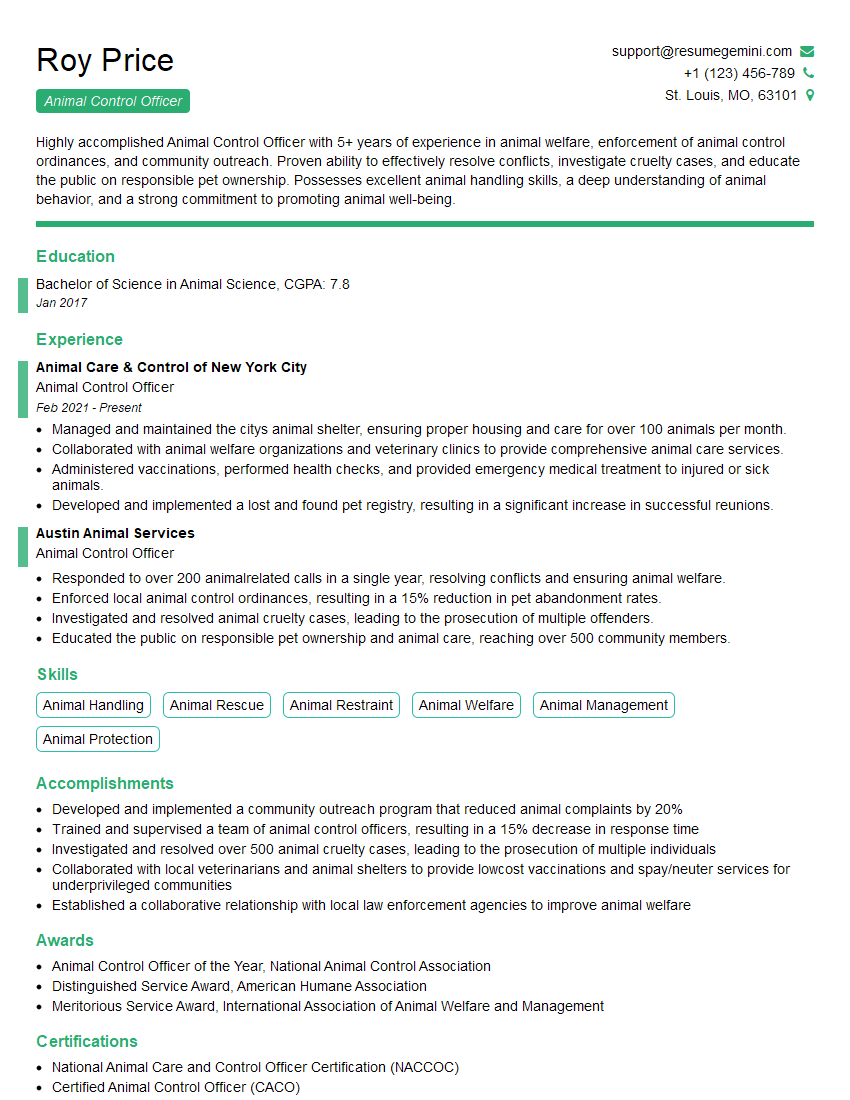
Mastering Trapping and Removal techniques opens doors to a rewarding career with opportunities for growth in wildlife management, pest control, and conservation. To significantly improve your job prospects, creating an ATS-friendly resume is essential. ResumeGemini is a trusted resource that can help you build a professional and impactful resume, ensuring your skills and experience shine through to potential employers. Examples of resumes tailored to Trapping and Removal are available to guide you through the process.

Explore more articles
Users Rating of Our Blogs
Share Your Experience
We value your feedback! Please rate our content and share your thoughts (optional).
What Readers Say About Our Blog
Very informative content, great job.
good