Feeling uncertain about what to expect in your upcoming interview? We’ve got you covered! This blog highlights the most important Communication with Engineers and Contractors interview questions and provides actionable advice to help you stand out as the ideal candidate. Let’s pave the way for your success.
Questions Asked in Communication with Engineers and Contractors Interview
Q 1. Describe your experience communicating complex technical information to non-technical audiences.
Communicating complex technical information to non-technical audiences requires a shift in perspective. It’s not about dumbing down the information, but about translating it into a language everyone understands. I achieve this by focusing on the ‘why’ behind the technical details, using clear, concise language, and leveraging visual aids.
For example, instead of explaining the intricacies of a specific algorithm to a client, I’d focus on the outcome: “This algorithm will improve efficiency by X%, leading to cost savings of Y.” I then back this up with simple charts or graphs illustrating the improvements. Another technique is to use analogies. If explaining complex network infrastructure, I might compare it to a highway system, explaining routers as intersections and packets as vehicles. This makes the abstract concrete and relatable.
In practice, I frequently utilize presentations with visuals, and tailor my language to the specific audience’s background. I also ensure ample opportunity for questions and clarification, making sure to respond patiently and clearly.
Q 2. How do you handle disagreements between engineers and contractors on a project?
Disagreements between engineers and contractors are inevitable on any complex project. My approach centers around collaborative problem-solving, not assigning blame. I facilitate a meeting involving all parties, ensuring a neutral and safe space for discussion. The key is to understand the root cause of the disagreement, often stemming from different interpretations of specifications, timelines, or resource allocation.
I start by having each party clearly explain their perspective and concerns. I actively listen, ask clarifying questions, and ensure all viewpoints are understood. Once the issues are clearly defined, we collaboratively brainstorm solutions, weighing the pros and cons of each option. Often, a compromise is reached, leveraging the expertise of both the engineers and contractors. Documentation is crucial; the agreed-upon solution is documented and signed off by all parties involved.
For example, on a recent project, engineers wanted to use a more expensive, higher-quality material, while contractors preferred a cheaper alternative. By facilitating a discussion, we found that the slightly higher cost of the engineer’s preferred material would result in long-term cost savings due to increased durability and reduced maintenance. This data-driven approach led to a unanimous decision.
Q 3. Explain your process for resolving conflicts related to project specifications or timelines.
Resolving conflicts related to project specifications or timelines requires a systematic approach. My process begins with clearly defining the discrepancy. This involves reviewing the relevant documentation, including contracts, specifications, and project schedules. I then identify the stakeholders involved and gather all relevant information from them.
Next, I analyze the root cause of the conflict. Is it a misunderstanding of the specifications? A change in project scope? A logistical issue? Understanding the root cause is crucial for effective resolution. Once the cause is identified, I work with the stakeholders to develop potential solutions. This may involve proposing alternative approaches, adjusting timelines, or renegotiating certain aspects of the contract. The best solution is one that considers both the technical feasibility and the project’s overall goals.
A key step is to document all decisions and changes thoroughly, updating the project documentation accordingly. Regular progress updates keep all stakeholders informed and prevent further conflicts.
Q 4. How do you ensure clear and consistent communication across all project stakeholders?
Ensuring clear and consistent communication across all project stakeholders requires a multi-faceted approach. I begin by establishing clear communication channels and protocols right from the project initiation. This might involve setting up a central communication hub, such as a project management software, to house all relevant documentation and updates.
Regular project meetings, incorporating both formal and informal updates, keep everyone on the same page. Meeting agendas are shared in advance, and minutes are meticulously documented and distributed. Different communication methods are used effectively depending on the context: emails for formal announcements or detailed information, instant messaging for quick updates, and reports for summarizing progress. The key is consistency and timely delivery of information.
A crucial aspect is the use of clear, concise language, avoiding technical jargon whenever possible. I regularly check for understanding, ensuring that all stakeholders understand the messages and information shared.
Q 5. What strategies do you use to improve communication in a high-pressure project environment?
High-pressure environments often lead to communication breakdowns. My strategy focuses on proactive communication and stress management. Frequent, short updates prevent information overload. I utilize visual aids like Kanban boards or progress dashboards to provide a clear overview of project status. This helps to reduce anxiety and improves transparency.
Open and honest communication is paramount. I encourage stakeholders to openly express concerns and challenges. Creating a culture of trust and collaboration allows for quicker resolution of issues. I also utilize active listening techniques, making sure to understand the perspectives of all parties involved. This helps to de-escalate tensions and prevent misunderstandings.
Finally, I focus on providing regular feedback, both positive and constructive, to keep the team motivated and aligned. Acknowledging achievements and providing support during challenging times can significantly improve team morale and overall communication effectiveness.
Q 6. Describe a time you had to communicate bad news to a client or team member. How did you approach it?
Communicating bad news is never easy, but it’s crucial to handle it professionally and transparently. I remember a project where unforeseen circumstances led to significant delays. My approach was to be direct, honest, and empathetic. I prepared my communication carefully, outlining the situation clearly, but avoiding overly technical jargon.
I scheduled individual meetings with the team members and the client, giving them a chance to process the information. I acknowledged their concerns and feelings, emphasizing that I understood their frustration. I then presented the revised timeline and the mitigation strategies we were implementing to address the delays. I also proactively identified solutions and alternative plans, demonstrating that we were actively working to minimize the impact.
The key was to be proactive, transparent, and offer solutions. By being upfront and addressing the concerns head-on, I maintained trust and avoided further complications.
Q 7. How do you utilize different communication methods (e.g., email, meetings, reports) effectively?
Effective communication relies on choosing the right tool for the job. Emails are ideal for formal communication, delivering detailed information, or sharing documents. I always ensure clear subject lines and concise, well-structured messages. Meetings are crucial for collaborative problem-solving and brainstorming. I prepare detailed agendas, assigning roles and responsibilities, and ensuring all relevant stakeholders are present.
Reports provide concise summaries of progress, achievements, and challenges. They allow for a high-level overview of the project’s status. I tailor reports to the specific audience, focusing on information relevant to their roles and responsibilities. I also leverage instant messaging for quick updates and informal communication, particularly useful for addressing immediate issues or coordinating tasks. The choice of method depends on the urgency, complexity, and formality of the communication.
Q 8. How do you adapt your communication style to different personalities and communication preferences?
Adapting communication style is crucial for effective collaboration with engineers and contractors. It’s like having a toolbox filled with different tools – each best suited for a specific job. I assess individual communication preferences by observing their behavior, listening to how they communicate, and asking about their preferred methods.
- Visual Learners: For individuals who prefer visual aids, I use diagrams, charts, and presentations. For example, when explaining complex design changes, I’d use a visual mockup rather than just a verbal description.
- Auditory Learners: I engage in more detailed verbal explanations and discussions for those who learn best by listening. This could include regular project update calls with open-ended question sessions.
- Kinesthetic Learners: I involve them in hands-on activities, demonstrations, or site visits whenever possible. If troubleshooting a technical issue, I’d guide them through the steps physically, if safe and practical.
- Direct Communicators: I am direct, concise, and get to the point quickly.
- Indirect Communicators: I use a more collaborative and consultative approach, ensuring all perspectives are heard before making decisions.
This personalized approach ensures clear understanding and fosters stronger working relationships.
Q 9. How do you ensure all team members have access to the necessary information and updates?
Ensuring everyone has access to information is paramount for project success. I use a multi-pronged approach:
- Centralized Communication Hub: We utilize project management software (e.g., Asana, Monday.com) as a central repository for all documents, updates, and meeting minutes. This ensures everyone is working from the same information source.
- Regular Team Meetings: Scheduled meetings provide a forum for updates, discussions, and clarification of any outstanding issues. The agenda is always shared in advance.
- Targeted Communication: For urgent or specific information, I might use email, instant messaging, or even a quick phone call to individuals directly involved. I always follow up with the formal documentation of this communication in the project management software.
- Communication Log: This helps track important messages and ensure no information falls through the cracks. It’s crucial for transparency and problem resolution.
By combining these methods, I ensure everyone is informed and empowered to make decisions based on the most up-to-date information.
Q 10. What techniques do you use for active listening during project meetings?
Active listening is key to preventing misunderstandings and ensuring everyone feels heard. My approach involves:
- Pay Attention: I focus fully on the speaker, minimizing distractions and avoiding interrupting. Body language – maintaining eye contact and nodding – signals engagement.
- Show Empathy: I try to understand the speaker’s perspective, even if I don’t agree with their viewpoint. Asking clarifying questions helps achieve this.
- Provide Feedback: Summarizing what I’ve heard confirms understanding and provides the speaker with an opportunity to correct any misinterpretations. For example: “So, if I understand correctly, you’re saying the delay is due to X, which impacts Y.”
- Ask Questions: I encourage open-ended questions to delve deeper into the topic and elicit more information. Instead of asking “Do you understand?”, I prefer asking “What questions do you have?”
Active listening ensures I receive the complete message, build rapport, and create a collaborative environment.
Q 11. How do you handle situations where communication breakdowns lead to project delays or errors?
Communication breakdowns are inevitable, so having a plan is essential. My process involves:
- Identify the Root Cause: I carefully analyze what went wrong. Was there a lack of clear instructions? Was there inadequate training? Were there language barriers?
- Assess the Impact: Determine the extent of the delay or error. How much will this affect the project schedule and budget?
- Develop a Solution: Create a plan to correct the issue and prevent recurrence. This might involve additional training, improved communication protocols, or a revised project plan.
- Implement the Solution: Put the corrective actions into place, monitoring closely for effectiveness. It might also include changes in communication channels or the frequency of project meetings.
- Document Lessons Learned: We document the breakdown, the root cause, and the solution to help prevent similar incidents in future projects. This is a crucial part of continuous improvement.
This structured approach ensures swift resolution and reduces the long-term impact on the project.
Q 12. How do you proactively identify and address potential communication barriers on a project?
Proactive identification of communication barriers is crucial. I do this by:
- Pre-Project Planning: We have a kickoff meeting with all stakeholders to clarify roles, responsibilities, communication protocols, and preferred methods. This helps determine potential areas of conflict.
- Cultural Sensitivity: I recognize that individuals from different backgrounds may have different communication styles and expectations. For example, a direct communication style might not be well-received in all cultures.
- Regular Check-ins: I conduct regular check-ins with team members to identify any challenges in communication or coordination. This creates an open line of communication where problems can be addressed immediately.
- Technology Assessment: We ensure that the communication tools selected are appropriate for the project and the team. I’d avoid relying on only one channel (e.g., not relying solely on emails for critical project updates).
By anticipating potential problems, we can develop strategies to mitigate them and foster a healthy work environment.
Q 13. How do you document and track communications to maintain transparency and accountability?
Documentation and tracking of communications is fundamental for transparency and accountability. I use a combination of methods:
- Project Management Software: All communications, decisions, and action items are logged in the project management system. This provides a centralized and easily accessible record.
- Meeting Minutes: Detailed minutes are recorded and distributed for all team meetings, ensuring everyone is aware of the key decisions and action items. These are also stored in the project management software.
- Email Correspondence: Important emails are filed and referenced appropriately within the project folder in the software. This avoids a chaotic inbox and ensures proper version control.
- Version Control Systems: For design documents and technical specifications, I utilize version control systems (e.g., Git) to track changes and ensure collaboration.
This meticulous documentation ensures everyone is informed, and accountability is maintained. It’s also invaluable for audits and future project reviews.
Q 14. Describe your experience using project management software to facilitate communication.
I have extensive experience using project management software to facilitate communication. I’ve used several platforms, including Asana, Monday.com, and Jira. These tools provide a range of features that significantly improve communication efficiency:
- Centralized Communication: All project-related information, including discussions, documents, and updates, are stored in one location, eliminating the need to search through emails or multiple files.
- Task Management: We assign tasks, set deadlines, and track progress, ensuring everyone knows what they need to do and when. This transparency enhances accountability.
- File Sharing: Easy file sharing and version control prevent confusion caused by outdated or conflicting documents.
- Progress Tracking: Real-time dashboards and reports provide a clear overview of project status, allowing for timely intervention in case of setbacks or potential issues.
- Notifications: Automated notifications keep team members informed about updates, deadlines, and changes, reducing the risk of missed information.
By effectively utilizing these features, I’ve seen substantial improvements in team coordination, project transparency, and overall project success.
Q 15. How do you ensure effective communication with subcontractors?
Effective communication with subcontractors hinges on establishing clear expectations from the outset and maintaining consistent, open dialogue throughout the project lifecycle. This involves more than just sending emails; it’s about building relationships based on trust and mutual respect.
- Pre-project Communication: Before work begins, I ensure the subcontractor thoroughly understands the project scope, deliverables, timelines, payment terms, and safety protocols. This often involves detailed specifications, drawings, and potentially a pre-construction meeting to address any initial questions or concerns.
- Regular Updates and Meetings: Throughout the project, I schedule regular meetings – both in person and virtually – to discuss progress, address challenges, and proactively identify potential roadblocks. I utilize project management software to track progress and share relevant documents.
- Clear Communication Channels: I establish clear communication channels (e.g., email, instant messaging, project management software) and ensure everyone knows how and when to use them. This avoids confusion and ensures timely responses.
- Documentation: Thorough documentation of all communication, including meeting minutes, emails, and change orders, is crucial. This serves as a record of agreements and helps resolve disputes if they arise.
- Constructive Feedback: I provide regular, constructive feedback to subcontractors, both positive and negative, focusing on specific actions and behaviors. This helps them improve their performance and fosters a collaborative environment.
For example, on a recent project, I used a dedicated project management platform to share daily updates with the subcontractors, which significantly reduced delays and misunderstandings related to material delivery and scheduling.
Career Expert Tips:
- Ace those interviews! Prepare effectively by reviewing the Top 50 Most Common Interview Questions on ResumeGemini.
- Navigate your job search with confidence! Explore a wide range of Career Tips on ResumeGemini. Learn about common challenges and recommendations to overcome them.
- Craft the perfect resume! Master the Art of Resume Writing with ResumeGemini’s guide. Showcase your unique qualifications and achievements effectively.
- Don’t miss out on holiday savings! Build your dream resume with ResumeGemini’s ATS optimized templates.
Q 16. How do you manage communication during project changes or scope creep?
Managing communication during project changes or scope creep requires a structured approach that prioritizes transparency and collaboration. The key is to document everything and involve all relevant parties. Ignoring scope changes will only exacerbate communication problems and lead to disputes later.
- Formal Change Order Process: Implement a formal process for initiating, reviewing, and approving all changes. This typically involves a written change request, cost impact analysis, and approval from relevant stakeholders.
- Communicate the Change Immediately: As soon as a change is identified, I notify all relevant parties – including the engineers, contractors, and potentially the client – providing clear details of the change, its impact, and the proposed solutions.
- Document Everything: Meticulous documentation is critical. All change requests, approvals, and associated communication should be meticulously recorded and archived.
- Update Project Schedules and Budgets: Adjust project schedules and budgets to reflect the changes, communicating these updates to all involved parties. I usually hold a meeting to walk through these changes.
- Transparent Communication: Maintain open and honest communication throughout the process. Address any concerns or questions promptly and proactively.
For instance, when a critical design flaw was discovered mid-project, I immediately convened a meeting with the design and construction teams, documented the issue formally, and worked collaboratively to find a solution, revise the plans, and update the project timeline and budget – all while keeping the client fully informed.
Q 17. How do you facilitate effective communication between design and construction teams?
Effective communication between design and construction teams is paramount for successful project delivery. Bridging the gap between these two groups requires establishing clear channels of communication, utilizing appropriate technology, and fostering a collaborative environment.
- Regular Design Reviews: Conduct regular design reviews involving representatives from both teams. This helps ensure the design is constructible and addresses potential challenges early on.
- Constructability Reviews: Integrate constructability reviews into the design process to assess the practicality and efficiency of the design from a construction perspective.
- BIM (Building Information Modeling): Utilize BIM to create a shared digital model of the project. This allows both teams to visualize the project and identify potential conflicts early on.
- Collaborative Software: Employ collaborative software platforms that facilitate communication, document sharing, and issue tracking. This ensures everyone is on the same page and can easily access relevant information.
- Open Communication Channels: Foster a culture of open communication where questions and concerns can be raised freely without fear of reprisal.
In a past project, using BIM and regular design reviews prevented costly rework later in construction by identifying and resolving discrepancies between the design and construction plans early in the process.
Q 18. How do you ensure communication meets regulatory compliance requirements?
Ensuring communication meets regulatory compliance requirements involves understanding and adhering to all relevant laws, codes, and standards related to record-keeping, reporting, and communication within the construction industry. This varies significantly by location and project type.
- Understand Applicable Regulations: Thoroughly research and understand all relevant regulations, including those related to safety, environmental protection, and documentation.
- Maintain Detailed Records: Keep detailed records of all communication, including emails, meeting minutes, and change orders. This ensures compliance with record-keeping requirements.
- Use Approved Forms and Templates: Utilize approved forms and templates for communication where required, such as safety reports or change orders.
- Formal Reporting Procedures: Establish and follow formal reporting procedures for incidents, near misses, and other relevant events.
- Regular Audits: Conduct regular audits of communication practices to ensure compliance with relevant regulations.
For instance, when working on a project in a jurisdiction with stringent safety reporting requirements, I ensured that all incident reports were filed accurately and promptly, using the prescribed forms and following the established procedure.
Q 19. What are some common communication challenges you encounter when working with engineers and contractors?
Common communication challenges when working with engineers and contractors include:
- Technical Jargon: Engineers and contractors often use specialized terminology that can be difficult for non-technical stakeholders to understand.
- Differing Communication Styles: Engineers tend to focus on details and precision, while contractors prioritize practicality and efficiency. This can lead to misunderstandings.
- Information Silos: Information may be siloed within different teams or departments, hindering efficient communication and collaboration.
- Lack of Clear Communication Channels: The absence of clearly defined communication channels can lead to confusion and delays.
- Inadequate Documentation: Poor documentation can lead to misunderstandings and disputes.
Addressing these challenges requires proactive measures, such as establishing a common language, using visual aids, and implementing clear communication protocols.
Q 20. Describe a situation where you had to explain a complex technical issue to a non-technical audience.
I once had to explain a complex structural engineering issue involving shear wall design to a group of non-technical investors. They needed to understand the implications of a proposed design change on the overall building’s stability.
Instead of using technical jargon, I used relatable analogies. I compared the shear walls to the supporting walls of a house, explaining how they distribute weight and resist lateral forces like wind and earthquakes. I used simple diagrams and avoided complex equations. I also focused on the potential consequences of not implementing the proposed change, such as increased risk of structural failure and potentially higher insurance premiums. By focusing on the implications rather than the intricate details, I was able to effectively communicate the technical issue to the non-technical audience and secure their approval for the proposed solution.
Q 21. How do you handle conflicting information or differing opinions from stakeholders?
Handling conflicting information or differing opinions from stakeholders requires a structured and diplomatic approach that prioritizes collaboration and consensus-building. It’s about finding common ground rather than forcing a single perspective.
- Identify the Source of Conflict: The first step is to carefully identify the source of the conflicting information or opinions.
- Gather All Relevant Information: Collect all relevant data and perspectives from all involved parties.
- Facilitate a Collaborative Discussion: Organize a meeting or series of meetings to discuss the issues in a collaborative manner. Encourage open communication and active listening.
- Identify Common Ground: Focus on finding common ground and areas of agreement. This can be a starting point for resolving the conflict.
- Mediate and Negotiate: If necessary, act as a mediator to help the parties reach a mutually acceptable solution. This might involve compromise and negotiation.
- Document the Resolution: Once a resolution is reached, document it clearly and distribute it to all involved parties.
In a past project, differing opinions arose regarding the choice of materials for a critical component. By facilitating open communication and collaborative discussion, we identified the underlying concerns of each party and negotiated a solution that satisfied everyone’s needs while staying within budget and schedule constraints.
Q 22. Explain how you ensure that communication is accurate, concise, and easy to understand.
Ensuring accurate, concise, and easily understood communication with engineers and contractors requires a multi-faceted approach. It’s not just about *what* you say, but *how* you say it. I focus on three key areas:
- Clarity and Precision: I avoid jargon unless absolutely necessary, and if I do use technical terms, I always define them clearly. I use active voice, short sentences, and simple language. Instead of saying “The aforementioned component necessitates immediate remediation,” I’d say “We need to fix part X right away.”
- Structured Information: I organize information logically, using bullet points, numbered lists, or headings to break down complex topics into digestible chunks. Think of it like building a house – you wouldn’t just throw all the materials into a pile; you’d organize them by type and use.
- Audience Awareness: I tailor my communication style to my audience. A detailed technical report for a senior engineer will differ significantly from a concise progress update for a project manager. I always consider the audience’s existing knowledge and their need-to-know information.
For example, when explaining a design change, I’d start with a high-level overview, then delve into the specifics, using visual aids like diagrams to illustrate the modifications. This ensures everyone understands, regardless of their technical expertise.
Q 23. How do you measure the effectiveness of your communication strategies?
Measuring communication effectiveness involves both qualitative and quantitative methods. I use a combination of approaches:
- Project Completion and Cost: Did the project finish on time and within budget? Effective communication helps avoid costly delays and errors.
- Feedback Surveys and Interviews: I regularly solicit feedback from engineers and contractors through anonymous surveys or individual interviews. This provides valuable insights into their understanding of my communication and suggestions for improvement.
- Meeting Minutes and Action Items: Thorough meeting minutes help track progress and ensure everyone is on the same page. The completion rate of action items is a direct indicator of communication efficiency.
- Error Rate: The number of errors or misunderstandings related to communication is a crucial metric. A high error rate indicates a need for better communication strategies.
For example, if a survey reveals confusion about a particular process, it highlights the need to revise my explanation, perhaps with a visual aid or a simplified workflow chart.
Q 24. What are your preferred methods for providing and receiving feedback?
My preferred methods for providing and receiving feedback are:
- Constructive Criticism: I always frame feedback in a positive and constructive manner, focusing on specific behaviors or outcomes rather than making personal attacks. I use the “sandwich method,” starting with positive feedback, then addressing areas for improvement, and concluding with another positive note.
- Regular Check-Ins: I schedule regular check-ins with team members to discuss progress, challenges, and feedback. This allows for early identification and resolution of any communication issues.
- Open Door Policy: I maintain an open-door policy, encouraging team members to approach me with questions or concerns at any time. This fosters trust and facilitates open dialogue.
- Different Communication Channels: I use various channels like email for formal updates, instant messaging for quick questions, and face-to-face meetings for complex discussions.
For instance, if an engineer has struggled with a particular instruction, I’d schedule a brief meeting to review the steps, clarify any ambiguities, and make necessary adjustments to the instructions, and ensure mutual understanding before continuing.
Q 25. How do you build and maintain trust with engineers and contractors?
Building and maintaining trust with engineers and contractors is crucial for successful project execution. I achieve this through:
- Honesty and Transparency: I am always upfront about project challenges, timelines, and potential risks. Open and honest communication builds trust.
- Respect and Professionalism: I treat everyone with respect and professionalism, valuing their input and expertise. Active listening is key to showcasing respect.
- Fairness and Consistency: I ensure that all team members are treated fairly and consistently, regardless of their position or seniority.
- Follow Through: I always follow through on my commitments and promises, ensuring that my words are backed by action. Nothing erodes trust faster than unmet expectations.
For example, during a challenging phase of a project, instead of hiding setbacks, I would transparently explain the situation, propose solutions collaboratively, and keep everyone informed of progress, even if it means sharing the setbacks.
Q 26. Describe your experience using visual aids (e.g., diagrams, charts) to improve communication.
I extensively use visual aids to enhance communication. They make complex information easier to grasp and retain. My experience includes:
- Diagrams: I use diagrams to illustrate complex systems, processes, or designs. For example, a flowchart to explain a workflow or a wiring diagram for a complex circuit.
- Charts: Charts are useful for presenting data in a clear and concise manner. Bar charts for comparing performance metrics, pie charts for showing proportions, and Gantt charts for visualizing project timelines.
- Photographs and Videos: For on-site progress updates or documenting a complex issue, pictures and videos are invaluable. They can often communicate more effectively than lengthy explanations.
- 3D Models: For projects involving complex structures or designs, 3D models facilitate a deeper level of understanding.
For instance, during a design review, a 3D model of a proposed structure allows all stakeholders to visualize potential issues and modifications more easily than relying solely on 2D drawings. A simple bar chart can effectively demonstrate cost overruns compared to the initial budget.
Q 27. How do you create a positive and collaborative communication environment on your projects?
Creating a positive and collaborative communication environment involves fostering a culture of respect, open communication, and shared responsibility. I accomplish this by:
- Team Building Activities: Organizing team building activities helps to foster camaraderie and improve communication amongst team members. It fosters informal communication outside of formal meeting structures.
- Open Communication Channels: Establishing multiple communication channels ensures easy access to information for all team members.
- Regular Team Meetings: Regular team meetings provide opportunities for team members to share updates, discuss challenges, and collaborate on solutions.
- Conflict Resolution Mechanisms: Establishing procedures for conflict resolution ensures that disagreements are handled constructively.
For example, I might start team meetings with a quick informal check-in to discuss non-work related topics to ease tensions. I also regularly circulate meeting summaries to keep everyone informed.
Q 28. How do you leverage technology to enhance communication and collaboration within a project team?
Technology plays a significant role in enhancing communication and collaboration. I leverage various tools:
- Project Management Software (e.g., Asana, Trello): These platforms facilitate task management, progress tracking, and communication within the team.
- Video Conferencing (e.g., Zoom, Microsoft Teams): Video conferencing allows for real-time communication, even with geographically dispersed teams. This enhances collaboration.
- Cloud Storage (e.g., Google Drive, Dropbox): Cloud storage allows for easy sharing and collaboration on documents and files.
- Instant Messaging (e.g., Slack, Microsoft Teams): Instant messaging enables quick and informal communication among team members, facilitating real-time problem-solving.
- BIM Software (Building Information Modeling): BIM software facilitates efficient collaboration and communication in design, construction, and facility management.
For instance, using a project management software like Asana enables me to assign tasks, track progress, and facilitate discussions all within a single platform, ensuring everyone stays informed.
Key Topics to Learn for Communication with Engineers and Contractors Interview
- Understanding Technical Jargon: Learn to decipher and effectively use technical terms common in engineering and construction projects. This includes understanding the nuances of different engineering disciplines.
- Active Listening and Clarification: Practice active listening skills to fully grasp technical information and ask clarifying questions to ensure mutual understanding. This is crucial for preventing misunderstandings and delays.
- Effective Written Communication: Master the art of writing concise, clear, and professional reports, emails, and other documentation, tailored to your audience (engineers, contractors, clients).
- Visual Communication: Develop proficiency in interpreting and presenting technical information using diagrams, charts, and presentations. This includes understanding the limitations and strengths of each method.
- Conflict Resolution and Negotiation: Learn strategies for navigating disagreements and negotiating solutions amongst engineers, contractors, and stakeholders. This often involves finding common ground and compromising.
- Project Management Communication: Understand the communication flow within a project lifecycle, including updates, progress reports, and risk management communication.
- Cross-Cultural Communication: Develop sensitivity to cultural differences when communicating with engineers and contractors from diverse backgrounds.
- Nonverbal Communication: Recognize the importance of body language and tone in conveying professionalism and building rapport.
Next Steps
Mastering communication with engineers and contractors is paramount for career advancement in many fields. It demonstrates your ability to work collaboratively on complex projects and manage diverse teams effectively, leading to increased responsibility and higher earning potential. To significantly boost your job prospects, it’s crucial to create an ATS-friendly resume that highlights your relevant skills and experience. We highly recommend using ResumeGemini to build a professional and impactful resume. ResumeGemini provides helpful tools and resources, and we have examples of resumes tailored to Communication with Engineers and Contractors available to guide you. Invest time in crafting a strong resume; it’s your first impression on potential employers.
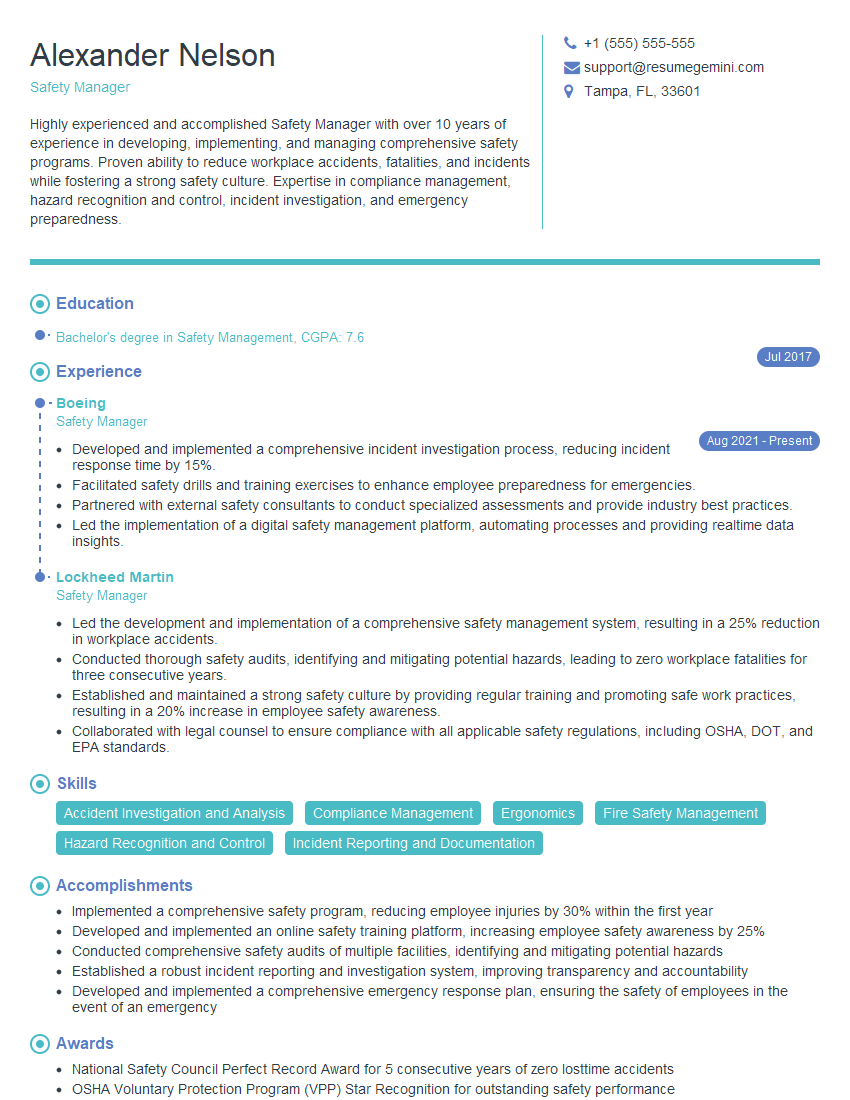
Safety Manager Resume Sample
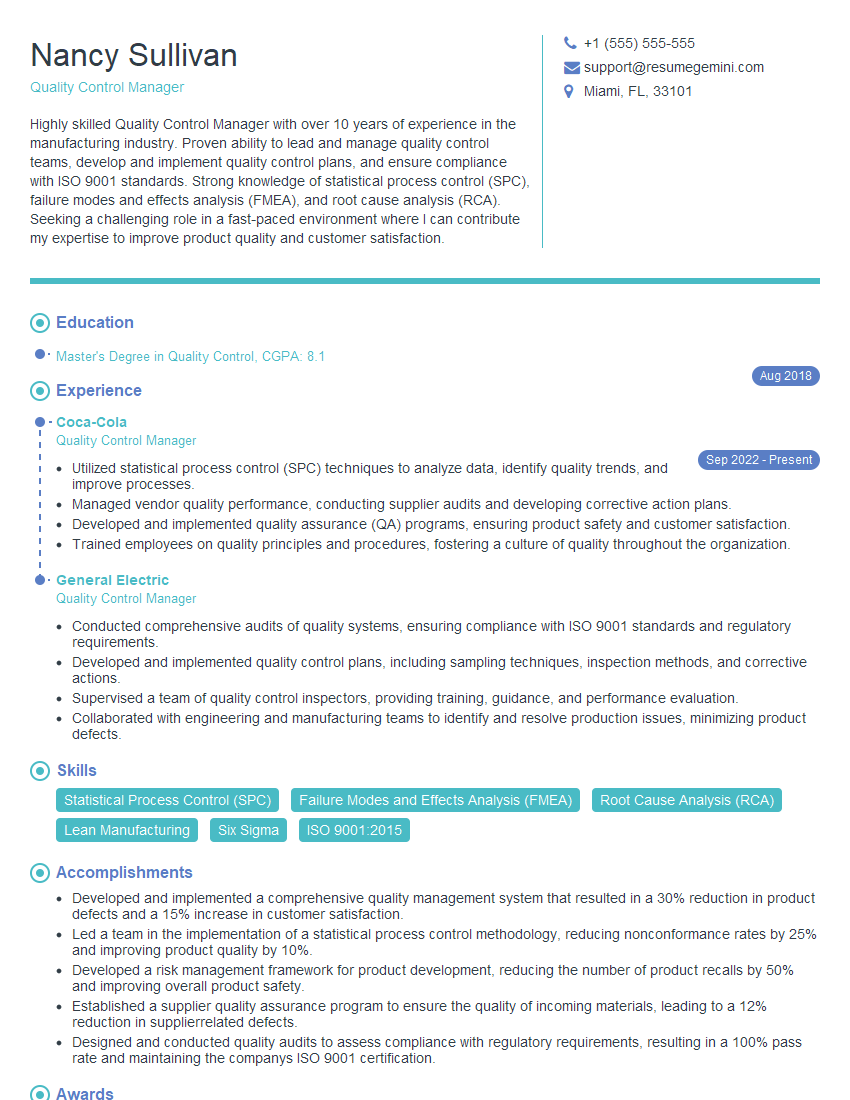
Quality Control Manager Resume Sample
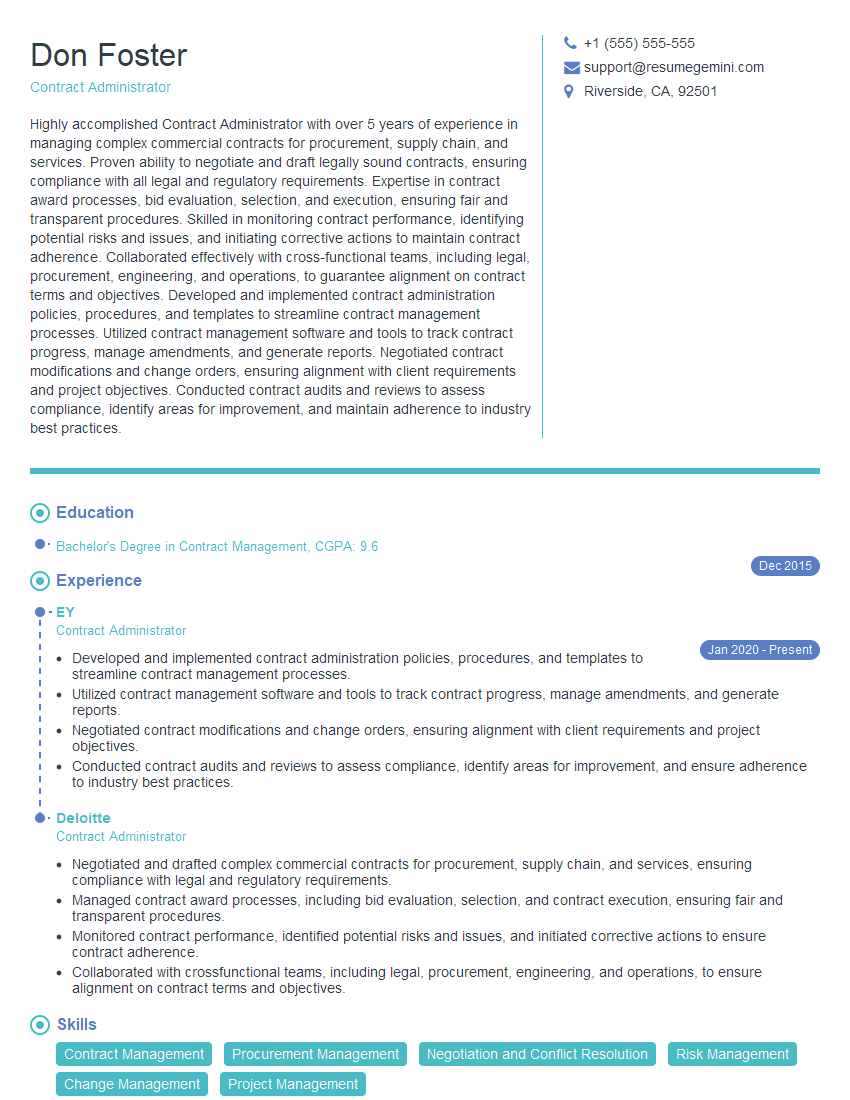
Contract Administrator Resume Sample

Procurement Manager Resume Sample
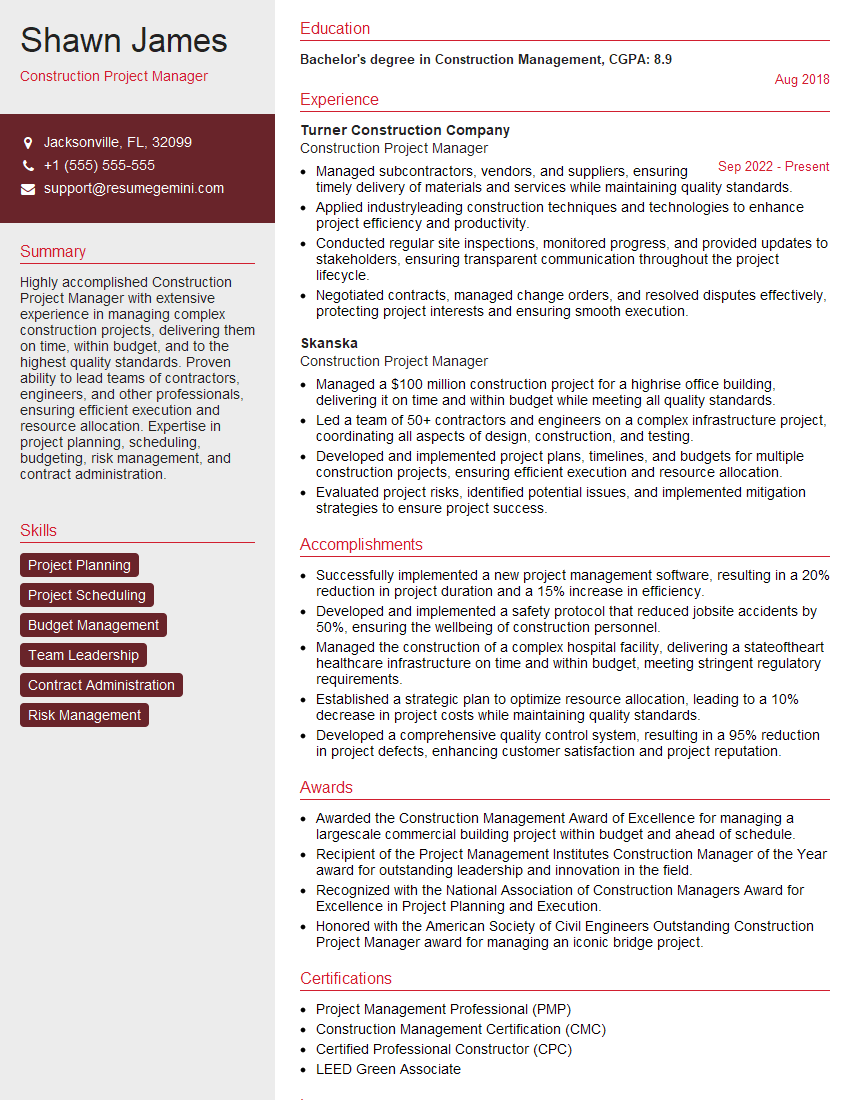
Construction Project Manager Resume Sample

Construction Superintendent Resume Sample
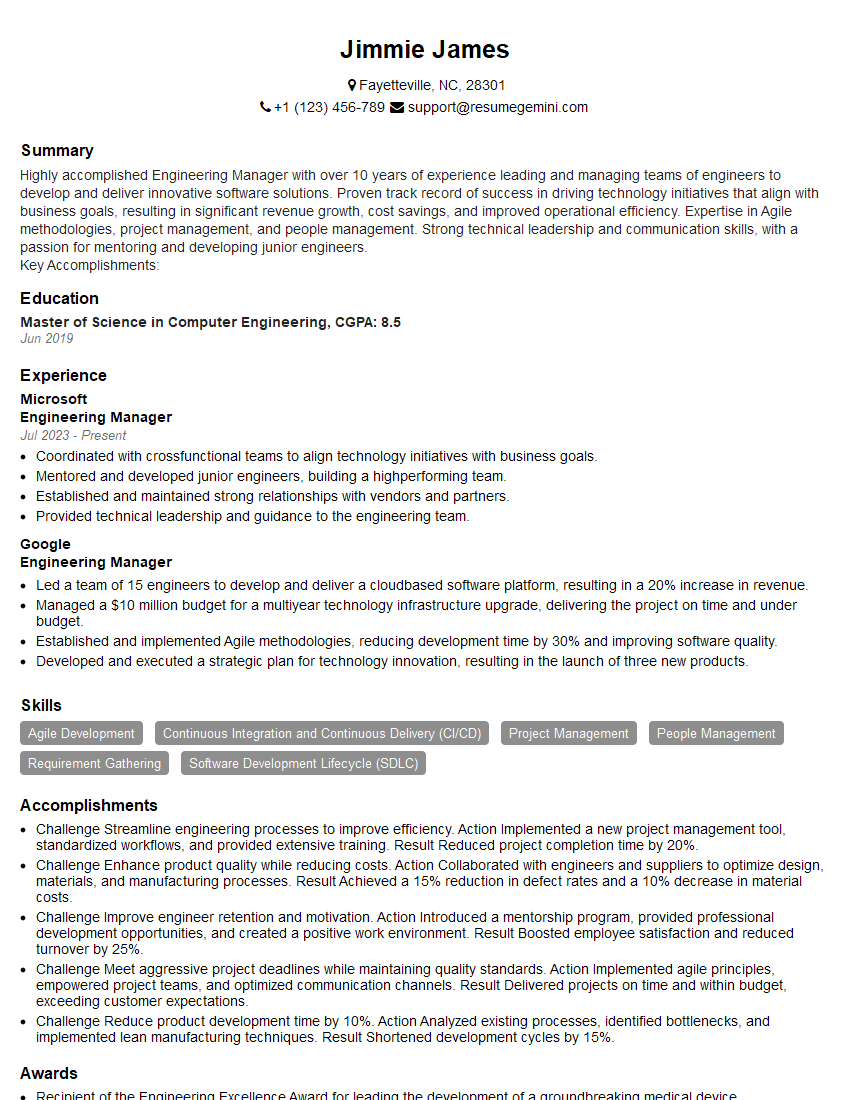
Engineering Manager Resume Sample
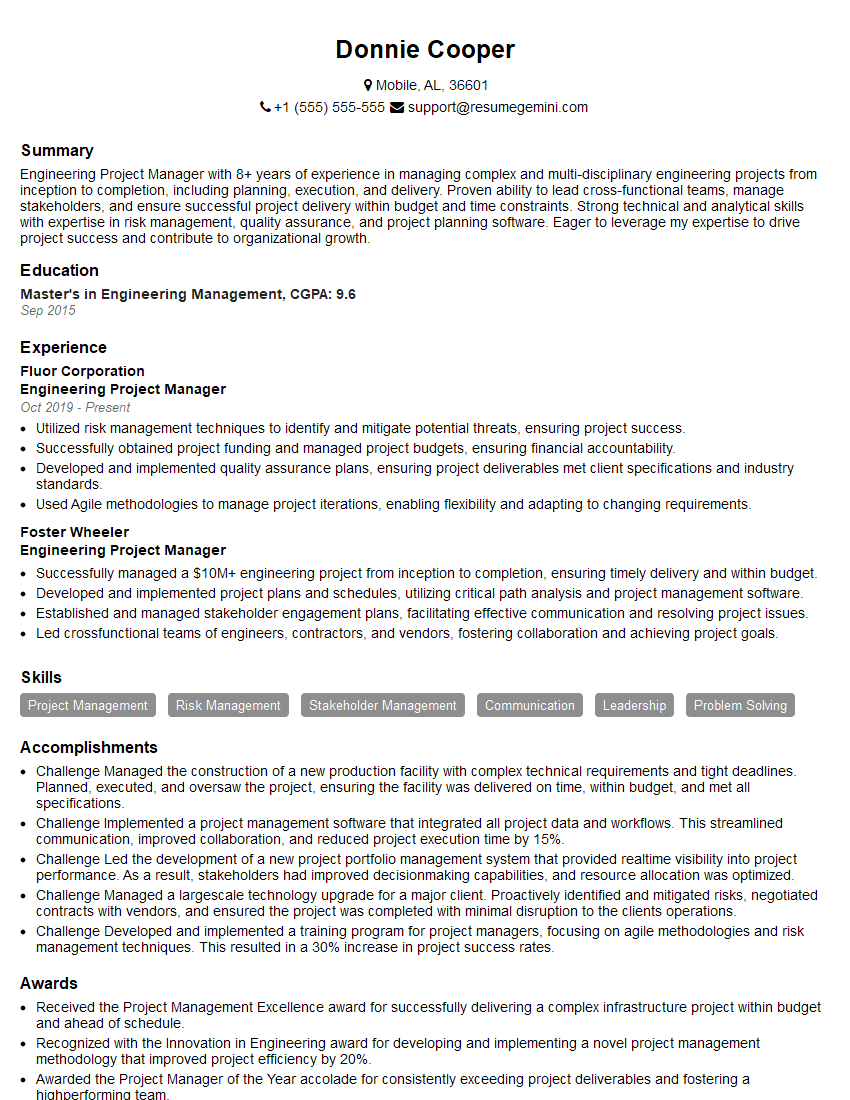
Engineering Project Manager Resume Sample
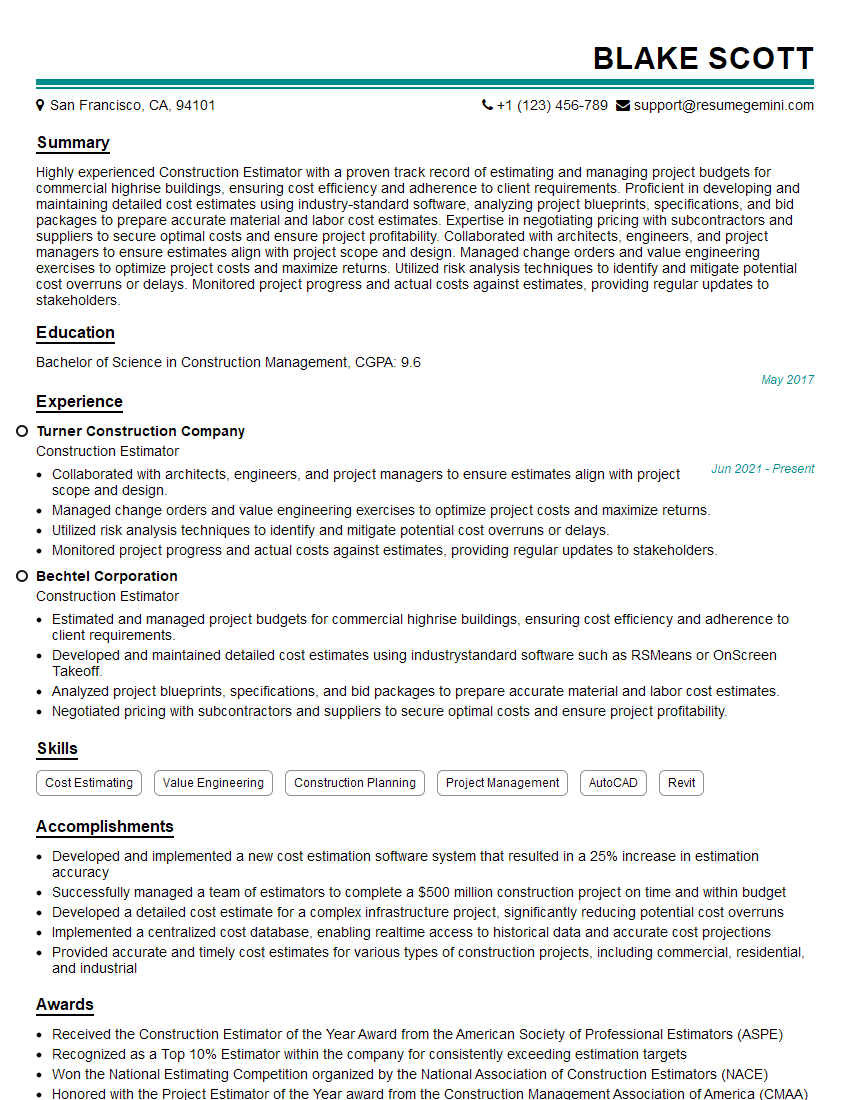
Construction Estimator Resume Sample
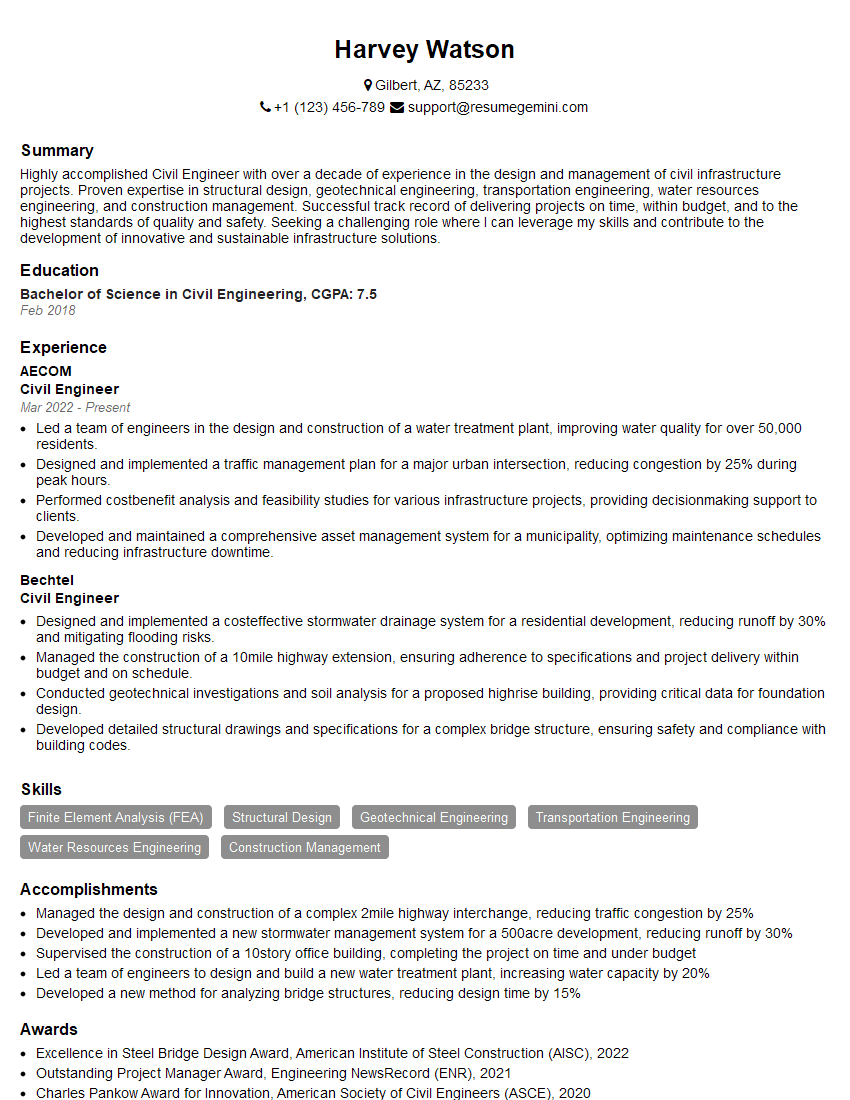
Civil Engineer Resume Sample
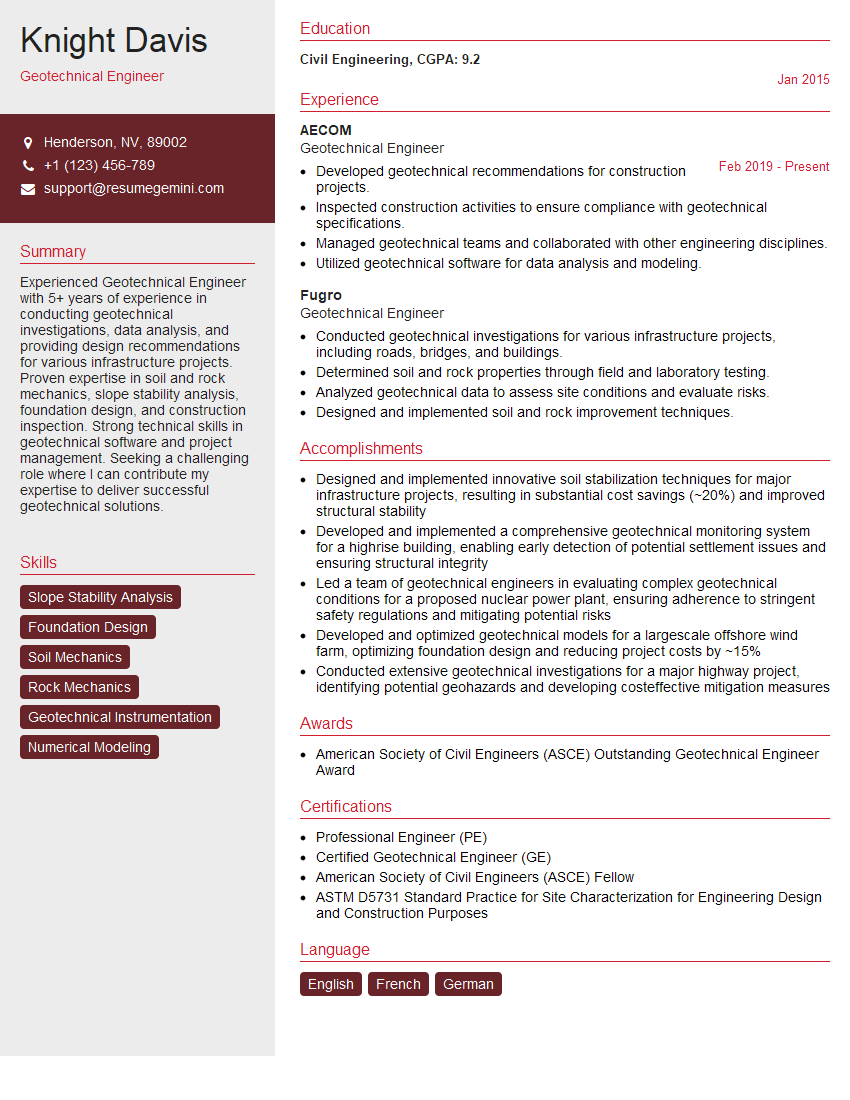
Geotechnical Engineer Resume Sample
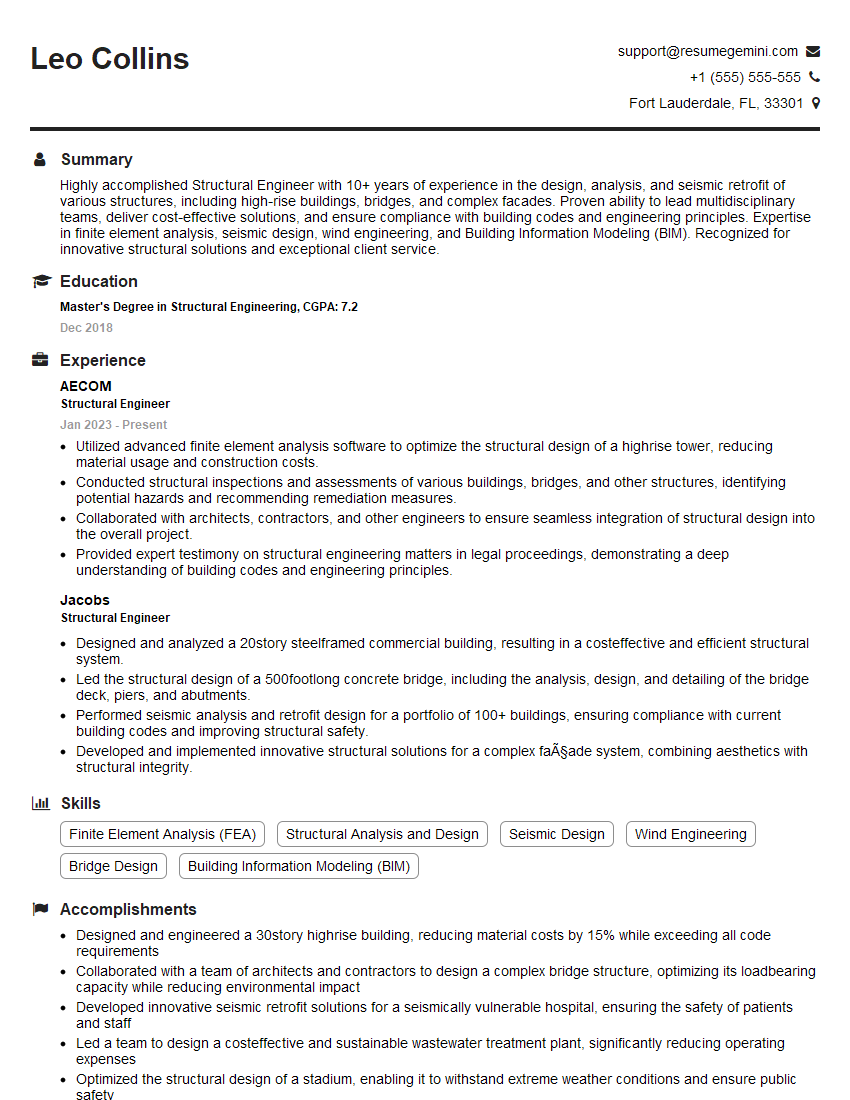
Structural Engineer Resume Sample
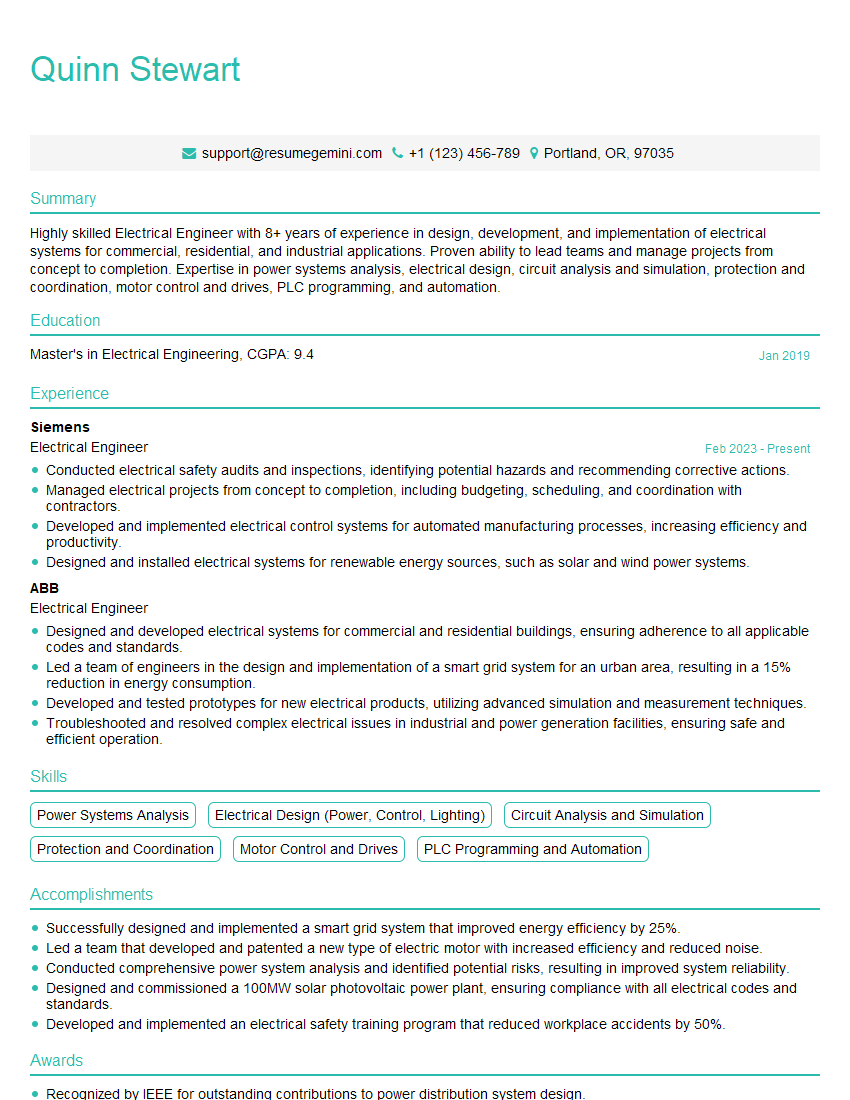
Electrical Engineer Resume Sample
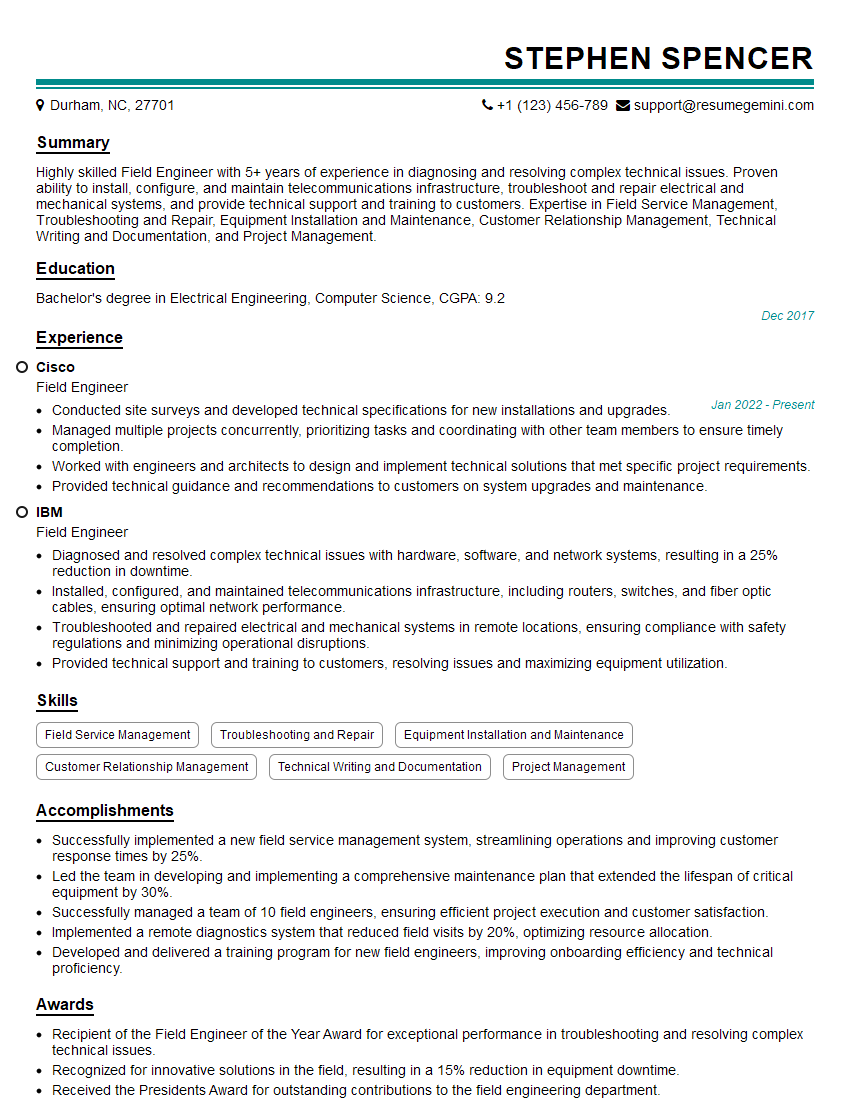
Field Engineer Resume Sample
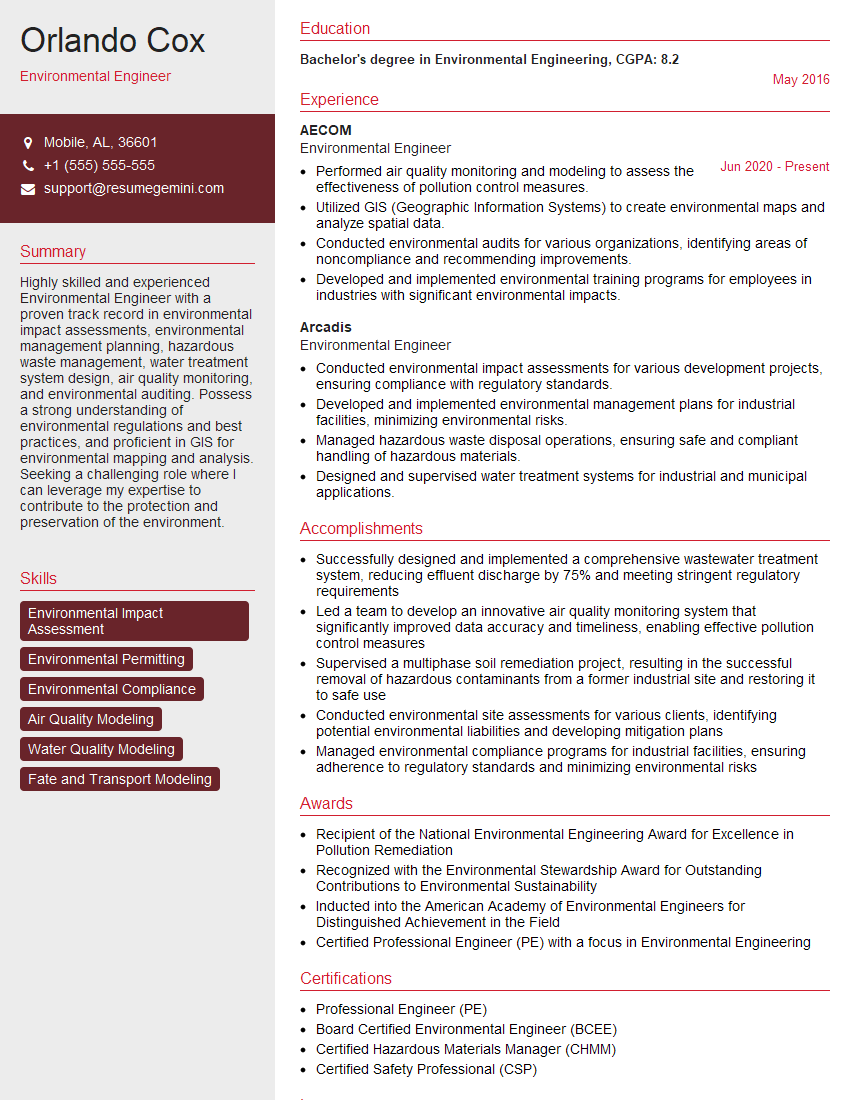
Environmental Engineer Resume Sample
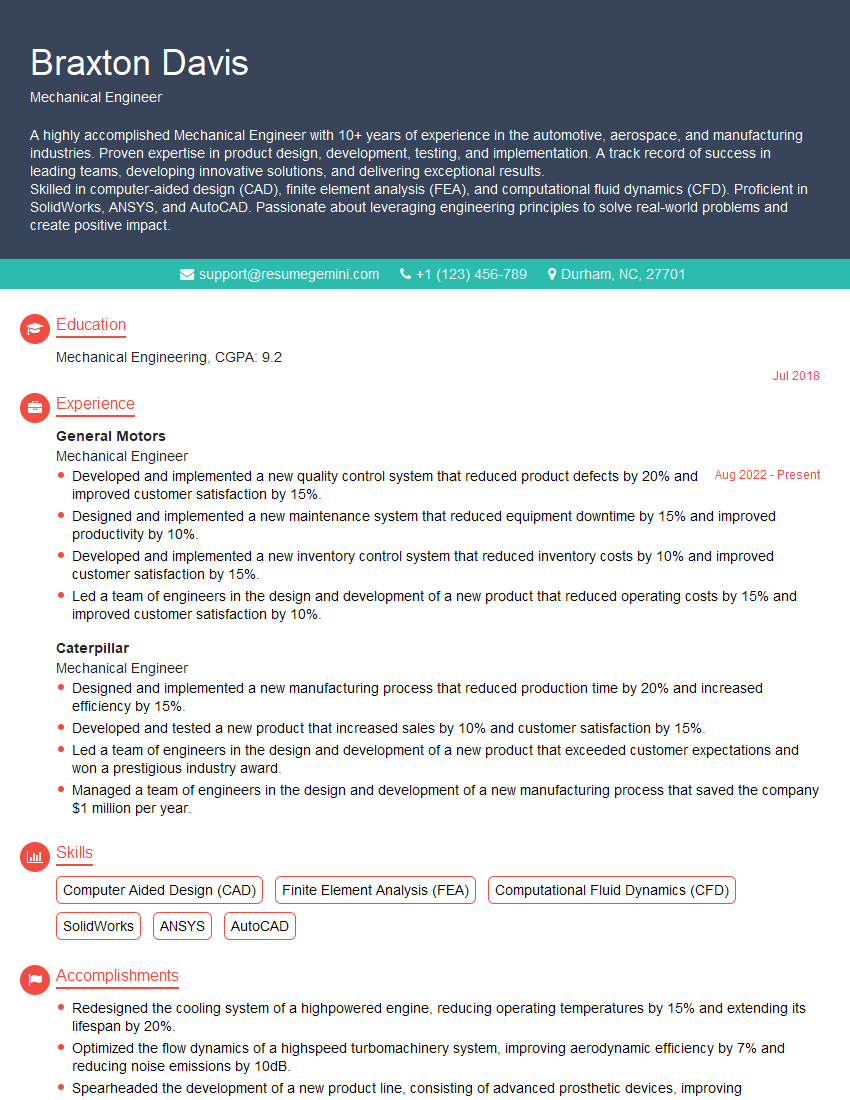
Mechanical Engineer Resume Sample
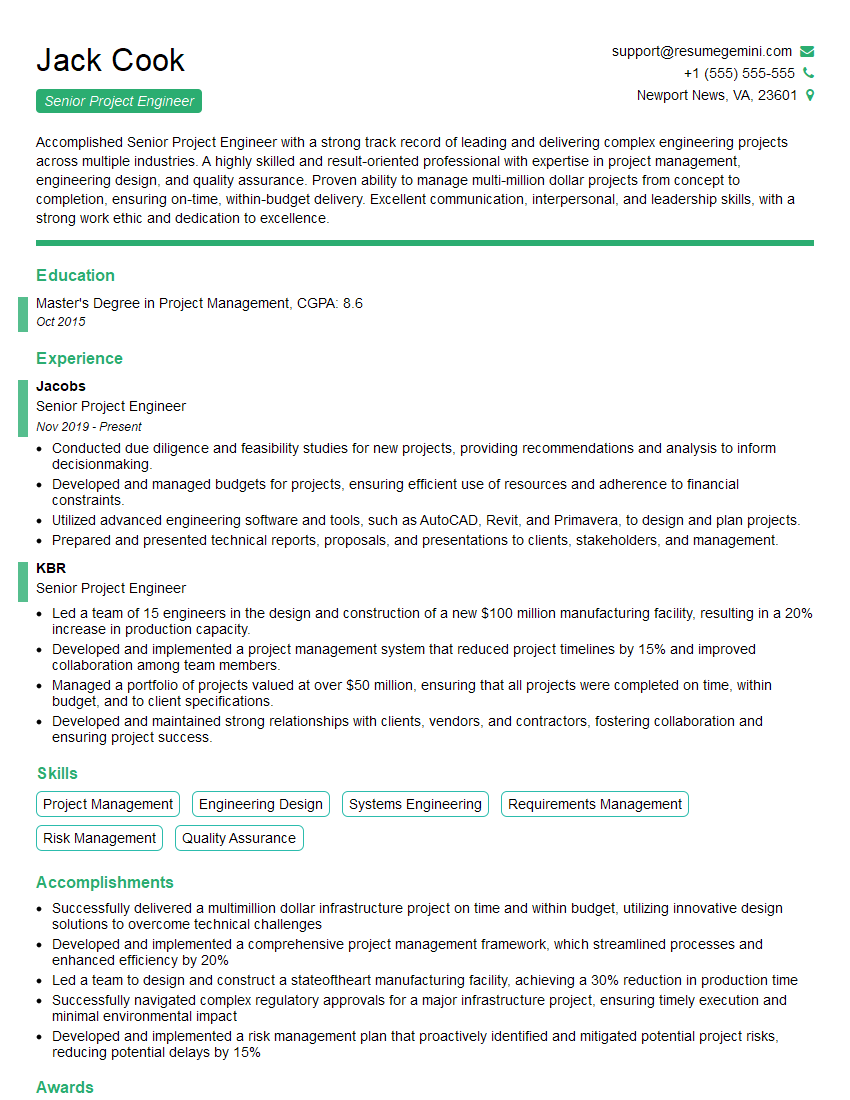
Senior Project Engineer Resume Sample
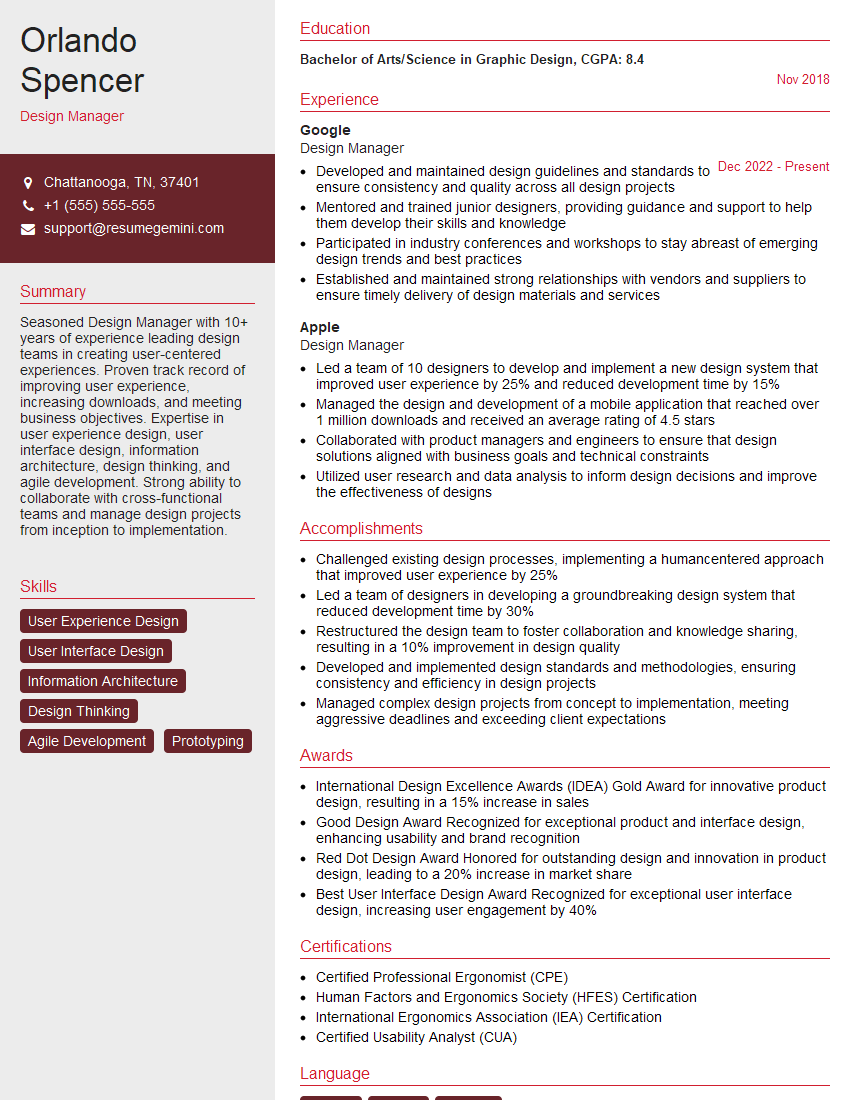
Design Manager Resume Sample

Technical Writer Resume Sample
- Safety Manager
- Quality Control Manager
- Contract Administrator
- Procurement Manager
- Construction Project Manager
- Construction Superintendent
- Engineering Manager
- Engineering Project Manager
- Construction Estimator
- Civil Engineer
- Geotechnical Engineer
- Structural Engineer
- Electrical Engineer
- Field Engineer
- Environmental Engineer
- Mechanical Engineer
- Senior Project Engineer
- Design Manager
- Technical Writer
Explore more articles
Users Rating of Our Blogs
Share Your Experience
We value your feedback! Please rate our content and share your thoughts (optional).
What Readers Say About Our Blog
Very informative content, great job.
good