Feeling uncertain about what to expect in your upcoming interview? We’ve got you covered! This blog highlights the most important Community Involvement and Networking interview questions and provides actionable advice to help you stand out as the ideal candidate. Let’s pave the way for your success.
Questions Asked in Community Involvement and Networking Interview
Q 1. Describe your experience building and maintaining community partnerships.
Building and maintaining community partnerships is a crucial aspect of successful community involvement. It involves strategically identifying key players, fostering strong relationships, and collaboratively working towards shared goals. My approach is multifaceted and focuses on trust, transparency, and mutual benefit.
- Strategic Partner Identification: I begin by identifying organizations and individuals whose missions align with the project goals and who can offer valuable resources or expertise. This often involves researching local initiatives, attending community events, and networking within relevant sectors.
- Relationship Building: I prioritize building strong relationships through regular communication, mutual respect, and a commitment to understanding each partner’s needs and priorities. This includes attending meetings, participating in joint activities, and actively listening to feedback.
- Collaborative Goal Setting: Once trust is established, I work collaboratively with partners to define clear, measurable, achievable, relevant, and time-bound (SMART) goals. This ensures everyone is working towards the same outcome and understands their individual roles.
- Ongoing Communication and Evaluation: Maintaining partnerships requires consistent communication, regular progress updates, and periodic evaluations to assess effectiveness and address challenges proactively. This is best done through formal meetings and informal check-ins.
For example, during my work with the [Name of Organization], I successfully partnered with the local school district, the city council, and several businesses to develop a youth mentorship program. This involved negotiating resource allocation, defining shared responsibilities, and maintaining open lines of communication throughout the program’s implementation.
Q 2. How do you measure the success of a community outreach program?
Measuring the success of a community outreach program requires a multi-pronged approach that goes beyond simply counting participants. It involves setting specific, measurable, achievable, relevant, and time-bound (SMART) goals and then using quantitative and qualitative data to track progress towards those goals.
- Quantitative Data: This includes tracking metrics such as the number of participants, the level of engagement, resource utilization, and any changes in relevant community indicators (e.g., decrease in crime rates, improved health outcomes). For example, we might track the number of people served by a food bank or the number of volunteers recruited.
- Qualitative Data: This involves gathering feedback through surveys, focus groups, and individual interviews to understand participants’ experiences, perceptions, and satisfaction levels. We also need to consider if the program achieved its intended impact on the targeted community issues.
- Impact Assessment: A thorough impact assessment should examine the long-term effects of the program on the community. This may involve comparing pre- and post-program data to determine the extent of change.
For instance, when evaluating a literacy program, we might track not only the number of participants who improved their reading skills but also gather feedback on their overall experience and whether the program empowered them to become more active members of their community. This combined approach paints a much more comprehensive picture of the program’s overall success.
Q 3. Explain your strategy for engaging diverse community stakeholders.
Engaging diverse community stakeholders requires a thoughtful and inclusive approach that recognizes and respects the unique perspectives, needs, and communication styles of different groups. My strategy focuses on cultural competency, accessibility, and equitable representation.
- Cultural Competency: I prioritize understanding the cultural nuances of different communities to avoid misunderstandings and build trust. This involves learning about cultural values, communication styles, and potential barriers to participation.
- Accessibility: I ensure that all outreach activities are accessible to individuals with disabilities, including providing materials in multiple formats, offering translation services, and making venues physically accessible.
- Equitable Representation: I strive to create an inclusive environment where all stakeholders have an equal opportunity to participate and voice their opinions. This may involve actively recruiting participants from underrepresented groups, providing childcare or transportation assistance, and employing culturally sensitive communication strategies.
- Community-Based Participatory Research (CBPR): This approach actively involves community members in all stages of the project, from planning and implementation to evaluation. It ensures that community needs and priorities are addressed effectively.
For example, when designing a community garden project, I ensured the design was accessible to wheelchair users, offered bilingual materials in Spanish and English, and worked closely with community leaders from different cultural backgrounds to address the specific needs and preferences of the various groups.
Q 4. What methods do you use to identify unmet community needs?
Identifying unmet community needs requires a systematic approach combining data analysis with direct community engagement. My approach involves a combination of quantitative and qualitative methods.
- Data Analysis: I analyze existing data sources such as census data, crime statistics, health reports, and school performance data to identify patterns and trends indicating areas of concern. This provides a broad understanding of the community’s challenges.
- Community Surveys and Interviews: I conduct surveys, interviews, and focus groups with community members to gather firsthand insights into their experiences and unmet needs. This allows for a more nuanced understanding of the challenges.
- Community Forums and Town Halls: I organize community forums and town hall meetings to facilitate open dialogue and gather input from a wider range of stakeholders. This is particularly effective for addressing complex issues requiring a collaborative approach.
- Collaboration with Community Organizations: I leverage the knowledge and experience of existing community organizations to identify gaps in services and resources. These organizations often possess deep understanding of local needs.
For instance, when assessing the needs of a low-income neighborhood, I utilized census data to identify high rates of unemployment and lack of access to healthcare. I then conducted community interviews to understand the specific challenges faced by residents, validating the quantitative data and adding crucial contextual information.
Q 5. How do you manage conflict among community members or stakeholders?
Managing conflict among community members or stakeholders is an inevitable aspect of community work. My approach emphasizes mediation, active listening, and creating a safe space for dialogue.
- Active Listening: I begin by actively listening to all parties involved, seeking to understand their perspectives and concerns without judgment. This is crucial for building trust and de-escalating tensions.
- Mediation: I facilitate constructive dialogue between conflicting parties, helping them to identify common ground and find mutually acceptable solutions. This often involves helping each party reframe their perspective and see the situation from another point of view.
- Creating a Safe Space: I ensure that all communication channels provide a safe and respectful environment for expressing different views. This may involve establishing clear ground rules for communication and providing clear guidelines for respectful discourse.
- Seeking External Help if Needed: In cases where conflict is intractable, I may seek assistance from experienced mediators or conflict resolution professionals. It’s important to acknowledge limitations and call for expert support when needed.
For example, during a community meeting where disagreements arose about the use of a local park, I facilitated a dialogue, helping each group articulate their concerns and collaboratively develop a plan that accommodated everyone’s needs, resulting in a shared-use agreement for the park.
Q 6. Describe your experience in event planning and community engagement.
My experience in event planning and community engagement is extensive. I approach event planning as an opportunity to build community and foster engagement. My strategies involve careful planning, community involvement, and post-event evaluation.
- Needs Assessment: Before planning an event, I thoroughly assess the community’s needs and interests to ensure the event is relevant and engaging. This includes surveys, focus groups, and discussions with community leaders.
- Community Involvement: I actively involve community members in the planning process, seeking their input on event themes, activities, and logistics. This ensures the event resonates with the community and fosters a sense of ownership.
- Logistics and Promotion: I meticulously plan all logistical aspects, including venue selection, budget allocation, resource management, and marketing and promotion. This involves identifying suitable venues and promotion strategies that reach the widest possible audience.
- Post-Event Evaluation: After each event, I conduct a thorough evaluation to assess its effectiveness, identify areas for improvement, and measure its impact on community engagement. This evaluation includes feedback from attendees and stakeholders.
For example, I organized a community festival that featured local artists, food vendors, and family-friendly activities. The event was designed based on input from community surveys, and it attracted hundreds of attendees, strengthening community bonds and showcasing local talent.
Q 7. How do you leverage social media for community building and outreach?
Social media is a powerful tool for community building and outreach, enabling efficient and effective communication and engagement with a broad audience. My strategy involves a multi-platform approach focused on building relationships and fostering interaction.
- Platform Selection: I carefully select the appropriate social media platforms based on the target audience’s demographics and preferences. For example, Facebook might be better suited for broader community engagement, while Instagram may be more effective for visual content.
- Content Strategy: I develop a consistent content strategy that includes a mix of engaging content formats such as photos, videos, and stories. This keeps the audience interested and provides a variety of ways to interact.
- Community Interaction: I actively engage with followers by responding to comments, messages, and questions. I also encourage two-way communication through polls, Q&A sessions, and other interactive features.
- Targeted Advertising (if applicable): In cases where a specific reach is required, I utilize targeted advertising options to broaden awareness and engagement within particular demographic groups.
- Data Analytics: I consistently monitor social media analytics to track engagement, reach, and overall effectiveness. This ensures the content strategy remains relevant and impactful.
For example, I used Facebook to promote a community cleanup event, utilizing targeted ads to reach specific age groups and interests within the community. The post generated significant engagement and successfully mobilized volunteers for the cleanup.
Q 8. How do you build rapport and trust with community members?
Building rapport and trust with community members is foundational to successful community involvement. It’s about creating genuine connections based on mutual respect, understanding, and empathy. This isn’t a one-size-fits-all approach; it requires active listening, demonstrating genuine interest in their perspectives, and consistently acting with integrity.
- Active Listening: Truly hearing what community members have to say, asking clarifying questions, and reflecting their concerns back to them shows you value their input. For example, in a community meeting about a proposed park renovation, I’d actively listen to concerns about accessibility and parking before offering solutions.
- Transparency and Honesty: Open communication is key. Being upfront about challenges, limitations, and the decision-making process builds trust. If a project faces delays, explaining the reasons transparently prevents mistrust from developing.
- Demonstrating Commitment: Showing up consistently, following through on promises, and actively participating in community events demonstrates your dedication. For instance, consistently attending local council meetings and volunteering at community events shows commitment to the community’s well-being.
- Building Relationships: This is a long-term process. Regularly engaging with community members, attending local events, and getting to know individuals builds strong relationships based on trust.
Q 9. What is your experience with fundraising and grant writing for community projects?
My experience with fundraising and grant writing spans over ten years, encompassing a wide range of community projects. I’ve successfully secured funding for initiatives focused on youth development, environmental sustainability, and community infrastructure. My approach is multifaceted and involves identifying the right funding sources, crafting compelling proposals, and building relationships with potential funders.
- Identifying Funding Opportunities: I meticulously research grants from local, state, and national organizations, as well as corporate sponsorships and crowdfunding platforms. I tailor proposals to specific grant requirements and showcase the project’s alignment with the funder’s mission.
- Crafting Compelling Proposals: I develop strong narratives that highlight the project’s need, impact, and sustainability. This involves creating detailed budgets, outlining clear goals and objectives, and providing evidence of community support. A strong narrative is crucial; it’s not just about numbers, but about connecting emotionally with the reader.
- Building Relationships with Funders: Networking with funders is vital. Attending grant writing workshops, connecting with grant officers, and following up on submissions fosters positive relationships and increases the chances of securing funding. Personal connections can make a significant difference.
Q 10. How do you handle sensitive issues or controversies within a community?
Handling sensitive issues or controversies within a community requires a delicate approach that prioritizes fairness, inclusivity, and open dialogue. My strategy involves creating a safe space for open communication, facilitating constructive conversations, and ensuring all voices are heard.
- Establish a Neutral Platform: Create a forum (meeting, online platform) where individuals can express their views respectfully. Ground rules for respectful dialogue should be established upfront.
- Active Listening and Empathy: Listen to all sides of the issue without judgment. Acknowledge the validity of different perspectives, even if you don’t agree with them. Empathy is paramount in fostering understanding.
- Facilitate Mediation: If necessary, mediate discussions to help parties find common ground. This might involve brainstorming solutions, identifying shared goals, and finding compromises.
- Transparency and Accountability: Keep all stakeholders informed about the process and any decisions made. Explain the rationale behind decisions clearly and transparently. This builds trust and prevents misinterpretations.
- Seek External Expertise: For particularly complex or sensitive matters, it might be necessary to involve neutral third parties, such as mediators or conflict resolution specialists.
Q 11. How familiar are you with community needs assessments?
Community needs assessments are crucial for identifying priorities and developing effective community initiatives. I’m highly familiar with conducting and interpreting these assessments, using various methods to gather data and ensure accurate representation of community needs.
- Data Collection Methods: My experience includes using surveys, focus groups, interviews, and community forums to gather information. I tailor the methods to the specific community and the issue being assessed.
- Data Analysis and Interpretation: I’m proficient in analyzing qualitative and quantitative data to identify patterns, trends, and unmet needs within the community. For instance, analyzing survey data to identify the most pressing health concerns in a particular neighborhood.
- Stakeholder Engagement: A successful needs assessment engages diverse stakeholders, including community members, local leaders, and service providers. This ensures a comprehensive understanding of the community’s needs and priorities.
- Report Writing and Dissemination: I create clear, concise reports that summarize the findings of the needs assessment, including recommendations for action. This report is then shared with relevant stakeholders to inform program planning and decision-making.
Q 12. Describe your experience working with volunteers and managing volunteer programs.
I have extensive experience working with volunteers and managing volunteer programs. I believe that volunteers are invaluable assets to a community, and fostering a supportive and engaging environment is crucial to their success and satisfaction.
- Recruitment and Onboarding: I develop strategies to attract and recruit volunteers, including creating engaging volunteer descriptions and conducting thorough onboarding sessions. For example, using social media platforms to advertise volunteer opportunities and creating a detailed volunteer handbook.
- Training and Support: Providing adequate training and ongoing support to volunteers is essential. I develop training modules relevant to the tasks volunteers will undertake, and create clear communication channels for ongoing support and feedback.
- Recognition and Appreciation: Recognizing and appreciating the contributions of volunteers is paramount. This can involve organizing volunteer appreciation events, creating newsletters highlighting volunteer contributions, or implementing formal recognition programs.
- Volunteer Management Systems: I’m experienced using volunteer management software to track volunteer hours, manage schedules, and communicate effectively with volunteers.
Q 13. How do you track and report on the impact of community initiatives?
Tracking and reporting on the impact of community initiatives is critical for demonstrating accountability and securing future funding. My approach involves establishing clear metrics, collecting data throughout the project lifecycle, and presenting the findings in a compelling and accessible manner.
- Establishing Key Performance Indicators (KPIs): Before starting a project, I identify specific, measurable, achievable, relevant, and time-bound (SMART) KPIs to track progress and impact. Examples might include number of participants served, improvements in community health outcomes, or increases in community engagement.
- Data Collection and Analysis: Data is collected regularly throughout the project, using various methods such as surveys, interviews, and program records. Data is then analyzed to assess progress towards achieving the established KPIs.
- Reporting and Dissemination: I prepare reports that clearly and concisely communicate the project’s achievements and impact. These reports use visual aids like charts and graphs to make the data easily understandable. Reports are shared with funders, stakeholders, and the community.
- Storytelling: In addition to quantitative data, I incorporate qualitative data such as testimonials and case studies to illustrate the project’s impact in a more compelling way.
Q 14. What strategies do you use to foster a sense of community ownership?
Fostering a sense of community ownership is key to ensuring the long-term success and sustainability of community initiatives. This involves empowering community members to actively participate in decision-making, implementation, and evaluation processes.
- Participatory Decision-Making: Involving community members in the planning and decision-making phases ensures that projects reflect their needs and priorities. This can involve holding community forums, surveys, or focus groups to gather input.
- Shared Leadership and Ownership: Distributing leadership roles among community members fosters a sense of shared responsibility and ownership. This might involve creating community committees or appointing community representatives to project teams.
- Empowering Local Action: Supporting community-led initiatives empowers residents to take ownership of their community’s development. This could involve providing resources, training, or mentorship to community-based organizations.
- Building Social Capital: Strong social networks within a community contribute to a sense of collective identity and ownership. I support initiatives that foster social connections and build trust among community members.
Q 15. How do you adapt your communication style to reach diverse audiences within a community?
Effective community engagement requires adaptable communication. It’s not a one-size-fits-all approach. Understanding your audience’s preferred communication channels and styles is paramount. This involves considering factors like age, cultural background, literacy levels, and technological access.
- Language: Using simple, clear language, avoiding jargon and technical terms, is crucial. Consider translating materials into multiple languages if needed.
- Channels: Employ a multi-channel approach. This might include face-to-face meetings, community forums, social media platforms (choosing the most appropriate ones for your target audience), newsletters, and even radio announcements in some cases.
- Format: The format of your communication should also be tailored. Some groups might prefer visual aids (images, infographics), while others may engage better with written materials or audio recordings. For example, a visual presentation with photos might be effective for a community garden project, while a detailed report may be better for stakeholders.
- Accessibility: Ensure all communications are accessible to people with disabilities. This includes providing large-print materials, audio descriptions, and alternative formats for those with visual or auditory impairments.
For example, when working with a senior citizen group, I’d prioritize in-person meetings and printed materials with large fonts. Conversely, when engaging younger populations, I’d leverage social media platforms like Instagram or TikTok, using visually engaging content.
Career Expert Tips:
- Ace those interviews! Prepare effectively by reviewing the Top 50 Most Common Interview Questions on ResumeGemini.
- Navigate your job search with confidence! Explore a wide range of Career Tips on ResumeGemini. Learn about common challenges and recommendations to overcome them.
- Craft the perfect resume! Master the Art of Resume Writing with ResumeGemini’s guide. Showcase your unique qualifications and achievements effectively.
- Don’t miss out on holiday savings! Build your dream resume with ResumeGemini’s ATS optimized templates.
Q 16. Describe a time you had to overcome a challenge in community engagement.
During a community project focused on revitalizing a local park, we encountered strong opposition from a vocal minority concerned about potential disruptions to their daily routines. They feared increased noise and traffic. Overcoming this challenge involved active listening and transparent communication.
- Active Listening: We held several community forums, actively listening to their concerns and addressing them directly. We showed empathy and acknowledged the validity of their anxieties.
- Compromise and Collaboration: Instead of imposing a solution, we collaborated with the residents. We included them in the planning process, incorporating their suggestions, such as designating quiet zones within the park and implementing traffic management measures.
- Transparency: We regularly shared updates on the project’s progress, addressing concerns and clarifying any misconceptions. This helped build trust and demonstrate our commitment to inclusivity.
By actively involving the concerned residents, we were able to transform opposition into support. The park revitalization was ultimately a success, showcasing the power of collaborative problem-solving.
Q 17. How do you prioritize competing demands within a community engagement project?
Prioritizing competing demands in community engagement requires a strategic approach. A common framework is to use a prioritization matrix, ranking tasks based on urgency and importance.
- Urgency/Importance Matrix: Plot tasks on a 2×2 matrix. High urgency/high importance tasks are tackled first. Low urgency/low importance tasks may be delegated or even dropped.
- Stakeholder Input: Involving key stakeholders in the prioritization process ensures alignment and buy-in. Their feedback can significantly influence the prioritization decisions.
- SMART Goals: Using SMART (Specific, Measurable, Achievable, Relevant, Time-bound) goals ensures focus and helps evaluate progress. This prevents getting sidetracked by less critical activities.
- Time Management Techniques: Employing time management techniques like time blocking or the Pomodoro Technique can improve efficiency and help you stay on schedule.
For instance, if we have competing demands of organizing a community event and addressing an urgent infrastructure issue in the neighborhood, the infrastructure problem would likely take priority due to its immediate impact on the community’s safety and well-being. The event would then be rescheduled or adjusted to accommodate.
Q 18. How do you identify and leverage key community influencers?
Identifying and leveraging key community influencers is vital for successful community engagement. These individuals have credibility and a significant reach within the community.
- Community Mapping: Start by mapping your community to identify potential influencers. This could involve local leaders, community organizers, religious figures, business owners, teachers, or even social media personalities with a strong local following.
- Relationship Building: Cultivate relationships with these individuals through regular communication, collaboration on projects, and demonstrating mutual respect.
- Understanding their Influence: Assess each influencer’s strengths and weaknesses, recognizing how their influence impacts the community. What channels do they use? What issues are they most passionate about?
- Collaborative Partnerships: Establish partnerships with these influencers to amplify your message and reach a wider audience.
For example, in a campaign promoting youth literacy, partnering with a respected local librarian or a popular teacher who is active on social media could significantly increase the program’s visibility and effectiveness.
Q 19. Explain your experience in developing and implementing community action plans.
Developing and implementing community action plans involves a structured process.
- Needs Assessment: Begin with a comprehensive needs assessment to identify the community’s most pressing issues and priorities. This might involve surveys, focus groups, or data analysis from local government sources.
- Goal Setting: Based on the needs assessment, establish clear, measurable, achievable, relevant, and time-bound (SMART) goals. For example: “Increase park attendance by 20% within six months.”
- Action Planning: Develop a detailed action plan outlining the specific steps required to achieve each goal, assigning responsibilities, setting timelines, and identifying needed resources.
- Implementation: Execute the action plan, regularly monitoring progress and adapting the plan as necessary.
- Evaluation: Once implemented, the plan is carefully evaluated to measure its impact and identify areas for improvement. This data is then utilized to inform future plans.
In a previous project addressing food insecurity, we developed an action plan that involved creating a community garden, establishing partnerships with local food banks, and organizing cooking classes to teach healthy meal preparation on a budget. The evaluation stage showed a marked decrease in reported food insecurity among participating families.
Q 20. How do you utilize data to inform community engagement strategies?
Data plays a crucial role in informing community engagement strategies. It provides evidence-based insights to guide decision-making and measure impact.
- Data Collection: Gather data through various methods, such as surveys, census data, crime statistics, health reports, and social media analytics. Consider the ethical implications of data collection and ensure privacy is protected.
- Data Analysis: Analyze the data to identify trends, patterns, and areas needing attention. This helps understand community needs and preferences more accurately.
- Data Visualization: Transform data into user-friendly formats, such as graphs, charts, and maps, to communicate findings effectively to stakeholders and the broader community. Simple visuals enhance understanding.
- Data-Driven Decision Making: Use data-driven insights to inform program design, resource allocation, and evaluation. This ensures that resources are used efficiently and effectively.
For example, analyzing crime statistics might reveal a correlation between youth unemployment and crime rates, leading to a community engagement project focused on job training and youth employment opportunities.
Q 21. Describe your experience working with local government or other organizations.
I’ve had extensive experience collaborating with local government and other organizations. This typically involves understanding their mandates, priorities, and operational procedures.
- Building Relationships: Developing strong working relationships with government officials and representatives from other organizations is key to effective collaboration. This fosters trust and mutual understanding.
- Understanding Regulations and Processes: Familiarizing myself with relevant regulations, policies, and funding processes is critical for navigating bureaucratic structures and ensuring compliance.
- Shared Goals and Objectives: Collaborations work best when there are shared goals and objectives. Alignment on priorities allows for efficient resource utilization and avoids conflicts.
- Regular Communication and Reporting: Maintaining open and consistent communication through regular meetings, reports, and updates ensures transparency and accountability in collaborative efforts.
For instance, in a project focused on improving public transportation, I collaborated with the city council to secure funding, worked with the public transportation authority to implement route changes, and engaged with community members to gather feedback. This multi-faceted approach ensured the project’s success.
Q 22. How do you ensure the sustainability of community programs?
Ensuring the sustainability of community programs requires a multifaceted approach that goes beyond just securing initial funding. It’s about building a resilient ecosystem that can thrive long-term. This involves several key strategies:
- Diversified Funding Streams: Relying solely on one source of funding is risky. A sustainable program actively seeks grants, sponsorships, partnerships, and potentially even generates its own revenue through fees or fundraising events. For example, a youth sports program might secure grants, seek sponsorships from local businesses, charge small registration fees, and organize annual fundraising auctions.
- Strong Community Ownership: Programs are more likely to survive when they are deeply rooted in the community. This involves actively engaging residents in planning, implementation, and evaluation, fostering a sense of shared responsibility. Think of a community garden; if the residents help cultivate it, they’re more likely to maintain it.
- Capacity Building: Investing in training and development for program staff and volunteers is critical. This ensures that individuals have the skills and knowledge to effectively manage and adapt the program as needed. A community center, for instance, might offer staff training on grant writing, financial management, and community engagement techniques.
- Data-Driven Evaluation and Adaptation: Regular monitoring and evaluation are essential to understand the program’s effectiveness and make necessary adjustments. Data allows programs to demonstrate their impact to funders and stakeholders, increasing their chances of continued support. For example, tracking participation rates, feedback, and outcome measures can inform decisions about program improvements.
- Building Partnerships: Collaborating with other organizations and agencies expands the program’s reach and resources. A food bank might partner with local farms to obtain fresh produce, while a literacy program might work with schools to identify students in need.
Q 23. What is your understanding of community development principles?
Community development principles revolve around empowering communities to improve their own lives. It’s a participatory process, focusing on building capacity and promoting self-reliance, not just providing handouts. Key principles include:
- Participation and Empowerment: Residents are actively involved in identifying needs, designing solutions, and implementing programs. It’s about ensuring the community owns the process.
- Sustainability: Programs are designed to have long-term impact, not just short-term fixes. This often involves building local capacity and creating sustainable funding mechanisms.
- Equity and Social Justice: Addressing systemic inequalities and ensuring equitable access to resources and opportunities for all members of the community is crucial. This may involve tackling issues of poverty, discrimination, or lack of access to services.
- Collaboration and Partnerships: Working across sectors, involving government, businesses, NGOs, and community members is essential for collective action and effective resource mobilization.
- Holistic Approach: Recognizing the interconnectedness of various aspects of community life – economic, social, environmental, and cultural – is important for addressing challenges effectively.
In practice, this might mean using a participatory budgeting process where residents decide how funds are allocated, or creating community-led initiatives to address local environmental concerns.
Q 24. What are some ethical considerations when working in community engagement?
Ethical considerations in community engagement are paramount. Transparency, respect, and accountability are core values. Key ethical considerations include:
- Informed Consent: Always obtain free and informed consent from participants before involving them in any activity. This ensures they understand the purpose, methods, and potential risks of the engagement.
- Confidentiality and Data Protection: Respect the privacy of participants and ensure that any collected data is handled responsibly and ethically. Anonymity should be maintained whenever possible.
- Power Dynamics: Be mindful of power imbalances and avoid exploiting vulnerable populations. Engage in a respectful manner, recognizing that some community members might have less power or influence than others.
- Cultural Sensitivity: Respect the cultural values and beliefs of the community. Be aware of cultural differences in communication styles, decision-making processes, and social norms.
- Conflict of Interest: Avoid any situations where personal interests could compromise the integrity of the engagement process. Transparency is key.
- Representation and Inclusivity: Ensure that all voices within the community are heard, particularly those of marginalized or underrepresented groups.
For example, if conducting interviews, ensuring participants understand the purpose of the study, have their consent documented and protect the anonymity of responses is critical.
Q 25. How familiar are you with different community engagement models?
I’m familiar with various community engagement models, each with its own strengths and weaknesses. Some key models include:
- Partnership Model: A collaborative approach involving mutual respect, shared decision-making, and joint responsibility between community members and external organizations.
- Co-creation Model: A highly participatory approach where community members actively shape the design and implementation of programs and projects.
- Consultation Model: An approach where community members are consulted for their opinions and feedback, but decision-making power largely rests with the external organization.
- Empowerment Model: An approach that focuses on building community capacity and empowering residents to take control of their own development.
- Advocacy Model: A model that focuses on advocating for policy changes or resource allocation to improve community well-being.
The choice of model depends on the specific context, the nature of the issue, and the desired level of community participation. A co-creation model is suitable for projects needing high community ownership, while a consultation model might be appropriate for large-scale projects where direct involvement from all is impossible.
Q 26. How do you measure the impact of your networking efforts?
Measuring the impact of networking efforts requires a strategic approach that goes beyond simply counting connections. It’s about quantifying the value of relationships created and the outcomes achieved through those relationships. Key metrics include:
- Relationship Building: Track the number and quality of new connections made, measuring the depth and frequency of interactions. Qualitative data, such as feedback from partners, is also valuable.
- Resource Mobilization: Measure the amount of resources (funding, in-kind support, expertise) secured through network connections. This can be expressed in monetary value or other relevant units.
- Program Outcomes: Assess the extent to which networking contributed to achieving community goals. Did networking lead to new partnerships that improved program delivery? Did it increase funding or resources?
- Community Impact: Evaluate the overall impact of the networked efforts on community well-being. This could involve surveys, focus groups, or other methods to gather feedback from community members.
- Collaboration Success: Evaluate the effectiveness of collaborative ventures resulting from networking, using suitable indicators such as project timelines, budget adherence, stakeholder satisfaction and outputs.
For example, if my network helped secure a $100,000 grant for a community project, that’s a measurable outcome. Qualitative data might include testimonials from program participants about the positive changes they experienced.
Q 27. Describe your experience building and maintaining professional networks.
Building and maintaining professional networks requires consistent effort and a genuine interest in connecting with others. My approach involves:
- Active Participation in Relevant Events: Attending conferences, workshops, and community meetings provides opportunities to meet new people and strengthen existing relationships.
- Strategic Networking: I focus on building relationships with individuals who can contribute to my work and the success of community initiatives. This involves identifying key stakeholders and developing mutually beneficial partnerships.
- Meaningful Engagement: I prioritize genuine connections over superficial ones. I actively listen, show interest in others’ work, and offer support wherever possible.
- Consistent Communication: I maintain regular contact with my network through emails, phone calls, and social media. I share relevant information and updates to keep connections strong.
- Mentorship and Collaboration: I actively participate in mentoring and collaborative projects, solidifying relationships and expanding my network’s capacity.
- Online Platforms: Leveraging professional social media platforms like LinkedIn allows me to connect with individuals in my field and stay updated on industry trends.
For example, I’ve built strong connections with local business owners by attending chamber of commerce events and providing them with valuable community information and insights.
Q 28. How do you leverage your network to achieve community goals?
I leverage my network to achieve community goals in various ways:
- Resource Mobilization: My network provides access to funding opportunities, volunteers, expertise, and other resources that support community projects. This might involve securing grants, in-kind contributions, or recruiting skilled volunteers.
- Advocacy and Awareness: My network helps to raise awareness about community issues and advocate for policy changes that support community well-being. This could involve connecting with policymakers, media outlets, or other influential individuals.
- Collaboration and Partnerships: I facilitate collaborations between different organizations and community members to achieve common goals. This might involve creating task forces, coordinating efforts, or providing a neutral platform for dialogue.
- Problem-Solving and Knowledge Sharing: My network provides access to diverse perspectives and expertise, helping to solve complex community challenges and facilitate innovation. Sharing information and best practices among network members helps build capacity.
- Strategic Alliances: Building strategic alliances with organizations having compatible goals allows for amplified impact, leveraging each other’s resources and expertise for maximum effectiveness.
For example, by connecting a local non-profit with a corporate sponsor through my network, I’ve helped them secure funding for a youth mentorship program, directly impacting the community.
Key Topics to Learn for Community Involvement and Networking Interview
- Understanding Community Needs: Analyze diverse community needs and identify opportunities for impactful engagement. Consider the practical application of conducting needs assessments and utilizing data analysis to inform your strategies.
- Strategic Partnership Building: Develop and maintain collaborative relationships with community organizations, stakeholders, and volunteers. Explore case studies demonstrating successful collaborations and conflict resolution within these partnerships.
- Event Planning & Management: Plan, organize, and execute community events efficiently and effectively, incorporating budgeting, logistics, and volunteer management. Think about the challenges involved in large-scale event planning and how to mitigate potential issues.
- Community Outreach & Engagement: Design and implement effective communication strategies to reach diverse community members. Consider various methods of outreach, from social media to in-person interactions, and how to tailor your approach to different audiences.
- Volunteer Management & Training: Recruit, train, and supervise volunteers effectively, fostering a positive and productive volunteer experience. Explore best practices for managing volunteer teams and resolving conflicts.
- Measuring Impact & Reporting: Track and measure the impact of community initiatives and communicate results to stakeholders clearly and concisely. Develop methods to quantify the effectiveness of community programs and adapt future strategies based on data.
- Ethical Considerations & Inclusivity: Address ethical considerations related to community engagement, ensuring inclusivity and addressing potential biases. This includes understanding diverse perspectives and adapting approaches to meet varying cultural norms.
Next Steps
Mastering Community Involvement and Networking skills is crucial for career advancement across various sectors. These skills demonstrate your ability to collaborate, lead, and make a positive impact, qualities highly valued by employers. To significantly enhance your job prospects, focus on creating an ATS-friendly resume that effectively showcases your achievements and experiences. ResumeGemini is a trusted resource that can help you build a professional and impactful resume tailored to your unique skills and experience. Examples of resumes specifically tailored to Community Involvement and Networking roles are available, ensuring your application stands out.
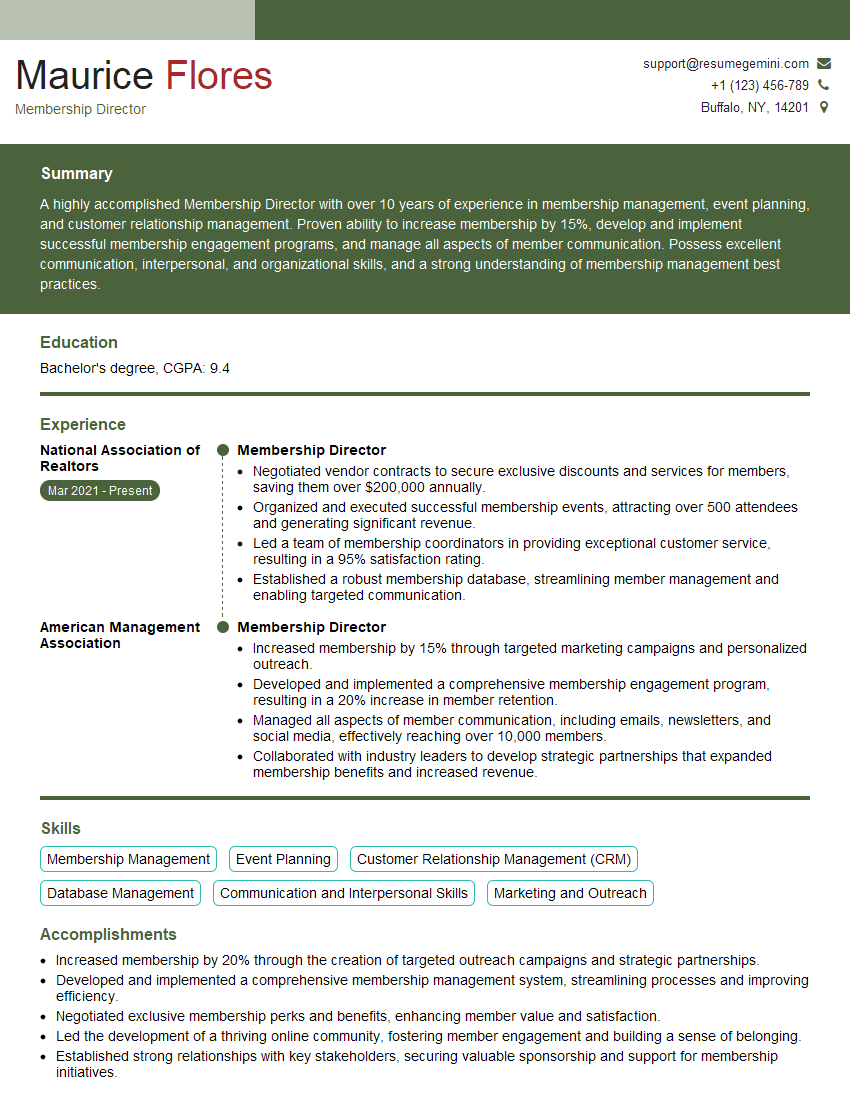
Membership Director Resume Sample
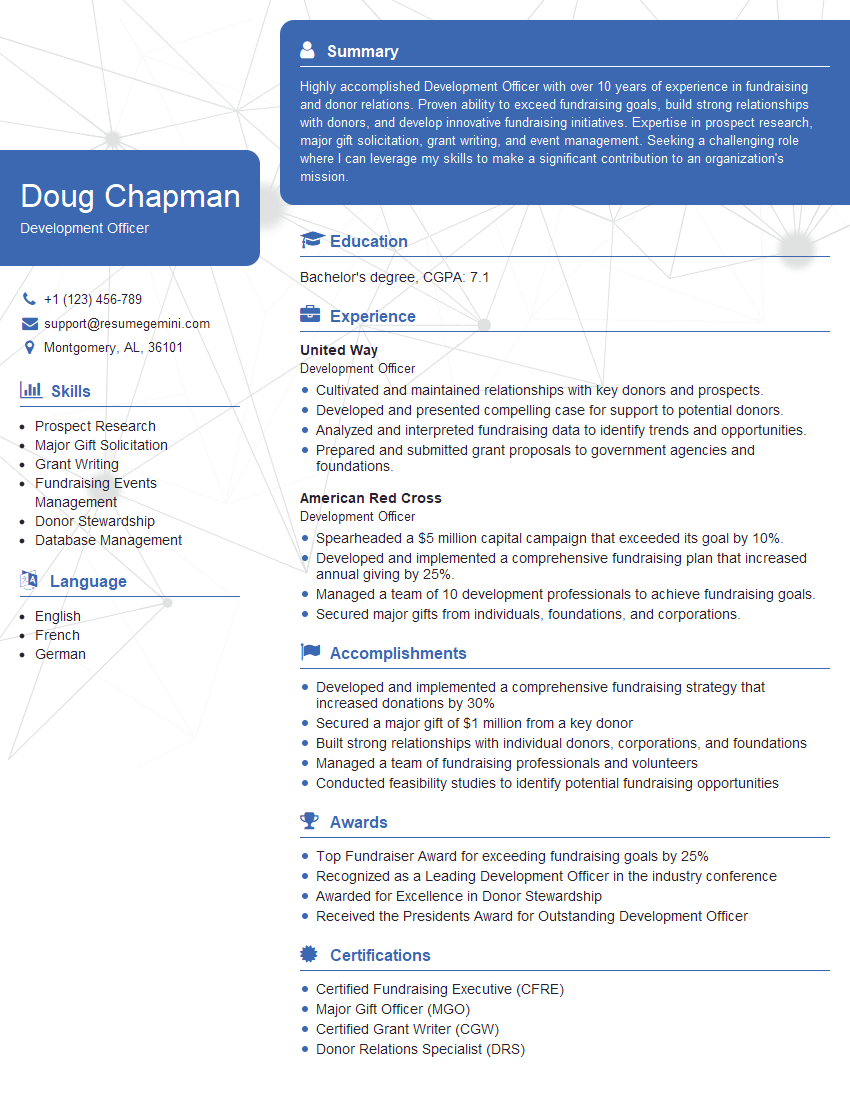
Development Officer Resume Sample
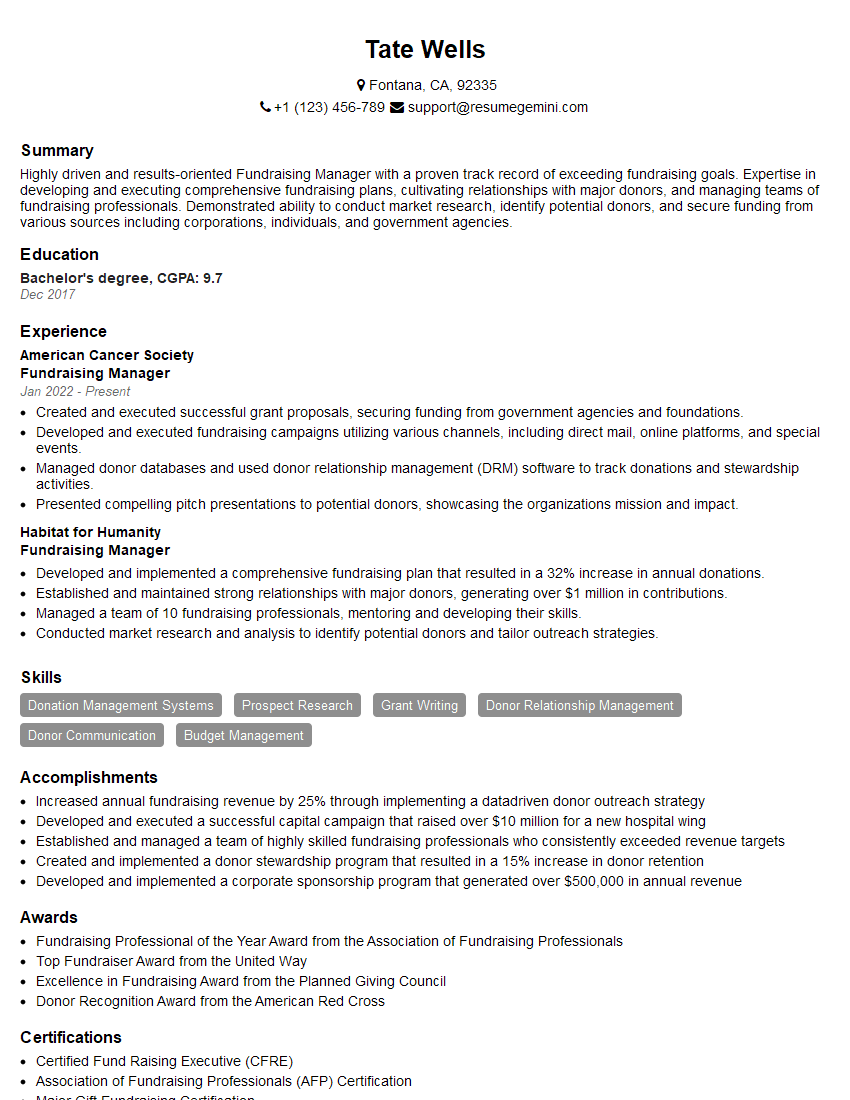
Fundraising Manager Resume Sample
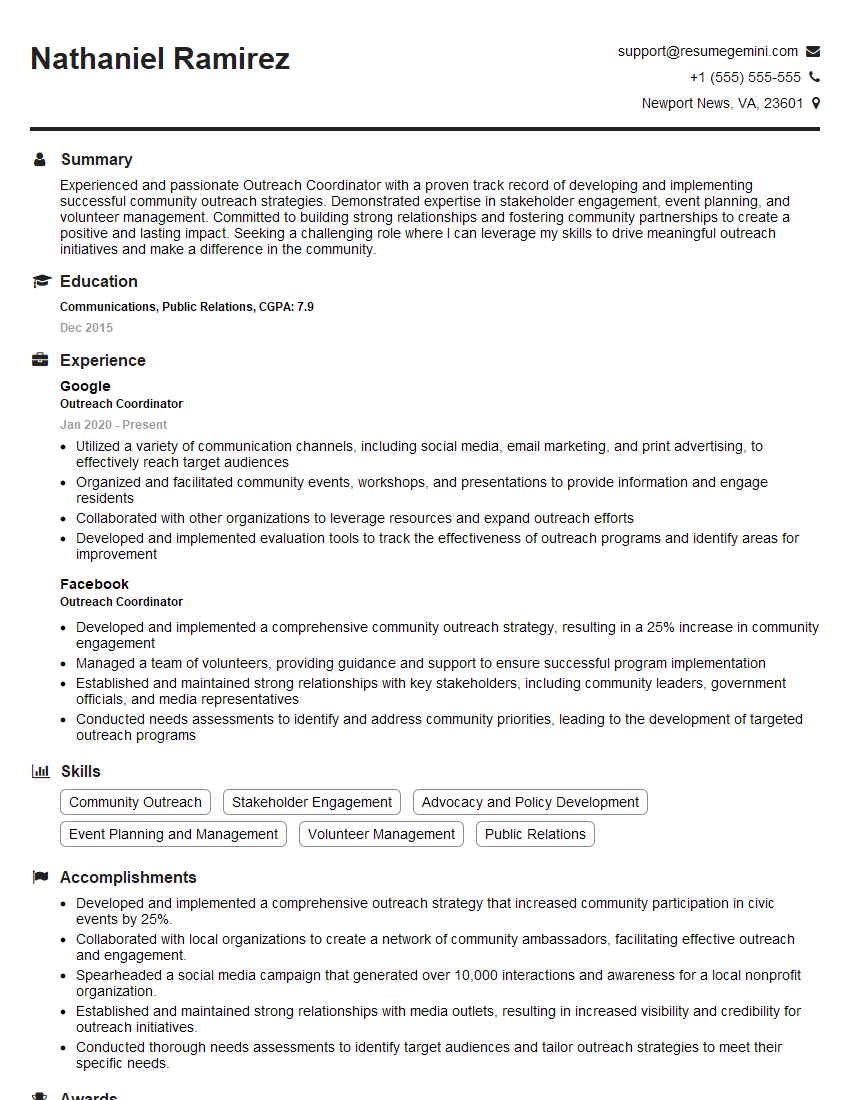
Outreach Coordinator Resume Sample

Community Organizer Resume Sample
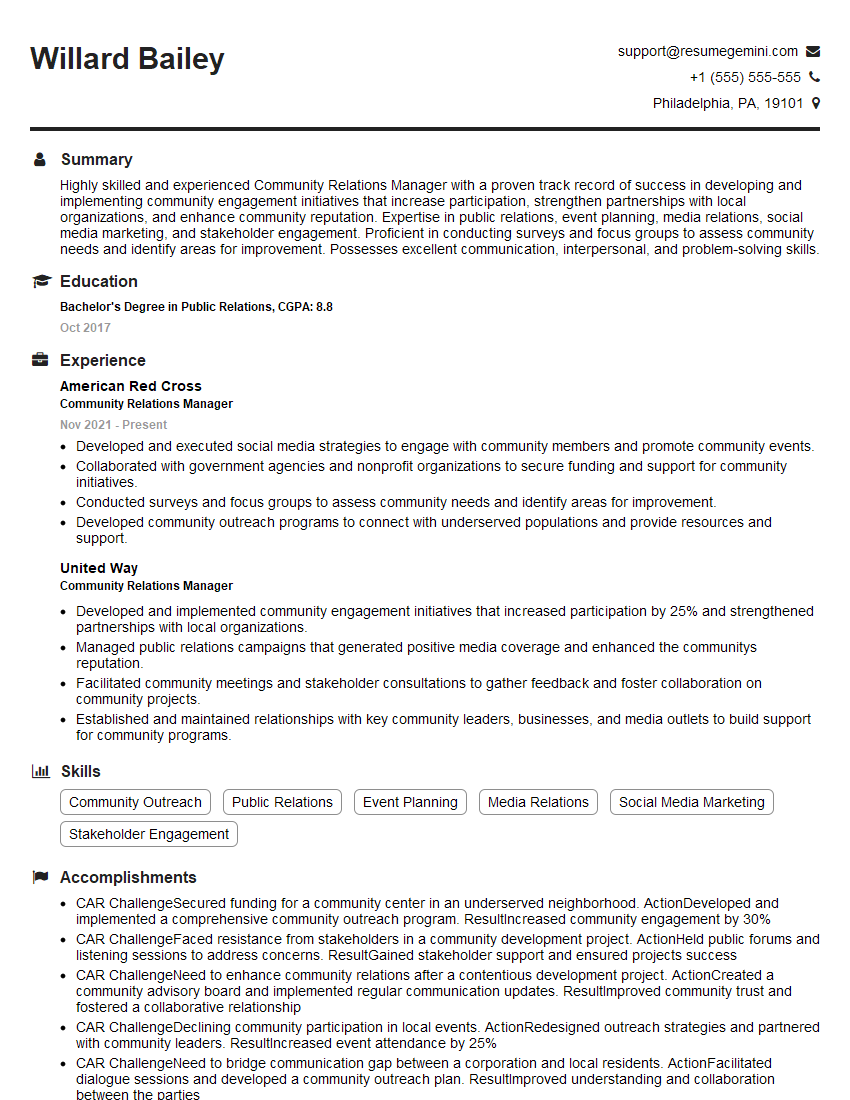
Community Relations Manager Resume Sample
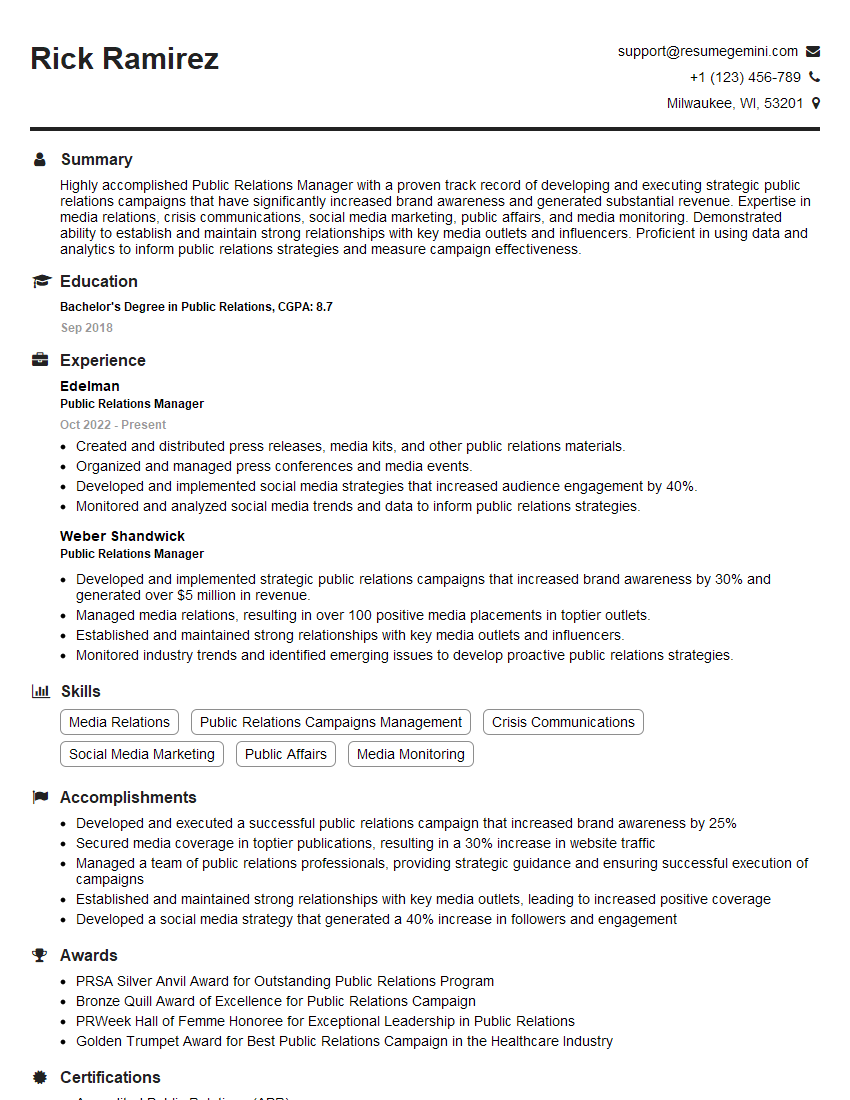
Public Relations Manager Resume Sample
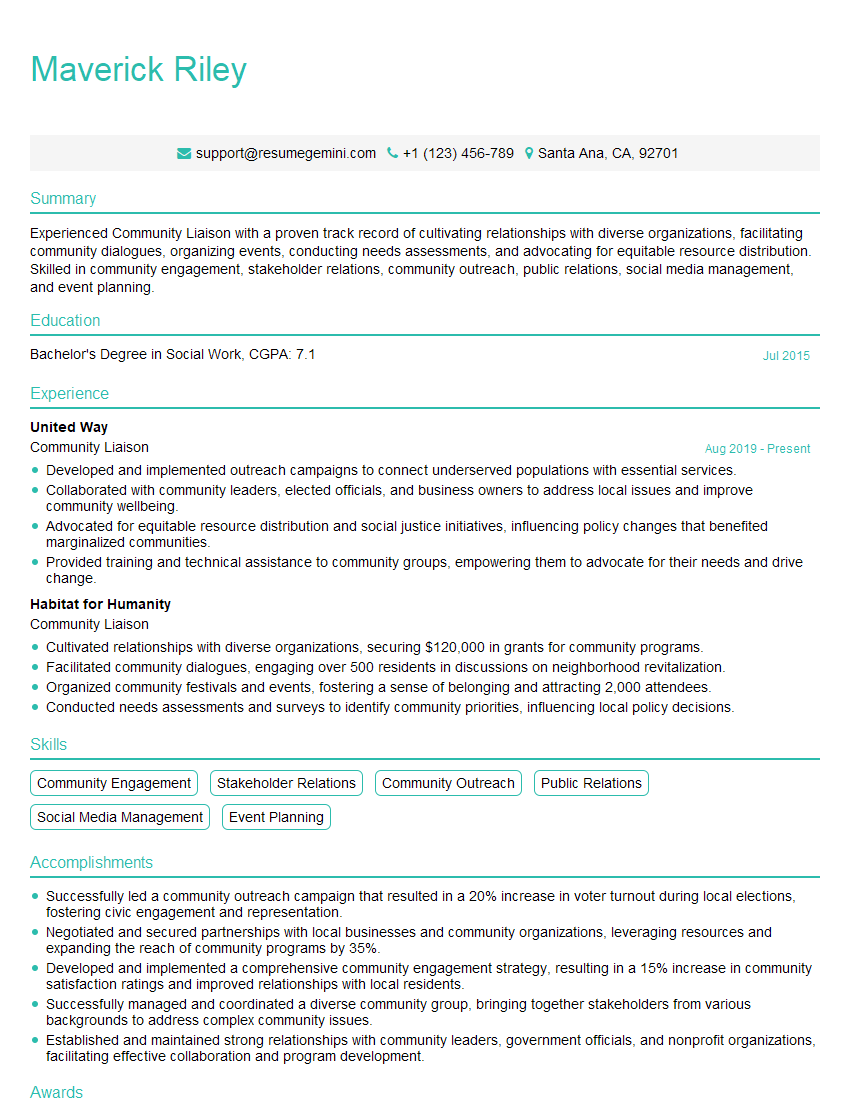
Community Liaison Resume Sample
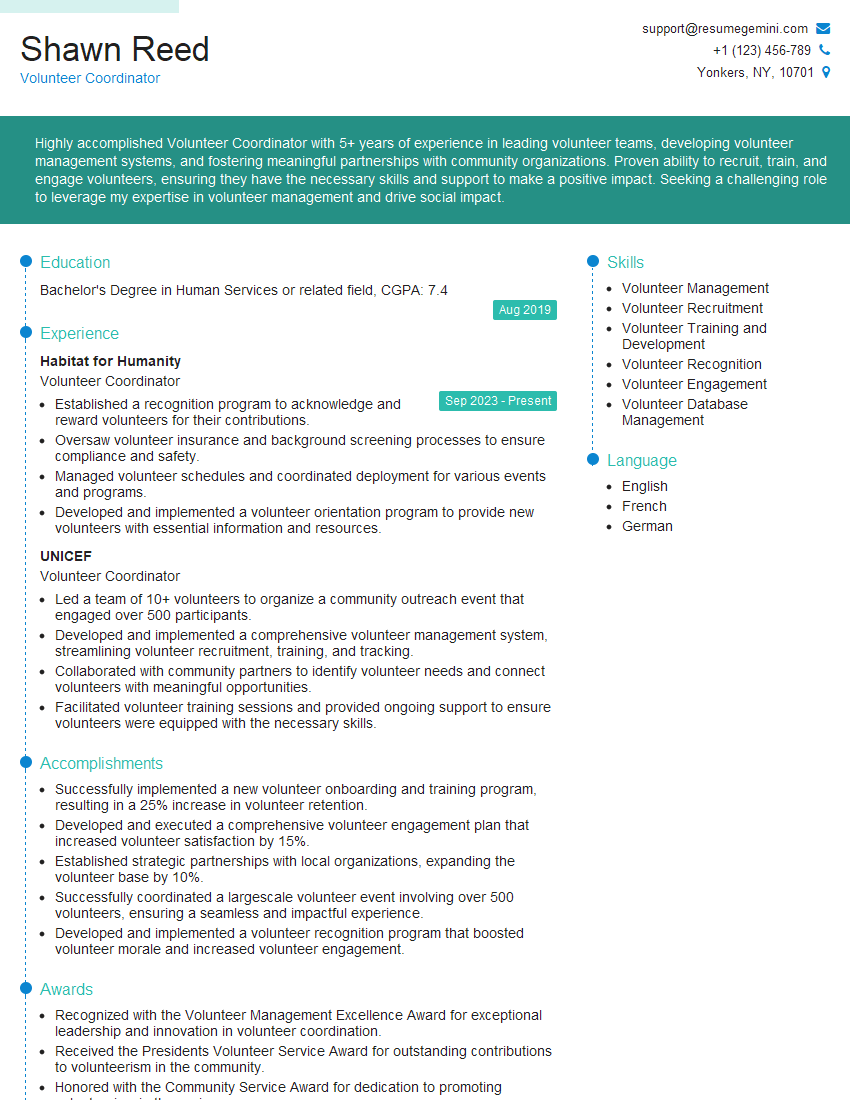
Volunteer Coordinator Resume Sample
Explore more articles
Users Rating of Our Blogs
Share Your Experience
We value your feedback! Please rate our content and share your thoughts (optional).
What Readers Say About Our Blog
Very informative content, great job.
good