Feeling uncertain about what to expect in your upcoming interview? We’ve got you covered! This blog highlights the most important Compliance Mindset interview questions and provides actionable advice to help you stand out as the ideal candidate. Let’s pave the way for your success.
Questions Asked in Compliance Mindset Interview
Q 1. Describe your understanding of a strong compliance culture.
A strong compliance culture isn’t just about ticking boxes; it’s about embedding ethical conduct and regulatory adherence into the very fabric of an organization. It’s a mindset where every employee, from the CEO to the newest intern, understands and values compliance as a shared responsibility, not just a legal requirement. This means proactively identifying and mitigating risks, fostering open communication about compliance concerns, and celebrating ethical behavior.
Think of it like building a house: you wouldn’t just build the walls and roof without a solid foundation. A strong compliance culture provides that foundation, ensuring the entire organization is stable and operates ethically.
- Top-down leadership commitment: Visible and active support from leadership is paramount.
- Clear policies and procedures: Easily accessible and understandable rules and guidelines.
- Effective training and communication: Regular, engaging training that keeps employees informed.
- Robust reporting mechanisms: Safe and confidential channels for reporting violations.
- Accountability and consequences: Clear understanding that violations will result in appropriate action.
- Continuous improvement: Regular review and updates to the compliance program based on lessons learned and changing regulations.
Q 2. Explain how you would identify and assess compliance risks within an organization.
Identifying and assessing compliance risks requires a systematic approach. I would employ a risk-based framework, starting with a comprehensive understanding of the organization’s operations, industry, and regulatory landscape. This involves:
- Identifying potential risks: This includes reviewing existing policies, procedures, and controls; conducting internal audits; and engaging with subject matter experts across various departments. Common areas to assess include data privacy, anti-bribery and corruption, financial regulations, and environmental compliance.
- Analyzing the likelihood and impact: For each identified risk, we must assess the probability of it occurring and the potential consequences if it does. This allows for prioritization, focusing on high-impact, high-likelihood risks first.
- Developing mitigation strategies: Once risks are assessed, appropriate controls and mitigation strategies need to be put in place. These could include implementing new policies, enhancing training programs, strengthening internal controls, and investing in technology solutions.
- Monitoring and reporting: Ongoing monitoring is crucial to track the effectiveness of implemented controls and identify any emerging risks. Regular reporting to management on the overall compliance posture is essential.
For example, in a financial institution, a key risk might be money laundering. The assessment would include analyzing transaction patterns, employee training on AML regulations, and the effectiveness of internal controls to detect suspicious activity. Mitigation strategies could include enhanced monitoring systems, more robust employee training, and improved due diligence processes.
Q 3. How would you handle a situation where a colleague violates a compliance policy?
Addressing a colleague’s compliance violation requires a careful and measured approach. My priority would be to ensure the violation is addressed promptly and fairly, while maintaining confidentiality as much as possible. The specific steps would depend on the severity of the violation, but generally I would follow these principles:
- Gather information: Discreetly collect information to understand the nature and extent of the violation.
- Report the incident: Following company protocol, report the violation through the appropriate channels, such as the ethics hotline or compliance department.
- Cooperate with the investigation: Provide factual information to investigators and cooperate fully during any investigation.
- Document everything: Meticulously document all communication, actions taken, and relevant information.
- Maintain professionalism: Avoid gossiping or engaging in any behavior that could escalate the situation.
It’s important to remember that reporting a violation is not ‘tattling’; it’s upholding the organization’s ethical standards and protecting the company from potential legal and reputational harm. My focus would be on ensuring the appropriate process is followed and that the issue is resolved fairly and effectively.
Q 4. What are the key elements of an effective compliance program?
An effective compliance program is not merely a collection of policies; it’s a dynamic and integrated system designed to foster a culture of ethical conduct and regulatory adherence. Key elements include:
- Leadership commitment: Clear and consistent commitment from top management.
- Risk assessment: Regular identification and assessment of compliance risks.
- Policies and procedures: Clearly defined, accessible, and regularly reviewed policies.
- Training and education: Comprehensive and engaging training programs for all employees.
- Monitoring and auditing: Regular monitoring and internal audits to ensure effectiveness.
- Reporting and investigation: Confidential mechanisms for reporting violations and robust investigation procedures.
- Disciplinary action: Clear consequences for non-compliance.
- Continuous improvement: Regular review and updates to the program.
Effective implementation requires clear communication, training, and engagement of all employees. It is essential to make compliance not just a program but an integral part of the organizational culture.
Q 5. Describe your experience with compliance training and education.
Throughout my career, I’ve been involved in designing, delivering, and evaluating compliance training programs. My approach emphasizes interactive learning, real-world scenarios, and engaging content. I’ve developed and delivered training on various topics, including data privacy, anti-bribery and corruption, and financial regulations. I’ve utilized various methods such as e-learning modules, workshops, and interactive simulations to ensure the training is effective and tailored to the audience’s needs and learning styles.
For instance, when training on data privacy, I incorporate interactive scenarios where employees have to make decisions regarding the handling of sensitive data. This allows for practical application of the learned concepts and fosters better understanding and retention.
I also prioritize regular updates to the training materials to reflect changes in regulations and best practices. Post-training assessments and feedback mechanisms are crucial for evaluating effectiveness and identifying areas for improvement.
Q 6. How would you communicate compliance requirements to different stakeholders?
Communicating compliance requirements effectively requires tailoring the message to different stakeholders. I would use various channels and techniques to ensure understanding and engagement:
- Executive leadership: High-level summaries focusing on strategic risk and opportunities.
- Managers and supervisors: Detailed explanations of policies and procedures, emphasizing their responsibilities in enforcing compliance.
- Employees: Clear, concise training and readily accessible resources, using a variety of formats (e.g., videos, interactive modules).
- External stakeholders: Public-facing materials (e.g., website, brochures) that communicate the organization’s commitment to compliance.
The key is to use simple, unambiguous language, avoid jargon, and provide ample opportunity for questions and clarification. Regular communication keeps the subject fresh and helps mitigate the risk of misunderstanding.
Q 7. How do you stay updated on changes in relevant regulations and laws?
Staying updated on changes in regulations and laws is critical for maintaining a robust compliance program. My strategy involves a multi-faceted approach:
- Subscription to regulatory updates: Subscribing to reputable newsletters and alerts from regulatory bodies and legal professionals.
- Professional development: Attending industry conferences and webinars, and participating in professional development courses.
- Networking: Engaging with other compliance professionals to share knowledge and insights.
- Legal counsel: Regular consultation with legal counsel to ensure compliance with evolving regulations.
- Monitoring regulatory websites: Actively monitoring the websites of relevant regulatory agencies for updates and announcements.
By utilizing these methods, I can ensure that our compliance program remains current and effective in adapting to the changing regulatory landscape.
Q 8. Describe a time you had to navigate a complex regulatory environment.
Navigating complex regulatory environments requires a multifaceted approach combining legal expertise, meticulous attention to detail, and proactive risk management. In my previous role at a global financial institution, we were subject to numerous regulations, including KYC/AML (Know Your Customer/Anti-Money Laundering), Dodd-Frank, and GDPR (General Data Protection Regulation). The challenge lay in harmonizing these often-conflicting requirements across various jurisdictions and business units. We tackled this by creating a centralized compliance team that developed a comprehensive regulatory mapping exercise, identifying overlaps and potential conflicts. This involved meticulously analyzing each regulation, assigning ownership to specific teams, and establishing clear timelines for implementation and ongoing monitoring. We also invested heavily in robust compliance technology, including automated KYC/AML screening systems and data breach detection tools. This allowed us to effectively manage the sheer volume of data and ensure consistent application of regulations across our global operations. This proactive strategy minimized our risk exposure and avoided costly penalties.
Q 9. How would you prioritize compliance issues based on risk level?
Prioritizing compliance issues based on risk level is critical for efficient resource allocation. I use a risk-based approach that considers the likelihood and potential impact of a non-compliance event. This involves a three-step process: Identification, Assessment, and Prioritization.
Identification: We identify all potential compliance risks, using a combination of regulatory requirements, internal audits, and industry best practices. This could involve things like data security breaches, violation of anti-bribery laws or non-compliance with environmental regulations.
Assessment: We assess the likelihood and potential impact of each risk. Likelihood is determined by factors such as the frequency of past incidents, the effectiveness of existing controls, and external factors such as regulatory scrutiny. Impact considers factors such as potential fines, reputational damage, and operational disruption.
Prioritization: We prioritize risks based on a combination of likelihood and impact. Risks with a high likelihood and high impact are prioritized first. A risk matrix or heat map is often used to visualize this prioritization. This helps to focus resources on the areas that pose the greatest threat. We then develop and implement mitigation strategies.
For example, a high-likelihood, high-impact risk such as a data breach resulting in sensitive customer data exposure would immediately be prioritized over a low-likelihood, low-impact risk, such as a minor paperwork error.
Q 10. Explain your understanding of Sarbanes-Oxley Act (SOX) compliance.
The Sarbanes-Oxley Act of 2002 (SOX) is a landmark piece of legislation designed to protect investors by improving the accuracy and reliability of corporate disclosures. It primarily focuses on enhancing corporate responsibility and financial disclosures to prevent accounting scandals. My understanding of SOX compliance encompasses several key areas:
Internal Controls over Financial Reporting (ICFR): This is a cornerstone of SOX compliance, requiring companies to establish and maintain a robust system of internal controls to ensure the reliability of their financial reporting. This involves documenting processes, testing controls, and remediating any identified weaknesses.
Section 302: Corporate Responsibility for Financial Reports: This section holds company executives accountable for the accuracy and completeness of financial statements. They must certify the financial reports and attest to the effectiveness of internal controls.
Section 404: Management Assessment of Internal Controls: This section mandates that management assess and document the effectiveness of its internal controls over financial reporting. This involves conducting an annual audit of these controls.
Independent Auditor: Companies are required to engage an independent auditor to attest to the effectiveness of the company’s internal controls. The auditor performs a comprehensive audit of these controls in accordance with PCAOB standards.
Compliance with SOX requires a thorough understanding of financial reporting processes, internal controls, and auditing standards. It also necessitates a strong culture of compliance and accountability across the organization.
Q 11. What is your experience with internal audits and compliance reviews?
I have extensive experience with internal audits and compliance reviews, having participated in numerous audits across various industries. My role typically involves planning and executing audits, reviewing documentation, interviewing stakeholders, and identifying areas for improvement. I am proficient in using various audit methodologies, including risk-based auditing and data analytics. During these reviews, I have successfully identified several critical control deficiencies in areas such as financial reporting, data security, and vendor management, leading to the implementation of corrective actions that strengthened the organization’s control environment. For example, during a recent internal audit of a client’s IT security, I discovered a vulnerability in their access control system, which could have resulted in a data breach. I promptly reported this to management, and a remediation plan was implemented to close this vulnerability.
My experience also includes working with external auditors and regulators, ensuring a seamless and efficient audit process. This involves coordinating with external auditors, providing them with necessary documentation and information, and addressing their queries promptly and effectively.
Q 12. How do you ensure consistent application of compliance policies across different departments?
Ensuring consistent application of compliance policies across different departments requires a multifaceted strategy. This includes:
Centralized Compliance Program: Establishing a centralized compliance program with clear policies, procedures, and training materials is crucial. This ensures that everyone in the organization understands and adheres to the same standards.
Regular Training and Communication: Regular training programs and communication channels are essential to keep employees informed about compliance updates and best practices. This should include interactive training sessions, regular newsletters, and easily accessible compliance resources.
Consistent Monitoring and Enforcement: Regular monitoring and enforcement of compliance policies are vital. This involves conducting regular audits, inspections, and reviews to identify any deviations from the established standards. Consistent enforcement ensures that non-compliance is addressed promptly and effectively.
Clear Reporting Lines: Establishing clear reporting lines for compliance issues enables employees to raise concerns without fear of retribution. This encourages a culture of open communication and accountability.
Technology and Automation: Leveraging technology and automation can help streamline compliance processes and ensure consistency across departments. This could involve automated compliance checks, dashboards providing real-time compliance updates, and automated report generation.
By implementing these measures, organizations can cultivate a culture of compliance and ensure the consistent application of policies across all departments.
Q 13. How would you handle a whistleblower report regarding a compliance violation?
Handling a whistleblower report regarding a compliance violation requires a meticulous and confidential approach. My process would involve the following steps:
Acknowledgement and Confidentiality: I would acknowledge receipt of the report and assure the whistleblower of confidentiality, emphasizing that their identity will be protected to the extent possible. This is crucial for encouraging reporting of violations.
Assessment and Investigation: A thorough investigation will be launched to determine the validity of the allegations. This may involve reviewing documents, interviewing witnesses, and conducting forensic analysis. The investigation should be impartial and objective, following a pre-defined process.
Documentation: All aspects of the investigation, including the initial report, evidence gathered, and findings, should be meticulously documented. This documentation will be essential should the matter proceed to further action.
Remediation and Reporting: Based on the findings of the investigation, appropriate remediation actions will be taken. This might involve disciplinary actions, policy revisions, or implementation of new controls. A report summarizing the findings and the actions taken should be prepared and submitted to relevant stakeholders.
Follow-up and Monitoring: Following the remediation, a follow-up will be conducted to ensure the effectiveness of the corrective actions taken. This may involve further audits or monitoring to ensure the issue doesn’t reoccur.
Throughout this process, maintaining confidentiality and protecting the whistleblower’s identity are paramount. The goal is to address the violation promptly and effectively, while ensuring a safe and supportive environment for reporting future incidents.
Q 14. Describe your experience with implementing a new compliance program or policy.
Implementing a new compliance program or policy requires a phased approach. In my previous role, we implemented a new data privacy program in response to GDPR. The process involved several key phases:
Needs Assessment and Gap Analysis: We first conducted a thorough needs assessment to identify gaps in our existing data privacy practices compared to GDPR requirements. This involved reviewing existing policies, procedures, and controls.
Policy Development and Documentation: We then developed a comprehensive data privacy policy aligned with GDPR requirements. This included documenting data processing activities, data retention policies, and procedures for handling data subject requests.
Training and Communication: We developed and delivered a comprehensive training program for all employees to educate them on the new data privacy policy and their responsibilities under GDPR. Effective communication was crucial to ensure understanding and compliance.
System Implementation and Testing: We implemented new systems and technologies to support the data privacy program, including data encryption and access control mechanisms. Thorough testing was conducted to ensure the effectiveness of the new systems.
Monitoring and Review: Following implementation, we established a monitoring and review process to track compliance with the new policy. This included conducting regular audits and making necessary adjustments based on findings.
Successful implementation involved close collaboration with various stakeholders, including legal counsel, IT, and business units. The project required meticulous planning, effective communication, and a commitment to continuous improvement. The result was a robust data privacy program that minimized our risk and enhanced our compliance posture.
Q 15. How do you measure the effectiveness of a compliance program?
Measuring the effectiveness of a compliance program isn’t a one-size-fits-all process; it requires a multi-faceted approach. We need to assess both the design and the operational effectiveness of the program. Think of it like evaluating a car’s performance – you look at its design (blueprint and features) and how well it actually performs on the road.
Design Effectiveness: This focuses on the program’s structure, policies, and procedures. We evaluate things like the clarity of the policies, the adequacy of training materials, the robustness of risk assessments, and the effectiveness of the communication channels used to disseminate information. A strong design is the foundation of a successful compliance program. For example, a well-structured policy manual that is easily accessible and understandable to all employees is a key indicator of design effectiveness.
Operational Effectiveness: This measures the program’s actual performance in practice. Key metrics include the number and nature of compliance violations, the time taken to remediate issues, employee understanding of policies (measured through surveys or assessments), the frequency of audits and their outcomes, and the effectiveness of monitoring and reporting mechanisms. For example, a low number of reported violations coupled with consistently high scores on compliance training evaluations would indicate strong operational effectiveness.
Key Performance Indicators (KPIs): We should define specific, measurable, achievable, relevant, and time-bound (SMART) KPIs to track progress. These might include the percentage of employees completing compliance training, the number of reported compliance incidents, the average time to resolve a compliance issue, and the overall cost of compliance. Regularly reviewing these KPIs allows for continuous improvement.
Ultimately, effective measurement requires a combination of qualitative and quantitative data to paint a complete picture of the program’s health.
Career Expert Tips:
- Ace those interviews! Prepare effectively by reviewing the Top 50 Most Common Interview Questions on ResumeGemini.
- Navigate your job search with confidence! Explore a wide range of Career Tips on ResumeGemini. Learn about common challenges and recommendations to overcome them.
- Craft the perfect resume! Master the Art of Resume Writing with ResumeGemini’s guide. Showcase your unique qualifications and achievements effectively.
- Don’t miss out on holiday savings! Build your dream resume with ResumeGemini’s ATS optimized templates.
Q 16. What are the potential consequences of non-compliance?
The consequences of non-compliance can be severe and far-reaching, impacting not just the organization’s reputation but also its financial stability and even its legal existence. The severity varies depending on the specific regulation violated and the jurisdiction.
Financial Penalties: Organizations can face substantial fines and penalties, often calculated based on the severity and duration of the non-compliance. For example, GDPR violations can result in fines up to €20 million or 4% of annual global turnover, whichever is higher.
Legal Actions: Non-compliance can lead to lawsuits, investigations, and even criminal charges against individuals or the organization itself. This can damage the company’s reputation and create significant legal costs.
Reputational Damage: Non-compliance can severely damage an organization’s reputation, eroding consumer trust and impacting investor confidence. This damage can be difficult, if not impossible, to fully repair.
Loss of Business: Customers, partners, and investors might sever ties with an organization found to be non-compliant. This can lead to significant revenue loss and business disruption.
Operational Disruptions: Investigations, corrective actions, and legal proceedings related to non-compliance can disrupt daily operations, leading to lost productivity and increased costs.
In short, the price of non-compliance often far outweighs the cost of implementing and maintaining a robust compliance program.
Q 17. How do you balance compliance requirements with business objectives?
Balancing compliance requirements with business objectives requires a strategic approach that integrates compliance considerations into every stage of the business lifecycle. It’s not about choosing one over the other, but finding synergies that allow both to thrive. Imagine it as a two-wheeled bicycle: you need both wheels (compliance and business objectives) to move forward effectively.
Integrated Risk Management: A holistic risk assessment should identify both business risks and compliance risks, allowing for informed decision-making that prioritizes mitigation of the highest risks. For example, a new product launch might require certain certifications or data privacy measures, and these considerations should be incorporated into the product development timeline and budget.
Compliance-by-Design: Incorporating compliance considerations into the design of new products, services, and processes from the outset rather than as an afterthought makes compliance less disruptive and more efficient. This approach can prevent future compliance issues and minimize costs.
Continuous Improvement: Regularly reviewing compliance policies and processes to ensure they remain effective and efficient is crucial. This allows for adaptation to changing regulations and business needs. For instance, updates to data privacy regulations necessitate revisions to company data handling policies.
Employee Training and Awareness: Equipping employees with the knowledge and skills to understand and comply with regulations is critical. This ensures that everyone understands their role in maintaining compliance and prevents unintentional violations.
Effective communication and collaboration across departments are key to successfully navigating this balance. By treating compliance as a strategic advantage rather than a constraint, organizations can unlock new opportunities and build trust.
Q 18. Describe your experience working with regulatory bodies.
Throughout my career, I’ve had extensive experience interacting with various regulatory bodies, including [mention specific regulatory bodies relevant to your experience, e.g., the FTC, SEC, HIPAA, GDPR enforcement bodies]. This interaction has involved responding to inquiries, conducting self-audits in anticipation of inspections, submitting reports, and participating in investigations.
In one instance, we were undergoing a routine audit by [mention specific regulatory body] regarding our data security practices. Their focus was on our compliance with [mention specific regulation]. We proactively prepared by conducting thorough internal audits, documenting our procedures, and training our team on the relevant regulations. The audit resulted in some minor recommendations for improvement, which we immediately implemented. This proactive approach resulted in a smooth audit process and a positive relationship with the regulatory body.
My interactions with regulatory bodies have always been guided by transparency, collaboration, and a commitment to continuous improvement. I view these bodies not as adversaries, but as partners in ensuring organizational compliance and protecting stakeholders.
Q 19. How would you address resistance to compliance within an organization?
Addressing resistance to compliance requires a multi-pronged approach that combines education, engagement, and leadership. It’s important to understand the root causes of the resistance before implementing solutions. Sometimes it’s a lack of understanding, other times it’s perceived as an added burden.
Education and Awareness: Clearly articulate the reasons for compliance, emphasizing the benefits and mitigating potential negative perceptions. Demonstrate how compliance aligns with business objectives and contributes to the organization’s success. Provide clear, concise training materials and opportunities for questions.
Engagement and Communication: Involve employees in the development and implementation of compliance programs. This increases buy-in and ownership. Establish open communication channels to address concerns and promote a culture of compliance.
Leadership Support: Strong leadership support is crucial. Leaders must actively champion compliance, modeling appropriate behavior and holding individuals accountable for compliance responsibilities. Visible support from the top down significantly impacts employee attitudes.
Incentives and Recognition: Recognize and reward employees who consistently demonstrate compliance. This can include bonuses, promotions, or public acknowledgment. Addressing and resolving compliance-related concerns promptly and fairly is essential in preventing future resistance.
Addressing Underlying Concerns: If the resistance stems from workload concerns, address those directly. Streamline processes, provide additional resources, or implement technology solutions to help employees manage compliance requirements efficiently.
Ultimately, fostering a culture of compliance where it is viewed as a shared responsibility rather than a burden is key to overcoming resistance.
Q 20. What is your understanding of data privacy regulations (e.g., GDPR, CCPA)?
My understanding of data privacy regulations, such as GDPR (General Data Protection Regulation) and CCPA (California Consumer Privacy Act), is comprehensive. These regulations aim to protect individuals’ personal data and give them more control over how their data is collected, used, and shared. They differ in scope and specific requirements, but share common themes.
GDPR: Applies to organizations processing personal data of individuals within the European Union (EU), regardless of the organization’s location. Key principles include lawfulness, fairness, and transparency; purpose limitation; data minimization; accuracy; storage limitation; integrity and confidentiality; and accountability. It also grants individuals specific rights, such as the right to access, rectification, erasure (‘right to be forgotten’), and data portability.
CCPA: Applies to businesses operating in California that meet specific criteria regarding the volume of personal information collected. It grants California residents similar rights to those under GDPR, including the right to know, delete, and opt-out of the sale of their personal information. It also requires businesses to disclose their data collection practices and implement robust data security measures.
Both regulations require organizations to implement robust data protection measures, appoint a Data Protection Officer (DPO) in some cases, and undergo data protection impact assessments (DPIAs) for high-risk processing activities. Staying informed about ongoing updates and interpretations of these regulations is crucial for effective compliance.
Q 21. How do you ensure that compliance measures are integrated into daily operations?
Ensuring that compliance measures are integrated into daily operations requires a proactive and multifaceted approach that goes beyond simply having policies in place. It needs to be woven into the fabric of the organization’s culture and processes.
Process Integration: Compliance checks should be incorporated into existing workflows wherever appropriate. For example, a data entry process might include a verification step to ensure data accuracy and compliance with data privacy rules. This seamless integration prevents compliance from becoming a separate, cumbersome task.
Technology Solutions: Leveraging technology, such as automated compliance monitoring tools, can streamline processes and enhance efficiency. This can involve using software that flags potential compliance violations, automating data security protocols, and facilitating secure data transfer.
Performance Management: Incorporate compliance performance into individual and team performance goals and evaluations. This signals the importance of compliance and ensures accountability at all levels of the organization.
Regular Audits and Reviews: Conduct regular internal audits and reviews to assess the effectiveness of compliance measures and identify areas for improvement. This ensures the program remains relevant and effective over time.
Ongoing Training and Communication: Continuous training and communication reinforce compliance awareness and help prevent unintentional violations. Regularly update employees on new regulations, best practices, and policy changes through various channels, such as training modules, newsletters, and team meetings.
By embedding compliance into every facet of daily operations, organizations can cultivate a culture of compliance and significantly reduce their risk of non-compliance.
Q 22. Describe your approach to identifying and mitigating compliance risks in a new role.
My approach to identifying and mitigating compliance risks in a new role is systematic and proactive. I begin by conducting a thorough risk assessment, focusing on the organization’s specific industry, size, and operations. This involves reviewing relevant regulations, internal policies, and past incidents. I then prioritize risks based on likelihood and impact, using a risk matrix to visually represent the potential consequences. For example, a small business might prioritize data breaches over antitrust issues, while a large financial institution might reverse the priorities.
Once risks are identified, I develop a mitigation plan that incorporates preventative measures, such as robust training programs and updated policies, and detective measures like regular audits and monitoring systems. Finally, I establish clear lines of communication for reporting and escalating concerns. This ensures a swift and effective response to any potential compliance breaches. This approach allows for a tailored response rather than a generic approach, ensuring that the organization’s unique vulnerabilities are addressed.
Q 23. How do you foster a culture of compliance within a team?
Fostering a culture of compliance is not just about rules; it’s about embedding ethical behavior within the team’s DNA. I achieve this through several key strategies. First, I ensure clear and consistent communication of compliance expectations, using relatable language and real-world examples to demonstrate their relevance. Think of it like building a team ethos—everyone understands the rules of the game and their role in ensuring fair play.
Second, I empower employees to raise concerns without fear of retribution. This involves creating a confidential reporting system and actively encouraging open dialogue. Third, I lead by example. My own actions and decision-making reflect the importance of adhering to regulations and ethical standards. Finally, I regularly assess the effectiveness of our compliance initiatives, gathering feedback and adjusting our approach as needed. Regular training sessions, incorporating interactive elements, gamification, and scenario-based learning make compliance training more engaging and effective.
Q 24. What is your experience with conducting compliance investigations?
I have extensive experience conducting compliance investigations, following a structured approach to ensure objectivity and thoroughness. This starts with clearly defining the scope of the investigation, identifying key stakeholders and potential witnesses. I then gather evidence systematically, adhering to legal and regulatory requirements. This can include reviewing documents, conducting interviews, and analyzing data.
Throughout the process, I maintain detailed records, ensuring chain of custody for any physical evidence and meticulous documentation of all interviews and findings. Once the investigation is complete, I prepare a comprehensive report outlining my findings, conclusions, and recommendations for corrective action. For example, in one investigation, I uncovered a pattern of inaccurate expense reporting that led to the development of a new expense verification system and retraining for staff.
Q 25. Explain your understanding of anti-money laundering (AML) regulations.
Anti-Money Laundering (AML) regulations aim to prevent the use of the financial system for illicit activities like drug trafficking, terrorism financing, and corruption. My understanding encompasses the key components: Customer Due Diligence (CDD), which involves identifying and verifying the identities of customers to detect suspicious activity; Transaction Monitoring, which involves analyzing financial transactions for unusual patterns; and Suspicious Activity Reporting (SAR), which necessitates reporting any suspicious activity to the relevant authorities.
These regulations vary by jurisdiction but share a common goal. The consequences of non-compliance can be severe, including hefty fines, legal repercussions, and reputational damage. My experience includes implementing and managing AML compliance programs, ensuring that we meet all regulatory requirements and maintain a robust system for detecting and reporting suspicious activity. Understanding the nuances of different regulatory frameworks, like the Bank Secrecy Act (BSA) in the US or the Fourth Anti-Money Laundering Directive (AMLD4) in Europe, is crucial for effective compliance.
Q 26. How would you create a compliance dashboard to track key metrics?
A compliance dashboard needs to provide a clear and concise overview of key compliance metrics. I would design it to track indicators such as the number of reported compliance incidents, the time taken to resolve those incidents, the status of ongoing compliance projects, and the completion rates of compliance training. Visual representations, such as charts and graphs, make the data easily digestible.
The dashboard should be customized to the organization’s specific needs and regulatory landscape. For example, a financial institution might prioritize indicators related to AML compliance, while a healthcare provider might focus on data privacy metrics. The use of data visualization tools allows for interactive exploration of the data, providing deeper insights into compliance performance and enabling proactive identification of potential issues. Example data points: Number of SARs filed, Percentage of completed training modules, Number of audits conducted, Number of compliance violations.
Q 27. Describe a time you had to escalate a compliance issue to senior management.
In a previous role, I discovered a significant discrepancy in our vendor payment processes that raised serious concerns about potential fraud. After conducting a preliminary investigation, it became clear that the issue required immediate attention from senior management. I prepared a detailed report outlining my findings, the potential risks involved, and recommended immediate corrective actions, including a halt to payments to the affected vendor and a full-scale audit of the payment system.
I escalated the issue to the Chief Compliance Officer and CFO, explaining the potential legal and financial implications of inaction. They promptly responded, initiating an internal investigation and implementing the necessary measures to prevent further occurrences. The proactive escalation prevented potential significant financial losses and reputational damage to the organization. This demonstrated the crucial role of transparent communication and proactive reporting in maintaining compliance.
Q 28. How do you ensure that compliance training is effective and engaging?
Effective and engaging compliance training is crucial for fostering a strong compliance culture. I ensure effectiveness through a multi-faceted approach, starting with needs assessments to identify specific training requirements based on roles and responsibilities. The content should be relevant, practical, and avoid excessive jargon. Interactive elements such as quizzes, scenarios, and discussions, rather than simply delivering facts, maintain engagement.
I also utilize different training formats including e-learning modules, workshops, and in-person sessions to cater to diverse learning styles. Regular reinforcement through reminders and updates helps employees retain information. Finally, I measure the effectiveness of training through assessments, feedback, and tracking completion rates, adjusting the program as needed. For example, incorporating real-life case studies and interactive games to illustrate compliance concepts increases learner engagement and knowledge retention.
Key Topics to Learn for Compliance Mindset Interview
- Ethical Decision-Making: Understanding and applying ethical frameworks in complex compliance scenarios. Consider the practical implications of different choices and their potential impact.
- Regulatory Knowledge: Demonstrating familiarity with relevant laws, regulations, and industry best practices. Be prepared to discuss how these regulations impact daily operations and decision-making.
- Risk Assessment and Management: Identifying, analyzing, and mitigating compliance risks. Practice articulating a structured approach to risk assessment and developing effective mitigation strategies.
- Internal Controls and Monitoring: Understanding the design and implementation of effective internal controls to ensure compliance. Discuss how to monitor the effectiveness of these controls and identify areas for improvement.
- Communication and Collaboration: Effectively communicating compliance requirements and collaborating with colleagues across different departments to foster a culture of compliance.
- Investigative Skills: Demonstrating the ability to conduct thorough investigations, analyze evidence, and draw appropriate conclusions in compliance-related matters.
- Proactive Compliance: Showcasing a proactive approach to compliance, going beyond simply meeting minimum requirements to actively identify and address potential issues before they escalate.
- Documentation and Record Keeping: Understanding the importance of meticulous documentation and record-keeping to support compliance efforts and demonstrate audit readiness.
Next Steps
Mastering a strong Compliance Mindset is crucial for career advancement in today’s regulated industries. It demonstrates your commitment to ethical conduct and your ability to navigate complex regulatory landscapes, making you a valuable asset to any organization. To significantly improve your job prospects, crafting an ATS-friendly resume is essential. ResumeGemini can help you build a professional and impactful resume that highlights your compliance expertise. We offer examples of resumes tailored to Compliance Mindset to guide your creation process. Take advantage of this resource to showcase your skills and experience effectively.
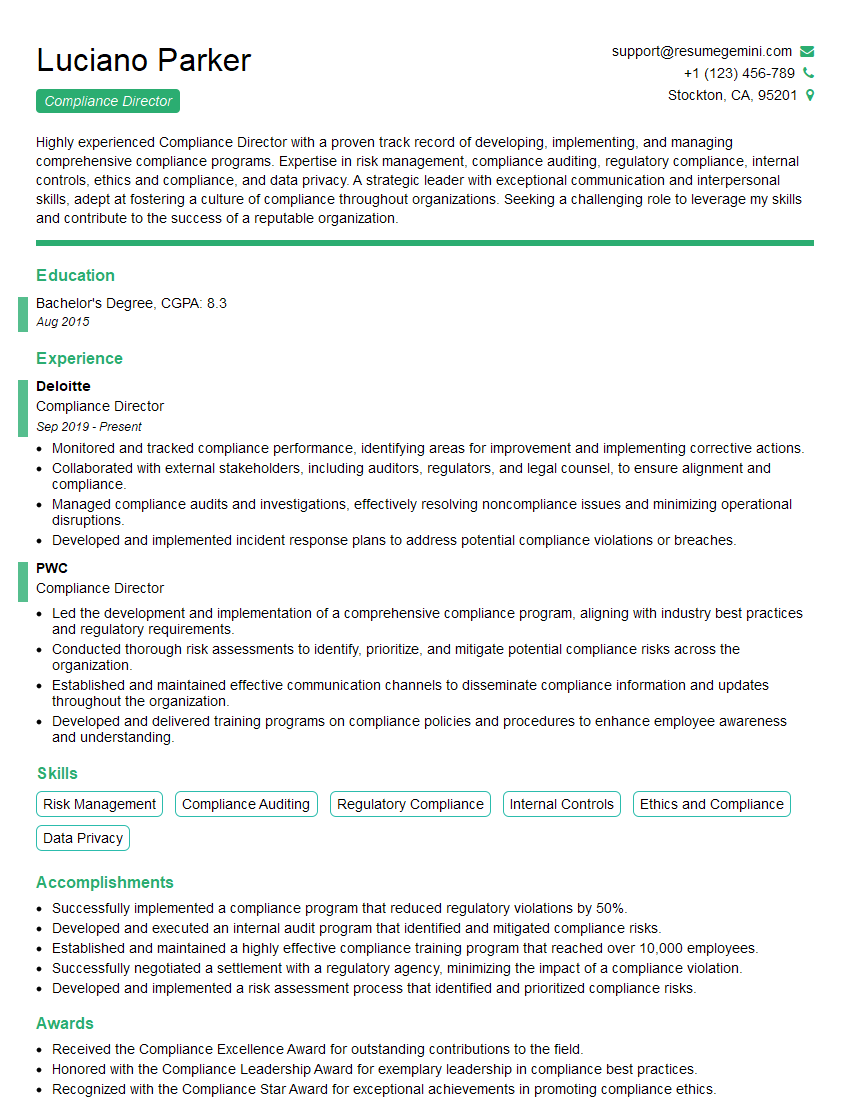
Compliance Director Resume Sample
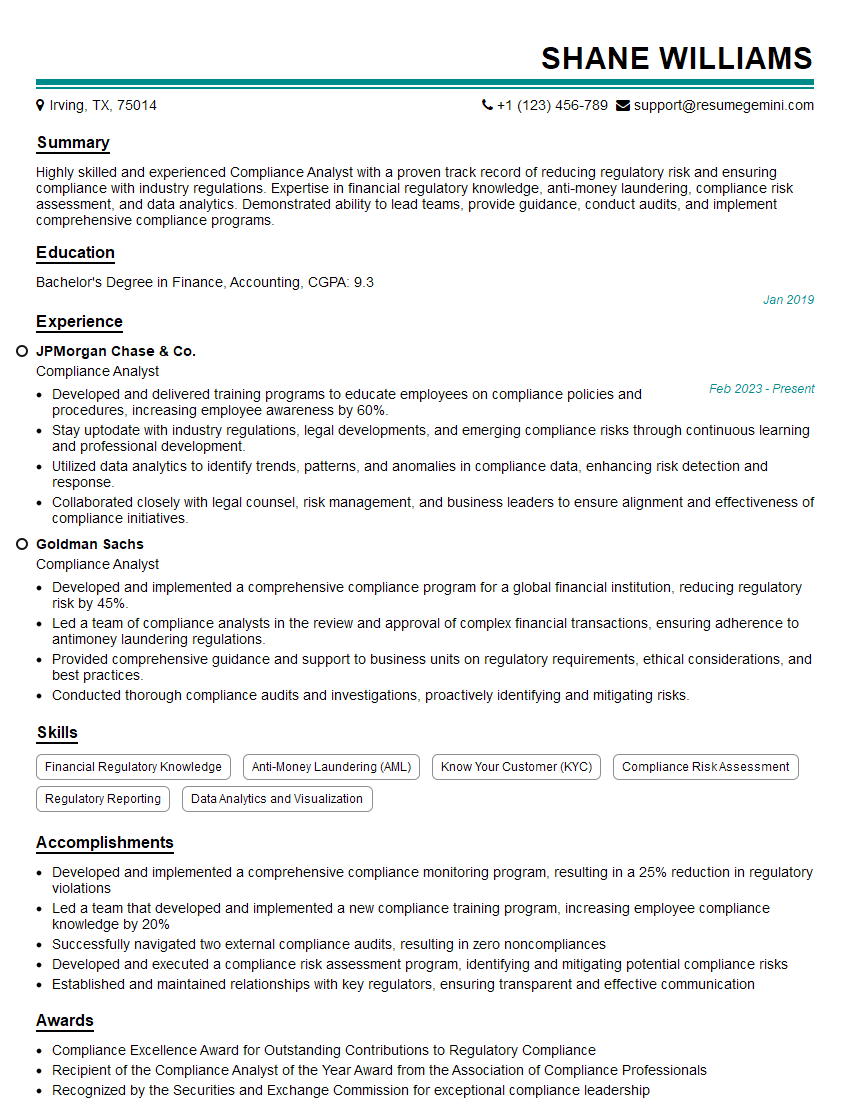
Compliance Analyst Resume Sample
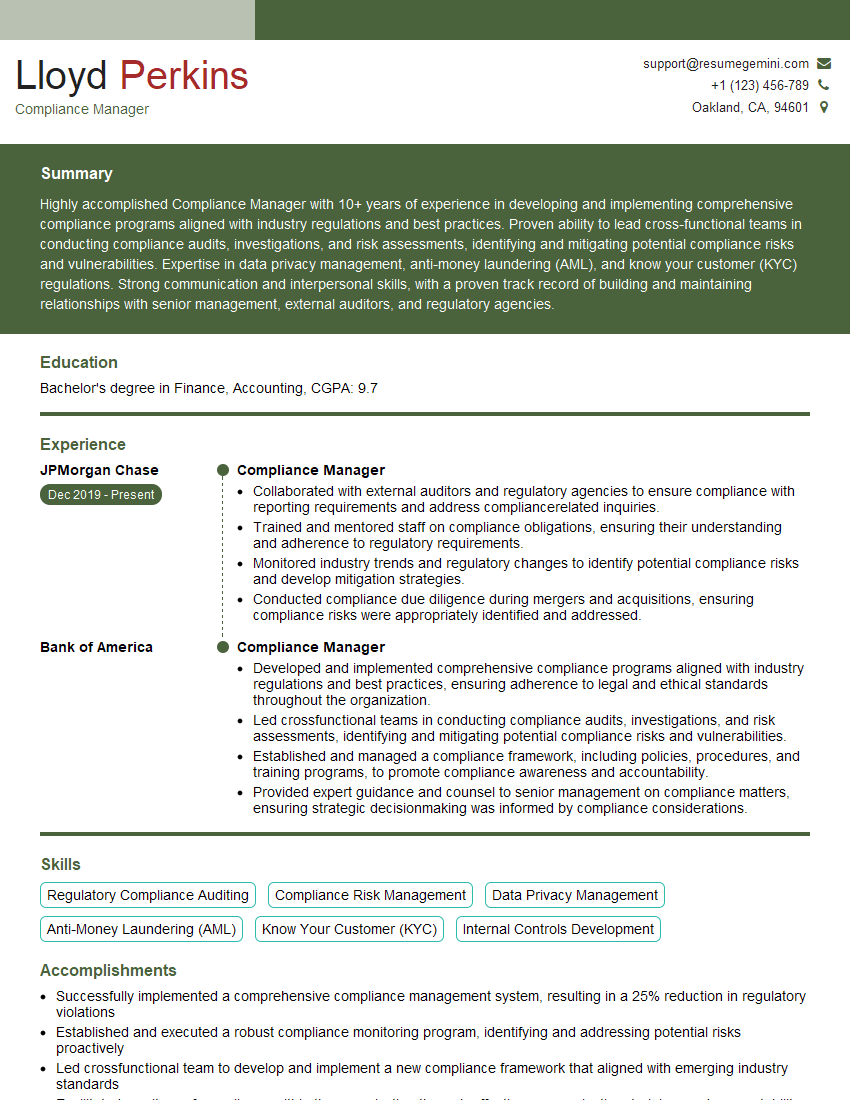
Compliance Manager Resume Sample

Compliance Officer Resume Sample
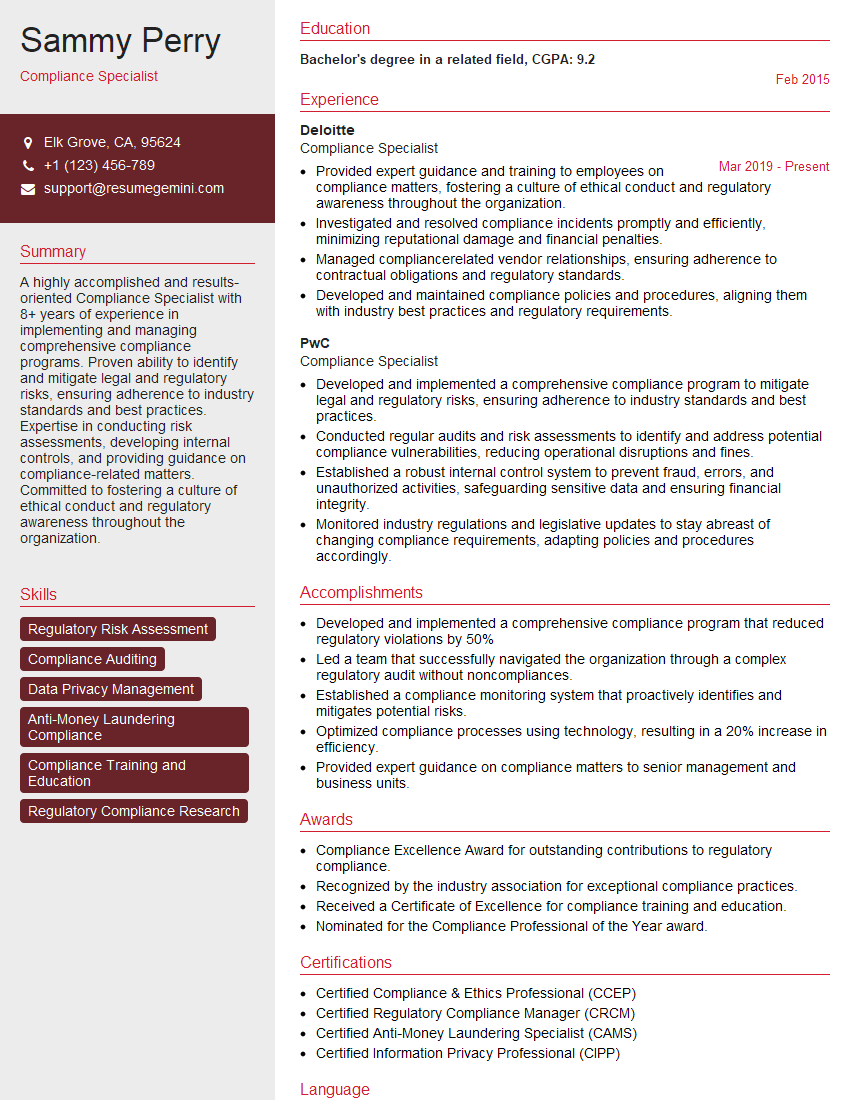
Compliance Specialist Resume Sample
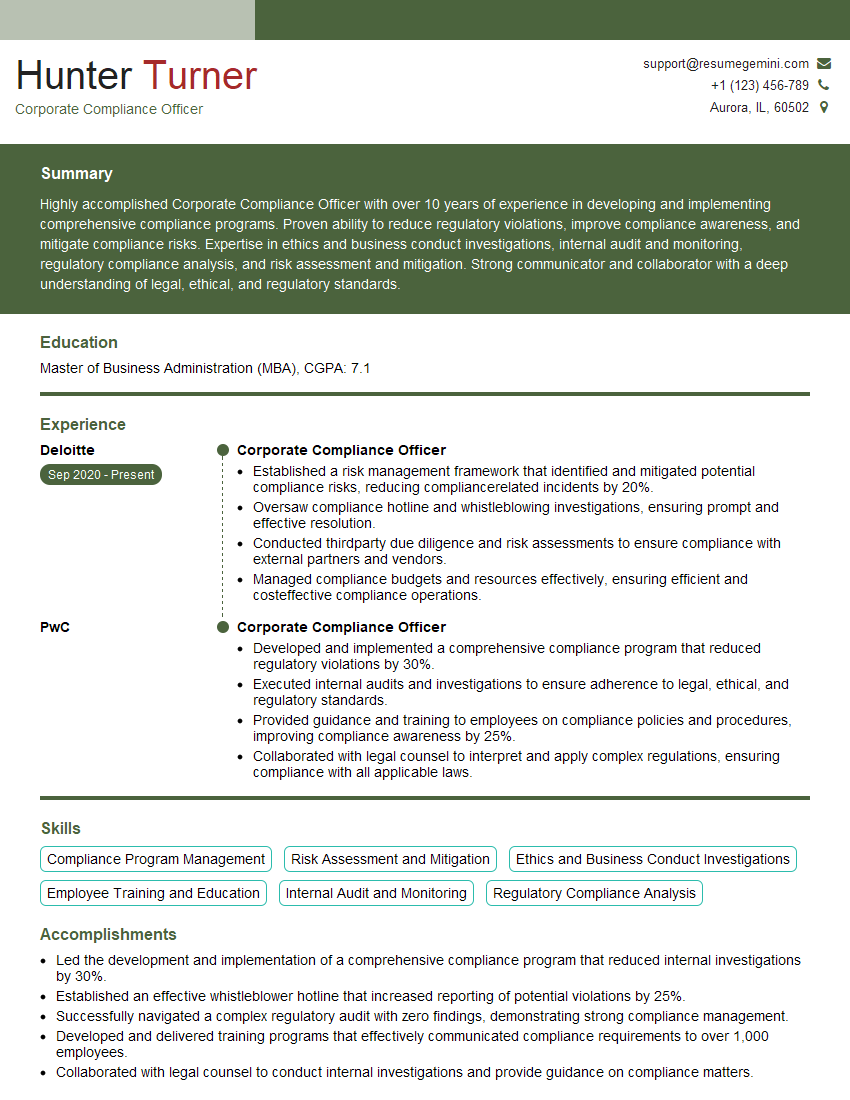
Corporate Compliance Officer Resume Sample
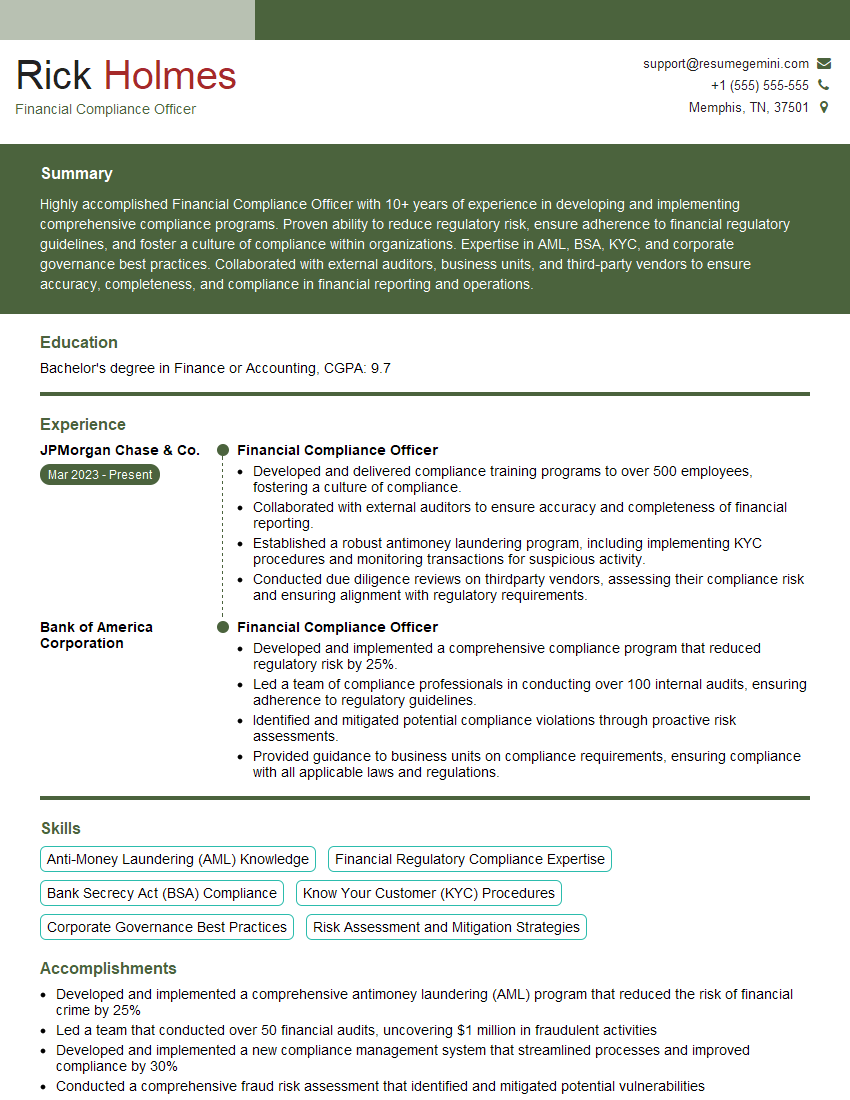
Financial Compliance Officer Resume Sample
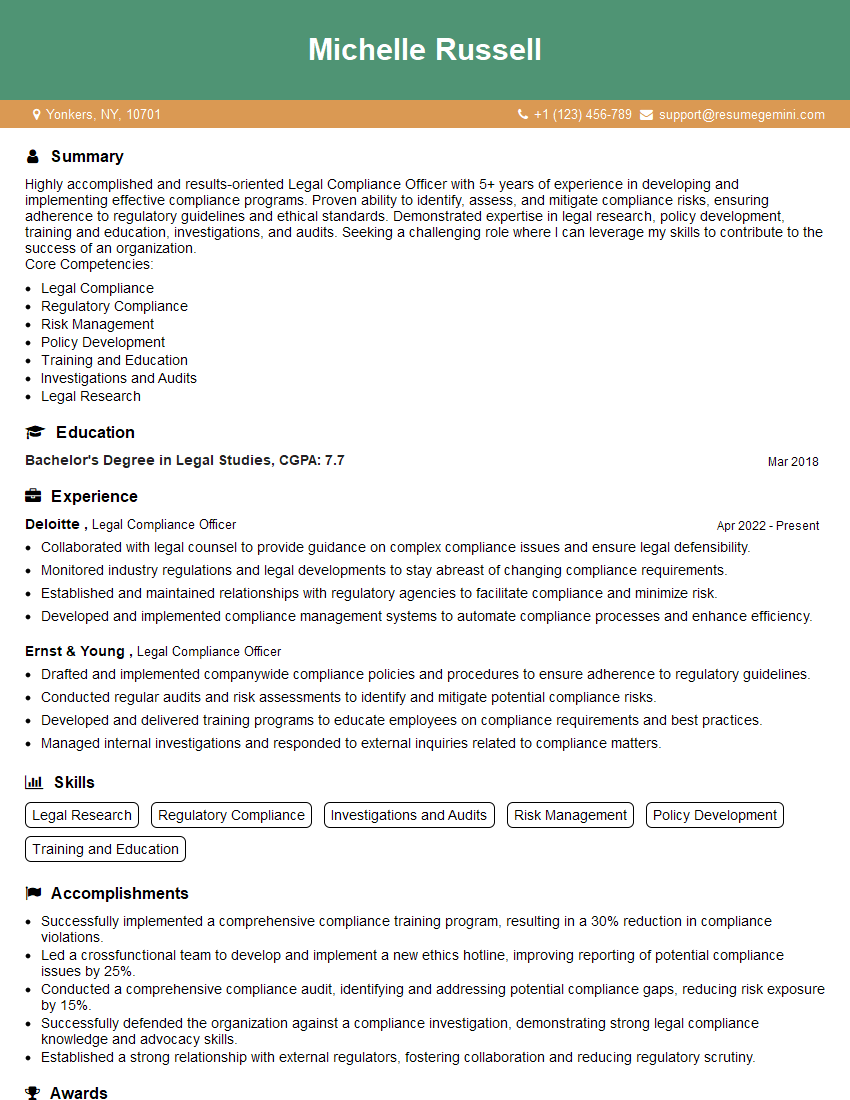
Legal Compliance Officer Resume Sample
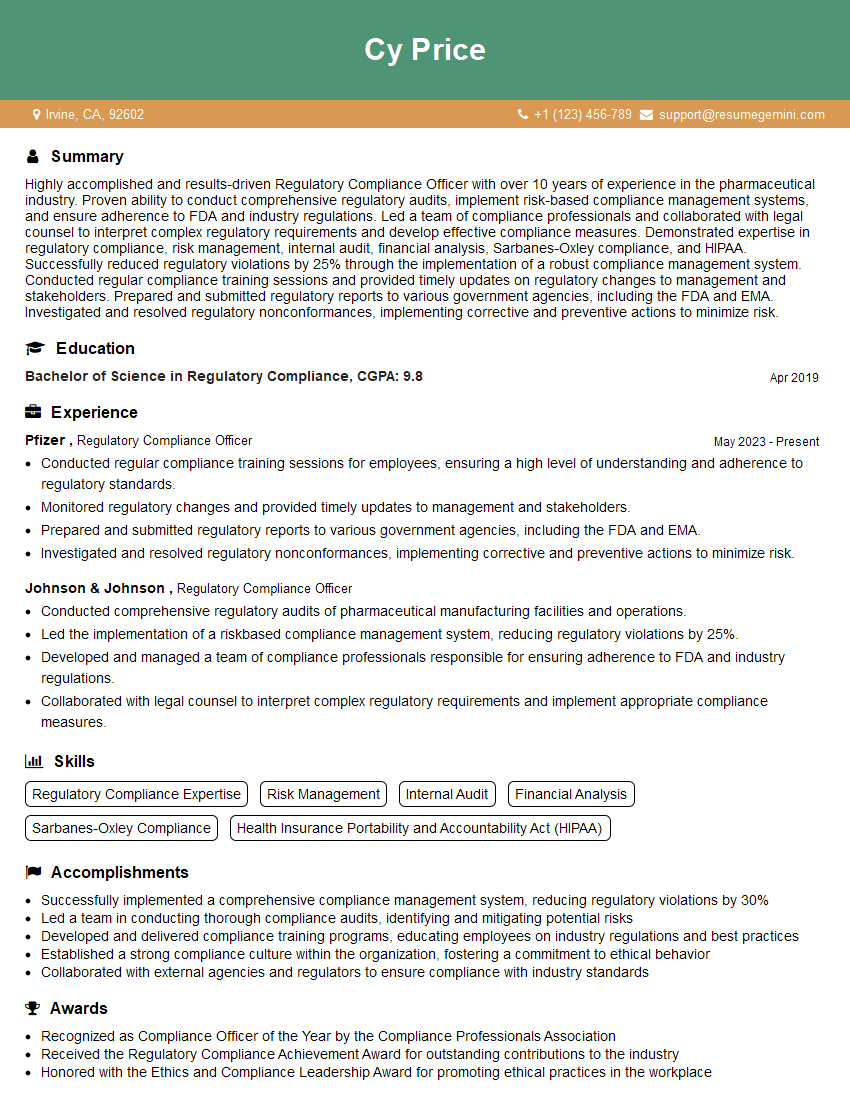
Regulatory Compliance Officer Resume Sample
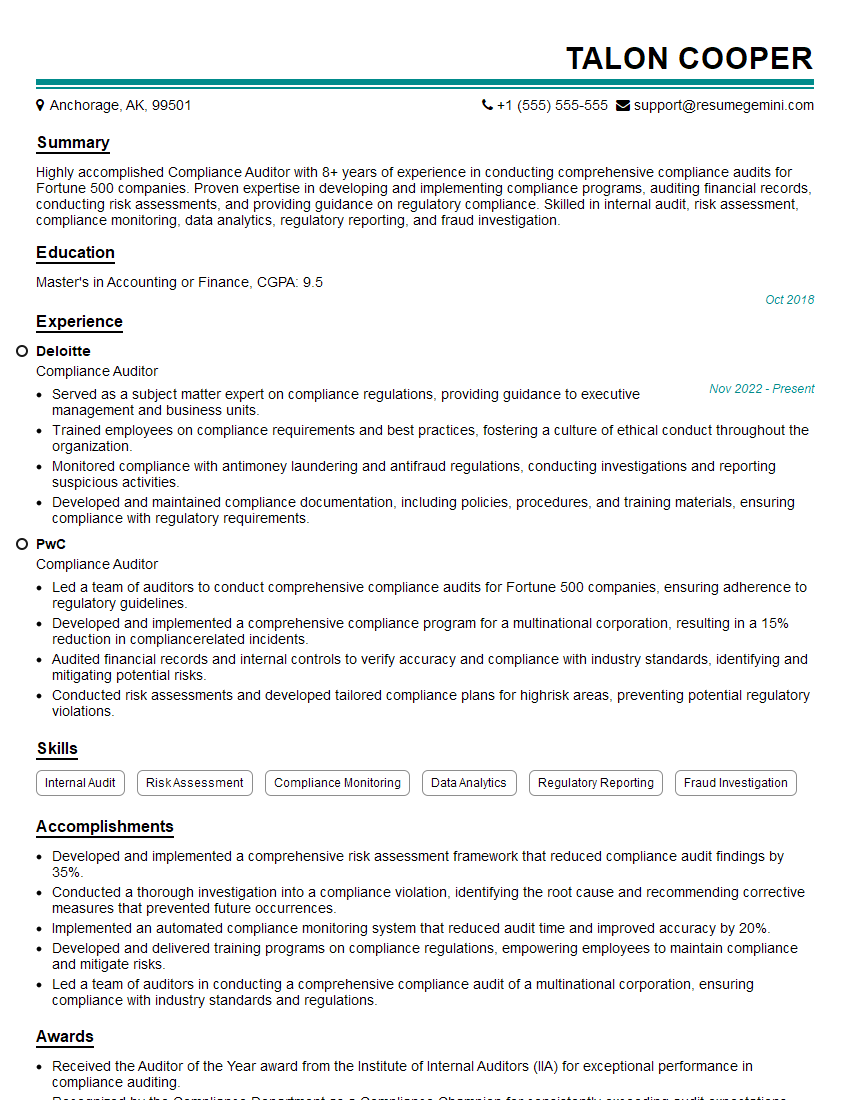
Compliance Auditor Resume Sample
Explore more articles
Users Rating of Our Blogs
Share Your Experience
We value your feedback! Please rate our content and share your thoughts (optional).
What Readers Say About Our Blog
Very informative content, great job.
good