Interviews are opportunities to demonstrate your expertise, and this guide is here to help you shine. Explore the essential Component Inspection and Verification interview questions that employers frequently ask, paired with strategies for crafting responses that set you apart from the competition.
Questions Asked in Component Inspection and Verification Interview
Q 1. Describe your experience with different inspection methods (visual, dimensional, functional).
Component inspection relies on a variety of methods to ensure quality. Visual inspection is the most basic, involving a thorough visual examination of the component for surface defects like scratches, cracks, or discoloration. This is often the first step and is crucial for identifying obvious flaws. Dimensional inspection verifies that the component’s physical dimensions (length, width, height, diameter, etc.) meet the specified tolerances. This often involves using measuring instruments like calipers, micrometers, or Coordinate Measuring Machines (CMMs). Finally, functional inspection tests the component’s performance to ensure it operates as designed. This could involve testing electrical conductivity, mechanical strength, or other relevant parameters, depending on the component’s function.
For example, in my previous role inspecting circuit boards, visual inspection helped identify solder bridges or missing components. Dimensional inspection, using calipers and a CMM, ensured that the board’s dimensions were within tolerance. Functional testing, using automated test equipment, verified that all circuits operated correctly.
I’ve extensive experience with all three methods and understand their interplay. A comprehensive inspection strategy usually employs all three, starting with visual inspection and moving to more sophisticated methods as needed.
Q 2. Explain your understanding of statistical process control (SPC).
Statistical Process Control (SPC) is a powerful methodology used to monitor and control manufacturing processes. It involves collecting data from the production process, analyzing it statistically, and using the results to identify and address sources of variation. The goal is to reduce process variability and improve product quality consistently. Central to SPC are control charts, which graphically display data over time, allowing us to see trends and identify when a process is going out of control.
Different types of control charts exist, such as X-bar and R charts (for continuous data) and p-charts or c-charts (for attribute data). These charts use control limits (typically 3 standard deviations from the mean) to indicate when a process is exhibiting unusual variation. When a data point falls outside these limits, it signals a potential problem that requires investigation.
Imagine a scenario where we’re manufacturing ball bearings. We’d use SPC to monitor the diameter of the bearings. By plotting the diameter measurements on a control chart, we can quickly identify if the process is producing bearings outside the acceptable tolerance range. This allows for proactive adjustments to the manufacturing process, preventing the production of defective parts and saving resources. I’ve successfully implemented SPC in several projects, leading to significant improvements in process stability and product quality.
Q 3. How do you handle discrepancies found during component inspection?
Discrepancies during component inspection are addressed through a structured process that ensures thorough investigation and appropriate action. The first step involves carefully documenting the discrepancy, including detailed descriptions, photos, and measurements. This documentation forms the basis for further investigation and allows traceability if needed.
Next, we determine the severity of the discrepancy. Minor discrepancies might require only minor adjustments or rework, while major discrepancies could necessitate a complete rejection of the component or even a process investigation. For example, a small scratch might be acceptable if it doesn’t affect functionality, while a crack could lead to component rejection.
Following severity assessment, we initiate a root cause analysis (RCA) – more on that later. The RCA helps identify the underlying causes of the discrepancy so that corrective actions can be taken to prevent recurrence. After implementing corrective actions, we verify their effectiveness and implement any necessary preventative measures. Finally, we document all actions taken and the outcomes, ensuring a closed-loop system for continuous improvement.
Q 4. What are the key characteristics of a good quality control system?
A robust quality control system is characterized by several key features: It must be proactive rather than reactive, focusing on preventing defects rather than merely detecting them. It requires clearly defined specifications and acceptance criteria for all components, ensuring that everyone understands the quality standards. Comprehensive documentation throughout the process is vital, from incoming material inspection to final product testing, enabling traceability and accountability. Regular audits and reviews are essential to identify areas for improvement and ensure the system’s continued effectiveness.
The system needs to be flexible and adaptable to changes in production processes or requirements. Finally, a strong quality control system empowers employees to identify and report quality issues without fear of retribution, fostering a culture of continuous improvement. A good system isn’t just about checking boxes; it’s about building a culture of quality at all levels of the organization.
Q 5. Describe your experience with different types of measuring instruments (calipers, micrometers, CMMs).
My experience encompasses a wide range of measuring instruments, from basic calipers and micrometers to advanced Coordinate Measuring Machines (CMMs). Calipers are used for measuring external and internal dimensions, while micrometers offer greater precision for smaller measurements. Both are essential for routine dimensional inspections. CMMs, on the other hand, are sophisticated instruments that can measure multiple dimensions simultaneously with very high accuracy, ideal for complex geometries and automated inspection processes.
I’m proficient in using all three types of instruments and understand their limitations. For instance, while calipers are quick and easy to use, their precision is lower than micrometers, which in turn have limitations in terms of measuring complex shapes. CMMs provide the highest accuracy and flexibility, but they’re expensive and require specialized training. The choice of instrument depends on the specific measurement requirements and the complexity of the component being inspected.
Q 6. How do you ensure the accuracy and traceability of your measurements?
Ensuring the accuracy and traceability of measurements is paramount in component inspection. This is achieved through a combination of instrument calibration, proper measurement techniques, and comprehensive documentation. All measuring instruments, particularly those that affect critical dimensions, are calibrated regularly against traceable standards. Calibration certificates are maintained, providing a clear audit trail.
We follow documented measurement procedures to minimize errors, including proper handling of instruments, correct application of measuring techniques, and careful recording of measurements. Data is meticulously documented, including instrument ID, calibration date, operator ID, and date and time of measurement. This documentation ensures full traceability and enables us to review measurements, track trends, and investigate any discrepancies effectively. Using a robust system ensures our quality standards meet ISO-9001 standards. In short, meticulous attention to detail and use of standardized practices are key.
Q 7. Explain your experience with root cause analysis techniques.
Root cause analysis (RCA) is a critical problem-solving technique used to identify the underlying causes of discrepancies and prevent their recurrence. I have extensive experience using various RCA techniques, including the 5 Whys, fishbone diagrams (Ishikawa diagrams), and Fault Tree Analysis (FTA).
The 5 Whys method involves repeatedly asking “Why?” to drill down to the root cause of a problem. Fishbone diagrams provide a visual representation of potential causes, categorized by factors such as materials, methods, manpower, and machinery. FTA, a more formal technique, uses a tree-like structure to show the relationships between different failures and their potential consequences. The choice of technique depends on the complexity of the problem and the available information.
For example, if we find a batch of components with dimensional errors, using the 5 Whys might reveal that the problem originates from a faulty machine setting, which was missed during maintenance. A fishbone diagram could help systematically explore all possible contributors such as operator error, material variability, or machine malfunction. FTA could further analyze how those potential causes could lead to dimensional errors. By applying the appropriate RCA technique, we can effectively identify the root cause, implement corrective actions, and prevent similar issues from happening again.
Q 8. How familiar are you with ISO 9001 standards?
ISO 9001 is the internationally recognized standard for quality management systems. My familiarity extends beyond simply knowing its existence; I’ve worked extensively with organizations implementing and maintaining ISO 9001 compliance. This includes understanding the requirements for quality planning, control, assurance, and improvement, all crucial aspects of component inspection and verification. I understand how ISO 9001 dictates the documentation, traceability, and corrective action processes that ensure consistent product quality and customer satisfaction. In practical terms, this means I’m proficient in developing and executing inspection plans aligned with ISO 9001, creating and maintaining comprehensive inspection records, and contributing to internal audits to ensure compliance. I am also familiar with the latest revisions and updates to the standard.
Q 9. Describe a time you had to deal with a difficult or challenging inspection.
One challenging inspection involved a batch of precision-engineered gears exhibiting unusual wear patterns after only a short operational period. Initial visual inspection revealed nothing obvious. The difficulty lay in determining the root cause of the wear. My approach involved a systematic investigation. First, I meticulously documented the wear patterns using detailed photographs and measurements. Then, I employed several non-destructive testing methods (NDT), including magnetic particle inspection to check for subsurface defects and dimensional analysis using a CMM (Coordinate Measuring Machine) for precise measurements. Ultimately, the CMM data revealed minute dimensional inconsistencies that were initially missed during the manufacturing process. This pinpointed the problem to a slight misalignment in a key manufacturing step. By collaborating with the manufacturing team, we identified and corrected the process fault, preventing further defects and ensuring future product quality. This experience highlighted the importance of detailed documentation, the application of multiple inspection techniques, and collaborative problem-solving.
Q 10. What is your experience with non-destructive testing (NDT) methods?
My experience with NDT methods is extensive. I’m proficient in several techniques, including:
- Visual Inspection: This forms the basis of many inspections, allowing for the detection of surface flaws and anomalies.
- Liquid Penetrant Testing (LPT): Ideal for detecting surface-breaking flaws in non-porous materials.
- Magnetic Particle Inspection (MPI): Used to detect surface and near-surface flaws in ferromagnetic materials.
- Ultrasonic Testing (UT): Effective for detecting internal flaws and measuring material thickness.
- Dye Penetrant Inspection (DPI): Similar to LPT, but uses a fluorescent dye for enhanced visibility under UV light.
I understand the limitations and applications of each method and can select the appropriate technique based on the component’s material, geometry, and potential defect types. For example, I would use MPI for inspecting steel castings for cracks, while UT would be more suitable for inspecting welds in aluminum components.
Q 11. How do you maintain a clean and organized workspace during inspections?
Maintaining a clean and organized workspace is paramount for accurate and efficient inspections. My approach involves a multi-step process:
- Pre-Inspection Preparation: I ensure the inspection area is clear of unnecessary items before beginning. All necessary tools and equipment are laid out in a logical sequence.
- Organization During Inspection: Components under inspection are carefully placed to avoid damage or cross-contamination. Inspection tools are kept clean and readily accessible.
- Post-Inspection Cleanup: All tools and equipment are cleaned and stored appropriately. Waste materials are disposed of correctly, and the workspace is left clean and ready for the next inspection.
This organized approach reduces the risk of errors, minimizes inspection time, and prevents damage to components. It also adheres to safety regulations and promotes a professional working environment. Think of it like a surgeon preparing for an operation—a sterile, organized environment is crucial for success.
Q 12. How do you prioritize tasks when facing multiple inspection requests?
Prioritizing inspection tasks requires a structured approach. I use a system that combines urgency, importance, and resource availability. I typically employ a matrix system where tasks are assessed based on:
- Urgency: Deadlines and potential consequences of delay.
- Importance: Criticality of the component and its impact on the overall project.
- Resource Availability: Necessary tools, equipment, and personnel.
I then prioritize tasks based on this matrix, focusing first on high-urgency, high-importance tasks with readily available resources. This ensures timely completion of critical inspections while efficiently managing workload. This is much like managing a hospital emergency room; life-threatening cases are given the highest priority.
Q 13. Describe your experience using inspection software or databases.
My experience includes using various inspection software and databases, such as CMM software for precise dimensional measurements, quality management systems (QMS) software for tracking inspections and corrective actions, and specialized NDT software for analyzing data from ultrasonic and other NDT methods. I’m comfortable using these systems to record inspection data, generate reports, and track component history. For example, I’ve used software that integrates directly with our manufacturing execution system (MES) to automatically track components through the inspection process. This automation streamlines workflows and minimizes the risk of manual data entry errors. I am proficient in learning and adapting to new software applications.
Q 14. What are your preferred methods for documenting inspection results?
My preferred methods for documenting inspection results emphasize clarity, completeness, and traceability. This typically involves:
- Detailed Inspection Reports: Reports include the component identification, inspection date, methods used, findings (including any deviations from specifications), photographs and supporting documentation, and conclusions.
- Digital Data Capture: I utilize digital cameras, CMM software, and NDT data acquisition systems to capture and store inspection data electronically.
- Database Integration: Data is typically integrated into our company’s database for traceability and trend analysis.
- Clear and Concise Language: Reports are written in a clear and concise manner to avoid ambiguity and ensure that the results are readily understandable.
This approach ensures that all inspection findings are meticulously documented, allowing for future reference and facilitating continuous improvement efforts.
Q 15. Explain your understanding of tolerance and specifications.
Tolerances and specifications are the cornerstones of component inspection. Specifications define the ideal characteristics of a component – its dimensions, material properties, and performance parameters. Think of them as the blueprint. Tolerance, on the other hand, defines the acceptable range of deviation from these ideal specifications. It’s the wiggle room allowed for manufacturing imperfections. For example, a specification might state that a bolt should be exactly 10mm in diameter. A tolerance of ±0.1mm would mean any bolt between 9.9mm and 10.1mm would be acceptable.
Imagine baking a cake. The recipe (specification) calls for precisely 2 cups of flour. The tolerance might be ±0.25 cups. You could use 1.75 cups or 2.25 cups and still have a reasonably good cake. Exceeding the tolerance, however, might result in a disaster!
Understanding both is crucial because they directly determine whether a component passes or fails inspection. Without clearly defined tolerances, judging acceptability becomes subjective and unreliable, leading to potential product failures and safety hazards.
Career Expert Tips:
- Ace those interviews! Prepare effectively by reviewing the Top 50 Most Common Interview Questions on ResumeGemini.
- Navigate your job search with confidence! Explore a wide range of Career Tips on ResumeGemini. Learn about common challenges and recommendations to overcome them.
- Craft the perfect resume! Master the Art of Resume Writing with ResumeGemini’s guide. Showcase your unique qualifications and achievements effectively.
- Don’t miss out on holiday savings! Build your dream resume with ResumeGemini’s ATS optimized templates.
Q 16. How do you handle situations where components are borderline acceptable?
Handling borderline components requires a careful and documented process. Simply accepting them based on a lenient interpretation of the tolerance is risky. First, I meticulously review the measurement data, considering potential sources of error in the inspection process itself. Is there any equipment drift? Were the measurements taken correctly? Then I consult relevant standards and company policies to determine the acceptable course of action. Often, a statistical analysis of a larger batch might be needed to understand if the borderline components represent a larger trend.
If the borderline components are within a statistically insignificant deviation, and the potential risk is low, a controlled acceptance might be deemed acceptable. However, this decision is always documented, potentially involving escalating the decision to a senior engineer for approval. If the risk is unacceptable, those components are rejected. A thorough investigation of the root cause is initiated to prevent similar issues in the future. This might involve adjusting manufacturing processes or reviewing the initial design specifications.
Q 17. Describe your experience with different types of component failures.
My experience encompasses a wide range of component failures, categorized broadly as:
- Dimensional Errors: This includes deviations from specified dimensions, such as incorrect diameter, length, or thickness. For instance, a shaft being too thin to fit within its housing.
- Material Defects: These cover flaws within the material itself, like cracks, inclusions, porosity, or improper heat treatment. Imagine a weld with internal voids making it structurally unsound.
- Surface Defects: Scratches, pitting, corrosion, and other surface imperfections can significantly impact component performance. For example, surface roughness might impede the smooth operation of a moving part.
- Functional Failures: These failures aren’t readily apparent through visual inspection but are revealed through testing. A resistor failing to meet its specified resistance would fall under this category.
Each failure type necessitates a different inspection methodology. Dimensional errors are typically detected using CMMs (Coordinate Measuring Machines) or other precision measuring equipment, whereas material defects might necessitate destructive testing like tensile testing or metallurgical analysis.
Q 18. How do you ensure the proper calibration of your inspection equipment?
Proper calibration of inspection equipment is paramount to ensure accurate and reliable measurements. We follow a rigorous calibration schedule based on equipment type and manufacturer recommendations. This involves using traceable standards – those calibrated to national or international standards – to verify the accuracy of our instruments.
Calibration procedures are meticulously documented, including the date, standards used, and the results. Any deviations outside acceptable tolerances trigger corrective actions, such as equipment adjustment or even replacement. Calibration records are maintained to ensure traceability and compliance with industry standards. Consider it like regularly getting your bathroom scales checked against a known weight; you need to ensure your measurements are accurate.
Q 19. How do you identify and prevent human error during inspection?
Human error is a constant concern in component inspection. To mitigate this, we employ several strategies:
- Checklists and Work Instructions: Standardized procedures minimize variability and ensure consistent inspection practices.
- Multiple Inspectors: Having independent inspectors review the same components reduces the likelihood of missed defects.
- Automated Inspection Systems: Where feasible, we utilize automated systems to reduce manual handling and the potential for human error.
- Regular Training and Competency Assessments: Ongoing training keeps inspectors up-to-date on procedures and equipment usage.
- Ergonomic Workspaces: A well-designed workspace minimizes fatigue, a common source of error.
Regular audits of inspection processes are crucial for identifying and addressing recurring errors, ultimately enhancing the reliability and consistency of our inspection procedures.
Q 20. What are your experience with different material types and their specific inspection requirements?
My experience spans a variety of materials, each requiring specific inspection techniques. For example:
- Metals: Inspection might involve dimensional measurements, surface finish checks, hardness testing, and metallurgical analysis (for internal structure examination).
- Plastics: Inspection focuses on dimensional accuracy, surface quality, and material properties like tensile strength and impact resistance. Techniques include visual inspection, dimensional measurements, and material testing.
- Ceramics: These materials are prone to cracking and porosity, so inspection often involves visual checks, dimensional measurements, and non-destructive testing methods, such as ultrasonic testing to detect internal flaws.
- Composites: Inspection of composites is complex because it often involves evaluating the integrity of the matrix material and the reinforcement fibers. Techniques like X-ray imaging and ultrasonic testing may be employed.
The choice of inspection methods depends on the specific material, its application, and the required quality standards. Understanding the material’s properties is fundamental to selecting the most appropriate and effective inspection techniques.
Q 21. How do you communicate inspection results effectively to other teams?
Effective communication of inspection results is vital for timely corrective actions and overall product quality. We use a combination of methods:
- Formal Inspection Reports: These reports clearly document findings, including any deviations from specifications, the methodology used, and any recommendations.
- Data Visualization: Graphs and charts help to quickly communicate key findings and trends.
- Regular Meetings: We hold regular meetings with relevant teams (manufacturing, engineering, quality) to discuss inspection results and address any concerns.
- Digital Reporting Systems: Using a centralized system allows for easy access to inspection data and facilitates real-time collaboration.
Clear, concise, and objective communication prevents misunderstandings and ensures that necessary actions are taken to prevent defective components from reaching the end product.
Q 22. How do you manage and resolve conflicts with other departments regarding inspection findings?
Conflict resolution regarding inspection findings requires a collaborative and professional approach. It’s crucial to remember that all departments share the common goal of producing high-quality products. My strategy begins with clear and concise communication. I ensure all inspection reports are detailed, objective, and supported by evidence – photos, measurements, etc.
If a conflict arises, I initiate a meeting with the relevant department heads, presenting the findings calmly and factually. We then collaboratively discuss the root cause of the discrepancy. Is there a misunderstanding of specifications? Is there a process improvement needed?
I find that using data visualization, like charts or graphs highlighting the impact of the issue, helps everyone understand the severity and urgency. Open dialogue, active listening, and a willingness to compromise are essential. Sometimes, a neutral third party may be necessary to mediate. The ultimate goal is to find a mutually agreeable solution that addresses the quality issue while maintaining positive working relationships.
For instance, in a previous role, a disagreement arose between the manufacturing and engineering departments regarding the acceptable tolerance of a specific component. By presenting clear data showing the potential failure rate associated with the discrepancy, and offering a proposed adjustment to the manufacturing process, I was able to facilitate a resolution that benefited both parties.
Q 23. Explain your understanding of sampling techniques in quality control.
Sampling techniques in quality control are crucial for efficiently assessing the quality of a large batch of components without inspecting every single item. The choice of technique depends heavily on factors like the acceptable risk level, the cost of inspection, and the nature of the potential defects.
Common methods include:
- Random Sampling: Each component has an equal chance of being selected. This is ideal for homogenous populations and ensures unbiased results.
- Stratified Sampling: The population is divided into subgroups (strata) based on relevant characteristics, and samples are randomly selected from each stratum. This is useful when dealing with heterogeneous populations, ensuring representation from all subgroups.
- Systematic Sampling: Components are selected at regular intervals, for example, every 10th component. This is simple and efficient but can be problematic if there’s a cyclical pattern in the production process.
- Cluster Sampling: The population is divided into clusters (groups), and a random sample of clusters is selected for complete inspection. This method is cost-effective when inspecting geographically dispersed components.
The sample size is determined using statistical methods that consider the desired confidence level and acceptable margin of error. The results from the sample are then used to infer the quality of the entire batch. For example, if a certain percentage of defects are found in the sample, it is extrapolated to estimate the defect rate in the whole population.
Q 24. Describe a time you identified a potential quality issue before it affected production.
During an inspection of incoming raw materials, I noticed a subtle but consistent variation in the surface finish of a particular batch of metal sheets. While initially dismissed as insignificant, my experience alerted me to the possibility that this could impact the final product’s aesthetics and potentially its functionality.
Instead of simply accepting the delivery, I documented my findings with detailed photos and measurements. I then engaged the supplier to discuss the issue. Initial responses minimized the concern. However, by providing the detailed evidence and explaining the potential downstream consequences, such as increased reject rates and costly rework, I was able to persuade the supplier to investigate. Further investigation revealed a minor issue in their manufacturing process which they addressed. Consequently, a potential production disruption and a significant cost saving were prevented.
Q 25. What steps do you take to ensure the confidentiality of inspection results?
Confidentiality of inspection results is paramount. My approach involves several measures to ensure sensitive data is protected. First, access to inspection reports and databases is restricted to authorized personnel only, using secure password-protected systems and role-based access controls.
Physical security is also crucial. Inspection reports are stored securely, and sensitive data is never left unattended. When transporting data, encryption methods are used. Furthermore, all personnel involved in the inspection process are trained on the importance of data confidentiality and are bound by confidentiality agreements.
In the event of a data breach or security incident, we have a well-defined incident response plan to quickly contain and mitigate the damage. Regular audits and security assessments are also carried out to identify vulnerabilities and ensure compliance with relevant regulations and industry best practices.
Q 26. How do you stay updated on new technologies and best practices in component inspection?
Staying current in the rapidly evolving field of component inspection requires a multifaceted approach. I actively participate in industry conferences and webinars, attend workshops, and engage with professional organizations to learn about the latest technological advancements and best practices.
I regularly read industry publications, journals, and online resources, including white papers and technical articles. Furthermore, I maintain a network of professional contacts who share knowledge and insights.
I also actively pursue continuing education opportunities, such as online courses and certification programs, to deepen my understanding of new techniques and technologies. For example, recently I completed a course on advanced image processing techniques for automated optical inspection, significantly enhancing my skills.
Q 27. Describe your experience with automated inspection systems.
I have extensive experience with automated inspection systems, including Computer Vision (CV) systems, Coordinate Measuring Machines (CMMs), and automated X-ray inspection equipment. My experience encompasses both the operation and programming of these systems.
With CV systems, I’m proficient in using software like OpenCV to develop custom algorithms for defect detection, measurement, and classification. I also have experience integrating CV systems into automated production lines.
My experience with CMMs includes programming complex measurement routines, analyzing measurement data, and creating reports. I understand the importance of proper calibration and maintenance to ensure accuracy. With automated X-ray inspection, I am familiar with interpreting radiographic images to identify internal defects. The ability to seamlessly integrate these automated systems into the overall quality control process is a key strength.
Q 28. How do you balance speed and accuracy during component inspection?
Balancing speed and accuracy in component inspection is a crucial aspect of efficient quality control. The key is to optimize the inspection process to achieve both. It’s not about rushing through the process, but rather streamlining it efficiently.
This involves using a combination of appropriate tools and techniques. Automation, where applicable, greatly increases speed without compromising accuracy. However, it is still important to employ appropriate quality control checks on the automation itself.
Furthermore, proper training and well-defined procedures ensure consistency and accuracy. A clear understanding of the critical characteristics of the components and the potential defects helps prioritize the inspection efforts. Focusing on the most critical aspects first helps maximize efficiency. Regular calibration of equipment and ongoing training ensure that both speed and accuracy are maintained over time.
Finally, statistical process control (SPC) techniques can be used to monitor the inspection process itself, providing feedback for continuous improvement. By regularly analyzing data, any drift in accuracy or changes in efficiency can be identified and addressed proactively.
Key Topics to Learn for Component Inspection and Verification Interview
- Visual Inspection Techniques: Understanding different methods for visual inspection, including magnification techniques and the use of specialized tools. Practical application: Describing your experience identifying defects using various visual inspection methods in past roles.
- Dimensional Measurement: Mastering the use of calipers, micrometers, and other measuring instruments for precise dimensional verification. Practical application: Explaining your process for ensuring dimensional accuracy and addressing discrepancies found during measurement.
- Non-Destructive Testing (NDT) Methods: Familiarity with common NDT techniques such as ultrasonic testing, liquid penetrant inspection, and magnetic particle inspection. Practical application: Discussing your experience selecting and applying appropriate NDT methods based on component materials and potential defects.
- Documentation and Reporting: Understanding the importance of meticulous record-keeping, including accurate documentation of inspection procedures, findings, and corrective actions. Practical application: Describing your process for creating clear and concise inspection reports.
- Quality Control Standards and Procedures: Knowledge of relevant industry standards (e.g., ISO 9001) and company-specific quality control procedures. Practical application: Explaining your understanding of how quality standards guide inspection processes and ensure product conformity.
- Root Cause Analysis: Ability to identify the root cause of defects and suggest corrective actions to prevent recurrence. Practical application: Describing a situation where you identified a recurring defect, analyzed its root cause, and implemented a solution.
- Statistical Process Control (SPC): Understanding basic SPC concepts and their application in monitoring and improving inspection processes. Practical application: Explaining how data from inspection activities can be used to improve quality and efficiency.
Next Steps
Mastering Component Inspection and Verification is crucial for advancement in many manufacturing and engineering fields, offering opportunities for increased responsibility and higher earning potential. To significantly boost your job prospects, it’s essential to craft a compelling and ATS-friendly resume that highlights your skills and experience effectively. ResumeGemini is a trusted resource that can help you build a professional resume designed to impress hiring managers. We offer examples of resumes specifically tailored to Component Inspection and Verification roles to provide you with a practical starting point. Invest in your career today – create a standout resume and land your dream job.

Quality Control Manager Resume Sample

Quality Assurance Specialist Resume Sample
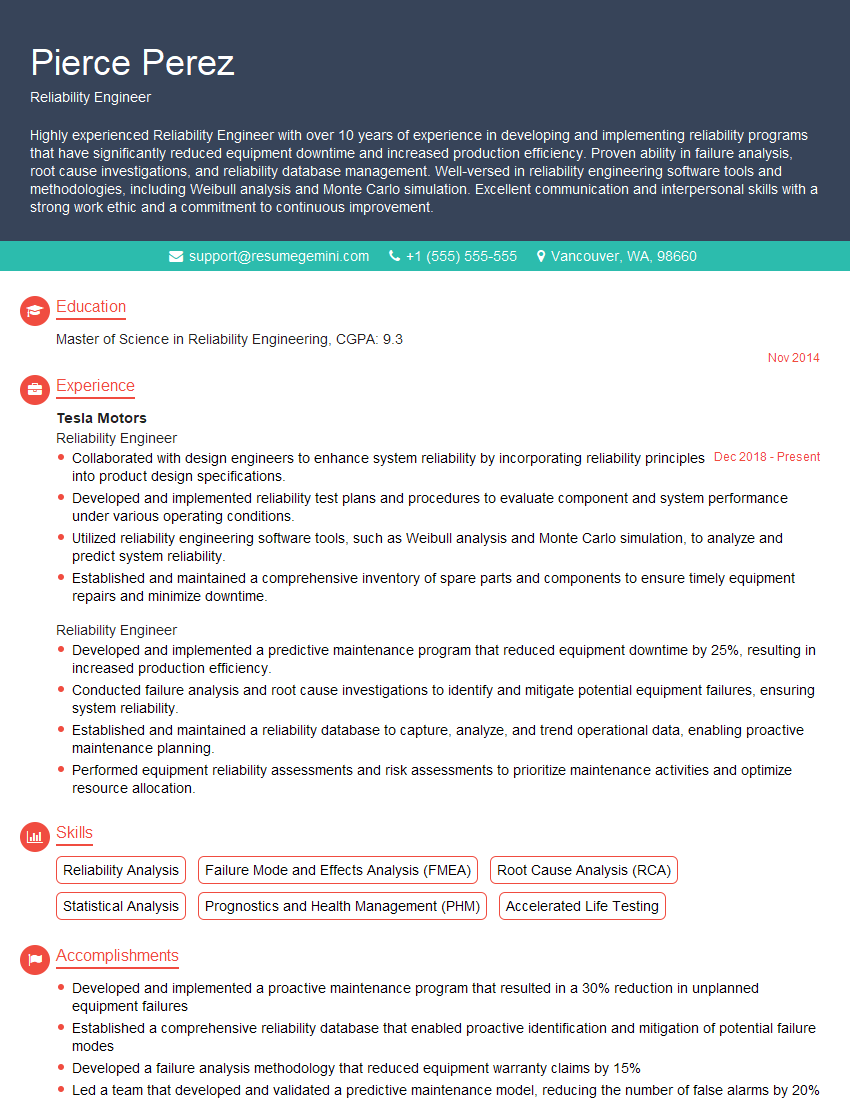
Reliability Engineer Resume Sample
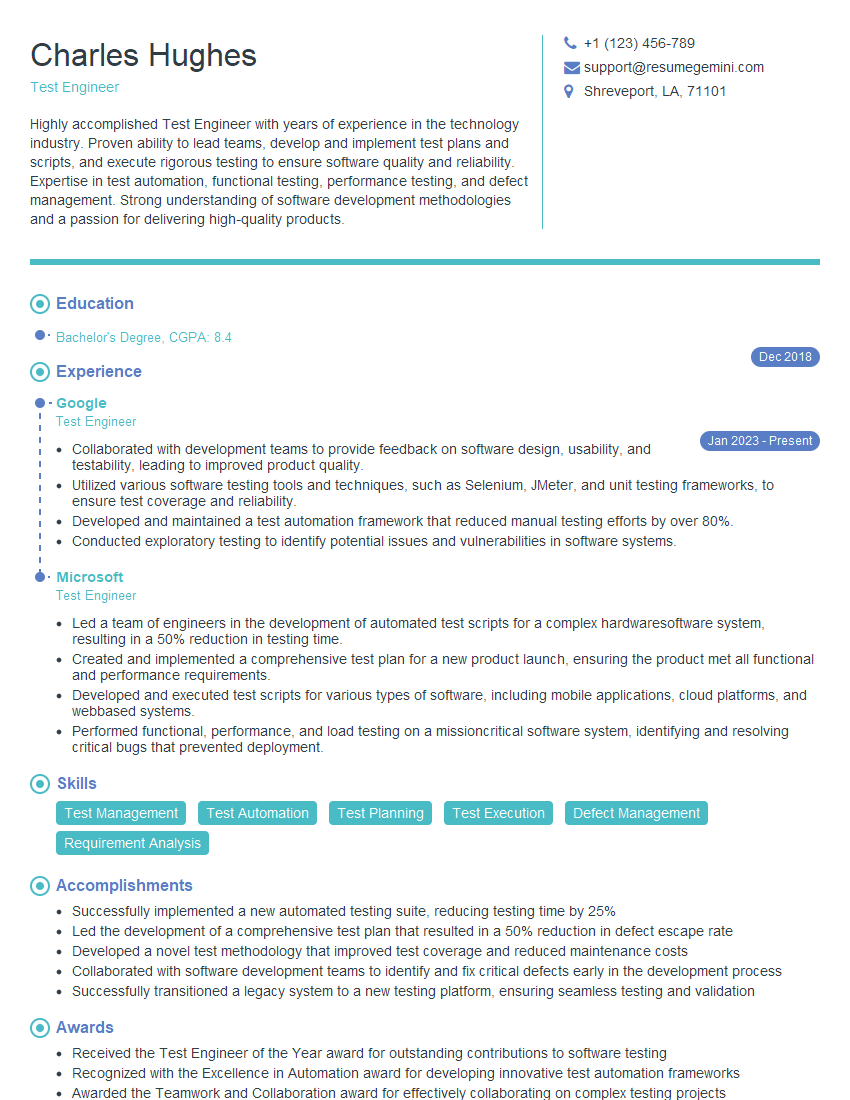
Test Engineer Resume Sample

Quality Assurance Engineer Resume Sample
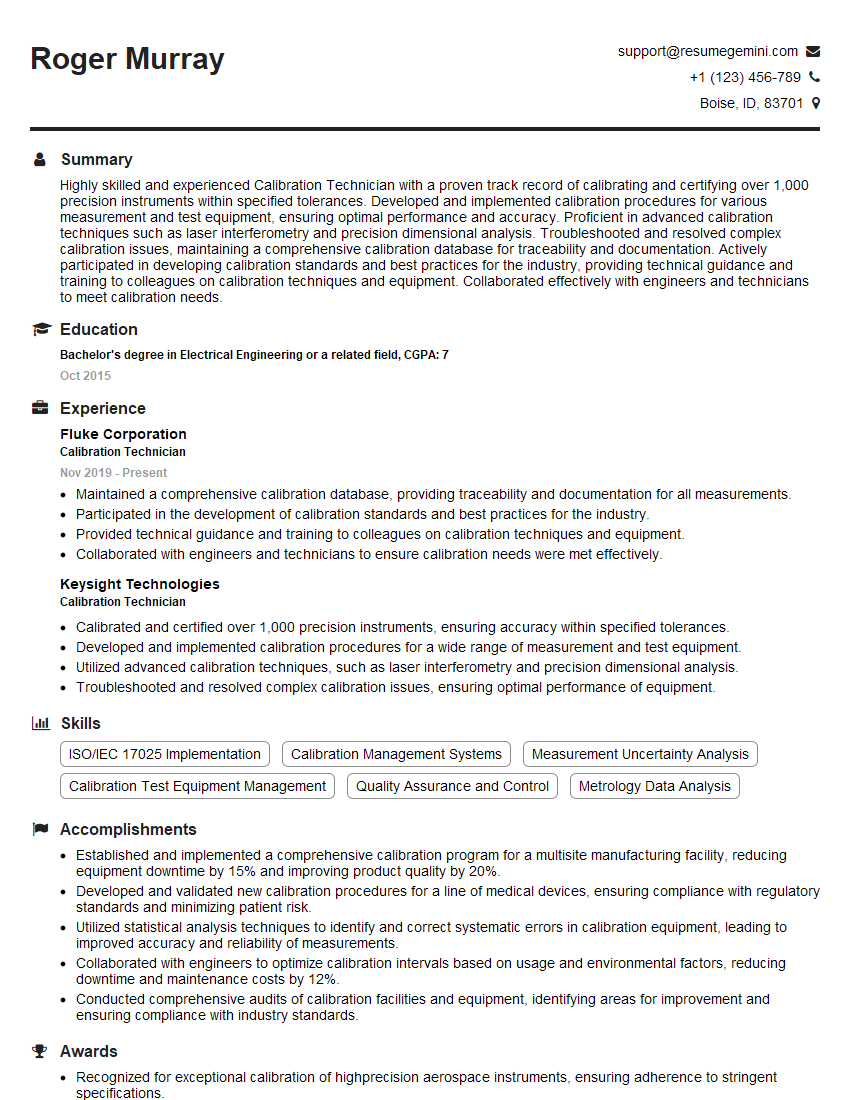
Calibration Technician Resume Sample
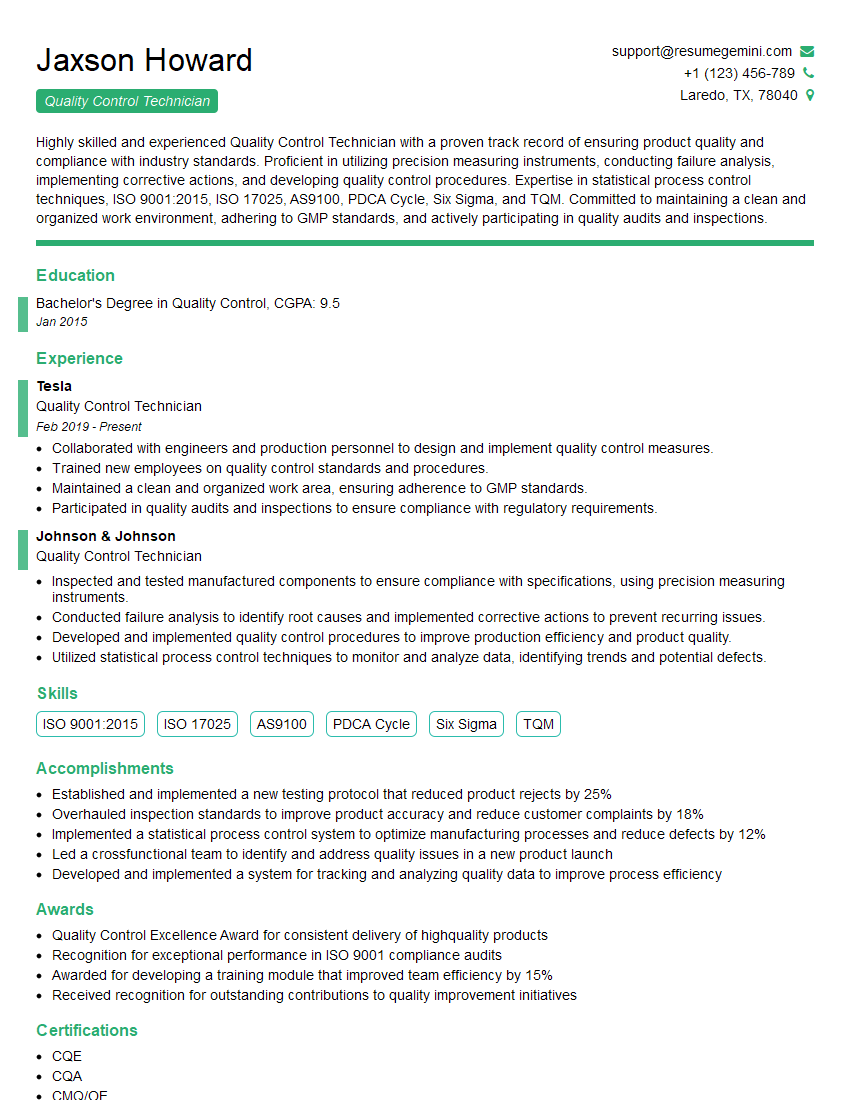
Quality Control Technician Resume Sample

Metrology Technician Resume Sample
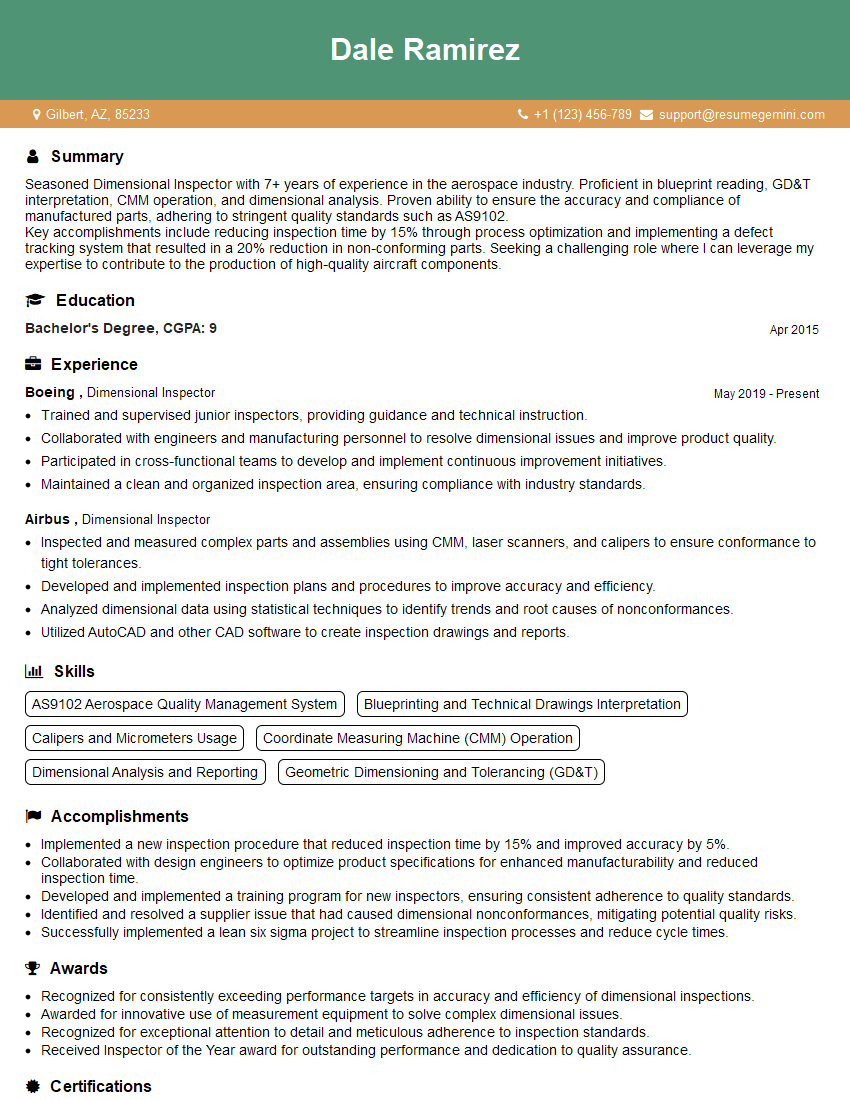
Dimensional Inspector Resume Sample
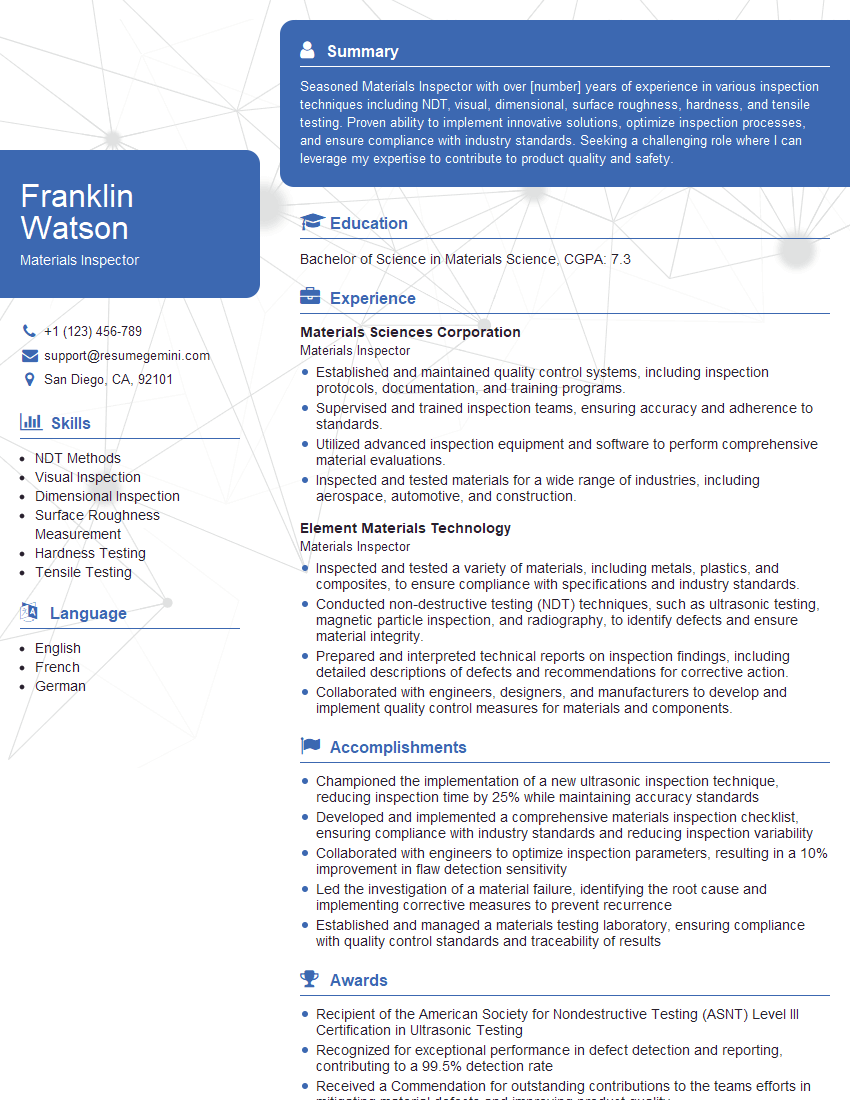
Materials Inspector Resume Sample
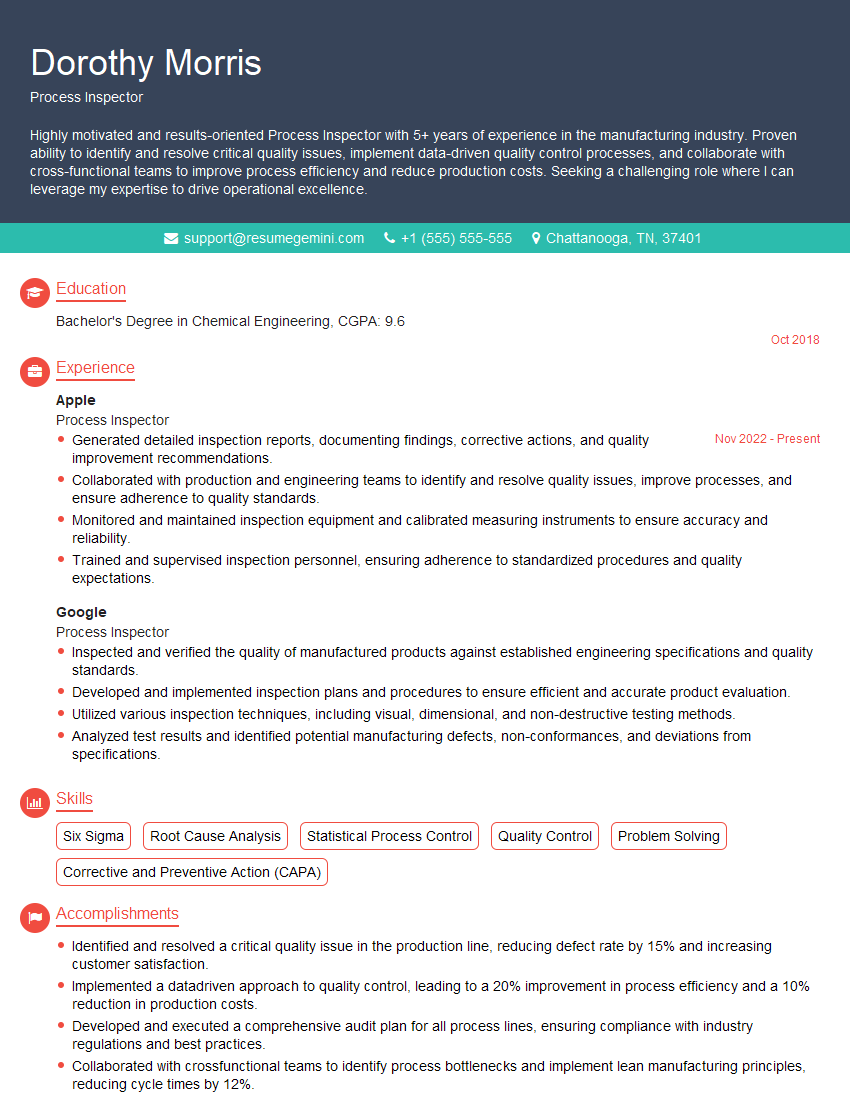
Process Inspector Resume Sample

Quality Control Inspector Resume Sample
Explore more articles
Users Rating of Our Blogs
Share Your Experience
We value your feedback! Please rate our content and share your thoughts (optional).
What Readers Say About Our Blog
Very informative content, great job.
good