The thought of an interview can be nerve-wracking, but the right preparation can make all the difference. Explore this comprehensive guide to mental resilience interview questions and gain the confidence you need to showcase your abilities and secure the role.
Questions Asked in mental resilience Interview
Q 1. Describe a situation where you faced significant adversity. How did you cope?
Adversity is an inevitable part of life, and facing it head-on builds resilience. One significant challenge I faced was leading a team through a major organizational restructuring. The uncertainty and anxiety were palpable; team members felt insecure about their future roles and responsibilities. My coping strategy involved a multi-pronged approach:
- Transparent Communication: I prioritized open and honest communication, regularly updating the team about the changes, addressing their concerns directly, and actively listening to their fears and suggestions.
- Collaborative Problem-Solving: Instead of imposing solutions, I fostered a collaborative environment where team members could participate in shaping the new structure and identifying opportunities. This empowered them and fostered a sense of ownership.
- Focus on Strengths: I highlighted individual strengths and reassigned roles to capitalize on those skills, helping individuals transition smoothly. This boosted morale and productivity.
- Self-Care: I prioritized my own well-being through exercise, mindfulness, and spending time with loved ones. Recognizing my own emotional needs was vital to supporting the team.
The experience underscored the importance of empathy, clear communication, and proactive leadership in navigating adversity. The team not only survived the restructuring but emerged stronger and more unified.
Q 2. What strategies do you use to manage stress and pressure effectively?
Stress and pressure are inherent in demanding roles. My approach to managing them is rooted in proactive strategies:
- Prioritization and Time Management: I use techniques like the Eisenhower Matrix (urgent/important) to prioritize tasks and avoid feeling overwhelmed. Effective time blocking and delegation also play crucial roles.
- Mindfulness and Meditation: Regular mindfulness practice helps me stay grounded and present, reducing the impact of stress triggers. Even short meditation sessions can significantly improve focus and emotional regulation.
- Physical Activity: Exercise is a powerful stress reliever. Regular physical activity releases endorphins and improves both physical and mental health.
- Healthy Lifestyle: Maintaining a balanced diet, getting sufficient sleep, and limiting caffeine and alcohol are crucial for optimal mental and physical well-being. These form the foundation for stress resilience.
- Seeking Support: I believe in building strong support networks, both personally and professionally. Talking to trusted colleagues, friends, or mentors can provide valuable perspective and alleviate stress.
By incorporating these strategies into my daily routine, I ensure I’m equipped to handle pressure effectively and maintain a healthy work-life balance.
Q 3. How do you maintain a positive mindset during challenging times?
Maintaining a positive mindset during challenging times is a skill developed through conscious effort. It’s about reframing negative thoughts and focusing on solutions rather than dwelling on problems.
- Gratitude Practice: Regularly acknowledging things I’m grateful for shifts my focus to the positive aspects of my life, even during difficult periods. This simple act can significantly impact my overall outlook.
- Cognitive Restructuring: I challenge negative thoughts by examining their validity and replacing them with more realistic and positive ones. For example, instead of thinking ‘I’ll never overcome this,’ I might reframe it as ‘This is challenging, but I have the skills and resources to find a solution.’
- Self-Compassion: Treating myself with kindness and understanding during difficult times is crucial. Recognizing that setbacks are a normal part of life allows me to approach challenges with more patience and less self-criticism.
- Visualization: I use visualization techniques to imagine successful outcomes and build confidence in my ability to handle challenges. This creates a mental blueprint for success.
Cultivating a positive mindset isn’t about ignoring difficulties but about approaching them with a sense of hope, resilience, and belief in my ability to overcome them.
Q 4. Explain your understanding of ‘grit’ and how it relates to resilience.
Grit, as defined by Angela Duckworth, is a combination of perseverance and passion for long-term goals. It’s the ability to maintain effort and interest despite setbacks and obstacles. Resilience, on the other hand, is the capacity to recover quickly from difficulties. While distinct, grit and resilience are highly interconnected.
Grit fuels resilience by providing the sustained motivation to overcome challenges. Individuals with high grit are less likely to give up in the face of adversity, enhancing their capacity to bounce back. Resilience, in turn, reinforces grit by demonstrating that setbacks are surmountable, reinforcing the belief that perseverance will ultimately lead to success. Think of it like this: grit is the engine, and resilience is the shock absorber – both are crucial for navigating the bumpy road to achieving long-term goals.
Q 5. How do you identify and overcome personal limitations?
Identifying and overcoming personal limitations requires self-awareness, honest reflection, and a commitment to growth. I use a three-step process:
- Self-Assessment: I regularly reflect on my performance, seeking feedback from trusted sources. This helps identify areas needing improvement, be it time management, communication, or technical skills.
- Skill Development: Once limitations are identified, I develop a plan to address them. This could involve taking courses, seeking mentorship, or practicing specific skills. I focus on continuous learning and improvement.
- Seeking Support: I don’t hesitate to seek support from mentors, colleagues, or coaches when needed. They can offer valuable perspectives and guidance, accelerating personal growth.
Overcoming limitations is an ongoing process, not a destination. It requires consistent self-reflection, a willingness to learn, and a commitment to personal development.
Q 6. Describe a time you failed. What did you learn from it?
One instance of failure involved a project that missed its deadline due to unforeseen technical challenges. While frustrating, the experience proved invaluable.
- Root Cause Analysis: I conducted a thorough post-mortem analysis to identify the causes of the failure, including inadequate risk assessment and insufficient contingency planning.
- Improved Processes: Based on the analysis, we implemented improved project management processes, including more rigorous risk assessments and enhanced communication protocols. This prevented similar issues in future projects.
- Team Learning: The experience fostered a shared learning experience within the team, improving our collective problem-solving skills and preparedness for unexpected challenges.
Failure, when analyzed constructively, becomes an opportunity for learning and growth. It teaches valuable lessons about planning, risk management, and teamwork, ultimately strengthening future performance.
Q 7. How do you handle setbacks and bounce back from disappointment?
Handling setbacks and bouncing back from disappointment requires a combination of emotional regulation and proactive strategies:
- Acceptance and Processing: I acknowledge the disappointment without dwelling on it. Allowing myself to feel the emotions involved is crucial before moving forward.
- Problem-Solving: Instead of focusing on the negative aspects, I shift my focus to finding solutions. This involves identifying the root causes of the setback and developing a plan to address them.
- Learning from Mistakes: I analyze what went wrong and extract valuable lessons to prevent similar setbacks in the future. This transforms failure into a catalyst for growth.
- Seeking Support: Talking to trusted individuals provides perspective and emotional support, accelerating recovery from disappointment.
- Positive Self-Talk: I engage in positive self-talk, reminding myself of my past successes and capabilities. This helps maintain confidence and motivation.
Bouncing back from disappointment is not about avoiding setbacks, but about developing the skills and resilience to navigate them effectively and emerge stronger.
Q 8. How do you prioritize your mental and emotional well-being?
Prioritizing mental and emotional well-being is paramount, not a luxury. It’s a foundational element of sustainable success, both personally and professionally. My approach is multifaceted and includes:
Mindful Self-Care: This involves scheduling dedicated time for activities that nourish my mind and body – regular exercise, sufficient sleep, a healthy diet, and engaging in hobbies I genuinely enjoy. Think of it like regularly servicing a car; you wouldn’t neglect maintenance and expect peak performance.
Setting Boundaries: Learning to say ‘no’ to commitments that drain my energy and prioritizing tasks that align with my values is crucial. This involves consciously managing my time and energy levels, ensuring I’m not constantly operating in a state of overwhelm.
Regular Reflection and Journaling: I regularly take time for introspection, reflecting on my experiences and identifying patterns of stress or negative self-talk. Journaling allows me to process emotions effectively and gain clarity on my thoughts and feelings.
Seeking Support: I understand the importance of a strong support network. This could involve connecting with friends, family, or a therapist to discuss challenges and receive guidance. We all need someone to talk to; it’s a sign of strength, not weakness.
Continuous Learning: I actively seek opportunities to expand my knowledge and skills related to mental wellness, attending workshops, reading books, and staying updated on research in the field. This ensures I am continually refining my practices.
Q 9. How do you build resilience in others?
Building resilience in others requires a tailored approach, recognizing that each individual’s experiences and coping mechanisms are unique. My strategy focuses on:
Education and Awareness: Providing individuals with a clear understanding of resilience, its components, and practical strategies for developing it is the first step. This includes explaining the concept of stress inoculation and its benefits.
Empowerment and Skill-Building: Equipping individuals with practical tools and techniques, such as problem-solving skills, stress management techniques (like deep breathing exercises or progressive muscle relaxation), and positive self-talk, strengthens their ability to cope with adversity. I often use role-playing scenarios to build confidence in applying these skills.
Building Self-Efficacy: Helping individuals identify their strengths and past successes fosters a belief in their capacity to overcome challenges. Highlighting their accomplishments, no matter how small, boosts self-confidence and encourages them to tackle future obstacles.
Creating a Supportive Environment: Fostering a culture of psychological safety, open communication, and mutual support is crucial. This involves creating opportunities for team building and peer support, where individuals can learn from each other’s experiences and feel comfortable seeking help.
Promoting Self-Compassion: Encouraging self-compassion helps individuals treat themselves with kindness and understanding, particularly during difficult times. This is vital for overcoming setbacks without self-criticism.
Q 10. What are some common barriers to building resilience, and how can they be overcome?
Several barriers hinder resilience building. These can include:
Negative Self-Talk and Low Self-Esteem: Individuals with a negative internal dialogue often struggle to see their strengths and potential, hindering their ability to overcome challenges. This can be addressed through Cognitive Restructuring techniques (a core component of CBT).
Lack of Social Support: Isolation and a lack of strong social connections can amplify stress and limit access to resources that could facilitate resilience development. Encouraging social engagement and building a supportive network are vital.
Avoidance Behaviors: Avoiding challenges rather than facing them directly prevents the development of coping mechanisms and reinforces feelings of helplessness. Graded Exposure Therapy, a common CBT technique, can be helpful here.
Traumatic Experiences: Past traumas can significantly impact an individual’s ability to build resilience. Addressing underlying trauma through appropriate therapeutic interventions, such as Trauma-Focused CBT, is essential.
Perfectionism: Striving for unrealistic standards can lead to chronic stress and self-criticism, undermining resilience. Promoting self-acceptance and a focus on progress rather than perfection is crucial.
Overcoming these barriers often involves a combination of therapeutic interventions, lifestyle changes, and the development of supportive relationships. A tailored approach, taking into account individual needs and circumstances, is vital for success.
Q 11. How would you measure the success of a resilience-building program?
Measuring the success of a resilience-building program requires a multi-faceted approach. We need both quantitative and qualitative data.
Quantitative Measures: These might include pre- and post-program assessments using validated questionnaires that measure resilience levels (e.g., Connor-Davidson Resilience Scale), stress levels (e.g., Perceived Stress Scale), and mental well-being (e.g., SF-36). Statistical analysis can then reveal significant changes.
Qualitative Measures: This involves gathering in-depth information through methods like interviews or focus groups to understand participants’ experiences, challenges, and perceived improvements in their resilience. This allows for a richer, nuanced understanding beyond numerical scores.
Behavioral Observations: Tracking changes in participants’ behavior, such as improved coping strategies, increased engagement in challenging tasks, and a reduction in stress-related symptoms, provides additional evidence of program effectiveness.
Longitudinal Follow-up: Monitoring participants’ progress over time allows for assessment of the program’s lasting impact and identifies any potential need for adjustments or booster sessions.
Combining these methods provides a comprehensive understanding of the program’s impact, allowing for informed evaluation and refinement.
Q 12. Describe your experience using cognitive behavioral therapy (CBT) techniques.
I have extensive experience applying CBT techniques in my work. CBT is a highly effective approach that focuses on the interplay between thoughts, feelings, and behaviors. I commonly use these techniques:
Cognitive Restructuring: Helping individuals identify and challenge negative or unhelpful thought patterns, replacing them with more realistic and balanced ones. For example, if someone consistently thinks ‘I’m going to fail,’ we would examine the evidence supporting that belief and develop alternative, more positive perspectives.
Behavioral Activation: Encouraging individuals to engage in activities that are enjoyable and meaningful, even when they feel low or unmotivated. This helps break cycles of withdrawal and builds a sense of accomplishment.
Exposure Therapy: Gradually exposing individuals to feared situations or triggers in a safe and controlled environment. This is particularly useful for anxiety disorders.
Relaxation Techniques: Teaching individuals techniques such as progressive muscle relaxation or mindfulness meditation to manage stress and anxiety symptoms.
The success of CBT relies heavily on collaborative goal-setting and regular practice by the individual. It’s not a passive process; it’s about active participation in changing negative thought and behavior patterns.
Q 13. How do you balance work-life integration to prevent burnout?
Work-life integration, not balance, is the key to preventing burnout. The aim isn’t to perfectly divide time but to create a cohesive and fulfilling life where work and personal life complement and enrich each other.
Clear Boundaries: Establishing clear boundaries between work and personal time is essential. This might involve setting specific work hours, turning off work notifications outside of those hours, and creating dedicated personal time.
Prioritization and Time Management: Effectively prioritizing tasks, both at work and at home, ensures that important activities, personal or professional, receive adequate attention. Techniques like the Eisenhower Matrix (urgent/important) can be beneficial.
Mindful Breaks: Regularly taking short breaks throughout the day allows for mental and physical restoration. These can involve simple activities like stretching, deep breathing, or stepping away from the computer.
Meaningful Activities Outside of Work: Engaging in hobbies and activities that bring joy and fulfillment is vital for preventing burnout. This could involve spending time with loved ones, pursuing creative projects, or participating in community activities.
Self-Care Practices: Prioritizing self-care activities, such as exercise, healthy eating, and sufficient sleep, supports both physical and mental well-being and helps prevent burnout.
Work-life integration is an ongoing process of adaptation and refinement. It’s about creating a life that is personally meaningful and sustainable.
Q 14. Explain your understanding of mindfulness and its role in resilience.
Mindfulness is the practice of paying attention to the present moment without judgment. It’s about observing thoughts, feelings, and sensations as they arise, without getting carried away by them. This awareness cultivates a sense of detachment, allowing us to respond to challenges more effectively.
Mindfulness plays a crucial role in building resilience by:
Reducing Stress: By focusing on the present moment, mindfulness helps to interrupt the cycle of rumination and worry that fuels stress. It allows you to observe your stress response without being overwhelmed by it.
Increasing Self-Awareness: Mindfulness cultivates greater self-awareness, helping individuals to identify their emotional and physical responses to stress and develop more adaptive coping strategies.
Improving Emotional Regulation: Regular mindfulness practice helps to improve emotional regulation skills, enabling individuals to manage difficult emotions more effectively. This gives them the space to make thoughtful, intentional choices instead of reacting impulsively.
Enhancing Focus and Concentration: By improving attentional skills, mindfulness helps individuals to focus on tasks at hand, even when faced with distractions or challenges.
Promoting Self-Compassion: Mindfulness encourages self-compassion, allowing individuals to treat themselves with kindness and understanding, particularly when faced with setbacks.
Incorporating mindfulness into daily life, even through brief practices like deep breathing exercises, can significantly enhance resilience.
Q 15. What are your strategies for managing conflict and difficult interpersonal interactions?
Managing conflict effectively involves a blend of assertive communication, empathy, and a focus on finding mutually beneficial solutions. My approach is rooted in understanding the underlying needs and perspectives of all involved parties. I begin by actively listening to understand their concerns, validating their feelings even if I don’t agree with their perspective. This helps de-escalate tension and fosters a collaborative environment.
- Active Listening: I make a conscious effort to truly hear what the other person is saying, both verbally and nonverbally. This involves paying close attention to body language and asking clarifying questions.
- Empathy: I strive to understand the situation from their point of view, even if it differs greatly from my own. This doesn’t mean agreeing, but acknowledging their feelings and perspective is crucial.
- Collaborative Problem-Solving: Once we have a shared understanding of the issues, I focus on collaboratively brainstorming solutions that address the needs of everyone involved. This often involves compromise and finding creative solutions that satisfy key interests.
- Setting Boundaries: While collaboration is key, it’s crucial to set healthy boundaries. This means clearly communicating my limits and needs respectfully.
For instance, in a team project where conflicting ideas arose about the project’s direction, I facilitated a discussion where each team member articulated their vision. By actively listening and validating their points, we identified common ground and integrated the best elements from each approach, leading to a significantly improved project outcome.
Career Expert Tips:
- Ace those interviews! Prepare effectively by reviewing the Top 50 Most Common Interview Questions on ResumeGemini.
- Navigate your job search with confidence! Explore a wide range of Career Tips on ResumeGemini. Learn about common challenges and recommendations to overcome them.
- Craft the perfect resume! Master the Art of Resume Writing with ResumeGemini’s guide. Showcase your unique qualifications and achievements effectively.
- Don’t miss out on holiday savings! Build your dream resume with ResumeGemini’s ATS optimized templates.
Q 16. How do you adapt to change and uncertainty?
Adapting to change and uncertainty is a crucial aspect of resilience. My approach involves embracing change as an opportunity for growth and learning, rather than viewing it as a threat. I utilize a proactive, structured approach:
- Information Gathering: When faced with change, I proactively seek information to understand the situation fully. This helps me reduce anxiety associated with the unknown.
- Flexibility and Openness: I cultivate a mindset of flexibility, being open to new possibilities and adjusting my plans accordingly. Rigidity can be detrimental during uncertain times.
- Goal Setting: I break down large changes into smaller, manageable goals. This allows me to focus on achievable steps, fostering a sense of progress and reducing overwhelm.
- Self-Care: During periods of significant change, prioritizing self-care—including sufficient sleep, healthy eating, and exercise—is essential for maintaining mental and emotional well-being.
For example, when our company underwent a major restructuring, I actively sought information about the changes and their impact on my role. I then identified new skills I could develop to enhance my value within the new structure. This proactive approach allowed me to not only navigate the change effectively but also to thrive in the new environment.
Q 17. How do you identify your personal strengths and weaknesses in relation to resilience?
Identifying personal strengths and weaknesses related to resilience is an ongoing process of self-reflection. I utilize a combination of methods:
- Self-Assessment: I regularly reflect on my responses to challenging situations. This involves identifying patterns in my thoughts, feelings, and behaviors. Journaling can be incredibly beneficial here.
- Feedback from Others: Seeking constructive feedback from trusted colleagues, friends, and mentors provides valuable external perspectives on my strengths and areas for improvement. This helps identify blind spots.
- Performance Reviews: Formal performance reviews in a professional setting can offer objective data on areas where my resilience has been particularly strong or where improvement is needed.
- 360-Degree Feedback: This comprehensive feedback approach provides a holistic view of my strengths and weaknesses from multiple sources, offering a well-rounded assessment.
For instance, I’ve identified strong problem-solving skills and an ability to remain calm under pressure as strengths. However, I’ve also recognized a tendency to take on too much responsibility, which can negatively impact my overall well-being. Therefore, I actively work on delegating tasks and setting boundaries to address this weakness.
Q 18. Describe a time you had to make a difficult decision under pressure. How did you approach the situation?
In a previous role, I had to make a difficult decision under significant time pressure: whether to launch a new product with some known but manageable risks or delay the launch until all potential issues were fully resolved. The delay risked losing a significant market opportunity, while launching early risked reputational damage.
My approach was systematic:
- Data Gathering: I compiled all relevant data, including market analysis, risk assessments, and projected financial impacts of both options.
- Stakeholder Consultation: I consulted with key stakeholders across different departments to gather their perspectives and concerns.
- Risk Mitigation Planning: I developed a detailed plan to mitigate the potential risks associated with an early launch, including contingency strategies for addressing potential issues.
- Decision Making: Based on the data, stakeholder input, and the mitigation plan, I decided to launch early, accepting the calculated risks. This decision was based on a thorough cost-benefit analysis.
- Post-Decision Review: After the launch, I conducted a post-decision review to evaluate the effectiveness of my approach and identify lessons learned for future similar situations.
The early launch was ultimately successful. While we experienced some minor setbacks, the mitigation plan proved effective. The success validated the decision-making process and the importance of weighing risks and rewards carefully under pressure.
Q 19. How do you handle criticism and feedback constructively?
Handling criticism and feedback constructively is essential for growth. My approach involves viewing feedback as an opportunity for learning and improvement, rather than a personal attack.
- Active Listening: I listen attentively to the feedback, without interrupting or becoming defensive. I seek clarification when needed.
- Seeking Clarification: I ask clarifying questions to ensure I fully understand the feedback’s intent and meaning.
- Separating the Message from the Messenger: I strive to separate the content of the feedback from the person delivering it. Focusing solely on the content helps me process it objectively.
- Identifying Actionable Steps: I identify concrete steps I can take to address the feedback and improve my performance.
- Expressing Gratitude: I express gratitude for the feedback, recognizing the giver’s effort in providing it, even if it wasn’t easy to hear.
For example, if I receive constructive criticism about a presentation, I would carefully review the feedback, identify specific areas for improvement (e.g., clarity, structure, visual aids), and then incorporate these improvements into future presentations. I would also reflect on the underlying reasons for the constructive criticism to identify patterns and areas needing development.
Q 20. How do you cultivate self-compassion?
Cultivating self-compassion involves treating ourselves with the same kindness, understanding, and acceptance we would offer a close friend facing similar challenges. It’s about recognizing our shared humanity and acknowledging that imperfections are a normal part of the human experience.
- Mindfulness: Practicing mindfulness helps us to become more aware of our thoughts and feelings without judgment. This allows us to observe our inner critic more objectively.
- Self-Kindness: Speaking to ourselves with the same kindness and support we would offer a friend in need is crucial. Replacing self-criticism with self-encouragement is key.
- Common Humanity: Recognizing that everyone experiences suffering and imperfection is vital. Understanding that our struggles are not unique helps reduce feelings of isolation and shame.
- Self-Soothing: Engaging in activities that promote relaxation and well-being—such as meditation, spending time in nature, or listening to calming music—helps to soothe and comfort ourselves.
For instance, if I make a mistake at work, instead of berating myself, I acknowledge my feelings, reminding myself that everyone makes mistakes, and then focus on learning from the experience and taking corrective action. This approach promotes self-forgiveness and prevents self-criticism from derailing my progress.
Q 21. What is your approach to problem-solving when faced with complex challenges?
My approach to problem-solving involves a structured, systematic process, even with complex challenges. This process focuses on clarity, analysis, and strategic action:
- Problem Definition: Clearly defining the problem is the first and most crucial step. This involves understanding the root cause and its scope.
- Brainstorming Solutions: Generating multiple potential solutions through brainstorming sessions, individually or with a team, helps to explore a wider range of possibilities.
- Solution Evaluation: Evaluating potential solutions involves assessing their feasibility, potential impact, and potential risks. This might involve using decision-making matrices or other analytical tools.
- Implementation Planning: Developing a detailed implementation plan with clear steps, timelines, and responsibilities helps ensure that the chosen solution is effectively put into action.
- Monitoring and Evaluation: After implementation, the solution’s effectiveness needs to be monitored and evaluated to identify any necessary adjustments or refinements.
For example, when facing a complex organizational challenge—such as improving team collaboration—I would first clearly define the specific issues impacting collaboration. Then, I would brainstorm potential solutions, evaluate their pros and cons, select the best approach, and develop an implementation plan with clear milestones and accountability. Throughout the implementation, I would closely monitor progress and make adjustments as needed.
Q 22. How do you encourage a culture of resilience within a team?
Building a culture of resilience within a team isn’t about simply telling people to ‘be resilient’; it’s about fostering an environment where resilience can thrive. This involves a multifaceted approach that addresses both individual and team dynamics.
- Open Communication and Psychological Safety: Create a space where team members feel comfortable sharing challenges, vulnerabilities, and setbacks without fear of judgment. This requires active listening, empathy, and a clear message that mistakes are learning opportunities, not failures. For example, establishing regular check-in meetings where team members discuss their workload and well-being can be highly effective.
- Shared Goals and Meaning: When individuals feel connected to a larger purpose and understand how their contributions matter, their motivation and resilience increase. Clearly articulate team goals, celebrate successes (both big and small), and highlight the positive impact of the team’s work.
- Skill Building and Training: Provide training on stress management techniques (like mindfulness or deep breathing exercises), problem-solving strategies, and emotional regulation. Workshops on resilience building can equip team members with practical tools to navigate challenges more effectively.
- Supportive Leadership: Leaders play a crucial role. They need to model resilience themselves, provide constructive feedback, offer support during difficult times, and recognize and reward effort and perseverance. A leader who actively addresses burnout risks within the team demonstrates a commitment to well-being and creates a safer environment.
- Celebrating Failure as a Learning Opportunity: Instead of punishing mistakes, encourage a culture of post-mortem analysis where teams can learn from errors and improve processes. This shifts the focus from blame to continuous improvement.
For instance, I once worked with a team facing a major project setback. By facilitating open discussions, we identified underlying issues, implemented new strategies, and ultimately exceeded expectations. The success stemmed not just from problem-solving, but from the team’s shared commitment and belief in their ability to overcome challenges.
Q 23. What are the key indicators of burnout, and what preventative measures would you recommend?
Burnout is a state of emotional, physical, and mental exhaustion caused by prolonged or excessive stress. It’s not simply feeling tired; it’s a deeper depletion that impacts your ability to function effectively.
- Key Indicators: These can manifest physically (fatigue, insomnia, headaches), emotionally (irritability, cynicism, detachment), and behaviorally (procrastination, reduced productivity, increased absenteeism). A persistent feeling of being overwhelmed, depleted, and cynical about your work is a strong warning sign.
- Preventative Measures:
- Set Boundaries: Learn to say no to additional tasks when you’re already overloaded. Protect your time outside of work to recharge.
- Prioritize Self-Care: Engage in activities that promote well-being, such as exercise, healthy eating, sufficient sleep, and mindfulness practices.
- Time Management: Use techniques like time blocking and prioritization to manage workload effectively.
- Seek Support: Talk to colleagues, friends, family, or a mental health professional about your struggles.
- Meaningful Breaks: Regular breaks throughout the workday allow for mental restoration. Encourage short walks or mindfulness exercises during these breaks.
- Promote Work-Life Balance: Encourage disconnecting from work outside of work hours and engaging in activities that foster personal fulfillment.
Organizations can implement preventative measures such as providing employee assistance programs (EAPs), offering workshops on stress management, and creating a culture that supports work-life balance. Early intervention is crucial to prevent burnout from escalating into serious health issues.
Q 24. How can organizational factors impact employee resilience?
Organizational factors significantly influence employee resilience. A supportive and well-managed workplace fosters resilience, while a toxic environment can erode it.
- Leadership Style: Supportive, empowering leadership that fosters trust and collaboration enhances resilience. Conversely, micromanagement, lack of recognition, and unfair treatment can negatively impact employee well-being and their capacity to bounce back from adversity.
- Workload and Demands: Excessive workload, unrealistic deadlines, and lack of control over one’s work significantly contribute to stress and burnout, hindering resilience. A fair workload distribution and autonomy in task management can help improve the situation.
- Work-Life Balance: Organizations that promote a healthy work-life balance, offer flexible work arrangements, and encourage the use of vacation time contribute to greater employee well-being and resilience.
- Organizational Culture: A culture of psychological safety, where employees feel comfortable sharing concerns and seeking support, is crucial for resilience. Conversely, a culture of fear, blame, or negativity can undermine resilience.
- Resources and Support: Access to resources such as employee assistance programs (EAPs), mental health services, and training programs on stress management enhances employees’ capacity to manage challenges effectively.
For example, an organization with a high-pressure, demanding culture might see increased rates of burnout and decreased employee resilience, even if individual employees possess high levels of personal resilience. Conversely, an organization that prioritizes employee well-being and provides sufficient resources will likely observe higher levels of employee resilience and lower rates of burnout.
Q 25. Explain the difference between resilience and perseverance.
While both resilience and perseverance involve overcoming challenges, there’s a crucial difference.
- Perseverance is the sustained effort to achieve a goal despite obstacles. It’s about sticking with something, even when it’s difficult. Think of a marathon runner pushing through the pain to finish the race.
- Resilience is the ability to adapt and bounce back from adversity, to regain equilibrium after setbacks. It’s about not only persevering, but also learning from the experience, adjusting your approach if necessary, and moving forward with renewed determination. Think of a business owner whose company faces a financial crisis; resilience would involve not only working hard to overcome the challenge, but also adjusting their business model or seeking new opportunities.
Perseverance focuses on the effort, while resilience emphasizes the adaptation and recovery process. You can be perseverant without being resilient (persisting in an ultimately unhelpful strategy), and you can be resilient without necessarily persevering (choosing to pivot from a failing endeavor).
Q 26. What is your preferred method for fostering a growth mindset?
My preferred method for fostering a growth mindset involves creating an environment that encourages learning, experimentation, and feedback. It’s a holistic approach encompassing several key strategies.
- Feedback and Reflection: Regular feedback, both positive and constructive, is crucial. This should be framed as an opportunity for learning and development, focusing on areas for improvement rather than simply highlighting shortcomings. Self-reflection prompts and journaling can also encourage individuals to identify areas for growth.
- Embracing Challenges: Encourage people to view challenges as opportunities for learning and growth, rather than threats to their competence. This requires shifting the narrative from “I can’t do this” to “I can learn to do this.”
- Modeling Growth Mindset: Leaders and mentors should openly share their own struggles, mistakes, and learning experiences. This demonstrates vulnerability and models the behavior they want to encourage in others.
- Celebrating Effort and Improvement: Recognize and reward effort and progress, rather than focusing solely on outcomes. This encourages persistence and a focus on learning from the journey.
- Mindful Self-Compassion: Encourage self-compassion, promoting kindness and understanding toward oneself, particularly during setbacks. This helps individuals to learn from mistakes without self-criticism.
For example, in a team setting, I might initiate a regular “lessons learned” session after completing projects. We openly discuss what went well, what challenges we faced, and what we could improve for next time. This creates a safe environment for sharing experiences and promotes a growth mindset.
Q 27. How do you promote emotional regulation within yourself and others?
Emotional regulation is the ability to understand and manage your emotions effectively. It’s a crucial skill for both personal and professional success.
- For Myself: I utilize a combination of techniques, including mindfulness meditation, journaling, and regular physical exercise. Mindfulness helps me become more aware of my emotions without judgment, allowing me to respond rather than react. Journaling provides a space to process my emotions and identify patterns. Exercise releases endorphins, which have mood-boosting effects.
- For Others: I encourage others to develop their emotional awareness through self-reflection, seeking support when needed, and practicing self-compassion. Creating a culture of emotional intelligence in a team involves fostering open communication, empathy, and active listening. Providing training in emotional regulation techniques, such as stress management strategies and communication skills, can be beneficial.
- Empathetic Communication: Practicing active listening and validating others’ feelings helps foster understanding and trust. It’s crucial to acknowledge and respect emotions, even when disagreeing with the perspective.
- Stress Management Techniques: Promoting stress management techniques, like deep breathing exercises, progressive muscle relaxation, and mindfulness practices, allows individuals to better manage their emotional responses in stressful situations.
In a team setting, I might facilitate a workshop on emotional intelligence, focusing on self-awareness, self-regulation, social awareness, and relationship management. This provides team members with tools and strategies to better manage their emotions and build stronger relationships.
Q 28. Describe your experience using relaxation techniques for stress management.
I have extensive experience using relaxation techniques for stress management, both personally and in supporting others.
- Mindfulness Meditation: Regular mindfulness practice has been invaluable in reducing stress and improving my overall well-being. It helps me to focus on the present moment, reducing the impact of worries about the past or future. I often guide individuals through short mindfulness exercises in workshops or coaching sessions.
- Progressive Muscle Relaxation: This technique involves systematically tensing and releasing muscle groups to reduce physical tension associated with stress. I’ve found it particularly helpful before challenging presentations or meetings.
- Deep Breathing Exercises: Simple deep breathing exercises can quickly calm the nervous system and reduce feelings of anxiety. I often recommend these techniques to individuals experiencing immediate stress or panic.
- Guided Imagery: Using guided imagery, where you visualize calming scenes, can be effective in reducing stress and promoting relaxation. I have incorporated this technique into some of my workshops to help participants create personalized relaxation scripts.
These techniques are not merely relaxation exercises; they are powerful tools for emotional regulation, enabling better coping mechanisms during stressful situations. Their consistent practice builds resilience by equipping individuals with skills to manage stress and prevent burnout.
Key Topics to Learn for a Mental Resilience Interview
- Understanding Stress and its Impact: Explore the physiological and psychological effects of stress, recognizing common stressors in professional environments, and differentiating between healthy and unhealthy coping mechanisms.
- Emotional Regulation Techniques: Learn practical strategies for managing emotions effectively, such as mindfulness, deep breathing exercises, and cognitive reframing. Practice applying these techniques to hypothetical workplace scenarios.
- Building Self-Awareness: Develop a strong understanding of your personal strengths, weaknesses, and triggers. Consider how self-awareness informs your reactions to pressure and setbacks.
- Resilience Building Strategies: Investigate proactive approaches to cultivate resilience, including fostering a supportive network, practicing self-compassion, and setting realistic goals. Discuss how these strategies can be implemented in a demanding work environment.
- Problem-Solving and Adaptability: Explore different problem-solving frameworks and how they apply to navigating challenges and adapting to change. Focus on the importance of a flexible mindset and creative solutions.
- Maintaining Work-Life Balance: Discuss the importance of boundaries and strategies for achieving a healthy balance between professional and personal life to prevent burnout and maintain overall well-being.
- Growth Mindset and Learning from Failure: Examine the concept of a growth mindset and how viewing setbacks as opportunities for learning enhances resilience. Develop strategies for analyzing failures constructively and extracting valuable lessons.
Next Steps
Mastering mental resilience is crucial for navigating the demands of any career and achieving sustained success. It demonstrates a valuable skillset to employers, highlighting your ability to handle pressure, adapt to change, and contribute effectively even under challenging circumstances. To further enhance your job prospects, focus on building an ATS-friendly resume that effectively showcases your strengths and experiences. ResumeGemini is a trusted resource that can help you craft a professional and compelling resume. Examples of resumes tailored to highlight mental resilience skills are available to help you get started.
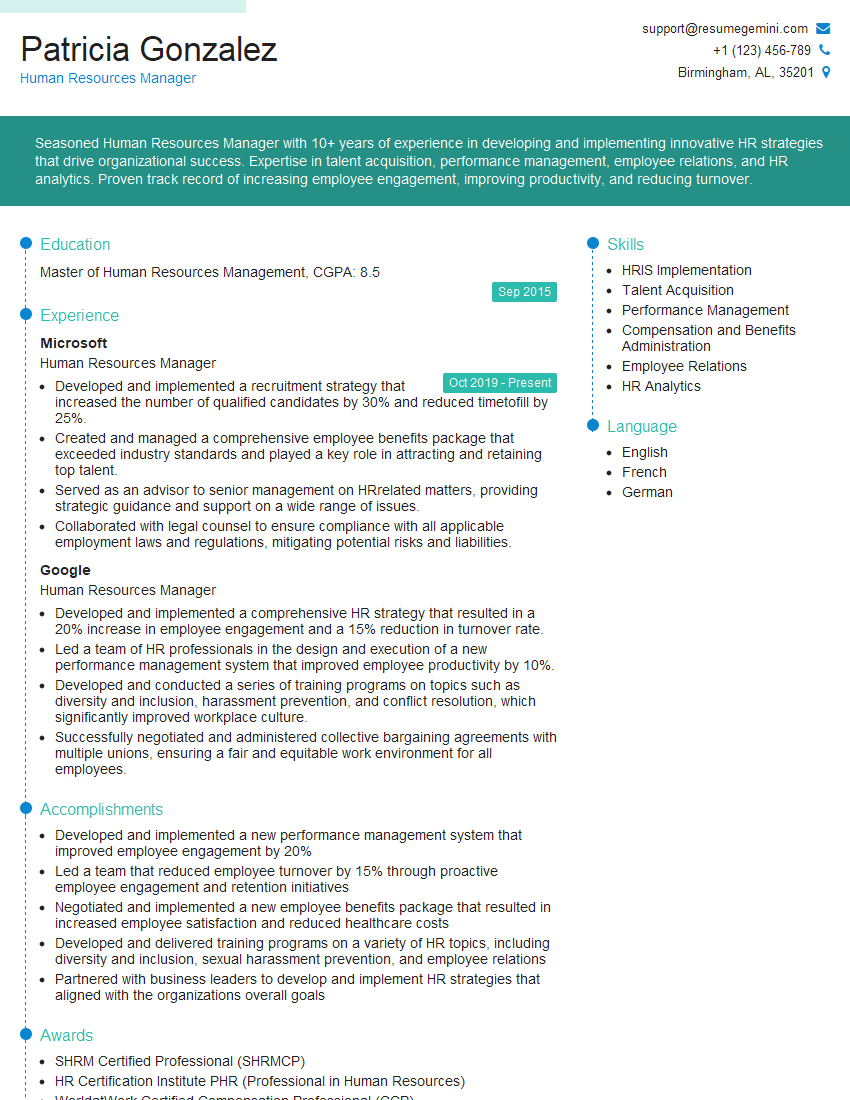
Human Resources Manager Resume Sample
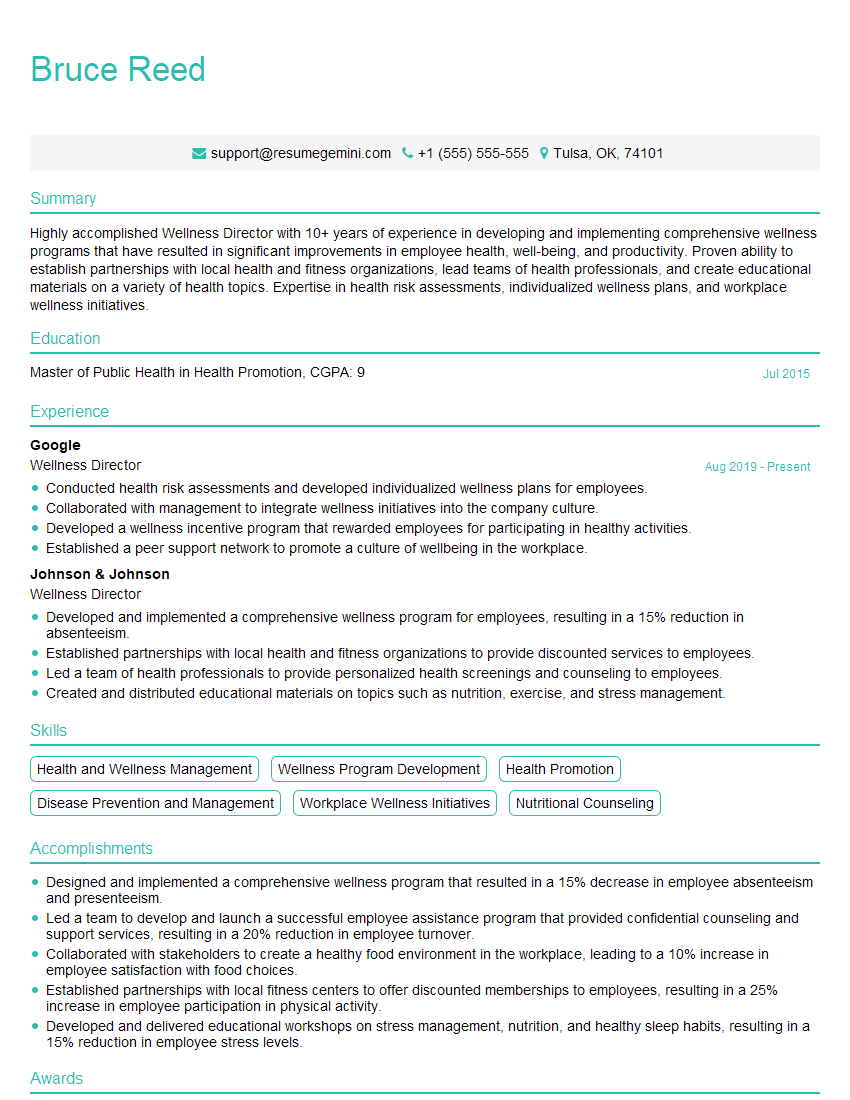
Wellness Director Resume Sample
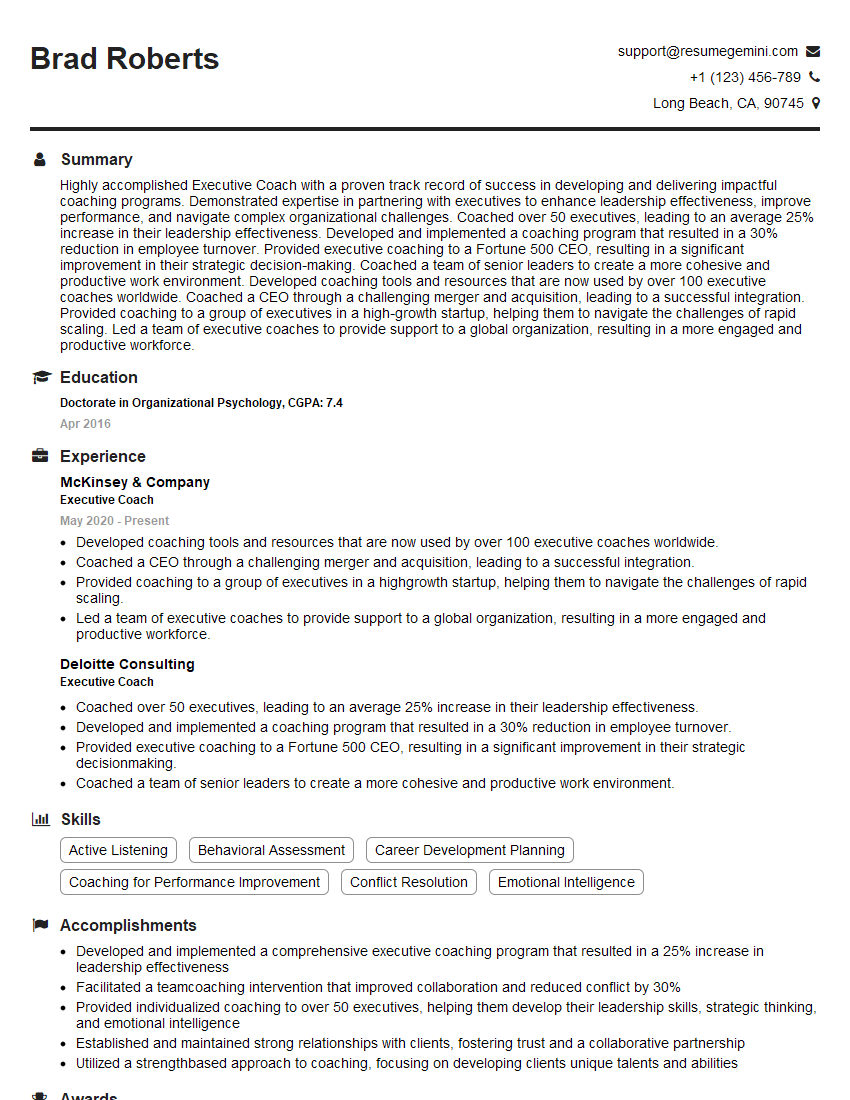
Executive Coach Resume Sample
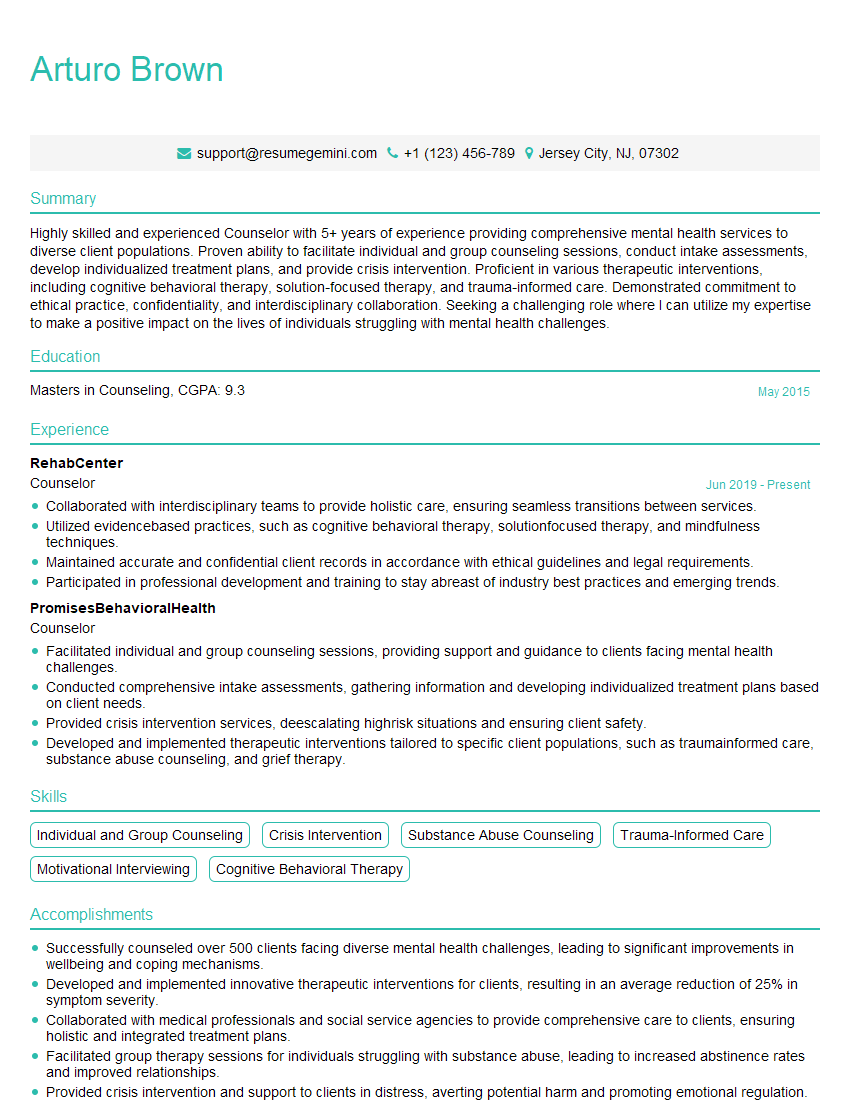
Counselor Resume Sample
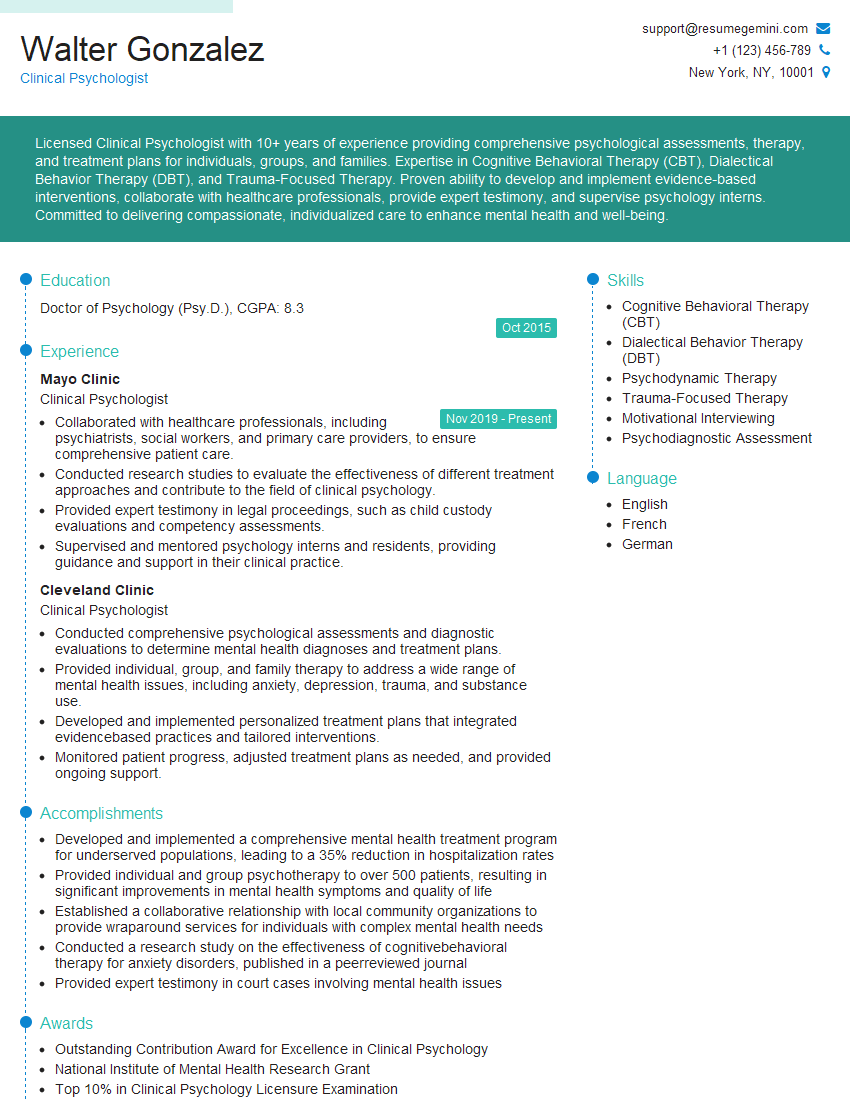
Clinical Psychologist Resume Sample
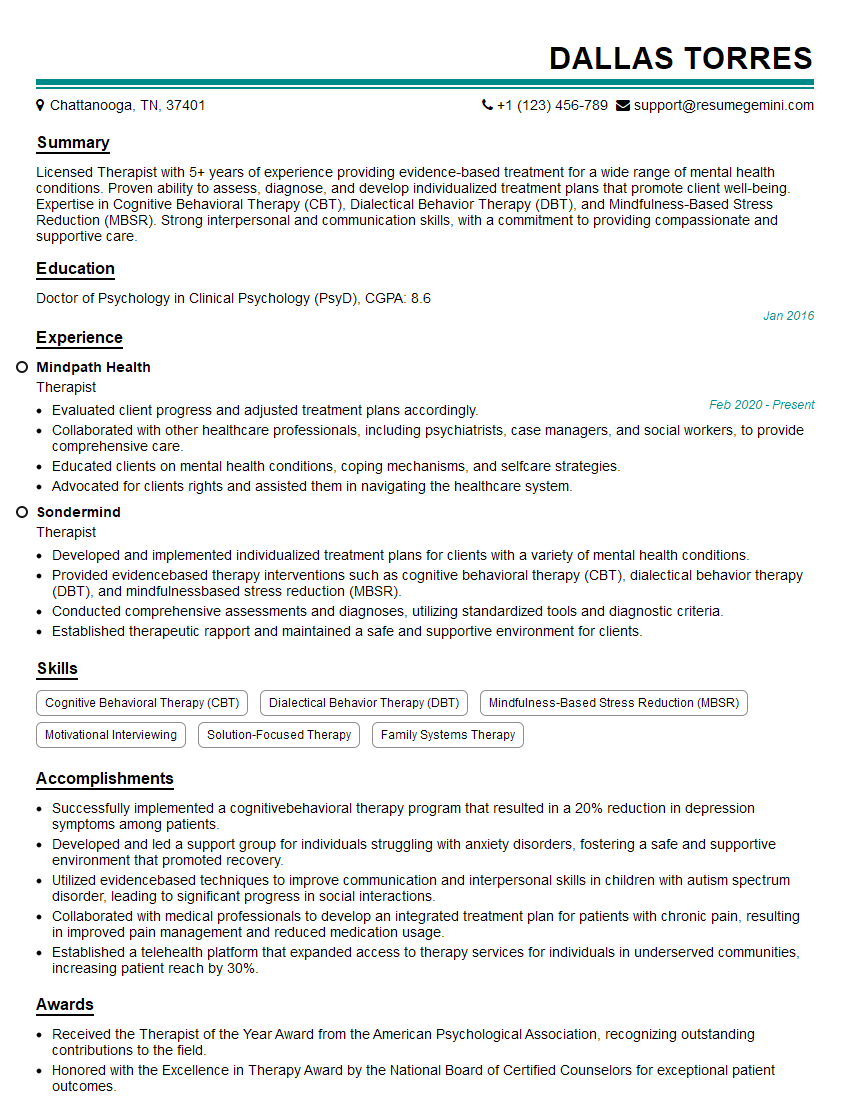
Therapist Resume Sample
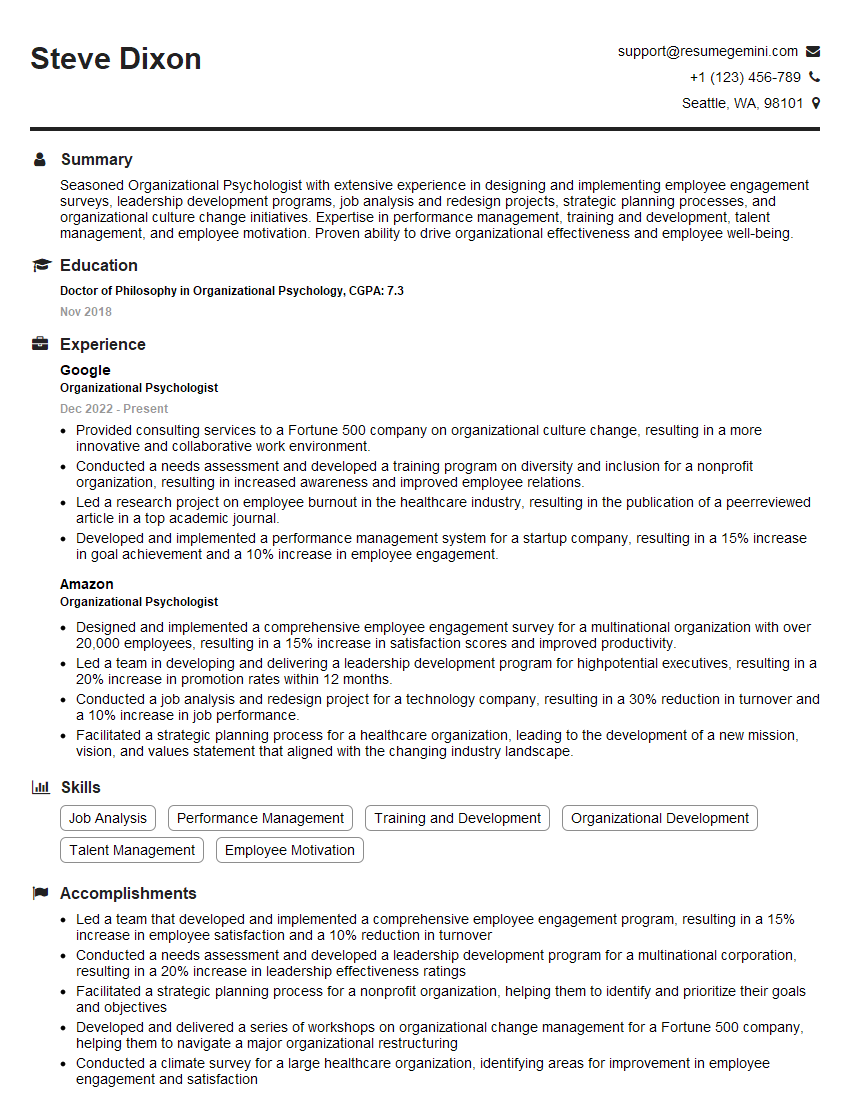
Organizational Psychologist Resume Sample
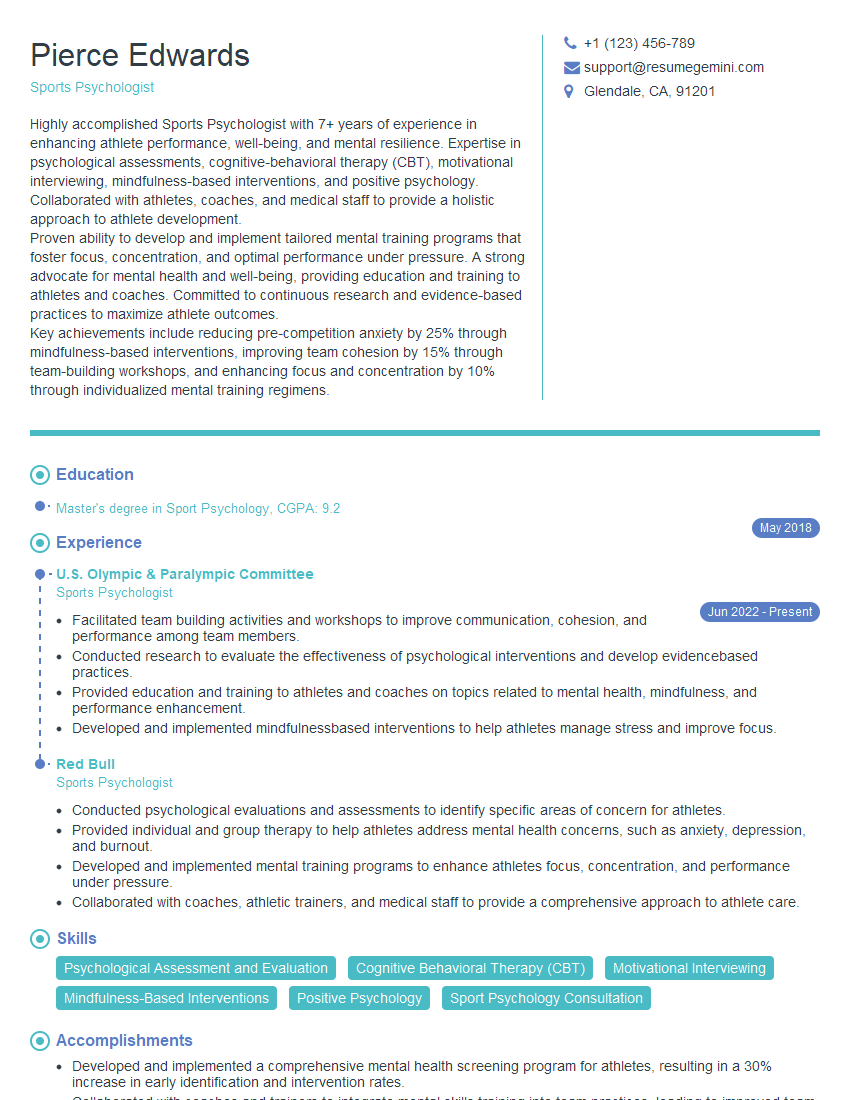
Sports Psychologist Resume Sample
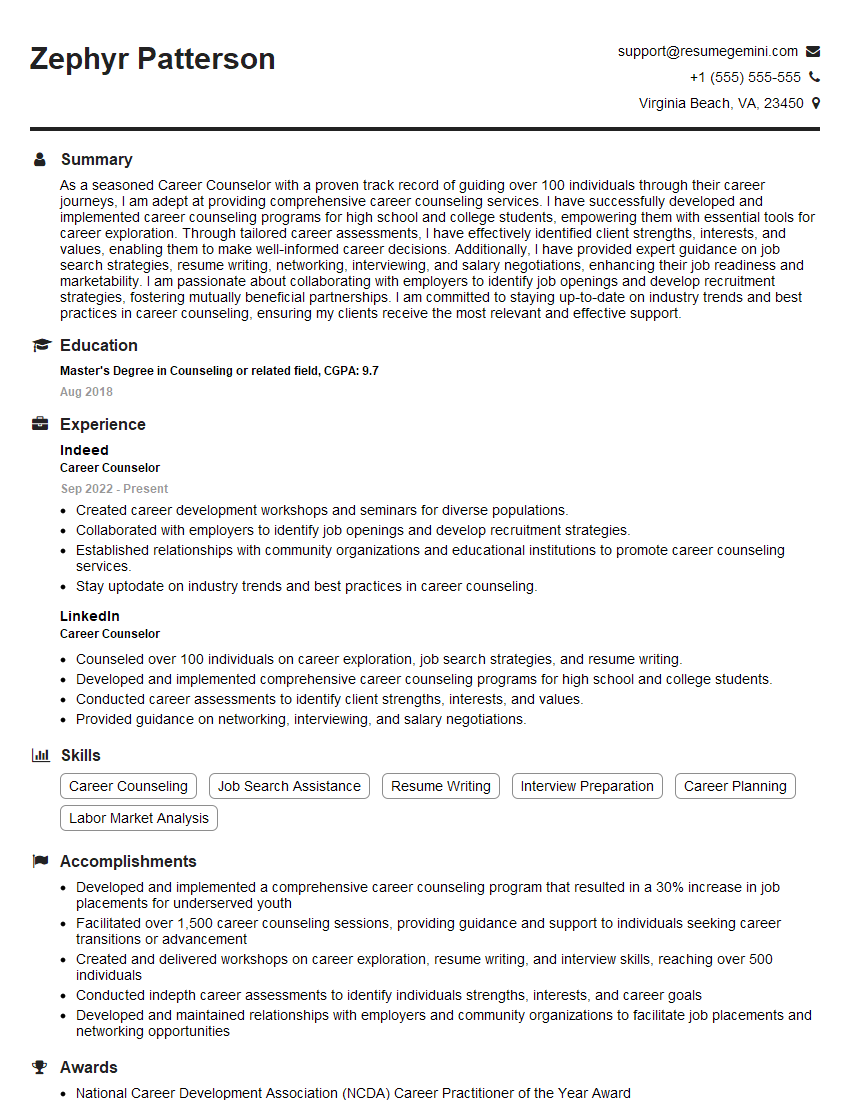
Career Counselor Resume Sample
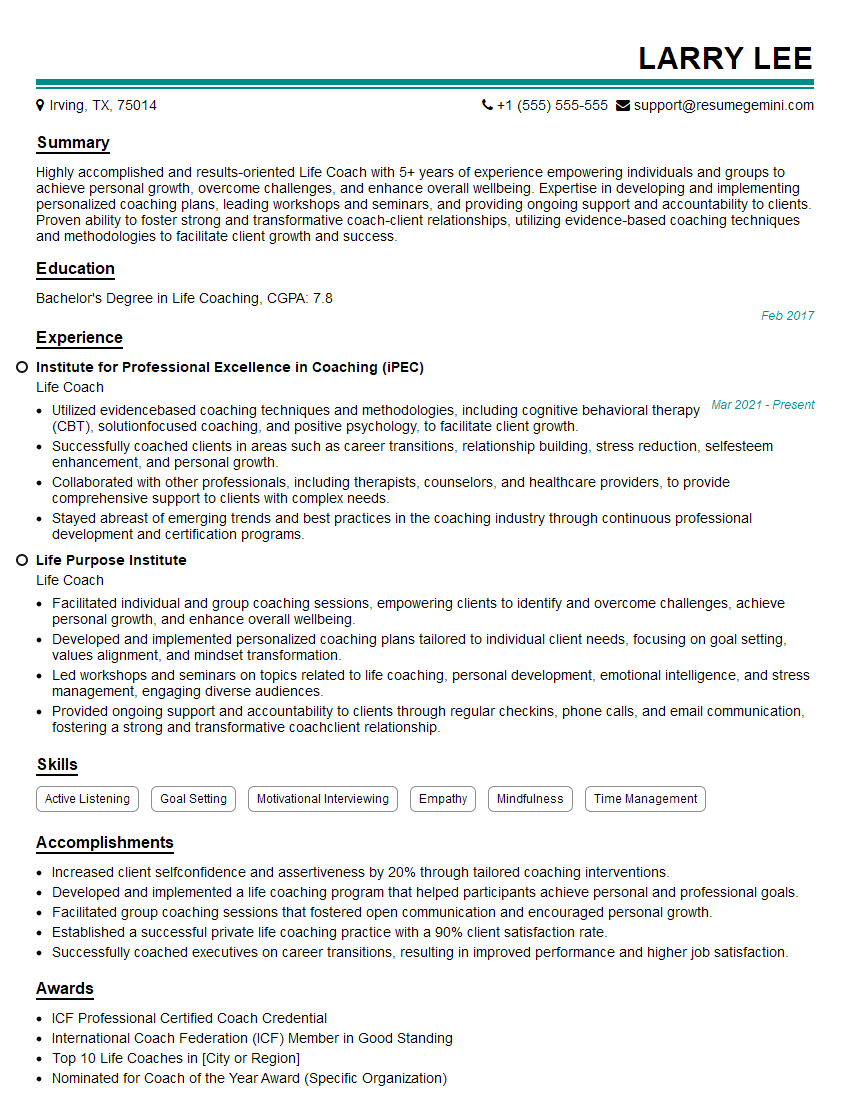
Life Coach Resume Sample
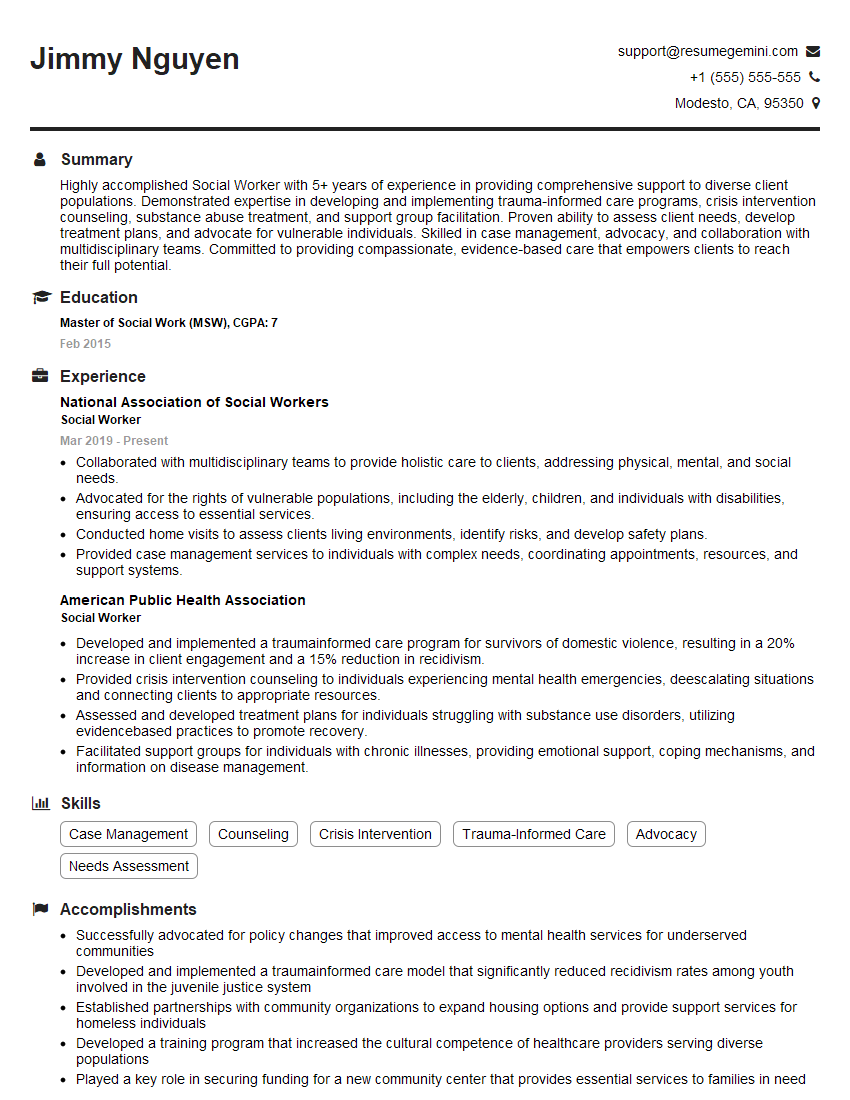
Social Worker Resume Sample
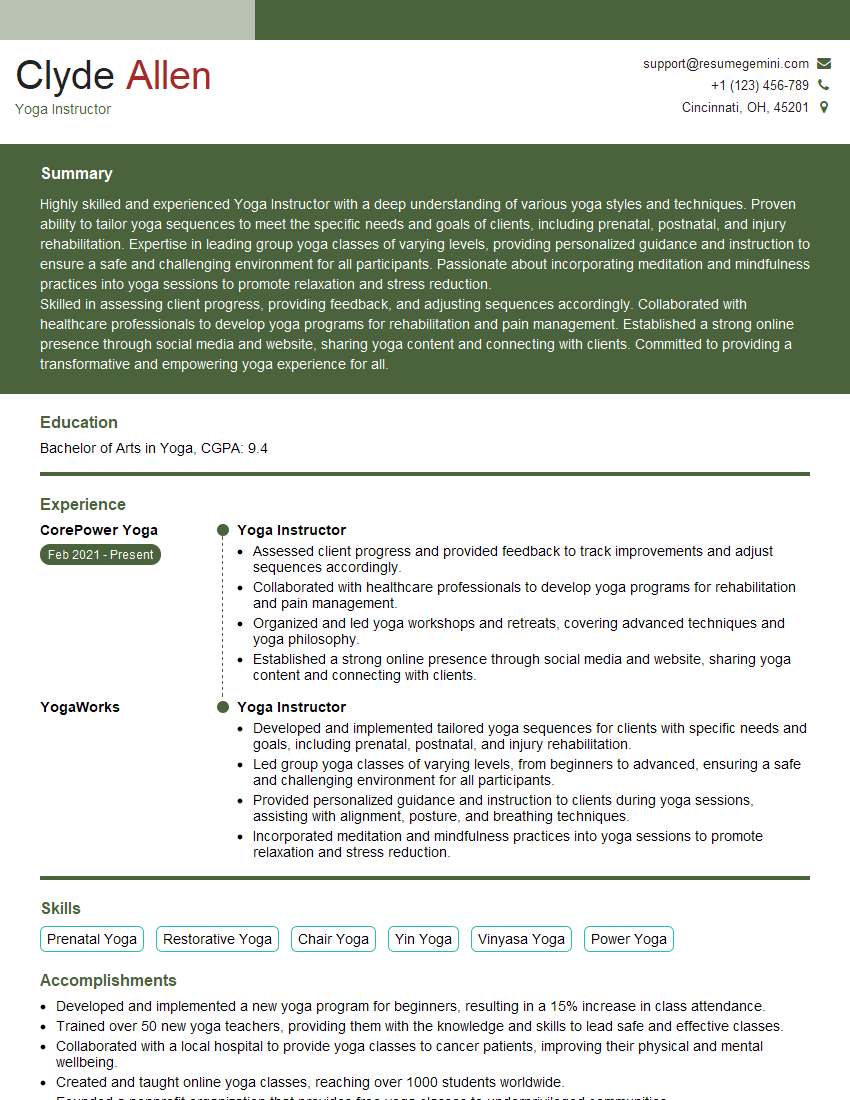
Yoga Instructor Resume Sample
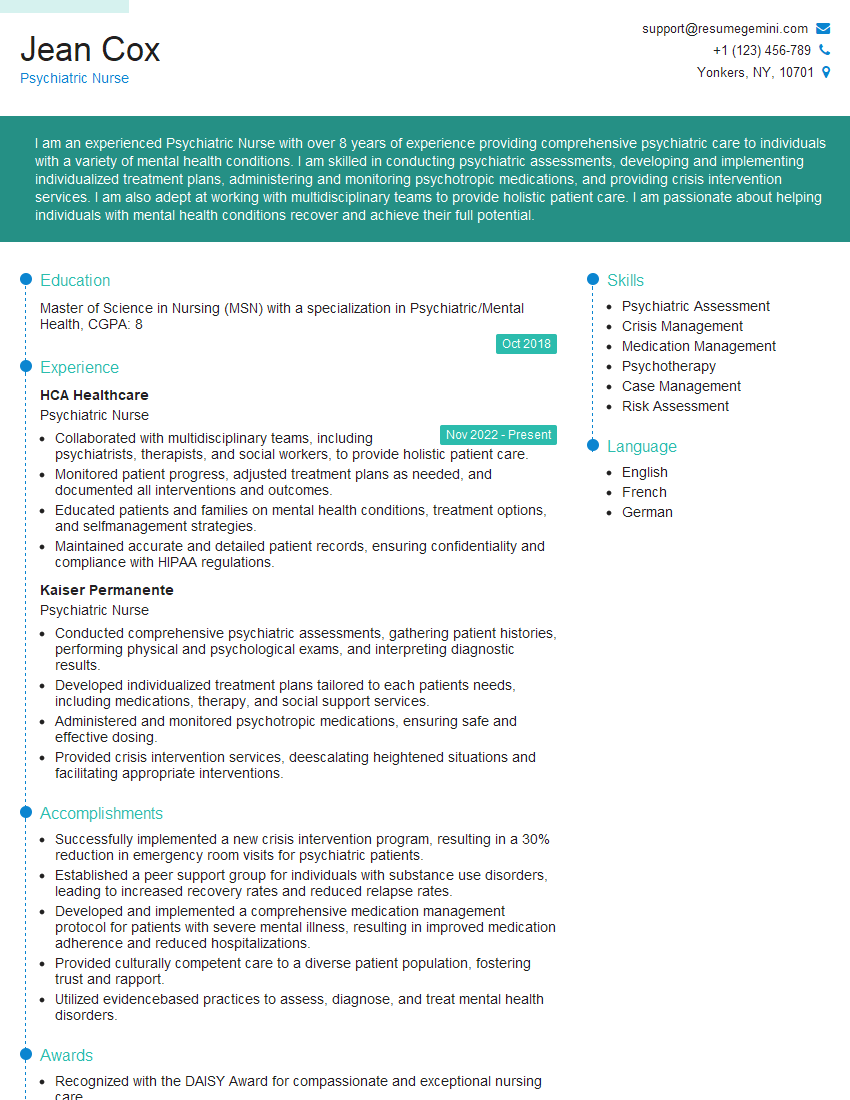
Psychiatric Nurse Resume Sample
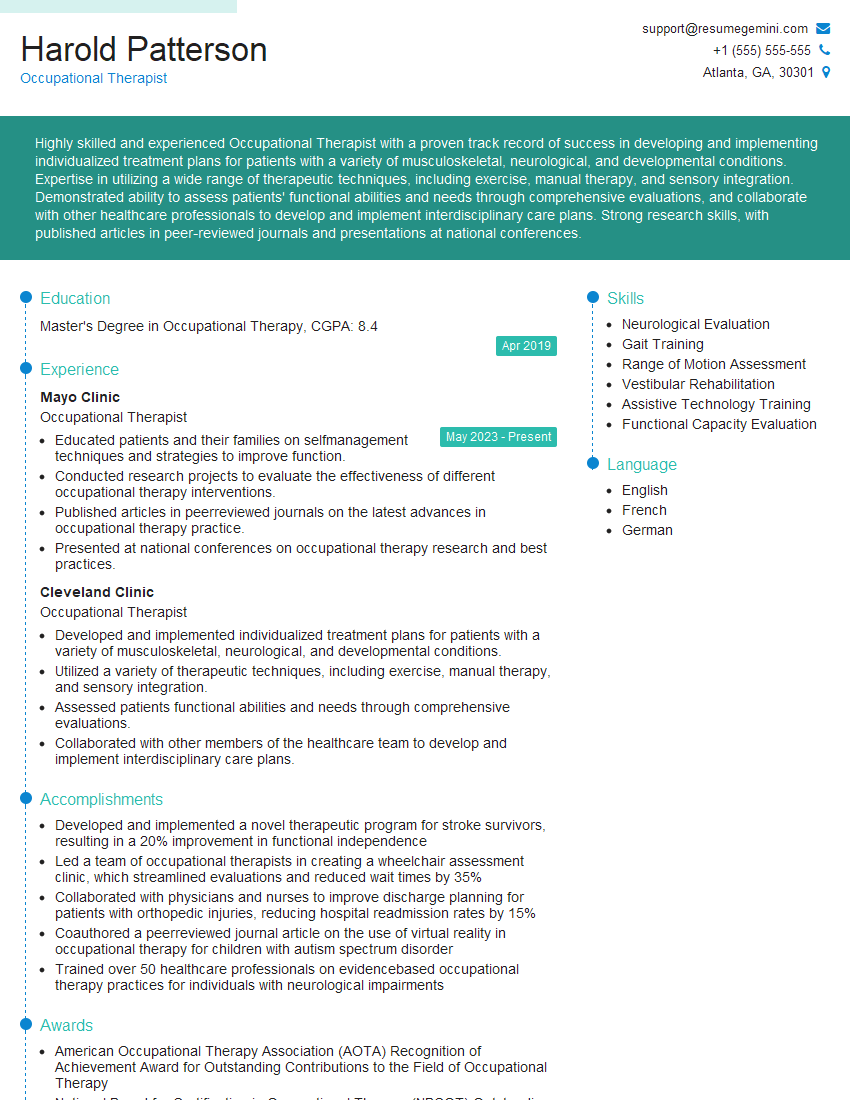
Occupational Therapist Resume Sample
Explore more articles
Users Rating of Our Blogs
Share Your Experience
We value your feedback! Please rate our content and share your thoughts (optional).
What Readers Say About Our Blog
Very informative content, great job.
good