Cracking a skill-specific interview, like one for Component Selection and Placement, requires understanding the nuances of the role. In this blog, we present the questions you’re most likely to encounter, along with insights into how to answer them effectively. Let’s ensure you’re ready to make a strong impression.
Questions Asked in Component Selection and Placement Interview
Q 1. Explain the process of selecting a capacitor for a specific application.
Choosing the right capacitor involves understanding its role in the circuit. Capacitors store energy in an electric field and are used for various functions like filtering, energy storage, coupling, and decoupling. The selection process depends critically on several parameters:
- Capacitance Value (uF, nF, pF): This dictates the amount of charge the capacitor can store. Incorrect capacitance can lead to improper filtering or timing issues. For example, a power supply filter might require a large capacitance (e.g., 100uF) to smooth out voltage ripples, while a high-frequency filter might only need a small capacitance (e.g., 10nF).
- Voltage Rating (V): This is the maximum voltage the capacitor can withstand. Exceeding this rating can lead to capacitor failure. Always select a voltage rating significantly higher than the expected voltage in the circuit (e.g., use a 16V capacitor when the voltage is only 12V to provide a safety margin).
- Tolerance (+/- %): This indicates the acceptable deviation of the actual capacitance from the nominal value. Tight tolerances (e.g., +/- 1%) are needed for applications requiring precise capacitance values.
- ESR (Equivalent Series Resistance): This represents the internal resistance of the capacitor. Low ESR is essential for applications involving high frequencies or fast switching, as it minimizes energy loss and improves circuit performance.
- ESL (Equivalent Series Inductance): This internal inductance becomes significant at high frequencies and can limit the capacitor’s effectiveness. Low ESL is important for high-frequency applications.
- Temperature Coefficient: This describes how the capacitance changes with temperature. Consider this factor if your circuit operates over a wide temperature range.
- Dielectric Material: Different dielectric materials (ceramic, electrolytic, film) offer different characteristics. Electrolytic capacitors are good for large capacitance values, but have limitations on voltage and frequency. Ceramic capacitors are suitable for high frequencies. Film capacitors offer good stability and low ESR.
Example: Designing a simple RC filter for a power supply. You’d first calculate the required cutoff frequency based on the ripple frequency. Then, using a standard capacitor value formula, you would determine the necessary capacitance and choose a capacitor with sufficient voltage rating, appropriate ESR, and suitable dielectric type (electrolytic would be common in this case).
Q 2. How do you determine the appropriate resistor value for a given circuit?
Determining the appropriate resistor value is crucial for controlling current flow and voltage levels in a circuit. The calculation depends on the specific circuit configuration (e.g., voltage divider, current limiter, pull-up/pull-down resistor).
- Ohm’s Law (V = IR): This fundamental law forms the basis for resistor calculations. It relates voltage (V), current (I), and resistance (R).
- Power Dissipation (P = I²R = V²/R): This equation determines the power the resistor will dissipate as heat. It’s critical to choose a resistor with a power rating (e.g., 1/4W, 1/2W, 1W) that exceeds the calculated power dissipation to prevent overheating and failure.
- Resistor Tolerance: Similar to capacitors, resistors come with tolerances (e.g., +/- 5%, +/- 1%). Choose a tolerance appropriate for the application’s precision requirements.
- Temperature Coefficient: How the resistance changes with temperature is another important consideration for sensitive applications.
Example: Let’s say you need to limit the current flowing through an LED to 20mA, and the LED’s forward voltage is 2V. If your supply voltage is 5V, you need a resistor to drop the voltage by 3V (5V – 2V = 3V). Using Ohm’s Law (R = V/I), the resistor value would be R = 3V / 0.02A = 150 ohms. Then, we’d calculate the power dissipation (P = I²R = (0.02A)² * 150Ω = 0.06W). A 1/4W resistor would be suitable.
Often, standard resistor values (e.g., 100Ω, 150Ω, 220Ω) are chosen instead of exact calculated values to simplify procurement.
Q 3. Describe different types of integrated circuits (ICs) and their applications.
Integrated circuits (ICs) are miniaturized electronic circuits containing thousands or even billions of transistors and other components on a single chip. They’re categorized based on their functionality:
- Analog ICs: These process continuous signals, such as voltage or current. Examples include operational amplifiers (op-amps) for signal amplification and filtering, analog-to-digital converters (ADCs) for converting analog signals to digital, and voltage regulators for maintaining stable voltage levels.
- Digital ICs: These process discrete signals (0s and 1s) and include logic gates (AND, OR, NOT), flip-flops for storing data, microcontrollers for controlling systems, and microprocessors for processing instructions.
- Mixed-Signal ICs: These combine both analog and digital circuits on the same chip. A common example is a microcontroller with integrated ADCs and DACs.
- Memory ICs: These store data, such as RAM (Random Access Memory) for temporary data storage and ROM (Read-Only Memory) for permanent instructions.
- Application-Specific Integrated Circuits (ASICs): These are custom-designed ICs for specific applications, offering optimized performance and functionality.
Applications: The applications are virtually limitless. Analog ICs are found in audio equipment, sensors, and instrumentation. Digital ICs form the basis of computers, smartphones, and embedded systems. Memory ICs are essential components in all computing devices. ASICs are used in high-performance computing, communication systems, and specialized industrial applications.
Q 4. What are the key factors to consider when selecting an inductor?
Selecting an inductor depends on its intended use in the circuit, which influences the required parameters:
- Inductance (H): This is the primary characteristic, determining the inductor’s ability to store energy in a magnetic field. It’s crucial for applications like filters, energy storage, and resonant circuits. Incorrect inductance can lead to malfunction of the entire system.
- Current Rating (A): This defines the maximum current the inductor can carry without saturating or overheating. Exceeding this rating can lead to component failure.
- DC Resistance (DCR): This resistance causes energy loss as heat. Lower DCR is preferred, especially in high-current applications.
- Q Factor (Quality Factor): This describes the inductor’s efficiency. A higher Q factor indicates less energy loss and better performance, especially at resonant frequencies.
- Self-Resonant Frequency (SRF): This frequency at which the inductor’s inductance and parasitic capacitance resonate. Operating above the SRF can lead to unexpected behavior.
- Core Material: Different core materials (air core, ferrite, powdered iron) offer different characteristics. Air core inductors are used for high-frequency applications, while ferrite cores are better for lower frequencies and higher current handling.
- Size and Physical Packaging: Consider the available space on the PCB and compatibility with other components.
Example: Designing a buck converter requires selecting an inductor with appropriate inductance to achieve the desired output voltage and current. This inductor should also have a current rating higher than the expected current flow and a low DCR to minimize energy loss.
Q 5. Explain the importance of thermal considerations in component selection.
Thermal management is critical in component selection because excessive heat can drastically shorten a component’s lifespan, cause malfunctions, and even lead to catastrophic failures. Key thermal considerations include:
- Power Dissipation: Every component generates heat proportional to its power consumption. Resistors, ICs, and power transistors are particularly susceptible to excessive heat generation.
- Ambient Temperature: The surrounding temperature impacts the component’s operating temperature. Components intended for high-ambient temperatures need to be selected accordingly.
- Thermal Resistance (Θ): This parameter indicates how effectively a component dissipates heat. A lower thermal resistance is preferable.
- Derating Curves: Manufacturers provide derating curves that show how a component’s performance changes with temperature. Staying within the derating curve is crucial to ensure reliable operation.
- Heatsinks: For components with high power dissipation, heatsinks are often necessary to maintain acceptable operating temperatures.
Example: When selecting a power transistor for a high-power application, it is essential to consider the maximum junction temperature, choose a transistor with a low thermal resistance, and use a suitable heatsink to ensure that the junction temperature remains within the safe operating area. Failure to do so may lead to the transistor’s destruction.
Q 6. How do you choose the right connector for a specific application?
Selecting the right connector depends heavily on the application’s specific requirements:
- Type of Connection: Is it a power connection, signal connection, or both? Different connectors are designed for different signal types (e.g., analog, digital, high-speed).
- Number of Pins/Contacts: This depends on the number of signals that need to be connected.
- Current Carrying Capacity: For power connections, the connector must be capable of handling the required current without overheating or arcing.
- Voltage Rating: The connector’s insulation must be rated for the operating voltage.
- Environmental Conditions: Will the connector be exposed to moisture, dust, vibration, or extreme temperatures? Sealed or rugged connectors might be needed for harsh environments.
- Mating Cycles: How many times will the connector be connected and disconnected? Connectors with a higher mating cycle rating are essential for frequently used interfaces.
- Interface Standard: Consider industry standards (e.g., USB, Ethernet, HDMI) for compatibility and ease of integration.
Example: For a high-speed digital interface like USB 3.0, you would choose a connector that supports the required data rate and has appropriate shielding to minimize electromagnetic interference (EMI). In contrast, a simple power connection might use a screw terminal block which is robust and reliable, even if it is less compact than a more sophisticated solution.
Q 7. What are the different types of PCB mounting methods and when would you use each?
PCB mounting methods vary depending on component size, heat dissipation requirements, and cost considerations:
- Through-Hole Mounting: The component’s leads pass through holes in the PCB and are soldered on the underside. This is a robust method suitable for large components and high-current applications but can be less suitable for high-density PCBs.
- Surface Mount Technology (SMT): Components have terminals or pads that are soldered directly onto the PCB surface. SMT is widely used for its smaller size, higher density, and automated assembly capabilities. It’s the dominant technique for modern PCBs.
- BGA (Ball Grid Array): These components have solder balls on their underside, allowing for a very high pin count and small footprint. BGAs require specialized equipment for soldering and inspection.
- QFN (Quad Flat No-Leads): Similar to BGAs but with flat leads rather than solder balls. They offer a good compromise between lead count and ease of mounting.
- Wire Bonding: Used for attaching very small components or dies directly to the PCB. Used primarily in high-end applications.
Choosing a Method: The selection depends on several factors. Through-hole is preferred for larger components or high-power applications needing robust connections. SMT dominates high-density, high-volume designs due to automation and smaller sizes. BGAs and QFNs are preferred for high pin count devices such as microprocessors, FPGAs and some memory chips.
Q 8. How does component placement affect signal integrity?
Component placement significantly impacts signal integrity, which refers to the quality of signals as they travel through a circuit. Poor placement can lead to signal attenuation (weakening), reflections (signal bouncing back), crosstalk (interference between signals), and ultimately, malfunction. Imagine a highway: If your lanes are too close together (components too close), cars (signals) will bump into each other. Similarly, long, meandering routes (long traces) introduce delays and increase the chance of signal degradation.
For instance, placing high-speed components far from their associated termination resistors will introduce signal reflections, causing timing errors. Conversely, placing sensitive analog components near high-speed digital components can result in noise coupling and performance degradation.
Q 9. Describe the process of designing a PCB layout for optimal signal integrity.
Designing a PCB layout for optimal signal integrity is an iterative process. It starts with a thorough understanding of the circuit’s requirements, particularly the characteristics of high-speed signals. Here’s a structured approach:
- Signal Analysis: Identify critical signals and their frequency characteristics. High-frequency signals demand special attention.
- Component Placement: Place sensitive analog components away from noisy digital components. Group components functionally and place them strategically to minimize trace lengths. High-speed components should be close to their termination circuitry.
- Routing: Use controlled impedance traces for high-speed signals. Minimize trace length and bends. Use differential pairs for sensitive data transmission. Avoid routing high-speed signals parallel to sensitive low-speed signals to reduce crosstalk.
- Grounding and Shielding: Implement a robust ground plane and use shielding where needed. A good ground plane is essential for reducing noise and maintaining signal integrity.
- Simulation and Analysis: Use simulation tools like Altium Designer or Cadence Allegro to analyze signal integrity. This helps identify potential issues early in the design process.
- Iterative Refinement: Review simulation results and adjust the layout based on the findings. This may involve rerouting traces, repositioning components, or adding shielding. Often, this is an iterative process requiring several design cycles.
Consider this example: In a high-speed data acquisition system, carefully placing and routing the ADC (Analog-to-Digital Converter) near its input buffers and using controlled-impedance traces will ensure accurate signal acquisition.
Q 10. What are the common causes of PCB failures related to component selection or placement?
PCB failures stemming from component selection or placement are usually rooted in poor design choices or oversight. Common causes include:
- Overheating: Incorrect component selection (inappropriate power ratings) or poor thermal management (inadequate heatsinks or inefficient layout) can cause components to overheat and fail.
- Signal Integrity Issues: Improper component placement, long trace lengths, inadequate shielding, and incorrect impedance matching can lead to signal degradation and system malfunction.
- Mechanical Stress: Poor placement can introduce mechanical stress, causing solder joint failures, component cracking, or misalignment.
- ESD Damage: Inadequate ESD protection during handling and manufacturing can damage sensitive components, especially during assembly.
- Incorrect Component Selection: Choosing components with insufficient ratings for voltage, current, or temperature can lead to immediate or premature failure.
- Electromagnetic Interference (EMI): Poor layout can cause EMI coupling, leading to noise and malfunction.
For instance, selecting a capacitor with an insufficient voltage rating for a high-voltage application is a recipe for disaster. Similarly, placing a sensitive op-amp close to a noisy motor can lead to noise pickup and performance degradation.
Q 11. How do you ensure proper grounding and shielding in a PCB design?
Proper grounding and shielding are paramount for signal integrity and EMI/EMC compliance. A good ground plane acts as a low-impedance path for return currents, minimizing noise and reducing ground bounce. Shielding confines electromagnetic fields, preventing interference.
- Ground Plane: A continuous ground plane, often on the bottom layer of the PCB, is crucial. Consider using multiple ground planes (e.g., analog and digital grounds) for better noise isolation.
- Grounding Connections: Ensure all components have a solid connection to the ground plane. Use vias effectively to connect different layers.
- Shielding: Use conductive enclosures or metal cans to shield sensitive components from external electromagnetic fields. Proper grounding of shields is critical.
- Controlled Impedance Routing: This ensures consistent signal propagation characteristics, especially important in high-speed designs. Controlled impedance is typically achieved by specifying trace width, trace spacing, and dielectric thickness.
Imagine a power grid: the ground plane is like the earth – it provides a stable reference point. Shielding is like a Faraday cage – it protects against external interference.
Q 12. What are some strategies for optimizing component placement to reduce EMI/EMC issues?
Optimizing component placement to reduce EMI/EMC issues involves strategically separating sensitive circuits from potential noise sources. Key strategies include:
- Spatial Separation: Place noisy components far from sensitive ones. The distance between components is inversely proportional to the level of interference.
- Shielding: Utilize conductive shielding, like metal cans or enclosures, to isolate noise sources.
- Filtering: Incorporate EMI/RFI filters to suppress interference in the power supply and signal lines.
- Grounding: Maintain a robust ground plane, ensuring all components have a solid ground connection.
- Orientation: Orient components such as inductors and transformers to minimize radiated emissions.
- Component Selection: Choose components with lower EMI/EMC emissions.
For example, a power supply with high switching frequency should be placed away from sensitive analog circuitry. Furthermore, the placement of components should also consider the potential for unintended antenna effects. Long, unshielded traces can act as antennas.
Q 13. Explain the difference between surface mount and through-hole components.
Surface mount (SMD) and through-hole (THT) components represent different ways of connecting components to a PCB. SMD components have their leads directly soldered onto the PCB surface, while THT components have leads that go through the board and are soldered on the opposite side.
- Surface Mount (SMD): Smaller, lighter, require less board space, enable higher component density, better suited for automated assembly, generally better for high-frequency circuits due to shorter leads.
- Through-Hole (THT): Larger, more robust, generally easier to hand-solder, better mechanical stability, more suitable for high-power applications where heat dissipation is a concern.
Imagine Lego bricks: SMD components are like the smaller, flat bricks that are easily attached to the baseplate (PCB). THT components are like the larger bricks with studs that go through the baseplate and are secured on the other side.
Q 14. What are the advantages and disadvantages of using different types of packaging for integrated circuits?
Different IC packaging options offer trade-offs between cost, performance, and thermal management. Common types include DIP, SOIC, QFN, and BGA.
- Dual In-line Package (DIP): Through-hole packaging, robust, easy to hand-solder, higher profile, and limited density.
- Small Outline Integrated Circuit (SOIC): Surface mount, smaller footprint than DIP, lower profile, good for moderate density designs.
- Quad Flat No-Leads (QFN): Surface mount, very small footprint, high density, excellent for space-constrained designs, can be challenging to solder manually.
- Ball Grid Array (BGA): Surface mount, extremely high density, excellent for complex ICs with many pins, requires specialized soldering equipment, and advanced thermal management.
The choice depends on the application’s requirements. For instance, a high-density mobile phone might utilize QFN or BGA packages to maximize space efficiency. High-power applications might benefit from DIP’s improved heat dissipation. Choosing the right packaging greatly influences cost and manufacturability, impacting final product design.
Q 15. How do you manage component obsolescence in a design?
Component obsolescence is a major concern in electronics design. It refers to the situation where a component becomes unavailable from its manufacturer, either due to end-of-life (EOL) announcements or simply because demand drops below production viability. Managing this requires a proactive strategy.
- Long-term planning: I always select components with a long, established life cycle whenever possible. I consult manufacturer roadmaps and lifecycle information to understand the expected lifespan of a component before committing to it.
- Design for manufacturability (DFM): Designing with common, readily available components minimizes risk. Choosing components with a large number of distributors reduces the likelihood of supply chain disruptions.
- Part number tracking: I meticulously maintain a database of all components, including their part numbers, manufacturers, and lifecycle information. This helps in monitoring EOL announcements and facilitates timely replacement decisions.
- Strategic stockpiling: For critical, hard-to-replace parts, it may be necessary to stockpile a reasonable quantity. The cost-benefit of stockpiling needs to be carefully evaluated considering storage, obsolescence risk, and potential cost savings from preventing production delays.
- Component alternatives: As soon as an EOL is announced, I begin evaluating suitable replacements. This involves careful consideration of specifications, form factors, and ensuring functional equivalence.
For example, in a previous project, we identified an EOL risk for a specific microcontroller. We started investigating suitable replacements six months before the expected EOL date, thoroughly testing and verifying functionality before integrating the replacement into the product.
Career Expert Tips:
- Ace those interviews! Prepare effectively by reviewing the Top 50 Most Common Interview Questions on ResumeGemini.
- Navigate your job search with confidence! Explore a wide range of Career Tips on ResumeGemini. Learn about common challenges and recommendations to overcome them.
- Craft the perfect resume! Master the Art of Resume Writing with ResumeGemini’s guide. Showcase your unique qualifications and achievements effectively.
- Don’t miss out on holiday savings! Build your dream resume with ResumeGemini’s ATS optimized templates.
Q 16. Explain your experience with component libraries and datasheets.
Component libraries and datasheets are fundamental to my work. Component libraries, often integrated into PCB design software, contain pre-verified component models that significantly streamline the design process. Datasheets are the definitive source of information for each component’s specifications, characteristics, and operating conditions.
I’m proficient in using various component libraries, including those from manufacturers like Texas Instruments, Analog Devices, and others. I regularly search these libraries for suitable components based on specific requirements like power consumption, package size, operating voltage and temperature range.
My approach to datasheets is very detailed. I always meticulously examine parameters such as absolute maximum ratings, electrical characteristics, mechanical dimensions, and environmental specifications. I use the information in datasheets to confirm that selected components will operate reliably under the anticipated conditions of my design. If the datasheet is ambiguous about some parameter, I contact the manufacturer directly for clarification.
Q 17. Describe your experience with PCB design software (e.g., Altium, Eagle).
I possess extensive experience with Altium Designer and Eagle, two leading PCB design software packages. My expertise encompasses the entire design workflow: schematic capture, PCB layout, design rule checking (DRC), and Gerber file generation.
In Altium, I’m skilled in using advanced features such as hierarchical design, constraint management, and signal integrity analysis. In Eagle, I’m comfortable with its simpler interface but still proficient in creating complex layouts and leveraging its libraries effectively.
Beyond the software itself, I understand the importance of adhering to design best practices such as proper routing techniques for minimizing EMI/EMC issues, efficient placement for thermal management, and following standardized design conventions.
For instance, in a recent project, using Altium’s advanced routing capabilities allowed us to efficiently manage high-speed signal traces, minimizing crosstalk and signal integrity issues which would have been more challenging in Eagle.
Q 18. How do you evaluate the reliability of different components?
Evaluating component reliability is critical. My approach is multifaceted and involves several key steps:
- Manufacturer reputation: I prefer components from established manufacturers with a proven track record of reliability.
- Datasheet analysis: Datasheets provide crucial information like Mean Time Between Failures (MTBF), failure rates, and environmental specifications. I carefully examine these parameters to understand the component’s inherent reliability.
- Industry standards and certifications: Components adhering to relevant industry standards (e.g., AEC-Q for automotive applications) and possessing certifications (e.g., UL) offer an additional layer of assurance regarding their reliability.
- Derating: I always derate components, operating them well within their specified limits. This reduces stress on the components and improves their longevity.
- Testing and simulation: When possible, I conduct simulations or physical tests to verify component performance and reliability under real-world conditions.
Imagine designing a medical device. Choosing components with high reliability is paramount. I would meticulously evaluate the MTBF figures and possibly perform stress testing to ensure long-term dependable operation under demanding circumstances.
Q 19. Explain your understanding of tolerance in component selection.
Component tolerance represents the permissible variation from a nominal value. For example, a resistor with a nominal value of 100 ohms and a 5% tolerance can have an actual resistance anywhere between 95 and 105 ohms. Understanding and managing component tolerance is essential to avoid unexpected behavior in the circuit.
When selecting components, I consider the impact of tolerance on the circuit’s functionality. For critical applications, I might choose components with tighter tolerances to minimize variations in performance. However, tighter tolerances often come at a higher cost. Therefore, a balance must be struck based on the specific requirements and cost considerations of the project.
For instance, if I am designing a precision amplifier, tight tolerance resistors are crucial to maintain accuracy. However, for a simple LED circuit, a wider tolerance might be acceptable and more cost-effective.
Q 20. How do you balance cost and performance when selecting components?
Balancing cost and performance is a constant challenge in component selection. My approach involves a careful trade-off analysis.
- Prioritize critical functions: High-performance components are used for critical circuit functions, while less demanding circuits can use more cost-effective parts.
- Component selection matrix: I often create a matrix listing different components and their key parameters (performance, cost, availability, reliability). This helps me compare options and make informed decisions.
- Explore different manufacturers: Comparing specifications and pricing across multiple manufacturers can reveal significant cost savings without compromising performance.
- Consider long-term costs: While the initial cost of a component is important, it’s equally critical to consider factors like reliability, potential failure costs, and maintenance. A more expensive, highly reliable component may ultimately be more cost-effective than a cheaper but less reliable one.
In a previous project, we compared different microcontrollers. While a high-end microcontroller offered better performance, it significantly increased the bill of materials (BOM) cost. We found a less expensive alternative that met our functional requirements, balancing cost and performance effectively.
Q 21. How do you handle situations where a desired component is unavailable?
When a desired component is unavailable, several strategies can be employed:
- Search alternative distributors: If the component is simply out of stock with one distributor, checking with others may reveal availability.
- Explore substitute components: Finding a functionally equivalent component from a different manufacturer is often a viable solution. This requires careful evaluation of datasheets and ensuring compatibility.
- Design modifications: In some cases, altering the design to accommodate a different, available component might be necessary. This could involve changing the circuit topology or using alternative parts that fulfill the same function.
- Long lead-time ordering: For components with long lead times, it is crucial to order well in advance to avoid project delays.
- Negotiation with manufacturers: Directly contacting manufacturers can sometimes yield results, particularly for high-volume orders.
For example, during a recent project, a specific type of capacitor became unavailable. After thorough evaluation, we found a functionally equivalent capacitor with a slightly different capacitance and footprint. This required minor design adjustments but prevented significant project delays.
Q 22. Describe your approach to resolving conflicts between component placement and routing.
Component placement and routing conflicts are a common challenge in PCB design. My approach involves a multi-step iterative process prioritizing signal integrity and manufacturability. It starts with a well-defined design specification including signal routing constraints (e.g., length matching, impedance control). I use automated placement tools initially, which provide a starting point, but these are always reviewed and adjusted manually.
If a conflict arises—for instance, a component obstructs a critical high-speed trace—I explore several solutions. First, I attempt to reroute the trace. If that’s not feasible without significant compromises, I investigate whether I can reposition the conflicting component. This often requires evaluating the component’s function and tolerance. Is its placement absolutely critical, or can it be slightly moved? For example, a decoupling capacitor might be less sensitive to its exact location than a high-frequency amplifier.
Sometimes, component footprint modification might be necessary. But this needs careful consideration as it could impact production. In extreme cases, a design change might be required, perhaps involving a different component or a revised PCB layout. Throughout this process, detailed documentation and communication are key. Using version control ensures traceability and allows for revisiting previous design iterations.
Q 23. How do you ensure compliance with industry standards and regulations in component selection?
Ensuring compliance is paramount. My process begins with a thorough understanding of relevant standards like IPC (Institute for Printed Circuits) standards, RoHS (Restriction of Hazardous Substances), REACH (Registration, Evaluation, Authorisation and Restriction of Chemicals), and any specific customer requirements. I utilize component databases (e.g., Octopart, Mouser) that provide detailed information including certifications and compliance information. I carefully verify that each selected component meets the necessary standards before integration into the design.
Beyond the database information, I also review component datasheets meticulously. This ensures compliance with regulatory requirements and avoids using components that pose potential safety hazards or environmental risks. For critical applications, I often request compliance certifications directly from the component manufacturer. Finally, regular audits and reviews of the component selection process ensure ongoing compliance.
For example, in a medical device project, meticulous attention is paid to components with certifications relevant to safety and biocompatibility (e.g., ISO 13485).
Q 24. Explain your experience with component testing and verification.
Component testing and verification are essential for product reliability. My experience covers various levels of testing, from basic functional testing to more rigorous environmental and life cycle testing. I use a combination of in-circuit testing (ICT), functional testing, and environmental stress screening (ESS) to verify component performance and reliability.
For instance, ICT helps identify short circuits or open circuits, while functional tests assess the operational characteristics of the components under various conditions. ESS involves subjecting the components to various stress factors, such as temperature and humidity, to identify potential weaknesses. The choice of tests depends heavily on the application’s criticality. A high-reliability application (like aerospace) needs far more extensive testing than a consumer electronics product. Data from these tests inform design decisions and help identify potential failure modes early in the development process. This has helped prevent several critical failures in previous projects.
Q 25. Describe your experience with DFMEA (Design Failure Mode and Effects Analysis) in relation to component selection.
DFMEA is crucial for proactively identifying and mitigating potential component-related failures. My approach involves conducting a thorough DFMEA at the component selection stage. This means meticulously analyzing each component for potential failure modes, their effects on the system, and the severity, occurrence, and detection rates of these failures. The resulting risk priority number (RPN) guides my selection decisions.
For example, if a particular capacitor has a high risk of failure due to high temperature exposure and this failure could lead to a system shutdown, we would explore alternative components with better temperature characteristics or implement design changes to reduce temperature stress. This might involve adding a heatsink or adjusting the circuit layout. The DFMEA process is iterative and requires continuous updates as the design evolves. This proactive approach reduces the likelihood of costly field failures.
Q 26. How do you determine the appropriate power rating for a resistor or other component?
Determining the appropriate power rating for a resistor or any component is critical for reliable operation. It involves calculating the power dissipated by the component and selecting a rating that provides a sufficient safety margin. The basic formula is P = I²R or P = V²/R, where P is power (in watts), I is current (in amperes), V is voltage (in volts), and R is resistance (in ohms).
However, simply calculating the power isn’t sufficient. I always consider factors such as ambient temperature, derating factors, and thermal considerations. Datasheets provide derating curves that show how the maximum power rating changes with temperature. For example, a 1/4 watt resistor might have a reduced maximum power at high ambient temperatures. I typically select a resistor with a power rating significantly higher (e.g., double or even triple) than the calculated power dissipation to ensure reliability and longevity. This approach helps prevent overheating and component failure. Similarly, for other components, this principle of safety margin is always applied.
Q 27. What are your strategies for managing component lead times in a project?
Managing component lead times is critical for on-time project delivery. My strategy employs a multi-pronged approach. Firstly, I use component management tools and actively track lead times early in the design process. I obtain quotes and lead time estimates from multiple suppliers to ensure redundancy and mitigate the risk of delays from a single source. Secondly, I prioritize components with shorter lead times where possible. This might involve selecting readily available components or designing the circuit to use commonly used parts.
For critical components with long lead times, I place orders early, often well in advance of when they are needed for the assembly process. This is particularly important for high-value or hard-to-source components. Furthermore, I maintain open communication with suppliers to monitor their production schedules and ensure timely delivery. Finally, I maintain a buffer stock of critical and readily available components to minimize delays due to unexpected issues.
Key Topics to Learn for Component Selection and Placement Interview
- Component Characterization: Understanding datasheets, specifications, and tolerances of various components (resistors, capacitors, inductors, ICs, etc.). This includes analyzing parameters like power rating, temperature coefficients, and frequency response.
- Component Selection Criteria: Applying knowledge of component characteristics to choose the optimal components for a specific design based on factors like cost, performance, reliability, and availability. This involves trade-off analysis and considering design constraints.
- Placement Strategies for Optimized Performance: Understanding the impact of component placement on signal integrity, electromagnetic interference (EMI), thermal management, and overall circuit performance. This includes considerations for high-speed designs and power delivery networks.
- Simulation and Modeling: Utilizing simulation tools (e.g., SPICE) to verify component choices and placement strategies before prototyping. This involves interpreting simulation results and making necessary adjustments.
- Design for Manufacturability (DFM): Considering manufacturability aspects during component selection and placement, including component size, placement density, and assembly processes. This ensures the design is feasible and cost-effective to produce.
- Troubleshooting and Debugging: Identifying and resolving issues related to faulty component selection or improper placement. This includes using diagnostic tools and techniques to isolate problems.
- Standards and Compliance: Familiarity with relevant industry standards and compliance requirements related to component selection and placement (e.g., safety, environmental regulations).
Next Steps
Mastering Component Selection and Placement is crucial for career advancement in engineering and related fields. A strong understanding of these principles directly translates to designing more efficient, reliable, and cost-effective systems. To maximize your job prospects, creating an ATS-friendly resume that highlights your skills and experience is essential. We recommend using ResumeGemini to build a professional and impactful resume that showcases your abilities effectively. Examples of resumes tailored to Component Selection and Placement are available to help you get started.

Project Engineer Resume Sample
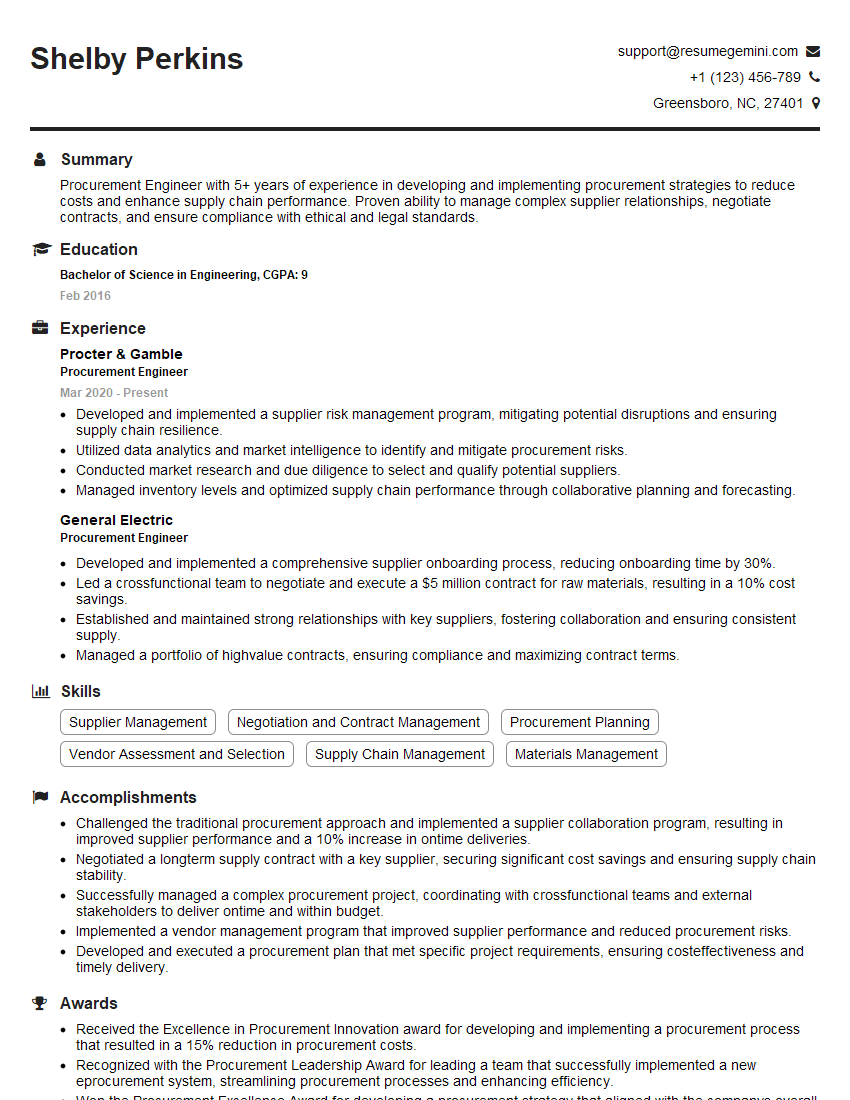
Procurement Engineer Resume Sample
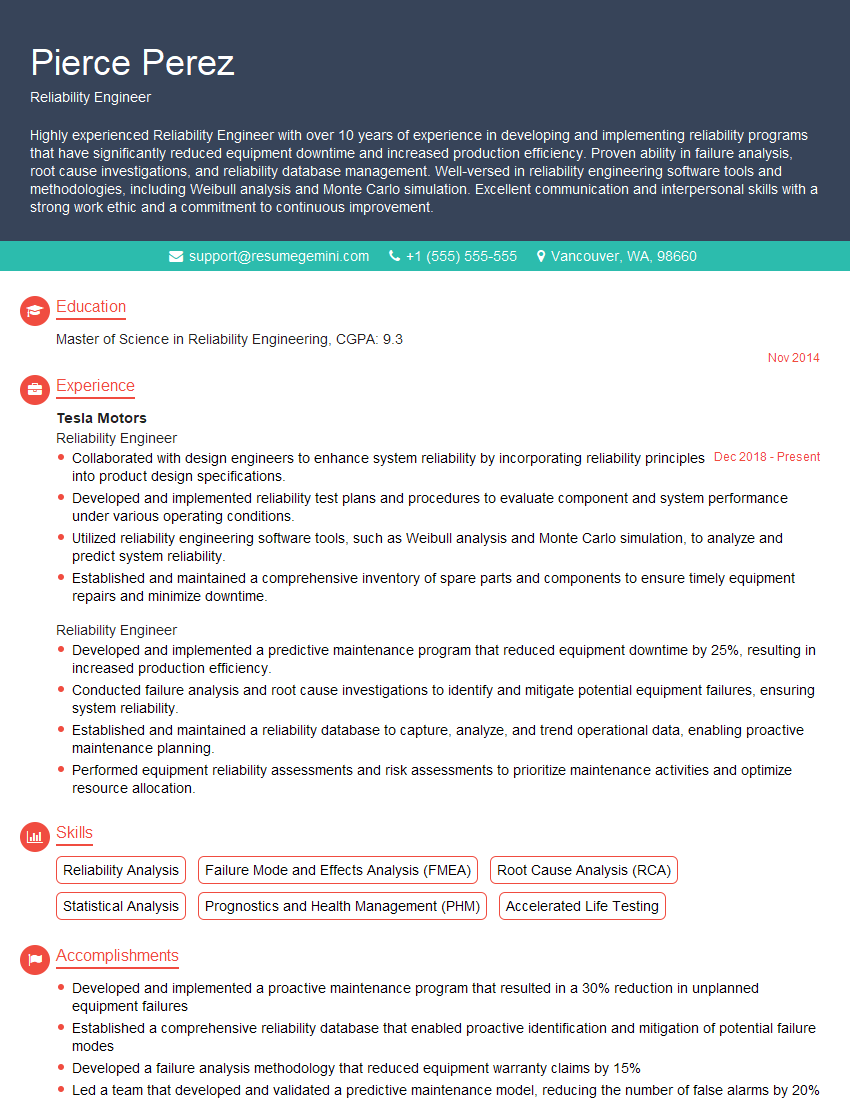
Reliability Engineer Resume Sample
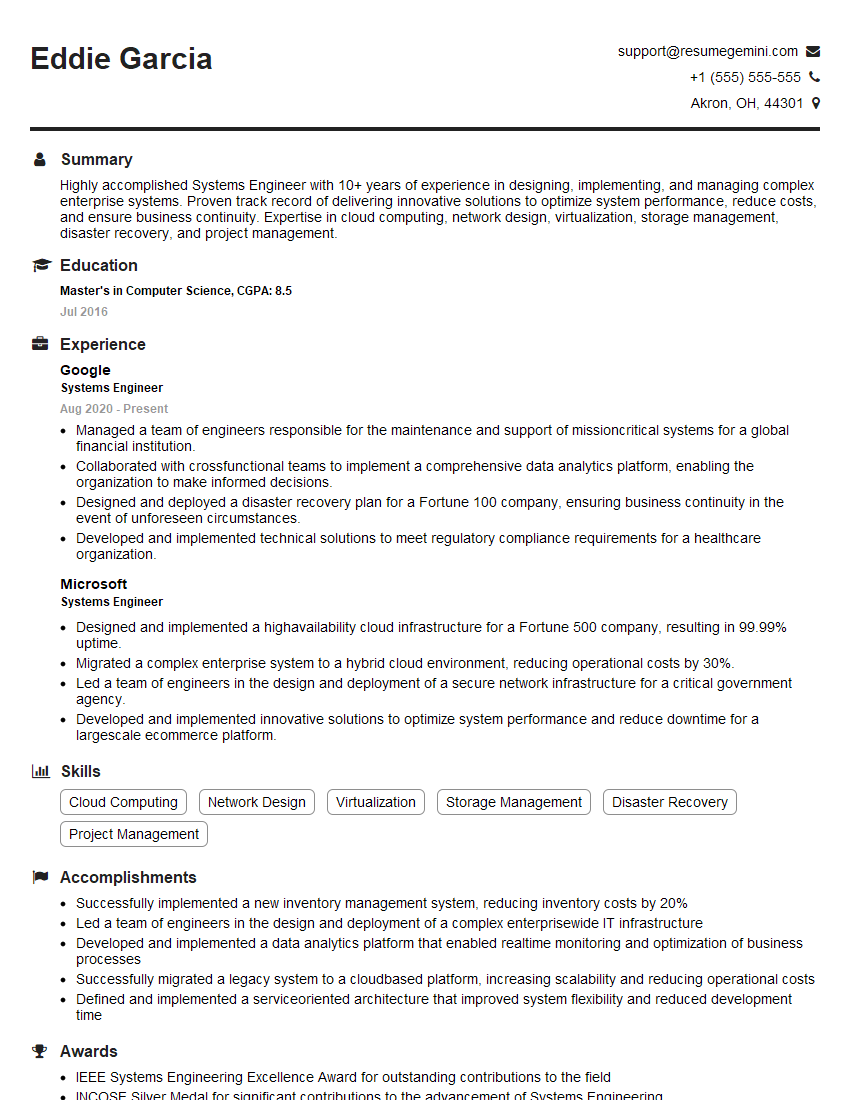
Systems Engineer Resume Sample
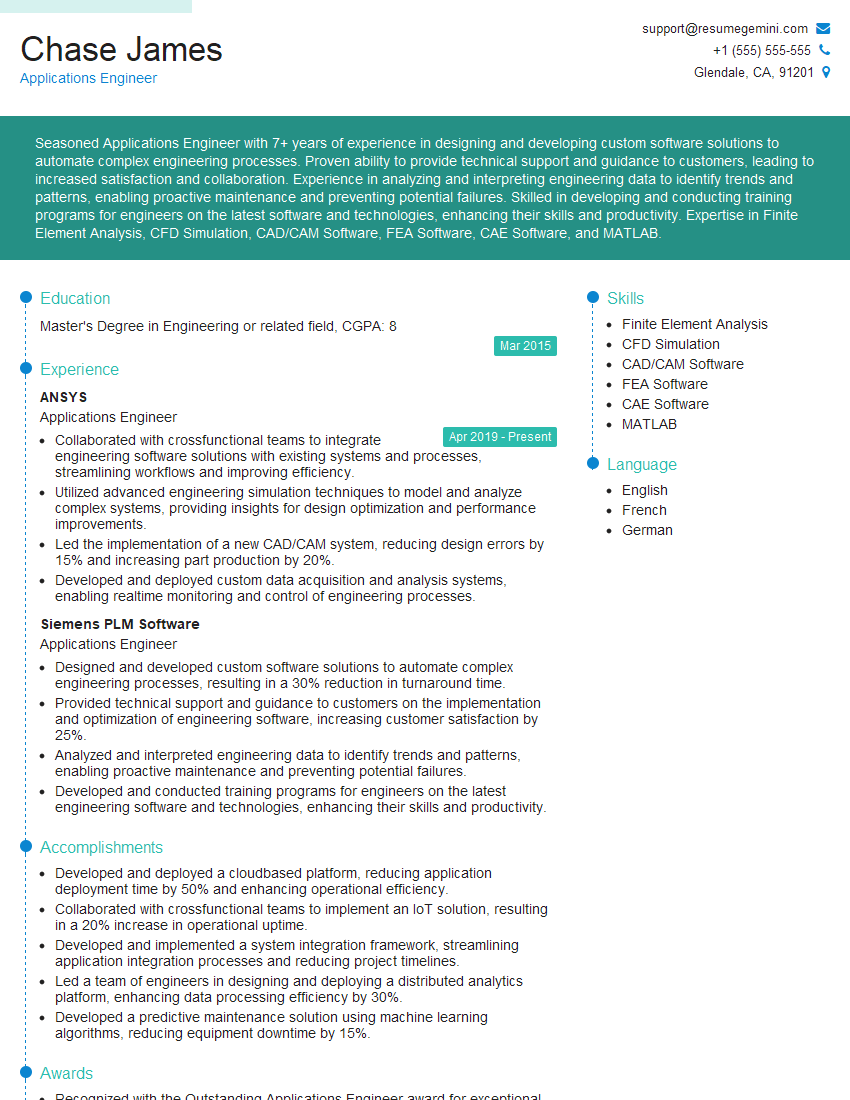
Applications Engineer Resume Sample
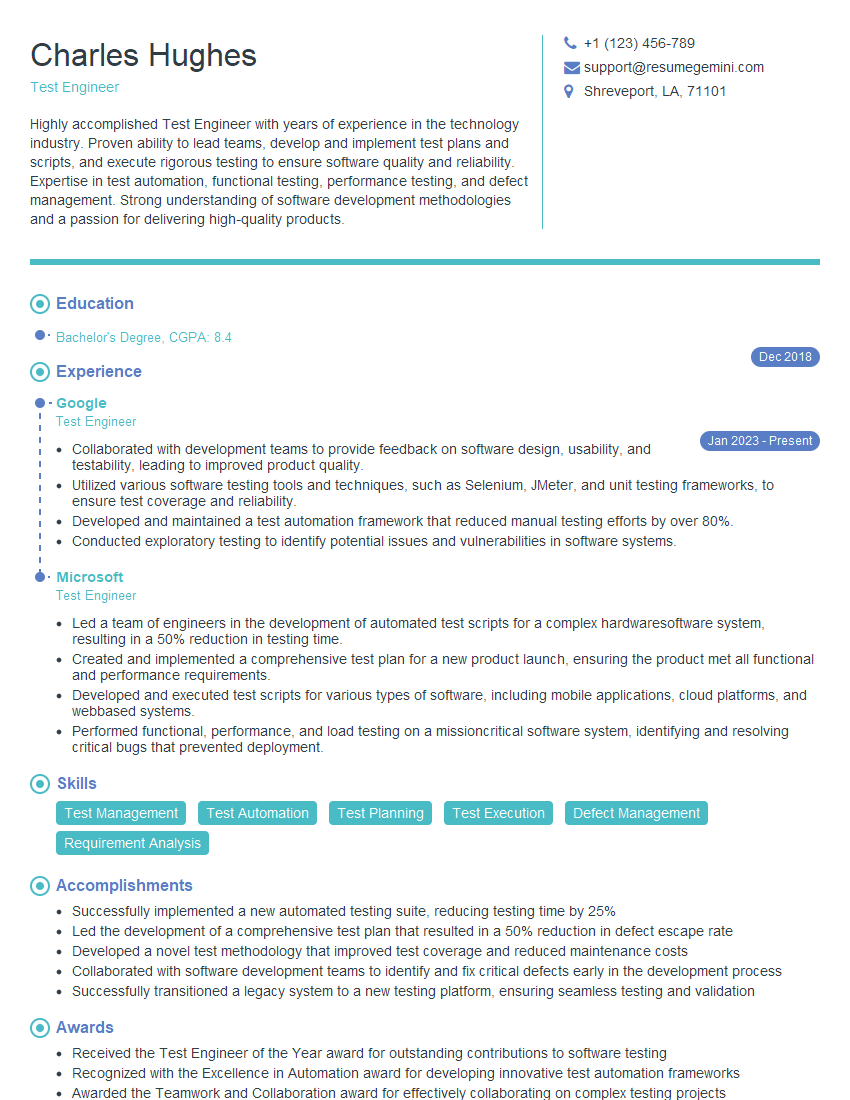
Test Engineer Resume Sample
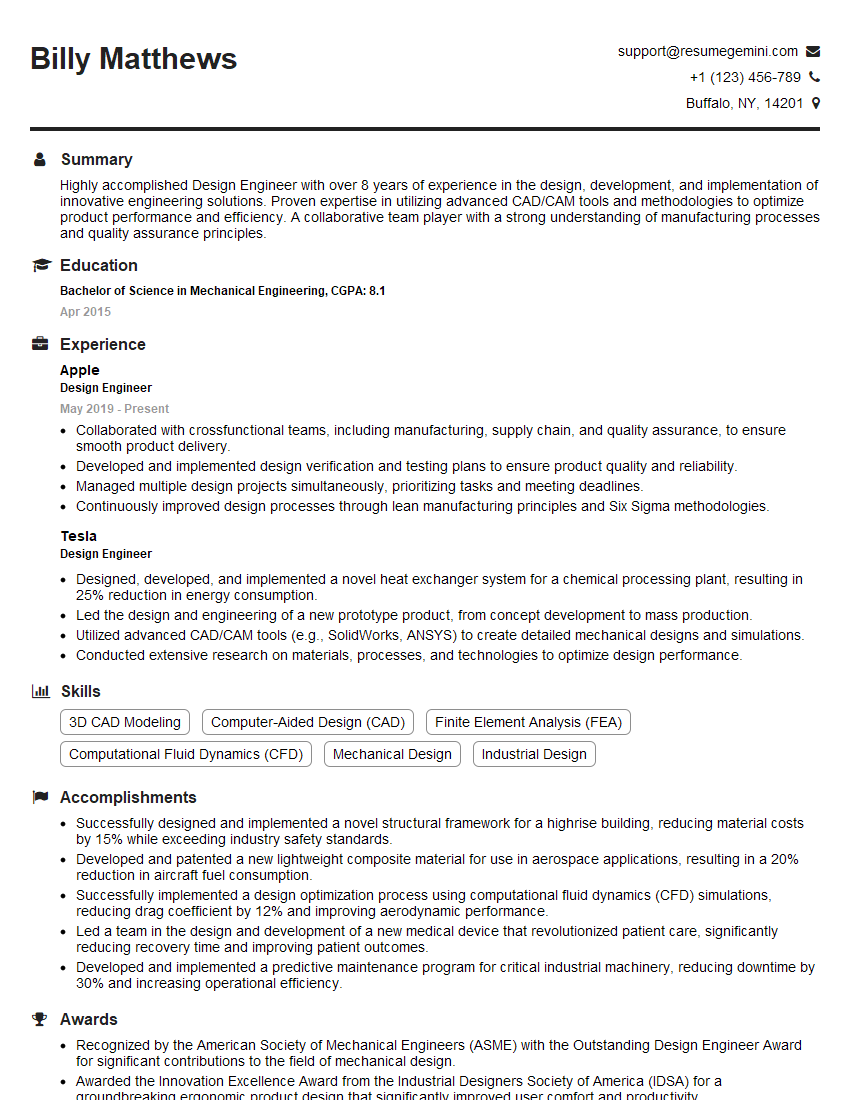
Design Engineer Resume Sample
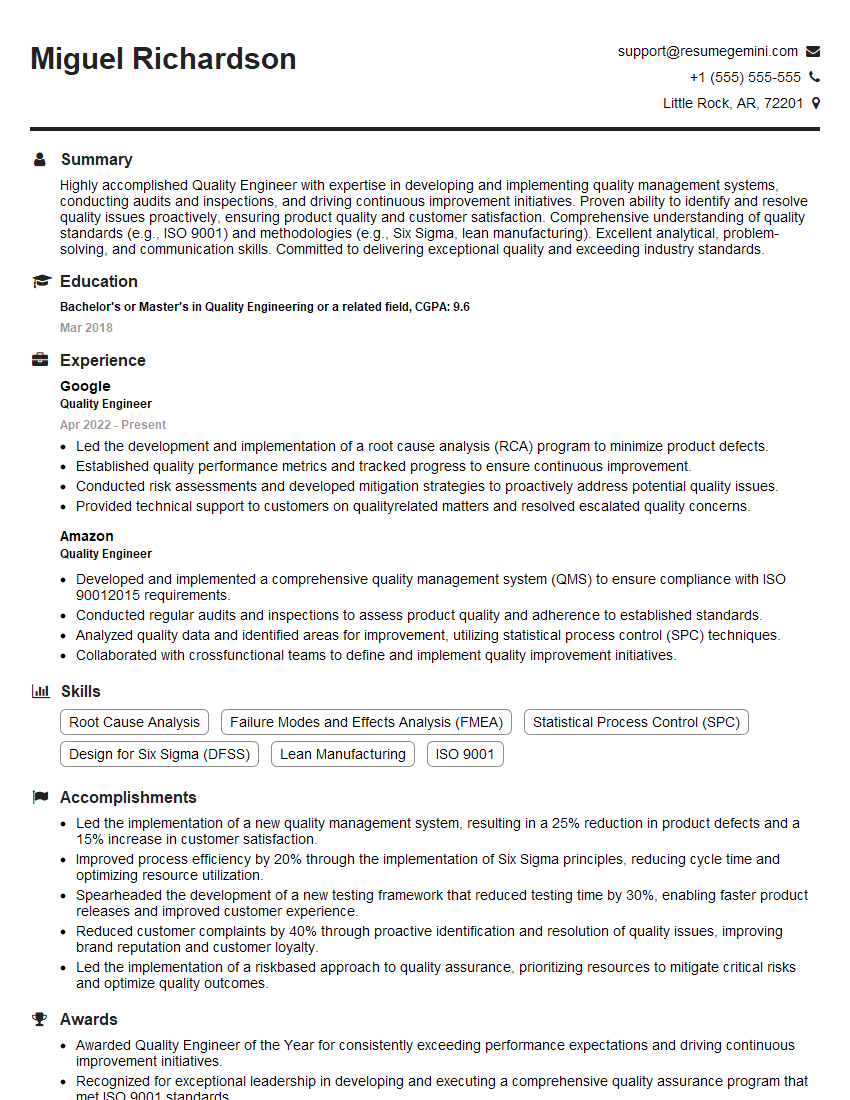
Quality Engineer Resume Sample
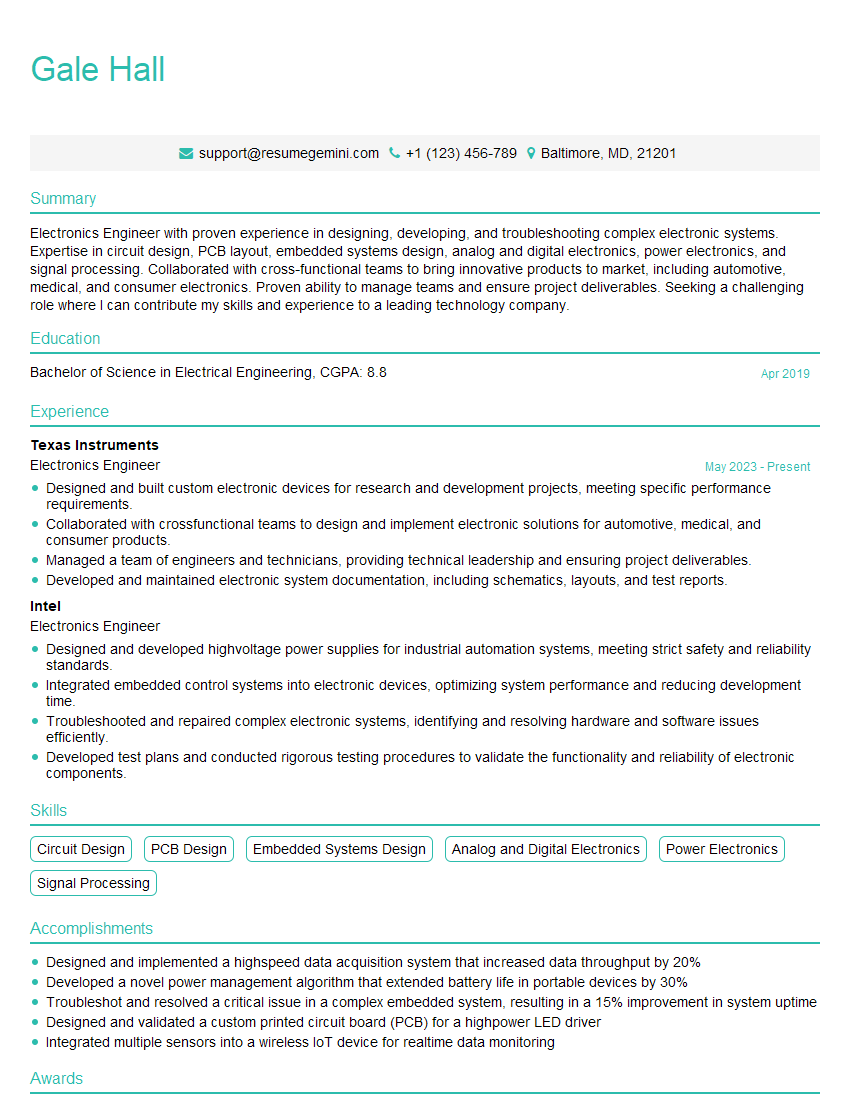
Electronics Engineer Resume Sample

Hardware Engineer Resume Sample
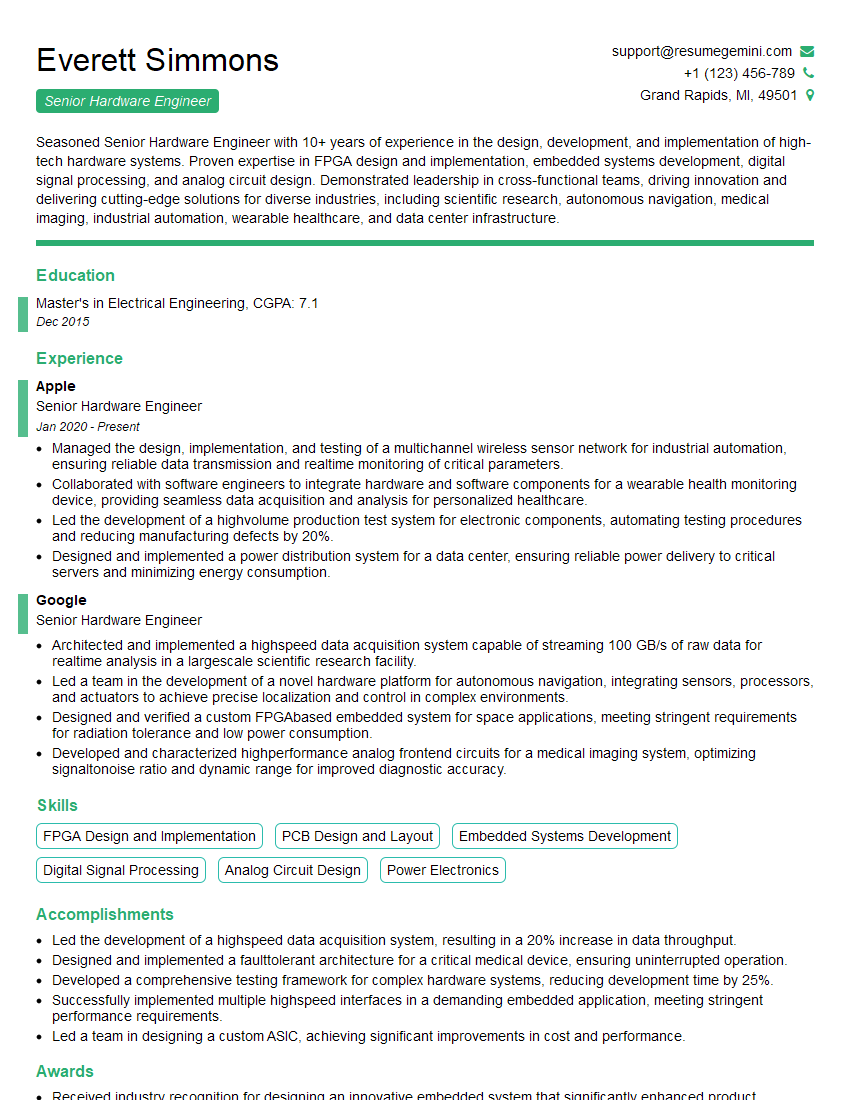
Senior Hardware Engineer Resume Sample
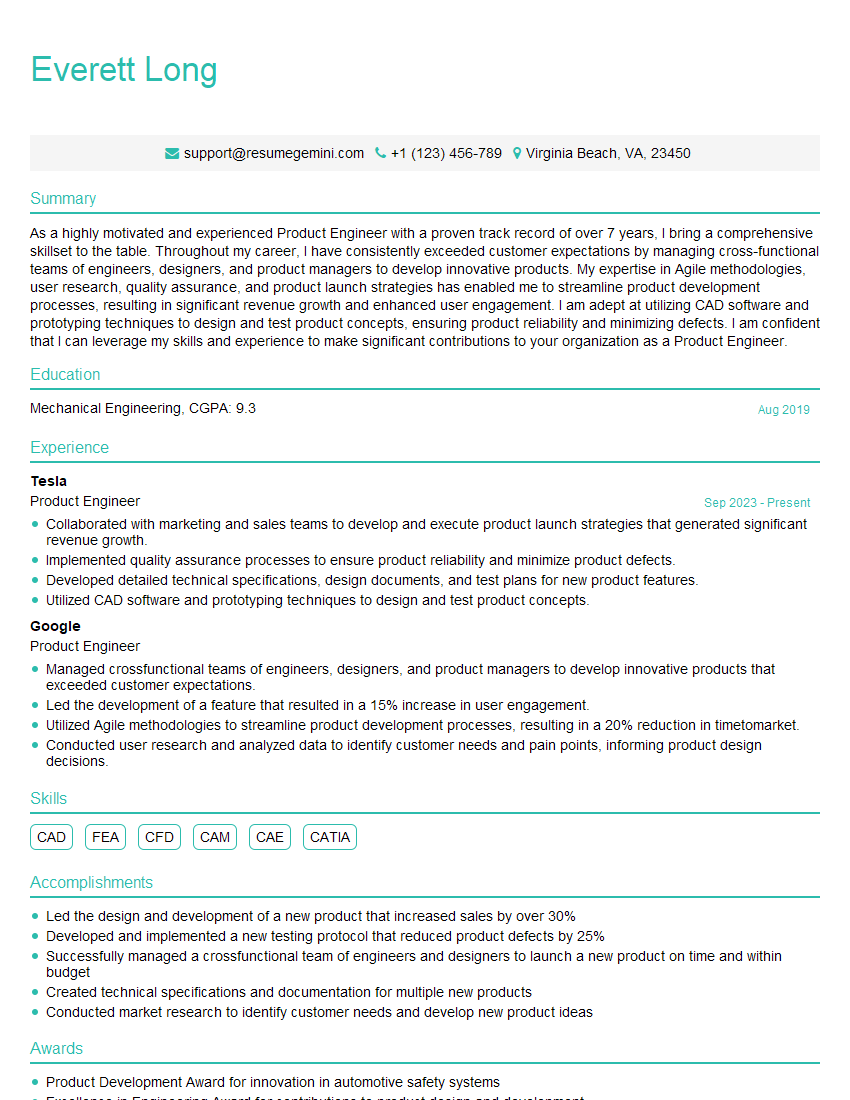
Product Engineer Resume Sample
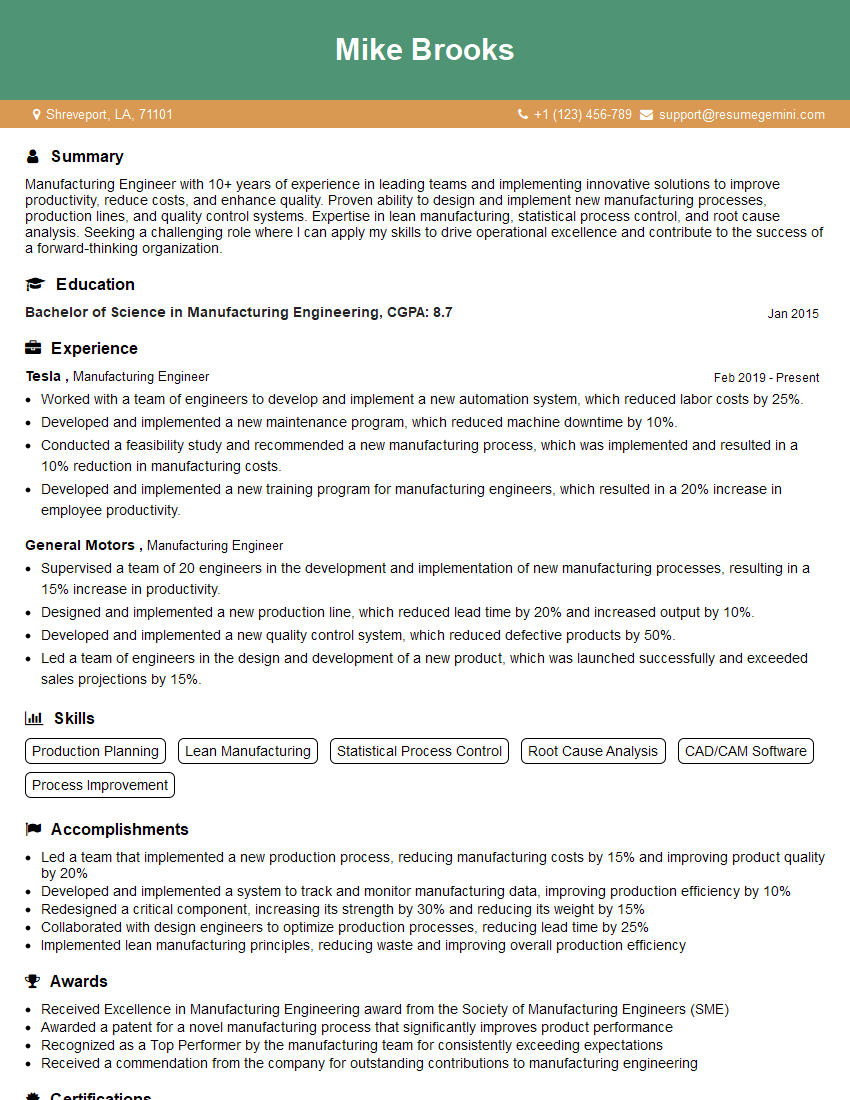
Manufacturing Engineer Resume Sample
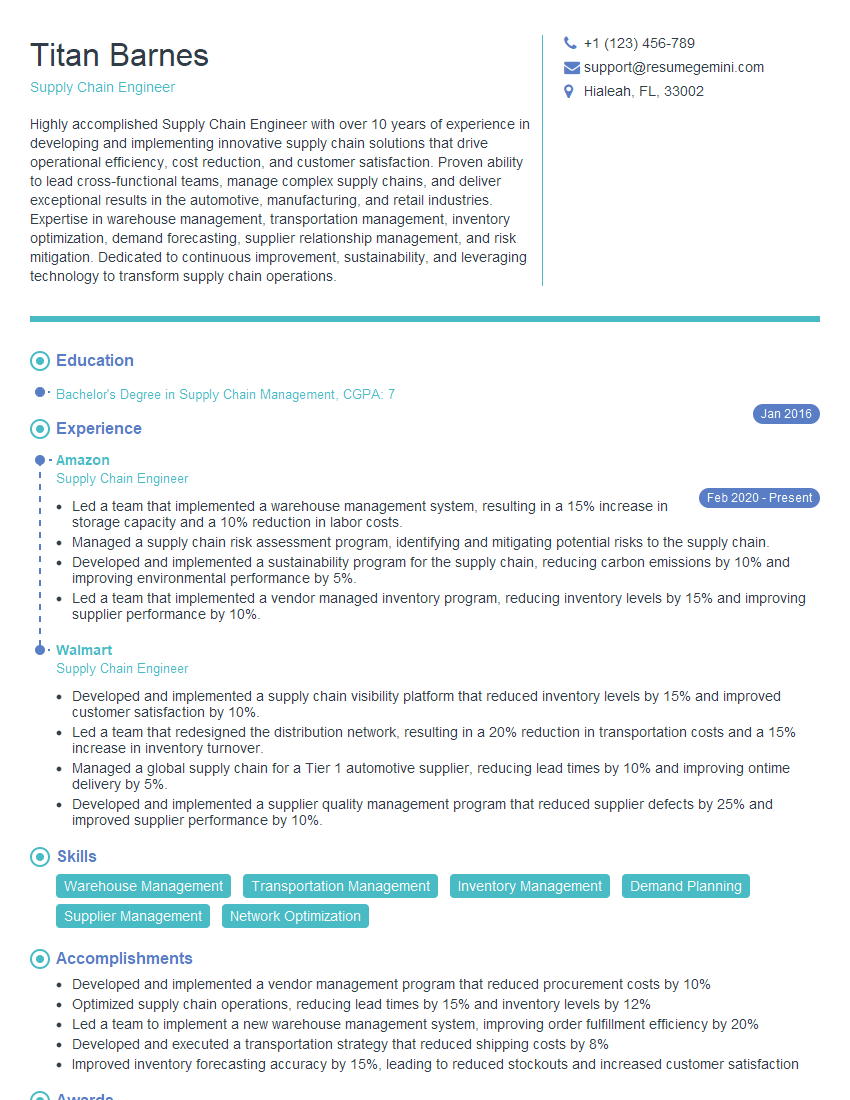
Supply Chain Engineer Resume Sample
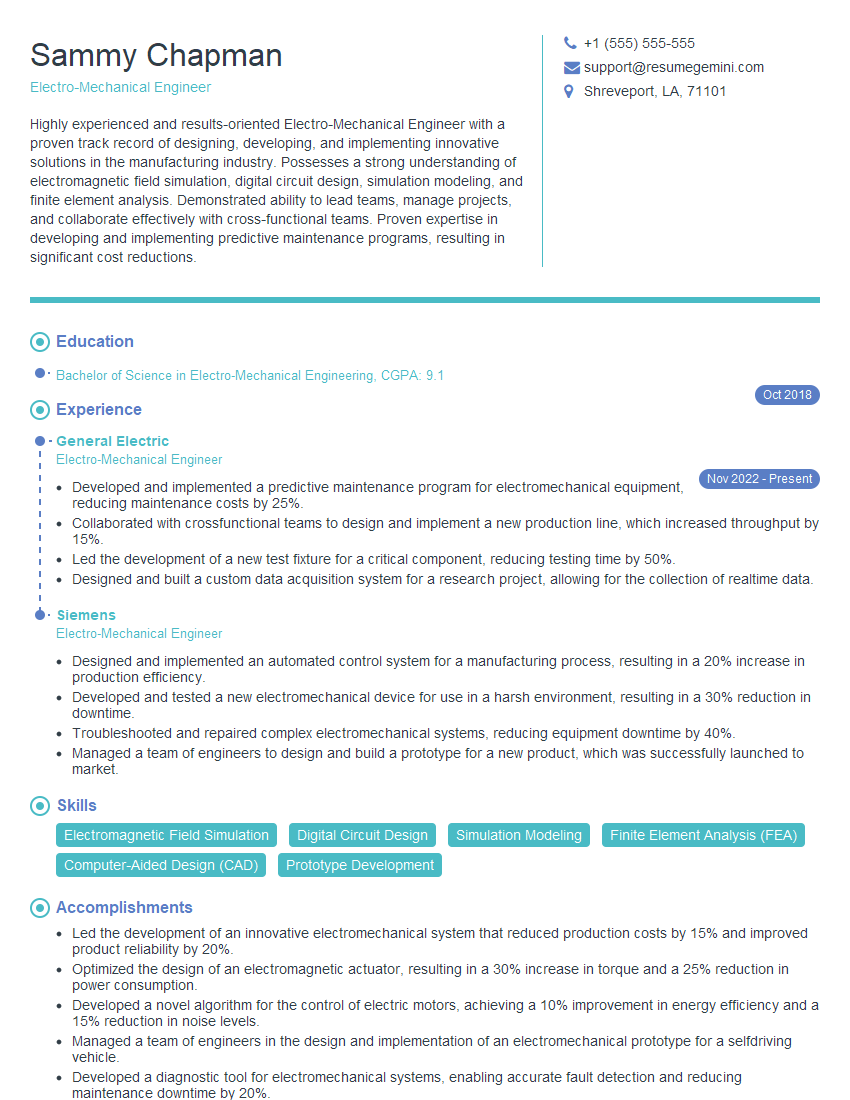
Electro-Mechanical Engineer Resume Sample
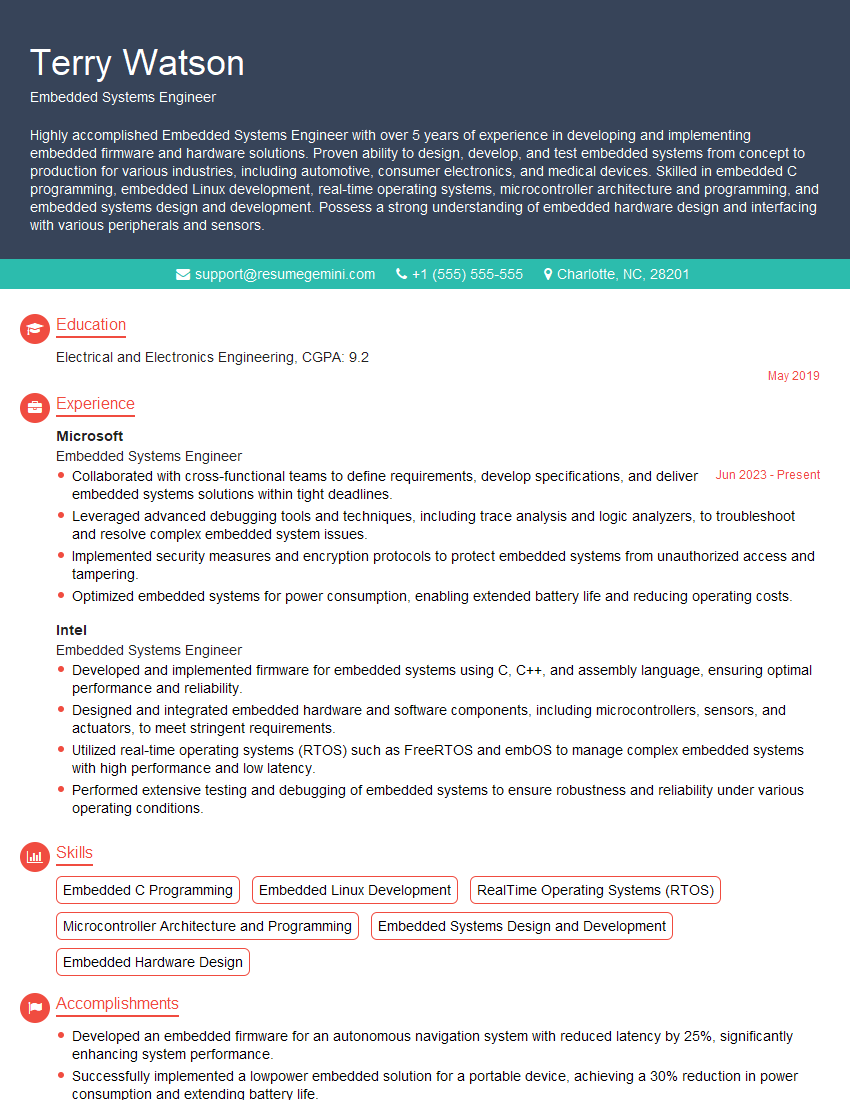
Embedded Systems Engineer Resume Sample
- Project Engineer
- Procurement Engineer
- Reliability Engineer
- Systems Engineer
- Applications Engineer
- Test Engineer
- Design Engineer
- Quality Engineer
- Electronics Engineer
- Hardware Engineer
- Senior Hardware Engineer
- Product Engineer
- Manufacturing Engineer
- Supply Chain Engineer
- Electro-Mechanical Engineer
- Embedded Systems Engineer
Explore more articles
Users Rating of Our Blogs
Share Your Experience
We value your feedback! Please rate our content and share your thoughts (optional).
What Readers Say About Our Blog
Very informative content, great job.
good