Interviews are opportunities to demonstrate your expertise, and this guide is here to help you shine. Explore the essential Consistency interview questions that employers frequently ask, paired with strategies for crafting responses that set you apart from the competition.
Questions Asked in Consistency Interview
Q 1. Describe a situation where maintaining consistency was crucial to a project’s success.
Maintaining consistency is paramount for project success, especially in large-scale endeavors. In one project involving the development of a mobile banking application, consistency in the user interface (UI) and user experience (UX) was critical. A fragmented or inconsistent design would have led to user confusion, reduced usability, and ultimately, lower adoption rates.
We addressed this by establishing a comprehensive style guide outlining design principles, color palettes, typography, and interaction patterns. This guide served as a single source of truth for all designers and developers. Regular design reviews and a collaborative feedback system ensured adherence to the style guide and allowed for early detection and correction of inconsistencies. The result was a cohesive and user-friendly application, significantly contributing to its success and positive user reviews.
Q 2. How do you ensure consistency in your work process?
I ensure consistency in my work process through a combination of meticulous planning, standardized procedures, and rigorous self-checking. This involves:
- Clearly defined workflows: I create detailed workflows for every task, outlining the steps involved and ensuring consistency in approach.
- Template utilization: I use templates for documents, presentations, and code to maintain a standardized format and reduce variations.
- Regular self-audits: I regularly review my work to identify and correct any inconsistencies before they escalate.
- Version control: Utilizing version control systems (like Git) allows tracking changes and ensures everyone is working with the latest consistent version.
Think of it like baking a cake—following a recipe ensures consistency in the final product. My standardized processes are my recipe for consistent results.
Q 3. How do you handle inconsistencies in data or information?
Handling data inconsistencies requires a systematic approach. The first step is identification – this often involves data profiling and quality checks to pinpoint discrepancies. Then, I investigate the root cause – was it due to data entry errors, system glitches, or conflicting data sources?
Addressing the inconsistencies depends on the source and severity. Minor inconsistencies might be resolved through manual correction or data cleansing. For larger-scale issues, I might employ data reconciliation techniques, potentially involving specialized data quality tools. In cases of conflicting data from multiple sources, I prioritize data from the most reliable source, documenting the rationale for the chosen approach. Ultimately, preventing future inconsistencies is crucial – this might involve implementing data validation rules, improved data entry procedures, or data integration solutions.
Q 4. Explain your approach to maintaining consistency across multiple projects.
Maintaining consistency across multiple projects requires a higher-level strategy. Centralized resources, like shared style guides, templates, and documentation repositories, are essential. I also utilize project management tools to track progress, ensure alignment across teams, and facilitate communication.
Furthermore, establishing clear communication channels and regular cross-project meetings help in identifying and addressing potential inconsistencies proactively. Think of it like an orchestra – each section plays its part, but a conductor ensures harmonious collaboration and prevents dissonance. My role is similar, coordinating efforts to maintain overall consistency across different projects.
Q 5. How do you identify and address inconsistencies in team performance?
Addressing inconsistencies in team performance starts with open communication and individual performance evaluations. I would focus on understanding the root cause of the inconsistencies – are there skill gaps, unclear expectations, or resource constraints?
Once the root causes are identified, I would implement targeted solutions. This could involve providing additional training, clarifying roles and responsibilities, or allocating resources more effectively. Regular feedback sessions and team meetings are crucial for ensuring everyone is aligned and addressing performance gaps proactively. A supportive and collaborative environment fosters consistency in team performance.
Q 6. Describe a time you had to implement a new system to improve consistency.
In a previous project, we struggled with inconsistent reporting due to multiple teams using different spreadsheet software and formats. This led to errors, discrepancies, and wasted time. To improve consistency, we implemented a centralized business intelligence (BI) system.
This system standardized data collection, storage, and reporting. It enabled us to generate consistent and reliable reports across all teams. The transition required training, but the resulting increase in efficiency, accuracy, and the elimination of duplicated effort made it worthwhile. The new system provided a single source of truth and dramatically improved consistency across our reporting processes.
Q 7. How do you measure the level of consistency in your work?
Measuring consistency involves a multifaceted approach. For project deliverables, I utilize checklists and quality assurance (QA) procedures to evaluate adherence to standards and specifications. For data, I employ data quality metrics like completeness, accuracy, and consistency checks. For team performance, I track metrics like on-time delivery, error rates, and customer satisfaction scores.
Regular review of these metrics allows me to identify areas needing improvement and track progress over time. This data-driven approach provides objective evidence of consistency and guides my efforts to maintain and enhance it. Think of it as using a measuring tape – it provides quantitative data to assess the consistency and precision of our work.
Q 8. What strategies do you use to maintain consistency under pressure?
Maintaining consistency under pressure requires a proactive and structured approach. It’s about building habits and systems that help you deliver the same high-quality work regardless of external factors.
- Prioritization and Time Blocking: I use time blocking techniques to allocate specific time slots for crucial tasks, ensuring consistent attention and reducing the risk of rushing. This prevents compromises on quality due to time constraints.
- Regular Breaks and Mindfulness: Burnout is a major enemy of consistency. I incorporate short, regular breaks to reduce stress and maintain focus. Mindfulness practices like short meditation sessions help me stay centered and productive even when things get hectic.
- Process Adherence: I rely on established processes and checklists to minimize the impact of pressure. This ensures that even under duress, key steps are not skipped, leading to consistent outcomes. For instance, if writing code, I religiously follow my coding standards and testing procedures.
- Self-Reflection and Adjustment: I regularly assess my performance under pressure to identify areas needing improvement. This might involve analyzing my time management or stress-coping mechanisms to fine-tune my strategy for handling future pressure situations.
For example, during a project crunch time, I might prioritize the most critical tasks first, using a time-boxing approach and delegating less urgent tasks if possible, and I’ll ensure I take short breaks to prevent burnout and maintain my focus.
Q 9. How do you ensure consistency when working with remote teams?
Consistency with remote teams hinges on clear communication, well-defined processes, and the use of collaborative tools. It’s about creating a shared understanding and a sense of collective responsibility.
- Establish Clear Communication Channels: We use project management software (e.g., Asana, Jira) to track progress, assign tasks, and maintain a central repository for all project documentation. This ensures transparency and keeps everyone informed.
- Regular Meetings and Check-ins: Consistent virtual meetings—daily stand-ups or weekly progress reviews—are crucial. These help identify potential inconsistencies early, enabling prompt corrective actions.
- Standardized Processes and Templates: Developing and adhering to consistent workflows, using shared templates for documents and reports, minimizes variations in output and ensures uniformity across the team.
- Leverage Collaborative Tools: Shared documents, version control systems (like Git), and collaborative design tools ensure everyone is working with the latest version and that changes are tracked and reviewed.
For instance, when working on a remote software development project, we’d use a shared Git repository, daily stand-up calls, and weekly sprint reviews to maintain code quality and consistency across features developed by multiple team members.
Q 10. How do you communicate expectations to maintain consistency?
Communicating expectations effectively is paramount for maintaining consistency. It involves clarity, transparency, and feedback loops. Think of it as setting a clear destination and regularly checking that everyone’s on the right path.
- Detailed Documentation: All project requirements, deliverables, and timelines are meticulously documented and readily accessible to everyone. This ensures that everyone is working towards the same goal and understands their role.
- Regular Feedback Sessions: Both formal and informal feedback mechanisms are implemented. This provides opportunities to address any deviations early, ensuring work stays aligned with expectations.
- Clear Role Definition: Each team member’s responsibilities and accountability are clearly defined to prevent overlap and ensure that tasks are completed consistently.
- Using Examples and Templates: Providing concrete examples of expected outputs—whether it’s a design mock-up, a code sample, or a report template—helps everyone visualize the standards and maintain uniformity.
For example, when briefing a team on a design project, I would provide detailed style guides, examples of the desired aesthetic, and clear deadlines for each phase, then conduct regular check-ins to review the work and provide feedback.
Q 11. Describe a time you failed to maintain consistency. What did you learn?
In a previous project, I failed to maintain consistency in communication due to a lack of proactive planning. This led to confusion, duplicated efforts, and ultimately, missed deadlines. The key issue was that I hadn’t established clear communication channels and hadn’t communicated my expectations clearly enough.
What I learned: The importance of proactively establishing clear communication protocols is paramount. This includes setting up regular meetings, defining clear roles and responsibilities, and using a central communication platform to keep everyone informed. Furthermore, I learned the value of seeking feedback regularly to identify potential inconsistencies early on. Now I prioritize proactive communication planning to avoid similar situations. I always create a communication plan before beginning any project.
Q 12. How do you prioritize tasks to maintain consistency in your output?
Prioritizing tasks strategically is key to maintaining consistency. It ensures that high-priority tasks—those most crucial for maintaining consistency in the overall output—receive the necessary focus and resources.
- Eisenhower Matrix (Urgent/Important): I use the Eisenhower Matrix to categorize tasks based on urgency and importance. This prioritization matrix helps me focus on critical tasks that directly contribute to consistent output and delegate or eliminate less critical tasks.
- Value-Based Prioritization: I prioritize tasks based on their contribution to the overall project goals. This ensures that efforts are focused on tasks that deliver the most consistent value.
- Time Estimation and Tracking: Accurately estimating task durations and tracking progress helps in managing time effectively, which supports maintaining a consistent pace of work and prevents rushing, thus improving quality.
- Agile Methodologies: Employing agile principles like iterative development and sprint planning helps in breaking down large tasks into smaller, manageable units, supporting a consistent workflow.
For instance, in a web development project, I would prioritize coding the core functionality of a website before working on minor stylistic features. This ensures the fundamental elements are consistently functional before adding less critical components.
Q 13. How do you deal with conflicting priorities while maintaining consistency?
Conflicting priorities are inevitable. The key is to manage them effectively without compromising consistency. This involves careful evaluation, negotiation, and sometimes, prioritization and compromise.
- Prioritization and Negotiation: I openly discuss conflicting priorities with stakeholders to reach a mutually acceptable agreement. This might involve adjusting deadlines or re-allocating resources. It’s a collaborative approach.
- Defining Clear Boundaries: Setting clear boundaries and limitations on what can be achieved within a given timeframe is important. This helps prevent overcommitment and ensures quality is not compromised.
- Delegation and Collaboration: When feasible, delegating less critical tasks to other team members helps to free up time and resources to address high-priority conflicts without sacrificing overall consistency.
- Escalation when necessary: If conflicts cannot be resolved at my level, I escalate the issue to relevant decision-makers to ensure that decisions support both consistency and project success.
For example, if faced with competing deadlines for two projects, I would discuss the situation with the project managers, potentially negotiating adjusted deadlines or securing additional resources. If necessary, I might temporarily re-allocate my efforts to the higher-priority project, then return to the other once the conflict is resolved.
Q 14. How do you adapt your approach to maintain consistency across different projects?
Adapting to different projects while maintaining consistency requires a flexible yet structured approach. It’s about identifying the common threads and applying best practices to varied contexts.
- Adaptable Methodologies: I use adaptable project management methodologies, like Agile, that can be tailored to the specifics of each project. This helps to maintain a consistent framework while adapting to the unique aspects of each project.
- Modular Approach: Breaking down projects into smaller, independent modules facilitates consistency. Reusable components or processes can be leveraged across projects, reducing variations and improving efficiency.
- Continuous Learning and Improvement: I continuously refine my processes and methodologies based on lessons learned from previous projects. This ensures that best practices are applied consistently across various contexts.
- Standard Processes and Templates: While the details of each project differ, employing standardized processes and templates—such as for documentation, reporting, or communication—helps maintain a consistent level of quality and organization.
For example, I might use a similar Agile sprint cycle for both a software development project and a marketing campaign project, adapting the specific tasks and deliverables to suit each context while retaining the fundamental structure and process of the agile methodology.
Q 15. How do you leverage technology to improve consistency?
Improving consistency through technology involves leveraging tools and systems that automate processes, standardize outputs, and provide centralized access to information. Think of it like building a well-oiled machine where every part works together seamlessly.
Version control systems (like Git): These ensure everyone works on the same updated documents and code, preventing conflicting versions and inconsistencies.
Style guides and linters: Automated tools that enforce coding style, writing conventions, or even design specifications across a project, eliminating inconsistencies in formatting, naming conventions, etc. For example, a linter in coding could automatically flag inconsistencies in indentation.
Centralized data repositories: Databases or cloud storage solutions that act as single sources of truth, eliminating data silos and discrepancies across different departments or teams. Imagine everyone accessing the same customer information from one central location.
Workflow automation tools: These tools automate repetitive tasks, reducing the chance of human error and inconsistencies. For instance, automating the process of generating reports ensures consistent formatting and data aggregation.
Career Expert Tips:
- Ace those interviews! Prepare effectively by reviewing the Top 50 Most Common Interview Questions on ResumeGemini.
- Navigate your job search with confidence! Explore a wide range of Career Tips on ResumeGemini. Learn about common challenges and recommendations to overcome them.
- Craft the perfect resume! Master the Art of Resume Writing with ResumeGemini’s guide. Showcase your unique qualifications and achievements effectively.
- Don’t miss out on holiday savings! Build your dream resume with ResumeGemini’s ATS optimized templates.
Q 16. How do you use metrics to track consistency over time?
Tracking consistency over time requires establishing key performance indicators (KPIs) and using data analysis techniques. Think of it as monitoring the health of your consistency ‘system.’
Defect rates: Track the number of inconsistencies identified (e.g., bugs in software, errors in reports, deviations from style guidelines). A decreasing defect rate indicates improving consistency.
Compliance rates: Measure adherence to standards, guidelines, or regulations. For example, track the percentage of documents adhering to a company style guide.
Customer feedback: Analyze customer reviews or surveys for comments related to inconsistencies in product features, services, or communications.
Process audit results: Regularly audit processes to identify areas where inconsistencies occur. This could be through internal checklists or third-party audits.
By visualizing these metrics over time using charts and dashboards, you gain a clear picture of consistency trends, identify areas needing attention, and measure the effectiveness of improvement initiatives.
Q 17. How do you identify areas for improvement in consistency?
Identifying areas for improvement requires a combination of proactive and reactive approaches. It’s like conducting a thorough health check.
Data analysis: Analyze the metrics mentioned above to pinpoint areas with high defect rates or low compliance rates. This gives you quantitative evidence of where the inconsistencies are.
Process mapping: Map out your processes to identify bottlenecks or steps prone to errors, which often lead to inconsistencies. Visualizing the flow of work can reveal hidden problems.
Surveys and feedback: Collect feedback from stakeholders—employees, customers, or partners—to gather qualitative insights on areas where inconsistencies are impacting their experience.
Root cause analysis: Once inconsistencies are identified, perform a root cause analysis to understand the underlying reasons. This could reveal issues with training, tools, processes, or even company culture.
Q 18. Describe a time you had to persuade someone to adopt a consistent approach.
In a previous project, our team was using multiple different data sources for reporting, leading to inconsistencies and errors. One team member, a seasoned analyst, was resistant to changing to a centralized database, fearing it would slow down their work. To persuade them, I demonstrated, using concrete examples from past reports, the time wasted correcting inconsistencies and the negative impact on decision-making. I also showed them the time-saving benefits of the centralized database in the long run, focusing on the overall efficiency gains rather than the initial learning curve.
I then presented a phased implementation plan, allowing them to gradually transition to the new system, addressing their concerns about disruption. This collaborative approach, coupled with tangible evidence of the benefits, ultimately won them over, leading to improved data consistency and significantly enhanced team productivity.
Q 19. How do you balance consistency with flexibility and innovation?
Balancing consistency with flexibility and innovation requires a strategic approach that emphasizes structure while allowing room for adaptation. It’s like finding the sweet spot between a rigid framework and complete chaos.
A key principle is establishing a robust foundation of consistent standards while allowing for controlled deviations. This could involve creating guidelines with clearly defined exceptions or using a system of approvals for significant changes. For example, a company might have a brand style guide that is consistently applied, but it might allow for minor variations based on specific campaign needs.
Furthermore, fostering a culture of continuous improvement allows for incorporating feedback and adapting standards based on new insights and changing needs. This means being open to revisiting and updating guidelines as the organization evolves and new technologies emerge. This allows for consistency within a context of ongoing progress.
Q 20. How do you ensure consistency in documentation and reporting?
Ensuring consistency in documentation and reporting requires employing standardized templates, style guides, and review processes. Think of it as creating a blueprint for all your documents and reports.
Template creation: Develop standardized templates for different document types (e.g., reports, presentations, memos). This ensures consistent formatting, structure, and content organization.
Style guides: Create and enforce style guides for writing, formatting, and visual elements (e.g., fonts, colors, logos). This promotes a unified brand identity and clear communication.
Review and approval processes: Implement a review and approval process before documents and reports are finalized and distributed. This helps to catch inconsistencies and ensure quality control. This could involve a peer review or a dedicated quality control team.
Version control: Use version control systems to track changes and prevent conflicting versions of documents. This ensures that everyone is working with the latest, most consistent version.
Q 21. How do you train others to maintain consistency?
Training others to maintain consistency involves a combination of formal training, practical application, and ongoing reinforcement. It’s like teaching someone to ride a bike – it takes practice and guidance.
Formal training: Provide comprehensive training on relevant standards, guidelines, and tools. This might involve workshops, online modules, or on-the-job training.
Practical exercises: Give trainees opportunities to apply their knowledge through practical exercises, case studies, or simulations. This helps them understand how consistency is implemented in real-world scenarios.
Mentorship and coaching: Pair new employees with experienced colleagues who can provide guidance and support. This allows for direct feedback and skill development.
Regular feedback and review: Provide regular feedback on performance and adherence to standards. This should be constructive and focus on continuous improvement.
Accessible resources: Make all relevant resources (style guides, templates, training materials) readily available and easily accessible to all employees.
Q 22. How do you ensure consistency in a rapidly changing environment?
Maintaining consistency in a dynamic environment requires a proactive and adaptable approach. It’s not about rigidity, but about establishing core principles and processes that can flex with change. Think of it like a river – the flow is constant, but the path might shift slightly around obstacles.
- Establish Clear Guidelines: Develop documented standards, procedures, and best practices. This creates a common understanding and reference point for everyone, regardless of the changes happening around them.
- Embrace Agile Methodologies: Agile frameworks, with their iterative approach and emphasis on feedback loops, allow for adjustments while maintaining a consistent overall direction. Regularly review and update guidelines based on learnings and changes in the environment.
- Prioritize Communication: Open and consistent communication is key. Keep everyone informed about changes and their impact on existing processes. Transparency fosters trust and collaboration, essential for navigating a rapidly evolving landscape.
- Utilize Technology: Leverage tools that automate tasks, enforce standards, and track progress. Version control systems, collaborative platforms, and workflow automation software can all contribute to maintaining consistency.
For example, in a software development team, consistent coding standards are crucial. Even if features change rapidly, adhering to style guides and automated code reviews ensures consistency in code quality and maintainability.
Q 23. How do you handle inconsistencies in feedback?
Inconsistencies in feedback are a common challenge. Addressing them requires careful analysis and a focus on constructive dialogue.
- Identify the Source: Pinpoint the reasons for the discrepancies. Are they due to differing perspectives, unclear expectations, or a lack of information?
- Seek Clarification: Engage in open discussions with those providing feedback. Ask clarifying questions, seek examples, and ensure everyone is on the same page regarding goals and performance metrics.
- Look for Patterns: Analyze feedback trends. Are there recurring themes or specific areas needing improvement? This helps prioritize efforts and target specific weaknesses.
- Document Feedback: Maintain a record of feedback received, noting the source, date, and context. This helps track progress and identify areas where additional clarification or coaching is needed.
- Focus on the Intent: While the feedback itself might be inconsistent, try to understand the underlying intent. What are the individuals trying to communicate about your performance or work?
Imagine receiving feedback from different clients on a project. Some might focus on the visual design, while others might emphasize functionality. By understanding the underlying needs and priorities, you can synthesize the feedback into a comprehensive action plan.
Q 24. Describe a time you had to implement a new process to improve consistency.
In a previous role, our team struggled with inconsistent reporting of project milestones. Different team members used different formats, levels of detail, and timelines, making it difficult to track progress and identify potential roadblocks.
To address this, I implemented a standardized reporting system using a project management tool. We defined specific reporting fields, due dates, and a template for all project updates. This involved training the team on the new system, providing clear instructions and examples. The result was a significant improvement in the consistency and accuracy of project reporting, leading to better planning and decision-making.
This process involved a phased rollout to allow the team to adapt, regular feedback sessions to address any issues, and continued monitoring to ensure compliance.
Q 25. How do you utilize feedback to improve your consistency?
Feedback is crucial for improving consistency. It acts as a mirror, reflecting areas of strength and areas needing development.
- Actively Seek Feedback: Don’t wait for feedback to come to you; proactively request it from various sources, including colleagues, supervisors, and clients.
- Analyze Feedback Objectively: Identify both positive aspects and areas needing improvement. Don’t take criticism personally; view it as an opportunity for growth.
- Develop an Action Plan: Based on the feedback received, create a concrete plan to address areas for improvement. This might involve setting specific goals, acquiring new skills, or seeking mentorship.
- Track Progress: Monitor your progress towards consistency and adjust your strategies as needed. Regular self-reflection is vital in this process.
- Use Feedback to refine your approach: Each feedback loop should inform how you approach your work, allowing you to continually improve your consistency over time.
For example, if feedback consistently highlights a weakness in a specific skill, I would dedicate time to improve that skill through training, practice, or mentorship.
Q 26. What are the potential drawbacks of an overemphasis on consistency?
While consistency is generally positive, an overemphasis can stifle innovation and adaptability. Blindly adhering to processes without considering context or potential improvements can be detrimental.
- Reduced Flexibility: An inflexible approach can hinder responsiveness to changing circumstances or new opportunities. A rigid adherence to processes may prevent adaptation to unforeseen challenges or market shifts.
- Suppression of Creativity: Overemphasis on uniformity can stifle creativity and innovative thinking. A fear of deviating from established norms can prevent the exploration of new ideas and approaches.
- Missed Opportunities: A rigid focus on consistency might cause the overlooking of valuable insights or perspectives that differ from the established norm. This can lead to missed opportunities for improvement or innovation.
- Decreased Efficiency: Insisting on consistency in unnecessary areas might lead to increased complexity and reduced efficiency. Focusing on streamlining processes is essential to avoid over-bureaucratization.
Imagine a company that refuses to adopt new technologies because it disrupts established workflows. This inflexibility could put them at a competitive disadvantage in the long run. A balance is essential: consistency in core values and processes while maintaining adaptability for progress.
Q 27. How do you manage your time effectively to maintain consistency?
Maintaining consistency requires effective time management. This involves prioritization, planning, and disciplined execution.
- Prioritize Tasks: Identify the most important tasks that contribute to overall consistency and allocate time accordingly. Use prioritization techniques like Eisenhower Matrix (urgent/important).
- Time Blocking: Allocate specific time blocks for consistent activities, such as dedicated periods for focused work, review, or communication.
- Utilize Scheduling Tools: Employ calendar apps, task management software, or productivity techniques to keep track of deadlines and ensure tasks are completed consistently.
- Batch Similar Tasks: Group similar tasks together to enhance efficiency and maintain focus. This minimizes context switching and improves concentration.
- Regular Review and Adjustment: Periodically review your time management strategies and adjust them based on effectiveness and changing needs. Regular reflection allows for optimizing your time allocation to best support consistency.
For instance, I might dedicate the first hour of my workday to responding to emails consistently, preventing them from disrupting my more focused tasks later in the day.
Q 28. How do you stay motivated to maintain consistency over the long term?
Maintaining long-term consistency requires intrinsic motivation and a clear understanding of the ‘why’ behind your efforts.
- Set Meaningful Goals: Align your consistency efforts with larger, meaningful goals. This provides purpose and reinforces the value of maintaining consistent habits.
- Celebrate Milestones: Acknowledge and celebrate achievements along the way. This reinforces positive behaviors and keeps motivation high.
- Track Progress: Monitor your progress visually, such as using charts or graphs to track your consistency over time. This provides a sense of accomplishment and reinforces the value of persistence.
- Seek Accountability: Share your goals with someone you trust and ask them to hold you accountable. External accountability can provide additional motivation and support.
- Regular Self-Reflection: Regularly reflect on your progress, challenges, and adjustments. This helps to maintain focus and adapt your strategies for better long-term consistency.
Think of it like training for a marathon. It requires consistent effort over a long period. Celebrating small victories and focusing on the ultimate goal helps maintain motivation and perseverance.
Key Topics to Learn for Consistency Interview
- Defining and Measuring Consistency: Understand different metrics and methodologies for evaluating consistency across various contexts (e.g., data, processes, user experience).
- Practical Application: Analyze case studies demonstrating how maintaining consistency improves efficiency, reduces errors, and enhances the user or customer experience. Consider examples from software development, data analysis, or project management.
- Identifying and Addressing Inconsistency: Develop strategies for detecting inconsistencies in data sets, workflows, or design elements. Practice problem-solving approaches to rectify inconsistencies and prevent future occurrences.
- Consistency in Design and User Experience (UX): Explore how visual consistency, branding guidelines, and interaction patterns contribute to a positive user experience. Consider the impact of inconsistent design on user comprehension and satisfaction.
- Maintaining Consistency in Data and Analytics: Understand data validation and cleansing techniques to ensure data accuracy and reliability for consistent analysis and reporting.
- Process Consistency and Automation: Discuss the role of standardization and automation in ensuring consistent execution of tasks and workflows. Analyze the benefits of automating repetitive processes to maintain consistency.
- Communication and Collaboration for Consistency: Explore how clear communication and collaborative efforts contribute to maintaining consistency across teams and projects.
Next Steps
Mastering consistency is paramount for career advancement. It demonstrates attention to detail, problem-solving skills, and a commitment to quality—highly valued attributes in any field. To significantly increase your job prospects, building an ATS-friendly resume is crucial. This ensures your application is effectively screened and seen by recruiters. ResumeGemini can help you create a compelling, ATS-optimized resume tailored to highlight your consistency-related skills and experiences. Examples of resumes tailored to Consistency are provided below to guide you.
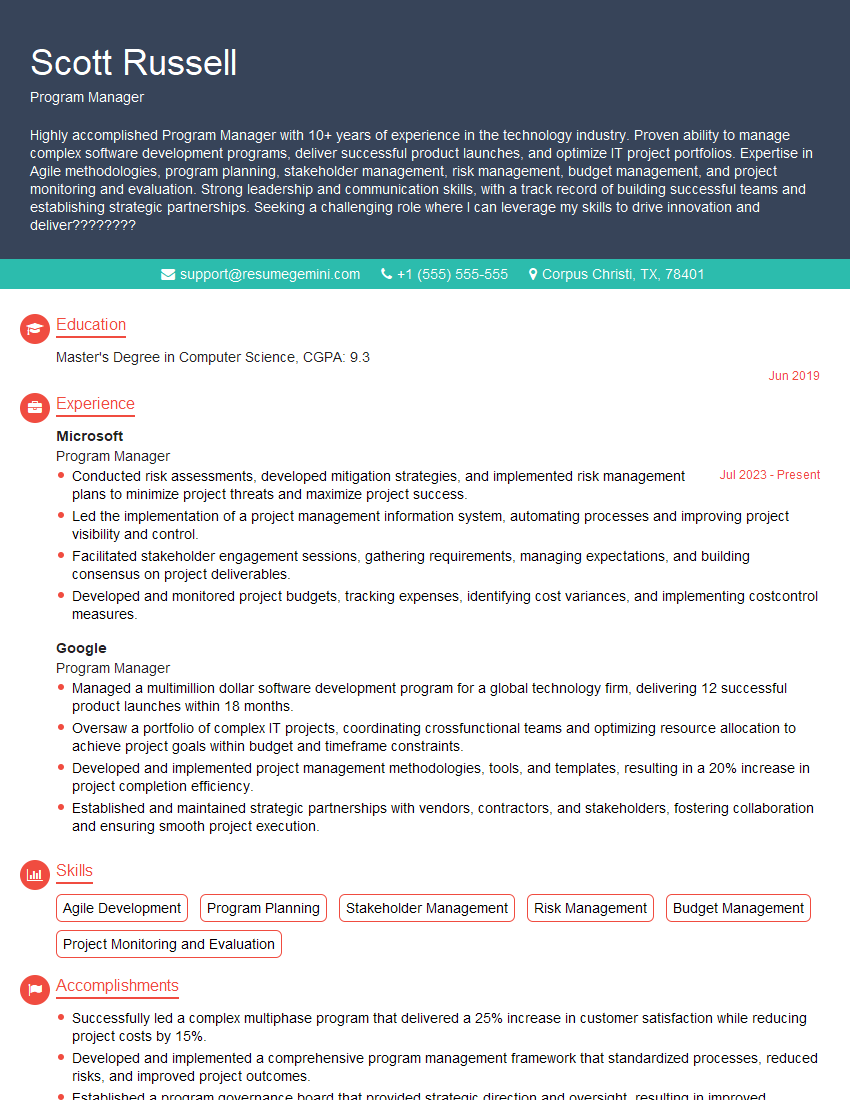
Program Manager Resume Sample

Operations Manager Resume Sample
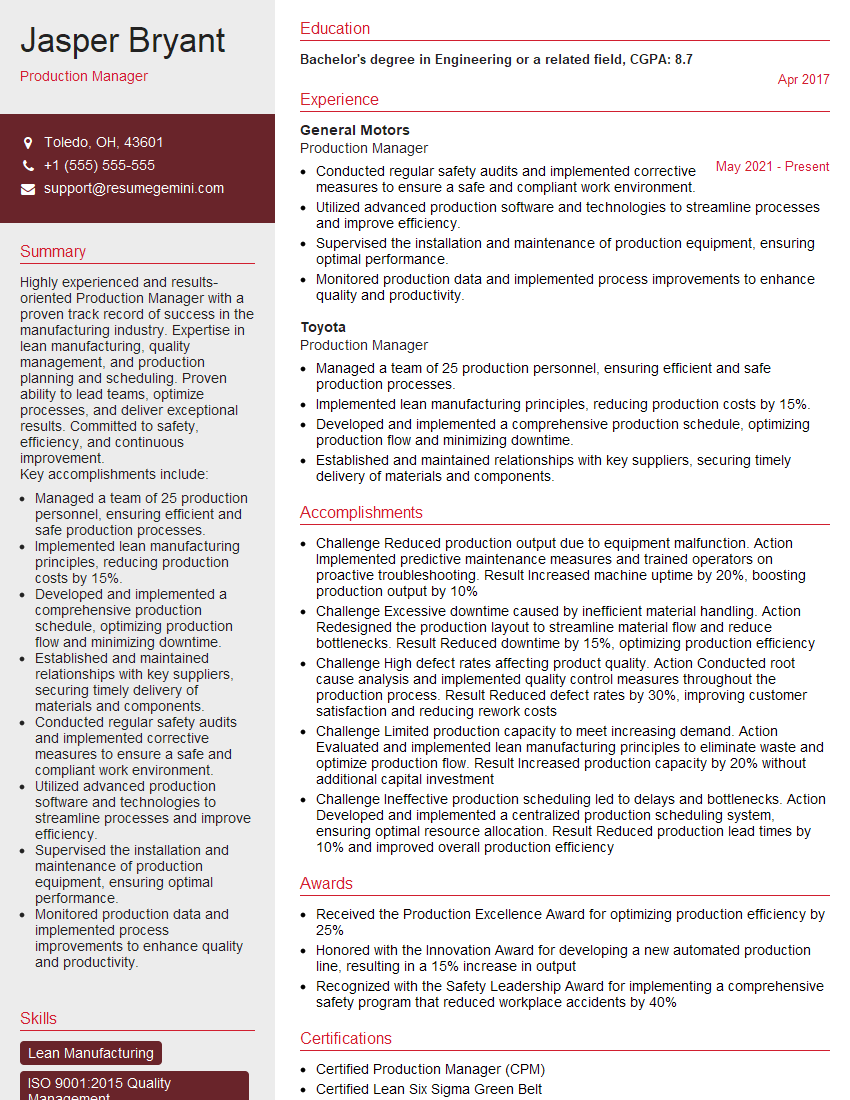
Production Manager Resume Sample
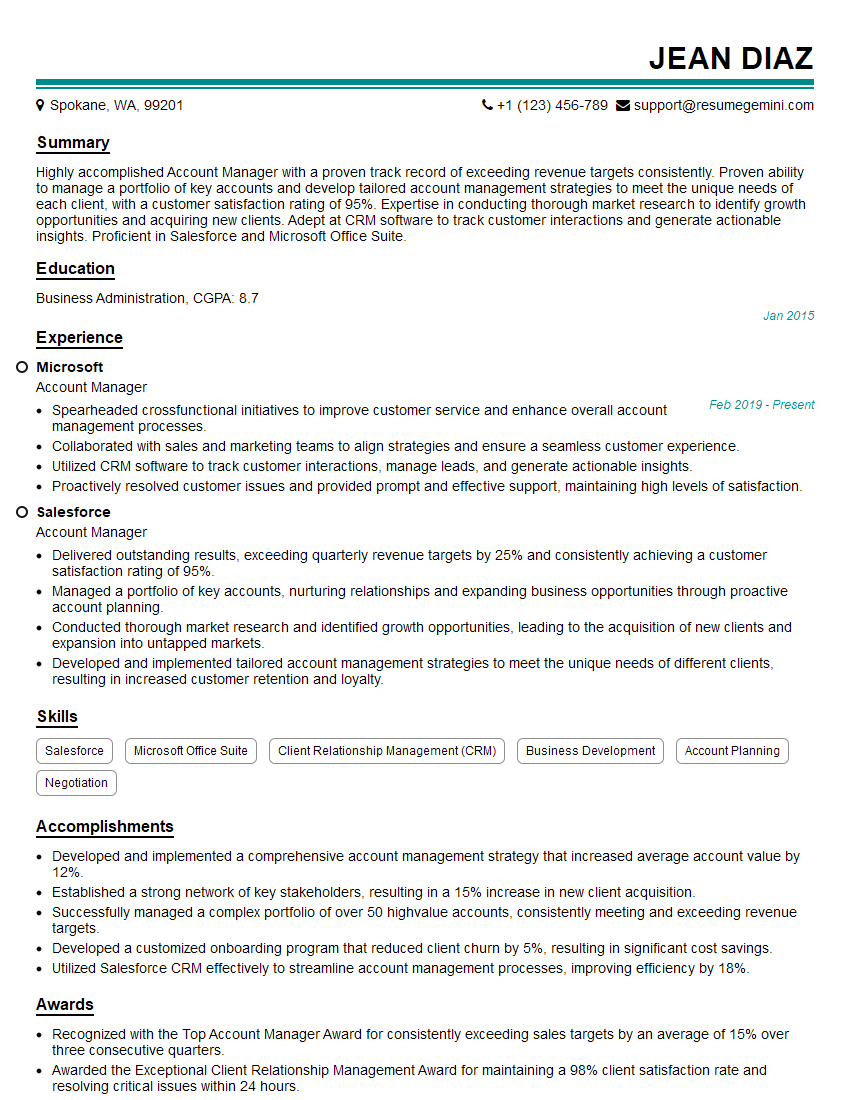
Account Manager Resume Sample
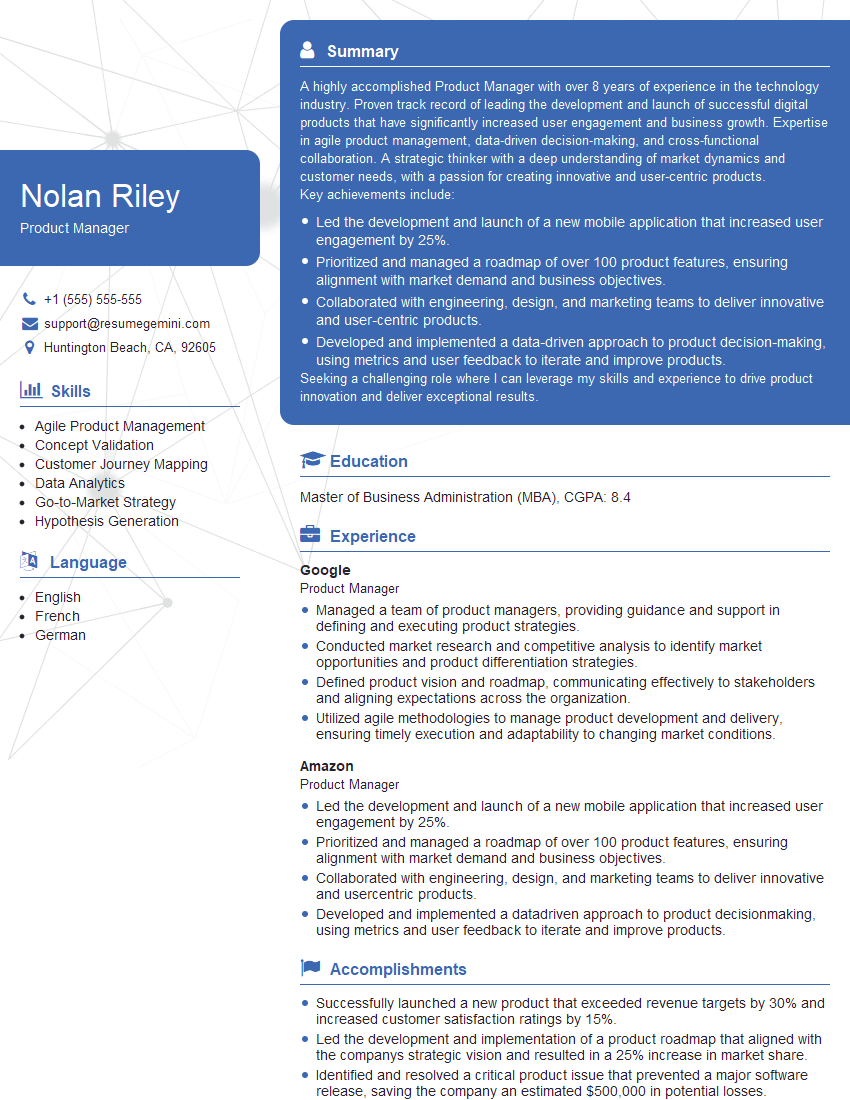
Product Manager Resume Sample
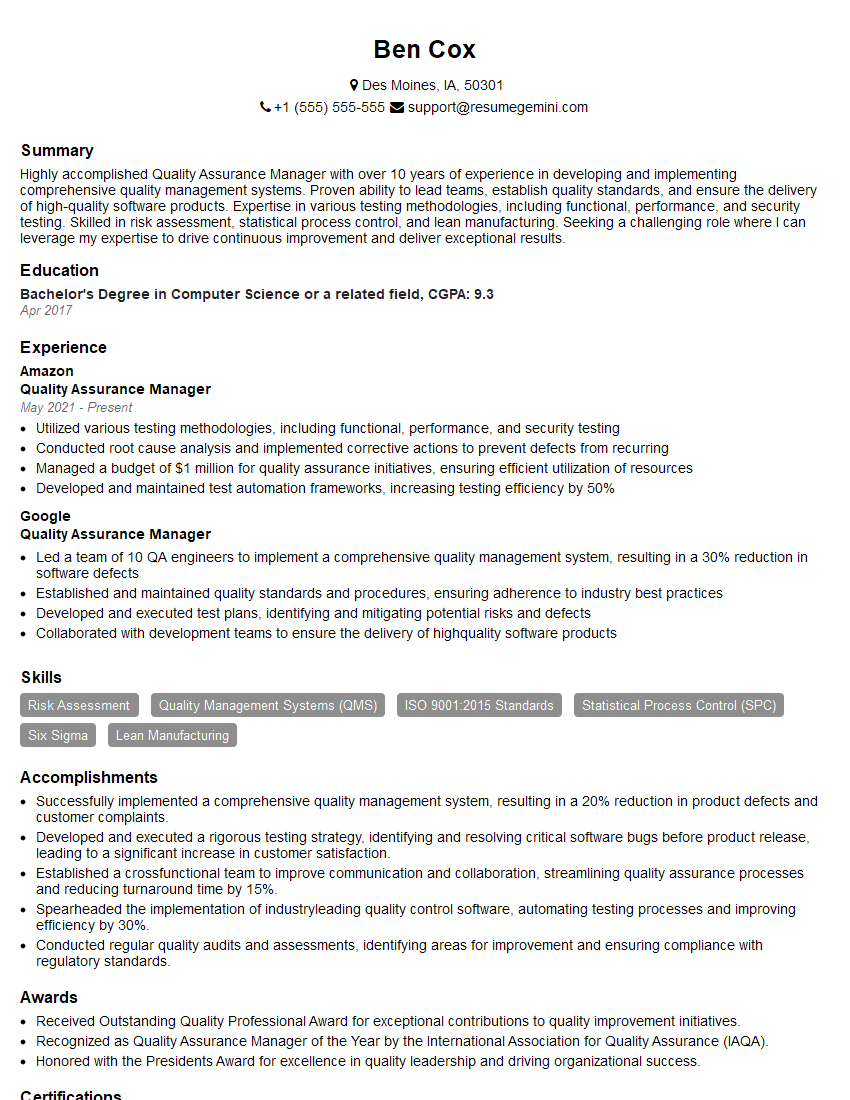
Quality Assurance Manager Resume Sample
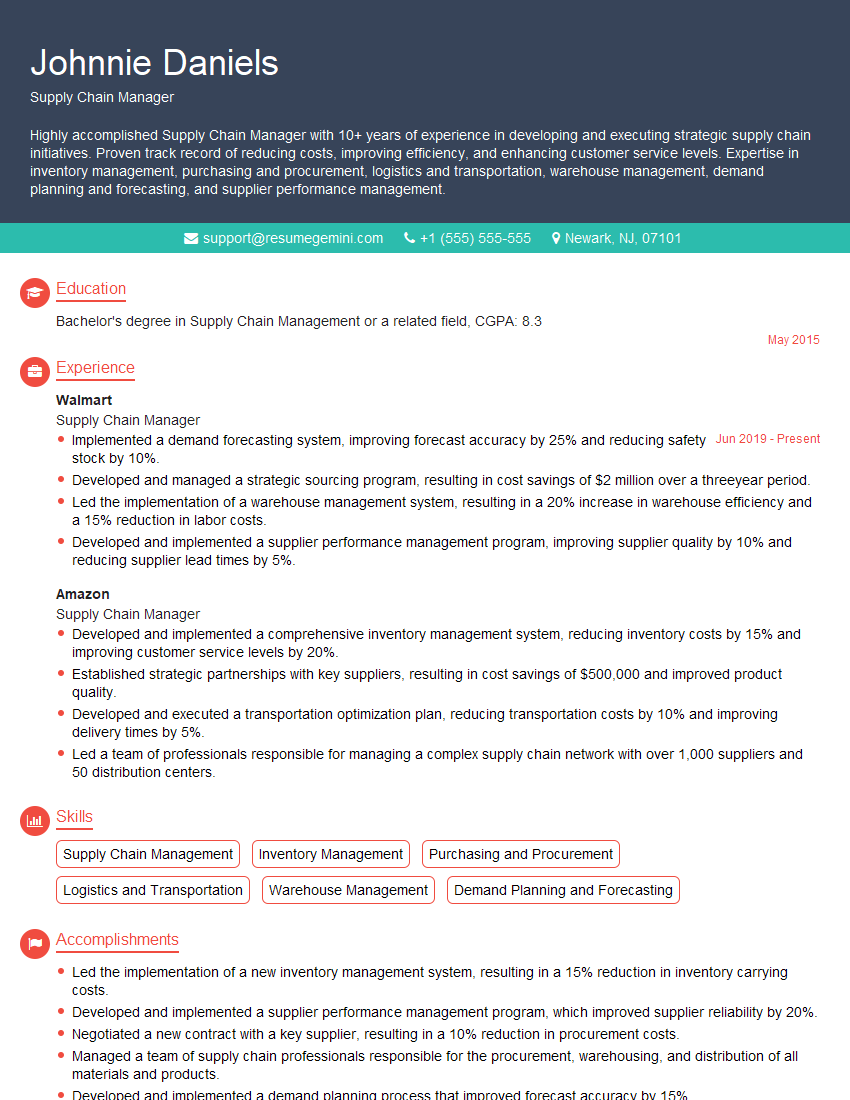
Supply Chain Manager Resume Sample

Project Manager Resume Sample
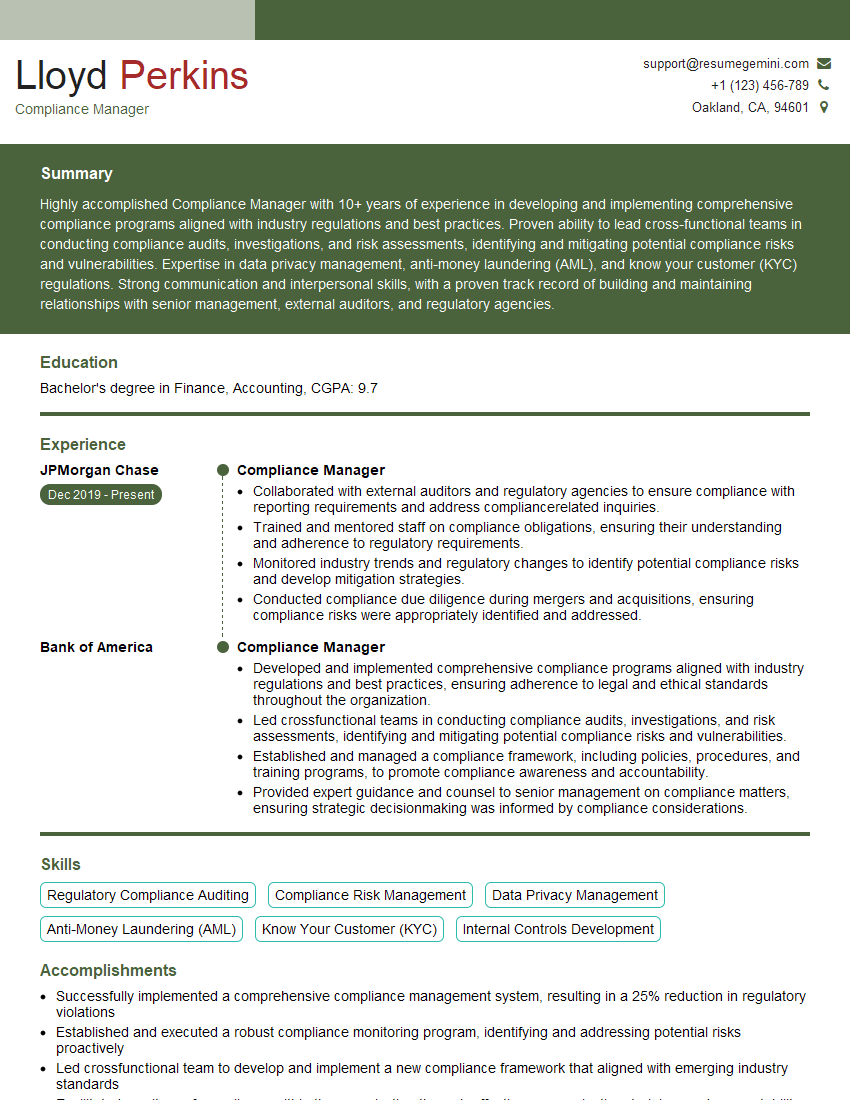
Compliance Manager Resume Sample
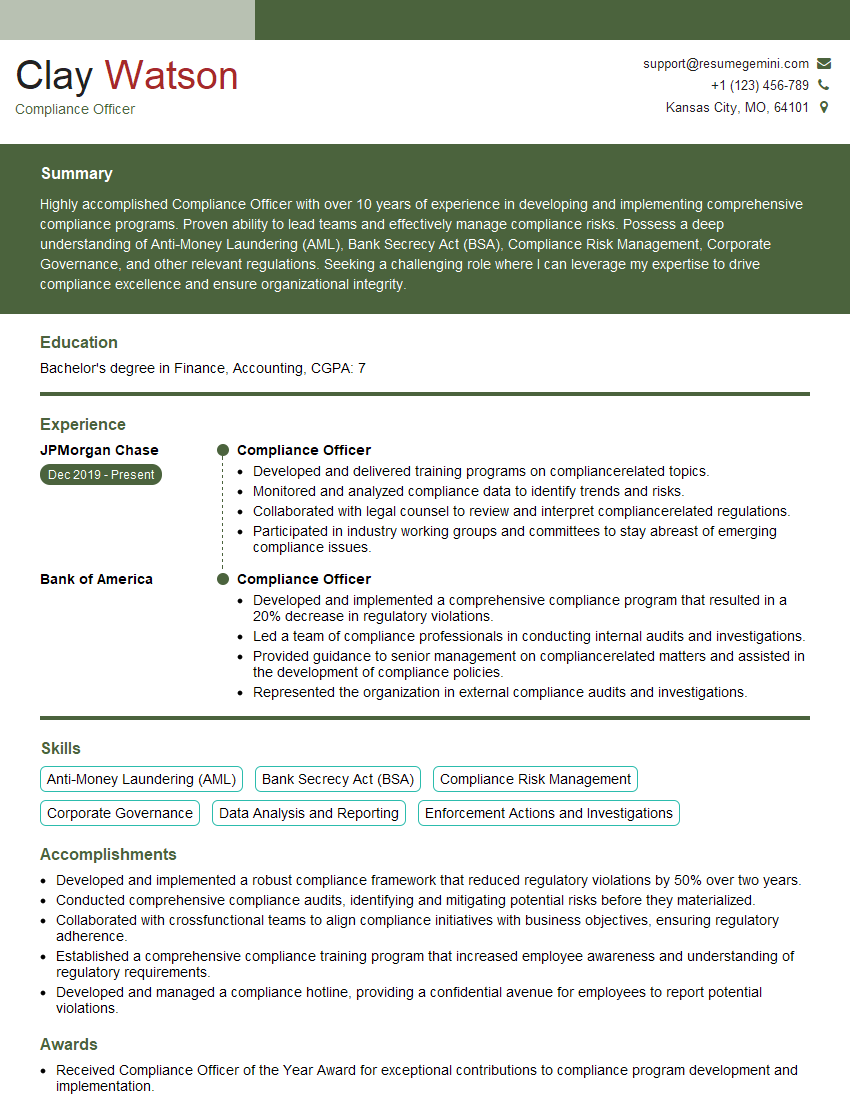
Compliance Officer Resume Sample
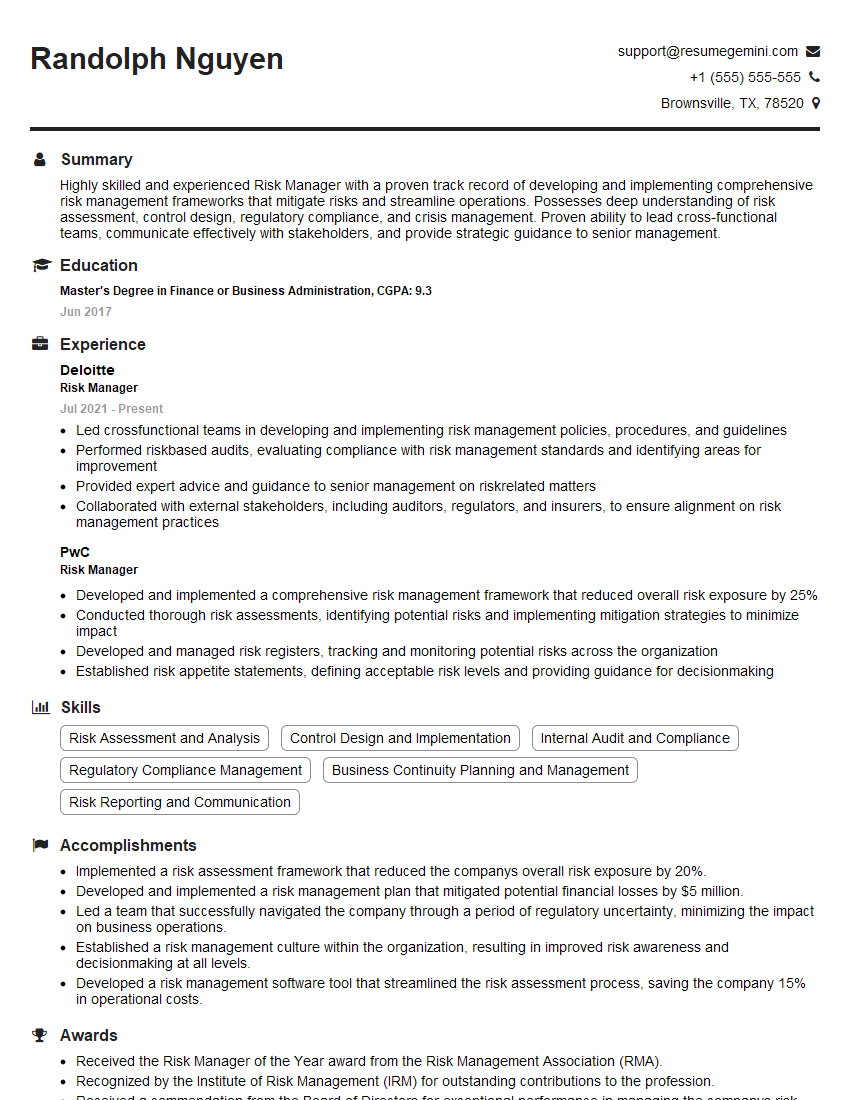
Risk Manager Resume Sample
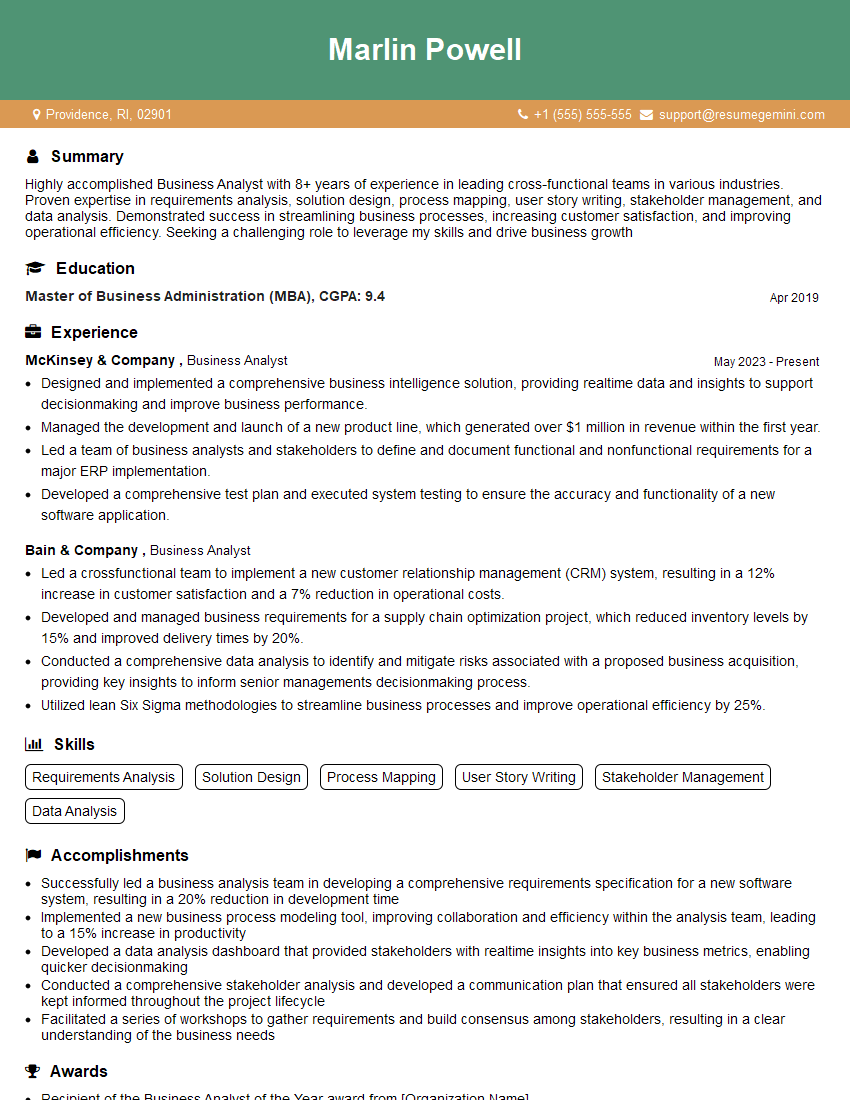
Business Analyst Resume Sample
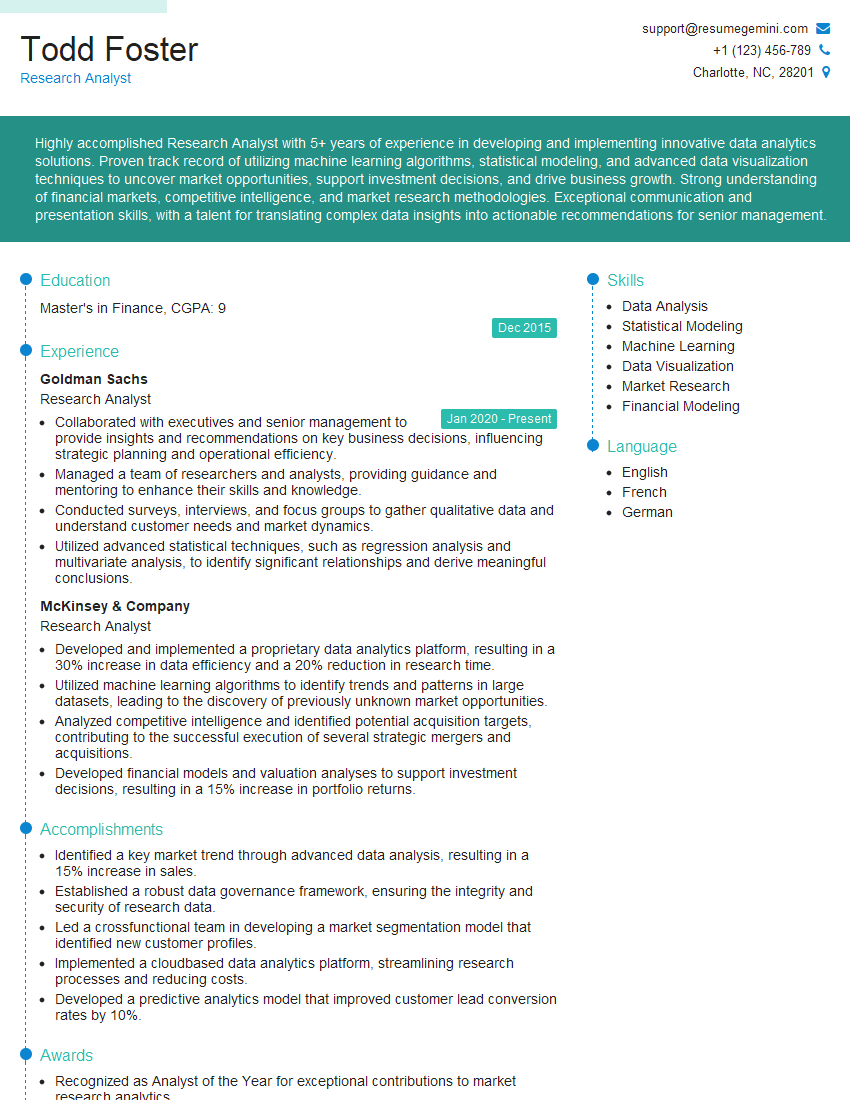
Research Analyst Resume Sample
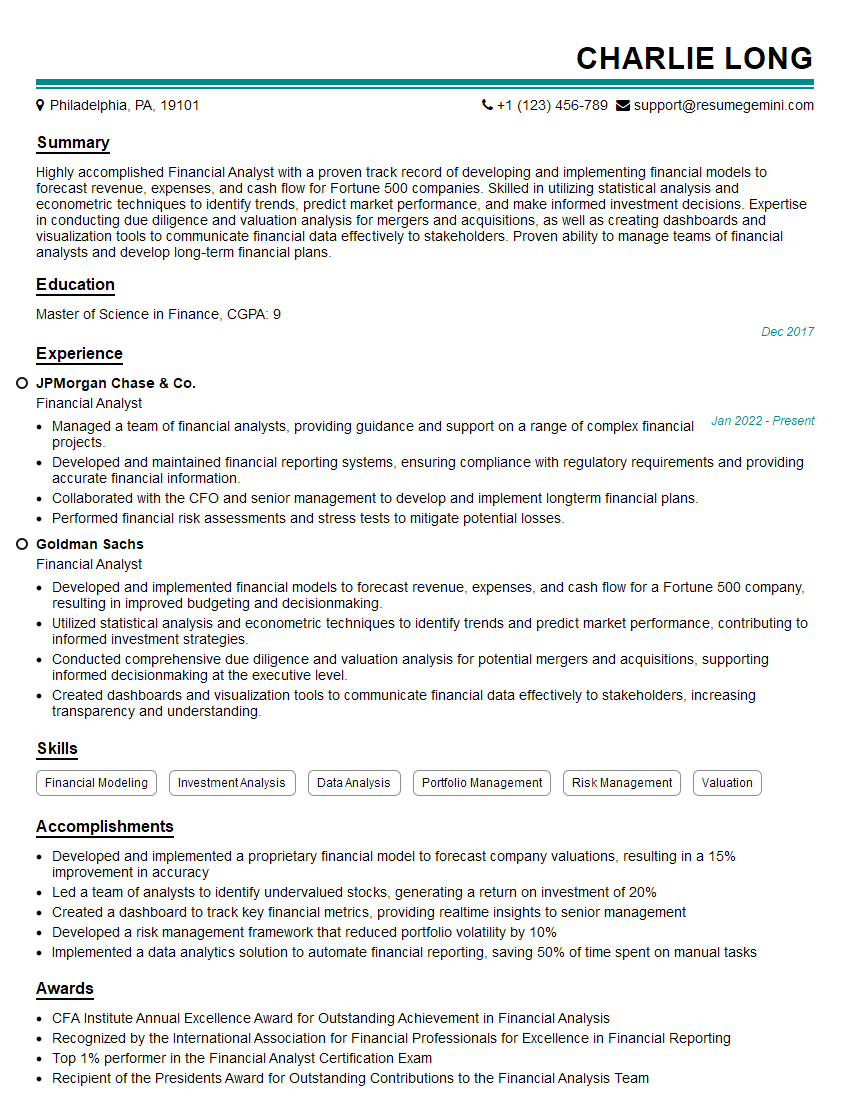
Financial Analyst Resume Sample
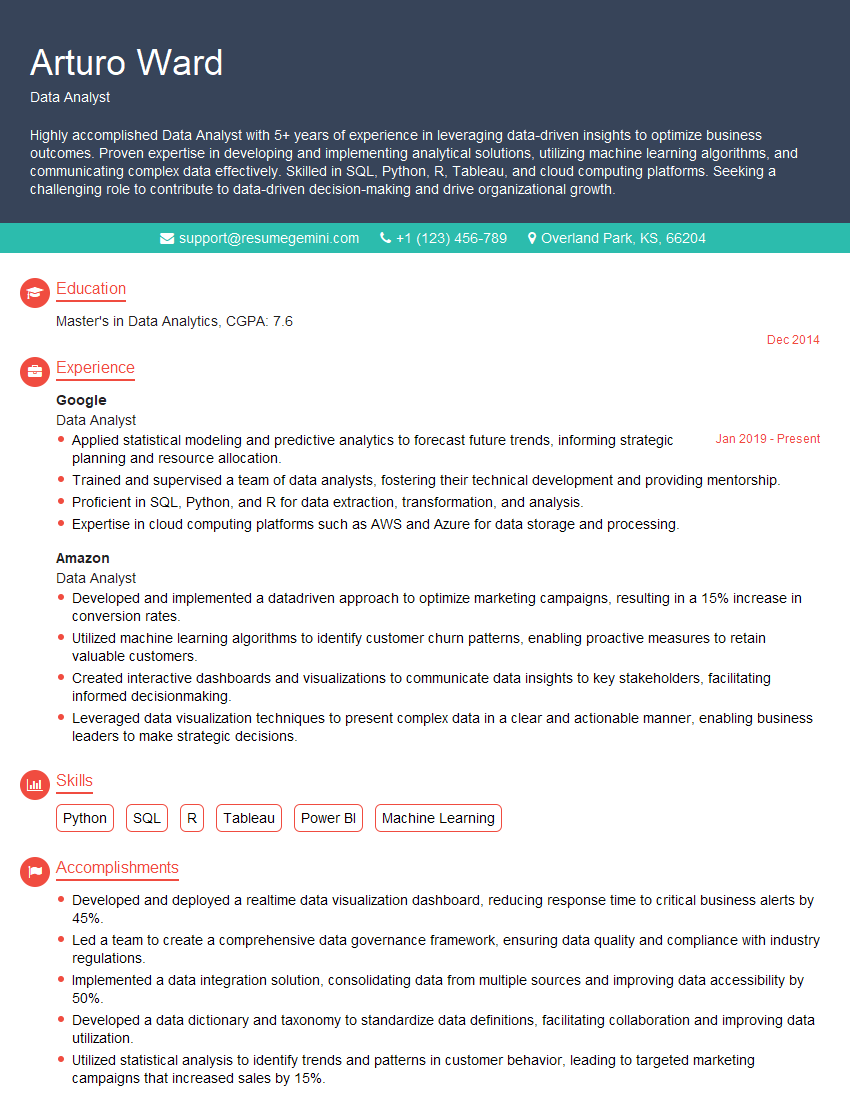
Data Analyst Resume Sample
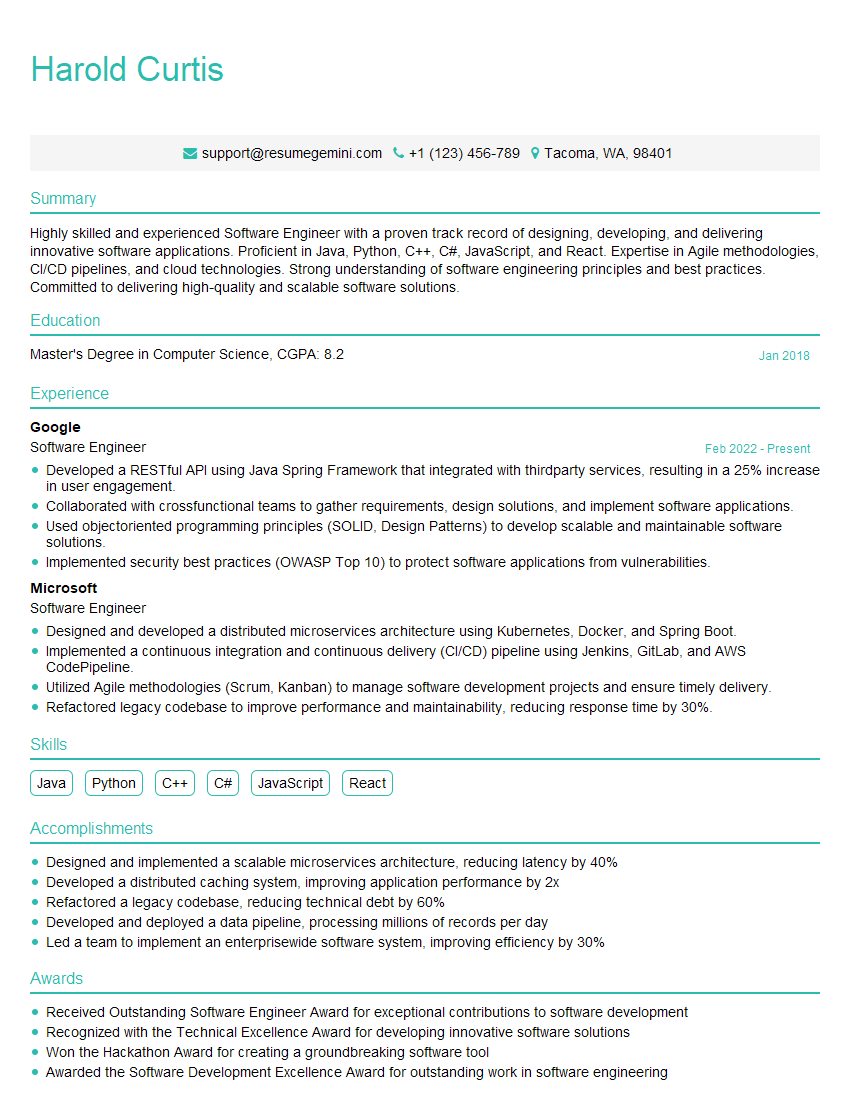
Software Engineer Resume Sample
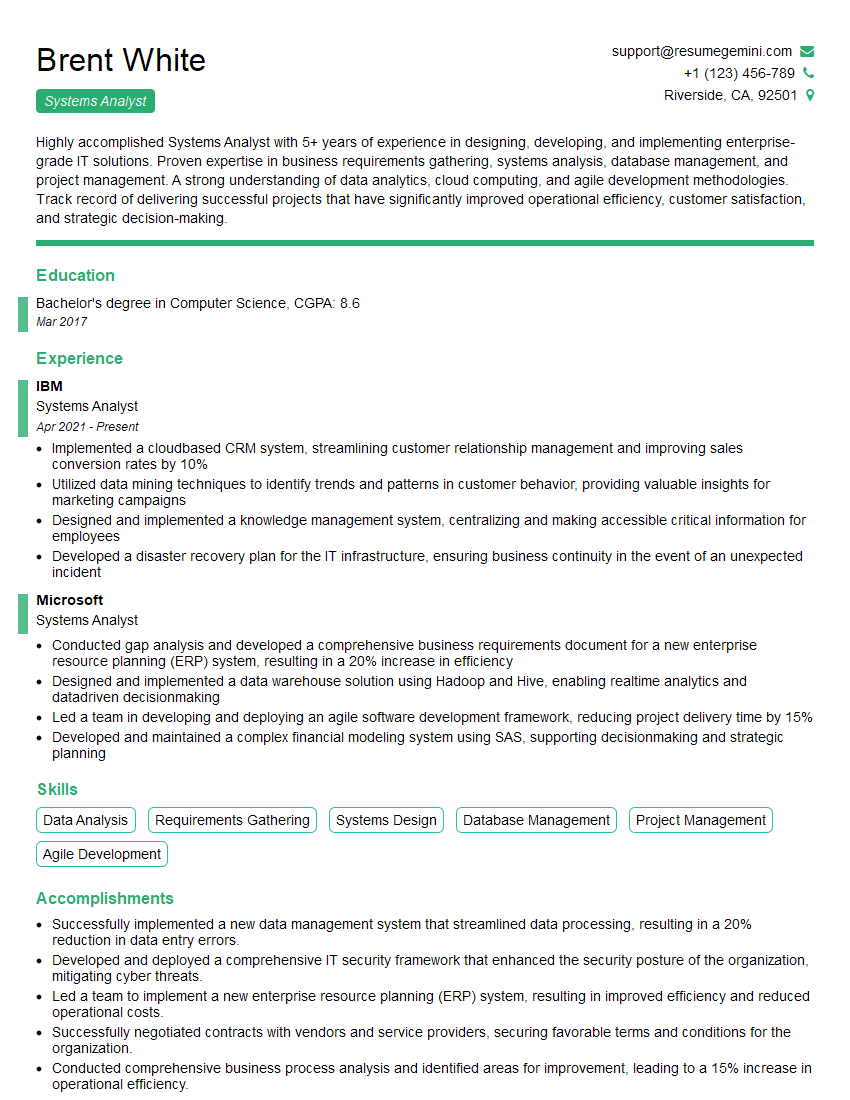
Systems Analyst Resume Sample
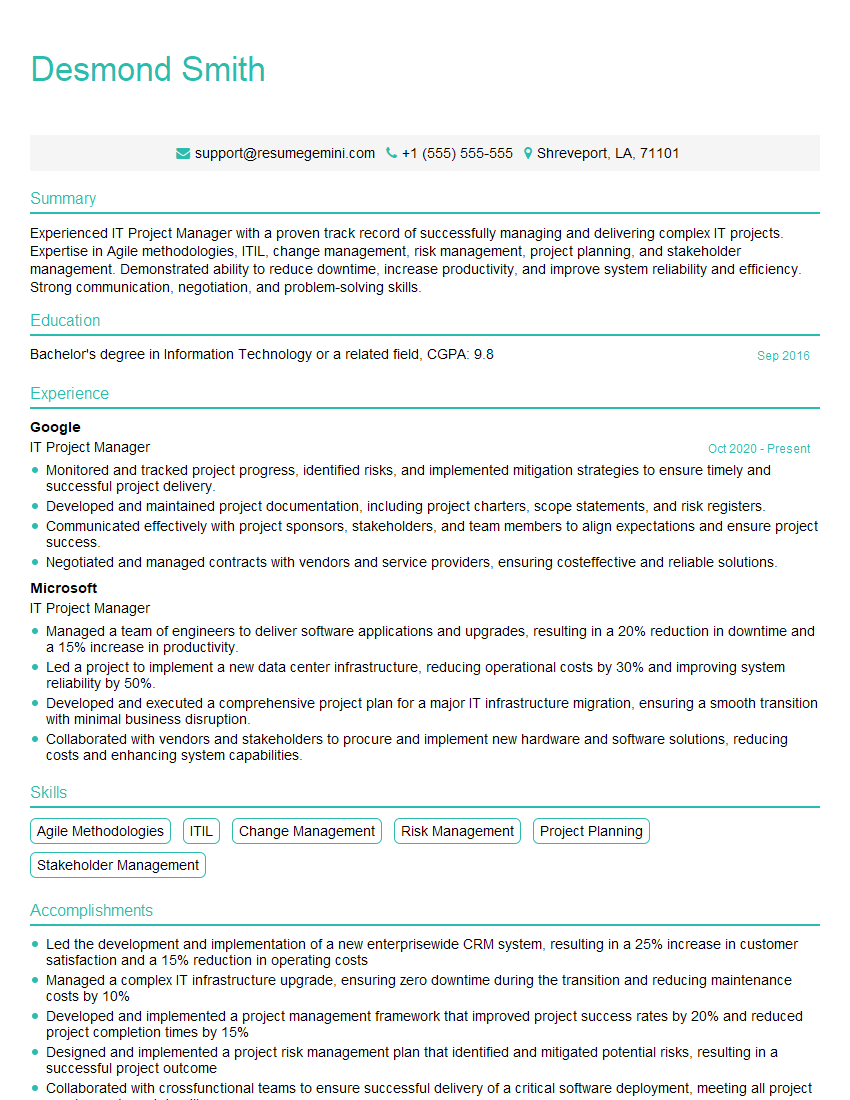
IT Project Manager Resume Sample

Technical Writer Resume Sample
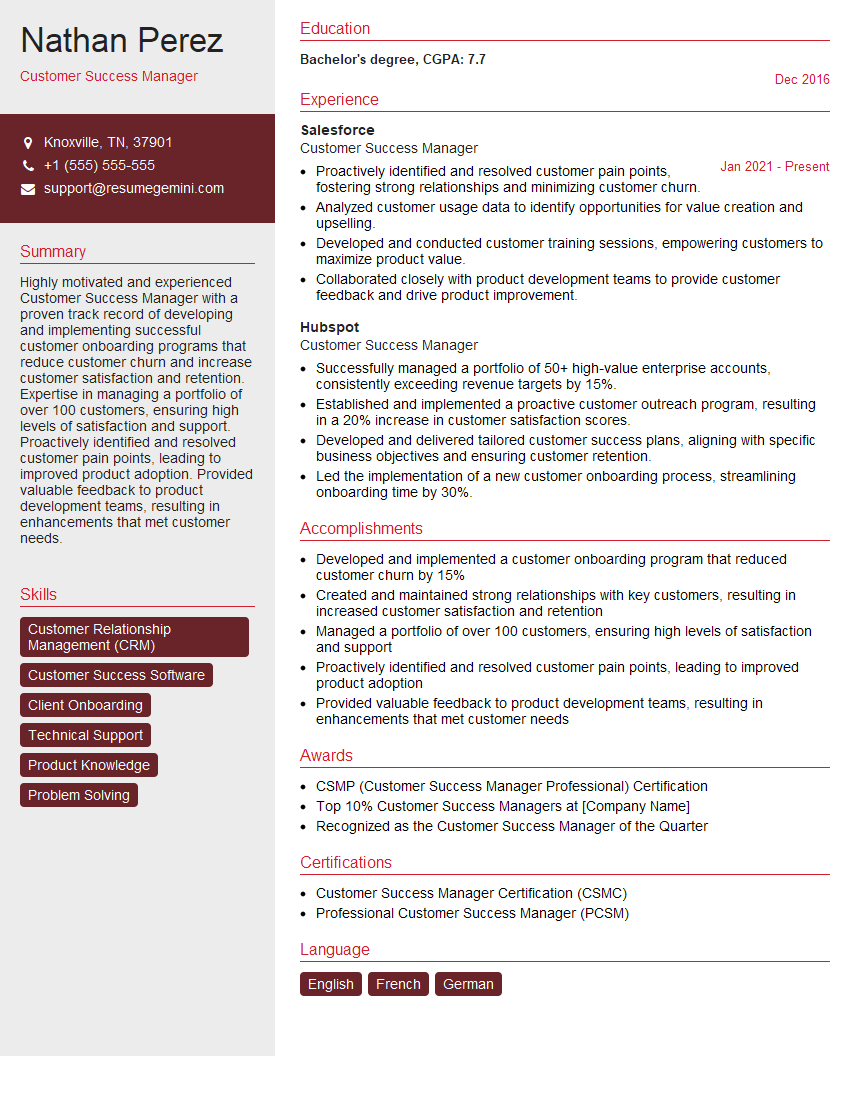
Customer Success Manager Resume Sample
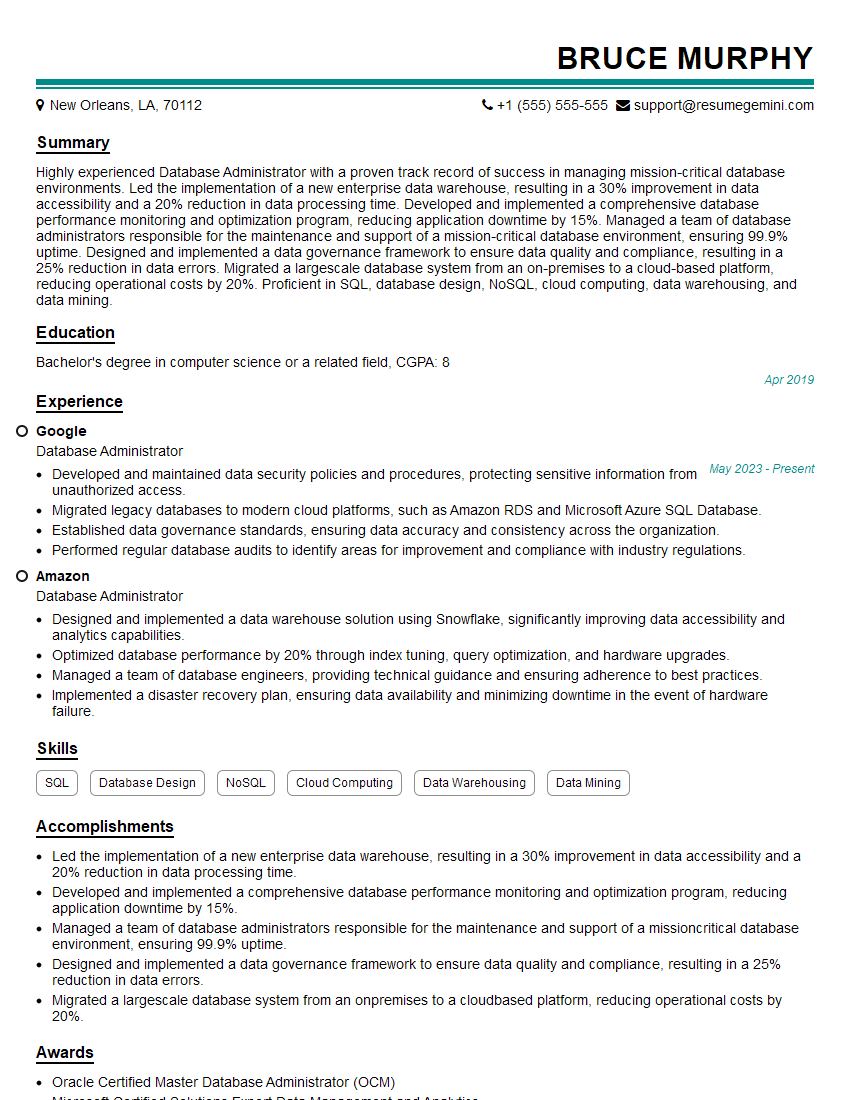
Database Administrator Resume Sample
- Program Manager
- Operations Manager
- Production Manager
- Account Manager
- Product Manager
- Quality Assurance Manager
- Supply Chain Manager
- Project Manager
- Compliance Manager
- Compliance Officer
- Risk Manager
- Business Analyst
- Research Analyst
- Financial Analyst
- Data Analyst
- Software Engineer
- Systems Analyst
- IT Project Manager
- Technical Writer
- Customer Success Manager
- Database Administrator
Explore more articles
Users Rating of Our Blogs
Share Your Experience
We value your feedback! Please rate our content and share your thoughts (optional).
What Readers Say About Our Blog
Very informative content, great job.
good