Feeling uncertain about what to expect in your upcoming interview? We’ve got you covered! This blog highlights the most important Construction and Fabrication Techniques interview questions and provides actionable advice to help you stand out as the ideal candidate. Let’s pave the way for your success.
Questions Asked in Construction and Fabrication Techniques Interview
Q 1. Explain the different types of welding processes and their applications.
Welding is a fundamental fabrication process joining materials, primarily metals, by melting them and allowing them to cool and solidify. Different processes utilize various heat sources and filler materials. Here are some key types:
- Shielded Metal Arc Welding (SMAW): Also known as stick welding, this uses a consumable electrode coated with flux to protect the weld pool from atmospheric contamination. It’s versatile, portable, and relatively inexpensive, making it ideal for on-site construction and repairs. Example: Repairing a cracked steel beam on a bridge.
- Gas Metal Arc Welding (GMAW): Or MIG welding, this uses a continuous wire electrode fed through a nozzle, with a shielding gas (often CO2 or Argon) protecting the weld. It’s faster and produces higher-quality welds than SMAW, suitable for high-volume production and automated systems. Example: Manufacturing car body panels.
- Gas Tungsten Arc Welding (GTAW): Also called TIG welding, this uses a non-consumable tungsten electrode and a separate filler material. It’s known for its precision and ability to create high-quality, aesthetically pleasing welds on thin materials. It’s slower but ideal for critical applications. Example: Welding stainless steel components in a chemical plant.
- Oxy-Fuel Welding (OFW): This uses a mixture of oxygen and fuel gases (acetylene, propane) to create a flame for melting the base metal and filler rod. It’s simpler and requires less equipment than arc welding processes but is limited by lower weld strength and speed. Example: Repairing small cracks in cast iron.
The choice of welding process depends heavily on factors like material type, thickness, joint design, required weld quality, accessibility, and cost.
Q 2. Describe your experience with blueprint reading and interpretation.
Blueprint reading is crucial for any construction professional. My experience spans over [Number] years, working with a wide range of drawings, from simple sketches to complex architectural and structural plans. I’m proficient in interpreting various symbols, dimensions, specifications, and annotations. For instance, I’ve worked on projects involving intricate piping systems, where understanding isometric drawings and detailed specifications for pipe sizes, materials, and fittings was paramount to successful fabrication. I’m also adept at identifying potential conflicts or discrepancies within the drawings, and I’m comfortable collaborating with engineers and architects to resolve any issues.
In one project, a misinterpretation in the blueprint resulted in a misaligned steel beam. My keen eye for detail helped identify the error early in the process; this prevented further costly rework and schedule delays. My proficiency ensures projects start correctly and run smoothly.
Q 3. How do you ensure quality control in a construction project?
Quality control is a continuous process, not just a final inspection. It begins with thorough planning and extends through every stage of construction. My approach involves these key elements:
- Regular Inspections: Implementing a robust inspection schedule, checking materials upon arrival, verifying dimensions during fabrication and installation, and performing regular quality checks throughout the construction process.
- Material Testing: Ensuring all materials meet the specified standards, conducting strength tests on welds, and verifying the quality of concrete mix designs.
- Documentation: Maintaining detailed records of all inspections, tests, and any corrective actions taken. This documentation serves as proof of compliance and is essential for future reference.
- Use of Quality Control Tools: Employing various tools like laser levels, measuring tapes, and specialized testing equipment for precise measurements and quality control.
- Continuous Improvement: Analyzing past projects to identify areas for improvement and implementing corrective actions to prevent recurrence of errors.
On a recent project, proactive quality checks revealed a minor flaw in a batch of steel components. Identifying the issue early meant timely replacement, preventing significant problems later and keeping the project on schedule.
Q 4. What are the common safety regulations in construction and fabrication?
Safety is paramount in construction and fabrication. Compliance with regulations is non-negotiable, and this involves adherence to OSHA guidelines (or equivalent local regulations), which encompass many aspects:
- Personal Protective Equipment (PPE): Mandatory use of hard hats, safety glasses, gloves, steel-toed boots, and other PPE relevant to specific tasks.
- Fall Protection: Implementing fall protection systems at heights, including harnesses, lifelines, and safety nets.
- Hazard Communication: Properly labeling and handling hazardous materials, providing safety data sheets (SDS), and training employees on safe handling procedures.
- Lockout/Tagout Procedures: Ensuring machinery is properly locked out and tagged out before maintenance or repair.
- Confined Space Entry: Following strict procedures for entering confined spaces, including proper ventilation, monitoring, and rescue plans.
- Welding Safety: Specific safety protocols for welding, including fire prevention, eye protection, and respiratory protection.
I’ve always prioritized safety, leading regular safety meetings, conducting toolbox talks, and ensuring compliance with all relevant regulations. My experience includes managing sites with zero lost-time incidents.
Q 5. Explain your understanding of building codes and regulations.
Building codes and regulations are essential for public safety and structural integrity. My understanding extends to both national and local codes (mention specific codes relevant to your area, e.g., IBC, local fire codes). This knowledge includes:
- Structural Requirements: Understanding load-bearing capacities, seismic design considerations, and material specifications to ensure buildings are structurally sound.
- Fire Safety: Knowledge of fire-resistant materials, fire suppression systems, and egress requirements to minimize fire hazards.
- Accessibility: Adhering to accessibility requirements for people with disabilities, such as ramps, elevators, and accessible restrooms.
- Plumbing and Electrical Codes: Familiarity with codes for plumbing systems, electrical wiring, and other building systems.
- Permitting and Inspections: Navigating the process of obtaining necessary permits and working with inspectors to ensure compliance.
A clear understanding of building codes is crucial for ensuring projects meet legal requirements, preventing costly delays and legal issues.
Q 6. Describe your experience with project scheduling and management.
Project scheduling and management are integral to successful construction. I utilize various methods, including Gantt charts and critical path analysis (CPA), to plan and manage projects effectively. My experience encompasses:
- Detailed Scheduling: Creating detailed schedules, breaking down projects into smaller tasks with defined durations and dependencies.
- Resource Allocation: Efficiently allocating resources, including labor, materials, and equipment, to ensure timely completion.
- Risk Management: Identifying potential risks and developing mitigation strategies to minimize delays and cost overruns.
- Progress Monitoring: Regularly tracking progress against the schedule, identifying potential problems early and implementing corrective actions.
- Communication: Maintaining effective communication with all stakeholders, including clients, engineers, subcontractors, and the project team.
I have successfully managed projects worth [Dollar Amount] using these techniques, consistently delivering them on time and within budget. In one instance, by proactively identifying a potential delay in material delivery, I successfully adjusted the schedule and prevented a significant project delay.
Q 7. How do you handle cost overruns in a construction project?
Cost overruns are a significant concern in construction. My strategy for managing them involves:
- Accurate Cost Estimation: Developing detailed and realistic cost estimates at the outset of the project, considering all potential expenses.
- Value Engineering: Exploring alternative approaches to reduce costs without compromising quality or functionality. This might involve using different materials or construction methods.
- Change Management: Establishing a formal change management process to control and track any changes to the original scope or design.
- Regular Cost Monitoring: Closely tracking actual costs against the budget throughout the project lifecycle.
- Communication and Collaboration: Open communication with clients to discuss potential cost implications and explore options for addressing cost overruns.
In a challenging project, we faced unforeseen site conditions that significantly impacted the budget. By implementing value engineering solutions and communicating transparently with the client, we successfully mitigated the cost overrun, completing the project successfully, though with a slightly adjusted budget.
Q 8. Explain your experience with different construction materials (steel, concrete, wood).
My experience spans a wide range of construction materials, each with its own unique properties and applications. Steel, for instance, excels in strength and durability, making it ideal for high-rise buildings and bridges. I’ve worked extensively with structural steel, from designing connections to overseeing erection. My experience includes working with various steel grades, understanding their yield strengths and selecting appropriate ones for different loading conditions. Concrete, on the other hand, offers versatility and compressive strength. I’ve been involved in projects ranging from simple concrete slabs to complex reinforced concrete structures, including careful consideration of mix design, curing processes, and formwork design to achieve the desired quality and strength. Finally, wood offers a sustainable and aesthetically pleasing option, particularly for residential and smaller-scale projects. I have experience with various wood types, understanding their structural properties and appropriate treatments to mitigate issues like rot and insect infestation. I’ve worked on projects involving timber framing and engineered wood products like laminated veneer lumber (LVL).
Q 9. Describe your experience with different fabrication techniques (machining, casting, forging).
My fabrication experience covers a spectrum of techniques. Machining involves shaping materials using tools like lathes, mills, and drills. I’ve used these extensively for creating precise metal components for machinery and structural elements. For example, I was involved in a project where we machined custom steel brackets to exacting tolerances for a specialized piece of equipment. Casting involves pouring molten material into a mold. I’ve worked with various casting methods, including sand casting and investment casting, for producing intricate and complex parts. One memorable project involved creating intricate bronze sculptures using the lost-wax casting method. Forging, the process of shaping metal using compressive forces, is another technique I’m proficient in. I’ve been involved in projects requiring forging for high-strength components, where the process enhances the material’s strength and durability. This often involves working with specialized equipment like hammers and presses.
Q 10. How do you manage conflicts between different trades on a construction site?
Managing conflicts between trades requires proactive communication and collaboration. My approach is to foster a respectful and open environment where everyone feels comfortable expressing their concerns. I typically start by facilitating a meeting with all involved parties to clearly understand each perspective and identify the root cause of the conflict. We then work collaboratively to find a solution that addresses everyone’s needs while adhering to project timelines and safety regulations. Clear documentation of agreements and responsibilities is crucial to prevent future misunderstandings. If needed, I will leverage my experience to provide technical expertise to help resolve disputes and ensure the overall project integrity. Sometimes, a neutral third-party mediator might be helpful for particularly challenging situations.
Q 11. What is your experience with risk assessment and mitigation in construction?
Risk assessment and mitigation are integral to successful construction projects. I follow a structured approach, beginning with identifying potential hazards throughout the project lifecycle. This includes site-specific risks (e.g., unstable ground conditions), material-specific risks (e.g., steel corrosion), and process-specific risks (e.g., crane operation). I use various tools, like HAZOP (Hazard and Operability) studies and SWMS (Safe Work Method Statements), to systematically analyze these risks. Once identified, I develop mitigation strategies, prioritizing those that offer the most effective risk reduction. This may involve implementing safety protocols, using protective equipment, or modifying work procedures. Regular site inspections and safety meetings are crucial to ensure these strategies are being followed effectively and to promptly address any emerging risks.
Q 12. Describe a time you had to solve a complex technical problem in construction or fabrication.
During a high-rise building project, we encountered a significant problem with the prefabricated steel columns. The initial design, while structurally sound, proved difficult to erect due to unforeseen site constraints. The columns were too long to be lifted directly into place. My solution involved designing a temporary support system that would allow us to lift and align the columns in sections. This involved detailed calculations to ensure the temporary structure could handle the loads and precise coordination with the crane operators. We successfully implemented the solution, avoiding costly delays and ensuring the project remained on schedule. This experience highlighted the importance of considering site-specific constraints during the design phase and the value of creative problem-solving to overcome unexpected challenges.
Q 13. How do you ensure the timely completion of a construction project?
Ensuring timely project completion requires meticulous planning and execution. I begin by creating a detailed project schedule, breaking down the work into manageable tasks with clear timelines and dependencies. This often involves using project management software to track progress and identify potential delays. Regular progress meetings with the project team are essential for monitoring task completion, resolving issues promptly, and adapting to changing circumstances. Proactive communication with subcontractors and material suppliers is key to ensuring the timely delivery of materials and services. Effective resource allocation, including labor and equipment, is crucial to avoid bottlenecks. And finally, maintaining a focus on quality throughout the process ensures that rework is minimized, contributing to on-time completion.
Q 14. Explain your experience with using CAD software for design and drafting.
I’m proficient in several CAD software packages, including AutoCAD and Revit. I use CAD software extensively for design and drafting, creating detailed drawings for structural elements, fabrication plans, and shop drawings. This includes generating 2D and 3D models, ensuring accuracy and precision. I utilize CAD to coordinate different trades, create detailed specifications, and produce documentation for construction and fabrication. For example, I’ve used Revit to create a 3D model of a complex building, allowing for better visualization and coordination of different systems (structural, MEP, architectural). My ability to utilize CAD significantly improves the efficiency and accuracy of design and construction processes, reducing errors and improving overall quality.
Q 15. How familiar are you with BIM (Building Information Modeling)?
BIM, or Building Information Modeling, is far more than just 3D modeling; it’s a collaborative process creating and managing digital representations of physical and functional characteristics of places. I’m highly proficient in BIM, having used software like Revit, ArchiCAD, and Navisworks extensively throughout my career. My experience encompasses the entire BIM lifecycle, from conceptual design and design development to construction documentation and facility management. For example, on a recent high-rise project, we used BIM to detect clashes between MEP (Mechanical, Electrical, and Plumbing) systems and structural elements before construction began, saving significant time and cost. This involved coordinating models from different disciplines and using clash detection software to identify and resolve conflicts. Another example is leveraging BIM for quantity take-offs, generating accurate material lists, and streamlining procurement processes. BIM allows for better collaboration amongst architects, engineers, contractors, and clients, leading to a more efficient and effective project delivery.
Career Expert Tips:
- Ace those interviews! Prepare effectively by reviewing the Top 50 Most Common Interview Questions on ResumeGemini.
- Navigate your job search with confidence! Explore a wide range of Career Tips on ResumeGemini. Learn about common challenges and recommendations to overcome them.
- Craft the perfect resume! Master the Art of Resume Writing with ResumeGemini’s guide. Showcase your unique qualifications and achievements effectively.
- Don’t miss out on holiday savings! Build your dream resume with ResumeGemini’s ATS optimized templates.
Q 16. What is your experience with lean construction principles?
Lean construction principles focus on eliminating waste and maximizing value throughout the construction process. My experience involves applying these principles through various techniques, including Last Planner® System, which emphasizes collaborative planning and short-term scheduling to improve predictability and reduce rework. I’ve also implemented 5S methodologies (Sort, Set in Order, Shine, Standardize, Sustain) on numerous projects to optimize workflow and improve site safety. For instance, on a recent project, we employed a Kanban system to manage the flow of materials, ensuring that only necessary materials were on-site at any given time, thus reducing storage costs and eliminating potential waste due to spoilage or theft. We also implemented daily stand-up meetings, encouraging open communication and problem-solving amongst the team. This fostered a culture of continuous improvement and proactive issue resolution, directly leading to a more efficient construction process and on-time project delivery.
Q 17. Describe your experience with sustainable construction practices.
Sustainable construction is a key focus in my work. I have extensive experience in incorporating sustainable materials, such as recycled content steel and locally sourced timber, into projects. This reduces the embodied carbon footprint of the building. I also work with designs that minimize energy consumption, incorporating features such as high-performance insulation, energy-efficient windows, and renewable energy sources. For example, on a recent school project, we prioritized the use of sustainable materials and incorporated a green roof to reduce stormwater runoff and improve insulation. We also implemented a rainwater harvesting system to reduce water consumption. Furthermore, I am familiar with LEED (Leadership in Energy and Environmental Design) certification processes and have successfully contributed to several projects achieving LEED certification. The commitment to sustainable practices goes beyond material selection; it encompasses waste reduction, minimizing environmental impact during construction, and ensuring the building’s long-term sustainability.
Q 18. How do you manage a team of construction workers effectively?
Effective team management in construction requires a blend of strong leadership, clear communication, and a focus on safety. I believe in fostering a positive and collaborative work environment where everyone feels valued and respected. My approach involves clearly defining roles and responsibilities, providing regular feedback and training, and creating opportunities for team members to contribute their expertise. I utilize daily toolbox talks to address safety concerns and communicate project updates. I also emphasize open communication channels, encouraging workers to voice their concerns and suggestions without fear of retribution. A key element is ensuring everyone is aware of project goals and understands their contribution to the overall success. Motivating the team involves recognizing individual contributions, celebrating achievements, and addressing conflicts fairly and efficiently. In short, I strive to create a team that works collaboratively and efficiently to achieve project goals while prioritizing safety and well-being.
Q 19. Explain your understanding of construction contracts and specifications.
Construction contracts and specifications are the cornerstone of any successful project. A thorough understanding of these documents is essential to avoid disputes and ensure project completion on time and within budget. My experience encompasses various contract types, including lump sum, cost-plus, and design-build contracts. I am proficient in interpreting contract documents, identifying potential risks, and managing change orders effectively. Understanding specifications involves interpreting technical requirements for materials, workmanship, and testing procedures. I ensure that all work performed adheres strictly to the specifications outlined in the contract documents. This includes conducting regular inspections and documenting any deviations from the plans. Proactive identification of potential conflicts or ambiguities in the contract documents is crucial, as this allows for prompt clarification and prevents delays or cost overruns later in the project. Experience with different contract types, combined with careful review and interpretation of specifications, is fundamental to effective project management.
Q 20. What are your preferred methods for communicating project updates to stakeholders?
Effective communication is critical in construction. My preferred methods for updating stakeholders involve a multi-faceted approach. Regular progress reports, incorporating both written documentation and visual aids like photographs and progress charts, are crucial. I also utilize project management software to track progress, manage issues, and facilitate communication. This software provides a centralized platform for sharing information and ensures that all stakeholders are kept informed. For major updates or significant changes, I utilize formal meetings, both in-person and virtual, depending on stakeholder availability and geographic locations. These meetings allow for direct interaction and clarification of any questions or concerns. Transparency and proactive communication are paramount; I aim to anticipate potential problems and communicate them promptly to stakeholders, allowing for collaborative problem-solving. This approach minimizes surprises and ensures all parties remain aligned throughout the project lifecycle.
Q 21. Describe your experience with different types of foundations.
My experience encompasses a wide range of foundation types, each suited to different soil conditions and structural requirements. I’m familiar with shallow foundations, such as spread footings and strip footings, commonly used for smaller structures on stable soil. For heavier loads or less stable soil, I have experience with deep foundations, including piles (driven, bored, or helical) and caissons. The selection of the appropriate foundation type is crucial and depends on a thorough geotechnical investigation. For example, on a recent coastal project, we utilized driven piles due to the loose, sandy soil conditions, ensuring the stability of the structure against potential settlement and lateral forces. In another project, where we encountered bedrock at a shallow depth, we opted for a combination of shallow and deep foundations to optimize the design and minimize construction costs. Furthermore, I’m familiar with various foundation construction methods, including the use of specialized equipment and the implementation of quality control measures to ensure the integrity of the foundation system.
Q 22. How familiar are you with different types of structural members (beams, columns, trusses)?
My familiarity with structural members like beams, columns, and trusses is extensive. I understand their different functions, material properties, and design considerations.
- Beams: These horizontal members primarily resist bending loads, transferring them to supporting columns or walls. I have experience working with various types, including I-beams, T-beams, and wide-flange beams, each with its optimal use depending on the load and span requirements. For instance, in a long-span warehouse, I-beams are often preferred for their high strength-to-weight ratio.
- Columns: These vertical members primarily resist compressive loads. I’m experienced with various column types—concrete, steel, and composite—and understand the importance of proper detailing to prevent buckling. Designing a column for a high-rise building requires a different approach compared to a smaller structure, needing detailed analysis for wind and seismic loads.
- Trusses: These are triangulated structures composed of interconnected members that work together to distribute loads efficiently. I have experience with various truss configurations, including roof trusses and bridge trusses. Designing a truss for a large industrial building requires considering factors like material selection (steel, wood), connection design, and overall stability under various loading conditions.
This knowledge allows me to effectively plan and manage the structural aspects of any project, ensuring safety and efficiency.
Q 23. Explain your experience with site surveying and leveling.
Site surveying and leveling are crucial for accurate construction. My experience includes using various instruments such as total stations, levels, and GPS receivers to establish benchmarks, control points, and accurate elevations.
I’ve been involved in numerous projects where precise surveying was paramount. For example, during the construction of a large residential complex, we used a total station to meticulously map the site’s topography. This ensured that foundations were properly placed, preventing any issues with uneven settlement later. Another example was a road construction project where precision leveling was essential to ensure proper drainage and road grade.
This data is then used to create detailed site plans that guide the construction process and ensure the building aligns correctly with design specifications. I understand the importance of quality control throughout this process to prevent costly errors down the line.
Q 24. How do you handle unexpected delays or changes in a construction project?
Unexpected delays and changes are an inherent part of construction. My approach involves proactive risk management, clear communication, and a flexible problem-solving strategy.
- Proactive Risk Assessment: I anticipate potential problems by carefully reviewing plans, understanding potential supply chain issues, and considering weather conditions. This allows for contingency planning.
- Effective Communication: Open and honest communication with clients, subcontractors, and the project team is key. Keeping everyone informed of potential issues and possible solutions reduces misunderstandings and delays.
- Flexible Problem Solving: When delays or changes occur, I utilize critical thinking to find the most efficient solutions. This may involve adjusting the schedule, negotiating with subcontractors, or exploring alternative materials. For instance, a recent project faced material delays. We mitigated this by substituting a comparable, readily available material, ensuring the project stayed on track.
My experience has taught me that adaptability and a calm, methodical approach are essential in handling unexpected circumstances.
Q 25. Describe your experience with working with subcontractors.
Collaborating effectively with subcontractors is key to successful project delivery. My experience involves carefully selecting qualified subcontractors, establishing clear contracts, and maintaining regular communication throughout the project lifecycle.
I establish clear expectations and responsibilities through detailed contracts, including scopes of work, payment schedules, and safety regulations. Regular meetings, site inspections, and progress reports ensure that everyone is aligned and working towards the same goals. For example, on a recent project, I discovered a subcontractor’s work was slightly behind schedule. Through clear communication, we identified the bottleneck, adjusted the timeline, and ensured the project was completed without compromising quality.
I also emphasize fostering strong relationships built on mutual respect and trust, which encourages collaboration and helps to resolve any conflicts quickly and effectively.
Q 26. Explain your understanding of different types of concrete mixes and their applications.
Understanding different concrete mixes and their applications is essential for ensuring structural integrity and durability. Concrete mix design involves controlling the proportions of cement, aggregates (sand and gravel), water, and sometimes admixtures.
- Normal Strength Concrete: Used in general construction applications, offering a good balance of strength and workability.
- High-Strength Concrete: Used where high compressive strength is required, such as in high-rise buildings or bridges.
- Lightweight Concrete: Used for applications requiring reduced weight, like floors or roofs.
- High-Performance Concrete: Engineered for specific performance characteristics such as durability, impermeability, and rapid strength gain.
The choice of mix depends on factors such as the structural requirements, environmental conditions, and budget constraints. For example, using high-performance concrete in a marine environment enhances its resistance to corrosion from salt water.
Q 27. How do you ensure the proper installation of building systems (HVAC, electrical, plumbing)?
Ensuring proper installation of building systems (HVAC, electrical, plumbing) requires meticulous planning and coordination. My approach involves a multi-step process:
- Detailed Coordination: This begins with careful review of the design plans to identify potential clashes or conflicts between different systems.
- Thorough Inspections: Regular inspections are crucial during and after the installation process to ensure compliance with codes and specifications, proper connections, and leak testing where applicable.
- Quality Control: I implement rigorous quality control procedures to ensure the systems meet the required standards. This includes verifying materials, workmanship, and testing of installed equipment.
- Subcontractor Management: Working closely with specialist subcontractors to ensure their work aligns with the project schedule and specifications.
A well-coordinated approach prevents costly rework and ensures a safe and efficient building operation.
Q 28. Describe your experience with troubleshooting mechanical or electrical issues on a construction site.
Troubleshooting mechanical or electrical issues on a construction site requires a methodical and systematic approach.
My experience involves identifying the problem’s root cause using diagnostic tools, analyzing symptoms, and implementing effective solutions. For example, if a pump fails, I would first check power supply, then examine the pump’s components, potentially involving further investigation depending on the diagnosis. Similarly, with electrical issues, I would use multimeters, circuit testers, and other tools to isolate and resolve the fault.
In addition to practical skills, strong problem-solving ability and a comprehensive understanding of building systems are critical. Safety is also paramount, and I always adhere to all safety procedures when troubleshooting.
Key Topics to Learn for Construction and Fabrication Techniques Interview
- Blueprint Reading and Interpretation: Understanding architectural drawings, specifications, and symbols to accurately plan and execute construction projects. Practical application: Identifying potential conflicts or ambiguities in blueprints and proposing solutions.
- Material Selection and Properties: Knowledge of various construction materials (steel, concrete, wood, etc.), their properties, and appropriate applications. Practical application: Choosing the optimal material for a specific project based on cost, strength, durability, and environmental considerations.
- Fabrication Processes: Familiarity with welding techniques (MIG, TIG, Stick), cutting methods (plasma, laser, oxy-fuel), and other fabrication processes. Practical application: Troubleshooting fabrication issues and ensuring quality control throughout the process.
- Construction Safety Regulations and Practices: Deep understanding of OSHA regulations and safety protocols relevant to construction and fabrication. Practical application: Identifying and mitigating potential hazards on a construction site.
- Project Management Fundamentals: Basic principles of project scheduling, resource allocation, and budget management. Practical application: Developing a realistic project timeline and managing resources efficiently.
- Quality Control and Inspection: Understanding quality control procedures and inspection techniques to ensure projects meet required standards. Practical application: Identifying and resolving quality defects during construction or fabrication.
- Problem-solving and Troubleshooting: Ability to identify and solve problems encountered during construction and fabrication processes. Practical application: Developing creative solutions to unforeseen challenges on a construction site.
- Tools and Equipment: Practical knowledge of various hand tools, power tools, and specialized equipment used in construction and fabrication. Practical application: Selecting the appropriate tool for a specific task and ensuring its safe operation.
Next Steps
Mastering Construction and Fabrication Techniques is crucial for career advancement in this dynamic field. A strong understanding of these principles opens doors to more challenging and rewarding roles with increased earning potential. To maximize your job prospects, it’s essential to create a resume that showcases your skills effectively and is optimized for Applicant Tracking Systems (ATS). We highly recommend using ResumeGemini to build a professional and impactful resume that highlights your expertise. ResumeGemini provides examples of resumes tailored to Construction and Fabrication Techniques to help you create a winning application. Invest in your future – build a standout resume today!
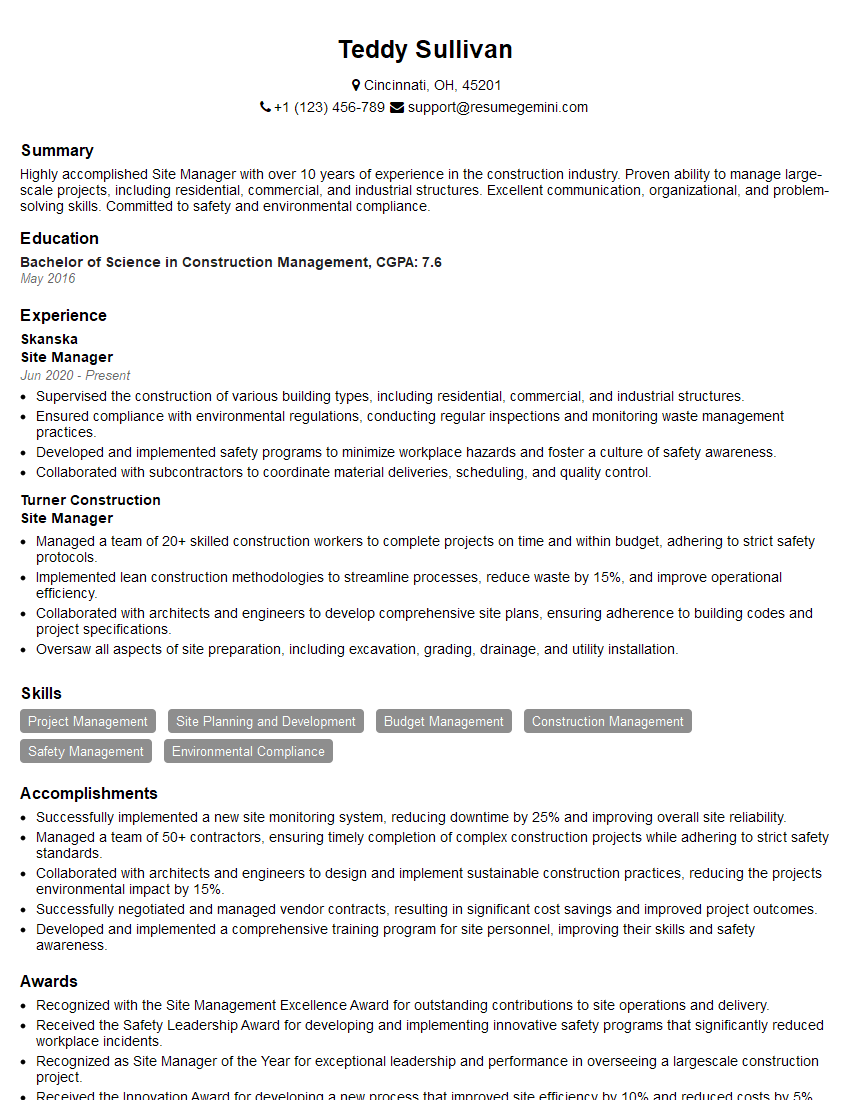
Site Manager Resume Sample
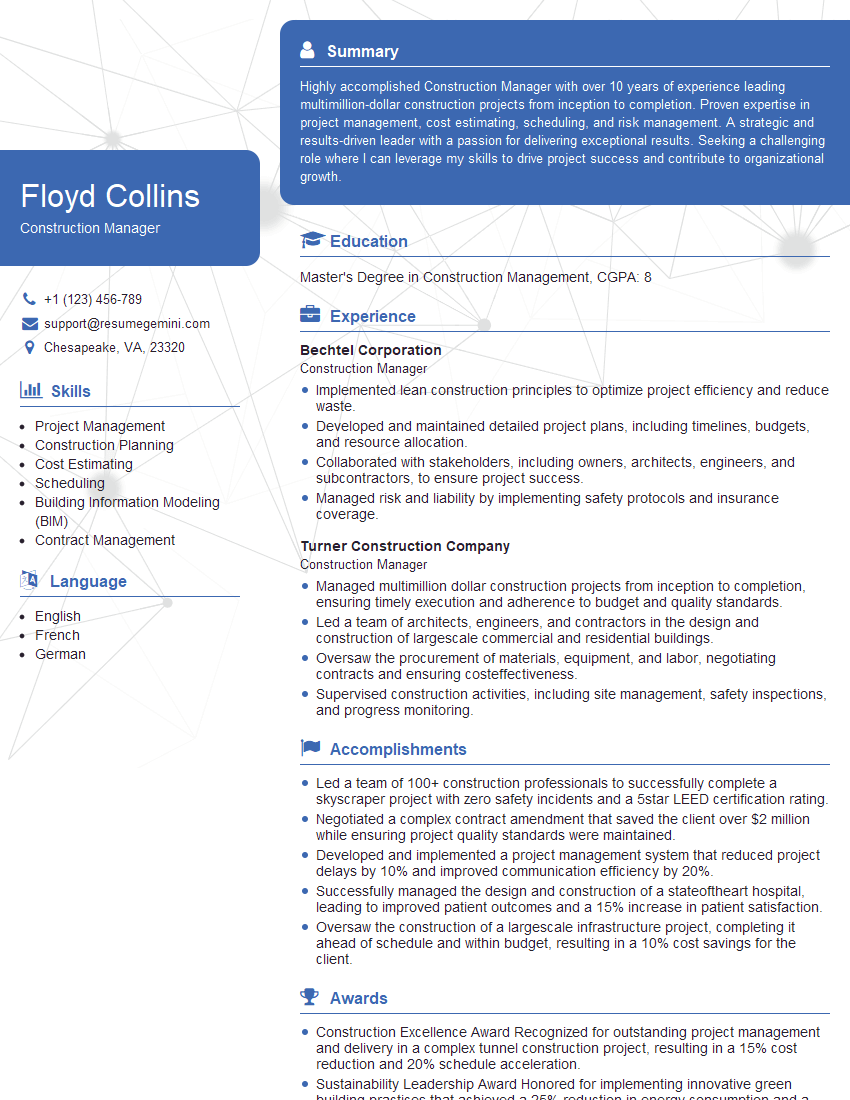
Construction Manager Resume Sample

Construction Superintendent Resume Sample
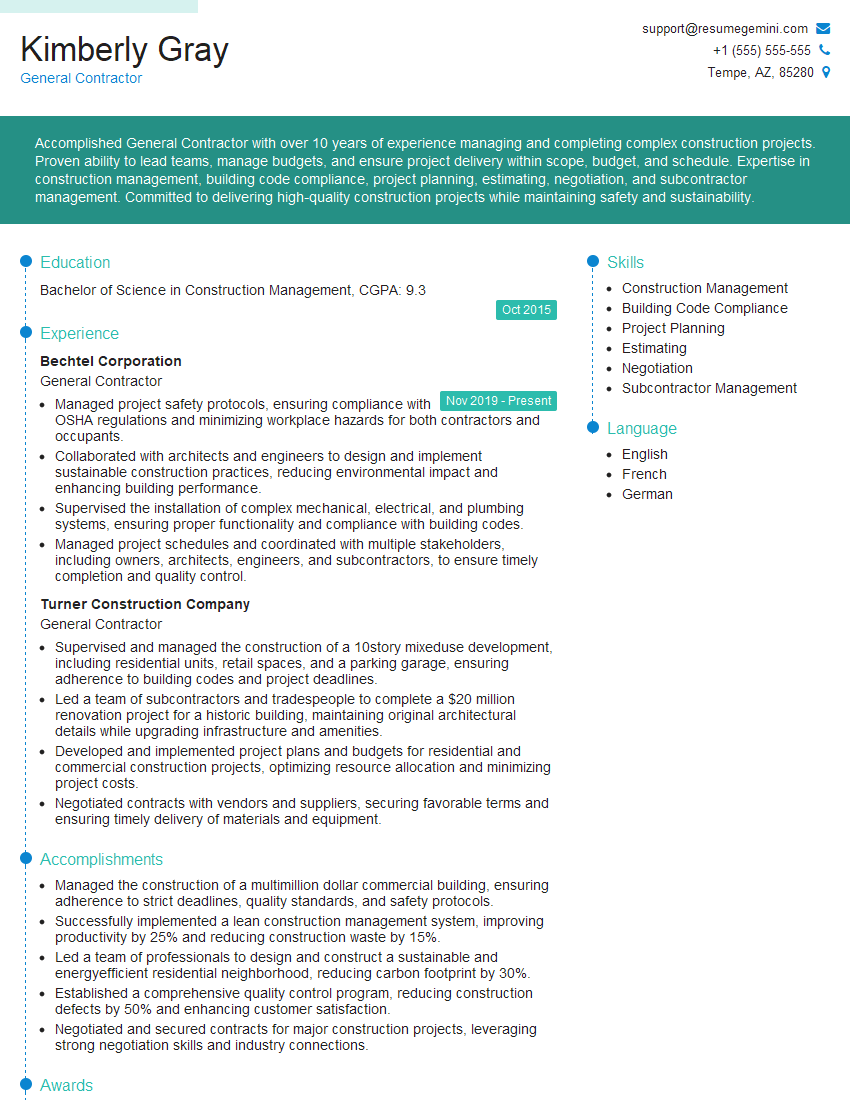
General Contractor Resume Sample
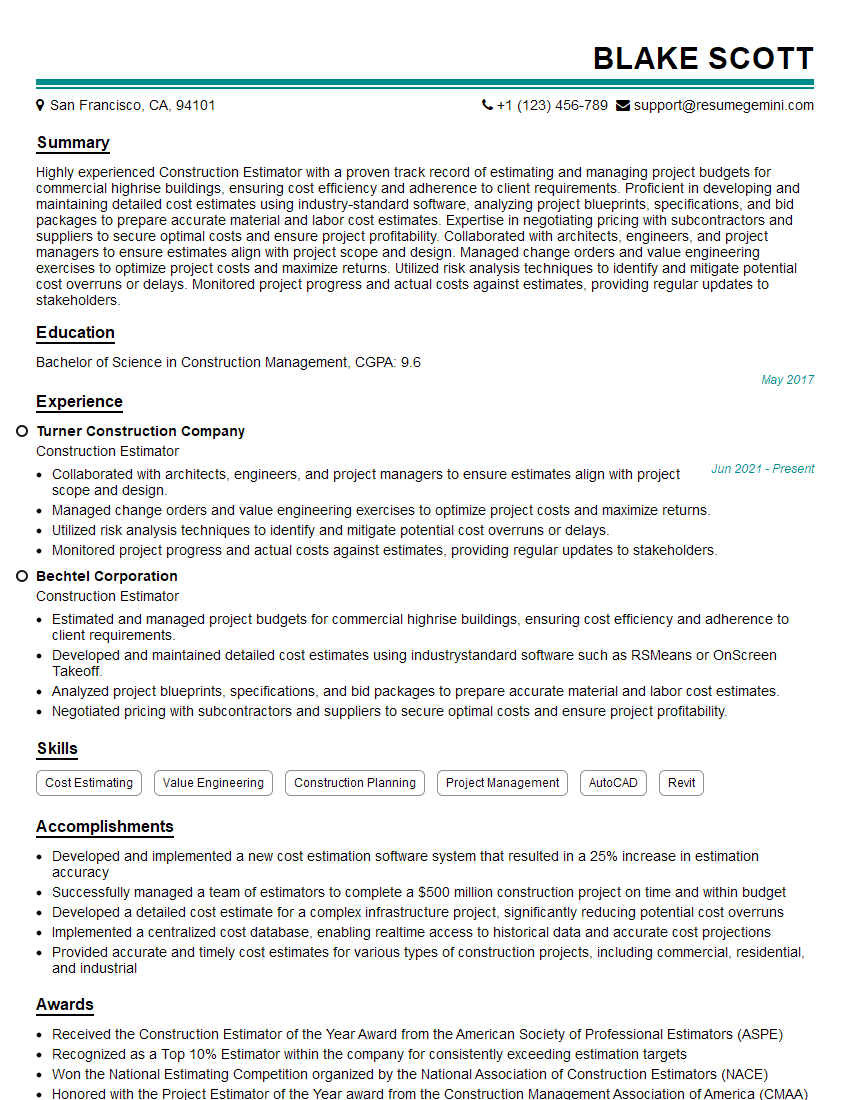
Construction Estimator Resume Sample
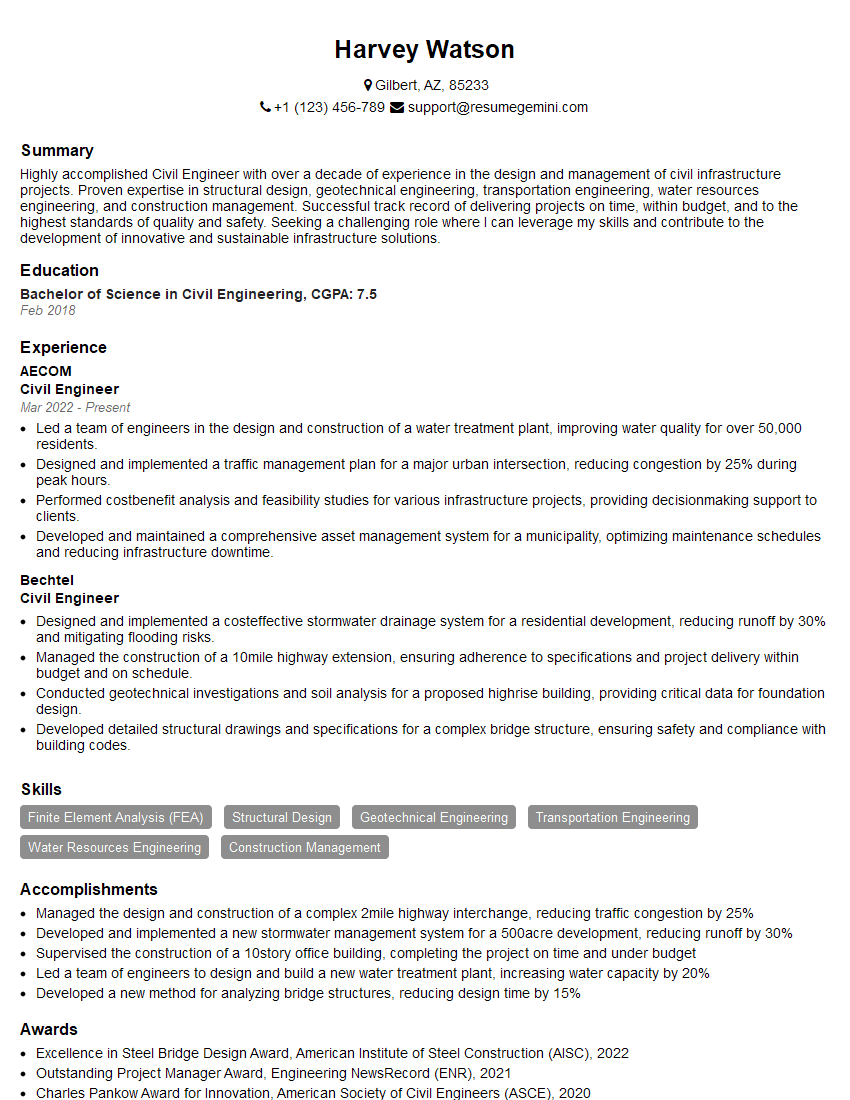
Civil Engineer Resume Sample
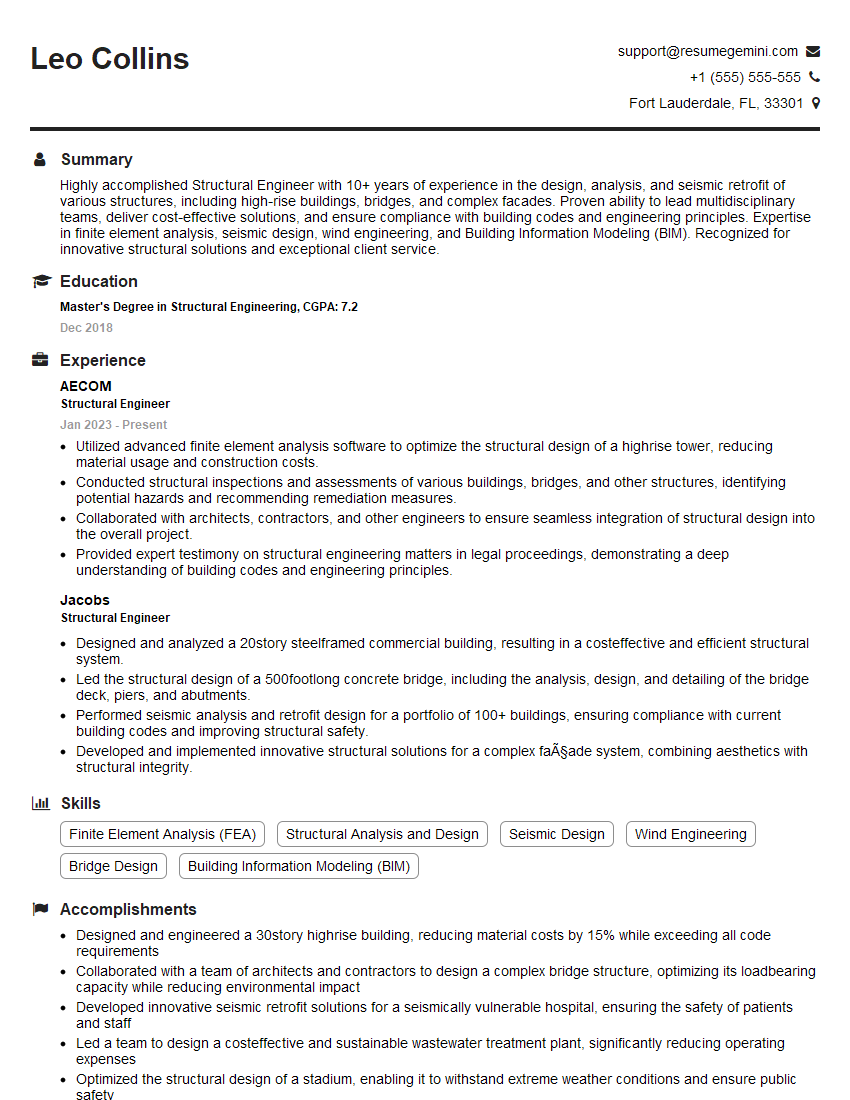
Structural Engineer Resume Sample
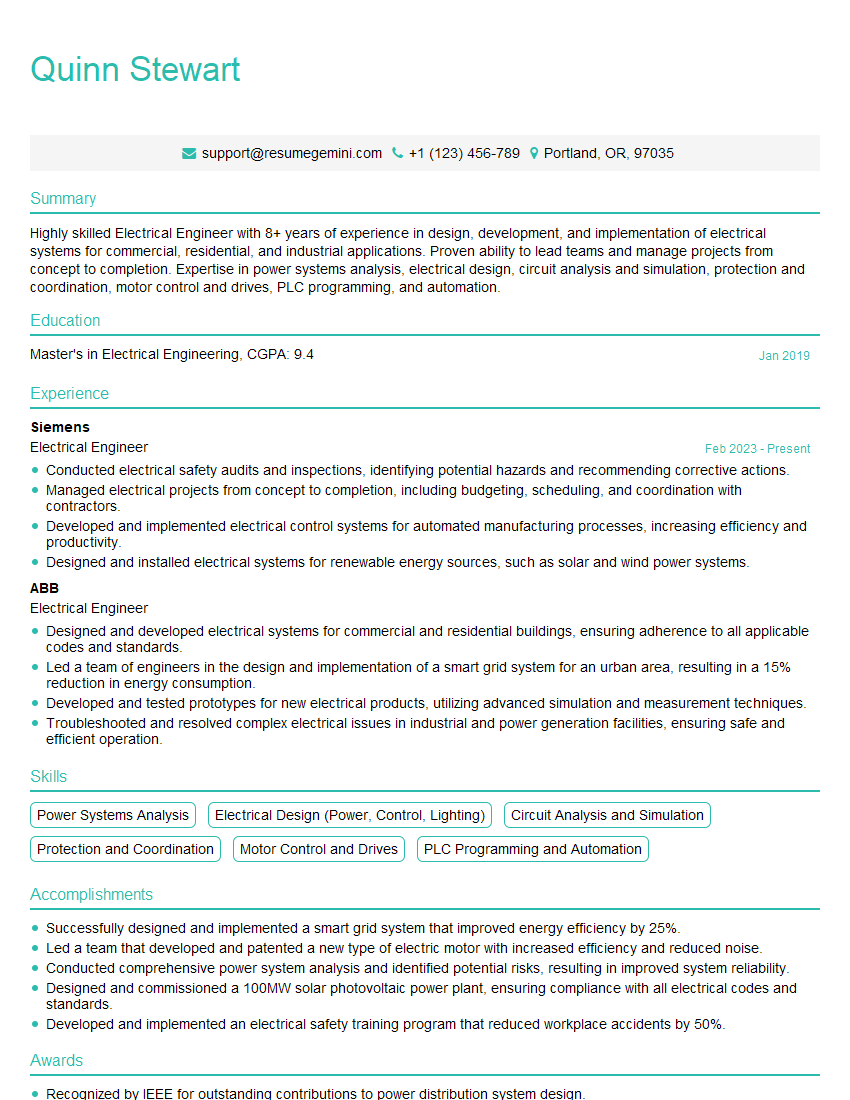
Electrical Engineer Resume Sample
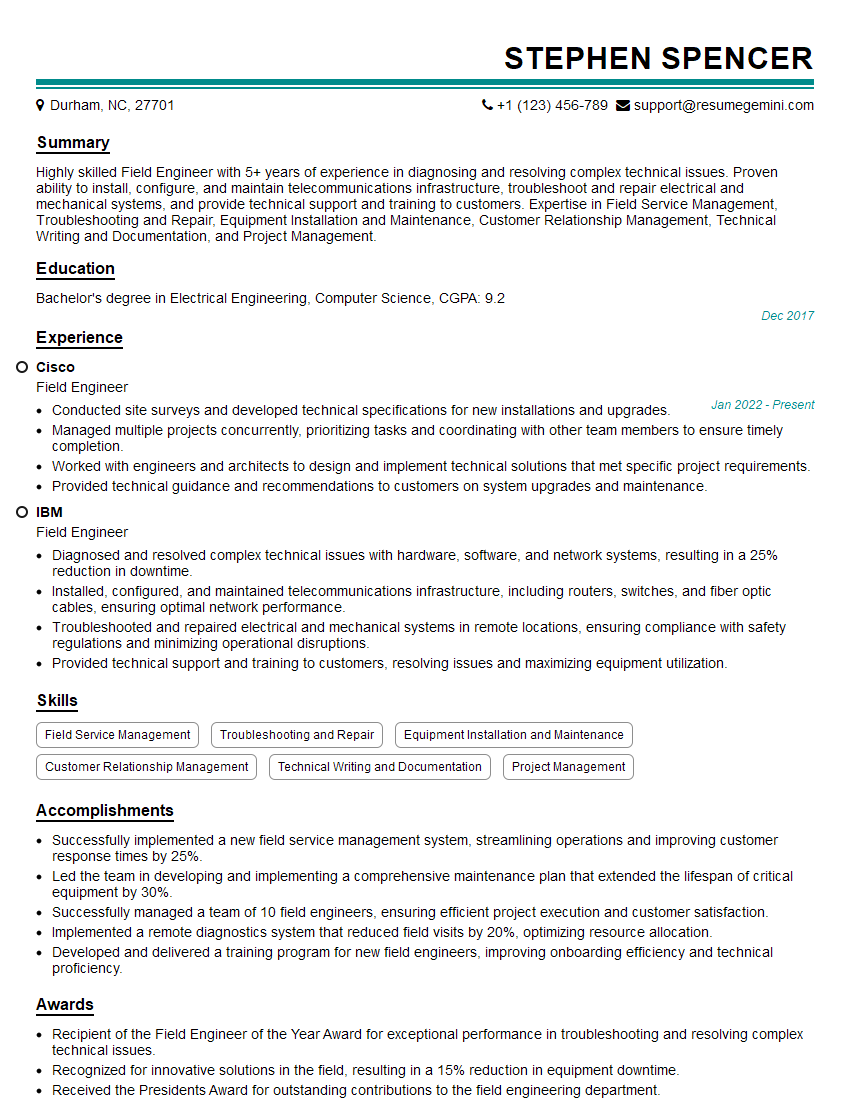
Field Engineer Resume Sample
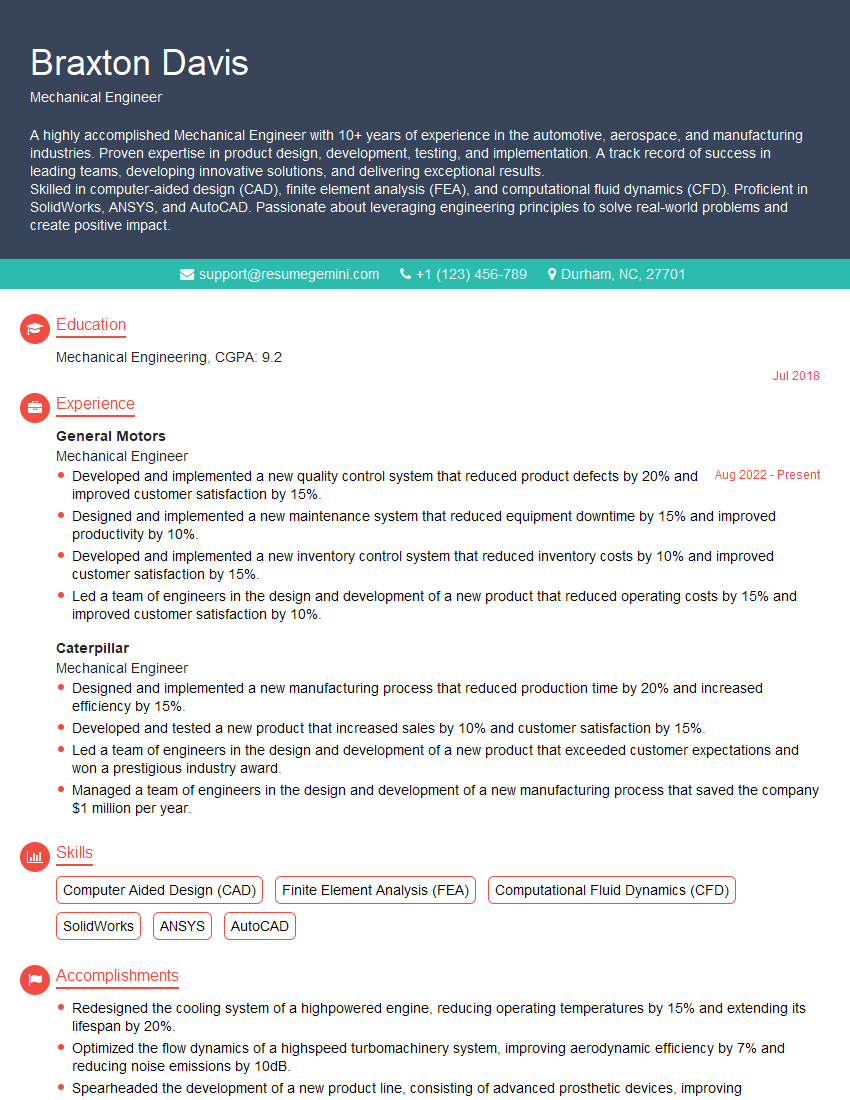
Mechanical Engineer Resume Sample
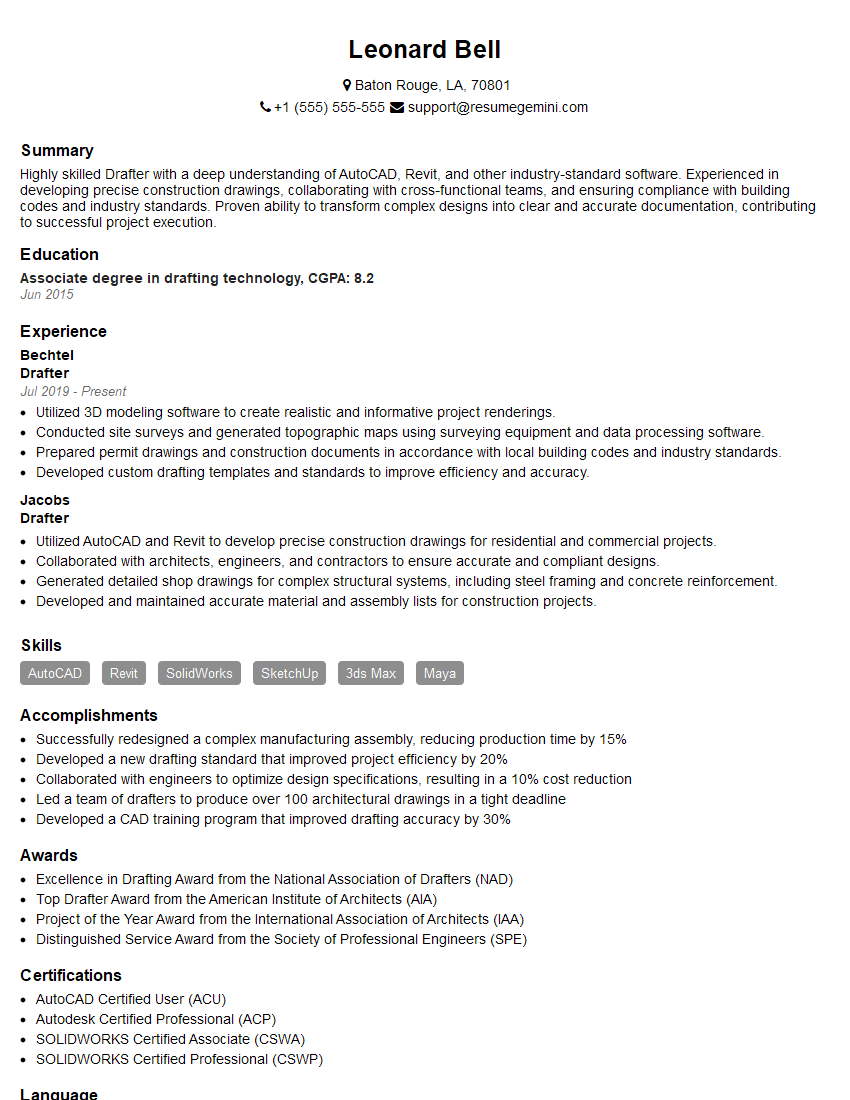
Drafter Resume Sample
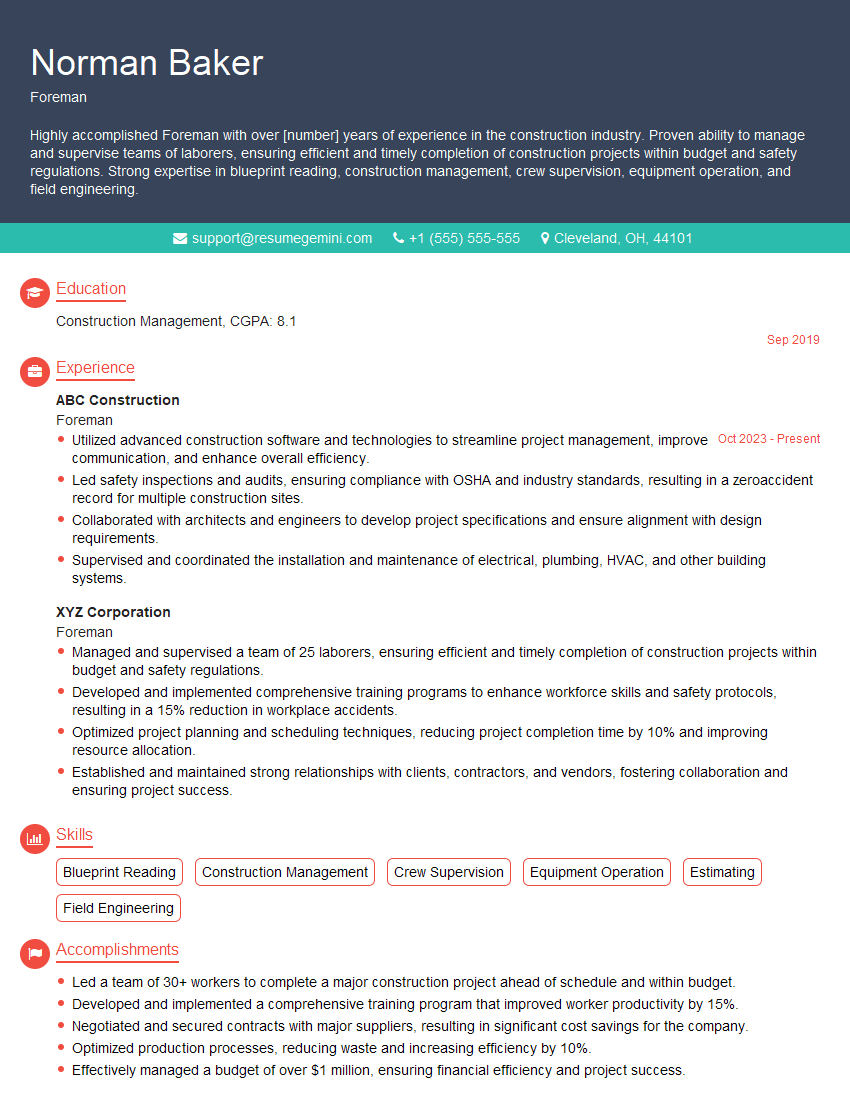
Foreman Resume Sample
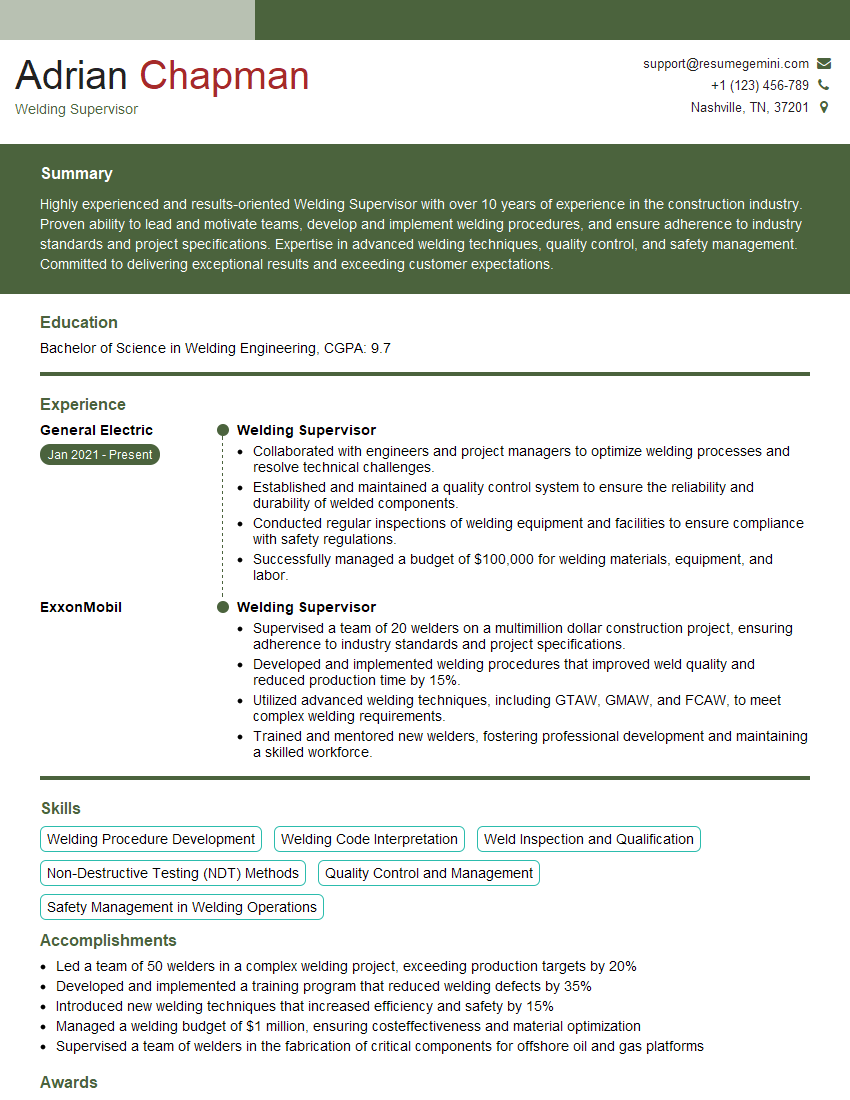
Welding Supervisor Resume Sample
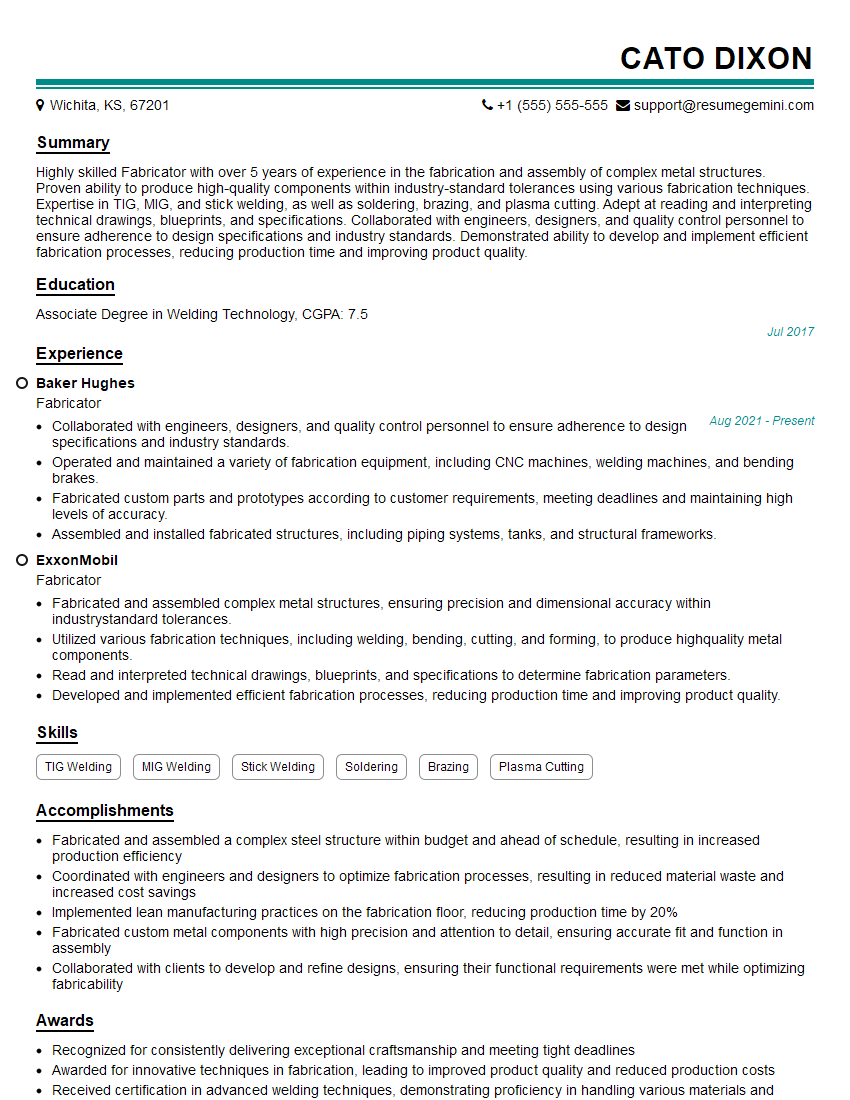
Fabricator Resume Sample
Explore more articles
Users Rating of Our Blogs
Share Your Experience
We value your feedback! Please rate our content and share your thoughts (optional).
What Readers Say About Our Blog
Very informative content, great job.
good