Unlock your full potential by mastering the most common Operation of Equipment interview questions. This blog offers a deep dive into the critical topics, ensuring you’re not only prepared to answer but to excel. With these insights, you’ll approach your interview with clarity and confidence.
Questions Asked in Operation of Equipment Interview
Q 1. Describe your experience with preventative maintenance on heavy equipment.
Preventative maintenance is crucial for extending the lifespan of heavy equipment and preventing costly breakdowns. My approach involves a meticulous, scheduled regimen combining visual inspections, lubrication, and component checks.
- Visual Inspections: I regularly check for leaks, cracks, wear and tear on belts, hoses, and other components. Think of it like a doctor giving a patient a thorough check-up – looking for any signs of problems before they escalate.
- Lubrication: Proper lubrication is key to reducing friction and wear. I follow manufacturer’s recommendations for lubrication schedules and types of grease or oil. This is like oiling the joints of a machine – keeping everything moving smoothly and preventing damage.
- Component Checks: This includes checking fluid levels (hydraulic, engine oil, coolant), filter conditions, and the operational status of safety devices. Regularly checking these components is like regularly testing your car’s brakes – ensuring they function correctly before you encounter an emergency.
For example, on a bulldozer, I would inspect the tracks for damage, lubricate the pins and bushings, and check the hydraulic fluid levels. On an excavator, I would check the swing mechanism, inspect the bucket teeth for wear, and check the engine oil.
Q 2. What safety procedures do you follow when operating heavy machinery?
Safety is paramount when operating heavy machinery. My safety procedures are unwavering and encompass pre-operational checks, adherence to site-specific regulations, and consistent situational awareness.
- Pre-operational Checks: Before starting any equipment, I conduct a thorough inspection, including checking fluid levels, tire pressure, and the overall mechanical condition. I also ensure all safety devices – like emergency stops and seatbelts – are functional.
- Site-Specific Regulations: I carefully review and adhere to all site-specific safety regulations, including speed limits, designated pathways, and communication protocols. Understanding these rules is akin to understanding traffic laws – following them keeps everyone safe.
- Situational Awareness: Maintaining constant situational awareness is critical. This includes being aware of surroundings, other personnel, and potential hazards. I often use hand signals when working with others or near blind spots, much like a pilot uses radio communication to avoid collisions.
- Personal Protective Equipment (PPE): I consistently use appropriate PPE, including hard hats, safety glasses, gloves, and hearing protection.
Q 3. Explain your troubleshooting process when equipment malfunctions.
My troubleshooting process is systematic and follows a logical sequence. It starts with observation and progresses to more in-depth diagnostics.
- Identify the Problem: First, I pinpoint the exact nature of the malfunction. Is the engine not starting? Is there a hydraulic leak? Is there a strange noise?
- Gather Information: I collect data – error codes, unusual sounds, warning lights, any recent maintenance or unusual operations – to understand the issue better. This is like being a detective – gathering clues to solve the mystery.
- Check the Obvious: I start with simple checks, like fluid levels, electrical connections, and fuses. Often, the solution is simpler than anticipated.
- Consult Manuals and Resources: If the problem persists, I consult the equipment’s operation and maintenance manuals, along with online resources or experienced colleagues. This is like consulting a reference book to learn more about the ailment.
- Systematic Diagnostics: I use diagnostic tools (if available) to pinpoint the faulty component. If tools aren’t sufficient, I may utilize a process of elimination to systematically test components until the root cause is found.
- Repair or Replacement: Once identified, I either repair the faulty component or, if necessary, replace it with an approved part.
- Testing and Verification: After repair or replacement, I thoroughly test the equipment to confirm the issue is resolved.
Q 4. How do you ensure the efficient operation of your assigned equipment?
Efficient operation is achieved through preventative maintenance, skillful operation, and adhering to manufacturer guidelines.
- Preventative Maintenance: As mentioned earlier, this is the cornerstone of efficient operation. By preventing small problems from becoming large ones, I minimize downtime and maximize productivity.
- Skillful Operation: Smooth and efficient operation minimizes wear and tear. Avoiding harsh maneuvers and understanding the machine’s capabilities helps ensure long-term performance.
- Adhering to Guidelines: Following the manufacturer’s recommendations for operating parameters (speed, load, etc.) ensures the machine is run within its optimal limits, preventing premature wear.
- Operator Training: Ongoing training and staying up-to-date with advancements in equipment operation are essential for maximizing efficiency.
For example, using the appropriate bucket size for the task on an excavator minimizes fuel consumption and increases efficiency.
Q 5. What are the key performance indicators (KPIs) you monitor during operation?
Key Performance Indicators (KPIs) that I monitor during operation depend on the specific task and equipment, but some common ones include:
- Fuel Consumption: Monitoring fuel efficiency helps identify areas for improvement in operation or potential mechanical issues.
- Production Rates: Measuring output (e.g., cubic yards of material moved, or tons of product processed) is crucial for evaluating efficiency.
- Downtime: Tracking periods of equipment inactivity helps to identify areas needing improvement or maintenance, minimizing lost productivity.
- Maintenance Costs: By monitoring these costs, we can optimize maintenance schedules and find ways to reduce expenses while improving reliability.
- Safety Records: Tracking near misses and incidents allows continuous improvement in safety practices.
Q 6. Describe your experience with different types of heavy equipment.
My experience encompasses a range of heavy equipment, including:
- Excavators: I’m proficient in operating various sizes of excavators for tasks such as digging, trenching, and material handling.
- Bulldozers: I have experience with bulldozers in earthmoving, land clearing, and site preparation.
- Loaders: I’m skilled in operating wheel loaders and skid steer loaders for material handling and loading.
- Graders: I’m familiar with operating motor graders for road construction and maintenance.
- Forklifts: I have experience safely and efficiently operating forklifts for material handling within warehouses and construction sites.
This diverse experience provides me with a broad understanding of the principles of operation and maintenance common across various types of equipment.
Q 7. How do you handle unexpected equipment failures?
Unexpected equipment failures require a calm, systematic response prioritizing safety and minimizing downtime.
- Safety First: Immediately secure the area and ensure the safety of myself and others. This might involve shutting down the equipment, setting up warning devices, or evacuating the immediate area.
- Assess the Situation: Determine the nature and severity of the failure. Is it a minor issue that can be quickly addressed, or does it require more extensive repairs?
- Report the Failure: Immediately report the failure to the appropriate supervisor or maintenance personnel. Providing clear and concise details helps expedite the resolution process.
- Implement Contingency Plans: If the failure significantly impacts operations, initiate contingency plans to minimize disruptions. This could involve using backup equipment or adjusting the work schedule.
- Cooperate with Repairs: Cooperate fully with maintenance personnel during repairs, providing any necessary information or assistance. This ensures that repairs are carried out effectively and efficiently.
- Post-Failure Analysis: After the equipment is repaired, participate in any post-failure analysis to understand the root cause and implement preventative measures to avoid similar issues in the future.
Q 8. What is your experience with operating equipment in challenging environments?
Operating equipment in challenging environments demands a unique blend of skill, experience, and adaptability. My experience includes working in remote locations with limited visibility due to dust storms, navigating uneven terrain with significant inclines and declines, and operating under extreme temperature variations. For example, while working on a pipeline project in the desert, I had to consistently monitor tire pressure and engine temperature to prevent overheating and breakdowns in the intense heat. Another instance involved operating a crane in a blizzard, requiring meticulous control and careful consideration of reduced visibility and potential ice accumulation on the equipment.
In these scenarios, proactive maintenance, thorough pre-operational checks, and a cautious approach are paramount. Prioritizing safety, adjusting operation strategies as needed, and anticipating potential challenges are key to success. I’ve found that meticulous planning, coupled with a willingness to adapt to unpredictable circumstances, is crucial for safe and effective operation in harsh conditions. A good example is my experience using GPS and terrain mapping software to guide equipment through difficult-to-access areas with limited ground support.
Q 9. How do you prioritize tasks when operating multiple pieces of equipment?
Prioritizing tasks when operating multiple pieces of equipment involves a strategic approach that balances urgency, safety, and efficiency. I typically use a system that prioritizes tasks based on their criticality and time sensitivity. This often involves a combination of factors such as deadlines, the potential impact of delays, and the equipment’s capabilities and limitations.
- Urgent and Critical: Tasks with immediate deadlines and significant safety implications are addressed first. For example, if a piece of machinery is malfunctioning and poses a safety hazard, addressing that issue immediately takes precedence over other tasks.
- Important but Not Urgent: Tasks that are essential for long-term productivity, such as routine maintenance, are scheduled systematically and integrated into the workflow. These are important to prevent major issues down the line, but not necessarily time sensitive.
- Less Urgent: Tasks that are not critical for immediate operations, such as minor repairs or cleaning, are scheduled efficiently but can often be postponed if time is constrained by more urgent matters. This could include tasks like cleaning equipment or conducting minor repairs.
To manage this effectively, I often utilize checklists, scheduling tools, and communication with team members to ensure that tasks are efficiently completed while maximizing safety and minimizing delays. This collaborative effort ensures we are always aware of what needs to happen and when.
Q 10. Explain your understanding of hydraulic systems in heavy machinery.
Hydraulic systems are the lifeblood of many heavy machinery operations. They utilize pressurized fluid to generate force and power movements, creating precise and powerful actions from delicate controls. My understanding covers the entire system, from the hydraulic pumps that generate the pressure to the actuators that perform the work. I am familiar with various hydraulic components, including:
- Hydraulic Pumps: These are responsible for creating the pressurized fluid that drives the system.
- Hydraulic Valves: These control the flow and direction of the fluid, allowing for precise control of the equipment’s movements.
- Hydraulic Cylinders: These convert hydraulic pressure into linear motion.
- Hydraulic Motors: These convert hydraulic pressure into rotational motion.
Troubleshooting hydraulic issues is a key skill. For example, if a cylinder isn’t extending properly, I would systematically check for leaks, examine the valve operation, and inspect the cylinder for damage or blockages. Understanding pressure gauges and flow rates are essential for diagnosing and fixing problems. I’ve experienced various issues from simple hose leaks to more complex issues with valves and pumps, learning to troubleshoot these issues quickly and efficiently to minimize downtime. Safety precautions, such as using proper safety glasses and gloves, are always observed while working with hydraulic systems.
Q 11. Describe your experience with using computerized control systems.
My experience with computerized control systems in equipment spans several years, including working with systems ranging from basic Programmable Logic Controllers (PLCs) to more advanced, integrated systems with sophisticated monitoring and diagnostic capabilities. I’m comfortable with various interfaces, both touchscreen and traditional control panels. One project involved operating a paving machine with a computerized control system that adjusted the paving thickness and speed based on real-time data from sensors measuring the road surface. This allowed for precise and consistent paving quality and significantly increased efficiency.
I understand the importance of data logging and the role these systems play in preventative maintenance. For example, I can use diagnostic software to identify potential issues before they escalate into significant problems, saving both time and money. My familiarity extends to both understanding error codes and interpreting the system’s data to predict potential malfunctions. In cases of system malfunctions, I know how to safely shut down the equipment and follow established protocols for reporting and troubleshooting.
Q 12. How do you maintain accurate records of equipment operation and maintenance?
Maintaining accurate records of equipment operation and maintenance is critical for ensuring optimal performance and longevity. I typically use a combination of digital and physical methods to track key information. Digitally, I utilize software for detailed logbooks, inputting data such as operating hours, fuel consumption, maintenance performed, and any issues encountered. This software allows for the generation of reports that are readily accessible and easily analyzable, improving efficiency and simplifying the maintenance process. Physically, I maintain detailed written records in dedicated logbooks, providing a backup to the digital records and allowing for offline access.
These records include pre- and post-operational checks, maintenance schedules, repairs made, parts replaced, and any unusual occurrences or observations. The information recorded allows for effective tracking of equipment history, facilitates better scheduling of maintenance, and assists in identifying potential problems before they lead to significant issues. Clear, organized records are essential for compliance with safety regulations and provide valuable data for optimizing equipment usage and maintenance strategies. Regular audits of the records ensure their accuracy and consistency.
Q 13. What is your experience with load capacity and weight distribution?
Understanding load capacity and weight distribution is fundamental to safe and efficient equipment operation. Exceeding an equipment’s load capacity can lead to serious damage, equipment failure, and safety hazards. I always refer to the manufacturer’s specifications for weight limits and follow strict procedures to ensure that the equipment is never overloaded. This involves accurately calculating the weight of materials being lifted or transported, taking into account any additional weight from attachments or other factors.
Proper weight distribution is equally critical. Unevenly distributed loads can lead to instability and increased risk of tipping or accidents. Before lifting or moving a load, I carefully assess its weight and shape to determine the optimal placement and configuration to ensure balance and stability. I often use load charts, level indicators, and weight scales to accurately assess loads and ensure safe weight distribution, adapting my approach to the specific nature of the cargo and terrain conditions. Safe operation practices include using appropriate lifting techniques and never exceeding the equipment’s rated capacity.
Q 14. How do you ensure the safety of yourself and others while operating equipment?
Safety is my top priority when operating equipment. I adhere to all safety regulations and company policies, and I regularly review and refresh my knowledge of safety procedures. This includes pre-operational checks of the equipment, ensuring all safety devices are functioning correctly and all protective gear is worn, such as safety glasses, hard hats, gloves, and hearing protection.
Before commencing any operation, I always assess the work area for potential hazards, such as uneven terrain, overhead obstructions, and the presence of other personnel or equipment. I establish clear communication protocols with other workers, utilizing hand signals, radios, or other methods to ensure everyone is aware of the equipment’s movements and location. Furthermore, I maintain a safe distance from the equipment’s operating range and ensure that appropriate warning signals are in place to alert others to potential hazards. Regular training and ongoing commitment to safe operating procedures are crucial for maintaining a safe work environment for myself and others.
Q 15. Explain your experience with equipment calibration and testing.
Equipment calibration and testing are crucial for ensuring accuracy and reliability. My experience spans various types of equipment, from precision measuring instruments to heavy machinery. Calibration involves adjusting equipment to meet predefined standards, often traceable to national or international standards. Testing, on the other hand, verifies the equipment’s performance against these standards. For example, I’ve calibrated analytical balances used in a pharmaceutical lab, ensuring their accuracy within 0.1mg. This involved using certified weights, following a strict protocol documented in the equipment’s manual and generating a calibration certificate. With heavy machinery, testing involves things like pressure tests, load tests, and functional checks to make sure all parts are operating within their safe parameters. For instance, I once performed regular pressure checks on a hydraulic press to ensure it didn’t exceed its operational limits, preventing potentially catastrophic failures. I’m proficient in using various calibration tools and documenting the entire process meticulously, ensuring traceability and compliance with regulatory requirements.
Career Expert Tips:
- Ace those interviews! Prepare effectively by reviewing the Top 50 Most Common Interview Questions on ResumeGemini.
- Navigate your job search with confidence! Explore a wide range of Career Tips on ResumeGemini. Learn about common challenges and recommendations to overcome them.
- Craft the perfect resume! Master the Art of Resume Writing with ResumeGemini’s guide. Showcase your unique qualifications and achievements effectively.
- Don’t miss out on holiday savings! Build your dream resume with ResumeGemini’s ATS optimized templates.
Q 16. What is your experience with using diagnostic tools for equipment problems?
Diagnostic tools are indispensable for troubleshooting equipment malfunctions quickly and efficiently. My experience includes using a wide range of tools, both mechanical and electronic. For example, I’ve utilized multimeters to identify electrical faults, pressure gauges for hydraulic system diagnostics, and specialized software for analyzing data from computerized systems. In one instance, a large industrial oven malfunctioned, causing significant production delays. By systematically using a multimeter to check the heating elements and thermocouples, combined with the oven’s onboard diagnostic system, I identified a faulty control module, leading to a quick fix and minimal downtime. I’m adept at interpreting diagnostic codes, analyzing data trends, and using my knowledge of the equipment’s mechanics to pinpoint the root cause of the problem. I understand that effective problem solving requires a structured approach – a systematic process of observation, hypothesis formation, testing, and analysis – leading to timely resolution of equipment issues.
Q 17. How do you adhere to safety regulations and company policies?
Safety is my paramount concern. I strictly adhere to all safety regulations and company policies, including wearing appropriate personal protective equipment (PPE), following lockout/tagout procedures, and participating in regular safety training. I understand that neglecting safety protocols can lead to serious injuries or equipment damage. For example, before working on any electrical equipment, I always ensure the power is completely isolated and locked out using the appropriate procedures. I also regularly inspect equipment for potential hazards, such as frayed cables or leaking fluids, and report any issues immediately to my supervisor. I believe that a safe working environment is not just a requirement but a collaborative responsibility and a testament to professionalism.
Q 18. Describe your experience with working in a team environment while operating equipment.
Teamwork is essential in equipment operation, especially when dealing with complex machinery or large-scale projects. I have extensive experience collaborating with technicians, engineers, and operators to achieve common goals. In one project involving the installation of a new production line, effective communication and coordination between team members were crucial. I worked closely with electricians, mechanical technicians and the project manager to ensure that the equipment was correctly assembled, tested, and commissioned safely and according to schedule. We utilized regular team briefings and task delegation to maintain efficiency, resolve problems collaboratively, and maintain a positive and productive work environment. My experience has taught me the importance of active listening, clear communication, and mutual respect in building a strong and effective team.
Q 19. How do you manage your time effectively while operating equipment?
Effective time management is crucial for maximizing productivity and minimizing downtime. I prioritize tasks based on urgency and importance, utilizing checklists and scheduling tools to stay organized. I’m also proactive in anticipating potential issues and planning accordingly. For instance, I perform regular preventative maintenance checks to avoid unexpected breakdowns. This proactive approach ensures smoother operations and avoids costly emergency repairs. I also allocate specific time slots for different tasks, such as maintenance, calibration, and operational duties. This structured approach allows me to allocate the necessary time for each activity while maintaining a high level of efficiency. I’m adept at adapting my schedule to meet unexpected demands while minimizing any negative impacts on project timelines.
Q 20. What is your experience with different types of fuels and lubricants?
My experience encompasses a range of fuels and lubricants, each with its own specific properties and handling requirements. I’m familiar with different types of gasoline, diesel fuel, lubricating oils, greases, and hydraulic fluids. I understand the importance of using the correct fuel and lubricant for each piece of equipment to ensure optimal performance and prevent damage. For example, using the wrong type of oil in an engine can lead to reduced efficiency, increased wear, and even catastrophic failure. I’m also knowledgeable about the environmental regulations surrounding the handling and disposal of these substances, ensuring compliance with all relevant safety and environmental standards. Proper selection, storage and handling of these materials is crucial and I maintain a high level of awareness regarding best practices.
Q 21. How do you handle emergency situations related to equipment malfunction?
Handling equipment malfunctions requires a calm and methodical approach. My first response is always to ensure safety, securing the area and alerting the appropriate personnel. Then, I systematically assess the situation, identifying the nature and extent of the problem. I utilize my diagnostic skills to pinpoint the cause and determine the appropriate course of action. For example, during an unexpected shutdown of a critical production machine, I immediately shut off power, secured the area, and initiated the company’s emergency protocol. I systematically checked safety interlocks, pressure levels, and the machine’s diagnostic system, identifying a hydraulic leak as the root cause. The situation was contained, minimizing disruption and potential risks. My experience teaches me that rapid response, clear communication, and problem-solving skills are essential to resolving emergency situations effectively and safely.
Q 22. Explain your understanding of the different types of machinery components.
Machinery components can be broadly categorized into several types, each with specific functions. Think of a machine as a complex puzzle; each piece is crucial.
- Power Transmission Components: These transmit power from the engine or motor to the working parts. Examples include gears, belts, chains, shafts, and couplings. Imagine a bicycle – the pedals (power source), chain (transmission), and rear wheel (output) work together.
- Control Components: These regulate and control the machine’s operation, ensuring safe and efficient functioning. This includes levers, switches, valves, sensors, and programmable logic controllers (PLCs). Think of a car’s steering wheel, accelerator, and brakes – these control the vehicle’s movement.
- Structural Components: These provide the machine’s framework and support. This includes frames, housings, bases, and mounts. These are like the skeleton of the machine, providing stability and strength.
- Actuators: These are the working parts of the machine that perform the actual task. This could be anything from hydraulic cylinders (like those used in construction equipment) to electric motors driving conveyor belts.
- Sensors and Monitoring Systems: These components monitor the machine’s performance, providing feedback to the control system. Examples include temperature sensors, pressure sensors, and flow meters. This is the machine’s ‘nervous system’, providing crucial data for optimal operation and safety.
Understanding these different components is essential for troubleshooting, maintenance, and safe operation of any machinery.
Q 23. Describe your experience with interpreting equipment manuals and schematics.
Interpreting equipment manuals and schematics is a critical skill for any equipment operator. I’ve developed proficiency in this area over years of experience, and I approach it systematically.
Firstly, I always start with the overall overview of the machine, understanding its main functions and components. Then, I carefully study the schematics, paying close attention to the flow of power, signals, and fluids. I use the manual as a companion to this process, cross-referencing the schematic diagrams with descriptions and procedures.
For example, when troubleshooting a malfunctioning conveyor system, I’d first consult the schematic to trace the path of the electrical power and signal flow to pinpoint the source of the problem. I’d then cross-reference this with the manual’s troubleshooting section to find the appropriate steps to resolve the issue. I’m proficient in reading both electrical schematics (showing wiring diagrams and control circuitry) and hydraulic/pneumatic schematics (showing fluid flow and pressure regulation).
This methodical approach allows me to accurately diagnose and repair equipment efficiently and safely.
Q 24. How do you identify and report potential safety hazards?
Identifying and reporting safety hazards is paramount. My approach is proactive and multi-faceted.
- Regular Inspections: I conduct thorough pre-operational inspections of equipment, checking for frayed wires, leaks, loose parts, and any other potential hazards.
- Following Safety Procedures: I strictly adhere to all company safety protocols and procedures. This includes wearing appropriate PPE and following lockout/tagout procedures before performing any maintenance.
- Hazard Recognition: I’m trained to recognize potential hazards beyond just the obvious, anticipating issues that could arise from operator error or equipment malfunction.
- Reporting: If I identify a hazard, I immediately report it to my supervisor using the appropriate channels (e.g., incident reports, safety meetings). I clearly document the hazard, its location, potential consequences, and any immediate actions taken to mitigate the risk. I believe a quick, clear and detailed report is more effective than a delayed or vague one.
Proactive safety is not just a rule; it’s a mindset. Preventing accidents is far better than dealing with their consequences.
Q 25. What are the common causes of equipment breakdowns, and how can they be prevented?
Equipment breakdowns stem from various factors, and proactive maintenance is key to prevention.
- Lack of Maintenance: This is the most common cause. Regular lubrication, inspections, and parts replacements prevent wear and tear that leads to breakdowns. Think of a car needing an oil change—neglecting it results in engine damage.
- Operator Error: Incorrect operation or overloading the machine can lead to damage. For instance, running a motor beyond its rated capacity can cause overheating and failure.
- Environmental Factors: Exposure to extreme temperatures, dust, or moisture can degrade components over time. Think of rust on outdoor equipment.
- Wear and Tear: Components naturally wear out due to normal use, requiring timely replacement. Gears, belts, and bearings are examples of this.
- Faulty Components: Manufacturing defects or poor quality parts can lead to premature failure. Regular quality control checks are crucial here.
Prevention involves a comprehensive strategy including regular maintenance schedules, operator training, environmental protection (e.g., proper storage), and the use of high-quality components. A well-maintained machine is a reliable machine.
Q 26. Explain your experience with using personal protective equipment (PPE).
I have extensive experience using a wide range of personal protective equipment (PPE), and I view it as essential to workplace safety.
My experience includes using safety glasses, hearing protection (earplugs and muffs), gloves (depending on the task, ranging from work gloves to chemical-resistant ones), steel-toed boots, and high-visibility clothing. I’m familiar with the different types and appropriate selection of PPE for various tasks. For example, when working with hazardous chemicals, I would select specific chemical-resistant gloves and eye protection appropriate for the specific chemical involved.
I always ensure the PPE fits correctly and is in good condition before starting work. Damaged or improperly fitting PPE compromises safety, rendering it useless. I also know the importance of inspecting the PPE before each use. A small tear in a glove, for instance, could result in a serious injury. Safety isn’t optional; it’s a responsibility I take seriously.
Q 27. How do you stay updated on the latest technologies and advancements in equipment operation?
Staying current with equipment operation advancements is vital. I employ several strategies to maintain my knowledge.
- Professional Development: I actively seek out training courses and workshops offered by manufacturers and industry associations. This often involves hands-on experience with new technologies and techniques.
- Industry Publications: I regularly read industry magazines, journals, and online resources to learn about the latest developments and best practices in equipment operation and maintenance.
- Manufacturer Websites and Documentation: I regularly consult manufacturer websites and documentation for updates on new equipment models, software upgrades, and safety bulletins.
- Networking: I actively participate in professional networking events and online communities to exchange information and learn from other professionals in the field.
Continuous learning is not a luxury; it’s a necessity in a rapidly evolving field. Staying up-to-date ensures I remain a highly skilled and safe operator.
Q 28. Describe a time you had to adapt your operating procedures due to unforeseen circumstances.
During a large-scale construction project, we experienced an unexpected power outage due to a severe storm. This interrupted the operation of several crucial pieces of equipment.
The original operating procedure relied heavily on the automated systems powered by electricity. We had to quickly adapt. The team and I worked together to develop a manual backup plan, using alternative methods to complete the necessary tasks, while prioritizing safety. This involved re-sequencing tasks, adjusting work flows, and implementing emergency procedures. For example, instead of using electrically powered cranes, we used smaller, manually operated winches, and the entire team worked together to compensate for the missing automated functionalities. This collaborative effort and improvisation ensured that the project was minimally disrupted and completed safely, demonstrating my adaptability and problem-solving capabilities under pressure.
Key Topics to Learn for Operation of Equipment Interview
- Equipment Safety Procedures: Understanding and adhering to all safety protocols, including lockout/tagout procedures, personal protective equipment (PPE) usage, and hazard identification.
- Equipment Maintenance and Troubleshooting: Performing routine maintenance checks, identifying malfunctions, and applying basic troubleshooting techniques to resolve common issues. Practical experience with preventative maintenance schedules is highly valuable.
- Operational Procedures and Best Practices: Mastering the specific operational procedures for the type of equipment you’ll be handling. This includes understanding optimal settings, efficient workflows, and recognizing potential inefficiencies.
- Technical Specifications and Data Interpretation: Understanding and interpreting technical manuals, diagrams, and performance data. The ability to analyze data to optimize equipment performance is crucial.
- Emergency Procedures: Knowing how to respond to equipment malfunctions, accidents, or emergencies, including proper shutdown procedures and reporting protocols.
- Quality Control and Compliance: Understanding quality control measures and industry regulations relevant to equipment operation. This includes adhering to safety and environmental standards.
- Teamwork and Communication: Demonstrating effective communication skills to collaborate with colleagues, report issues, and contribute to a safe and efficient work environment.
Next Steps
Mastering the operation of equipment is vital for career progression in many industries. It opens doors to higher-paying roles with increased responsibility and opportunities for advancement. To maximize your job prospects, crafting a compelling and ATS-friendly resume is crucial. ResumeGemini can help you build a professional, impactful resume that highlights your skills and experience effectively. We offer examples of resumes tailored to Operation of Equipment roles to guide your creation process. Take advantage of these resources to showcase your expertise and land your dream job.
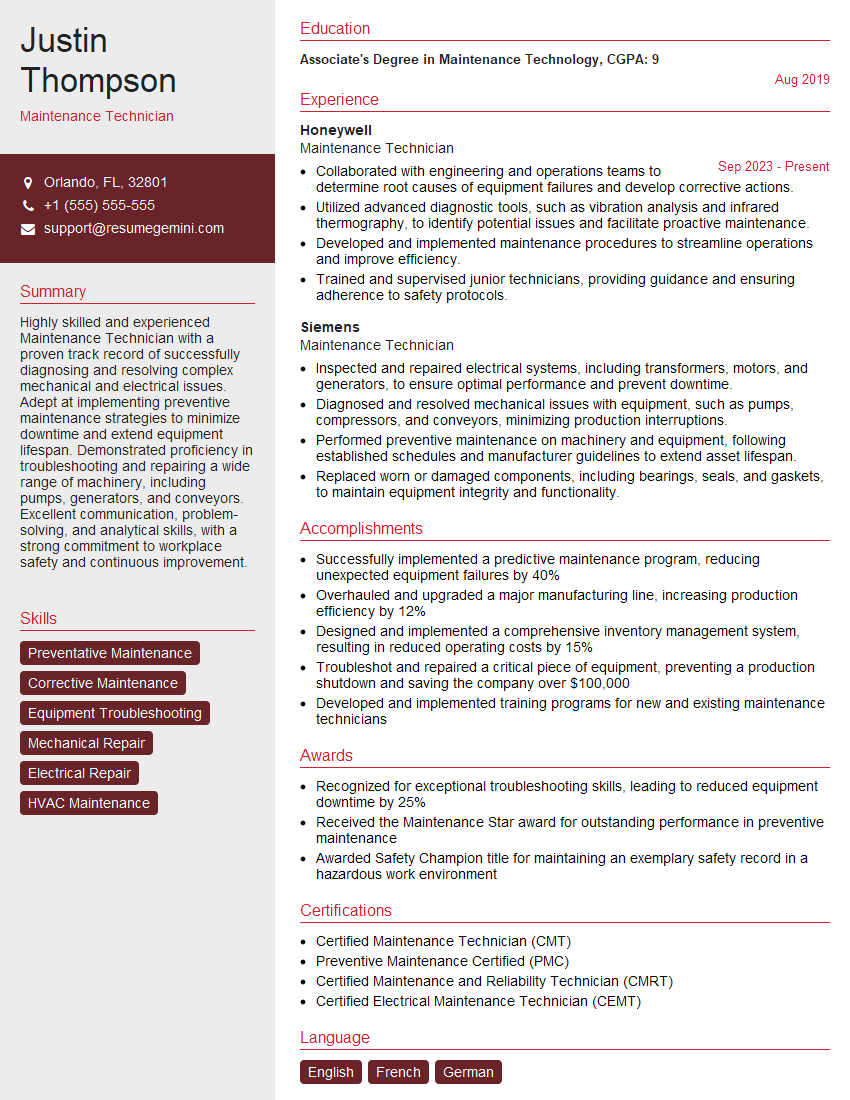
Maintenance Technician Resume Sample

Field Technician Resume Sample
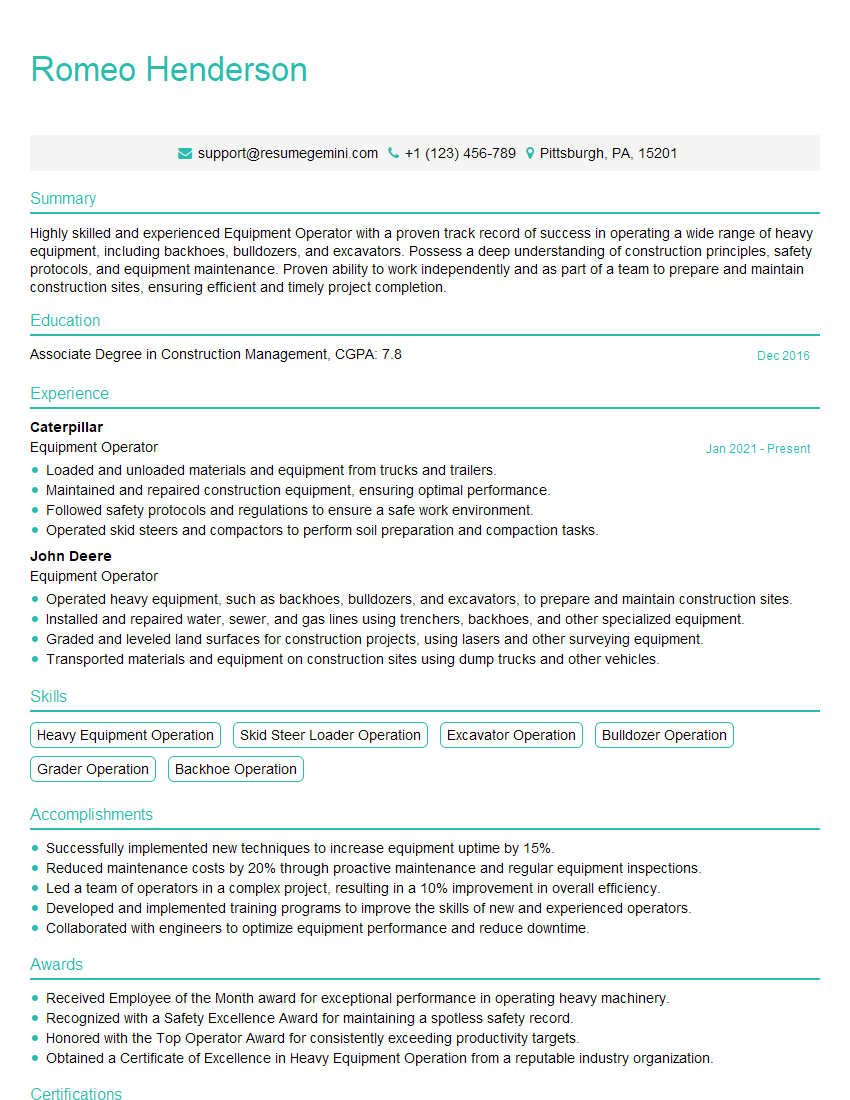
Equipment Operator Resume Sample
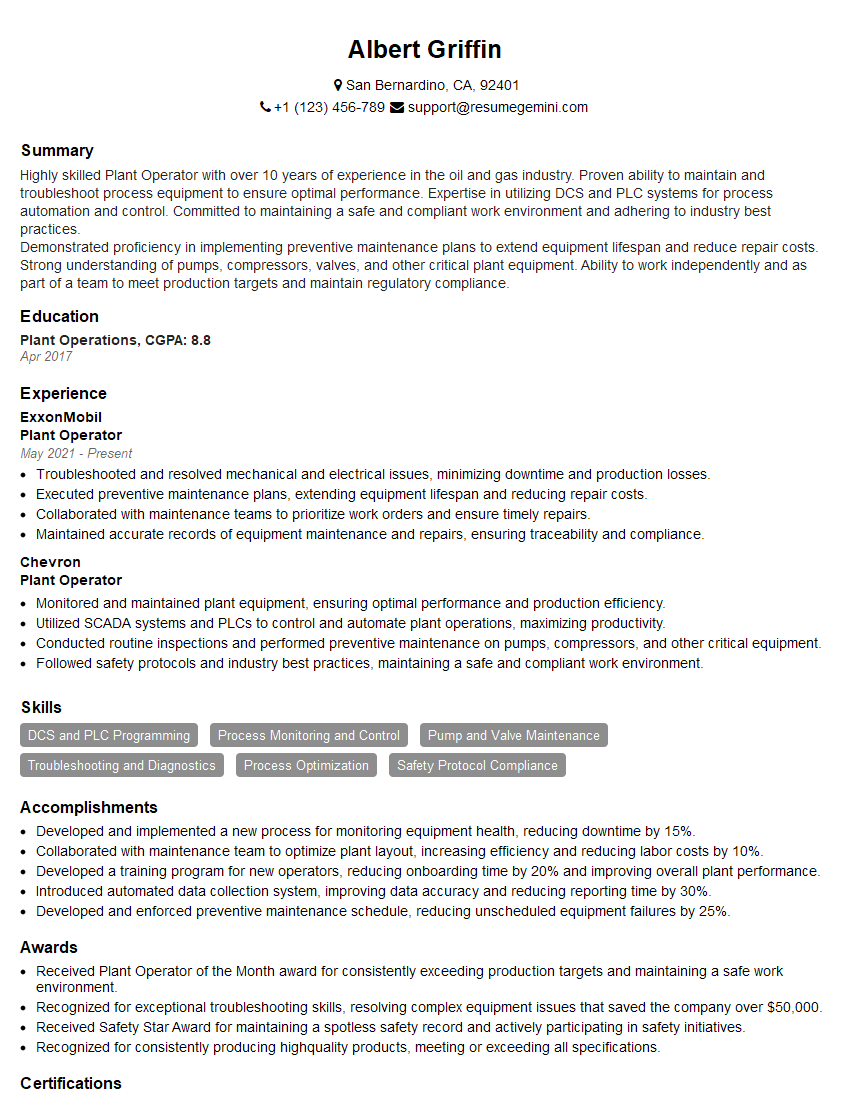
Plant Operator Resume Sample
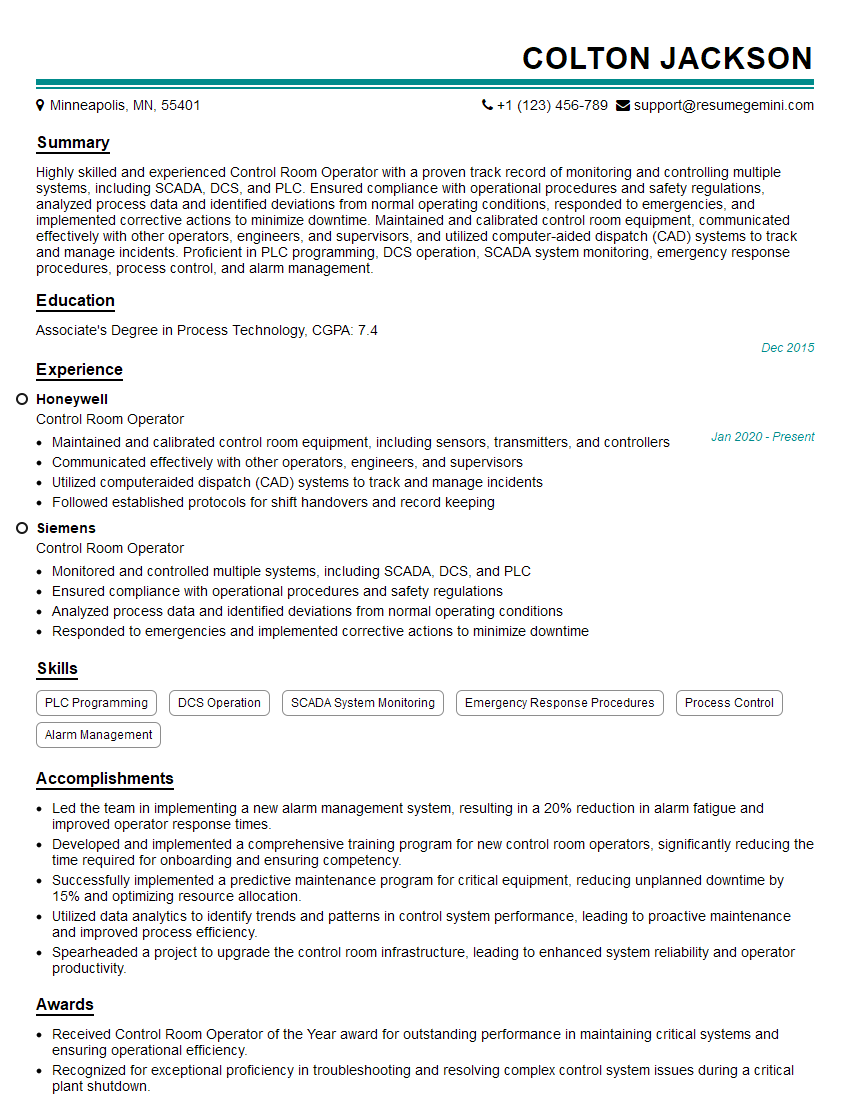
Control Room Operator Resume Sample
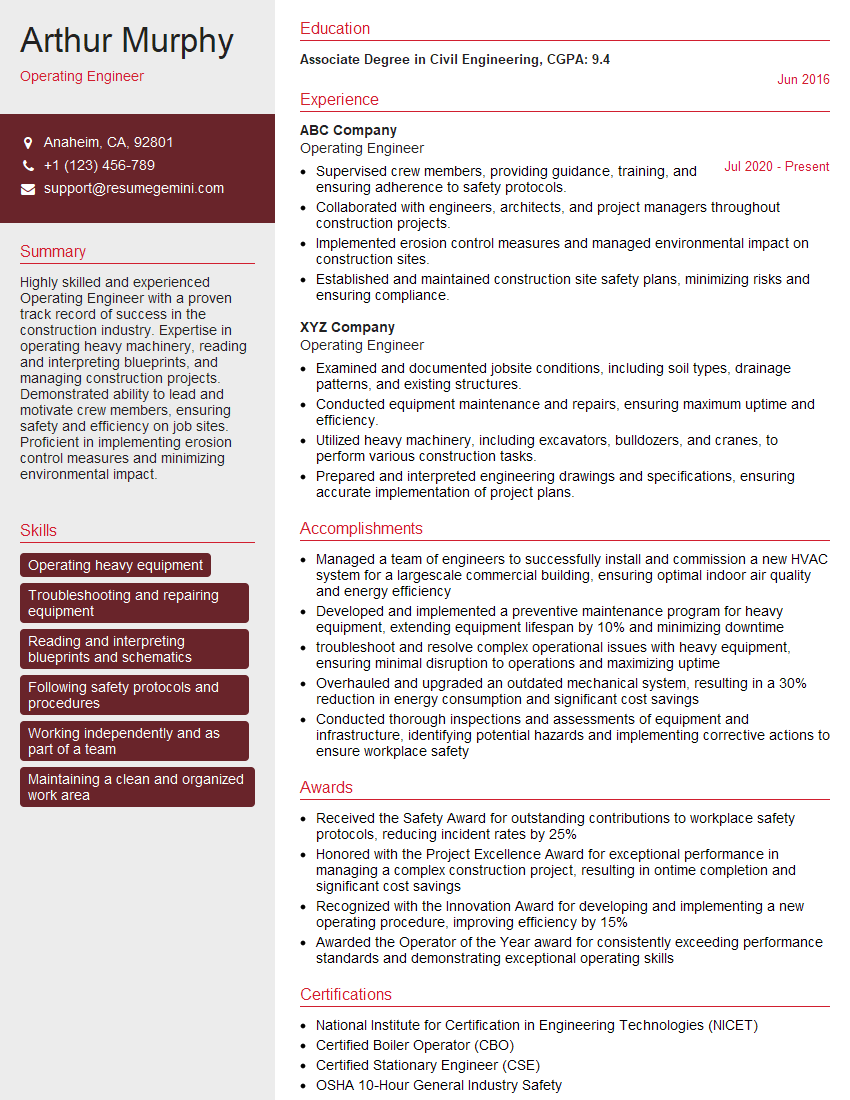
Operating Engineer Resume Sample

Crane Operator Resume Sample
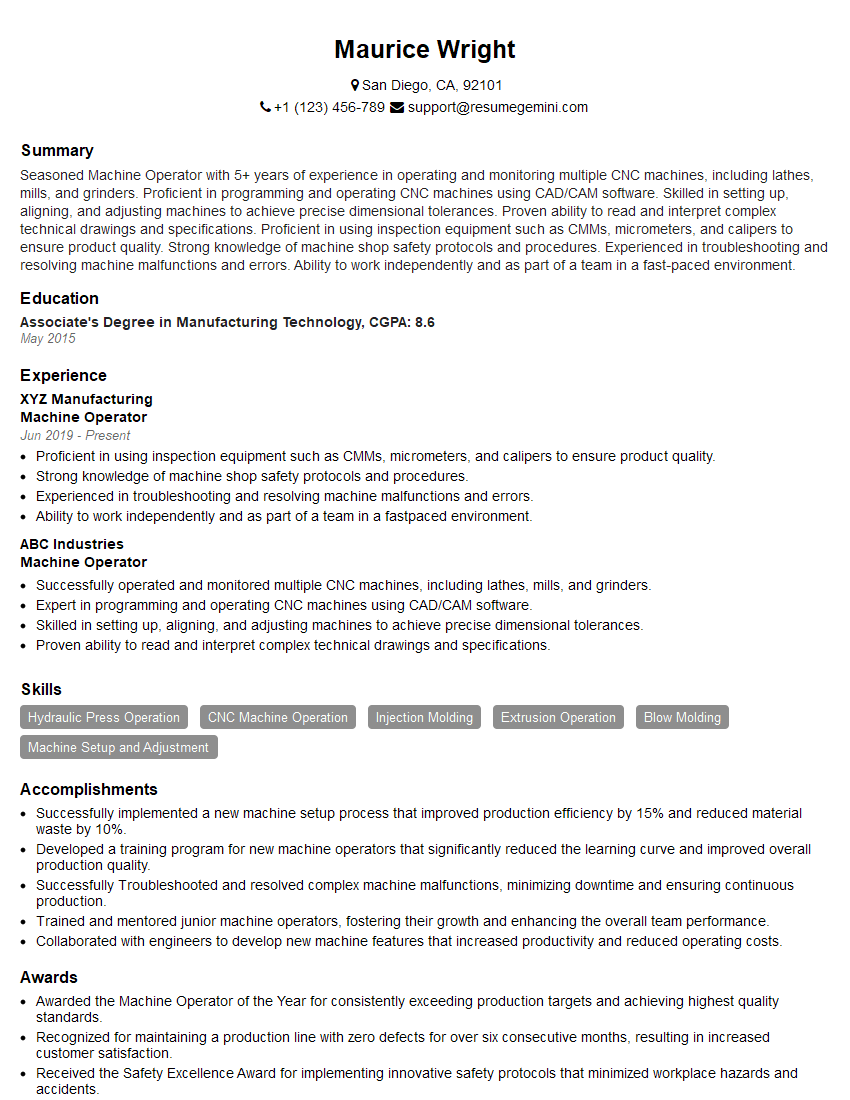
Machine Operator Resume Sample
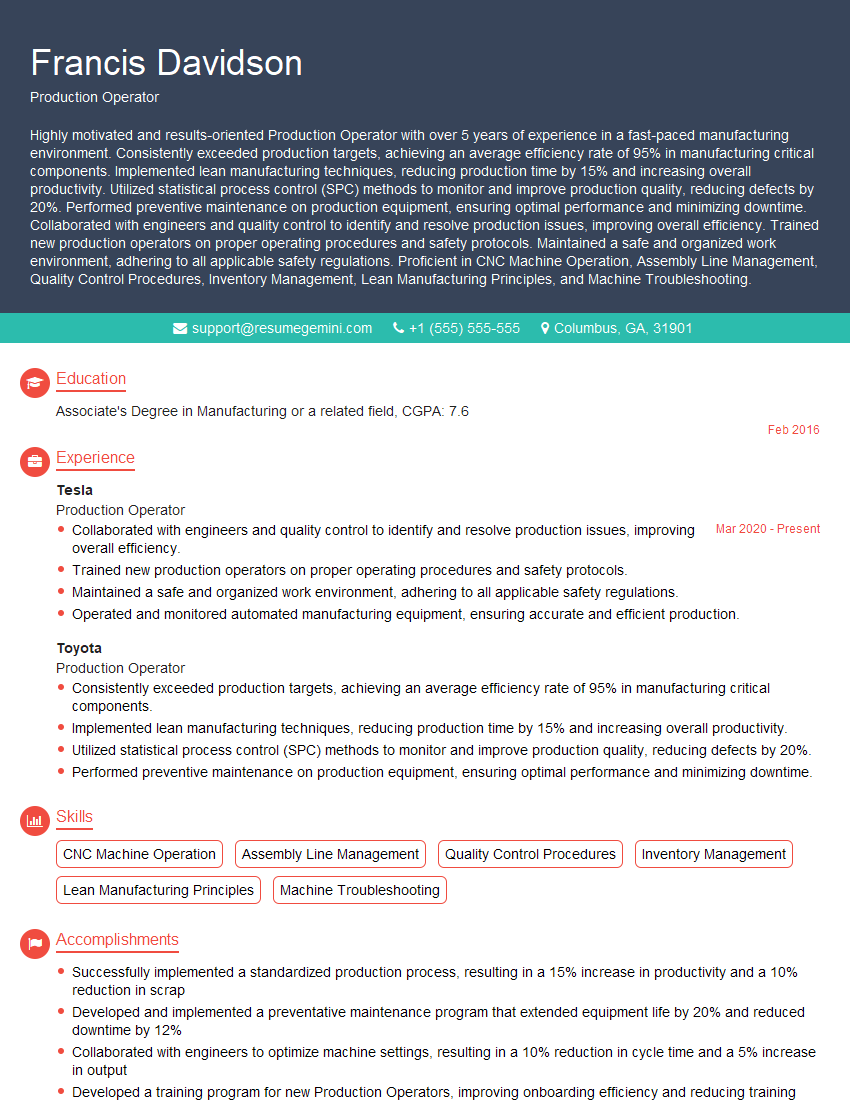
Production Operator Resume Sample
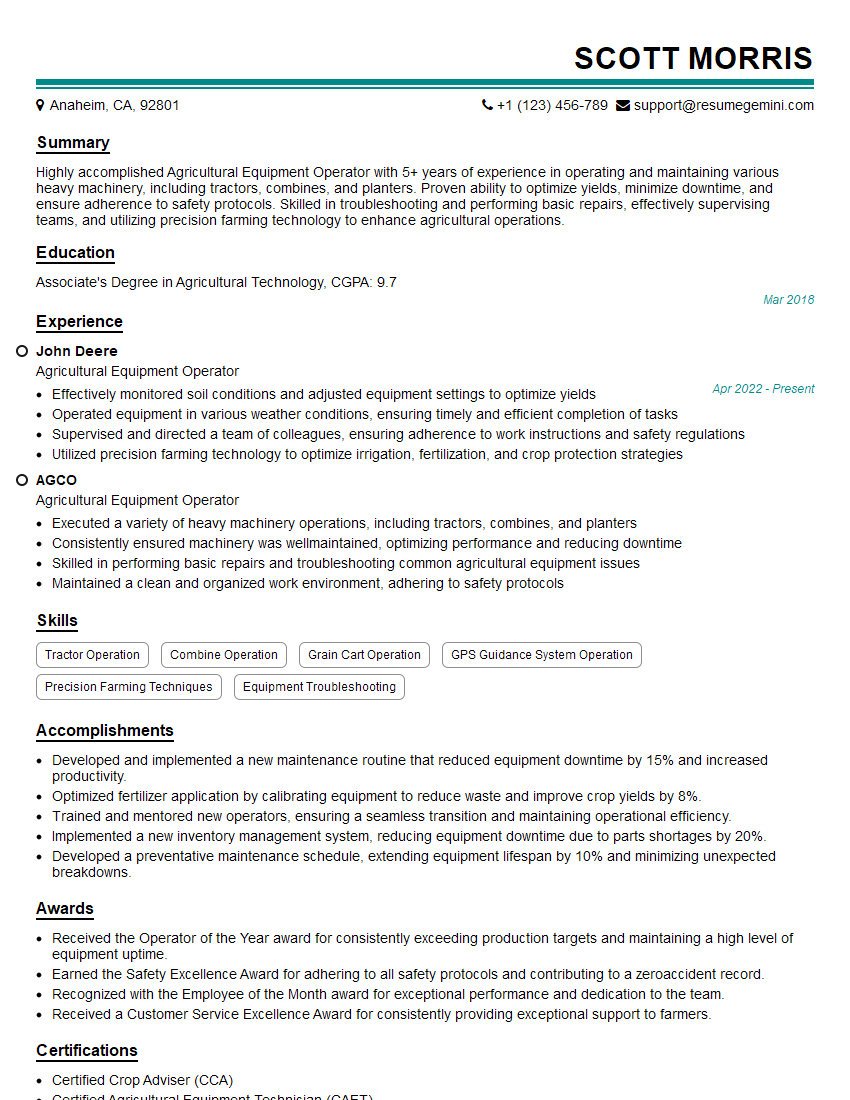
Agricultural Equipment Operator Resume Sample
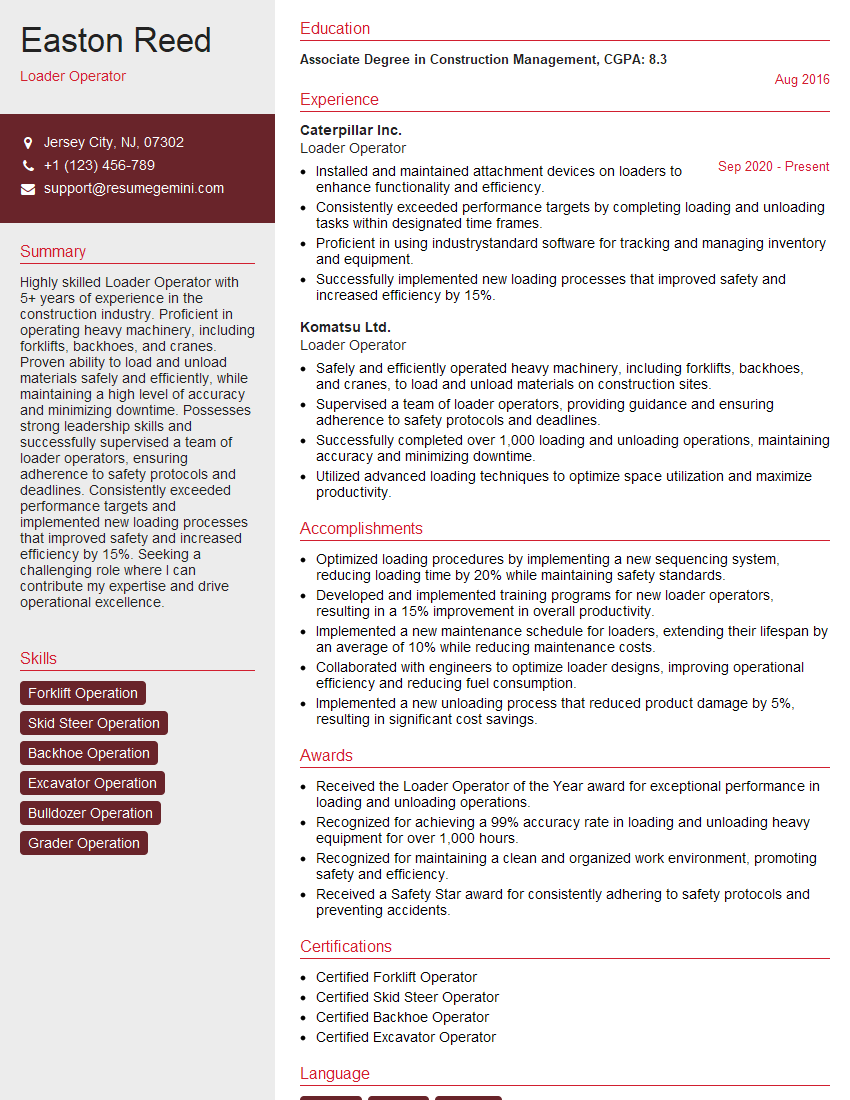
Loader Operator Resume Sample

Heavy Equipment Operator Resume Sample
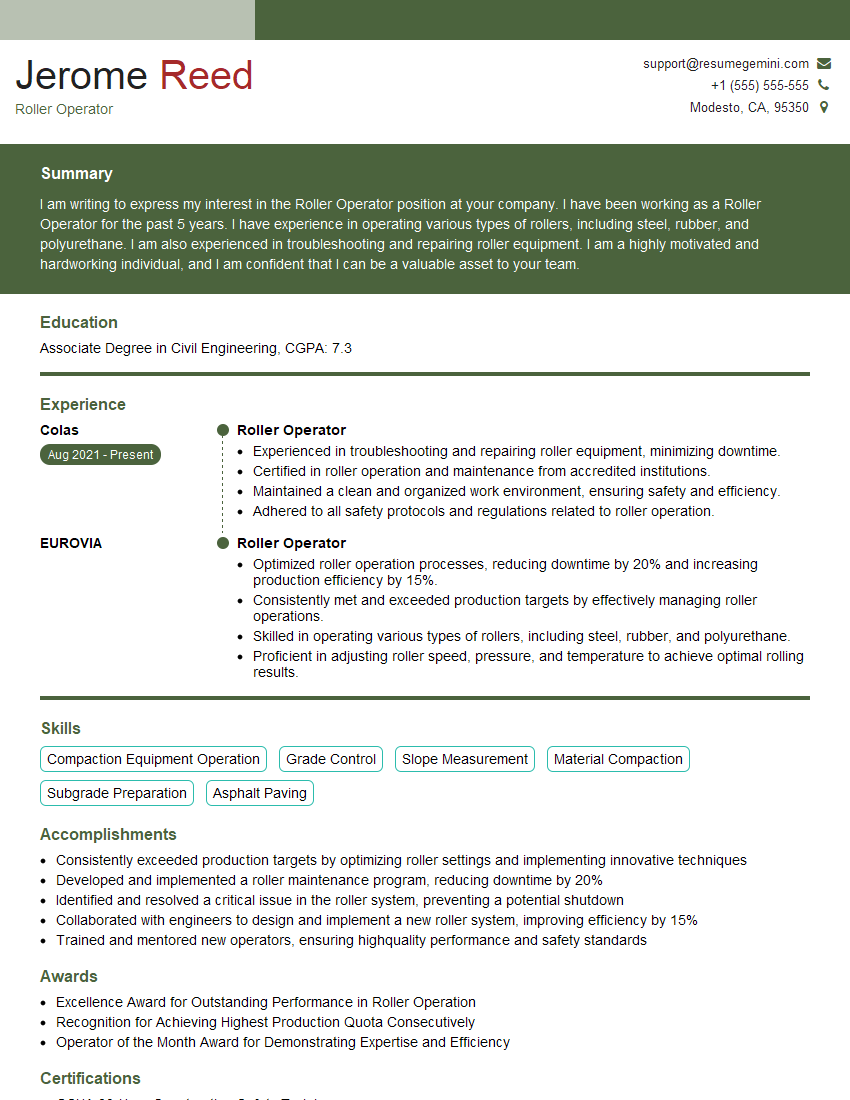
Roller Operator Resume Sample
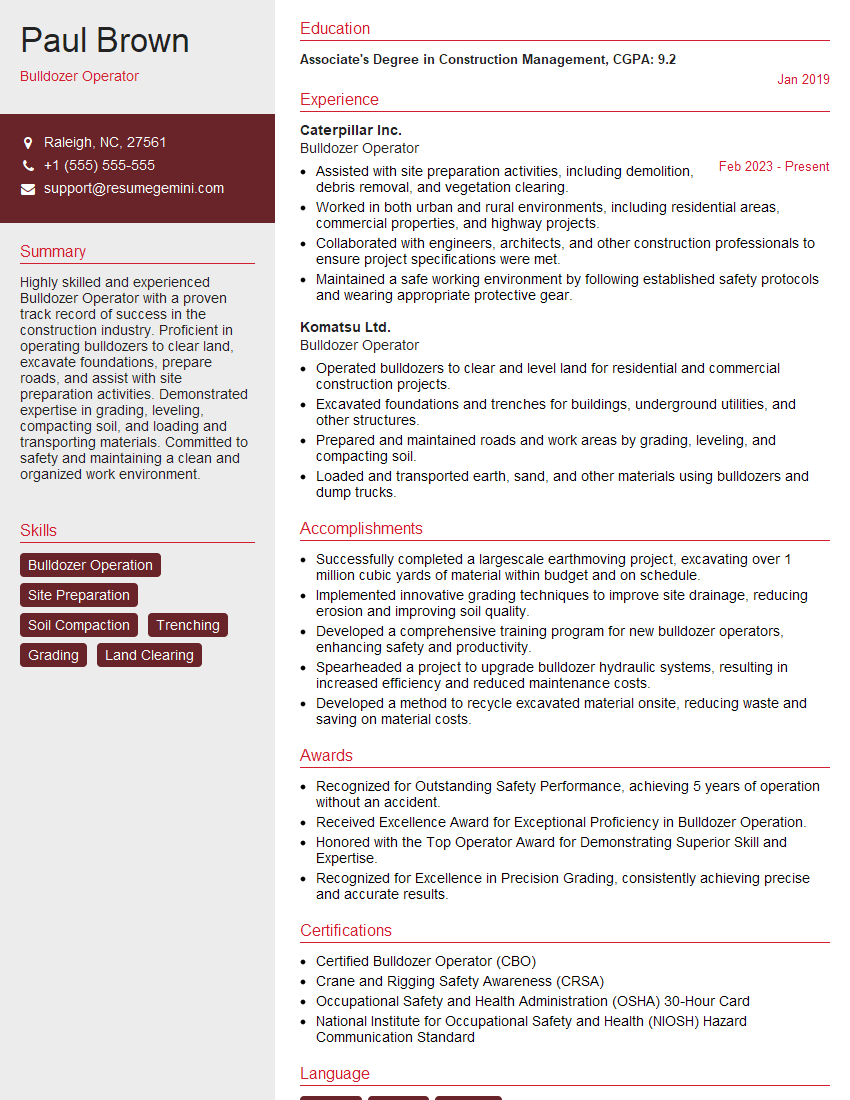
Bulldozer Operator Resume Sample
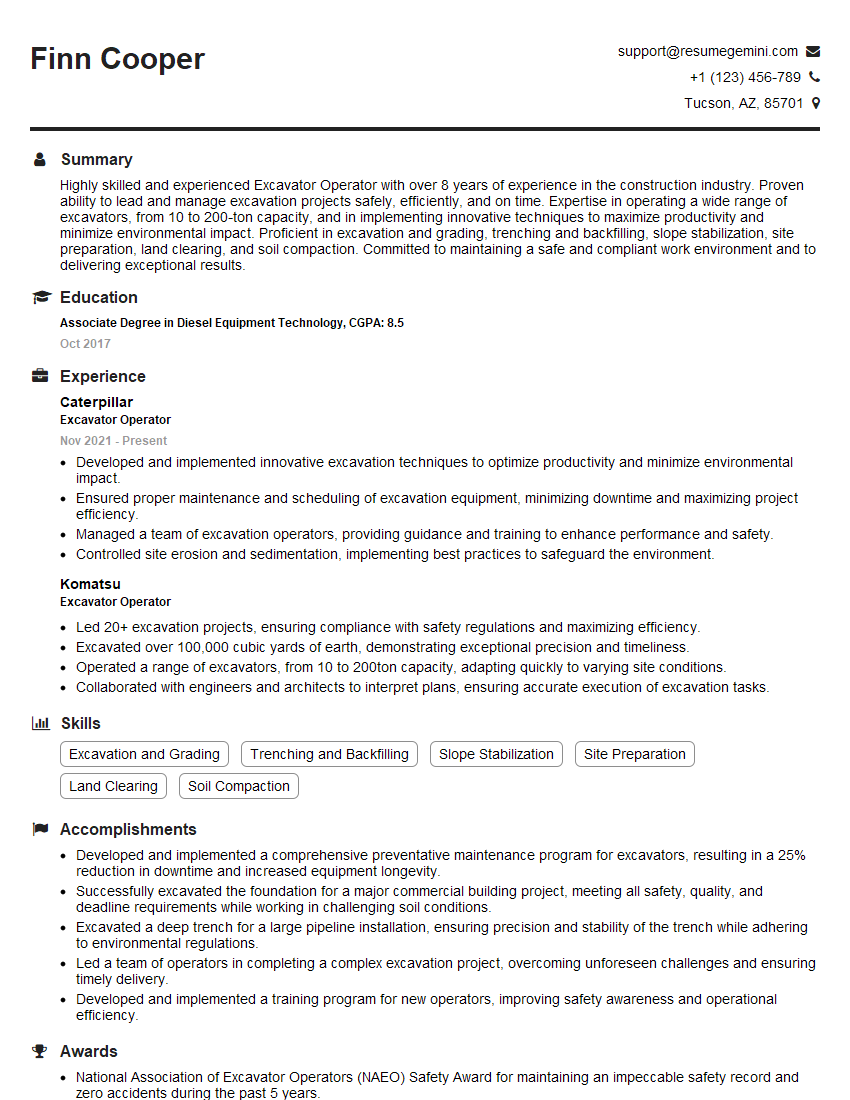
Excavator Operator Resume Sample
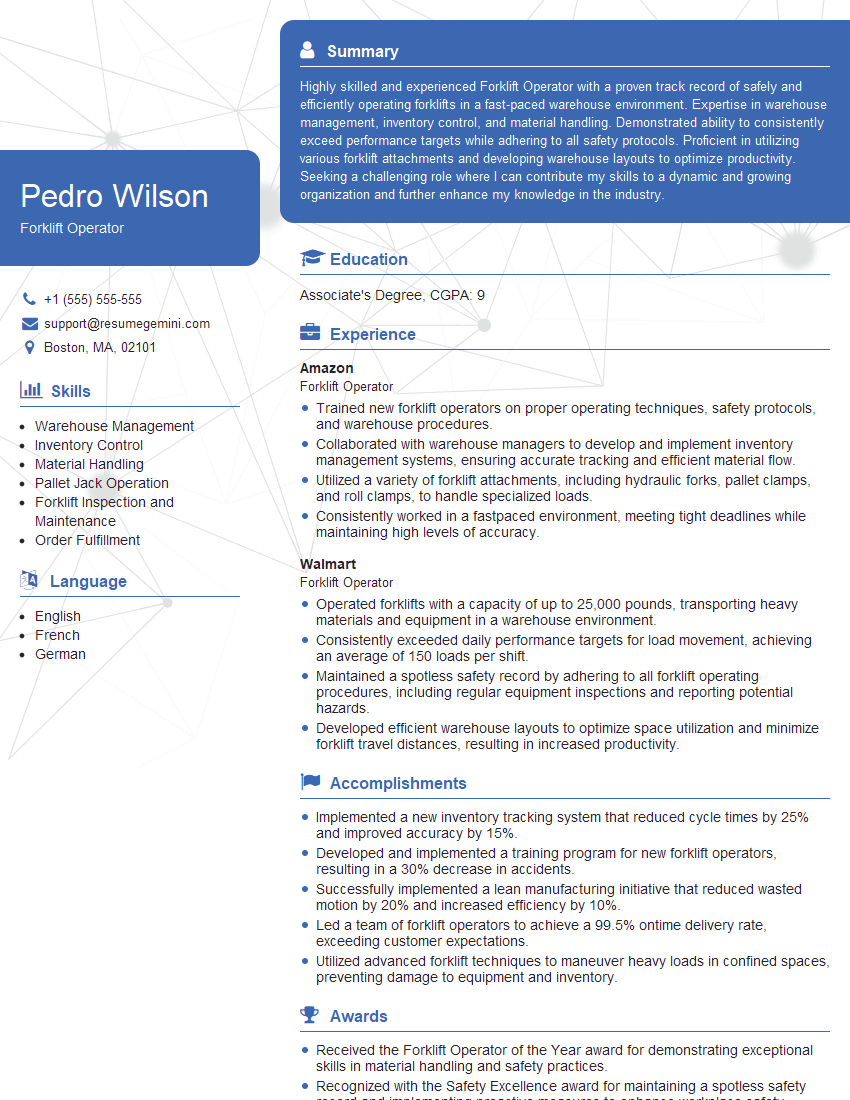
Forklift Operator Resume Sample
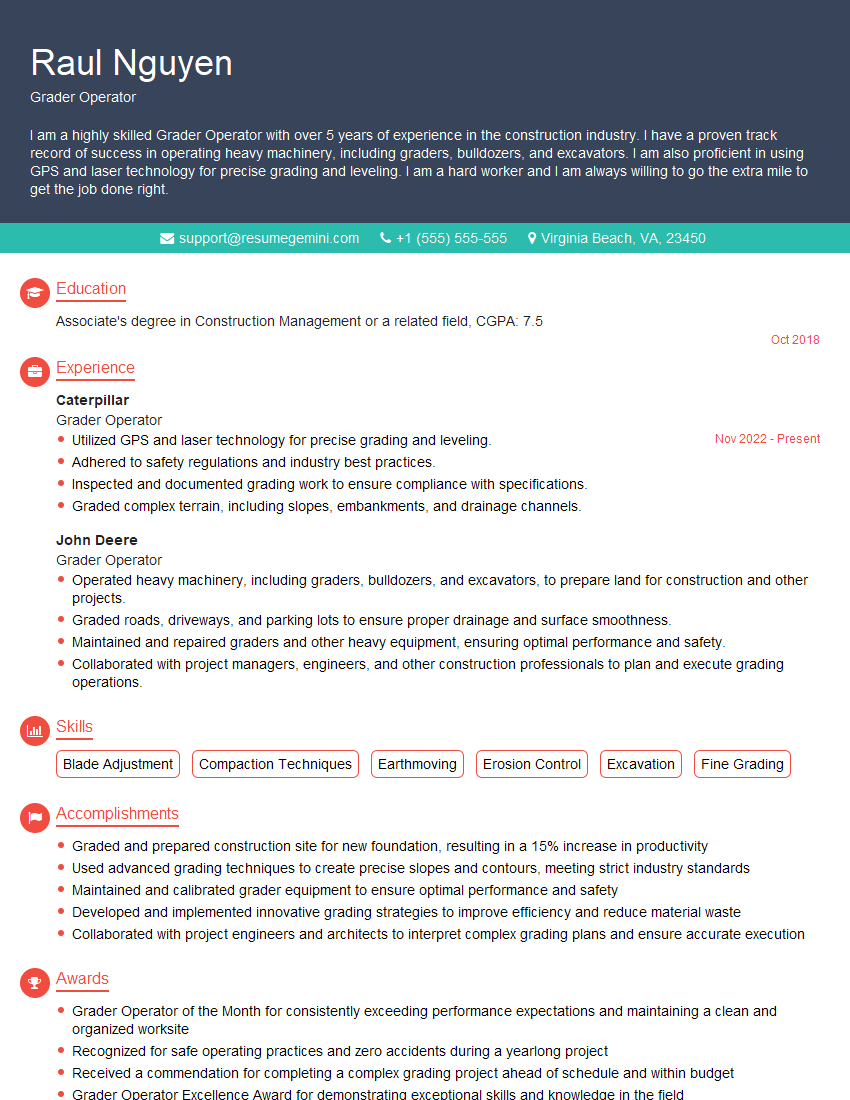
Grader Operator Resume Sample
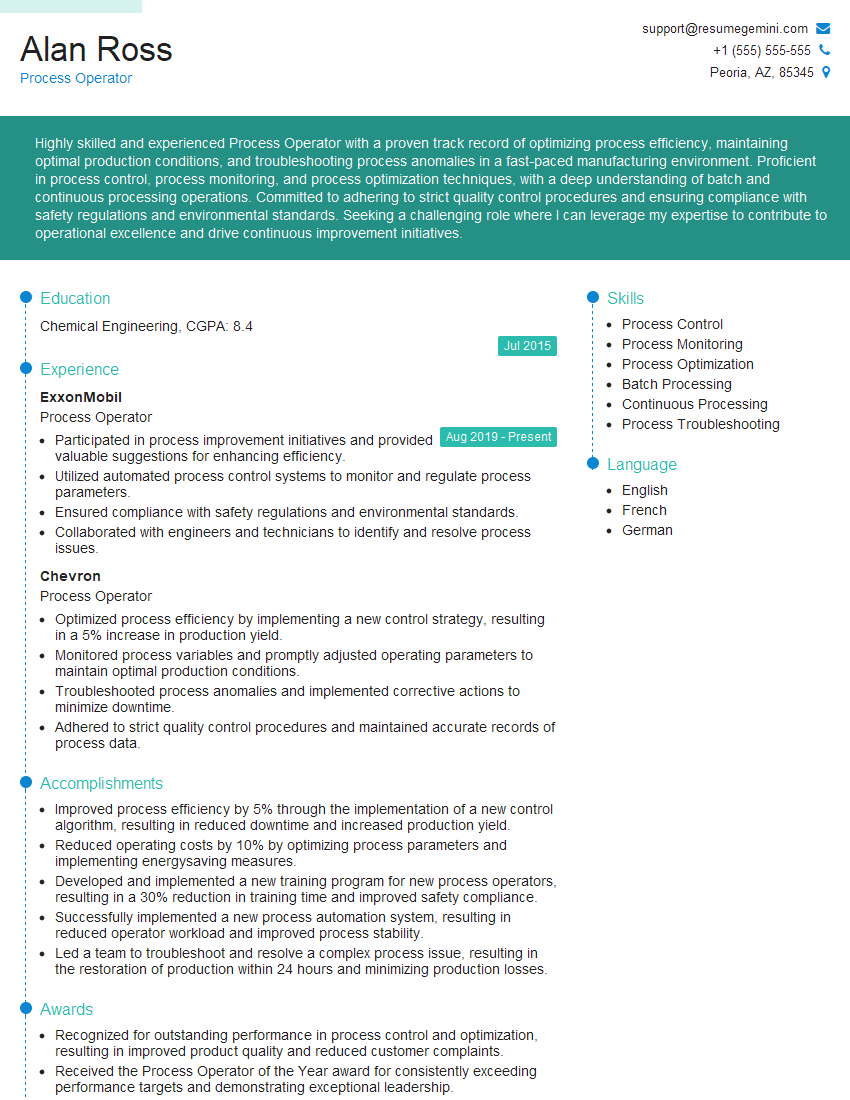
Process Operator Resume Sample
- Maintenance Technician
- Field Technician
- Equipment Operator
- Plant Operator
- Control Room Operator
- Operating Engineer
- Crane Operator
- Machine Operator
- Production Operator
- Agricultural Equipment Operator
- Loader Operator
- Heavy Equipment Operator
- Roller Operator
- Bulldozer Operator
- Excavator Operator
- Forklift Operator
- Grader Operator
- Process Operator
Explore more articles
Users Rating of Our Blogs
Share Your Experience
We value your feedback! Please rate our content and share your thoughts (optional).
What Readers Say About Our Blog
Very informative content, great job.
good