Preparation is the key to success in any interview. In this post, we’ll explore crucial Construction Terminology and Concepts interview questions and equip you with strategies to craft impactful answers. Whether you’re a beginner or a pro, these tips will elevate your preparation.
Questions Asked in Construction Terminology and Concepts Interview
Q 1. Define ‘critical path’ in project scheduling.
The critical path in project scheduling represents the longest sequence of tasks that determine the shortest possible duration of the entire project. Think of it like the longest line at a theme park – you can’t leave until everyone in that line has completed their ride. Any delay on this path directly impacts the overall project completion date.
For instance, imagine building a house. The critical path might involve laying the foundation, framing the walls, installing the roof, and then finishing the interior. If laying the foundation takes longer than expected, the entire project is delayed, even if other tasks, like installing windows, are ahead of schedule. Project managers use various software and techniques to identify and manage the critical path, employing strategies like fast-tracking or crashing to minimize delays.
Understanding the critical path is crucial for effective project management. It allows for proactive planning, resource allocation, and risk mitigation, ensuring projects are completed on time and within budget.
Q 2. Explain the difference between a design-bid-build and design-build project delivery method.
Design-bid-build and design-build are two distinct project delivery methods with significant differences in the roles and responsibilities of the design and construction teams. In design-bid-build, the design phase is completely separate from the construction phase. The owner hires an architect or engineer to design the project, and then sends the design documents to multiple contractors who bid to build it. The owner then selects the lowest bidder (often based on price alone) to perform the construction.
In contrast, design-build merges the design and construction phases under a single contract. The owner hires a single entity, the design-builder, who is responsible for both the design and construction of the project. This approach fosters collaboration and can lead to faster project timelines and better cost control, as the design and construction teams work together from the outset to optimize the design for constructability.
Let’s use a simple example: imagine building a custom shed. Design-bid-build would involve an architect designing the shed, then separate contractors bidding on the foundation, framing, roofing, and siding. Design-build, however, would mean one company handles the entire process, potentially even suggesting design changes to make the project cheaper and faster to build.
The choice between these methods hinges on project complexity, budget, and the owner’s risk tolerance. Design-bid-build is often preferred for simple projects where design is well-defined, while design-build shines in complex projects where collaboration and integrated expertise are paramount.
Q 3. What is a RFI and how is it used in construction?
An RFI, or Request for Information, is a formal document used in construction to seek clarification or additional information from contractors, subcontractors, or other stakeholders. It’s like asking a question to get more details before making a major decision.
RFIs are commonly used to clarify ambiguous aspects of the contract documents, obtain more detailed information about proposed materials or equipment, or seek solutions to unforeseen challenges during the project. For example, an RFI might be sent to a subcontractor to get more specifics about their proposed installation method for a specialized HVAC system or to request a detailed breakdown of their pricing.
The process typically involves submitting the RFI, receiving responses, evaluating those responses, and then issuing a formal response to the sender. This ensures clarity and avoids misunderstandings and disputes later in the project. Proper documentation of RFIs is vital for project record-keeping.
Q 4. Describe the process of value engineering.
Value engineering is a systematic process to improve the value of goods or services by identifying ways to improve function while reducing costs. It’s about getting the most ‘bang for your buck’ without compromising quality or functionality. Think of it as creative cost-cutting without sacrificing essential features.
The process usually involves a team of experts from different disciplines working together to analyze the project design and construction methods. They identify areas where costs can be reduced without compromising performance, quality, or safety. This could involve finding cheaper materials with comparable performance, simplifying construction methods, or eliminating unnecessary features. For example, switching from solid oak flooring to engineered hardwood can significantly reduce costs without noticeably impacting the final look.
The output of value engineering is a documented analysis of potential cost savings along with recommendations for design changes or alternative materials and methods. This process can lead to significant cost savings while ensuring project success and maintaining or even exceeding the required functionality.
Q 5. What are the key components of a construction schedule?
A construction schedule is a detailed plan outlining the sequence of activities, their durations, and the resources needed to complete a construction project on time. It’s essentially a roadmap that guides the entire construction process. Key components include:
- Tasks/Activities: A breakdown of all the individual tasks required to complete the project (e.g., excavation, foundation, framing).
- Durations: The estimated time required to complete each task.
- Dependencies: The relationships between tasks, indicating which tasks must be completed before others can begin (e.g., framing can’t start before the foundation is poured).
- Resources: The materials, equipment, and labor required for each task.
- Milestones: Significant points in the project timeline that mark progress (e.g., completion of foundation, completion of framing).
- Critical Path: (As discussed previously) The sequence of tasks that determine the shortest project duration.
- Schedule Logic: The relationships between tasks represented graphically (e.g., using a Gantt chart or network diagram).
Effective construction schedules are crucial for project planning, monitoring progress, managing resources and costs, and ensuring timely completion.
Q 6. Explain the purpose of a submittal.
A submittal in construction is a formal document that provides evidence to the owner or architect that a specific product, material, or system meets the project specifications. Think of it as a ‘proof of compliance’ showing that the contractor is using the right materials and meeting the quality requirements outlined in the contract documents.
Submittals often include product data sheets, shop drawings, samples, test reports, and other relevant documentation. For example, a contractor might submit a shop drawing showing the detailed design of a custom staircase, along with the manufacturer’s data sheet for the wood being used. The owner or architect then reviews the submittal for compliance with the project specifications. Any necessary revisions are addressed and resubmitted before approval. Without proper submittals, the project might face delays or even legal issues if it deviates from the agreed upon designs and specifications.
Q 7. What are common methods for cost control in construction projects?
Cost control in construction is a crucial aspect of project management aimed at keeping the project within budget. Common methods include:
- Detailed Estimating: Accurate cost estimations at the beginning of the project to establish a realistic budget.
- Regular Cost Tracking and Reporting: Monitoring actual costs against the budget and identifying any deviations early on.
- Value Engineering (as discussed previously): Finding ways to reduce costs without sacrificing quality or functionality.
- Change Management: A formal process for reviewing and approving all changes to the project scope, budget, and schedule.
- Proper Procurement Procedures: Obtaining competitive bids from multiple suppliers and contractors to ensure fair pricing.
- Effective Resource Allocation: Optimizing the use of labor, materials, and equipment to minimize waste and inefficiency.
- Technology Utilization: Employing software and tools for better cost tracking, estimation, and project management.
Implementing these methods ensures cost-effectiveness, reduces financial risks, and aids in project success.
Q 8. Describe different types of construction contracts (e.g., lump sum, cost-plus).
Construction contracts define the agreement between the owner and the contractor. Several types exist, each with its own risk allocation and payment structure. Two prominent examples are lump sum and cost-plus contracts.
Lump Sum Contracts: The contractor provides a fixed price for completing the project as defined in the contract documents. This is ideal for projects with well-defined scopes where the risk of cost overruns lies primarily with the contractor. Think of it like buying a car – you agree on a price upfront, and that’s what you pay, regardless of the dealer’s internal costs.
Cost-Plus Contracts: The contractor is reimbursed for all allowable costs incurred during the project, plus a predetermined fee or percentage markup. This type of contract is suitable for projects with uncertain scopes or where design changes are anticipated. It shifts the cost risk largely to the owner. Imagine hiring a plumber to fix a leak – you might pay an hourly rate plus the cost of materials; you don’t know the exact cost upfront.
Other Contract Types: Other common types include unit price contracts (payment based on quantity of work), target cost contracts (aimed at a target price with shared savings or cost overruns), and guaranteed maximum price (GMP) contracts (a cost-plus contract with a maximum price cap).
Q 9. What is a change order and how is it processed?
A change order is a formal document that modifies the original construction contract. It’s initiated when there are alterations to the scope of work, design changes, or unforeseen site conditions. Processing a change order typically involves:
Request: The owner, architect, or contractor submits a written request detailing the proposed change, including descriptions, drawings, and cost implications.
Review and Approval: The request is reviewed by all relevant parties (owner, architect, contractor, and potentially subcontractors) to assess its feasibility, impact, and cost. This often includes negotiations.
Formal Documentation: A formal change order is prepared, clearly outlining the change, the revised cost, and the revised schedule. This is signed and approved by all relevant parties.
Implementation: The change is implemented, and progress is tracked.
Payment: The revised payment schedule reflects the changes outlined in the change order.
Effective change order management is crucial for avoiding disputes and maintaining project control. Without a formal process, it’s easy for costs and timelines to balloon.
Q 10. Explain the importance of a project risk assessment.
A project risk assessment is a systematic process to identify, analyze, and evaluate potential hazards and their associated risks throughout the construction lifecycle. It’s paramount for proactive risk mitigation. Ignoring risks can lead to cost overruns, schedule delays, accidents, and even project failure.
A thorough risk assessment includes:
Identifying potential hazards: This might include site-specific risks (unstable soil, underground utilities), weather-related risks (flooding, high winds), and safety risks (falls from heights, equipment malfunctions).
Analyzing likelihood and impact: Each identified hazard is analyzed based on its likelihood of occurrence and its potential impact on the project (e.g., financial impact, schedule delays, safety consequences).
Evaluating risks: Risks are prioritized based on their likelihood and impact, focusing on those with higher potential consequences.
Developing mitigation strategies: Strategies are developed to reduce or eliminate the identified risks. This might involve implementing safety protocols, contingency planning, or purchasing insurance.
Monitoring and review: The risks and mitigation strategies are regularly monitored and reviewed throughout the project lifecycle to ensure effectiveness.
A well-executed risk assessment helps to make informed decisions, allocate resources effectively, and ultimately improve project success.
Q 11. How do you interpret construction drawings?
Interpreting construction drawings requires a systematic approach and a solid understanding of drafting conventions. These drawings are the blueprints of a construction project, providing crucial information for all involved parties.
Here’s a breakdown:
Understanding the Drawing Set: A complete set typically includes site plans, floor plans, elevations, sections, details, and specifications. Each drawing type serves a specific purpose.
Reading the Symbols and Notations: Construction drawings employ standardized symbols and notations to represent various building elements (walls, doors, windows, plumbing fixtures, etc.). Familiarity with these symbols is critical.
Analyzing Dimensions and Scales: Accurate dimensions and scales are essential for building the project correctly. Understanding the scale of the drawing is paramount to correctly interpreting measurements.
Identifying Key Information: Pay close attention to notes, specifications, and details. These clarify the drawing elements and provide essential information.
Using Cross-Referencing: Multiple drawings often relate to one another. Effectively cross-referencing the different drawings is vital for a complete understanding.
Experience and training are crucial for accurate interpretation. Software tools can assist in visualizing 3D models from the drawings for better comprehension.
Q 12. What are some common construction safety regulations?
Construction safety regulations vary by location but generally aim to minimize workplace hazards and protect workers’ health and safety. Common regulations often cover:
Fall Protection: Regulations mandate fall protection measures for work at heights, including guardrails, safety nets, and personal fall arrest systems.
Hazard Communication: Employers must properly communicate hazards to workers, including providing safety data sheets (SDS) for hazardous materials.
Personal Protective Equipment (PPE): Workers must use appropriate PPE, such as hard hats, safety glasses, gloves, and safety shoes.
Excavation and Trenching: Specific regulations govern the safety of excavation and trenching operations to prevent cave-ins and other hazards.
Confined Space Entry: Strict procedures govern entry into confined spaces to prevent asphyxiation and other hazards.
Lockout/Tagout: Procedures must ensure that energy sources are properly locked out and tagged out before maintenance or repair work.
Crane and Hoisting Safety: Regulations address the safe operation of cranes and other hoisting equipment.
Compliance with these regulations is crucial for preventing accidents and maintaining a safe working environment. Regular safety training and inspections are also essential.
Q 13. Explain the role of a quality control plan.
A quality control plan is a documented process that defines the methods and procedures used to ensure that construction work meets the required standards of quality. It’s a proactive approach to prevent defects and ensure consistent quality throughout the project.
Key elements include:
Quality Objectives: Clearly defined goals for quality, based on the project requirements and specifications.
Inspection and Testing Procedures: Detailed procedures for inspecting and testing materials, workmanship, and processes at various stages of construction.
Acceptance Criteria: Pre-defined standards that determine whether materials, components, and workmanship are acceptable.
Corrective Actions: A process for identifying and correcting any non-conformances or defects discovered during inspection.
Documentation: Comprehensive documentation of inspections, tests, and corrective actions, including records of material certifications and inspection reports.
Responsibility and Authority: Clear definition of roles and responsibilities related to quality control.
A well-defined quality control plan minimizes rework, saves costs, avoids disputes, and ultimately improves the overall quality and longevity of the constructed facility.
Q 14. Describe different types of foundations.
Foundations are the structures that transfer the loads of a building to the underlying soil or rock. The type of foundation selected depends on factors like soil conditions, building size and weight, and groundwater levels.
Shallow Foundations: These foundations have depths less than their widths and are suitable for stable soils. Common types include:
Spread Footings: Individual footings supporting columns or walls.
Strip Footings: Continuous footings supporting walls.
Mat Foundations (Rafts): Large, reinforced concrete slabs that distribute loads over a large area.
Deep Foundations: Used when soil bearing capacity is low or when transferring loads to deeper, stronger strata. Common types include:
Pile Foundations: Driven or bored piles transfer loads to deeper soil strata.
Caissons: Hollow cylindrical structures filled with concrete.
Pier Foundations: Cylindrical columns of reinforced concrete extending deep into the ground.
Selecting the appropriate foundation is critical for structural integrity and safety. Geotechnical investigations are essential for determining the best foundation type for a given site.
Q 15. What are the different phases of a construction project?
A construction project typically unfolds in several distinct phases, each with its own set of objectives and deliverables. Think of it like building a house – you wouldn’t start painting before laying the foundation!
- Pre-construction Phase: This involves securing funding, acquiring permits, finalizing designs, and selecting contractors. It’s like meticulously planning your house’s blueprints before breaking ground.
- Construction Phase: This is the active building phase, encompassing site preparation, foundation work, framing, MEP (Mechanical, Electrical, Plumbing) installation, interior finishes, and exterior works. This is where the house takes shape, brick by brick.
- Post-construction Phase: This phase covers tasks like final inspections, commissioning, obtaining occupancy permits, and handing over the project to the client. It’s like the final walkthrough and getting the keys to your new home.
While these are the core phases, some projects may incorporate additional phases, such as demolition, renovation, or expansion, depending on their specific needs.
Career Expert Tips:
- Ace those interviews! Prepare effectively by reviewing the Top 50 Most Common Interview Questions on ResumeGemini.
- Navigate your job search with confidence! Explore a wide range of Career Tips on ResumeGemini. Learn about common challenges and recommendations to overcome them.
- Craft the perfect resume! Master the Art of Resume Writing with ResumeGemini’s guide. Showcase your unique qualifications and achievements effectively.
- Don’t miss out on holiday savings! Build your dream resume with ResumeGemini’s ATS optimized templates.
Q 16. How do you manage conflicts on a construction site?
Conflict management on a construction site is crucial for maintaining productivity and project success. It’s like being a referee in a game, ensuring fair play and resolving disputes quickly and efficiently.
My approach involves:
- Proactive Communication: Regular meetings with all stakeholders, including contractors, subcontractors, and clients, to address potential issues before they escalate. This is like having regular team check-ins to avoid misunderstandings.
- Clearly Defined Roles and Responsibilities: A well-defined contract outlines each party’s responsibilities, minimizing ambiguity and potential conflict. This is like having a well-written playbook for everyone to follow.
- Collaborative Problem-Solving: When conflicts arise, I facilitate open discussions, encouraging all parties to express their concerns and work towards mutually acceptable solutions. This is like mediating a disagreement between teammates, focusing on finding common ground.
- Documentation: Meticulously documenting all communications, agreements, and decisions. This serves as a record for future reference and helps resolve disputes fairly. This is like keeping a detailed log of the project’s progress and any disagreements.
- Escalation Protocol: Having a clear procedure for escalating unresolved conflicts to higher management or through formal dispute resolution methods. This is like having a backup plan when mediation doesn’t work.
Q 17. What are some common methods of dispute resolution in construction?
Construction disputes are common, so having various resolution methods at your disposal is key. Think of them as different tools in your toolbox for solving problems.
- Negotiation: The simplest method, involving direct communication between the disputing parties to reach a compromise. This is like sitting down and talking it out.
- Mediation: A neutral third party facilitates discussions, helping parties reach a mutually agreeable solution. This is like having a mediator help find common ground.
- Arbitration: A neutral third party hears evidence and makes a binding decision. This is like having a judge make the final decision.
- Litigation: A formal legal process involving court proceedings. This is the most formal and often expensive option.
The choice of method depends on the nature and complexity of the dispute, the relationship between the parties, and the cost considerations.
Q 18. Explain the concept of constructability.
Constructability refers to how easily a design can be built. It’s about assessing the feasibility of a design from a construction perspective, ensuring efficiency and cost-effectiveness. Think of it as a design review from a builder’s point of view.
A high-constructability design incorporates elements like:
- Modular Design: Breaking down the project into smaller, easily manageable modules.
- Use of prefabricated components: Reduces on-site construction time and improves quality.
- Sequence of construction: Optimizing the order of tasks to minimize delays and conflicts.
- Accessibility for equipment and materials: Ensuring sufficient space and access for construction equipment and materials.
Poor constructability can lead to delays, cost overruns, safety issues, and lower quality of work. Imagine trying to build a house with a poorly designed layout – it would be a nightmare!
Q 19. What are some key performance indicators (KPIs) used in construction?
Key Performance Indicators (KPIs) in construction are vital for tracking progress, identifying potential problems, and making data-driven decisions. They are like the vital signs of a project.
- Schedule Adherence: Percentage of the project completed on time.
- Cost Performance Index (CPI): The ratio of earned value to actual cost, indicating cost efficiency.
- Safety Performance: Number of accidents or lost-time incidents.
- Quality Performance: Number of defects or rework required.
- Productivity Rate: Output per labor hour.
Regularly monitoring these KPIs enables proactive adjustments to mitigate risks and optimize project outcomes.
Q 20. How do you manage project budgets?
Budget management in construction requires careful planning, monitoring, and control. It’s like managing your personal finances but on a much larger scale.
My approach involves:
- Detailed Budgeting: Creating a comprehensive budget that breaks down costs by task, material, labor, and other expenses.
- Regular Cost Monitoring: Tracking actual costs against the budget throughout the project lifecycle and identifying any variances.
- Value Engineering: Exploring cost-effective alternatives without compromising quality or functionality.
- Change Management: Formally documenting and evaluating all change requests, their impact on the budget, and obtaining approvals.
- Contingency Planning: Setting aside a portion of the budget to cover unforeseen expenses or risks.
Proactive budget management is crucial for preventing cost overruns and ensuring project profitability.
Q 21. What software are you proficient in (e.g., MS Project, Primavera P6)?
I’m proficient in several software applications commonly used in construction management. My experience includes:
- Microsoft Project: For scheduling, resource allocation, and task management. I use it to create detailed project schedules and track progress.
- Primavera P6: For complex projects requiring advanced scheduling and resource management capabilities. It allows for more sophisticated analysis and reporting.
- Autodesk BIM 360: For cloud-based collaboration, project management, and data sharing among project stakeholders.
My skills in these software packages allow for efficient project planning, execution, and monitoring, improving productivity and communication.
Q 22. Describe your experience with lean construction principles.
Lean construction principles focus on maximizing value and minimizing waste throughout the entire construction process. Think of it like streamlining a factory assembly line, but for buildings. My experience involves implementing several lean techniques, including Last Planner® System, which is a collaborative weekly planning system that focuses on minimizing work-in-progress and improving predictability. I’ve also utilized 5S methodology (Sort, Set in Order, Shine, Standardize, Sustain) to improve site organization and efficiency, leading to reduced material handling and improved safety. For example, on a recent high-rise project, implementing the Last Planner® System reduced rework by 15% and shortened the project duration by 3 weeks. This involved close collaboration with subcontractors to identify and remove constraints on a weekly basis. Another example is using Kanban boards for material management to ensure materials arrive just-in-time, preventing storage issues and reducing waste.
Q 23. Explain your understanding of BIM (Building Information Modeling).
Building Information Modeling (BIM) is a digital representation of physical and functional characteristics of a place. It’s more than just 3D modeling; it’s a collaborative process that uses intelligent, three-dimensional models to create and manage information about a building or infrastructure project. My understanding encompasses the entire BIM lifecycle, from conceptual design and planning through construction and facility management. I’m proficient in various BIM software packages, including Revit and ArchiCAD. I’ve used BIM to facilitate clash detection, which is vital in preventing costly rework during construction. For instance, on a hospital project, BIM helped us identify and resolve conflicts between mechanical, electrical, and plumbing (MEP) systems before construction began, saving significant time and money. Furthermore, I’ve leveraged BIM for 4D (time) and 5D (cost) modeling to optimize schedules and manage budgets effectively.
Q 24. How do you handle schedule delays?
Handling schedule delays requires a proactive and systematic approach. The first step is to identify the root cause of the delay – is it due to material shortages, unforeseen site conditions, design changes, or subcontractor issues? Once the cause is identified, I employ several strategies. This includes carefully analyzing the critical path of the project schedule and implementing corrective actions, which may involve adjusting the schedule, negotiating with subcontractors for accelerated work, or seeking approvals for change orders. Effective communication with all stakeholders is key – keeping everyone informed of the situation and the mitigation plan. Documentation is also critical; meticulously recording delays, the corrective actions taken, and their impact on the overall schedule ensures accountability and helps in potential claims resolution. For example, when faced with a supplier delay on a recent project, we proactively sourced alternative materials, communicated the change to the client, and adjusted the schedule to minimize disruption.
Q 25. What is your experience with sustainable construction practices?
Sustainable construction practices are essential for minimizing the environmental impact of building projects. My experience includes implementing various sustainable strategies, such as incorporating recycled materials, using energy-efficient building designs, and managing construction waste effectively. I’m familiar with LEED (Leadership in Energy and Environmental Design) certification standards and have worked on projects aiming for LEED certification. For example, on a recent project, we implemented a comprehensive waste management plan that diverted over 70% of construction waste from landfills through recycling and reuse. We also selected low-VOC (Volatile Organic Compounds) paints and materials to improve indoor air quality. Furthermore, I promote the use of renewable energy sources, such as solar panels, and efficient water management systems in the projects I’m involved in.
Q 26. Describe your experience with procurement methods.
Procurement methods are critical in ensuring timely delivery of materials and services at a competitive price. My experience spans various methods, including Design-Bid-Build, Design-Build, Construction Manager at Risk (CMAR), and various forms of negotiated contracts. I understand the strengths and weaknesses of each method and select the most appropriate one based on the project’s specific requirements. For example, on a complex project with a tight schedule, I’ve successfully utilized the Design-Build method, enabling better collaboration and integration between design and construction phases. Conversely, for simpler projects, Design-Bid-Build offers greater cost transparency. Understanding the nuances of each method is crucial to managing risk and achieving cost and schedule targets. My experience extends to effective prequalification and selection of subcontractors, ensuring they possess the necessary qualifications and capacity to meet project demands.
Q 27. How do you ensure quality control on a project?
Quality control is an ongoing process, not just a final inspection. I implement a multi-layered approach, starting with pre-construction planning and continuing through the entire construction process. This includes regular inspections, adherence to detailed quality plans, and rigorous testing of materials. I utilize checklists, quality control reports, and photographic documentation to track progress and identify potential problems early on. Subcontractor performance monitoring is vital; I establish clear quality standards and expectations from the beginning. My experience also involves utilizing advanced technologies, like drone inspections, for thorough assessments of large-scale projects. For example, during a recent project, regular inspections identified a minor crack in a wall early on, allowing for prompt repair and preventing potential major structural issues down the line. This proactive approach saves time and money in the long run.
Q 28. What is your approach to managing project stakeholders?
Managing project stakeholders effectively is crucial for successful project delivery. This involves open and transparent communication, regular updates, and proactive conflict resolution. I establish clear roles and responsibilities for each stakeholder and ensure everyone is informed and engaged throughout the project lifecycle. I prioritize building strong relationships based on trust and mutual respect. I facilitate regular meetings and use appropriate communication channels to keep stakeholders informed of project progress, potential challenges, and any necessary decisions. My approach emphasizes active listening, collaboration, and finding win-win solutions to potential conflicts. For example, on a recent project with conflicting stakeholder priorities, I facilitated a series of workshops to identify common goals and develop a mutually agreeable plan, ensuring everyone felt heard and valued, ultimately leading to a positive project outcome.
Key Topics to Learn for Construction Terminology and Concepts Interview
- Building Codes and Regulations: Understanding local, state, and national building codes, including their practical application on construction sites and implications for safety and compliance.
- Construction Drawings and Specifications: Interpreting blueprints, plans, and specifications to understand project requirements, material selections, and construction sequencing. Practical application includes identifying potential conflicts or ambiguities.
- Project Scheduling and Management: Understanding critical path method (CPM), Gantt charts, and other project management tools used to plan, execute, and monitor construction projects. Practical application includes identifying potential delays and mitigation strategies.
- Estimating and Cost Control: Developing accurate cost estimates, managing budgets, and tracking expenses throughout the project lifecycle. Practical application includes understanding various costing methods and value engineering techniques.
- Construction Materials and Methods: Familiarizing yourself with the properties and applications of various construction materials (concrete, steel, wood, etc.) and common construction methods. Practical application includes understanding material selection based on project requirements and environmental conditions.
- Safety Regulations and Procedures: Understanding and adhering to OSHA regulations and safety protocols on construction sites. Practical application includes identifying potential hazards and implementing safety measures.
- Contract Administration: Understanding different contract types (e.g., lump sum, cost-plus), their implications, and the process of managing contracts throughout the project. Practical application includes understanding change orders and dispute resolution.
- Sustainability and Green Building Practices: Understanding LEED certification and other sustainable building practices, including their impact on project costs and environmental performance. Practical application includes identifying opportunities to incorporate sustainable materials and methods.
Next Steps
Mastering Construction Terminology and Concepts is crucial for career advancement in the construction industry. A strong understanding of these concepts demonstrates your technical expertise and problem-solving abilities, making you a highly valuable asset to any construction team. To maximize your job prospects, focus on creating an ATS-friendly resume that highlights your skills and experience effectively. ResumeGemini is a trusted resource that can help you build a professional, impactful resume. We provide examples of resumes tailored to Construction Terminology and Concepts to guide you through the process. Let us help you build the resume that lands you your dream job!
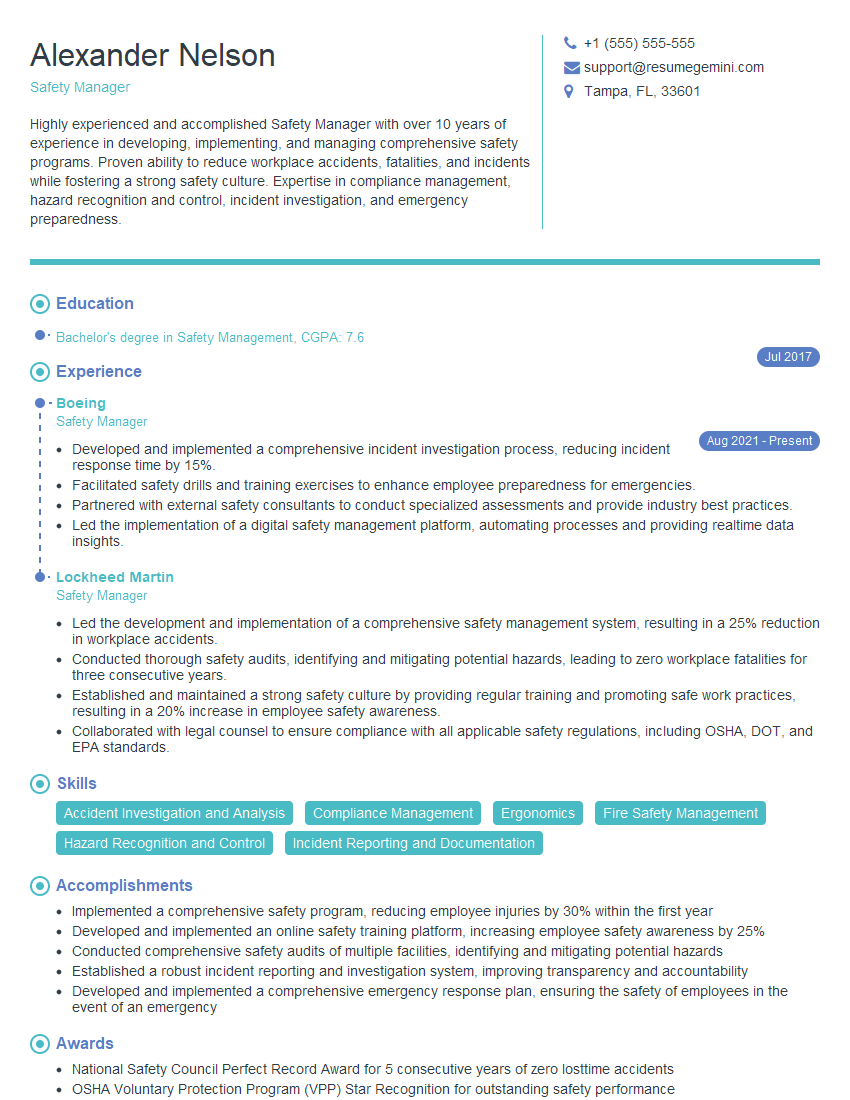
Safety Manager Resume Sample
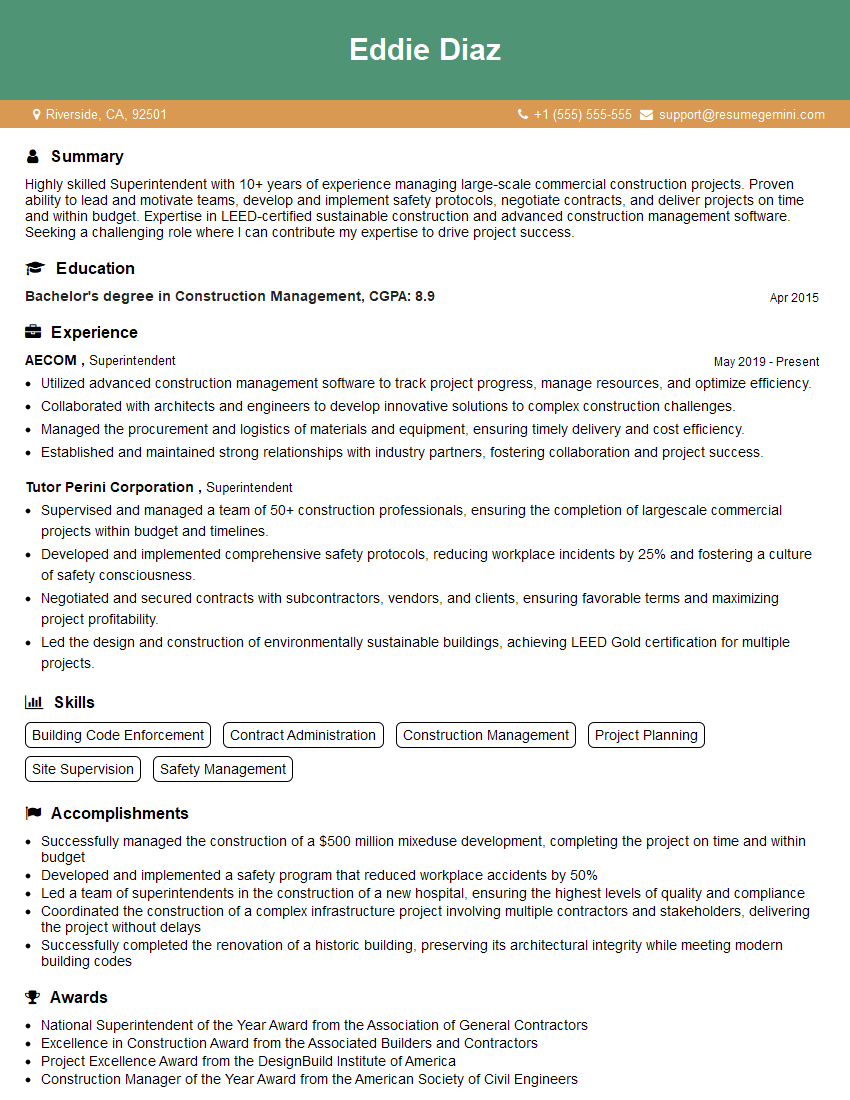
Superintendent Resume Sample
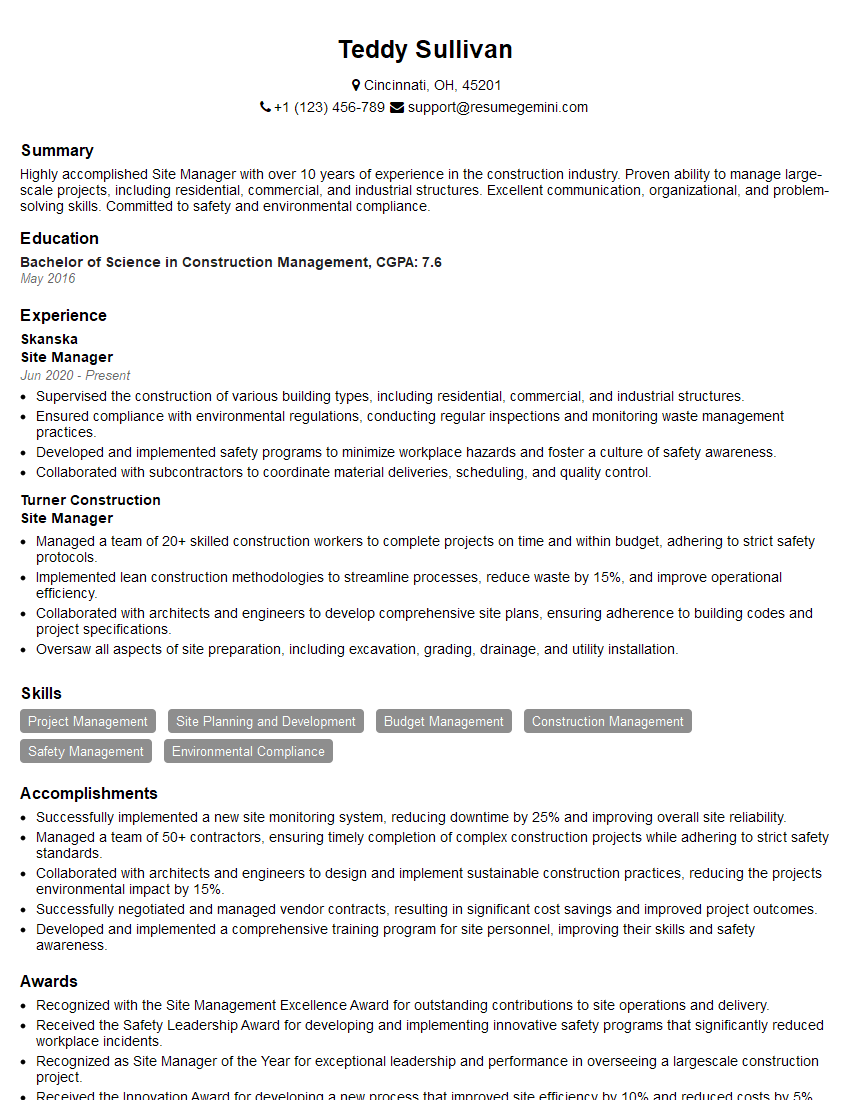
Site Manager Resume Sample
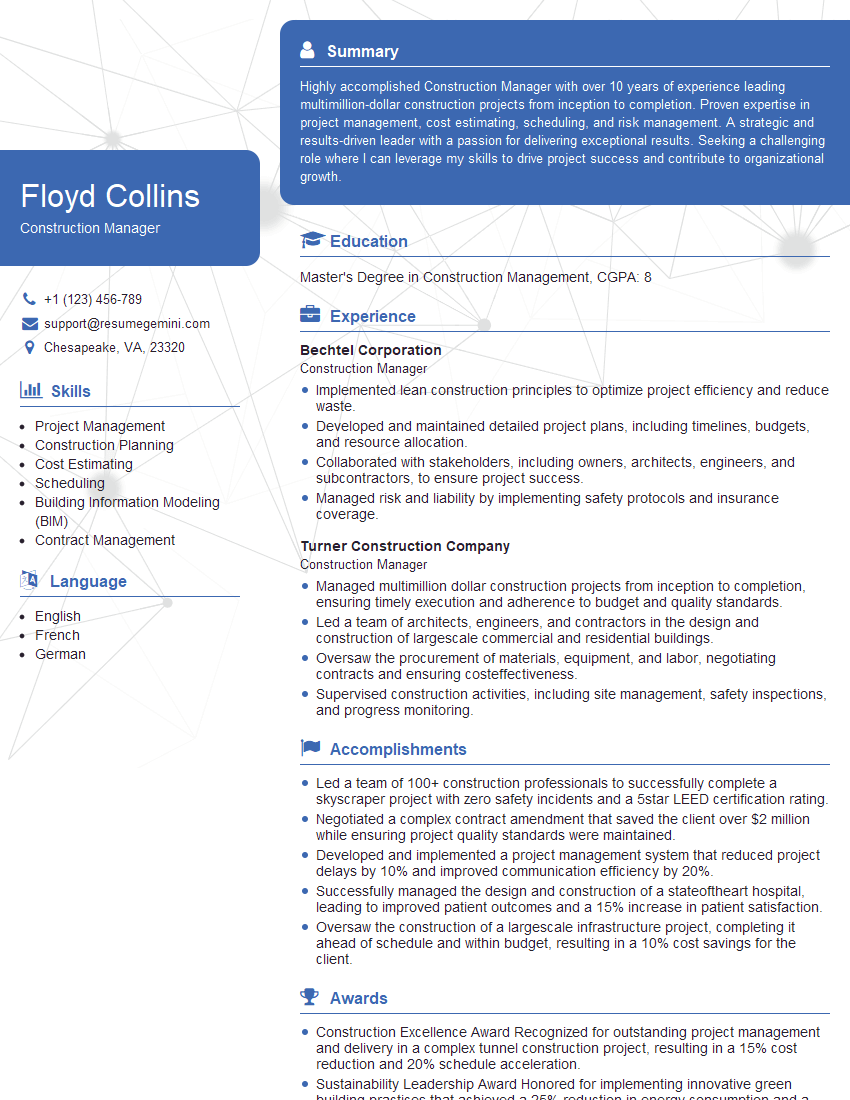
Construction Manager Resume Sample

Construction Superintendent Resume Sample
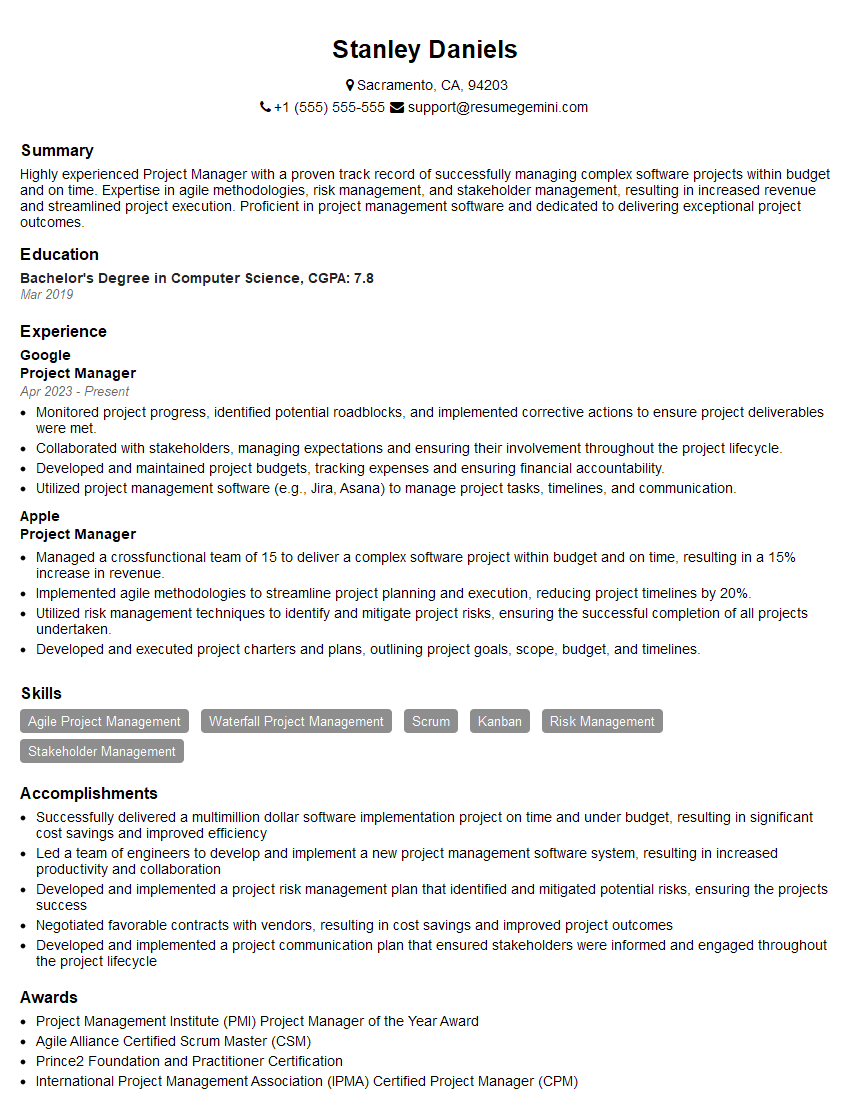
Project Manager Resume Sample

Project Engineer Resume Sample
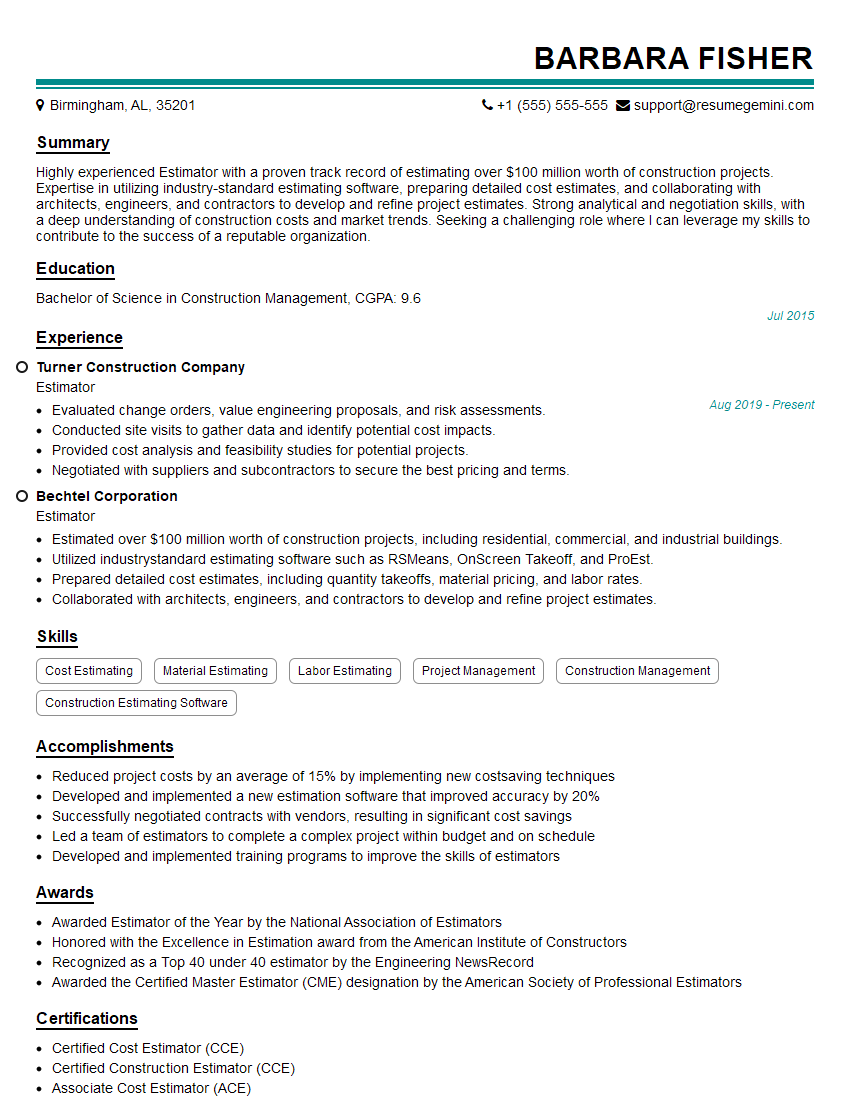
Estimator Resume Sample
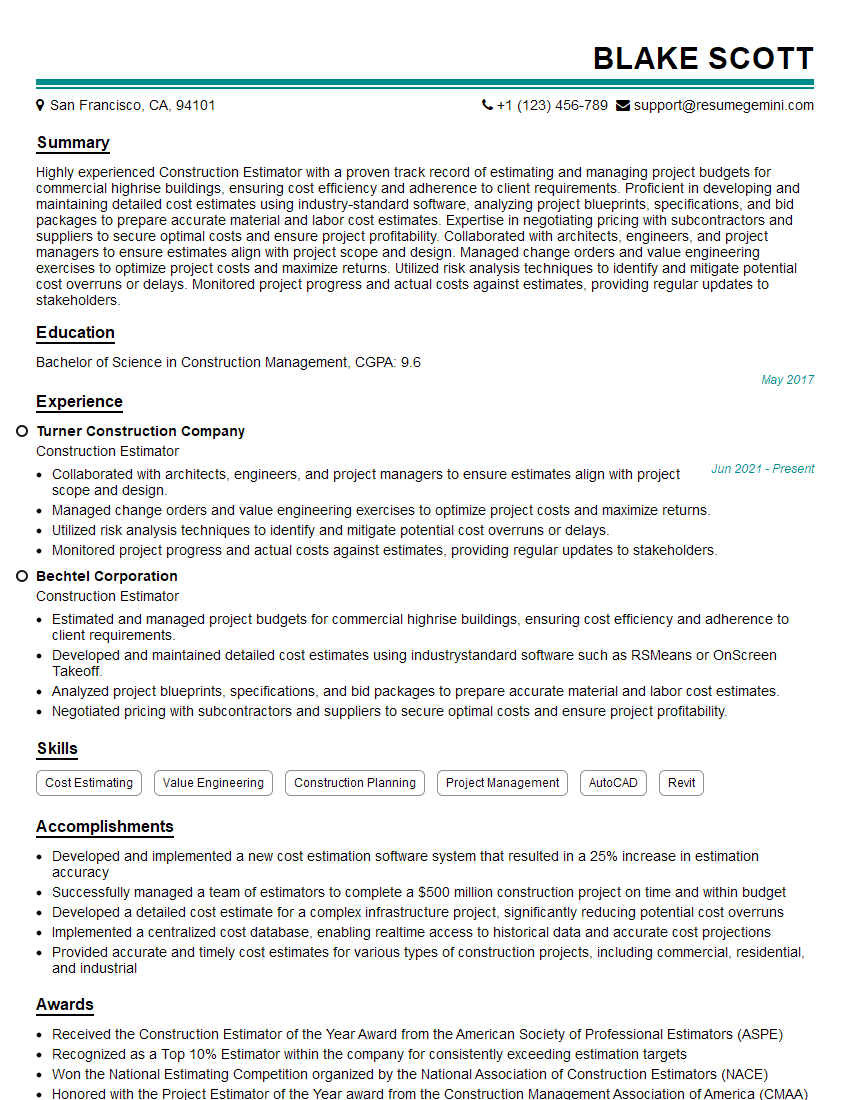
Construction Estimator Resume Sample
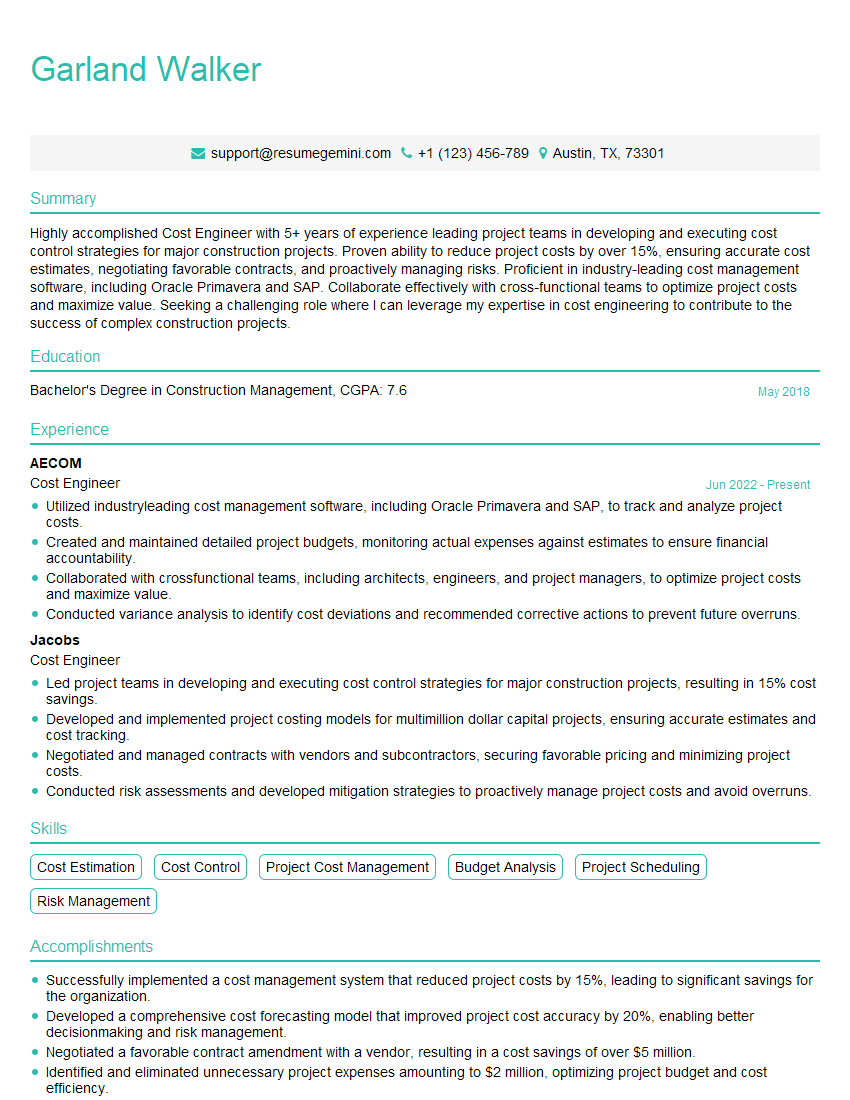
Cost Engineer Resume Sample
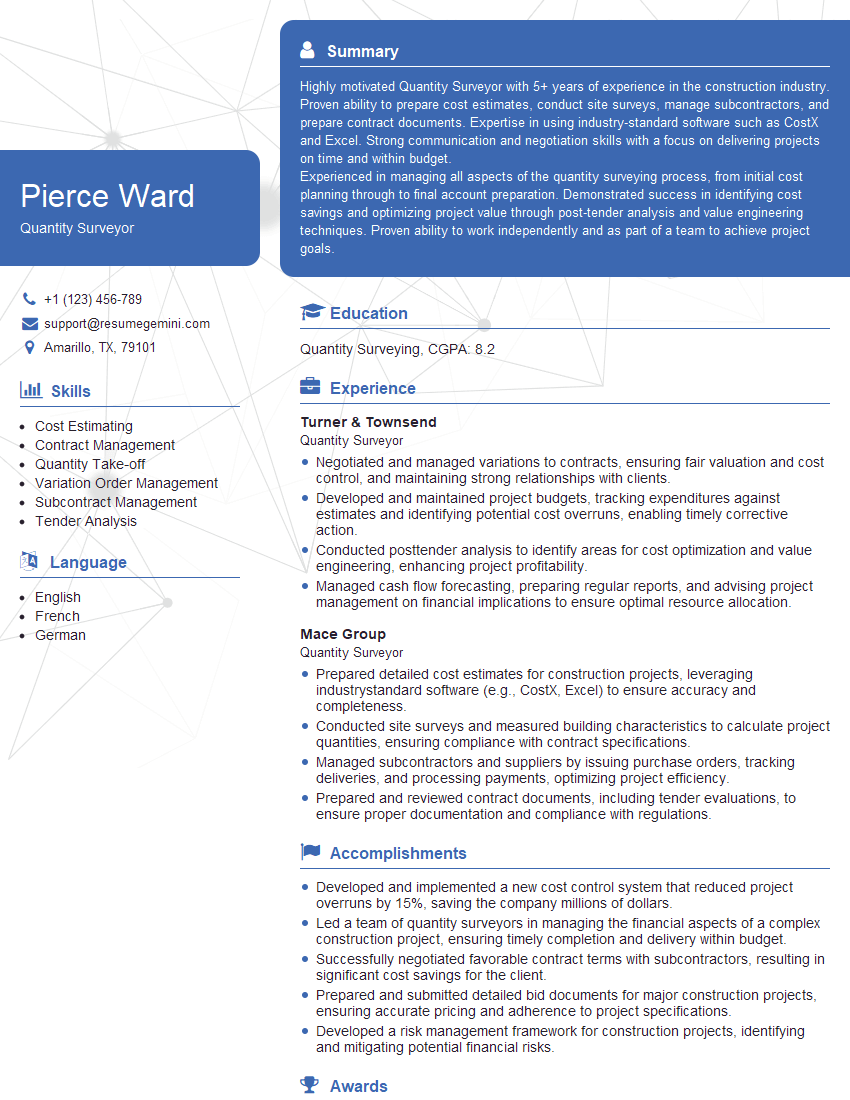
Quantity Surveyor Resume Sample
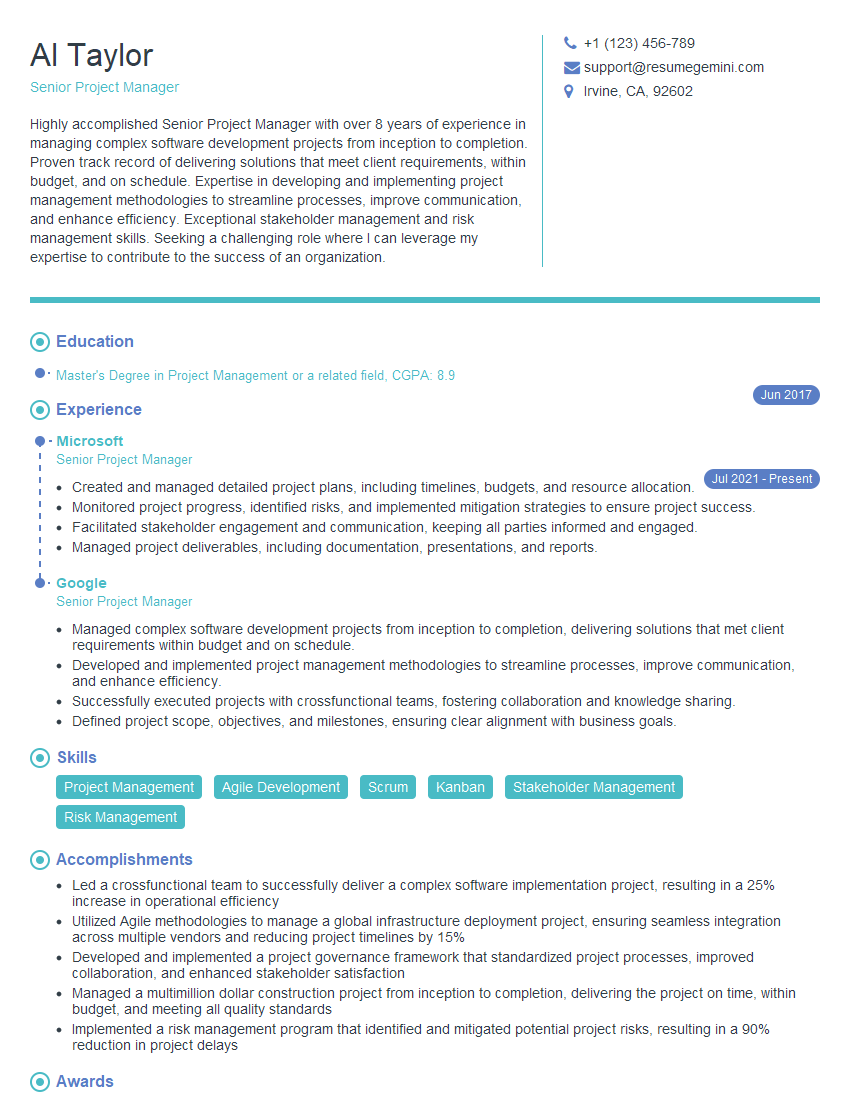
Senior Project Manager Resume Sample
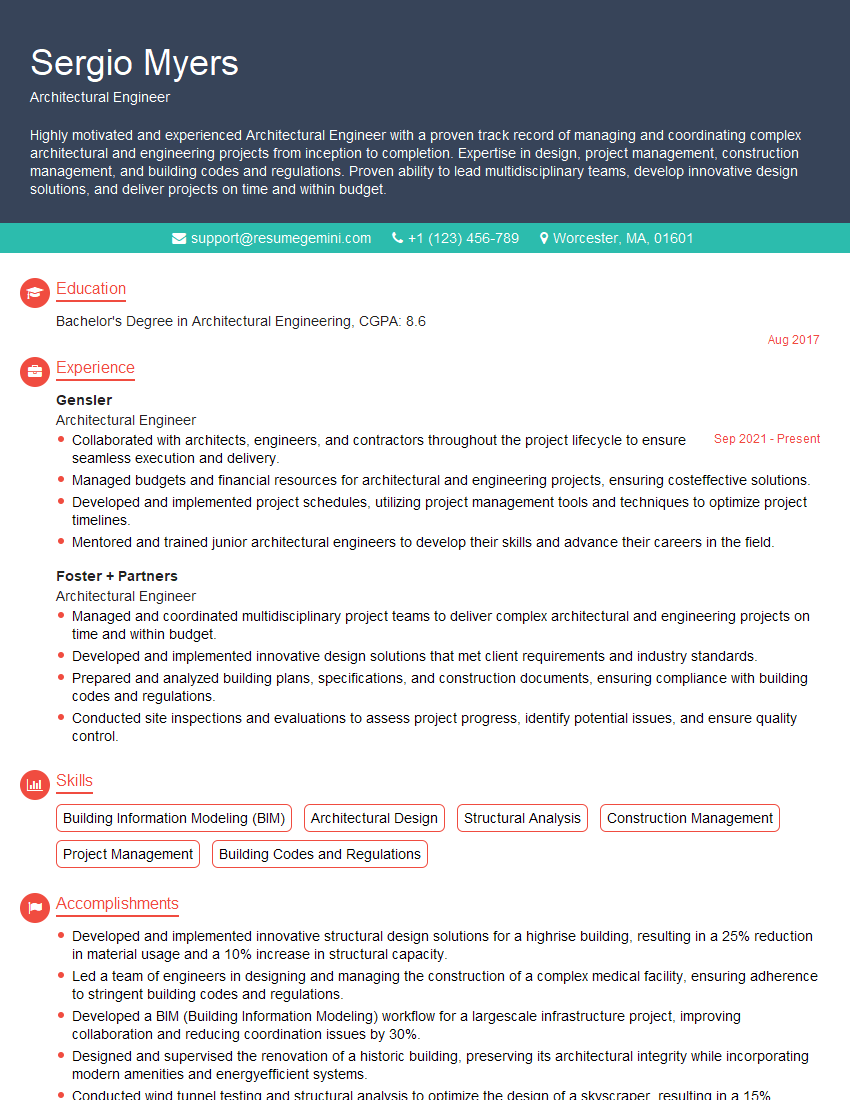
Architectural Engineer Resume Sample
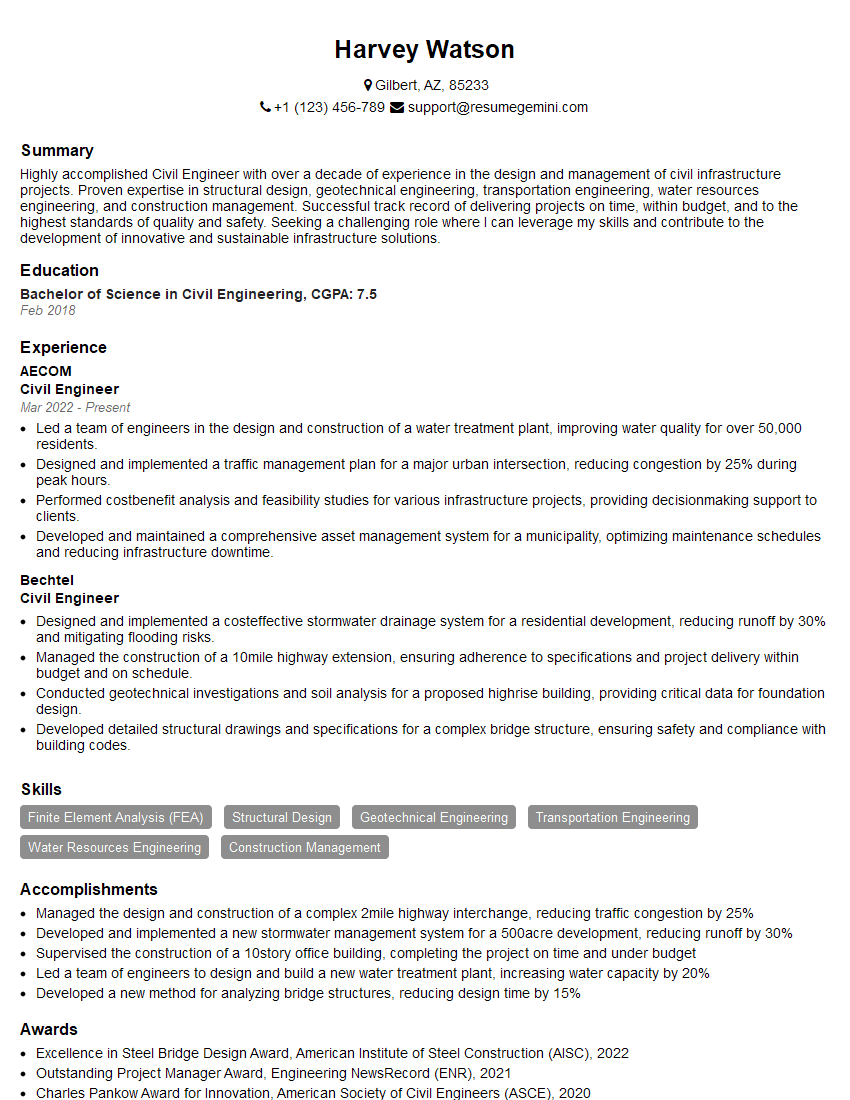
Civil Engineer Resume Sample
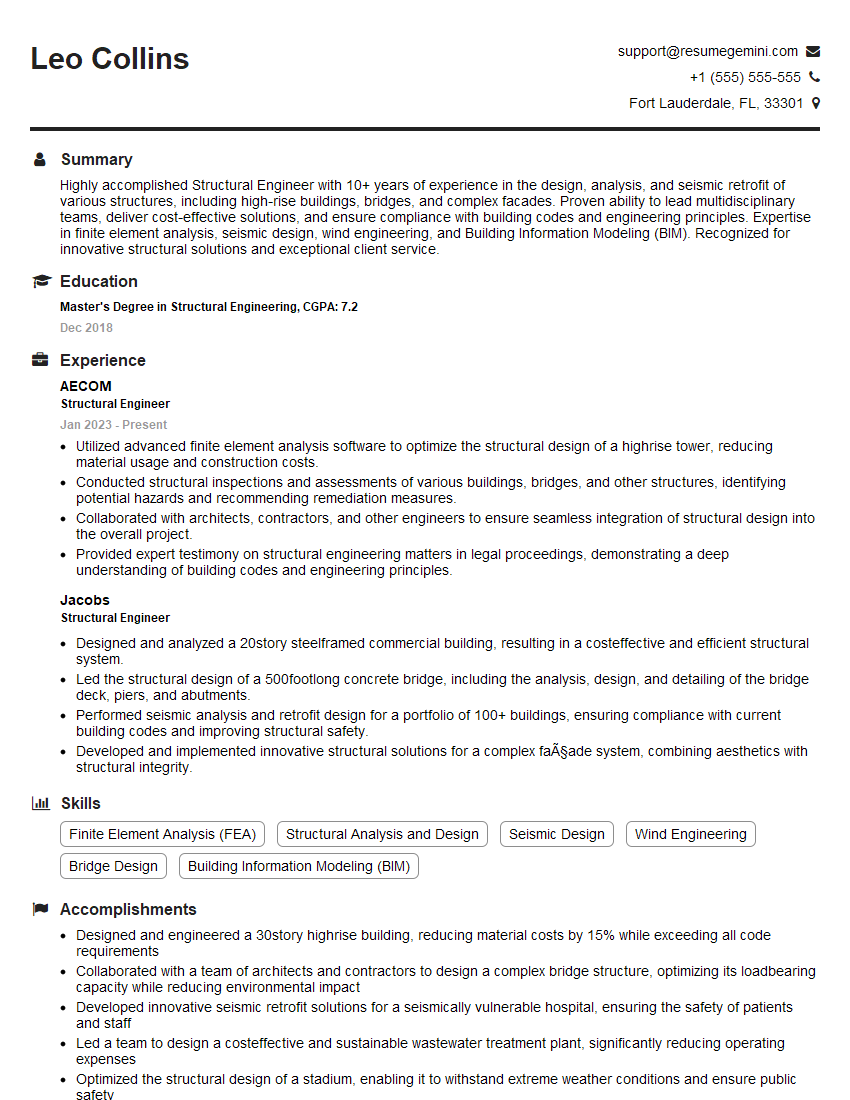
Structural Engineer Resume Sample
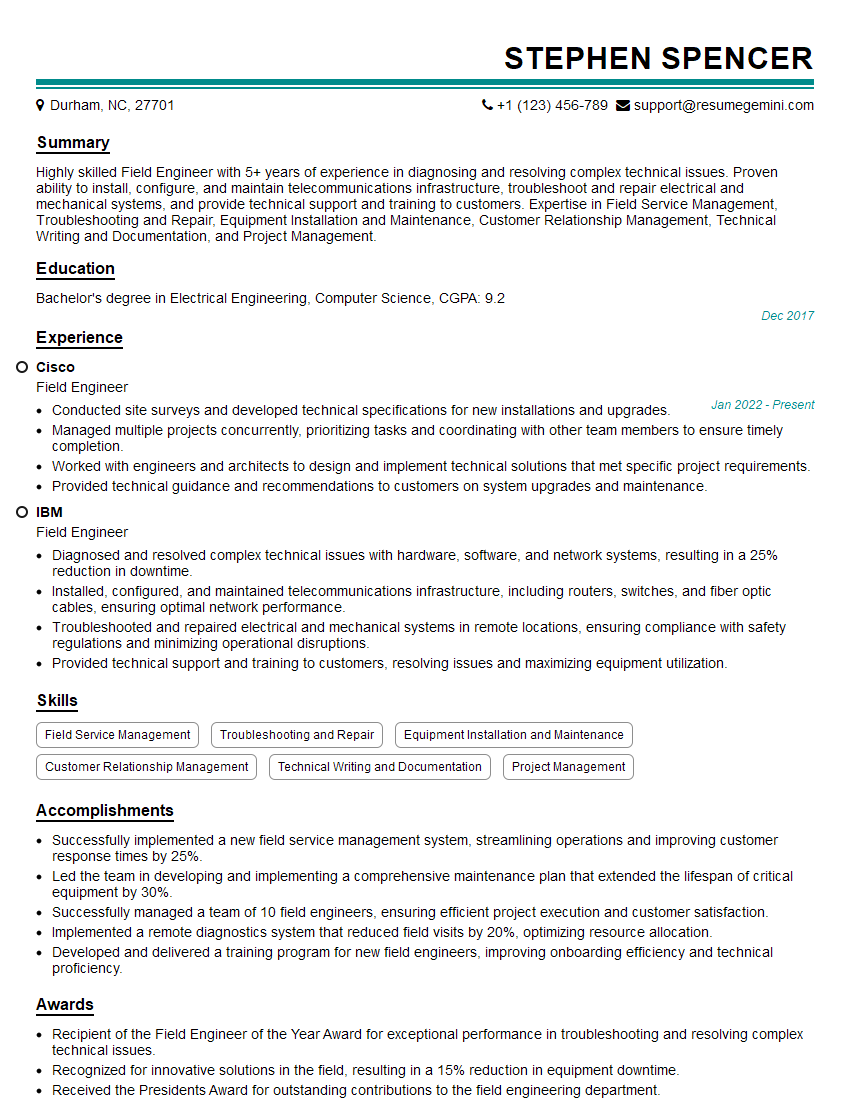
Field Engineer Resume Sample
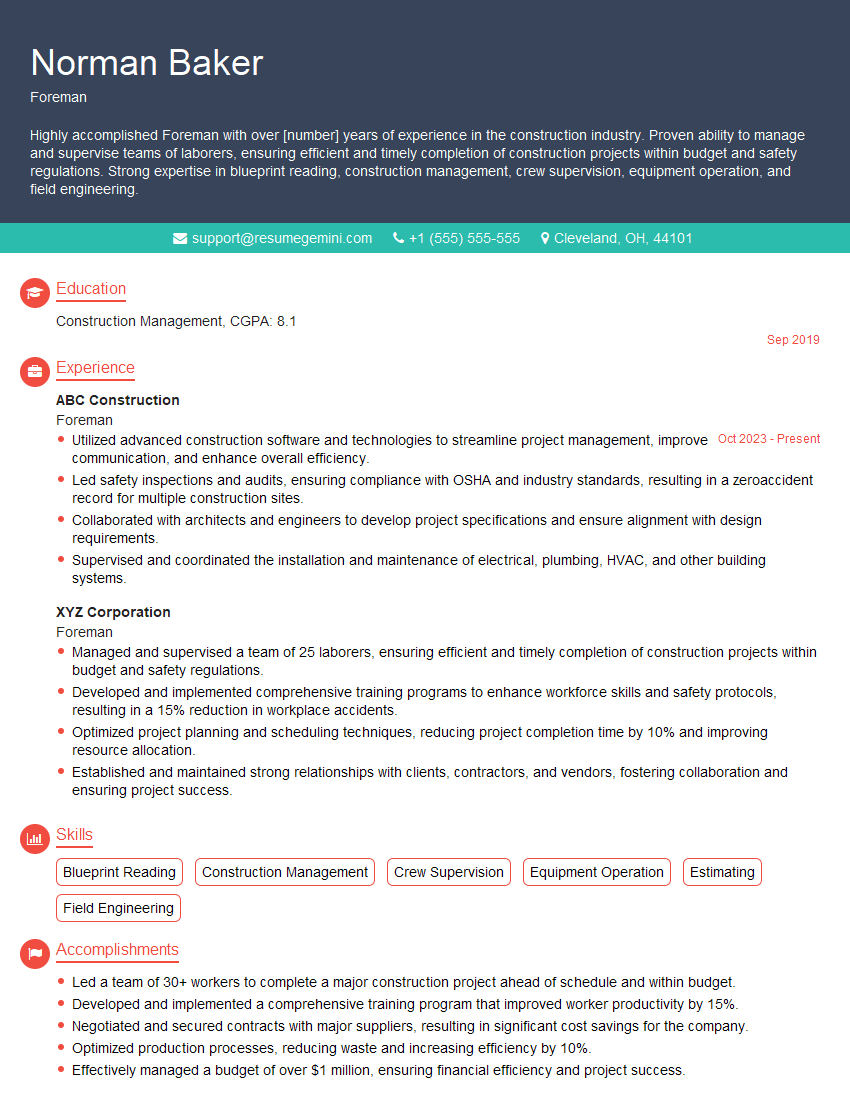
Foreman Resume Sample
Explore more articles
Users Rating of Our Blogs
Share Your Experience
We value your feedback! Please rate our content and share your thoughts (optional).
What Readers Say About Our Blog
Very informative content, great job.
good