Feeling uncertain about what to expect in your upcoming interview? We’ve got you covered! This blog highlights the most important Contingency Operations interview questions and provides actionable advice to help you stand out as the ideal candidate. Let’s pave the way for your success.
Questions Asked in Contingency Operations Interview
Q 1. Describe your experience developing contingency plans.
Developing contingency plans involves a structured process to anticipate and prepare for disruptive events. It begins with identifying potential threats – everything from natural disasters like hurricanes to cyberattacks or supply chain disruptions. Then, we analyze the potential impact of each threat on our operations. This analysis informs the creation of detailed response strategies, outlining specific actions to be taken in each scenario. These plans aren’t static documents; they’re living documents regularly reviewed and updated based on risk assessments and lessons learned from past incidents or near misses.
For example, in my previous role at a major logistics company, I led the development of a contingency plan for a potential port strike. We identified alternative shipping routes, secured backup warehousing facilities, and established communication protocols with our clients and suppliers. This plan included detailed timelines, responsibilities, and resource allocation, ensuring a coordinated response in case the strike occurred.
Q 2. Explain your process for risk assessment and mitigation in a contingency context.
Risk assessment and mitigation in contingency planning is a crucial iterative process. It starts with identifying potential risks, using methods like brainstorming, SWOT analysis, and reviewing historical data. Then, we analyze the likelihood and potential impact of each risk, often using a risk matrix that categorizes risks based on severity and probability. This allows us to prioritize the most critical risks.
Mitigation involves developing strategies to reduce the likelihood or impact of identified risks. This can include implementing preventative measures (e.g., cybersecurity upgrades to mitigate cyberattacks), developing recovery plans (e.g., data backups to recover from data loss), and establishing contingency resources (e.g., backup suppliers to mitigate supply chain disruptions). Regular reviews are essential, as risks and their mitigation strategies should be re-evaluated periodically based on changing circumstances and lessons learned.
Imagine a hospital dealing with a potential pandemic. Their risk assessment might identify staff shortages, supply chain disruptions for medical equipment, and a surge in patient numbers. Mitigation strategies could include pre-negotiated contracts with temporary staffing agencies, diversification of medical supply sources, and a detailed plan for expansion of ICU capacity.
Q 3. How do you prioritize tasks during a crisis or emergency?
During a crisis, prioritizing tasks requires a clear, decisive approach. I use a framework that combines urgency and impact. Tasks are assessed based on two factors: how immediately they need to be addressed (urgency) and their overall effect on the outcome (impact). This results in a four-quadrant matrix.
- Urgent and High Impact: These are immediate priorities requiring immediate action. For example, evacuating personnel from a dangerous situation.
- Urgent but Low Impact: These are important but can be delegated or temporarily postponed to focus on higher-impact tasks.
- Not Urgent but High Impact: These tasks are critical for long-term success and should be planned and executed strategically. For example, securing long-term supply chains after a disruption.
- Not Urgent and Low Impact: These can often be deferred or eliminated.
This matrix helps ensure that resources are directed towards the most critical actions, maximizing efficiency and effectiveness during the crisis.
Q 4. What metrics do you use to measure the effectiveness of a contingency plan?
Measuring the effectiveness of a contingency plan requires a multi-faceted approach. We don’t just look at whether the plan was executed; we evaluate its overall impact. Key metrics include:
- Time to recovery: How quickly operations returned to normal after the disruptive event.
- Financial impact: The cost of the disruption and the effectiveness of mitigation efforts in minimizing losses.
- Data loss or damage: The extent of any data loss or physical damage and how effectively it was mitigated.
- Personnel safety and well-being: Did the plan protect employees? Were there injuries or fatalities?
- Customer satisfaction: Were customer expectations met despite the disruption?
- Plan adherence: How well did the team follow the established protocols and procedures?
Post-incident reviews, involving all stakeholders, provide invaluable insights into what worked well, where improvements are needed, and how to refine the plan for future events.
Q 5. Describe a time you had to adapt a contingency plan due to unforeseen circumstances.
During a severe winter storm that crippled transportation in the Midwest, our pre-established contingency plan for warehouse operations relied on local trucking companies. However, due to the severity of the weather, these companies were unable to operate. We had to quickly adapt by partnering with a national logistics firm with better access to alternative transportation methods, including rail and air freight. This required renegotiating contracts, re-routing shipments, and communicating extensively with customers regarding delays.
The successful adaptation highlighted the importance of flexibility within contingency plans. While the initial plan was well-structured, it lacked sufficient consideration for extreme weather scenarios that might affect all local resources. We subsequently revised the plan to incorporate diverse options and a more robust risk assessment for weather-related disruptions.
Q 6. How do you ensure effective communication during a contingency operation?
Effective communication is the lifeblood of any successful contingency operation. A multi-layered communication strategy is essential, ensuring information flows seamlessly among all stakeholders: internal teams, external partners, customers, and regulatory bodies. This involves:
- Establishing clear communication channels: This may include designated email addresses, phone lines, text alerts, and possibly even a dedicated crisis communication platform.
- Developing consistent messaging: All communications should be clear, concise, and consistent, minimizing confusion and ensuring everyone is on the same page.
- Regular updates: Providing timely and frequent updates helps manage expectations and builds confidence.
- Designated communication leads: Having designated spokespeople ensures consistent messaging and efficient information dissemination.
- Multiple communication methods: Using multiple methods ensures messages reach everyone even if some channels are down.
In a crisis, clear and concise communication can be the difference between successful mitigation and chaos. Regular drills and training exercises can ensure that everyone is familiar with the communication protocols.
Q 7. What are the key elements of a robust business continuity plan?
A robust business continuity plan (BCP) goes beyond simply reacting to crises; it focuses on maintaining essential business functions during and after a disruptive event. Key elements include:
- Risk Assessment: A comprehensive identification and analysis of potential threats to the business.
- Business Impact Analysis (BIA): Determining the potential impact of each identified risk on business operations, prioritizing critical functions.
- Recovery Strategies: Developing detailed plans for restoring critical business functions after a disruption.
- Resource Allocation: Identifying and securing the necessary resources (financial, personnel, technological) to support the recovery effort.
- Communication Plan: Establishing clear communication protocols for internal and external stakeholders.
- Testing and Training: Regularly testing the plan and conducting training exercises to ensure preparedness.
- Documentation: Maintaining thorough documentation of the BCP, including roles and responsibilities, contact information, and recovery procedures.
A well-defined BCP ensures business resilience, minimizes downtime, protects valuable assets, and safeguards the organization’s reputation.
Q 8. How do you involve stakeholders in the development and implementation of contingency plans?
Stakeholder involvement is crucial for successful contingency planning. It ensures buy-in, accurate risk assessment, and effective implementation. My approach involves a multi-stage process:
- Identification: We first identify all relevant stakeholders – from senior management and operational teams to external partners, regulatory bodies, and even affected communities. Each stakeholder’s role and influence is mapped out.
- Consultation: We actively consult with stakeholders through workshops, interviews, and surveys to gather their perspectives on potential risks, vulnerabilities, and their preferred communication and response mechanisms. For example, during a hospital’s pandemic planning, we would consult doctors, nurses, administrators, and supply chain partners.
- Collaboration: We collaboratively develop the contingency plan, ensuring that diverse viewpoints are incorporated and that the plan reflects the needs and concerns of all key stakeholders. This could involve joint development sessions or a feedback loop on draft plans.
- Communication: We maintain transparent and regular communication throughout the entire process, keeping stakeholders updated on progress, soliciting feedback, and addressing concerns. This is particularly important during drills and exercises.
- Training & Education: We ensure that all stakeholders understand their roles and responsibilities outlined in the plan. This includes training on communication protocols, emergency procedures, and the use of any related technologies.
This inclusive approach fosters a sense of ownership and commitment, increasing the likelihood of successful plan execution.
Q 9. Explain your understanding of different types of contingency plans (e.g., disaster recovery, incident response).
Contingency plans address various disruptive events. They can be categorized broadly into:
- Disaster Recovery Plans (DRP): These plans focus on restoring critical business functions and IT systems after major disasters like hurricanes, earthquakes, or cyberattacks. A DRP for a bank, for instance, would detail how to recover customer data, restore online banking services, and maintain operational continuity.
- Incident Response Plans (IRP): These plans address smaller-scale incidents with quicker recovery times, such as security breaches, equipment failures, or data loss. An IRP for a software company would outline the steps to address a security vulnerability, contain the damage, and recover lost data.
- Business Continuity Plans (BCP): These plans are broader in scope, encompassing both DRP and IRP strategies. They aim to maintain essential business operations during any disruption, minimizing the impact on revenue, reputation, and customer relationships. A BCP for a manufacturing plant would include plans for dealing with equipment malfunctions, supply chain disruptions, and natural disasters.
- Crisis Communication Plans: These plans outline the communication strategy during a crisis to stakeholders (internal and external), including media relations, employee messaging, and community engagement. Effective communication mitigates misinformation and maintains confidence.
The specific type of plan depends on the organization’s nature, its risks, and its recovery objectives.
Q 10. How do you test and exercise contingency plans?
Testing and exercising contingency plans are crucial for validating their effectiveness and identifying weaknesses. We employ a multi-faceted approach:
- Tabletop Exercises: These are facilitated discussions where stakeholders walk through hypothetical scenarios, identifying potential challenges and refining response strategies. This is a low-cost, efficient method for identifying weaknesses in the plan.
- Functional Exercises: These involve testing specific elements of the plan, such as data backup and recovery, or communication protocols. This allows for a more focused evaluation of individual components.
- Full-Scale Simulations: These are comprehensive exercises that simulate a real-world event, involving multiple stakeholders and often incorporating technological systems. This is the most realistic method but also the most resource-intensive.
After each exercise, a detailed after-action review (AAR) is conducted to document lessons learned, identify areas for improvement, and update the plan accordingly. This iterative process ensures that the plan remains relevant and effective.
Q 11. What are some common challenges in implementing contingency plans?
Implementing contingency plans presents several challenges:
- Lack of Stakeholder Buy-in: Without commitment from all levels, plans are often ignored or poorly executed.
- Insufficient Resources: Inadequate funding, personnel, or technology can hinder effective planning and response.
- Poor Communication: Ineffective communication can lead to confusion, delays, and failures during an actual event.
- Outdated Plans: Plans must be regularly reviewed and updated to reflect changing circumstances and new threats. Failing to do so renders the plan ineffective.
- Lack of Training and Drills: Plans are useless without trained personnel who know how to utilize them in a crisis.
- Resistance to Change: Implementing new procedures or technologies can encounter resistance from personnel accustomed to existing methods.
Proactive management, strong leadership, and continuous improvement are essential to overcome these challenges.
Q 12. How do you measure the Return on Investment (ROI) of contingency planning?
Measuring the ROI of contingency planning is complex but crucial. It’s not about quantifying direct returns but about mitigating potential losses. We evaluate ROI by considering:
- Cost Avoidance: Quantifying the potential financial losses prevented by a successful plan execution (e.g., avoided downtime, reduced legal liabilities, preserved reputation).
- Business Continuity: Assessing the speed and efficiency of recovery, minimizing disruption to operations, and maintaining customer confidence.
- Employee Safety and Morale: Evaluating the effectiveness of the plan in ensuring employee safety and maintaining morale during and after an event.
- Competitive Advantage: A robust contingency plan can provide a competitive edge by demonstrating resilience and operational stability.
By using a combination of qualitative and quantitative data, we can build a compelling case for the value of a well-developed and well-executed contingency plan.
Q 13. How do you manage resources during a contingency operation?
Resource management during a contingency operation is critical. It requires a structured approach:
- Pre-Event Resource Allocation: We pre-identify and allocate resources (personnel, equipment, funds, technology) based on risk assessment and plan requirements. This includes establishing clear lines of responsibility and communication channels.
- Real-time Resource Allocation: During an event, a dedicated team monitors resource utilization, tracks needs, and prioritizes resource allocation based on the evolving situation and impact. This might involve redirecting personnel, deploying emergency equipment, or securing additional funds.
- Post-Event Resource Management: After the event, resources are assessed, redeployed, and replenished as needed. A thorough post-incident review helps to optimize resource allocation strategies for future events.
- Resource Prioritization: A clear prioritization framework is necessary, balancing needs against available resources and focusing on critical functions first.
Effective resource management ensures that resources are used efficiently and effectively to achieve the objectives of the contingency plan.
Q 14. What is your experience with different contingency planning methodologies?
My experience encompasses several contingency planning methodologies, including:
- NIST Cybersecurity Framework: This framework provides a structured approach to managing cybersecurity risks and incidents. I’ve utilized its principles for developing incident response plans for several organizations.
- ISO 22301: This international standard for business continuity management provides a comprehensive framework for establishing, implementing, maintaining, and continually improving a business continuity management system. I’ve implemented this standard for several large-scale projects.
- FEMA’s National Response Framework: I am familiar with this framework, which guides the response to national emergencies in the United States. Understanding this framework is crucial for planning and coordinating responses to large-scale disasters.
My approach is flexible and adaptable, selecting the methodology best suited to the specific context and organizational needs. I also integrate best practices from various methodologies to create comprehensive and robust contingency plans.
Q 15. Describe your experience with utilizing technology to support contingency operations.
Technology is absolutely crucial for effective contingency operations. My experience spans leveraging various systems, from simple communication tools to complex data analytics platforms. For example, during a large-scale evacuation exercise, we utilized a GIS-based system to track evacuee locations in real-time, optimizing resource allocation and ensuring timely assistance. This involved integrating data from various sources – GPS trackers on emergency vehicles, social media feeds reporting road closures, and even citizen-provided reports through a dedicated mobile app. In another instance, I helped deploy a secure communication network using satellite phones and encrypted messaging applications to maintain consistent contact with field teams during a humanitarian crisis in a region with limited infrastructure. This ensured secure information sharing and prevented critical data breaches. I’m proficient in utilizing a range of technologies, including satellite communication systems, drone technology for aerial surveillance, and cloud-based data storage for secure information management. My focus is always on selecting and integrating the most suitable technologies to address the specific needs and challenges of each contingency operation.
Career Expert Tips:
- Ace those interviews! Prepare effectively by reviewing the Top 50 Most Common Interview Questions on ResumeGemini.
- Navigate your job search with confidence! Explore a wide range of Career Tips on ResumeGemini. Learn about common challenges and recommendations to overcome them.
- Craft the perfect resume! Master the Art of Resume Writing with ResumeGemini’s guide. Showcase your unique qualifications and achievements effectively.
- Don’t miss out on holiday savings! Build your dream resume with ResumeGemini’s ATS optimized templates.
Q 16. How do you ensure compliance with relevant regulations and standards in contingency planning?
Compliance is paramount in contingency planning. We adhere to a multi-layered approach. Firstly, we conduct thorough risk assessments, identifying potential legal, ethical, and operational risks. These assessments inform the development of our plans, ensuring they are compliant with all relevant national and international regulations, including data privacy laws (like GDPR or CCPA), environmental protection regulations, and humanitarian aid standards. Secondly, we maintain comprehensive documentation of all planning processes, decisions, and actions taken. This documentation serves as an audit trail and demonstrates adherence to regulations. Thirdly, we conduct regular internal audits and external reviews to ensure our plans remain current and compliant. For example, if a new data protection regulation is introduced, we immediately review and update our plans to ensure compliance. We also conduct regular training sessions for our team members on relevant legal and ethical frameworks, fostering a culture of compliance within the organization.
Q 17. How do you maintain and update contingency plans?
Contingency plans are living documents; they require constant attention and updates. Our maintenance process involves a structured cycle of review, revision, and testing. We conduct regular reviews, typically annually or following significant changes in the operational environment (e.g., a major geopolitical event). These reviews involve stakeholders across the organization, incorporating feedback from past operations and lessons learned. Revisions may include updating contact information, modifying procedures based on experience, or integrating new technologies. Crucially, we conduct rigorous testing through simulations and tabletop exercises. These exercises involve acting out scenarios, identifying weaknesses in the plan, and refining procedures to increase effectiveness. The results of these exercises are meticulously documented and incorporated into the revised plans. Version control is crucial, ensuring we can track changes and revert to previous versions if needed. This process guarantees that our plans remain relevant, effective, and aligned with the evolving context of the organization.
Q 18. What are your skills in crisis communication?
Effective crisis communication is vital. My approach focuses on clear, concise, and timely information dissemination. I utilize a multi-channel strategy, including press releases, social media updates, internal communications, and direct engagement with stakeholders. I ensure consistent messaging across all platforms, avoiding ambiguity and misinformation. During a crisis, I prioritize transparency, honesty, and empathy in my communication. I understand the importance of addressing concerns and anxieties directly while acknowledging the limitations of information available during an evolving situation. I also emphasize active listening and collecting feedback from stakeholders to understand their needs and tailor communication effectively. I’ve developed expertise in managing media relations, crafting effective narratives, and preparing spokespeople for public appearances during high-pressure situations.
Q 19. Describe your experience in leading and motivating teams during crises.
Leading and motivating teams during a crisis requires a blend of strong leadership, empathy, and clear communication. My approach centers around building trust and fostering a sense of shared purpose. I begin by clearly defining roles and responsibilities, ensuring each team member understands their contribution to the overall effort. I encourage open communication and actively solicit feedback, ensuring that everyone feels heard and valued. I also emphasize the importance of self-care and stress management, recognizing the toll that crises can take on individuals. I lead by example, demonstrating resilience and calm under pressure. For instance, during a major natural disaster response, I actively rotated team members to avoid burnout, provided access to mental health resources, and celebrated successes, both big and small, to maintain morale and team cohesion. Ultimately, my goal is to create a supportive and empowering environment where team members feel confident in their abilities and committed to achieving our shared objectives.
Q 20. How do you handle conflicting priorities during a contingency operation?
Conflicting priorities are inevitable in contingency operations. My approach to handling this involves a structured prioritization framework. First, I clearly define the overall objectives of the operation. Then, I assess each priority against its contribution to achieving those objectives. I use decision-making matrices to weigh factors such as urgency, impact, and resource requirements. This allows for a data-driven approach to prioritization. Transparency is key; I communicate the prioritization rationale to all stakeholders, ensuring everyone understands the decisions and their rationale. Where unavoidable trade-offs are necessary, I clearly communicate the implications and seek consensus whenever possible. Finally, I implement a robust monitoring system to track progress and make adjustments as needed, ensuring adaptability and responsiveness to the evolving situation.
Q 21. How do you ensure the security of sensitive information during a crisis?
Securing sensitive information during a crisis is crucial. Our approach involves a multi-layered security strategy. Firstly, we use robust access control measures, limiting access to sensitive information only to authorized personnel. Secondly, we employ strong encryption techniques to protect data both in transit and at rest. Thirdly, we utilize secure communication channels, avoiding unsecured networks and employing end-to-end encrypted messaging. Fourthly, we conduct regular security audits and penetration testing to identify and address vulnerabilities. Finally, we have well-defined incident response plans to handle data breaches, including procedures for containment, investigation, and remediation. We ensure that all personnel receive regular training on information security best practices, emphasizing the importance of password security, phishing awareness, and responsible data handling. Regular drills reinforce these procedures and prepare personnel for handling real-world security incidents.
Q 22. How do you manage stakeholder expectations during a contingency operation?
Managing stakeholder expectations during a contingency operation is crucial for successful execution and minimizing disruption. It’s essentially about proactive communication and transparency throughout the entire process.
- Proactive Communication: Before an incident even occurs, I establish clear communication channels and protocols with key stakeholders. This includes defining roles, responsibilities, and escalation paths. Regular updates, even during calm periods, build trust and prepare stakeholders for potential scenarios.
- Realistic Expectations: I work to set realistic expectations regarding the situation’s potential impact and the time required for recovery. Overpromising can lead to disappointment and erosion of trust. Transparency about uncertainties is key.
- Regular Updates: During the operation, consistent and timely updates are vital. This may involve daily briefings, dedicated communication portals, or regular phone calls, depending on stakeholder needs and the situation’s complexity. Tailoring communication to specific audiences is important.
- Feedback Mechanisms: Establishing feedback mechanisms allows stakeholders to voice concerns and provide input. This demonstrates respect and helps refine the response strategy. This feedback loop is critical to adapting to changing circumstances.
- Post-Incident Debrief: Following the operation, a debrief session provides an opportunity to review successes, identify areas for improvement, and address any remaining concerns. This builds confidence in future responses.
For example, during a recent cybersecurity incident, I established a daily briefing for the executive team, a weekly update for mid-level managers, and a dedicated web portal for all employees. This multi-layered approach ensured everyone received relevant information in a timely manner, minimizing anxiety and maximizing cooperation.
Q 23. Describe your experience with post-incident reviews and lessons learned.
Post-incident reviews (PIRs) and lessons learned are critical for continuous improvement in contingency operations. They’re not just about assigning blame but about identifying systemic weaknesses and enhancing future preparedness.
- Structured Approach: My approach to PIRs follows a structured methodology. I use a combination of interviews, document analysis, and data collection to gather information from various teams and stakeholders involved in the incident.
- Objective Analysis: The focus is on objective analysis, avoiding emotional responses and personal attacks. The goal is to understand what happened, why it happened, and what could be done differently to prevent similar incidents in the future.
- Root Cause Analysis: I utilize root cause analysis techniques, such as the “5 Whys” method, to drill down to the underlying causes of the incident, rather than just addressing symptoms. This helps identify opportunities for long-term improvements.
- Actionable Recommendations: The PIR culminates in a report containing actionable recommendations for improvement. These recommendations are prioritized based on their potential impact and feasibility.
- Implementation and Follow-up: Crucially, I ensure the recommendations are implemented and tracked, scheduling regular follow-up meetings to assess progress. This is where the ‘lessons learned’ truly take root.
In a previous role, a PIR following a major supply chain disruption led to the implementation of a diversified sourcing strategy and an enhanced real-time inventory management system. These changes significantly improved resilience and reduced our vulnerability to future disruptions.
Q 24. How familiar are you with ISO 22301 (Business Continuity Management Systems)?
I am very familiar with ISO 22301, the international standard for Business Continuity Management Systems (BCMS). It provides a framework for establishing, implementing, maintaining, and continually improving a BCMS.
- Understanding the Standard: I understand the key requirements of ISO 22301, including business impact analysis (BIA), risk assessment, business continuity strategy development, plan implementation, testing, and continuous improvement.
- Practical Application: I have experience in applying the principles of ISO 22301 to develop and implement BCMS within various organizations, ensuring alignment with their specific needs and context.
- Implementation Process: I am proficient in guiding organizations through the implementation process, from initial assessment and gap analysis to certification audits and ongoing maintenance.
- Integration with other standards: I understand the importance of integrating BCMS with other management systems such as ISO 9001 (Quality Management) and ISO 27001 (Information Security).
ISO 22301 provides a structured approach that helps minimize disruptions and losses during crises. It’s not just a set of rules; it’s a framework for building resilience and creating a culture of preparedness.
Q 25. What experience do you have with supply chain contingency planning?
Supply chain contingency planning is a critical aspect of overall business continuity. It involves anticipating potential disruptions and developing strategies to mitigate their impact.
- Risk Assessment: My approach starts with a thorough assessment of potential risks affecting the supply chain. This includes natural disasters, political instability, pandemics, supplier failures, and cyberattacks.
- Scenario Planning: I then develop various scenarios based on the identified risks. Each scenario outlines the potential impact and outlines a tailored response.
- Diversification Strategies: Diversification is a core element. This could include sourcing from multiple suppliers, geographically dispersed warehousing, and alternative transportation options.
- Inventory Management: Robust inventory management systems are critical, allowing for effective buffer stock management and quick response to changing demands.
- Supplier Relationship Management: Developing strong relationships with key suppliers allows for better communication and collaboration during disruptive events. Regular communication and clear service level agreements are essential.
For example, during a period of heightened geopolitical instability, I helped a client develop a contingency plan that included diversifying their sourcing of key raw materials from multiple international suppliers, establishing emergency stockpiles, and securing alternative transportation routes. This proactive approach ensured minimal impact on their operations.
Q 26. How do you handle ethical dilemmas that may arise during a contingency operation?
Ethical dilemmas can arise during contingency operations, requiring careful consideration and a commitment to integrity.
- Ethical Framework: A clear ethical framework needs to be established *before* any crisis. This framework should guide decision-making during challenging times.
- Transparency and Accountability: Transparency and accountability are paramount. Decisions should be documented, and the rationale should be clearly articulated to all stakeholders.
- Stakeholder Analysis: It’s crucial to consider the ethical implications of decisions on all stakeholders, including employees, customers, suppliers, and the community.
- Independent Review: For complex or controversial decisions, an independent ethical review may be necessary to ensure objectivity and fairness.
- Whistleblower Protection: A robust whistleblower protection policy is crucial to encourage the reporting of ethical concerns.
In one scenario, I faced a difficult decision regarding the allocation of scarce resources during a natural disaster. By engaging in transparent and open discussions with all stakeholders, balancing needs and prioritizing critical needs, we were able to make a decision that was not only effective but also ethically sound, minimizing potential negative impacts on vulnerable populations.
Q 27. What is your approach to building a resilient organization?
Building a resilient organization involves creating a culture of preparedness and proactively addressing potential threats.
- Risk Management Culture: The foundation is a strong risk management culture that encourages proactive identification, assessment, and mitigation of risks. This requires buy-in from all levels of the organization.
- Scenario Planning & Training: Regular scenario planning and realistic training exercises are essential to prepare for various disruptive events. This builds muscle memory and prepares teams to react effectively under pressure. Drills should be diverse and include diverse threats.
- Communication & Coordination: Effective communication and coordination mechanisms are critical to ensure a swift and coordinated response during a crisis. This involves establishing clear roles, responsibilities, and communication protocols.
- Technology & Infrastructure: Investing in robust technology and infrastructure is crucial to support business continuity operations. This includes secure data backups, redundant systems, and disaster recovery plans.
- Continuous Improvement: Finally, continuous improvement is key. Regular reviews, post-incident analysis, and feedback mechanisms are essential to refine processes and improve resilience over time.
Building resilience is an ongoing journey, not a destination. It requires constant vigilance, adaptation, and a commitment to continuous improvement. Thinking about resilience as a muscle you are building helps communicate the importance of ongoing effort.
Key Topics to Learn for Contingency Operations Interview
- Crisis Management & Response: Understanding the phases of a crisis, from initial assessment to recovery, and developing effective response strategies. Practical application includes developing and practicing incident action plans.
- Risk Assessment & Mitigation: Identifying potential threats and vulnerabilities, analyzing risk levels, and implementing mitigation strategies to minimize negative impact. Practical application involves conducting thorough site surveys and developing security protocols.
- Resource Management: Efficient allocation and utilization of personnel, equipment, and supplies in dynamic and challenging environments. Practical application includes optimizing logistics and supply chains in unpredictable situations.
- Communication & Coordination: Establishing clear communication channels and coordinating actions between multiple stakeholders, including government agencies, NGOs, and local communities. Practical application includes developing and practicing effective communication protocols in a crisis.
- Ethical Considerations & Legal Frameworks: Understanding the ethical implications and legal frameworks governing contingency operations, ensuring compliance and accountability. Practical application includes navigating complex legal and ethical dilemmas in high-pressure environments.
- Technological Applications: Utilizing technology for improved situational awareness, communication, and data analysis during contingency operations. Practical application includes leveraging GIS mapping, drone technology, or other relevant technological tools.
- Post-Incident Analysis & Lessons Learned: Conducting thorough reviews of past events to identify areas for improvement and to prevent future incidents. Practical application involves documenting lessons learned and implementing corrective actions based on data analysis.
Next Steps
Mastering Contingency Operations opens doors to exciting and impactful careers in fields requiring adaptability, problem-solving, and leadership under pressure. To significantly boost your job prospects, creating an Applicant Tracking System (ATS)-friendly resume is crucial. ResumeGemini is a trusted resource to help you build a professional and compelling resume that highlights your skills and experience effectively. We provide examples of resumes tailored to Contingency Operations to help guide your efforts. Invest the time to craft a standout resume – it’s your first impression on potential employers.
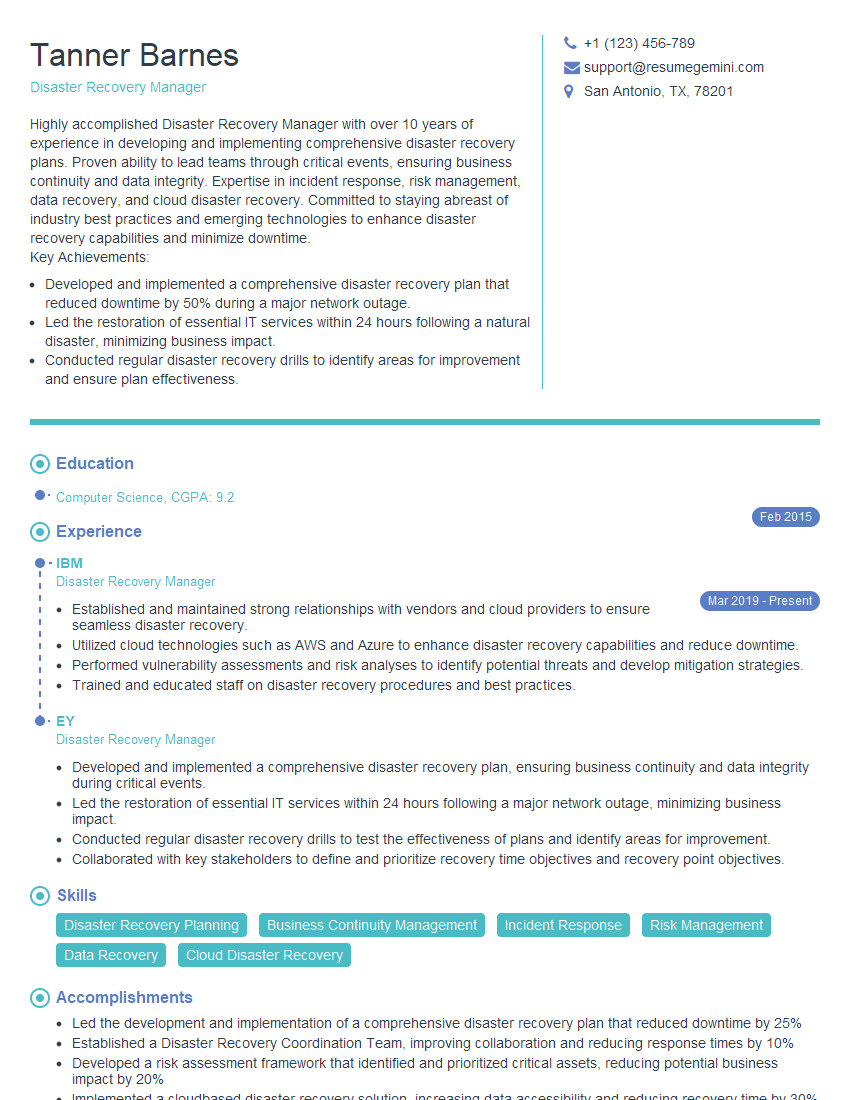
Disaster Recovery Manager Resume Sample
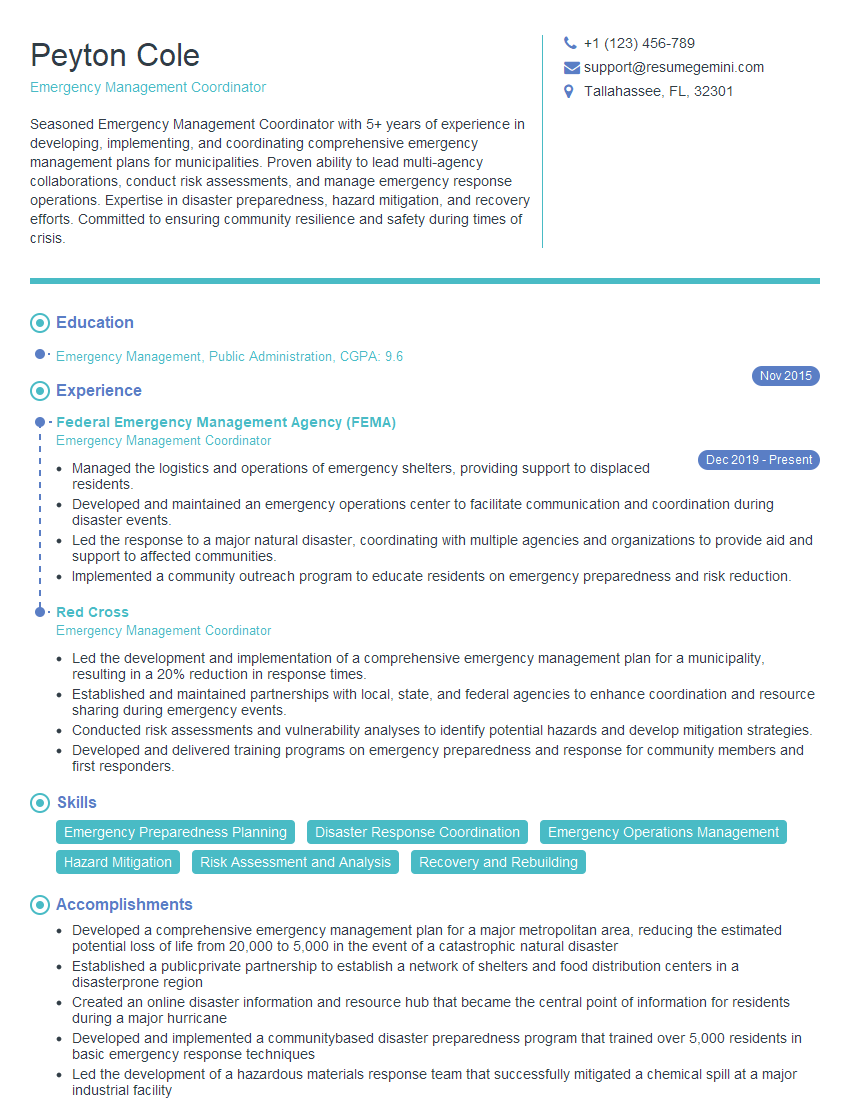
Emergency Management Coordinator Resume Sample
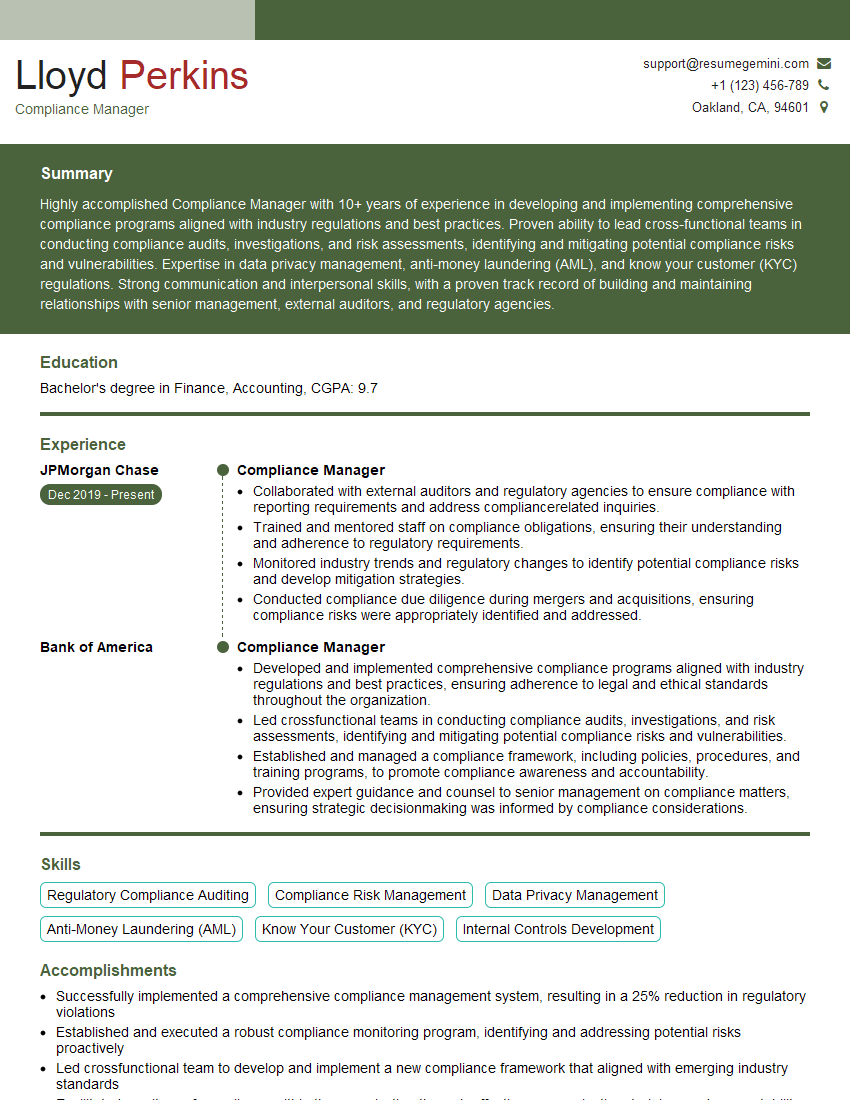
Compliance Manager Resume Sample
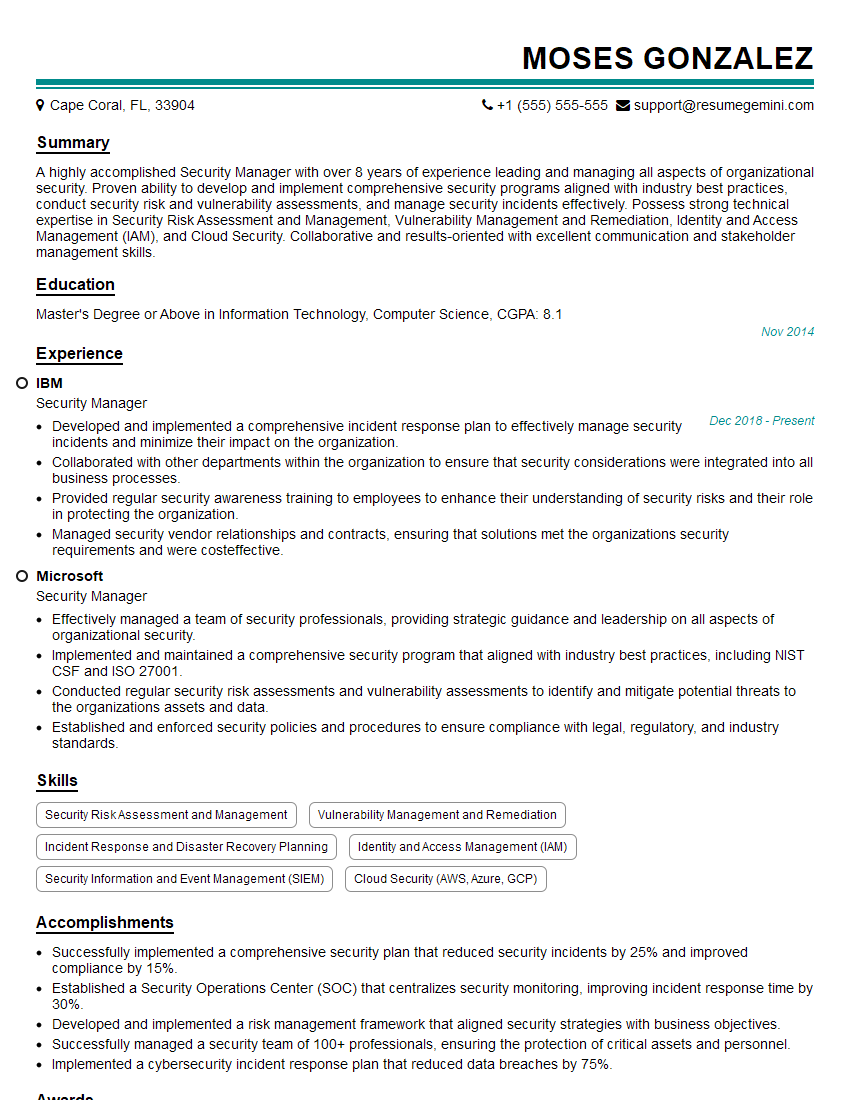
Security Manager Resume Sample
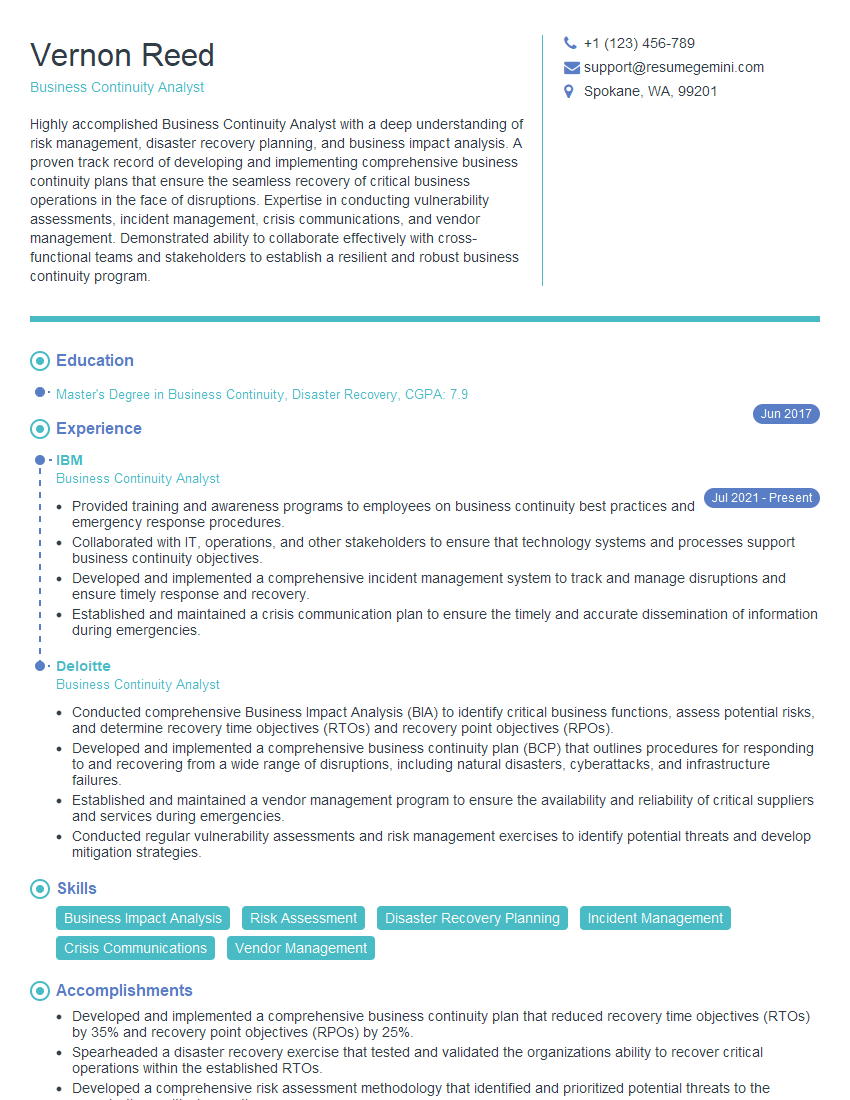
Business Continuity Analyst Resume Sample
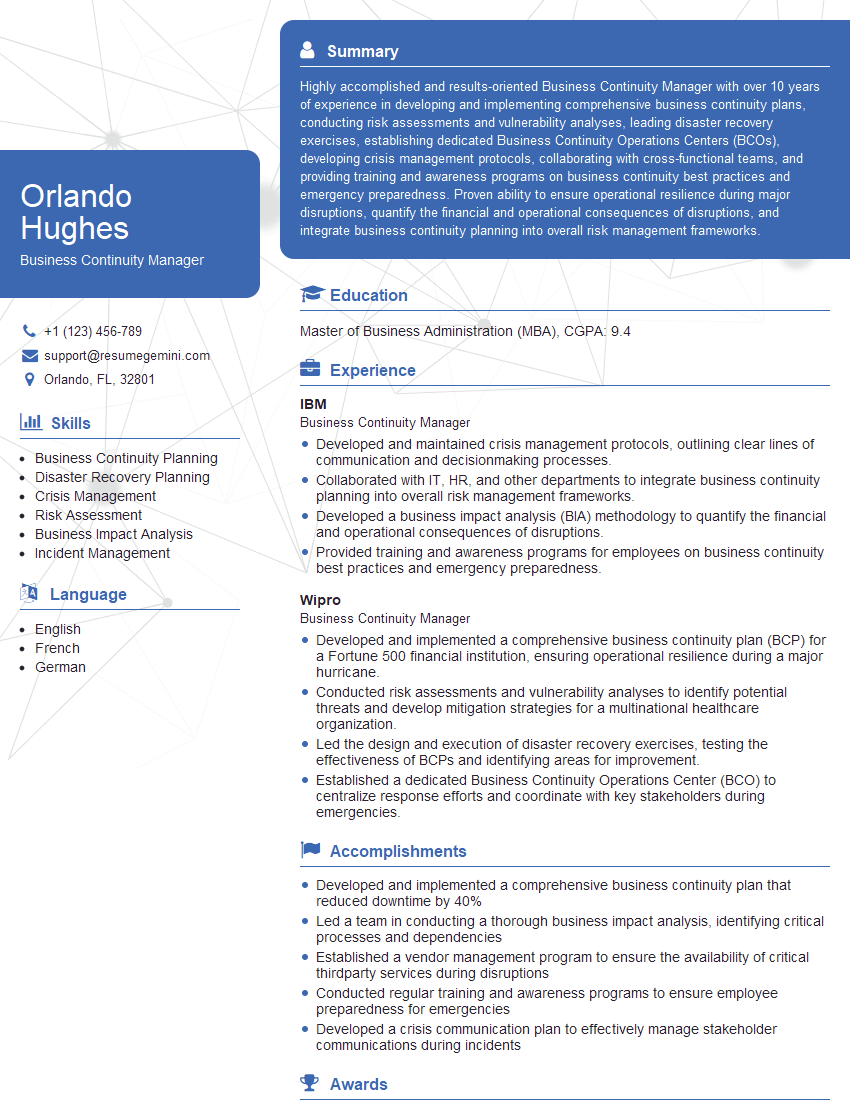
Business Continuity Manager Resume Sample
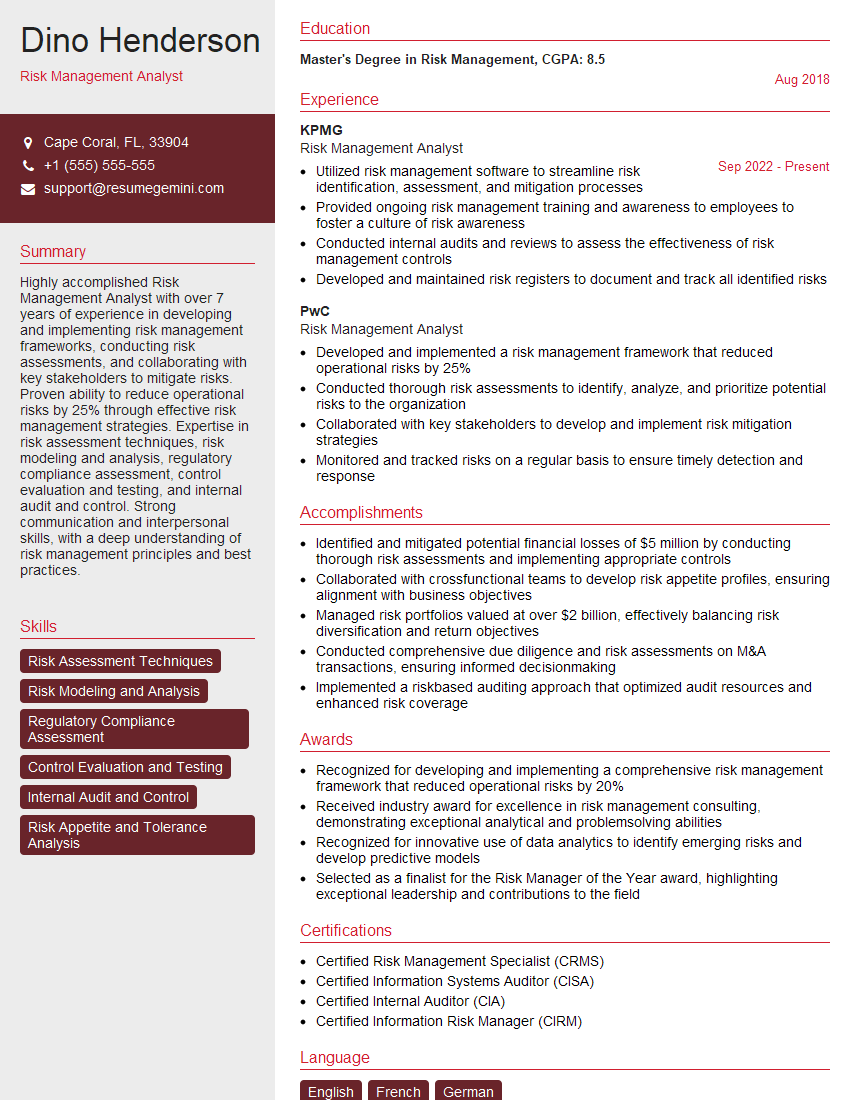
Risk Management Analyst Resume Sample
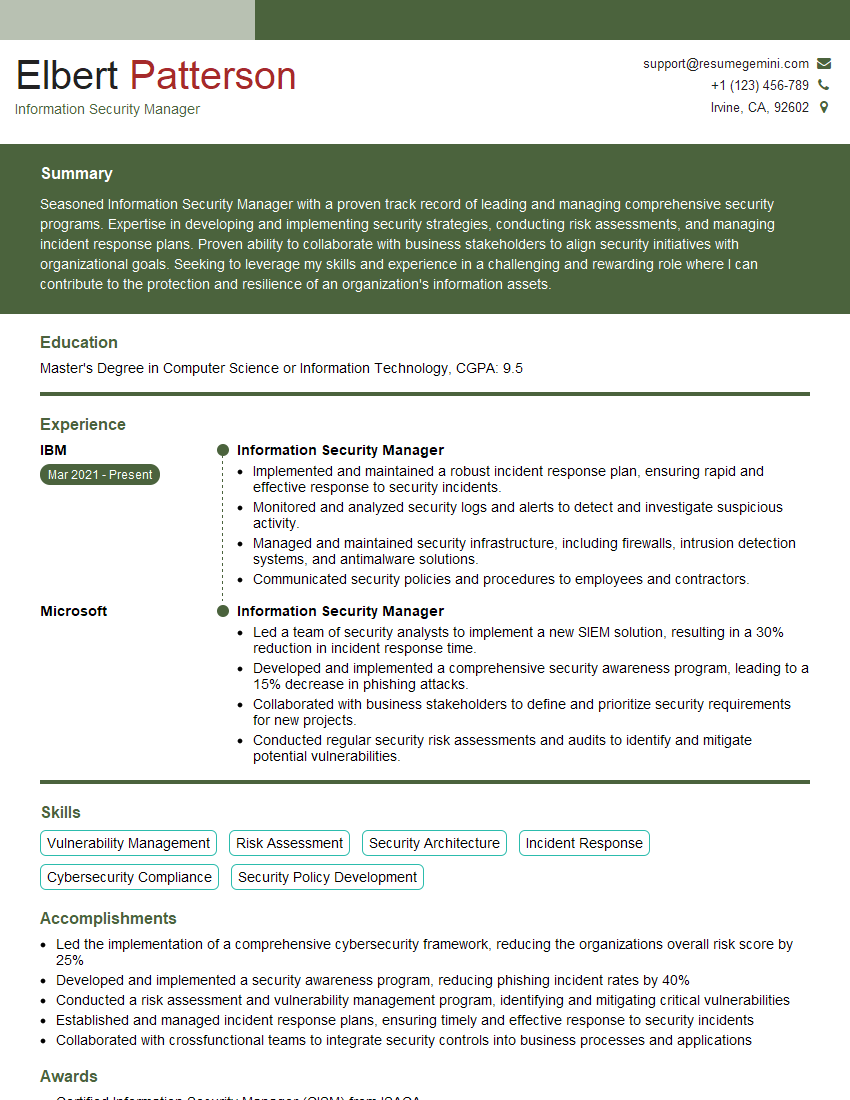
Information Security Manager Resume Sample
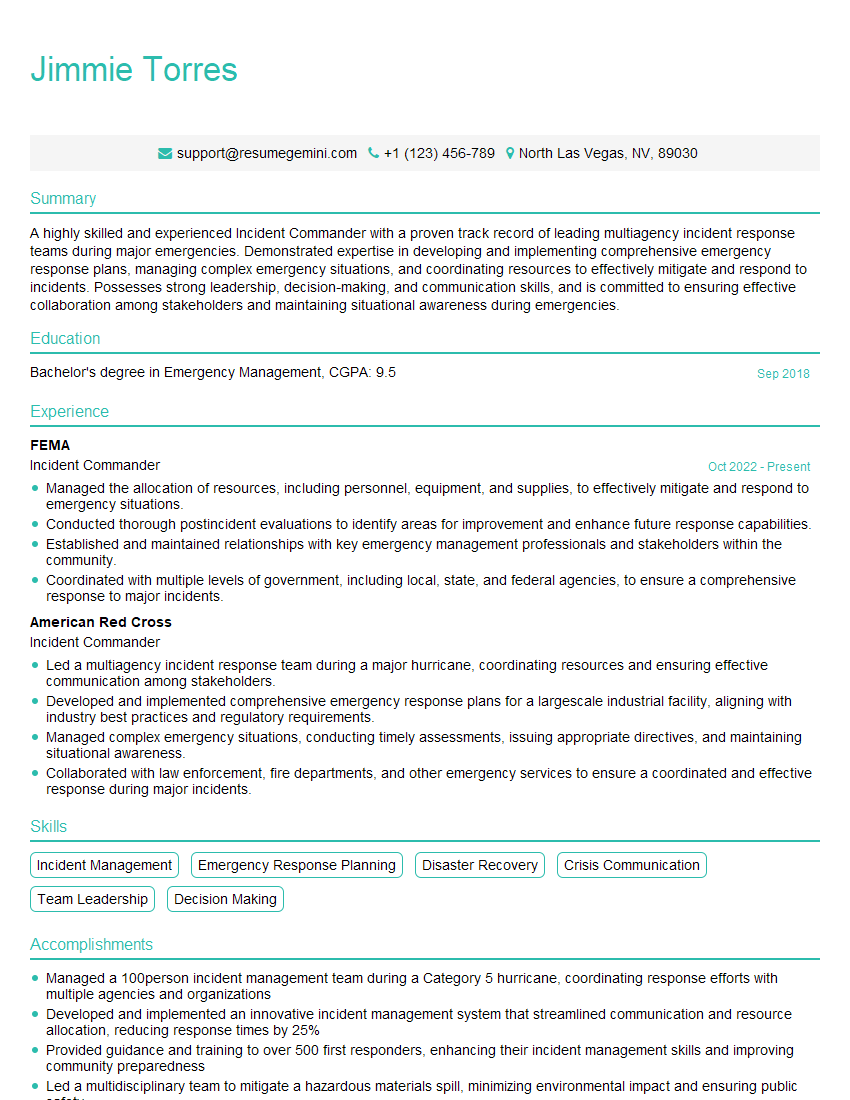
Incident Commander Resume Sample
Explore more articles
Users Rating of Our Blogs
Share Your Experience
We value your feedback! Please rate our content and share your thoughts (optional).
What Readers Say About Our Blog
Very informative content, great job.
good