Cracking a skill-specific interview, like one for Cost/Benefit Analysis, requires understanding the nuances of the role. In this blog, we present the questions you’re most likely to encounter, along with insights into how to answer them effectively. Let’s ensure you’re ready to make a strong impression.
Questions Asked in Cost/Benefit Analysis Interview
Q 1. Explain the fundamental principles of Cost/Benefit Analysis.
Cost-Benefit Analysis (CBA) is a systematic approach to decision-making that compares the total expected costs of a project or policy with its total expected benefits. The fundamental principle is to maximize net benefits – the difference between benefits and costs. It’s about making informed choices by quantifying both the positive and negative impacts of a decision. Imagine choosing between two different cars – CBA helps you weigh fuel efficiency (benefit) against purchase price (cost), maintenance (cost), and resale value (benefit) to determine the most economically advantageous option.
A core principle is the focus on economic efficiency. This means we aim to allocate resources in a way that produces the greatest possible net benefit to society as a whole. This often goes beyond simple financial considerations to include things like environmental impact and social equity, as we’ll discuss later.
Q 2. What are the key steps involved in conducting a CBA?
Conducting a CBA involves several key steps:
- Define the project or policy: Clearly articulate the goals, scope, and alternatives being considered. For example, if building a new bridge, define its design, location, and the alternatives like improving existing roads.
- Identify the costs and benefits: This involves brainstorming all potential costs (construction, maintenance, environmental damage) and benefits (reduced travel time, increased economic activity). Be comprehensive and avoid bias.
- Quantify the costs and benefits: Assign monetary values to each cost and benefit identified. This can be complex and require market research, surveys, and expert judgment. For instance, calculating the value of time saved due to reduced commute times.
- Discount future cash flows: Future costs and benefits are worth less than present costs and benefits due to time value of money and investment opportunities. We use discounting techniques (explained later) to adjust for this.
- Calculate the Net Present Value (NPV): Sum the discounted benefits and subtract the discounted costs. A positive NPV indicates the project is worthwhile.
- Sensitivity analysis: Test the robustness of the NPV by varying key assumptions (e.g., discount rate, project lifespan). This helps understand the uncertainties involved.
- Present the results and recommendations: Summarize the findings and make a clear recommendation based on the CBA results.
Q 3. How do you identify and quantify costs and benefits in a CBA?
Identifying and quantifying costs and benefits is crucial and often the most challenging aspect of CBA. It requires a thorough understanding of the project and its impact.
- Cost identification: Costs can be direct (e.g., construction materials, labor) or indirect (e.g., environmental damage, loss of recreational land). They must be comprehensively cataloged and categorized.
- Benefit identification: Benefits can be tangible (e.g., increased profits, reduced travel time) or intangible (e.g., improved health, aesthetic value). Quantifying intangible benefits often requires creative approaches such as contingent valuation (surveys asking people how much they’d pay for a benefit) or hedonic pricing (analyzing how environmental factors affect property values).
- Quantifying costs and benefits: Market prices are ideal, but for intangible benefits, techniques like stated preference methods (e.g., surveys) and revealed preference methods (e.g., analyzing market behavior) are used to derive monetary estimates. A crucial step is ensuring consistency in units (usually dollars) and time horizons.
Example: A new highway might have direct costs like construction and land acquisition, but indirect costs could include air pollution, habitat loss, and noise pollution. Benefits include reduced travel time, increased tourism, and enhanced accessibility to jobs, which need to be quantified using appropriate methods.
Q 4. Describe different methods for discounting future cash flows.
Discounting accounts for the time value of money. A dollar today is worth more than a dollar tomorrow because it can be invested and earn interest. Common discounting methods include:
- Simple Discounting: Divides future values by (1 + r)^n, where ‘r’ is the discount rate and ‘n’ is the number of years. This is the most basic method.
- Compounding Discounting: Considers the reinvestment of interest earned. More accurate but complex for irregular cash flows.
- Continuous Discounting: Uses exponential functions for continuous compounding, often preferred in sophisticated models.
Choosing a discount rate is crucial and depends on the context. It reflects the opportunity cost of capital (the return you could get from investing the money elsewhere) and may incorporate risk premiums. Government agencies often use a social discount rate that considers broader societal preferences for future generations.
Example: If the discount rate is 5%, a benefit of $100 received in one year is worth $100/(1+0.05) = $95.24 today.
Q 5. Explain the concept of Net Present Value (NPV) and its importance in CBA.
The Net Present Value (NPV) is the sum of the discounted benefits minus the sum of the discounted costs. It represents the net benefit of a project in today’s dollars. A positive NPV indicates that the project generates more value than it costs, while a negative NPV suggests it’s not economically viable.
Formula: NPV = Σ (Benefitst / (1 + r)t) – Σ (Costst / (1 + r)t) where ‘t’ is the time period and ‘r’ is the discount rate.
Importance in CBA: NPV is the primary metric in CBA because it provides a single, easily interpretable measure of a project’s economic worth. It allows for a direct comparison between different projects and helps decision-makers choose the most efficient option. It inherently accounts for the time value of money, making comparisons fair across different investment periods.
Q 6. How do you handle uncertainty and risk in CBA?
Uncertainty and risk are inherent in CBA. Future costs and benefits are often difficult to predict accurately. Several techniques help handle these issues:
- Sensitivity analysis: Examine how changes in key assumptions (e.g., discount rate, project lifespan) affect the NPV. This reveals the robustness of the results and highlights areas of high uncertainty.
- Scenario analysis: Develop different scenarios based on plausible ranges of values for key variables. For example, an optimistic, pessimistic, and most-likely scenario.
- Monte Carlo simulation: A sophisticated technique that uses random sampling to generate a probability distribution of NPVs. This provides a more comprehensive understanding of the risk involved.
- Risk-adjusted discount rate: Incorporate risk premiums into the discount rate to reflect the uncertainty associated with specific projects. Higher risk projects would use a higher discount rate, thus lowering their NPV.
The choice of method depends on the complexity of the project and the available data. It’s often advisable to combine several techniques for a comprehensive risk assessment.
Q 7. What are the limitations of Cost/Benefit Analysis?
While CBA is a powerful tool, it has limitations:
- Difficulty in quantifying intangible benefits and costs: Assigning monetary values to things like environmental impacts or social equity is challenging and often subjective.
- Bias and value judgments: The selection of discount rates, assumptions, and the scope of analysis can reflect inherent biases.
- Ignoring distributional effects: CBA often focuses on aggregate net benefits, neglecting how benefits and costs are distributed across different groups in society. A project might have a positive NPV but disproportionately benefit the wealthy while harming the poor.
- Data limitations: Reliable data may be scarce or expensive to collect, particularly for long-term projects.
- Ignoring political and social factors: CBA doesn’t explicitly incorporate political feasibility or social acceptability. A project with a positive NPV might still be rejected due to public opposition or political constraints.
Despite these limitations, CBA remains an invaluable tool for decision-making, provided its limitations are acknowledged and addressed appropriately through sensitivity analysis, transparency, and engagement with stakeholders.
Q 8. How do you address intangible costs and benefits in a CBA?
Addressing intangible costs and benefits in a Cost-Benefit Analysis (CBA) requires creative approaches because they’re not easily quantifiable in monetary terms. Think of things like improved public health from a park, or increased employee morale from a new office space. We can’t simply assign a dollar figure.
Here’s how we tackle them:
- Contingent Valuation: We survey individuals to determine their willingness to pay for the intangible benefit. For instance, asking people how much they’d pay annually for cleaner air.
- Hedonic Pricing: This method infers value by examining how much people are willing to pay for a product or service with the intangible benefit included. For example, comparing the price of houses near a park versus those further away.
- Benefit Transfer: We use data from similar projects where intangible benefits have been valued to estimate the value in the current project. This is especially useful when data is scarce.
- Qualitative Assessment: While not directly quantifiable, we can still describe intangible benefits and their significance in a qualitative report, alongside the quantitative analysis. This provides context and a complete picture.
It’s crucial to transparently document the methods used to value intangible factors, acknowledging any limitations or assumptions made. The goal is not to achieve perfect precision, but to incorporate these crucial factors into the overall decision-making process as accurately as possible.
Q 9. What are sensitivity analyses and why are they important in CBA?
Sensitivity analysis is a crucial step in any CBA. It involves systematically changing the input variables (costs, benefits, discount rate, etc.) to see how those changes affect the overall results, specifically the Net Present Value (NPV). Think of it like stress-testing your CBA to ensure its robustness.
Why is it important?
- Uncertainty Management: Many CBA inputs are estimates, not certainties. Sensitivity analysis reveals which variables have the most significant impact on the outcome. If the NPV is highly sensitive to a particular variable with high uncertainty, more research may be needed on that factor.
- Risk Assessment: It helps identify potential risks and vulnerabilities. For instance, if a project’s viability heavily depends on a specific market price remaining stable, the analysis would highlight this as a major risk.
- Stakeholder Communication: Presenting sensitivity analysis results demonstrates transparency and acknowledges the inherent uncertainties involved. It also allows for informed discussions and better decision making.
A simple sensitivity analysis might involve varying the discount rate by +/- 1% to observe its impact on the NPV. More complex analyses might involve using Monte Carlo simulations to incorporate probabilistic distributions for multiple variables.
Q 10. Explain the difference between cost-effectiveness analysis and CBA.
Both Cost-Effectiveness Analysis (CEA) and CBA are used for evaluating projects, but they differ in their focus:
- Cost-Benefit Analysis (CBA): CBA compares the total costs of a project with the total benefits, both expressed in monetary terms. It determines whether a project is worthwhile by assessing if the benefits outweigh the costs. The output is often a Net Present Value (NPV) and Benefit-Cost Ratio (BCR).
- Cost-Effectiveness Analysis (CEA): CEA compares different options that achieve the same outcome. It focuses on finding the most efficient way to achieve a given objective, regardless of the monetary value of that objective. Instead of monetary benefits, CEA measures effectiveness using a non-monetary outcome measure (e.g., lives saved, pollution reduced).
Example: Imagine comparing two different wastewater treatment plants. CBA would compare the total costs and benefits (e.g., cleaner water, improved tourism) of each plant in monetary terms to determine which is more economically viable. CEA would compare the two plants based on the level of pollution reduction achieved for a given cost, focusing solely on effectiveness in terms of pollution reduction.
Q 11. How do you choose the appropriate discount rate for a CBA?
Choosing the appropriate discount rate is arguably the most critical decision in a CBA. The discount rate reflects the time value of money – a dollar today is worth more than a dollar in the future because of factors like inflation and opportunity cost.
The selection process considers:
- Opportunity Cost of Capital: This reflects the return that could be earned by investing the money elsewhere. The rate of return on government bonds is often used as a proxy.
- Social Discount Rate: This is a rate that considers the societal preferences for present versus future consumption. The social discount rate often differs from the market rate and may reflect ethical considerations of intergenerational equity.
- Inflation: The discount rate needs to account for the expected rate of inflation to ensure that the present and future values are comparable.
- Project Risk: Higher-risk projects often justify higher discount rates, reflecting the increased uncertainty associated with the future benefits.
There’s no universally accepted discount rate. The choice should be justified and transparently documented, considering the specific context of the project and the perspectives of stakeholders. Sensitivity analysis is crucial to examine how changes in the discount rate affect the outcome of the CBA.
Q 12. Describe your experience using CBA software or tools.
I have extensive experience using several CBA software packages and tools, including Spreadsheets (Excel, Google Sheets) for simpler analyses and dedicated CBA software such as Cost-Benefit Analysis Software (CBAS) and BCA Software. These programs are helpful for managing large datasets and performing complex calculations, like sensitivity analysis, which would be very time-consuming using spreadsheets alone.
In past projects, the choice of software depended on the project’s complexity and the available resources. For smaller projects with simpler calculations, spreadsheets are quite sufficient. For larger projects with many variables and scenarios, dedicated CBA software is preferred for its capability to handle extensive data and sophisticated modeling. Regardless of the tool, a thorough understanding of the underlying principles and assumptions is key to successful CBA.
Q 13. How do you present your CBA findings to stakeholders?
Presenting CBA findings to stakeholders requires clear, concise communication that avoids overly technical jargon. I typically utilize a multi-faceted approach:
- Executive Summary: A high-level overview of the project’s costs and benefits, the key findings (e.g., NPV, BCR), and the overall recommendation.
- Visual Aids: Charts, graphs, and tables are invaluable for summarizing complex data and making it easily digestible. Visuals such as bar charts comparing costs and benefits are very effective.
- Step-by-Step Explanation: I present the CBA methodology and assumptions clearly and address any potential questions or concerns stakeholders might have.
- Sensitivity Analysis Results: Showing the results of the sensitivity analysis adds transparency and highlights the uncertainties involved.
- Interactive Presentation: If appropriate, using interactive tools allows stakeholders to explore the results in more detail and ask questions.
Tailoring the presentation to the audience is crucial. A technical audience might appreciate a more detailed explanation of the methodology, while a non-technical audience may benefit from a more simplified summary that focuses on the key findings and recommendations.
Q 14. How do you handle conflicting stakeholder perspectives on a project?
Handling conflicting stakeholder perspectives is a common challenge in CBA. My approach involves:
- Open Communication: Creating a platform for open dialogue where all stakeholders feel heard and their concerns are acknowledged is crucial.
- Transparency: Clearly articulating the CBA methodology, assumptions, and limitations ensures transparency and builds trust.
- Stakeholder Engagement: Involving stakeholders in the CBA process early on allows for the incorporation of their perspectives and reduces the likelihood of conflict later.
- Mediation: If conflicts arise, facilitating mediation between conflicting parties can help find common ground and reach a consensus.
- Prioritization: If conflicts cannot be resolved, prioritizing stakeholder concerns based on their relevance and impact on the project’s outcome may be necessary.
- Documentation: Thoroughly documenting all stakeholder interactions, perspectives, and resolutions is essential for maintaining accountability and transparency.
It is important to remember that a CBA is a tool to support decision-making, not dictate it. The process involves weighing different perspectives and achieving a balance that is socially optimal, not just economically optimal.
Q 15. Describe a situation where a CBA influenced a major decision.
Cost-Benefit Analysis (CBA) played a crucial role in the decision to implement a new public transportation system in my previous city. The city council was debating between expanding the existing bus system and investing in a light rail network. A comprehensive CBA was conducted, meticulously evaluating the costs (construction, maintenance, operational expenses) against the benefits (reduced traffic congestion, decreased commute times, improved air quality, increased property values, and economic stimulus through job creation). The CBA projected that while the light rail system had a higher upfront cost, its long-term benefits significantly outweighed those of the bus expansion. The significantly positive net present value (NPV) and benefit-cost ratio (BCR) – both key metrics in CBA – clearly demonstrated the superiority of the light rail option, ultimately influencing the council’s decision to proceed with that project.
Career Expert Tips:
- Ace those interviews! Prepare effectively by reviewing the Top 50 Most Common Interview Questions on ResumeGemini.
- Navigate your job search with confidence! Explore a wide range of Career Tips on ResumeGemini. Learn about common challenges and recommendations to overcome them.
- Craft the perfect resume! Master the Art of Resume Writing with ResumeGemini’s guide. Showcase your unique qualifications and achievements effectively.
- Don’t miss out on holiday savings! Build your dream resume with ResumeGemini’s ATS optimized templates.
Q 16. What are some common errors to avoid when conducting a CBA?
Several common errors can significantly skew the results of a CBA. One frequent mistake is inaccurate or incomplete data collection. Failing to consider all relevant costs (including intangible ones like environmental damage) and benefits can lead to erroneous conclusions. Another pitfall is using inappropriate discount rates; the rate chosen significantly affects the present value of future benefits and costs. Using a rate that’s too low inflates the value of future benefits, while a rate that’s too high underestimates them. Further, ignoring uncertainty and risk is a major flaw. CBAs should incorporate sensitivity analysis to account for potential variations in cost and benefit estimates. Finally, failing to consider all stakeholders and their perspectives leads to biased results and inadequate consideration of social and environmental impacts.
Q 17. How do you ensure the accuracy and reliability of your data in a CBA?
Ensuring data accuracy and reliability is paramount in a CBA. My approach involves a multi-faceted strategy. First, I employ multiple data sources, triangulating information from government reports, academic studies, industry data, and surveys. Second, I rigorously validate data quality through checking for consistency, accuracy, and completeness. Data cleaning and outlier analysis are essential steps. Third, I use appropriate statistical methods to analyze the data, ensuring that any uncertainties are appropriately accounted for. Finally, I document all data sources and methodologies transparently to allow for peer review and scrutiny. This meticulous approach contributes to the credibility and robustness of the findings.
Q 18. How do you deal with incomplete or unreliable data in a CBA?
Dealing with incomplete or unreliable data is a common challenge. When confronted with gaps in information, I employ several strategies. First, I explore alternative data sources to fill the gaps. If data is completely missing, I might use similar projects’ data as a proxy, clearly acknowledging the limitations of this approach. Secondly, I use sensitivity analysis to assess how the results would change under different assumptions about the missing data. This helps understand the range of potential outcomes. Finally, I explicitly state the limitations of the CBA in my report, highlighting any uncertainties introduced by the incomplete data. Transparency is key in acknowledging these limitations and maintaining the integrity of the analysis.
Q 19. Explain the concept of opportunity cost and how it relates to CBA.
Opportunity cost represents the value of the next best alternative forgone when making a decision. In a CBA, it’s crucial to consider the opportunity cost of investing in a particular project. For example, if a city invests in building a new stadium, the opportunity cost is the benefits that could have been achieved by investing that same amount of money in, say, improving public schools or infrastructure. By explicitly including opportunity costs, the CBA provides a more comprehensive and accurate assessment of the true net benefits of a project.
Q 20. What is the role of stakeholder engagement in a CBA process?
Stakeholder engagement is integral to a successful CBA. It ensures that the analysis considers the diverse perspectives and concerns of all affected parties. I typically involve stakeholders throughout the process, from the initial scoping phase to the final report. This involves conducting surveys, interviews, and focus groups to gather their input on costs, benefits, and potential impacts. This inclusive approach increases the acceptability and relevance of the CBA, leading to more informed and socially equitable decisions.
Q 21. How do you evaluate the social and environmental impacts in a CBA?
Evaluating social and environmental impacts requires incorporating qualitative and quantitative data. For social impacts, I might use metrics like changes in employment, health outcomes, or social equity. Environmental impacts can be assessed using indicators such as greenhouse gas emissions, air and water quality, and biodiversity loss. Often, these impacts are monetized using techniques like contingent valuation or hedonic pricing, to allow for direct comparison with economic costs and benefits. However, it’s crucial to acknowledge the inherent limitations of monetizing these intangible impacts and to present both quantitative and qualitative assessments to provide a holistic picture.
Q 22. Describe your experience working with different types of CBA models.
My experience encompasses a wide range of CBA models, adapting my approach based on the project’s specific context and data availability. I’ve worked extensively with discounted cash flow (DCF) models, which are particularly useful for long-term projects, evaluating the present value of future costs and benefits. These models are crucial for infrastructure projects, for example, where we need to account for inflation and the time value of money. I’ve also utilized cost-effectiveness analysis (CEA), ideal for comparing different programs aiming for the same outcome, but with varying costs. For instance, when comparing different approaches to reducing air pollution, CEA allows for a direct comparison of cost per unit of pollution reduction. Finally, I’ve employed multi-criteria decision analysis (MCDA) models when dealing with multiple, often incommensurable, objectives. These models are useful in situations where purely economic considerations are not sufficient, such as deciding on a new hospital location, considering factors like proximity to population centers, accessibility, and environmental impact alongside the financial aspects. The choice of model depends entirely on the situation.
Q 23. How do you assess the validity of your assumptions in a CBA?
Assessing the validity of assumptions is crucial for a robust CBA. I employ a multi-pronged approach. First, I conduct thorough sensitivity analysis, systematically varying key assumptions (like discount rates, project lifespan, or cost estimates) to observe their impact on the final results. If the NPV (Net Present Value) remains positive across a wide range of plausible variations, it strengthens the conclusion. Second, I engage in extensive literature reviews and data validation to ensure that my initial assumptions are grounded in reliable evidence. Third, I utilize expert elicitation, involving consultations with subject matter experts to validate or refine my assumptions, especially in situations with high uncertainty. For example, if we’re predicting the future demand for a new public transportation system, I would involve urban planners and transportation experts to refine my passenger projections.
Q 24. How do you handle situations where the CBA results are inconclusive?
Inconclusive CBA results often stem from significant uncertainties in cost or benefit estimations or from competing values that are difficult to quantify. In such cases, I don’t simply declare the project unviable. Instead, I focus on identifying the sources of uncertainty and propose mitigation strategies. This could involve further research to refine estimations, employing probabilistic modelling to incorporate uncertainty ranges, or conducting a qualitative analysis to complement the quantitative findings. For instance, if a project’s benefits include improved public health, but there’s uncertainty about the quantification of these benefits, we might conduct qualitative interviews with affected communities to provide richer context and potentially influence the decision.
Furthermore, I clearly communicate the limitations of the analysis and any remaining uncertainties to decision-makers, emphasizing that the inconclusive results highlight the need for further investigation rather than necessarily indicating a lack of merit in the project. Transparency is key.
Q 25. How do you communicate complex CBA findings to non-technical audiences?
Communicating complex CBA findings to non-technical audiences requires a shift in approach. I avoid technical jargon and instead use clear, concise language and compelling visuals. This might involve using charts, graphs, and infographics to represent key findings. I focus on the ‘story’ behind the numbers, highlighting the main conclusions and their implications in a readily understandable manner. Analogies can be incredibly helpful; for example, comparing the investment to a household budget or illustrating the return on investment using familiar scenarios. I also tailor my communication to the specific audience, ensuring that the level of detail and complexity aligns with their understanding and their interests. Finally, I always encourage questions and actively seek feedback to ensure clear understanding and address any concerns.
Q 26. What are the ethical considerations involved in conducting a CBA?
Ethical considerations are paramount in CBA. We must ensure that the analysis is fair, transparent, and unbiased. This involves carefully considering the distribution of costs and benefits across different stakeholder groups. A project might generate high overall net benefits, but disproportionately burden certain communities, raising serious ethical concerns. We should explicitly assess the equity impacts of the proposed project. Furthermore, we need to account for externalities—costs or benefits that affect parties not directly involved in the project. For instance, pollution from a factory impacts the surrounding community; these costs must be factored into the analysis. Transparency and full disclosure of the methodological assumptions and data sources are crucial for maintaining ethical standards. Finally, avoiding conflicts of interest is essential, ensuring impartiality in data collection and analysis.
Q 27. How do you ensure the transparency and accountability of your CBA process?
Transparency and accountability are cornerstone principles of my CBA approach. I maintain meticulous documentation of all data sources, assumptions, and methodologies used throughout the process. This ensures the analysis is auditable and reproducible. I clearly articulate any limitations or uncertainties associated with the analysis. Furthermore, I involve relevant stakeholders in the process, giving them opportunities to review and comment on the analysis. This participatory approach promotes accountability and ensures the CBA is responsive to community concerns and perspectives. Finally, I make the results of the analysis publicly accessible (where appropriate), promoting transparency and fostering trust in the findings.
Q 28. Describe your experience with different CBA methodologies.
My experience spans various CBA methodologies. Beyond the DCF, CEA, and MCDA mentioned earlier, I’ve employed benefit-cost ratio (BCR) analysis, which compares the total benefits to the total costs, providing a simple yet effective measure of project viability. I also have experience with real options analysis (ROA), a sophisticated approach particularly useful for projects with significant flexibility and uncertain future outcomes. ROA allows us to value the option to defer, expand, or abandon a project based on future market conditions. Finally, I’ve used lifecycle costing (LCC), a comprehensive approach that considers all costs and benefits associated with a project over its entire lifespan, from design and construction to operation, maintenance, and eventual decommissioning. The selection of the appropriate methodology depends entirely on the nature of the project and the available data.
Key Topics to Learn for Cost/Benefit Analysis Interview
- Identifying and Quantifying Costs: Understanding direct, indirect, and intangible costs; employing various cost estimation techniques like bottom-up, top-down, and parametric estimating.
- Identifying and Quantifying Benefits: Distinguishing between tangible and intangible benefits; using methods like discounted cash flow analysis and net present value (NPV) calculations to assess benefits over time.
- Selecting Appropriate Discount Rates: Understanding the impact of different discount rates on the outcome of a CBA; justifying the choice of discount rate based on project risk and opportunity cost.
- Sensitivity Analysis and Risk Assessment: Performing sensitivity analysis to understand the impact of uncertainties on the CBA results; incorporating risk assessment methodologies to account for potential project risks and failures.
- Presenting and Communicating Results: Effectively communicating the findings of a CBA to both technical and non-technical audiences; creating clear and concise reports and presentations.
- Practical Applications: Exploring real-world examples of CBA in different sectors (e.g., healthcare, infrastructure, environmental projects) and understanding the specific challenges and considerations within each sector.
- Advanced Techniques: Familiarizing yourself with more advanced techniques such as Monte Carlo simulation, decision tree analysis, and multi-criteria decision analysis (MCDA).
Next Steps
Mastering Cost/Benefit Analysis opens doors to diverse and impactful career opportunities across various industries. A strong understanding of CBA demonstrates valuable analytical and problem-solving skills highly sought after by employers. To significantly boost your job prospects, focus on crafting a compelling and ATS-friendly resume that showcases your expertise effectively. ResumeGemini is a trusted resource that can help you build a professional resume tailored to highlight your Cost/Benefit Analysis skills. We provide examples of resumes specifically designed for Cost/Benefit Analysis professionals to help you create a standout application.
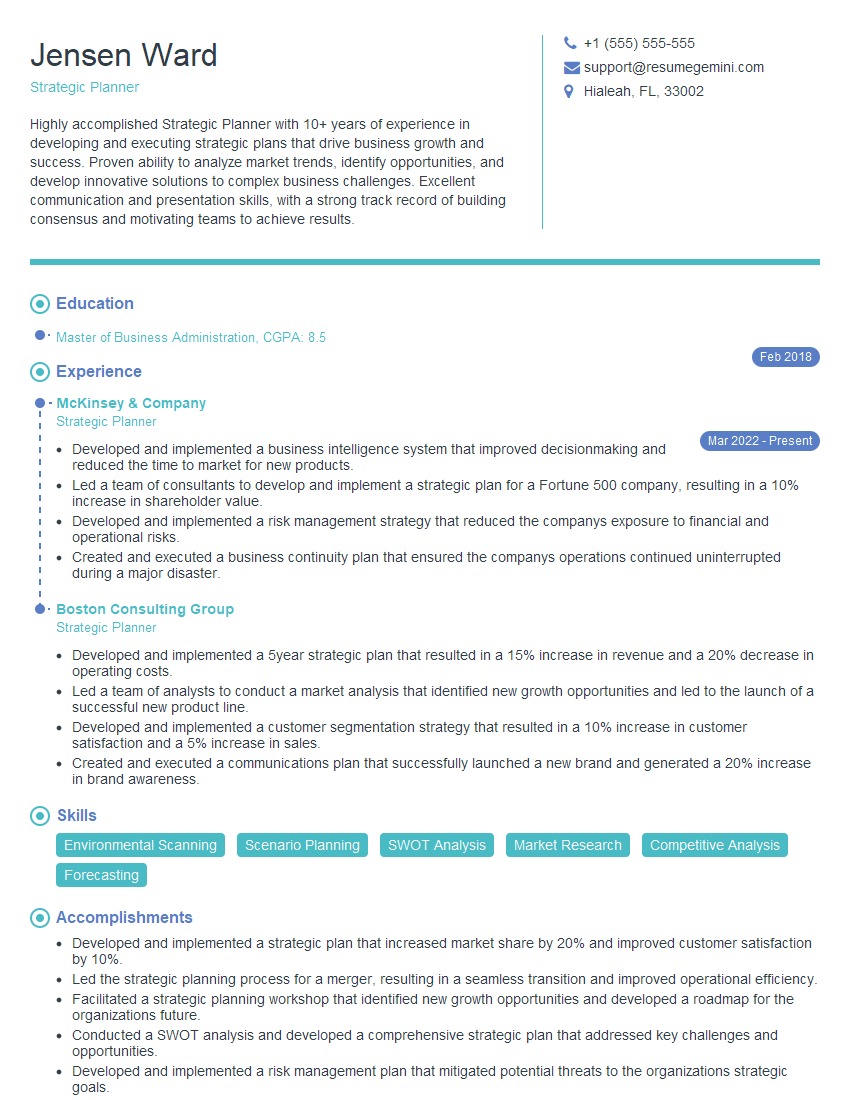
Strategic Planner Resume Sample
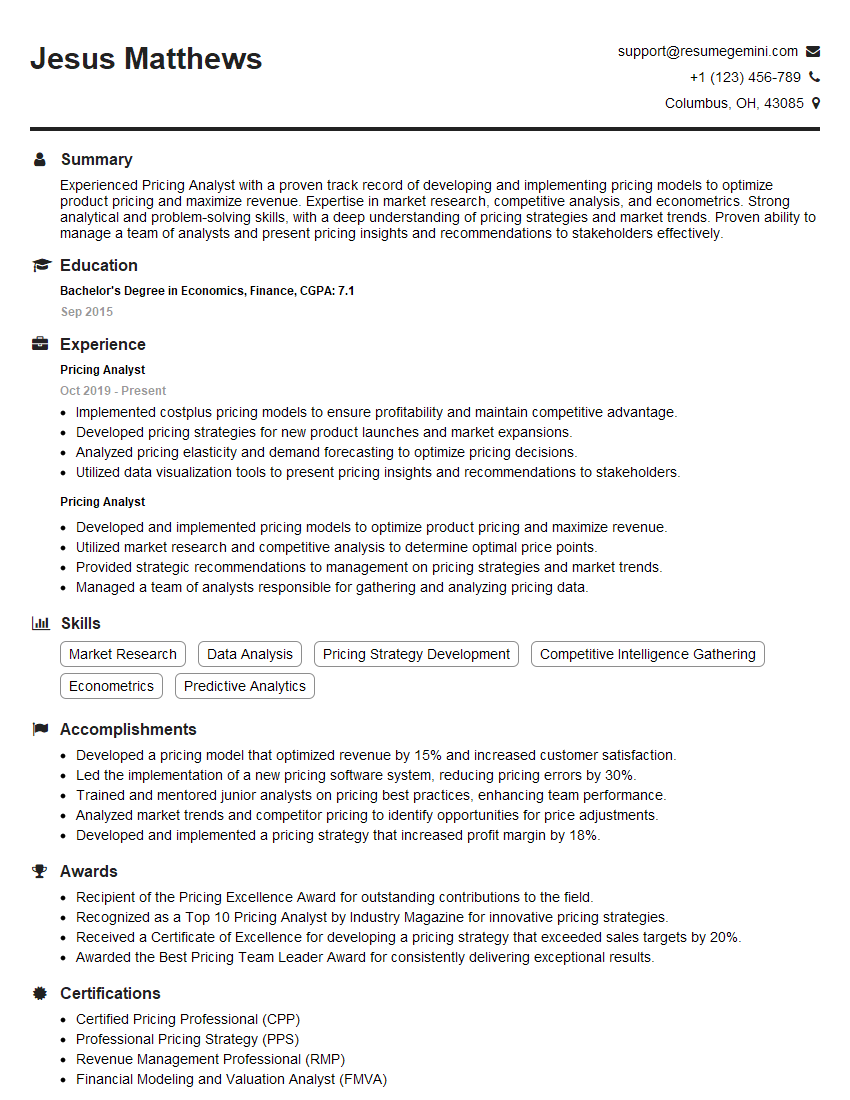
Pricing Analyst Resume Sample
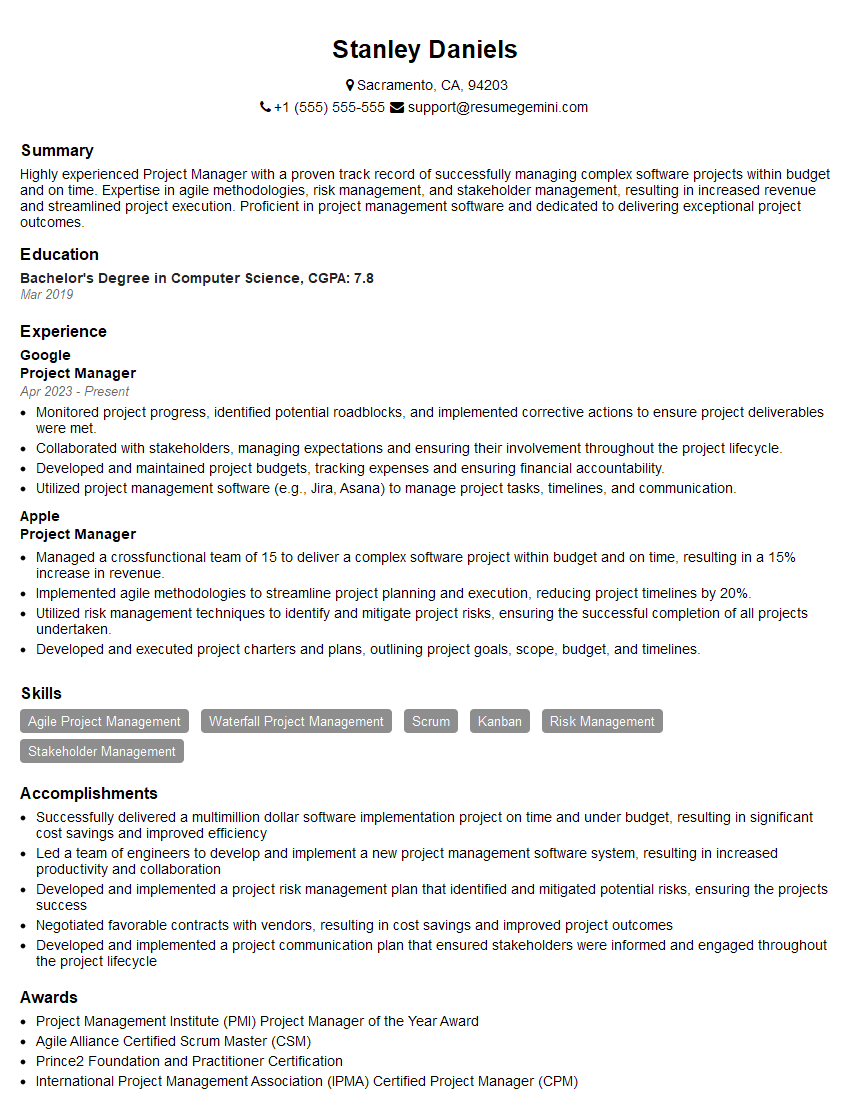
Project Manager Resume Sample
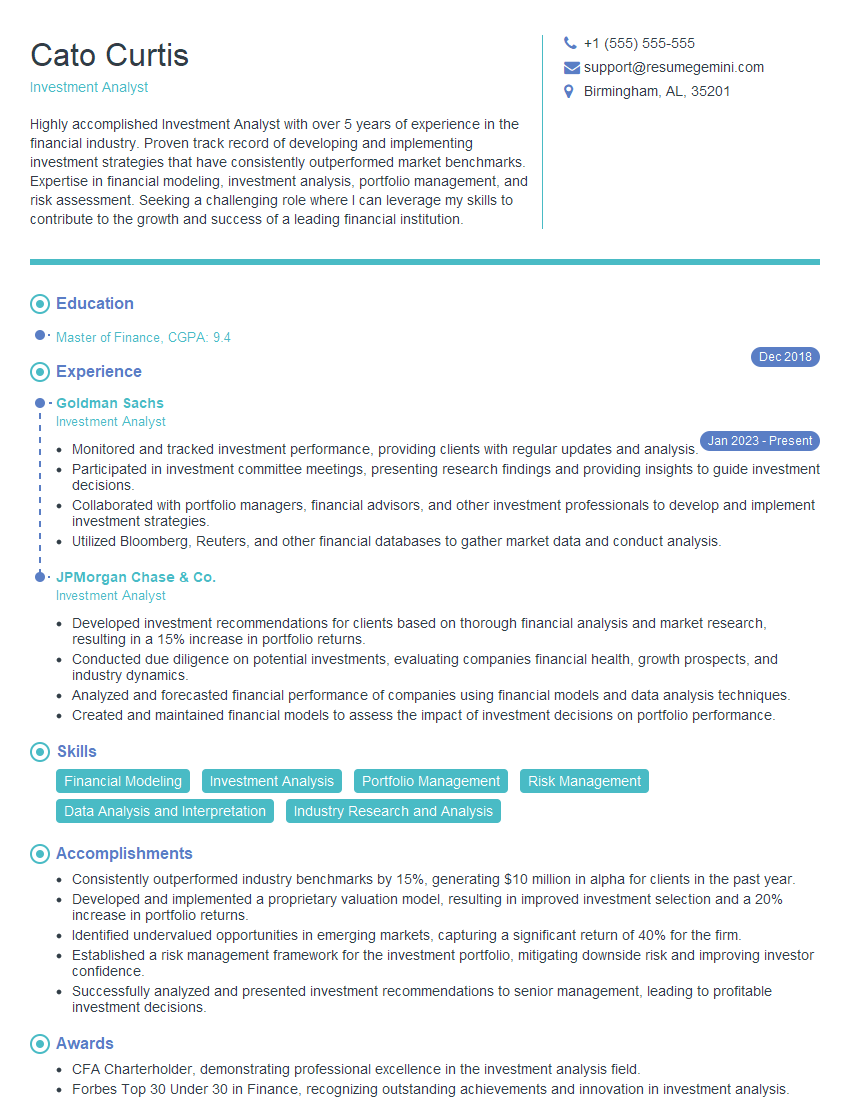
Investment Analyst Resume Sample
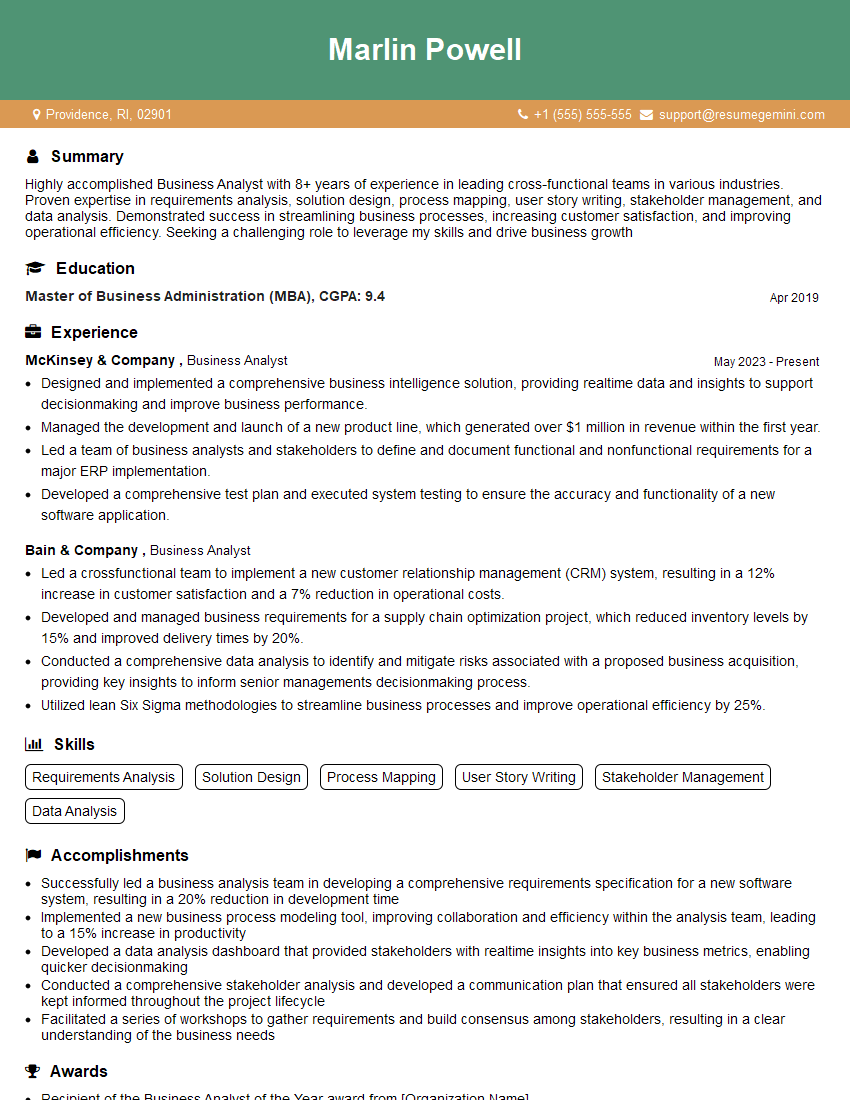
Business Analyst Resume Sample
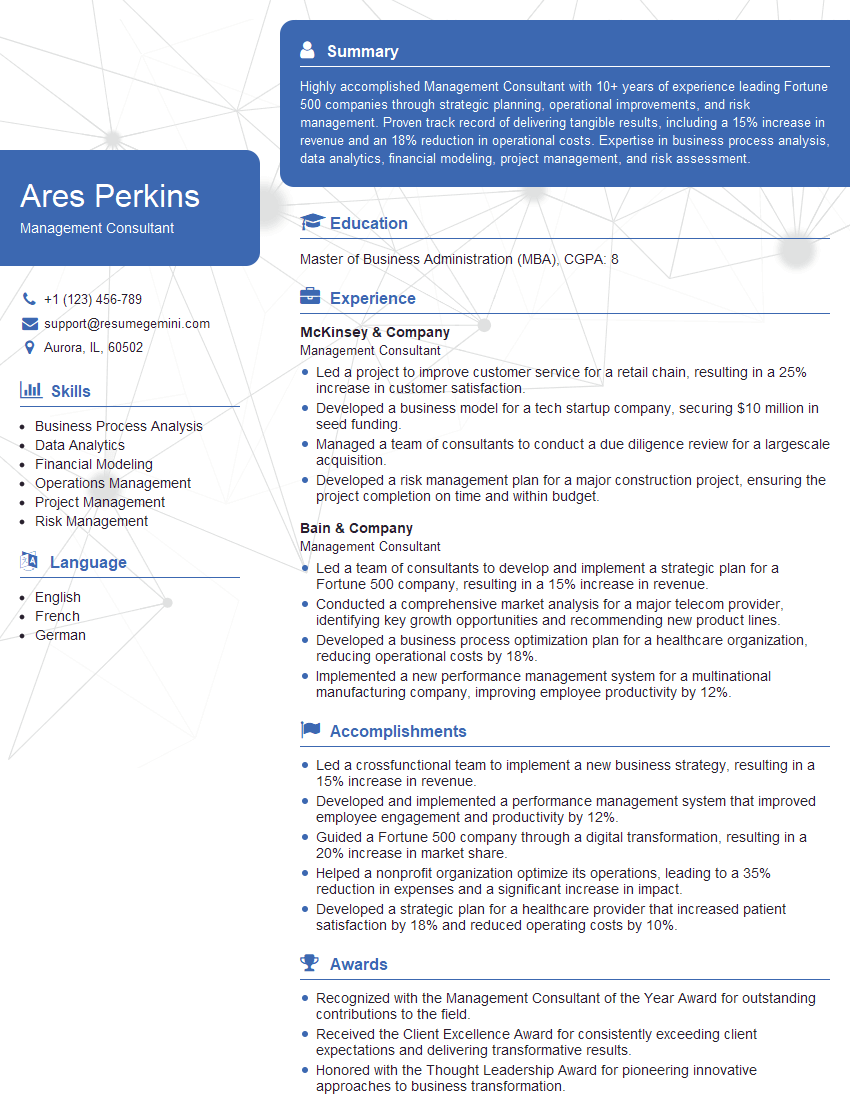
Management Consultant Resume Sample
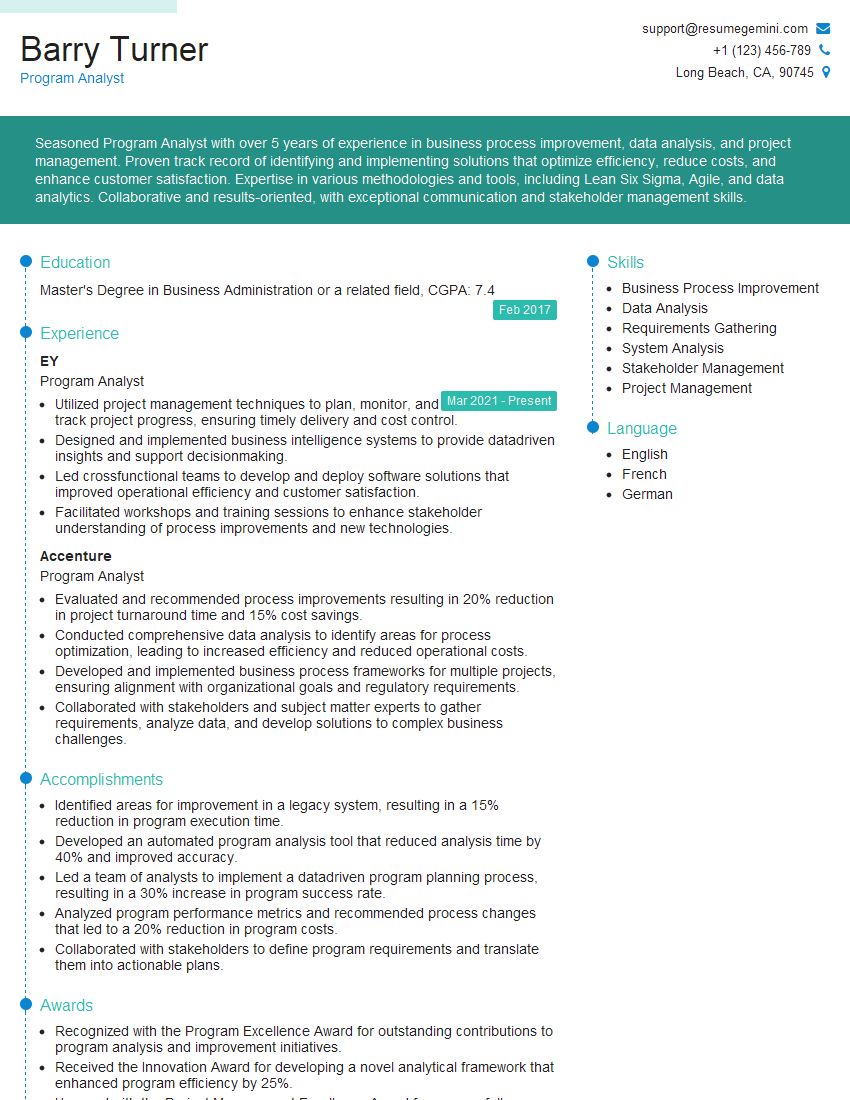
Program Analyst Resume Sample
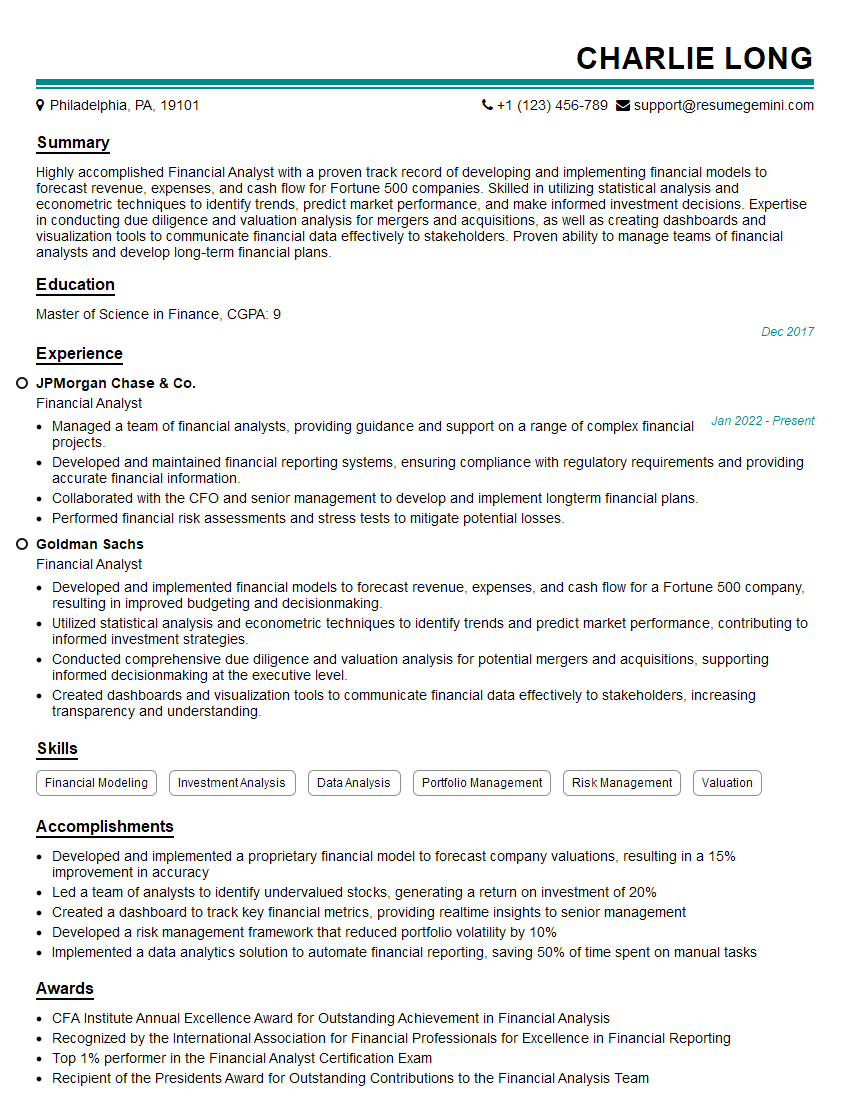
Financial Analyst Resume Sample
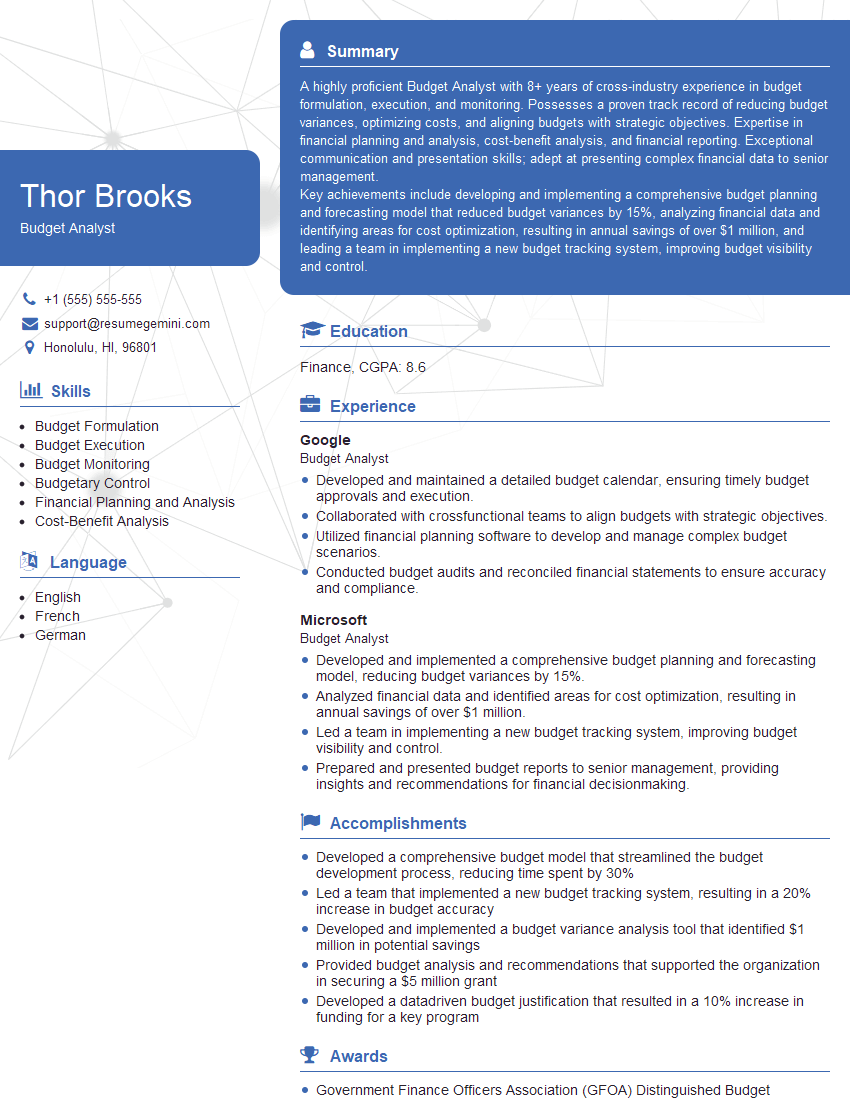
Budget Analyst Resume Sample
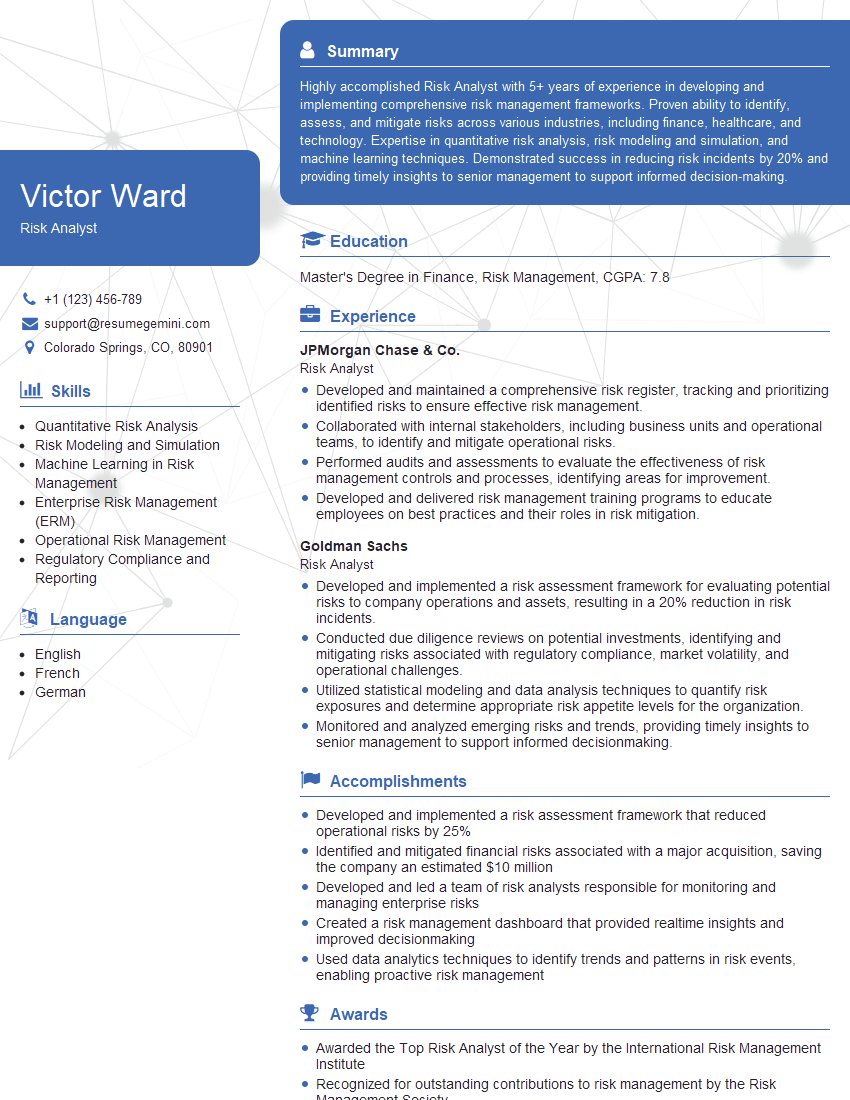
Risk Analyst Resume Sample
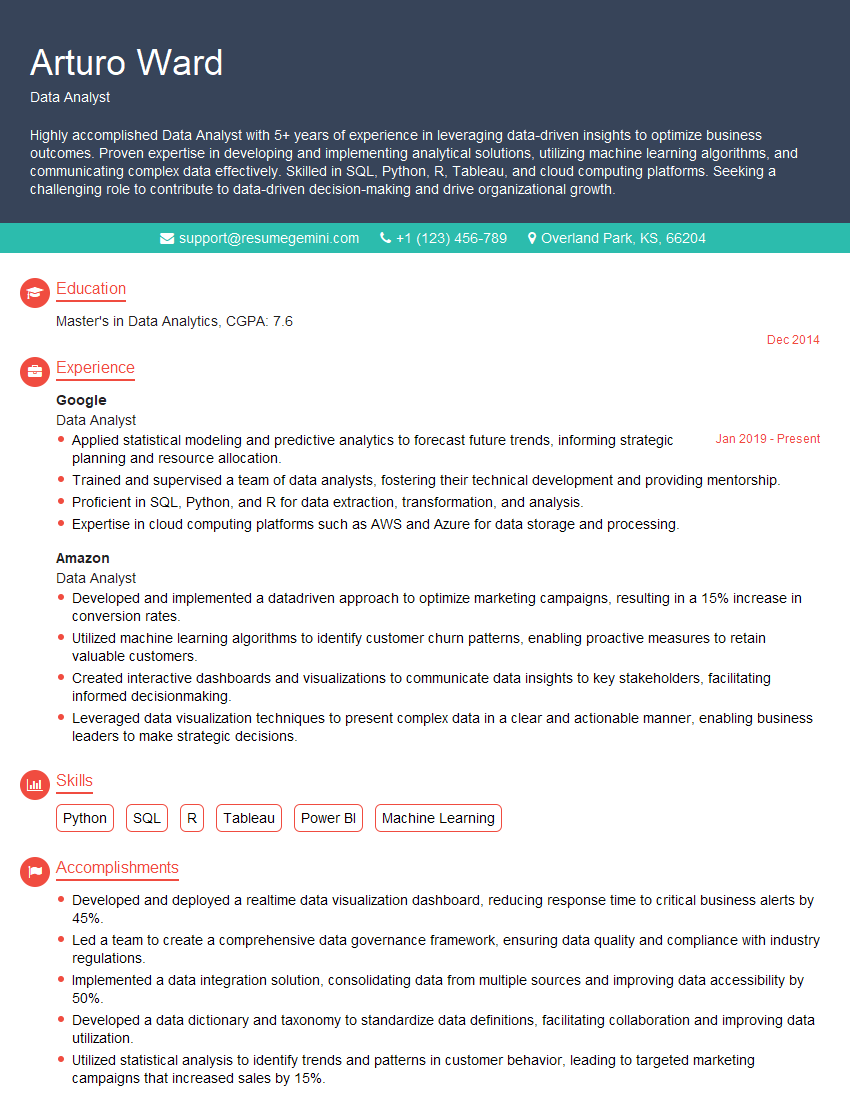
Data Analyst Resume Sample
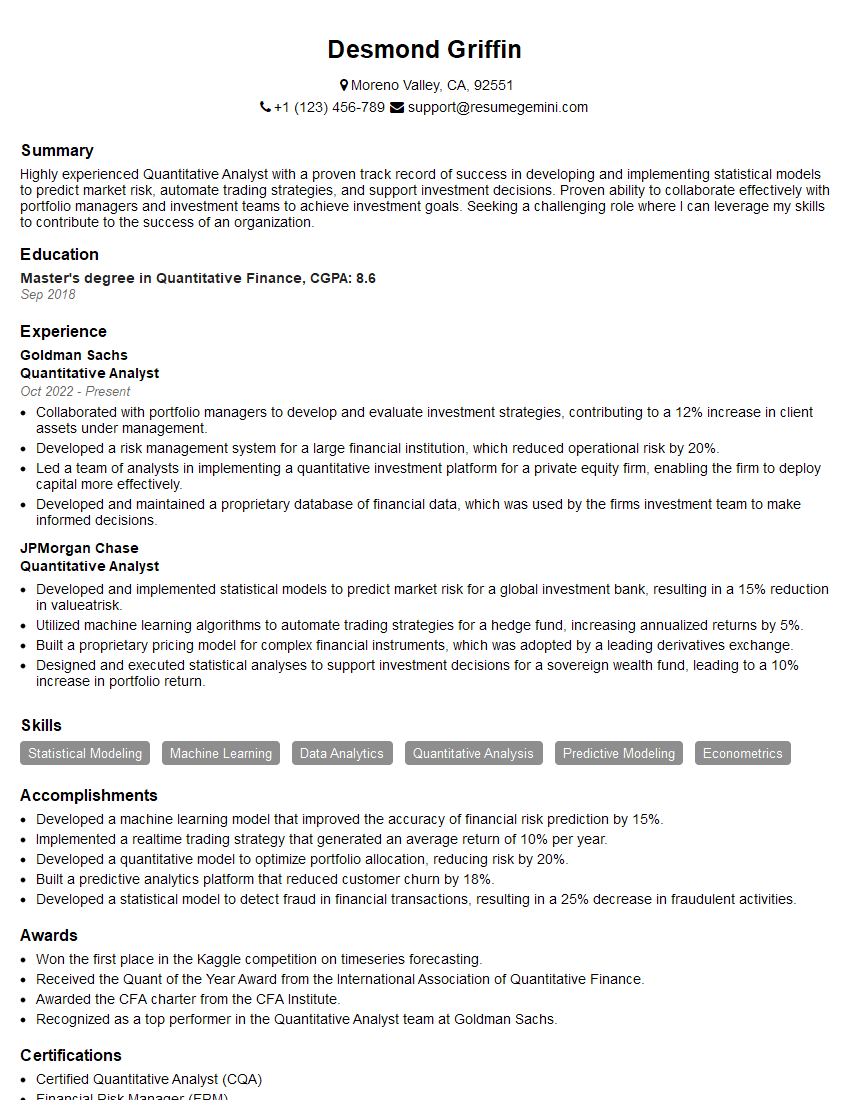
Quantitative Analyst Resume Sample
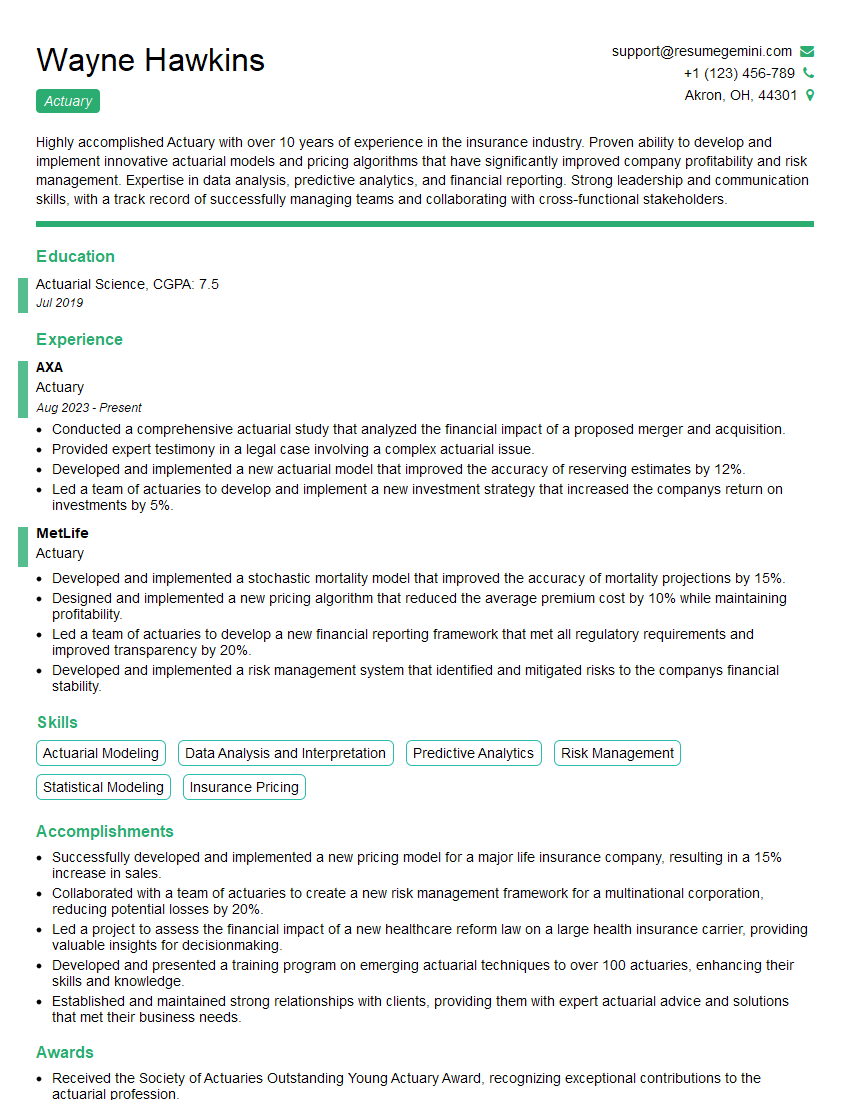
Actuary Resume Sample
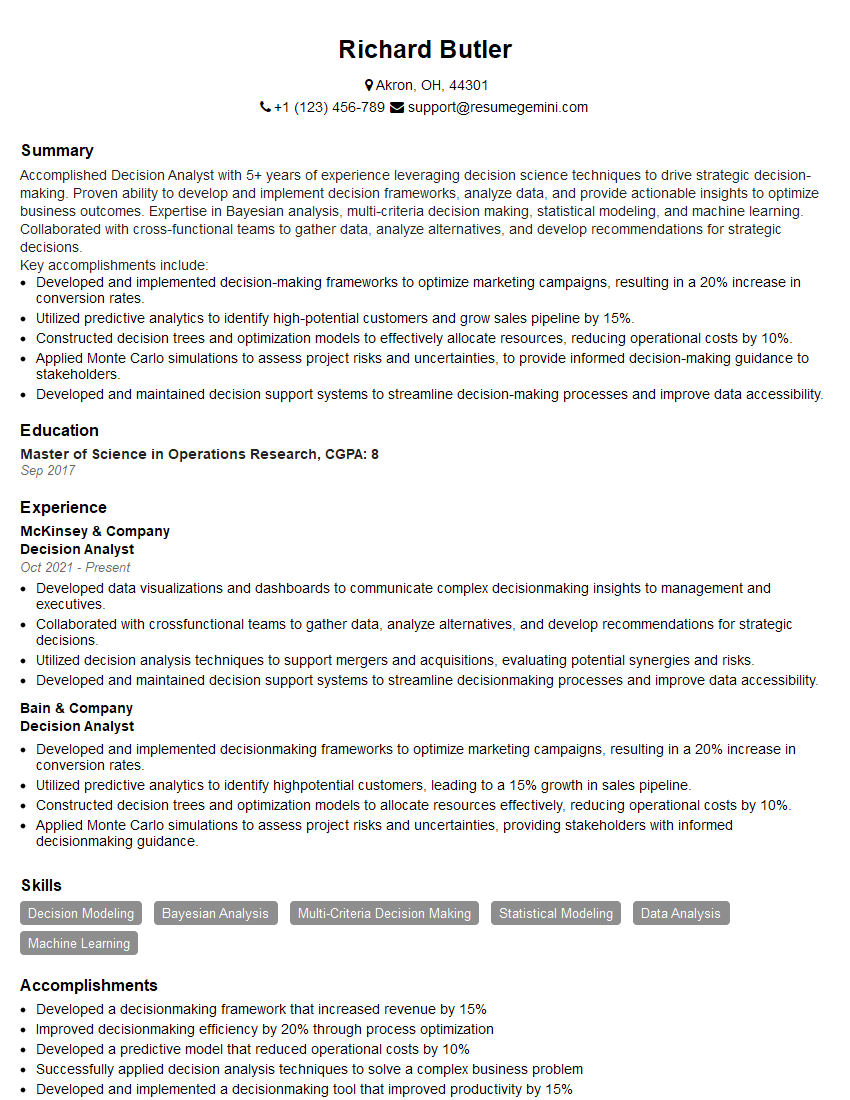
Decision Analyst Resume Sample
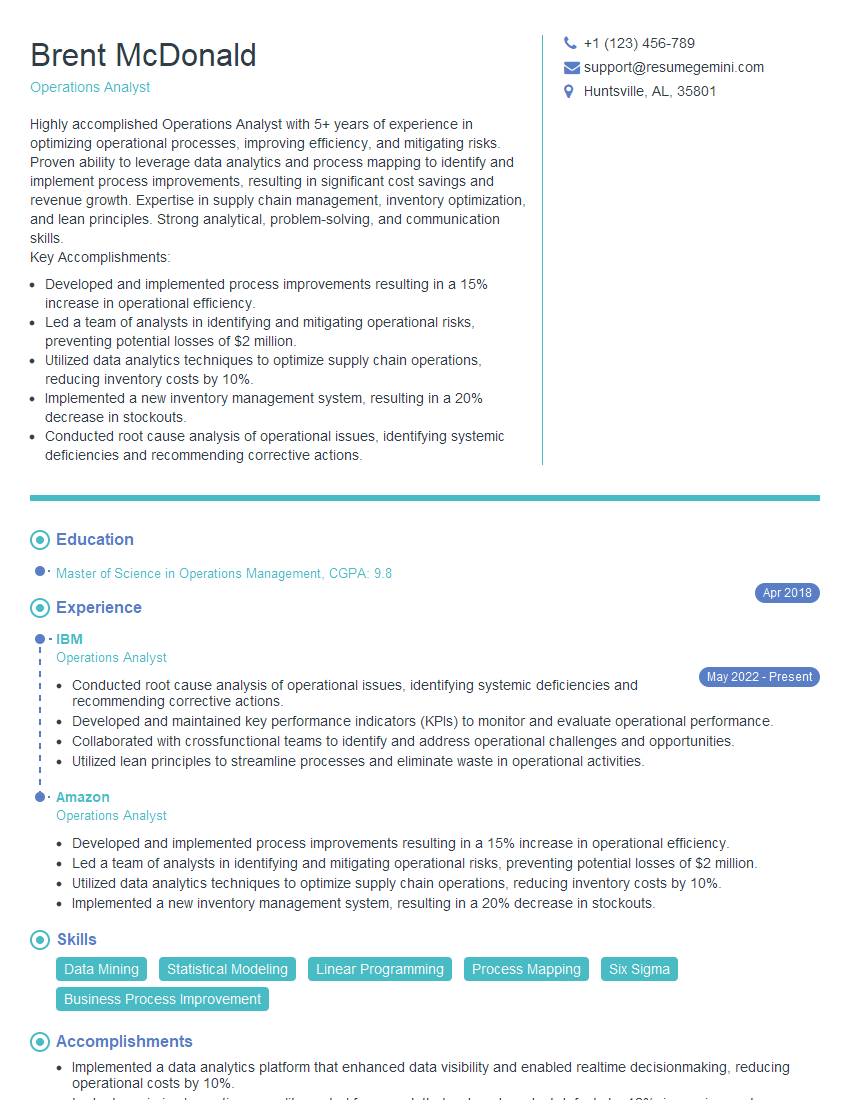
Operations Analyst Resume Sample
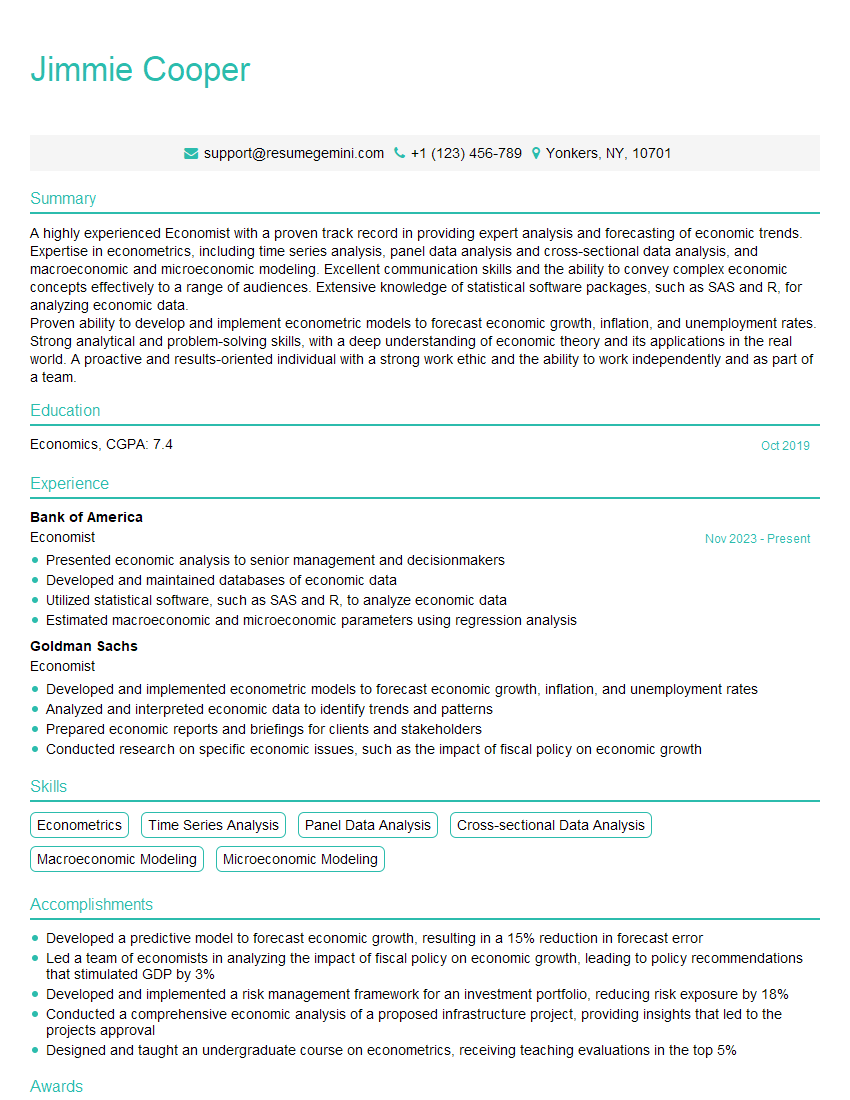
Economist Resume Sample
Explore more articles
Users Rating of Our Blogs
Share Your Experience
We value your feedback! Please rate our content and share your thoughts (optional).
What Readers Say About Our Blog
Very informative content, great job.
good