The thought of an interview can be nerve-wracking, but the right preparation can make all the difference. Explore this comprehensive guide to Foreign Area Expertise interview questions and gain the confidence you need to showcase your abilities and secure the role.
Questions Asked in Foreign Area Expertise Interview
Q 1. Describe the current political landscape of [Specific Country/Region].
The current political landscape of Brazil is characterized by a complex interplay of factors. President Lula da Silva’s return to power after a period of right-wing rule under Bolsonaro has ushered in a new era, but challenges remain. His administration faces significant pressure to address deep-seated socioeconomic inequalities, combat corruption, and navigate a highly polarized political climate. The Supreme Court continues to play a crucial role in shaping the political discourse, and the relationship between the executive and legislative branches remains dynamic and often tense. Powerful regional interests and the influence of large agricultural and industrial lobbies also shape policy decisions. Significant social movements, both progressive and conservative, exert considerable influence on the political arena, further contributing to the complexity of the landscape.
For example, the ongoing debate surrounding the Amazon rainforest’s preservation highlights the clash between economic development priorities and environmental concerns, a central theme shaping Brazilian politics today. The legacy of Bolsonaro’s administration, including its handling of the COVID-19 pandemic and environmental regulations, continues to influence public opinion and political maneuvering.
Q 2. Analyze the key economic challenges facing [Specific Country/Region].
Brazil’s key economic challenges are multifaceted. High inflation remains a persistent concern, impacting the purchasing power of citizens and hindering economic growth. Income inequality, despite some improvements, continues to be a significant obstacle to sustainable development. While Brazil boasts significant natural resources, its dependence on commodity exports leaves it vulnerable to global price fluctuations. Infrastructure deficiencies, particularly in transportation and logistics, hamper productivity and competitiveness. Furthermore, the country faces persistent challenges related to bureaucracy, corruption, and a lack of investment in education and human capital.
For instance, the reliance on agricultural exports makes the Brazilian economy susceptible to droughts and global market shifts. A lack of investment in renewable energy infrastructure limits the country’s ability to diversify its energy sources and compete in the global green economy.
Q 3. Explain the historical context of [Specific Conflict/Event].
The historical context of the Syrian Civil War is deeply rooted in a complex interplay of internal and external factors. Decades of authoritarian rule under the Assad family suppressed dissent and created widespread discontent among different segments of Syrian society. This long-simmering unrest was ignited by the Arab Spring uprisings in 2011, leading to widespread protests demanding political reform and greater freedoms. However, the Assad regime’s brutal crackdown on these protests quickly escalated the situation into a full-blown civil war.
The conflict became increasingly complex with the involvement of numerous regional and international actors, including Russia, Iran, Turkey, and various Western powers, each pursuing their own geopolitical interests. The rise of ISIS further complicated the conflict, creating a humanitarian crisis of immense proportions and leading to a massive refugee exodus.
- Long-term authoritarian rule: Decades of repression created fertile ground for rebellion.
- Arab Spring influence: The regional uprisings provided the catalyst for widespread protests.
- Sectarian divisions: Religious and ethnic differences exacerbated the conflict.
- Foreign intervention: Regional and global powers fueled the war with military and financial support.
Q 4. Discuss the major social and cultural factors influencing [Specific Country/Region].
Major social and cultural factors influencing Brazil include its vibrant cultural diversity, stemming from a complex history of indigenous populations, European colonization, and the transatlantic slave trade. This blend of influences is reflected in the country’s music, cuisine, language, and religious practices. Religious beliefs are diverse, ranging from Catholicism to various Protestant denominations and Afro-Brazilian religions. Brazil’s significant social inequality is another key factor, resulting in stark disparities in access to education, healthcare, and opportunities, creating social tensions and shaping political dynamics. Rapid urbanization and migration from rural areas have led to significant challenges in providing adequate housing, infrastructure, and social services in urban centers.
For example, Carnival is a significant cultural event that unites Brazilians from all walks of life. The ongoing struggle for racial equality and addressing the legacy of slavery continues to be a major social issue impacting every aspect of Brazilian life.
Q 5. Evaluate the effectiveness of [Specific Foreign Policy Initiative].
Evaluating the effectiveness of a specific foreign policy initiative requires a nuanced approach, considering various factors, such as its stated goals, the resources allocated, the context in which it was implemented, and the resulting outcomes. For example, let’s consider the effectiveness of the US’s engagement with Cuba during the Obama administration. The normalization of relations, after decades of estrangement, aimed to improve diplomatic ties, foster economic cooperation, and promote human rights. While some progress was made in diplomatic exchanges and limited economic engagement, the effects were mixed. Significant barriers remained due to long-standing ideological differences and internal Cuban politics. The subsequent reversal of many of these policies under the Trump administration further underscores the challenges in assessing long-term success.
A thorough evaluation necessitates a comparative analysis, measuring the actual achievements against the initial goals, and considering both intended and unintended consequences. This process often involves gathering information from diverse sources, including official government reports, academic research, and on-the-ground assessments from non-governmental organizations and local experts.
Q 6. How would you assess the security situation in [Specific Region]?
Assessing the security situation in the Sahel region of Africa requires considering a multitude of interconnected challenges. The region faces a complex web of threats, including terrorism, violent extremism, armed conflict, and organized crime. The presence of numerous armed groups, some affiliated with al-Qaeda and ISIS, poses a significant threat to regional stability. Weak governance, limited state capacity, and widespread poverty create fertile ground for the recruitment of fighters. Climate change, resulting in desertification and resource scarcity, further exacerbates existing tensions and contributes to instability. Cross-border crime, including human trafficking and drug smuggling, further undermines security and fuels conflict.
Understanding the dynamics in this region requires a thorough analysis of the relationships between different armed groups, local communities, and state actors, as well as an assessment of the effectiveness of regional and international counter-terrorism efforts.
Q 7. What are the main geopolitical risks associated with [Specific Event/Trend]?
The main geopolitical risks associated with rising global tensions between major powers include increased military spending, the potential for miscalculation and escalation of conflicts, disruptions to global trade and supply chains, and the risk of proxy wars in regions already facing instability. The breakdown of arms control agreements and an increased reliance on nuclear deterrence heighten the risks of both conventional and nuclear conflict. Cyber warfare and information warfare are also significant concerns, with the potential to disrupt critical infrastructure, destabilize governments, and sow discord within societies. The potential for these tensions to spill over into existing conflicts or create new flashpoints is a significant concern for global security.
For example, the increasing rivalry between the US and China has implications for Taiwan, the South China Sea, and other regions of geopolitical importance. The war in Ukraine has demonstrated the risks of miscalculation and escalation, highlighting the potential for major power competition to trigger large-scale conflicts.
Q 8. Describe the different types of actors involved in [Specific Conflict/Issue].
Understanding the actors involved in any conflict is crucial for effective analysis. Let’s take the Israeli-Palestinian conflict as an example. The actors are multifaceted and their roles are often intertwined and complex.
- State Actors: Israel and Palestine are the primary state actors, with their respective governments, militaries, and intelligence agencies playing significant roles. Their actions, policies, and statements heavily influence the conflict’s trajectory.
- Non-State Actors: This category is broad and includes various groups. For example, Hamas and other Palestinian militant groups are key players, engaging in armed conflict and political action. Similarly, Israeli settler groups exert influence through their actions and advocacy. International organizations like the UN also play a significant role, mediating, providing humanitarian aid, and attempting to facilitate peace negotiations.
- Civil Society Actors: This encompasses a vast range of organizations, including NGOs focused on human rights, humanitarian aid, and peacebuilding. They often play a critical role in mediating conflict, providing crucial services, and influencing public opinion both domestically and internationally.
- External Actors: Regional and global powers, such as the US, Russia, European Union, and Arab states, have considerable influence through diplomatic efforts, financial aid, military support, or sanctions. Their involvement often adds layers of complexity to the conflict.
Analyzing the interplay between these actors is key to understanding the dynamics of the conflict, identifying leverage points for peacebuilding, and predicting future developments. Each actor has its own motivations, objectives, and capabilities which must be carefully considered.
Q 9. What are the potential impacts of [Specific Economic Policy] on [Specific Country/Region]?
Let’s examine the potential impacts of a significant tax cut in the United States on Mexico. Such a policy could have multifaceted effects, some positive and some negative.
- Increased US Consumption: A tax cut could boost consumer spending in the US, potentially increasing demand for Mexican goods and services, particularly in manufacturing and agriculture. This could lead to increased exports from Mexico and economic growth.
- Currency Fluctuations: Increased US demand for Mexican goods might strengthen the Mexican peso. However, if the tax cut leads to increased investment in the US, capital might flow away from Mexico, potentially weakening the peso.
- Impact on Investment: The tax cut’s effects on investment are unpredictable. If the US becomes more attractive for investment, capital could flow away from Mexico, hindering its economic growth. Alternatively, a strong US economy might indirectly stimulate investment in Mexico.
- Inflationary Pressure: Increased US demand combined with a potentially weaker peso could lead to inflationary pressure in Mexico if the country’s productive capacity cannot keep up.
- Employment Effects: While increased exports could create jobs in Mexico’s export sector, the shifting investment patterns could have complex consequences for employment in other sectors.
Ultimately, the precise impact will depend on the magnitude of the tax cut, the response of other economies, and how Mexico’s government and businesses react to these changing economic conditions. A thorough analysis requires examining macroeconomic indicators, investor sentiment, and the intricacies of bilateral trade relations.
Q 10. Explain the role of [Specific International Organization] in [Specific Region/Issue].
The World Bank plays a crucial role in development across various regions. Let’s consider its involvement in Sub-Saharan Africa.
- Financial Assistance: The World Bank provides substantial financial support to African nations through loans and grants for infrastructure projects, education initiatives, and healthcare programs. These funds are often tied to policy reforms aimed at promoting economic stability and good governance.
- Technical Assistance: Beyond financial aid, the World Bank offers technical assistance and expertise to help African governments improve their capacity in areas such as public finance management, economic planning, and institutional reform. This support helps build local capacity for sustainable development.
- Policy Advice: The World Bank’s economists and analysts provide policy advice to African governments, based on research and analysis of local contexts. This can range from advice on macroeconomic policies to specific sectoral reforms like agricultural development or improvements to the business environment.
- Promoting Private Sector Development: The World Bank actively works to foster a favorable environment for private sector development in Africa, believing it to be a critical engine for job creation and economic growth. This involves investments in infrastructure, facilitating business registration, and promoting good regulatory practices.
- Monitoring and Evaluation: The World Bank meticulously monitors the progress of its projects and programs, using data and impact evaluations to assess effectiveness and make adjustments as needed. This ensures accountability and better resource allocation.
However, the World Bank’s involvement has also been subject to criticism, including concerns about conditionalities attached to loans, potential environmental impacts of some projects, and issues of transparency and accountability. Despite these criticisms, its role in development finance and technical assistance remains significant in Sub-Saharan Africa.
Q 11. How would you approach a cross-cultural negotiation in [Specific Country/Region]?
Navigating cross-cultural negotiations, especially in Japan, requires careful preparation and cultural sensitivity. Japanese business culture emphasizes long-term relationships, trust, and indirect communication.
- Relationship Building: Before diving into specific business issues, invest time in building rapport. This might involve informal social interactions, getting to know your counterparts personally, and demonstrating respect for their culture.
- Patience and Persistence: Decision-making processes in Japan can be slower and more deliberate than in some Western cultures. Be patient and persistent, avoiding aggressive tactics or overt displays of impatience.
- Indirect Communication: The Japanese often prefer indirect communication, emphasizing harmony and avoiding direct confrontation. Pay close attention to nonverbal cues and subtle hints. Saying “no” directly is considered rude; it’s often communicated through silence or evasive answers.
- Group Consensus: Decisions are often made through group consensus. Engage with the entire team, ensuring everyone feels heard and understood. Be prepared for multiple meetings and consultations.
- Formal Etiquette: Maintain formal etiquette, such as proper bowing and exchanging business cards with respect.
- Gift-Giving: Gift-giving is a common practice. Choose a modest gift and present it with both hands.
Preparation is key. Research Japanese business etiquette, and consider consulting with someone who has experience negotiating in Japan. By showing cultural sensitivity and patience, you can significantly increase your chances of a successful negotiation.
Q 12. What are the key cultural considerations for conducting business in [Specific Country/Region]?
Conducting business in Brazil requires careful consideration of its rich and diverse culture. Here are some key cultural aspects:
- Relationship-Oriented: Brazilians place a high value on personal relationships and trust. Building strong relationships is crucial for successful business dealings. Take the time to socialize and get to know your Brazilian counterparts before engaging in formal business discussions.
- Direct Communication: Unlike some Asian cultures, Brazilians tend to be more direct in their communication style. While politeness is important, beating around the bush might be interpreted as a lack of seriousness.
- Emotional Expression: Brazilians tend to be expressive and passionate in their interactions. Don’t be surprised by enthusiastic gestures, loud conversations, and emotional displays.
- Flexibility and Adaptability: Be prepared for some flexibility in scheduling and processes. Things might not always go as planned, so adaptability is key. Unexpected delays or changes in plans are common.
- Networking: Networking is critical in Brazil. Attend industry events, build relationships with key players, and leverage your network to access opportunities.
- Personal Connections: Personal connections often play a vital role in business transactions. Leveraging existing relationships or cultivating new ones can significantly influence the outcome of deals.
By understanding and respecting these cultural nuances, you will be well-positioned for successful business ventures in Brazil. Remember that cultural sensitivity and adaptability are critical for success.
Q 13. Analyze the impact of [Specific Technological Advancement] on [Specific Region].
The impact of widespread adoption of artificial intelligence (AI) in Sub-Saharan Africa is complex and multifaceted.
- Agriculture: AI-powered precision agriculture can optimize resource use, improve crop yields, and enhance food security. This could be transformative for a region heavily reliant on agriculture.
- Healthcare: AI can assist in diagnosing diseases, providing remote healthcare access, and improving the efficiency of healthcare systems. This is particularly important in regions with limited access to healthcare professionals.
- Financial Inclusion: AI-powered fintech solutions can expand access to financial services for the unbanked and underbanked populations. This can stimulate economic growth and reduce poverty.
- Education: AI-powered educational tools can personalize learning experiences and improve the quality of education, addressing the challenges of teacher shortages and limited access to educational resources.
- Infrastructure Development: AI can optimize the design and management of infrastructure projects, improving efficiency and reducing costs. This could be crucial for developing sustainable infrastructure in Africa.
- Challenges: Despite the potential benefits, there are challenges. These include the digital divide, the need for robust data infrastructure, potential job displacement, and ethical concerns around AI bias and data privacy.
Successfully integrating AI into Sub-Saharan Africa will require strategic planning, investments in digital infrastructure, and addressing issues of equity and access. Focusing on solving local problems with tailored AI solutions will be crucial for maximizing its positive impact.
Q 14. How would you assess the credibility of information sources on [Specific Country/Region]?
Assessing the credibility of information sources on a specific country, let’s say North Korea, requires a critical and multi-faceted approach.
- Source Triangulation: Don’t rely on a single source. Compare information from multiple independent sources – government reports, academic research, reputable news organizations, and non-governmental organizations (NGOs) – to identify patterns and inconsistencies.
- Author Expertise and Bias: Evaluate the author’s expertise and potential biases. Consider the author’s background, affiliations, and potential motives for producing the information. Government reports might have a pro-government bias, while NGO reports might reflect a specific advocacy agenda.
- Methodology and Data Sources: If the information is based on research or data analysis, examine the methodology employed. Is it robust and transparent? Are the data sources credible and reliable? Look for evidence of rigorous data collection and analysis.
- Fact-Checking and Cross-Referencing: Verify the facts presented using multiple sources. Are claims supported by evidence? Look for inconsistencies or contradictions in the information presented.
- Date of Publication: Consider the date of publication. Information can become outdated quickly, especially in rapidly changing political situations. Look for recently updated information.
- Transparency and Accessibility: Credible sources generally operate with transparency. They are willing to disclose their methodology and data sources. Look for readily accessible information.
Assessing information on North Korea presents unique challenges due to strict government control and limited access to independent information. Carefully consider these factors and apply rigorous critical thinking to evaluate information sources and to ensure its credibility.
Q 15. Discuss the different methodologies used in Foreign Area Expertise research.
Foreign Area Expertise (FAE) research employs a diverse range of methodologies, tailored to the specific context and research question. These methods often combine qualitative and quantitative approaches for a comprehensive understanding.
- Qualitative Methods: These methods focus on in-depth understanding of complex social phenomena. Examples include ethnographic fieldwork (immersive participation in the target culture), semi-structured interviews (allowing for flexible conversation while maintaining focus), focus group discussions (gathering diverse perspectives), and archival research (analyzing historical documents and records).
- Quantitative Methods: These methods emphasize numerical data and statistical analysis. Examples include surveys (large-scale data collection on attitudes and behaviors), statistical modeling (analyzing relationships between variables), and content analysis (quantifying themes and patterns in textual data, like news articles or social media posts).
- Mixed Methods: Many FAE projects utilize a mixed-methods approach, combining qualitative and quantitative techniques to leverage the strengths of each. For instance, a researcher might conduct surveys to identify key trends, then follow up with in-depth interviews to understand the underlying reasons behind those trends.
The choice of methodology depends on factors like the research question, accessibility to data, resources available, and ethical considerations. For example, studying the impact of a specific policy on a marginalized community may necessitate a qualitative approach, emphasizing individual stories and lived experiences.
Career Expert Tips:
- Ace those interviews! Prepare effectively by reviewing the Top 50 Most Common Interview Questions on ResumeGemini.
- Navigate your job search with confidence! Explore a wide range of Career Tips on ResumeGemini. Learn about common challenges and recommendations to overcome them.
- Craft the perfect resume! Master the Art of Resume Writing with ResumeGemini’s guide. Showcase your unique qualifications and achievements effectively.
- Don’t miss out on holiday savings! Build your dream resume with ResumeGemini’s ATS optimized templates.
Q 16. Explain the concept of [Specific Geopolitical Theory/Concept].
Let’s assume the specific geopolitical theory/concept is Realism. Realism, a dominant theory in international relations, posits that states are the primary actors in the international system and that their behavior is driven by a rational pursuit of power and self-interest.
Realists believe that the international system is anarchic, meaning there is no overarching authority to enforce rules or prevent conflict. This anarchic nature compels states to prioritize their security and survival, often leading to a competitive environment characterized by power struggles and security dilemmas. States constantly seek to increase their relative power to ensure their survival and influence in the system. Alliances are formed strategically, but these alliances are often temporary and opportunistic, shifting as power dynamics change.
A classic example of Realism in action is the Cold War arms race between the United States and the Soviet Union. Both superpowers sought to maximize their military capabilities, viewing the other as a potential threat. This competition, driven by self-interest and the anarchic nature of the international system, led to a massive build-up of nuclear weapons and a constant state of tension.
Q 17. Describe the challenges of conducting research in a conflict-affected area.
Conducting research in a conflict-affected area presents significant challenges that extend beyond typical research obstacles. These challenges often intertwine and create a complex operational environment.
- Security Risks: Researchers may face physical danger from armed groups, landmines, or crossfire. Access to certain areas might be restricted or impossible due to ongoing conflict.
- Logistical Difficulties: Infrastructure damage, poor transportation networks, and a lack of reliable communication can hamper research activities. Basic necessities like electricity and internet access may be scarce or unavailable.
- Data Collection Challenges: Gathering reliable and unbiased data is extremely difficult in conflict zones. People may be reluctant to participate due to fear of reprisals, mistrust of outsiders, or the trauma of their experiences. Existing data sources might be incomplete, unreliable, or manipulated.
- Ethical Considerations: Researchers must prioritize the safety and well-being of their research participants. They need to be mindful of potential risks associated with data collection and dissemination. Issues of informed consent and confidentiality become paramount in vulnerable populations.
- Bias and Misinformation: The information environment in conflict zones is often saturated with propaganda and misinformation from various actors, making it crucial to critically evaluate all sources.
Q 18. How would you manage risk in a high-risk environment?
Risk management in high-risk environments requires a proactive and layered approach. This is not a one-size-fits-all process; the specific strategies must be tailored to the particular threats and context.
- Thorough Risk Assessment: Before deployment, a detailed assessment identifying potential risks is crucial. This involves considering political instability, security threats, health risks, and logistical challenges.
- Security Protocols: Implementing robust security protocols is paramount. This involves working with reputable security consultants, adhering to strict communication guidelines, maintaining situational awareness, and utilizing appropriate security equipment.
- Collaboration and Partnerships: Collaborating with local partners and organizations familiar with the region is essential. This provides valuable insights, local expertise, and can assist with navigating complex social dynamics.
- Contingency Planning: Having a well-defined plan for various scenarios, such as emergency evacuations, medical emergencies, or security breaches, is vital. This plan should be regularly reviewed and updated.
- Communication Strategies: Maintaining clear and consistent communication with team members, local partners, and relevant authorities is crucial for coordination and rapid response to any developing situation.
- Insurance and Medical Preparations: Ensuring adequate medical insurance, evacuation insurance, and necessary medical preparations are critical for mitigating health risks.
A crucial element of managing risk is maintaining constant awareness of the evolving situation and adaptability to changing circumstances. Flexibility and a willingness to adjust plans based on updated information are vital for successful fieldwork in high-risk environments.
Q 19. What are the ethical considerations involved in conducting research on sensitive topics?
Ethical considerations in FAE research, particularly on sensitive topics, are paramount. Researchers have a responsibility to protect the individuals and communities they study and to avoid causing harm.
- Informed Consent: Participants must fully understand the research’s purpose, procedures, and potential risks before agreeing to participate. Consent must be freely given, without coercion or undue influence. This may require careful consideration of language barriers and cultural sensitivities.
- Confidentiality and Anonymity: Protecting the identities and sensitive information of research participants is crucial. Data should be anonymized whenever possible, and strict measures should be taken to prevent unauthorized access or disclosure.
- Do No Harm: Researchers must avoid actions that could endanger participants or communities. This includes avoiding topics or research methods that could exacerbate existing tensions or conflicts. The potential benefits of the research must outweigh the risks.
- Cultural Sensitivity: Researchers must be mindful of cultural norms, beliefs, and values and avoid imposing their own biases or interpretations. This may involve engaging community leaders or cultural experts to help navigate cultural complexities.
- Data Ownership and Access: Researchers should clarify who owns the data and how it will be accessed, used, and shared. This is especially important when working with sensitive data related to national security or human rights.
- Beneficence: Ensure the research contributes meaningfully to the well-being of the communities involved, perhaps by providing insights that can inform policy or practice.
Ethical oversight, often involving Institutional Review Boards (IRBs), is vital to ensure responsible conduct of research.
Q 20. Describe your experience with data analysis techniques relevant to foreign area expertise.
My experience with data analysis in FAE involves a variety of techniques depending on the nature of the data and the research question. I’m proficient in both qualitative and quantitative data analysis.
- Qualitative Data Analysis: I employ techniques such as thematic analysis (identifying recurring themes and patterns in textual or interview data), grounded theory (developing theories from data), and narrative analysis (examining individual stories and experiences).
- Quantitative Data Analysis: My skills include statistical analysis using software like SPSS or R. This involves descriptive statistics (summarizing data), inferential statistics (testing hypotheses), regression analysis (examining relationships between variables), and time series analysis (analyzing data collected over time).
- Geo-spatial Data Analysis: I have experience working with geographic information systems (GIS) to analyze spatial patterns and relationships relevant to conflict, migration, or resource distribution. This includes using tools like ArcGIS to map and visualize data.
- Network Analysis: For studying social or political networks, I utilize network analysis techniques to identify key actors, influence patterns, and structural characteristics.
For example, in a recent project examining the impact of climate change on migration patterns in a specific region, I combined qualitative interviews with quantitative demographic data and GIS analysis to visualize the relationship between environmental stress and migration flows.
Q 21. How would you translate complex geopolitical issues for a non-expert audience?
Translating complex geopolitical issues for a non-expert audience requires clear, concise communication, avoiding jargon and using relatable analogies.
- Simplify Language: Use everyday language, avoiding technical terms unless clearly defined. Break down complex concepts into smaller, manageable parts.
- Analogies and Metaphors: Use analogies and metaphors to illustrate complex ideas. For instance, explaining international trade using the analogy of a local farmer’s market can make the concept more accessible.
- Visual Aids: Graphs, charts, maps, and images can significantly enhance understanding and engagement.
- Storytelling: Frame geopolitical issues within a narrative structure that engages the audience emotionally and intellectually. Focusing on human stories can make abstract concepts more relatable.
- Focus on Relevance: Emphasize the relevance of geopolitical issues to the audience’s lives. Explain how these issues affect their daily lives, either directly or indirectly.
- Interactive Elements: Incorporating interactive elements, such as Q&A sessions or discussions, can increase engagement and allow for clarification of any misunderstandings.
For example, when explaining the concept of a trade war, instead of using economic jargon, I might explain it as a fight between countries, where each tries to hurt the other economically by imposing tariffs.
Q 22. How do you stay updated on current events related to your area of expertise?
Staying updated on current events in my area of expertise, let’s say East Asian geopolitics, requires a multi-faceted approach. It’s not simply about reading news headlines; it’s about developing a nuanced understanding of the underlying trends and dynamics.
News Sources Diversification: I rely on a range of reputable news sources, including international news agencies like Reuters and Associated Press, regional publications such as the Nikkei Asian Review and South China Morning Post, and academic journals specializing in international relations and East Asian studies. This helps me avoid confirmation bias and gain a more comprehensive picture.
Think Tanks and Policy Institutes: Organizations like the Carnegie Endowment for International Peace, the Council on Foreign Relations, and the Chatham House provide in-depth analysis and policy recommendations. Their reports and publications offer valuable insights that go beyond surface-level reporting.
Government and International Organization Reports: Reports from the US State Department, the UN, and other international bodies provide valuable data and assessments on geopolitical situations. These reports often include detailed analyses unavailable elsewhere.
Academic Databases and Journals: I regularly consult academic databases like JSTOR and Project MUSE for peer-reviewed articles and research papers on relevant topics. This ensures I’m informed about the latest scholarly work in the field.
Social Media with Caution: While social media can offer real-time updates, I use it cautiously, focusing on verified accounts and reputable news organizations to avoid misinformation.
This combined approach ensures I maintain a current and well-rounded understanding of the complexities within my area of expertise.
Q 23. Describe a time you had to adapt your approach due to unforeseen circumstances in a foreign context.
During a research trip to rural Vietnam, I planned to conduct interviews with local farmers about agricultural practices and climate change adaptation. However, an unexpected typhoon hit the region, severely impacting the local infrastructure and causing widespread flooding. My initial plan became impossible to execute.
Adapting my approach involved several steps:
Safety First: My priority shifted to ensuring my own safety and well-being, as well as the safety of my local contacts.
Revised Methodology: Instead of in-person interviews, I used online communication tools to contact my interviewees, adjusting my questionnaire to account for the changed circumstances. I focused on questions related to the typhoon’s impact on their farming practices and their coping mechanisms.
Collaboration and Flexibility: I worked closely with my local collaborators who had a deep understanding of the situation on the ground. Their knowledge was crucial in identifying safe locations for communication and in adapting my research plan to suit the circumstances.
Data Collection Adjustment: I adjusted my data collection method, incorporating data from government reports and news articles on the typhoon’s impact. This allowed me to supplement my online interviews.
This experience highlighted the importance of adaptability, flexibility, and strong local partnerships when working in unpredictable foreign contexts. The ability to pivot and re-evaluate research methods based on unforeseen circumstances is key to successful fieldwork.
Q 24. How would you respond to a crisis situation in a foreign country?
Responding to a crisis situation in a foreign country requires a calm, methodical approach. The specific actions depend heavily on the nature of the crisis, but a general framework includes:
Assessment and Situational Awareness: The first step involves gathering information to accurately assess the nature and scale of the crisis, understanding its potential impact, and identifying the immediate risks.
Prioritization and Resource Allocation: Prioritizing needs based on urgency and severity is vital. This involves identifying essential resources and allocating them strategically.
Communication and Coordination: Clear and effective communication with relevant authorities, local partners, and potentially family or employers is crucial. This includes providing regular updates on the situation and any necessary actions being taken.
Safety and Security Measures: Implementing appropriate safety and security measures is crucial, including identifying safe havens, evacuation plans, and adhering to local authorities’ guidelines.
Long-Term Considerations: After the immediate crisis has subsided, addressing the long-term consequences and initiating recovery efforts is important. This may involve working with relief organizations and local communities.
An example could involve a civil unrest situation. I would prioritize finding secure locations, maintaining communication with local authorities and my home base, and following safety and security protocols. Adaptability and a focus on collaboration and information gathering would be key to navigating the situation effectively.
Q 25. How proficient are you in [Specific Language] and how has it aided your work?
My proficiency in Mandarin Chinese is at an advanced level (equivalent to C1/C2). I achieved this through years of formal study and immersion in the language through living and working in China. This language proficiency has been instrumental in my work in several ways:
Direct Communication: I can directly communicate with individuals and organizations in China, leading to more accurate information gathering and better relationship building.
Cultural Understanding: Language proficiency goes beyond simply translating words; it aids in understanding cultural nuances, social norms, and unspoken communication, crucial for effective interactions.
Access to Information: Being able to read and understand Chinese-language media sources, academic publications, and government documents significantly broadens my access to information.
Enhanced Research: The ability to conduct interviews, surveys, and fieldwork in Mandarin allows for a richer and more nuanced understanding of the issues being studied.
For example, during my research on Chinese environmental policy, my language skills allowed me to interview policy makers and environmental activists directly, gaining insights unavailable through English-language sources. The ability to conduct fieldwork in the local language offers a unique advantage.
Q 26. Explain your understanding of [Specific International Treaty/Agreement].
My understanding of the [Specific International Treaty/Agreement – e.g., the Paris Agreement] centers on its goals, mechanisms, and challenges. The Paris Agreement, adopted in 2015, is an international treaty on climate change, aiming to limit global warming to well below 2, preferably to 1.5 degrees Celsius, compared to pre-industrial levels.
Key aspects include:
Nationally Determined Contributions (NDCs): Each participating country submits its own plan outlining its commitments to reducing greenhouse gas emissions.
Global Stocktake: A process to assess collective progress towards the agreement’s goals on a regular basis, identifying areas for improvement.
Adaptation and Finance: The agreement also addresses the need for adaptation measures to cope with the impacts of climate change and provides financial support to developing countries.
Challenges: The agreement’s effectiveness depends on the ambition and implementation of NDCs by individual countries. The lack of legally binding emission reduction targets and the challenges in securing sufficient financing for developing countries are among the major obstacles.
Understanding the Paris Agreement requires analyzing not only the formal text but also the political dynamics and national interests influencing its implementation. It’s a complex agreement with ongoing debates about its effectiveness and future direction.
Q 27. What are your views on [Specific Current International Debate/Issue]?
[Specific Current International Debate/Issue – e.g., The impact of AI on international security]. My views on the impact of artificial intelligence on international security are complex and nuanced. While AI presents incredible opportunities for improving security through things like enhanced surveillance and predictive analytics, it also introduces significant risks.
Potential Benefits: AI can improve cybersecurity, enhance situational awareness, and assist in disaster response, potentially reducing the likelihood of conflict.
Potential Risks: The development of autonomous weapons systems raises ethical and security concerns. The potential for misuse by state and non-state actors, including cyberattacks and disinformation campaigns, is a serious threat. The lack of international regulatory frameworks and the potential for an AI arms race pose significant challenges.
Therefore, a balanced approach is necessary. International cooperation is vital to develop robust regulatory frameworks to mitigate risks, promote responsible AI development, and ensure its use aligns with ethical principles and international security goals. This requires a collaborative, global approach to prevent a potentially destabilizing technology from being weaponized.
Q 28. How would you contribute to a team working on a project related to [Specific Area of Expertise]?
My contribution to a team working on a project related to [Specific Area of Expertise – e.g., the Belt and Road Initiative] would involve several key aspects:
Regional Expertise: I offer in-depth knowledge of the political, economic, and social dynamics in the regions impacted by the Belt and Road Initiative. This includes understanding the diverse perspectives and interests of various stakeholders.
Risk Assessment: I can contribute to identifying and assessing potential risks and challenges associated with the project, such as geopolitical instability, environmental concerns, and social impact.
Stakeholder Engagement: My ability to communicate effectively with diverse stakeholders in multiple languages helps to facilitate productive collaborations and manage expectations.
Data Analysis and Research: I can utilize my research skills to collect and analyze relevant data, providing evidence-based insights for informed decision-making.
Strategic Planning: I can contribute to developing and implementing effective strategies to achieve the project goals while mitigating potential risks and challenges.
Essentially, I bring a combination of analytical skills, regional expertise, and effective communication abilities to the team, contributing to the successful and responsible implementation of the project.
Key Topics to Learn for Foreign Area Expertise Interview
- Political Landscape & Governance: Understanding the political systems, key players, and historical context of your target region. Consider practical application through analyzing political risk assessments and their impact on business decisions.
- Economic Conditions & Trends: Analyzing economic indicators, understanding trade relations, and identifying investment opportunities. Think about how you would apply this knowledge to forecast market potential or assess economic stability.
- Social & Cultural Dynamics: Developing cultural awareness and sensitivity, understanding societal norms, and recognizing potential cultural barriers to success. Explore practical applications in cross-cultural communication and negotiation strategies.
- Security & Risk Assessment: Identifying and evaluating political, economic, and social risks in a given region. Practice applying this through case studies, analyzing potential threats, and proposing mitigation strategies.
- Geopolitical Factors & International Relations: Understanding the interplay of regional and global power dynamics and their implications for the target area. Consider how to analyze international agreements and their impact on business strategies.
- Regional History & Current Events: Demonstrate a deep understanding of the region’s history and its influence on present-day dynamics. Practice applying this knowledge to provide insightful commentary on current events and their implications.
Next Steps
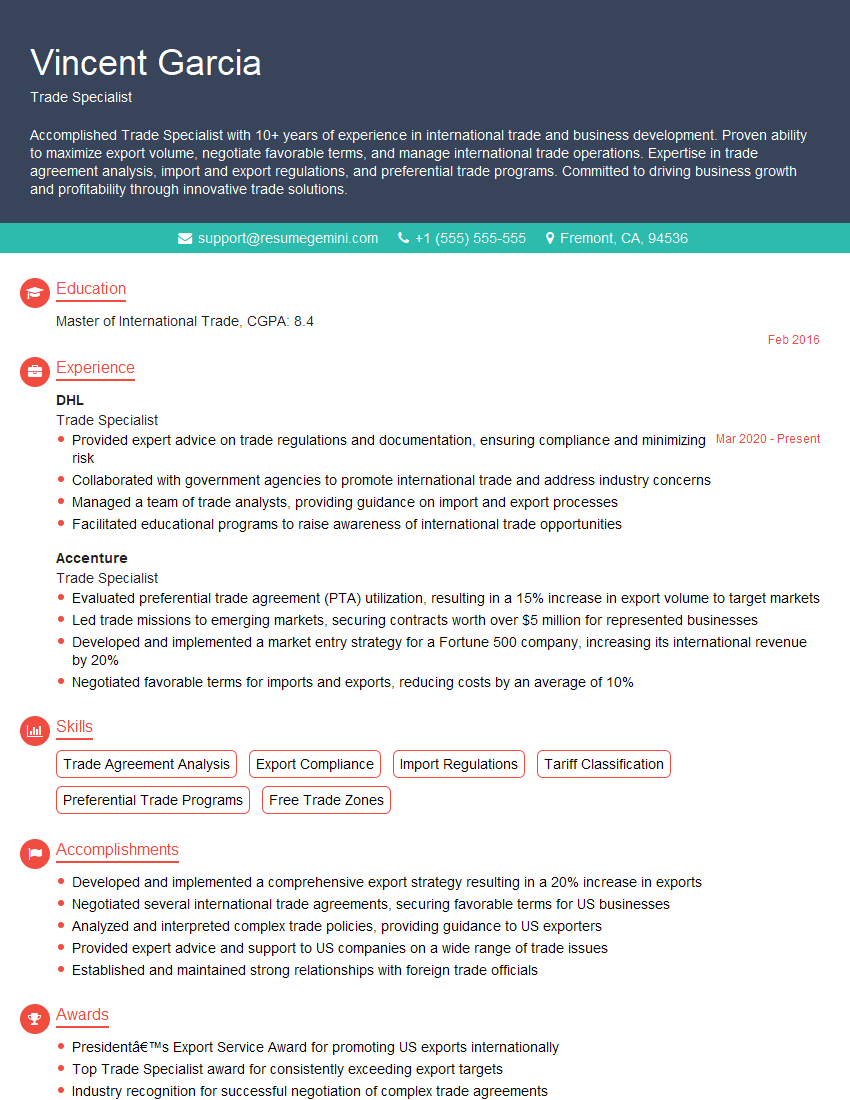
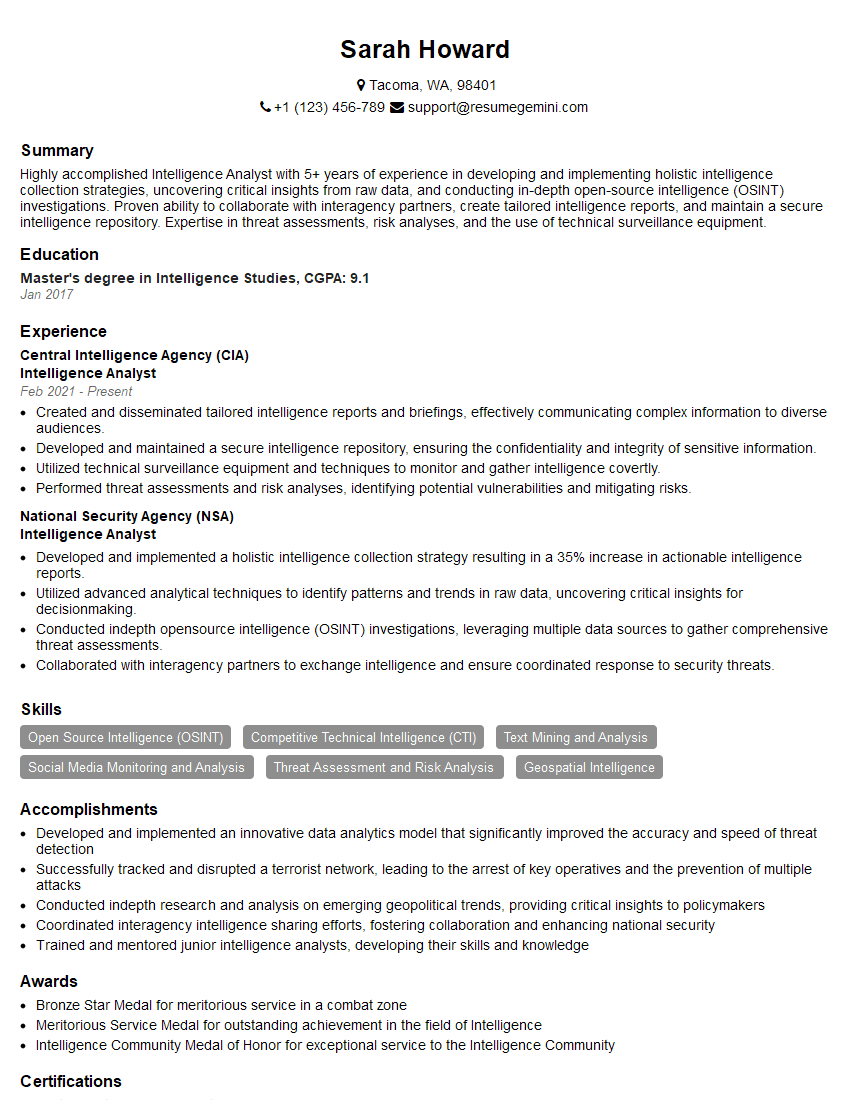
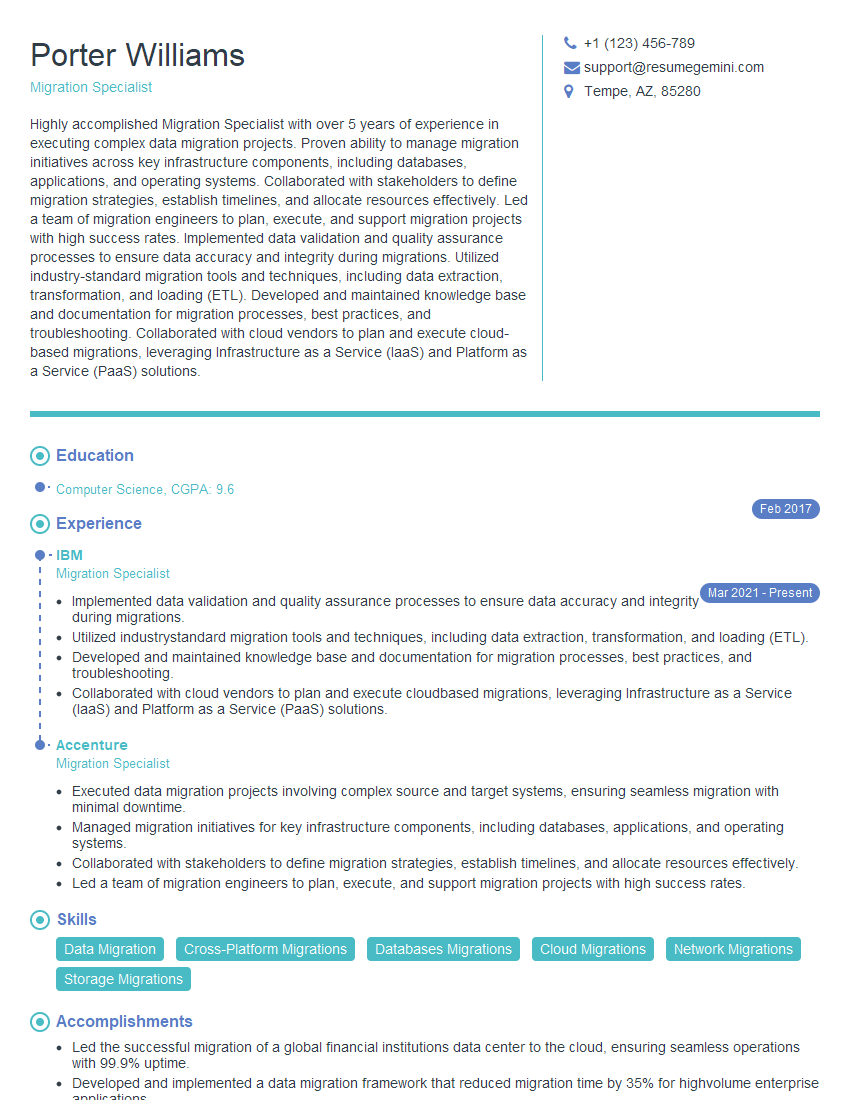
Mastering Foreign Area Expertise is crucial for career advancement in today’s globally interconnected world. It opens doors to exciting opportunities and positions you as a valuable asset in any organization with international operations. To maximize your job prospects, create an ATS-friendly resume that effectively highlights your skills and experience. ResumeGemini is a trusted resource that can help you build a professional and impactful resume. We provide examples of resumes tailored to Foreign Area Expertise to guide you in creating a compelling application. Take advantage of these resources to showcase your expertise and land your dream job!
Explore more articles
Users Rating of Our Blogs
Share Your Experience
We value your feedback! Please rate our content and share your thoughts (optional).
What Readers Say About Our Blog
Very informative content, great job.
good