Every successful interview starts with knowing what to expect. In this blog, we’ll take you through the top Cow Comfort and Welfare Practices interview questions, breaking them down with expert tips to help you deliver impactful answers. Step into your next interview fully prepared and ready to succeed.
Questions Asked in Cow Comfort and Welfare Practices Interview
Q 1. Describe the key indicators of cow comfort.
Cow comfort is paramount for dairy production and animal welfare. We assess it through a range of key indicators, focusing on both physical and behavioral signs. Think of it like assessing a human’s well-being – we look at their environment and how they act within it.
- Lying behavior: Cows spend roughly 12-14 hours a day lying down. Reduced lying time often indicates discomfort, pain (e.g., lameness), or an uncomfortable environment. We monitor this closely through visual observation and potentially using automated lying sensors.
- Resting posture: Are they comfortably sprawled or tense and stiff? A stiff posture, reluctance to lie down, or frequent shifting suggests discomfort.
- Body condition score (BCS): This assesses the amount of fat cover on the cow, indicating their nutritional state. A low BCS suggests inadequate nutrition, impacting overall comfort and health.
- Hoof health: Lameness, caused by hoof problems, drastically reduces comfort and mobility. This is visually assessed regularly.
- Cleanliness and hygiene: A dirty, muddy environment is often linked to discomfort and increased risk of infections. We monitor bedding quality and cleanliness of the housing.
- Social behavior: Observe interactions within the herd. Aggressive behavior or isolation might signal discomfort stemming from competition for resources or painful conditions.
By regularly monitoring these indicators, we can identify and address problems before they significantly impact cow health and productivity. For example, if we notice a sudden drop in lying time across the herd, we’d investigate potential factors like overheating, lameness, or poor bedding.
Q 2. Explain the importance of proper ventilation in a dairy barn.
Proper ventilation in a dairy barn is crucial for maintaining cow comfort and preventing respiratory diseases. Imagine living in a stuffy room – it’s uncomfortable and unhealthy. The same is true for cows.
Effective ventilation removes excess moisture, ammonia, dust, and heat, creating a cleaner and more comfortable environment. Poor ventilation leads to increased humidity, which promotes bacterial growth and respiratory problems. High concentrations of ammonia, a byproduct of urine and manure, irritate the eyes and respiratory tract. Dust can exacerbate respiratory issues. Heat build-up, particularly in summer, can cause significant heat stress, dramatically reducing milk production and compromising cow health.
A well-ventilated barn employs strategies such as:
- Natural ventilation: Using strategically placed openings (ridges, sidewalls) to allow natural air movement. This is effective in moderate climates.
- Mechanical ventilation: Utilizing fans to force air circulation. This is essential in larger barns or areas with less natural air movement, particularly to control temperature and humidity in hot climates.
Regular maintenance of the ventilation system is paramount to ensure its continued effectiveness. This includes cleaning fans, checking for blockages, and adjusting ventilation rates based on seasonal needs and herd size. Monitoring air quality with sensors can help provide real-time feedback on the effectiveness of the ventilation system.
Q 3. What are the signs of heat stress in dairy cows, and how can it be mitigated?
Heat stress in dairy cows is a serious concern, impacting their productivity and welfare. Think of it as a human experiencing a heatstroke; it’s a life-threatening situation if not addressed properly.
Signs of heat stress include:
- Increased respiration rate: Cows will breathe faster and pant more heavily to dissipate heat.
- Elevated body temperature: A rectal temperature above the normal range (101-102°F) indicates heat stress.
- Reduced milk production: Milk yield significantly decreases as cows divert energy towards thermoregulation.
- Decreased feed intake: Cows may eat less due to discomfort and reduced appetite.
- Behavioral changes: They might seek shade, stand clustered in groups for cooling, or exhibit restlessness.
Mitigation strategies focus on preventing heat stress through environmental management and ensuring optimal cow comfort:
- Shade structures: Providing shade during the hottest part of the day greatly reduces heat exposure.
- Increased ventilation: Using fans and natural ventilation to maximize air circulation.
- Cooling systems: Employing sprinklers, foggers, or evaporative cooling systems to lower ambient temperatures.
- Water availability: Ensuring access to clean, cool water at all times is crucial for thermoregulation.
- Strategic feeding: Adjust feeding times to avoid the hottest part of the day to reduce heat production during digestion.
Regular monitoring of temperature and humidity in the barn, coupled with observation of cow behavior, is critical for early detection and effective management of heat stress.
Q 4. How do you assess the lameness of a dairy cow?
Assessing lameness in dairy cows involves a combination of visual observation and careful physical examination. We aim to identify the cause and severity of the lameness to provide the appropriate treatment and prevent long-term problems.
The assessment involves:
- Visual observation: Observe the cow’s gait – is she limping, favoring one leg, or showing signs of pain when walking?
- Posture: Note any changes in standing posture. A cow in pain might shift its weight or stand with a characteristic stance.
- Foot examination: Inspect each hoof for lesions, cracks, abscesses, or foreign bodies. Check for signs of inflammation, swelling, or heat around the hoof.
- Palpation: Gently palpate the leg and hoof for any tenderness or abnormalities.
- Mobility testing: Observe the cow’s movement in different situations – walking on a level surface, turning, and going up/down slopes.
Different lameness scores are used to quantify the severity, allowing us to prioritize treatment and allocate resources effectively. Early detection and treatment are key to minimizing the negative effects of lameness on cow productivity and welfare. For example, a cow with mild lameness might be treated with topical medication, while a severe case may require veterinary intervention and hoof trimming.
Q 5. What are the best practices for hoof trimming?
Proper hoof trimming is essential for maintaining cow comfort and preventing lameness. It’s a skill that takes practice and precision, like a sculptor working on a delicate piece. We aim to correct structural abnormalities, remove overgrown hoof tissue, and ensure even weight distribution.
Best practices include:
- Proper restraint: Safe and effective restraint is crucial to ensure both the cow’s and the trimmer’s safety.
- Use of appropriate tools: Sharp, well-maintained hoof trimmers are essential for a clean, precise cut. Using blunt tools can damage the hoof.
- Correct trimming technique: The goal is to achieve a balanced hoof shape, ensuring even weight distribution across the sole and heel. Improper trimming can lead to further problems.
- Addressing specific issues: Identifying and correcting specific problems like overgrown heels, sole ulcers, or white line disease is critical.
- Hygiene: Maintaining a clean environment and using appropriate disinfectant to prevent the spread of infection.
- Regular trimming schedule: Regular trimming every 6-8 weeks for most cows prevents problems before they become severe.
Experienced hoof trimmers utilize their knowledge and skill to balance the hoof, ensure even weight distribution, and address any underlying issues. Failure to trim hooves correctly can lead to pain, lameness, and reduced productivity.
Q 6. Describe different types of housing systems for dairy cows and their impact on welfare.
Dairy cows can be housed in a variety of systems, each with its impact on welfare. The choice depends on factors like climate, herd size, and available resources.
- Free-stall barns: Cows have access to individual stalls for lying and resting, and a common area for feeding and socializing. This system generally provides good welfare if managed appropriately; cows have a choice of where to lie and can interact socially.
- Tie-stall barns: Cows are individually tied to a stall. This system restricts movement and social interaction, potentially leading to stress and behavioral problems. It is less favorable from a welfare standpoint.
- Pasture-based systems: Cows graze freely in pastures, providing more natural behaviors and environmental enrichment. This can be great for welfare, but requires sufficient land and appropriate pasture management. It also faces challenges with weather variations and parasite control.
- Combi systems: Integrate elements from different housing systems, such as a free-stall barn with access to an outdoor area. This offers a compromise, allowing for some choices for the cows while providing advantages of free-stall barns in terms of hygiene and ease of management.
Regardless of the system, appropriate space allowance, clean and comfortable bedding, and access to clean water and feed are critical for ensuring good cow welfare. Regular monitoring of behavior and health is important to detect potential problems and adjust management strategies.
Q 7. How do you identify and manage mastitis in a dairy herd?
Mastitis, an inflammation of the udder, is a major concern in dairy herds. Early detection and appropriate management are crucial for minimizing its impact on milk production and cow health. Think of it as a severe infection for the cow that requires immediate attention.
Identification involves:
- Visual inspection: Examine the udder for swelling, redness, heat, or changes in consistency. Look for any signs of discharge or abnormalities in the teats.
- California Mastitis Test (CMT): This is a rapid test performed on milk samples to detect the presence of somatic cells (white blood cells), indicative of infection.
- Milk yield monitoring: A sudden drop in milk production from an individual cow can be a clue to developing mastitis.
- Clinical signs: Observe the cow for other symptoms, such as lethargy, fever, or off-feed behavior.
Management involves:
- Antibiotic treatment: Antibiotics are often prescribed based on bacterial culture results, to treat clinical cases of mastitis.
- Udder hygiene: Proper cleaning and disinfection of the udder before and after milking help prevent mastitis by limiting the entry of bacteria.
- Dry cow therapy: Administering antibiotics to cows during the dry period helps prevent new infections.
- Culling: Cows with recurrent mastitis or unresponsive to treatment might need to be culled from the herd to prevent the spread of infection.
- Vaccination: Some vaccines are available to help prevent certain types of mastitis.
Careful record-keeping is essential for tracking mastitis cases and evaluating the effectiveness of management strategies. Early detection and prompt treatment are key to minimizing the impact of mastitis on both individual cows and the overall herd health.
Q 8. Explain the importance of providing adequate space for dairy cows.
Adequate space for dairy cows is paramount for their comfort and welfare. Think of it like this: we need our personal space, and cows are no different. Insufficient space leads to stress, competition for resources, and increased risk of injuries.
The ideal amount of space depends on factors like cow size, breed, and the type of housing system. Generally, cows need enough room to lie down comfortably, stand up without difficulty, and move freely without bumping into each other. For example, a minimum of 10-12 square meters per cow in a loose housing system is often recommended. Cramped conditions can lead to reduced milk production, increased lameness, and higher aggression levels within the herd. Providing enough space is a foundational aspect of good dairy farm management.
Consider a scenario where cows are overcrowded in a tie-stall barn. They won’t be able to easily access feed and water, leading to nutritional deficiencies and dehydration. This further impacts their health and productivity. Careful space allocation, based on best practices and expert advice, is key to creating a positive and efficient farming environment.
Q 9. What are the nutritional requirements for optimal cow comfort and productivity?
Optimal cow comfort and productivity are intrinsically linked to their nutrition. Think of it as providing the right fuel for a high-performance machine. A balanced diet, tailored to the cow’s stage of lactation and individual needs, is essential. The nutritional requirements include a proper balance of energy, protein, vitamins, and minerals.
- Energy: Crucial for milk production and maintaining body condition. This is often met through forages like hay and silage, supplemented with concentrates.
- Protein: Essential for milk protein synthesis and overall growth. Sources include legumes, oilseed meals, and other protein supplements.
- Vitamins and Minerals: These micronutrients play various roles in overall health and metabolism. Deficiencies can lead to various health issues. Regular blood tests and manure analysis can help identify potential shortfalls.
For instance, a cow in early lactation requires significantly more energy than one in late lactation or dry period. Providing a diet that meets these varying needs is critical for maximizing milk yield and maintaining the cow’s health. Careful feed formulation and monitoring are essential for optimal results. Consulting with a nutritionist is often beneficial to design a tailored feeding program for a specific herd.
Q 10. How do you assess the cleanliness of a dairy barn and its impact on cow welfare?
Assessing the cleanliness of a dairy barn is vital for cow welfare. A dirty environment promotes the growth of bacteria and pathogens, increasing the risk of mastitis (udder infection), lameness, and other health problems. Think of it like our own homes – a clean and hygienic environment is essential for our well-being.
Assessment involves a multi-faceted approach. This includes:
- Regular cleaning and disinfection of stalls, walkways, and feed areas: Removing manure, spilled feed, and other debris prevents the buildup of pathogens.
- Proper ventilation: Good airflow helps maintain a dry environment and reduce the accumulation of ammonia, which can irritate the cows’ respiratory systems.
- Effective manure management: Efficient removal and storage of manure prevents contamination of the cows’ environment.
- Regular checks for signs of disease or pest infestation: Early detection allows for prompt treatment and prevents the spread of disease.
The impact of a dirty barn is directly related to cow health and productivity. A dirty environment increases stress, reduces feed intake, and compromises immune function, leading to higher disease incidence and lower milk yields. A clean barn, on the other hand, contributes to a more comfortable and productive environment for the cows. Regular inspections and a proactive cleaning schedule are paramount for ensuring cow welfare.
Q 11. What are common lameness-related issues in dairy cows?
Lameness is a significant welfare issue in dairy cows, often leading to reduced milk production and increased culling rates. It’s essentially the cow experiencing pain in its legs or feet. Several factors contribute to lameness. Some of the most common issues include:
- Foot rot: A bacterial infection affecting the soft tissues of the hoof.
- Sole ulcers: Lesions on the sole of the hoof, often caused by pressure or trauma.
- White line disease: Infection along the white line (junction of the hoof wall and sole).
- Hoof cracks: Vertical or horizontal cracks in the hoof wall.
- Laminitis: Inflammation of the sensitive laminae that attach the hoof wall to the coffin bone.
These issues often stem from poor hoof hygiene, unsuitable flooring, and genetic predispositions. Regular hoof trimming, appropriate flooring, and attention to overall cow comfort are critical in mitigating lameness issues. Early detection and prompt treatment are also crucial for preventing chronic lameness and improving cow welfare.
Q 12. Explain the relationship between cow comfort and milk production.
Cow comfort and milk production are inextricably linked. A comfortable cow is a productive cow. Think of it as this analogy: If you’re stressed and uncomfortable, you’re less likely to be productive at work; the same applies to cows. Stress and discomfort negatively impact various physiological processes that affect milk production.
Comfortable cows spend more time resting and eating. This is essential for proper digestion and nutrient absorption, which directly impacts milk synthesis. Conversely, discomfort leads to reduced feed intake, impaired digestion, and increased stress hormones, all of which suppress milk production. Providing a comfortable environment, including adequate space, comfortable bedding, proper ventilation, and access to clean water and feed, improves overall productivity. Monitoring indicators like milk yield, somatic cell count, and body condition score can provide insights into the effectiveness of comfort measures.
Q 13. How do you monitor and manage the behavior of dairy cows to ensure their welfare?
Monitoring and managing the behavior of dairy cows is crucial for ensuring their welfare. This involves observing their natural behaviors and identifying any deviations that may signal distress or disease. Think of it like monitoring a child’s behavior to identify potential health issues or emotional distress.
Several key behaviors to monitor include:
- Feeding behavior: Changes in feed intake can indicate health problems or discomfort.
- Rumination: Reduced rumination (chewing cud) suggests digestive issues.
- Resting behavior: Decreased lying time may signal discomfort or pain.
- Locomotion: Limping or reluctance to move can indicate lameness.
- Social interactions: Increased aggression or isolation may suggest stress.
Regular visual observation, combined with technology like activity monitors and pedometers, can provide valuable data. These insights allow for early detection of issues, timely intervention, and the implementation of measures to improve cow comfort and welfare. For example, an increase in aggressive behavior might indicate overcrowding, while reduced rumination suggests digestive problems that require veterinary attention.
Q 14. What are the ethical considerations in dairy farming?
Ethical considerations in dairy farming center around ensuring the well-being and minimizing the suffering of the animals. This goes beyond simply meeting basic needs; it involves considering their natural behaviors and emotional states. Think about it: dairy farming is a partnership with these sentient beings; their well-being is our ethical responsibility.
Key ethical considerations include:
- Minimizing pain and distress: Using humane handling practices during procedures like milking and veterinary care.
- Providing a comfortable and enriched environment: Ensuring adequate space, appropriate housing, and opportunities for natural behaviors such as grazing and social interaction.
- Preventing and treating disease: Implementing biosecurity measures and providing prompt veterinary care.
- Responsible breeding practices: Choosing breeds and breeding strategies that minimize health issues and maximize animal welfare.
- Respecting the animal’s natural life cycle: Providing a natural death for older cows when appropriate, instead of premature culling.
Ethical dairy farming is about creating a sustainable system that respects the animal’s inherent value while producing milk efficiently. Transparency, traceability, and adherence to best practices in animal welfare are essential aspects of ethical dairy production.
Q 15. How do you identify and address behavioral problems in dairy cows?
Identifying behavioral problems in dairy cows involves careful observation and understanding of their natural behaviors. Changes in behavior can signal underlying health issues, discomfort, or stress. For example, a significant decrease in milk production coupled with reduced feed intake and lethargy could indicate mastitis (udder infection). Conversely, excessive vocalization or aggression might point to pain or discomfort.
- Visual observation: Regularly monitor cows for changes in feeding behavior, rumination (chewing cud), activity levels, posture, and social interactions. Look for signs like limping, difficulty standing, or abnormal discharges.
- Record keeping: Detailed records of milk yield, feed consumption, and any observed behavioral changes are crucial for early detection of problems. A decline in milk production, for instance, warrants investigation into potential underlying causes.
- Consult veterinary professionals: Veterinarians can conduct thorough physical examinations, run diagnostic tests (e.g., blood tests), and recommend appropriate treatment strategies. Early intervention is key to effective management.
Addressing behavioral problems requires a multi-faceted approach. This includes providing comfortable housing, ensuring adequate nutrition, managing pain and disease promptly, and optimizing the herd’s social dynamics. For instance, providing enough space to reduce competition at the feed bunk can alleviate stress-related behaviors. Similarly, separating aggressive cows can prevent injuries and promote overall herd welfare.
Career Expert Tips:
- Ace those interviews! Prepare effectively by reviewing the Top 50 Most Common Interview Questions on ResumeGemini.
- Navigate your job search with confidence! Explore a wide range of Career Tips on ResumeGemini. Learn about common challenges and recommendations to overcome them.
- Craft the perfect resume! Master the Art of Resume Writing with ResumeGemini’s guide. Showcase your unique qualifications and achievements effectively.
- Don’t miss out on holiday savings! Build your dream resume with ResumeGemini’s ATS optimized templates.
Q 16. Describe your experience with handling and restraining dairy cows safely.
Safe handling and restraint of dairy cows are paramount for both animal welfare and worker safety. Improper handling can lead to injuries to both cows and handlers. My experience encompasses various techniques, including the use of properly designed chutes, headlocks, and other restraint equipment. The key is to employ methods that minimize stress and trauma to the animal. Always prioritize calm and confident handling. Shouting or sudden movements can frighten the cow and make her more difficult to manage.
- Proper training: All personnel involved in handling cows should receive thorough training in safe handling techniques. This includes understanding cow behavior, body language, and proper use of equipment. Regular refresher training is recommended.
- Use of appropriate equipment: Well-maintained, appropriately sized chutes and headlocks are essential. These tools allow for controlled movement and restraint while minimizing the risk of injury to both the animal and the handler. Ensure all equipment is in good working order and regularly inspected.
- Calm and deliberate movements: Approach cows calmly and slowly, avoiding sudden movements that might startle them. Speak in a soothing voice to help reassure them. Use gentle but firm pressure when guiding them. Avoid hitting or kicking the cows.
For example, when moving cows through a chute, I make sure to use smooth, controlled movements, communicating with the cows using soft speech and gentle pats. This helps to minimize stress and increases their cooperation.
Q 17. What are the advantages and disadvantages of using different bedding materials?
Bedding materials play a critical role in cow comfort, directly impacting their lying behavior, cleanliness, and overall health. Different materials offer distinct advantages and disadvantages.
- Sand: Provides excellent drainage, promoting dry conditions and reducing the risk of mastitis. However, it can be expensive and may require specialized handling and disposal.
- Straw: Relatively inexpensive and readily available, it is a good insulator, keeping cows warm in winter. However, it can become soiled quickly, requiring frequent replacement, and its disposal can be problematic.
- Wood shavings: Absorbent and comfortable, offering good cushioning. But they can be dusty, which can affect respiratory health, and their cost varies.
- Rubber mats: Durable and easy to clean, offering good hygiene and longevity. However, they may be expensive and can be too hard for some cows.
The optimal bedding material depends on factors such as climate, cost, availability, and the farm’s overall management practices. In cooler climates, straw or wood shavings may be preferred for their insulation properties. In warmer climates, sand may be more suitable due to its drainage capabilities. Regular monitoring and adjustment of bedding quantity and type are essential to maintain good cow comfort.
Q 18. How do you manage manure to improve cow comfort?
Manure management is crucial for both cow comfort and environmental sustainability. Poorly managed manure can lead to wet, dirty conditions in the barn, increasing the risk of diseases like mastitis and lameness. Effective manure management aims to keep the cows’ lying areas clean and dry.
- Regular cleaning: Frequent removal of solid and liquid manure is essential. This can be achieved through various methods, including scraping, flushing, or using automated manure removal systems.
- Proper drainage: Well-designed barns with effective drainage systems are crucial to prevent the accumulation of water and slurry. This ensures dry conditions for the cows and reduces the risk of slipping and injuries.
- Effective composting: Manure can be composted to reduce its volume and produce a valuable soil amendment. Composting processes reduce odors and pathogens.
- Solid-liquid separation: Separating solid and liquid manure can facilitate easier management and improve hygiene.
For instance, a well-designed free-stall barn with automated manure scrapers removes the solid manure multiple times a day, maintaining dry conditions in the lying areas and preventing the buildup of ammonia, a respiratory irritant. The collected manure is then stored and managed appropriately to minimize environmental impact.
Q 19. Describe your experience with dairy cow health monitoring programs.
Dairy cow health monitoring programs are essential for early disease detection and intervention. These programs rely on a combination of observation, record keeping, and diagnostic tools to track the herd’s health status. My experience includes implementing and managing various monitoring programs, incorporating both traditional and technological approaches.
- Visual observation: Regular visual inspections for signs of illness, such as lameness, changes in behavior, or abnormal discharges.
- Milk quality monitoring: Regular testing of milk for somatic cell count (SCC), which indicates udder inflammation. Elevated SCC is often associated with mastitis.
- Body condition scoring: Regular assessment of cows’ body condition to identify those that are underweight or overweight.
- Reproductive performance monitoring: Tracking heat cycles and pregnancy rates to identify potential reproductive problems. This includes regular pregnancy tests and analysis of breeding records.
- Use of technology: Automated systems for monitoring activity, rumination, and feed intake can provide valuable insights into individual cow health. Wearable sensors and activity monitors can alert farmers to potential problems early on.
For example, a farm I worked with utilized activity monitors that tracked individual cow movement. A significant decrease in activity alerted the farmer to a possible case of lameness, allowing for timely intervention and treatment, thus preventing further complications.
Q 20. What are the best practices for preventing and managing diseases in dairy cows?
Preventing and managing diseases in dairy cows requires a proactive, multi-pronged approach focusing on biosecurity, vaccination, nutrition, and hygiene. This holistic strategy aims to reduce the incidence of common diseases and minimize their impact on the herd’s productivity and welfare.
- Biosecurity measures: Strict biosecurity protocols help to prevent the introduction of new diseases onto the farm. This includes limiting access to the farm, disinfecting equipment, and implementing quarantine procedures for new animals.
- Vaccination programs: Regular vaccination against common diseases, such as mastitis and BVD (Bovine Viral Diarrhea), is crucial. Vaccination programs should be tailored to the specific risks present on the farm.
- Nutrition management: Providing a balanced and nutritious diet supports the immune system and reduces the risk of diseases. This includes ensuring adequate access to high-quality feed and water.
- Hygiene and sanitation: Maintaining a clean and dry environment in the barn helps to reduce disease transmission. This includes regular cleaning and disinfection of milking equipment and the barn itself.
- Early detection and prompt treatment: Regular health checks and prompt treatment of sick animals are essential to minimize the spread of disease and improve overall herd health.
For example, implementing a strict footbath protocol at the entrance to the barn can significantly reduce the spread of footrot, a painful and debilitating condition. Similarly, regular monitoring of milk quality allows for early detection of mastitis and timely treatment, reducing losses from this common disease.
Q 21. Explain the role of technology in improving cow comfort and welfare.
Technology plays an increasingly important role in improving cow comfort and welfare. Various technological advancements offer more efficient monitoring, improved management practices, and enhanced data analysis for better decision-making.
- Automated milking systems: These systems reduce stress during milking and allow for individual cow monitoring. They also minimize the risk of human error.
- Activity monitors: Wearable sensors and automated systems track individual cow activity levels, providing early warnings of potential health problems such as lameness or illness.
- Rumination monitors: These tools track rumination patterns, providing insights into feed intake and digestive health.
- Feed management systems: Automated feeding systems ensure consistent feed delivery and can be adjusted to meet the individual needs of cows based on their productivity and health status.
- Precision livestock farming (PLF) technologies: PLF combines various technologies, such as sensors and data analytics, to optimize farm management and improve animal welfare. Data generated by these systems helps in making informed decisions about the individual needs of the animals and overall herd management.
For example, the use of pedometers to monitor activity levels in cows can detect early signs of lameness or other diseases. This technology allows for timely intervention, preventing more serious health issues and potential production losses.
Q 22. How do you maintain accurate records related to cow comfort and welfare?
Maintaining accurate records on cow comfort and welfare is crucial for continuous improvement and regulatory compliance. We use a combination of methods, ensuring data is readily accessible and analyzed regularly. This includes:
- Daily observation logs: These logs record observations on individual cow behavior (e.g., lameness, lying time, appetite), environmental conditions (e.g., temperature, ventilation), and any health events. A simple example would be noting ‘Cow #327 exhibiting signs of lameness – limping on right hind leg’ in the daily log.
- Automated data collection: We utilize sensors and activity monitors to track parameters like rumination time, activity levels, and feeding behavior. This provides objective data, supplementing visual observations. For instance, a decrease in rumination time might signal a health problem before it becomes visibly apparent.
- Production records: Milk yield, somatic cell count, and reproduction data provide indirect indicators of cow well-being. A consistently low milk yield could point to underlying discomfort or illness.
- Treatment records: Meticulous records of veterinary treatments, medications administered, and recovery progress help monitor health issues and evaluate treatment effectiveness.
- Regular audits: Internal audits help ensure consistency in data collection and help identify areas for improvement in record-keeping processes.
All records are stored securely, digitally whenever possible, allowing for easy retrieval and analysis to identify trends and patterns, enabling proactive interventions.
Q 23. What are the key performance indicators (KPIs) used to evaluate cow comfort and welfare?
Key Performance Indicators (KPIs) for evaluating cow comfort and welfare are chosen to reflect various aspects of their lives, from physical health to behavioral indicators. Some of the most important include:
- Lying time: Cows should spend approximately 12-14 hours lying down daily. Reduced lying time indicates discomfort, potentially from lameness or other issues.
- Lameness prevalence: A low percentage of lame cows (<5%) is a key indicator of a successful hoof health program. Regular claw trimming and hoof bathing are essential to maintaining this KPI.
- Rumination time: A reduction in rumination time (chewing cud) can indicate digestive problems or illness. Monitoring this, often through automated sensors, provides early warning signs.
- Body condition score (BCS): Regular BCS assessment helps track weight and nutritional status. A consistently good BCS suggests proper feeding and overall health. A low BCS could indicate malnutrition or illness.
- Milk yield: While not solely a welfare indicator, milk production can reflect overall health. Consistently low milk yield may point to an underlying problem affecting the cow’s welfare.
- Mortality rate: A low mortality rate shows a healthy and well-managed herd. High mortality suggests possible failures in preventative care.
- Veterinary intervention rate: Tracking the number of interventions per cow provides insight into herd health and identifies areas where preventative measures might improve welfare.
Tracking these KPIs over time allows for identifying trends and implementing necessary improvements to optimize cow comfort and welfare.
Q 24. Describe your experience with implementing and evaluating cow comfort improvement projects.
In my previous role, we implemented a project to improve cow comfort by addressing lameness issues. Our initial assessment showed a lameness prevalence of 12%, significantly above the ideal level. We took a multi-pronged approach:
- Improved flooring: We replaced worn-out concrete flooring with rubber mats in high-traffic areas of the barn. This significantly reduced pressure on cow hooves.
- Regular hoof trimming: We implemented a more rigorous hoof trimming schedule, with skilled technicians conducting regular assessments and trimming. We also improved training for our staff on proper hoof care techniques.
- Improved feeding management: We adjusted the ration to improve the balance of nutrients crucial for hoof health. We introduced specific supplements to promote strong hoof growth.
- Early detection and treatment: We instituted a clear protocol for early detection of lameness and its prompt treatment. This included training staff to identify subtle signs of lameness and immediately report affected cows.
Following the project implementation, we monitored the KPIs, including lameness prevalence, lying time, and veterinary interventions. We saw a significant reduction in lameness prevalence to below 5% within six months, accompanied by increased lying time and a decrease in veterinary interventions for lameness-related issues. This demonstrated the effectiveness of our holistic approach to cow comfort improvement.
Q 25. How would you handle a situation where a cow is injured?
Handling an injured cow requires immediate action and a structured approach. The first step is to ensure the safety of both the animal and the personnel involved. This often involves:
- Immediate assessment: Carefully assess the nature and severity of the injury.
- First aid, if necessary: Provide basic first aid, such as cleaning and bandaging wounds, while minimizing stress to the cow.
- Contacting a veterinarian: Veterinary consultation is essential for proper diagnosis and treatment. A serious injury may require immediate veterinary attention.
- Isolate the animal: Isolate the injured cow to prevent further injury and stress. This might involve a separate pen or area, depending on the extent of the injury.
- Pain management: Administer pain relief medications as directed by the veterinarian.
- Record keeping: Thoroughly document the injury, the treatment administered, the veterinarian’s recommendations, and the cow’s response to treatment.
Throughout this process, minimizing stress on the animal is crucial for its recovery. Gentle handling and a calm environment are paramount.
Q 26. How do you prioritize animal welfare concerns in a busy dairy operation?
Prioritizing animal welfare concerns in a busy dairy operation requires a proactive and well-organized approach. It’s not simply reacting to problems; it requires building a culture of welfare into daily operations.
- Regular welfare checks: Schedule routine welfare checks as part of the daily work routine. These should be conducted by trained personnel, checking for obvious signs of distress or injury.
- Early detection system: Implement a system for early detection of health problems. This could involve using automated monitoring systems, regular visual inspections, or behavioral observation training for staff.
- Training and education: Ensure all farm staff are trained to recognize signs of illness or discomfort in cows and know how to report them promptly.
- Clear reporting protocols: Establish a clear system for reporting welfare concerns. This could involve designated reporting channels and a system for tracking and resolving reported issues.
- Prioritize welfare in decision-making: Integrate animal welfare considerations into all management decisions, from feeding and housing to breeding and culling.
- Regular welfare audits: Conduct periodic welfare audits to identify areas of weakness and implement improvements. This should involve independent assessment for impartiality.
By embedding welfare concerns into daily routines and decision-making, they become a natural priority, even during busy periods.
Q 27. Explain your understanding of legislation and regulations related to animal welfare in the dairy industry.
Understanding and complying with animal welfare legislation and regulations is paramount in the dairy industry. These laws vary by jurisdiction but generally cover aspects such as:
- Housing standards: Regulations specify minimum space requirements, flooring type, ventilation, and other aspects of cow housing to ensure adequate comfort and prevent injury.
- Handling and transportation: Laws outline humane handling practices during routine procedures, such as milking, veterinary care, and transportation. These emphasize minimizing stress and preventing injury.
- Health and disease management: Regulations stipulate the procedures for disease prevention, diagnosis, and treatment. This includes requirements for prompt veterinary care and the responsible use of medications.
- Record keeping: Comprehensive record-keeping of animal health, treatments, and any welfare concerns is usually mandated. This allows for tracking and monitoring the effectiveness of welfare strategies.
- Euthanasia protocols: Regulations establish humane euthanasia procedures to minimize suffering in cases of incurable illness or injury.
Staying current with these laws and regulations is crucial through continuous professional development and accessing updates from relevant authorities. Non-compliance can result in penalties and damage to the farm’s reputation.
Q 28. What are your strategies for communicating effectively with colleagues and farm owners regarding animal welfare?
Effective communication regarding animal welfare is crucial for ensuring consistent implementation and improvement. My strategies include:
- Open and transparent communication: Create an environment where staff feel comfortable raising welfare concerns without fear of reprisal. Regular team meetings specifically dedicated to discussing welfare issues are vital.
- Visual aids and data: Use clear and concise language. Supplement verbal communication with visual aids such as photos, graphs illustrating KPIs, or reports demonstrating the impact of welfare improvements.
- Training and education: Regularly train staff on best practices for animal handling, recognizing signs of discomfort, and reporting welfare concerns. Use practical examples to illustrate concepts.
- Shared decision-making: Involve staff in the decision-making process related to animal welfare, fostering a sense of ownership and commitment. Regular feedback sessions from staff can provide valuable insights.
- Regular updates to farm owners: Provide regular written and verbal updates to farm owners on welfare initiatives, progress made, and any challenges encountered. Using visual data helps illustrate the impact of these initiatives.
- Third-party audits: Regularly engage with third-party experts to conduct welfare audits. This provides an objective assessment and allows for identification of areas for improvement.
By establishing clear communication channels, using accessible data, and involving everyone in the process, we can create a shared understanding and commitment to animal welfare.
Key Topics to Learn for Cow Comfort and Welfare Practices Interview
- Housing and Environment: Understanding barn design, ventilation systems, bedding management, and their impact on cow comfort and health. Practical application: Analyzing existing barn setups to identify areas for improvement in comfort and hygiene.
- Feeding and Nutrition: Knowledge of optimal feeding strategies, feed quality assessment, and the relationship between nutrition and animal welfare. Practical application: Developing a feeding plan that maximizes milk production while prioritizing cow health and well-being.
- Animal Health and Disease Management: Identifying common diseases, implementing preventative measures, and recognizing signs of illness. Practical application: Developing and implementing a biosecurity protocol to minimize disease risk.
- Behavioral Welfare: Recognizing natural cow behaviors, understanding the impact of stress on productivity and health, and implementing strategies to reduce stress. Practical application: Designing a handling system that minimizes animal stress during routine procedures.
- Lameness Prevention and Management: Identifying risk factors for lameness, implementing preventative strategies, and managing lame cows effectively. Practical application: Developing a hoof trimming schedule and protocol to minimize lameness.
- Legislations and Regulations: Familiarity with relevant animal welfare legislation and regulations, and ensuring compliance within a farm setting. Practical application: Implementing and auditing farm practices to comply with all relevant standards.
- Data Collection and Analysis: Understanding the importance of data collection (e.g., milk production, health records), analyzing trends, and using data to improve cow comfort and welfare. Practical application: Interpreting farm data to identify areas for improvement in cow management practices.
Next Steps
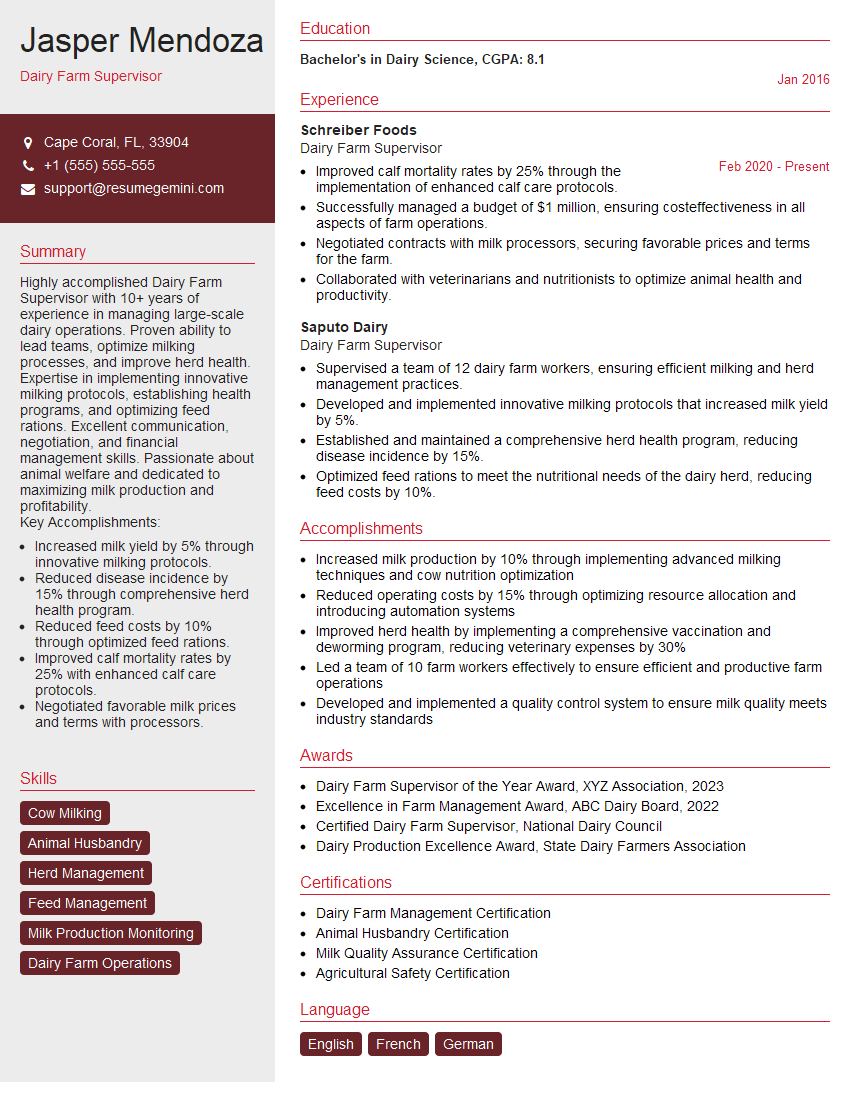
Mastering Cow Comfort and Welfare Practices is crucial for career advancement in the dairy industry. Demonstrating a deep understanding of these practices will significantly enhance your job prospects and highlight your commitment to ethical and sustainable farming. Creating a strong, ATS-friendly resume is vital for getting your application noticed. To help you build a compelling resume that showcases your skills and experience, we strongly recommend using ResumeGemini. ResumeGemini offers a user-friendly platform and provides examples of resumes tailored to Cow Comfort and Welfare Practices, ensuring your application stands out from the competition.

Explore more articles
Users Rating of Our Blogs
Share Your Experience
We value your feedback! Please rate our content and share your thoughts (optional).
What Readers Say About Our Blog
Very informative content, great job.
good