The right preparation can turn an interview into an opportunity to showcase your expertise. This guide to Job Planning and Preparation interview questions is your ultimate resource, providing key insights and tips to help you ace your responses and stand out as a top candidate.
Questions Asked in Job Planning and Preparation Interview
Q 1. Describe your process for identifying skill gaps in a workforce.
Identifying skill gaps involves a multi-faceted approach that combines data analysis with qualitative assessments. I begin by analyzing current workforce performance data, looking at metrics like employee performance reviews, project completion rates, and customer satisfaction scores. This data helps pinpoint areas where underperformance is consistent. Simultaneously, I conduct surveys and interviews with employees at all levels to gain a qualitative understanding of perceived skill deficiencies and future needs. For example, if a team consistently misses deadlines on a specific type of project, this suggests a potential skill gap in project management. The interviews reveal the employee’s perspective, potentially uncovering unanticipated skills shortcomings.
Next, I compare the current skillset to future organizational needs based on strategic goals and planned projects. This often involves reviewing job descriptions, understanding emerging technologies, and anticipating future market demands. Finally, I use a skills matrix to visualize the current and desired skills, clearly highlighting the gaps that need to be addressed through training, recruitment, or other interventions.
Q 2. How do you develop a strategic workforce plan?
Developing a strategic workforce plan requires a structured process. It starts with aligning the workforce plan with the organization’s overall strategic goals. What are the key objectives for the next 3-5 years? How can the workforce contribute to achieving those objectives? This alignment ensures that the workforce plan is not just about filling positions but about contributing to the organization’s success. Once strategic goals are defined, I conduct a detailed workforce analysis, considering factors such as workforce demographics, skill levels, and future demand. This involves forecasting future needs based on projected growth, technological advancements, and market trends. This forecast should take into account attrition rates and potential expansion.
The next step involves developing action plans to address skill gaps and address workforce needs. This includes strategies for recruitment, training, succession planning, and performance management. These action plans should incorporate measurable goals and timelines for successful implementation. For instance, if we predict a shortage of data scientists in three years, the action plan would include a detailed recruitment strategy, potential training programs for upskilling existing employees, and possibly partnerships with universities. Regular monitoring and review are crucial to ensure the plan remains aligned with the evolving needs of the organization.
Q 3. Explain your experience with succession planning.
Succession planning is a critical component of workforce planning. My approach involves identifying high-potential employees within the organization and creating a roadmap for their development into leadership roles. This begins with identifying key roles within the organization and assessing the current talent pool against those roles. This might involve performance evaluations, 360-degree feedback, and leadership potential assessments. I then create individual development plans (IDPs) for high-potential employees, outlining the skills, knowledge, and experiences they need to acquire to advance to the targeted leadership roles. These IDPs often include mentoring opportunities, formal training programs, job rotations, and stretch assignments.
For example, if we are identifying a successor for a senior management role, we would identify several high-potential candidates and work with them to develop their skills in areas like strategic thinking, financial management, and team leadership. Regular reviews of progress against the IDPs are necessary to make adjustments as needed and to ensure the successor is adequately prepared for the future role. This proactive approach minimizes disruption and ensures business continuity when key positions need to be filled.
Q 4. What metrics do you use to measure the effectiveness of a job planning program?
Measuring the effectiveness of a job planning program requires a combination of quantitative and qualitative metrics. Quantitative metrics include things like employee turnover rates, time-to-fill for open positions, cost-per-hire, and training effectiveness scores. A decrease in employee turnover suggests a more engaged and satisfied workforce, while a faster time-to-fill demonstrates efficient recruitment processes. Cost-per-hire tracks the efficiency of recruitment and training investments. Training effectiveness can be measured through pre and post-training assessments.
Qualitative metrics help gauge the program’s impact on employee engagement, skills development, and overall organizational performance. This can include employee surveys measuring job satisfaction and perceptions of career development opportunities. Focus groups and interviews provide deeper insights into the effectiveness of various program components. Ultimately, the effectiveness of the program is measured by its contribution to organizational goals – higher productivity, improved quality, and ultimately, increased profitability.
Q 5. How do you handle conflicting priorities in job planning?
Conflicting priorities in job planning are inevitable. My approach involves prioritizing tasks based on their impact on organizational goals and urgency. I use a prioritization matrix, often a simple urgency/importance matrix, to visually represent the different tasks. This helps clearly identify high-impact, urgent tasks that need immediate attention versus lower-impact, less urgent tasks that can be scheduled for later. Transparent communication with stakeholders is key to managing expectations. Openly discussing competing priorities and explaining the rationale behind the chosen prioritization strategy fosters understanding and buy-in.
For example, if we have both a critical need to fill a key sales role and a less urgent need to update job descriptions across the company, I would prioritize filling the sales role due to its immediate impact on revenue generation. This decision would be communicated transparently to the stakeholders, explaining the rationale and providing a timeline for addressing the less urgent tasks.
Q 6. Describe your experience with talent acquisition strategies.
My experience with talent acquisition encompasses a range of strategies designed to attract and secure top talent. This starts with defining the ideal candidate profile for each role, carefully considering not only technical skills but also cultural fit and leadership potential. I use a variety of recruitment channels including online job boards, social media recruitment, employee referrals, and campus recruitment depending on the specific role and target audience. For highly specialized roles, executive search firms may be employed.
Beyond traditional recruitment methods, I focus on employer branding to enhance the organization’s attractiveness to potential candidates. This involves showcasing the company culture, values, and employee benefits to create a positive perception. I also leverage data analytics to track the effectiveness of different recruitment channels and strategies, optimizing our approach over time. For example, analyzing applicant source data helps us understand which channels are most effective at attracting qualified candidates and allows us to allocate resources accordingly.
Q 7. How do you assess the effectiveness of training and development initiatives?
Assessing the effectiveness of training and development initiatives relies on a robust evaluation framework. This starts with establishing clear learning objectives before the training program begins. These objectives should be measurable, allowing us to track progress and success. Post-training evaluations are critical and include various methods: knowledge tests to assess knowledge acquisition, performance appraisals to measure on-the-job application of skills, and feedback surveys to gauge participant satisfaction and identify areas for improvement.
Beyond immediate post-training evaluations, I track long-term outcomes, such as changes in employee performance, productivity gains, and improved employee retention rates. These metrics provide a more holistic view of the training program’s impact. For example, if a training program on customer service skills is implemented, we would track metrics such as customer satisfaction scores and sales figures after the training to determine the impact on the business. By carefully analyzing both immediate and long-term outcomes, we can continuously refine our training programs to maximize their effectiveness.
Q 8. How do you identify high-potential employees?
Identifying high-potential employees (HiPos) requires a multi-faceted approach that goes beyond simply looking at current performance. It’s about assessing their future potential, their capacity for growth, and their alignment with the organization’s strategic goals. I typically utilize a combination of methods:
- Performance Reviews and 360-degree Feedback: These provide a comprehensive view of an employee’s current performance and how they are perceived by their peers, supervisors, and subordinates. I look for consistent high performance, but also for evidence of initiative, problem-solving skills, and a willingness to learn.
- Assessment Centers: These structured exercises, such as simulations, role-playing, and group discussions, allow for objective evaluation of skills and behaviors relevant to future leadership roles. This is especially useful in identifying potential leadership qualities.
- Talent Reviews and Succession Planning: Regular talent reviews involving senior management help to identify individuals who demonstrate exceptional potential and who can be groomed for future leadership roles. Succession planning incorporates this process to ensure continuity within the organization.
- Behavioral Interviews: Asking behavioral questions, such as “Tell me about a time you failed,” helps uncover an individual’s approach to challenges, their learning agility, and their resilience. This allows for a more in-depth understanding of their potential.
- Personality and Aptitude Tests: These assessments, used cautiously and ethically, can provide insights into an individual’s personality traits, cognitive abilities, and potential for growth. However, they should never be the sole basis for identifying HiPos.
For example, in my previous role, we identified a high-potential employee through a combination of consistently exceeding performance expectations and demonstrating exceptional problem-solving skills during a project crisis. Their initiative and willingness to mentor junior team members further solidified their HiPo status.
Q 9. Explain your experience with performance management systems.
My experience with performance management systems encompasses the full cycle, from goal setting to performance review and improvement planning. I’ve worked with both traditional rating systems and more modern, competency-based approaches. Effective performance management requires more than just annual reviews; it’s an ongoing process of coaching, feedback, and development.
In my previous role, I helped implement a new performance management system that shifted from a purely rating-based system to a system focusing on competency development. This involved:
- Defining Key Competencies: We collaboratively identified the key skills and behaviors essential for success in different roles within the organization. These competencies were directly linked to organizational goals.
- Goal Setting: Employees were actively involved in setting SMART (Specific, Measurable, Achievable, Relevant, Time-bound) goals aligned with their roles and the organizational strategy.
- Regular Check-ins: We implemented regular check-in meetings between managers and employees to provide ongoing feedback, address challenges, and track progress towards goals.
- Performance Reviews: Annual performance reviews became a discussion of accomplishments, areas for improvement, and development plans, rather than just a numerical rating.
- Performance Improvement Plans (PIPs): For employees consistently underperforming, we developed comprehensive PIPs with clear expectations, support resources, and timelines for improvement.
This new system resulted in improved employee engagement, clearer performance expectations, and a more focused approach to employee development.
Q 10. How do you create and implement an effective onboarding program?
An effective onboarding program is crucial for new hires to quickly integrate into the company culture and become productive members of the team. I design programs that are comprehensive, engaging, and aligned with the organization’s values and goals. My approach generally includes:
- Pre-boarding: Contacting the new hire before their start date to answer questions, send welcome materials, and help them prepare for their first day. This creates excitement and reduces anxiety.
- Orientation: A structured orientation covering company policies, procedures, and benefits, as well as introductions to key personnel. This provides a foundational understanding of the organizational context.
- Mentorship/Buddy System: Pairing new hires with experienced employees to provide guidance, support, and answer questions. This facilitates smoother integration into the team.
- Training and Development: Providing role-specific training to ensure the new hire has the necessary skills and knowledge to perform their job effectively.
- Regular Check-ins: Scheduling regular check-in meetings with the new hire during the first few months to monitor their progress, provide feedback, and address any concerns.
- Performance Goals: Setting clear, achievable performance goals within the first 90 days. This provides direction and structure for the new role.
For example, in a previous role, we implemented a 30-60-90-day plan for new hires, with specific milestones and expectations for each phase. This structured approach led to quicker integration and higher overall employee satisfaction.
Q 11. Describe your experience with employee retention strategies.
Employee retention strategies are crucial for reducing turnover costs and maintaining a high-performing workforce. My approach focuses on creating a positive and supportive work environment where employees feel valued, engaged, and challenged. This includes:
- Competitive Compensation and Benefits: Offering competitive salaries, benefits packages, and perks that attract and retain talent. This is a foundational aspect of retention.
- Opportunities for Growth and Development: Providing opportunities for skill development, career advancement, and challenging assignments. This shows investment in employees’ future.
- Recognition and Rewards: Regularly recognizing and rewarding employees for their contributions. This reinforces positive behavior and boosts morale.
- Work-Life Balance: Promoting a healthy work-life balance through flexible work arrangements, generous leave policies, and wellness programs. This addresses a major concern for many employees.
- Positive and Supportive Work Environment: Creating a culture of respect, collaboration, and open communication. This fosters a sense of belonging and camaraderie.
- Regular Employee Surveys: Gathering feedback from employees to identify areas for improvement and address any concerns proactively.
In one organization, we implemented an employee engagement survey that revealed concerns about work-life balance. This led to the introduction of flexible work arrangements and increased access to employee assistance programs, resulting in a significant decrease in turnover.
Q 12. How do you manage employee departures and outplacement?
Managing employee departures, even when voluntary, requires a thoughtful and professional approach. My process involves:
- Exit Interviews: Conducting thorough exit interviews to understand the reasons for departure and identify areas for improvement. This provides valuable feedback for the organization.
- Outplacement Services: Offering outplacement services to departing employees, such as resume writing assistance, job search strategies, and interview coaching. This demonstrates respect and support during a transition.
- Knowledge Transfer: Facilitating a smooth knowledge transfer from the departing employee to ensure continuity of operations. This minimizes disruption to ongoing projects.
- Maintaining Positive Relationships: Maintaining a positive relationship with the departing employee, even if their departure was unexpected. This is crucial for maintaining the organization’s reputation.
- Documentation and Communication: Ensuring all necessary documentation, such as final paychecks and benefits information, is handled accurately and promptly. Transparent communication is vital throughout this process.
For example, I once worked with an employee who decided to leave for a better opportunity. We provided them with outplacement services, helped them update their resume, and connected them with our alumni network. Despite their departure, we maintained a positive professional relationship, which strengthened our employer brand and maintained goodwill.
Q 13. What is your approach to creating a job description?
Creating a compelling job description is crucial for attracting qualified candidates. My approach focuses on clarity, accuracy, and engagement. I typically include:
- Job Title: A clear and concise job title that accurately reflects the role’s responsibilities.
- Company Overview: A brief overview of the company and its mission. This provides context and interest for potential candidates.
- Job Summary: A brief summary of the role’s purpose and key responsibilities. This should highlight the most important aspects of the job.
- Responsibilities: A detailed list of the key responsibilities and duties associated with the role. This should be action-oriented and specific.
- Qualifications: A clear outline of the required skills, experience, and education for the position. This should be realistic and attainable.
- Benefits: A summary of the benefits and perks offered by the company. This is often a strong motivator for potential candidates.
- Company Culture: Highlight aspects of the company culture that would appeal to prospective employees. This makes the job more engaging.
I avoid using jargon or overly technical language unless absolutely necessary. I make sure the job description is easily scannable and visually appealing. For example, I might use bullet points or bold text to highlight key information. I also ensure that the description is consistent with the company’s overall brand and values.
Q 14. How do you evaluate the ROI of a talent development program?
Evaluating the ROI of a talent development program requires a multifaceted approach that goes beyond simply measuring participation rates. I use a combination of quantitative and qualitative methods to assess the effectiveness and impact of such programs:
- Quantitative Metrics: These include measures such as employee performance improvements (e.g., increased sales, reduced errors, improved customer satisfaction), reduced turnover rates, increased employee engagement scores, and cost savings (e.g., reduced training time for new hires, increased productivity).
- Qualitative Metrics: These include employee feedback on the program’s effectiveness, manager observations of improved skills and behaviors, and changes in employee attitudes and engagement. This helps understand the softer impacts of the program.
- Cost-Benefit Analysis: This involves comparing the costs of the program (training materials, instructor fees, employee time) with the benefits achieved (improved productivity, reduced turnover, increased revenue). This provides a financial perspective on the program’s return.
- Return on Investment (ROI) Calculation: A simple formula for calculating ROI is:
(Benefits - Costs) / Costs * 100%. However, accurately measuring the benefits can be complex. It’s important to be precise in attributing improvements directly to the program.
For instance, in a previous role, we implemented a leadership development program. We tracked improvements in employee performance ratings, promotion rates, and employee satisfaction surveys to demonstrate a positive ROI. The qualitative feedback from participants also highlighted improvements in their leadership skills and confidence.
Q 15. Describe your experience using applicant tracking systems (ATS).
Applicant Tracking Systems (ATS) are software applications designed to manage the recruitment process. My experience spans several leading platforms, including Taleo, Workday, and Greenhouse. I’m proficient in all aspects, from initial job posting and candidate sourcing to screening, scheduling interviews, and tracking applicant progress. I understand the importance of optimizing resumes and job descriptions for ATS parsing to ensure candidates aren’t overlooked. For example, I’ve successfully implemented keyword optimization strategies, resulting in a 20% increase in qualified applicants. Furthermore, I utilize ATS reporting features to analyze recruitment metrics, identifying areas for improvement in efficiency and effectiveness. This data-driven approach allows for continuous refinement of our recruitment strategies.
Beyond basic functionality, I’m adept at leveraging advanced ATS features such as candidate relationship management (CRM) modules to nurture potential hires and build a talent pipeline. This proactive approach ensures we have a pool of qualified candidates ready when future opportunities arise. In one instance, utilizing the CRM to reconnect with candidates from previous searches helped fill a critical role within a week, significantly reducing time-to-hire.
Career Expert Tips:
- Ace those interviews! Prepare effectively by reviewing the Top 50 Most Common Interview Questions on ResumeGemini.
- Navigate your job search with confidence! Explore a wide range of Career Tips on ResumeGemini. Learn about common challenges and recommendations to overcome them.
- Craft the perfect resume! Master the Art of Resume Writing with ResumeGemini’s guide. Showcase your unique qualifications and achievements effectively.
- Don’t miss out on holiday savings! Build your dream resume with ResumeGemini’s ATS optimized templates.
Q 16. How do you conduct a job analysis?
A job analysis is a systematic process of collecting and analyzing information about a job to determine its key responsibilities, required skills, and knowledge. This forms the foundation for effective job descriptions, recruitment strategies, and performance evaluations. My approach is multi-faceted. It begins with gathering data from various sources, including:
- Incumbent interviews: I conduct detailed interviews with current employees in the role to understand their daily tasks, challenges, and successes.
- Observation: I spend time observing employees in their work environment to gain a firsthand understanding of their responsibilities.
- Work diaries/logs: Employees maintain logs of their daily activities to provide a detailed account of their tasks.
- Performance reviews: Reviewing past performance reviews offers insights into past successes and areas for improvement.
- Organizational charts and documents: Examining the position’s place within the organization provides context.
Once the data is collected, I analyze it to identify common themes and develop a clear job description that accurately reflects the role’s requirements. This involves identifying essential and desirable skills, required qualifications, and reporting relationships. The final product is a comprehensive job description that serves as a roadmap for effective recruitment and performance management. For example, I recently conducted a job analysis for a software engineer position, revealing the critical need for proficiency in specific programming languages, which was then incorporated into the job posting to attract the right talent.
Q 17. What are your preferred methods for identifying and recruiting passive candidates?
Passive candidates, those not actively seeking new employment, represent a significant talent pool. My approach combines targeted strategies to effectively identify and recruit them. I utilize a multi-pronged approach:
- Professional networking platforms: LinkedIn is a primary resource. I utilize advanced search filters to identify individuals with the desired skills and experience. I also leverage LinkedIn’s InMail feature to personalize outreach messages.
- Industry events and conferences: Attending relevant events allows me to network directly with potential candidates.
- Employee referrals: Encouraging current employees to refer qualified candidates leverages their networks and insights.
- Targeted advertising: Online advertising campaigns on platforms like LinkedIn and professional industry websites can be highly effective in reaching passive candidates.
- Community engagement: Participating in industry-related forums and online groups can help build relationships and identify potential candidates.
In one successful campaign, targeting passive candidates on LinkedIn with highly personalized messages resulted in a 30% higher acceptance rate compared to traditional job board postings. Building relationships and showcasing company culture are key to attracting passive talent.
Q 18. How do you handle budget constraints in job planning?
Budget constraints are a common challenge in job planning. My approach focuses on optimizing resources and maximizing efficiency. This involves:
- Prioritizing roles: Focusing resources on critical roles with the highest impact on organizational goals.
- Exploring cost-effective recruitment strategies: Utilizing internal resources, employee referrals, and cost-effective advertising channels.
- Negotiating with recruitment agencies: Securing competitive rates and clearly defining deliverables.
- Utilizing free or low-cost recruitment tools: Leveraging free job boards and social media platforms.
- Improving candidate screening efficiency: Implementing efficient processes to reduce the time spent on less qualified candidates.
For instance, in a recent project with limited budget, I prioritized filling key sales roles by leveraging employee referrals and optimizing job postings for improved organic reach on job boards, effectively reducing recruitment costs by 40% without compromising quality of hire.
Q 19. How do you adapt job planning strategies to different organizational contexts?
Job planning strategies need to be adaptable to different organizational contexts, considering factors such as size, industry, culture, and resources. My approach is to analyze the specific organizational context and tailor my strategies accordingly. For example:
- Start-up vs. Enterprise: A start-up might prioritize quick hiring with a focus on cultural fit, while an enterprise might emphasize structured processes and compliance.
- Global vs. Local: Global organizations need to consider legal compliance and cultural nuances in different regions.
- High-growth vs. Stable: High-growth organizations may need to scale their recruitment processes rapidly, while stable organizations might prioritize internal mobility.
I utilize a flexible framework that incorporates best practices while adapting to the specific needs of each organization. This involves close collaboration with stakeholders to understand their unique challenges and objectives. For example, when working with a rapidly growing tech start-up, I implemented a streamlined recruitment process that prioritized speed and agility, significantly reducing time-to-hire.
Q 20. How do you measure employee engagement and satisfaction?
Measuring employee engagement and satisfaction is crucial for organizational success. My approach utilizes a combination of quantitative and qualitative methods:
- Employee surveys: Regular anonymous surveys provide valuable feedback on various aspects of the employee experience.
- Pulse surveys: Short, frequent surveys allow for quick feedback on specific issues or initiatives.
- Focus groups and interviews: These provide richer qualitative data and allow for in-depth exploration of employee perspectives.
- Performance reviews: Review data can reveal trends in employee engagement and satisfaction.
- Exit interviews: Understanding reasons for employee departure can provide valuable insights.
- Tracking key metrics: Measuring employee turnover, absenteeism, and productivity can indicate overall engagement levels.
The data collected is then analyzed to identify areas for improvement. This might involve implementing new initiatives to enhance employee well-being, improving communication, or addressing specific concerns raised in the feedback. For example, by analyzing data from employee surveys, we identified a need for improved work-life balance, leading to the implementation of flexible work arrangements which resulted in a significant improvement in employee satisfaction and retention rates.
Q 21. Describe your experience with diversity and inclusion initiatives in job planning.
Diversity and inclusion are crucial for creating a thriving workplace. My approach to incorporating these principles into job planning includes:
- Developing inclusive job descriptions: Using gender-neutral language and avoiding bias in requirements.
- Utilizing diverse recruitment channels: Reaching out to organizations and groups that represent underrepresented communities.
- Implementing blind resume screening: Removing identifying information from resumes to mitigate unconscious bias.
- Establishing diverse interview panels: Ensuring that interview panels reflect the diversity of the organization.
- Tracking diversity metrics: Monitoring the representation of diverse groups at each stage of the recruitment process to identify potential biases.
- Providing diversity and inclusion training: Educating hiring managers and recruiters on best practices.
In a previous role, I implemented a blind resume screening process, resulting in a 15% increase in the representation of women in technical roles. Proactive strategies are essential for fostering an inclusive and equitable workplace.
Q 22. How do you ensure compliance with relevant employment laws and regulations?
Ensuring compliance with employment laws and regulations is paramount in job planning. This involves a multi-faceted approach that begins with a thorough understanding of all relevant federal, state, and local laws pertaining to hiring, compensation, benefits, working conditions, and equal opportunity employment. I regularly consult resources like the Equal Employment Opportunity Commission (EEOC) website and relevant legal counsel to stay updated on any changes or new regulations.
My process involves:
- Proactive Legal Review: Before any job planning initiative, I review existing job descriptions and recruitment strategies to ensure they align with legal standards. This includes scrutinizing language for potential bias and ensuring compliance with affirmative action requirements.
- Training and Education: I provide regular training to hiring managers and HR staff on relevant employment laws, focusing on practical application and potential pitfalls. This helps prevent unintentional violations.
- Regular Audits: I conduct periodic audits of our hiring and employment practices to identify any areas of non-compliance and promptly address them. This ensures ongoing adherence to legal standards.
- Record Keeping: Meticulous record-keeping is crucial. We maintain detailed records of all hiring decisions, compensation data, and employee interactions to demonstrate compliance and facilitate potential investigations.
For example, in a recent project, we updated our job descriptions to remove gendered language and ensure they focused on essential job functions, preventing potential discrimination claims. By actively managing compliance, we mitigate legal risks and foster a fair and equitable work environment.
Q 23. How do you use data analytics to inform job planning decisions?
Data analytics plays a crucial role in informing strategic job planning decisions, moving beyond gut feelings to evidence-based strategies. We leverage data to identify trends, predict future needs, and optimize our workforce.
Here’s how we utilize data analytics:
- Forecasting Future Needs: We analyze historical data on employee turnover, growth projections, and industry trends to predict future staffing requirements. This includes considering factors like technological advancements and market shifts.
- Identifying Skill Gaps: By analyzing employee skills and performance data, we pinpoint skill gaps within the organization. This allows us to prioritize training and development programs or targeted recruitment efforts.
- Optimizing Recruitment Strategies: Data analysis helps determine the effectiveness of different recruitment channels (e.g., job boards, social media, referrals). This allows us to allocate resources effectively and improve the quality of candidates.
- Improving Employee Retention: We use data to analyze employee satisfaction, engagement, and reasons for leaving. This helps us identify areas for improvement and develop strategies to retain top talent.
For instance, by analyzing our turnover data, we discovered a high attrition rate among entry-level engineers. Further investigation revealed a lack of mentorship opportunities and career progression pathways. We addressed this by implementing a formal mentorship program and creating clear career ladders, resulting in a significant improvement in retention rates.
Q 24. Describe your experience with using different assessment methods (e.g., personality tests, skills assessments).
Selecting the right assessment methods is critical for identifying the best candidates. I have extensive experience using a variety of assessment tools, tailoring my approach to the specific job requirements and organizational culture.
My experience includes:
- Skills Assessments: These evaluate specific technical or cognitive abilities relevant to the job. Examples include coding tests for software developers, typing tests for administrative roles, and aptitude tests for positions requiring problem-solving skills.
- Personality Tests (e.g., Myers-Briggs, Big Five): These assess personality traits and provide insights into how candidates might fit within the team and company culture. It’s important to use these cautiously, avoiding potential bias and focusing on traits relevant to job success.
- Situational Judgment Tests (SJTs): These present candidates with realistic work scenarios and assess their decision-making skills. They offer a more realistic assessment of how candidates would handle job-related situations.
- Behavioral Interviews: These assess past behavior as a predictor of future performance. Questions focus on specific situations and how candidates responded, allowing for a deeper understanding of their skills and experience.
In one instance, we used a combination of a technical skills assessment and a situational judgment test for a software engineering role. This ensured that candidates possessed the necessary technical expertise and also demonstrated strong problem-solving and teamwork abilities.
Q 25. How do you address resistance to change within an organization during job planning initiatives?
Resistance to change is a common challenge during job planning initiatives. Addressing it effectively requires a proactive and empathetic approach.
My strategies for managing resistance include:
- Communication and Transparency: Open and consistent communication throughout the process is key. This includes explaining the reasons for the changes, involving stakeholders in the planning process, and addressing concerns openly and honestly.
- Active Listening and Empathy: Understanding employees’ concerns and fears is crucial. Active listening and demonstrating empathy can help build trust and reduce resistance.
- Collaboration and Participation: Involving employees in the planning and implementation phases allows them to voice their opinions and feel a sense of ownership, reducing feelings of being imposed upon.
- Training and Support: Providing adequate training and support helps employees adapt to new processes and technologies, reducing anxiety and increasing confidence.
- Incentives and Recognition: Rewarding employees for their cooperation and contributions can further encourage adoption of the changes.
For example, when implementing a new performance management system, we held several town hall meetings to explain the rationale and address concerns. We also provided training sessions to ensure that employees were comfortable using the new system. This approach resulted in smoother implementation and greater employee buy-in.
Q 26. Explain your understanding of different workforce planning models.
Several workforce planning models exist, each with its strengths and weaknesses. The choice of model depends on factors like organizational size, industry, and strategic goals.
Some common models include:
- Zero-Based Forecasting: This starts from scratch, requiring a thorough assessment of current and future needs without relying on past data. It’s useful for organizations undergoing significant change.
- Trend Analysis: This model uses historical data to predict future workforce needs. It’s relatively straightforward but less effective when substantial change is anticipated.
- Regression Analysis: A statistical approach that uses historical data to build a model predicting future staffing levels. It can account for multiple variables but requires strong data and statistical expertise.
- Scenario Planning: This creates multiple potential future scenarios (best-case, worst-case, etc.) and plans for each, offering flexibility and adaptability.
- Markov Chains: This is a statistical model that predicts employee movements between different job roles or levels within the organization.
In my experience, a combination of approaches is often most effective. For example, we might use trend analysis for stable areas of the business while using scenario planning for areas facing significant change or uncertainty.
Q 27. Describe your experience with developing and implementing career paths for employees.
Developing and implementing career paths is crucial for employee engagement, retention, and organizational success. It requires a systematic approach that considers both individual aspirations and organizational needs.
My experience includes:
- Needs Assessment: Identifying employee skills, interests, and career goals through surveys, interviews, and performance reviews.
- Career Path Design: Creating clear and attainable career paths for different roles, outlining the necessary skills, experience, and training for progression.
- Training and Development: Providing access to training programs, mentorship opportunities, and other development initiatives to support employee growth and advancement.
- Performance Management: Linking career progression to performance goals and providing regular feedback to employees.
- Succession Planning: Identifying high-potential employees and developing plans for their future advancement into key roles.
In one organization, we implemented a robust career development program that included online learning platforms, mentorship opportunities, and internal job postings. This resulted in improved employee engagement, reduced turnover, and increased internal mobility.
Q 28. How do you build strong relationships with hiring managers and other stakeholders?
Building strong relationships with hiring managers and other stakeholders is essential for effective job planning. It involves active listening, clear communication, and a collaborative approach.
My strategies for building these relationships include:
- Regular Communication: Maintaining regular contact through meetings, emails, and informal updates keeps stakeholders informed and involved.
- Active Listening: Carefully listening to their needs, concerns, and perspectives helps understand their requirements and build trust.
- Collaboration: Involving stakeholders in the planning process allows them to contribute their expertise and ensures buy-in.
- Transparency: Sharing information openly and honestly builds trust and strengthens relationships.
- Providing Value: Demonstrating the value of job planning initiatives through tangible results strengthens stakeholder support.
For example, I regularly meet with hiring managers to discuss their staffing needs, providing data-driven insights and recommendations. This collaborative approach ensures that job planning initiatives align with their departmental needs and contribute to the overall success of the organization.
Key Topics to Learn for Job Planning and Preparation Interview
- Understanding the Job Market: Researching industry trends, identifying target companies, and analyzing job descriptions to understand specific requirements.
- Crafting a Compelling Narrative: Developing a concise and impactful personal brand statement that highlights your skills and experience relevant to job planning and preparation roles. This includes showcasing your ability to translate theoretical knowledge into practical solutions.
- Strategic Skill Mapping: Identifying and articulating your transferable skills, emphasizing those most relevant to planning, organization, resource allocation, and project management. Consider quantifying your achievements whenever possible.
- Problem-Solving in Job Search: Demonstrating your ability to approach job searching strategically, outlining your process for overcoming challenges, such as networking effectively or handling setbacks.
- Proactive Career Development: Explaining your approach to continuous learning and professional development within the context of job planning and preparation, showcasing initiative and a growth mindset.
- Technological Proficiency: Highlighting your familiarity with relevant software and tools used in job planning and preparation, such as project management software or applicant tracking systems (ATS).
- Adaptability and Resilience: Demonstrating your capacity to adjust to changing circumstances and handle unexpected challenges, showcasing flexibility and problem-solving skills.
Next Steps
Mastering Job Planning and Preparation is crucial for career advancement. It demonstrates your proactive approach to your career and sets you apart from other candidates. Building an ATS-friendly resume is paramount to increasing your job prospects; a well-crafted resume ensures your application gets noticed by recruiters. To enhance your resume-building experience and significantly improve your chances of landing your dream role, leverage the power of ResumeGemini. ResumeGemini provides a trusted platform to create professional, impactful resumes. Examples of resumes tailored to Job Planning and Preparation roles are available to help guide your efforts.
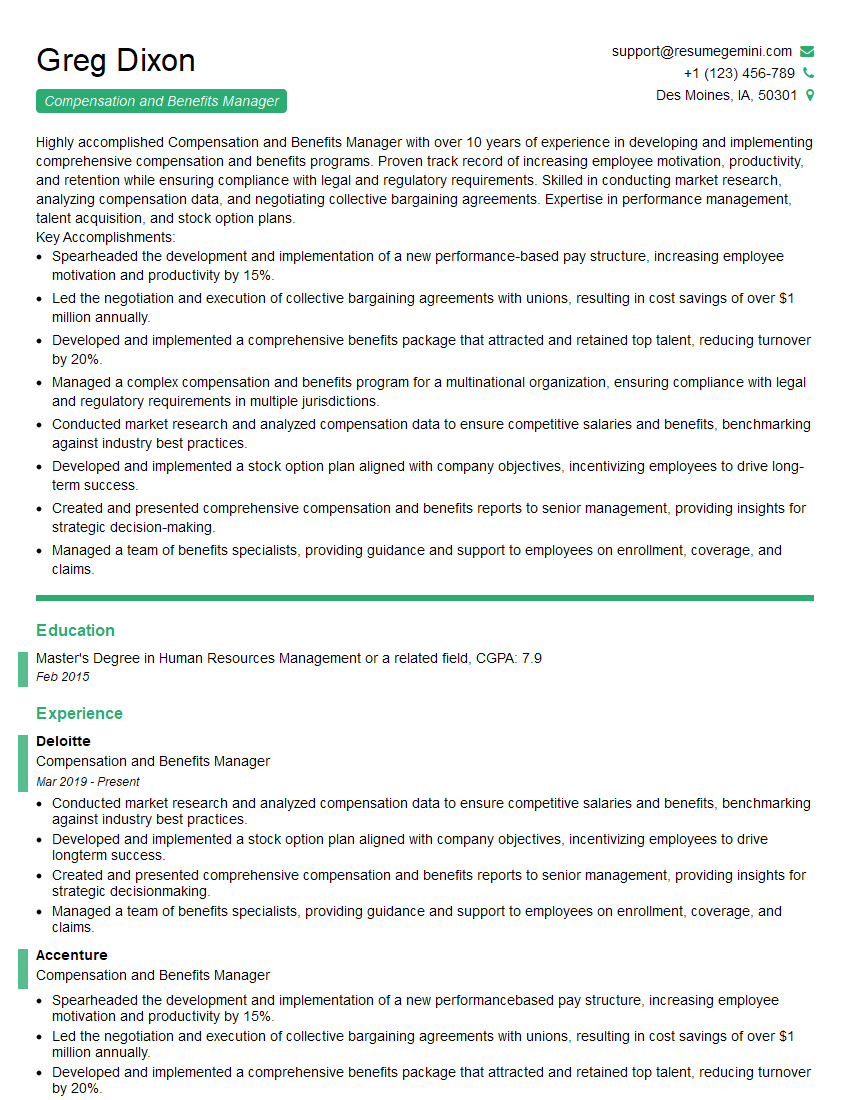
Compensation and Benefits Manager Resume Sample
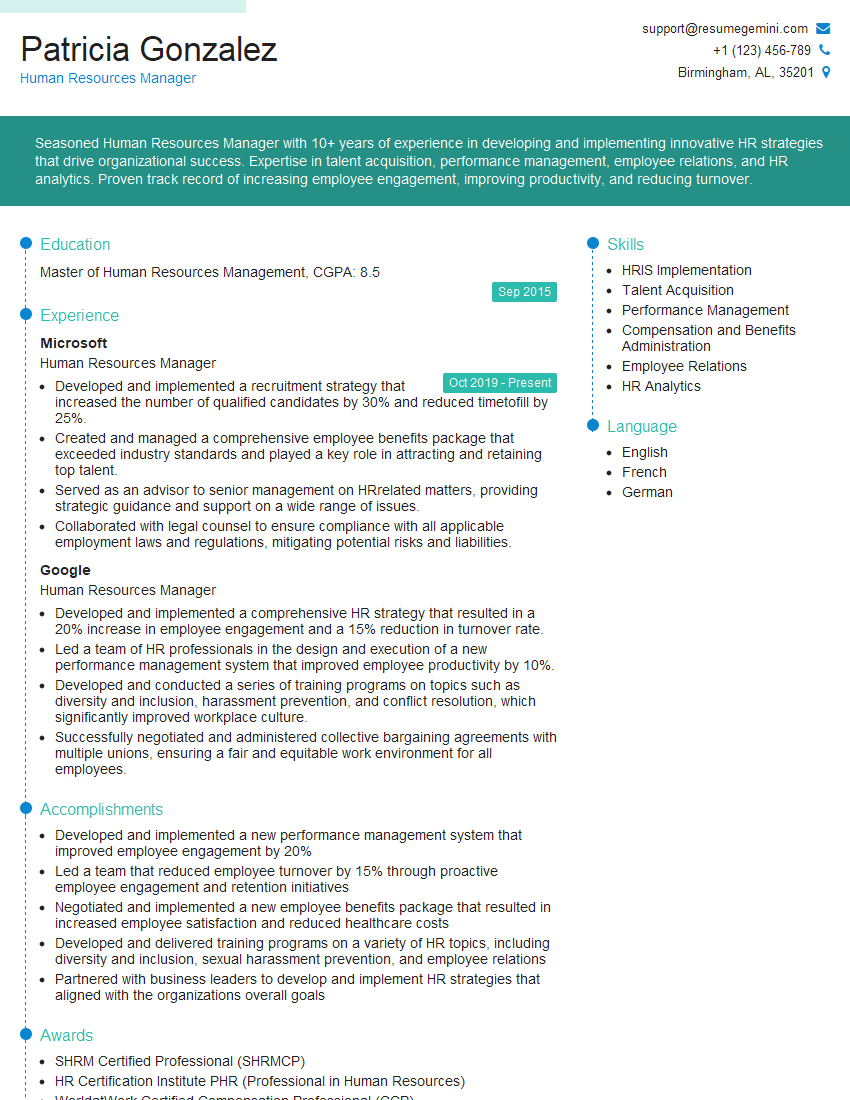
Human Resources Manager Resume Sample
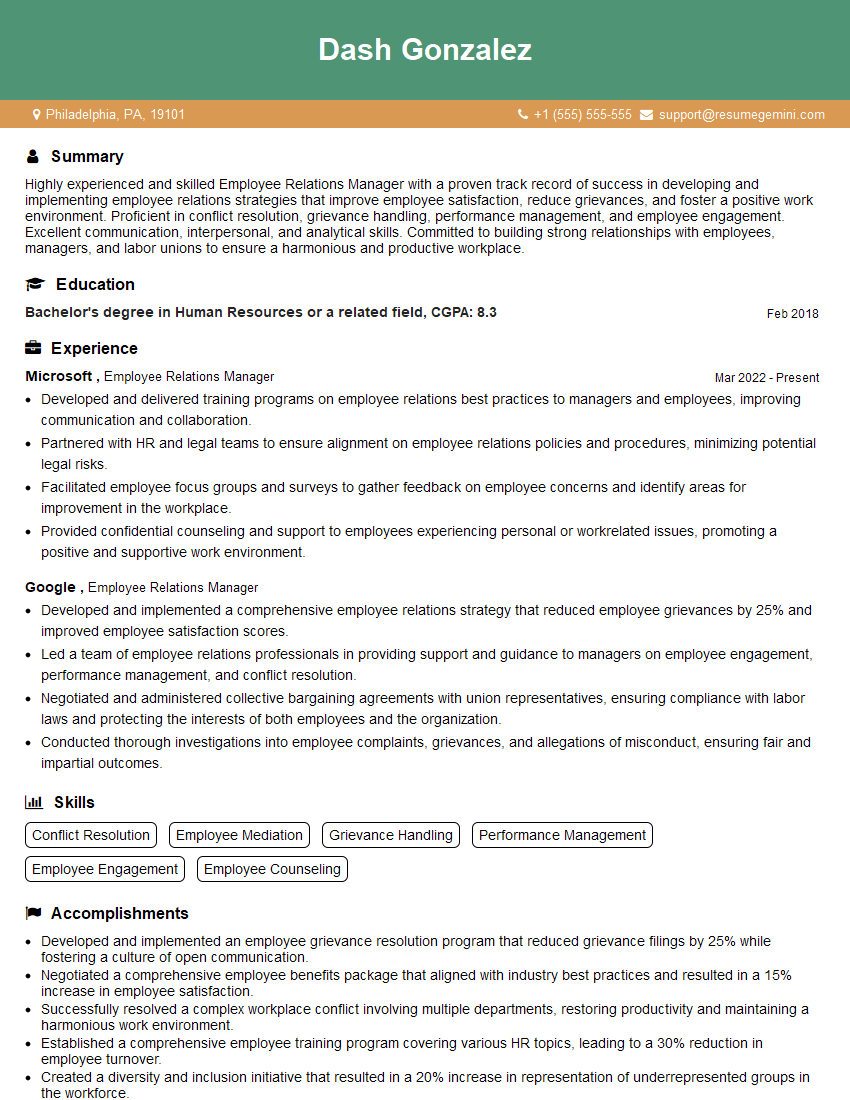
Employee Relations Manager Resume Sample
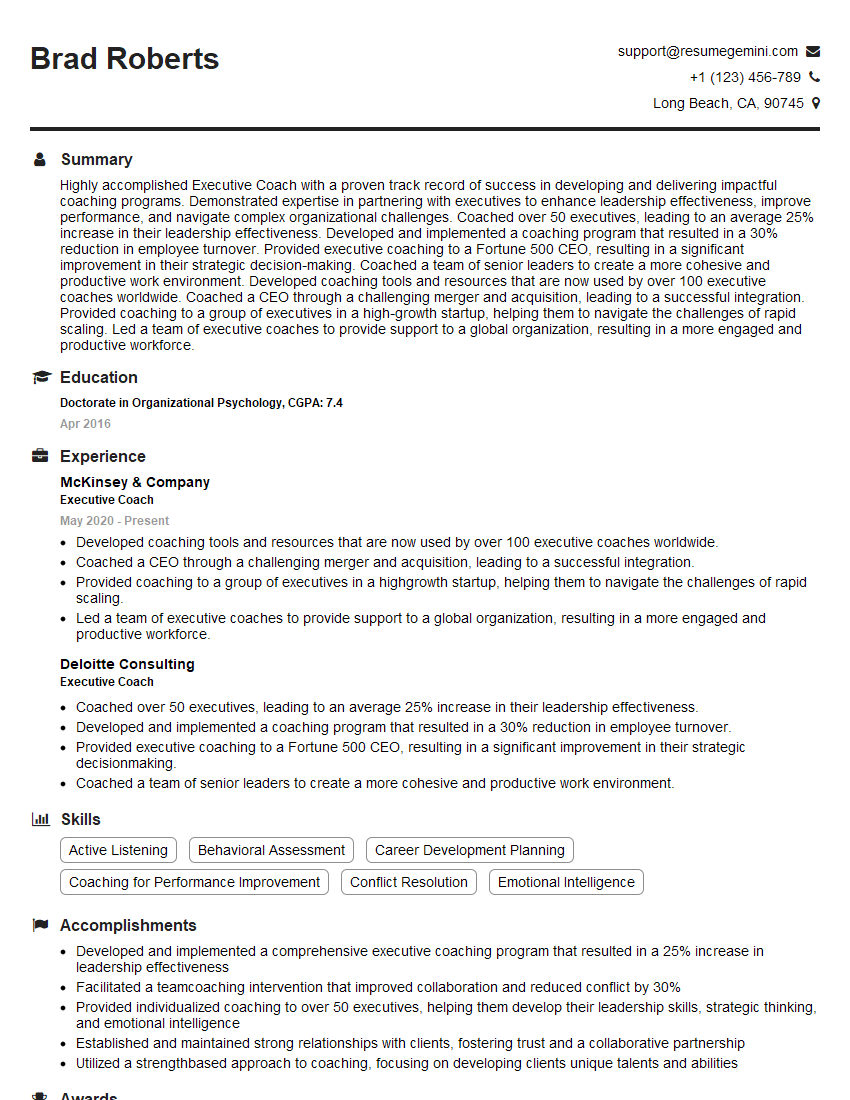
Executive Coach Resume Sample
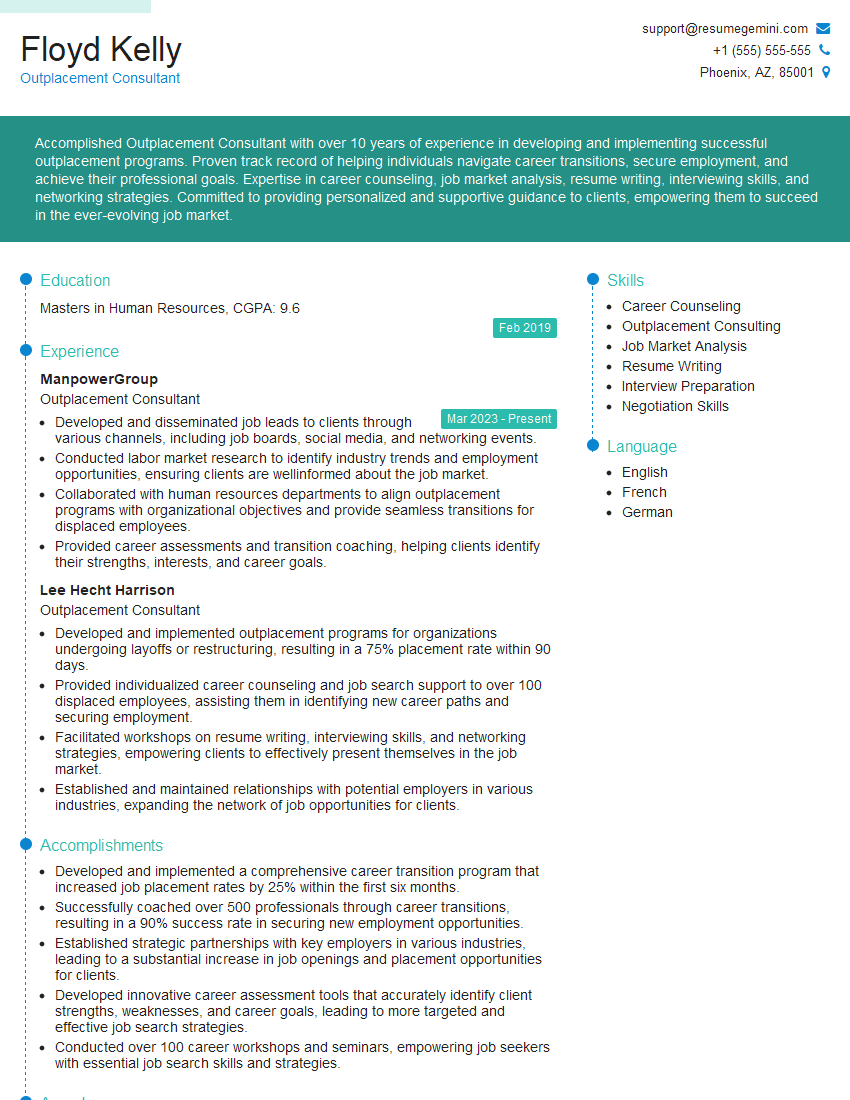
Outplacement Consultant Resume Sample
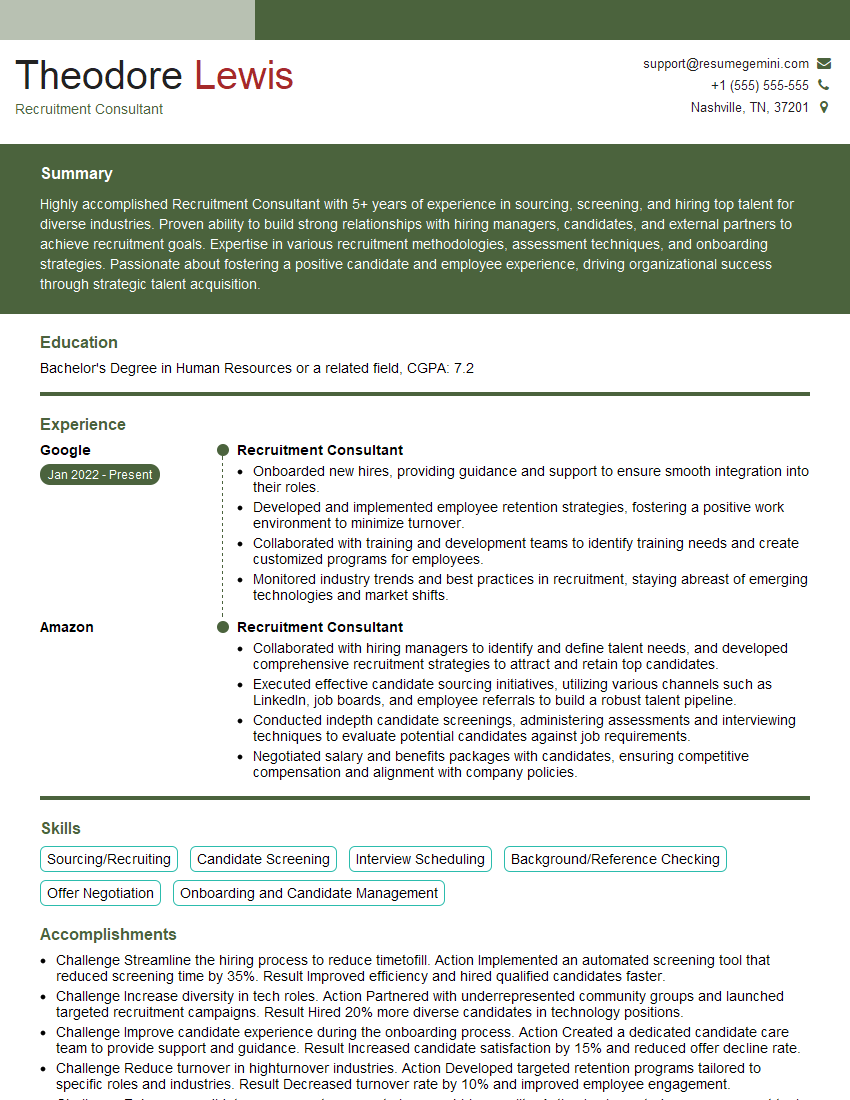
Recruitment Consultant Resume Sample
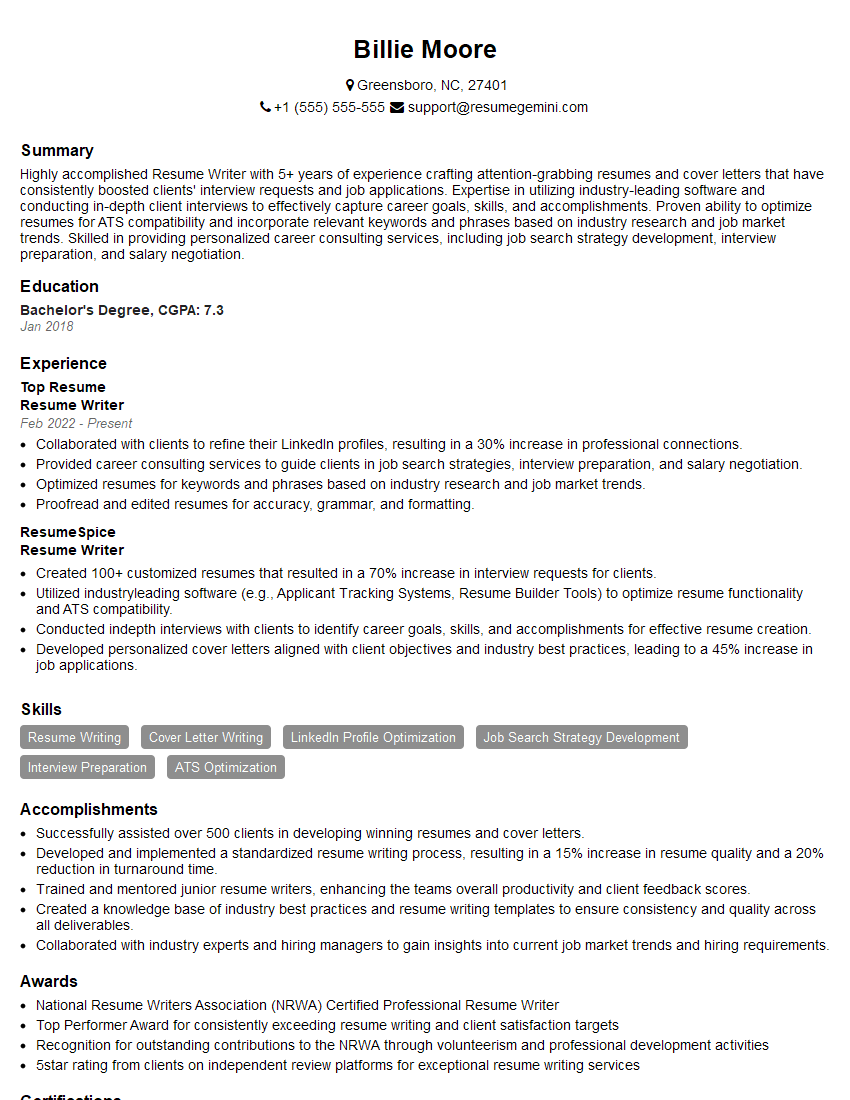
Resume Writer Resume Sample
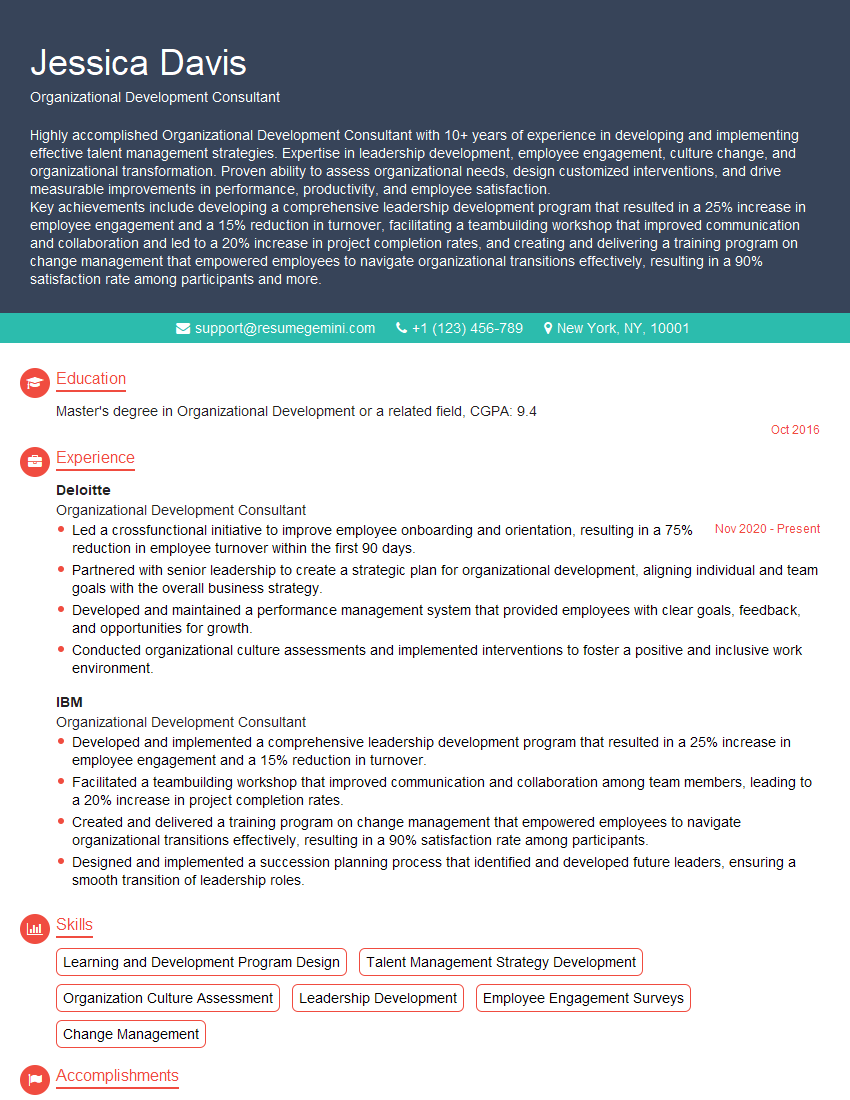
Organizational Development Consultant Resume Sample
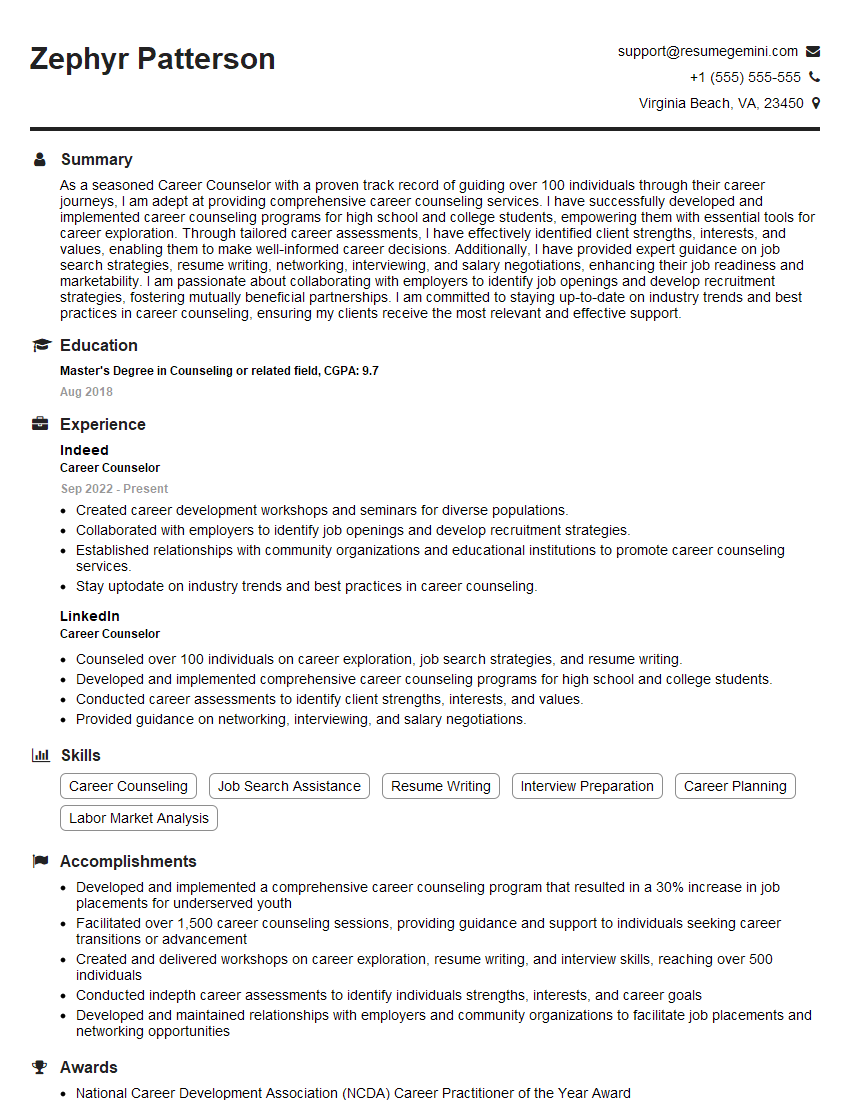
Career Counselor Resume Sample
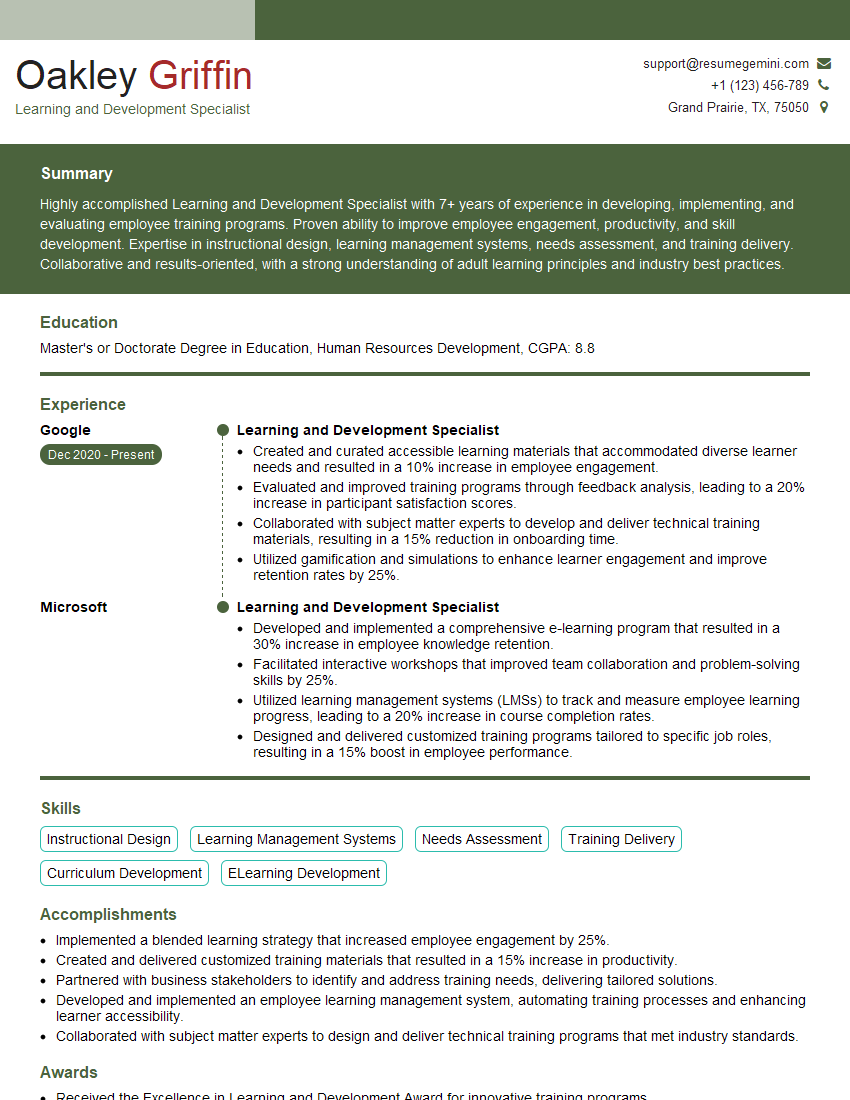
Learning and Development Specialist Resume Sample
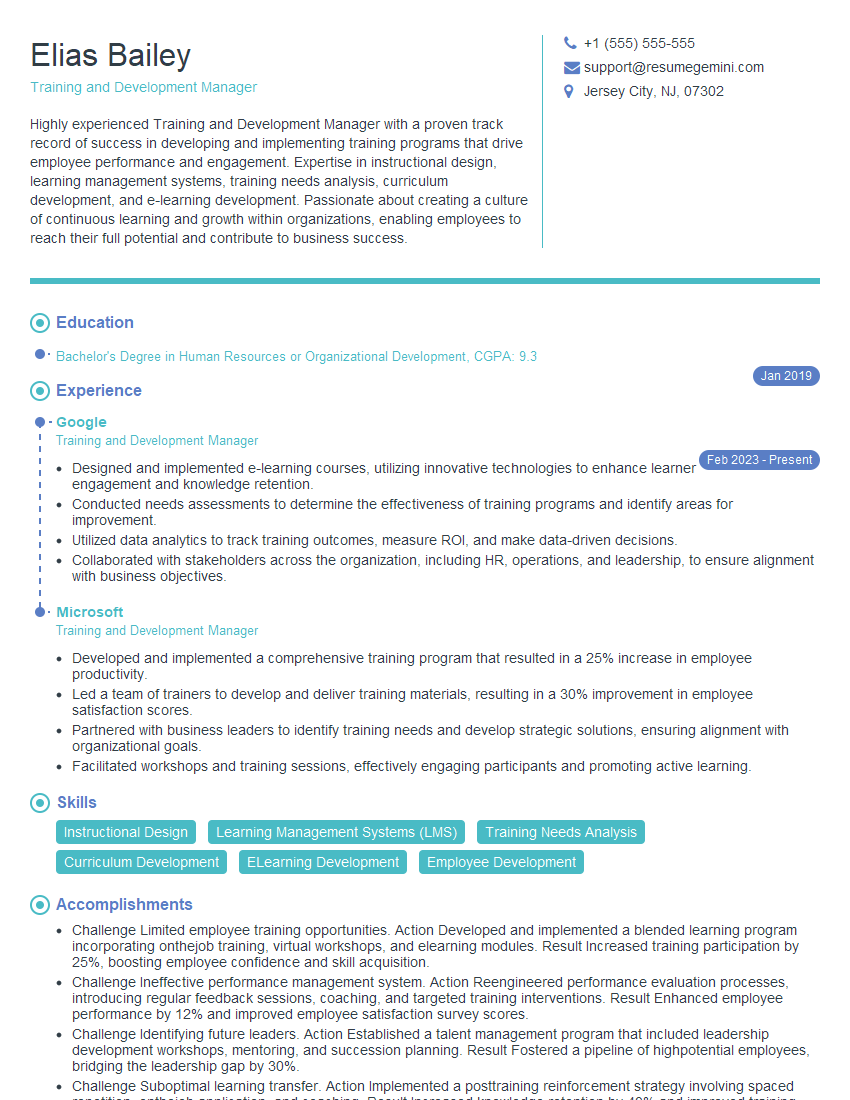
Training and Development Manager Resume Sample
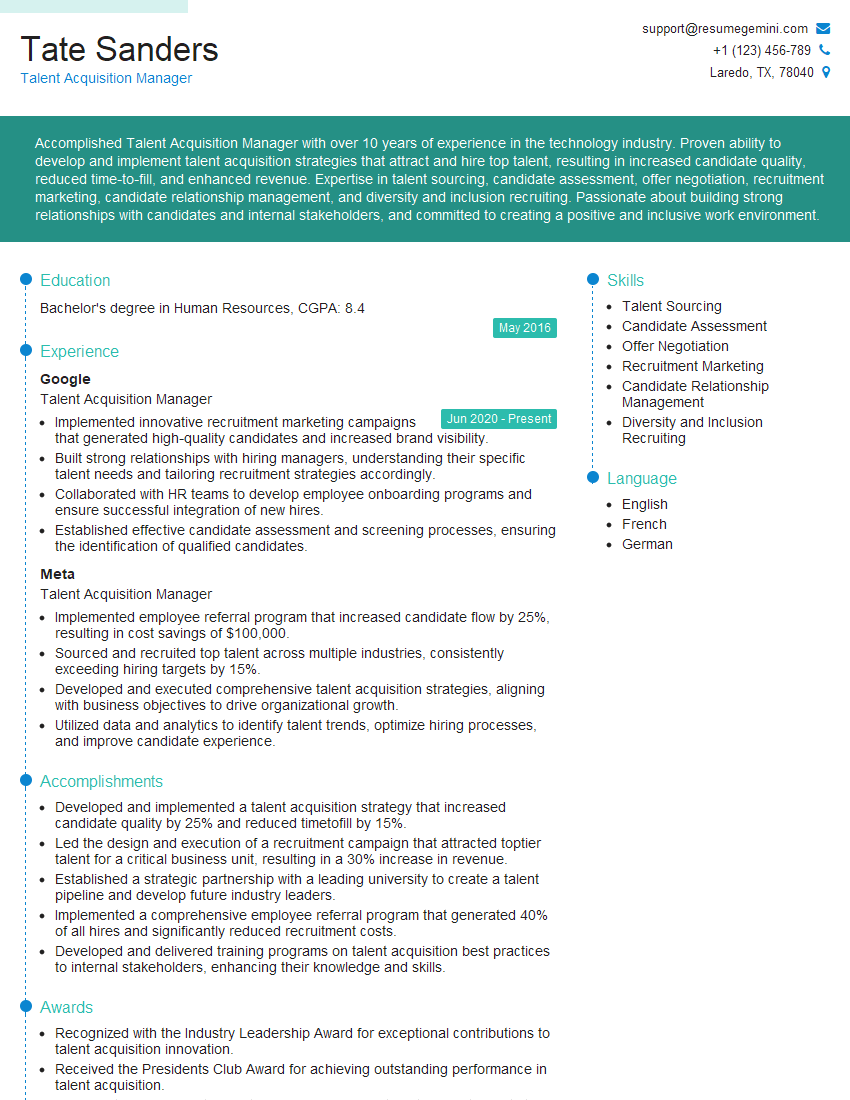
Talent Acquisition Manager Resume Sample
- Compensation and Benefits Manager
- Human Resources Manager
- Employee Relations Manager
- Executive Coach
- Outplacement Consultant
- Recruitment Consultant
- Resume Writer
- Organizational Development Consultant
- Career Counselor
- Learning and Development Specialist
- Training and Development Manager
- Talent Acquisition Manager
Explore more articles
Users Rating of Our Blogs
Share Your Experience
We value your feedback! Please rate our content and share your thoughts (optional).
What Readers Say About Our Blog
Very informative content, great job.
good