Unlock your full potential by mastering the most common Cow Comfort interview questions. This blog offers a deep dive into the critical topics, ensuring you’re not only prepared to answer but to excel. With these insights, you’ll approach your interview with clarity and confidence.
Questions Asked in Cow Comfort Interview
Q 1. Describe the key indicators of cow comfort.
Cow comfort is multifaceted and encompasses several key indicators reflecting the cow’s physical and behavioral well-being. We assess it through a combination of direct observation and data collection. Key indicators include:
- Lameness: This is a significant indicator. Cows exhibiting lameness, characterized by limping or difficulty walking, are clearly uncomfortable. We use scoring systems to quantify lameness severity.
- Lying Behavior: A comfortable cow spends a significant portion of her day lying down – ideally, 12-14 hours. Reduced lying time indicates discomfort. We monitor this through observation and potentially automated systems like activity monitors.
- Resting Behavior: This goes beyond just lying time; it considers the quality of rest. Frequent getting up and down suggests discomfort, as does difficulty getting up.
- Body Condition Score (BCS): BCS reflects the amount of fat reserves on a cow. An ideal BCS indicates adequate nutrition and overall health, contributing to comfort. Thin cows may be uncomfortable due to hunger or underlying health issues.
- Cleanliness: Clean, dry bedding significantly impacts comfort. Excessive manure soiling or wetness indicates poor hygiene and potentially discomfort.
- Social Interactions: Aggression or isolation among cows can suggest a stressful environment impacting overall comfort.
- Feed Intake: A drop in feed intake can be a subtle indicator of discomfort, pain, or illness.
Monitoring these indicators helps us understand the overall well-being of the herd and pinpoint areas for improvement in cow comfort.
Q 2. Explain the relationship between cow comfort and milk production.
Cow comfort is intrinsically linked to milk production. A comfortable cow is a productive cow. This relationship is complex but well-established. Discomfort, especially chronic discomfort like lameness or heat stress, leads to:
- Reduced Milk Yield: Pain and stress divert energy away from milk production towards coping mechanisms.
- Decreased Feed Intake: Discomfort can reduce appetite, limiting nutrient availability for milk synthesis.
- Weakened Immune System: Chronic stress suppresses the immune system, increasing susceptibility to disease, further impacting milk production.
- Hormonal Imbalances: Stress hormones interfere with the complex hormonal regulation of milk production.
For example, a study showed that cows with severe lameness had a significant reduction in milk yield compared to their healthy counterparts. Improving cow comfort translates directly into increased milk production and improved farm profitability.
Q 3. What are the common causes of lameness in dairy cows, and how can they be prevented?
Lameness is a major welfare concern and significantly impacts productivity. Common causes include:
- Footrot: A bacterial infection causing inflammation and pain in the hoof.
- Sole ulcers: Lesions developing on the sole of the hoof, often due to hard surfaces or poor bedding.
- White line disease: A fungal infection affecting the junction between the hoof wall and sole.
- Hoof cracks: These can lead to infection and pain.
- Metabolic diseases: Conditions like milk fever and ketosis can weaken bones and increase susceptibility to lameness.
Prevention focuses on proactive hoof care, including:
- Regular hoof trimming: Removes overgrown hoof tissue and corrects imbalances.
- Providing adequate and comfortable bedding: Reduces the risk of sole ulcers.
- Maintaining clean and dry housing conditions: Minimizes the risk of footrot.
- Proper nutrition: Supports strong hoof structure and reduces the risk of metabolic diseases.
- Careful breeding practices: Selecting cows with naturally strong hooves.
Implementing these practices creates a preventative strategy, reducing the incidence of lameness and its associated costs.
Q 4. How do you assess the effectiveness of different bedding materials for cow comfort?
Assessing bedding effectiveness involves considering several factors beyond mere comfort. We evaluate:
- Cushioning: The bedding must provide adequate cushioning to reduce pressure on joints, particularly hocks and knees. We measure this by assessing the depth and resilience of the bedding.
- Dryness: Wet bedding leads to discomfort, skin irritation, and increased risk of infections. We regularly monitor bedding moisture content.
- Absorbency: The material should effectively absorb urine and manure, maintaining a dry environment. We can conduct tests to quantify absorbency.
- Cost-effectiveness: Bedding cost, including purchase and disposal, is a critical economic factor.
- Ease of cleaning: Efficient cleaning is essential for hygiene and comfort. We consider the ease of manure removal.
We might compare different bedding materials (like sand, sawdust, straw, recycled paper) using scoring systems that account for all these factors. For example, we could use a weighted scoring system where each factor (dryness, cushioning, cost) is assigned a weight based on its importance, allowing for a quantitative comparison.
Q 5. Describe your experience with designing or managing cow housing facilities.
I have extensive experience designing and managing cow housing, focusing on comfort and efficiency. In one project, we redesigned a free-stall barn for a large dairy operation. Our design incorporated several key elements:
- Spacious free stalls: We ensured ample space for cows to lie down and stand up comfortably, avoiding overcrowding.
- Comfortable bedding: We selected a high-quality recycled paper bedding known for its absorbency and cushioning.
- Effective ventilation: We implemented a ventilation system to maintain optimal air quality and temperature.
- Strategic placement of feeders and water troughs: Easy access to feed and water minimizes competition and stress.
- Manure management system: A well-designed system ensured efficient manure removal, maintaining a clean and hygienic environment.
The result was a significant improvement in cow comfort, as evidenced by increased lying time, reduced lameness, and a noticeable improvement in overall herd health. The farm also saw a corresponding increase in milk production.
Q 6. Explain the importance of proper ventilation in a dairy barn.
Proper ventilation is crucial for cow comfort and health. It helps regulate:
- Temperature: Ventilation helps maintain a comfortable temperature range, preventing heat stress in summer and ensuring adequate warmth in winter.
- Humidity: Excessive humidity promotes the growth of bacteria and fungi, increasing the risk of respiratory diseases and skin conditions. Ventilation helps control humidity levels.
- Air quality: Ventilation removes ammonia, carbon dioxide, and other harmful gases, improving air quality and respiratory health.
- Airflow: Adequate airflow reduces the risk of the build-up of moisture and dust, reducing risks to both cow health and the quality of the milk produced.
Poor ventilation can lead to respiratory problems, reduced milk production, and increased risk of disease. The design and maintenance of a proper ventilation system are essential for optimal cow comfort and farm productivity. We use computer models and wind tunnel tests to optimize ventilation in new constructions and upgrade systems in existing facilities. Careful monitoring of temperature and humidity within the barn helps to ensure the system is functioning correctly.
Q 7. What strategies can be implemented to minimize heat stress in dairy cows?
Heat stress is a major threat to dairy cow productivity and welfare. Strategies to minimize its impact include:
- Improved Ventilation: As discussed above, ventilation is key to temperature regulation.
- Shade Structures: Providing shade during the hottest parts of the day reduces direct sun exposure.
- Cooling Systems: These can include sprinklers, fans, or evaporative cooling systems to lower ambient temperature.
- Water Availability: Ensuring access to cool, clean water is vital for thermoregulation.
- Dietary Adjustments: Modifying the diet to minimize heat production can be helpful; focusing on providing higher quality feed while limiting the amount of highly fermentable fibers and increasing the intake of fluids.
- Strategic Management Practices: Adjusting milking times to cooler periods of the day can help.
- Monitoring Cow Behavior: Close observation of the herd can allow for early detection of heat stress symptoms, enabling timely intervention.
Implementing a combination of these strategies is often necessary, tailored to the specific climate and resources available. For instance, in regions with high humidity, evaporative cooling may be more effective than sprinkler systems. Continuous monitoring of cow behavior and physiological parameters helps to fine-tune strategies for optimal heat stress management.
Q 8. How can you identify and address behavioral signs of discomfort in dairy cows?
Identifying discomfort in dairy cows relies on observing their behavior, as they can’t verbally express their feelings. We look for subtle and overt changes from their normal routines. For example, a cow constantly switching lying positions, repeatedly getting up and down, or exhibiting excessive restlessness indicates potential discomfort.
Behavioral Signs:
- Reduced Lying Time: Cows naturally spend a significant portion of their day lying down (12-14 hours). A drastic reduction suggests discomfort from things like lameness, mastitis, or poor bedding.
- Restlessness and pacing: This could be a sign of heat stress, digestive issues, or pain.
- Abnormal posture: A cow arching its back or standing with its legs splayed might indicate lameness or other physical problems.
- Aggression or Isolation: A usually docile cow suddenly becoming aggressive or withdrawing from the herd could be a sign of pain or discomfort.
Addressing Discomfort: Once a behavioral sign is identified, a thorough investigation is crucial. This involves a physical exam, checking for injuries, lameness scoring, and even testing for diseases like mastitis. Addressing the root cause is essential. For example, lameness requires hoof trimming, while mastitis necessitates treatment with antibiotics and improved hygiene. Providing a comfortable, clean resting area with adequate bedding is also key.
Q 9. Explain your understanding of the relationship between cow comfort and reproductive performance.
Cow comfort significantly impacts reproductive performance. A comfortable cow is a healthier cow, and a healthy cow is more likely to successfully reproduce. The relationship is bidirectional: poor reproductive performance can lead to stress and discomfort, worsening overall comfort, creating a vicious cycle.
The Link:
- Stress and Hormones: Discomfort, whether from poor housing, lameness, or illness, triggers stress hormones like cortisol. Elevated cortisol levels disrupt the delicate hormonal balance needed for successful ovulation, fertilization, and pregnancy maintenance.
- Reduced Feed Intake: Uncomfortable cows may reduce their feed intake, leading to nutritional deficiencies that negatively affect reproductive function. Think of it like humans – if you’re in pain, you might not feel like eating.
- Impaired Immune System: Chronic stress weakens the immune system, making the cow more susceptible to infections, which can compromise reproduction.
- Increased Metabolic Disorders: Suboptimal comfort contributes to metabolic disorders like ketosis and fatty liver, which can cause infertility.
Practical Application: A farm focused on optimizing cow comfort might see improvements in conception rates, reduced calving intervals, and a lower incidence of reproductive problems. Conversely, neglecting cow comfort leads to higher culling rates and reduced profitability.
Q 10. What are the best practices for managing cow lying behavior?
Managing cow lying behavior centers around providing a comfortable, clean, and safe resting environment. This requires a multi-faceted approach.
Best Practices:
- Sufficient Space: Each cow needs ample space to lie down comfortably without overcrowding. Overcrowding leads to competition for space and increases stress.
- High-Quality Bedding: Bedding should be clean, dry, absorbent, and comfortable. Options include sand, straw, rubber mats, and mattresses. The choice depends on climate, cost, and farm-specific factors. Regular bedding changes are critical for hygiene.
- Clean and Dry Housing: Maintaining a clean, well-ventilated barn minimizes the risk of pathogens and reduces humidity, which keeps the bedding dry and comfortable. Poor hygiene leads to mastitis and other health issues that affect lying behavior.
- Regular Cleaning and Maintenance: Regularly check for any potential hazards in the lying area like protruding nails, sharp objects or uneven flooring. These could cause injuries and discomfort.
- Proper Cow Traffic Flow: A well-designed barn ensures cows can easily access their resting areas without obstacles or excessive movement.
- Lameness Prevention and Management: Early detection and treatment of lameness are crucial. Regular hoof trimming, proper floor maintenance, and a comfortable lying area reduce lameness, hence improving lying behavior.
Example: A farm I worked with switched from a straw-based bedding system to a combination of sand and rubber mats. This resulted in a significant increase in lying time, a decrease in lameness cases, and an improvement in overall cow comfort.
Q 11. How do you assess the cleanliness and hygiene of a dairy barn?
Assessing barn cleanliness and hygiene is critical for cow comfort and overall herd health. It involves a systematic evaluation of several key areas.
Assessment Criteria:
- Bedding: Check for dryness, cleanliness, and absence of manure build-up. Excessive moisture indicates poor ventilation or insufficient bedding depth. Manure build-up can lead to infections and discomfort.
- Flooring: Assess for cleanliness, structural integrity, and evenness. Uneven or damaged flooring causes lameness.
- Walls and Ceilings: Look for signs of mold, mildew, or excessive dust build-up. These indicate poor ventilation or structural issues.
- Feed Bunk Area: Ensure feed is fresh and free from mold or spoilage. Clean up any spilled feed regularly to prevent attractants for pests and maintain hygiene.
- Manure Management System: Evaluate the effectiveness of the manure removal system. Regular removal prevents accumulation and reduces the risk of infections. Inspect the system for leaks, clogs, or other malfunctions.
- Ventilation: Check for proper air circulation, temperature, and humidity levels. Inadequate ventilation contributes to moisture build-up and ammonia concentration.
- Overall Odor: A strong, unpleasant odor is a clear indicator of poor hygiene.
Scoring System: A simple scoring system can be implemented where each aspect is rated (e.g., 1-5, 1 being very poor and 5 being excellent). This provides a quantitative measure of hygiene that can be tracked over time.
Q 12. Describe your experience with implementing and evaluating cow comfort programs.
I’ve been involved in implementing and evaluating several cow comfort programs on various dairy farms. My approach involves a collaborative process with farm management, focusing on data-driven decision-making.
Implementation Process:
- Needs Assessment: Begin by conducting a thorough farm audit, assessing the current state of cow comfort, including bedding, space allowance, lying area design, and overall hygiene. Gather data on lying time, lameness prevalence, and reproductive performance.
- Goal Setting: Establish clear, measurable, achievable, relevant, and time-bound (SMART) goals. For example, increase average lying time by 2 hours or decrease lameness prevalence by 15% within 6 months.
- Intervention Design: Based on the needs assessment and goals, design specific interventions, such as improved bedding, upgrades to the barn infrastructure, changes in feeding management or implementation of a lameness prevention program.
- Program Implementation: Implement the chosen interventions carefully, monitoring progress regularly.
- Data Collection and Analysis: Continuously collect data on key indicators like lying time, lameness scores, reproductive performance, and milk yield to assess the effectiveness of the program.
Evaluation: The success of a cow comfort program is measured by comparing pre- and post-intervention data. A statistical analysis is essential to determine the significance of the observed improvements. Regular monitoring enables adjustments as needed.
Q 13. How would you measure the success of cow comfort initiatives?
Measuring the success of cow comfort initiatives requires a multifaceted approach, using both quantitative and qualitative data.
Key Metrics:
- Lying Time: Increased lying time indicates improved comfort and reduced stress. This can be measured using automated systems or visual observations.
- Lameness Prevalence: A decrease in lameness cases demonstrates improvement in flooring, bedding, and overall barn hygiene. Regular lameness scoring is crucial.
- Reproductive Performance: Improved conception rates, shorter calving intervals, and reduced culling rates due to reproductive issues indicate the positive impact of cow comfort on overall herd health.
- Milk Yield: Though not a direct measure of comfort, an increase in milk yield often correlates with improved health and wellbeing.
- Veterinary Costs: A reduction in veterinary expenses related to mastitis, lameness, and other health problems indicates improved cow health and a successful comfort program.
- Cow Behavior Observations: Qualitative data, including observations on cow activity, social interactions, and overall demeanor, provides valuable insights into comfort levels.
Data Analysis: The collected data should be analyzed statistically to determine whether the observed improvements are statistically significant. This allows for objective evaluation of the program’s effectiveness.
Q 14. What are some common challenges in maintaining cow comfort on a dairy farm?
Maintaining cow comfort on a dairy farm presents several challenges:
Common Challenges:
- Cost: Implementing and maintaining a high standard of cow comfort can be expensive, including upgrades to facilities, improved bedding, and regular cleaning. This requires careful budget planning and resource allocation.
- Labor Requirements: Ensuring clean bedding, regular barn cleaning, and proper manure management necessitates considerable labor. Efficient labor management strategies are essential.
- Space Limitations: Many existing dairy barns have limited space, making it challenging to provide adequate space for each cow to lie down comfortably. Careful planning and barn renovations might be necessary.
- Climate Variations: Extreme weather conditions can pose challenges to maintaining cow comfort. In hot climates, heat stress requires measures like shade and ventilation, while cold climates demand proper insulation and heating.
- Disease Prevention: Maintaining a clean and hygienic environment is crucial to prevent diseases that can lead to discomfort and reduced performance. This needs vigilant monitoring and biosecurity measures.
- Staff Training and Knowledge: Success depends on the farm staff’s knowledge and commitment to implementing the cow comfort program effectively. Regular training and education are essential.
Addressing Challenges: Proactive planning, careful budgeting, efficient labor management, and a commitment to continuous improvement can help mitigate these challenges. Investing in good cow comfort pays off in the long run through improved productivity, reduced health problems, and enhanced animal welfare.
Q 15. How do you deal with aggressive or difficult cows?
Dealing with aggressive or difficult cows requires a multifaceted approach prioritizing safety and understanding the root cause of the aggression. It’s rarely about inherent malice; often, it stems from underlying discomfort or pain.
- Identify the cause: Is the aggression related to pain (e.g., lameness, mastitis), fear (e.g., unfamiliar handler, loud noises), or social hierarchy issues (e.g., competition for resources)? Careful observation is key. I always start by assessing the cow’s overall health and behavior.
- Implement appropriate handling techniques: Gentle, calm handling is crucial. Avoid sudden movements or loud noises. Using a calm, quiet voice and slow, deliberate movements can help de-escalate the situation. Understanding cow behavior – like their flight zone and blind spots – is essential to safe handling. Proper use of handling facilities, such as squeeze chutes, can be necessary for safety, but always used with calm and consistent techniques.
- Pain management: If pain is suspected, veterinary intervention is needed for diagnosis and treatment. This is crucial not only for the cow’s immediate well-being but also to prevent future aggression.
- Environmental modifications: Improving overall cow comfort can lessen aggression. This includes providing adequate space, clean bedding, access to fresh water, and a well-balanced diet. Reducing stressors like overcrowding or inconsistent routines also helps.
- Training and experience: Consistent training and handling are paramount. Staff should receive appropriate training in safe and humane handling techniques to maintain a calm environment and consistently apply the same approach.
For instance, I once worked with a herd where several cows were exhibiting aggressive behavior towards the milkers. After careful observation, we discovered that a few cows had severe lameness, causing them pain and discomfort during milking. Treating the lameness significantly reduced the aggression. This highlights the importance of linking seemingly unrelated issues like aggression and physical health.
Career Expert Tips:
- Ace those interviews! Prepare effectively by reviewing the Top 50 Most Common Interview Questions on ResumeGemini.
- Navigate your job search with confidence! Explore a wide range of Career Tips on ResumeGemini. Learn about common challenges and recommendations to overcome them.
- Craft the perfect resume! Master the Art of Resume Writing with ResumeGemini’s guide. Showcase your unique qualifications and achievements effectively.
- Don’t miss out on holiday savings! Build your dream resume with ResumeGemini’s ATS optimized templates.
Q 16. What are your views on the use of technology to enhance cow comfort?
Technology offers incredible potential for enhancing cow comfort, offering real-time data and automating tasks. This allows for proactive management, improving efficiency and animal welfare.
- Activity monitors: These devices track cow movement, identifying lameness early, allowing for timely intervention. Early detection is crucial; lameness causes significant discomfort and reduced productivity.
- Rumination monitors: Changes in rumination patterns can indicate illness or discomfort. Early detection permits swift veterinary care.
- Automated feeding systems: These systems ensure consistent feed distribution, minimizing competition and reducing stress. Individualized feeding based on cow data can also optimize nutrition and health.
- Smart collars/ear tags: These integrate various sensors, providing comprehensive data on individual cow health and behavior. Data insights allow for precise interventions and preventative care.
- Environmental monitoring systems: These monitor factors like temperature, humidity, and air quality, enabling adjustments to optimize the cow’s environment.
For example, the use of automated milking systems has significantly reduced the stress associated with traditional milking practices. The gentler, more controlled process reduces the risk of injury and improves cow throughput. This underlines the powerful combination of cow comfort and farm efficiency achievable through technology.
Q 17. Describe your experience with different cow handling techniques.
My experience encompasses various cow handling techniques, prioritizing safety, efficiency, and minimizing stress for the animals.
- Low-stress handling: This technique emphasizes calm, quiet movements, avoiding sudden noises or gestures. It leverages the cow’s natural behavior and flight zone to guide them effectively.
- Using proper facilities: Well-designed handling facilities, such as raceways, squeeze chutes, and rotary parlors, are essential for safe and efficient handling, minimizing the risk of injury to both the cow and the handler.
- Training and experience: Consistent training for handlers is paramount. Experienced handlers understand individual cow behavior and can anticipate potential problems, improving both efficiency and animal welfare.
- Positive reinforcement: Using positive reinforcement techniques – rewards for calm behavior – can improve the cow’s response to handling and reduce stress.
- Individualized approach: Recognizing that every cow is an individual, adapting techniques based on individual temperament and condition is vital.
I’ve found that consistent application of low-stress handling techniques leads to a calmer, more cooperative herd, improving overall productivity and worker safety. For example, in one farm, implementing low-stress handling reduced injuries to both cows and handlers by over 50% within six months.
Q 18. What are your knowledge of and experience with different feeding strategies to improve cow health and comfort?
Feeding strategies play a pivotal role in cow health and comfort. Proper nutrition minimizes stress and improves overall well-being.
- Balanced rations: Providing a nutritionally balanced diet ensures the cow receives all necessary nutrients for optimal health, impacting milk production, fertility, and overall comfort.
- Consistent feed delivery: Regular and predictable feeding schedules minimize competition and stress. This predictability helps establish routine and reduces anxiety in the herd.
- Access to fresh water: Ensuring consistent access to clean, fresh water is crucial for hydration and overall health. Dehydration causes significant discomfort.
- Feed bunk management: Proper feed bunk management ensures all cows have access to feed, minimizing competition and bullying. This reduces stress and improves feed efficiency.
- Individualized feeding: Utilizing data from technologies like rumination monitors or activity trackers to tailor feed rations based on individual cow needs optimizes health and performance.
For instance, I worked on a farm where the cows were experiencing significant weight loss and reduced milk production. After analyzing their feeding regime, we found inconsistencies in feed distribution leading to competition and stress. By improving feed bunk management and implementing a more consistent feeding schedule, we saw a dramatic improvement in cow health and milk production, demonstrating the direct impact of feeding strategies on cow comfort.
Q 19. How do you address cow comfort concerns in relation to mastitis prevention?
Cow comfort is intrinsically linked to mastitis prevention. Discomfort and stress weaken the cow’s immune system, making it more susceptible to infection.
- Clean and comfortable housing: Clean, dry bedding, well-ventilated barns, and adequate space reduce the risk of udder injury and infection. Proper bedding significantly impacts udder health.
- Stress reduction: Minimizing stress through good handling, consistent routines, and a comfortable environment helps strengthen the cow’s immune system, reducing susceptibility to mastitis.
- Proper milking hygiene: Strict adherence to milking hygiene protocols, including proper teat preparation and disinfection, is crucial in preventing mastitis.
- Early detection and treatment: Regular monitoring of udder health, including daily checks, can help detect mastitis early, enabling timely treatment and preventing the spread of infection.
- Nutritional management: A well-balanced diet provides the cow with the necessary nutrients to support a strong immune system and healthy udder tissue.
In my experience, farms that prioritize cow comfort and implement strict hygiene protocols have significantly lower rates of mastitis. For example, a farm I consulted implemented several changes to improve cow comfort, including installing better ventilation and providing deeper bedding. This resulted in a 30% reduction in mastitis cases within a year, showcasing the direct link between comfort and disease prevention.
Q 20. Explain your understanding of the ethical considerations related to dairy cow welfare.
Ethical considerations are paramount in dairy cow welfare. It’s not simply about production; it’s about providing a life worthy of respect and free from unnecessary suffering.
- Five Freedoms: Adhering to the Five Freedoms (freedom from hunger and thirst, freedom from discomfort, freedom from pain, injury, and disease, freedom to express normal behavior, and freedom from fear and distress) is fundamental.
- Humane handling: All interactions with the cows should be gentle and respectful, avoiding any actions that could cause pain, fear, or distress. Training staff in humane handling is essential.
- Appropriate housing and environment: Providing ample space, clean and comfortable housing, access to fresh water and feed, and adequate ventilation are crucial.
- Pain management: Prompt diagnosis and treatment of any illness or injury are essential to prevent suffering.
- End-of-life care: Ensuring a humane and painless end-of-life process is an ethical imperative.
Ethical considerations are not merely optional additions; they are integral to sustainable and responsible dairy farming. I strongly advocate for incorporating ethical considerations into all aspects of dairy cow management, from breeding to end-of-life, fostering a culture of respect and care for these animals.
Q 21. Describe your experience with working collaboratively with other professionals to improve cow comfort.
Collaboration is crucial for improving cow comfort. A multidisciplinary approach involving veterinarians, nutritionists, farm managers, and animal welfare specialists leads to comprehensive solutions.
- Veterinary collaboration: Veterinarians provide crucial expertise in disease prevention and treatment, identifying and addressing health issues that affect cow comfort.
- Nutritionist collaboration: Nutritionists help formulate balanced diets that optimize cow health and productivity, reducing stress and discomfort related to nutritional deficiencies.
- Farm management collaboration: Farm managers implement the practical strategies developed through collaboration, overseeing daily operations and ensuring adherence to protocols.
- Animal welfare specialist collaboration: Animal welfare specialists provide valuable insights into animal behavior and welfare, ensuring that all practices align with ethical standards.
- Data sharing and analysis: Effective collaboration requires open communication and data sharing, allowing for informed decision-making.
I’ve found that collaborative efforts often lead to more sustainable and effective solutions than individual approaches. For example, in one project, we brought together a team of veterinarians, nutritionists, and farm managers to address a persistent lameness problem in a dairy herd. By working together and sharing data, we identified the underlying causes – nutritional deficiencies and poor bedding – and implemented targeted interventions, resulting in a significant reduction in lameness cases.
Q 22. How would you manage a situation where a cow is displaying signs of severe discomfort?
Addressing a cow exhibiting severe discomfort requires a swift and systematic approach. First, I’d visually assess the animal for any obvious injuries, lameness, or signs of illness (e.g., fever, reduced appetite, unusual discharge). Then, I’d carefully check her environment: Is her bedding clean and dry? Is she receiving adequate ventilation? Is there overcrowding? Depending on the symptoms, my immediate actions might include:
- Providing immediate pain relief: If there’s an obvious injury, I might administer appropriate analgesics under veterinary guidance.
- Addressing environmental issues: If the issue is related to poor bedding, I’d immediately replace it with fresh, clean bedding. Overcrowding would necessitate re-allocating animals or expanding space. Poor ventilation requires immediate action to improve airflow.
- Separating the cow: Isolating the animal reduces stress and allows for close monitoring. This is especially critical if the cow shows signs of contagious illness.
- Contacting a veterinarian: For severe cases or unexplained discomfort, veterinary consultation is essential for diagnosis and treatment. The veterinarian can conduct a thorough examination and order any necessary tests (blood work, etc.).
For example, I once encountered a cow with severe lameness due to a deep foot abscess. Immediate pain relief (with vet approval), cleaning of the wound, and subsequent veterinary treatment resulted in a full recovery. My approach is always to prioritize prompt action to minimize suffering and optimize the cow’s chance of recovery.
Q 23. What are the potential economic benefits of improving cow comfort?
Improving cow comfort translates directly into significant economic benefits. Comfortable cows are healthier, more productive, and more profitable. Specifically:
- Increased milk production: Stress and discomfort directly impact milk yield. Comfortable cows produce more milk, leading to higher revenue.
- Improved reproductive performance: Stress negatively affects fertility. Comfortable cows have higher conception rates and better reproductive efficiency, reducing replacement costs.
- Reduced veterinary costs: Improved comfort reduces the incidence of diseases and injuries, directly lowering expenses associated with veterinary care and medications.
- Enhanced animal welfare: A strong focus on animal welfare enhances a farm’s reputation, attracting ethically-minded consumers and potentially commanding higher prices for products.
- Reduced labor costs: Healthier, less stressed cows require less intervention, reducing the time and labor involved in managing issues related to discomfort.
For instance, a study showed that farms prioritizing cow comfort experienced a 15% increase in milk yield compared to those with poor comfort levels. This translates to substantial economic gains over time, showcasing the financial rationale behind investing in cow comfort.
Q 24. What are the regulatory requirements related to dairy cow welfare in your region?
(Note: Regulatory requirements vary significantly by region. This answer provides a general framework. Consult your specific local regulations for accurate details.) Dairy cow welfare regulations typically cover areas such as:
- Housing: Minimum space requirements per cow, adequate ventilation, appropriate bedding, access to clean water and feed.
- Handling: Proper procedures for moving and handling cows to minimize stress and injury.
- Health and disease management: Prompt diagnosis and treatment of illness, effective pain management, and responsible use of antibiotics.
- Lameness management: Strategies for preventing and treating lameness, including hoof trimming and appropriate floor surfaces.
- Access to pasture (where applicable): Regulations might specify the amount of time cows spend on pasture.
These regulations are usually enforced by animal welfare inspectors who conduct regular farm audits. Non-compliance can result in penalties, including fines and potential farm closure. Staying up-to-date on the specific regulations in my region is crucial to ensure compliance and maintain a high standard of animal welfare.
Q 25. Describe your experience with data analysis and reporting in relation to cow comfort metrics.
I have extensive experience in using data analysis to improve cow comfort. This involves collecting data on various metrics, such as:
- Milk yield: Changes in milk production can indicate underlying discomfort.
- Lameness scores: Regular assessment of locomotion identifies cows with movement issues.
- Activity levels: Monitoring activity using pedometers or other technologies helps detect changes indicative of illness or discomfort.
- Rumination time: Reduced rumination time can be a sign of stress or digestive problems.
- Body condition scores: Regularly scoring body condition provides insights into nutritional status and overall health.
I use statistical software (e.g., R, SAS) to analyze this data, identifying trends and correlations. For example, I might use regression analysis to determine the relationship between bedding quality and lameness scores. This information is then incorporated into reports, presented visually using charts and graphs, to highlight areas for improvement and to track the effectiveness of implemented changes. This data-driven approach is critical for optimizing cow comfort and maximizing productivity.
Q 26. Explain your understanding of the impact of nutrition on cow comfort.
Nutrition plays a vital role in cow comfort. Inadequate or imbalanced nutrition can lead to several issues that impact comfort:
- Acidosis: An imbalance of rumen pH resulting from excessive grain feeding can cause discomfort and reduced feed intake.
- Ketosis: Metabolic disorder characterized by low blood glucose levels, often accompanied by lethargy and reduced appetite.
- Lameness: Nutritional deficiencies can weaken bones and hooves, increasing the risk of lameness.
- Obesity: Overfeeding can lead to obesity, increasing the risk of several health problems that impair comfort and overall well-being.
- Mastitis: A deficiency in specific nutrients can lower immunity, making cows more susceptible to mastitis, a painful udder infection.
Therefore, a balanced diet formulated to meet the cow’s specific needs throughout her lactation cycle is paramount. This includes ensuring adequate intake of fiber, protein, energy, and essential minerals and vitamins. Regular monitoring of body condition scores and feed intake is crucial to identify and address any nutritional imbalances promptly.
Q 27. How would you educate farm workers about best practices for cow comfort?
Educating farm workers about cow comfort best practices requires a multi-faceted approach. I’d use a combination of methods:
- Hands-on training: Practical demonstrations of proper handling techniques, bedding management, and hoof trimming.
- Visual aids: Posters, videos, and photographs illustrating correct and incorrect practices.
- Interactive workshops: Discussions and Q&A sessions to address specific questions and concerns.
- Regular feedback: Providing regular feedback and positive reinforcement for good practices.
- Incentive programs: Rewarding workers who consistently follow best practices.
- Clear communication: Using clear and concise language that is easily understood by all workers, regardless of their educational background.
For example, I might show workers how to correctly assess lameness scores using a standardized scoring system, or demonstrate proper techniques for hoof trimming to prevent lameness. Regular reinforcement through visual aids and feedback ensures the best practices are maintained over time.
Q 28. Describe your experience with developing and implementing cow comfort training programs.
I have developed and implemented numerous cow comfort training programs. My approach involves:
- Needs assessment: Identifying the specific knowledge gaps and training needs of the farm workers.
- Curriculum development: Developing a comprehensive training program that covers key areas such as animal behavior, housing, nutrition, and disease management.
- Training delivery: Employing a variety of teaching methods, including lectures, demonstrations, and practical exercises.
- Evaluation: Assessing the effectiveness of the training program through pre- and post-training evaluations and observation of worker practices.
- Follow-up: Providing ongoing support and feedback to reinforce learning and address any emerging issues.
One successful program I implemented involved a series of workshops on lameness prevention and management. This resulted in a significant reduction in lameness cases on the farm, demonstrating the program’s effectiveness. Key to success is tailoring the program to the specific needs of the farm and ensuring ongoing support for workers to maintain best practices.
Key Topics to Learn for Cow Comfort Interview
- Housing and Environment: Understanding barn design, ventilation systems, bedding materials, and their impact on cow health and productivity. Consider the practical application of these elements in minimizing stress and maximizing comfort.
- Nutrition and Feeding: Explore the role of balanced diets, feed delivery systems, and the impact of nutrition on cow comfort and milk production. Think about problem-solving approaches to address nutritional deficiencies and optimize feed efficiency.
- Animal Health and Welfare: Learn about common diseases and conditions affecting cow comfort, preventative measures, and humane handling techniques. Practical application includes recognizing early signs of illness and implementing appropriate intervention strategies.
- Behavioral Understanding: Explore cow behavior, social dynamics within the herd, and how environmental factors influence their behavior. Consider how understanding these dynamics can contribute to improved management and reduced stress.
- Data Analysis and Management: Understand how data related to milk production, feed intake, and health records can be used to assess and improve cow comfort. Practical application involves utilizing this data for decision-making and identifying areas for improvement.
- Sustainability and Ethical Considerations: Explore the integration of sustainable practices into cow comfort management and the ethical implications of different farming approaches. Consider the broader societal context and its impact on responsible animal husbandry.
Next Steps
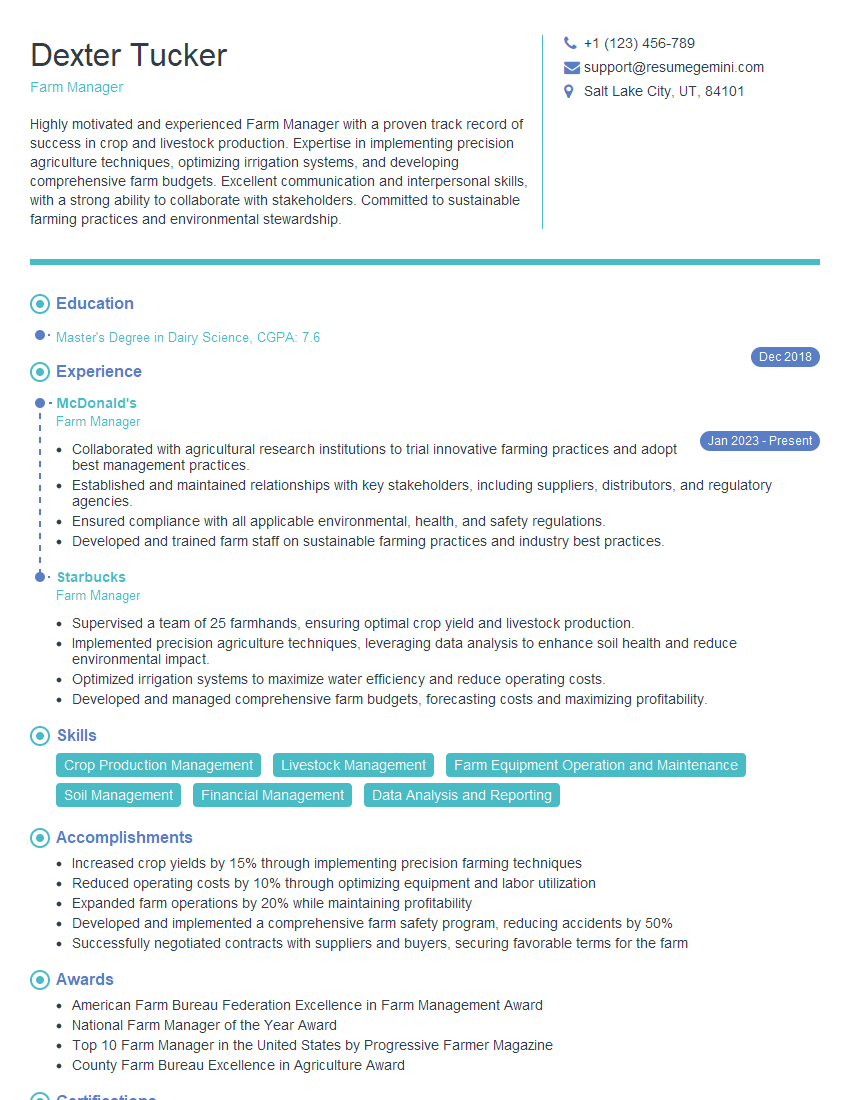
Mastering Cow Comfort is crucial for a successful career in the agricultural industry, opening doors to specialized roles and leadership opportunities. A strong understanding of these principles demonstrates your commitment to animal welfare and efficient farm management. To maximize your job prospects, it’s vital to create an ATS-friendly resume that highlights your relevant skills and experience. ResumeGemini is a trusted resource that can help you build a professional and impactful resume, ensuring your application stands out. Examples of resumes tailored to Cow Comfort are available to help you get started.


Explore more articles
Users Rating of Our Blogs
Share Your Experience
We value your feedback! Please rate our content and share your thoughts (optional).
What Readers Say About Our Blog
Very informative content, great job.
good