Every successful interview starts with knowing what to expect. In this blog, we’ll take you through the top Crane Signaling Procedures interview questions, breaking them down with expert tips to help you deliver impactful answers. Step into your next interview fully prepared and ready to succeed.
Questions Asked in Crane Signaling Procedures Interview
Q 1. Describe the standard hand signals used in crane operation.
Crane hand signals are a critical part of safe crane operation, acting as a visual communication system between the signaler and the crane operator. These signals are standardized to minimize misinterpretations and accidents. They typically cover movements like hoisting, lowering, swinging, and traveling.
- Hoisting: Arm raised vertically above the head with a slow, steady upward motion.
- Lowering: Arm raised vertically above the head with a slow, steady downward motion.
- Swinging (left/right): Arm extended horizontally and moved in the desired direction.
- Travel (forward/backward/left/right): Arm pointing in the desired direction of travel.
- Stop: Arm extended horizontally, palm facing the operator, then brought quickly down towards the ground.
- Emergency Stop: Both arms raised and waved vigorously.
It’s crucial to remember that these are common signals; specific hand signals may vary slightly depending on the company, location, or project. Always refer to your company’s official signaling procedures.
Q 2. Explain the importance of clear and concise communication during crane operations.
Clear and concise communication during crane operations is paramount because it directly impacts safety. Cranes handle heavy loads, and any miscommunication could lead to serious accidents – injuries, damage to property, or even fatalities. Think of it like this: the crane operator is relying solely on the signaler’s instructions to control a powerful machine; even the slightest misunderstanding can have catastrophic consequences.
Effective communication ensures the load is moved precisely and safely to its designated location. It minimizes delays and increases productivity by preventing the need for repeated instructions or corrections. This efficiency is vital, especially in busy industrial settings.
Q 3. What are the safety precautions to be followed while signaling a crane?
Safety is always the top priority when signaling a crane. Signalers must be visible to the operator, maintain a safe distance from the load and the crane’s swing radius, and never signal when distracted or under the influence of alcohol or drugs. Before signaling, make sure you have a clear line of sight to the operator and the area around the crane is clear of obstacles and personnel.
- Maintain Visibility: Wear high-visibility clothing, especially in low-light or adverse weather conditions.
- Safe Distance: Stay well clear of the crane’s swing radius and the area where the load is being moved.
- Clear Signals: Use clear, distinct hand signals, avoiding ambiguous or hesitant movements.
- Confirm Understanding: Ensure the operator has acknowledged and understands your signals before proceeding.
- Emergency Preparedness: Know the emergency stop signal and be ready to use it if necessary.
Think of signaling as a critical safety function; always prioritize safety above all else.
Q 4. How do you handle conflicting signals from multiple signalers?
Conflicting signals are a serious hazard, potentially leading to accidents. If multiple signalers are giving different instructions, the most important thing is to immediately halt the crane operation and resolve the conflict. The priority is to stop the crane immediately to avoid any risk of accidental movement.
A designated lead signaler should be identified to ensure there’s a single point of control for crane movement. All signalers must be trained to understand the hierarchy and to immediately stop signaling if there’s a conflict.
Clear communication protocols are essential to avoid this situation. It should be emphasized during training that all personnel involved in the operation must be attentive to the signals and work collaboratively to prevent confusion.
Q 5. What are the limitations of visual signaling, and how can these be overcome?
Visual signaling has limitations, primarily related to visibility. Adverse weather conditions (fog, rain, snow), poor lighting, or distance can significantly hinder the clarity of signals. Additionally, visual signals cannot convey nuanced information quickly or efficiently.
These limitations can be overcome through several strategies: Using two-way radios allows for verbal confirmation and clarification. In poor visibility conditions, supplemental lighting or alternative signaling methods, such as hand-held signal lights, may be necessary. Also, implementing pre-planned procedures, checklists, and standardized communication practices ensures a unified and efficient signaling process.
Q 6. Explain the procedures for signaling during emergency situations.
Emergency signaling procedures are designed to quickly and safely stop the crane in case of unexpected events. The most important signal is a vigorous waving of both arms, signaling an immediate stop. This signal should be used in any situation where there is an immediate risk of an accident, such as a load shift, equipment malfunction, or personnel in danger.
Following the immediate stop signal, clear communication, usually through a two-way radio, is critical to assess the situation and determine further actions. This might involve contacting emergency services or initiating other safety protocols. Thorough training in emergency procedures is essential for all personnel involved in crane operations.
Q 7. How do you ensure the crane operator understands your signals in adverse weather conditions?
Ensuring signal understanding in adverse weather is crucial. High-visibility clothing for the signaler is essential. Consider using supplemental signaling aids such as hand-held signal lights or even a whistle. Verbal confirmation through a two-way radio significantly enhances communication in poor visibility. Signalers must always confirm that the operator has correctly understood the signal, even in challenging weather conditions. It’s often a good idea to simplify signals during harsh weather, prioritizing safety over complex maneuvers.
Q 8. What are the different types of crane signals?
Crane signals can be broadly categorized into two main types: hand signals and radio communication. Hand signals are visual cues using standardized arm and hand movements, essential when radio communication is impractical or unreliable. Radio communication, on the other hand, provides clear verbal instructions directly to the crane operator, especially useful in noisy environments or for complex lifts. Within hand signals, there are specific signals for hoisting, lowering, swinging, traveling, and emergency stops, all clearly defined in industry standards like ASME B30.5.
- Hand Signals: These are usually governed by industry-specific standards and often involve a combination of arm and hand movements to convey specific instructions. Think of them as a universal language for crane operation, ensuring clarity even amidst noise and distractions.
- Radio Communication: This method uses two-way radios for clear verbal instructions. This allows for more complex commands and clarification, particularly beneficial for large-scale projects or challenging lifts.
The choice between hand signals and radio communication depends largely on the specific circumstances of the lift. In some cases, a combination of both is used for enhanced safety and efficiency.
Q 9. Describe the process for verifying load weight and stability before lifting.
Verifying load weight and stability before lifting is crucial for safe crane operation. This process usually involves several steps:
- Determine the load weight: This can be done through weighing scales, load charts, or engineering calculations. Accurate weight determination prevents overloading the crane and ensuring its capacity is not exceeded.
- Assess load geometry and stability: The shape, size, and center of gravity of the load significantly impact its stability. Uneven weight distribution can lead to swinging or tipping during the lift. Consider using proper rigging techniques to distribute the weight evenly and ensure stability.
- Inspect rigging equipment: Check for any damage or wear to slings, hooks, chains, or other rigging components. Damaged equipment can compromise the stability of the load and cause accidents.
- Check crane capacity: Ensure that the crane has sufficient capacity to lift the load, taking into account the weight, distance, and any other factors that might affect the crane’s capabilities. Consult the crane’s load chart to check for any limitations.
- Conduct a pre-lift check: This involves a final visual inspection of the load, rigging, and crane to ensure everything is secure and ready for lifting. This collaborative check often involves the crane operator, signal person, and rigging crew.
For instance, imagine lifting a large steel beam. Before the lift, we’d weigh the beam, inspect the slings for wear, verify the crane’s capacity is sufficient, and confirm the beam is properly rigged to avoid any unexpected movement.
Q 10. Explain the role of a signalperson in ensuring load stability.
The signalperson plays a vital role in ensuring load stability throughout the lifting process. They act as the eyes and ears for the crane operator, providing real-time guidance and feedback. Their responsibilities include:
- Communicating clear and concise signals: The signalperson ensures the crane operator understands the precise movements required for a safe lift, making appropriate adjustments as needed.
- Monitoring load movement: Constant observation of the load prevents excessive swinging or unintended movements. If the load starts to sway excessively, the signal person immediately communicates the necessary corrective actions to the operator.
- Maintaining situational awareness: The signalperson is responsible for observing the surroundings to ensure there are no obstacles or personnel in the lift path.
- Managing communication: They serve as a crucial link between the crane operator and the ground crew, facilitating coordinated efforts. In case of unexpected events, they play a central role in communicating and coordinating emergency actions.
Imagine a scenario where a heavy piece of machinery is being lifted close to a power line. The signalperson’s vigilance in guiding the crane and ensuring ample clearance prevents a potentially hazardous contact.
Q 11. How do you communicate with the crane operator if you cannot see them directly?
When direct visual contact with the crane operator is impossible, alternative communication methods are essential. These typically include:
- Two-way radios: This is the most common and reliable method. Clear verbal communication ensures precise instructions are conveyed and understood, even over significant distances.
- Pre-arranged signal system: A system of predetermined signals, such as horn blasts or lights, can be established if radio communication is unavailable. However, this method is less flexible and less precise than direct radio communication.
- Designated signal person relay: A second signal person can act as a relay between the primary signal person and the operator if direct line-of-sight is blocked. They can verbally relay the instructions given by the primary signal person to the crane operator.
For instance, in a large construction site where the operator is in a high-reach crane, the signal person might use a two-way radio to convey instructions, while in an area with radio interference, they could utilize a pre-arranged signal system combined with a secondary signaler.
Q 12. How would you handle a situation where the load is swinging excessively?
Excessive load swinging is a serious safety hazard. If this happens, the signalperson should immediately:
- Stop all crane movements: The first priority is to halt all crane operations to prevent further swinging or accidental contact.
- Signal the crane operator to gently lower the load: Slowly lowering the load can reduce its momentum and help stabilize it. The lowering should be done with extreme caution to prevent sudden jerks or further swings.
- Identify the cause: Determine why the load is swinging excessively. Possible causes include improper rigging, uneven weight distribution, wind conditions, or sudden movements of the crane.
For example, if a load begins to swing due to a sudden gust of wind, the signal person would stop the lift, signal the operator to gently lower the load, and then wait for the wind to subside before attempting the lift again.
Q 13. What are the responsibilities of a signaler regarding load securing and rigging?
The signaler’s responsibilities regarding load securing and rigging extend beyond just signaling the crane operator. They should also:
- Verify that the load is properly rigged: The signaler must ensure the rigging is appropriate for the load’s weight, shape, and center of gravity. They should check for proper sling placement, secure hitches, and the condition of the rigging hardware.
- Communicate any rigging concerns: If the signaler observes any potential problems with the rigging, they must immediately inform the rigging crew and the crane operator before lifting the load. This prevents accidents stemming from inadequate rigging.
- Confirm load stability before lifting: The signaler’s job includes a final visual check of the load and its attachments to ensure it’s secure and stable before the lift begins.
- Monitor load security during lifting: Throughout the lifting process, the signaler continues to monitor the load’s condition and communicates any issues to the crane operator.
For example, if a steel plate is being lifted using chains, the signaler needs to check the chain’s condition, ensure the chains are evenly distributed to avoid stress concentration and properly secured before signaling the crane operator to lift.
Q 14. What actions should be taken if you observe a unsafe crane operation?
Observing unsafe crane operation requires immediate and decisive action. The steps to take include:
- Stop the operation immediately: If you see a potentially dangerous situation, issue a clear and immediate stop signal to the crane operator. Your safety and the safety of others are paramount.
- Report the incident: Inform the appropriate supervisor or safety officer about the unsafe operation. Provide a detailed description of what you observed and when it occurred.
- Document the incident: If possible, document the event with photos or a written description. Note the time, date, location, and any specific details about the unsafe practice. This documentation can be vital for investigating the incident and preventing similar situations in the future.
- Prevent further unsafe operation: If necessary, take steps to ensure that the unsafe activity is stopped and will not continue until the unsafe conditions are resolved.
- Ensure the safety of personnel: Ensure that everyone in the vicinity is safe and clear of any potential hazards.
For example, if you see a crane operator lifting a load beyond its rated capacity, you would immediately signal them to stop, report the incident to your supervisor, and possibly stop further lifting until a proper assessment can be performed.
Q 15. Explain the significance of pre-lift planning in crane signaling.
Pre-lift planning in crane signaling is paramount for safety and efficiency. It’s like meticulously planning a complex construction project before breaking ground. Without it, you risk accidents, delays, and costly rework. Effective pre-lift planning involves a thorough assessment of the lift, including the weight and dimensions of the load, the crane’s capacity, the location of the load and its destination, the surrounding environment (obstacles, personnel, power lines), and the weather conditions. This assessment then informs the development of a safe signaling plan, which details the specific hand signals, radio communication protocols, or a combination of both, to be used during the lift. The plan should also identify potential hazards and mitigation strategies. For example, if lifting near power lines, the plan would include extra caution and potentially the use of a spotter to ensure adequate clearance.
A detailed checklist, including the load’s weight, center of gravity, rigging points, and the planned lift path, should be created and reviewed by all involved parties. This collaborative effort ensures everyone is on the same page, reducing the possibility of miscommunication and error.
Career Expert Tips:
- Ace those interviews! Prepare effectively by reviewing the Top 50 Most Common Interview Questions on ResumeGemini.
- Navigate your job search with confidence! Explore a wide range of Career Tips on ResumeGemini. Learn about common challenges and recommendations to overcome them.
- Craft the perfect resume! Master the Art of Resume Writing with ResumeGemini’s guide. Showcase your unique qualifications and achievements effectively.
- Don’t miss out on holiday savings! Build your dream resume with ResumeGemini’s ATS optimized templates.
Q 16. How do you ensure the safety of workers and equipment in the vicinity of a crane operation?
Ensuring worker and equipment safety around crane operations is a multifaceted process demanding constant vigilance. Think of it like creating a protective bubble around the crane’s operational area. This involves establishing a designated exclusion zone around the crane’s working radius, clearly marked with barriers and warning signs. This zone should be large enough to account for potential swings of the load and any unexpected movements. Workers within this zone must wear high-visibility clothing and safety helmets. Rigorous adherence to the established signaling procedures, whether hand signals or radio communication, is absolutely critical. Regular safety briefings before each lift reinforce the importance of these procedures and highlight specific hazards associated with the particular lift. Additionally, trained spotters are essential, acting as extra eyes for the crane operator and signaler, particularly in areas with limited visibility. Finally, regular inspections of the crane and its rigging equipment are critical in preventing equipment failure.
Q 17. What are the legal and regulatory requirements related to crane signaling?
Legal and regulatory requirements for crane signaling vary by jurisdiction but are generally stringent. In the US, OSHA (Occupational Safety and Health Administration) regulations dictate many aspects of crane safety, including signaling. These regulations often mandate that crane operators and signalers be properly trained and certified. The specific requirements for certification usually include both theoretical knowledge and practical demonstration of signaling proficiency. Furthermore, regulations often outline specific requirements for the types of signals used (e.g., standardized hand signals or radio communication protocols), the use of personal protective equipment (PPE), and the maintenance of detailed records of inspections, training, and any incidents. Non-compliance can lead to significant fines and penalties. For example, failure to use a properly trained signaler can lead to serious consequences and violations resulting in significant fines or even criminal charges in case of accidents.
Internationally, standards such as ISO 4777 and relevant national standards provide guidance on crane safety, including signaling. These standards often detail best practices for signaling procedures, training, and communication between the crane operator, signaler, and other personnel involved in the lift.
Q 18. How do you ensure compliance with OSHA or other relevant safety regulations?
Compliance with OSHA or equivalent safety regulations requires a proactive and multi-pronged approach. It’s like maintaining a well-oiled machine – regular checks and maintenance are crucial. This begins with a comprehensive safety program that encompasses thorough training for all personnel, including crane operators, signalers, riggers, and other workers in the vicinity. Regular inspections of the crane, rigging equipment, and signaling devices are essential, documented meticulously with records and certification. We ensure compliance by maintaining updated training records for all personnel, performing regular safety audits to identify potential hazards and non-compliance issues, and implementing corrective actions immediately. We also conduct regular toolbox talks to reinforce safe work practices and discuss any lessons learned from near misses or incidents. An effective safety management system includes a feedback mechanism to encourage employees to report any unsafe conditions or practices without fear of reprisal. Finally, keeping abreast of changes in regulations and best practices is crucial to staying compliant and preventing accidents.
Q 19. Describe your experience with different types of cranes and their specific signaling requirements.
My experience encompasses a variety of cranes, each with its unique signaling requirements. I’ve worked with tower cranes, mobile cranes, overhead cranes, and crawler cranes. Tower cranes typically employ radio communication due to their height and the need for clear communication. Mobile cranes often utilize a combination of hand signals and radio communication, depending on the environment and visibility. Overhead cranes often rely on a combination of push-button controls and hand signals. Crawler cranes usually use radio communication due to their mobility and remote operation. The specific signaling techniques I’ve used for each type have included standardized hand signals as per the relevant industry standards, and two-way radio communication. The type of crane and its environment often dictates the safest and most effective signaling method to be used, but in all cases, clear communication and the use of proper signaling techniques are paramount.
Q 20. How do you adapt your signaling techniques to different work environments and conditions?
Adapting signaling techniques to different work environments and conditions is crucial for safety. It’s like adapting your driving style to varying road conditions; you need to be flexible and responsive. In areas with high ambient noise levels, such as construction sites with heavy machinery, radio communication is preferred over hand signals to ensure clear communication. In environments with limited visibility, such as fog or darkness, the use of additional lighting and possibly a spotter is important, along with radio communication to enhance the safety and effectiveness of signaling. For confined spaces with limited maneuverability, hand signals, if used, need to be modified and extremely precise. When working near power lines, I always incorporate extra safety measures into my signaling plan, including additional spotters to ensure adequate clearance and avoid contact. In all cases, a pre-lift planning meeting includes a detailed discussion on environmental considerations to tailor the signaling method accordingly.
Q 21. Explain your experience with using radios or other communication devices for crane signaling.
My experience with radios and other communication devices for crane signaling has been extensive and invaluable. I’ve used two-way radios extensively, ensuring clear and immediate communication between the crane operator and the signaler. This is especially vital in complex lift operations where quick, precise instructions are essential. Before starting any lift, I always perform a radio check to ensure clear communication and correct channel selection. Additionally, we often use designated radio frequencies to avoid interference and confusion with other equipment on the site. Radios also enable direct communication with other personnel involved in the lift, providing a more coordinated and safer working environment. For example, I’ve used radios to coordinate with spotters to ensure a safe lifting path and clear any obstacles. I also ensure that all personnel involved understand the importance of using clear and concise language over the radio to avoid misunderstandings. In situations with critical lifts where radio communication is compromised, a backup system involving hand signals, with designated backup personnel, is always planned and communicated to all concerned parties.
Q 22. How would you train a new crane signaler on proper safety procedures?
Training a new crane signaler begins with a thorough understanding of hand signals, which are the primary communication method. We start with classroom instruction covering the standardized signals (ASME B30.5, for example), emphasizing the importance of clear, concise movements. Each signal is demonstrated multiple times, both by me and then practiced by the trainee until perfect execution is achieved. We then progress to practical, hands-on training in a controlled environment, ideally with a non-operational crane. This allows the trainee to practice signaling various crane movements (hoisting, lowering, swinging, traversing) to a qualified observer playing the role of the crane operator. This mimics real-world scenarios and allows for immediate feedback and correction. We’ll cover emergency signals, and what to do in case of miscommunication or equipment malfunction. Importantly, we also stress the critical role of the signaler in risk assessment and identifying potential hazards before any lift begins. The trainee must understand the weight limits, load stability, and potential obstructions. We often use scenarios to reinforce this, for instance, ‘what would you do if you notice a swaying load?’. Finally, the trainee needs to demonstrate competency before they work on a live site, showing proficiency in all areas including theoretical knowledge, signaling proficiency, and risk assessment.
Q 23. Describe your knowledge of different rigging techniques and their implications on signaling.
Rigging techniques significantly impact signaling. Different rigging methods, such as using slings, chains, or hooks, can affect the load’s center of gravity and stability. This impacts the signals needed and the caution required. For instance, using a single sling requires careful attention to the angle of the lift to avoid load imbalance, which needs to be communicated clearly to the operator. Multiple-leg slings provide more stability but require careful signaling to ensure the load is evenly distributed. Improper rigging can lead to dangerous situations like load slippage or complete failure, highlighting the importance of a signaler’s understanding of rigging principles and their subsequent implications on signaling. A signal person needs to be able to identify potential rigging issues, such as improper hitching or inadequate sling capacity, and communicate these concerns to the crane operator and the rigger before lifting commences. For example, if I see a sling with visible damage, I’ll immediately halt the operation and report it. This knowledge is vital for ensuring both the operator and the rigger understand the lift parameters and work safely.
Q 24. What are the potential hazards associated with crane signaling, and how can they be mitigated?
Crane signaling inherently carries several hazards. Miscommunication between signaler and operator is a primary risk leading to accidents. Other hazards include: being struck by the load, equipment, or falling objects; being crushed between equipment and structures; electrical hazards if working near power lines; and hazards from environmental factors like weather conditions. Mitigation strategies include using standardized signals, maintaining clear communication, establishing a safe distance from the crane and load, having a well-defined signal zone free of obstructions, and conducting thorough pre-lift risk assessments. Regular safety briefings and training are crucial to address these risks, ensuring everyone involved is aware of potential dangers and mitigation strategies. Using radios as a backup communication system helps avoid misunderstandings caused by noisy environments, enhancing overall safety. Implementing a ‘stop work’ authority for signalers is also a vital tool, ensuring immediate action if any unsafe condition is detected.
Q 25. How do you maintain your certification (if applicable) as a crane signal person?
Maintaining my certification involves regular refresher training courses. This typically includes both theoretical and practical assessments. The theoretical part involves reviewing safety regulations, updated standards, and best practices. The practical component consists of demonstrating proficiency in hand signals, understanding risk assessment procedures, and handling emergency situations. This ensures my knowledge and skills stay current with industry standards and best practices. Often, continuing education credits are required to maintain certification, involving attending seminars or webinars on the latest industry developments and technological advancements in crane operations. Staying up-to-date on these developments ensures I can effectively manage the risks inherent in crane signaling.
Q 26. Explain the importance of maintaining a clear communication line with the crane operator.
Maintaining clear communication with the crane operator is paramount. It’s the cornerstone of safe crane operation. The operator relies solely on the signaler’s directions; any ambiguity can lead to accidents. This involves using clear, concise signals, avoiding distractions, and confirming that the operator has understood each instruction. In high-noise environments, the use of two-way radios complements hand signals, providing a second communication channel and confirming instructions. If there’s a language barrier or hearing challenges, alternative communication methods need to be adopted. Confirming understanding through visual cues – such as a nod from the operator – is also crucial. Any hesitation or uncertainty requires clarification before proceeding. This constant feedback loop is critical for a smooth and safe operation.
Q 27. Describe a time when you had to make a quick decision to ensure the safety of others during a crane operation.
During a steel erection project, a load was being hoisted into place, but a sudden gust of wind caused it to sway dangerously. My initial signal was to stop the hoist, but recognizing the risk of the load colliding with nearby structures, I immediately signaled for a controlled lowering and repositioning of the load, using hand signals and verbal confirmation with the operator. This quick decision avoided a potential accident, emphasizing the need for rapid assessment and decisive action in challenging situations. My quick response and clear communication with the operator prevented serious damage and injury.
Q 28. How do you handle a situation where you believe the crane operator is not following safety procedures correctly?
If I believe the crane operator is not following safety procedures, my first step is to halt the operation immediately using the emergency stop signal. I would then calmly and firmly explain my concerns to the operator, ensuring a safe distance is maintained. If the situation is not resolved, I would immediately report the incident to the supervisor or site safety officer. Documenting the incident, including the details of the unsafe action, the time, and the potential consequences, is crucial for future investigations. The safety of the entire crew depends on everyone adhering to the procedures, and I have a responsibility to raise concerns effectively and professionally, ensuring corrective actions are taken to prevent recurrence.
Key Topics to Learn for Crane Signaling Procedures Interview
- Hand Signals: Mastering the standard hand signals for crane operation, including hoisting, lowering, swinging, and emergency stops. Understanding variations and regional differences is crucial.
- Visual Communication: Beyond hand signals, explore the role of visual cues, such as lights and audible signals, in coordinating crane operations and ensuring safety.
- Safety Regulations and Standards: Familiarize yourself with relevant OSHA (or equivalent) regulations and industry best practices concerning crane signaling procedures. Understanding these guidelines is paramount for safe operation.
- Communication Protocols: Learn effective communication strategies between the signal person, crane operator, and other personnel on-site. This includes clear, concise communication in potentially noisy environments.
- Troubleshooting and Problem Solving: Prepare for scenarios requiring quick thinking and problem-solving skills. Be ready to discuss how you would handle miscommunication or unexpected situations during crane operation.
- Types of Cranes and Their Specific Signals: Understand the signaling variations for different types of cranes (e.g., tower cranes, mobile cranes, overhead cranes) and their specific operational requirements.
- Emergency Procedures: Know the established emergency procedures for various scenarios, including equipment malfunctions, accidents, and severe weather conditions.
Next Steps
Mastering crane signaling procedures is essential for a successful and safe career in this demanding field. Proficiency in this area significantly enhances your value to any employer and opens doors to advanced roles and greater responsibilities. To maximize your job prospects, focus on building an ATS-friendly resume that effectively highlights your skills and experience. ResumeGemini is a trusted resource that can help you create a professional and impactful resume. We provide examples of resumes tailored specifically to Crane Signaling Procedures to guide you through the process. Invest the time in crafting a strong resume; it’s your first impression to potential employers.
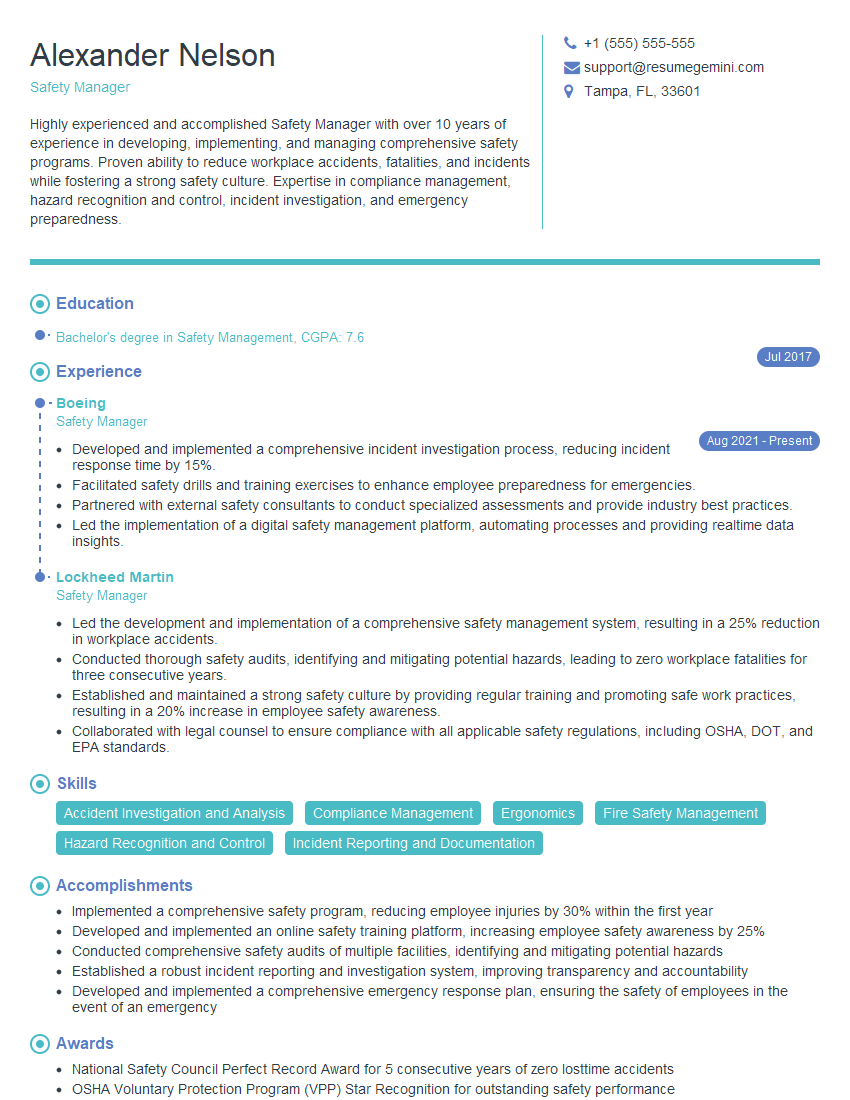
Safety Manager Resume Sample
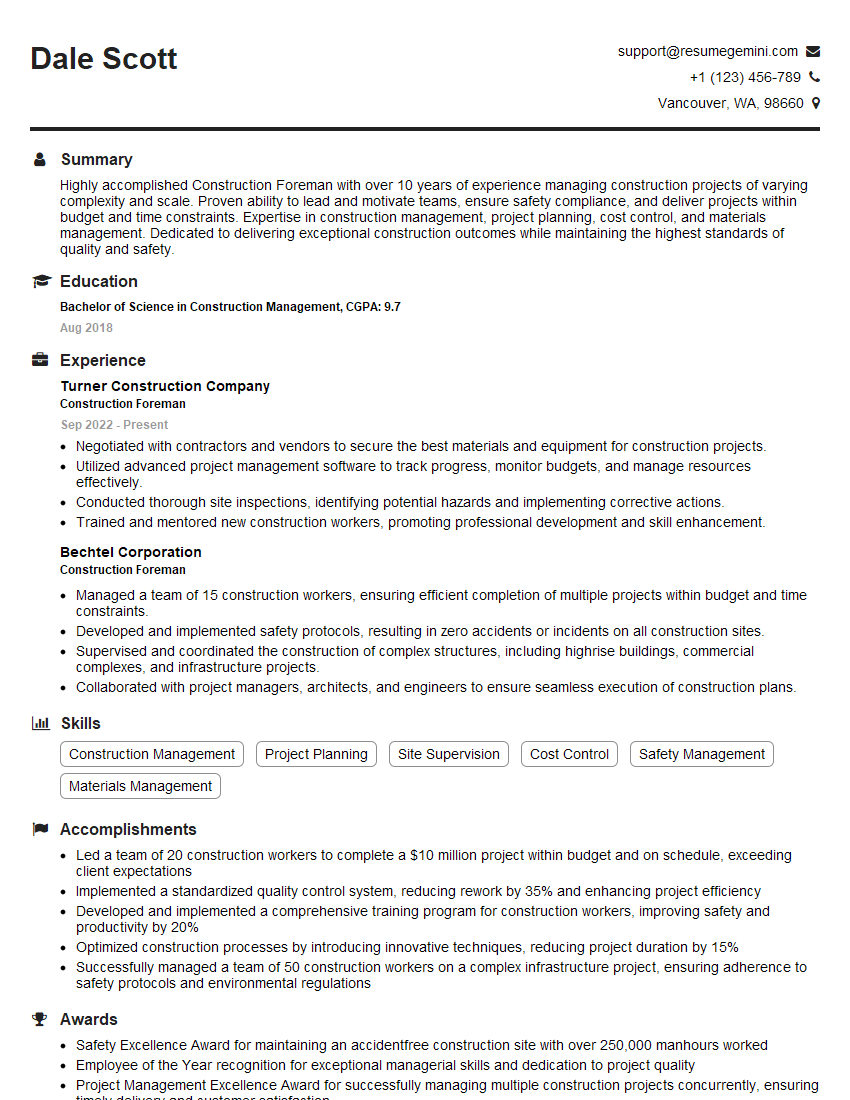
Construction Foreman Resume Sample

Construction Superintendent Resume Sample

Project Manager Resume Sample

Field Engineer Resume Sample
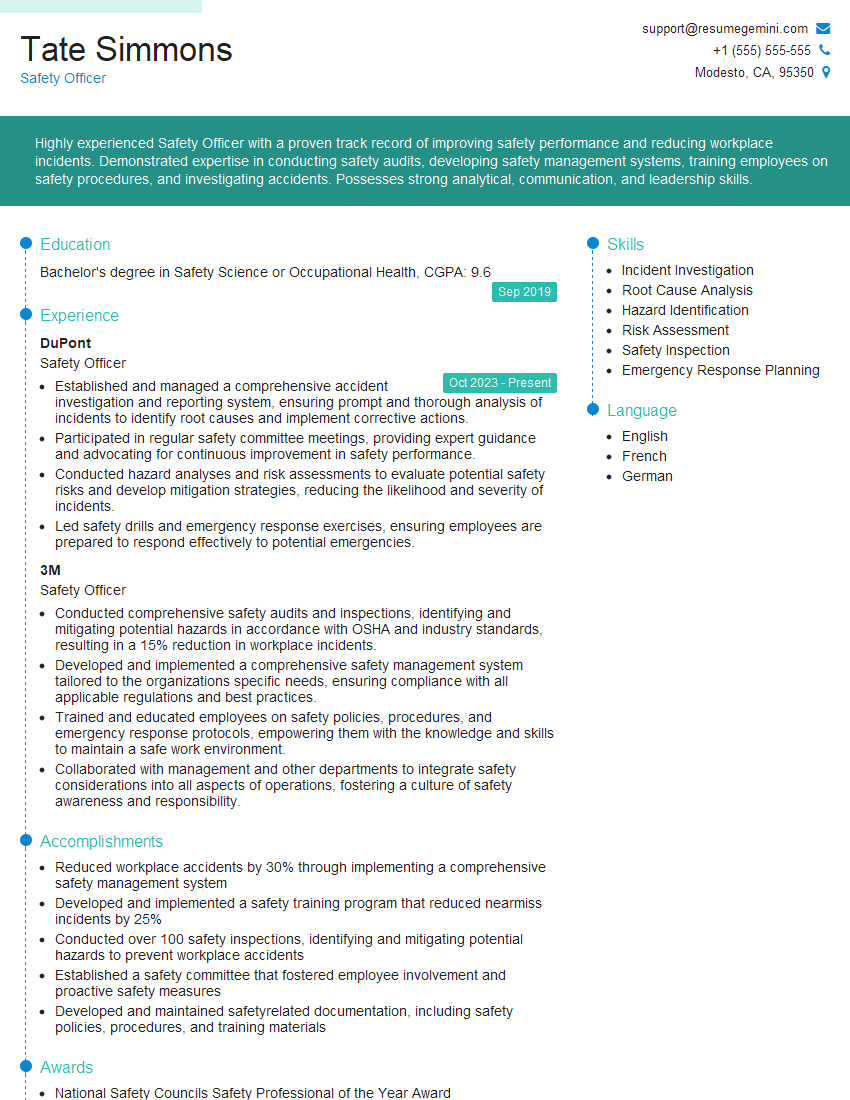
Safety Officer Resume Sample

Crane Operator Resume Sample

Site Supervisor Resume Sample
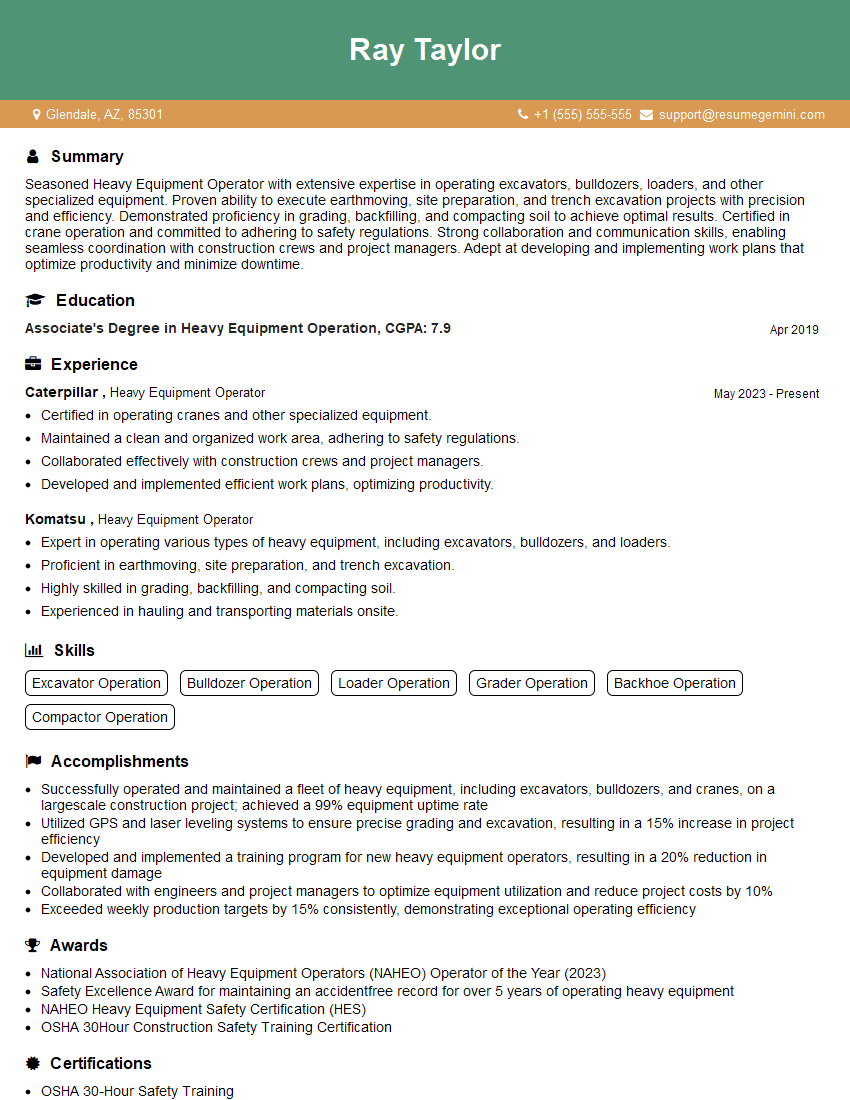
Heavy Equipment Operator Resume Sample
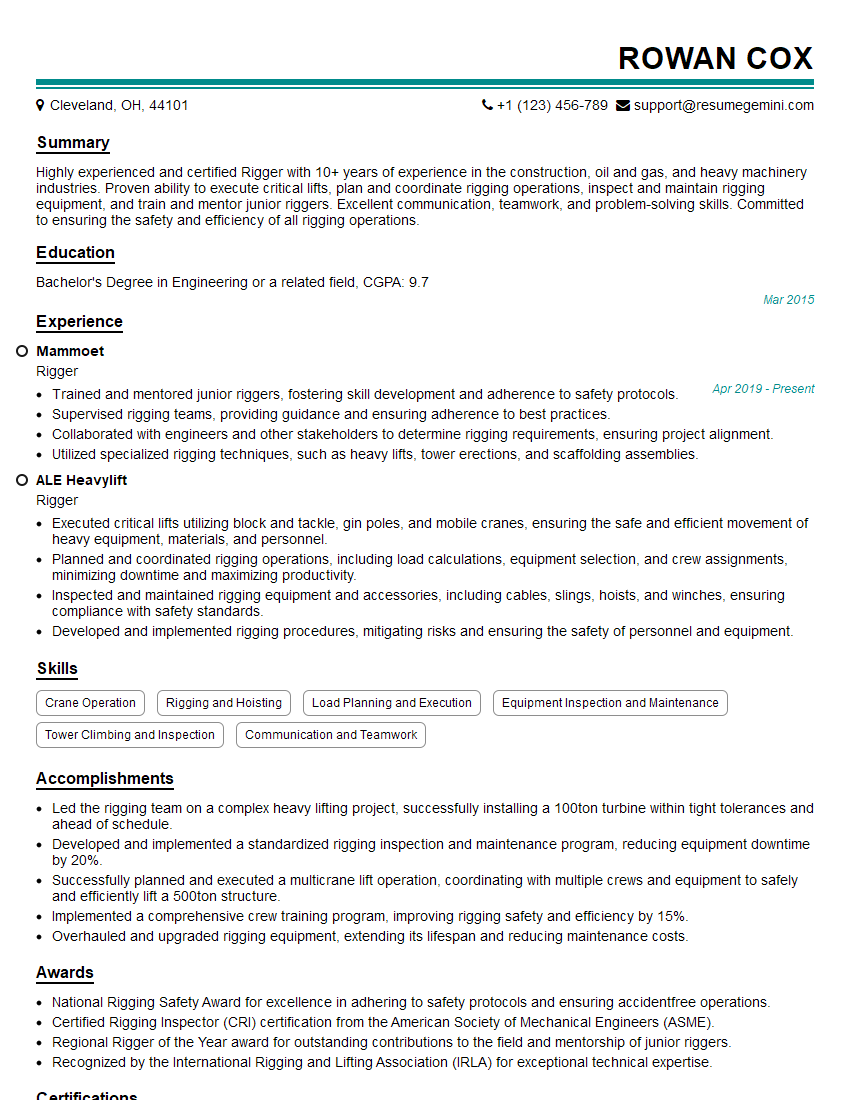
Rigger Resume Sample
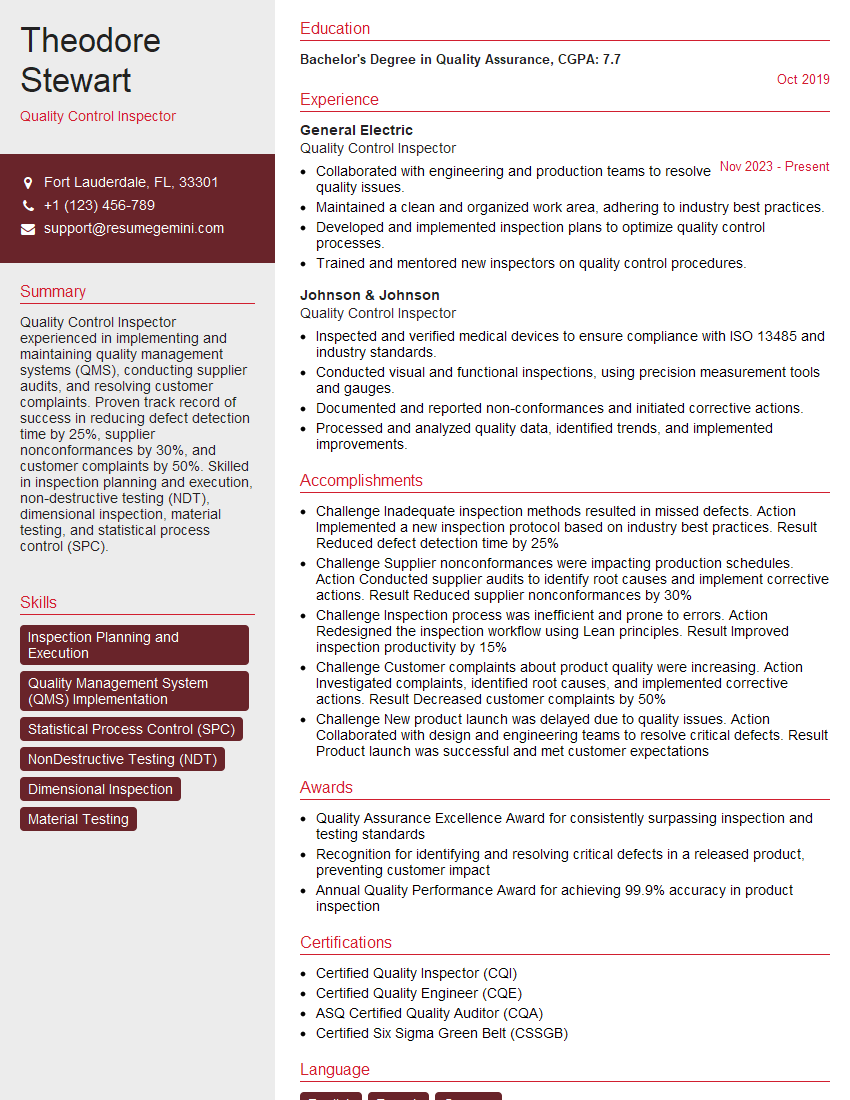
Quality Control Inspector Resume Sample
Explore more articles
Users Rating of Our Blogs
Share Your Experience
We value your feedback! Please rate our content and share your thoughts (optional).
What Readers Say About Our Blog
Very informative content, great job.
good