Are you ready to stand out in your next interview? Understanding and preparing for Creative Collaboration interview questions is a game-changer. In this blog, we’ve compiled key questions and expert advice to help you showcase your skills with confidence and precision. Let’s get started on your journey to acing the interview.
Questions Asked in Creative Collaboration Interview
Q 1. Describe your approach to resolving conflicts within a creative team.
My approach to resolving conflicts within a creative team is built on a foundation of open communication, active listening, and collaborative problem-solving. I believe that conflicts, when handled constructively, can actually lead to innovation and stronger team bonds. My first step is to create a safe space where team members feel comfortable expressing their concerns without fear of judgment. I facilitate this by setting clear ground rules for respectful dialogue, emphasizing empathy and understanding.
Once everyone has shared their perspectives, I work to identify the root cause of the conflict. This might involve identifying differing interpretations of the brief, conflicting priorities, or even personality clashes. I then guide the team through a structured process of brainstorming solutions, ensuring that everyone’s input is considered. This often involves exploring various options and weighing their pros and cons. Finally, we collaboratively agree on a solution that addresses the concerns of all parties involved, documenting this solution clearly for future reference. If the conflict involves a significant creative impasse, I may suggest a phased approach, allowing us to test different solutions incrementally.
For example, in a recent project, two designers had strongly opposing views on the visual style of a website. Instead of imposing a solution, I facilitated a workshop where they each presented their vision using mood boards and prototypes. Through discussion, we identified common ground and developed a hybrid solution that incorporated elements from both designs, resulting in a stronger, more unified final product.
Q 2. How do you facilitate brainstorming sessions to ensure diverse perspectives are heard?
Facilitating effective brainstorming sessions that incorporate diverse perspectives requires a thoughtful approach that goes beyond simply throwing ideas out. I focus on creating an inclusive environment where everyone feels empowered to contribute their unique insights, regardless of seniority or background. I typically start by establishing clear goals for the brainstorming session, ensuring everyone understands the objectives and context.
I then use a variety of techniques to encourage participation and prevent dominant personalities from overshadowing quieter voices. These techniques include:
- Round-robin brainstorming: Each person takes a turn sharing an idea, ensuring everyone gets a chance to speak.
- Nominal group technique: Individuals independently generate ideas before sharing and discussing them as a group.
- Brainwriting: Participants write down ideas individually and then pass their papers to others for further development.
Furthermore, I actively solicit feedback and encourage constructive criticism. I consciously avoid immediately evaluating ideas, instead focusing on generating a large quantity of options. I also ensure diverse representation within the team itself. A diverse team brings diverse perspectives to the table which is a key element to a successful brainstorm.
For instance, in a recent project aimed at designing an app for senior citizens, I specifically included team members with experience in geriatric care, ensuring their valuable insights shaped the design process and prevented potential usability issues.
Q 3. Explain your experience using collaborative design tools (e.g., Figma, Miro).
I have extensive experience using collaborative design tools like Figma and Miro, leveraging their capabilities to enhance team collaboration and streamline the design process. Figma’s real-time collaborative features are particularly useful for iterative design and feedback, allowing multiple team members to work on the same design simultaneously. The version history feature is a lifesaver for tracking changes and reverting to previous iterations if needed. I use Figma’s prototyping capabilities extensively to create interactive mockups and test user flows early in the design process, receiving and incorporating valuable feedback.
Miro, on the other hand, is excellent for facilitating more visual and interactive brainstorming sessions. Its whiteboarding capabilities allow us to organize ideas, map user journeys, and visualize complex information in a collaborative manner. I frequently use Miro’s sticky notes, frames, and templates to structure our brainstorming sessions and ensure all input is captured. The ability to share and access boards remotely is also vital for distributed teams.
In essence, I strategically choose the tool based on the specific task at hand. Figma for detailed design and prototyping, and Miro for visual brainstorming and collaboration on broader project strategy. The ability to efficiently switch between both depending on the stage of a project is key to my workflow. For instance, I might use Miro for initial concept mapping and then migrate to Figma for detailed UI design.
Q 4. How do you handle disagreements about creative direction?
Disagreements about creative direction are inevitable in any creative project. My approach focuses on understanding the underlying reasons for the disagreement and finding a solution that balances artistic vision with project goals. The first step is to ensure open and respectful communication. I encourage team members to clearly articulate their vision, supporting their points with evidence and rationale. This helps move the conversation beyond personal preferences and into a more objective evaluation of design choices.
Often, disagreements stem from differing interpretations of the brief or target audience. I might facilitate a revisit of the project objectives and user research to reaffirm shared understanding. If a compromise isn’t immediately apparent, I might suggest exploring different iterations of the design, testing each with user feedback, or creating A/B tests to objectively compare different approaches. Ultimately, the goal is to find a creative direction that effectively meets project goals and resonates with the target audience, while respecting the individual contributions and expertise of the team members.
For instance, in a logo design project, two designers had vastly different concepts. One preferred a minimalist approach, the other a more illustrative style. Instead of choosing one over the other, we developed prototypes for both, testing them with our target audience. The user feedback revealed a clear preference for the minimalist design, guiding our final creative direction.
Q 5. Describe a time you had to negotiate competing priorities within a project.
In a recent project developing a mobile application, we faced competing priorities regarding functionality and timeline. The client requested several advanced features that would significantly extend the development timeframe, exceeding our initial budget and deadline. Simultaneously, our team was prioritizing a minimal viable product (MVP) launch to gather user feedback and validate our concept early on.
To negotiate these competing priorities, I facilitated a prioritization workshop involving the client, the development team, and the project manager. We used a MoSCoW method (Must have, Should have, Could have, Won’t have) to categorize the features based on their importance and feasibility. This allowed us to clearly distinguish between essential features for the MVP and those that could be deferred to later phases.
The client initially resisted the idea of delaying certain features. However, by presenting a clear rationale—including potential cost and time overruns—and emphasizing the benefits of an early MVP launch to validate our assumptions, we reached a consensus. We prioritized the core features essential for MVP functionality, with a clear roadmap for implementing the remaining features in future releases. This approach successfully balanced client expectations with realistic project constraints, leading to a timely and successful product launch.
Q 6. How do you ensure everyone on the team feels valued and heard?
Ensuring everyone feels valued and heard is paramount for fostering a positive and productive creative environment. I achieve this through a combination of strategies that focus on both individual recognition and team cohesion. Regular one-on-one meetings provide opportunities to discuss individual progress, address concerns, and offer personalized feedback. This personalized attention shows each team member their contributions are valued.
In team meetings, I actively encourage participation by creating a safe and inclusive environment. I use techniques such as round-robin discussions, ensuring everyone has a chance to share their ideas. I actively listen to all perspectives, showing genuine interest and respect for differing opinions. I also celebrate both individual and team achievements, recognizing contributions both big and small. This can be done through simple gestures, such as verbal praise, or more formal methods, such as team awards or public acknowledgements of their work.
Furthermore, I promote a culture of mutual respect and support, encouraging team members to help each other and learn from one another. I ensure all team members have clear roles and responsibilities, ensuring that everyone’s contribution is essential to the success of the project. I also encourage open feedback and make sure it is received and responded to appropriately. A strong team environment where everyone feels appreciated significantly contributes to increased engagement and job satisfaction.
Q 7. How do you give and receive constructive criticism effectively?
Giving and receiving constructive criticism is a crucial skill in any collaborative environment. My approach emphasizes a balance between directness and empathy. When giving feedback, I focus on the work itself, not the person. I use the “sandwich method”—starting with positive feedback, then offering constructive criticism focused on specific aspects, and ending with more positive reinforcement. This approach softens the blow and makes the criticism more palatable. I also frame my feedback using the “Situation-Behavior-Impact” model, clearly explaining the context, the observed behavior, and its impact on the overall project.
For example, instead of saying “This design is terrible,” I would say, “I appreciate the effort you put into the color palette; however, the font choice doesn’t align with our brand guidelines, making it feel inconsistent. Perhaps exploring a different typeface that aligns with our brand’s personality would be beneficial?”
When receiving criticism, I actively listen, ask clarifying questions, and avoid becoming defensive. I consider the feedback objectively and look for valid points, even if I don’t necessarily agree with every aspect. I appreciate the giver’s effort to provide constructive input, recognizing it as a sign of investment in the project’s success. I use the feedback to improve my own work and contribute to the overall project quality. A key aspect is acknowledging the feedback, even if I don’t immediately implement all suggestions, demonstrating that I value their input.
Q 8. Explain your process for providing feedback on creative work.
My feedback process prioritizes constructive criticism and focuses on both the big picture and the fine details. I start by understanding the creator’s intent and vision. Then, I use a structured approach, focusing on three key areas: Impact (Does it achieve its intended purpose?), Execution (Is the technical skill effectively applied?), and Innovation (Is it original, engaging, and memorable?). I avoid subjective statements like ‘I don’t like it’ and instead offer specific suggestions, such as ‘The color palette feels a bit muted; consider using bolder shades to increase visual impact.’ I always frame my feedback positively, highlighting strengths before addressing areas for improvement, to maintain morale and foster a collaborative environment. I encourage open dialogue and questions, creating a safe space for the team member to share their perspective and grow.
For example, if a designer presented a logo that didn’t quite capture the brand’s essence, instead of simply saying it’s ‘bad,’ I would comment on its technical aspects (‘The typography is well-chosen and legible’) before pointing out that the overall design might not effectively communicate the brand’s adventurous spirit, suggesting specific modifications to enhance that feeling. This process ensures the feedback is actionable and leads to a more refined outcome.
Q 9. How do you manage different working styles within a team?
Managing diverse working styles requires empathy, clear communication, and a flexible approach. I believe that understanding individual preferences is crucial. Some thrive in structured environments with clearly defined roles and deadlines, while others prefer a more agile and fluid process. I facilitate this by creating a shared understanding of project goals and expectations early on, ensuring everyone is aligned. We then collaboratively agree on a workflow that incorporates individual strengths and preferences. This might involve creating task assignments tailored to specific skills, offering choices in methods, or establishing clear communication channels that suit different communication styles (e.g., daily stand-ups for some, asynchronous communication through project management tools for others).
For instance, if I’m working with a detail-oriented individual and a big-picture thinker, I’d ensure the detail-oriented person is involved in the initial stages of concept development, refining the specifics, while the big-picture thinker leads on overarching strategy and direction. Regular check-ins and open communication channels help bridge potential gaps and ensure the project stays on track. Ultimately, the goal is to harness the unique strengths of each team member to achieve collective success.
Q 10. Describe your experience working with remote teams.
My experience working with remote teams has highlighted the importance of proactive communication and robust project management tools. Successful collaboration relies heavily on clear and consistent communication, both synchronous and asynchronous. I utilize tools like Slack, Zoom, and project management platforms (Asana, Trello) to keep the team connected and informed. Regular virtual meetings, both formal and informal, are crucial for maintaining team cohesion, building relationships, and addressing challenges promptly. Beyond the tools, I emphasize transparency, providing regular updates and encouraging open feedback. Establishing a strong team culture, even remotely, is vital; I facilitate this by arranging virtual social events or encouraging informal online interactions.
For example, on a recent project, we used a shared online whiteboard to brainstorm ideas and track progress in real time, fostering a sense of collaborative effort even across geographical distances. Regular check-ins ensured everyone felt heard and supported, overcoming any communication barriers associated with remote work. The key is to ensure everyone feels connected and that the remote environment doesn’t hinder the creative flow.
Q 11. How do you maintain momentum and motivation on a long-term creative project?
Maintaining momentum and motivation on long-term projects requires strategic planning, consistent progress tracking, and regular celebration of milestones. I typically break down large projects into smaller, manageable tasks with clearly defined deadlines, creating a sense of accomplishment with each completed step. Regular team meetings focusing on progress and challenges help maintain focus. I also incorporate flexibility into the workflow, allowing for adjustments as the project evolves. In addition, we proactively identify and address potential burnout points. This might involve scheduling short breaks, incorporating fun activities into the workflow, or encouraging team members to utilize their vacation time effectively.
Celebrating milestones, both big and small, is vital for boosting team morale. This could range from a simple team lunch to a more formal project review and appreciation event. The key is to acknowledge and celebrate achievements, fostering a sense of shared success and maintaining enthusiasm throughout the project’s lifecycle. Finally, regular feedback sessions, where progress is evaluated and future directions are discussed, ensures everyone remains engaged and feels valued.
Q 12. How do you incorporate client feedback into the design process?
Incorporating client feedback effectively requires active listening, clear communication, and a collaborative approach. I begin by establishing a clear understanding of the client’s expectations and goals from the outset. This ensures that the design process aligns with their vision. Then, I encourage open and honest communication channels where the client can share feedback throughout the process. This feedback is not simply received passively; instead, I engage in a dialogue with the client, exploring the rationale behind their suggestions and clarifying any misunderstandings. It’s crucial to demonstrate that the feedback is valued and that we’re actively considering it.
Sometimes, client feedback may not align with the design’s underlying principles. In such cases, I present alternative solutions, clearly explaining the rationale behind my recommendations. This ensures the client understands the design choices while demonstrating a commitment to creating a successful outcome. The aim is to find a balance between meeting client needs and upholding the integrity of the creative vision. This collaborative approach helps to ensure that both the client and the creative team are satisfied with the final outcome.
Q 13. How do you handle creative blocks within a team setting?
Creative blocks can be a significant challenge, but they can be overcome through collaborative strategies. When a team experiences a creative block, I encourage open discussion to identify the root cause. This might involve brainstorming sessions where team members freely share ideas, regardless of their feasibility. We utilize techniques like mind mapping, sketching, or even stepping away from the project for a while to gain fresh perspective. We might also explore alternative approaches, such as researching similar projects, conducting user research to gain insights, or inviting external experts for a consultation.
For example, if a team is stuck on a visual concept, I would suggest a ‘mood board’ exercise where everyone contributes images and textures that represent the desired feeling. This can help spark new ideas and break down the block. Another approach would be to try a different creative medium. If the team is struggling with a written concept, a visual brainstorming session might unlock unexpected solutions. The key is to create a supportive environment where experimentation and risk-taking are encouraged.
Q 14. How do you define and measure success in a collaborative creative project?
Defining and measuring success in collaborative creative projects goes beyond simply meeting deadlines or staying within budget. I define success based on a combination of factors: achieving the project’s stated goals, creating high-quality work that meets the client’s needs and expectations, building strong team relationships, and fostering a positive and productive work environment. Measuring success involves a multifaceted approach.
We establish clear Key Performance Indicators (KPIs) early on, focusing on factors like client satisfaction (measured through surveys or feedback sessions), the project’s impact (e.g., increase in website traffic, positive media coverage), and the team’s overall performance (measured through self-evaluations and peer feedback). Regular reviews help us track progress against these KPIs and make adjustments as needed. Success isn’t just about reaching a certain target; it’s about the entire journey, the learning experience, and the lasting positive impact the project has on both the client and the creative team.
Q 15. How do you ensure consistency in brand messaging and visual identity across different platforms?
Maintaining brand consistency across platforms requires a meticulously crafted brand style guide. Think of it as the constitution for your brand’s visual and verbal identity. This document acts as a single source of truth, outlining everything from logo usage and color palettes to typography and tone of voice. It dictates how the brand should be presented on websites, social media, marketing materials, and any other touchpoint.
For example, a style guide might specify that the primary brand color is a specific shade of blue (#007bff), outlining acceptable variations and its usage in different contexts. It would also define the brand’s voice—is it formal, informal, playful, professional?—and offer examples of suitable language and phrasing.
Beyond the style guide, consistent application requires strong collaboration and communication across teams. Regular training sessions for marketing, design, and content creation teams are essential to ensure everyone understands and adheres to the guidelines. Using a centralized asset management system, where all approved brand assets are stored, is also crucial for easy access and version control, preventing the use of outdated or incorrect materials.
Career Expert Tips:
- Ace those interviews! Prepare effectively by reviewing the Top 50 Most Common Interview Questions on ResumeGemini.
- Navigate your job search with confidence! Explore a wide range of Career Tips on ResumeGemini. Learn about common challenges and recommendations to overcome them.
- Craft the perfect resume! Master the Art of Resume Writing with ResumeGemini’s guide. Showcase your unique qualifications and achievements effectively.
- Don’t miss out on holiday savings! Build your dream resume with ResumeGemini’s ATS optimized templates.
Q 16. Describe your experience with agile methodologies in a creative context.
Agile methodologies have revolutionized my creative workflow. Instead of following a rigid, sequential plan that’s difficult to adapt to changing needs, agile embraces iterative development. This means we break down large projects into smaller, manageable tasks (sprints) typically lasting 2-4 weeks. Each sprint culminates in a review and feedback session, allowing for course correction based on client input and evolving project requirements.
In a creative context, this iterative approach allows for more flexibility and responsiveness. For example, during a website redesign, we might start with a prototype during the first sprint, get client feedback, then refine the design and functionality in subsequent sprints. This prevents costly rework down the line compared to a waterfall approach where everything is finalized upfront.
The use of tools like Jira or Trello is vital for tracking tasks, managing deadlines within each sprint, and facilitating communication within the team. Daily stand-up meetings ensure everyone’s on the same page, addressing roadblocks promptly, and maximizing team efficiency.
Q 17. How do you prioritize tasks and deadlines in a fast-paced creative environment?
Prioritization in a fast-paced environment is key. I use a combination of techniques to manage tasks and deadlines effectively. A fundamental step is clearly defining project goals and breaking them down into smaller, actionable items. This involves a thorough understanding of each task’s dependency and its impact on the overall project timeline.
I then employ a prioritization matrix like the Eisenhower Matrix (urgent/important), which helps me categorize tasks based on their urgency and importance. This allows me to focus on high-impact tasks first while delegating or postponing less critical ones. Visual task management tools like Kanban boards help track progress and identify potential bottlenecks proactively.
Effective communication with stakeholders is vital to manage expectations around deadlines. Regular updates on progress, proactively highlighting potential delays and their impact, build trust and transparency. This proactive approach prevents last-minute surprises and helps maintain a collaborative spirit even under pressure.
Q 18. How do you manage expectations with stakeholders regarding creative output?
Managing stakeholder expectations is a delicate balance between creative freedom and client needs. The key is to establish clear communication channels and set realistic expectations from the outset. This includes outlining the project scope, deliverables, and timelines in a comprehensive brief.
Regular check-ins throughout the project are crucial. Presenting work-in-progress allows for early feedback, addressing concerns before they escalate into major issues. I find that visual presentations, mockups, and prototypes are invaluable tools for facilitating discussions and ensuring everyone is aligned on the creative direction. It is essential to actively listen to feedback, but also to clearly explain design choices and justify creative decisions professionally and rationally.
When dealing with conflicting expectations, I facilitate open dialogue to find mutually acceptable solutions. Sometimes, this might involve revisiting the project brief to ensure everyone’s on the same page, while at other times, it might mean proposing alternative solutions that meet both the creative vision and the client’s business objectives.
Q 19. How do you adapt your communication style to different team members?
Adapting my communication style is crucial for effective team collaboration. I recognize that different team members have varying communication preferences and levels of technical understanding. For instance, I might use concise, bullet-point summaries for a team member who prefers direct communication, while opting for more detailed explanations with visual aids for someone who benefits from visual learning.
Active listening is paramount to understanding each team member’s perspective. Asking clarifying questions and acknowledging their viewpoints demonstrates respect and builds trust. Using a variety of communication tools, such as instant messaging, email, and project management software, ensures I select the most effective channel for each message and audience.
Recognizing personality differences helps shape my approach. I tailor my language to reflect the team member’s preferred style: whether that’s formal or informal, direct or indirect. The goal is to foster clear, open, and respectful communication that promotes collaboration and reduces misunderstandings.
Q 20. Describe your experience with user testing and its impact on creative decisions.
User testing is an invaluable part of my creative process. It provides direct feedback on the effectiveness and usability of designs, helping me make informed decisions based on real-world user experience rather than assumptions. User testing involves observing real users interacting with the product, gathering their feedback through surveys, interviews, or other methods.
For example, during the design of a mobile app, we might conduct usability tests with target users to identify pain points in navigation or areas of confusion in the interface. This feedback informs design iterations, improving the overall user experience. Observing user behavior directly—watching them struggle with a specific feature, for instance—reveals aspects not apparent in theoretical design reviews.
The data gathered from user testing is crucial in justifying design choices to stakeholders. Concrete evidence of user preferences, ease of use, or areas needing improvement strengthens arguments for design modifications, ensuring the project delivers a user-friendly and successful outcome.
Q 21. How do you ensure accessibility in creative projects?
Ensuring accessibility in creative projects is not just a best practice; it’s a moral imperative. It’s about making creative content usable and enjoyable by people of all abilities, including those with visual, auditory, motor, or cognitive impairments. This involves adhering to accessibility guidelines such as WCAG (Web Content Accessibility Guidelines).
Practical applications include using sufficient color contrast between text and background, providing alt text for images so screen readers can describe them, ensuring keyboard navigation is functional, and creating captions and transcripts for videos. For example, using color alone to convey information is insufficient; it needs to be supported by other cues like text labels or patterns.
Tools and techniques like accessibility checkers can help automate the detection of potential accessibility issues. However, it’s crucial to remember that these are tools, not replacements for human review and consideration. Ultimately, designing with accessibility in mind from the very beginning is the most effective strategy, ensuring it’s integral to the creative process rather than an afterthought.
Q 22. How do you use data to inform your creative decisions?
Data informs creative decisions by providing insights into audience preferences, trends, and the effectiveness of past campaigns. Instead of relying solely on intuition, we use data to ground our creative choices in reality. For example, analyzing website analytics can reveal which content resonates most with users, guiding the design and messaging of future projects. Similarly, A/B testing different versions of creatives allows us to measure the impact of various design choices and optimize for better performance.
Consider a social media campaign: Before launching, we might analyze past campaign data to understand which hashtags, visuals, and posting times generated the most engagement. This data helps us tailor the new campaign for maximum impact. We might also use social listening tools to monitor public sentiment surrounding our brand or product, informing the tone and messaging of our creative work. This data-driven approach ensures that our creative efforts are aligned with our target audience and business objectives, maximizing their effectiveness.
Q 23. Explain your experience with design systems and their role in collaboration.
Design systems are crucial for collaborative creativity. They provide a shared language and set of components that ensure consistency and efficiency across all projects. Think of them as a toolbox of pre-built, reusable elements – buttons, typography styles, color palettes – that everyone on the team can access and use. This reduces redundancy, improves consistency across platforms, and dramatically speeds up the design process.
In my experience, well-defined design systems drastically improve team collaboration by:
- Reducing ambiguity: Everyone understands the rules and guidelines, preventing conflicting interpretations of design elements.
- Improving efficiency: Designers can focus on creative problem-solving instead of recreating basic components.
- Maintaining consistency: The brand’s visual identity remains consistent across all channels and platforms.
- Facilitating onboarding: New team members can quickly integrate into the workflow and understand the brand’s design language.
For example, in a previous role, we implemented a design system using Figma. This allowed designers and developers to work simultaneously, reducing hand-off time and ensuring visual consistency across our web and mobile applications. The system included pre-defined components, style guides, and documentation, fostering a more streamlined and collaborative design process.
Q 24. How do you contribute to a positive and inclusive creative team environment?
Building a positive and inclusive creative team environment is paramount. I foster this by prioritizing open communication, actively promoting diverse perspectives, and ensuring everyone feels valued and respected. This involves creating a safe space where team members feel comfortable sharing ideas, voicing concerns, and providing constructive feedback without fear of judgment.
Specific actions I take include:
- Regular team meetings: These aren’t just for updates, but for brainstorming, sharing challenges, and celebrating successes.
- Active listening and empathy: Truly understanding different viewpoints is crucial for resolving conflicts and building stronger relationships.
- Inclusive brainstorming sessions: Implementing techniques that encourage participation from everyone, regardless of seniority or background.
- Celebrating diverse talent and perspectives: Highlighting unique contributions and showcasing diverse creative approaches.
- Mentorship and support: Providing opportunities for skill development and growth for all team members.
For instance, I once facilitated a workshop on unconscious bias in creative decision-making, which led to a more equitable and inclusive review process.
Q 25. How do you delegate tasks effectively within a creative team?
Effective task delegation within a creative team involves understanding individual strengths, considering project deadlines, and fostering ownership. I start by clearly defining the scope of each task, setting realistic deadlines, and providing all necessary resources. I then match tasks to team members based on their skill sets and preferences, ensuring everyone feels challenged and engaged.
My approach emphasizes:
- Clear communication: Providing detailed instructions, expectations, and timelines for each task.
- Regular check-ins: Monitoring progress, offering support, and addressing any challenges.
- Empowerment: Giving team members autonomy to make decisions within their assigned areas.
- Open feedback: Encouraging team members to provide input and suggestions throughout the process.
For example, in a recent project, I delegated tasks based on individual expertise. One team member, skilled in illustration, was responsible for visual elements, while another, proficient in copywriting, handled the textual content. Regular check-ins allowed me to adjust the workload and provide support as needed, ensuring timely completion and high-quality output.
Q 26. Describe a time you successfully navigated a challenging creative brief.
A particularly challenging brief involved designing a marketing campaign for a new product with limited information and a tight deadline. The initial brief was vague and lacked specific details about the target audience or key messaging. This presented a significant challenge, as it’s difficult to create impactful creative work without a clear understanding of the objectives.
To navigate this, I employed a problem-solving approach. I:
- Solidified the brief: I scheduled meetings with the client to gather additional information about the target audience, product features, and marketing goals. I asked clarifying questions and conducted thorough market research to fill in the gaps.
- Brainstormed with the team: We organized several brainstorming sessions, utilizing various creative techniques to generate ideas. This involved incorporating diverse perspectives and encouraging open discussion.
- Developed multiple concepts: We created several different design concepts, each addressing various aspects of the brief, and then presented them to the client for feedback.
- Iterated based on feedback: Based on the client’s input, we refined our chosen concept, making necessary adjustments to ensure it aligned with their expectations.
The result was a successful marketing campaign that met the client’s expectations and exceeded initial projections, demonstrating the importance of thorough planning and collaborative problem-solving in addressing ambiguous creative briefs.
Q 27. How do you track progress and measure the success of creative projects?
Tracking progress and measuring the success of creative projects requires a multifaceted approach combining qualitative and quantitative methods. Quantitative data, such as website traffic, social media engagement, and sales figures, provides a clear picture of the project’s impact. Qualitative data, gathered through client feedback, user surveys, and team reviews, provides insights into user experience and overall satisfaction.
Key metrics I utilize include:
- Key Performance Indicators (KPIs): These are specific, measurable, achievable, relevant, and time-bound goals that reflect the project’s objectives (e.g., website conversion rates, social media reach, brand awareness).
- Project management tools: Tools such as Asana or Trello help track progress, deadlines, and task assignments.
- Client feedback: Regular check-ins with clients to gather feedback and make necessary adjustments.
- User testing: Gathering user feedback on the usability and effectiveness of the creative output.
- Post-project analysis: Reviewing the project’s performance against KPIs and identifying areas for improvement in future projects.
For example, after a website redesign, we tracked key metrics such as bounce rate, time on site, and conversion rates to assess the success of the redesign. We also conducted user surveys to gather feedback on the website’s usability and overall experience.
Q 28. How do you stay updated on current trends and best practices in creative collaboration?
Staying updated on current trends and best practices in creative collaboration is crucial for remaining competitive and delivering high-quality work. I achieve this through a combination of active learning and networking.
My approach includes:
- Following industry publications and blogs: Staying abreast of the latest design trends, technologies, and collaborative tools.
- Attending industry events and conferences: Networking with other professionals and learning from experts in the field.
- Participating in online communities and forums: Engaging in discussions and sharing knowledge with other designers and creatives.
- Experimenting with new tools and technologies: Exploring innovative solutions to improve workflow efficiency and creative output.
- Continuous learning: Regularly undertaking online courses and workshops to upskill in relevant areas.
For example, I recently completed a course on the latest advancements in AI-powered design tools, which has already helped me streamline several aspects of our workflow.
Key Topics to Learn for Creative Collaboration Interview
- Understanding Team Dynamics: Analyze different team personalities and communication styles. Learn how to leverage individual strengths for optimal group output.
- Effective Communication Strategies: Practice active listening, constructive feedback, and clear articulation of ideas in both verbal and written formats. Consider the impact of non-verbal communication.
- Conflict Resolution and Negotiation: Develop strategies for addressing disagreements professionally and productively, finding common ground, and reaching mutually beneficial solutions.
- Idea Generation and Brainstorming Techniques: Explore various brainstorming methods, from mind-mapping to lateral thinking, and understand how to foster a collaborative and inclusive environment for creative idea generation.
- Project Management and Workflow: Familiarize yourself with different project management methodologies (Agile, Waterfall, etc.) and how to effectively collaborate on project timelines and deliverables.
- Utilizing Collaborative Tools: Gain proficiency in using shared workspaces, project management software, and communication platforms to streamline teamwork and enhance efficiency.
- Intellectual Property and Copyright Awareness: Understand the ethical considerations and legal aspects of collaborative work, including proper attribution and rights management.
- Giving and Receiving Constructive Criticism: Learn how to offer and accept feedback gracefully, focusing on improvement and growth rather than personal attacks.
Next Steps
Mastering creative collaboration is essential for career advancement in today’s dynamic work environment. Strong collaborative skills demonstrate adaptability, teamwork, and problem-solving abilities – highly sought-after qualities by employers. To maximize your job prospects, focus on building an ATS-friendly resume that showcases your skills and experience effectively. ResumeGemini is a trusted resource to help you craft a professional and impactful resume. We provide examples of resumes tailored to Creative Collaboration roles to guide you through the process, ensuring your qualifications shine brightly.
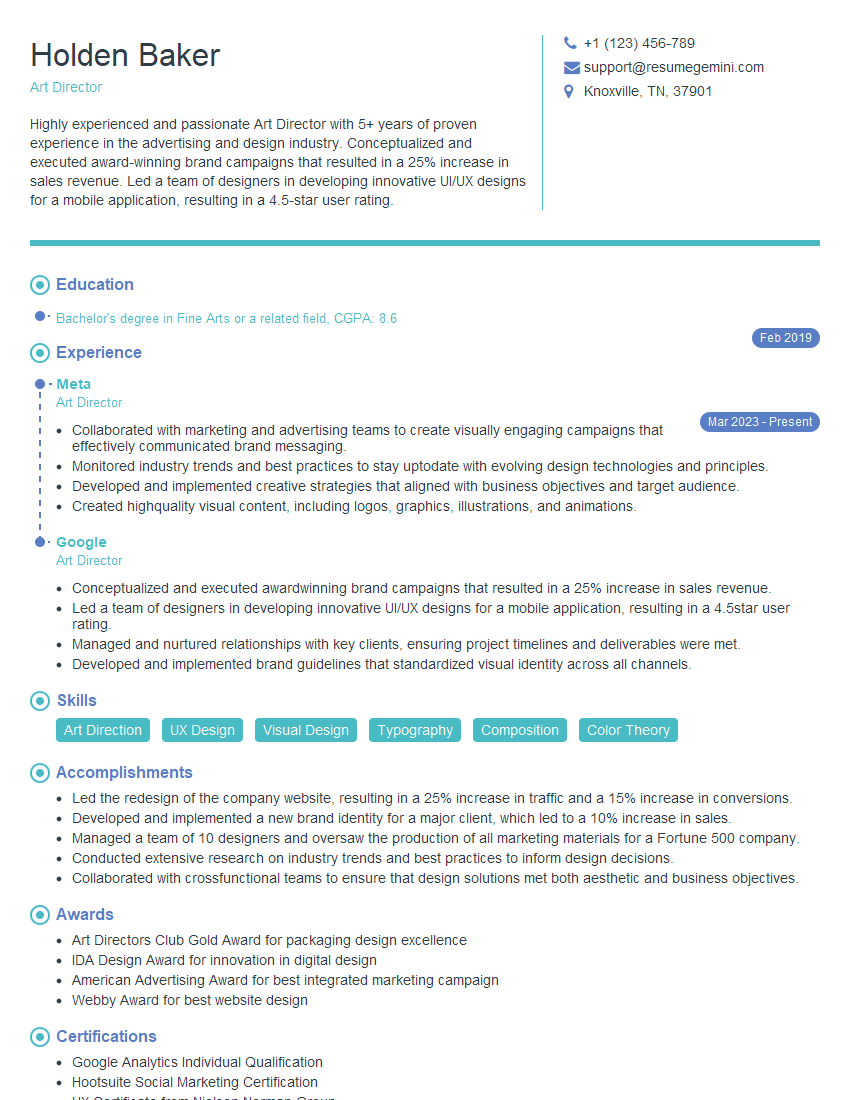
Art Director Resume Sample
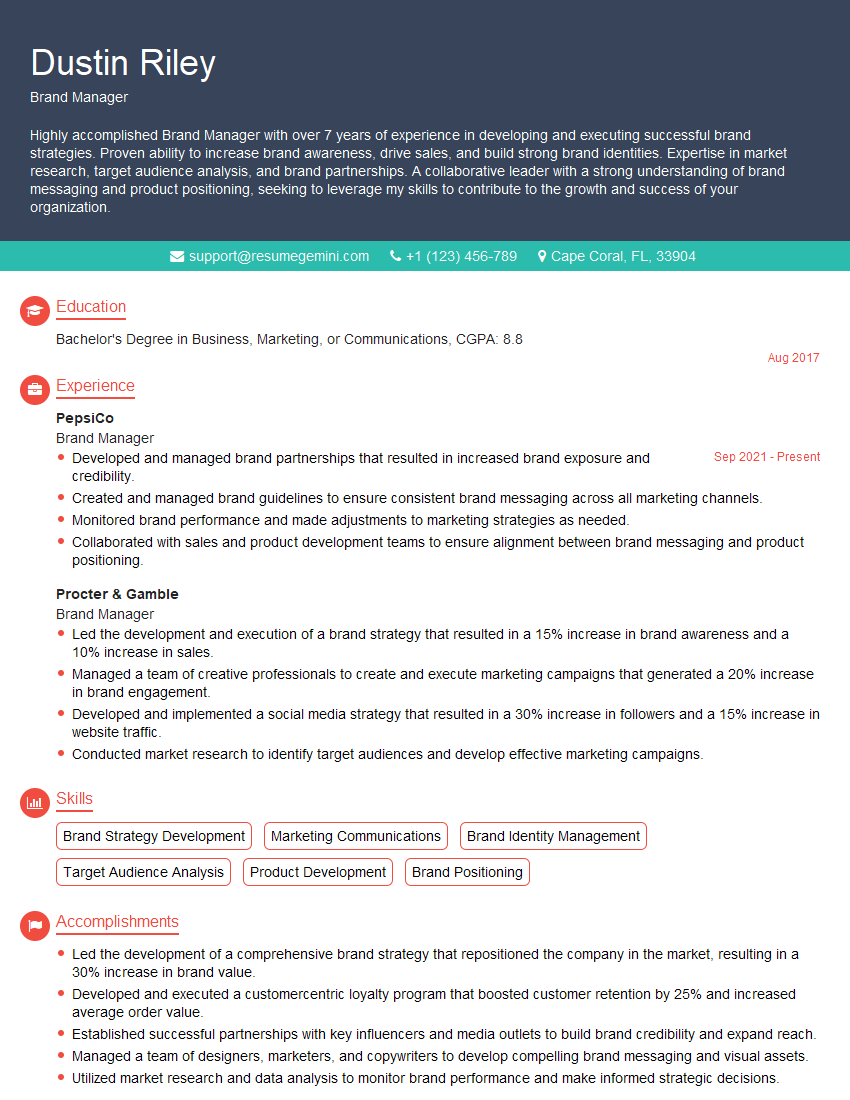
Brand Manager Resume Sample

Creative Director Resume Sample
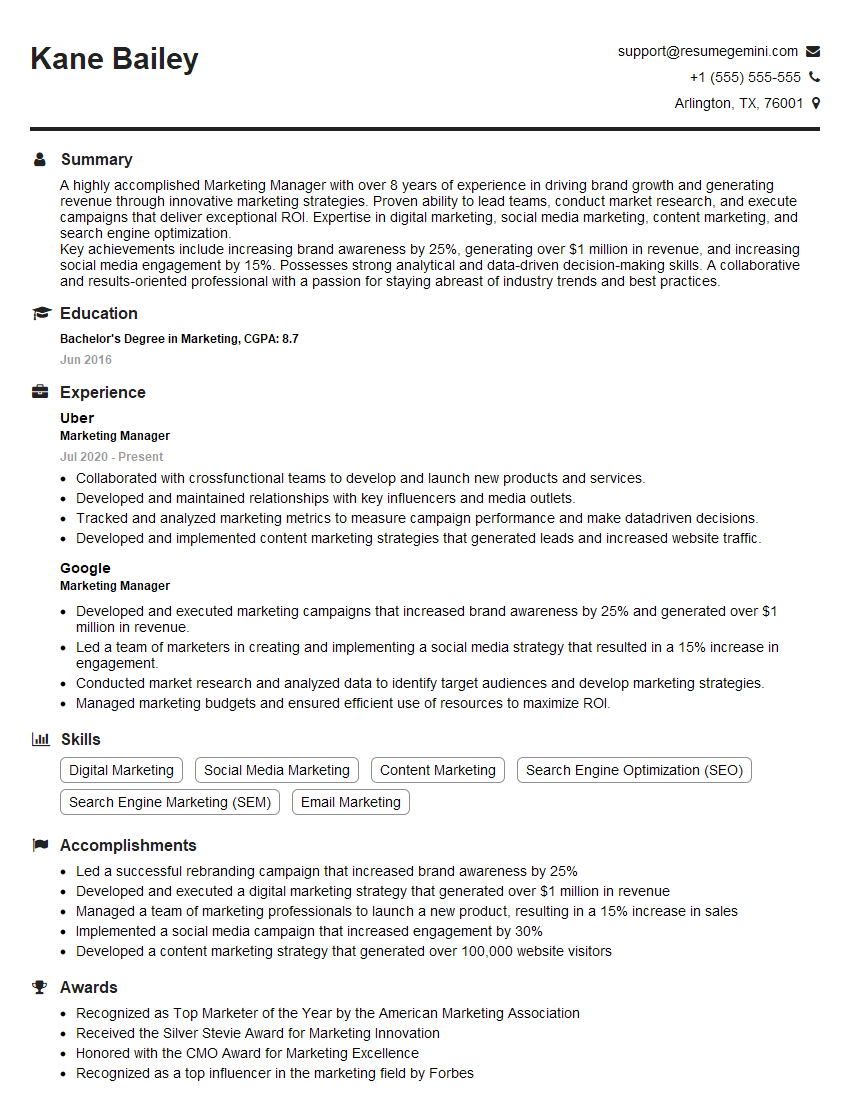
Marketing Manager Resume Sample

Information Architect Resume Sample
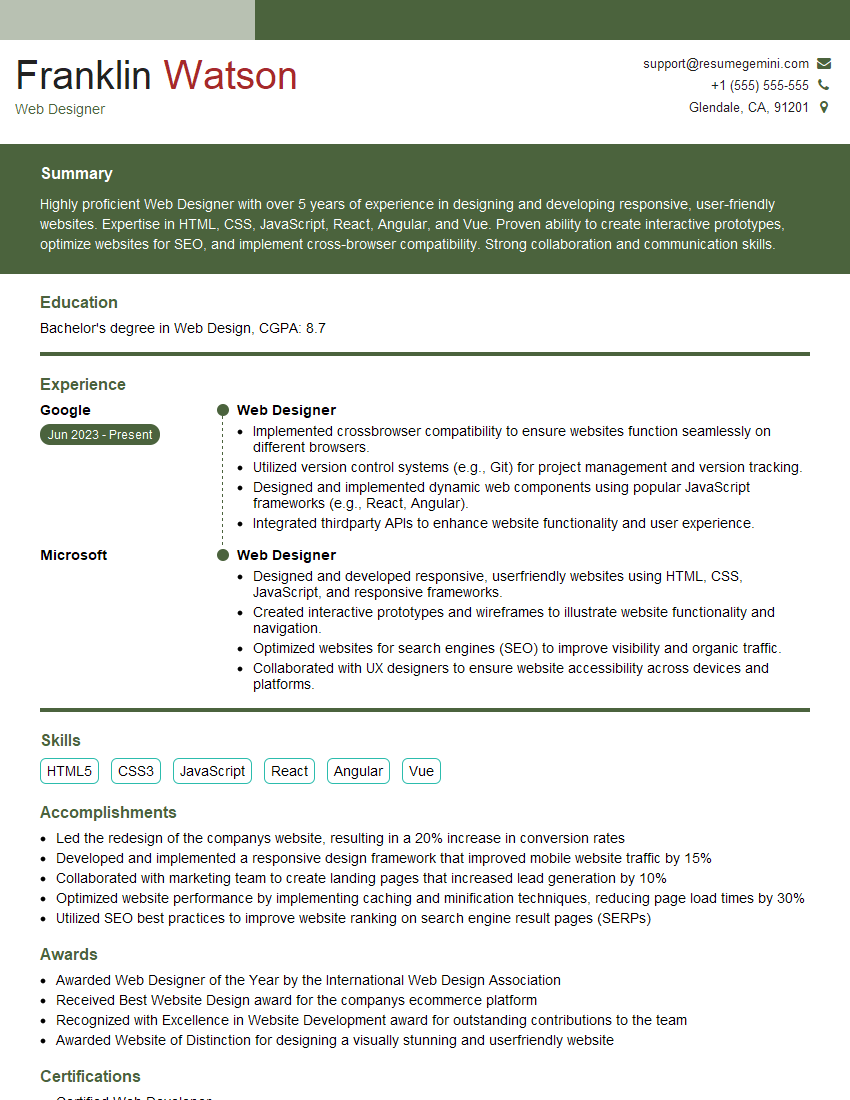
Web Designer Resume Sample
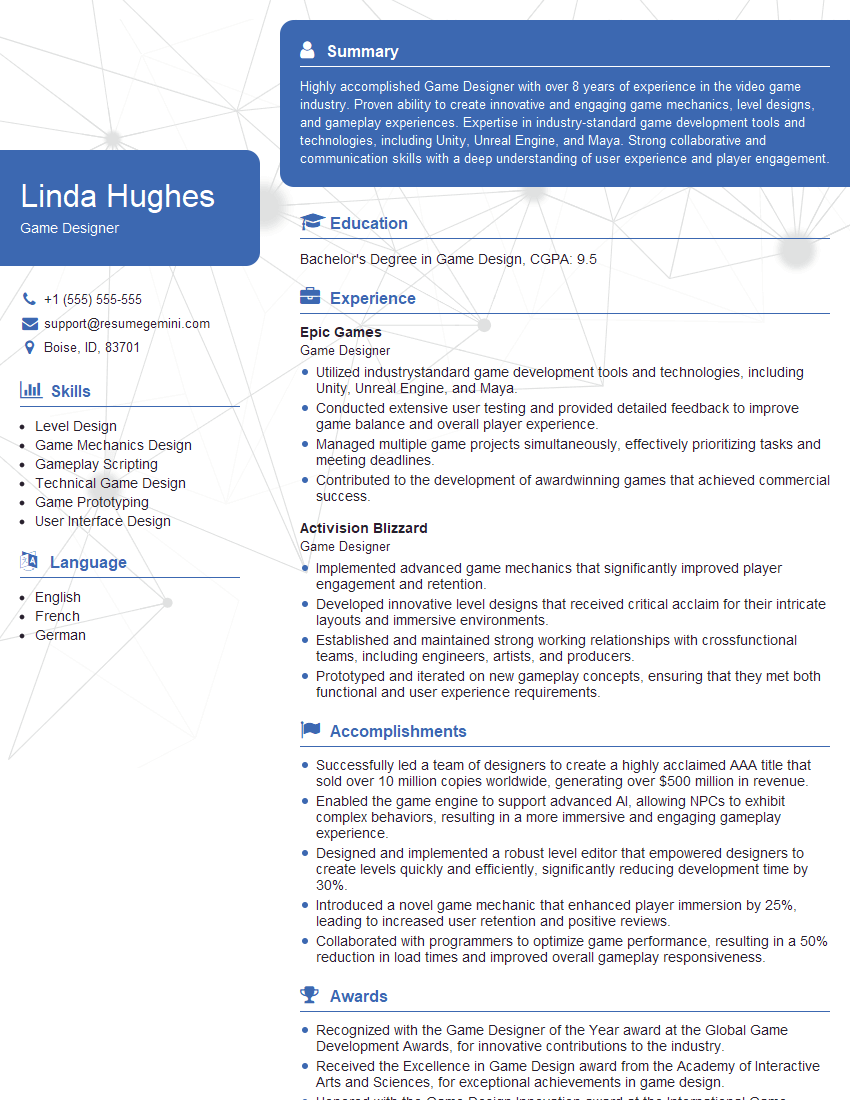
Game Designer Resume Sample

Content Strategist Resume Sample
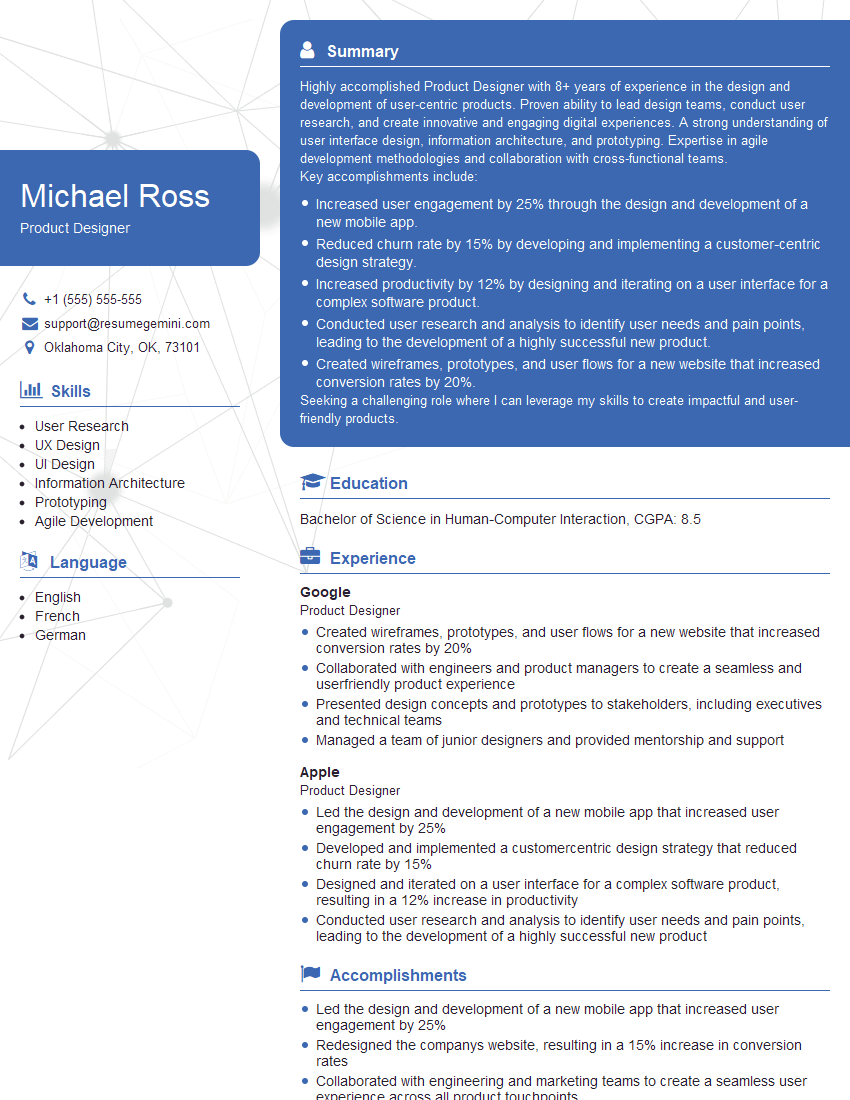
Product Designer Resume Sample
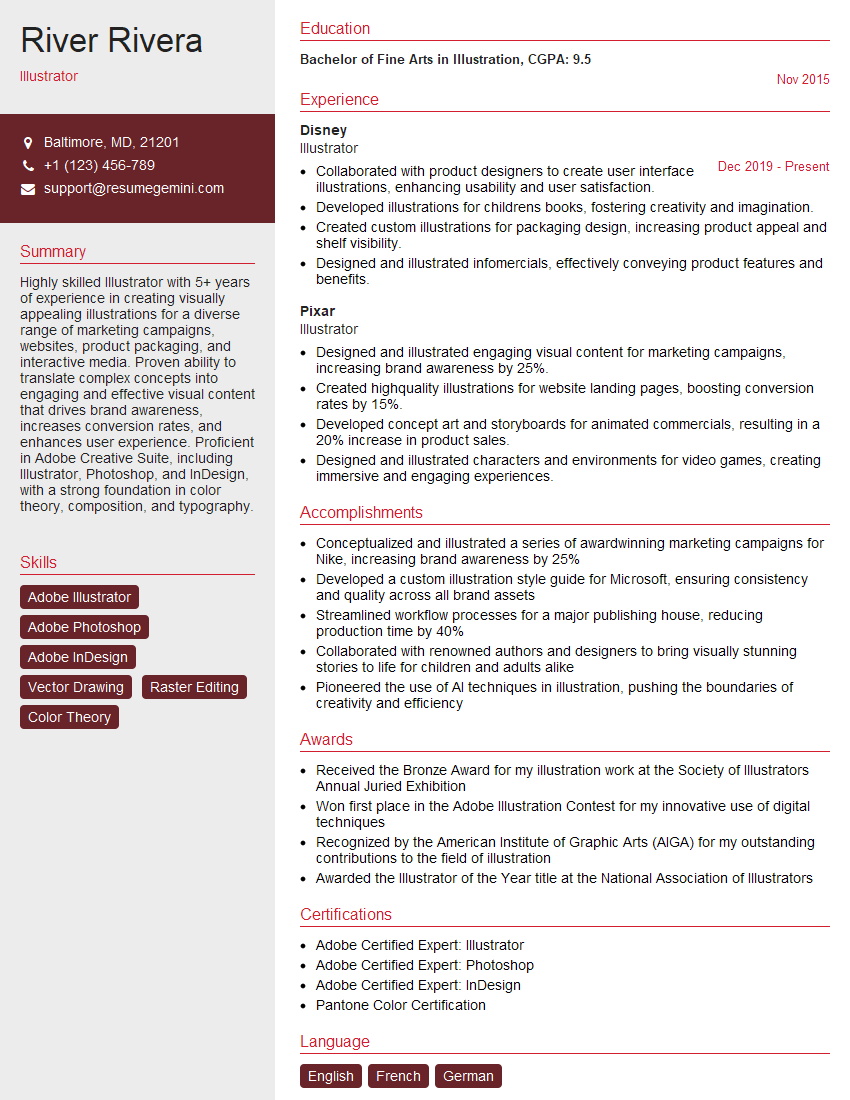
Illustrator Resume Sample
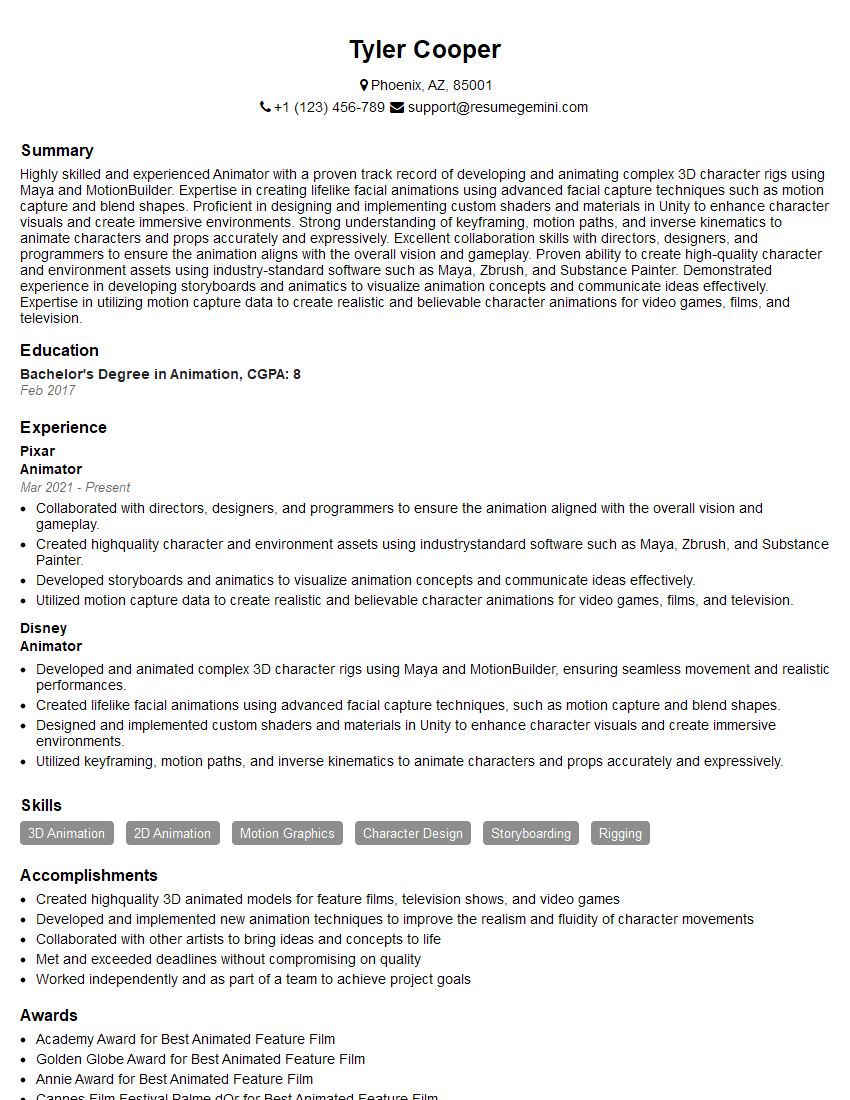
Animator Resume Sample
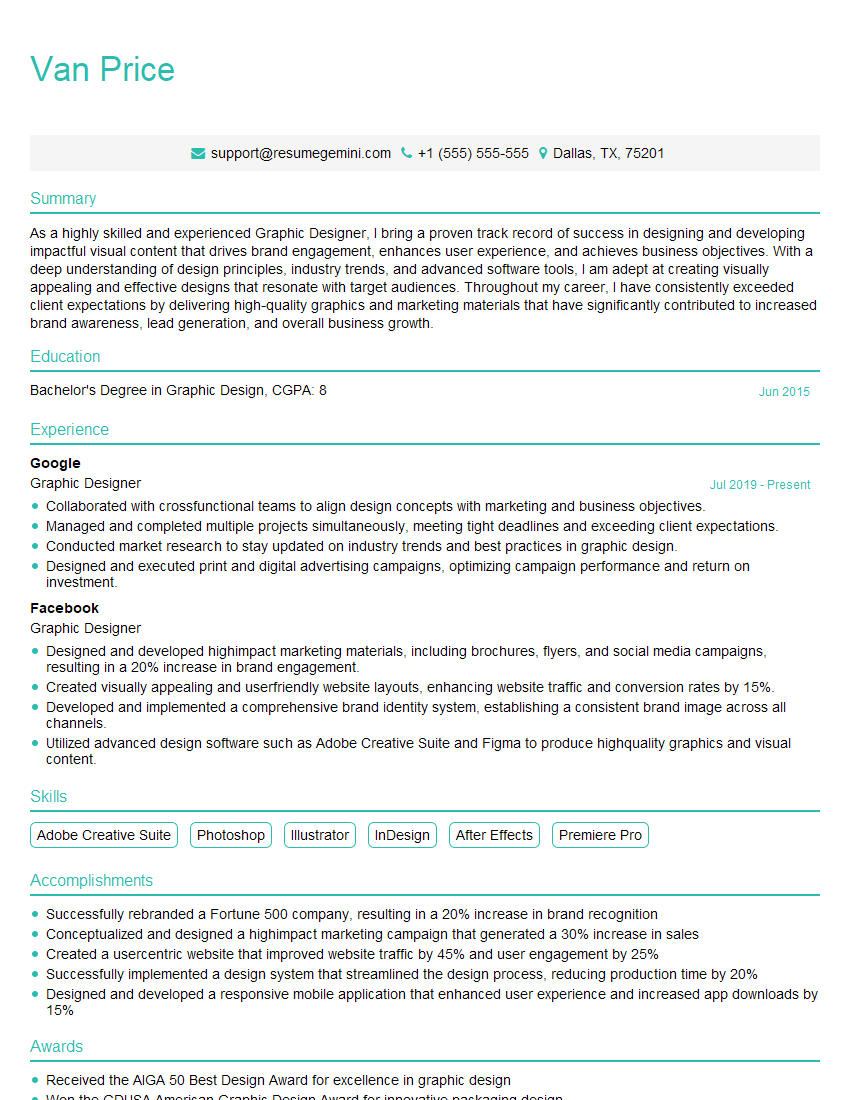
Graphic Designer Resume Sample

Copywriter Resume Sample
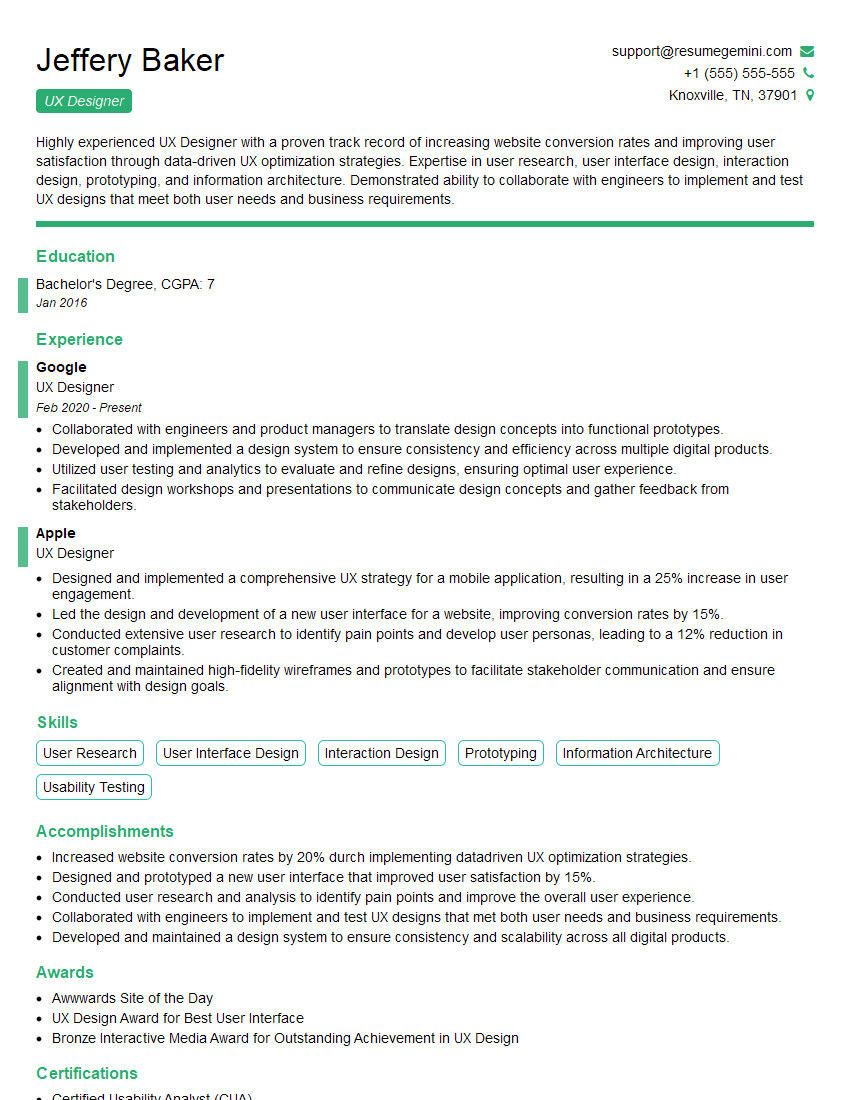
UX Designer Resume Sample
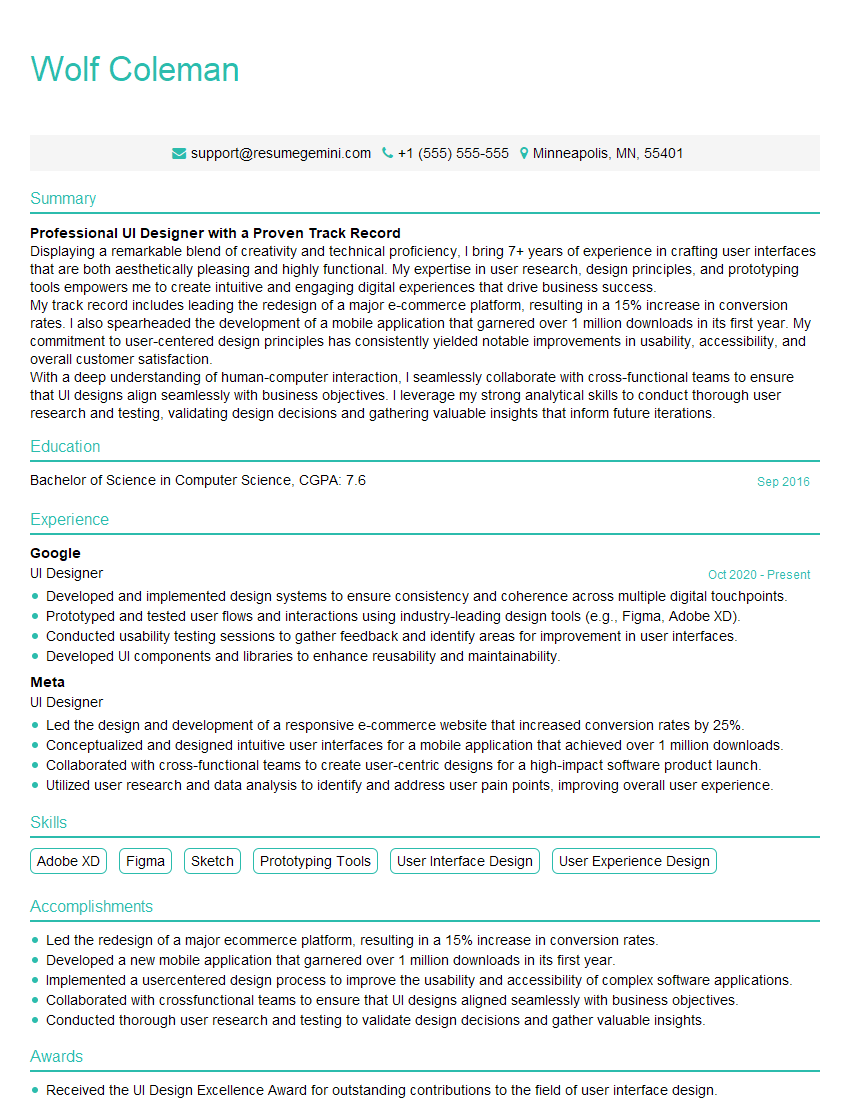
UI Designer Resume Sample
Explore more articles
Users Rating of Our Blogs
Share Your Experience
We value your feedback! Please rate our content and share your thoughts (optional).
What Readers Say About Our Blog
Very informative content, great job.
good