Are you ready to stand out in your next interview? Understanding and preparing for Experience with Biohazardous Materials interview questions is a game-changer. In this blog, we’ve compiled key questions and expert advice to help you showcase your skills with confidence and precision. Let’s get started on your journey to acing the interview.
Questions Asked in Experience with Biohazardous Materials Interview
Q 1. Describe your experience handling biohazardous materials.
My experience with biohazardous materials spans over ten years, encompassing research, laboratory management, and training roles. I’ve worked extensively with various agents, including bacteria, viruses, and prions, following rigorous safety protocols in BSL-2 and BSL-3 laboratories. This involved handling infectious samples for diagnostic testing, conducting experiments requiring aseptic techniques, and managing the safe disposal of contaminated materials. For instance, in my previous role, I was responsible for overseeing the safe handling and processing of clinical specimens suspected of containing highly pathogenic avian influenza virus (HPAI). This involved meticulous adherence to BSL-3 practices and rigorous training of lab personnel.
Q 2. What are the different biosafety levels and their associated practices?
Biosafety levels (BSLs) are a classification system designed to ensure the safe handling of infectious agents. They range from BSL-1 (lowest risk) to BSL-4 (highest risk). Each level dictates specific practices, safety equipment, and laboratory design features.
- BSL-1: Agents pose minimal risk and standard microbiological practices are sufficient (e.g., handwashing, disinfection).
- BSL-2: Agents pose moderate risk through percutaneous injury or mucous membrane exposure. Requires more stringent practices, including the use of biological safety cabinets (BSCs) for certain procedures.
- BSL-3: Agents are indigenous or exotic and can cause serious or potentially lethal disease via aerosol transmission. Requires a dedicated laboratory with controlled access, specialized ventilation, and the use of respirators.
- BSL-4: Agents are dangerous and exotic, posing a high risk of life-threatening disease via aerosol transmission. Requires a completely sealed laboratory with specialized suits and extensive safety features.
For example, working with E. coli K12 would typically fall under BSL-1, while working with Mycobacterium tuberculosis would require a BSL-3 facility.
Q 3. Explain the proper procedures for decontaminating biohazardous waste.
Decontamination of biohazardous waste is crucial to prevent the spread of infection. The primary method is autoclaving (steam sterilization), which utilizes high pressure and temperature to kill microorganisms. Other methods include chemical disinfection using agents like bleach or glutaraldehyde, and incineration for highly infectious materials.
The procedure typically involves:
- Segregation: Separating biohazardous waste from regular trash using designated containers and labeling.
- Packaging: Placing waste into appropriate autoclave bags or containers that are leak-proof and puncture-resistant.
- Autoclaving: Processing waste in an autoclave at a minimum of 121°C (250°F) and 15 psi for a specific duration (typically 20-60 minutes depending on the waste type and volume).
- Verification: Using biological indicators (spores) to confirm complete sterilization.
- Disposal: Following proper disposal procedures, often involving incineration or designated landfill sites compliant with local regulations.
Failure to properly decontaminate biohazardous waste can lead to environmental contamination and potential health risks to workers and the public. It’s imperative that each step of this process be rigorously followed.
Q 4. What are the key components of a biosafety plan?
A comprehensive biosafety plan outlines the procedures and protocols for handling biohazardous materials within a specific laboratory or facility. Key components include:
- Risk Assessment: Identifying potential hazards associated with the specific agents being handled.
- Standard Operating Procedures (SOPs): Detailed step-by-step instructions for all procedures involving biohazardous materials.
- Emergency Response Plan: Protocols for handling spills, accidents, and other emergencies.
- Training Program: Ensuring all personnel are adequately trained on safe practices and emergency procedures.
- Personal Protective Equipment (PPE) Selection: Determining the appropriate PPE required based on the risk assessment.
- Waste Management Plan: Detailing the procedures for safe handling, decontamination, and disposal of biohazardous waste.
- Equipment Maintenance and Calibration: Ensuring that safety equipment like autoclaves, BSCs, and centrifuges are properly maintained and calibrated.
A well-defined biosafety plan is essential to mitigate risks and ensure the safety of personnel and the environment.
Q 5. How do you ensure compliance with relevant regulations (e.g., OSHA)?
Compliance with regulations, such as those set by OSHA (Occupational Safety and Health Administration), is paramount. This is achieved through meticulous record-keeping, adherence to all safety protocols outlined in the biosafety plan, regular safety inspections, and employee training. We maintain detailed records of all procedures, including personnel training certifications, equipment maintenance logs, and waste disposal documentation. These records are readily available for audits and inspections. We also participate in regular safety training provided by our institution to stay updated on the latest regulations and best practices. Any non-compliance issues are addressed immediately and corrective actions are documented and implemented to prevent recurrence.
Q 6. Describe your experience with autoclaving and other sterilization techniques.
Autoclaving is my primary sterilization technique, as described earlier. However, I’m also familiar with other methods, each with its own applications. For instance:
- Dry Heat Sterilization: Effective for glassware and certain metallic instruments but slower than autoclaving.
- Ethylene Oxide Sterilization: Used for heat-sensitive materials, but requires specialized equipment and ventilation due to its toxicity.
- Gamma Irradiation: A powerful sterilization method suitable for single-use disposable medical devices but necessitates specialized facilities.
- Filtration: Removing microorganisms from liquids or gases using filters with pore sizes small enough to trap bacteria and viruses. Primarily used for heat-sensitive solutions.
The choice of sterilization method depends on the nature of the materials to be sterilized and the level of sterility required. I’ve successfully employed all of these methods depending on the specific needs of the experiments and the nature of the biohazardous materials being processed.
Q 7. What are the different types of personal protective equipment (PPE) used when handling biohazardous materials?
The type of PPE used when handling biohazardous materials depends on the biosafety level and the specific risk assessment. Common PPE includes:
- Gloves: Nitrile or latex gloves, often double-gloved for enhanced protection.
- Lab Coats: Disposable or reusable lab coats to protect skin and clothing.
- Eye Protection: Safety goggles or face shields to prevent splashes and aerosols from reaching the eyes.
- Respirators: N95 respirators or PAPRs (powered air-purifying respirators) for protection from airborne pathogens in BSL-3 and BSL-4 labs.
- Shoe Covers: To prevent contamination of shoes and reduce the risk of tracking contaminants.
In BSL-3 and BSL-4 labs, the use of complete personal protective ensembles (e.g., positive-pressure suits) might be necessary. It’s crucial to select and use PPE correctly and to ensure proper disposal of contaminated items after use. Improper use of PPE significantly increases the risk of exposure to biohazardous materials.
Q 8. Explain your understanding of risk assessment in a biohazardous environment.
Risk assessment in a biohazardous environment is a critical process to identify and evaluate potential hazards, determine the likelihood of exposure, and implement appropriate control measures to minimize risks. It’s like a detective investigating a crime scene, but instead of a crime, we’re looking for potential harm from biological agents. We systematically assess the inherent dangers of the specific biohazards we’re working with – their infectiousness, virulence, and potential to cause disease.
This involves a multi-step process: Identifying hazards (What are the specific biohazardous materials? What are the activities involving these materials?), Analyzing risks (What’s the likelihood of exposure? What are the potential consequences?), Evaluating risks (Which risks are most significant?), and Implementing controls (What engineering controls, administrative controls, and personal protective equipment (PPE) are needed to mitigate risks?). A thorough risk assessment is crucial to ensuring the safety of personnel and the environment.
For example, working with a highly contagious virus like Ebola would require a much higher level of containment and PPE than working with a less dangerous bacteria like E. coli in a controlled lab setting. The assessment would tailor the safety protocols to the specific risks involved.
Q 9. How would you handle a spill of biohazardous materials?
Handling a biohazardous spill requires immediate action and strict adherence to established protocols. Think of it as a fire drill, but for biological agents. The first step is to secure the area, preventing unauthorized access. Next, don appropriate PPE, including gloves, lab coat, eye protection, and possibly a respirator, depending on the specific biohazard. We don’t want to become another casualty!
Then, using absorbent materials designed for biohazard spills, carefully contain the spill. Avoid splashing or aerosolizing the material. After containment, decontaminate the area following established protocols which usually involve using approved disinfectants. Finally, dispose of all contaminated materials properly, following institutional guidelines and regulations. All actions are documented thoroughly.
For instance, if we had a spill of Bacillus anthracis (anthrax), the response would be more rigorous, involving potentially more specialized PPE and decontamination procedures, including potentially calling a specialized biohazard response team.
Q 10. Describe your experience with biological safety cabinets (BSCs).
Biological safety cabinets (BSCs) are vital pieces of equipment providing personnel and environmental protection when working with biohazardous materials. They are essentially enclosed workstations designed to create a safe working environment by preventing the release of infectious agents into the air and protecting the user from aerosols and splashes.
My experience encompasses working with various classes of BSCs (Class I, II, and III), each with its specific level of protection. I’m proficient in their operation, including proper startup and shutdown procedures, HEPA filter maintenance, and the importance of regular certification and testing to ensure their effectiveness. I understand the airflow patterns within the cabinet and the crucial role they play in preventing contamination. For example, understanding the difference between laminar flow and turbulent flow is paramount for effective cabinet use.
I also have experience with routine maintenance and troubleshooting – identifying and resolving issues such as airflow problems or filter clogging. A BSC is only as good as its proper maintenance and operation.
Q 11. What are the signs and symptoms of exposure to common biohazards?
Signs and symptoms of exposure to biohazards vary widely depending on the specific agent, route of exposure (inhalation, ingestion, or contact), and the dose. However, some common signs and symptoms include fever, chills, fatigue, muscle aches, nausea, vomiting, diarrhea, skin rashes, and respiratory symptoms such as coughing or shortness of breath.
For instance, exposure to Brucella might present with flu-like symptoms, while exposure to certain viruses might cause more specific symptoms like jaundice (yellowing of the skin and eyes). Exposure to toxins might manifest in different ways, for example neurological symptoms in the case of some bacterial toxins.
It is crucial to remember that some exposures might not present immediate symptoms; latent infections can develop later. Any suspected exposure requires immediate medical attention and reporting to the relevant authorities.
Q 12. Explain the procedures for reporting a biohazard exposure incident.
Reporting a biohazard exposure incident is a critical step to ensure prompt medical attention and to prevent further spread of infection. This typically involves a multi-step process: First, seek immediate medical attention. Secondly, report the incident to your supervisor immediately. This is not something to delay or downplay! Thirdly, complete an incident report form, providing detailed information about the event, including the nature of the biohazard, the route of exposure, the extent of exposure, and any immediate symptoms.
This report serves as a crucial record for medical treatment, risk assessment, and preventing future incidents. Depending on the severity of the exposure, a broader investigation might be conducted by safety and health professionals to determine the cause of the incident and identify measures to prevent future occurrences. The institutional policy will determine further actions, including medical monitoring.
Q 13. What are the ethical considerations involved in handling biohazardous materials?
Ethical considerations in handling biohazardous materials are paramount. The core principle revolves around protecting human health and the environment. Researchers have a responsibility to conduct their work in a safe and ethical manner, adhering to all relevant regulations and guidelines. This includes obtaining informed consent from individuals who might be involved in the research, ensuring the safety of personnel, and adhering to the principle of minimizing harm.
Transparency and open communication are vital. Any potential risks should be openly discussed and appropriate mitigation strategies implemented. The ethical use and disposal of biohazardous materials are also critical; these materials should never be handled or disposed of improperly, even on a small scale.
For instance, research involving human subjects must adhere to rigorous ethical guidelines and undergo review by an Institutional Review Board (IRB). Any research involving potentially harmful agents must be justified and carried out with stringent safety protocols to minimize the risks to the researchers and the public.
Q 14. How do you maintain accurate records and documentation related to biohazard handling?
Accurate records and documentation are essential for maintaining accountability, traceability, and safety in handling biohazardous materials. This involves meticulously documenting every step of the process, from the receipt of materials to their disposal. This is not just about ticking boxes; it’s about creating a complete and reliable audit trail.
This documentation usually includes inventory logs, exposure logs, training records for personnel, maintenance logs for equipment such as BSCs and autoclaves, and detailed records of all incidents, spills, or exposures. These records often utilize electronic laboratory notebooks or dedicated software systems which enhance accuracy and ease of access to the information. This kind of detailed record-keeping ensures that we can easily retrace our steps in case of an incident, helping to improve future safety protocols and ensuring compliance.
Q 15. What is your experience with different types of biological indicators?
Biological indicators (BIs) are crucial for validating sterilization processes. They’re preparations of microorganisms, usually bacterial spores, that are highly resistant to the sterilization method being tested. Their presence and survival or death after a sterilization cycle directly indicate the effectiveness of that cycle.
- Geobacillus stearothermophilus: Commonly used for steam sterilization validation, due to its high resistance to moist heat. I’ve extensively used these in autoclave validation protocols, ensuring consistent sterilization efficacy in our lab.
- Bacillus atrophaeus: Used to monitor the effectiveness of dry heat sterilization and ethylene oxide (ETO) sterilization processes. I’ve worked with these indicators in sterilizing glassware and specialized equipment that cannot tolerate steam sterilization.
- Bacillus subtilis: Used in certain gamma irradiation validation procedures, though less common than the other two mentioned. During my time at the research facility, we used these for specific, high-level disinfection validation.
The difference lies primarily in the spores’ resistance to various sterilization methods. Choosing the right BI is paramount for accurate sterilization validation. Incorrect selection could lead to false negatives, potentially compromising safety and risking infection.
Career Expert Tips:
- Ace those interviews! Prepare effectively by reviewing the Top 50 Most Common Interview Questions on ResumeGemini.
- Navigate your job search with confidence! Explore a wide range of Career Tips on ResumeGemini. Learn about common challenges and recommendations to overcome them.
- Craft the perfect resume! Master the Art of Resume Writing with ResumeGemini’s guide. Showcase your unique qualifications and achievements effectively.
- Don’t miss out on holiday savings! Build your dream resume with ResumeGemini’s ATS optimized templates.
Q 16. Describe your knowledge of different decontamination methods (e.g., chemical, physical).
Decontamination methods are vital for eliminating or reducing biohazardous material to a safe level. They can be broadly classified as chemical and physical methods.
- Chemical methods involve using disinfectants or sterilants. Disinfectants reduce the number of microorganisms, while sterilants eliminate all forms of microbial life. Examples include:
- Sodium hypochlorite (bleach): A cost-effective and widely used disinfectant for many types of biohazards. I’ve utilized this extensively for surface decontamination in lab settings, always following specific concentration and contact time guidelines to ensure effectiveness.
- Glutaraldehyde: A high-level disinfectant and sterilant, effective against a wide range of microorganisms, including spores. However, it requires careful handling due to its toxicity. I’ve used it for sterilizing specific equipment and specialized materials following strict safety protocols.
- Hydrogen peroxide: An environmentally friendly sterilant, often used in vapor form for large-scale decontamination of rooms or equipment. During my work with the bio-safety cabinet, I’ve ensured its effectiveness through rigorous testing and maintenance.
- Physical methods involve using physical agents to eliminate or reduce biohazardous materials. Examples include:
- Autoclaving (steam sterilization): Utilizes high-pressure saturated steam to kill microorganisms. This is my most frequently employed method, particularly for liquid waste and equipment decontamination.
- Dry heat sterilization: Uses high temperatures in the absence of moisture to sterilize materials that cannot withstand steam sterilization, such as glassware and certain types of instruments. I’ve ensured proper validation using biological indicators in dry heat sterilization processes.
- Incineration: The most effective method for destroying biohazardous waste, particularly for highly infectious materials, but comes with its environmental considerations. I always adhere to strict regulations concerning waste incineration.
The choice of method depends heavily on the type of biohazard, the material being decontaminated, and regulatory requirements.
Q 17. How do you manage biohazardous waste storage and disposal?
Biohazardous waste management is critical for preventing the spread of infection. It involves a structured approach, encompassing storage, labeling, and disposal.
- Storage: Biohazardous waste is stored in clearly labeled, leak-proof containers, usually color-coded (e.g., red bags or containers). The containers are stored in designated areas, away from food or other non-hazardous materials. I’ve consistently maintained an organized storage system, ensuring proper labeling and segregation of various waste types to avoid cross-contamination.
- Labeling: Each container must clearly indicate the type of waste and any specific hazards (e.g., infectious, sharps, etc.). This ensures appropriate handling by waste management personnel. I’ve always emphasized the importance of accurate labeling for efficient and safe waste handling throughout my career.
- Disposal: Disposal methods vary depending on local regulations and the nature of the waste. This may involve autoclaving or incineration, followed by disposal according to local regulations. I’ve worked closely with licensed medical waste disposal companies to ensure compliance with regulations and to minimize environmental impact.
In my experience, effective biohazardous waste management requires stringent adherence to protocols, meticulous record-keeping, and ongoing training. It’s not merely a logistical process; it’s a vital component of safeguarding public health.
Q 18. What training and certifications do you possess related to biohazardous materials?
Throughout my career, I’ve maintained a strong commitment to continuous professional development in biohazard safety. My certifications include:
- Certified Hazardous Materials Manager (CHMM): This certification covers a wide range of hazardous materials, including biological agents, encompassing all aspects of handling, storage, and disposal.
- Biosafety Officer Certification: This validates my competence in developing and implementing biosafety protocols and programs.
In addition, I’ve completed extensive training in:
- Bloodborne Pathogens: Covering proper handling and prevention of exposure to bloodborne pathogens.
- OSHA regulations for handling hazardous materials: Ensuring complete compliance with all relevant safety guidelines and regulations.
- Advanced training on specific biohazardous agents (e.g., specific bacterial species, viruses): Providing in-depth knowledge and skills in handling these high-risk agents.
These certifications and training have equipped me with the knowledge and skills to maintain a safe and compliant working environment.
Q 19. Describe your experience with working under aseptic conditions.
Aseptic techniques are crucial for preventing contamination in experiments or procedures involving biological materials. They aim to maintain sterility and prevent the introduction of unwanted microorganisms.
- Sterile Field Preparation: I have extensive experience creating and maintaining sterile fields using appropriate techniques, such as proper draping and meticulous disinfection procedures. I’ve worked in settings requiring strict aseptic technique for various cell cultures and experiments.
- Sterile Equipment Handling: This includes using sterile instruments, media, and solutions. Every step, from preparing the media to manipulating the cultures under a laminar flow hood, is executed under aseptic principles. I strictly follow guidelines in handling cultures.
- Proper Gowning and Gloving: Strict adherence to personal protective equipment (PPE) protocols, including wearing sterile gowns, gloves, and masks, is critical in maintaining sterility and preventing contamination. My experience with gowning, specifically gowning during surgical procedures, is extensive.
I’ve successfully implemented aseptic techniques in various settings, from microbiological research to clinical settings, consistently minimizing the risk of contamination.
Q 20. How familiar are you with the handling and disposal of sharps?
Sharps handling and disposal are critical for preventing needlestick injuries and the potential spread of bloodborne pathogens.
- Safe Handling Procedures: Never recapping needles, using sharps containers immediately after use, and avoiding any unnecessary manipulation of sharps are some of the essential safety protocols I always adhere to.
- Sharps Containers: Properly using puncture-resistant sharps containers, ensuring they’re readily accessible, and never overfilling them are critical. I’ve meticulously trained personnel on safe sharps handling techniques.
- Disposal Protocols: Sharps containers must be properly labeled and disposed of according to local regulations. I’ve coordinated disposal with authorized medical waste disposal facilities and made sure that all procedures are in compliance.
My focus is always on preventative measures. Proactive safety measures significantly reduce the risk of accidental injuries. I’ve consistently emphasized education and training in proper sharps handling as a preventative measure against injuries and infection.
Q 21. Explain your experience with various types of biological agents (e.g., bacteria, viruses).
My experience encompasses a wide range of biological agents, including bacteria, viruses, and fungi.
- Bacteria: I’ve worked extensively with various bacterial species, from common laboratory strains to more hazardous pathogens, including E. coli, Staphylococcus aureus, and others. Each has its own unique safety requirements and handling protocols, which I’ve rigorously followed, including the use of appropriate biosafety levels.
- Viruses: My experience includes handling viruses, often with the use of tissue culture and related procedures. This involved working with cell lines and following rigorous safety precautions in accordance with biosafety levels. It’s important to note that handling certain viruses demands high-level biosafety measures.
- Fungi: I’ve also worked with various fungal species, including those that are pathogenic to humans. Specific safety protocols are equally important for safe handling of fungal agents.
The complexity of handling biological agents often necessitates varying degrees of containment and safety measures. My experience enables me to tailor my approach based on the specific risk associated with the agent. Every procedure involving a biological agent is accompanied by an exhaustive risk assessment.
Q 22. How do you ensure the safety of yourself and your colleagues when working with biohazards?
Ensuring safety when working with biohazards is paramount and relies on a multi-layered approach. It begins with meticulous adherence to established protocols and standard operating procedures (SOPs). This includes proper risk assessment before any procedure, selecting the appropriate personal protective equipment (PPE), such as gloves, lab coats, eye protection, and respirators based on the specific biohazard. We also maintain a clean and organized workspace to minimize accidental spills or exposure. Furthermore, regular training and competency assessments are crucial for all personnel to maintain proficiency in safe handling practices. Finally, effective communication and reporting of any incidents or near misses are essential for preventing future occurrences. For instance, if I’m working with a known highly contagious pathogen, I would utilize a biosafety cabinet (BSC) Class II, wear a N95 respirator in addition to other PPE, and meticulously follow the specific SOP laid out for that particular agent.
- Risk Assessment: Thoroughly evaluating the potential hazards associated with the specific biohazardous material.
- PPE Selection: Choosing the appropriate protective gear based on the risk assessment.
- Proper Technique: Following established procedures for handling, containment, and disposal.
- Training & Competency: Regular training and competency assessments for all personnel.
- Incident Reporting: Prompt reporting of any incidents or near misses.
Q 23. Describe a time you had to troubleshoot an issue related to biohazardous material handling.
During my time at the research facility, we experienced a malfunction with our autoclave, a crucial piece of equipment for sterilizing biohazardous waste. The autoclave wasn’t reaching the required temperature and pressure for complete sterilization, potentially compromising the integrity of the waste disposal process. My troubleshooting involved first verifying the issue wasn’t a simple user error; I checked the settings and ensured the waste was properly loaded. Once I confirmed the problem stemmed from the machine itself, I systematically checked each component: the heating element, pressure sensors, and the control system. I found a faulty pressure sensor that was giving inaccurate readings, preventing the autoclave from reaching its sterilization parameters. After replacing the sensor, rigorous testing was performed using biological indicators to ensure the autoclave had regained its sterilization capabilities. This experience reinforced the critical need for routine maintenance and preventative measures for all equipment used in handling biohazardous materials. A malfunction could easily lead to a significant breach of safety.
Q 24. What are the potential health hazards associated with the mishandling of biohazardous materials?
Mishandling biohazardous materials poses a wide range of health hazards, depending on the specific agent involved. These hazards can range from mild to life-threatening. Potential health effects can include:
- Infections: Bacterial, viral, fungal, or parasitic infections can result from exposure through direct contact, inhalation, or ingestion.
- Toxicity: Some biohazardous materials produce toxins that can cause various symptoms, ranging from mild irritation to organ damage.
- Allergies: Exposure to certain biohazardous materials can trigger allergic reactions, ranging from skin rashes to severe anaphylaxis.
- Carcinogenesis: Long-term exposure to some biohazards can increase the risk of developing cancer.
- Genetic Damage: Certain biohazardous materials can damage genetic material, potentially leading to mutations or birth defects.
The severity of the effects depends on several factors, including the virulence of the agent, the route of exposure, the dose, and the individual’s immune status. For example, exposure to E. coli O157:H7 may cause mild diarrhea, whereas exposure to highly pathogenic viruses like Ebola can result in a severe and potentially fatal illness.
Q 25. Explain your experience with using and maintaining various laboratory equipment used for biohazard handling.
My experience encompasses a variety of equipment used in biohazard handling, including biosafety cabinets (BSCs), autoclaves, centrifuges, incubators, and freezers. I’m proficient in using and maintaining each of these. For example, I regularly perform routine checks on BSCs to ensure proper airflow and HEPA filter integrity. This includes conducting airflow velocity tests and filter integrity checks according to manufacturer guidelines. For autoclaves, I’m responsible for validating sterilization cycles using biological indicators and conducting preventative maintenance to ensure proper function. Maintaining these devices is crucial for safety, preventing contamination or malfunction. Furthermore, I have documented training and proficiency in operating and maintaining these sophisticated pieces of equipment.
Q 26. What measures would you take to minimize the risk of biohazard exposure?
Minimizing the risk of biohazard exposure requires a comprehensive approach. This starts with engineering controls such as biosafety cabinets and appropriate containment facilities, which physically isolate the biohazard. Then there’s administrative controls: Implementing strict SOPs, thorough training, and effective communication. Finally, personal protective equipment (PPE) forms the last line of defense, acting as a barrier between the individual and the hazard. Beyond these, regular monitoring of exposure levels, and the prompt implementation of any necessary corrective actions when issues arise, are crucial aspects of maintaining a safe working environment. Think of it like a layered security system—if one layer fails, others are in place to reduce the risk of exposure.
Q 27. How would you train new personnel on safe handling practices for biohazardous materials?
Training new personnel on safe handling practices for biohazardous materials is a rigorous process that combines theoretical knowledge and practical skills. It starts with a comprehensive review of the relevant SOPs and safety regulations. We then proceed to hands-on training using mock scenarios to simulate real-world situations. This training includes detailed instruction on proper aseptic technique, the use of PPE, and the safe operation of laboratory equipment. Regular competency assessments and ongoing supervision are essential to ensure that newly trained personnel maintain a high level of safety and proficiency. A critical element is continuous reinforcement, where safety protocols are not simply taught but actively practiced and integrated into the daily routine. This involves regular refresher training and open communication channels for reporting any concerns or near misses.
Key Topics to Learn for Experience with Biohazardous Materials Interview
- Biosafety Levels and Practices: Understanding the different biosafety levels (BSL-1 through BSL-4), associated containment practices, and their practical application in various laboratory settings.
- Personal Protective Equipment (PPE): Selecting and properly using PPE, including gloves, gowns, respirators, and eye protection, based on the specific biohazard and risk assessment.
- Decontamination and Sterilization Techniques: Mastering various decontamination methods (e.g., autoclaving, chemical disinfection) and sterilization techniques to ensure the safe handling and disposal of biohazardous materials.
- Waste Management and Disposal Protocols: Understanding and adhering to regulations and protocols for the safe handling, packaging, and disposal of biohazardous waste, including sharps and infectious materials.
- Spill Response and Emergency Procedures: Developing a thorough understanding of spill response procedures, including the proper use of spill kits and emergency contact protocols.
- Regulatory Compliance and Safety Training: Familiarity with relevant regulations (e.g., OSHA, CDC guidelines) and the importance of ongoing safety training and competency assessments.
- Risk Assessment and Mitigation Strategies: Applying principles of risk assessment to identify potential hazards, evaluate risks, and implement appropriate control measures to minimize exposure.
- Incident Reporting and Documentation: Understanding the importance of accurate and timely reporting of any incidents involving biohazardous materials and maintaining proper documentation.
Next Steps
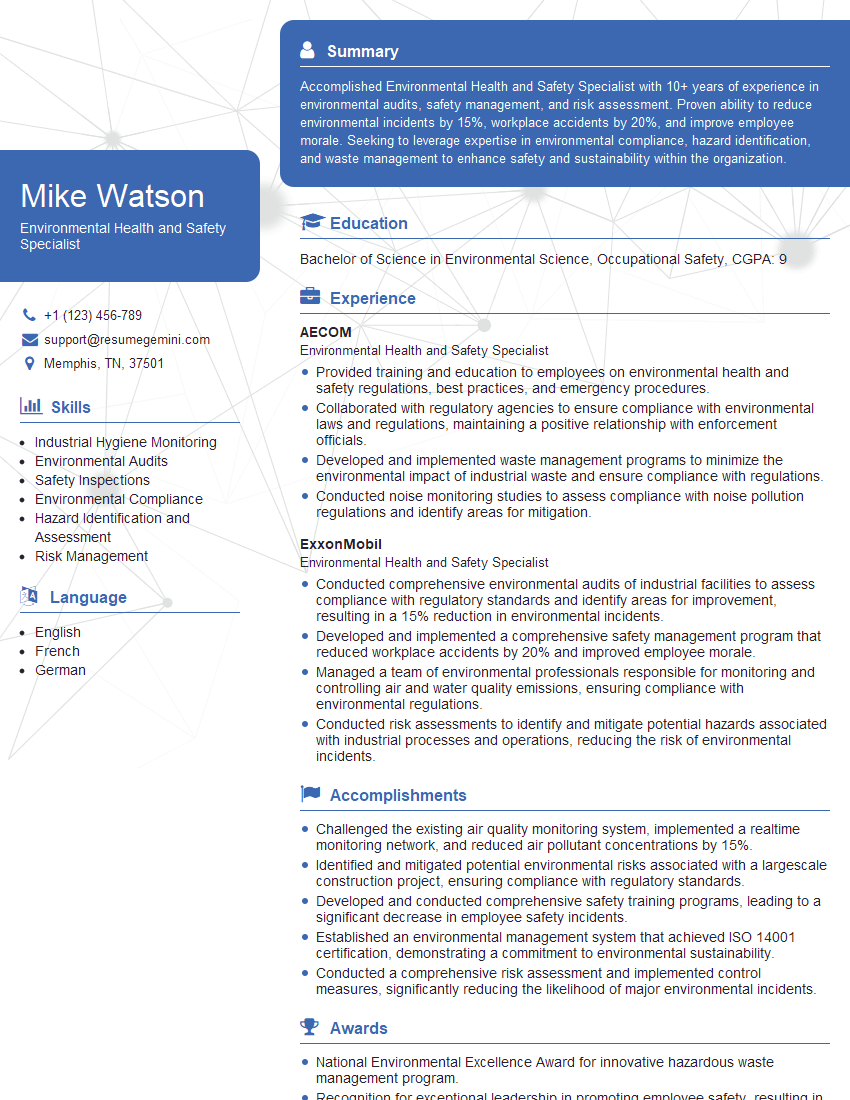
Mastering experience with biohazardous materials significantly enhances your career prospects in fields like research, healthcare, and environmental science. A strong understanding of these crucial safety protocols demonstrates your commitment to responsible practice and workplace safety, making you a highly desirable candidate. To maximize your job search success, focus on building an ATS-friendly resume that clearly highlights your relevant skills and experience. ResumeGemini can help you craft a professional and impactful resume that gets noticed. We offer examples of resumes tailored to Experience with Biohazardous Materials to guide you through the process. Let ResumeGemini help you take the next step in your career journey.
Explore more articles
Users Rating of Our Blogs
Share Your Experience
We value your feedback! Please rate our content and share your thoughts (optional).
What Readers Say About Our Blog
Very informative content, great job.
good