Cracking a skill-specific interview, like one for Crisis Action Planning and Coordination, requires understanding the nuances of the role. In this blog, we present the questions you’re most likely to encounter, along with insights into how to answer them effectively. Let’s ensure you’re ready to make a strong impression.
Questions Asked in Crisis Action Planning and Coordination Interview
Q 1. Describe your experience in developing crisis action plans.
Developing effective crisis action plans involves a structured, iterative process. It begins with a thorough understanding of the organization’s vulnerabilities and potential threats. This includes identifying potential crises, ranging from natural disasters like hurricanes to cybersecurity breaches or active shooter situations. I then work collaboratively with stakeholders across various departments to analyze potential impacts, considering factors like human safety, reputational damage, and financial losses.
The next phase involves defining clear objectives and developing specific, measurable, achievable, relevant, and time-bound (SMART) actions. For example, a plan for a cybersecurity breach would detail steps for containing the breach, communicating with affected parties, and restoring systems. These actions are detailed in a comprehensive document, outlining roles, responsibilities, and communication protocols. Finally, the plan undergoes rigorous testing and refinement through tabletop exercises and simulations, ensuring its practicality and effectiveness under pressure. In my previous role at [Previous Company Name], I led the development of a comprehensive crisis management plan that significantly improved our response time and effectiveness during a major service disruption.
Q 2. Explain the process of risk assessment in crisis management.
Risk assessment is the cornerstone of effective crisis management. It’s a systematic process of identifying, analyzing, and prioritizing potential threats. This begins with brainstorming potential crises relevant to the organization, using techniques such as SWOT analysis (Strengths, Weaknesses, Opportunities, Threats) and scenario planning. Each identified threat is then analyzed to determine its likelihood and potential impact. I typically use a risk matrix to visually represent this, plotting likelihood against impact to prioritize threats.
For instance, a high-likelihood, high-impact threat might be a major power outage for a hospital, while a low-likelihood, high-impact threat might be a terrorist attack. Once prioritized, the assessment informs the development of mitigation strategies. This might involve investing in backup power generators for the hospital or implementing stricter security protocols to address the terrorist threat. Regular review and updates are crucial, as risks can change over time.
Q 3. How do you prioritize tasks during a crisis?
Prioritizing tasks during a crisis demands a clear, structured approach. I use a combination of methods to ensure the most critical tasks are addressed first. The initial step involves applying the principle of ‘Start with the most impactful, most urgent’. This means focusing on actions that will mitigate the most significant risks and prevent further escalation. A decision matrix can be used here, weighing urgency and impact to prioritize tasks. For example, in a building fire, evacuating people would take precedence over securing valuable equipment.
Secondly, I leverage a team approach. Clearly defined roles and responsibilities are crucial. Having a pre-designated team leader, and clearly defined roles within the command structure, keeps decision making effective and avoids conflicts or unnecessary delays. Regular communication and updates keep everyone informed on progress and shifting priorities. This collaborative process ensures that all vital aspects of the crisis are addressed effectively and efficiently.
Q 4. What communication strategies do you employ during a crisis?
Effective communication is paramount during a crisis. My strategy involves utilizing multiple channels to ensure widespread reach and minimize information gaps. This includes leveraging internal communication tools like email, instant messaging, and company intranets for rapid updates to employees. External communication often involves press releases, social media updates, and dedicated websites or hotlines to update the public. Consistent messaging across all platforms is crucial to avoid confusion and maintain credibility.
Crucially, a designated spokesperson should be chosen to manage media inquiries and maintain a consistent narrative. Pre-prepared templates for press releases and social media posts can speed up response times. Furthermore, I always focus on delivering information that is clear, concise, accurate and timely, building trust and confidence with stakeholders. During a previous crisis, our proactive and transparent communication strategy successfully mitigated public panic and maintained stakeholder confidence.
Q 5. Describe your experience in coordinating multi-agency responses.
Coordinating multi-agency responses requires strong leadership, clear communication, and a collaborative spirit. I approach this by establishing a unified command structure, bringing together representatives from all involved agencies—fire departments, police, emergency medical services, etc.—under a single incident commander. This ensures a coordinated and efficient response. Pre-existing agreements and protocols between agencies are vital for streamlining operations and avoiding duplication of effort.
Regular briefings and status updates keep everyone informed of developments, and shared information platforms facilitate collaboration. Open communication channels are crucial to address conflicts and maintain morale. My experience in coordinating the response to [mention a relevant experience, e.g., a large-scale flood] highlighted the importance of mutual respect and trust between agencies in delivering a successful outcome. Clear roles and responsibilities across all participating agencies ensured a seamless response.
Q 6. How do you ensure effective communication during a crisis?
Ensuring effective communication during a crisis involves careful planning and execution. It begins with establishing clear communication channels and protocols *before* a crisis occurs. This might involve pre-establishing communication trees, designating spokespeople, and setting up redundant communication systems. During a crisis, regular updates are essential, using a variety of mediums to reach all stakeholders. This includes briefings for internal teams, press releases for the public, and direct communication with key stakeholders.
Transparency is key; keeping stakeholders informed, even when information is limited, helps to build trust and reduce uncertainty. Active listening is equally vital. Gathering feedback from stakeholders enables you to understand their concerns and adapt your communication strategy accordingly. Regularly reviewing communication channels and adjusting as needed helps to maintain consistency and clarity.
Q 7. How do you manage stakeholder expectations during a crisis?
Managing stakeholder expectations during a crisis is crucial for maintaining trust and confidence. This requires consistent, transparent communication, keeping stakeholders informed about the situation, the response plan, and any ongoing developments. Setting realistic expectations is vital; avoiding overly optimistic or overly pessimistic pronouncements. It is important to acknowledge uncertainties and limitations while demonstrating a commitment to addressing concerns and resolving the issue.
Empathy and active listening are crucial; understanding stakeholders’ concerns and responding with compassion and understanding builds confidence. Regular feedback mechanisms, such as surveys or feedback forms, allow you to gauge stakeholder satisfaction and adjust your approach as needed. For example, during a product recall, maintaining open communication with customers, promptly addressing concerns, and providing clear updates on the resolution process helped maintain trust and limit reputational damage.
Q 8. What metrics do you use to measure the effectiveness of a crisis response?
Measuring the effectiveness of a crisis response isn’t about simply ticking boxes; it’s about understanding whether we mitigated harm and achieved our objectives. We use a multi-faceted approach, incorporating both qualitative and quantitative metrics.
- Quantitative Metrics: These focus on measurable outcomes. Examples include the number of lives saved or injuries prevented; the extent of property damage minimized; the speed of service restoration; the financial losses averted; and the time taken to return to normal operations. We track these using pre-defined Key Performance Indicators (KPIs) established during the plan’s development.
- Qualitative Metrics: These assess the effectiveness of our processes and human interactions. We use surveys to gauge stakeholder satisfaction – including employees, clients, and the public – focusing on communication effectiveness, perceived responsiveness, and overall confidence in the organization’s handling of the crisis. Post-incident interviews with involved personnel are crucial for gaining insights into what worked well and where improvements are needed.
For instance, during a recent ransomware attack, our quantitative metrics showed a 90% reduction in downtime compared to our previous incident. Our qualitative feedback indicated an 85% satisfaction rate with our communication efforts. Combining these provided a holistic view of the response’s success.
Q 9. Explain your experience with crisis communication plans.
Crisis communication is paramount. My experience encompasses developing and implementing plans for various scenarios, from natural disasters to security breaches. I’ve consistently focused on ensuring plans are easily accessible, understandable by all stakeholders, and regularly tested.
A key aspect of my approach is to pre-identify key messages and communication channels. For example, during a product recall, we’d pre-prepare press releases, social media posts, and internal communications to ensure consistent, timely messaging. This avoids the chaos and conflicting information that can exacerbate a crisis. We also utilize a tiered communication system, ensuring that relevant information reaches the right people at the right time, ranging from immediate updates to senior management to wider announcements to customers and the public.
Regular drills and simulations are vital. These exercises not only identify gaps in the plan but also help build team cohesion and confidence in their roles during a real crisis.
Q 10. How do you handle conflicting priorities during a crisis?
Conflicting priorities are inevitable during a crisis. My approach relies on a structured prioritization framework, often using a decision matrix. This matrix considers the urgency (time sensitivity) and impact (potential consequences) of each competing priority.
We use a weighted scoring system to objectively rank priorities. For example, a critical infrastructure failure might have high urgency and high impact, taking precedence over a less urgent issue, such as reputational damage.
Transparent communication is key. The team needs to understand the rationale behind the prioritization decisions. This avoids frustration and ensures everyone is working towards shared objectives. Sometimes, we need to make difficult trade-offs; this process demands clear communication and shared ownership of the ultimate decision.
Q 11. Describe your experience in post-incident analysis and improvement.
Post-incident analysis is not an afterthought; it’s a crucial learning opportunity. My experience involves conducting thorough reviews to identify what worked well, what didn’t, and what could be improved.
This process typically involves:
- Data Collection: Gathering data from various sources – incident reports, communication logs, stakeholder feedback, and performance metrics.
- Root Cause Analysis: Employing techniques like the ‘5 Whys’ to understand the underlying causes of the incident.
- Lessons Learned Workshop: Facilitating a collaborative session with all involved parties to discuss findings and identify actionable recommendations.
- Plan Revision: Updating the crisis action plan based on the lessons learned, ensuring that future responses are more effective and efficient.
In one instance, a post-incident analysis revealed a communication breakdown between teams. We addressed this by implementing a new integrated communication system and conducting further training sessions.
Q 12. How do you facilitate decision-making during a time-sensitive crisis?
Time-sensitive crises demand decisive, informed decision-making. I use a structured approach, combining rapid information gathering with collaborative decision-making.
My process typically involves:
- Situation Assessment: Quickly gathering essential information about the situation’s nature, scope, and potential impacts.
- Options Generation: Brainstorming potential response options, considering both short-term and long-term consequences.
- Risk Assessment: Evaluating the risks and benefits associated with each option, prioritizing those that minimize harm and maximize positive outcomes.
- Decision Making: Using a consensus-based approach where possible, prioritizing clear and concise communication to the team.
- Execution & Monitoring: Implementing the chosen plan, closely monitoring its effectiveness and adapting as needed.
A clear chain of command and designated roles are essential for streamlined decision-making under pressure.
Q 13. What are the key elements of a successful crisis action plan?
A successful crisis action plan is more than just a document; it’s a living framework for effective response. Key elements include:
- Scenario Planning: Identifying potential crises relevant to the organization, considering various levels of severity and likelihood.
- Communication Plan: Defining key messages, communication channels, and responsibilities for disseminating information internally and externally.
- Team Roles and Responsibilities: Clearly defining roles, responsibilities, and reporting structures within the crisis management team.
- Resource Allocation: Identifying and allocating necessary resources, including personnel, equipment, and funds.
- Recovery Plan: Outlining steps for restoring operations and returning to normalcy following the crisis.
- Training and Exercises: Providing regular training and conducting simulations to ensure team readiness and plan effectiveness.
Crucially, the plan needs to be easily accessible and understandable to all involved personnel, fostering a culture of preparedness and responsiveness.
Q 14. How do you ensure the plan is regularly reviewed and updated?
Regular review and updates are critical for maintaining a plan’s relevance and effectiveness. We employ a structured process that involves:
- Annual Review: A comprehensive review of the plan at least annually, considering changes in the organization’s operational environment and lessons learned from past incidents (or near misses).
- Post-Incident Review: A thorough review following any significant crisis, focusing on identifying areas for improvement and updating the plan accordingly.
- Scenario Updates: Regularly updating the list of potential crises, considering emerging risks and threats.
- Training and Drills: Integrating plan updates into training sessions and drills, ensuring personnel are familiar with the latest version.
- Version Control: Using a version control system to track changes, ensuring everyone is working with the most up-to-date plan.
This ongoing process ensures that our crisis action plan remains a dynamic, adaptable tool that enhances our resilience and ability to effectively manage future challenges.
Q 15. How do you incorporate lessons learned from previous crises?
Incorporating lessons learned from past crises is crucial for improving future response. It’s not just about documenting what happened; it’s about analyzing why it happened and identifying areas for improvement. We use a structured approach, often involving a formal After-Action Review (AAR). This involves gathering data from various sources – incident reports, communication logs, staff debriefs, and even post-crisis surveys – to paint a comprehensive picture.
For example, during a previous cybersecurity incident, our AAR revealed a weakness in our employee training program related to phishing scams. This led to a significant revamp of our training, including more realistic simulations and ongoing reinforcement. We also updated our incident response plan to incorporate quicker identification and mitigation of similar threats. We document these improvements to our plans and training materials, creating a living document that continuously evolves based on experience.
Beyond specific incidents, we also track emerging trends and threats through continuous monitoring of industry best practices, threat intelligence feeds, and regulatory changes. This allows us to proactively adapt our plans and training to address potential future crises before they occur.
Career Expert Tips:
- Ace those interviews! Prepare effectively by reviewing the Top 50 Most Common Interview Questions on ResumeGemini.
- Navigate your job search with confidence! Explore a wide range of Career Tips on ResumeGemini. Learn about common challenges and recommendations to overcome them.
- Craft the perfect resume! Master the Art of Resume Writing with ResumeGemini’s guide. Showcase your unique qualifications and achievements effectively.
- Don’t miss out on holiday savings! Build your dream resume with ResumeGemini’s ATS optimized templates.
Q 16. Describe your experience in training personnel in crisis response procedures.
Training personnel is a cornerstone of effective crisis response. My experience spans developing and delivering training programs for diverse groups, from executive leadership to front-line staff. I focus on practical, scenario-based training that simulates the pressures and complexities of a real crisis. This goes beyond simply presenting procedures; it’s about building skills in communication, decision-making under pressure, and teamwork.
For instance, I developed a simulation for a major pharmaceutical company where participants had to manage a product recall involving potential health risks. This involved role-playing different stakeholders (e.g., legal, communications, operations), grappling with conflicting priorities, and making critical decisions under tight timelines and media scrutiny. Post-training assessments and feedback loops are vital to measure effectiveness and ensure continuous improvement. We use a blended learning approach combining classroom instruction, online modules, and regular refresher exercises to maintain proficiency.
Q 17. How do you manage information flow during a crisis?
Managing information flow during a crisis is paramount for effective response and to prevent chaos and misinformation. We use a multi-layered approach that combines designated communication channels, regular briefings, and clear protocols for information dissemination. This ensures that the right information reaches the right people at the right time. We establish a central communication hub – often a dedicated crisis management team (CMT) – that acts as the single source of truth.
For example, during a natural disaster, the CMT uses a dedicated communication system to provide updates to affected individuals, staff, stakeholders, and the media. This system might include secure messaging platforms, dedicated phone lines, and a regularly updated website. Information is carefully vetted before release to ensure accuracy and avoid the spread of rumors. We use a tiered communication approach, sending different levels of detail to different audiences. Executive leadership receives high-level strategic updates, while front-line responders get real-time operational instructions.
Q 18. How do you maintain situational awareness during a crisis?
Maintaining situational awareness during a crisis requires a proactive and multi-faceted approach. It’s about having a clear understanding of the unfolding events, their potential impact, and the resources available to address them. This involves continuous monitoring of various data streams: real-time information feeds, social media sentiment analysis, and reports from on-the-ground personnel.
We utilize dashboards and visualization tools that consolidate information from different sources, providing a holistic view of the situation. Regular briefings and debriefings within the CMT ensure that everyone shares the same understanding of the evolving crisis. We also employ scenario planning and war-gaming techniques to anticipate potential developments and prepare contingency plans. This proactive approach reduces response time and improves decision-making in critical moments. For instance, in a major security breach, we’d continuously monitor network activity, security logs, and social media to track the spread of the breach and identify potential vulnerabilities.
Q 19. What technology do you use to support crisis management?
Technology plays a pivotal role in modern crisis management. We leverage a range of tools to enhance communication, collaboration, and decision-making. This includes secure communication platforms, collaboration software (e.g., Microsoft Teams, Slack), data visualization dashboards, and geographic information systems (GIS) for mapping and tracking events.
For example, we use GIS software to track the spread of a disease outbreak, visualize evacuation routes during a natural disaster, or monitor the deployment of emergency responders. Collaboration platforms keep our teams connected, regardless of their physical location, allowing for seamless information sharing and decision-making. We also use specialized software for incident management, which helps us track incidents, assign resources, and monitor progress. Data analytics tools allow us to identify trends, predict potential problems, and measure the effectiveness of our response.
Q 20. How do you ensure business continuity during a crisis?
Ensuring business continuity during a crisis requires a comprehensive strategy that goes beyond simply reacting to the immediate event. It’s about proactively mitigating risks and developing plans to keep critical business functions operational even during disruption. This involves identifying critical business functions, developing backup plans, and establishing robust recovery procedures.
Our approach includes detailed business impact analysis to identify vulnerabilities and prioritize critical assets. We develop redundancy plans, such as backup data centers, alternative communication systems, and remote work capabilities. Regular drills and simulations test the effectiveness of our plans and ensure our personnel are prepared. For example, we might have a plan for switching to a cloud-based system if our primary data center is compromised. This plan would detail how to access the cloud-based system, transfer data, and continue operations smoothly.
Q 21. Explain your experience in developing and executing crisis communication strategies.
Developing and executing effective crisis communication strategies is crucial for managing public perception, stakeholder relations, and maintaining internal morale during a crisis. This involves creating consistent messaging, building trust, and responding quickly and transparently to inquiries. We follow a structured approach that includes identifying key audiences, crafting key messages, and selecting the appropriate communication channels.
For example, during a major product defect, we would coordinate messaging across all communication channels (press releases, social media, website updates, internal communications) to ensure consistency and avoid conflicting information. We would actively monitor media coverage and social media sentiment, preparing rapid responses to address concerns and misinformation. A dedicated communications team works closely with the CMT to keep the public and internal stakeholders informed, while managing expectations and building confidence in our ability to resolve the situation. Transparency and proactive communication are essential for mitigating reputational damage and maintaining trust.
Q 22. How do you address ethical considerations in crisis management?
Ethical considerations are paramount in crisis management. They guide our actions, ensuring we prioritize the safety and well-being of all affected, while upholding principles of fairness, transparency, and accountability. Ignoring ethics can erode public trust and lead to long-term negative consequences.
- Transparency: Openly communicating with the public about the crisis, its impact, and the response efforts, even when information is incomplete or uncertain. This builds trust, even in challenging circumstances. For example, during a product recall, being upfront about the defect and the steps being taken to rectify the situation is crucial.
- Fairness: Ensuring equitable distribution of resources and support to all affected individuals and communities, regardless of background or social status. This might involve prioritizing aid based on need rather than influence.
- Accountability: Taking responsibility for actions and decisions made during the crisis, including acknowledging mistakes and learning from them. This fosters trust and prevents future errors.
- Respect for human rights: Protecting the rights and dignity of individuals, including those affected by the crisis. This might involve ensuring access to essential services like healthcare and shelter.
A real-world example would be a natural disaster response. Ethical considerations dictate that aid is distributed fairly, prioritizing the most vulnerable populations, and that decisions on resource allocation are transparent and justifiable.
Q 23. How do you handle media relations during a crisis?
Media relations during a crisis are critical for disseminating accurate information, managing public perception, and maintaining transparency. Proactive and strategic communication is key.
- Designated Spokesperson: Having a single, well-trained spokesperson ensures consistent messaging and prevents conflicting statements.
- Prepared Messaging: Developing key messages ahead of time allows for quick and effective communication, even under pressure. This involves anticipating potential media questions and preparing concise, factual answers.
- Regular Briefings: Scheduling regular media briefings provides updates and keeps the public informed.
- Openness and Honesty: Acknowledging uncertainties, while avoiding speculation, builds trust. Transparency is preferred to being caught in a lie later.
- Relationship Building: Cultivating positive relationships with journalists before a crisis can facilitate smoother communication during the event.
Imagine a large-scale cybersecurity breach. A well-managed media response would involve a designated spokesperson issuing regular updates, outlining the extent of the breach, the steps taken to mitigate the damage, and the measures put in place to prevent future occurrences. Avoiding speculation and being transparent about the challenges faced is crucial.
Q 24. What is your experience with crisis simulation exercises?
I have extensive experience conducting and facilitating crisis simulation exercises. These exercises are invaluable for testing our plans, identifying weaknesses, and training personnel. We use a variety of scenarios, from natural disasters to cyberattacks, to ensure comprehensive preparedness.
In my experience, these simulations are typically structured with:
- Scenario Development: Creating realistic and challenging scenarios tailored to the organization’s specific risks.
- Team Participation: Involving diverse teams, including leadership, operations, communications, and support staff.
- Realistic Conditions: Simulating the pressures of a real crisis, including time constraints and information gaps.
- Debriefing and Analysis: Thorough post-exercise analysis to identify areas for improvement and refine response plans.
For instance, I recently participated in a simulation of a major chemical spill. The exercise highlighted deficiencies in our communication protocols and led to improvements in our emergency response procedures.
Q 25. Describe your approach to resource allocation during a crisis.
Resource allocation during a crisis demands a strategic and equitable approach, prioritizing the most critical needs based on impact and urgency. It involves balancing competing demands and making tough decisions under pressure.
- Needs Assessment: A thorough assessment of the needs of the affected population, including immediate requirements like medical care, shelter, and food, as well as longer-term recovery needs.
- Prioritization: A clear framework for prioritizing needs based on urgency and impact. Life-saving interventions always take precedence.
- Resource Inventory: A real-time inventory of available resources, including personnel, equipment, and funding, and how quickly they can be deployed.
- Transparency and Accountability: Tracking resource allocation and ensuring transparency in decision-making to maintain public trust.
For example, during a hurricane, resource allocation would prioritize search and rescue efforts, medical aid for the injured, and the provision of emergency shelter. Decisions regarding resource allocation would be guided by need, with a focus on equity and accountability.
Q 26. How do you manage stress and fatigue during prolonged crisis situations?
Managing stress and fatigue during prolonged crisis situations is crucial for maintaining effectiveness and preventing burnout. It involves proactive measures and self-care strategies.
- Team Support: Fostering a supportive team environment where individuals feel comfortable sharing concerns and seeking assistance.
- Regular Breaks: Scheduling regular breaks throughout the day to rest and recharge. Short breaks throughout the day are more effective than one long break.
- Self-Care: Prioritizing personal well-being through activities such as exercise, healthy eating, and sufficient sleep.
- Mental Health Resources: Making mental health support readily available to team members who need it.
- Debriefing Sessions: Holding regular debriefing sessions to process experiences and prevent emotional exhaustion.
During a lengthy pandemic response, for instance, regular team meetings focusing on emotional well-being, access to mental health professionals, and scheduled breaks are crucial to avoid burnout. Rotating staff to avoid prolonged periods of high stress can also help.
Q 27. What is your experience with developing and maintaining emergency response protocols?
Developing and maintaining emergency response protocols is a continuous process requiring careful planning, regular review, and ongoing adaptation. These protocols provide a framework for coordinated action in a crisis.
- Risk Assessment: Identifying potential hazards and vulnerabilities.
- Protocol Development: Creating detailed procedures for responding to various crises, including communication plans, evacuation procedures, and resource allocation strategies. These should be clearly written, easy to understand, and readily accessible.
- Training and Drills: Regular training exercises and drills to familiarize personnel with protocols and ensure preparedness.
- Review and Update: Regularly reviewing and updating protocols based on lessons learned from past crises, changes in regulations, and new technologies. Keeping these documents up to date is an ongoing process and should not be treated as a one-time event.
For instance, a hospital’s emergency response plan would detail procedures for managing mass casualty incidents, outbreaks of infectious diseases, and natural disasters. These plans should be comprehensive and include communication procedures and roles for each individual.
Q 28. How do you adapt your crisis response plans to different types of crises?
Adaptability is key to effective crisis response. Crisis response plans should be flexible enough to address a wide range of events, and it’s important to avoid a ‘one-size-fits-all’ approach.
- Modular Design: Designing plans with modular components that can be adapted to different scenarios. This allows for quicker tailoring to specific situations.
- Scenario Planning: Developing plans for a range of plausible crises, anticipating different challenges and resource requirements.
- Scalability: Ensuring that plans can be scaled up or down depending on the magnitude of the crisis.
- Flexibility: Building flexibility into plans to accommodate unexpected circumstances and changing situations.
For example, a plan for a workplace shooting will differ significantly from a plan for a hurricane, although both require establishing clear communication channels and ensuring the safety of personnel. The key is adapting the core principles to the specific demands of each type of crisis.
Key Topics to Learn for Crisis Action Planning and Coordination Interview
- Crisis Communication Strategies: Understanding diverse communication channels, stakeholder management, and crafting effective messaging during a crisis.
- Risk Assessment and Mitigation: Identifying potential crises, analyzing vulnerabilities, and developing proactive mitigation strategies. Practical application includes conducting vulnerability assessments and developing contingency plans.
- Incident Command Systems (ICS): Familiarity with ICS principles, roles, and responsibilities for effective crisis response coordination. This includes understanding command structures and resource allocation during an event.
- Crisis Response and Recovery: Developing and implementing response plans, managing resources effectively, and coordinating recovery efforts. Practical application involves designing and executing drills and exercises.
- Legal and Ethical Considerations: Understanding legal liabilities, ethical decision-making frameworks, and regulatory compliance in crisis management. This includes considerations of privacy and information dissemination.
- Post-Incident Analysis and Improvement: Conducting thorough after-action reviews, identifying areas for improvement in planning and response, and implementing corrective actions. Practical application includes developing and using feedback mechanisms.
- Technological Tools for Crisis Management: Understanding the application of various technologies such as communication platforms, data analytics, and mapping software in crisis response.
Next Steps
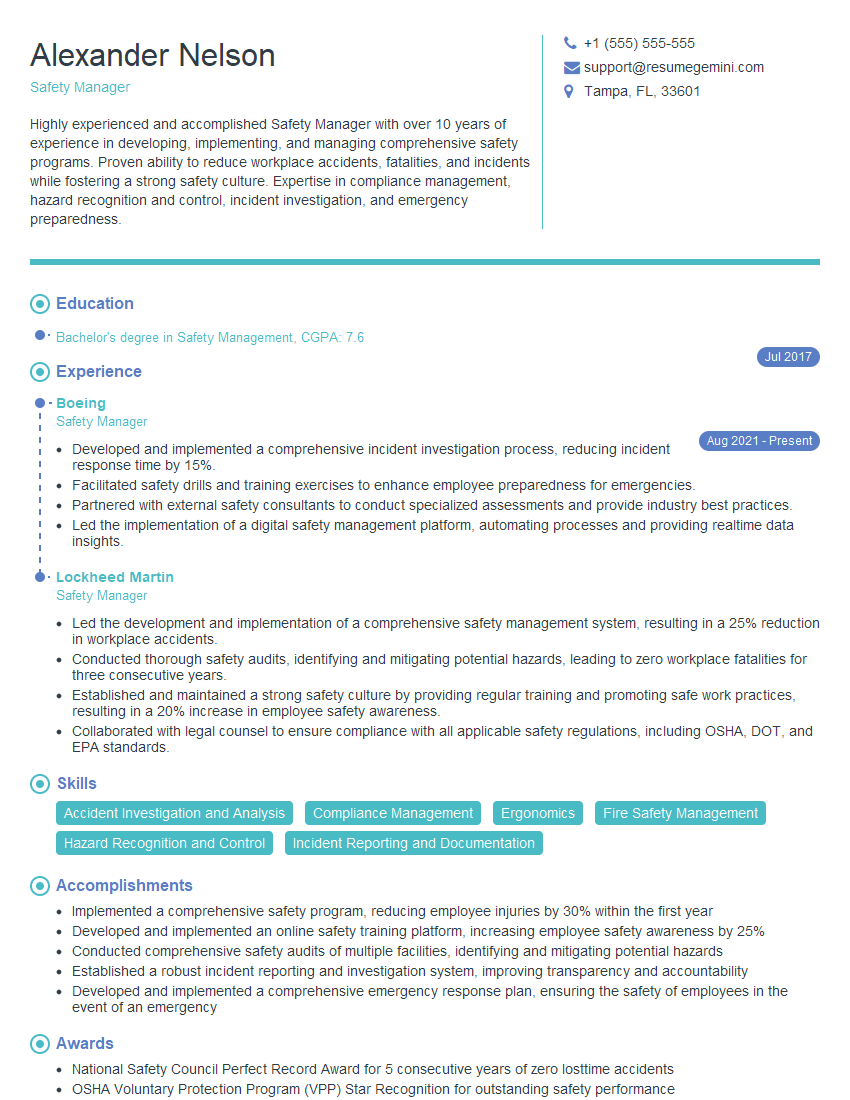
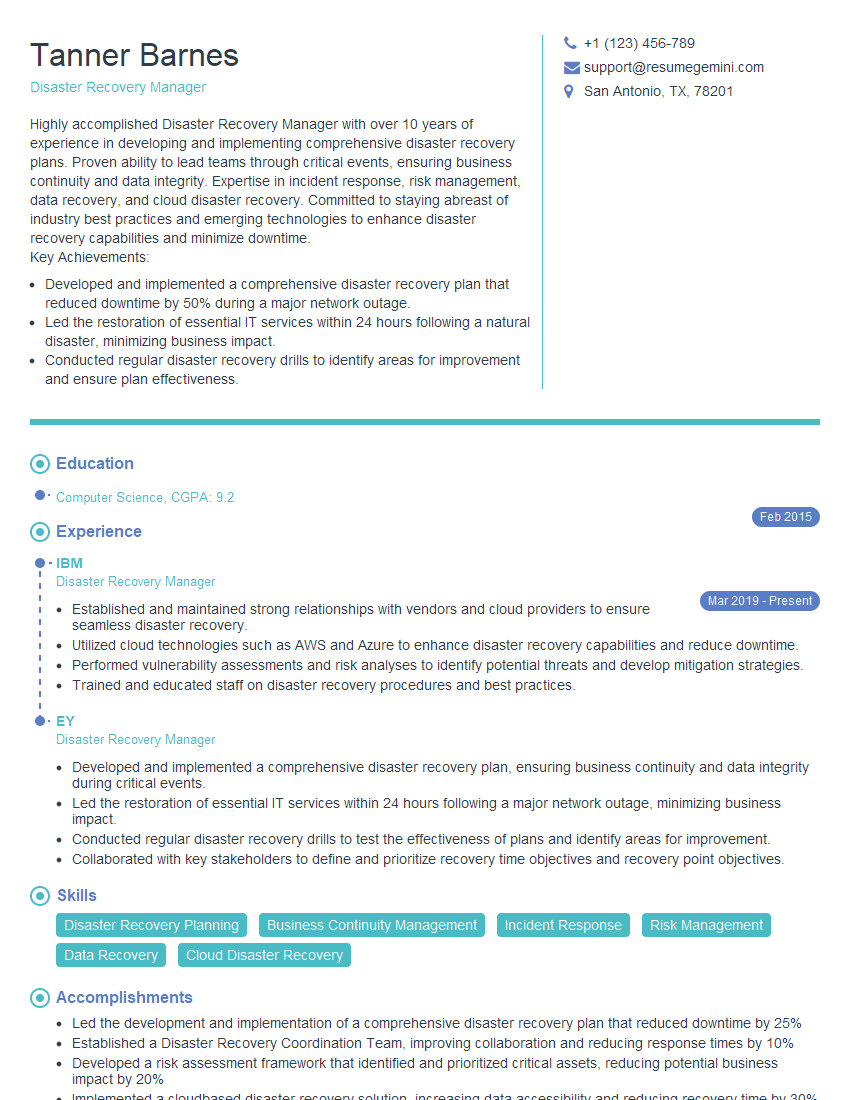
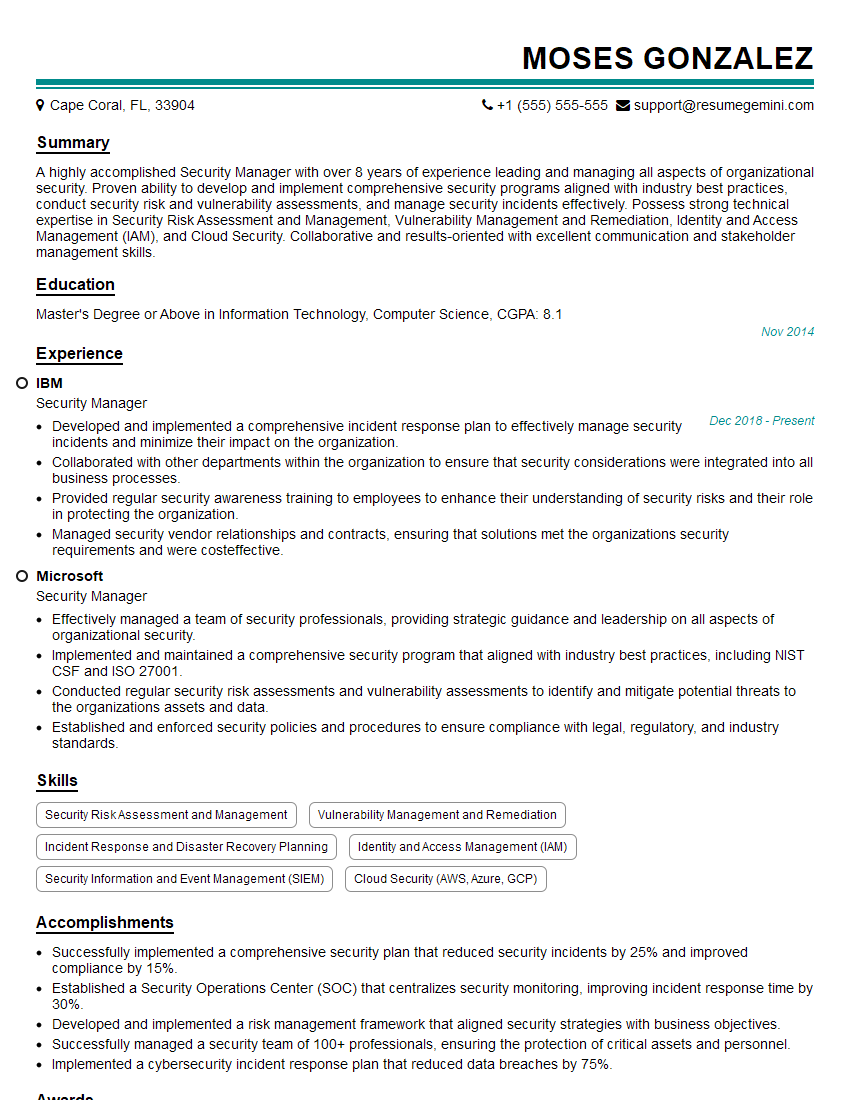
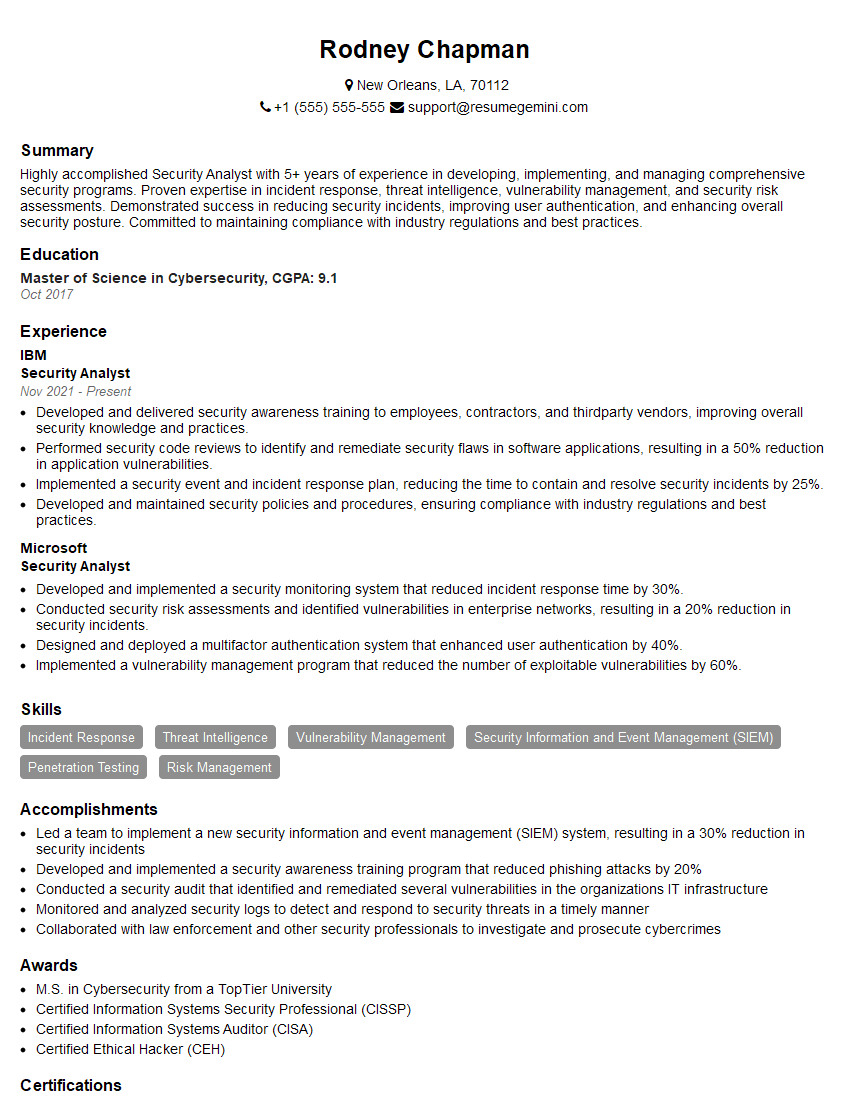
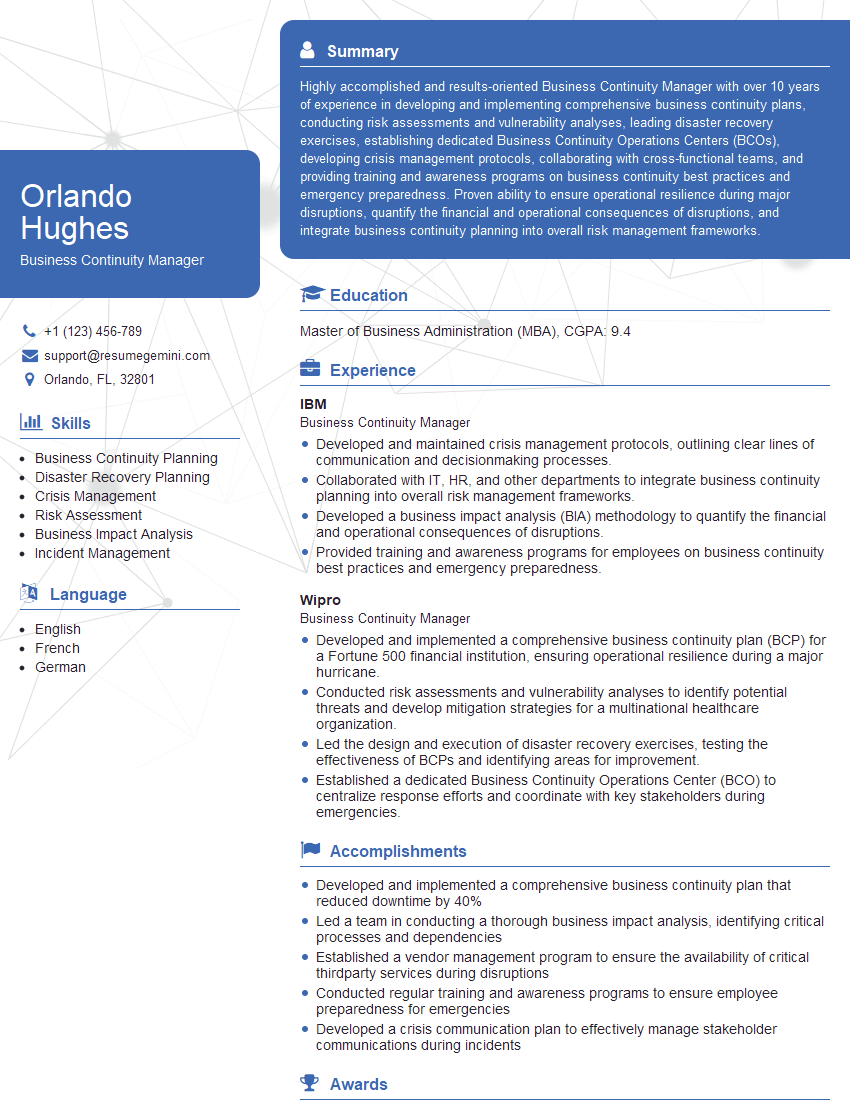
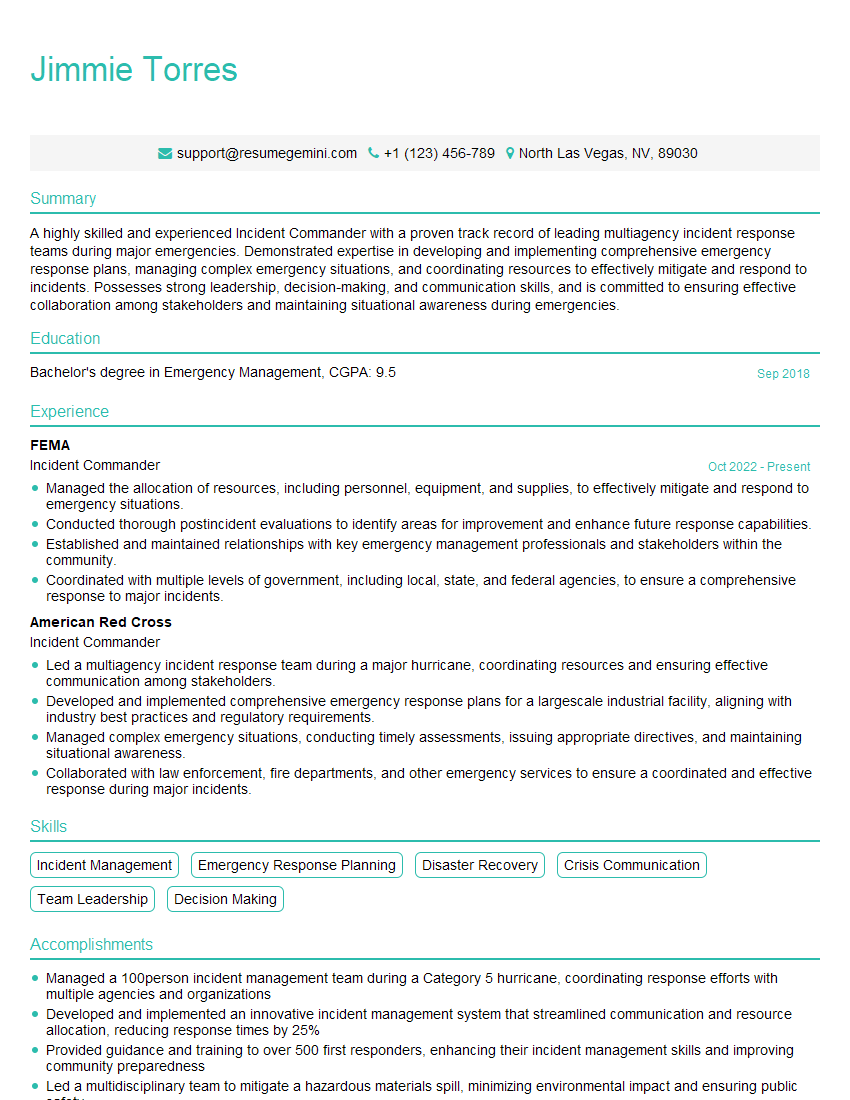
Mastering Crisis Action Planning and Coordination is crucial for career advancement in numerous sectors requiring strong leadership and problem-solving skills. It demonstrates a commitment to preparedness and effective response to high-pressure situations. To significantly boost your job prospects, building an ATS-friendly resume is essential. ResumeGemini is a trusted resource to help you craft a compelling and effective resume tailored to showcase your expertise. We provide examples of resumes specifically designed for Crisis Action Planning and Coordination roles to help you get started. Take the next step towards your dream career – build a standout resume with ResumeGemini today!


Explore more articles
Users Rating of Our Blogs
Share Your Experience
We value your feedback! Please rate our content and share your thoughts (optional).
What Readers Say About Our Blog
Very informative content, great job.
good