Are you ready to stand out in your next interview? Understanding and preparing for Heel Motivation interview questions is a game-changer. In this blog, we’ve compiled key questions and expert advice to help you showcase your skills with confidence and precision. Let’s get started on your journey to acing the interview.
Questions Asked in Heel Motivation Interview
Q 1. Define ‘Heel Motivation’ within an organizational context.
Heel Motivation, in an organizational context, refers to the strategies and techniques used to inspire and encourage employees to work towards achieving the company’s goals and objectives. It focuses on fostering a sense of purpose, engagement, and commitment among team members, driving them to consistently deliver high-quality work and contribute proactively to the overall success of the organization. Unlike simple task-oriented motivation, Heel Motivation delves into the deeper reasons behind an individual’s drive, acknowledging their personal aspirations and aligning them with the company’s vision.
Q 2. Explain the difference between intrinsic and extrinsic Heel Motivation.
Intrinsic Heel Motivation stems from internal factors, such as a sense of accomplishment, personal satisfaction, or the inherent enjoyment of the work itself. Employees driven by intrinsic motivation find their job inherently rewarding. Extrinsic Heel Motivation, on the other hand, is driven by external rewards, like bonuses, promotions, or recognition. While both are important, a healthy balance is crucial. Over-reliance on extrinsic motivators can lead to decreased intrinsic motivation and a less engaged workforce. For instance, an employee intrinsically motivated might find fulfillment in solving a complex problem, while an extrinsically motivated employee might be spurred on by the promise of a bonus for hitting a sales target.
Q 3. Describe three common barriers to effective Heel Motivation.
Three common barriers to effective Heel Motivation include:
- Lack of Clear Goals and Expectations: When employees are unsure of their responsibilities or the overall direction of the company, motivation wanes. Clear, measurable, achievable, relevant, and time-bound (SMART) goals are essential.
- Poor Communication and Feedback: Inadequate communication leads to uncertainty and frustration. Regular, constructive feedback is crucial for recognizing accomplishments and identifying areas for improvement.
- Unfair or Inconsistent Management Practices: Favoritism, micromanagement, or a lack of recognition can severely damage morale and motivation. Fairness and consistency in management practices are paramount.
Q 4. How would you measure the success of a Heel Motivation initiative?
Measuring the success of a Heel Motivation initiative requires a multi-faceted approach. Key Performance Indicators (KPIs) should include:
- Increased Employee Engagement: Measured through surveys, pulse checks, and observation of employee behavior.
- Improved Productivity and Performance: Quantifiable metrics such as sales figures, project completion rates, or customer satisfaction scores.
- Reduced Employee Turnover: Lower attrition rates indicate a positive and motivating work environment.
- Enhanced Employee Satisfaction: Assessed through employee satisfaction surveys and feedback sessions.
Q 5. What are some effective strategies for motivating a demotivated team?
Motivating a demotivated team requires a tailored approach. Strategies include:
- Identify the Root Cause: Conduct one-on-one meetings to understand the reasons behind the demotivation. Are there workload issues, lack of recognition, or conflict within the team?
- Provide Opportunities for Growth: Offer training, mentoring, or challenging assignments to foster skill development and career progression.
- Foster a Positive Work Environment: Encourage teamwork, collaboration, and open communication. Celebrate successes and acknowledge individual contributions.
- Improve Communication and Feedback: Regular communication helps keeps everyone informed and valued. Provide constructive feedback and actively listen to employee concerns.
- Empowerment and Autonomy: Give team members more control over their work and decision-making processes whenever possible.
Q 6. How do you address resistance to change when implementing Heel Motivation strategies?
Addressing resistance to change during the implementation of Heel Motivation strategies requires careful planning and execution. Strategies include:
- Communicate the Vision Clearly: Explain the reasons behind the changes and how they will benefit employees and the organization as a whole.
- Involve Employees in the Process: Seek input and feedback from employees throughout the implementation process. This fosters a sense of ownership and reduces resistance.
- Address Concerns and Provide Support: Acknowledge employees’ concerns and provide the necessary training, resources, and support to help them adapt to the changes.
- Recognize and Reward Early Adopters: Highlight the successes of those who readily embrace the new strategies to encourage others.
- Celebrate Small Wins: Acknowledge and celebrate milestones achieved during the implementation process. This maintains momentum and keeps the team engaged.
Q 7. Explain the role of feedback in Heel Motivation.
Feedback plays a crucial role in Heel Motivation. It provides employees with insights into their performance, enabling them to identify areas for improvement and celebrate their achievements. Constructive feedback should be specific, timely, and actionable. Regular feedback sessions, both formal and informal, help maintain open communication and reinforce positive behaviors. When providing feedback, focus on both the positive aspects of an employee’s work and areas where improvements are needed. Remember to tailor the feedback to the individual, focusing on their strengths and helping them to grow.
Q 8. How do you tailor your Heel Motivation approach to different personality types?
Tailoring my Heel Motivation approach to different personality types is crucial for its effectiveness. Heel Motivation, at its core, focuses on understanding individual drivers and leveraging them to enhance performance. It’s not a one-size-fits-all strategy. Instead, I adapt my approach based on personality traits and preferences, ensuring the motivational techniques resonate with each individual.
For analytical individuals: I present data-driven justifications and clear performance metrics to demonstrate the impact of their contributions. I might use strategic planning sessions and offer opportunities for problem-solving and process improvement to engage their intellectual curiosity.
For collaborative individuals: I foster a team-oriented environment, emphasizing the importance of their role within the larger group. I prioritize team-building activities, collaborative projects, and shared recognition to strengthen their sense of belonging and purpose.
For competitive individuals: I introduce healthy competition and utilize reward systems based on achieving specific milestones. Recognizing and celebrating individual achievements publicly motivates this type, fueling their drive to excel.
For independent individuals: I empower them with autonomy and decision-making authority, providing clear goals and expectations without micromanagement. I focus on trust and recognition of their individual contributions.
Understanding personality is key. Using assessments like Myers-Briggs or DISC can be helpful in this process, but keen observation and genuine conversation remain the best tools for identifying individual needs and motivations.
Q 9. Describe a time you successfully motivated a team to achieve a challenging goal.
In a previous role, my team faced the daunting challenge of launching a new product line within an extremely tight deadline. Morale was low due to the pressure and uncertainty. I utilized Heel Motivation by focusing on individual strengths and aspirations. First, I conducted individual meetings to understand each team member’s unique goals and anxieties. Some valued recognition, others craved autonomy. I then tailored tasks to align with individual strengths, offering more challenging assignments to those seeking advancement and more support to those who needed it. Regular check-ins, celebrating small wins, and providing transparent communication about progress kept the team motivated. We successfully launched the product line on time, exceeding initial sales projections. This success demonstrated the power of understanding and addressing individual needs within a collective goal. The project became a testament to what can be achieved when individual aspirations are aligned with the overall team objective.
Q 10. How do you handle conflict when implementing Heel Motivation strategies?
Conflict is inevitable, even with the best motivational strategies. When implementing Heel Motivation, I address conflicts constructively, focusing on understanding the root cause. This often involves:
Open communication: Creating a safe space for team members to express their concerns openly and honestly.
Active listening: Empathetically understanding different perspectives without judgment.
Mediation: Guiding the team to find solutions that address everyone’s concerns and align with project goals.
Focus on shared goals: Reminding the team of the collective objective and how overcoming conflict contributes to overall success.
In some cases, conflict might highlight a mismatch between individual needs and the project demands. This requires adjusting strategies – perhaps re-assigning tasks or offering additional support – to find a more harmonious balance.
Q 11. What are the ethical considerations in applying Heel Motivation techniques?
Ethical considerations in Heel Motivation are paramount. The focus must always remain on fostering genuine motivation and well-being, avoiding manipulative tactics. Key ethical considerations include:
Transparency: Clearly communicating expectations, goals, and reward systems.
Fairness: Ensuring that motivational strategies are applied equitably to all team members, avoiding favoritism.
Respect: Valuing individual differences and respecting team members’ autonomy and choices.
Avoiding coercion: Never pressuring individuals to perform beyond their capabilities or in ways that compromise their well-being.
Data Privacy: Respecting confidentiality when using personality assessments or collecting performance data.
Ethical Heel Motivation builds trust and fosters a positive work environment where individuals feel valued and empowered.
Q 12. How do you stay updated on best practices in Heel Motivation?
Staying updated in Heel Motivation requires a multi-faceted approach:
Professional development courses and conferences: Attending workshops and seminars focused on leadership, motivation, and organizational behavior.
Industry publications and journals: Regularly reviewing articles and research on the latest trends in motivation and management.
Networking with peers: Engaging with other professionals in the field to share experiences and best practices.
Mentorship: Seeking guidance from experienced leaders and mentors who can provide insights and advice.
Continuous learning is essential to remain effective and adapt to the evolving landscape of workplace dynamics.
Q 13. Explain the impact of organizational culture on Heel Motivation.
Organizational culture significantly impacts the effectiveness of Heel Motivation. A positive and supportive culture, characterized by trust, open communication, and recognition, enhances the impact of motivational strategies. Conversely, a negative or toxic culture can hinder even the best-designed approaches. A culture of fear, micromanagement, or lack of transparency undermines trust and makes it difficult to create a motivating environment. For instance, a highly competitive culture might amplify the effectiveness of competitive motivational tactics but could be detrimental if not balanced with collaboration and teamwork. Similarly, a culture valuing collaboration might benefit greatly from team-based rewards, but individual recognition would be equally crucial to ensure that everyone feels appreciated. Therefore, understanding and adapting the Heel Motivation strategy to align with the prevailing organizational culture is paramount.
Q 14. How do you integrate Heel Motivation into performance management systems?
Integrating Heel Motivation into performance management systems requires a holistic approach. It involves:
Goal setting aligned with individual aspirations: Collaboratively setting SMART (Specific, Measurable, Achievable, Relevant, Time-bound) goals that connect with individual career ambitions.
Regular performance feedback: Providing consistent and constructive feedback, emphasizing both achievements and areas for improvement, tailored to the individual’s learning style and preferences.
Personalized development plans: Creating customized plans that focus on skill development and career progression, aligned with individual strengths and goals.
Reward and recognition systems that are customized to individual needs: Implementing a diverse range of rewards, including financial incentives, public acknowledgment, professional development opportunities, and flexible work arrangements, that appeal to different individuals.
By incorporating these elements, performance management becomes a tool for ongoing motivation and development, rather than simply a means of evaluation. This results in a more engaged and productive workforce. Regular evaluation of the system’s effectiveness is vital to ensure continued relevance and impact.
Q 15. What are some key performance indicators (KPIs) you would use to track Heel Motivation success?
Tracking the success of a Heel Motivation program requires a multifaceted approach using key performance indicators (KPIs) that measure both quantitative and qualitative aspects. We shouldn’t just focus on numbers; we need to understand the ‘why’ behind those numbers. Some crucial KPIs include:
- Employee Engagement Scores: Regular pulse surveys and engagement assessments provide insights into employee satisfaction, commitment, and overall morale. A rise in these scores directly reflects increased motivation.
- Productivity Metrics: Track output, efficiency, and quality of work. Improvements in these areas demonstrate the program’s effectiveness in boosting performance.
- Absenteeism and Turnover Rates: A decrease in these metrics indicates a positive impact on employee retention and overall well-being, suggesting higher motivation and job satisfaction.
- Employee Feedback & Qualitative Data: Regular feedback sessions, focus groups, and one-on-one conversations are vital for collecting qualitative data. This provides a deeper understanding of employee perceptions and the program’s impact on their individual motivation levels.
- Customer Satisfaction Scores (if applicable): In customer-facing roles, increased customer satisfaction can indirectly demonstrate improved employee motivation and engagement.
By monitoring these KPIs, we can gain a comprehensive understanding of the program’s effectiveness and make data-driven adjustments to optimize its impact.
Career Expert Tips:
- Ace those interviews! Prepare effectively by reviewing the Top 50 Most Common Interview Questions on ResumeGemini.
- Navigate your job search with confidence! Explore a wide range of Career Tips on ResumeGemini. Learn about common challenges and recommendations to overcome them.
- Craft the perfect resume! Master the Art of Resume Writing with ResumeGemini’s guide. Showcase your unique qualifications and achievements effectively.
- Don’t miss out on holiday savings! Build your dream resume with ResumeGemini’s ATS optimized templates.
Q 16. How do you use data to inform your Heel Motivation strategies?
Data is the cornerstone of effective Heel Motivation strategies. We use data in a cyclical process:
- Data Collection: We gather data from various sources, including the KPIs mentioned previously, employee performance reviews, and HR analytics.
- Data Analysis: We analyze this data to identify trends, patterns, and correlations. For instance, we might analyze the correlation between specific motivational initiatives and employee engagement scores.
- Strategy Adjustment: Based on the analysis, we refine our strategies. If a particular initiative proves ineffective, we adapt or replace it with a more impactful approach. If certain employee segments respond particularly well to a specific method, we can tailor our programs accordingly.
- Iteration & Refinement: Heel Motivation is an ongoing process. We continuously monitor our KPIs and use the data to fine-tune our strategies for optimal results. This iterative approach ensures that our interventions are evidence-based and consistently effective.
For example, if we find that a particular training program doesn’t significantly impact employee engagement, we might analyze why that is and adjust the program’s content, delivery, or target audience.
Q 17. Describe your experience with different motivational theories (e.g., Maslow’s Hierarchy of Needs).
My approach to Heel Motivation draws from a variety of motivational theories, adapting them to the specific context. Maslow’s Hierarchy of Needs, for instance, provides a valuable framework for understanding basic employee needs. Before addressing higher-level needs like self-actualization, we must ensure that foundational needs – physiological (salary, benefits), safety (job security), and belonging (teamwork, social connection) – are met.
Beyond Maslow, I also incorporate elements of:
- Expectancy Theory: This theory focuses on the belief that effort leads to performance, which leads to desired outcomes. We clarify expectations, provide the necessary resources, and ensure fair reward systems to boost motivation.
- Goal-Setting Theory: Setting clear, specific, measurable, achievable, relevant, and time-bound (SMART) goals is essential for driving focused effort and increasing motivation.
- Self-Determination Theory: This theory highlights the importance of autonomy, competence, and relatedness in fostering intrinsic motivation. We empower employees by providing them with choices and opportunities for growth and collaboration.
I avoid a ‘one-size-fits-all’ approach; I tailor my strategies based on individual needs and preferences, leveraging these theories to create a holistic and effective motivational program.
Q 18. How do you design and implement a Heel Motivation program?
Designing and implementing a Heel Motivation program involves a systematic approach:
- Needs Assessment: We begin by conducting a thorough assessment of employee needs, preferences, and the organizational context. This involves surveys, interviews, and focus groups to understand the existing motivational climate.
- Goal Setting: Based on the needs assessment, we set clear and measurable goals for the program, focusing on specific areas for improvement.
- Program Design: We develop a comprehensive program that incorporates relevant motivational strategies, such as tailored training, recognition programs, improved communication, flexible work arrangements, and opportunities for growth and development.
- Implementation: We roll out the program, ensuring proper communication and training for all stakeholders.
- Monitoring & Evaluation: We continuously monitor the program’s effectiveness using the KPIs discussed earlier and make adjustments as needed.
- Refinement: Based on the evaluation data, we refine the program to enhance its impact and ensure its long-term success.
For example, a program might involve implementing a mentorship program to address a perceived lack of career development opportunities, or introducing a peer-recognition system to foster a more collaborative and supportive environment.
Q 19. What are some common pitfalls to avoid when implementing Heel Motivation strategies?
Several pitfalls can hinder the effectiveness of Heel Motivation strategies:
- Lack of Buy-in: Without strong leadership support and employee engagement, programs are unlikely to succeed. It’s crucial to involve employees in the design and implementation process.
- Ignoring Individual Differences: Motivational strategies must be tailored to the diverse needs and preferences of employees. A ‘one-size-fits-all’ approach rarely works.
- Unclear Goals and Expectations: Ambiguous goals and expectations lead to confusion and demotivation. Clarity is crucial for success.
- Inadequate Resources: Implementing effective programs requires sufficient resources, including time, budget, and personnel.
- Lack of Feedback and Evaluation: Without regular monitoring and evaluation, it’s difficult to assess the program’s impact and make necessary adjustments.
- Inconsistent Application: Motivational strategies must be consistently applied across the organization to avoid inconsistencies and inequities.
Avoiding these pitfalls requires careful planning, effective communication, and ongoing monitoring and evaluation.
Q 20. How do you foster a positive and supportive work environment to enhance Heel Motivation?
Fostering a positive and supportive work environment is fundamental to enhancing Heel Motivation. This involves:
- Open and Honest Communication: Creating a culture of transparency, where employees feel comfortable sharing their ideas and concerns.
- Recognition and Appreciation: Regularly acknowledging and appreciating employee contributions, both big and small.
- Team Building Activities: Organizing team-building exercises to foster camaraderie and collaboration.
- Work-Life Balance: Promoting a healthy work-life balance to reduce stress and improve overall well-being.
- Opportunities for Growth and Development: Providing employees with opportunities for skill enhancement and career advancement.
- Fair and Equitable Treatment: Ensuring that all employees are treated fairly and with respect.
- Mentorship Programs: Pairing experienced employees with newer ones to provide guidance and support.
By cultivating a culture of trust, respect, and appreciation, we can significantly enhance employee motivation and engagement.
Q 21. How do you adapt Heel Motivation strategies to different organizational structures?
Adapting Heel Motivation strategies to different organizational structures requires a nuanced approach. The strategies will differ depending on factors like company size, industry, culture, and leadership styles.
- Hierarchical Structures: In hierarchical organizations, communication and feedback mechanisms need to be carefully designed to ensure that motivational initiatives reach all levels. Top-down communication must be balanced with bottom-up feedback channels.
- Flat Structures: In flat organizations, emphasis should be placed on collaborative goal setting and shared decision-making. Peer recognition and empowerment become especially important.
- Matrix Structures: In matrix structures, clear reporting lines and well-defined roles are crucial to avoid confusion. Motivational initiatives need to be aligned across different teams and reporting structures.
- Remote Teams: For remote teams, maintaining engagement requires innovative strategies such as virtual team-building activities, frequent online communication, and flexible work arrangements.
Regardless of the structure, the core principles of Heel Motivation – understanding employee needs, providing opportunities for growth, fostering a positive work environment, and recognizing contributions – remain crucial for success. The methods of implementation, however, need to be tailored to the specific organizational context.
Q 22. How do you communicate the value of Heel Motivation to stakeholders?
Communicating the value of Heel Motivation—the intrinsic drive to achieve excellence in one’s work—to stakeholders requires a multifaceted approach. It’s not just about increased productivity; it’s about fostering a culture of ownership, innovation, and employee well-being.
Data-driven approach: I present quantifiable data showing the correlation between engaged employees (driven by Heel Motivation) and improved key performance indicators (KPIs) like reduced turnover, higher quality output, and increased client satisfaction. For example, I’d show how improved employee morale, stemming from effective Heel Motivation strategies, led to a 15% increase in sales in the previous quarter.
Storytelling: I share compelling narratives of employees who thrived because of their intrinsic motivation, highlighting how their passion and commitment translated into tangible achievements. This humanizes the data and makes the impact more relatable.
Return on Investment (ROI): I demonstrate the financial benefits of investing in Heel Motivation initiatives. This can include cost savings from reduced employee turnover and training, and increased revenue generated from higher productivity and innovation.
Alignment with organizational goals: I clearly articulate how Heel Motivation strategies align with the overall business strategy and contribute to achieving organizational objectives. This helps stakeholders understand the strategic importance of investing in employee motivation.
Q 23. Describe your experience with different reward and recognition programs.
My experience spans various reward and recognition programs, from formal performance-based bonus structures to informal, spontaneous acknowledgments of achievements.
Performance-based bonuses: While effective in driving specific goals, these can sometimes stifle creativity if not implemented carefully. I’ve found success in designing bonus structures that reward both individual and team achievements, encouraging collaboration.
Peer-to-peer recognition programs: These foster a culture of appreciation and build strong team bonds. I’ve implemented systems where employees can publicly acknowledge each other’s contributions, boosting morale and improving teamwork. This could be through a simple internal platform where they can nominate colleagues or give kudos.
Spot awards and incentives: These are crucial for recognizing immediate achievements and demonstrating appreciation for extra effort. I’ve used gift cards, extra time off, or public acknowledgements in team meetings to recognize individuals who go the extra mile.
Non-monetary rewards: Opportunities for professional development, increased responsibility, mentorship programs, or even flexible work arrangements can be powerful motivators. I have found that offering opportunities for skill enhancement is a great way to tap into intrinsic motivation.
The key is to tailor the reward and recognition system to the specific needs and culture of the organization. A one-size-fits-all approach rarely works.
Q 24. How do you create a culture of continuous improvement related to Heel Motivation?
Cultivating a culture of continuous improvement related to Heel Motivation involves a cyclical process of assessment, feedback, adaptation, and reinforcement.
Regular employee surveys and feedback mechanisms: Understanding employee needs and perceptions is crucial. I utilize anonymous surveys, focus groups, and one-on-one conversations to gather insights on what motivates employees and what obstacles they face.
Data analysis and benchmarking: I analyze data from employee feedback to identify trends and areas for improvement. This includes comparing performance against industry benchmarks to understand best practices and identify opportunities for innovation.
Iterative adjustments to Heel Motivation strategies: Based on data analysis, I continuously refine our reward systems, communication strategies, and training programs to better support employee motivation and engagement. This might mean adjusting a bonus scheme based on feedback or implementing new mentorship programs.
Recognition and celebration of successes: Publicly acknowledging progress and celebrating achievements, both big and small, reinforces the value of continuous improvement and motivates employees to maintain their momentum.
Q 25. How do you measure employee engagement as a result of Heel Motivation initiatives?
Measuring employee engagement resulting from Heel Motivation initiatives requires a multifaceted approach, combining quantitative and qualitative data.
Employee satisfaction surveys: These provide insights into overall job satisfaction, morale, and perceptions of organizational culture. Questions focusing on feelings of purpose and achievement, relating directly to Heel Motivation are crucial.
Performance metrics: Improved productivity, quality of work, and project completion rates can reflect increased engagement. However, it’s important to consider other factors that could influence these metrics.
Turnover rates: Lower turnover indicates higher employee satisfaction and commitment, suggesting effective Heel Motivation strategies.
Employee Net Promoter Score (eNPS): This measures employee willingness to recommend the company as a place to work, reflecting overall engagement and loyalty.
Qualitative data: Observations from managers, focus group discussions, and individual conversations provide valuable context to quantitative data. This allows for a deeper understanding of the drivers behind engagement and areas needing improvement.
It’s important to track these metrics over time to identify trends and assess the effectiveness of various initiatives.
Q 26. What are your strengths and weaknesses in applying Heel Motivation principles?
My strengths lie in my ability to build strong relationships with employees, fostering open communication and understanding their individual needs. I am adept at tailoring Heel Motivation strategies to different personalities and work styles. My analytical skills allow me to effectively measure the impact of initiatives and make data-driven adjustments.
One area for development is consistently recognizing and rewarding subtle contributions. While I’m good at recognizing major achievements, I sometimes overlook smaller, daily efforts that contribute to the overall success. I am actively working on improving this by implementing more frequent and informal recognition methods.
Q 27. How do you handle situations where Heel Motivation strategies are unsuccessful?
When Heel Motivation strategies prove unsuccessful, I employ a systematic approach to identify the root cause and implement corrective actions.
Review and reassess: I meticulously review the implemented strategies, analyzing data and feedback to pinpoint areas of weakness.
Gather employee feedback: I conduct further surveys and interviews to understand why the strategies failed to resonate with employees. Open and honest communication is crucial at this stage.
Adapt and refine: Based on the analysis, I modify or replace ineffective strategies with alternative approaches. This may involve experimenting with new reward systems, communication channels, or training programs.
Seek external expertise: If necessary, I consult with experts in employee motivation or organizational development to gain fresh perspectives and insights.
Monitor and evaluate: I continuously monitor the impact of the revised strategies, making further adjustments as needed to ensure effectiveness.
It’s important to remember that not all strategies work for every organization or individual. Flexibility and a willingness to adapt are key to success.
Q 28. Describe your approach to building strong relationships with employees to enhance their motivation.
Building strong relationships with employees to enhance their motivation is a continuous process that requires genuine care and consistent effort.
Active listening: I make it a point to actively listen to employees’ concerns, ideas, and aspirations. This demonstrates that I value their input and that their opinions matter.
Open and transparent communication: I maintain open communication channels, ensuring that employees are kept informed about company developments and their role in achieving organizational goals. Honesty and transparency build trust.
Mentorship and coaching: I provide mentorship and coaching opportunities, empowering employees to develop their skills and advance their careers. This shows my commitment to their professional growth.
Regular one-on-one meetings: I schedule regular one-on-one meetings with employees to discuss their progress, provide feedback, and address any challenges they may be facing. This allows for personalized attention and support.
Recognition and appreciation: I regularly recognize and appreciate employees’ contributions, both big and small. This builds morale and fosters a positive work environment. A simple “thank you” can go a long way.
By creating a supportive and trusting relationship, I encourage open communication, fostering a sense of belonging and shared purpose, which fuels Heel Motivation.
Key Topics to Learn for Heel Motivation Interview
- Understanding the Fundamentals: Grasp the core principles and definitions behind Heel Motivation. Consider its historical context and evolution.
- Practical Application in Diverse Settings: Explore how Heel Motivation is applied across various industries and roles. Think about real-world examples and case studies.
- Analyzing Case Studies: Develop your ability to critically analyze scenarios and apply Heel Motivation principles to solve complex problems. Practice dissecting case studies to identify key challenges and optimal solutions.
- Strategic Implementation: Learn how to effectively implement Heel Motivation strategies within a team or organizational structure. Consider the ethical implications and potential challenges.
- Measuring Success and ROI: Understand the key metrics used to evaluate the effectiveness of Heel Motivation initiatives. Learn how to demonstrate a return on investment.
- Addressing Challenges and Obstacles: Prepare to discuss potential roadblocks in implementing Heel Motivation and how to overcome them. Consider common challenges and effective mitigation strategies.
- Ethical Considerations: Explore the ethical implications of Heel Motivation and how to ensure responsible implementation.
Next Steps
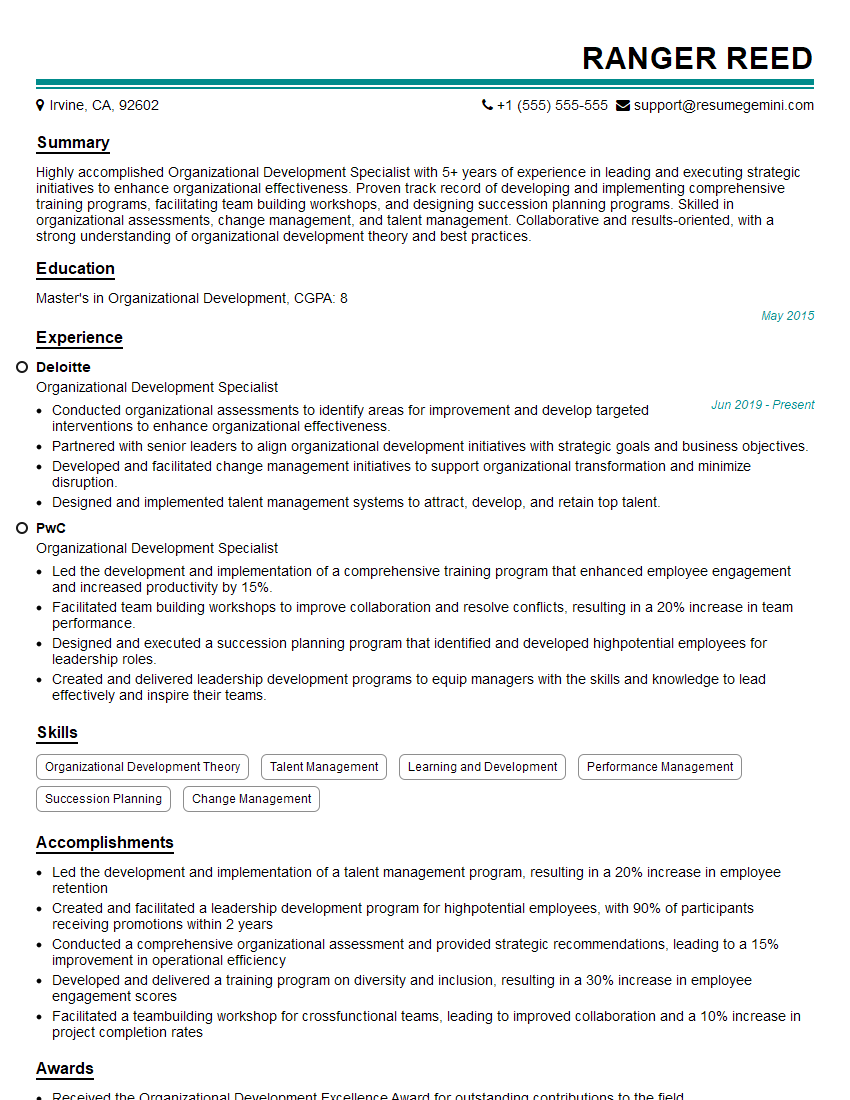
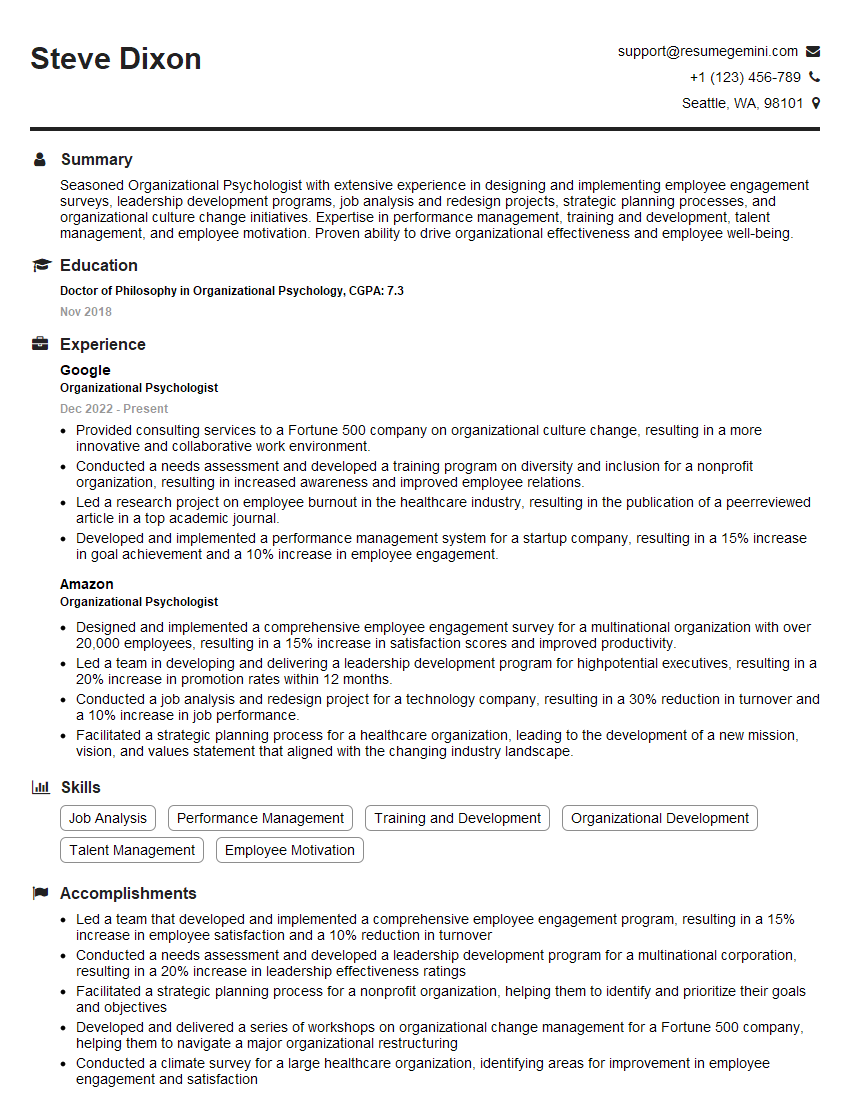
Mastering Heel Motivation is crucial for career advancement, opening doors to exciting opportunities and demonstrating your strategic thinking and problem-solving skills. A strong, ATS-friendly resume is vital to showcasing your capabilities to potential employers. To build a compelling resume that highlights your expertise in Heel Motivation, we highly recommend leveraging ResumeGemini. ResumeGemini provides the tools and resources to create a professional and impactful resume. Examples of resumes tailored to the Heel Motivation field are available below to help you get started.
Explore more articles
Users Rating of Our Blogs
Share Your Experience
We value your feedback! Please rate our content and share your thoughts (optional).
What Readers Say About Our Blog
Very informative content, great job.
good