Interviews are more than just a Q&A session—they’re a chance to prove your worth. This blog dives into essential Critical Thinking and Analytical Abilities interview questions and expert tips to help you align your answers with what hiring managers are looking for. Start preparing to shine!
Questions Asked in Critical Thinking and Analytical Abilities Interview
Q 1. Describe your approach to solving a complex problem with limited information.
When faced with a complex problem and limited information, my approach prioritizes structured thinking and iterative refinement. I begin by clearly defining the problem, breaking it down into smaller, more manageable components. This helps to avoid feeling overwhelmed by the initial complexity. Then, I gather whatever information is available, acknowledging its limitations. This might involve reviewing existing documents, conducting preliminary research, or interviewing stakeholders. I then utilize a hypothesis-driven approach. I formulate several potential solutions or explanations, based on the available information, even if they are incomplete or tentative. I then systematically test these hypotheses, prioritizing those that seem most likely or offer the greatest potential impact. This involves seeking out additional information, conducting experiments (if feasible), and analyzing the results. The process is iterative; as new information becomes available, I refine my hypotheses, adjust my approach, and repeat the testing cycle. This continuous refinement helps to gradually narrow down the possibilities and arrive at the most likely solution, even with initial informational constraints. Think of it like piecing together a jigsaw puzzle with some missing pieces – you start with what you have, make educated guesses based on the known pieces, and gradually fill in the gaps as you find more information.
Q 2. Explain a time you identified a flaw in a logical argument.
During a project planning meeting, a colleague argued that extending the project timeline by a week would automatically resolve all our resource constraints. While extending the deadline might seem to solve the problem, this argument failed to consider the underlying causes of the resource conflicts. The flaw lay in the false assumption that time was the sole limiting factor. In reality, the constraints were a combination of limited staffing, specialized equipment availability, and potential supplier delays. Simply adding a week to the schedule ignored these other limitations and wouldn’t necessarily eliminate the resource bottlenecks. I pointed out this fallacy, suggesting we investigate and address these root causes individually instead of resorting to a superficial solution. This led to a more thorough analysis, identifying and resolving the critical bottlenecks, ultimately leading to a more efficient and realistic project timeline. We prioritized addressing the equipment shortage first by renting the needed equipment, then secured additional staff, and then reviewed our plan for the supplier delivery to ensure we had planned for potential delays.
Q 3. How do you identify and prioritize key factors in a decision-making process?
Identifying and prioritizing key factors in decision-making requires a structured approach. I typically utilize a framework like a weighted decision matrix. This involves first identifying all relevant factors. Then, I assign a weight to each factor based on its relative importance to the overall goal. This weighting process often involves considering various perspectives and potential consequences. Finally, I evaluate each option against each factor, scoring its performance. The option with the highest weighted score is considered the most favorable. For instance, choosing a new software platform would involve factors like cost, functionality, user-friendliness, integration with existing systems, security, and vendor support. Each factor would be given a weight, reflecting its importance to the organization, perhaps cost is 30%, functionality 25%, security 20%, etc. Then each software option would be scored for each factor before the weighting is applied to determine the optimal choice. This ensures a systematic and objective assessment of all significant aspects, minimizing bias and maximizing the likelihood of a sound decision.
Q 4. Describe your method for analyzing data to identify trends and patterns.
My method for analyzing data to identify trends and patterns involves a multi-step process. It begins with data cleaning and preparation, which often involves handling missing values, identifying outliers, and ensuring data consistency. Then, I use descriptive statistics and data visualization techniques. Histograms, scatter plots, and box plots can reveal initial patterns and distributions. For more complex datasets, I employ statistical methods such as regression analysis, correlation analysis, or clustering techniques depending on the nature of the data and the research question. For instance, if analyzing sales data, a time-series analysis can reveal seasonal trends or growth patterns. Finally, I interpret the results cautiously, considering potential biases and limitations of the data or analysis methods, always aiming to draw evidence-based conclusions rather than speculative inferences. The key is to combine quantitative analysis with qualitative context to gain a full understanding. For example, if analyzing customer feedback, I wouldn’t just rely on sentiment scores. I’d read the individual reviews to gain a deeper insight into common themes.
Q 5. How do you approach evaluating the validity of information from multiple sources?
Evaluating information from multiple sources requires a critical and systematic approach. I start by assessing the credibility of each source: Who is the author or publisher? What are their credentials and potential biases? Is the information supported by evidence? I look for consistency across sources – do different sources present similar findings? Discrepancies require further investigation; I try to identify the source of the disagreement and determine which source presents a more compelling or well-supported argument. I also consider the context of the information. When was it published? Is it up-to-date? Is the information relevant to my specific needs? Finally, I integrate findings from multiple trustworthy sources, drawing conclusions based on the preponderance of evidence. It’s important to avoid confirmation bias; I actively seek out alternative perspectives to challenge my assumptions and ensure a balanced view.
Q 6. Explain a time you had to make a decision based on incomplete data. What was your process?
In a previous role, we needed to decide whether to launch a new product before the end of the quarter. We had market research suggesting positive interest but lacked complete sales projections due to a delay in a crucial customer survey. My process involved acknowledging the incompleteness of the data and defining the level of uncertainty. We constructed a range of plausible scenarios, from best-case to worst-case projections, based on the available data. We then assessed the risk associated with each scenario. Launching early could yield significant rewards if the best-case scenario played out, but could also lead to losses if demand was lower than anticipated. Delaying the launch would postpone potential gains but reduce the risk. We weighed the potential rewards against the risks, considering the company’s risk tolerance. Ultimately, we chose a cautious approach and decided to postpone the launch until we had the complete customer survey, allowing us to make a more informed decision based on less incomplete data. We opted for a risk-averse strategy due to the potential financial consequences of misjudging the market.
Q 7. How do you approach situations where you need to make rapid decisions under pressure?
Rapid decision-making under pressure requires a calm and methodical approach despite the urgency. My strategy involves focusing on the most critical information, identifying the key decision criteria, and prioritizing speed while maintaining accuracy. This involves eliminating unnecessary details and focusing on the essential aspects of the situation. I use mental shortcuts and heuristics – simple decision rules that help to quickly assess the situation – but remain aware of their potential biases. Finally, I accept that rapid decisions under pressure might not be perfect, but aim to minimize potential negative consequences and adapt as needed. Imagine a fire emergency; you don’t have time for extensive analysis. You quickly assess the immediate dangers, prioritize evacuation, and act decisively based on your training and knowledge of emergency procedures. The speed is critical, yet a systematic approach to prioritizing and acting is still necessary.
Q 8. Describe your experience with quantitative analysis.
Quantitative analysis is the science of collecting and interpreting numerical data to understand trends, make predictions, and support decision-making. My experience spans various techniques, including descriptive statistics (mean, median, mode, standard deviation), inferential statistics (hypothesis testing, regression analysis), and data visualization. I’m proficient in using statistical software packages like R and Python (with libraries like Pandas and NumPy) to perform complex analyses on large datasets.
For example, in a previous role, I analyzed sales data to identify seasonal trends and optimize inventory management. This involved cleaning the data, performing regression analysis to predict future sales, and visualizing the results with interactive dashboards to communicate findings to stakeholders. The analysis led to a 15% reduction in inventory holding costs.
Another instance involved using A/B testing methodologies to evaluate the effectiveness of different marketing campaigns. This involved meticulous data collection, statistical analysis to determine significance, and reporting the findings clearly to inform future marketing strategies.
Q 9. How do you handle conflicting data or information?
Conflicting data is a common challenge in analysis. My approach involves a systematic investigation to identify the source of the discrepancy. This typically involves:
- Verifying data sources: Checking the credibility and reliability of each data source, looking for potential errors or biases.
- Evaluating data quality: Assessing the accuracy, completeness, and consistency of the data. This might involve checking for missing values, outliers, or inconsistencies in data entry.
- Exploring potential explanations: Considering alternative explanations for the conflict, such as different methodologies, sampling biases, or temporal differences.
- Triangulation: Seeking additional data sources to corroborate or refute the conflicting information. If possible, I’ll look for independent verification.
- Sensitivity analysis: Assessing the impact of the conflicting data on the overall analysis. If the impact is minor, I might choose to acknowledge the discrepancy but focus on the more consistent findings.
If the conflict is irreconcilable, I clearly document the discrepancies and their potential implications in my report, allowing decision-makers to make informed choices based on the available (often incomplete) information.
Q 10. What strategies do you use to overcome cognitive biases in your analysis?
Cognitive biases – systematic errors in thinking – can significantly skew analysis. To mitigate their influence, I employ several strategies:
- Awareness and self-reflection: I’m constantly aware of common biases like confirmation bias (favoring information confirming pre-existing beliefs) and anchoring bias (over-relying on the first piece of information received). I actively try to challenge my own assumptions.
- Structured approach: Following a well-defined analytical framework ensures objectivity and minimizes the impact of intuition or gut feeling.
- Peer review: Sharing my work with colleagues and seeking feedback helps identify potential biases I might have missed.
- Blind analysis: Whenever possible, I anonymize data to prevent my preconceived notions from influencing my interpretation.
- Data visualization: Creating clear visualizations can reveal patterns and outliers that might otherwise be missed, reducing the likelihood of bias in interpretation.
For example, if I’m analyzing customer feedback, I might use a blind approach, masking the customer’s identity to avoid letting pre-existing perceptions of specific customers cloud my judgement.
Q 11. How do you ensure the accuracy and reliability of your data analysis?
Ensuring data accuracy and reliability is paramount. My approach involves a multi-stage process:
- Data validation: Rigorously checking the data for inconsistencies, errors, and outliers using techniques like data profiling and validation rules.
- Data cleaning: Addressing issues such as missing values (through imputation or removal) and inconsistent formatting.
- Source verification: Confirming the trustworthiness and reliability of data sources. This may involve assessing the data collection methods and the reputation of the source.
- Documentation: Meticulously documenting all data cleaning and transformation steps to ensure reproducibility and transparency.
- Cross-validation: Where possible, comparing results from multiple data sources or analytical methods to validate the findings.
For instance, if working with survey data, I would check for response biases, ensuring the sample is representative of the population being studied. I would also document all cleaning steps, specifying how missing values were handled and explaining any transformations applied to the data.
Q 12. Describe a time you had to explain complex data to a non-technical audience.
In a previous project, I needed to explain complex financial projections to a board of directors, most of whom lacked a strong financial background. I avoided technical jargon and focused on clear, concise visualizations.
Instead of presenting dense spreadsheets, I used charts and graphs to illustrate key trends, such as projected revenue growth and profitability. I used analogies and relatable examples to explain complex concepts; for instance, I explained compound interest using the analogy of a snowball rolling downhill.
Furthermore, I prepared a short, easily understandable executive summary that highlighted the most crucial findings and their implications for the company’s strategy. I also made myself available for Q&A, ensuring that everyone had a chance to understand the information and ask clarifying questions.
Q 13. How do you use critical thinking to improve efficiency in your work?
Critical thinking significantly boosts work efficiency. By systematically analyzing tasks and workflows, I identify inefficiencies and develop strategies to streamline processes. This involves:
- Prioritization: Using frameworks like Eisenhower Matrix (urgent/important) to prioritize tasks, ensuring focus on high-impact activities.
- Process optimization: Identifying bottlenecks and inefficiencies in workflows and implementing changes to improve speed and accuracy.
- Automation: Automating repetitive tasks using scripting or other tools to free up time for higher-level analysis.
- Delegation: Effectively delegating tasks to others based on their skills and expertise.
- Continuous improvement: Regularly reviewing processes and looking for opportunities for refinement.
For example, I once streamlined a data reporting process by automating the data extraction and transformation steps, reducing report generation time by 75% and improving accuracy.
Q 14. Explain your process for identifying root causes of problems.
Identifying root causes requires a structured approach. I typically use the ‘5 Whys’ technique, a simple yet powerful method for drilling down to the underlying cause of a problem. This involves repeatedly asking ‘why’ to uncover the root cause.
However, the ‘5 Whys’ is only one tool in my arsenal. Depending on the complexity of the problem, I might also use other techniques such as:
- Fishbone diagrams (Ishikawa diagrams): Visualizing potential causes categorized by category (e.g., people, materials, methods, machines).
- Fault tree analysis: Identifying all potential causes leading to a specific failure.
- Root cause analysis (RCA) frameworks: More formal methods that incorporate data analysis and investigation.
The process involves gathering data, interviewing stakeholders, and analyzing the information to identify the primary driver of the problem. Once the root cause is identified, I work to develop effective solutions to prevent recurrence. For example, if a product had a high defect rate, I’d use the 5 Whys to investigate, potentially revealing a problem with the manufacturing process or a lack of adequate training for the staff.
Q 15. Describe your experience with A/B testing or similar analytical methodologies.
A/B testing, also known as split testing, is a crucial methodology for data-driven decision-making. It involves comparing two versions of a variable (e.g., website design, email subject line) to determine which performs better based on a pre-defined metric (e.g., click-through rate, conversion rate). My experience with A/B testing spans various projects, including optimizing website landing pages and email campaigns.
In one project, we were tasked with improving the conversion rate on our e-commerce website’s product page. We created two versions: Version A, the control, maintained the existing design, while Version B incorporated a new call-to-action button and rearranged the product images. We used a statistical significance test (typically a t-test or chi-squared test) to analyze the results after a sufficient sample size was collected. Version B ultimately showed a statistically significant improvement in conversion rates, leading to its implementation across the site. This demonstrates my ability to design, execute, and interpret A/B tests to inform strategic improvements.
Beyond A/B testing, I’ve utilized similar analytical methodologies like multivariate testing (testing multiple variables simultaneously) and cohort analysis (tracking the performance of different user groups over time) to extract actionable insights and optimize various business processes.
Career Expert Tips:
- Ace those interviews! Prepare effectively by reviewing the Top 50 Most Common Interview Questions on ResumeGemini.
- Navigate your job search with confidence! Explore a wide range of Career Tips on ResumeGemini. Learn about common challenges and recommendations to overcome them.
- Craft the perfect resume! Master the Art of Resume Writing with ResumeGemini’s guide. Showcase your unique qualifications and achievements effectively.
- Don’t miss out on holiday savings! Build your dream resume with ResumeGemini’s ATS optimized templates.
Q 16. How do you approach identifying potential risks or challenges in a project?
Identifying potential risks and challenges in a project requires a proactive and systematic approach. I typically use a combination of brainstorming, risk assessment matrices, and stakeholder interviews to ensure a comprehensive understanding of potential pitfalls.
- Brainstorming: I initiate brainstorming sessions with the project team to identify potential issues across various aspects, from technical challenges to resource constraints and market uncertainties.
- Risk Assessment Matrices: I employ risk assessment matrices to systematically categorize risks based on their likelihood and potential impact. This enables prioritization and development of mitigation strategies for the most critical risks.
- Stakeholder Interviews: I engage with stakeholders across the organization to gain diverse perspectives and unearth hidden risks that might not be apparent during initial brainstorming sessions.
For example, in a recent project involving the launch of a new mobile application, we identified potential risks related to app store approval delays, security vulnerabilities, and unexpected surges in user traffic. By proactively addressing these concerns through meticulous planning and contingency strategies, we successfully launched the app with minimal disruption.
Q 17. How do you determine the validity and reliability of data sources?
Determining the validity and reliability of data sources is paramount for accurate analysis. Validity refers to whether the data accurately measures what it intends to measure, while reliability refers to the consistency and stability of the data. I assess data sources through several methods:
- Source Credibility: I evaluate the reputation and expertise of the data source. Is it a reputable organization, a peer-reviewed journal, or a known biased entity?
- Data Collection Methodology: I examine how the data was collected. Was it collected randomly, systematically, or through a biased sample? Understanding the methodology helps determine the potential for systematic errors.
- Data Quality Checks: I perform various data quality checks, including checking for missing values, outliers, and inconsistencies. Data cleaning and validation are essential steps in ensuring data integrity.
- Triangulation: Whenever possible, I employ triangulation, which involves using multiple data sources to verify findings. This strengthens the robustness and validity of the conclusions.
For instance, if I’m analyzing consumer sentiment, I wouldn’t rely solely on social media data, as it can be subject to biases. I would complement it with survey data and market research reports to ensure a more comprehensive and accurate understanding.
Q 18. Describe a situation where you had to defend your analytical conclusions.
I once had to defend my analytical conclusions regarding the effectiveness of a new marketing campaign. My analysis showed that while the campaign generated a high number of leads, the conversion rate from leads to sales was significantly lower than expected. This contradicted the initial expectations of the marketing team, who focused solely on lead generation numbers.
To defend my conclusions, I presented a detailed breakdown of my analysis, including the data sources, statistical methods used, and visualizations demonstrating the low conversion rate. I further explained the potential reasons for the low conversion rate, such as targeting issues or problems with the sales funnel. I also suggested improvements to the campaign, focusing on improving the conversion rate rather than just the number of leads. By presenting clear, data-driven evidence and offering actionable solutions, I successfully persuaded the team to adopt a more nuanced and effective approach to marketing.
Q 19. What tools and techniques do you use for data analysis (e.g., Excel, SQL, R, Python)?
My data analysis toolkit includes a range of tools tailored to different tasks and datasets. I’m proficient in:
- SQL: For querying and manipulating large relational databases efficiently.
- Python (with libraries like Pandas, NumPy, and Scikit-learn): For data cleaning, exploratory data analysis, statistical modeling, and machine learning tasks.
- R: For statistical computing and data visualization, especially for creating complex visualizations and statistical models.
- Excel: For data manipulation, basic statistical analysis, and creating clear visualizations for presentations.
The choice of tool depends heavily on the specific requirements of the project. For example, I would use SQL for extracting data from a large database, then employ Python for advanced analysis and modeling before presenting results in a clear and concise manner using Excel or R.
# Example Python code snippet for data analysis: import pandas as pd data = pd.read_csv('data.csv') # Perform data cleaning and analysis here...
Q 20. How do you stay up-to-date on best practices in data analysis and critical thinking?
Staying current with best practices in data analysis and critical thinking is an ongoing process. I actively engage in several activities to maintain my expertise:
- Online Courses and Webinars: I regularly take online courses on platforms like Coursera, edX, and DataCamp to learn about new techniques and methodologies. I also attend webinars and conferences focused on data analysis and critical thinking.
- Professional Journals and Publications: I subscribe to relevant journals and read publications focused on data science, statistics, and critical thinking to stay abreast of the latest research and advancements.
- Industry Blogs and Communities: I follow influential bloggers and participate in online communities (like Stack Overflow and Reddit) to learn from other practitioners and stay informed about emerging trends.
- Mentorship and Collaboration: I actively seek mentorship opportunities and collaborate with colleagues to learn from their experiences and broaden my perspective.
This continuous learning approach ensures I remain adaptable and capable of tackling complex analytical challenges with the latest and most effective tools and techniques.
Q 21. Describe your experience with statistical significance testing.
Statistical significance testing is a crucial aspect of data analysis, used to determine whether observed results are likely due to chance or reflect a real effect. I have extensive experience with various statistical significance tests, including t-tests, chi-squared tests, ANOVA, and more advanced techniques depending on the data type and research question.
For instance, when evaluating the effectiveness of a new drug, I might use a t-test to compare the average improvement in a health metric between a treatment group and a control group. The p-value obtained from the test indicates the probability of observing the results if there were no real difference between the groups. A low p-value (typically below 0.05) suggests statistically significant evidence supporting the effectiveness of the drug. However, I always consider the effect size alongside the p-value to ensure the results are both statistically significant and practically meaningful. Over-reliance on p-values without considering effect size and context can lead to misleading conclusions.
Q 22. Explain your understanding of different types of biases (e.g., confirmation bias, anchoring bias).
Cognitive biases are systematic patterns of deviation from norm or rationality in judgment. They are essentially mental shortcuts our brains use to process information quickly, but these shortcuts can lead to inaccurate conclusions. Let’s look at a few examples:
- Confirmation Bias: This is the tendency to search for, interpret, favor, and recall information in a way that confirms or supports one’s prior beliefs or values. For example, if I believe that climate change is not real, I might selectively read articles that support this view and dismiss any evidence to the contrary.
- Anchoring Bias: This is the tendency to rely too heavily on the first piece of information offered (the “anchor”) when making decisions. Imagine negotiating a car price. The initial price offered by the salesperson acts as an anchor, influencing your perception of what constitutes a fair price, even if that initial price is significantly inflated.
- Availability Heuristic: This is a mental shortcut that relies on immediate examples that come to mind when evaluating a specific topic, concept, method, or decision. If you recently heard about a plane crash, you might overestimate the likelihood of plane crashes happening, even though statistically, air travel is extremely safe.
- Bandwagon Effect: This refers to the tendency to do or believe things because many other people do or believe the same. For instance, investing in a particular stock simply because it’s currently popular, regardless of its inherent value.
Understanding these biases is crucial for critical thinking, as it allows us to identify potential flaws in our own reasoning and the reasoning of others.
Q 23. How do you ensure your analysis is objective and unbiased?
Maintaining objectivity and minimizing bias in analysis is a continuous process, not a single action. I employ several strategies:
- Structured Approach: I follow established analytical frameworks and methodologies. This ensures a consistent and systematic approach, reducing the influence of personal preferences.
- Data Triangulation: I use multiple data sources to corroborate findings. Relying on a single source can introduce bias; multiple sources help cross-validate information.
- Sensitivity Analysis: I examine how changes in input parameters affect the results. This helps identify areas where bias might be influencing the conclusions. For example, in a financial model, I’d test various interest rate scenarios to see how they impact the outcome.
- Peer Review: I actively seek feedback from colleagues with different perspectives. Fresh eyes can often identify blind spots and biases I might have overlooked.
- Awareness of Personal Biases: I am constantly mindful of my own biases and actively work to mitigate their influence. This involves self-reflection and a willingness to challenge my own assumptions.
Imagine analyzing customer satisfaction data. If I only focus on positive reviews, I’m introducing confirmation bias. By examining negative reviews as well and conducting a comprehensive analysis across all feedback, I can paint a more accurate picture.
Q 24. Describe your process for developing and testing hypotheses.
Hypothesis development and testing is a core part of my analytical process. It typically follows these steps:
- Identify the Problem: Clearly define the problem or question you are trying to answer. For example, ‘Why is customer churn increasing?’
- Formulate Hypotheses: Develop testable hypotheses based on existing knowledge and observations. Possible hypotheses for the churn example might be: ‘Customers are dissatisfied with customer service’ or ‘A competitor is offering a better product.’
- Gather Data: Collect relevant data to test the hypotheses. This might involve surveys, customer interviews, sales data, or market research.
- Analyze Data: Use appropriate statistical methods to analyze the data and determine if the hypotheses are supported. For example, correlation analysis to check for links between customer service ratings and churn rate.
- Refine Hypotheses: Based on the analysis, refine your hypotheses or develop new ones. You might find that customer service isn’t the main driver of churn and need to explore other factors.
- Draw Conclusions: Based on the evidence, draw conclusions and make recommendations. This could be that improved customer service is needed, or a redesign of the product.
It’s a cyclical process; the results from testing one hypothesis might lead to the development of new ones.
Q 25. How do you evaluate the effectiveness of different solutions to a problem?
Evaluating the effectiveness of different solutions requires a structured approach, often involving a combination of quantitative and qualitative methods:
- Define Success Metrics: Establish clear, measurable criteria for determining success. For example, if the problem is reducing customer churn, the success metric might be a reduction in churn rate by 15% within six months.
- Cost-Benefit Analysis: Evaluate the cost of implementing each solution against the potential benefits. A solution might be highly effective but too expensive to be practical.
- Risk Assessment: Identify and assess potential risks associated with each solution. Some solutions may have unforeseen negative consequences.
- Pilot Testing: When feasible, conduct pilot tests of the proposed solutions on a smaller scale before full-scale implementation. This allows for early identification and correction of any problems.
- Monitoring and Evaluation: After implementation, monitor the impact of the chosen solution and make adjustments as needed. Regular performance monitoring will show if the chosen solution is delivering on the defined metrics.
For instance, let’s say we’re evaluating different marketing strategies to increase sales. We might compare the cost per acquisition (CPA) of each strategy and track sales conversions to determine the most effective and efficient approach.
Q 26. Explain your experience with predictive modeling or forecasting.
I have extensive experience with predictive modeling and forecasting, primarily using statistical and machine learning techniques. My experience spans various domains including:
- Time Series Analysis: I’ve used ARIMA, Exponential Smoothing, and other models to forecast future trends based on historical data. For example, predicting future sales based on past sales figures.
- Regression Analysis: I’ve employed linear and logistic regression to model relationships between variables and make predictions. This is useful for, say, predicting customer lifetime value based on demographic and behavioral data.
- Machine Learning Algorithms: I am proficient in using algorithms like Random Forests, Gradient Boosting Machines, and Neural Networks for more complex predictive tasks. This allows for handling large datasets and identifying non-linear relationships.
In a previous project, I developed a model to predict customer churn using a combination of regression and classification algorithms. The model accurately identified high-risk customers, allowing the company to proactively implement retention strategies, significantly reducing churn rate.
Q 27. How do you prioritize multiple competing tasks or projects?
Prioritizing competing tasks requires a systematic approach. I typically use a combination of methods:
- Eisenhower Matrix (Urgent/Important): This framework helps categorize tasks based on urgency and importance, allowing for effective prioritization. Urgent and important tasks take priority, while less urgent and less important ones are delegated or eliminated.
- MoSCoW Method: This method categorizes requirements as Must have, Should have, Could have, and Won’t have. This helps focus on the essential elements of each project.
- Value-Based Prioritization: I assign a value score to each task based on its contribution to overall goals. Tasks with higher value scores are prioritized.
- Dependency Analysis: I identify dependencies between tasks to ensure that tasks are completed in the correct order.
Imagine having multiple projects – a critical report due next week, a long-term strategic plan, and some administrative tasks. Using the Eisenhower Matrix, I’d focus on the report first (urgent and important), delegate the administrative tasks if possible (less important), and schedule time blocks for the strategic plan (important but not urgent).
Q 28. How do you manage your time effectively when working on complex analytical projects?
Effective time management is crucial for complex analytical projects. I use the following strategies:
- Project Planning: I break down large projects into smaller, manageable tasks with clear deadlines. This provides a roadmap and helps track progress.
- Time Blocking: I dedicate specific blocks of time to focused work on particular tasks, minimizing distractions. This is especially helpful for deep analytical work.
- Prioritization (as discussed above): Prioritizing tasks ensures that I focus my time and energy on the most important activities.
- Regular Check-ins: I schedule regular check-ins to review progress, identify roadblocks, and adjust plans as needed. This prevents unexpected delays.
- Tool Utilization: I utilize project management tools like Trello or Asana to track tasks, deadlines, and progress, ensuring accountability and efficient organization.
For example, when working on a large data analysis project, I would first create a detailed project plan outlining all tasks, dependencies, and deadlines. I would then allocate specific time blocks for data cleaning, analysis, and report writing. Regular progress reviews help me stay on track and adjust my schedule as needed.
Key Topics to Learn for Critical Thinking and Analytical Abilities Interview
- Identifying Assumptions: Understanding underlying assumptions in arguments and data; recognizing biases and their influence.
- Logical Reasoning: Applying deductive, inductive, and abductive reasoning to solve problems and draw conclusions; identifying fallacies in arguments.
- Data Analysis & Interpretation: Working with various data types (quantitative and qualitative); extracting meaningful insights; presenting findings clearly and concisely.
- Problem Solving Frameworks: Utilizing structured approaches like the SWOT analysis, root cause analysis, or design thinking to tackle complex challenges.
- Critical Evaluation of Information: Assessing the credibility and reliability of sources; differentiating between facts, opinions, and inferences.
- Decision Making under Uncertainty: Evaluating risks and benefits; making informed choices based on available information and potential outcomes.
- Communication of Analysis: Articulating complex ideas clearly and persuasively; tailoring communication to different audiences.
- Creative Problem Solving: Thinking outside the box to generate innovative solutions; exploring multiple perspectives and approaches.
Next Steps
Mastering critical thinking and analytical abilities is paramount for career advancement. These skills are highly sought after across industries, enabling you to solve complex problems, make strategic decisions, and contribute meaningfully to your team. To significantly boost your job prospects, focus on creating an ATS-friendly resume that effectively showcases your strengths in these areas. ResumeGemini is a trusted resource to help you build a professional and impactful resume that highlights your critical thinking and analytical capabilities. Examples of resumes tailored to these skills are available to help you get started.
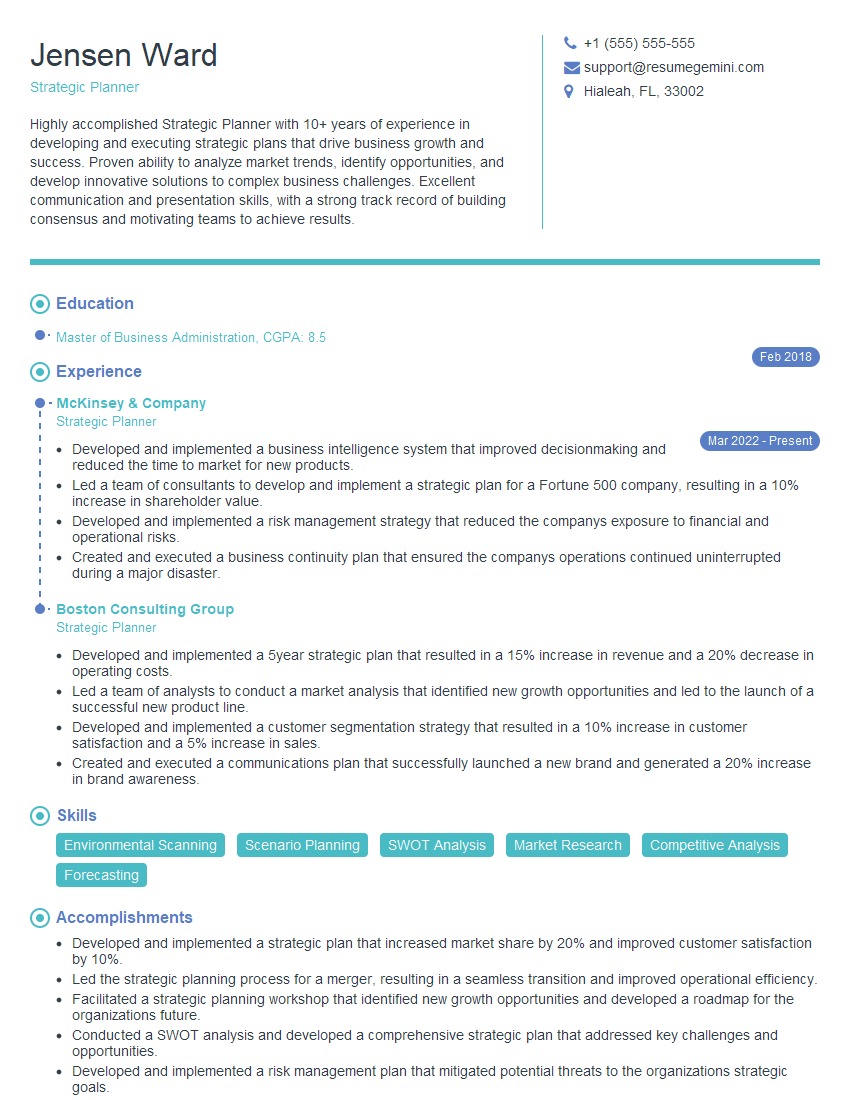
Strategic Planner Resume Sample
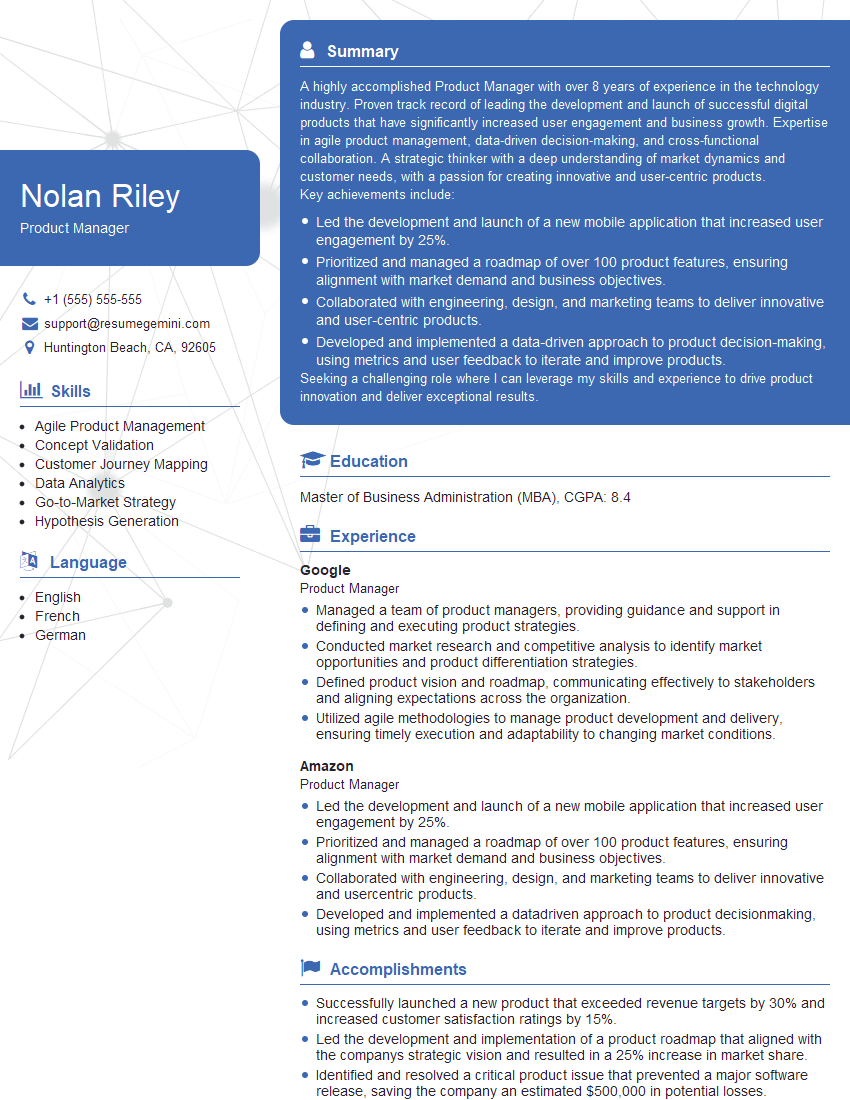
Product Manager Resume Sample
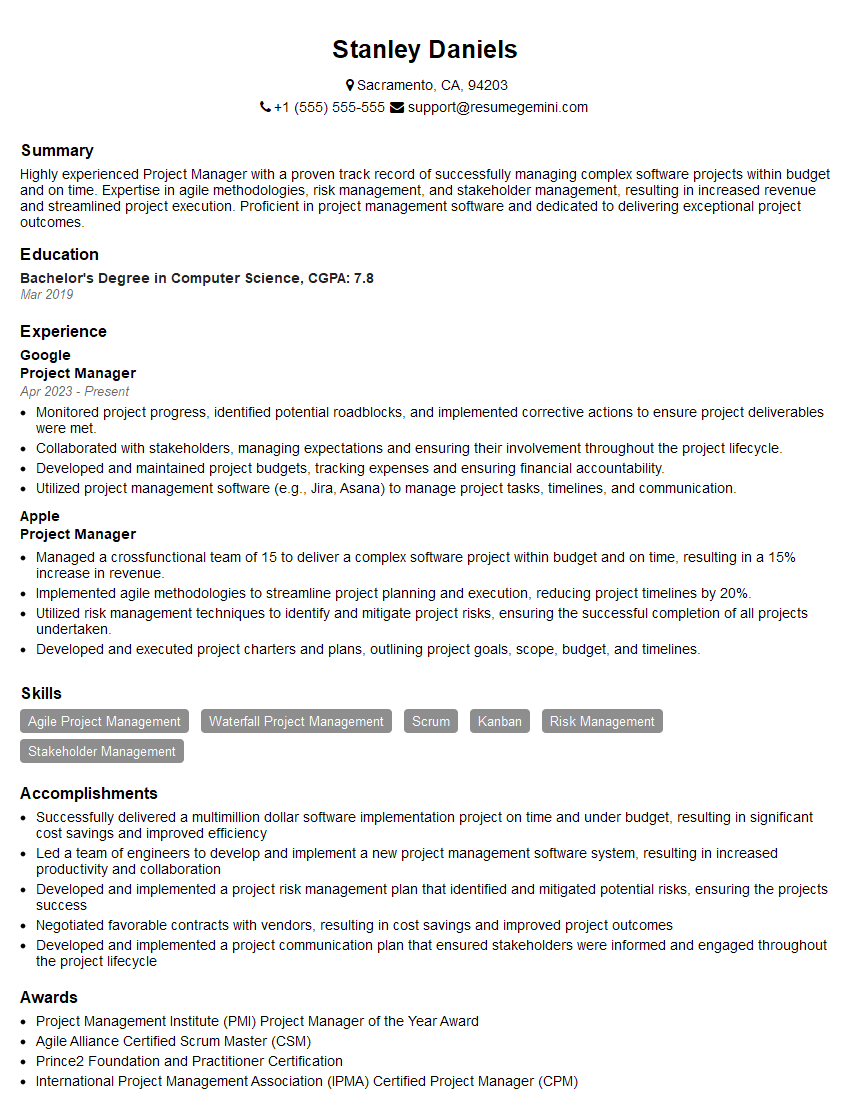
Project Manager Resume Sample

Compliance Officer Resume Sample
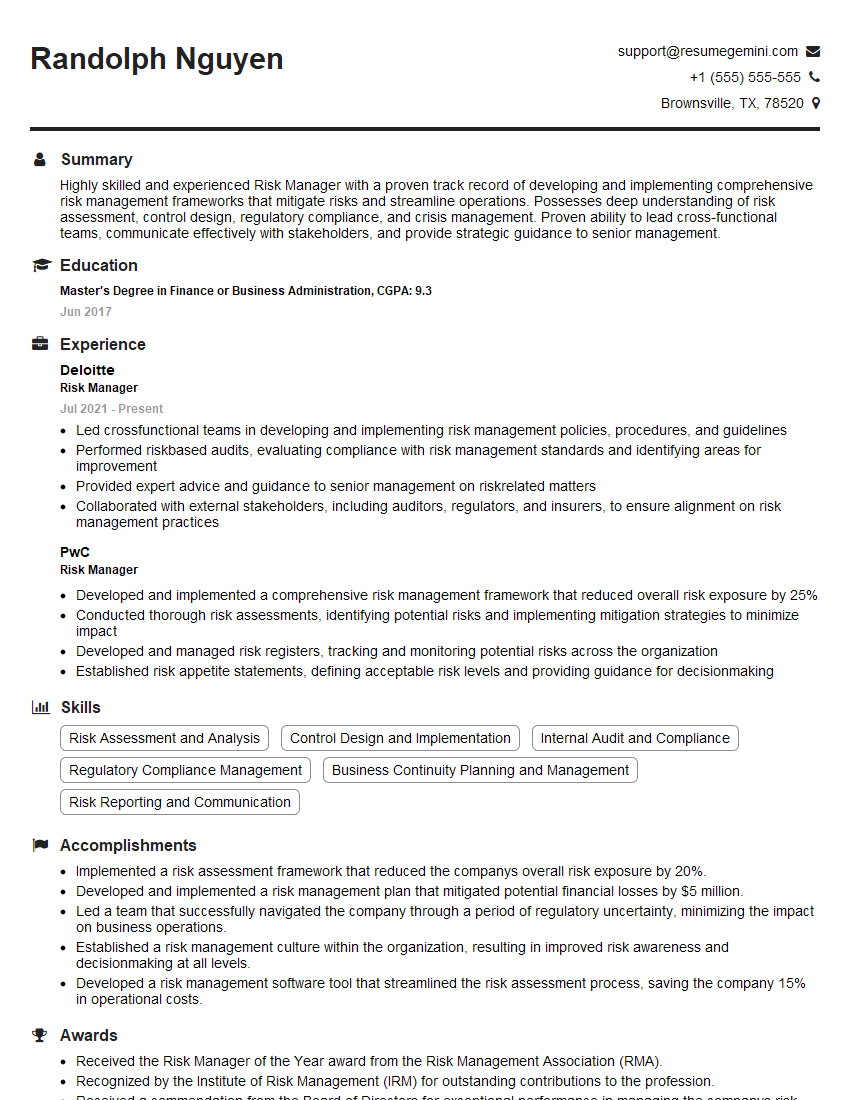
Risk Manager Resume Sample
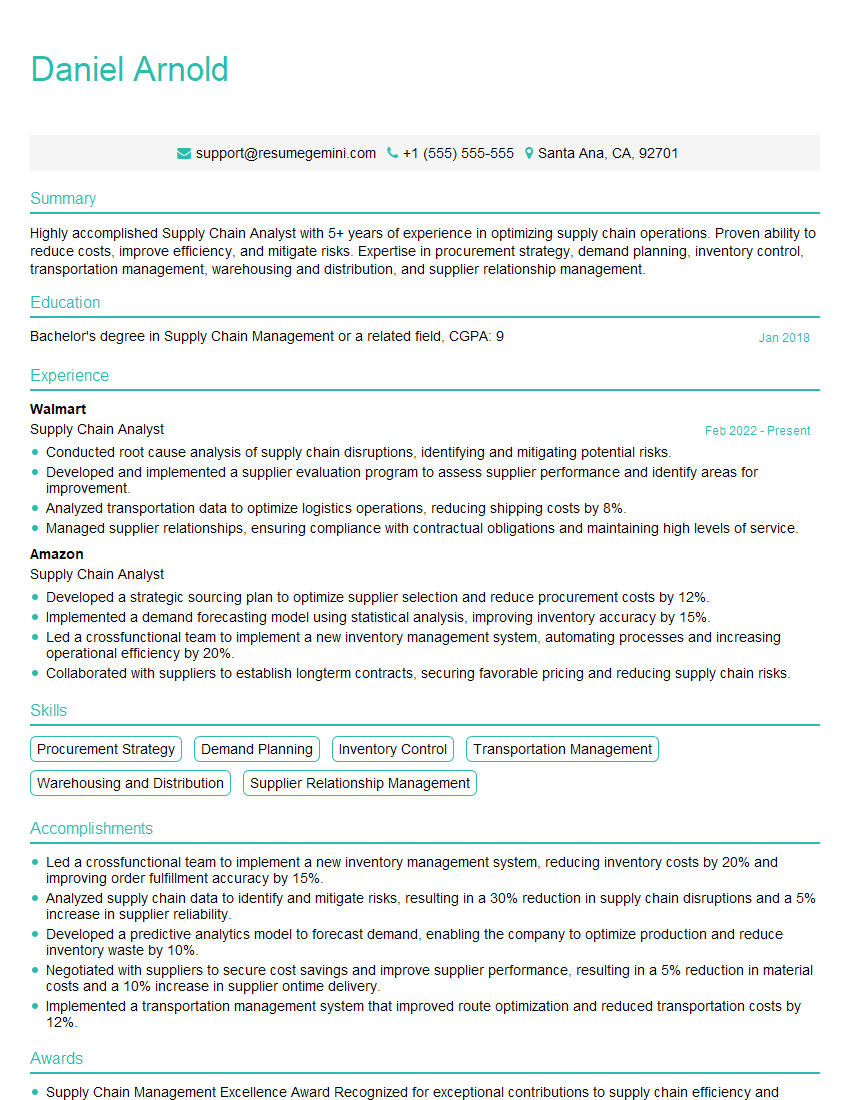
Supply Chain Analyst Resume Sample
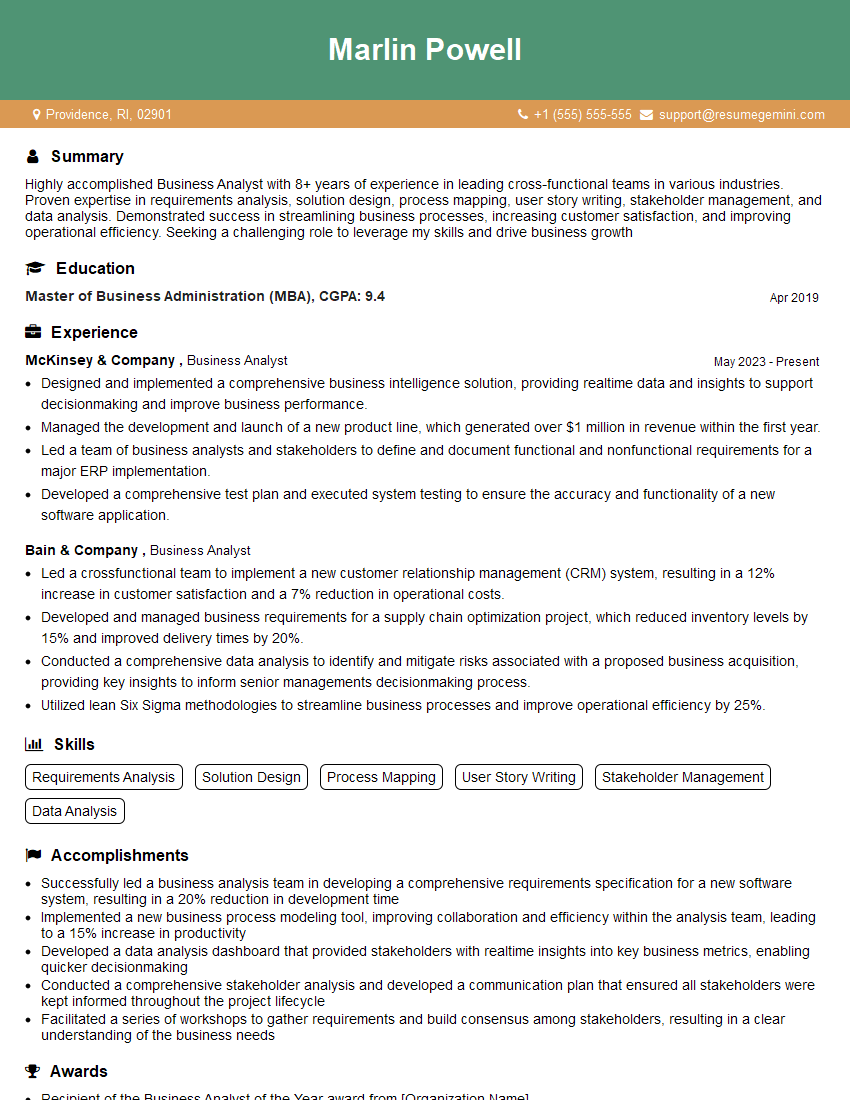
Business Analyst Resume Sample
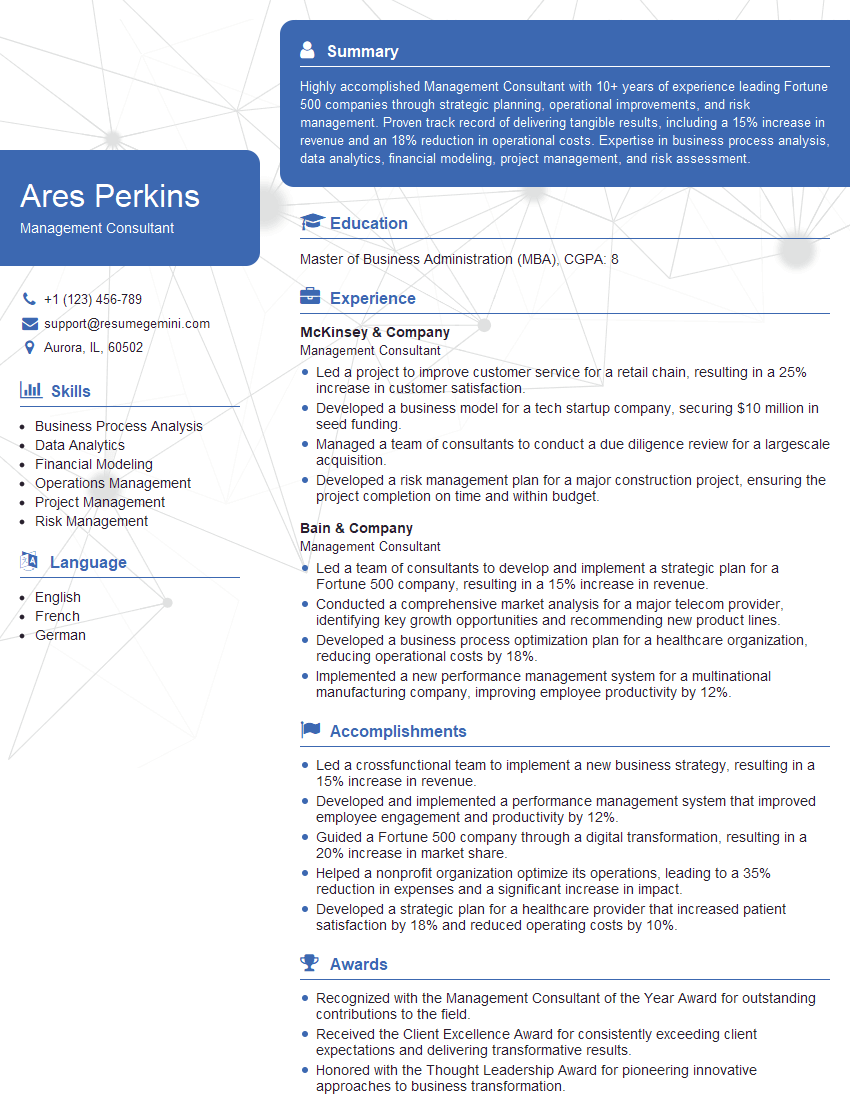
Management Consultant Resume Sample
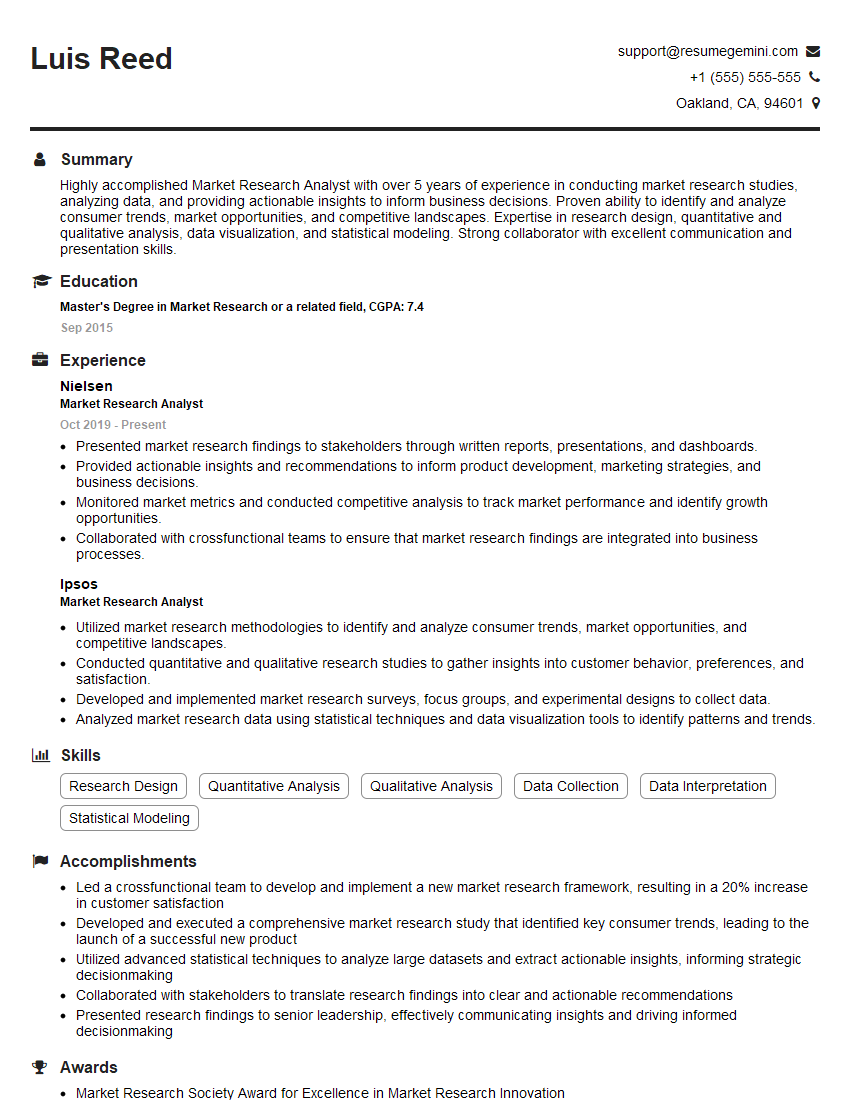
Market Research Analyst Resume Sample
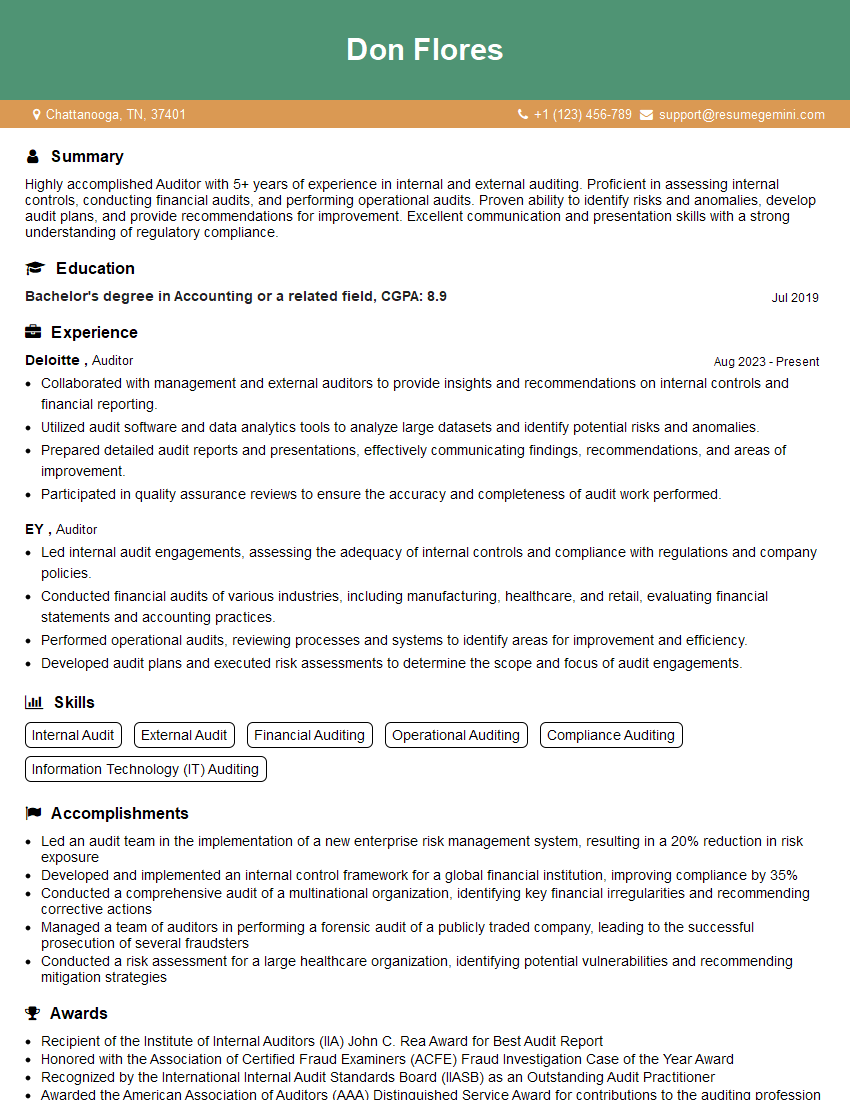
Auditor Resume Sample
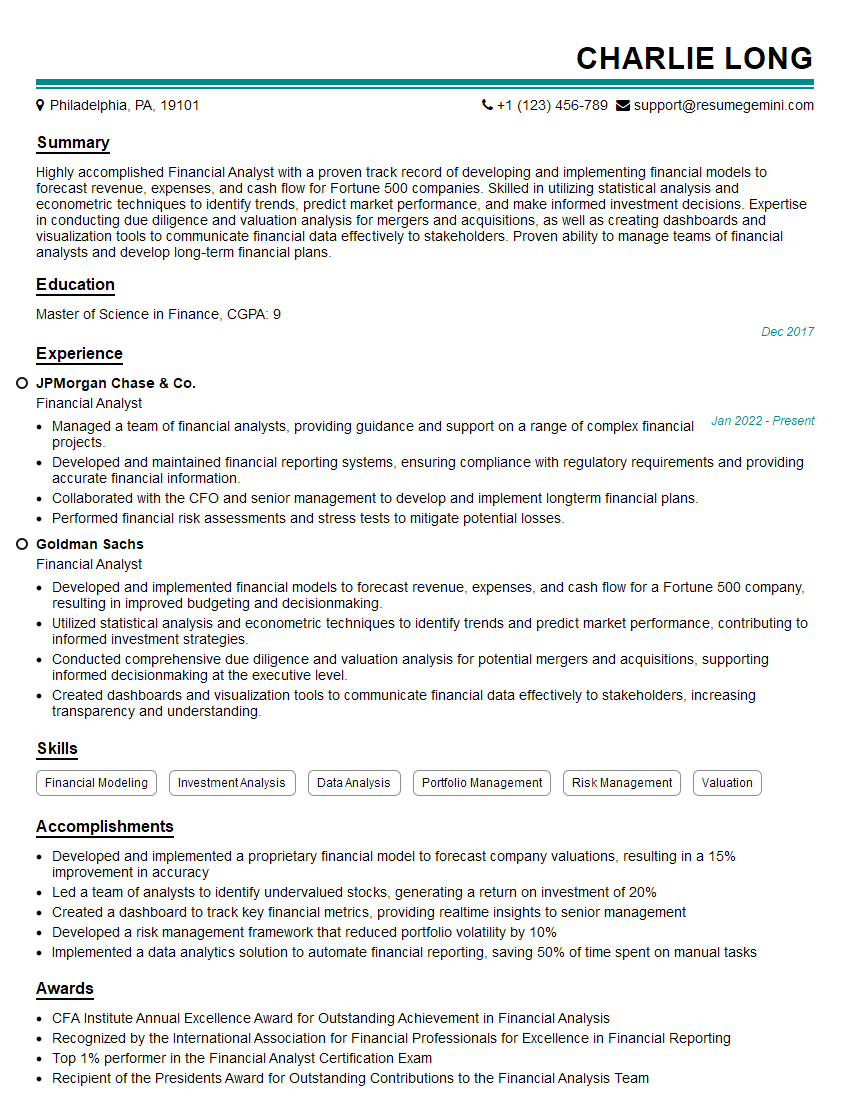
Financial Analyst Resume Sample
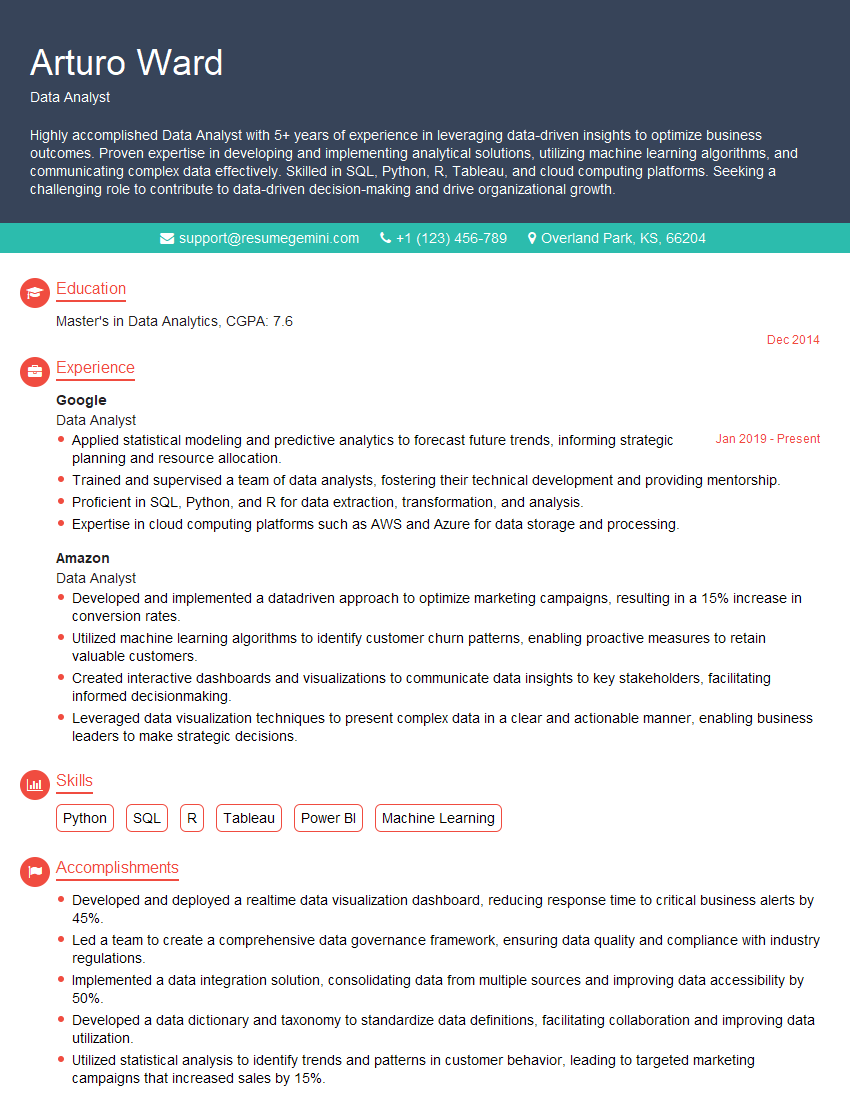
Data Analyst Resume Sample
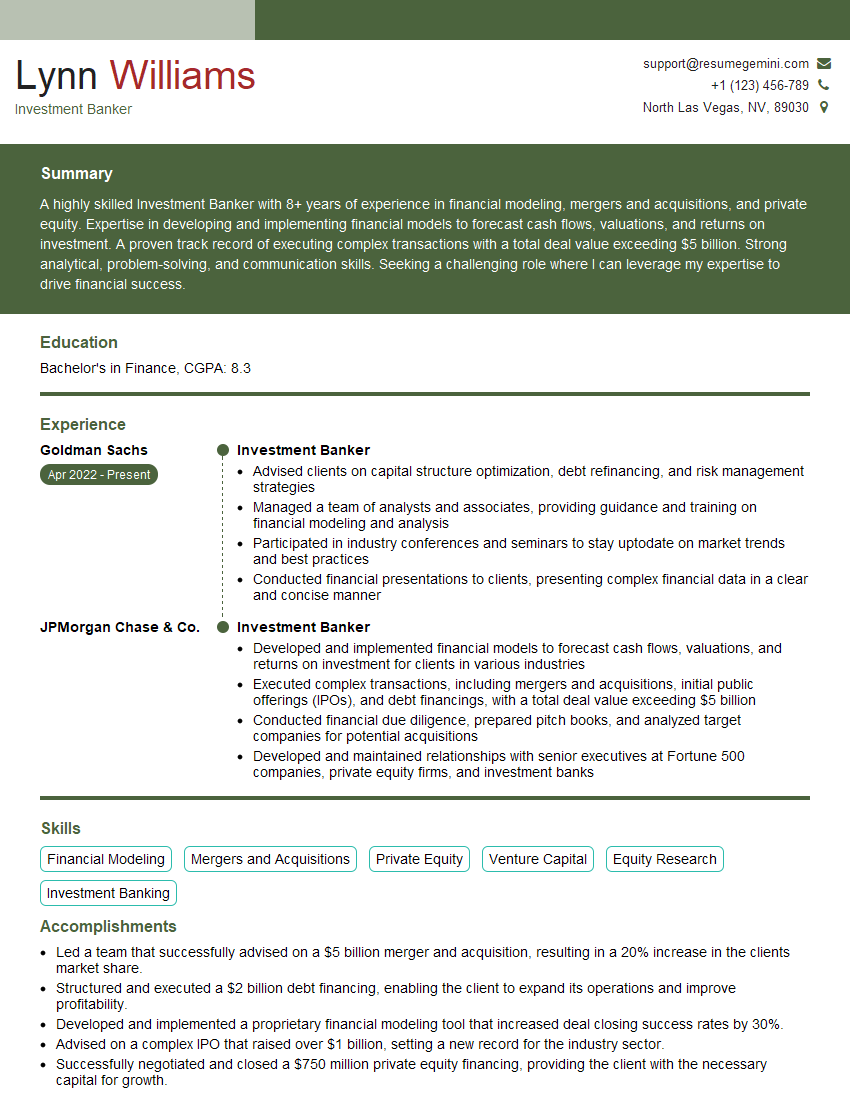
Investment Banker Resume Sample
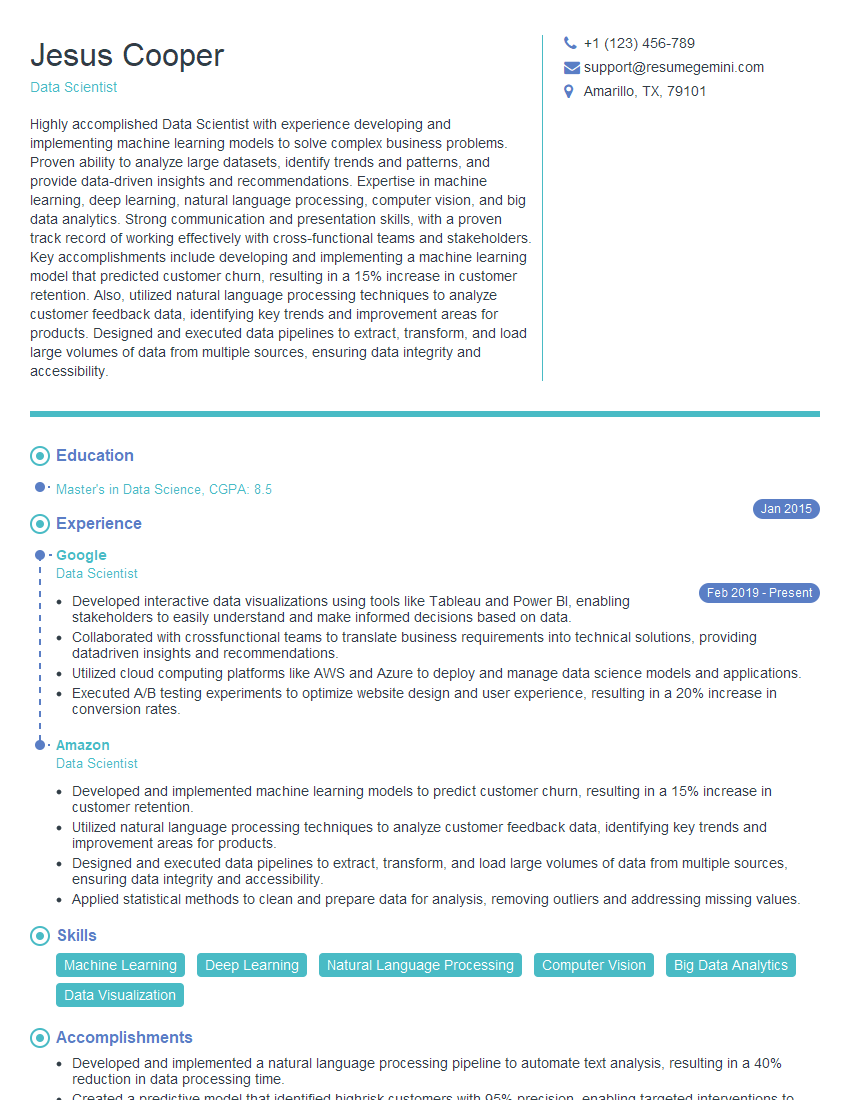
Data Scientist Resume Sample
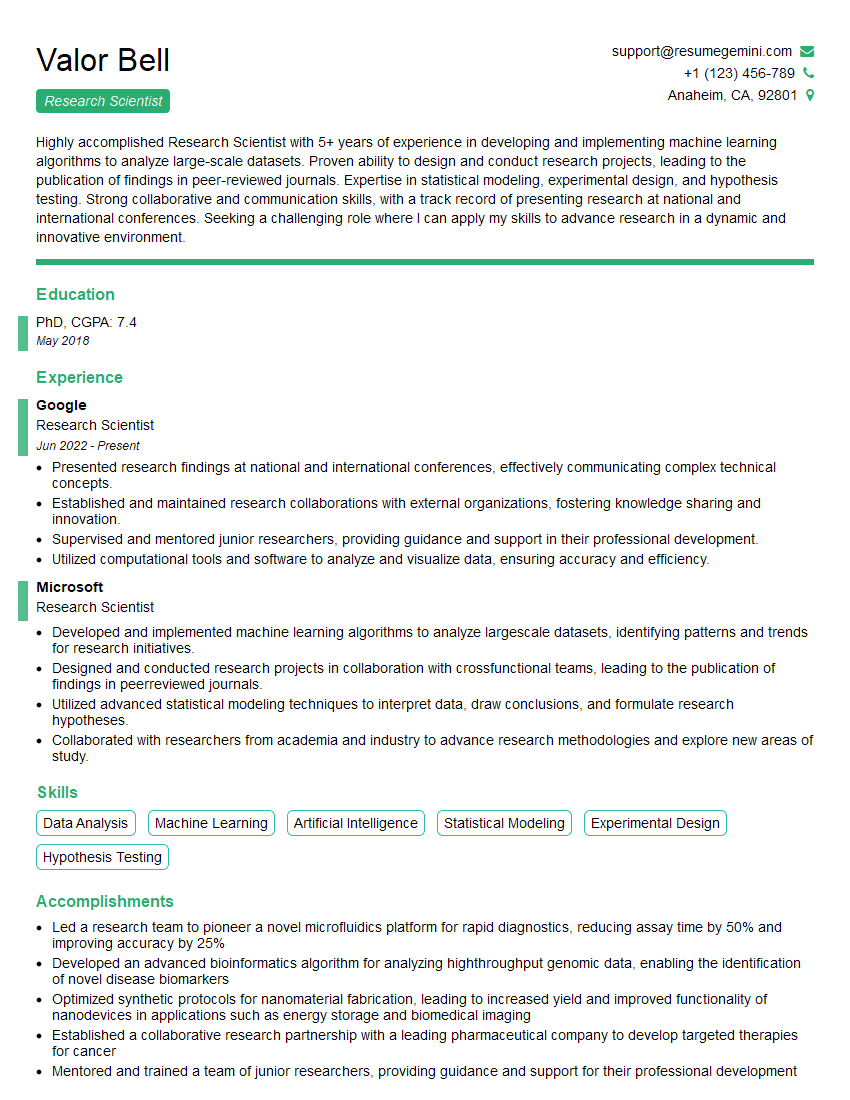
Research Scientist Resume Sample
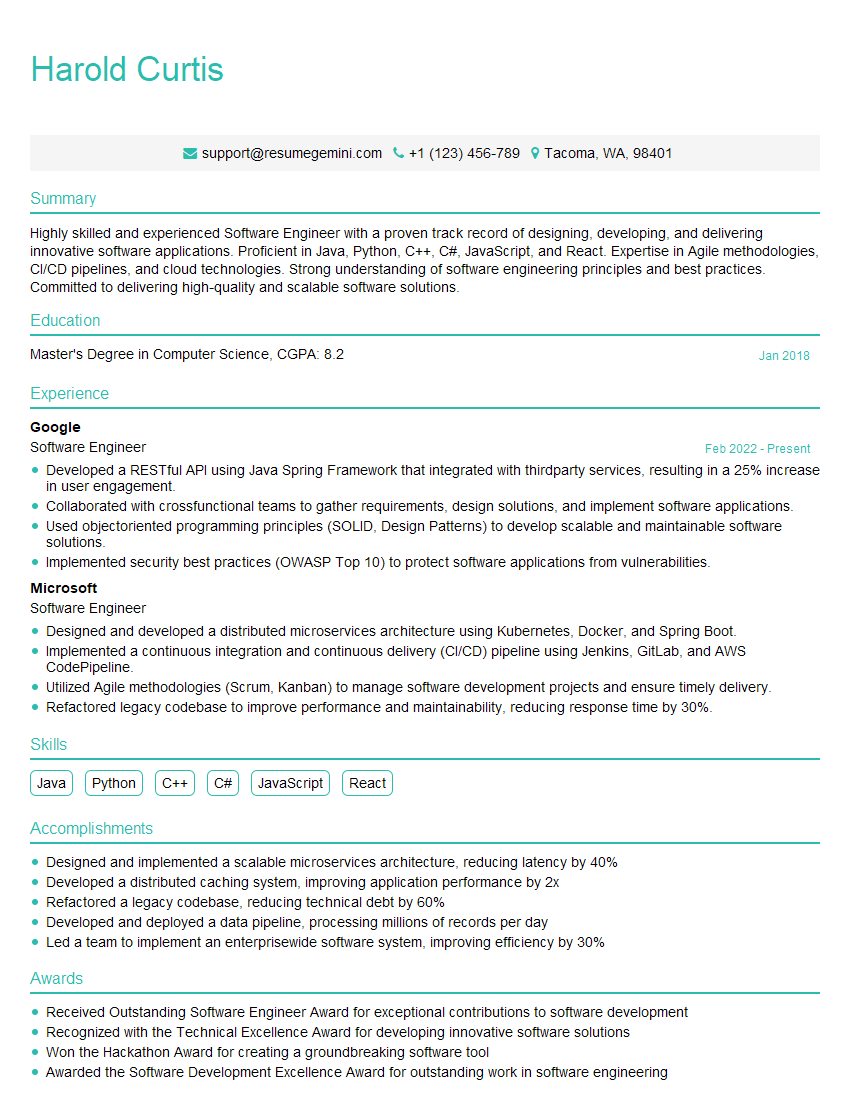
Software Engineer Resume Sample
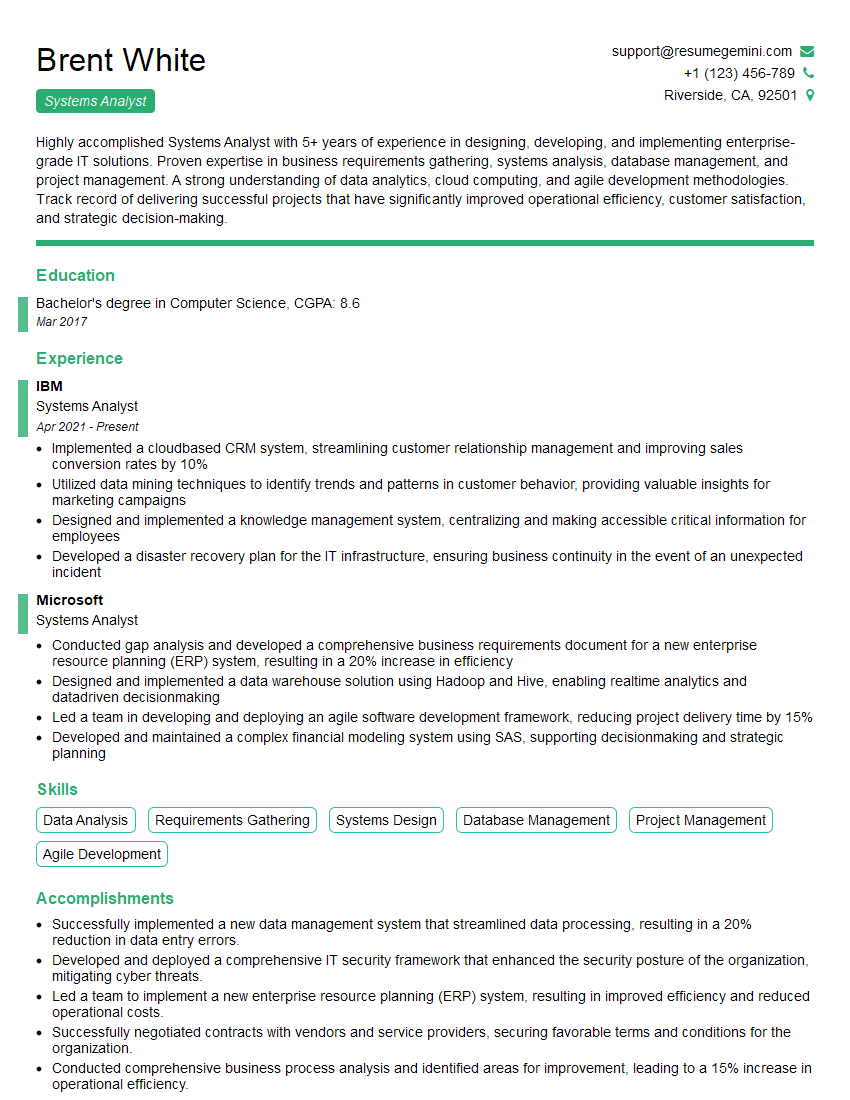
Systems Analyst Resume Sample
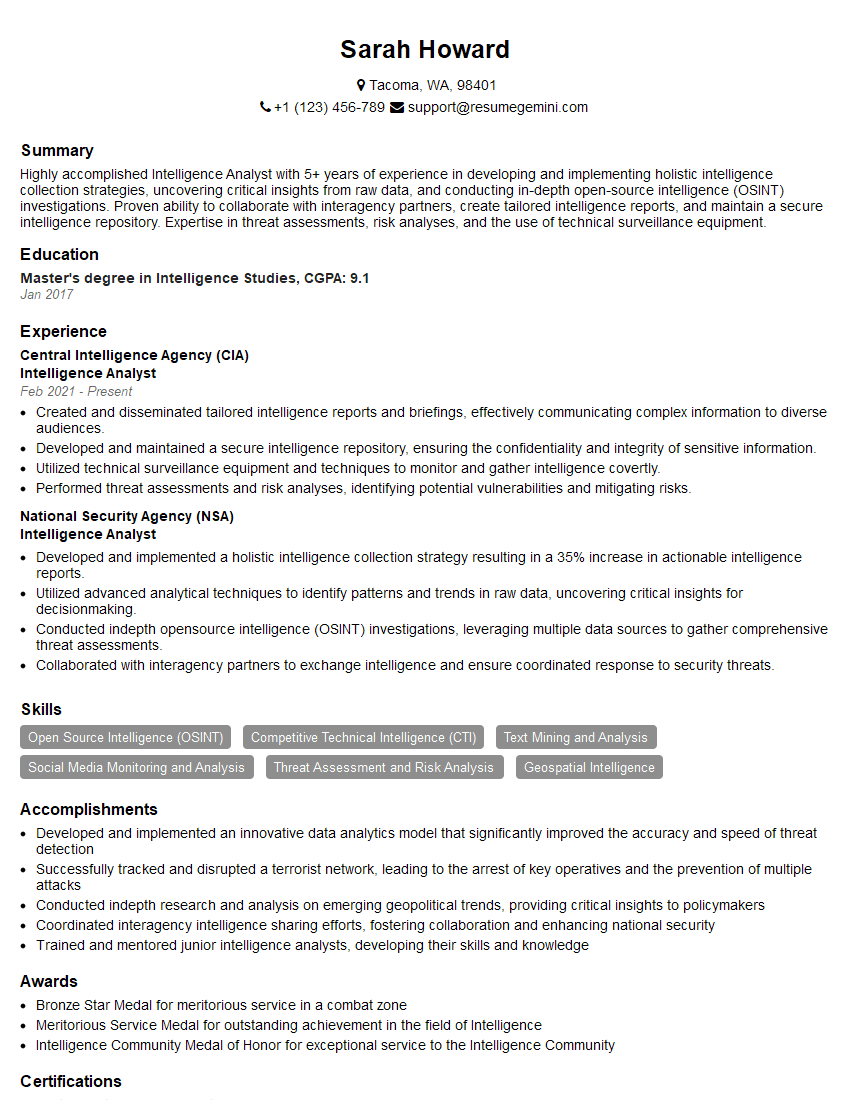
Intelligence Analyst Resume Sample
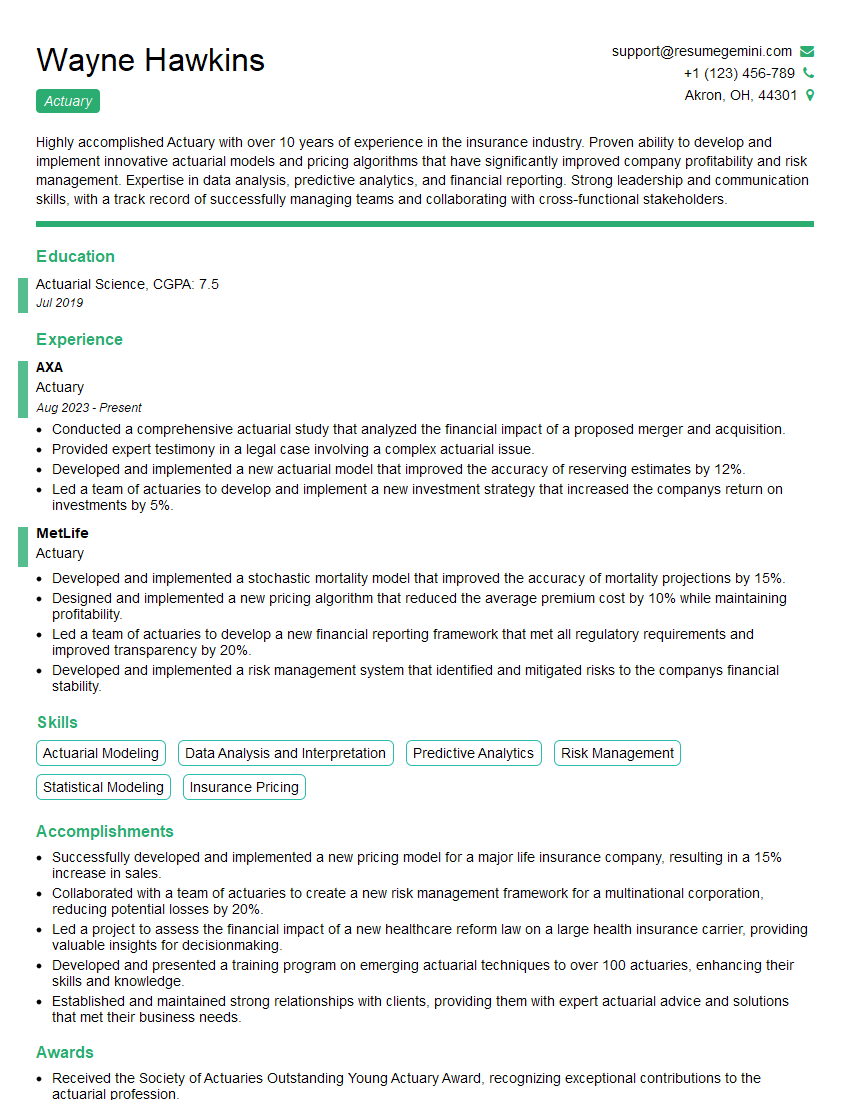
Actuary Resume Sample

Operations Research Analyst Resume Sample
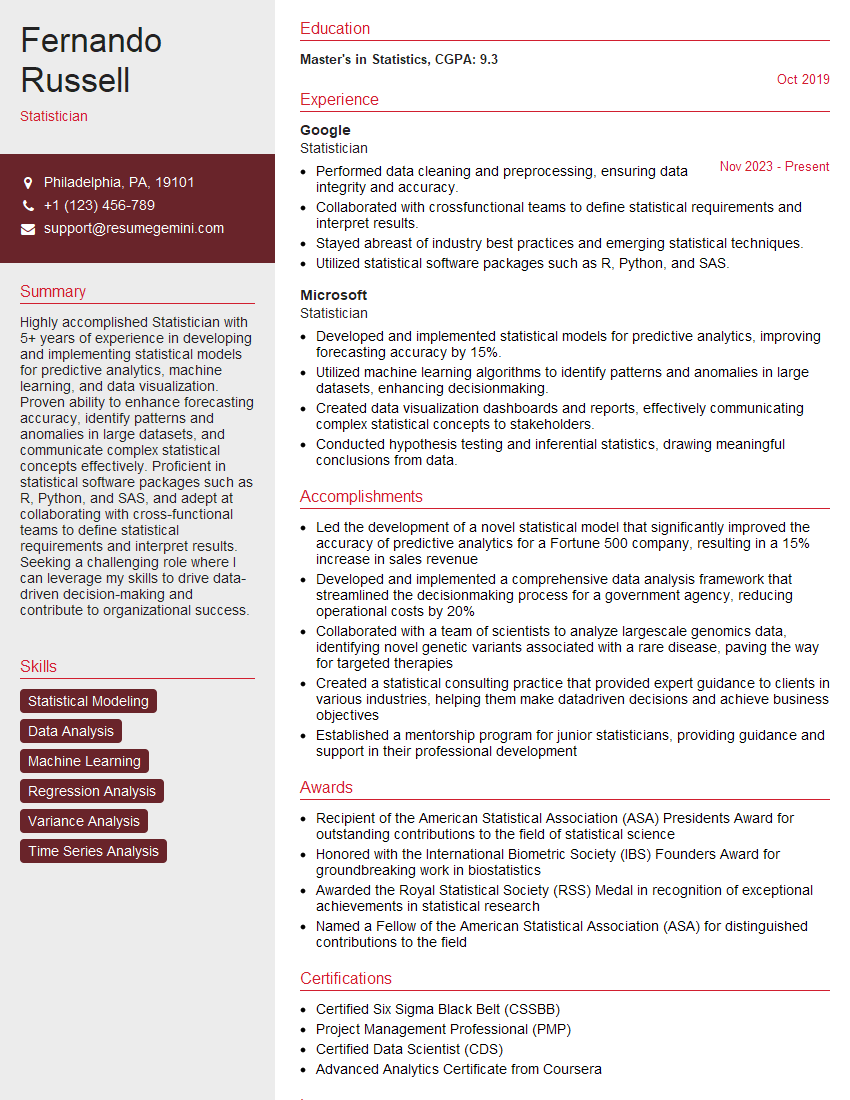
Statistician Resume Sample
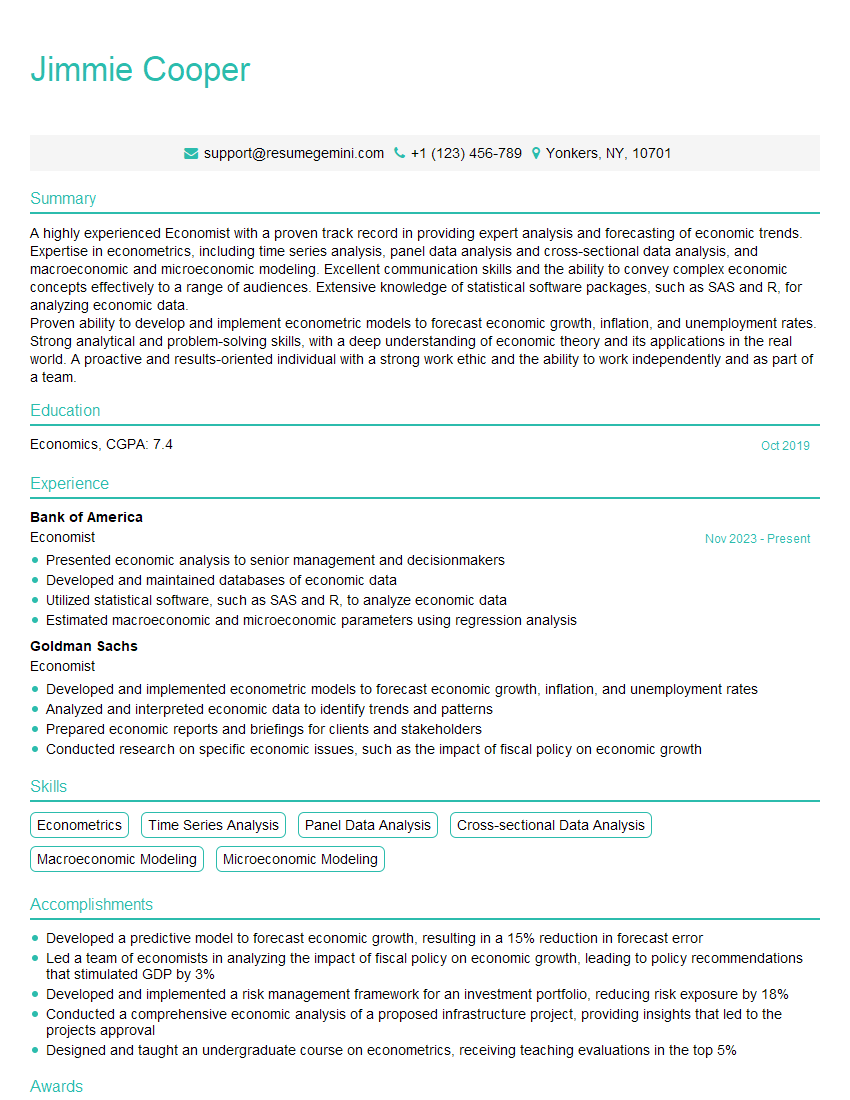
Economist Resume Sample
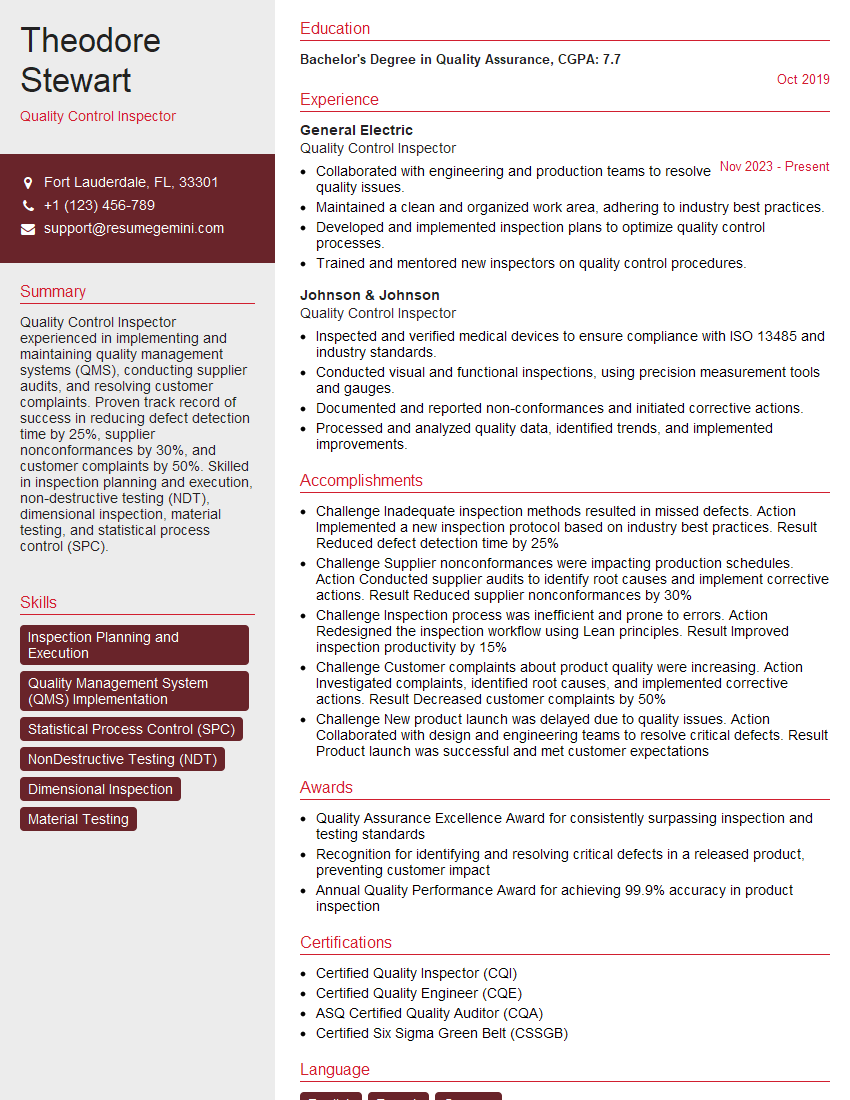
Quality Control Inspector Resume Sample
- Strategic Planner
- Product Manager
- Project Manager
- Compliance Officer
- Risk Manager
- Supply Chain Analyst
- Business Analyst
- Management Consultant
- Market Research Analyst
- Auditor
- Financial Analyst
- Data Analyst
- Investment Banker
- Data Scientist
- Research Scientist
- Software Engineer
- Systems Analyst
- Intelligence Analyst
- Actuary
- Operations Research Analyst
- Statistician
- Economist
- Quality Control Inspector
Explore more articles
Users Rating of Our Blogs
Share Your Experience
We value your feedback! Please rate our content and share your thoughts (optional).
What Readers Say About Our Blog
Very informative content, great job.
good