Interviews are opportunities to demonstrate your expertise, and this guide is here to help you shine. Explore the essential Crop Health Assessment interview questions that employers frequently ask, paired with strategies for crafting responses that set you apart from the competition.
Questions Asked in Crop Health Assessment Interview
Q 1. Describe the different methods used for assessing crop health.
Assessing crop health involves a multifaceted approach combining various methods to gain a comprehensive understanding of the plant’s condition. These methods can be broadly categorized into visual observation, laboratory analysis, and remote sensing techniques.
Visual Observation: This is the most basic and often the first step. It involves carefully examining plants for any visible signs of stress, disease, or pest infestation. This includes checking for discoloration, wilting, lesions, unusual growth patterns, and the presence of pests.
Laboratory Analysis: This involves taking samples (soil, plant tissue, or pest specimens) and analyzing them in a laboratory setting. Tests can include soil nutrient analysis, plant tissue analysis for nutrient deficiencies, disease pathogen identification, and pest identification.
Remote Sensing: This utilizes technologies like satellites, drones, and aerial imagery to monitor large areas of crops. Spectral signatures from these images can indicate plant stress, disease, or nutrient deficiencies before visible symptoms appear. This allows for early intervention and more efficient resource allocation.
For example, a farmer noticing yellowing leaves on their corn plants (visual observation) might then send soil and leaf samples to a lab (laboratory analysis) to determine if the cause is nutrient deficiency or a disease. Furthermore, they might use drone imagery (remote sensing) to assess the extent of the problem across their entire field.
Q 2. Explain the role of remote sensing in crop health assessment.
Remote sensing plays a crucial role in modern crop health assessment, providing a powerful tool for large-scale monitoring and early detection of problems. It allows for timely interventions, optimizing resource use, and ultimately boosting crop yields and quality.
Early Detection: Remote sensing can detect subtle changes in plant health, often before they become visible to the naked eye. This allows farmers to address problems early, minimizing yield losses.
Large-Scale Monitoring: It enables efficient monitoring of large fields or even entire regions, providing a comprehensive overview of crop health. This is particularly valuable in precision agriculture, where resources are targeted to specific areas needing attention.
Precision Agriculture: Remote sensing data can be integrated with Geographic Information Systems (GIS) to create detailed maps of crop health. This allows for variable rate applications of fertilizers, pesticides, and water, maximizing efficiency and minimizing environmental impact.
Data Analysis: Sophisticated algorithms and software are used to analyze the collected data, creating insights into crop health trends and patterns. This data-driven approach facilitates informed decision-making.
For instance, using multispectral imagery from a drone, a farmer might identify a specific area within their field showing signs of nitrogen deficiency, allowing them to apply targeted fertilizer application only to that area, saving cost and reducing environmental impact.
Q 3. What are the key symptoms of common plant diseases?
Plant diseases manifest in various ways depending on the pathogen and the plant species. However, some common symptoms can indicate a disease problem.
Leaf Spots and Lesions: These are localized areas of discoloration or dead tissue on leaves. The shape, color, and size can be diagnostic.
Wilting: This indicates a loss of turgor pressure in the plant, often due to water stress, root rot, or vascular diseases.
Leaf Distortion and Chlorosis: Unusual curling, twisting, or yellowing of leaves can indicate viral infections or nutrient deficiencies.
Mildews: These are powdery or fuzzy growths on leaves and stems, indicating fungal infections.
Galls and Tumors: Abnormal growths on roots, stems, or leaves can be caused by bacteria, fungi, or insects.
Rotting: This can affect roots, stems, fruits, or other plant parts, causing softening and discoloration.
For example, small brown spots on tomato leaves might indicate early blight, while a powdery white coating suggests powdery mildew. Accurate diagnosis requires further investigation.
Q 4. How do you identify insect pests affecting crops?
Identifying insect pests requires careful observation, knowledge of common pests in the region, and potentially laboratory analysis. Visual inspection is crucial, but understanding insect life cycles and damage patterns is key.
Visual Inspection: Look for insects themselves, their eggs, larvae, or pupae. Examine leaves, stems, roots, and fruits for damage such as chewing, piercing, or sucking marks.
Damage Patterns: Different insects cause distinctive damage. Chewing insects leave holes or ragged edges, while piercing-sucking insects cause stippling or discoloration.
Traps: Using sticky traps or pheromone traps can help monitor pest populations and identify specific species.
Laboratory Analysis: For difficult cases, samples can be sent to a lab for identification. Experts can accurately identify the pest based on morphological characteristics and genetic analysis.
For example, if you see rolled leaves on your corn plant, it might be a sign of corn leaf aphid infestation. The presence of small, sap-sucking insects on the underside of the leaves would confirm this suspicion. A more challenging case might involve microscopic analysis to differentiate between different species of nematodes affecting the roots.
Q 5. What are the different types of soil tests and their significance in crop health?
Soil tests are essential for understanding the soil’s physical and chemical properties, which directly impact crop health. Different tests provide different information.
pH Test: Measures the soil’s acidity or alkalinity. Optimal pH varies for different crops. A pH outside the optimal range can affect nutrient availability and microbial activity.
Nutrient Analysis: Determines the levels of essential nutrients like nitrogen (N), phosphorus (P), potassium (K), and micronutrients. Deficiencies or excesses can hinder plant growth.
Organic Matter Test: Measures the amount of organic matter in the soil, influencing soil structure, water retention, and nutrient availability.
Texture Analysis: Determines the proportions of sand, silt, and clay, which affects soil drainage, aeration, and water-holding capacity.
Salinity Test: Measures the salt content in the soil, which can be detrimental to plant growth.
For instance, a low phosphorus level indicated by a soil test would suggest the need for phosphorus fertilization to ensure healthy root development and overall plant vigor. A high salinity level would necessitate measures to improve soil drainage and reduce salt accumulation.
Q 6. Explain the concept of nutrient deficiency in plants and its diagnosis.
Nutrient deficiency occurs when plants lack sufficient amounts of essential nutrients for optimal growth and development. These nutrients are absorbed from the soil through the roots and are crucial for various metabolic processes.
Visual Symptoms: Nutrient deficiencies often cause characteristic visual symptoms on plants. For example, nitrogen deficiency can cause yellowing of leaves, while phosphorus deficiency may result in stunted growth and dark green or purplish coloration.
Tissue Analysis: Plant tissue analysis helps diagnose nutrient deficiencies by measuring the nutrient concentrations in plant samples. This provides a quantitative assessment of nutrient status.
Soil Analysis: While not always sufficient alone, soil analysis provides information about the availability of nutrients in the soil. This can complement plant tissue analysis to determine if low nutrient levels in the plant are due to low soil availability or impaired uptake.
For example, if a plant displays interveinal chlorosis (yellowing between leaf veins), it may indicate an iron deficiency. Confirming this would involve a plant tissue analysis, which would quantify the iron concentration in the leaf tissue. This data helps in prescribing a solution like iron chelate application.
Q 7. How do you interpret plant tissue analysis reports?
Interpreting plant tissue analysis reports requires understanding the context of the sample, the analytical methods used, and the critical nutrient ranges for the specific crop. The report typically provides concentrations of various nutrients, expressed in parts per million (ppm) or milligrams per kilogram (mg/kg).
Nutrient Concentrations: Compare the reported nutrient concentrations to established optimal ranges for the specific crop at a particular growth stage. Values significantly below the optimal range indicate potential deficiency.
Nutrient Ratios: Evaluate the ratios between essential nutrients, as imbalances can also impact plant health. For example, a high nitrogen to potassium ratio might indicate the need for increased potassium fertilization.
Critical Levels: Many labs provide critical levels or thresholds for each nutrient, indicating the concentration below which deficiency symptoms might be expected.
Sample Context: The time of sampling, plant part sampled (leaf, stem, etc.), and crop growth stage are critical considerations for interpretation.
For example, a plant tissue analysis showing low phosphorus and potassium levels alongside visual symptoms of stunted growth would confirm the deficiency and guide corrective actions, such as applying a phosphorus and potassium fertilizer.
Q 8. Describe various methods for controlling plant diseases.
Controlling plant diseases is crucial for successful crop production. We employ a multi-pronged approach, focusing on prevention and intervention strategies. These methods can be broadly categorized as cultural, biological, chemical, and resistant variety approaches.
Cultural Controls: These methods focus on modifying the environment to make it less favorable for disease development. Examples include crop rotation (breaking disease cycles), proper sanitation (removing infected plant debris), optimizing planting density (improving air circulation to reduce humidity), and irrigation management (avoiding overhead watering that spreads pathogens).
Biological Controls: This involves using beneficial organisms like bacteria, fungi, or viruses to suppress or kill plant pathogens. For example, introducing a specific strain of bacteria that competes with a fungal pathogen for resources, reducing the pathogen’s impact.
Chemical Controls: This includes the use of fungicides, bactericides, or other chemical treatments to control diseases. This is often a last resort after other methods have been exhausted, due to potential environmental and human health concerns. Careful consideration of application rates and timing is essential to minimize negative impacts.
Resistant Varieties: Developing and using crop varieties that have inherent resistance to specific diseases is a highly effective and sustainable approach. Breeding programs continually work to introduce genes conferring disease resistance into commercially viable crops.
Imagine a farmer battling late blight on their potatoes. They might use a combination of methods: rotating their crops to break the blight’s life cycle, carefully managing irrigation to minimize leaf wetness, and applying a fungicide as a last resort while also planting a blight-resistant potato variety.
Q 9. What are integrated pest management (IPM) strategies?
Integrated Pest Management (IPM) is a holistic approach to pest control that aims to minimize pesticide use while maximizing crop protection. It’s about understanding the entire pest-crop ecosystem and employing a combination of tactics to keep pest populations below economically damaging levels.
Monitoring: Regularly assessing pest populations to determine the severity of infestations and the need for intervention.
Prevention: Implementing cultural practices like crop rotation, sanitation, and resistant varieties to minimize pest pressure before it becomes a major problem.
Biological Control: Using natural enemies like predators, parasites, or pathogens to control pest populations. For example, introducing ladybugs to control aphids.
Chemical Control: Using pesticides judiciously as a last resort when other methods prove insufficient. This involves carefully selecting the appropriate pesticide, applying it at the right time and rate, and adhering to all safety regulations.
Think of it like this: IPM is like being a detective, investigating the problem (monitoring), preventing the crime (prevention), hiring a security guard (biological control), and calling the police only when necessary (chemical control). It’s a thoughtful, strategic approach instead of reacting with heavy-handed methods.
Q 10. Explain the importance of weed management in crop production.
Weed management is paramount in crop production because weeds compete with crops for essential resources like water, nutrients, and sunlight. This competition can significantly reduce crop yields and quality. Weeds can also act as hosts for diseases and pests, further compromising crop health. Effective weed management strategies are crucial for maximizing yields and minimizing economic losses.
Cultural Control: Proper tillage, cover cropping, crop rotation, and mulching can help suppress weeds by creating less favorable conditions for their growth.
Mechanical Control: Manual weeding, hoeing, and using cultivation equipment to remove or control weeds.
Chemical Control: Employing herbicides to kill or inhibit weed growth. Herbicide selection needs to consider factors like weed type, crop tolerance, and environmental impact.
Biological Control: Utilizing natural enemies such as insects or fungi that attack specific weeds.
Consider a farmer growing corn. If weeds are left unchecked, they could outcompete the corn plants for nutrients and water, leading to stunted growth and reduced corn yields. A multi-pronged weed management strategy ensures that the corn plants have the resources they need to thrive.
Q 11. Describe your experience with using precision agriculture technologies.
My experience with precision agriculture technologies spans several years. I’ve been involved in projects utilizing GPS-guided machinery for variable rate application of fertilizers and pesticides, resulting in optimized resource use and reduced environmental impact. I’ve also extensively utilized remote sensing technologies, including multispectral and hyperspectral imagery from drones and satellites, to monitor crop health and stress. This allows for early detection of problems and timely intervention.
For example, in one project, we used drone imagery to identify areas of nitrogen deficiency in a cornfield. This information allowed for targeted fertilization, optimizing nutrient use and significantly increasing yield in those specific areas. The data analysis involved using specialized software to process the imagery and identify areas with stress indicators. It was a clear demonstration of how precision agriculture technologies can lead to better farm management decisions.
Q 12. How do you collect and analyze data for crop health assessment?
Data collection for crop health assessment relies on a combination of methods. This includes ground-truthing (direct field observations), remote sensing (satellite or drone imagery), and sensor networks (soil moisture and weather sensors).
Ground-Truthing: This involves physically assessing crops in the field, measuring parameters like plant height, leaf area index, and disease severity. This provides ground reference data for validation of remote sensing data.
Remote Sensing: Multispectral and hyperspectral imagery capture different wavelengths of light reflected by the crop canopy. Analysis of this imagery using specialized software allows us to detect subtle changes in crop health, identifying stress indicators before they become visually apparent.
Sensor Networks: In-field sensors can continuously monitor environmental factors like soil moisture, temperature, and humidity. This data provides valuable context for interpreting remote sensing and ground-truthing data.
The data analysis involves using statistical analysis, machine learning algorithms, and Geographic Information Systems (GIS) to create maps and models that visualize crop health, identify areas of concern, and guide management decisions. For example, we might use machine learning to predict disease outbreaks based on weather patterns and historical data.
Q 13. What are the challenges in using drones for crop monitoring?
While drones offer significant advantages for crop monitoring, several challenges exist. These include factors related to weather conditions, regulations, data processing, and equipment limitations.
Weather Conditions: Strong winds, rain, and fog can severely limit drone operations, hindering data collection. Flight restrictions due to inclement weather often delay critical assessments and create time-sensitive issues.
Regulations: Drone operation often requires licenses and adherence to specific regulations concerning airspace and safety. Navigation restrictions in certain areas can limit accessibility and flexibility.
Data Processing: Processing large volumes of drone imagery requires specialized software and computing resources. This can be time-consuming and require expertise in image processing and data analysis techniques.
Equipment Limitations: Drone battery life, sensor resolution, and payload capacity can limit the extent and detail of the data that can be collected in a single flight. The size and complexity of the farm operation may require multiple flights and careful planning to capture complete coverage.
For instance, a large farm might require multiple flight paths to cover the entire area, and poor weather conditions could delay the project considerably, affecting timeliness in decision-making.
Q 14. How do environmental factors influence crop health?
Environmental factors significantly influence crop health, impacting growth, development, and susceptibility to diseases and pests. Temperature, water availability, sunlight, and nutrient levels are some of the key factors.
Temperature: Extreme temperatures, both high and low, can stress plants, reducing growth and yield. Optimal temperatures vary depending on the crop species.
Water Availability: Insufficient water leads to drought stress, while excessive water can cause waterlogging and root rot. Proper irrigation management is crucial for maintaining optimal water levels.
Sunlight: Adequate sunlight is essential for photosynthesis. Shade or cloud cover can reduce plant growth and increase susceptibility to diseases.
Nutrient Levels: Deficiencies or imbalances in essential nutrients like nitrogen, phosphorus, and potassium can limit plant growth and affect crop quality.
Other factors: Wind, humidity, and soil conditions also impact crop health significantly. For example, strong winds can damage plants, and high humidity can promote disease development.
Imagine a corn crop experiencing a prolonged heat wave. The high temperatures will stress the plants, reducing their ability to photosynthesize and leading to decreased yields. Likewise, a lack of rainfall can cause drought stress, resulting in wilting, reduced growth, and increased susceptibility to pests and diseases.
Q 15. Explain the use of GIS in crop health management.
Geographic Information Systems (GIS) are invaluable in crop health management because they allow us to spatially analyze crop data. Think of it like having a super-powered map that shows not just the location of fields, but also crucial information about the health of the crops growing within them. This is achieved by overlaying various data layers onto a map.
- Precision Farming: GIS helps identify variations in soil conditions, topography, and crop yields within a field. This allows for targeted application of fertilizers, pesticides, and irrigation, optimizing resource use and maximizing yield while minimizing environmental impact. For example, if GIS analysis reveals a nutrient deficiency in a specific area, we can apply fertilizer precisely to that area, reducing waste and cost.
- Disease and Pest Monitoring: By combining satellite imagery showing vegetation indices (like NDVI – Normalized Difference Vegetation Index) with field observations of disease outbreaks, we can create risk maps predicting the spread of pests and diseases. This allows for proactive intervention, preventing widespread crop damage. We can see where disease pressure is high and focus preventative measures there.
- Yield Prediction and Forecasting: Analyzing historical yield data along with current environmental conditions (temperature, rainfall, etc.) using GIS, we can generate yield forecasts. This assists farmers in making informed decisions about harvest timing and resource allocation.
In essence, GIS transforms raw data into actionable insights, enabling efficient and sustainable crop management.
Career Expert Tips:
- Ace those interviews! Prepare effectively by reviewing the Top 50 Most Common Interview Questions on ResumeGemini.
- Navigate your job search with confidence! Explore a wide range of Career Tips on ResumeGemini. Learn about common challenges and recommendations to overcome them.
- Craft the perfect resume! Master the Art of Resume Writing with ResumeGemini’s guide. Showcase your unique qualifications and achievements effectively.
- Don’t miss out on holiday savings! Build your dream resume with ResumeGemini’s ATS optimized templates.
Q 16. What software or tools are you proficient in for crop health assessment?
My proficiency spans several software and tools crucial for crop health assessment. I’m highly skilled in using:
- ArcGIS: For spatial data analysis, map creation, and geoprocessing tasks. This is my primary tool for analyzing satellite and drone imagery, integrating them with ground-level data, and generating thematic maps.
- QGIS: A powerful open-source GIS software, often used as a complimentary tool, particularly for tasks requiring extensive data manipulation or scripting.
- Remote Sensing Software (e.g., ENVI, ERDAS IMAGINE): Essential for processing satellite and drone imagery, extracting vegetation indices like NDVI, and performing image classification to detect stressed or diseased plants.
- R and Python: These programming languages are vital for statistical analysis of large datasets, automating tasks, and developing custom scripts for data processing and visualization. For instance, I’ve used
Rto build predictive models for disease outbreaks based on weather patterns and historical data. - Various agricultural databases and platforms: I am experienced in using online platforms that compile and manage agricultural data.
My expertise extends to utilizing data from various sources, including ground-truthing data, multispectral imagery from satellites and drones, and sensor data from in-field devices.
Q 17. How do you communicate crop health assessments to farmers?
Effective communication is paramount in crop health assessment. I tailor my communication style to the farmer’s level of technical understanding. I avoid overwhelming them with complex jargon.
- Visualizations: I use maps, charts, and graphs to present my findings clearly and concisely. A simple map showing areas of stress in their field is much more informative than a lengthy technical report.
- On-site Visits and Demonstrations: I frequently visit farms to explain findings directly, showing them affected areas and suggesting solutions. I might bring samples of affected plants for better understanding.
- Simple Reports: I provide reports that are easy to read and understand, summarizing key findings and recommendations in plain language. These usually include clear, actionable steps.
- Mobile Apps and Online Platforms: Leveraging technology to provide farmers with easy-to-use mobile applications or online portals to access their reports, data and recommendations.
Ultimately, the goal is not just to provide information, but to empower farmers to take informed action to improve their crop health.
Q 18. Describe a situation where you had to troubleshoot a crop health issue.
I once encountered a situation where a significant portion of a farmer’s corn crop was exhibiting stunted growth and yellowing leaves, indicative of nutrient deficiency. Initial soil tests revealed a slight imbalance. However, this didn’t fully explain the severity of the problem.
Troubleshooting Steps:
- Detailed Field Examination: I conducted a thorough on-site inspection, noting the pattern of affected plants. It appeared to be clustered around irrigation lines.
- Water Analysis: We tested the irrigation water and discovered high salinity levels, which was significantly impacting nutrient uptake by the plants. The soil tests missed this factor because they were only done in a few places.
- Irrigation System Evaluation: An assessment of the irrigation system revealed a faulty valve causing over-irrigation in the affected area, increasing the salinity further.
- Solution Implementation: We recommended adjustments to the irrigation system to address the faulty valve and flush the soil with fresh water to reduce salt concentration. We also advised the farmer on strategies for managing irrigation, balancing water needs with minimizing salinity buildup.
This case highlighted the importance of considering all potential factors and not relying solely on initial data. Combining field observations, water and soil analysis, and a complete system analysis enabled us to pinpoint the actual cause and effectively resolve the crop health issue.
Q 19. How do you stay updated on the latest advancements in crop health assessment?
Staying current in this rapidly evolving field is crucial. I employ several strategies to keep up with the latest advancements:
- Scientific Publications: I regularly read peer-reviewed journals and research articles focused on precision agriculture, remote sensing, and plant pathology.
- Conferences and Workshops: Attending relevant conferences and workshops provides opportunities to learn from experts, network with colleagues, and see the latest technological developments firsthand.
- Online Resources and Webinars: I utilize various online resources, including academic databases and industry websites, to access the latest research and information on new technologies and techniques.
- Professional Networks: Engaging with professional societies and online forums allows me to share knowledge, ask questions, and stay informed about the latest trends and best practices.
Continuous learning is essential to remain at the forefront of crop health assessment and effectively serve the needs of the agricultural community.
Q 20. What are the ethical considerations in crop health management?
Ethical considerations are vital in crop health management. Our actions have significant implications for farmers, consumers, and the environment.
- Data Privacy and Security: Protecting farmer data is paramount. Ensuring data security and responsible use of information is essential to maintaining trust and preventing misuse.
- Transparency and Informed Consent: Farmers must be fully informed about the data being collected, how it will be used, and the implications of the assessments. Open communication is crucial.
- Environmental Impact: We must prioritize sustainable practices that minimize environmental damage. Excessive pesticide or fertilizer use, for example, can have negative consequences. Our assessments should promote environmentally friendly solutions.
- Bias and Fairness: We must ensure that our assessments and recommendations are unbiased and fairly applied across diverse farming systems and communities. Factors such as access to resources and farming practices should be considered.
Ethical conduct ensures that our efforts contribute to sustainable and equitable agricultural practices.
Q 21. Explain the importance of data quality and integrity in crop health assessment.
Data quality and integrity are the cornerstones of effective crop health assessment. Inaccurate or unreliable data can lead to flawed conclusions and ineffective management practices, potentially causing significant economic losses and environmental damage.
- Data Accuracy: Ensuring accuracy involves meticulous data collection, using properly calibrated equipment, and implementing rigorous quality control procedures. This includes regularly checking and calibrating sensors and equipment and properly training those collecting field data.
- Data Completeness: Missing or incomplete data can compromise the integrity of analyses. We need to implement strategies to minimize missing data, and use techniques to address any missing data appropriately.
- Data Consistency: Maintaining consistent data collection methods and formats across different datasets is crucial. This minimizes errors and allows for reliable comparisons and analyses.
- Data Validation and Verification: Regularly validating and verifying data using multiple sources and methods helps identify and correct errors. This might involve ground truthing remote sensing data, comparing different sensor readings, or independently verifying data entries.
By prioritizing data quality and integrity, we ensure that our assessments are reliable, leading to accurate diagnoses and effective recommendations for improving crop health.
Q 22. How do you handle conflicting data in crop health assessments?
Conflicting data in crop health assessments is a common challenge. It often arises from variations in data sources (e.g., sensor readings, visual observations, historical records), measurement errors, or the inherent complexity of biological systems. Addressing this requires a systematic approach.
- Data Validation: I first thoroughly examine the data sources for inconsistencies. This involves checking for outliers, examining data collection methodologies, and considering potential biases. For example, a sensor might be malfunctioning, leading to inaccurate readings.
- Data Triangulation: I use multiple data sources to corroborate findings. If a single source shows a concerning trend, I cross-reference it with other data sets. If the trend is consistent across multiple sources, confidence in the observation increases.
- Statistical Analysis: Statistical techniques like regression analysis or ANOVA can help determine the significance of variations. This allows identifying if differences between data sets are statistically significant or due to random fluctuations.
- Expert Judgement: When discrepancies remain, I integrate my domain expertise and experience to interpret the data within the context of known factors like weather patterns, soil conditions, and pest prevalence. This might involve consulting literature or colleagues for a second opinion.
- Weighted Averaging: In certain cases, I use weighted averaging, assigning greater weight to more reliable data sources. For instance, if satellite imagery and ground-truth data differ slightly, I’d place more trust in the ground-truth observations, unless they too were subject to errors.
Ultimately, resolving conflicts involves a blend of technical analysis and informed judgment to arrive at the most accurate and reliable assessment of crop health.
Q 23. How do you prioritize crop health issues based on severity and potential impact?
Prioritizing crop health issues is crucial for efficient resource allocation. I employ a framework that considers both severity and potential impact:
- Severity Assessment: I use standardized scales or indices to quantify the severity of each issue. For diseases, this might involve measuring disease incidence (percentage of plants affected) and severity (extent of damage per plant). For pests, it could be based on pest density and damage assessment.
- Impact Assessment: I estimate the potential impact of each issue on yield, quality, and economic returns. This might involve using crop simulation models, yield loss prediction tools, or consulting historical data. A high-severity issue with low potential yield impact might be prioritized less than a moderate-severity issue with a large potential yield impact.
- Risk Assessment: I integrate both severity and impact within a risk matrix. This matrix allows for visual representation of prioritized issues. High-severity, high-impact issues are prioritized immediately, while low-severity, low-impact issues might receive less urgent attention.
- Time Sensitivity: I also consider time sensitivity; some issues (e.g., rapidly spreading diseases) require immediate action, while others allow for a more deliberate response.
For example, a severe fungal infection impacting a large portion of a high-value crop will be prioritized over a minor pest infestation with limited impact on yield, even if the pest infestation is widespread.
Q 24. Describe your experience in developing and implementing crop health management plans.
My experience in developing and implementing crop health management plans involves a multi-step process:
- Needs Assessment: I start with a thorough assessment of the specific crop, its growing conditions (soil type, climate), historical disease and pest data, and farmer objectives.
- Problem Identification: This involves identifying key crop health issues based on the assessment data. I use diagnostic tools such as visual inspection, laboratory analysis, and remote sensing data to confirm the presence and extent of problems.
- Strategy Development: I collaborate with stakeholders (farmers, agronomists, etc.) to develop a tailored management strategy. This strategy might incorporate cultural practices (e.g., crop rotation, appropriate planting density), biological control methods, and/or chemical interventions.
- Implementation and Monitoring: The chosen strategies are implemented according to a set timeline. Regular monitoring and evaluation are critical, involving field inspections, data collection, and potentially adjusting the plan based on the observed results.
- Record Keeping and Reporting: Maintaining detailed records of interventions, their effectiveness, and costs is crucial for evaluating the success of the plan and for future planning.
For example, I worked on a project implementing integrated pest management (IPM) for a cotton farm. This involved combining biological pest control (introducing beneficial insects) with judicious use of pesticides, drastically reducing pesticide use while maintaining yield.
Q 25. What are the key performance indicators (KPIs) for evaluating crop health?
Key Performance Indicators (KPIs) for evaluating crop health vary based on the specific crop and objectives, but some common ones include:
- Yield: This is a fundamental measure of crop health and productivity. It’s expressed as the amount of produce harvested per unit area (e.g., tons per hectare).
- Quality: This encompasses parameters like size, shape, color, and nutritional content of the produce. For instance, the percentage of marketable produce is a key quality KPI.
- Disease Incidence and Severity: These parameters quantify the extent of disease presence and its damage to plants. They’re often expressed as percentages.
- Pest Pressure: This measures the severity of pest infestation, including population density, damage level, and the presence of specific pest species.
- Plant Growth Parameters: This includes measurements like plant height, biomass, leaf area index (LAI), and chlorophyll content, all indicators of plant vigor and health.
- Economic Returns: This is the ultimate KPI, representing the profitability of the crop production after deducting all costs and taking yield and quality into consideration.
By tracking these KPIs over time, we can assess the effectiveness of management interventions and make data-driven decisions to improve crop health and productivity.
Q 26. How do you adapt your crop health assessment strategies based on different crops and growing conditions?
Adapting crop health assessment strategies is essential due to the significant variations in crop physiology, susceptibility to diseases and pests, and environmental conditions. My approach involves:
- Crop-Specific Knowledge: I use in-depth knowledge about each crop’s specific vulnerabilities, optimal growth requirements, and common health issues. For example, the assessment for wheat will differ significantly from that for tomatoes.
- Environmental Considerations: I incorporate climatic data (temperature, rainfall, humidity), soil conditions (pH, nutrient levels), and other environmental factors influencing crop health. Strategies for arid regions will significantly differ from strategies for humid regions.
- Tailored Monitoring: The choice of monitoring techniques depends on the specific crop and environmental conditions. For example, drone-based surveys might be more effective for large field crops than detailed visual inspections for smaller horticultural farms.
- Data Analysis Techniques: The selection of appropriate statistical and data analysis techniques depends on the type and quantity of data collected. For example, time-series analysis is crucial for analyzing the progression of diseases over time.
- Adaptive Management: Regular monitoring enables adaptive adjustments to the assessment and management plans based on observed changes in crop health and environmental conditions.
For instance, I use different assessment protocols for assessing drought stress in maize compared to assessing fungal diseases in grapevines. The indicators, data collection methods, and interpretation all vary based on the crop and context.
Q 27. Explain your understanding of the economic impact of crop diseases and pests.
Crop diseases and pests have a significant economic impact on agricultural productivity and global food security. This impact manifests in several ways:
- Reduced Yields: Diseases and pests directly decrease crop yields, leading to lower production volumes and consequently, lower income for farmers.
- Reduced Quality: Infections and infestations often affect the quality of the harvested produce, making it unsuitable for sale or reducing its market value.
- Increased Production Costs: Farmers incur extra costs related to disease and pest management, including purchasing pesticides, fungicides, or other control measures, as well as additional labor.
- Market Disruptions: Outbreaks of diseases or pests can lead to trade restrictions and market instability, affecting global food prices and supply chains.
- Post-Harvest Losses: Diseases and pests can also lead to significant losses during post-harvest handling, storage, and transportation.
The economic impact is often substantial and varies widely depending on the crop, the severity of the outbreak, and the effectiveness of control measures. For instance, a widespread outbreak of a major disease in a key staple crop can have catastrophic economic and societal consequences.
Q 28. Describe your experience with collaborating with stakeholders in crop health management.
Collaboration with stakeholders is crucial for effective crop health management. My experience involves working closely with:
- Farmers: I work directly with farmers to understand their specific needs, concerns, and practices. I provide them with advice, training, and support in implementing crop health management strategies. Open communication is key to successfully integrating my recommendations into their farming operations.
- Agronomists and Extension Agents: I collaborate with these professionals to share knowledge, integrate research findings, and develop effective strategies. Their local expertise and established networks are invaluable.
- Researchers and Scientists: Collaboration with research institutions helps access the latest scientific advancements in crop health and disease management. This facilitates the development of innovative and sustainable strategies.
- Government Agencies: I interact with relevant government bodies for policy inputs, regulatory compliance, and accessing support programs or resources. This is essential for ensuring the responsible use of pesticides and other management tools.
- Industry Partners: Collaborating with input suppliers (e.g., seed companies, pesticide manufacturers) allows for a broader perspective on available technologies and their effective implementation. However, this collaboration must be approached cautiously to maintain objectivity and ensure alignment with sustainable practices.
Effective communication, trust-building, and mutual respect are essential for successful collaboration. In a recent project, our collaborative approach, involving farmers, local extension officers, and researchers, led to a 30% reduction in pesticide use while maintaining high yields.
Key Topics to Learn for Crop Health Assessment Interview
- Disease Diagnosis and Identification: Understanding various crop diseases, their symptoms, and diagnostic techniques (visual inspection, laboratory tests).
- Pest Management Strategies: Knowledge of common crop pests, integrated pest management (IPM) principles, and sustainable pest control methods.
- Nutrient Deficiency Recognition: Identifying visual symptoms of nutrient deficiencies in plants and recommending appropriate fertilization strategies.
- Environmental Stress Factors: Understanding the impact of abiotic stresses (drought, heat, salinity) on crop health and implementing mitigation techniques.
- Data Analysis and Interpretation: Analyzing data from field observations, remote sensing, and diagnostic tests to assess crop health and make informed decisions.
- Sampling Techniques and Protocols: Proper methods for collecting representative samples for disease, pest, and nutrient analysis.
- Crop Physiology and Growth Stages: Understanding the different growth stages of various crops and how they relate to susceptibility to diseases and pests.
- Reporting and Communication: Effectively communicating assessment findings and recommendations to stakeholders (farmers, managers).
- Precision Agriculture Technologies: Familiarity with technologies like remote sensing, drones, and GIS for crop health monitoring and analysis.
- Sustainable Crop Management Practices: Understanding and applying principles of sustainable agriculture to improve crop health and minimize environmental impact.
Next Steps
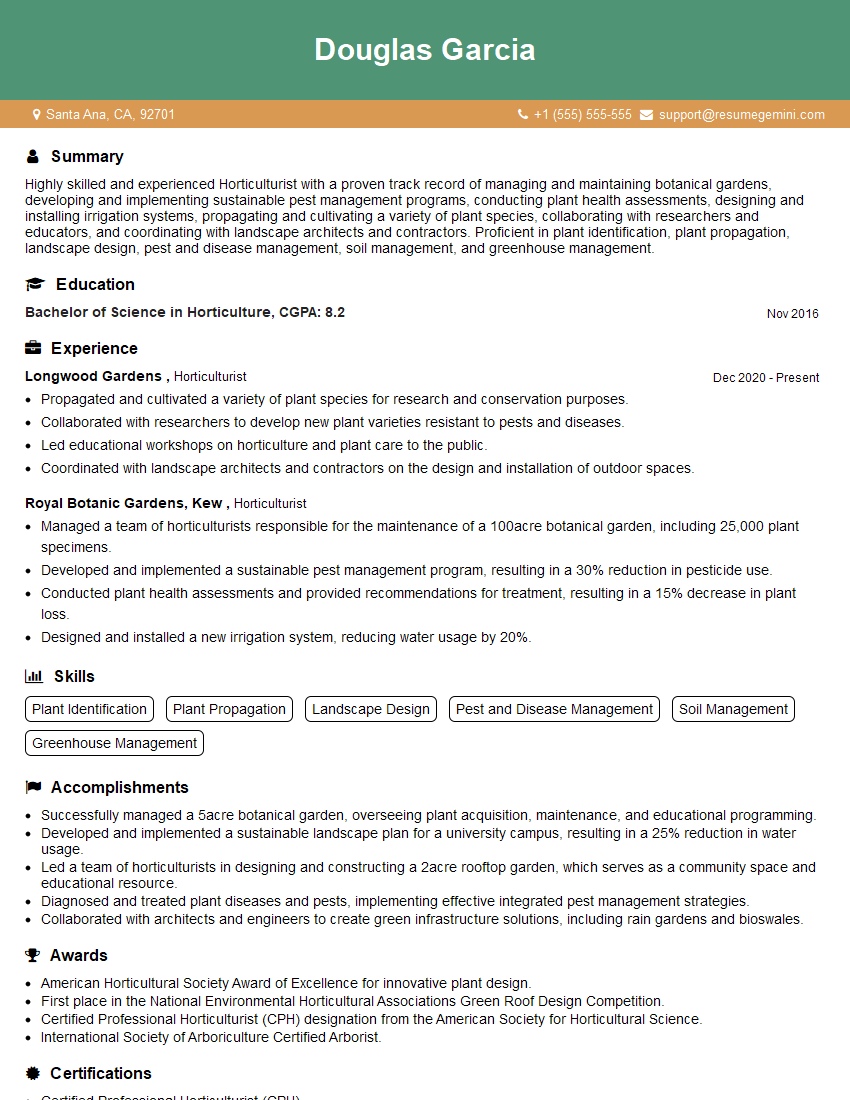
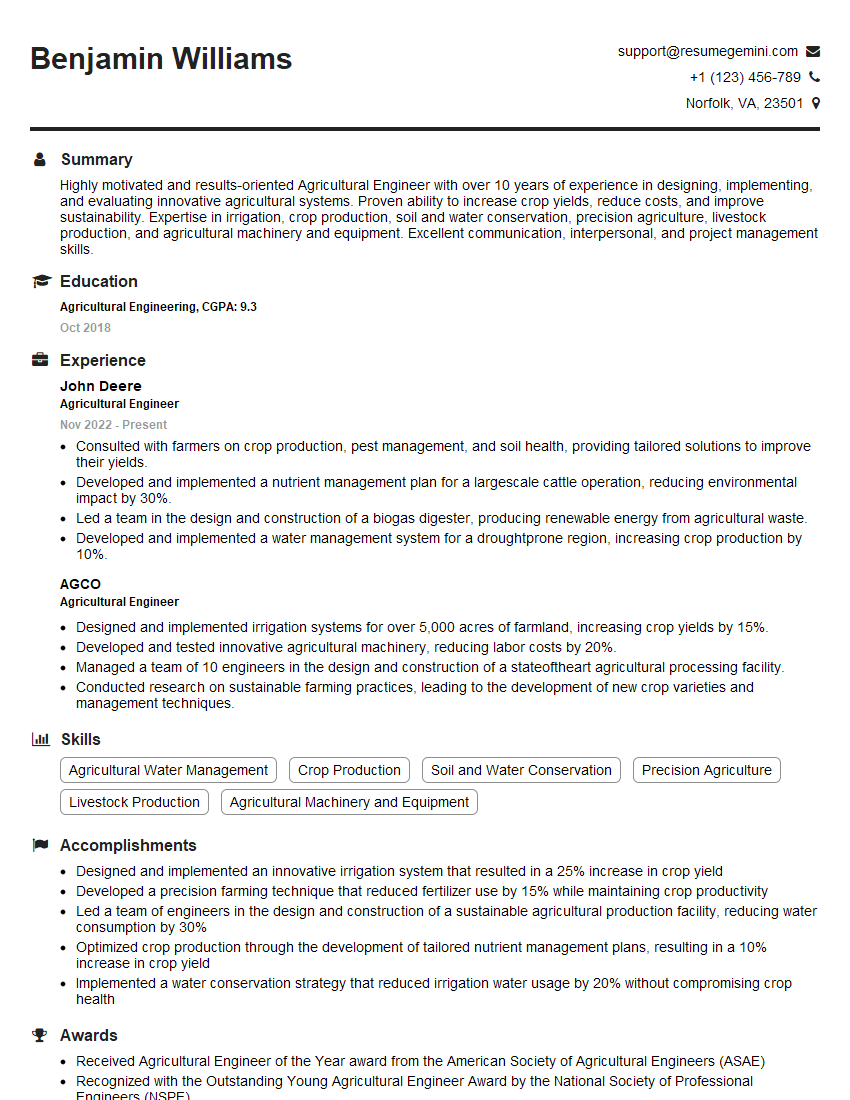
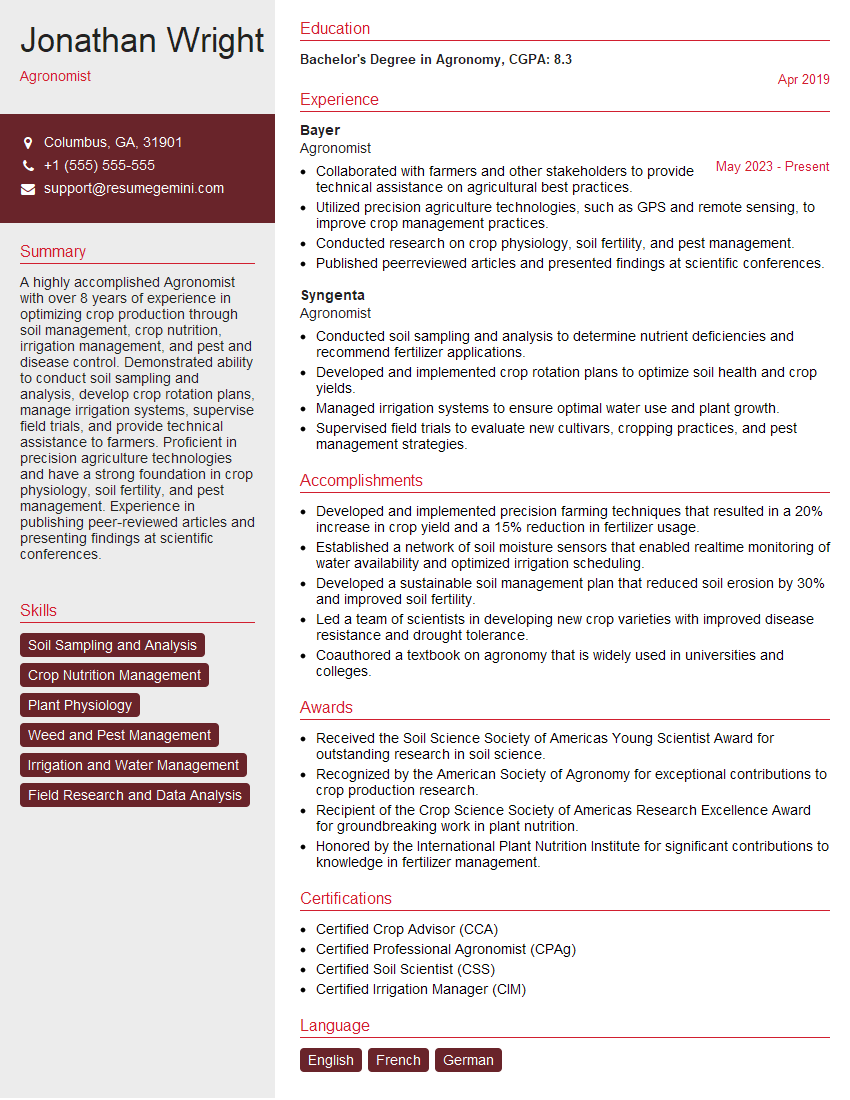
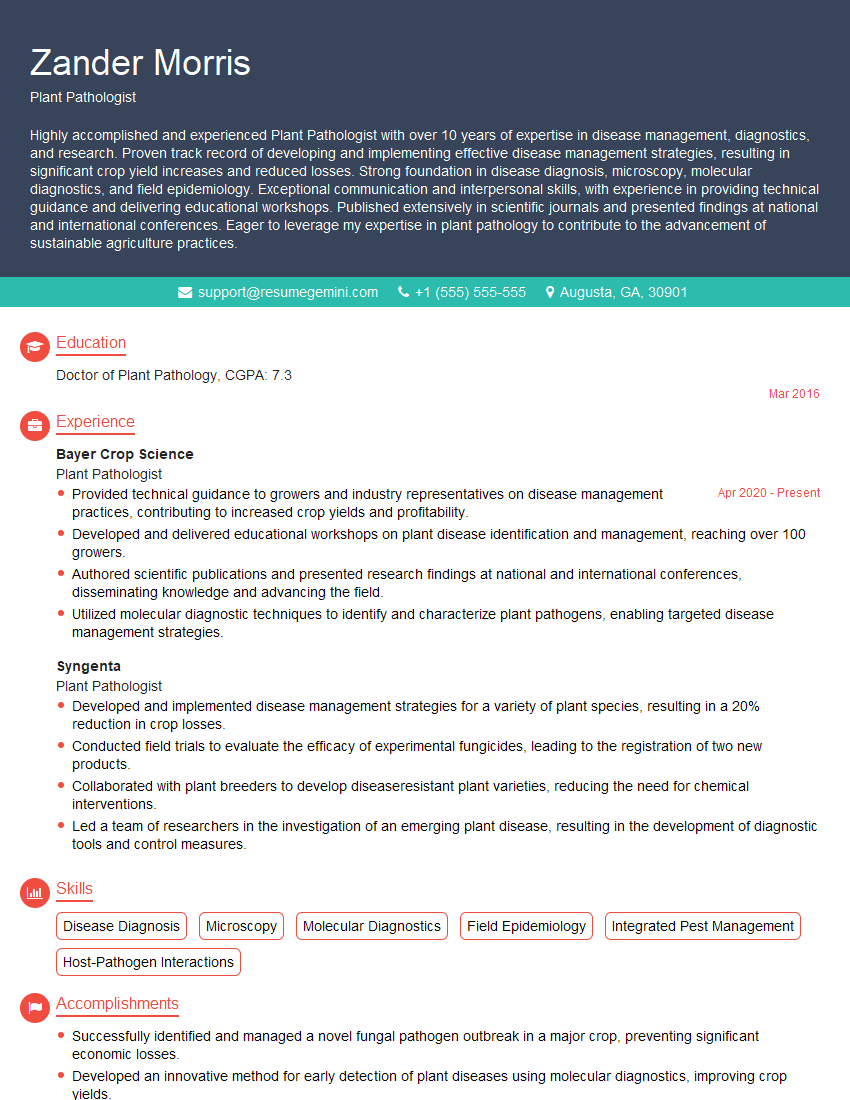
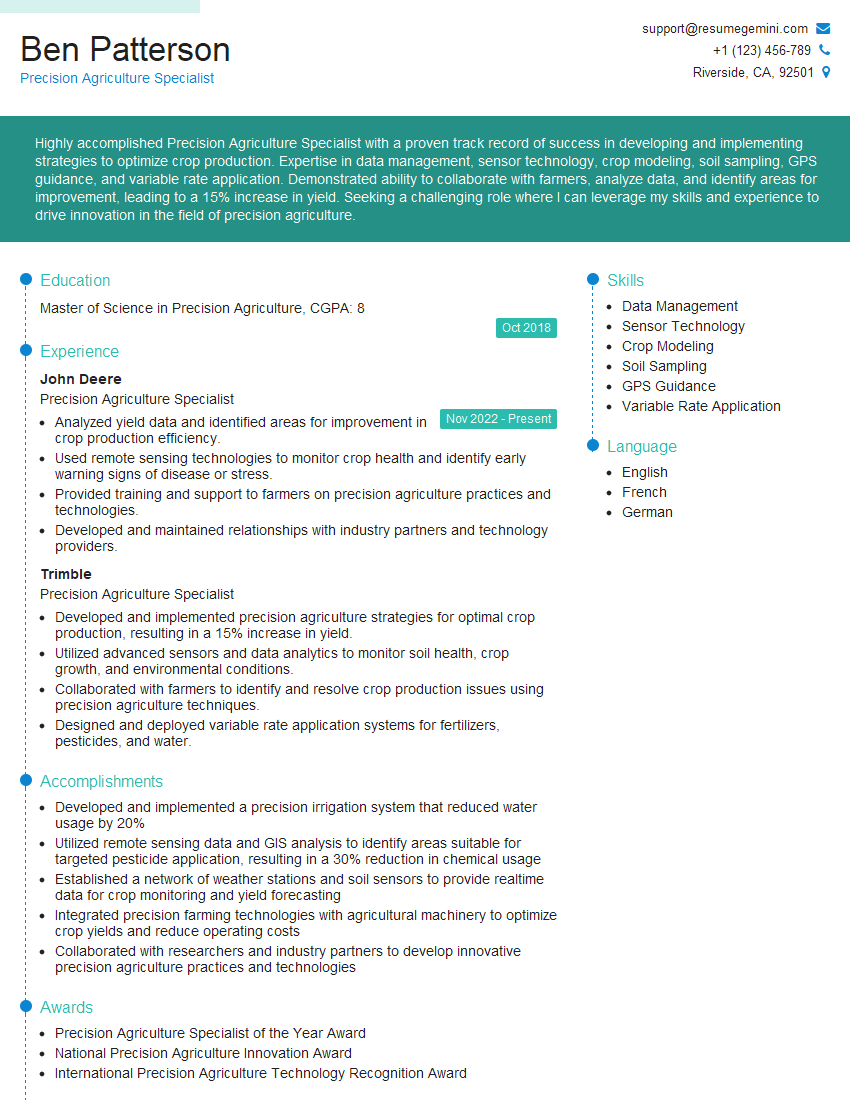
Mastering Crop Health Assessment is crucial for a successful career in agriculture, offering diverse opportunities in research, consulting, and production. A strong resume is your key to unlocking these opportunities. An ATS-friendly resume, optimized for applicant tracking systems, significantly improves your chances of getting your application noticed. To build a compelling and effective resume, we highly recommend using ResumeGemini. ResumeGemini provides a user-friendly platform and offers examples of resumes tailored specifically to Crop Health Assessment roles, helping you showcase your skills and experience effectively.

Explore more articles
Users Rating of Our Blogs
Share Your Experience
We value your feedback! Please rate our content and share your thoughts (optional).
What Readers Say About Our Blog
Very informative content, great job.
good