The thought of an interview can be nerve-wracking, but the right preparation can make all the difference. Explore this comprehensive guide to Crop Management Strategies interview questions and gain the confidence you need to showcase your abilities and secure the role.
Questions Asked in Crop Management Strategies Interview
Q 1. Explain the principles of integrated pest management (IPM).
Integrated Pest Management (IPM) is a sustainable approach to pest control that prioritizes minimizing pesticide use while maximizing crop protection. Instead of relying solely on chemical pesticides, IPM utilizes a multifaceted strategy combining various methods to keep pest populations below economically damaging levels.
- Monitoring and Identification: Regularly scouting fields to identify pests and assess their population levels is crucial. This allows for early intervention and prevents widespread infestation.
- Cultural Controls: These involve manipulating the growing environment to make it less hospitable to pests. Examples include crop rotation, adjusting planting dates, and using resistant varieties.
- Biological Controls: Introducing natural enemies of pests, like beneficial insects or nematodes, can effectively suppress pest populations. This method mimics natural ecosystem processes.
- Mechanical Controls: Physical methods such as trapping, hand-picking, or using barriers can effectively manage pests, especially in smaller-scale operations or for specific pest types.
- Chemical Controls: Pesticides are used as a last resort, only when other methods are insufficient and the economic threshold is exceeded. The goal is to minimize pesticide use and select the most targeted and least harmful options.
Example: Imagine an apple orchard facing an aphid infestation. An IPM approach might start with monitoring aphid numbers. If the numbers are low, cultural controls like pruning might suffice. If the infestation increases, introducing ladybugs (a natural predator) could be the next step. Only if the infestation remains severe would targeted pesticides be considered.
Q 2. Describe different soil testing methods and their interpretations.
Soil testing is essential for determining nutrient levels and other soil properties affecting crop growth. Several methods exist, each offering specific insights:
- Standard Soil Test: This widely used method analyzes soil pH, macronutrients (nitrogen, phosphorus, potassium), and sometimes micronutrients. A sample is taken, air-dried, and sent to a lab for analysis. Results guide fertilizer recommendations.
- Tissue Testing (Plant Analysis): This involves analyzing plant tissue (leaves) to assess nutrient uptake. It complements soil testing by indicating nutrient availability and potential deficiencies, even if soil tests show sufficient levels.
- Water Testing: Essential for irrigation management, water testing reveals salinity, nutrient content, and potential contaminants that can affect crop health. This is especially crucial in arid and semi-arid regions.
- Rapid Soil Tests (Field Tests): These provide immediate, albeit less precise, results. Kits using colorimetric indicators assess pH and some nutrients on-site, aiding in quick decision-making.
Interpreting Results: Soil test reports provide nutrient levels in parts per million (ppm) or pounds per acre (lbs/acre). These values are compared to optimal ranges for the specific crop. Deviations from the ideal range suggest nutrient deficiencies or excesses requiring corrective measures (e.g., fertilizer application or amendment).
Q 3. What are the key factors influencing crop yield?
Crop yield, the amount of produce harvested per unit area, is influenced by a complex interplay of factors:
- Genetic Potential: The inherent ability of the crop variety to produce yield under optimal conditions.
- Soil Conditions: Soil fertility, structure, water-holding capacity, and pH all affect root growth and nutrient uptake.
- Climate: Temperature, rainfall, sunlight, and frost events directly impact plant growth and development.
- Water Availability: Adequate and timely irrigation is crucial for optimal yield, especially in drier regions.
- Nutrient Availability: Sufficient supply of essential nutrients (macro and micronutrients) supports growth and yield.
- Pest and Disease Management: Effective pest and disease control minimizes losses and ensures healthy plants.
- Planting Density: Optimizing the number of plants per unit area maximizes yield without overcrowding.
- Crop Management Practices: Proper weed control, tillage, and harvesting techniques contribute to yield improvement.
Example: A low yield of corn might be caused by a combination of factors: poor soil fertility (low nitrogen), insufficient rainfall during a critical growth stage, and a pest infestation impacting pollination.
Q 4. How do you determine optimal planting density for a specific crop?
Determining optimal planting density involves balancing the need for sufficient plant population for high yield with the potential for overcrowding and competition for resources. Factors to consider include:
- Crop Type: Different crops have different space requirements. Compact crops like lettuce need denser planting than sprawling crops like pumpkins.
- Variety: Different varieties within a crop species can have varying growth habits, influencing optimal density.
- Soil Fertility: Richer soils can support higher planting densities.
- Climate: In cooler climates, lower densities might be preferred to ensure sufficient sunlight reach for each plant.
- Available Resources: Water, nutrients, and sunlight availability dictate the maximum sustainable density.
Methods for Determination: Research on specific crop varieties often provides recommended planting densities. Field trials comparing different densities can help determine the optimal range for specific conditions. Farmers often use their experience and adjust planting density based on previous years’ results and current conditions.
Example: For corn, planting density is usually expressed as plants per acre. Optimal density depends on hybrid type, soil fertility, and expected rainfall. A farmer might start with a recommended density and fine-tune it over several seasons based on their observations.
Q 5. Explain the importance of crop rotation in maintaining soil health.
Crop rotation, the practice of planting different crops in a sequence on the same land, plays a vital role in maintaining soil health. It contributes to:
- Improved Soil Structure: Different crops have different root systems. Rotating crops with diverse root structures improves soil aeration, drainage, and water infiltration.
- Nutrient Cycling: Different crops have varying nutrient requirements. Rotating crops helps prevent depletion of specific nutrients and improves overall soil fertility.
- Pest and Disease Management: Rotating crops breaks the life cycle of many pests and diseases, reducing their impact on subsequent crops. This reduces the need for chemical controls.
- Weed Control: Certain crops can suppress weed growth, and rotating crops can help control weed populations.
- Organic Matter Improvement: Legumes (e.g., beans, peas) fix atmospheric nitrogen, enriching the soil with organic matter. Including them in a rotation improves soil health.
Example: A common rotation might involve a legume (soybean) followed by a heavy feeder (corn) and then a light feeder (wheat). This sequence helps replenish nitrogen, uses the available nitrogen efficiently, and prepares the soil for the next cycle.
Q 6. Describe different irrigation methods and their suitability for various crops.
Irrigation methods vary in their efficiency, cost, and suitability for different crops and conditions:
- Flood Irrigation: Water is applied by flooding the entire field. It’s simple and inexpensive but inefficient, leading to waterlogging and runoff.
- Furrow Irrigation: Water flows in furrows between crop rows. It’s more efficient than flooding but still prone to runoff and uneven water distribution.
- Drip Irrigation: Water is delivered directly to plant roots through a network of tubes and emitters. It’s highly efficient, minimizes water waste, and improves water use efficiency.
- Sprinkler Irrigation: Water is sprayed over the field using sprinklers. It’s suitable for various crops but can be less efficient than drip irrigation, especially in windy conditions.
- Subsurface Drip Irrigation: Similar to drip but the delivery system is placed beneath the soil surface. Reduces evaporation losses and weed growth.
Suitability: Drip irrigation is ideal for high-value crops like fruits and vegetables that require precise water management. Flood or furrow irrigation might be suitable for less demanding crops like rice or certain grains in areas with ample water and flat topography. Sprinkler irrigation is often used for large fields of crops like alfalfa or wheat.
Q 7. How do you monitor and manage nutrient deficiencies in crops?
Monitoring and managing nutrient deficiencies involves a combination of techniques:
- Visual Symptoms: Observing plants for characteristic signs of deficiency (e.g., chlorosis, necrosis) is the first step. These symptoms can indicate specific nutrient limitations.
- Soil and Tissue Testing: Regular soil and plant tissue analysis provides quantitative data on nutrient levels, confirming visual observations and guiding corrective actions.
- Nutrient Application: Based on test results, apply appropriate fertilizers (organic or inorganic) to replenish deficient nutrients. Foliar application (spraying nutrients onto leaves) is rapid but less persistent than soil application.
- Soil Amendments: Improve soil structure and nutrient availability through the addition of organic matter (compost, manure), which enhances nutrient retention.
- Crop Rotation: Including nitrogen-fixing legumes in crop rotation helps improve soil nitrogen levels.
Example: If corn shows yellowing leaves (chlorosis) and soil tests reveal low nitrogen, the solution might involve applying nitrogen fertilizer, possibly through a combination of soil application and a foliar spray.
Q 8. Explain the role of cover crops in sustainable agriculture.
Cover crops are plants grown primarily for the benefit of the soil and the environment, rather than for direct harvest as a food or fiber crop. They play a crucial role in sustainable agriculture by improving soil health, increasing biodiversity, and reducing reliance on synthetic inputs.
- Improved Soil Health: Cover crops prevent soil erosion by holding the soil in place with their roots. They add organic matter to the soil when they decompose, which improves soil structure, water retention, and nutrient availability. For example, legumes like clover fix nitrogen from the atmosphere, reducing the need for nitrogen fertilizers.
- Increased Biodiversity: Diverse cover crop mixes support a wider range of beneficial insects and other organisms, contributing to a healthier ecosystem. This can lead to better pest and disease control, as a diverse ecosystem is generally more resilient to disturbances.
- Reduced Reliance on Synthetic Inputs: As mentioned above, nitrogen-fixing cover crops reduce the need for synthetic nitrogen fertilizers. Additionally, cover crops can suppress weeds, reducing the need for herbicides. They also improve soil water retention, decreasing the need for irrigation in some cases.
For instance, in a corn-soybean rotation, planting a rye cover crop over the winter months can significantly improve soil health and reduce erosion compared to leaving the land fallow.
Q 9. What are the common weed control strategies and their environmental impacts?
Weed control is crucial for maximizing crop yields and minimizing economic losses. Several strategies exist, each with its own environmental implications:
- Mechanical Control: This involves physically removing weeds through tillage, mowing, or hand weeding. While effective, intensive tillage can damage soil structure and increase erosion. Reduced tillage techniques are becoming more prevalent to mitigate these negative effects.
- Chemical Control (Herbicides): Herbicides offer effective weed control, but their overuse can harm beneficial insects, contaminate water sources, and lead to herbicide-resistant weed populations, creating a vicious cycle. Sustainable weed management aims to minimize herbicide application through other strategies.
- Biological Control: This approach uses natural enemies, such as insects or fungi, to control weeds. This is a more environmentally friendly option, but it can be more challenging to implement and may not always be effective.
- Cultural Control: This involves manipulating cultural practices to suppress weed growth. Examples include proper crop rotation, appropriate planting dates, and competitive cropping. These are generally the most environmentally friendly options.
The ideal approach is often an integrated weed management (IWM) strategy that combines multiple methods to reduce reliance on any single, potentially harmful technique. For example, a farmer might use cover crops to suppress weeds, followed by targeted herbicide application only where necessary, along with careful mechanical weeding.
Q 10. Describe the process of selecting appropriate crop varieties for a specific region.
Selecting appropriate crop varieties is crucial for maximizing yields and ensuring the crop’s suitability to a given region. The process involves considering several key factors:
- Climate: The crop’s temperature and rainfall requirements must align with the local climate. Choosing a variety adapted to the specific growing season length, average temperatures, and rainfall patterns is essential.
- Soil Type: Different crops have different soil requirements regarding pH, drainage, and nutrient content. Selecting a variety suited to the local soil type is vital for optimal growth.
- Pest and Disease Resistance: Choosing varieties resistant to common local pests and diseases can reduce the need for pesticides and improve yields. This is particularly important in areas with high pest pressure.
- Market Demand: The chosen variety should meet market demands regarding yield, quality attributes (e.g., size, color, flavor), and storage potential.
- Maturity: Selecting the appropriate maturity group will help ensure that the crop reaches maturity before frost in areas prone to early frosts.
For example, a farmer in a semi-arid region might select drought-tolerant wheat varieties, while a farmer in a region with a short growing season would prioritize early-maturing varieties. Access to seed catalogues and agricultural extension services are crucial resources for selecting appropriate varieties.
Q 11. How do you assess the risk of crop diseases and pests?
Assessing the risk of crop diseases and pests involves a multifaceted approach that considers various factors:
- Historical Data: Reviewing past disease and pest occurrences in the region provides a valuable baseline. This might involve consulting local agricultural extension services or government databases.
- Environmental Factors: Weather patterns (temperature, rainfall, humidity) significantly influence disease and pest development. Favorable conditions for disease or pest outbreaks can increase the risk.
- Crop Monitoring: Regular field scouting to visually inspect crops for signs of disease or pest damage is crucial. Early detection allows for timely intervention.
- Pest and Disease Forecasting Models: Many models predict the likelihood of outbreaks based on various factors. These models can help anticipate risks and guide preventive strategies.
- Soil Testing: Soil tests can identify nutrient deficiencies that might make crops more susceptible to diseases or pests.
A comprehensive risk assessment might involve a combination of these methods. For example, a farmer might use weather forecasts combined with historical data on a particular fungal disease to determine the risk of infection in a given year and implement preventative measures such as appropriate fungicide application or resistant varieties.
Q 12. What are your experiences with precision agriculture technologies?
I have extensive experience with precision agriculture technologies, including GPS-guided machinery, variable-rate technology, and remote sensing.
- GPS-guided machinery: Using GPS-guided tractors, planters, and sprayers allows for precise application of inputs, minimizing overlap and reducing waste. This leads to significant cost savings and environmental benefits.
- Variable-rate technology: This technology allows for adjusting the application rate of inputs (fertilizers, pesticides, seeds) based on real-time soil and crop conditions. This optimizes resource utilization and improves efficiency.
- Remote sensing: Techniques like satellite imagery and drones provide valuable data on crop health, stress, and nutrient deficiencies. This information allows for timely intervention and improved decision-making.
In one project, we used drone imagery to detect nitrogen deficiencies in a corn field. This allowed us to apply nitrogen fertilizer only to the areas where it was needed, resulting in significant cost savings and reduced environmental impact compared to uniform fertilizer application. Data analysis of the imagery showed a 15% reduction in nitrogen fertilizer use while maintaining similar yield levels.
Q 13. Explain the principles of sustainable water management in agriculture.
Sustainable water management in agriculture focuses on using water efficiently while minimizing environmental impacts. Key principles include:
- Water Use Efficiency: Implementing technologies and practices that maximize the amount of water used by the crop while minimizing losses through evaporation, runoff, and deep percolation. This includes drip irrigation, efficient sprinkler systems, and mulching to conserve soil moisture.
- Water Harvesting: Collecting rainwater for irrigation can significantly reduce reliance on groundwater or surface water sources, particularly in areas with limited water availability.
- Soil Moisture Monitoring: Regular monitoring of soil moisture levels helps to determine when irrigation is truly needed, avoiding unnecessary water application. This reduces waste and minimizes the environmental impacts associated with excessive irrigation.
- Drought-resistant Crops: Selecting drought-resistant crop varieties reduces the need for irrigation and increases resilience to water scarcity.
- Improved Irrigation Scheduling: Implementing precision irrigation based on real-time data optimizes water use and minimizes waste. This is often integrated with weather forecasting and soil moisture data.
For instance, implementing a drip irrigation system can significantly improve water use efficiency compared to flood irrigation, conserving water and reducing energy consumption.
Q 14. Describe your experience with data analysis in crop management.
Data analysis plays a vital role in modern crop management. I regularly use statistical software and programming languages like R and Python to analyze data from various sources.
- Yield Monitoring: Analyzing yield data from different parts of the field allows for identifying areas with high and low productivity, leading to improved management strategies in subsequent growing seasons. This often involves mapping yield data and identifying patterns.
- Remote Sensing Data Analysis: Analyzing data from satellite imagery and drone surveys allows for monitoring crop health, identifying stress, and guiding timely interventions.
- Weather Data Analysis: Analyzing historical and current weather data helps predict potential risks to crops and guide decision-making related to irrigation and pest control.
- Soil Data Analysis: Analyzing soil test results helps determine nutrient needs and guide fertilizer application strategies. This might involve using geostatistical techniques to map soil nutrient levels.
In a recent project, I used R to analyze yield data from a large farm. By applying geospatial analysis techniques, we identified specific areas within the fields that consistently yielded less than average. This analysis helped optimize planting strategies and fertilizer application for subsequent years, resulting in a marked improvement in overall yield.
#Example R code (simplified): library(sp) library(rgdal) # ... data loading and processing ... plot(yield_data) # Visualize yield map Q 15. How do you handle unexpected weather events affecting crop growth?
Handling unexpected weather events requires a multi-pronged approach combining proactive planning with reactive adjustments. Think of it like being prepared for a hurricane – you board up your windows (proactive) and then, if the power goes out, you use your backup generator (reactive).
Proactive Measures: This includes selecting weather-resilient crop varieties, implementing diversified cropping systems (different crops mature at different times and have varied water needs), and utilizing weather forecasting tools to anticipate potential threats. For example, choosing drought-resistant maize varieties in arid regions minimizes losses during periods of low rainfall.
Reactive Measures: Once an event occurs, immediate action is crucial. This might involve implementing emergency irrigation, using protective covers to shield crops from hail or frost, or applying fungicides to combat diseases that thrive in wet conditions. For instance, if a sudden frost threatens a delicate fruit crop, we’d use wind machines or overhead sprinklers to create a protective microclimate.
Post-Event Assessment: Following the event, a thorough assessment of crop damage is vital to inform decisions about replanting, insurance claims, or adjusting harvest plans. Data gathered from this assessment informs future proactive strategies.
Career Expert Tips:
- Ace those interviews! Prepare effectively by reviewing the Top 50 Most Common Interview Questions on ResumeGemini.
- Navigate your job search with confidence! Explore a wide range of Career Tips on ResumeGemini. Learn about common challenges and recommendations to overcome them.
- Craft the perfect resume! Master the Art of Resume Writing with ResumeGemini’s guide. Showcase your unique qualifications and achievements effectively.
- Don’t miss out on holiday savings! Build your dream resume with ResumeGemini’s ATS optimized templates.
Q 16. What are the economic factors impacting crop production decisions?
Economic factors are the bedrock of any crop production decision. They’re the financial scaffolding upon which the entire operation is built. Think of it as a three-legged stool – if one leg is weak, the whole thing collapses.
- Input Costs: Seeds, fertilizers, pesticides, fuel, labor – all these contribute significantly to the final cost. A sudden spike in fertilizer prices, for example, might force a farmer to reduce the planting area or switch to less intensive methods.
- Market Prices: The price farmers receive for their produce dictates profitability. Fluctuations in global markets, consumer demand, and trade policies can drastically impact income. A sudden drop in the price of wheat, for example, could lead to significant financial losses for a wheat farmer.
- Government Policies: Subsidies, tariffs, and regulations directly influence the economic viability of farming. Government support programs can help cushion against losses but changes in these policies can lead to uncertainty and impact investment decisions.
- Land Values and Access to Credit: Owning land is a major investment, and the cost of land affects the initial outlay for farming. Access to credit is also vital for farmers to finance their operations, and interest rates will influence these decisions.
Smart decision-making involves careful analysis of all these factors to optimize profitability and mitigate risk. This often involves using predictive modeling and forecasting tools to anticipate market trends and price fluctuations.
Q 17. How do you ensure food safety and quality throughout the crop production cycle?
Ensuring food safety and quality is paramount throughout the entire crop production cycle. It’s not just about having a good harvest; it’s about producing food that is safe and healthy for consumption. Think of it as a chain – if one link is weak, the entire chain breaks.
- Good Agricultural Practices (GAPs): Implementing GAPs, including soil testing, integrated pest management (IPM), and proper irrigation management, minimizes contamination risks from the start.
- Pest and Disease Management: Effective pest and disease control measures, using appropriate and safe pesticides and fungicides, prevent yield loss and contamination. This includes following label instructions carefully and implementing integrated pest management (IPM) strategies to minimize pesticide use.
- Harvesting and Post-Harvest Handling: Careful harvesting and handling techniques prevent contamination and spoilage. This involves minimizing physical damage to produce, using appropriate storage facilities, and maintaining proper hygiene throughout the process.
- Traceability and Record Keeping: Maintaining detailed records of every step, from planting to processing, allows for quick identification of the source of any contamination issues. Traceability allows for swift recall of affected products if necessary.
- Compliance with Regulations: Strict adherence to all relevant food safety regulations and standards is essential. This varies by country and region but usually includes proper labeling and compliance with food safety audits.
Investing in quality control measures throughout the process helps protect consumer health and build trust in the brand.
Q 18. Explain the importance of record-keeping in crop management.
Record-keeping in crop management is akin to a farmer’s diary, a detailed chronicle of every aspect of the growing season. It’s essential for informed decision-making, improving efficiency, and tracking progress over time. Think of it like a doctor keeping track of a patient’s medical history – it’s vital for providing the best care.
- Yield Monitoring: Tracking planting dates, fertilization schedules, irrigation amounts, and yields helps farmers understand which practices are most effective.
- Pest and Disease Tracking: Recording the incidence of pests and diseases, along with the control measures used, allows for better prediction and prevention in the future.
- Input Costs: Keeping a detailed record of all expenses, from seeds to labor, allows for accurate cost analysis and better budgeting.
- Soil Health Data: Regular soil testing and recording the results helps farmers understand the nutrient status of their soil and tailor fertilization accordingly. This is crucial for long-term soil health.
- Weather Data: Tracking rainfall, temperature, and other weather conditions helps in understanding the impact of weather on crop growth and informing decisions on irrigation and other management practices.
This data can be used for various purposes, including optimizing production, securing loans, or complying with regulatory requirements.
Q 19. Describe your experience with different harvesting techniques.
My experience encompasses a wide range of harvesting techniques, chosen based on the crop type, scale of operation, and available resources. Think of it as having a toolbox filled with different tools for different jobs.
- Manual Harvesting: This is labor-intensive, suited for small-scale operations or crops requiring careful handling, like delicate fruits. Examples include hand-picking strawberries or harvesting grapes.
- Mechanical Harvesting: This involves using machinery like combines, harvesters, and pickers for large-scale operations. This is cost-effective for crops like grains, corn, and soybeans. Combines, for example, simultaneously harvest, thresh, and clean grain.
- Automated Harvesting: Emerging technologies, including robotics and AI, are automating aspects of harvesting, improving efficiency and reducing labor costs. This is especially beneficial for crops requiring precision harvesting or for applications where labor is scarce.
The choice of technique influences not only efficiency but also the quality and post-harvest handling requirements of the harvested crop. For instance, mechanical harvesting might cause damage to delicate fruits, requiring more careful post-harvest handling.
Q 20. How do you manage post-harvest losses?
Post-harvest losses represent a significant economic challenge. They’re like leaks in a bucket – you can have a great harvest, but if you lose it all after, it’s devastating. Effective management requires a comprehensive strategy focusing on minimizing losses at each stage.
- Proper Harvesting Techniques: Careful harvesting minimizes damage and reduces spoilage. This might involve harvesting at the optimal maturity stage and using appropriate equipment.
- Efficient Handling and Transportation: Reducing handling time and ensuring gentle transportation prevent physical damage and bruising. This includes using appropriate containers and transport vehicles.
- Appropriate Storage: Using proper storage facilities and techniques, such as controlled-atmosphere storage or refrigeration, significantly reduces spoilage. This requires considering temperature, humidity, and other factors relevant to the specific crop.
- Processing and Value Addition: Processing harvested crops into value-added products like jams, juices, or dried goods can extend shelf life and prevent losses.
- Early Market Access: Quick transportation and sale to markets reduces the time produce spends in storage, minimizing the risk of spoilage.
Investing in infrastructure, technology, and training helps farmers improve post-harvest handling and minimize losses, leading to increased profitability.
Q 21. What are your strategies for improving soil fertility?
Improving soil fertility is crucial for sustainable crop production. Think of it as nourishing the foundation of your crops – healthy soil equals healthy plants. A multi-faceted approach is essential:
- Soil Testing: Regular soil testing reveals nutrient deficiencies and guides appropriate fertilization strategies. Knowing what your soil lacks is the first step to providing it.
- Crop Rotation: Rotating different crops helps to maintain soil health by preventing nutrient depletion and reducing pest and disease pressure. This is like giving your soil a diverse diet.
- Cover Cropping: Planting cover crops between main crops improves soil structure, suppresses weeds, and adds organic matter, enhancing soil fertility. Cover crops act as a natural fertilizer.
- Organic Amendments: Incorporating organic materials like compost and manure improves soil structure, water retention, and nutrient availability. This is like adding vitamins to your soil.
- Integrated Pest Management (IPM): IPM practices, which emphasize prevention and minimize pesticide use, protect beneficial soil organisms that contribute to soil health.
- No-Till Farming: Reducing or eliminating tillage minimizes soil disturbance, preserving soil structure and organic matter. This is like minimizing soil disruption to its natural habitat.
Sustainable soil management practices ensure long-term soil fertility and improve crop yields, contributing to a more resilient and productive agricultural system.
Q 22. How do you assess the financial viability of a crop production plan?
Assessing the financial viability of a crop production plan requires a thorough understanding of both input costs and potential revenue. It’s essentially a cost-benefit analysis tailored to agriculture.
- Estimating Input Costs: This includes seeds, fertilizers, pesticides, labor, machinery, irrigation, land rent or ownership costs, and transportation. A detailed breakdown is crucial. For example, calculating fertilizer costs requires knowing the required amount per acre, the price per unit, and application methods.
- Predicting Revenue: This depends on anticipated yield, market prices, and potential losses due to pests, diseases, or weather. We use historical data, market forecasts, and potentially crop modeling to predict yields and prices. For instance, if we anticipate a high yield of corn but the market price is low, the overall profitability might be impacted.
- Calculating Profitability Metrics: Key metrics include net profit (revenue minus total costs), gross margin (revenue minus direct costs), and return on investment (ROI). A detailed budget helps visualize these metrics. We might use spreadsheets or specialized farm management software to perform these calculations. For example, a positive net profit indicates profitability, while ROI helps assess the efficiency of the investment.
- Risk Assessment: Unforeseen circumstances such as extreme weather, price fluctuations, or disease outbreaks are factored into a sensitivity analysis. This identifies potential risks and helps develop contingency plans. For instance, we might explore crop insurance to mitigate the risk of yield loss due to drought.
By carefully considering all these factors, a comprehensive assessment allows informed decision-making. A well-structured financial plan is critical for securing funding and managing farm operations successfully.
Q 23. Describe your experience with using GIS and remote sensing in agriculture.
I have extensive experience integrating Geographic Information Systems (GIS) and remote sensing technologies into precision agriculture practices. GIS allows for the spatial analysis of farm data, creating detailed maps of soil properties, topography, and crop yields. Remote sensing, utilizing satellite or drone imagery, provides valuable information about crop health, stress levels, and growth patterns.
For instance, I’ve used GIS to create variable rate fertilizer application maps. By analyzing soil nutrient levels from soil samples and combining this with elevation data, we can precisely target fertilizer application, minimizing waste and maximizing efficiency. This translates to significant cost savings and environmental benefits.
Remote sensing through multispectral imagery allows for early detection of crop stress caused by factors such as water deficit or nutrient deficiencies. By analyzing Normalized Difference Vegetation Index (NDVI) values, we can identify areas requiring immediate attention. This early intervention through targeted irrigation or fertilization, prevents significant yield losses. We can even use drone imagery for more precise monitoring and analysis, providing a much finer resolution than satellite data.
I’m proficient in software such as ArcGIS and QGIS, alongside various remote sensing data processing tools. This combination allows for accurate spatial analysis and decision-making to optimize crop management strategies.
Q 24. What are your experience with crop modeling and forecasting?
Crop modeling and forecasting play a crucial role in optimizing resource allocation and maximizing yields. Crop models use mathematical equations to simulate plant growth and development, considering various environmental factors such as temperature, rainfall, and nutrient availability. Forecasting combines model outputs with historical data and current weather patterns to predict future yields and crop conditions.
I’ve worked extensively with models like DSSAT (Decision Support System for Agrotechnology Transfer), which allows us to simulate the impact of different management practices (e.g., planting density, irrigation schedules) on crop yields under various environmental conditions. For example, we can use DSSAT to compare the projected yield of a specific cultivar under different irrigation scenarios and choose the strategy that balances yield with water conservation.
Forecasting, through integrating model outputs with real-time weather data, allows for proactive management. If a model predicts a heat stress event, we can anticipate the need for irrigation or adjust other management practices to mitigate potential yield reductions. The accuracy of these forecasts depends on the quality of input data and the model’s ability to capture the complexities of plant-environment interactions. Regularly refining models with field data improves their predictive power.
This data-driven approach enhances the efficiency of resource utilization and assists in making informed decisions, optimizing yields and minimizing the impact of environmental stressors.
Q 25. Explain different methods for evaluating crop health and stress.
Evaluating crop health and stress involves a multi-faceted approach combining visual observation, physiological measurements, and technological tools. Early detection is crucial for timely intervention.
- Visual Observation: This involves regularly inspecting crops for signs of stress such as discoloration, wilting, stunted growth, or pest and disease infestations. Experienced eyes can identify subtle changes indicating early stress.
- Physiological Measurements: Techniques like measuring leaf water potential, stomatal conductance, and chlorophyll content provide quantitative data on plant water status and photosynthetic efficiency. These measurements are typically done using specialized sensors or portable equipment.
- Remote Sensing: As mentioned previously, analyzing NDVI values from satellite or drone imagery allows for large-scale assessment of crop health. Other vegetation indices, such as the normalized difference red edge index (NDRE), provide additional information about plant stress and nutrient levels.
- Soil Testing: Regular soil analysis helps identify nutrient deficiencies, salinity issues, or other soil-related problems impacting crop health. This provides crucial information for targeted fertilization and soil amendment strategies.
Combining these methods provides a comprehensive picture of crop health. For instance, observing wilting leaves might be complemented by measuring leaf water potential to quantify the severity of water stress, guiding appropriate irrigation decisions. Early identification of stress allows for targeted interventions, improving yield and reducing losses.
Q 26. How do you communicate effectively with farmers and other stakeholders?
Effective communication with farmers and stakeholders is paramount for successful crop management. It requires a combination of clear, concise language, active listening, and adapting communication styles to suit different audiences.
- Active Listening: Understanding farmers’ concerns, experiences, and perspectives is critical. This creates trust and encourages collaboration.
- Clear and Concise Communication: Using simple language, avoiding technical jargon, and providing visual aids such as maps and charts can improve understanding. Demonstrations in the field can be especially effective.
- Tailored Approach: Recognizing different levels of agricultural expertise and adapting communication accordingly ensures effective information transfer. For example, technical details might be simplified for less experienced farmers.
- Demonstrations and Field Trials: Showing rather than just telling enhances understanding and builds trust. Small-scale trials demonstrating the efficacy of new techniques or technologies can be highly persuasive.
- Regular Feedback and Follow-up: Maintaining consistent communication and seeking feedback ensures the effectiveness of the communication strategies and allows for needed adjustments.
Building strong relationships based on mutual trust and respect is crucial for long-term success. Open communication and consistent feedback foster collaboration and help ensure that management strategies are well-received and implemented effectively.
Q 27. Describe a time you had to solve a complex problem in crop management.
One challenging situation involved a significant outbreak of late blight in a potato crop. Early symptoms were initially misdiagnosed, leading to a delay in treatment. The rapid spread of the disease threatened a substantial yield loss.
To address the problem, I first implemented a rapid diagnostic process using both visual inspection and laboratory analysis to confirm the disease. This involved deploying drones to perform a large-scale survey, identifying and isolating affected areas, and collecting samples for lab confirmation.
Next, I collaborated with agricultural extension agents and researchers to develop an effective control strategy, implementing a combination of chemical treatments and cultural practices. This included targeted application of fungicides, adjusting irrigation practices to minimize humidity (a factor favoring blight development), and proper disposal of infected plants to prevent further spread.
Regular monitoring of the field using a combination of visual inspection and drone-based imagery was conducted to assess treatment efficacy. This allowed for quick adjustments to the management strategy, preventing further disease spread and minimizing yield losses.
Through proactive measures, effective communication, and a data-driven approach, we successfully mitigated the blight outbreak, reducing the yield loss significantly compared to what might have been otherwise expected.
Q 28. What are your career goals in the field of crop management?
My career goals are focused on advancing sustainable and resilient crop production systems. This involves integrating innovative technologies and best practices to enhance efficiency, minimize environmental impact, and improve food security.
Specifically, I aim to contribute to the development and implementation of climate-smart agriculture strategies. This includes researching and applying techniques to improve drought tolerance, optimize water use, and reduce reliance on synthetic inputs. Integrating precision agriculture technologies, such as remote sensing and variable rate application, is essential in achieving these goals.
I also aspire to play a leading role in knowledge sharing and capacity building within the agricultural community. This includes mentoring young professionals, providing training to farmers, and contributing to policy discussions related to sustainable agriculture. My ultimate goal is to help build a more resilient and sustainable food system that benefits both farmers and the environment.
Key Topics to Learn for Crop Management Strategies Interview
- Soil Health and Fertility Management: Understanding soil testing, nutrient management strategies (organic and conventional), and the impact of soil health on crop yield and quality. Practical application: Designing a fertilization plan based on soil analysis data.
- Pest and Disease Management: Integrated Pest Management (IPM) strategies, understanding pest life cycles, disease diagnostics, and the responsible use of pesticides. Practical application: Developing a pest and disease management plan for a specific crop.
- Weed Management: Understanding weed biology, herbicide application techniques, and the importance of weed control in maximizing crop yields. Practical application: Selecting appropriate herbicides based on weed species and crop sensitivity.
- Irrigation and Water Management: Efficient irrigation techniques (drip, sprinkler, etc.), water budgeting, and the impact of water stress on crop growth. Practical application: Designing an irrigation schedule for a specific crop and climate.
- Crop Physiology and Growth Stages: Understanding the physiological processes of crop growth, the impact of environmental factors, and the critical growth stages for yield optimization. Practical application: Identifying and addressing growth limitations based on plant observation and environmental conditions.
- Harvesting and Post-Harvest Management: Optimal harvesting techniques, post-harvest handling, storage, and preservation of crop quality. Practical application: Developing a post-harvest plan to minimize losses and maintain product quality.
- Precision Agriculture Technologies: Understanding and applying technologies such as GPS, GIS, remote sensing, and data analytics for improved crop management decisions. Practical application: Analyzing yield maps to identify areas requiring improved management practices.
- Sustainable Crop Management Practices: Understanding and implementing environmentally friendly practices that minimize the impact on the ecosystem. Practical application: Designing a sustainable cropping system that minimizes pesticide and fertilizer use.
Next Steps
Mastering Crop Management Strategies is crucial for career advancement in the agricultural sector, opening doors to diverse and impactful roles. A strong resume is your key to unlocking these opportunities. Crafting an ATS-friendly resume is essential to ensure your application gets noticed. ResumeGemini can significantly assist in building a professional and effective resume that highlights your skills and experience in Crop Management Strategies. Examples of resumes tailored to this field are available to help you build a compelling application.
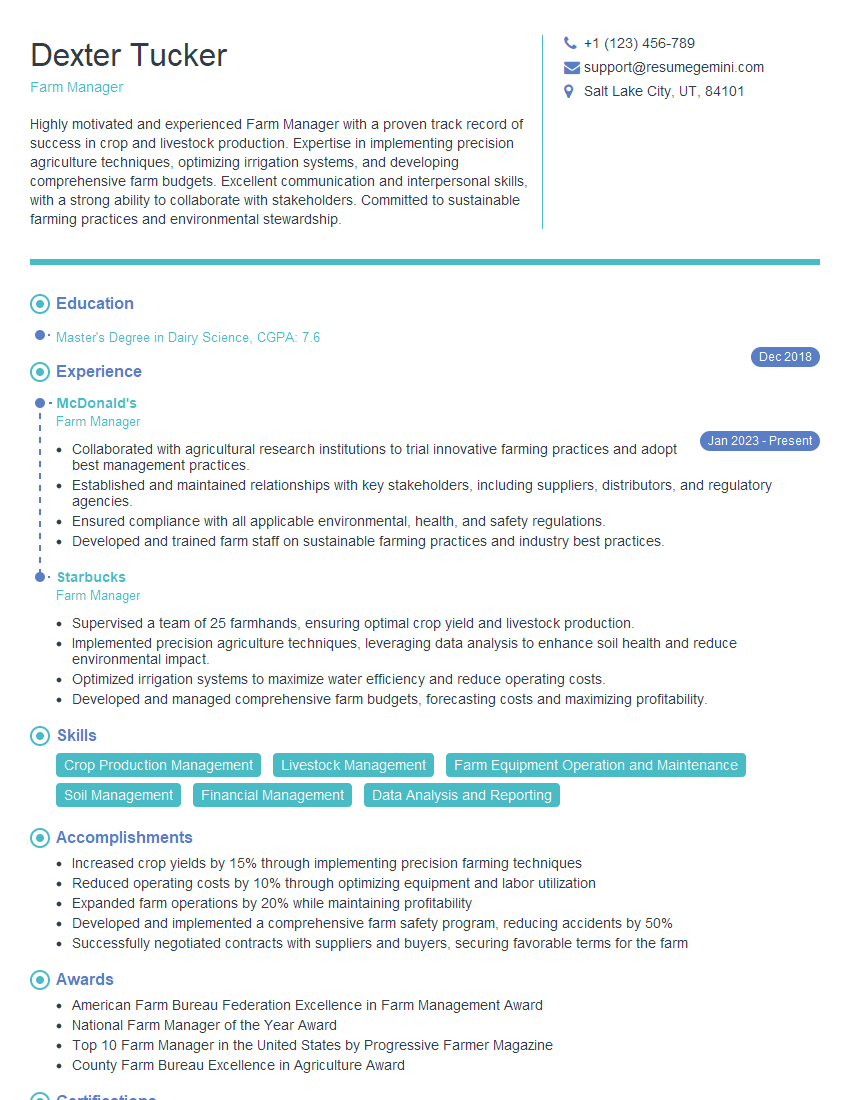
Farm Manager Resume Sample
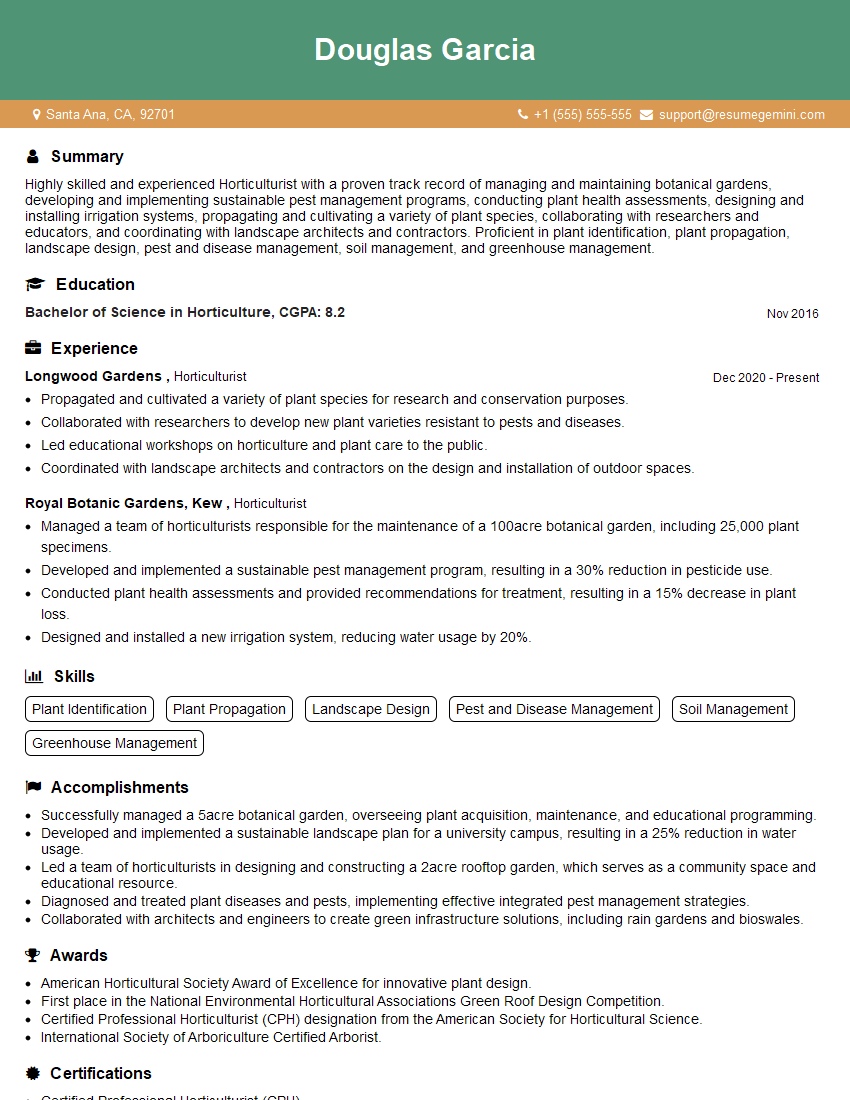
Horticulturist Resume Sample
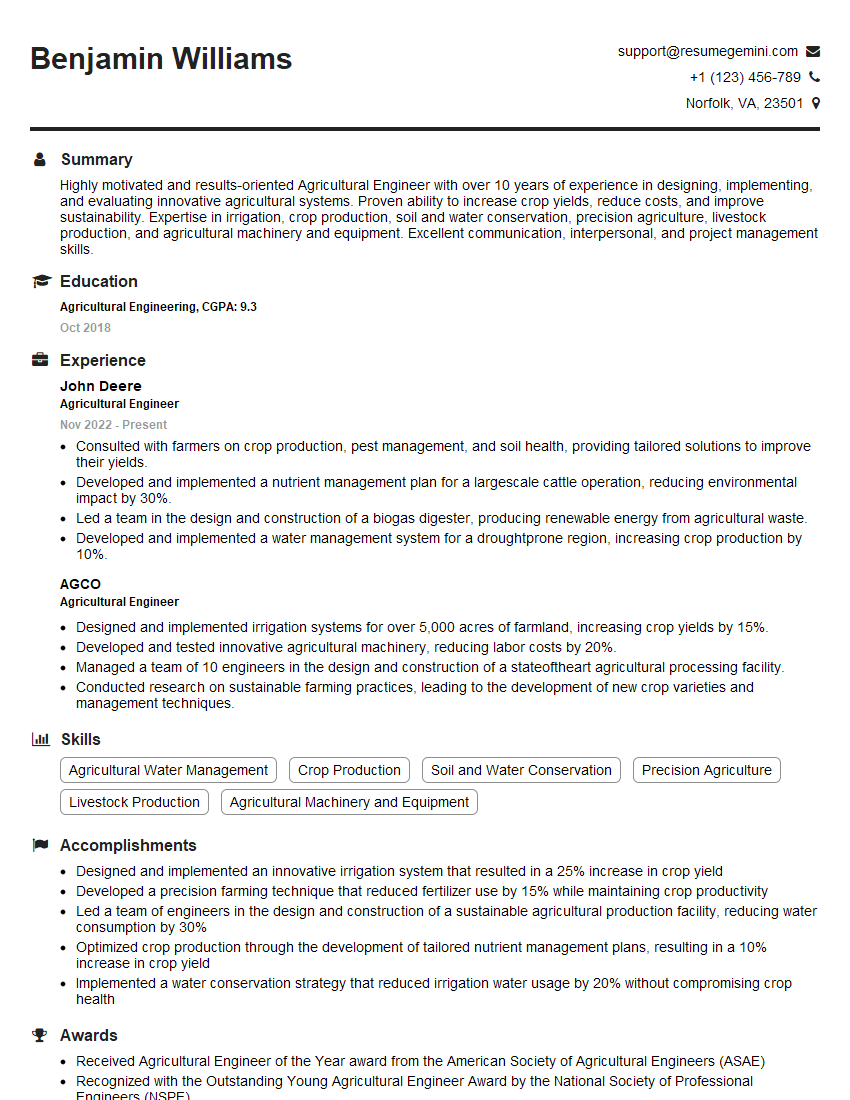
Agricultural Engineer Resume Sample
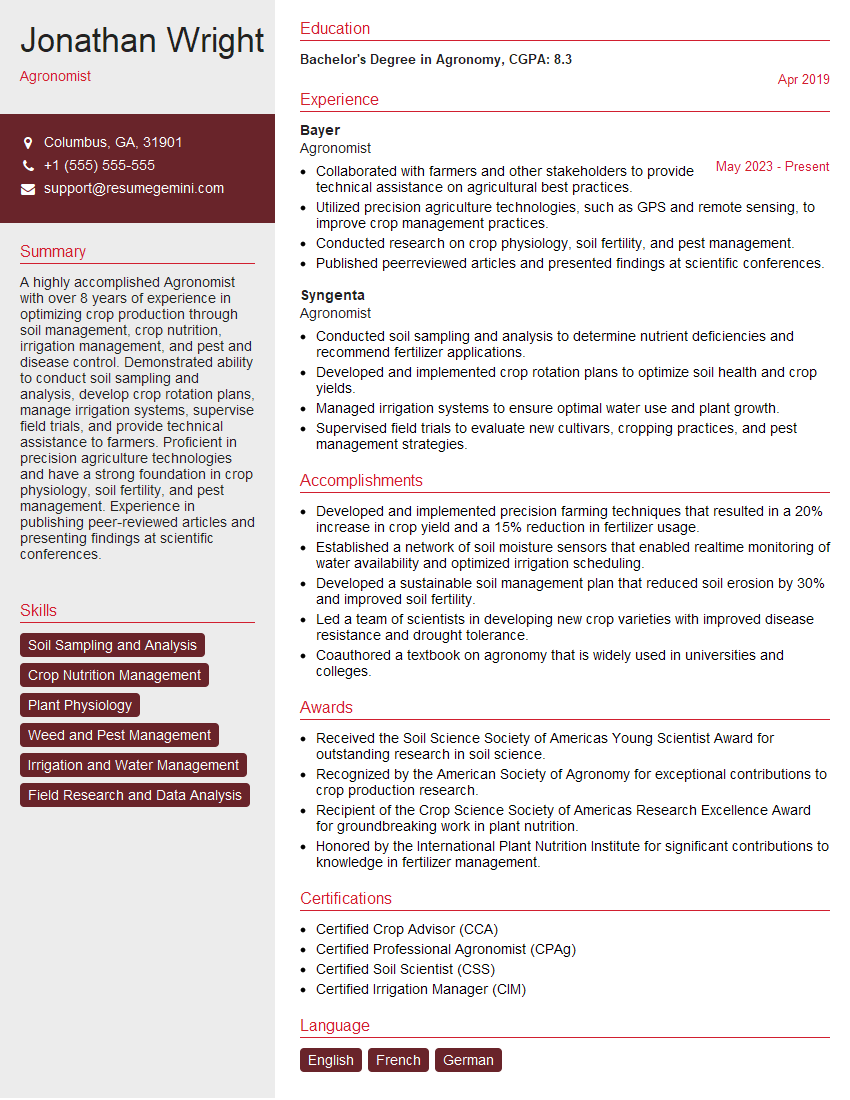
Agronomist Resume Sample
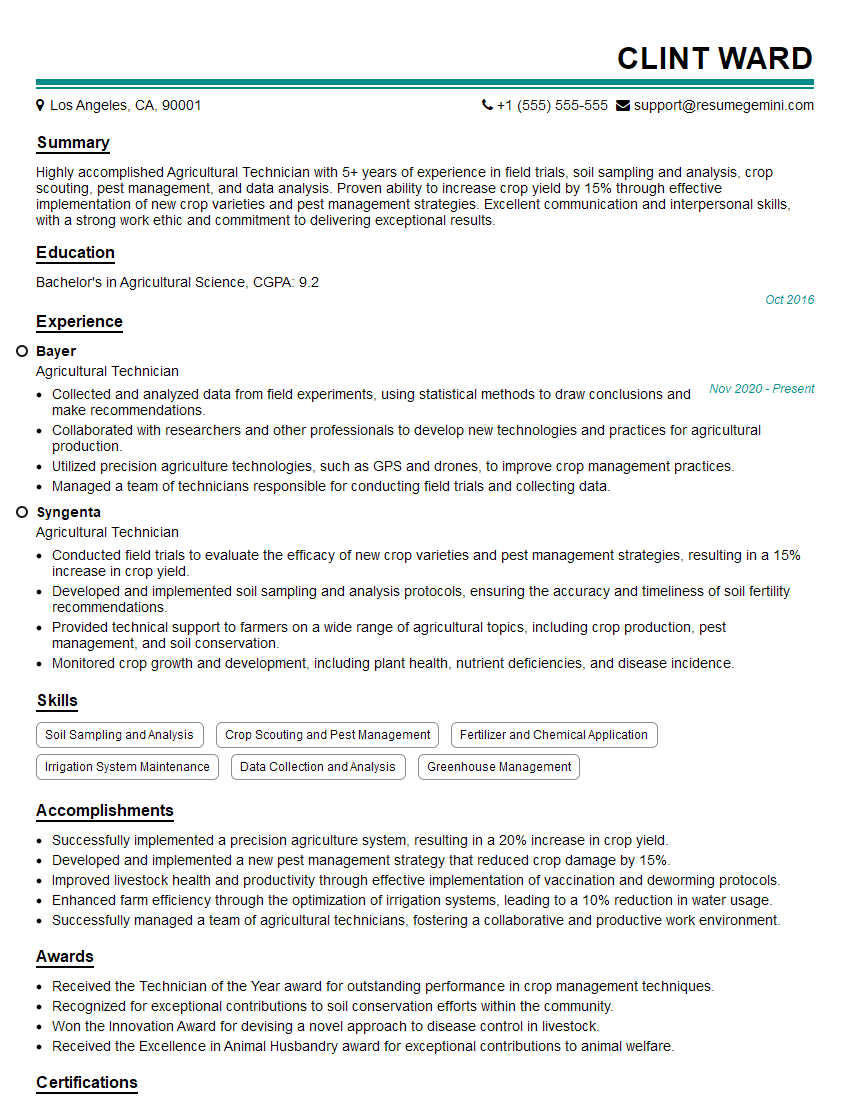
Agricultural Technician Resume Sample
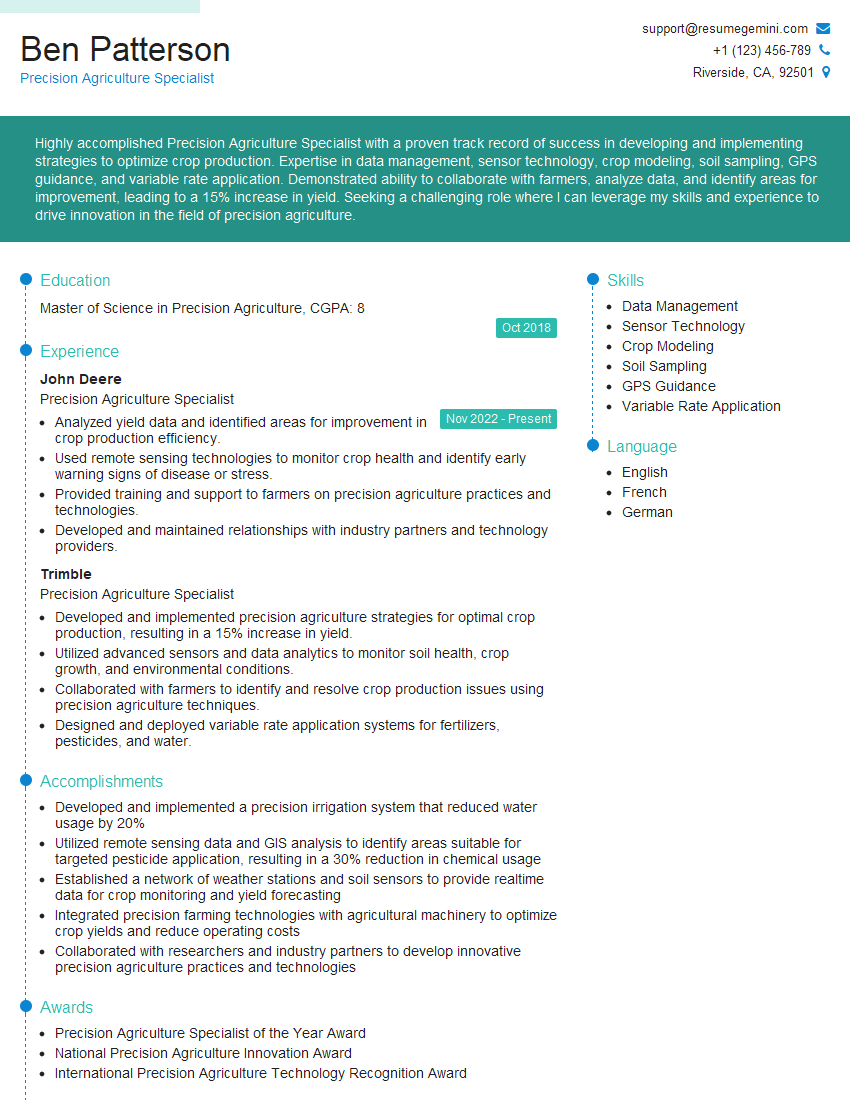
Precision Agriculture Specialist Resume Sample
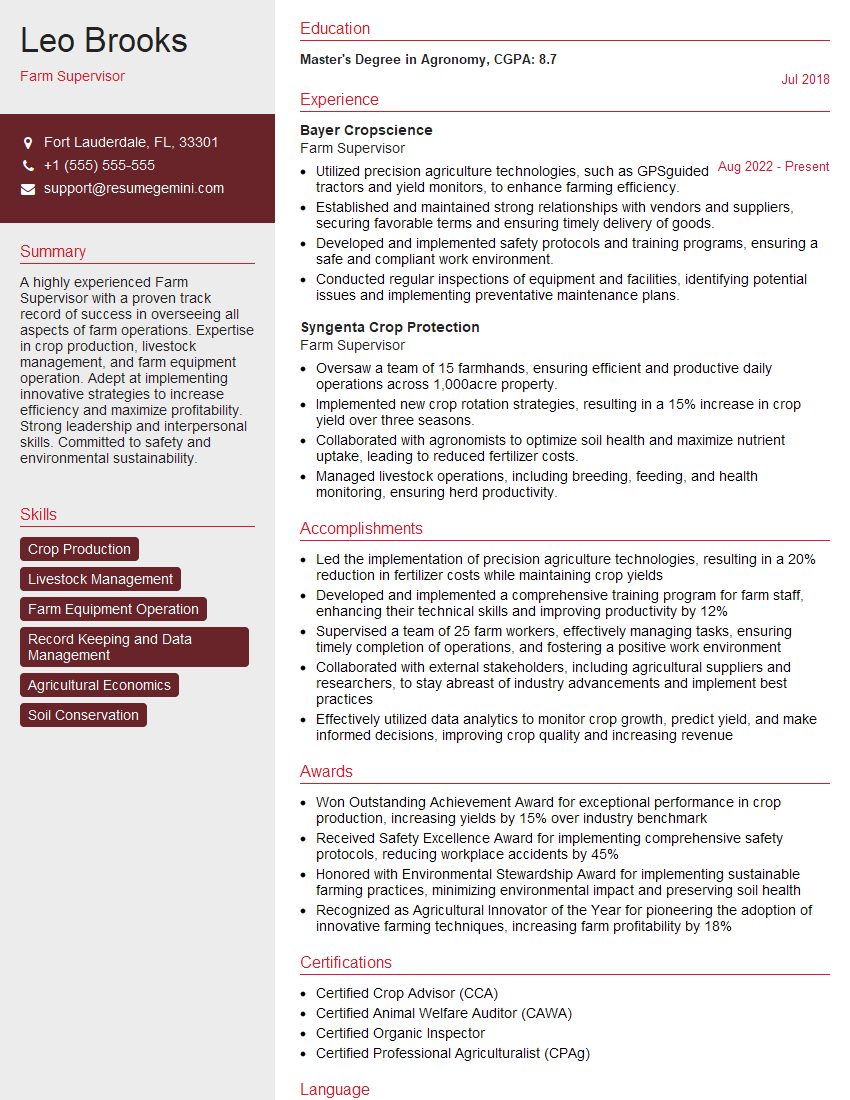
Farm Supervisor Resume Sample
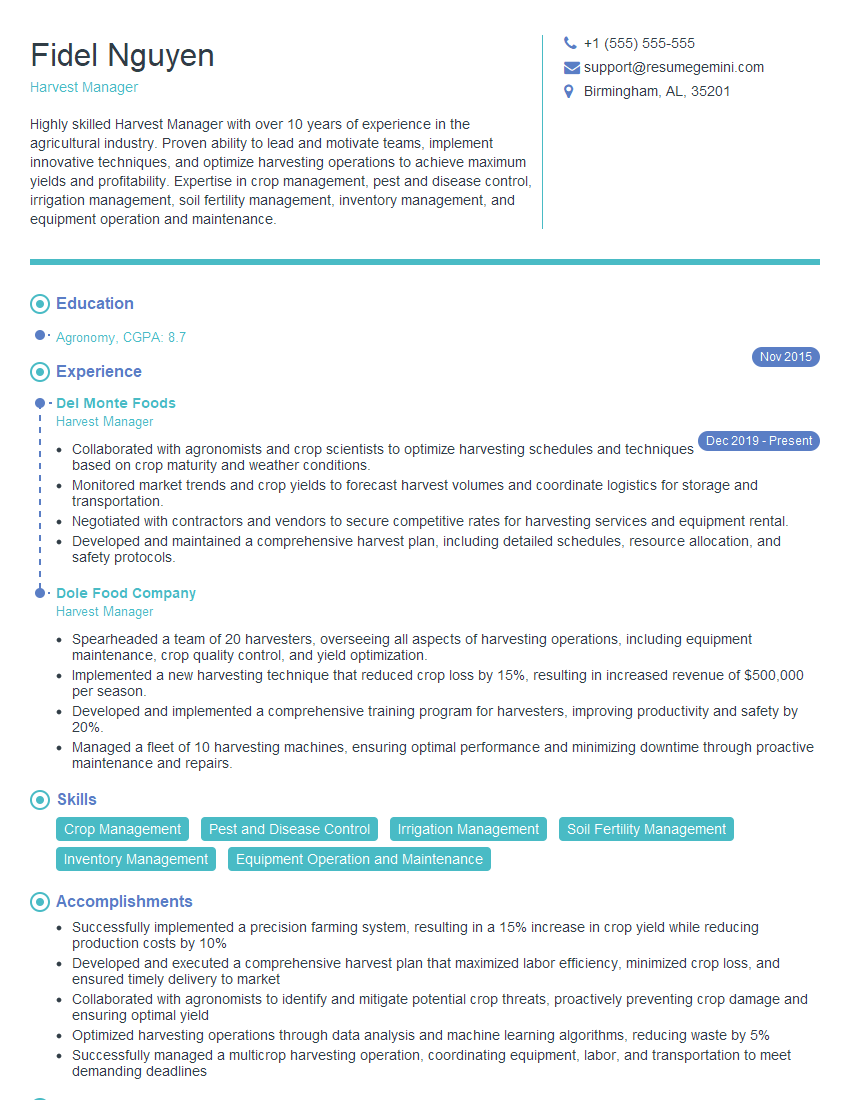
Harvest Manager Resume Sample
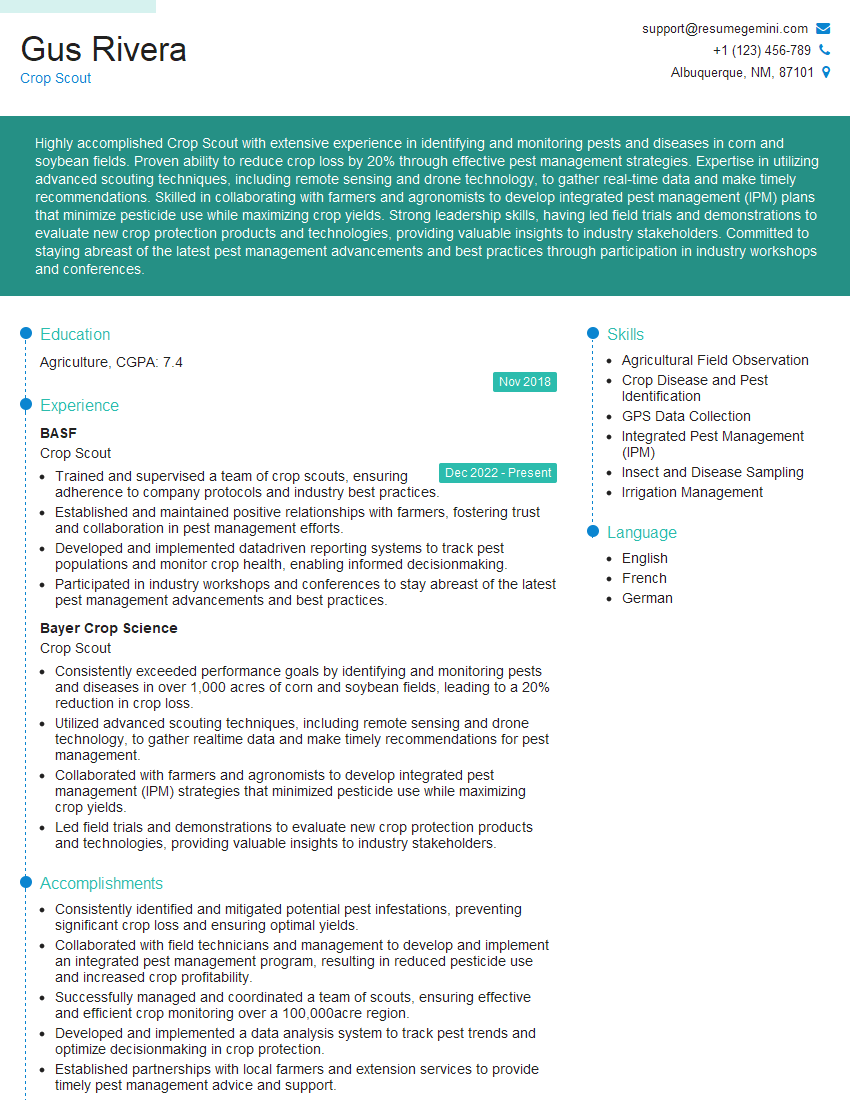
Crop Scout Resume Sample
Explore more articles
Users Rating of Our Blogs
Share Your Experience
We value your feedback! Please rate our content and share your thoughts (optional).
What Readers Say About Our Blog
Very informative content, great job.
good