Feeling uncertain about what to expect in your upcoming interview? We’ve got you covered! This blog highlights the most important Crop Protection and IPM interview questions and provides actionable advice to help you stand out as the ideal candidate. Let’s pave the way for your success.
Questions Asked in Crop Protection and IPM Interview
Q 1. Explain the principles of Integrated Pest Management (IPM).
Integrated Pest Management (IPM) is a sustainable approach to pest control that aims to minimize the use of pesticides while maximizing crop protection. It’s not about eliminating pests entirely, which is often impossible and environmentally damaging, but about keeping pest populations below the economic injury level. This involves a holistic strategy encompassing various techniques.
- Monitoring and Identification: Regularly checking for pests and accurately identifying them to determine their population density and the potential threat they pose.
- Prevention: Implementing practices that reduce pest establishment and spread, such as crop rotation, resistant varieties, and proper sanitation.
- Cultural Controls: Using agricultural practices to discourage pests, including adjusting planting times, maintaining optimal plant health, and employing appropriate irrigation techniques.
- Biological Control: Introducing natural enemies like beneficial insects, nematodes, or microorganisms that prey on or parasitize the target pest.
- Chemical Control (Pesticides): Using pesticides only as a last resort, and targeting specific pests with the least environmentally harmful options. This includes considering the timing, amount, and method of application.
- Economic Threshold: An important element of IPM is understanding and acting upon this concept. It involves weighing the cost of pest damage against the cost of control measures.
For example, imagine an apple orchard. IPM in this context might involve monitoring for codling moths using pheromone traps. If the population remains low, preventative measures like removing fallen fruit and pruning to increase air circulation might be sufficient. Only if the population surpasses the economic threshold would targeted pesticide application be considered.
Q 2. Describe the different types of pesticides and their modes of action.
Pesticides are substances used to control pests. They fall into several categories, each with a different mode of action:
- Insecticides: Target insects. Modes of action vary widely, including nerve poison (organophosphates, carbamates), disrupting insect growth (juvenile hormones), or causing paralysis (pyrethroids).
- Herbicides: Control weeds. They might inhibit photosynthesis (e.g., glyphosate), interfere with plant growth hormones (e.g., auxins), or disrupt enzyme activity.
- Fungicides: Control fungal diseases. These can inhibit fungal spore germination, disrupt fungal cell walls, or interfere with fungal metabolism.
- Nematicides: Target nematodes (microscopic worms). These often work by disrupting the nematode’s life cycle or physiology.
- Rodenticide: Target rodents. They might act as anticoagulants, causing internal bleeding, or neurotoxins affecting the nervous system.
For instance, organophosphate insecticides work by inhibiting acetylcholinesterase, an enzyme crucial for nerve impulse transmission in insects. This leads to paralysis and death. However, many organophosphates are highly toxic to humans and other organisms and are being phased out in favor of more targeted and environmentally benign alternatives.
Q 3. What are the advantages and disadvantages of using biological control agents?
Biological control agents are living organisms used to suppress pest populations. They offer several advantages:
- Environmentally friendly: Generally less harmful to non-target organisms compared to synthetic pesticides.
- Sustainable: Can provide long-term pest control, reducing the need for repeated applications.
- Specific action: Often target a narrow range of pests, minimizing harm to beneficial species.
However, there are also disadvantages:
- Slower action: Often take longer to reduce pest populations compared to pesticides.
- Limited effectiveness: May not be effective against all pests or in all environmental conditions.
- Difficult to establish: Requires careful selection and introduction of appropriate agents.
- Potential for unintended consequences: Introduced biological control agents could sometimes become invasive themselves.
For example, using ladybugs to control aphids is a common biological control strategy. Ladybugs are efficient predators of aphids, but their effectiveness depends on factors such as weather and the availability of other food sources. A lack of success might lead to the need for a different method.
Q 4. How do you assess the economic threshold for pest control?
The economic threshold (ET) is the pest population density at which control measures should be implemented to prevent economic damage. Assessing the ET involves:
- Determining the damage level: Assessing the level of crop damage caused by pests at various population densities. This might involve conducting field trials or using historical data.
- Estimating the cost of pest damage: Calculating the potential financial losses due to reduced yield or quality.
- Estimating the cost of control measures: This includes the cost of pesticides, labor, and equipment.
- Comparing costs and benefits: The ET is the point where the cost of control measures equals or is less than the cost of the anticipated damage.
For example, if the cost of controlling a pest is $10 per acre and the estimated damage at a certain density is $15 per acre, then the ET is at that density. Below that, the cost of control outweighs the benefit. Above it, control is economically justified.
Q 5. Explain the concept of resistance management in pest control.
Resistance management is a crucial aspect of IPM focusing on preventing or delaying the development of pesticide resistance in pest populations. This involves various strategies:
- Using a diverse range of pesticides with different modes of action: Rotating pesticides prevents the selection of pests with resistance to a single chemical.
- Integrating non-chemical control methods: Reducing reliance on pesticides minimizes selective pressure.
- Using pesticides at the recommended rates and timings: This prevents the development of resistance by keeping exposure levels low.
- Monitoring for resistance: Regularly assessing pest populations for resistance to different pesticides helps to identify the need for alternative strategies.
- Refuges: Maintaining areas untreated with pesticides provides a breeding ground for susceptible pests, helping to dilute resistant genes.
The development of herbicide resistance in weeds is a prime example. Overuse of a specific herbicide has led to the emergence of herbicide-resistant weed populations, requiring more expensive and intensive control measures, which is ultimately inefficient and could lead to environmental degradation.
Q 6. Describe different methods for monitoring pest populations.
Monitoring pest populations is essential for effective IPM. Several methods are used:
- Visual inspection: Direct observation of plants for signs of pest damage and presence.
- Traps: Using pheromone traps or other traps to attract and capture pests, providing an estimate of population density.
- Sampling: Taking representative samples of plants to assess pest levels. This involves using standardized methods for sampling and counting.
- Scouting: Trained personnel regularly assess fields for pest activity.
- Remote sensing: Using technologies like drones or satellite imagery to monitor crop health and identify areas with potential pest infestations.
In a greenhouse setting, simple visual inspection may be sufficient. However, in large agricultural fields, sampling techniques like sweep netting for insects or soil sampling for nematodes are commonly used to estimate pest populations across the area accurately.
Q 7. What are the key considerations for selecting appropriate pesticides?
Selecting appropriate pesticides requires careful consideration of several factors:
- Target pest: The pesticide must be effective against the specific pest in question.
- Crop: Compatibility with the crop and potential for phytotoxicity (harm to the plant).
- Environmental conditions: Pesticide efficacy can be affected by temperature, rainfall, and other factors.
- Toxicity to non-target organisms: Minimizing harm to beneficial insects, wildlife, and humans.
- Regulatory compliance: Following all applicable regulations related to pesticide use.
- Cost-effectiveness: Choosing a pesticide that provides effective control at a reasonable price.
- Mode of action: Consider the mechanism to ensure it’s appropriate for the situation and reduces the risk of resistance.
For example, choosing a broad-spectrum insecticide might provide control over multiple pests, but it would also likely kill many beneficial insects which could negatively impact long-term pest control. A more targeted approach involving specific insecticides only when necessary is often a better strategy, minimizing unintended harm.
Q 8. How do you develop a comprehensive IPM plan for a specific crop?
Developing a comprehensive Integrated Pest Management (IPM) plan involves a systematic approach that prioritizes minimizing pesticide use while maximizing crop protection. It’s like being a detective, investigating the crime scene (your field) to understand the culprit (the pest) before deciding on the best course of action.
- Identify the Pests and Their Thresholds: Begin by accurately identifying the key pests affecting your specific crop. This might involve visual inspections, traps, or laboratory analysis. Crucially, determine the economic threshold – the pest population density at which control measures become economically justified. For example, if a few aphids aren’t significantly impacting yield, treatment might not be necessary.
- Monitor Pest Populations: Regular scouting (discussed later) is essential. This helps track pest populations and their impact on the crop, guiding decisions on whether intervention is needed and what type of intervention.
- Implement Preventive Measures: Cultural controls (discussed later) form the foundation of an IPM program. These include crop rotation, resistant varieties, sanitation, and proper planting and harvesting techniques. These often prevent pest problems before they start, reducing the need for pesticides.
- Use Biological Control: Introduce natural enemies such as beneficial insects, nematodes, or microorganisms to control pests. For instance, ladybugs can effectively control aphid infestations.
- Consider Chemical Control (Pesticides): Only use pesticides as a last resort, after evaluating the economic threshold and considering other methods. Select the least toxic pesticide that’s effective against the target pest, and always follow label instructions carefully.
- Evaluate and Adjust: Continuously monitor the effectiveness of your IPM plan. Record data on pest populations, pesticide applications, and crop yield. Adjust your strategies as needed based on these observations. This iterative process is key to optimizing your approach over time.
For instance, an IPM plan for apple orchards might include monitoring for codling moths, using pheromone traps to disrupt mating, employing beneficial insects like parasitic wasps, and only spraying insecticides if the moth population exceeds the economic threshold. This approach minimizes environmental impact while ensuring a healthy harvest.
Q 9. What are the environmental impacts of pesticide use?
The environmental impacts of pesticide use can be significant and far-reaching. These chemicals, while effective at controlling pests, can have unintended consequences on the environment and human health if not managed properly.
- Water Contamination: Pesticides can leach into groundwater and surface water, contaminating drinking water supplies and harming aquatic life. This can lead to bioaccumulation in the food chain, affecting fish and other organisms.
- Soil Degradation: Excessive pesticide use can disrupt soil ecosystems, killing beneficial microorganisms that are vital for soil health and nutrient cycling. This can lead to reduced soil fertility and increased erosion.
- Air Pollution: Some pesticides can volatilize (turn into a gas) and enter the atmosphere, contributing to air pollution. This can have impacts on human and animal respiratory health and can potentially affect ozone layer.
- Biodiversity Loss: Pesticides can harm non-target organisms, including beneficial insects, birds, and other wildlife, leading to a loss of biodiversity and disruption of ecological balance. A classic example is the decline of bee populations due to exposure to certain pesticides.
- Human Health Impacts: Exposure to pesticides can pose significant risks to human health, causing both acute and chronic health problems ranging from mild skin irritation to severe neurological disorders and even cancer.
Therefore, responsible pesticide use, employing IPM strategies that minimize reliance on chemicals, and proper disposal methods are crucial to mitigate these negative environmental impacts.
Q 10. How do you comply with pesticide regulations and safety guidelines?
Compliance with pesticide regulations and safety guidelines is paramount in crop protection. Ignoring these rules can lead to legal repercussions, environmental damage, and health risks.
- Licensing and Training: Pesticide applicators often require licensing and training to ensure they understand the risks involved and can handle pesticides safely and effectively. This ensures applicators are aware of label directions and safety precautions.
- Label Reading and Following Instructions: Meticulously read and follow the label instructions for each pesticide. The label contains crucial information on application rates, safety precautions, and permitted crops. This is non-negotiable for compliance and safety.
- Personal Protective Equipment (PPE): Always wear appropriate PPE when handling or applying pesticides. This may include gloves, goggles, respirators, and protective clothing to prevent skin contact, inhalation, and eye exposure. The specific PPE required will depend on the pesticide being used and the application method.
- Record Keeping: Maintain detailed records of all pesticide applications, including the product name, application rate, date, location, and weather conditions. This documentation is critical for traceability, compliance audits, and understanding the effectiveness of treatments.
- Disposal of Empty Containers: Dispose of empty pesticide containers properly to prevent environmental contamination. This often involves triple rinsing containers and disposing of them at designated collection sites.
- Emergency Response: Develop and implement emergency response plans to address pesticide spills or accidents. This includes having appropriate spill cleanup materials and knowing who to contact in case of an emergency.
Ignoring these guidelines can lead to severe penalties, including fines and even legal action. Furthermore, neglecting safety protocols can pose serious risks to the health of applicators and the environment.
Q 11. Explain the role of scouting in IPM.
Scouting in IPM is the systematic process of regularly inspecting crops to monitor pest populations and their impact on plant health. It’s like being a crop doctor, performing regular checkups to detect problems early. It provides the foundation for effective decision-making within the IPM framework.
- Visual Inspection: Regularly walk through the field, inspecting plants for signs of pest damage, such as holes in leaves, discoloration, or the presence of pests themselves.
- Traps: Use various traps, like pheromone traps for insects or sticky traps for small pests, to monitor pest presence and numbers.
- Sampling Techniques: Employ standardized sampling methods to obtain representative samples of plants for a thorough assessment. The sampling method must be consistent for meaningful comparison over time.
- Data Recording: Meticulously record the date, location, pest type, population density, and extent of damage observed during scouting. This data provides insights into pest trends, allowing for proactive management.
Effective scouting allows for early detection of pest infestations, enabling timely intervention with the least disruptive methods. Early detection minimizes the need for extensive pesticide applications and can help prevent large-scale crop damage, preventing unnecessary economic loss.
Q 12. Describe different cultural control methods for pest management.
Cultural control methods in pest management focus on manipulating the growing environment to make it less favorable for pests or more favorable for the crop itself. This is akin to designing a habitat that pests won’t like, but your crop will thrive in.
- Crop Rotation: Alternating crops in a field disrupts the life cycles of pests that are specific to certain plants, reducing their populations.
- Resistant Varieties: Planting crop varieties that are resistant or tolerant to specific pests can significantly reduce pest pressure and the need for chemical control.
- Sanitation: Removing crop debris and weeds after harvest eliminates overwintering sites for many pests, thus reducing their populations the following season.
- Tillage: Proper tillage practices can disrupt pest life cycles by exposing pupae or eggs to unfavorable conditions.
- Planting Date and Density: Optimizing planting dates and densities can influence crop growth and development, making it less susceptible to pest damage. For example, early planting may allow the crop to escape a critical pest stage.
- Irrigation and Fertilization: Proper irrigation and fertilization practices promote vigorous plant growth, making crops more resilient to pest attack.
For example, crop rotation can reduce the nematode population in a soil, minimizing the reliance on nematicides. Choosing resistant tomato varieties can minimize the need for insecticide sprays against tomato hornworms. These methods are environmentally friendly and economically beneficial in the long run.
Q 13. How do you evaluate the effectiveness of an IPM program?
Evaluating the effectiveness of an IPM program requires a multi-faceted approach that goes beyond simply assessing pest control. It is crucial to determine if the program is achieving its goals in a sustainable and cost-effective manner.
- Pest Population Monitoring: Track pest populations over time to assess the program’s impact on their numbers. Compare these numbers to previous years or untreated areas to see the difference. For instance, plot the number of aphids per plant each week to see if the numbers are decreasing over time.
- Crop Yield and Quality: Measure crop yields and quality parameters such as size, weight, and marketability. Compare results to previous years or untreated areas. Increased yield indicates the success of the program.
- Economic Analysis: Assess the costs associated with implementing the IPM program, including labor, materials, and any pesticide applications. Compare the costs to the benefits (increased yields or reduced losses), demonstrating a return on investment.
- Environmental Impact Assessment: Evaluate the environmental impact of the IPM program, such as water quality, soil health, and biodiversity. This evaluation often involves comparing environmental parameters in treated and untreated areas.
- Surveys and Feedback: Gather feedback from growers, workers, and other stakeholders to gauge their satisfaction with the program and identify areas for improvement. This is crucial for long-term acceptance and buy-in of IPM strategies.
A comprehensive evaluation provides valuable feedback, facilitating adjustments to the IPM plan for continued improvement and optimization. The data collected should inform future pest management decisions and contribute to the long-term sustainability of the program.
Q 14. What are the challenges in implementing IPM in different agricultural systems?
Implementing IPM faces several challenges that vary depending on the specific agricultural system.
- Economic Constraints: Adopting IPM can involve initial investment in training, equipment, and monitoring, which might be difficult for small-scale farmers with limited resources. The upfront cost might seem daunting compared to the familiar, but potentially harmful, practices.
- Technological Limitations: The availability and accessibility of appropriate IPM technologies, such as pest-resistant varieties, biological control agents, and monitoring tools, might be limited in some regions. This gap in resources can be a significant challenge.
- Lack of Awareness and Training: Inadequate knowledge and training among farmers and extension workers on IPM principles and techniques can hinder its successful implementation. This highlights the need for extensive educational programs and outreach activities.
- Pest Resistance: Over-reliance on pesticides in the past has led to the development of pest resistance, making pest control more difficult and potentially increasing the need for stronger pesticides. This is a serious long-term challenge that requires careful planning and strategic control methods.
- Climate Change: Changes in climate patterns can affect pest populations and their distribution, requiring adjustments to IPM strategies and potentially leading to the emergence of new pests. Climate change adaptation is now an essential part of IPM planning.
- Regulatory Frameworks: Inconsistencies or lack of supportive policies and regulations related to pesticide use and IPM adoption can pose challenges to implementation. Harmonizing regulations across various regions is critical for broader adoption of IPM practices.
Addressing these challenges necessitates a multi-pronged approach involving government support, technological advancements, farmer education, and collaborative research efforts to promote wider adoption and success of IPM strategies across various agricultural systems.
Q 15. Describe the role of beneficial insects in IPM.
Beneficial insects are a cornerstone of Integrated Pest Management (IPM). They play a crucial role in naturally suppressing pest populations, reducing our reliance on chemical pesticides. Think of them as the ‘good guys’ in the garden or field.
- Predators: These insects actively hunt and kill pests. Ladybugs, for instance, are voracious aphid eaters. Lacewings are effective against many soft-bodied insects.
- Parasitoids: These insects lay their eggs in or on pests, eventually killing them. Trichogramma wasps, for example, parasitize the eggs of many moth species.
- Pollinators: While not directly pest control agents, pollinators like bees are essential for crop production. Healthy pollinator populations contribute to vigorous plants that are better able to withstand pest attacks.
In IPM, we encourage and protect these beneficials through practices like avoiding broad-spectrum insecticides that harm both pests and beneficials, providing habitat such as flowering plants for food and shelter, and using selective pesticides that target only specific pests when necessary.
For example, in an apple orchard, we might release predatory mites to control spider mites, avoiding broad-spectrum sprays that would also wipe out the beneficial mites.
Career Expert Tips:
- Ace those interviews! Prepare effectively by reviewing the Top 50 Most Common Interview Questions on ResumeGemini.
- Navigate your job search with confidence! Explore a wide range of Career Tips on ResumeGemini. Learn about common challenges and recommendations to overcome them.
- Craft the perfect resume! Master the Art of Resume Writing with ResumeGemini’s guide. Showcase your unique qualifications and achievements effectively.
- Don’t miss out on holiday savings! Build your dream resume with ResumeGemini’s ATS optimized templates.
Q 16. How do you handle pesticide spills or accidents?
Pesticide spills are serious incidents demanding immediate and careful response. Safety is paramount.
- Immediate Action: First, ensure your own safety! Wear appropriate personal protective equipment (PPE) including gloves, eye protection, and a respirator. Evacuate the area if necessary. Contain the spill using absorbent materials like sawdust or kitty litter to prevent spreading.
- Notification: Report the spill to relevant authorities (your employer, local emergency services, and environmental protection agency) according to regulations. Accurate reporting is crucial.
- Cleanup: Carefully remove contaminated soil or material according to the pesticide label instructions and local regulations. Dispose of contaminated materials properly. Usually this requires specialized waste disposal services.
- Documentation: Maintain detailed records of the spill including the time, location, amount spilled, cleanup procedures, and personnel involved. These records are vital for regulatory compliance and future incident response.
For example, if a herbicide is spilled in a field, we’d immediately contain the spill with absorbent material, notify the relevant authorities, and then carefully remove contaminated soil, documenting the whole process meticulously.
Q 17. Explain the importance of proper pesticide storage and disposal.
Proper pesticide storage and disposal are critical for environmental protection, human health, and regulatory compliance. Improper handling can lead to contamination of water sources, soil, and even accidental poisoning.
- Storage: Pesticides should be stored in their original containers, in a cool, dry, well-ventilated area, inaccessible to children and animals. They should be locked securely. The storage area should be clearly labeled and have proper spill containment.
- Disposal: Never pour pesticides down the drain or into the garbage. Follow the label instructions carefully, as disposal methods vary by product. Many pesticides require special disposal procedures through designated collection sites or licensed waste handlers. Triple rinsing containers before disposal is a standard practice to minimize waste.
Imagine the consequences of a child accidentally ingesting a pesticide from an improperly stored container, or groundwater contamination from pesticide runoff due to improper disposal – both scenarios highlight the grave importance of careful handling.
Q 18. What are the different types of plant diseases and their management strategies?
Plant diseases are caused by various pathogens, including fungi, bacteria, viruses, and nematodes. Management strategies vary depending on the pathogen and severity of the infection.
- Fungal Diseases: These are common, including blights, rusts, and wilts. Management strategies include resistant varieties, fungicides (used judiciously as part of IPM), crop rotation, and sanitation.
- Bacterial Diseases: These often cause soft rots or wilts. Management involves resistant varieties, sanitation (removing infected plants), and sometimes bactericides.
- Viral Diseases: Often spread by insects, viral diseases are difficult to control. Management relies on resistant varieties and vector control (managing insect populations that transmit the virus).
- Nematode Diseases: Microscopic worms causing root damage and stunting. Management strategies include resistant varieties, soil fumigation (used cautiously), crop rotation, and biological control.
For example, late blight in potatoes, a devastating fungal disease, is managed through a combination of resistant potato varieties, fungicide application (following strict guidelines), and careful monitoring of weather conditions favorable for the disease.
Q 19. Describe the role of soil health in pest management.
Soil health plays a vital, often overlooked, role in pest management. Healthy soil supports vigorous plants, making them more resilient to pest attacks.
- Improved Plant Vigor: Healthy soil provides plants with adequate nutrients and water, leading to stronger growth and better defense mechanisms against pests.
- Beneficial Soil Organisms: Healthy soil teems with beneficial microorganisms, fungi, and nematodes that prey on or suppress many soilborne pests.
- Reduced Reliance on Pesticides: Plants grown in healthy soil are inherently more resistant, thereby minimizing the need for chemical interventions.
For instance, cover cropping can improve soil structure, add organic matter, and suppress weeds, all leading to better plant health and reduced pest problems. Similarly, maintaining appropriate soil moisture levels can also reduce pest pressure.
Q 20. How do you identify and manage weed infestations?
Weed management is a crucial component of IPM. Early identification and appropriate management strategies are key.
- Identification: Accurate identification of weeds is paramount to selecting effective control measures. Understanding the weed’s life cycle (annual, biennial, perennial) will influence our strategy.
- Cultural Controls: These are non-chemical methods like proper crop rotation, timely planting, appropriate tillage practices, and mulching to suppress weed growth.
- Mechanical Controls: These involve physically removing weeds using methods like hand weeding, hoeing, or mowing. Effective for small-scale infestations.
- Biological Controls: Using natural enemies like insects or fungi that specifically attack weeds. This is a more sustainable, environmentally friendly approach.
- Chemical Controls: Herbicides are used selectively and judiciously as a last resort, focusing on specific weeds and minimizing environmental impact. Always follow label instructions carefully.
For example, in a field of corn, early identification of a perennial weed like johnsongrass would involve a combination of strategies: using a pre-emergent herbicide to prevent germination, followed by targeted spot treatment of any escaped plants, all while promoting soil health through cover cropping.
Q 21. What are the effects of climate change on pest populations?
Climate change significantly impacts pest populations. Warmer temperatures, altered rainfall patterns, and increased frequency of extreme weather events all affect pest distribution, abundance, and behavior.
- Range Expansion: Warmer temperatures allow some pest species to expand their geographic range into previously unsuitable areas.
- Increased Reproduction Rates: Higher temperatures can lead to faster development and increased reproductive rates for some pests.
- Altered Life Cycles: Changes in temperature and rainfall can alter the life cycles of pests, leading to increased generations per year or asynchronous development with their natural enemies.
- Increased Pest Stress: Extreme weather events like droughts or floods can stress crops, making them more susceptible to pest damage.
For example, the changing climate has allowed the range expansion of the mountain pine beetle, devastating coniferous forests across North America. Similarly, warmer winters have reduced mortality rates for many insect pests, leading to larger populations and increased damage potential.
Q 22. How do you incorporate technology (e.g., remote sensing) into IPM programs?
Remote sensing technologies are revolutionizing IPM by providing precise, large-scale data on crop health and pest infestations. Think of it like giving your farm a thorough checkup from above! Instead of relying solely on ground-level observations, we can use drones, satellites, and sensors to monitor vast areas quickly and efficiently.
For instance, multispectral imaging can detect subtle changes in plant vigor indicative of stress from pests or diseases. Areas showing reduced chlorophyll content, for example, might signal an infestation needing attention. This allows for targeted pesticide applications, minimizing environmental impact and maximizing resource efficiency. Hyperspectral imaging goes a step further, providing even more detailed spectral information, enabling detection of specific pest or disease signatures.
Thermal imaging can identify areas with increased temperature, which might indicate pest activity or disease pressure. Integrating this data with field observations and weather data allows for a more comprehensive understanding of the pest dynamics. The data collected through these technologies can be analyzed using Geographic Information Systems (GIS) to create maps showing the distribution and severity of pest problems, guiding strategic interventions.
In my experience, using remote sensing has drastically improved the timeliness and accuracy of our pest monitoring efforts. We’ve seen reductions in pesticide use and improved yields because we can identify problems early and intervene effectively before they cause significant damage. It’s akin to having a real-time, bird’s-eye view of the entire farm, enabling proactive, rather than reactive management.
Q 23. Explain the concept of pesticide resistance.
Pesticide resistance is a significant challenge in IPM. It occurs when a pest population evolves the ability to survive exposure to a pesticide that was previously effective. Imagine it like an arms race – we develop a powerful pesticide, but pests adapt to resist its effects. This happens through natural selection; pests with genetic mutations conferring resistance survive and reproduce, increasing the proportion of resistant individuals in the population over time.
Several factors contribute to pesticide resistance, including the overuse and misuse of pesticides. Frequent applications of the same pesticide create a strong selective pressure, favoring resistant individuals. Lack of pesticide rotation and inappropriate application techniques can also exacerbate the problem. Resistant pests can also migrate from untreated areas, spreading resistance genes to susceptible populations.
The consequences of pesticide resistance are serious: It renders pesticides ineffective, resulting in increased crop damage and economic losses. It also necessitates the development of new, more expensive, and potentially more toxic pesticides, potentially impacting human health and the environment. Managing pesticide resistance requires a multifaceted approach, including rotating pesticides with different modes of action, adopting integrated pest management strategies that minimize pesticide use, and implementing resistance monitoring programs.
Q 24. What are the different types of pesticide application methods?
Pesticide application methods vary considerably, each with its own advantages and disadvantages concerning efficacy, environmental impact, and cost. The choice of method often depends on the type of pesticide, the target pest, the crop, and the prevailing environmental conditions.
- Ground application: This includes various methods such as boom spraying, backpack spraying, and band spraying. Boom sprayers are commonly used in large-scale agriculture, while backpack sprayers are more suitable for smaller areas and targeted applications. Band spraying applies pesticide only to a narrow strip around the crop rows.
- Aerial application: This method involves applying pesticides from aircraft, particularly effective for large fields and inaccessible areas. However, it carries a risk of drift, leading to off-target pesticide application.
- Seed treatment: Pesticides are applied directly to seeds before planting. This protects the seedlings during their vulnerable early growth stages and reduces the need for later applications.
- Soil application: Pesticides are incorporated into the soil, protecting against soil-borne pests. Examples include granular formulations and soil drenches.
- Foliar application: This involves directly spraying the pesticide onto the foliage of the plant, targeting pests feeding on leaves and stems. It is the most common method but can lead to potential environmental runoff.
Selecting the appropriate method is crucial for effective pest control and minimizing environmental risks. For example, in organic farming, choosing application methods that minimize drift and non-target impacts is a priority.
Q 25. Describe the role of crop rotation in pest management.
Crop rotation is a cornerstone of sustainable pest management. It involves planting different crops in a planned sequence on the same piece of land over several growing seasons. This practice disrupts the life cycles of many pests, making it more difficult for them to establish and thrive.
Many pests are specialized to particular host plants. Rotating crops changes the host plant availability, reducing the survival and reproduction of those pests dependent on a specific crop. For instance, rotating a field from corn to soybeans can disrupt the life cycle of corn rootworm, which specifically targets corn. Additionally, some crops can exert a suppressive effect on certain pests through allelopathy (the release of chemicals that inhibit the growth of other organisms). Cover crops can also be incorporated into rotation sequences to improve soil health and suppress pests.
Beyond pest control, crop rotation also improves soil health, reduces erosion, and enhances nutrient cycling. It’s a powerful tool that combines pest management with broader agronomic benefits. A well-planned crop rotation is like a game of chess – it anticipates and counters the pest’s moves several seasons in advance.
Q 26. How do you communicate IPM strategies to farmers or growers?
Communicating IPM strategies to farmers requires a multifaceted approach tailored to the audience’s knowledge, experience, and learning preferences. It’s crucial to use clear, concise language, avoiding technical jargon. Visual aids like photos, videos, and demonstrations are highly effective.
Field days and workshops: These hands-on events allow farmers to see IPM practices in action and ask questions. On-farm demonstrations: Showing the success of IPM on a neighbor’s farm can be particularly persuasive. One-on-one consultations: Providing personalized advice based on specific farm conditions is crucial. Printed materials and online resources: Providing simple, accessible guides and online tutorials can greatly help.
It’s important to build trust and rapport with farmers by actively listening to their concerns and respecting their knowledge. Highlighting the economic benefits of IPM, including reduced pesticide costs and improved yields, is a strong motivator. Success stories and testimonials from other farmers can also be influential. In my experience, focusing on practical solutions and demonstrating the effectiveness of IPM through quantifiable results is essential for successful adoption.
Q 27. Explain the importance of record-keeping in IPM.
Record-keeping is fundamental to effective IPM. It provides the data needed to monitor pest populations, track pesticide use, and evaluate the effectiveness of different management strategies. This historical data allows us to identify trends, predict future pest outbreaks, and adapt our strategies accordingly.
Detailed records should include information on pest scouting dates, pest identification, pest population levels, pesticide applications (type, rate, application date, method), weather data, and crop yields. Regular monitoring and recording allow for a thorough understanding of pest dynamics and the effectiveness of interventions. This enables the development of effective, data-driven strategies, maximizing efficiency and minimizing pesticide use.
Using spreadsheets, databases, or dedicated farm management software allows for easy tracking and analysis of this information. This data isn’t just for record-keeping; it’s a valuable tool for improving decision-making, justifying IPM practices to stakeholders, and demonstrating environmental stewardship.
Q 28. What are your experiences with using different types of pest monitoring tools?
Throughout my career, I’ve used a variety of pest monitoring tools, each with its strengths and limitations. These include:
- Visual inspection: This is the most basic method, involving careful observation of plants for signs of pest damage or infestation. It’s essential for identifying pests and assessing the severity of infestations but is time-consuming and may miss hidden pests.
- Traps: Sticky traps, pheromone traps, and pitfall traps are used to monitor pest populations. Pheromone traps are especially useful for attracting specific insects and providing early warnings of potential outbreaks.
- Sweep nets: These nets are used to collect insects from vegetation. The number and type of insects caught provide an estimate of pest populations.
- Soil sampling: Soil samples are analyzed to determine the presence of soil-borne pests and diseases.
The choice of monitoring tool depends on the specific pest, the crop, and the available resources. Often, a combination of methods is used for a comprehensive assessment. For example, combining visual inspection with pheromone traps allows for both identification and quantification of the pest populations. Data collected from these tools is used to inform decisions about the necessity and timing of interventions.
Key Topics to Learn for Crop Protection and IPM Interview
- Integrated Pest Management (IPM) Strategies: Understanding the principles of IPM, including scouting, monitoring, economic thresholds, and the use of various control methods (cultural, biological, chemical).
- Pest Biology and Ecology: Knowledge of insect life cycles, pest identification, host-plant relationships, and the impact of environmental factors on pest populations. Practical application: Explain how understanding pest biology informs IPM decision-making.
- Crop Protection Chemistry: Familiarity with different classes of pesticides, their modes of action, application methods, and environmental impact. Practical application: Discuss the responsible use of pesticides and minimizing off-target effects.
- Resistance Management: Strategies for preventing and managing pesticide resistance in pest populations. Practical application: Describe how to implement resistance management tactics within an IPM program.
- Disease Management: Understanding plant diseases, their causal agents, and effective control measures, including cultural practices, biological controls, and chemical treatments. Practical application: Diagnose a common plant disease and propose an appropriate management strategy.
- Regulatory Compliance: Awareness of relevant regulations and laws pertaining to pesticide use and environmental protection. Practical application: Describe the steps involved in obtaining necessary permits or certifications for pesticide application.
- Data Analysis and Interpretation: Ability to collect, analyze, and interpret data related to pest populations, crop yields, and the effectiveness of different control measures. Practical application: Interpret data from a pest monitoring program to inform management decisions.
- Economic Considerations: Understanding the economic impact of pests and diseases on crop production and the cost-effectiveness of different control strategies. Practical application: Conduct a cost-benefit analysis of different IPM strategies.
- Sustainable Agriculture Practices: Integrating IPM into broader sustainable agriculture systems, considering environmental and social impacts. Practical application: Discuss the role of IPM in promoting environmentally friendly agriculture.
Next Steps
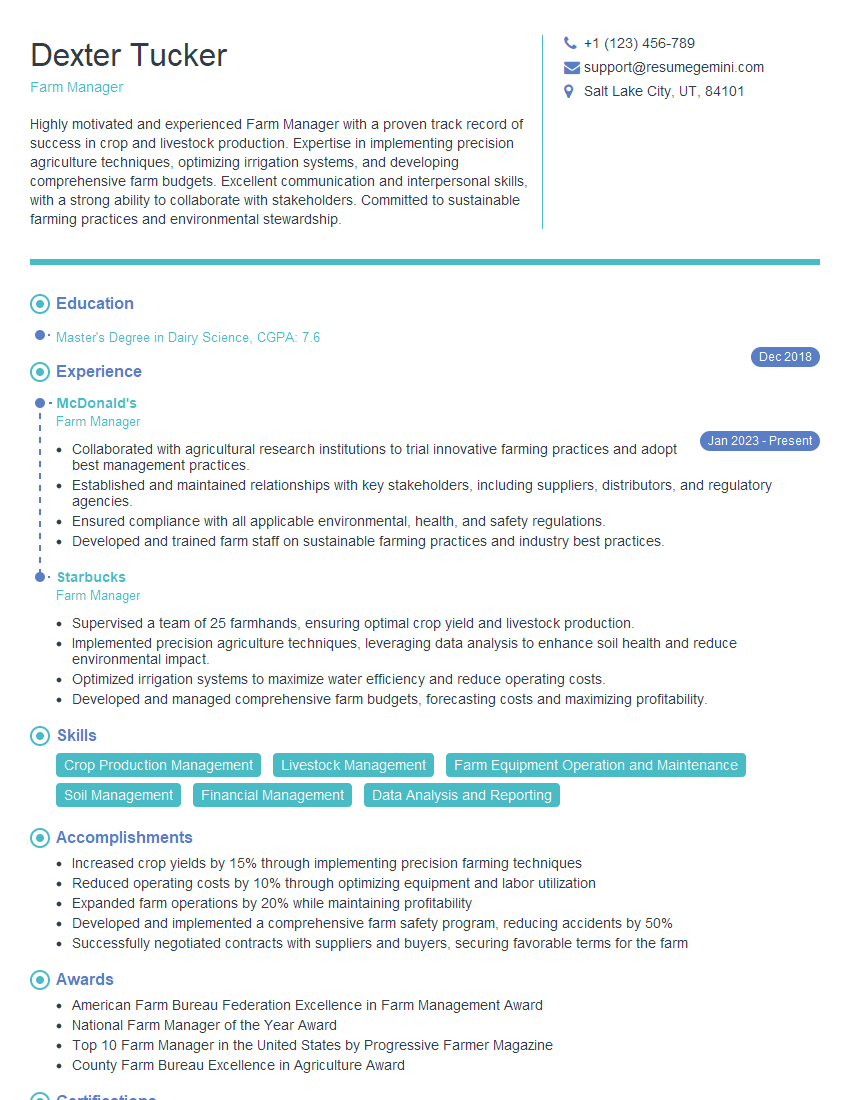
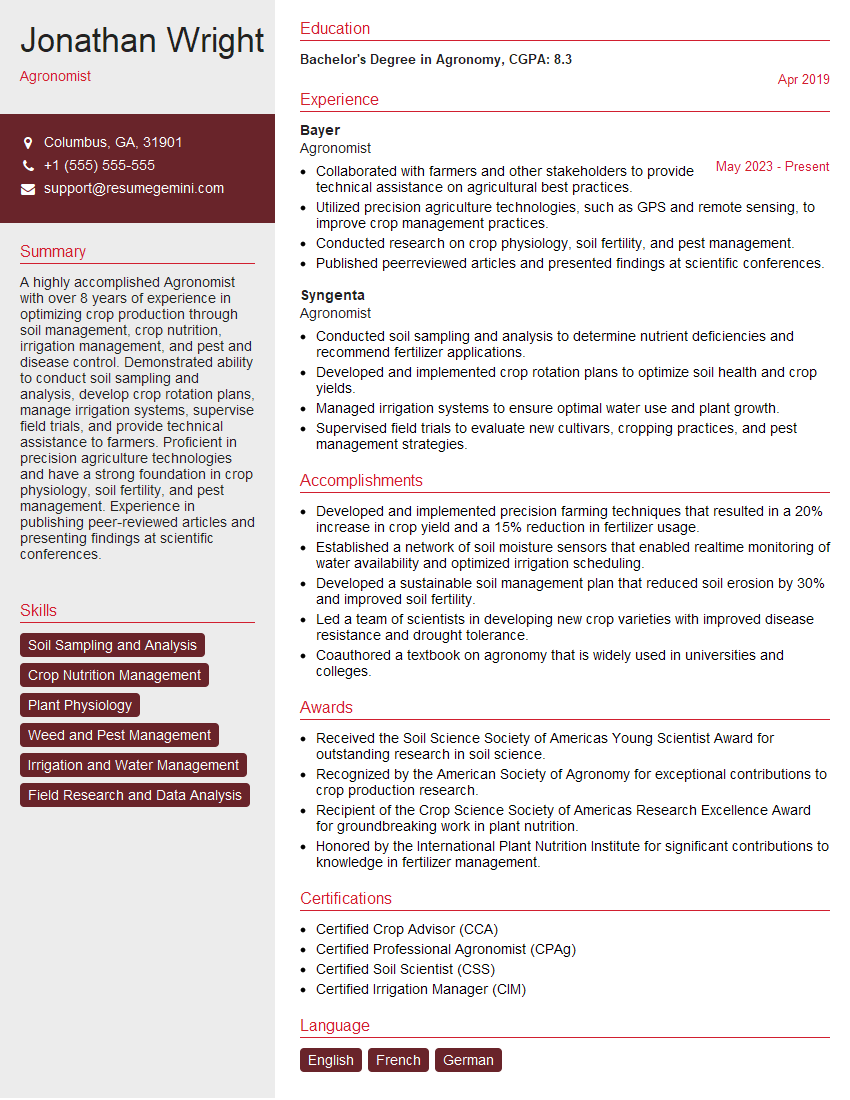
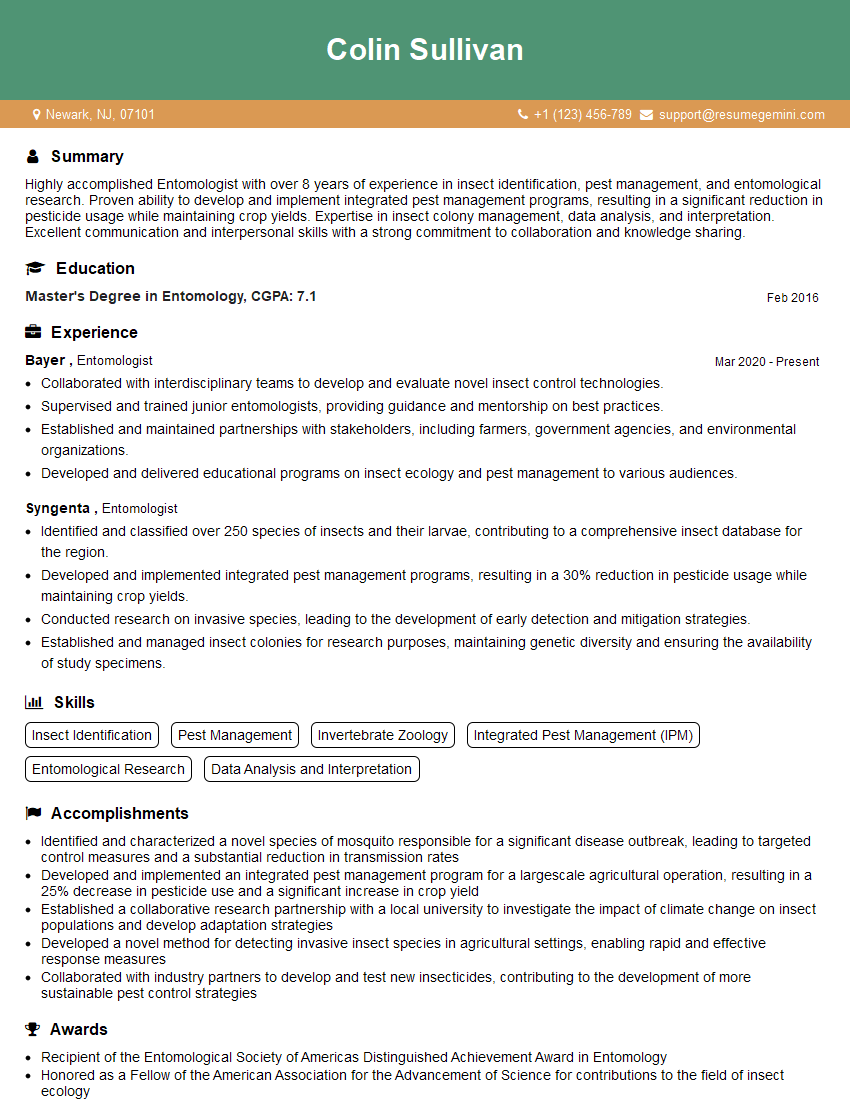
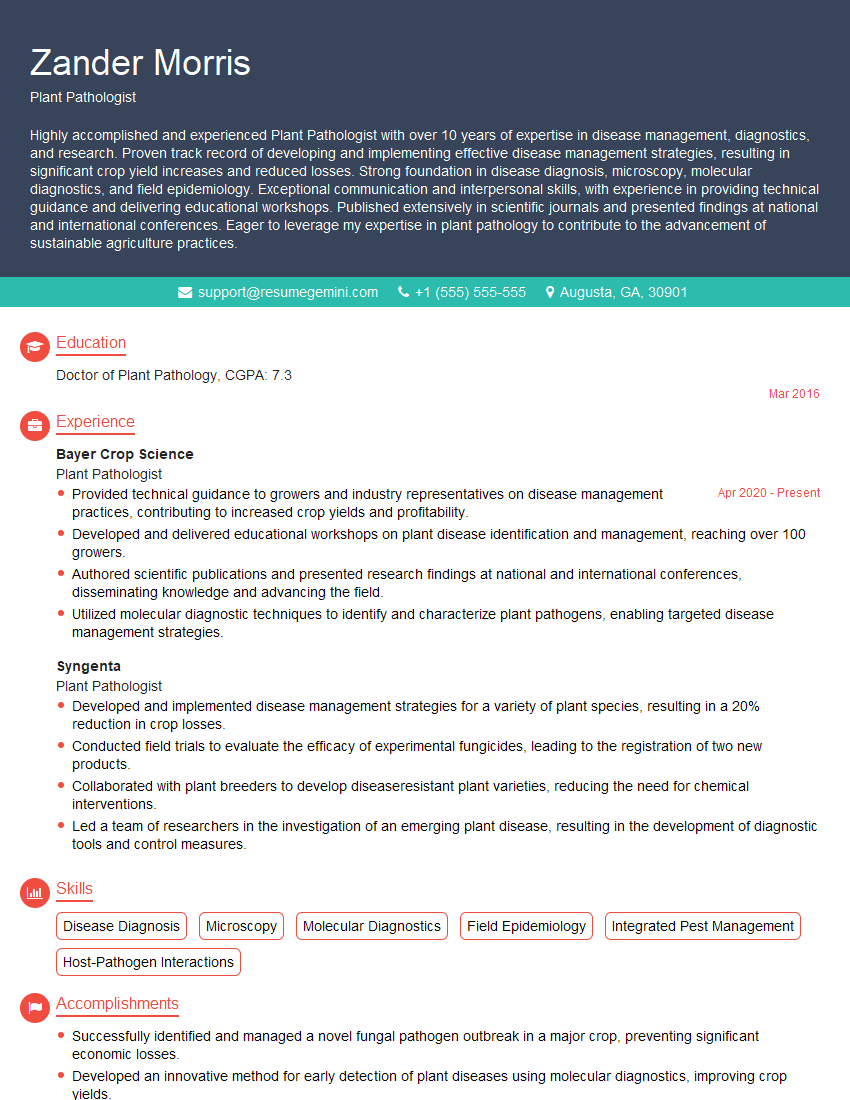
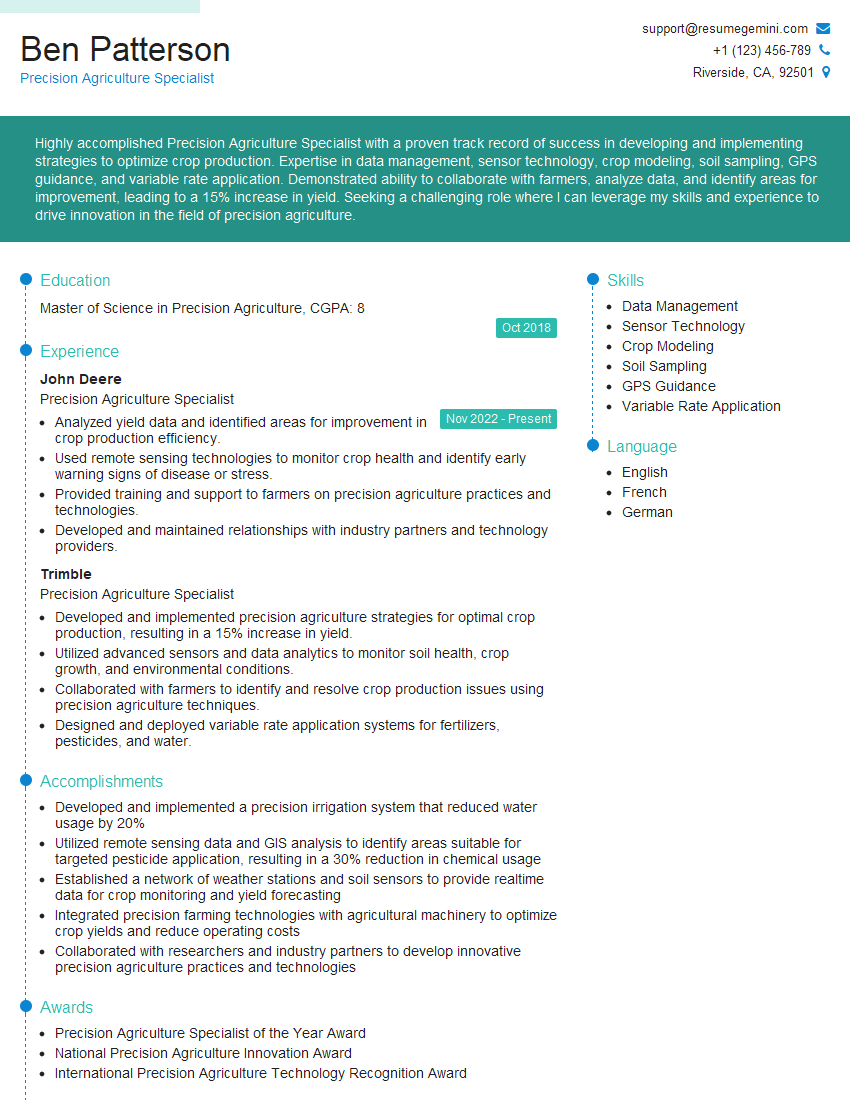
Mastering Crop Protection and IPM is crucial for a successful and impactful career in agriculture. A strong understanding of these concepts opens doors to exciting opportunities and allows you to contribute meaningfully to sustainable food production. To significantly enhance your job prospects, creating an ATS-friendly resume is essential. ResumeGemini is a trusted resource that can help you build a professional and effective resume. Leverage their expertise to craft a compelling document that highlights your skills and experience. Examples of resumes tailored to Crop Protection and IPM are available to further guide your preparation.

Explore more articles
Users Rating of Our Blogs
Share Your Experience
We value your feedback! Please rate our content and share your thoughts (optional).
What Readers Say About Our Blog
Very informative content, great job.
good