Interviews are more than just a Q&A session—they’re a chance to prove your worth. This blog dives into essential Crop Rotation and Soil Health interview questions and expert tips to help you align your answers with what hiring managers are looking for. Start preparing to shine!
Questions Asked in Crop Rotation and Soil Health Interview
Q 1. Define crop rotation and explain its benefits.
Crop rotation is the practice of planting different types of crops in a planned sequence on the same piece of land over several growing seasons. It’s like giving your soil a balanced diet, preventing nutrient depletion and improving overall health. Instead of repeatedly growing the same crop, which can exhaust specific nutrients and leave the soil vulnerable to pests and diseases, crop rotation introduces variety.
Benefits of Crop Rotation:
- Improved Soil Fertility: Different crops have different nutrient requirements. Rotating crops helps to balance nutrient uptake, preventing depletion of specific nutrients. Legumes, for example, fix nitrogen in the soil, enriching it for subsequent crops.
- Reduced Pest and Disease Pressure: Rotating crops disrupts the life cycles of many pests and diseases, reducing their populations and minimizing the need for chemical interventions. A pest adapted to corn, for instance, will find it harder to survive if corn isn’t planted in the same field year after year.
- Weed Control: Different crops have varying competitive abilities against weeds. Strategic crop rotation can help to suppress weed populations naturally.
- Improved Soil Structure: Different root systems improve soil structure, enhancing water infiltration, aeration, and drainage.
- Increased Yields: By improving soil health and reducing pest pressure, crop rotation can lead to higher crop yields over the long term. It’s a sustainable way to boost productivity.
Q 2. Describe different types of crop rotation systems.
There are various crop rotation systems, and the best choice depends on factors such as climate, soil type, available resources, and market demands. Some common types include:
- Two-crop rotation: A simple system involving two crops, often a cash crop and a cover crop or a legume. For example, corn followed by soybeans is a classic two-crop rotation.
- Three-crop rotation: This adds another crop to the cycle, often incorporating a cereal grain or a root crop. An example could be corn-soybeans-wheat.
- Four-crop or more complex rotations: These systems offer greater diversity and can be tailored to specific needs. They are often employed to effectively manage pests and diseases, and maintain soil health in challenging environments.
- Legume-based rotations: These rotations always include a legume to improve nitrogen fixation. This is crucial for soil fertility and is often used in sustainable agriculture.
- Mixed cropping rotations: This involves growing multiple crops together in the same field. This enhances biodiversity and can lead to better nutrient cycling.
Designing a rotation requires careful consideration. For example, a farmer might rotate between a heavy feeder (corn), a nitrogen fixer (alfalfa), and a lighter feeder (wheat), to avoid soil depletion and maximize nutrient use.
Q 3. Explain the role of cover crops in crop rotation.
Cover crops are plants grown primarily for the benefit of the soil, rather than for harvest as a main crop. They are a crucial element of many effective crop rotations. Think of them as soil doctors.
Role of Cover Crops:
- Soil Improvement: Cover crops improve soil structure, increase organic matter content, and enhance nutrient cycling. Their roots help prevent erosion and improve water infiltration.
- Weed Suppression: Cover crops compete with weeds, reducing weed pressure for the following cash crop.
- Pest and Disease Control: Certain cover crops can suppress certain pests and diseases.
- Nitrogen Fixation: Leguminous cover crops (like clover or vetch) fix atmospheric nitrogen, making it available to subsequent crops.
- Erosion Control: Cover crops protect the soil surface from wind and water erosion, especially during fallow periods.
Examples of common cover crops include rye, clover, vetch, and buckwheat. The choice of cover crop depends on the specific needs of the soil and the following cash crop.
Q 4. How does crop rotation impact soil fertility?
Crop rotation significantly impacts soil fertility in several positive ways. It’s a cornerstone of sustainable agriculture.
- Nutrient Cycling: Different crops extract nutrients from the soil in different proportions. Rotation helps to prevent the depletion of specific nutrients by distributing the nutrient demands across various crops.
- Organic Matter Improvement: The inclusion of cover crops in a rotation increases the amount of organic matter in the soil. This improves soil structure, water retention, and nutrient availability.
- Nitrogen Fixation: The integration of legumes into a rotation improves soil nitrogen levels, reducing the need for synthetic fertilizers.
- Reduced Nutrient Losses: Proper rotation can minimize nutrient leaching and runoff, keeping nutrients available to crops instead of being lost to the environment.
- Improved Soil Biology: Diverse rotations support a healthier soil microbiome, contributing to better nutrient cycling and decomposition.
For instance, a corn-soybean rotation is common because corn is a heavy feeder, particularly of nitrogen, while soybeans, a legume, fix nitrogen, replenishing what corn removed.
Q 5. What are the key soil health indicators?
Key soil health indicators are used to assess the overall condition and functionality of the soil. These provide a holistic picture of soil quality.
- Organic Matter Content: Indicates the amount of decomposed plant and animal matter in the soil, essential for water retention, nutrient availability, and soil structure.
- Soil Structure: Refers to the arrangement of soil particles into aggregates. Good soil structure promotes water infiltration, aeration, and root growth.
- Soil Biology: Encompasses the diverse range of organisms living in the soil, including bacteria, fungi, and earthworms. Healthy soil biology is crucial for nutrient cycling and decomposition.
- Nutrient Levels: The abundance of essential plant nutrients like nitrogen, phosphorus, and potassium directly affects crop growth and yield.
- Water Holding Capacity: A measure of how much water the soil can retain, crucial for drought resistance.
- pH Level: Indicates the acidity or alkalinity of the soil, influencing nutrient availability and microbial activity.
- Bulk Density: Measures the mass of dry soil per unit volume, providing insights into soil compaction.
Q 6. How do you assess soil health on a farm?
Assessing soil health involves a multi-faceted approach combining visual observation, laboratory analysis, and field testing. It’s like conducting a thorough health check-up for your soil.
Methods for Assessing Soil Health:
- Visual Observation: Examine soil color, texture, structure, and signs of erosion or compaction. Look for signs of healthy soil biology, like earthworms and other organisms.
- Soil Sampling: Collect soil samples from various locations within the field to obtain a representative sample. The samples are then sent to a laboratory for analysis.
- Laboratory Analysis: Laboratory tests determine key indicators such as organic matter content, pH, nutrient levels, and bulk density.
- Penetration Resistance Tests: These tests measure the soil’s resistance to penetration, indicating compaction levels.
- Water Infiltration Tests: Measure the rate at which water enters the soil, providing insights into soil structure and drainage.
- Biological Assessments: Analyze soil samples to assess the abundance and diversity of soil organisms.
The results of these assessments are combined to create a comprehensive soil health report that guides management decisions.
Q 7. Explain the relationship between crop rotation and pest and disease management.
Crop rotation plays a vital role in integrated pest and disease management (IPM), a sustainable approach to controlling pests and diseases. It’s a natural way to reduce reliance on chemical pesticides.
Relationship between Crop Rotation and Pest/Disease Management:
- Disrupting Pest and Disease Life Cycles: Rotating crops prevents the buildup of pests and pathogens that are specific to certain crops. By changing the host plant, their life cycle is disrupted, reducing their populations.
- Promoting Natural Enemies: Some crops attract beneficial insects or other organisms that prey on or parasitize pests, helping to naturally control pest populations.
- Reducing the Need for Chemical Inputs: Effective crop rotation reduces reliance on chemical pesticides and fertilizers, promoting sustainable agriculture and reducing environmental impact.
- Building Soil Health: Healthy soils are more resilient to pest and disease pressure. Crop rotation contributes to better soil health, making plants less susceptible to diseases.
For example, rotating a susceptible crop like potatoes with a non-host crop like a legume can significantly reduce the buildup of potato blight, a devastating disease.
Q 8. How does crop rotation affect water management?
Crop rotation significantly impacts water management by influencing soil structure and water infiltration. Different crops have varying water requirements and root systems. For instance, deep-rooted crops like alfalfa can improve soil structure by creating channels that allow better water penetration. This reduces runoff and increases water retention in the soil profile, benefiting subsequent shallow-rooted crops. Conversely, shallow-rooted crops may leave the soil more susceptible to erosion and surface runoff if not followed by deep-rooted options. A well-designed rotation, therefore, can help optimize water use efficiency across the entire cropping cycle, reducing reliance on irrigation and minimizing water waste. For example, a rotation including cover crops like rye can help absorb excess rainfall during the winter, preventing waterlogging and improving soil moisture holding capacity for the following spring planting.
Q 9. Discuss the role of organic matter in soil health.
Organic matter is the cornerstone of healthy soil. It’s the living and decaying component of the soil, including plant residues, microbial biomass, and humus. Its role is multifaceted: It improves soil structure by binding soil particles together, creating aggregates that enhance water infiltration and aeration. This creates a better environment for root growth. Organic matter also acts as a nutrient reservoir, slowly releasing essential nutrients like nitrogen, phosphorus, and potassium as it decomposes, reducing the need for synthetic fertilizers. Furthermore, it enhances the soil’s water-holding capacity, reducing drought stress, and boosts microbial activity, fostering a thriving soil ecosystem that enhances nutrient cycling and disease suppression. Think of it as the ‘lifeblood’ of your soil – the more you have, the healthier and more productive your land will be. A simple way to visualize this is to compare sandy soil (low organic matter) to rich topsoil (high organic matter) – the difference in texture, water retention, and overall fertility is significant.
Q 10. Explain the impact of tillage practices on soil health.
Tillage practices, the methods used to prepare the soil for planting, have a profound impact on soil health. Conventional tillage, which involves intensive plowing and harrowing, disrupts soil structure, leading to increased erosion, reduced water infiltration, and loss of organic matter. This exposes soil to the elements and accelerates the decomposition of organic matter. In contrast, no-till or reduced tillage practices minimize soil disturbance, preserving soil structure, organic matter content, and enhancing water infiltration and nutrient cycling. They also improve habitat for beneficial soil organisms, which are crucial for nutrient cycling and pest regulation. For example, a farmer using no-till farming might use a specialized planter that cuts a small slit in the soil to deposit the seed, leaving the rest of the soil undisturbed. While no-till offers benefits, it also requires careful management of weed pressure and might require other changes in management practices. The key is to find the balance between soil preparation and soil preservation.
Q 11. What are the challenges of implementing crop rotation?
Implementing crop rotation presents several challenges. One significant hurdle is the need for careful planning and understanding of the specific crops and their requirements. This involves assessing soil conditions, pest and disease pressures, and market demands. Another challenge is the potential for yield reduction in some years, especially during the initial transition to a new rotation. Farmers might need to make adjustments to their planting schedule or manage weed pressure differently depending on the rotation sequence. Economic considerations are also important; certain crops might be more profitable than others, affecting the overall economic viability of the rotation. Finally, access to adequate information and technical support are critical for successful implementation of a crop rotation system and ensuring it meets the specific needs of the farm.
Q 12. How do you address nutrient deficiencies in a crop rotation system?
Addressing nutrient deficiencies within a crop rotation system involves a multifaceted approach. Soil testing is crucial to identify specific nutrient limitations. Then, you can incorporate legumes (like alfalfa or clover) into the rotation to fix atmospheric nitrogen, reducing the need for synthetic nitrogen fertilizers. Cover crops can also be used to add organic matter and enhance nutrient availability. Strategic placement of crops with high nutrient demands (like corn) after nutrient-rich crops (like legumes) helps to optimize nutrient uptake. In some cases, supplemental fertilization may be necessary, but ideally, this should be targeted and minimized through the careful selection of crops in the rotation. For example, a rotation including soybeans (nitrogen-fixing) followed by corn (high nitrogen demand) minimizes the need for external nitrogen fertilization for the corn crop.
Q 13. Describe the economic considerations of crop rotation.
The economic considerations of crop rotation are complex and depend on several factors. While it may involve initial costs like purchasing different seeds and adjusting farming practices, the long-term benefits often outweigh these costs. Reduced fertilizer and pesticide inputs, improved yield stability over time, and increased soil health, all translate into cost savings. However, it’s important to consider market prices for the various crops in the rotation to ensure profitability. For instance, switching to a rotation that includes higher-value specialty crops might increase income, despite potentially lower yields compared to monoculture. Detailed financial analysis including yield projections, input costs, and market prices is essential to evaluate the economic feasibility of a particular crop rotation plan for a given farm.
Q 14. How does crop rotation contribute to climate change mitigation?
Crop rotation contributes significantly to climate change mitigation in several ways. Firstly, improved soil health resulting from rotation enhances carbon sequestration in the soil. Healthy soils act as carbon sinks, storing carbon that would otherwise be released into the atmosphere as carbon dioxide. Secondly, reduced tillage practices associated with many crop rotation systems minimize soil disturbance, thereby preventing the release of stored carbon. Thirdly, the use of cover crops and legumes in rotations improves soil fertility, reducing the need for synthetic fertilizers, whose production contributes to greenhouse gas emissions. Finally, by improving water infiltration, crop rotation can reduce surface runoff and prevent soil erosion, thus minimizing the loss of valuable carbon from the soil. These practices collectively contribute to a reduction in greenhouse gas emissions and enhance the resilience of agricultural systems to climate change.
Q 15. How do you select appropriate cover crops for a specific region and soil type?
Selecting the right cover crop is crucial for soil health improvement. It’s like choosing the right plant for your garden – you wouldn’t plant a cactus in a rainforest! We need to consider several factors for successful cover cropping.
- Climate: Hardiness zones dictate which species will survive and thrive. A cool-season cover crop like rye will flourish in the fall and winter in temperate climates, while a warm-season crop like sun hemp prefers hotter summers.
- Soil Type: Different crops have different nutrient needs and tolerances. Legumes (like clover or vetch) are great for nitrogen fixation in nitrogen-poor soils, while other cover crops like buckwheat can improve soil structure in compacted clay soils. A soil test can help determine nutrient deficiencies and guide cover crop selection.
- Specific Goals: Are you aiming for erosion control, weed suppression, nutrient improvement, or pest control? Different cover crops excel at different tasks. For example, daikon radish is excellent for breaking up compacted soil, while hairy vetch is a nitrogen fixer.
- Regional Considerations: Local agricultural extension services are invaluable resources. They provide species recommendations specific to your region and soil conditions, considering local pests and diseases. They can also offer advice on best practices for planting and management.
For example, in a cool, wet region with heavy clay soil, a winter rye cover crop might be ideal for erosion control and improved soil structure. Conversely, in a hot, dry region with sandy soil, a sun hemp cover crop might be more suitable for nitrogen fixation and weed suppression. Always consider your specific situation and consult local experts.
Career Expert Tips:
- Ace those interviews! Prepare effectively by reviewing the Top 50 Most Common Interview Questions on ResumeGemini.
- Navigate your job search with confidence! Explore a wide range of Career Tips on ResumeGemini. Learn about common challenges and recommendations to overcome them.
- Craft the perfect resume! Master the Art of Resume Writing with ResumeGemini’s guide. Showcase your unique qualifications and achievements effectively.
- Don’t miss out on holiday savings! Build your dream resume with ResumeGemini’s ATS optimized templates.
Q 16. Explain the concept of no-till farming and its relationship to soil health.
No-till farming is a method of cultivation that minimizes soil disturbance. Instead of plowing, planting is done directly into the existing residue from the previous crop. Think of it as leaving a protective blanket on the soil rather than tearing it up.
This has a profound impact on soil health. By reducing tillage, we:
- Improve Soil Structure: Less disturbance means better aggregation, leading to increased water infiltration and aeration.
- Enhance Organic Matter: Crop residue is left on the soil surface, slowly decomposing and enriching the soil with organic matter. This improves water retention, nutrient cycling and microbial activity.
- Reduce Erosion: The residue cover acts as a shield against wind and water erosion, protecting topsoil and preventing nutrient loss.
- Boost Biodiversity: A healthier soil supports a more diverse community of beneficial soil organisms.
For example, a farmer practicing no-till farming might plant corn directly into the residue of a previous soybean crop, leaving the soybean stalks on the surface to decompose over time. This reduces erosion, enhances soil structure, and boosts biodiversity compared to a conventional tillage system.
Q 17. Discuss the benefits and limitations of using cover crops.
Cover crops offer many benefits, but like any agricultural practice, they come with limitations.
Benefits:
- Improved Soil Health: Increased organic matter, enhanced water infiltration, better nutrient cycling.
- Erosion Control: Protect soil from wind and water erosion.
- Weed Suppression: Compete with weeds, reducing herbicide use.
- Pest and Disease Management: Disrupt pest and disease cycles.
- Nutrient Improvement: Legumes fix nitrogen, enriching the soil.
Limitations:
- Cost: Seed costs, potential need for termination (killing the cover crop before planting the cash crop).
- Management: Requires planning and management, including planting, termination, and potential challenges with volunteer cover crops.
- Allelopathy: Some cover crops can inhibit the growth of the subsequent cash crop.
- Pest and Disease Issues: Cover crops can sometimes harbour pests or diseases if not managed properly.
- Nutrient Competition: Cover crops can compete with the subsequent crop for nutrients if not carefully managed.
For example, while a legume cover crop can significantly enhance soil nitrogen levels, it might require extra management to prevent nutrient competition with the following crop. Careful planning and local knowledge are needed to optimize the benefits while mitigating potential drawbacks.
Q 18. How do you monitor the effectiveness of a crop rotation program?
Monitoring the effectiveness of a crop rotation program requires a multi-faceted approach, combining visual observations with quantitative data.
- Visual Assessments: Regularly inspect fields to observe soil structure, weed pressure, and crop health. Look for signs of improved soil aggregation, reduced erosion, and better crop vigor.
- Soil Testing: Conduct regular soil tests to assess nutrient levels (e.g., organic matter, nitrogen, phosphorus, potassium), pH, and other indicators of soil health. Compare results over time to track changes.
- Yield Monitoring: Track crop yields and compare them year-over-year to assess the program’s impact on productivity. Increased yields suggest a positive effect.
- Pest and Disease Monitoring: Observe pest and disease incidence to determine if rotation is effectively managing these issues. A reduction in pest or disease outbreaks indicates a successful strategy.
- Water Infiltration Tests: Measure water infiltration rates to assess improvements in soil structure and water holding capacity.
For example, a farmer might compare soil organic matter content before and after implementing a rotation program. A consistent increase in organic matter over time would suggest a successful program.
Q 19. How do you adapt crop rotation strategies for different soil types and climates?
Adapting crop rotation strategies requires a deep understanding of the interplay between soil type, climate, and crop characteristics.
- Soil Type: Sandy soils tend to leach nutrients, requiring different crop choices compared to clay soils, which may have drainage issues. Deep-rooted crops are better suited for sandy soils, while shallow-rooted crops may be preferable for clay soils to avoid compaction.
- Climate: Cool-season crops like wheat or rye are ideal for temperate regions with cool winters, while warm-season crops like corn or soybeans are suitable for warmer climates. Water availability is another key factor influencing crop selection.
- Crop Characteristics: Consider the nutrient needs of different crops. Legumes can improve nitrogen levels, while other crops may deplete certain nutrients. Crop rotation should aim for a balance of nutrient-demanding and nutrient-fixing crops.
For example, in a dry region with sandy soil, a rotation might include drought-tolerant crops like sorghum or millet, followed by a legume cover crop to enhance nitrogen levels. In a humid region with clay soil, a rotation might include deep-rooted crops like alfalfa to break up compaction, followed by shallow-rooted crops to utilize surface nutrients.
Q 20. What are the common soilborne diseases and how does crop rotation help manage them?
Many soilborne diseases persist in the soil, infecting susceptible crops. Crop rotation is a key strategy for managing these diseases.
- Common Soilborne Diseases: Examples include Fusarium wilt, verticillium wilt, root rot (various types), and many others. Each disease has a specific host range.
- How Crop Rotation Helps: Rotating crops breaks the disease cycle. By planting a non-host crop in place of a susceptible crop, the pathogen’s survival is reduced since it lacks its preferred host. This reduces the inoculum (the amount of the disease-causing organism present in the soil).
- Rotation Length: The length of the rotation depends on the pathogen’s persistence in soil. Some pathogens might require longer rotations than others.
For example, if a field has a history of Fusarium wilt in tomatoes, rotating to a non-host crop like corn or beans for several years can significantly reduce the severity of the disease when tomatoes are subsequently planted. The duration of the rotation will depend upon the specific pathogen.
Q 21. Explain the principles of integrated pest management (IPM) and its role in crop rotation.
Integrated Pest Management (IPM) is a holistic approach to pest control that integrates multiple strategies to minimize pest damage while minimizing environmental impact. Crop rotation plays a significant role within IPM.
- Principles of IPM: IPM prioritizes prevention and uses less-toxic control methods whenever possible. It involves monitoring pest populations, implementing cultural controls, and using biological or chemical controls only when necessary.
- Crop Rotation’s Role: Crop rotation disrupts pest life cycles, reducing pest populations by removing their host plants. This reduces reliance on chemical insecticides, reducing environmental impact and potential for resistance development.
- Example: Rotating crops can help manage nematodes (microscopic worms that damage roots). Planting a non-host crop can reduce nematode populations, decreasing damage to subsequent susceptible crops. Other pests with specific plant preferences benefit from rotation as well.
For instance, a farmer using IPM to control potato beetles might incorporate a non-host crop like oats into their rotation to reduce the beetle population, lessening the need for insecticide application. The overall goal is sustainable pest management in a holistic and environmentally responsible way.
Q 22. Describe the role of soil microorganisms in maintaining soil health.
Soil microorganisms are the unsung heroes of soil health. They’re a diverse community of bacteria, fungi, protozoa, and nematodes that perform crucial functions. Think of them as the tiny ecosystem engineers of the soil!
- Nutrient Cycling: Many microorganisms decompose organic matter (like dead plants and animals) releasing essential nutrients like nitrogen, phosphorus, and potassium back into the soil, making them available for plant uptake. This is like recycling on a microscopic scale.
- Soil Structure Improvement: Some microorganisms produce sticky substances that bind soil particles together, forming aggregates. These aggregates improve soil aeration, drainage, and water retention. Imagine it like building tiny, stable houses for soil particles.
- Disease Suppression: Certain beneficial microorganisms compete with or suppress plant pathogens, reducing the need for chemical pesticides. It’s like having a built-in security system for your plants.
- Organic Matter Decomposition: Microbes break down organic matter, increasing the soil’s organic matter content, which enhances all other aspects of soil health. This is the continuous process of soil renewal.
Without a healthy microbial community, soil fertility declines, erosion increases, and plant health suffers. Maintaining a balanced and diverse population of these organisms is critical for sustainable agriculture.
Q 23. How can you improve soil structure through crop rotation and other practices?
Improving soil structure is all about creating a well-aggregated soil – one with a good balance of pore sizes for air, water, and root penetration. Crop rotation plays a vital role here.
- Diverse Root Systems: Different crops have different root systems. Deep-rooted crops like legumes help break up compacted soil layers, while shallow-rooted crops help stabilize the topsoil. This is like having different tools to work the soil at different depths.
- Organic Matter Addition: Cover crops, incorporated into the soil after growth, add significant amounts of organic matter, enhancing soil aggregation. It’s like adding the best compost to strengthen the soil structure.
- Reduced Tillage: Minimizing tillage reduces soil disturbance, preserving soil structure and promoting microbial activity. Less disruption means more stable aggregates.
- Addition of Organic Amendments: Compost and manure add organic matter, improving soil structure and microbial life. Think of this as giving the soil a nourishing meal.
By combining crop rotation with these practices, you can create a soil that is resilient to erosion, well-drained, and fertile, leading to healthier and more productive crops.
Q 24. What are the differences between conventional and sustainable crop rotation practices?
Conventional and sustainable crop rotation practices differ significantly in their philosophy and methods. Conventional approaches often prioritize maximizing yields in the short term, while sustainable practices focus on long-term soil health and environmental sustainability.
- Conventional: Often involves monoculture (growing the same crop repeatedly), heavy reliance on synthetic fertilizers and pesticides, and intensive tillage. This approach can lead to nutrient depletion, soil erosion, and pest and disease buildup. It’s like repeatedly using the same tool without maintenance; eventually, it breaks down.
- Sustainable: Emphasizes diverse crop rotations incorporating legumes (nitrogen-fixers), cover crops (improving soil health), and diverse plant families to minimize pest and disease issues. It avoids intensive tillage, promotes soil biodiversity, and reduces reliance on synthetic inputs. This is like taking care of the soil like a garden, ensuring its long-term health.
A classic example is the contrast between a corn-soybean rotation (common in conventional agriculture) versus a rotation that includes a legume (like alfalfa or clover) to fix nitrogen, a brassica (like mustard) to break pest cycles, and a grass (like rye) to improve soil structure. The latter supports a far healthier and more sustainable system.
Q 25. Discuss the challenges of maintaining soil health in intensive agricultural systems.
Intensive agricultural systems, while aiming for high yields, often face significant challenges in maintaining soil health. These systems typically involve monoculture cropping, heavy use of chemical inputs, and intensive tillage, all of which negatively impact soil.
- Nutrient Depletion: Continuously growing the same crop depletes specific nutrients, requiring large inputs of synthetic fertilizers. This disrupts the natural nutrient cycling processes. It’s like constantly withdrawing money from your bank account without making deposits.
- Soil Degradation: Intensive tillage destroys soil structure, leading to compaction and erosion. It’s like constantly digging up a garden without allowing the soil to rest and recover.
- Pest and Disease Buildup: Monoculture makes crops more susceptible to pests and diseases, requiring increased pesticide use, which can harm beneficial soil organisms. This is like creating a perfect environment for specific pests to thrive.
- Water Pollution: Runoff from fertilizers and pesticides can contaminate water sources, harming aquatic ecosystems. It’s like polluting the water source that sustains the entire agricultural system.
Addressing these challenges requires adopting sustainable practices such as crop diversification, integrated pest management, conservation tillage, and responsible nutrient management.
Q 26. How does precision agriculture technology assist in optimizing crop rotation and soil health?
Precision agriculture technologies are revolutionizing crop rotation and soil health management. By using data-driven approaches, farmers can make informed decisions to optimize resource use and improve yields while minimizing environmental impact.
- Variable Rate Technology: Allows for targeted application of fertilizers, seeds, and other inputs based on the specific needs of different areas within a field. It’s like providing customized nutrition for different parts of your farm.
- Remote Sensing: Satellites and drones can monitor crop health, soil conditions, and water stress, providing valuable insights for optimizing crop rotations and irrigation schedules. It’s like having a bird’s-eye view of your entire farm’s health.
- GPS-guided Machinery: Ensures accurate and efficient application of inputs, reducing waste and environmental impact. It’s like having a highly skilled and precise hand applying inputs where they are most needed.
- Soil Sensors: Provide real-time data on soil moisture, nutrient levels, and temperature, allowing farmers to make timely decisions about irrigation, fertilization, and planting. It’s like having a sophisticated health monitor for your soil.
By integrating this data into crop management systems, farmers can refine their crop rotation strategies, optimize resource use, and enhance both yields and environmental sustainability.
Q 27. Explain your experience with data analysis related to crop yield and soil health.
My experience in data analysis related to crop yield and soil health involves extensive use of statistical software like R and GIS to analyze large datasets. I’ve worked on projects analyzing the relationship between soil properties (organic matter, nutrient levels, pH), crop rotation practices, and final crop yield.
For instance, I analyzed data from a long-term experiment comparing conventional and sustainable crop rotations. Using regression analysis, I found a statistically significant positive correlation between soil organic matter content (from sustainable rotations) and crop yields. This analysis supported the recommendation for wider adoption of sustainable practices. # Statistical analysis using R: model <- lm(yield ~ organic_matter, data = mydata)
Furthermore, I've utilized GIS to create spatial maps of soil properties, allowing for precision application of inputs based on site-specific conditions. This resulted in improved efficiency and reduced environmental impact. This involves visual analysis of soil data layered over field maps.
Q 28. Describe your experience in advising farmers on implementing improved crop rotation strategies.
I've had extensive experience advising farmers on implementing improved crop rotation strategies. My approach always involves a collaborative and participatory process.
- On-farm Assessments: I begin by conducting detailed on-farm assessments to understand the soil conditions, cropping history, farmer's goals, and resources.
- Soil Testing and Analysis: Soil testing provides crucial data about nutrient levels, pH, and other parameters to guide the design of appropriate crop rotations.
- Crop Selection and Sequencing: Based on the assessments and soil tests, I help farmers select the best crops for their specific conditions, ensuring a balanced rotation that meets their needs while promoting soil health.
- Training and Education: Providing comprehensive training on various aspects of crop rotation and soil health management is key to ensure successful implementation.
- Monitoring and Evaluation: Regular monitoring of soil health indicators and crop performance helps to evaluate the effectiveness of the adopted strategies and make necessary adjustments.
For example, I helped a farmer transition from a monoculture corn system to a diversified rotation incorporating legumes, cover crops, and different plant families. This resulted in improved soil health, reduced pesticide use, increased biodiversity, and ultimately, more stable and profitable yields over the long term. This collaborative process emphasizes that every farm is unique, and strategies must be tailored accordingly.
Key Topics to Learn for Crop Rotation and Soil Health Interview
- Principles of Crop Rotation: Understanding the benefits of diverse crop sequences, including pest and disease management, nutrient cycling, and weed control. Consider the impact of different crop families and their specific nutrient requirements.
- Soil Health Indicators: Learn to interpret key indicators like soil organic matter content, soil structure, water infiltration rate, and biological activity. Understand the relationship between these indicators and overall soil health.
- Nutrient Management in Crop Rotation Systems: Explore strategies for optimizing nutrient use efficiency within a rotation, minimizing fertilizer inputs, and maximizing nutrient uptake by crops. This includes understanding the role of cover crops and organic amendments.
- Practical Application: Designing Crop Rotations: Develop your ability to design effective crop rotations tailored to specific soil types, climate conditions, and market demands. Consider factors like crop yields, profitability, and environmental sustainability.
- Soil Conservation Practices: Familiarize yourself with various soil conservation techniques, such as no-till farming, cover cropping, and contour farming, and how they contribute to improved soil health and reduced erosion.
- Impact of Climate Change on Soil Health: Understand how climate change affects soil health and the role of crop rotation in mitigating these effects. This includes considering drought tolerance, water management, and extreme weather events.
- Integrated Pest Management (IPM) within Crop Rotation: Discuss how crop rotation can be integrated into a comprehensive IPM strategy to reduce reliance on pesticides and minimize environmental impacts.
- Economic and Environmental Sustainability: Analyze the economic and environmental benefits of implementing sustainable crop rotation and soil health practices. Consider long-term implications and cost-benefit analysis.
Next Steps
Mastering Crop Rotation and Soil Health is crucial for career advancement in agriculture and related fields. Demonstrating a comprehensive understanding of these topics will significantly improve your interview performance and job prospects. Creating an ATS-friendly resume is vital for getting your application noticed. To enhance your resume and increase your chances of landing your dream job, we strongly recommend using ResumeGemini. ResumeGemini provides a user-friendly platform and valuable tools for building a professional and effective resume. Examples of resumes tailored to Crop Rotation and Soil Health are available to help guide you.
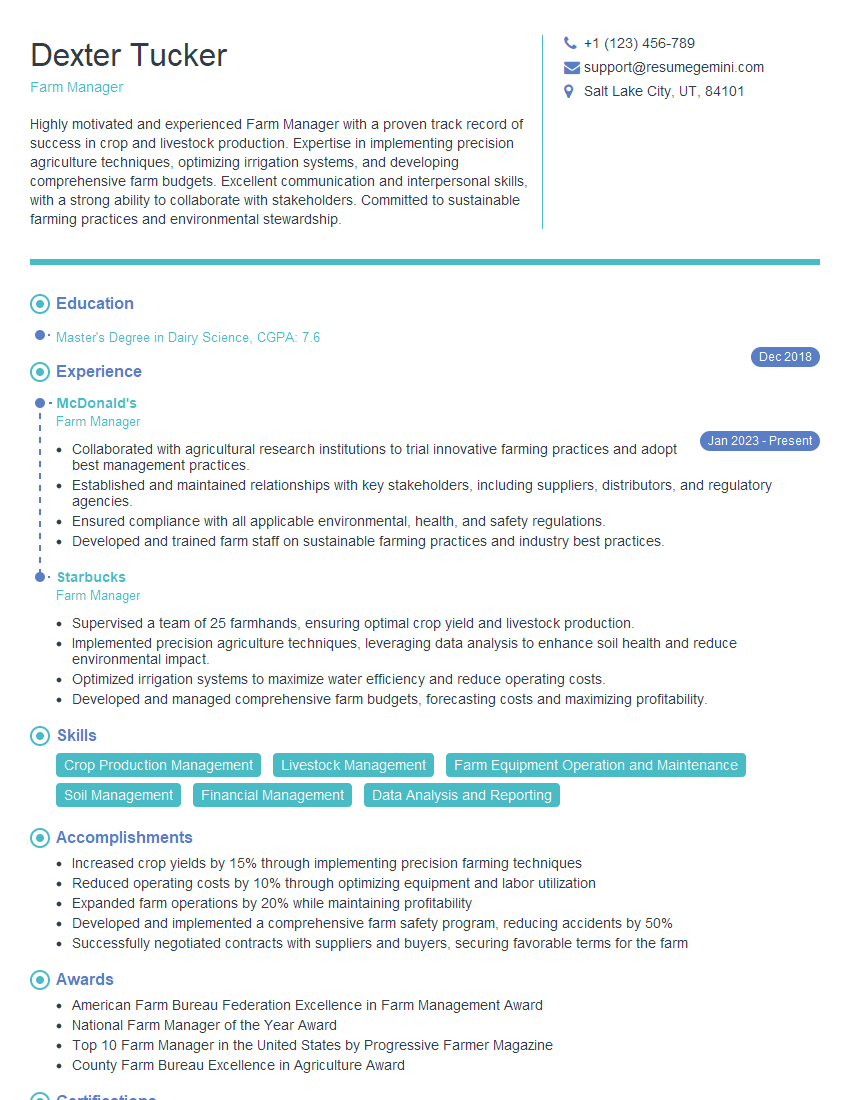
Farm Manager Resume Sample
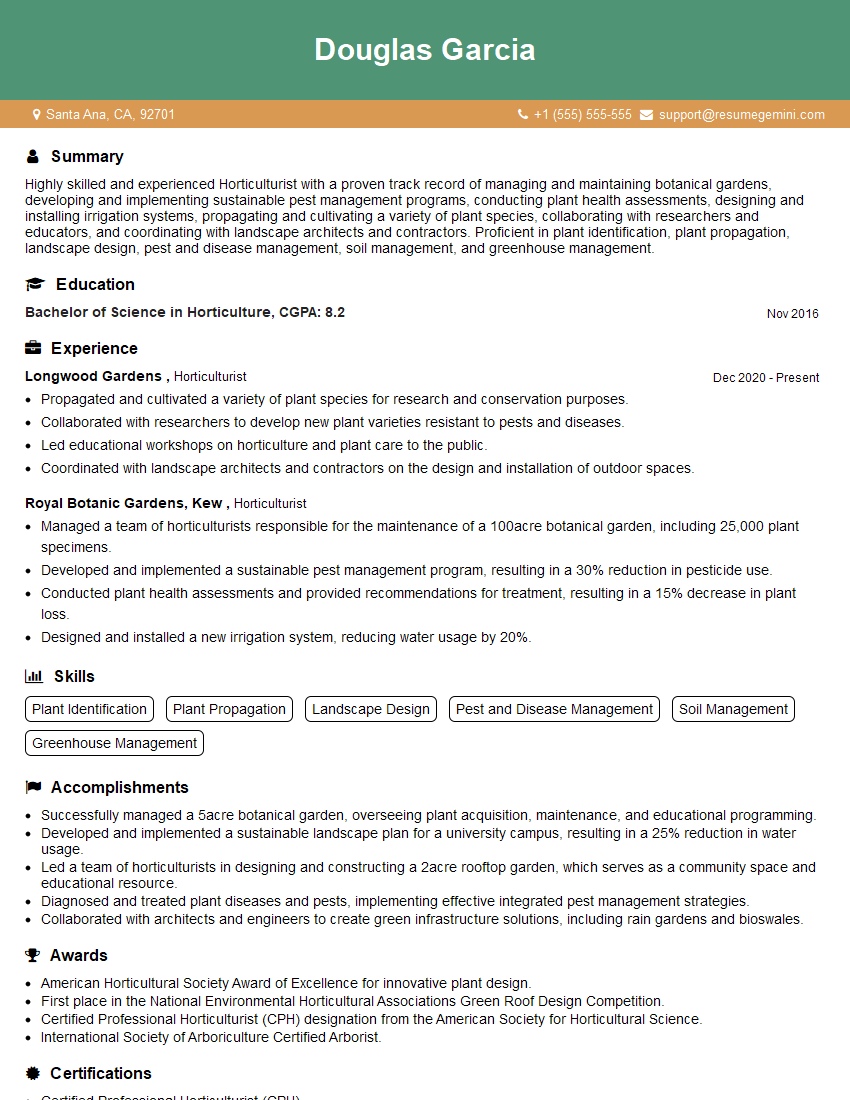
Horticulturist Resume Sample
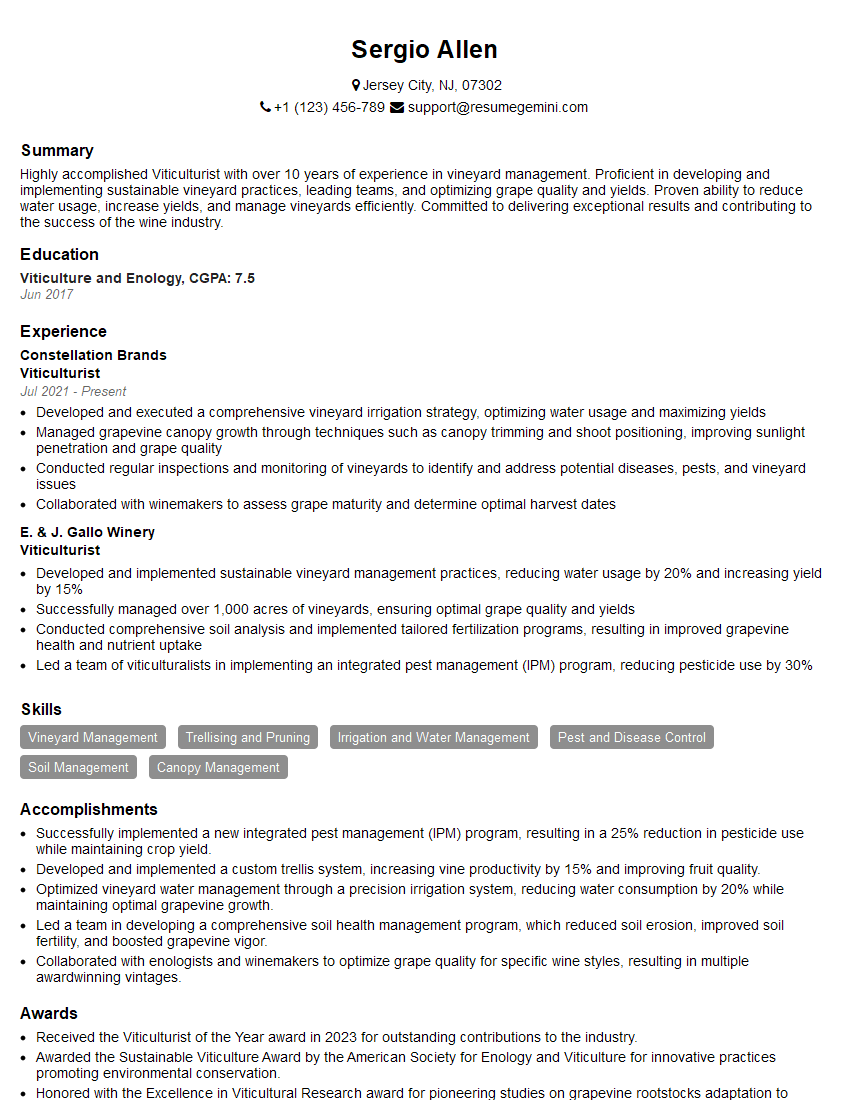
Viticulturist Resume Sample
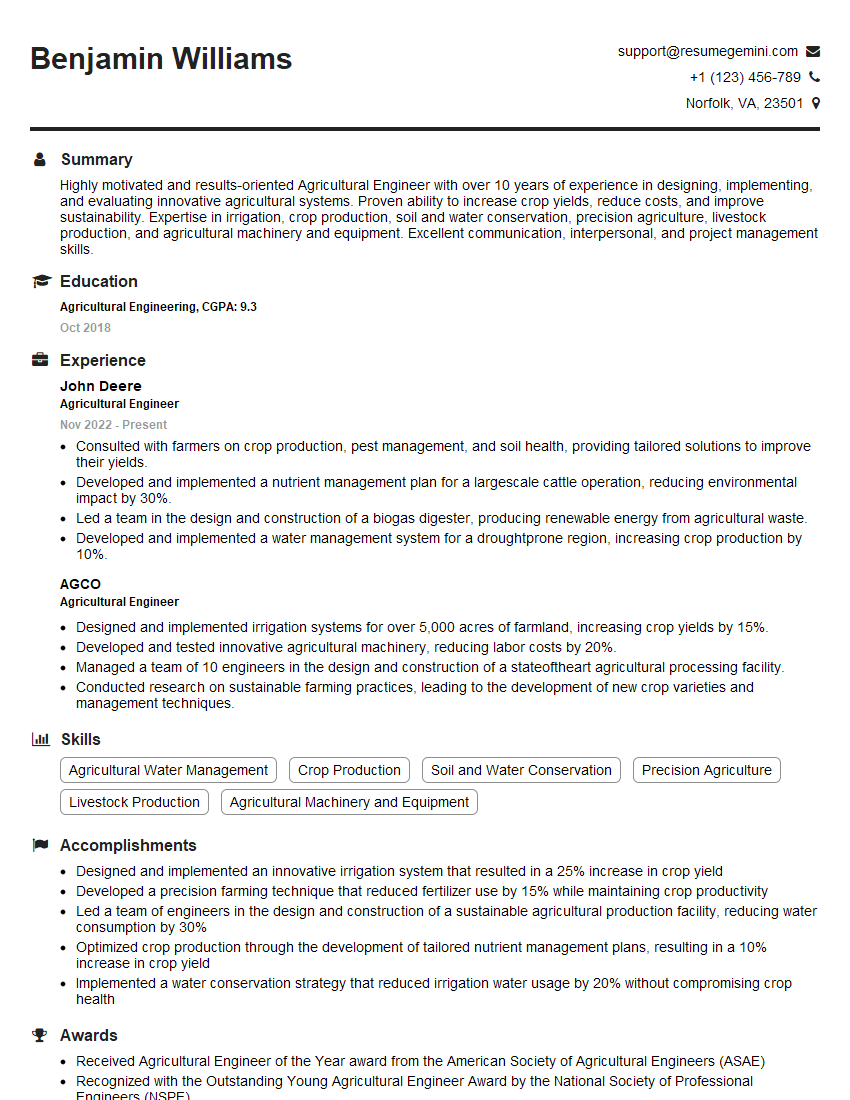
Agricultural Engineer Resume Sample

Soil Scientist Resume Sample
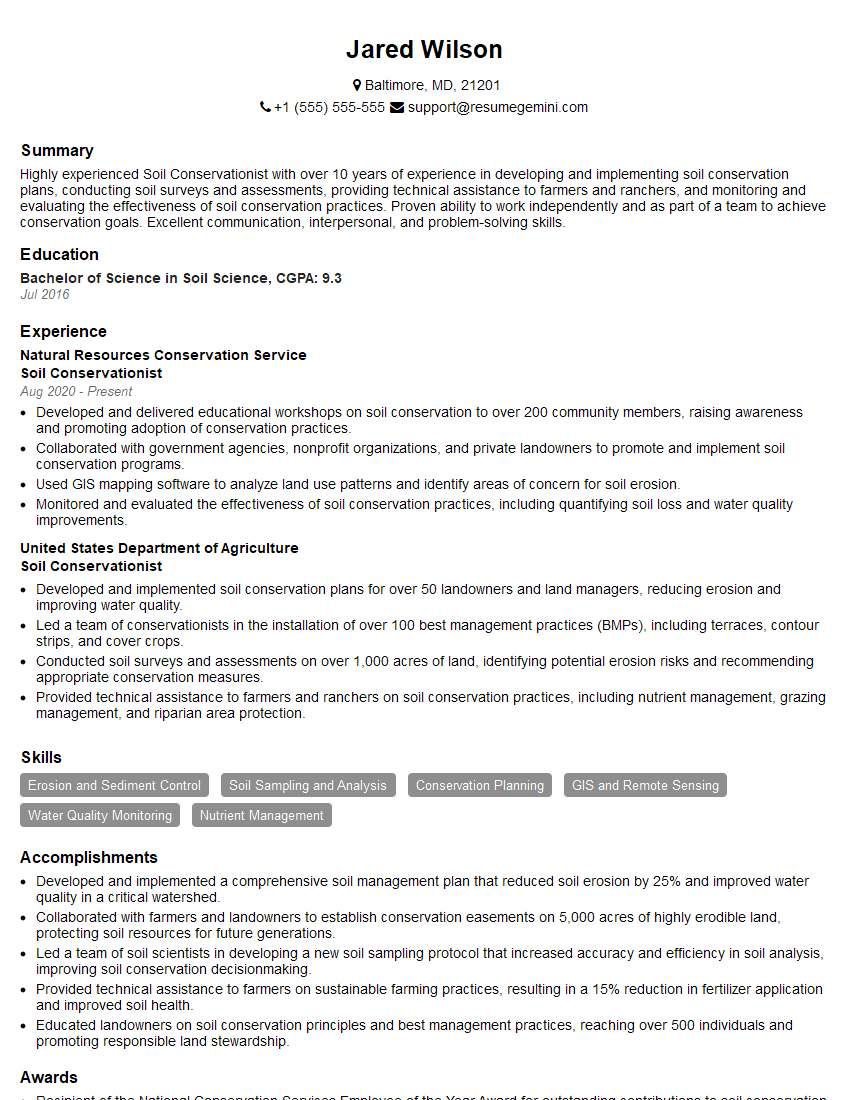
Soil Conservationist Resume Sample
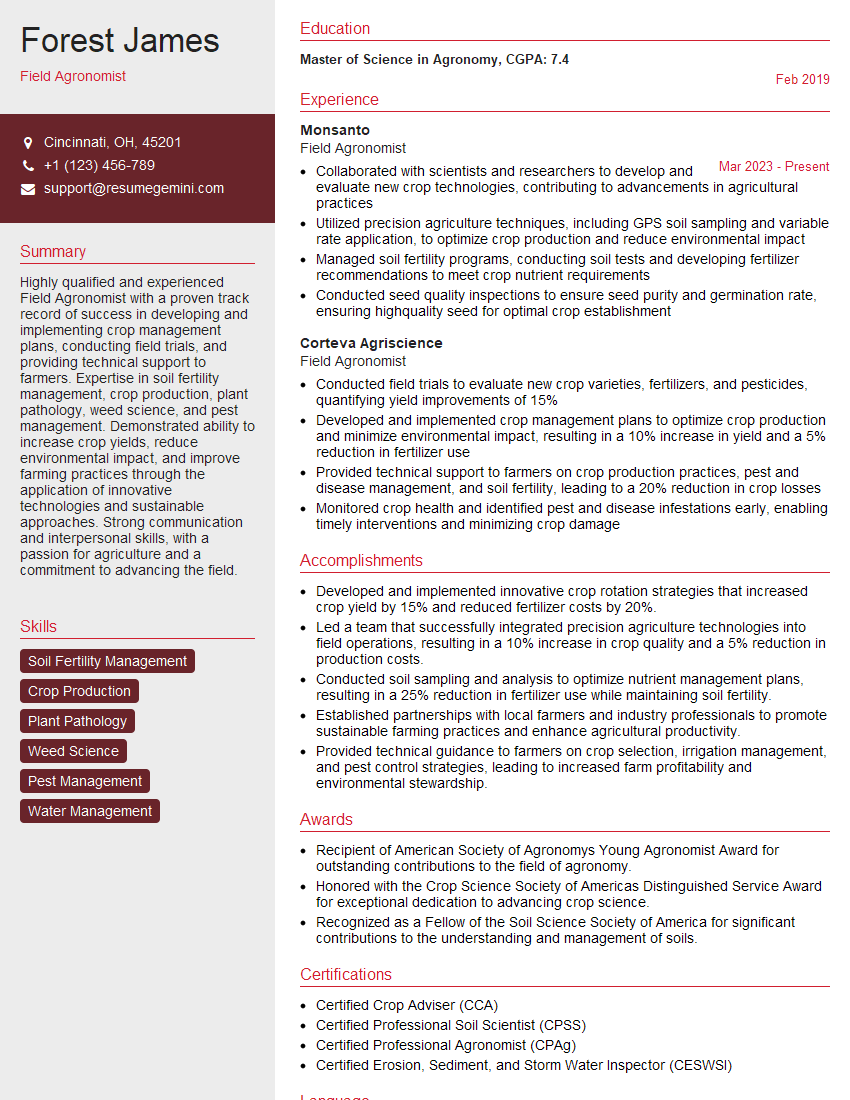
Field Agronomist Resume Sample
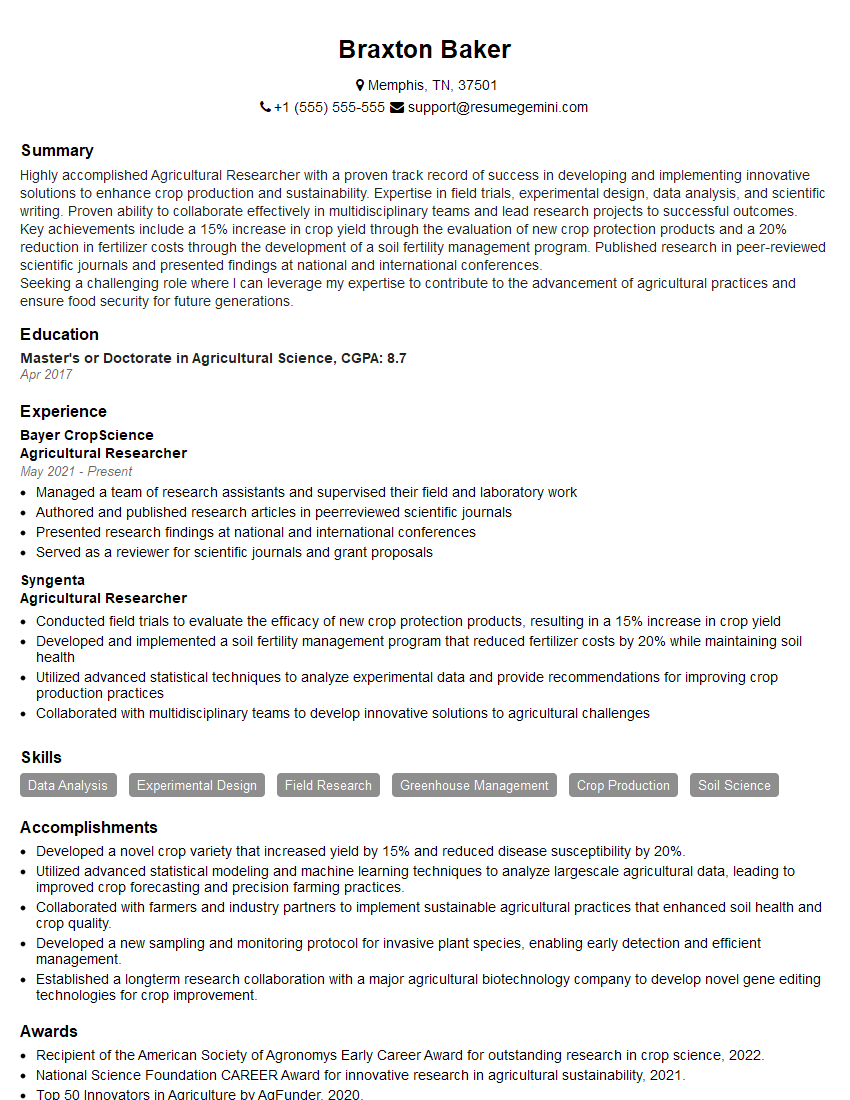
Agricultural Researcher Resume Sample
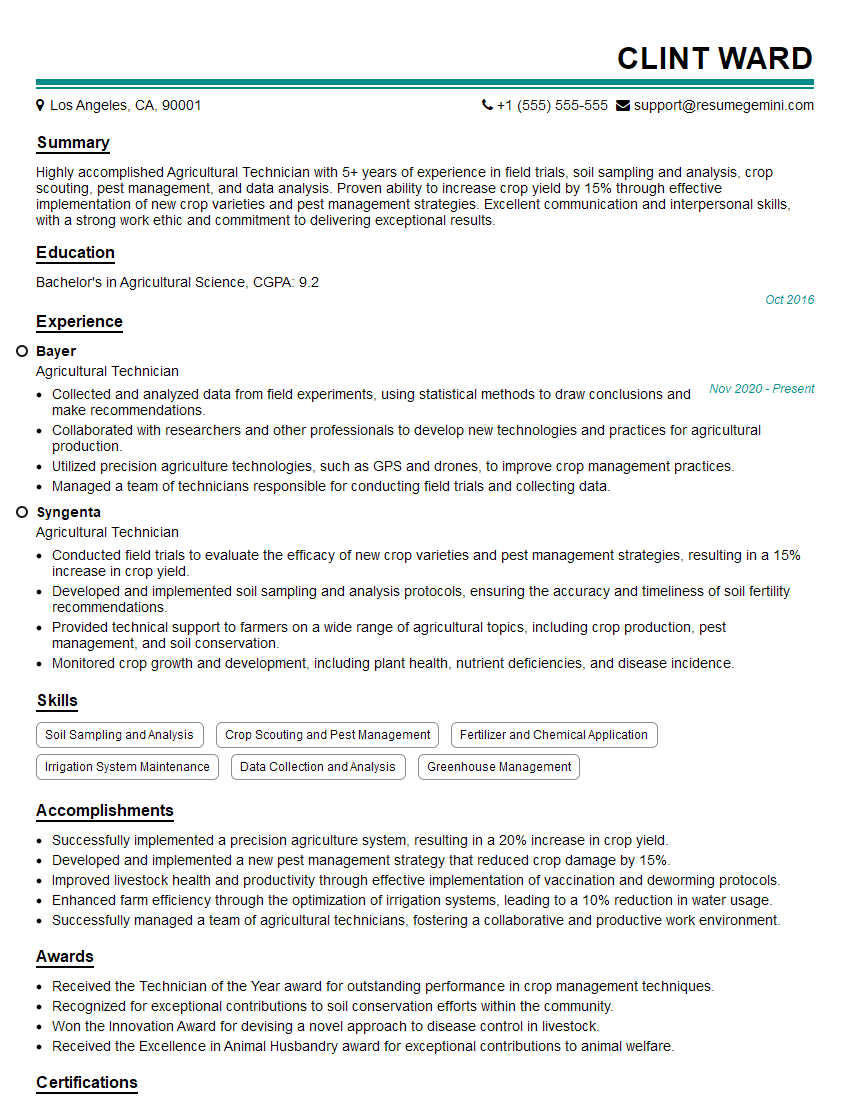
Agricultural Technician Resume Sample
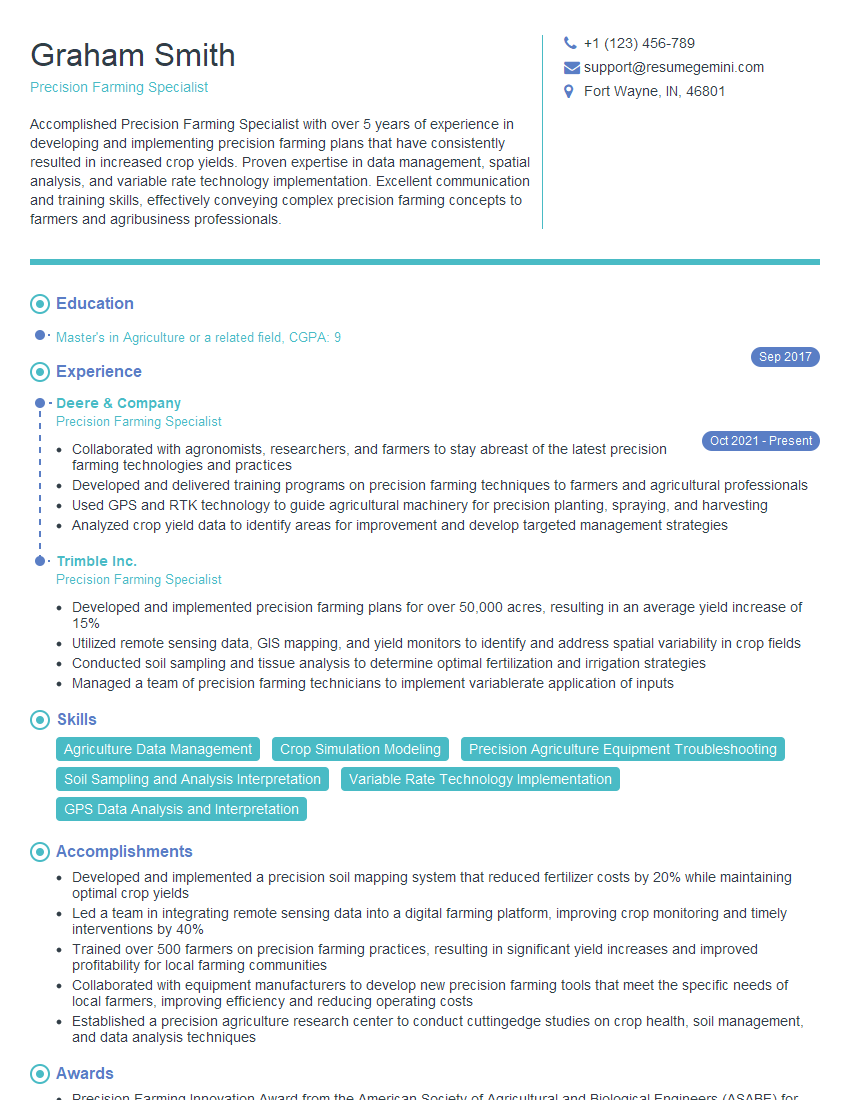
Precision Farming Specialist Resume Sample
Explore more articles
Users Rating of Our Blogs
Share Your Experience
We value your feedback! Please rate our content and share your thoughts (optional).
What Readers Say About Our Blog
Very informative content, great job.
good