The thought of an interview can be nerve-wracking, but the right preparation can make all the difference. Explore this comprehensive guide to Event Styling and Decor interview questions and gain the confidence you need to showcase your abilities and secure the role.
Questions Asked in Event Styling and Decor Interview
Q 1. Describe your experience with different event styles (e.g., rustic, modern, minimalist).
My experience spans a wide range of event styles, each demanding a unique approach to design and decor. For example, a rustic wedding might feature reclaimed wood, burlap accents, and wildflowers, creating a warm, inviting atmosphere. This contrasts sharply with a modern event, which could incorporate sleek lines, metallic accents, and minimalist floral arrangements for a sophisticated, contemporary feel. Minimalist events prioritize clean lines and a limited color palette, often focusing on high-quality materials and strategic placement of a few key elements. I’ve successfully executed events across these styles, adapting my creative vision to reflect the client’s preferences and the overall theme.
For a recent rustic-chic wedding, I incorporated vintage furniture rentals, mason jar centerpieces with wildflowers, and string lights to create a romantic, yet understated ambiance. In contrast, a corporate gala I designed featured a modern minimalist theme using geometric shapes, monochromatic color schemes, and dramatic lighting to reflect the company’s brand identity. Each project required careful consideration of the space, the client’s vision, and the overall event narrative.
Q 2. What software programs are you proficient in for event design and planning?
Proficiency in design software is crucial for effective event planning. I’m highly skilled in using programs such as Adobe Photoshop for image manipulation and creating mood boards, Illustrator for designing logos and other graphics, and InDesign for creating detailed floor plans and presentations. I also utilize SketchUp for 3D modeling to visualize the event space and layout, ensuring all elements are perfectly positioned and scaled. Finally, I’m adept at using project management software like Asana to manage tasks, timelines, and communication with clients and vendors.
Q 3. Explain your process for creating an event budget.
Creating an accurate event budget is a collaborative process involving the client and me. First, we establish a clear scope of work, detailing all aspects of the event, from venue rental and catering to decor and entertainment. Then, I meticulously research and gather quotes from various vendors. I categorize expenses into different categories, such as venue, catering, decor, entertainment, and staffing. Contingency funds are always built into the budget to account for unforeseen expenses. Throughout the process, transparency and clear communication are paramount, ensuring the client understands every cost associated with their event.
For example, I recently created a detailed budget spreadsheet that broke down every cost item for a client’s wedding, enabling them to easily track and manage their expenses. This proactive approach ensures there are no unpleasant surprises and maintains a strong working relationship with the client throughout the planning process.
Q 4. How do you manage vendor relationships and negotiations?
Managing vendor relationships requires clear communication, respect, and proactive problem-solving. I begin by selecting vendors who align with my aesthetic and possess a strong reputation for quality and reliability. Contracts are meticulously drafted, outlining scope of work, payment schedules, and expectations. Regular communication is key; I maintain open dialogue with vendors, addressing any concerns promptly and proactively. Negotiations are approached fairly and professionally, focusing on finding solutions that benefit both parties. Building strong relationships ensures a smooth and efficient event execution.
For instance, I recently negotiated a favorable rate with a caterer by offering them an opportunity to showcase their signature dishes at the event. This win-win situation resulted in cost savings for the client and valuable exposure for the caterer.
Q 5. Describe your experience with floral design and arrangement.
My experience with floral design encompasses a wide range of styles and techniques. I possess a keen eye for color palettes and floral arrangements, creating stunning centerpieces, bouquets, and other floral installations. I work closely with florists to translate the client’s vision into reality, selecting the appropriate flowers and foliage to complement the event’s theme and overall design. I understand the nuances of floral design, from proper handling and preservation techniques to creating visually appealing and balanced arrangements.
I recall a recent event where I collaborated with a florist to create a breathtaking cascade bouquet that incorporated the client’s favorite blooms, perfectly capturing the romantic elegance of their wedding.
Q 6. How do you handle unexpected challenges or changes during an event?
Unexpected challenges are inevitable in event planning. My approach is to remain calm, assess the situation quickly, and develop a solution. I have contingency plans in place for various scenarios, such as inclement weather, vendor cancellations, or equipment malfunctions. Effective communication is crucial during such times; I keep the client informed and involve them in the decision-making process. My goal is to minimize disruption and ensure the event continues seamlessly. Flexibility and problem-solving skills are key to navigating these unexpected turns.
For instance, at a recent outdoor event, a sudden downpour threatened to disrupt the ceremony. I swiftly mobilized the team to relocate the ceremony indoors, working closely with the venue staff to ensure a smooth transition with minimal disruption to the event’s flow.
Q 7. What is your approach to sourcing and selecting event decor?
Sourcing and selecting event decor is a multifaceted process that begins with a thorough understanding of the client’s vision and the event’s theme. I research various vendors, exploring options for rentals, purchases, and custom-made pieces. I consider factors like budget, style, and availability when making selections. I prioritize quality and sustainability, seeking out eco-friendly options whenever possible. I also pay attention to detail, ensuring that the decor complements the overall aesthetic and creates a cohesive atmosphere.
For example, I recently sourced unique vintage furniture pieces from local antique shops for a rustic-themed event, adding a personal touch and creating a visually stunning setting. My approach ensures that the decor not only looks amazing but also tells a story, enhancing the overall event experience.
Q 8. How do you ensure the safety and security of event decor elements?
Ensuring the safety and security of event decor is paramount. It’s not just about aesthetics; it’s about preventing accidents and ensuring a smooth event. My approach involves a multi-layered strategy.
- Risk Assessment: Before selecting any decor element, I assess potential hazards. For instance, tall centerpieces need stable bases to prevent tipping, and any flammable materials are carefully considered and placed away from heat sources. I meticulously check for sharp edges or fragile items that pose a risk to guests.
- Material Selection: I prioritize using high-quality, durable materials that can withstand the event’s activities. For example, choosing flame-retardant fabrics for drapes and ensuring that any electrical installations comply with safety regulations.
- Secure Installation: Proper installation is crucial. This involves using appropriate anchors, securing items against wind or accidental movement, and employing professional riggers when dealing with heavy or complex structures such as large lighting rigs or suspended decorations. We always ensure that any electrical wiring is concealed and protected.
- Supervision and Monitoring: During the event, I or a designated member of my team monitors the decor, making any necessary adjustments to ensure continued safety. This includes addressing any damage or potential hazards that might arise.
- Post-Event Inspection: After the event, a thorough inspection is carried out to ensure that all materials are safely dismantled and stored, preventing damage and potential future hazards.
For example, at a recent wedding, we used weighted bases for tall floral arrangements and opted for LED lighting instead of candles to eliminate fire hazards. This proactive approach ensured a safe and enjoyable event for everyone.
Q 9. Describe your experience with event lighting design.
Event lighting design is more than just illumination; it’s about creating atmosphere and enhancing the overall experience. My experience encompasses a wide range of techniques and technologies.
I begin by understanding the event’s theme, mood, and the client’s vision. This informs my choice of lighting fixtures, colors, and placement. I consider the architectural features of the venue and how lighting can highlight them.
I’m proficient in using various lighting types, including:
- Ambient Lighting: This provides overall illumination, setting the general tone.
- Accent Lighting: This highlights specific features like architectural details or centerpieces.
- Task Lighting: This focuses on areas requiring specific illumination, such as buffet tables or dance floors.
- Decorative Lighting: This enhances the aesthetics, using elements like string lights, uplighting, or projected patterns.
I utilize advanced lighting control systems to create dynamic and adaptable lighting schemes. This allows for seamless transitions and changes throughout the event, from a soft, romantic ambiance during dinner to a vibrant, energetic atmosphere for the dance floor. I’ve worked extensively with both traditional and LED lighting systems, leveraging the energy efficiency and color-changing capabilities of LED technology.
For example, at a corporate gala, we used a combination of uplighting to highlight the building’s architecture, accent lighting to focus on artwork, and dynamic LED lighting to create a visually stunning experience on the dance floor, adapting the lighting color throughout the event based on the music.
Q 10. How do you incorporate client preferences into the event design?
Incorporating client preferences is central to my design process. It’s about creating an event that truly reflects their personality and vision. I achieve this through a collaborative and iterative approach.
- Initial Consultation: We start with a detailed consultation where I actively listen to their ideas, aspirations, and any specific requests. I ask detailed questions about their style preferences, color palettes, and budget constraints.
- Mood Boards and Inspiration: I create mood boards showcasing different design options, drawing inspiration from their input. This allows them to visualize different styles and make informed decisions.
- Concept Development: Based on their feedback, I develop a detailed design concept, including sketches, renderings, and a comprehensive proposal.
- Revisions and Refinements: I welcome feedback and incorporate revisions throughout the process to ensure the final design aligns perfectly with their expectations. It’s a back-and-forth conversation to ensure satisfaction.
- Ongoing Communication: Open communication is key. I regularly update the client on progress and address any concerns promptly.
For example, one client wanted a rustic-chic wedding. Through multiple discussions and revisions, we refined the design, incorporating elements like burlap runners, wildflowers, and mason jars, perfectly reflecting their desired style.
Q 11. What are your preferred methods for communicating with clients and vendors?
Effective communication is essential for a successful event. I use a multi-faceted approach to maintain clear communication with both clients and vendors.
- Project Management Software: I utilize project management software like Asana or Trello to track progress, share documents, and communicate with clients and vendors seamlessly.
- Regular Email Updates: I send regular email updates to keep clients informed about the planning process, addressing any concerns or questions promptly.
- In-Person Meetings: I schedule regular in-person or video conferencing meetings to discuss progress, address concerns, and make important decisions collaboratively.
- Vendor Communication: I maintain open communication with vendors, ensuring clear instructions and confirming deliveries and timelines. I use a combination of email, phone calls, and text messages as appropriate.
- Detailed Contracts: I use detailed contracts with both clients and vendors to outline expectations, responsibilities, and payment terms clearly.
This comprehensive system ensures that everyone is on the same page, leading to a smooth and efficient event planning process.
Q 12. How do you manage time effectively during the event planning process?
Effective time management is crucial in event planning. I employ a structured approach to ensure timely completion of all tasks.
- Detailed Timeline: I create a detailed timeline outlining all tasks, deadlines, and responsibilities. This acts as a roadmap for the entire process.
- Prioritization: I prioritize tasks based on their urgency and importance, focusing on critical milestones first.
- Delegation: I delegate tasks to my team members where appropriate, ensuring efficient use of resources.
- Regular Check-ins: I conduct regular check-ins with my team and clients to track progress, identify potential delays, and make necessary adjustments.
- Contingency Planning: I incorporate contingency planning into my schedule to account for unexpected delays or issues.
For instance, I might allocate specific time blocks for vendor communication, design revisions, and site visits, ensuring all tasks are addressed within the stipulated timeframe. Using a project management tool helps me visually track progress and identify any potential bottlenecks.
Q 13. Explain your process for setting up and dismantling event decor.
Setting up and dismantling event decor is a meticulous process that requires careful planning and execution. My team and I follow a structured approach to ensure efficiency and prevent damage.
- Pre-Event Planning: We create a detailed setup and takedown plan, including diagrams and checklists. This outlines the location of each decor element and the sequence of installation and removal.
- Team Briefing: Before setup, we conduct a team briefing to ensure everyone understands their roles and responsibilities.
- Safe Handling: We handle all decor items with care, using appropriate techniques and equipment to prevent damage or injury. This includes using protective coverings where necessary.
- Systematic Setup: We follow the pre-determined plan meticulously, ensuring all elements are in place and visually appealing.
- Post-Event Clean-up: After the event, we thoroughly clean the venue and pack all materials carefully, ensuring they are appropriately stored for future use.
- Inventory Management: We maintain a detailed inventory of all decor items, tracking their condition and location.
For example, at a large-scale conference, we divided our team into smaller groups, each responsible for a specific area, ensuring smooth and efficient setup and dismantling within the allocated time frame. This systematic approach prevented any chaos and ensured that everything was done professionally and safely.
Q 14. How do you handle client feedback and resolve complaints?
Handling client feedback and resolving complaints is a crucial aspect of my work. My goal is to address any concerns promptly and professionally, aiming for client satisfaction.
- Active Listening: I listen carefully to the client’s feedback, allowing them to fully express their concerns without interruption.
- Empathy and Understanding: I demonstrate empathy and understanding, acknowledging their feelings and perspectives.
- Problem Identification: I identify the root cause of the complaint and determine the most appropriate solution.
- Solution Proposal: I propose a concrete solution, outlining the steps I will take to address the issue.
- Follow-up: I follow up with the client to ensure they are satisfied with the resolution and to prevent similar issues in the future.
- Documentation: I document all feedback and resolutions to improve future services.
For example, if a client expressed dissatisfaction with the color of the lighting, I would apologize, explain the reason for the discrepancy, and offer to adjust the lighting or provide a partial refund. Open communication and a willingness to find a solution are key to resolving any complaints effectively.
Q 15. What are your strategies for staying current with the latest event design trends?
Staying ahead in event design requires a multi-pronged approach. It’s not just about fleeting trends; it’s about understanding the underlying shifts in aesthetics and client preferences. My strategy involves a combination of active engagement and continuous learning.
- Industry Publications and Blogs: I religiously follow leading event design magazines, blogs, and online resources like Style Me Pretty, The Knot, and BizBash. These platforms offer insights into emerging color palettes, design styles, and technological advancements.
- Social Media Monitoring: I actively use platforms like Pinterest, Instagram, and even TikTok to scout for creative inspiration and identify trending hashtags. This allows me to see real-time applications of design ideas in various events.
- Attending Industry Events and Workshops: Networking at trade shows, conferences, and workshops provides invaluable opportunities to learn from peers, see new products, and gauge the pulse of the industry firsthand. Recently, I attended the International Special Events Society (ISES) conference, which was incredibly insightful.
- Collaboration and Knowledge Sharing: I actively engage in discussions with fellow event planners, designers, and vendors. This collaborative approach allows for a cross-pollination of ideas and fresh perspectives.
For example, I noticed a recent trend towards incorporating sustainable materials and eco-conscious practices into event decor, which has directly influenced my design choices for several recent projects.
Career Expert Tips:
- Ace those interviews! Prepare effectively by reviewing the Top 50 Most Common Interview Questions on ResumeGemini.
- Navigate your job search with confidence! Explore a wide range of Career Tips on ResumeGemini. Learn about common challenges and recommendations to overcome them.
- Craft the perfect resume! Master the Art of Resume Writing with ResumeGemini’s guide. Showcase your unique qualifications and achievements effectively.
- Don’t miss out on holiday savings! Build your dream resume with ResumeGemini’s ATS optimized templates.
Q 16. Describe your experience with creating mood boards and concept presentations.
Mood boards and concept presentations are fundamental to my design process. They serve as visual communication tools that help clients visualize my vision and ensure alignment before execution. I approach this phase with a structured methodology:
- Client Consultation: I begin with a thorough discussion to understand the client’s vision, preferences (e.g., style, color scheme, theme), budget, and guest count. This initial conversation lays the groundwork for the design concept.
- Mood Board Creation: Using platforms like Pinterest or physical materials, I curate a visual collection of images, textures, fabrics, color swatches, and other elements representing the desired atmosphere and style. This acts as a visual reference point throughout the design process.
- Concept Presentation: I present the mood board alongside a detailed explanation of the design concept. This presentation includes: the overall theme, color palette, key design elements, proposed materials, lighting, and any special effects. I also present realistic renderings and 3D mockups where applicable.
- Iteration and Refinement: The presentation is not a final product; it’s an opportunity for feedback and collaboration. I actively seek input from the client and make revisions based on their preferences and any practical considerations.
For a recent wedding, I created a mood board featuring muted pastels, flowing fabrics, and natural elements to reflect the client’s desire for a rustic-chic celebration. The presentation included sketches of the floral arrangements, table settings, and lighting to ensure a cohesive design.
Q 17. How do you prioritize tasks and manage deadlines effectively?
Effective task prioritization and deadline management are crucial in the fast-paced world of event styling. My approach is based on a combination of planning tools and proven methodologies.
- Project Management Software: I use project management tools like Asana or Trello to create detailed project timelines, assign tasks, set deadlines, and track progress. This ensures that all components of the event planning are visible and well-organized.
- Prioritization Matrix: I utilize a prioritization matrix (e.g., Eisenhower Matrix) to categorize tasks based on urgency and importance. This helps me focus on critical tasks first while delegating or postponing less urgent ones.
- Gantt Charts: For larger events, I utilize Gantt charts to visualize project timelines and dependencies. This helps me identify potential bottlenecks and adjust the schedule accordingly.
- Regular Check-ins: I schedule regular check-in meetings with my team and clients to review progress, address challenges, and ensure everyone is on track.
- Contingency Planning: I always include a buffer for unforeseen circumstances. This allows for flexibility and minimizes the impact of unexpected delays or issues.
For example, during a large corporate event, I used a Gantt chart to meticulously schedule the delivery of décor, setup time, and breakdown, ensuring a smooth workflow and adherence to strict timelines.
Q 18. What is your experience with managing event logistics and transportation?
Managing event logistics and transportation is a critical aspect of event styling that requires meticulous planning and coordination. My experience encompasses a wide range of activities.
- Vendor Coordination: I collaborate closely with various vendors, including florists, caterers, lighting technicians, and transportation companies, to ensure timely delivery and setup of all necessary items. I maintain clear communication channels and detailed contracts to avoid any misunderstandings.
- Transportation Management: I plan and coordinate the transportation of décor, equipment, and personnel to and from the event venue. This includes securing appropriate vehicles, scheduling deliveries, and managing routes to ensure efficiency and avoid delays.
- Inventory Management: I maintain a detailed inventory list of all décor items to track their location, condition, and availability. This helps prevent loss or damage and streamlines the post-event process.
- On-site Supervision: I oversee the unloading, setup, and breakdown of the décor to ensure everything is in place as planned. This requires clear communication with the venue staff and all vendors involved.
For a recent outdoor wedding, I meticulously coordinated the transport of fragile floral arrangements, ensuring their safe arrival and setup at the remote venue. This involved working closely with the florist and a specialized transportation company.
Q 19. How do you ensure the sustainability of event decor and practices?
Sustainability is a growing concern in the event industry, and I am deeply committed to incorporating eco-conscious practices into my designs. My approach focuses on several key areas:
- Sustainable Materials: I prioritize the use of recycled, reusable, and biodegradable materials whenever possible. This includes opting for eco-friendly fabrics, flowers, and decorations. I actively seek out suppliers who share this commitment.
- Waste Reduction: I implement strategies to minimize waste generation throughout the event lifecycle. This involves careful planning, precise ordering, and efficient resource utilization. We often repurpose decorations for future events whenever feasible.
- Energy Efficiency: I choose lighting and technology solutions that minimize energy consumption. This includes opting for LED lighting and minimizing the use of single-use plastics.
- Donation and Recycling: At the end of each event, I ensure that reusable décor items are properly stored, and any remaining materials are donated to charities or recycled responsibly.
- Carbon Offset: For events with a larger environmental footprint, I explore options for carbon offsetting to minimize the event’s carbon emissions.
For instance, at a recent corporate gala, I used reclaimed wood for the stage design, sourced locally grown flowers, and partnered with a recycling company to ensure responsible disposal of all waste materials.
Q 20. Describe your experience with working within a specific budget constraint.
Working within a budget is a fundamental skill for any event stylist. My experience involves a detailed and strategic approach to ensure both creative excellence and financial responsibility.
- Detailed Budgeting: I create a comprehensive budget outlining all anticipated expenses, including materials, labor, transportation, and rentals. This ensures transparency and facilitates informed decision-making.
- Value Engineering: I actively explore ways to optimize costs without compromising the overall design aesthetic. This could involve finding more affordable alternatives for certain materials, negotiating with vendors, or utilizing existing resources whenever possible.
- Prioritization: I prioritize essential design elements and allocate resources accordingly. This ensures that the most impactful elements are given the necessary budget while less critical aspects might be scaled down.
- Creative Problem Solving: I leverage my creativity to find cost-effective solutions, such as using DIY elements or repurposing existing items. This allows for a unique and personalized touch without exceeding the budget.
- Transparent Communication: I maintain open communication with the client throughout the budgeting process. This ensures that the client is informed of potential cost adjustments and is actively involved in decision-making.
In one project, I had to create a luxurious look for a gala on a tight budget. I achieved this by using less expensive yet visually striking fabrics, sourcing flowers during their peak season, and creatively incorporating DIY elements that added a unique touch.
Q 21. How familiar are you with different event venues and their capabilities?
Familiarity with various event venues and their capabilities is crucial for successful event styling. My experience covers a wide spectrum of venues, from intimate settings to large-scale spaces.
- Venue Research: I conduct thorough research on potential venues before recommending them to clients. This includes examining their capacity, layout, accessibility, technical capabilities (lighting, sound, power), parking facilities, and overall aesthetic.
- Site Visits: I always conduct site visits to assess the venue’s suitability for the event’s requirements. This allows for a hands-on evaluation of the space and helps identify any potential challenges or opportunities.
- Vendor Relationships: I maintain strong relationships with various venue managers and staff. This ensures seamless coordination and access to the necessary information and resources.
- Technical Specifications: I carefully review the venue’s technical specifications to ensure compatibility with the planned lighting, sound, and other technical aspects of the event.
- Adaptability: I’m adept at adapting my designs to suit the unique characteristics and limitations of different venues. This ensures that the design remains cohesive and impactful regardless of the location.
For example, when designing an event for a historic ballroom, I carefully considered the architectural details and incorporated design elements that complemented the venue’s historical charm without overshadowing it. Conversely, for a modern loft space, I used sleek, minimalist designs to enhance the venue’s contemporary aesthetic.
Q 22. How do you handle conflict resolution amongst event team members?
Conflict resolution within the event team is crucial for a successful event. My approach is proactive and focuses on open communication and collaborative problem-solving. I believe in addressing issues directly but respectfully, fostering a safe environment where team members feel comfortable voicing concerns.
- Identify the Root Cause: I start by understanding the source of the conflict, listening to all perspectives without judgment. For example, if a disagreement arises about floral arrangements, I’d clarify each team member’s vision and explore compromises.
- Facilitate Dialogue: I encourage open and honest communication, ensuring everyone feels heard. Sometimes, a simple misunderstanding can be resolved with clear explanation and clarification.
- Find Common Ground: I work towards finding solutions that satisfy everyone’s needs as much as possible. This often involves creative compromises or re-allocating responsibilities.
- Document Decisions: Once a solution is reached, I document it to ensure clarity and avoid future misunderstandings. This might involve updating the event timeline or assigning specific tasks with clear deadlines.
- Follow Up: After the conflict is resolved, I follow up with the team members to ensure everyone is on the same page and the solution is working effectively.
For example, during a recent wedding, a disagreement arose between the florist and the lighting designer regarding placement of centerpieces. By facilitating open communication, we discovered a simple miscommunication about the dimensions of the centerpieces. A quick adjustment in the lighting design resolved the issue completely.
Q 23. What is your approach to risk management during event planning?
Risk management in event planning is paramount. My approach is multi-faceted and involves identifying, assessing, and mitigating potential problems before they impact the event. I use a combination of proactive planning, contingency planning, and regular monitoring.
- Identify Potential Risks: This includes considering everything from weather conditions and vendor reliability to technical glitches and unexpected guest numbers. I often use a risk assessment matrix to prioritize risks based on likelihood and impact.
- Develop Contingency Plans: For each identified risk, I create a detailed contingency plan. For instance, if there’s a risk of bad weather for an outdoor event, we might secure a backup indoor venue or have a tent readily available.
- Regular Monitoring: Throughout the planning process, I regularly monitor potential risks, adapting plans as needed. This might involve checking weather forecasts, confirming vendor availability, or conducting test runs of technical equipment.
- Communication: Clear communication is key. I keep the client and team informed of potential risks and implemented mitigation strategies.
- Insurance: Adequate insurance coverage protects against unforeseen circumstances, like damage to property or injuries.
For instance, during a large corporate gala, I anticipated potential power outages. Our contingency plan included backup generators and a well-communicated plan to transition to alternative lighting smoothly, ensuring the event proceeded without disruption.
Q 24. How do you measure the success of an event after it has concluded?
Measuring event success goes beyond simply counting attendees. I use a multi-faceted approach that incorporates quantitative and qualitative data to gain a holistic understanding of the event’s impact.
- Client Satisfaction: Post-event feedback surveys from the client are crucial. These surveys gauge their satisfaction with various aspects of the event, including the styling and decor.
- Guest Feedback: Collecting feedback from attendees through surveys or informal feedback channels provides valuable insights into their experience.
- Social Media Analysis: Monitoring social media mentions and hashtags related to the event helps gauge public perception and reach.
- Photography and Videography: Reviewing professional photos and videos helps assess the overall aesthetic appeal and success of the event’s design and execution.
- Financial Analysis: Comparing actual costs against the budget reveals the event’s financial performance.
For example, after a product launch event, we analyzed guest feedback surveys to understand the effectiveness of the event’s design in promoting the product. Positive feedback on the visually appealing event space demonstrated the success of the chosen aesthetic in aligning with the brand’s identity.
Q 25. What are your strengths and weaknesses in event styling and decoration?
My strengths in event styling and decoration lie in my creative vision, meticulous attention to detail, and ability to translate client visions into tangible reality. I excel at creating unique and memorable experiences through innovative design solutions and effective project management.
My weakness, if I had to identify one, is sometimes getting overly invested in the smallest details. To mitigate this, I’ve developed strategies for prioritizing tasks and delegating responsibilities effectively, ensuring all elements receive the appropriate attention without overwhelming myself.
Q 26. Describe your experience with using different types of fabrics and materials.
I have extensive experience working with a wide variety of fabrics and materials, each offering unique textural and aesthetic qualities suitable for different event styles and themes.
- Fabrics: I’m proficient in using silks, satins, velvets, linens, chiffon, and other fabrics to create elegant drapes, tablecloths, runners, and other decorative elements. Understanding drape, texture, and sheen is essential in selecting the right fabric for a particular atmosphere.
- Materials: My experience also extends to various materials, including wood, metal, glass, stone, and various plastics, used in creating unique centerpieces, backdrops, and structural elements. I consider sustainability and source materials responsibly whenever possible.
- Texture and Color Combination: I’m skilled at combining different textures and colors to create visually stimulating and cohesive designs. For instance, using a rough linen tablecloth with a smooth, metallic runner can create a sophisticated contrast.
For example, in a recent rustic-chic wedding, I incorporated burlap, lace, and vintage wood elements, while a modern corporate event called for sleek metallic accents and high-quality satin fabrics.
Q 27. Explain your understanding of event accessibility and inclusivity.
Event accessibility and inclusivity are non-negotiable aspects of my work. I firmly believe that every event should be welcoming and enjoyable for all attendees, regardless of their abilities or backgrounds.
- Accessibility Features: This includes ensuring wheelchair accessibility, appropriate signage, and assistive listening devices where needed. Venue selection always prioritizes accessibility features.
- Diverse Representation: I strive to incorporate diverse representations in all design aspects, from the choice of color palettes to the selection of artwork and decor, ensuring a sense of belonging for all guests.
- Dietary Restrictions: Working closely with caterers to accommodate various dietary needs, including vegetarian, vegan, and allergy-friendly options, is a crucial part of inclusivity.
- Sensory Considerations: I carefully consider potential sensory sensitivities, ensuring appropriate lighting, sound levels, and potentially providing quiet zones.
For instance, during a recent conference, we ensured ample wheelchair-accessible entrances and restrooms, provided large-print materials, and offered captioning for presentations, making the event accessible for a wide range of attendees.
Q 28. How do you ensure all event elements align with the overall theme and vision?
Ensuring all event elements align with the overall theme and vision is fundamental to creating a cohesive and impactful event. My approach is a detailed, multi-step process, beginning long before the event day.
- Mood Board Creation: I start by creating a mood board that visually represents the event theme and style. This acts as a guide throughout the entire process.
- Detailed Design Plan: A comprehensive design plan is developed outlining all elements, including color palettes, materials, furniture, lighting, and floral arrangements. This plan serves as a blueprint for the team.
- Vendor Collaboration: I work closely with vendors—florists, caterers, lighting designers, etc.—to ensure that their work aligns seamlessly with the overall design concept. Regular communication is key.
- Site Visits and Mock-Ups: Conducting site visits and creating mock-ups help visualize the event space and make necessary adjustments before the actual setup.
- On-Site Supervision: I supervise the setup and execution to ensure that the design vision is realized flawlessly.
For a recent fairytale-themed wedding, we meticulously selected every detail, from the pastel color palette and whimsical floral arrangements to the ornate furniture and romantic lighting, creating a truly magical atmosphere that perfectly captured the client’s vision.
Key Topics to Learn for Event Styling and Decor Interview
- Design Principles & Aesthetics: Understanding color theory, composition, and different design styles (e.g., minimalist, rustic, bohemian) and their application to various event types (weddings, corporate events, galas).
- Practical Application: Creating mood boards, sourcing materials and vendors, developing a detailed budget, and managing timelines for different-sized events. Experience translating client visions into tangible designs.
- Space Planning & Logistics: Efficiently utilizing event space, considering traffic flow, seating arrangements, and placement of décor elements. Problem-solving unexpected venue challenges.
- Floral Design & Arrangement: Knowledge of various floral types, arrangement techniques, and their impact on overall event aesthetics. Understanding seasonal availability and cost considerations.
- Lighting & Ambiance: Understanding the role of lighting in setting the mood and enhancing the overall aesthetic. Experience with different lighting types and their practical application.
- Client Communication & Management: Effectively communicating design concepts, managing client expectations, and handling potential conflicts. Demonstrating professionalism and strong interpersonal skills.
- Sustainability & Ethical Sourcing: Understanding the importance of environmentally conscious practices in event styling and décor. Knowledge of sustainable materials and vendors.
- Technical Skills: Proficiency in relevant software (e.g., design software, project management tools) and familiarity with industry standards and safety regulations.
Next Steps
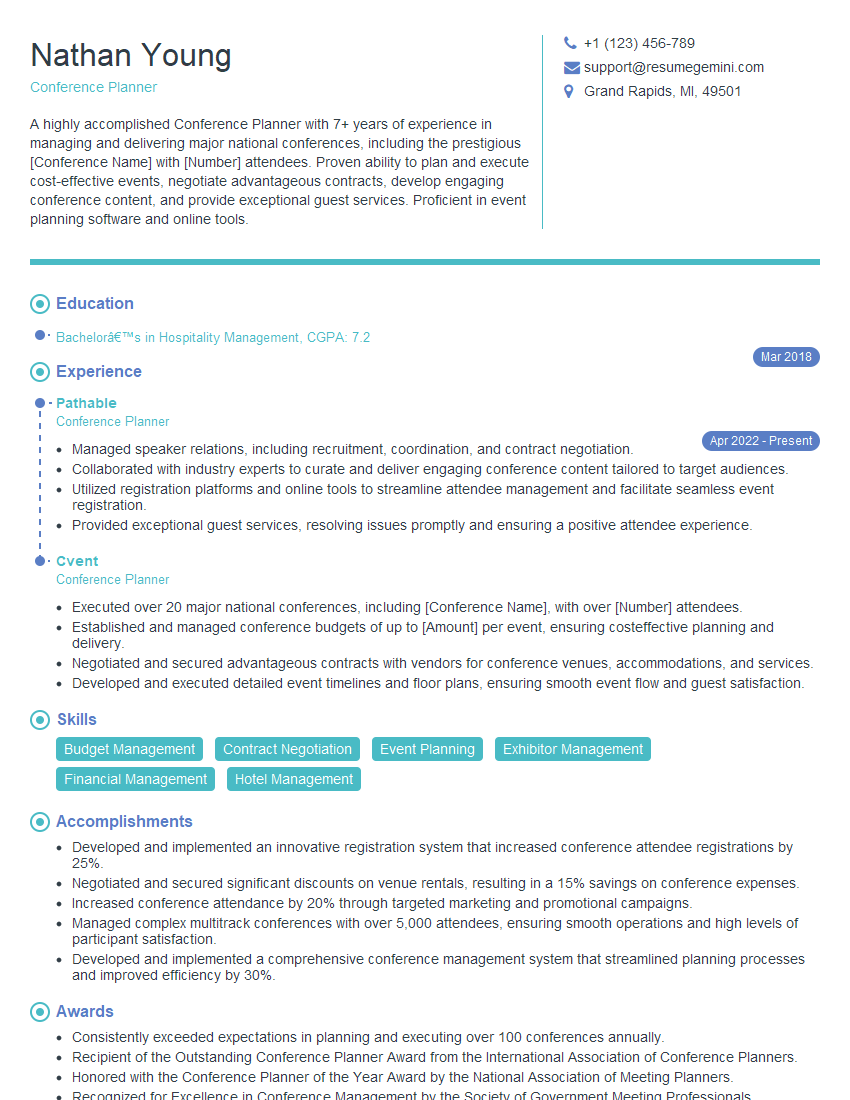
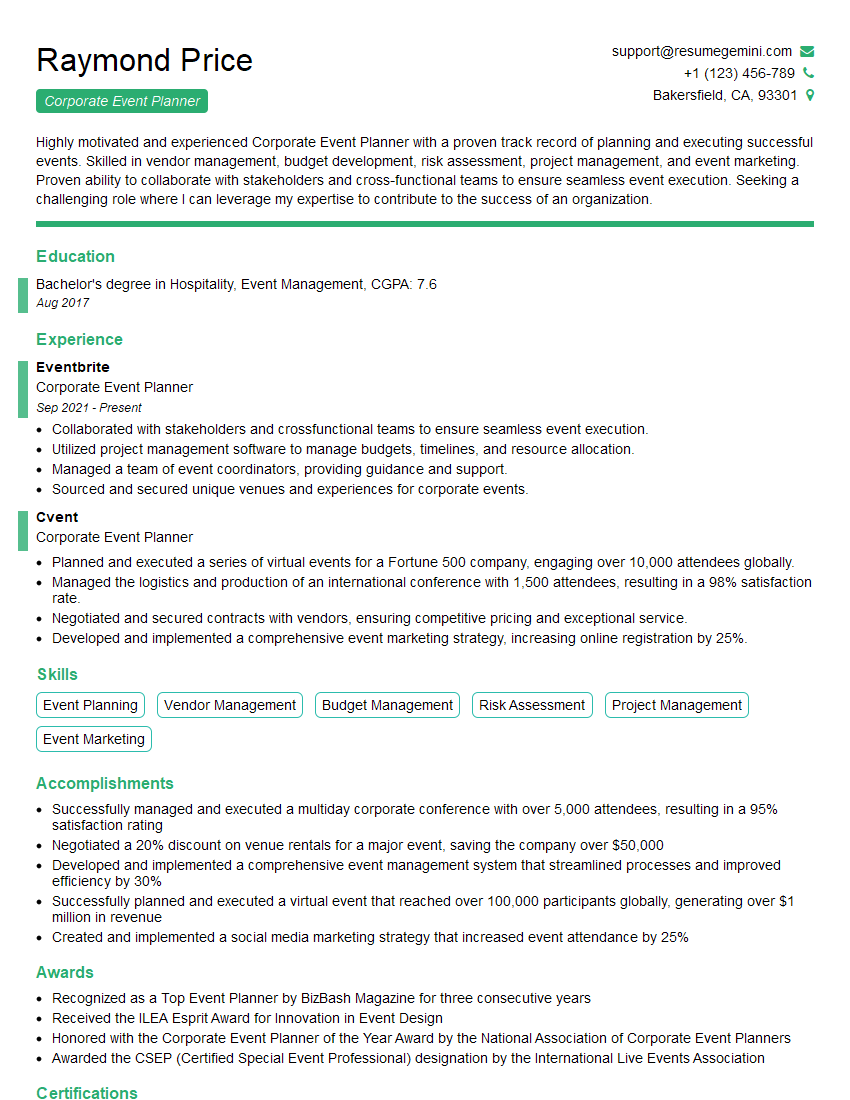
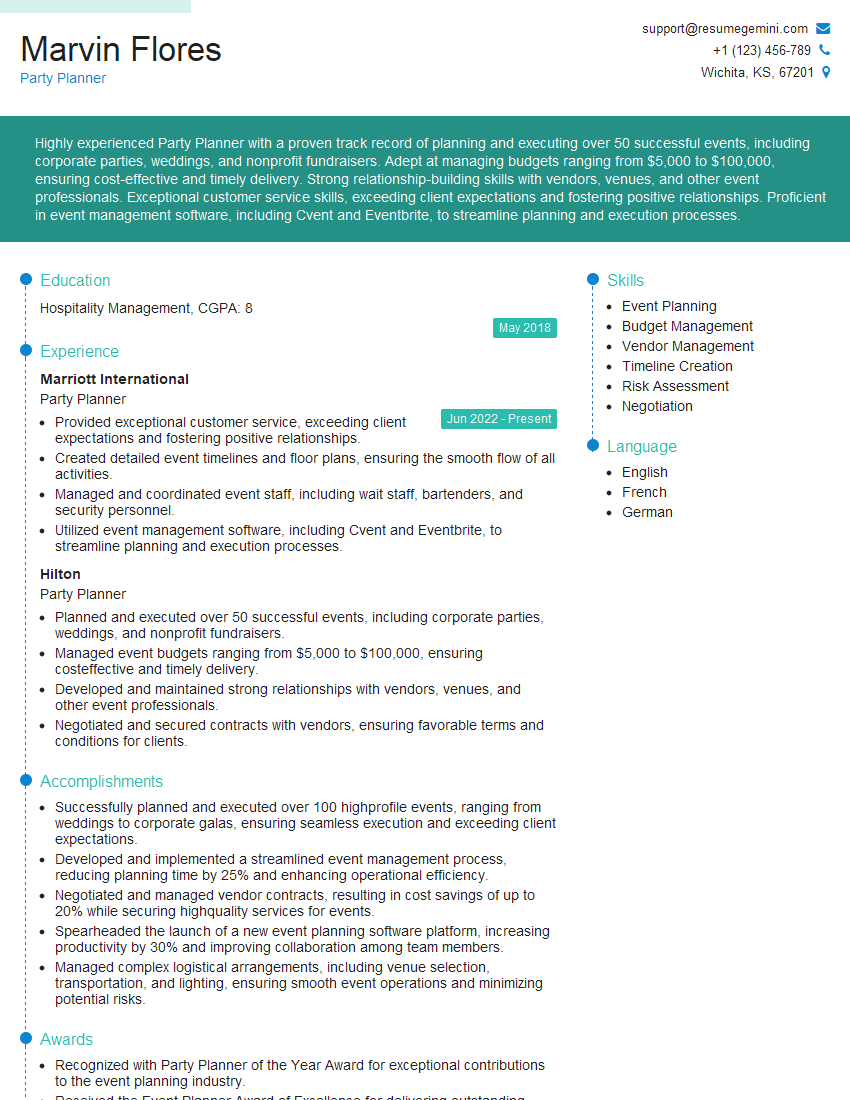
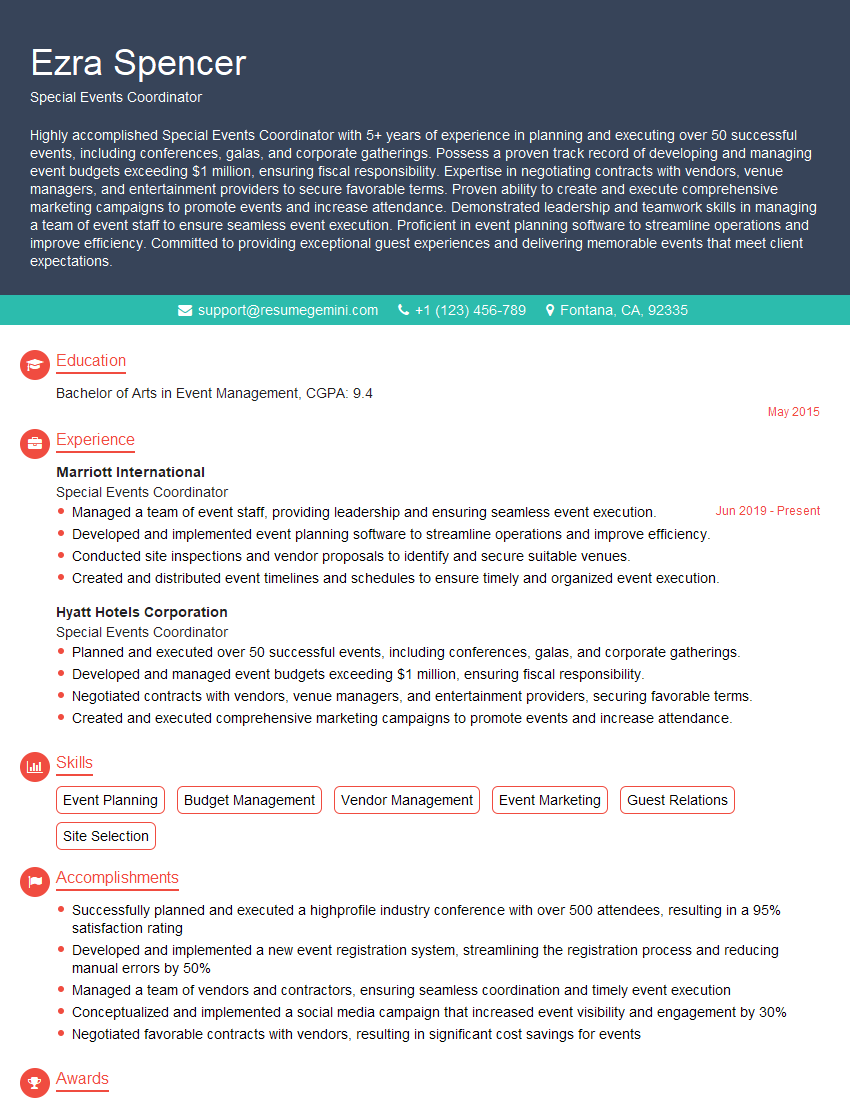
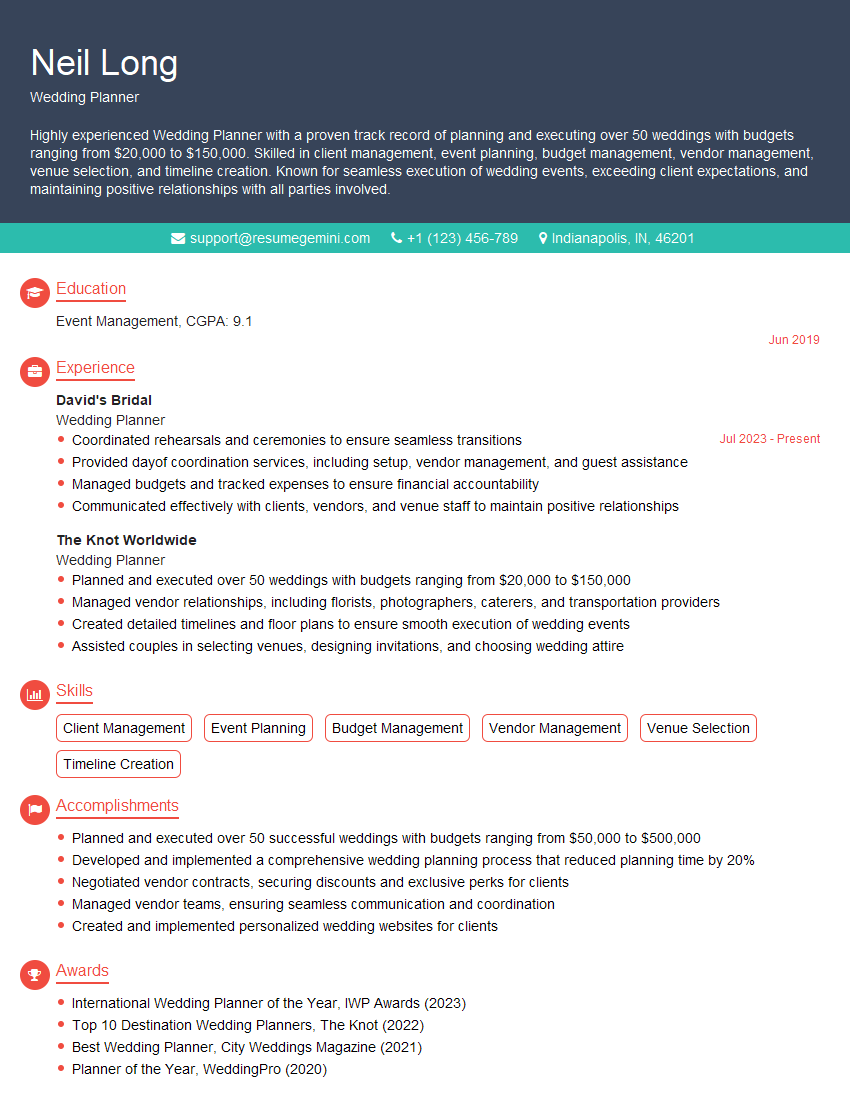
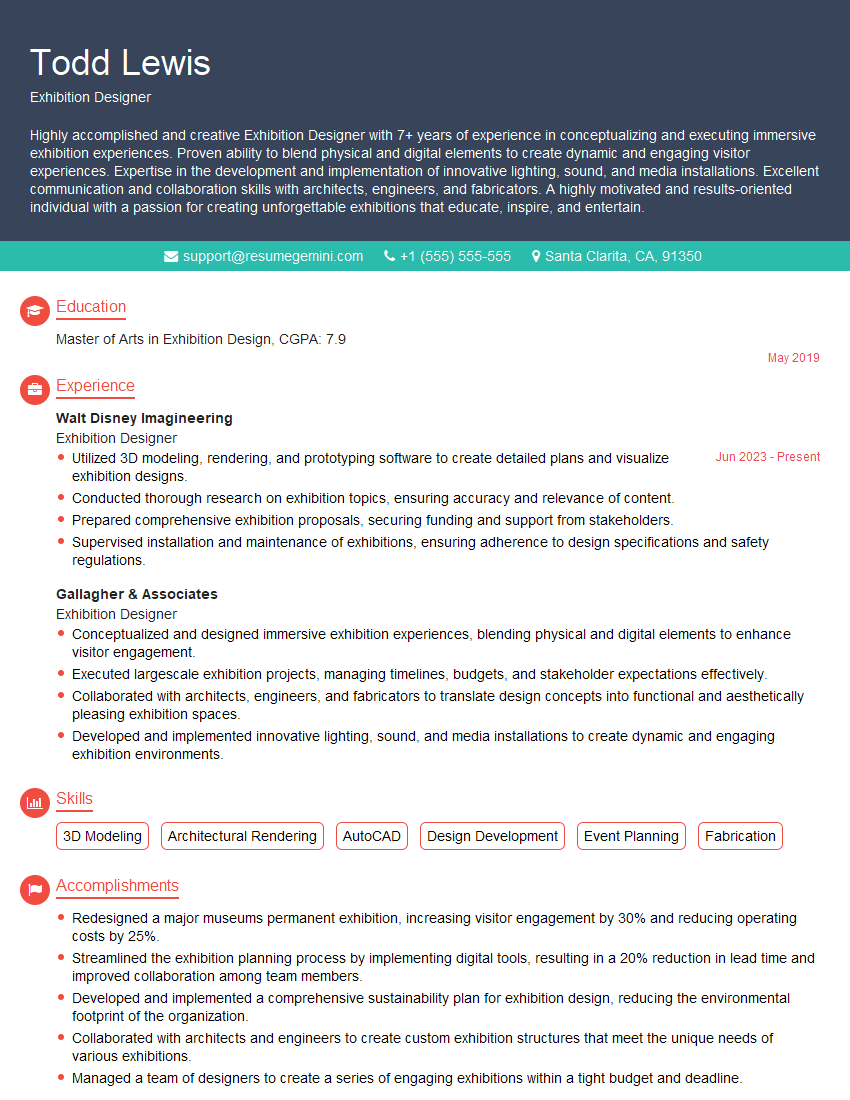
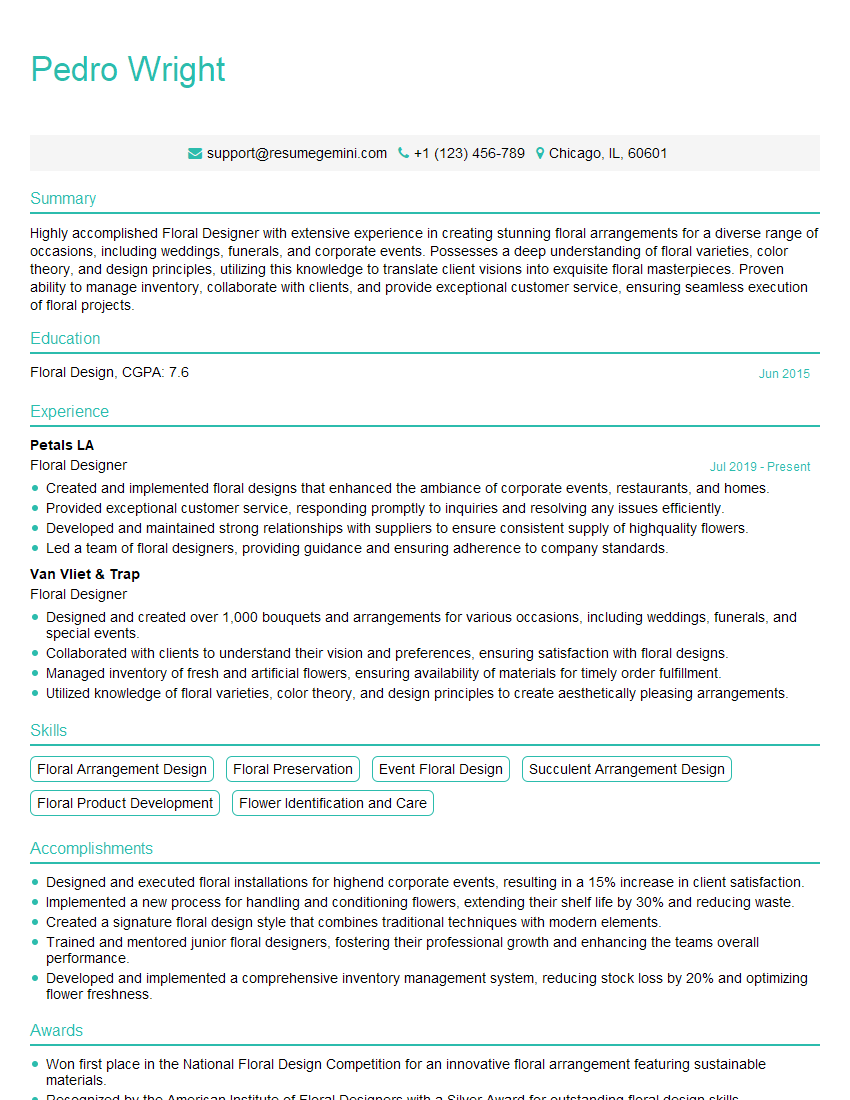
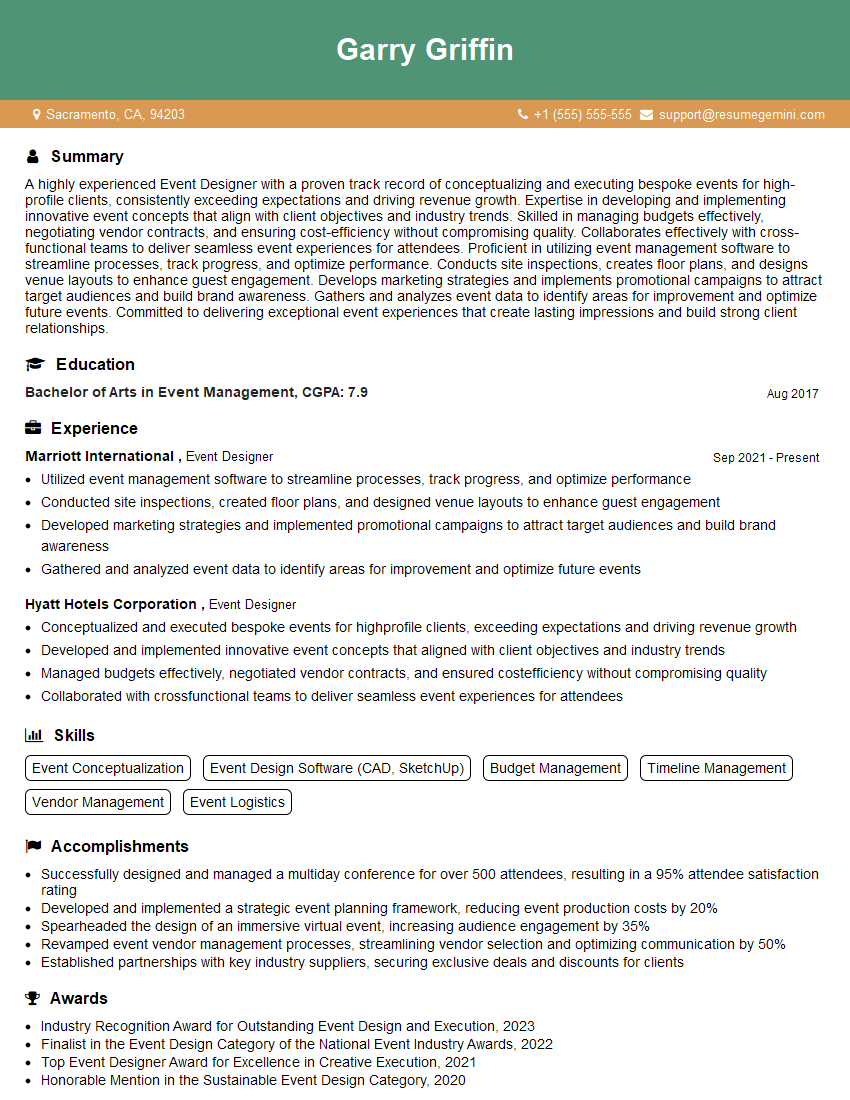
Mastering Event Styling and Decor opens doors to a fulfilling and creative career path with diverse opportunities for growth, from freelance work to leading design teams. A strong resume is crucial to showcasing your skills and experience to potential employers. Crafting an ATS-friendly resume increases your chances of getting noticed and invited for interviews. We strongly recommend using ResumeGemini to build a professional and impactful resume that highlights your unique talents. ResumeGemini provides examples of resumes tailored specifically to Event Styling and Decor roles, helping you present yourself effectively in the job market.
Explore more articles
Users Rating of Our Blogs
Share Your Experience
We value your feedback! Please rate our content and share your thoughts (optional).
What Readers Say About Our Blog
Very informative content, great job.
good