Unlock your full potential by mastering the most common CrossCultural Awareness interview questions. This blog offers a deep dive into the critical topics, ensuring you’re not only prepared to answer but to excel. With these insights, you’ll approach your interview with clarity and confidence.
Questions Asked in CrossCultural Awareness Interview
Q 1. Describe a situation where you had to adapt your communication style to suit a different culture.
Adapting communication styles across cultures is crucial for effective interaction. During a project with a Japanese client, I initially used a direct, task-oriented communication style, common in my own Western background. However, I noticed that my straightforward feedback was perceived as blunt and even disrespectful. I realized that Japanese culture values indirect communication and harmony. I adjusted my approach by framing my feedback within a collaborative context, focusing on mutual understanding and shared goals, and using more nuanced language. For instance, instead of directly stating a problem, I’d phrase it as a question encouraging a collaborative solution. This shift dramatically improved the working relationship and project outcomes.
Q 2. How do you navigate cultural differences in team dynamics and decision-making processes?
Navigating cultural differences in team dynamics requires understanding various cultural dimensions. For example, in a team with members from both individualistic (e.g., US) and collectivistic (e.g., Japan) cultures, decision-making processes will differ. Individualistic cultures often favor open debate and individual contributions, whereas collectivistic cultures prioritize group consensus and harmony. My approach involves first identifying these cultural tendencies within the team. Then, I facilitate communication by creating a space where all voices are heard, respecting different communication styles, and employing consensus-building techniques. For instance, using a structured decision-making process that incorporates both individual input and group discussion can effectively bridge these differences. It’s also important to understand that direct confrontation might be seen negatively in some cultures, so I would always favour a more indirect and respectful approach to conflict resolution.
Q 3. Explain the concept of high-context vs. low-context communication and provide examples.
High-context communication relies heavily on unspoken cues, shared understanding, and context, while low-context communication is explicit and direct. Think of it like this: high-context is like an iceberg – much of the meaning lies beneath the surface, requiring shared cultural knowledge to understand. Low-context is like a clearly labelled package – the meaning is explicitly stated.
- High-context example: In Japan, a subtle shift in tone or body language might convey disapproval more effectively than a direct verbal critique.
- Low-context example: In Germany, a clear and concise email outlining expectations and deadlines is the norm.
Understanding this distinction is crucial. Misunderstandings often arise when individuals from high-context cultures interact with those from low-context cultures, leading to frustration or misinterpretations. Awareness of these differences allows for more effective communication strategies.
Q 4. How would you approach conflict resolution in a cross-cultural setting?
Conflict resolution in a cross-cultural setting requires sensitivity and an understanding of cultural norms around conflict. Direct confrontation, acceptable in some cultures, might be considered rude or disrespectful in others. My approach involves identifying the cultural context of the conflict. For example, I’d find out how the individuals involved approach conflict in their own cultures. Then, I’d use a mediating style that adapts to the cultural nuances. This might involve focusing on building relationships before addressing the conflict, using indirect communication strategies, or involving a third party to help facilitate communication, and emphasizing mutual respect and understanding rather than winning or losing.
Q 5. What strategies do you employ to build rapport and trust with individuals from diverse cultural backgrounds?
Building rapport and trust across cultures starts with demonstrating genuine interest and respect. This includes active listening, learning about their culture (without stereotyping), and adapting my communication style to be more culturally sensitive. Showing empathy and acknowledging cultural differences are key. For instance, I make a conscious effort to learn a few basic phrases in their language, showing respect for their culture. I also try to understand their communication preferences, be it direct or indirect, formal or informal. Focusing on shared goals and finding common ground are also critical to building trust and a collaborative environment.
Q 6. Describe your understanding of cultural dimensions, such as individualism vs. collectivism.
Cultural dimensions, like individualism vs. collectivism, profoundly impact behavior and interaction. Individualistic cultures (e.g., US, UK) prioritize individual achievement, autonomy, and personal goals. Collectivistic cultures (e.g., Japan, China) emphasize group harmony, interdependence, and collective goals. Understanding this difference is crucial in teamwork and decision-making. In individualistic cultures, open dissent is often encouraged, while in collectivistic cultures, maintaining harmony is prioritized, even if it means suppressing individual opinions. Recognizing these differences prevents misinterpretations and fosters more effective collaboration. For example, a team member from an individualistic culture might express their opinion directly, while a member from a collectivistic culture might prefer a more subtle approach, relying on nonverbal cues or indirect suggestions.
Q 7. How do you identify and overcome potential cultural biases in your interactions?
Identifying and overcoming cultural biases is an ongoing process of self-reflection and learning. It requires a commitment to acknowledging my own cultural lens and recognizing that my perceptions are not universal. I actively seek diverse perspectives, challenge my assumptions, and actively listen to others’ experiences. This includes being mindful of my own nonverbal cues and how they might be interpreted differently across cultures. Furthermore, constantly educating myself on different cultures, reading diverse literature, and engaging in intercultural dialogue helps to broaden my understanding and mitigate potential biases. Regular self-reflection is key to identifying any unconscious biases that may be influencing my interactions.
Q 8. Explain how nonverbal communication varies across cultures and its impact on understanding.
Nonverbal communication, encompassing body language, gestures, eye contact, and personal space, varies dramatically across cultures. What’s considered polite or acceptable in one culture can be offensive or confusing in another. This variation significantly impacts understanding because a large portion of communication is nonverbal. Misinterpretations of nonverbal cues can lead to misunderstandings, conflict, and failed communication efforts.
Example: In some cultures, direct eye contact is a sign of respect and attentiveness, while in others, it can be perceived as aggressive or challenging. Similarly, personal space preferences differ greatly; what feels comfortable in one culture may feel intrusive in another.
Impact: These discrepancies can lead to communication breakdowns. For example, a business negotiation might fail if one party interprets the other’s lack of eye contact as disinterest, when in reality, it’s a cultural norm of deference.
Understanding these nuances is crucial for effective cross-cultural communication. Active listening, observation, and a willingness to learn about different cultural norms are vital for avoiding misunderstandings.
Q 9. How would you handle a situation where a cultural misunderstanding led to a workplace conflict?
Handling cultural misunderstandings in the workplace requires a sensitive and proactive approach. My first step would be to acknowledge the conflict and create a safe space for all involved parties to express their perspectives without interruption. I’d then actively listen to each individual, focusing on understanding their emotional and cultural viewpoints. It’s vital to avoid making assumptions or placing blame.
Next, I’d facilitate a dialogue to clarify the misunderstanding, focusing on the behavior and its impact, rather than on assigning fault or making generalizations about entire cultures. I might use a neutral third party to help mediate if necessary. The goal is to identify the root cause of the conflict stemming from the cultural differences.
Finally, I’d work collaboratively with the team to develop a plan for future interactions, emphasizing open communication, active listening, and a commitment to mutual understanding and respect. This might involve training sessions on cross-cultural communication or developing clearer communication protocols.
For example, if a disagreement arose from differing communication styles (direct vs. indirect), we could establish guidelines for feedback delivery or meeting formats to better accommodate different preferences.
Q 10. Discuss the importance of cultural intelligence in international business.
Cultural intelligence (CQ) is the capability to function effectively in culturally diverse settings. In international business, high CQ is paramount for success. It allows individuals and organizations to navigate complex cultural landscapes, build trust with international partners, and adapt their strategies to resonate with diverse markets.
Strategic Importance: CQ enhances negotiation skills, facilitates effective teamwork in multinational settings, improves marketing and product development by considering cultural nuances, and reduces the likelihood of costly misunderstandings.
Examples: A company launching a product in a new market needs to understand local preferences, customs, and sensitivities to ensure its marketing campaign is effective. Similarly, negotiating a deal with international partners requires adapting communication styles and understanding differing business etiquette.
Businesses lacking CQ risk misinterpreting market signals, alienating customers, damaging relationships with partners, and failing to adapt strategies effectively. Investing in CQ development through training and fostering culturally intelligent leadership is a key factor in global success.
Q 11. Describe your experience working with diverse teams and how you fostered inclusivity.
Throughout my career, I’ve had extensive experience working with diverse teams across various industries. I believe fostering inclusivity starts with creating a psychologically safe environment where every team member feels valued and respected, regardless of their background.
In one project, I managed a team with members from five different countries. To foster inclusivity, I implemented several strategies:
Open Communication: I established clear communication channels and encouraged open dialogue about cultural differences. We set ground rules for meetings to ensure everyone felt heard and respected.
Active Listening and Empathy: I actively listened to team members’ concerns and perspectives, showing empathy for their experiences. This helped build trust and rapport.
Celebrating Diversity: We organized team-building activities that celebrated our cultural differences, promoting understanding and appreciation. This created a strong sense of camaraderie and belonging.
Fair and Inclusive Processes: I ensured that all processes, such as decision-making and task assignments, were fair and inclusive, preventing any biases or favoritism.
These strategies resulted in a highly productive and collaborative team environment where everyone felt empowered to contribute their unique skills and perspectives.
Q 12. How do you adapt your leadership style to different cultural contexts?
Adapting leadership style across cultural contexts involves recognizing that universally applicable approaches rarely work. What motivates and engages employees in one culture may be ineffective, or even counterproductive, in another. Successful leaders demonstrate adaptability and cultural sensitivity.
My approach involves:
Understanding Cultural Values: I thoroughly research and understand the cultural values, norms, and communication styles prevalent in the context. This involves understanding concepts like individualism vs. collectivism, high-context vs. low-context communication, and power distance.
Observational Learning: I observe the behaviors and interactions of successful leaders within the specific cultural context to learn what resonates with the local workforce.
Flexible Leadership Styles: I adjust my leadership style to be more directive in cultures with high power distance and more participative in cultures valuing collaboration. I adjust my communication style to match the context – direct and explicit in low-context cultures, indirect and nuanced in high-context cultures.
Seeking Feedback: I actively seek feedback from team members about my leadership approach to ensure it’s effective and well-received.
By adapting my style, I aim to build trust and rapport with team members from diverse backgrounds, fostering a culture of inclusivity and high performance.
Q 13. How do you ensure inclusivity and accessibility in your communication and interactions?
Ensuring inclusivity and accessibility in communication and interactions necessitates a conscious effort to consider the diverse needs and backgrounds of all individuals. This goes beyond simply avoiding offensive language; it involves actively creating an environment where everyone feels comfortable and able to participate fully.
My approach includes:
Using Inclusive Language: I avoid gendered or culturally biased language, using terms that are respectful and inclusive of all genders and backgrounds.
Considering Accessibility: I ensure my communications are accessible to individuals with disabilities, using clear and simple language, providing alternative formats (e.g., audio descriptions), and being mindful of visual and auditory impairments.
Active Listening and Engagement: I actively listen to understand different perspectives and encourage participation from all team members, creating space for quieter voices to be heard.
Seeking Feedback: I regularly seek feedback on my communication style to identify and address any areas that may be exclusionary.
Cultural Sensitivity Training: I encourage and participate in cultural sensitivity training to deepen my understanding of various cultural perspectives and sensitivities.
Creating an inclusive environment is an ongoing process, requiring continuous reflection, adaptation, and a commitment to fostering understanding and respect.
Q 14. What are some common cultural faux pas to avoid in international business settings?
Avoiding cultural faux pas in international business settings is crucial for building trust and fostering positive relationships. Some common pitfalls to avoid include:
Inappropriate Gestures: Gestures that are common and innocuous in one culture can be offensive in another. For example, the ‘OK’ sign is offensive in some parts of Europe and South America. It’s best to avoid using hand gestures unless you’re certain of their meaning in the specific cultural context.
Misunderstandings of Personal Space: Respecting personal space varies greatly across cultures. What is considered comfortable distance in one culture may be seen as intrusive in another. Observe how others interact and adjust your personal space accordingly.
Gift-Giving Etiquette: Gift-giving customs differ greatly. Knowing the appropriate gift, how to present it, and when to refuse a gift is essential. Research the customs of the specific culture you’re interacting with.
Communication Styles: Directness, formality, and the use of humor vary greatly. Be mindful of the communication style of the culture you are interacting with. Direct communication might be perceived as rude in some high-context cultures.
Business Etiquette: Understand the local business etiquette regarding punctuality, dress code, and negotiation styles. Being prepared and researching local customs ahead of time shows respect and professionalism.
Researching and understanding the cultural nuances of the region you’re working in is the best way to avoid these pitfalls. When in doubt, err on the side of caution and be respectful of local customs.
Q 15. How familiar are you with Hofstede’s cultural dimensions?
Hofstede’s cultural dimensions are a framework for understanding cultural differences across various nations. It’s a cornerstone of cross-cultural understanding, identifying six key dimensions: Power Distance Index (PDI), Individualism vs. Collectivism (IDV), Masculinity vs. Femininity (MAS), Uncertainty Avoidance Index (UAI), Long-Term Orientation vs. Short-Term Orientation (LTO), and Indulgence vs. Restraint (IND). I’m very familiar with all six dimensions and how they influence communication styles, management practices, and business negotiations.
For example, a high Power Distance Index, like in some hierarchical societies, means that subordinates are less likely to challenge authority openly, compared to a culture with a low PDI where open debate is encouraged. Understanding these dimensions allows for more effective communication and collaboration across cultures. I regularly use Hofstede’s framework in my assessments of cultural differences and tailor my approach accordingly.
Career Expert Tips:
- Ace those interviews! Prepare effectively by reviewing the Top 50 Most Common Interview Questions on ResumeGemini.
- Navigate your job search with confidence! Explore a wide range of Career Tips on ResumeGemini. Learn about common challenges and recommendations to overcome them.
- Craft the perfect resume! Master the Art of Resume Writing with ResumeGemini’s guide. Showcase your unique qualifications and achievements effectively.
- Don’t miss out on holiday savings! Build your dream resume with ResumeGemini’s ATS optimized templates.
Q 16. How do you assess cultural differences when working on global projects?
Assessing cultural differences on global projects requires a multi-faceted approach. I start by identifying the key cultures involved in the project and then research their cultural norms and values using frameworks like Hofstede’s dimensions, the GLOBE project, or specific country guides. I also consider factors like communication styles, decision-making processes, and time orientation. This research informs my approach to project management, team building, and communication strategies.
For example, when working with a team from Japan (a high-context culture), I’d prioritize building strong relationships and implicit communication, unlike with a team from Germany (a low-context culture) where direct, explicit communication is preferred. I employ culturally sensitive communication channels and adapt my meeting styles accordingly. Regular check-ins and feedback loops help address potential misunderstandings proactively.
Q 17. Describe your understanding of cultural sensitivity in the workplace.
Cultural sensitivity in the workplace involves understanding and respecting the diverse cultural backgrounds of colleagues and clients. It’s about recognizing that cultural differences can influence communication styles, working habits, and perspectives. A culturally sensitive workplace fosters inclusivity, reduces conflict, and enhances collaboration. It’s not just about politeness; it’s about creating an environment where everyone feels valued and respected.
This involves actively listening to understand diverse viewpoints, avoiding stereotypes and generalizations, being mindful of language and body language, and adapting one’s communication style to suit the context. For instance, I make an effort to learn a few basic phrases in the languages of my colleagues, showing respect and willingness to bridge communication gaps. I also proactively seek feedback on my communication to ensure that it is culturally appropriate.
Q 18. How do you facilitate effective communication across linguistic and cultural barriers?
Facilitating effective communication across linguistic and cultural barriers demands a multi-pronged approach. First, I encourage the use of clear and concise language, avoiding jargon and idioms. Second, I utilize various communication channels like video conferencing (to observe non-verbal cues) and written documentation (for clarity and record-keeping). Third, I engage professional interpreters or translators where needed, ensuring accuracy and cultural nuance are preserved. Fourth, I encourage active listening and patience, allowing sufficient time for translations and clarifying misunderstandings.
For example, I might use visual aids during presentations to ensure understanding across language barriers. I might also schedule meetings at times convenient for all participants, considering time zones and cultural preferences for meeting times. Finally, I encourage open communication and feedback throughout the process, so we can quickly address any cultural misunderstandings that may arise.
Q 19. How would you measure the success of a cross-cultural initiative?
Measuring the success of a cross-cultural initiative requires a holistic approach that considers various indicators. These may include improved team cohesion and collaboration, increased employee satisfaction and engagement, successful project outcomes (meeting deadlines and targets), increased sales or market share in target regions, enhanced brand reputation and customer loyalty in diverse markets, and fewer conflicts related to cultural differences.
Quantitative metrics such as project completion rates, customer satisfaction scores, employee feedback surveys, and sales figures provide data-driven insights. Qualitative data, collected through focus groups, interviews, and observations, offers a deeper understanding of the impact on team dynamics and cultural awareness. Combining both quantitative and qualitative data provides a well-rounded assessment of success.
Q 20. Explain how ethical considerations are essential in cross-cultural interactions.
Ethical considerations are paramount in cross-cultural interactions. They guide our actions and decisions, ensuring fairness, respect, and integrity. This includes treating individuals with dignity, regardless of their cultural background, avoiding cultural appropriation, being mindful of power dynamics, respecting local customs and beliefs, and promoting inclusivity and equity.
For instance, ensuring fair compensation and working conditions for employees in different regions is crucial, as are avoiding stereotypes and biases in hiring and promotion processes. Respecting intellectual property rights and adapting marketing strategies to align with local sensitivities demonstrates ethical practice. Ethical considerations are not merely an add-on; they’re fundamental to building trust and sustainable relationships across cultures.
Q 21. How do you use cultural insights to inform decision-making processes?
Cultural insights significantly enhance decision-making by providing a deeper understanding of the context and potential impact of decisions. I integrate cultural knowledge at every stage of the decision-making process, from problem definition and brainstorming to implementation and evaluation. This involves considering the cultural implications of choices on various stakeholders (employees, customers, partners, etc.) and selecting solutions that are culturally appropriate and effective.
For example, when launching a new product in a foreign market, understanding local preferences, values, and consumption patterns is essential. This might include adapting the product design, marketing message, and distribution channels to suit the target market’s cultural norms. Ignoring these insights can lead to significant setbacks, whereas considering them can increase the probability of success.
Q 22. What are the key challenges of managing a multinational team?
Managing multinational teams presents unique challenges stemming from differing communication styles, work ethics, and cultural norms. These challenges can manifest in misunderstandings, conflicts, and reduced team effectiveness.
- Communication Barriers: Language differences are obvious, but even with a common language, nuances in meaning and indirect communication styles can lead to misinterpretations. For instance, what is considered direct feedback in one culture might be perceived as rude in another.
- Conflicting Work Styles: Some cultures prioritize individual achievement, while others emphasize collaboration. This can create friction when team members have vastly different approaches to completing tasks and deadlines.
- Different Decision-Making Processes: Some cultures prefer hierarchical decision-making, while others favor consensus-building. This can lead to delays and frustration if team members aren’t aware of these differing processes.
- Varying Levels of Hierarchy and Formality: The level of formality in communication and interaction can significantly vary across cultures. A casual approach in one culture might be seen as unprofessional in another.
- Cultural Sensitivity and Bias: Unconscious biases can affect team dynamics and decision-making, leading to unfair treatment or exclusion of team members from certain cultures.
Successfully navigating these requires proactive communication, cultural sensitivity training, establishing clear guidelines and expectations, and building trust and rapport among team members.
Q 23. How do you balance the needs of individual team members with the overall goals of the organization in a multicultural setting?
Balancing individual needs with organizational goals in a multicultural setting necessitates a nuanced approach that combines empathy, fairness, and strategic leadership. It’s not about compromising organizational goals, but rather finding creative ways to integrate individual needs within the broader framework.
- Active Listening and Understanding: Begin by actively listening to individual team members’ perspectives, needs, and concerns, recognizing that their cultural backgrounds may influence their priorities and communication styles.
- Flexibility and Adaptability: Be flexible in adapting work arrangements and processes to accommodate different needs, while ensuring overall goals are met. This could involve adjusting working hours, communication methods, or project timelines.
- Fair and Equitable Treatment: Ensure that all team members are treated fairly and equitably, regardless of their cultural background. This involves recognizing potential biases in evaluation criteria and performance management.
- Open Communication and Collaboration: Foster open communication channels and encourage collaboration among team members, creating a safe space for them to voice their concerns and contribute their ideas.
- Conflict Resolution: Develop a clear and culturally sensitive process for addressing and resolving conflicts in a constructive manner. Mediation or facilitation may be necessary to overcome cultural misunderstandings.
For example, a team member from a culture that prioritizes family might need flexible work arrangements to manage family responsibilities. Addressing this need directly demonstrates respect for their cultural values while maintaining productivity.
Q 24. Describe your experience with cultural training programs and their effectiveness.
I’ve participated in and facilitated numerous cultural training programs, ranging from short workshops to immersive simulations. Their effectiveness varies significantly depending on the program’s design, delivery, and follow-up.
Effective programs go beyond simply presenting facts about different cultures; they emphasize experiential learning, self-reflection, and skill development. For example, one highly effective program I participated in used role-playing scenarios to simulate cross-cultural communication challenges, allowing participants to practice navigating difficult situations in a safe environment. This program also included post-training resources and follow-up sessions to reinforce learning and address practical challenges encountered on the job. Less effective programs often focused solely on theoretical information, lacking the interactive exercises and practical application components that are crucial for lasting impact.
Ultimately, the success of cultural training depends on a combination of factors, including the commitment of participants, the quality of training materials, and organizational support for implementing the learning in daily practice.
Q 25. How do you stay up-to-date with current trends in cross-cultural communication and best practices?
Staying current in cross-cultural communication requires continuous learning and engagement with diverse resources. I regularly:
- Read academic journals and industry publications: This provides access to the latest research and best practices in the field.
- Attend conferences and workshops: These events offer opportunities to network with other professionals and learn from experts in the field.
- Engage with online communities and resources: Numerous online communities and resources offer valuable insights and discussions on cross-cultural topics.
- Follow thought leaders and influencers: Staying informed about the work of leading experts in cross-cultural communication can provide valuable perspectives and insights.
- Seek out diverse perspectives: Actively engaging with individuals from different cultural backgrounds through personal interactions and professional collaborations provides invaluable real-world learning.
This multi-faceted approach ensures I remain informed about emerging trends and adapt my approach to cross-cultural management accordingly.
Q 26. How do you leverage cultural differences to enhance creativity and innovation within a team?
Cultural diversity is a significant source of creativity and innovation. Leveraging this requires creating an inclusive environment where team members feel safe to share their unique perspectives and ideas.
- Embrace diverse viewpoints: Actively solicit input from team members representing different cultural backgrounds, recognizing that their unique perspectives can lead to novel solutions and insights.
- Encourage respectful debate: Create a safe space for respectful debate and discussion of differing viewpoints. This fosters critical thinking and leads to more robust solutions.
- Promote cultural understanding: Encourage team members to learn about each other’s cultural backgrounds, promoting mutual respect and understanding, thereby creating trust that allows for risk-taking and creative exploration.
- Value diverse approaches to problem-solving: Recognize and value the diverse approaches to problem-solving that different cultures bring to the table. Some cultures might prioritize collaboration, while others favor individual initiative; leveraging these strengths can enhance the creative process.
- Celebrate cultural differences: Celebrate the unique cultural contributions of team members, fostering a sense of belonging and inclusion.
For example, a project team with members from different countries could leverage their varied perspectives to develop a product or service that caters to a global market more effectively.
Q 27. What strategies do you use to build effective intercultural relationships?
Building effective intercultural relationships requires conscious effort, empathy, and a willingness to learn and adapt. My approach involves:
- Active Listening and Empathy: Actively listening to understand perspectives and empathize with experiences, considering cultural contexts and nonverbal cues.
- Open Communication and Respect: Fostering open communication, demonstrating respect for individual differences, and being mindful of communication styles.
- Cultural Sensitivity and Awareness: Demonstrating cultural sensitivity, respecting cultural norms and traditions, and avoiding generalizations or stereotypes.
- Relationship Building: Investing time in building relationships, engaging in informal interactions to promote trust and understanding.
- Mutual Learning and Understanding: Encouraging mutual learning and understanding, exchanging information and perspectives on cultures and experiences.
For example, taking time to learn about a colleague’s cultural background, asking thoughtful questions, and showing genuine interest in their life outside of work can build a strong and respectful relationship.
Q 28. How do you adapt your feedback style to different cultural preferences?
Adapting feedback style to different cultural preferences is crucial for ensuring that feedback is received positively and productively. Some cultures value direct, explicit feedback, while others prefer indirect, nuanced approaches.
- Understanding Cultural Norms: Research cultural norms related to feedback preferences. For example, some cultures may consider direct criticism rude and disrespectful, while others see it as a sign of honesty and care.
- Observing Communication Styles: Pay close attention to the communication styles of individual team members. Observe how they give and receive feedback to identify their preferences.
- Contextualizing Feedback: Frame feedback within the context of the individual’s cultural background, considering potential interpretations and sensitivities.
- Adjusting Delivery Method: Adjust the delivery method of feedback accordingly. For example, for cultures that prefer indirect feedback, focus on providing suggestions and recommendations rather than direct criticism.
- Seeking Clarification: After delivering feedback, ensure that the team member understands it and provide an opportunity for clarification or discussion.
For example, when providing feedback to someone from a culture that prefers indirect communication, I might focus on positive aspects first, then gently suggest areas for improvement, and phrase suggestions as questions rather than directives. This approach ensures that the feedback is received constructively and respects the individual’s cultural preferences.
Key Topics to Learn for CrossCultural Awareness Interview
- Cultural Dimensions: Understanding frameworks like Hofstede’s cultural dimensions (power distance, individualism vs. collectivism, etc.) and their impact on communication and collaboration.
- Communication Styles: Analyzing high-context vs. low-context communication, direct vs. indirect communication, and nonverbal cues across cultures. Practical application: Reflect on past experiences where communication styles differed and how you adapted.
- Conflict Resolution: Exploring culturally sensitive approaches to conflict resolution, recognizing the role of cultural values in conflict perception and management. Practical application: Develop strategies for navigating disagreements in diverse teams.
- Cultural Sensitivity and Bias: Identifying and mitigating personal biases, demonstrating awareness of microaggressions and unintentional cultural offenses. Practical application: Practice active listening and empathetic responses in intercultural interactions.
- Global Teamwork and Collaboration: Understanding the challenges and opportunities of working in diverse teams, leveraging cultural differences for innovation and problem-solving. Practical application: Describe experiences working effectively in diverse teams or projects.
- Ethical Considerations in Cross-Cultural Interactions: Addressing ethical dilemmas arising from cultural differences, demonstrating responsible and respectful behavior in all interactions. Practical application: Prepare examples illustrating your commitment to ethical conduct in a global context.
Next Steps
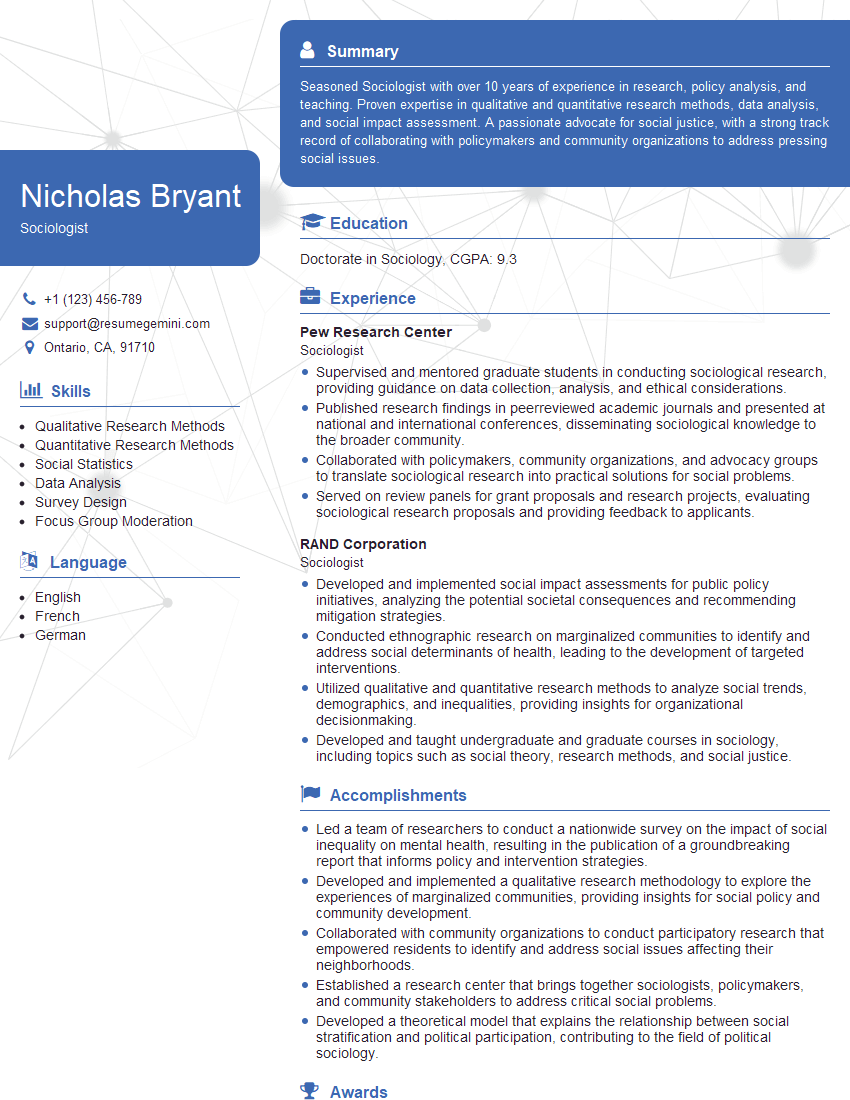
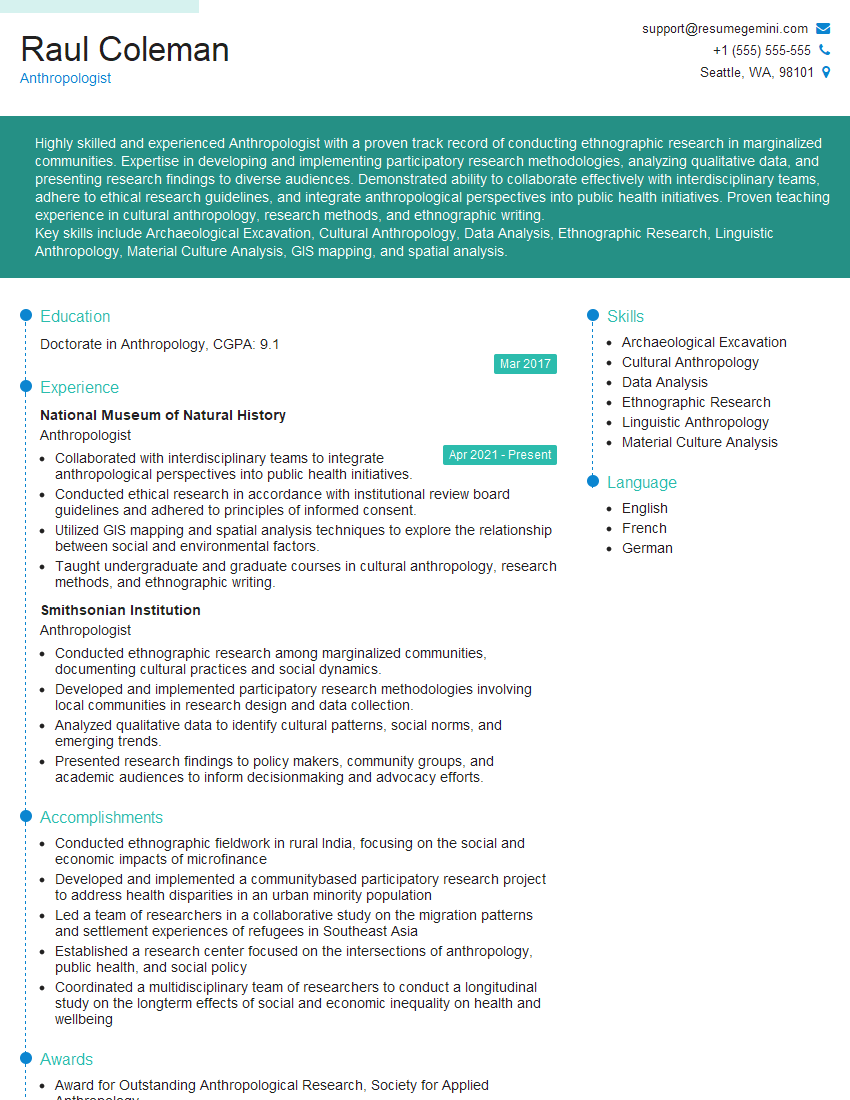
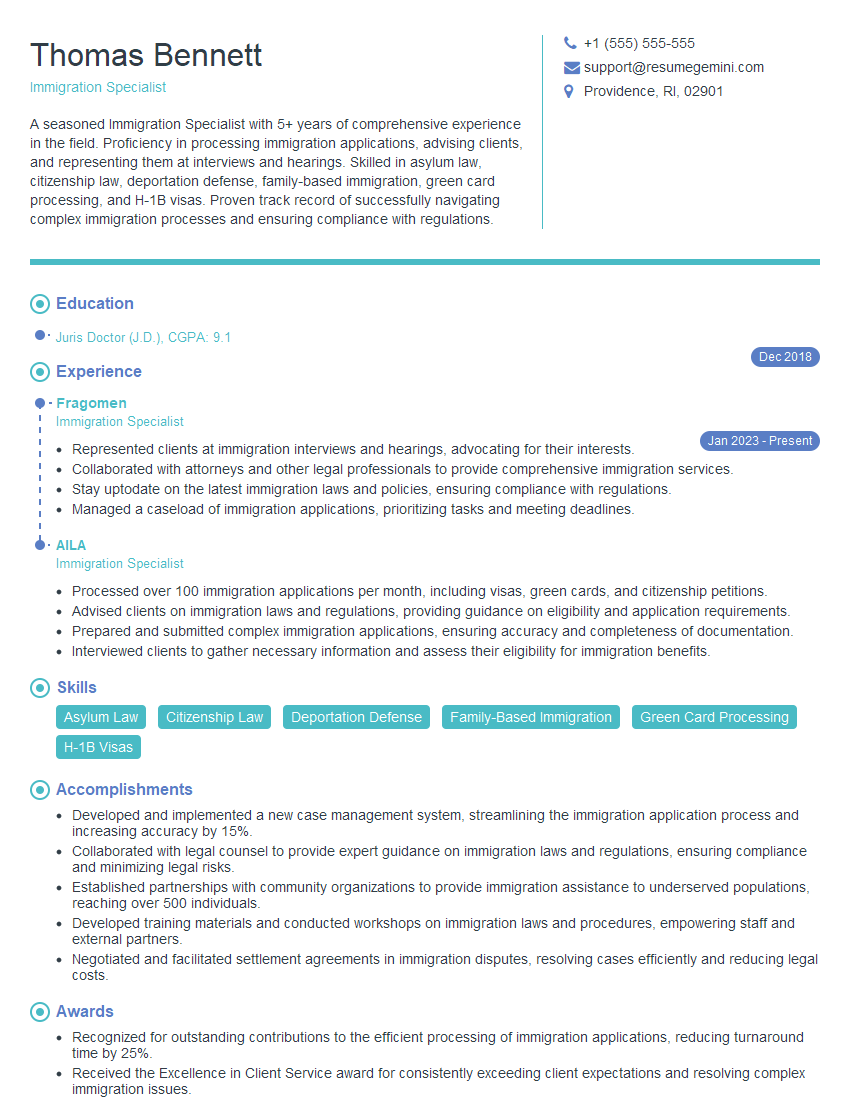
Mastering cross-cultural awareness is crucial for career advancement in today’s globalized world. It demonstrates adaptability, empathy, and a valuable skillset highly sought after by employers. To significantly boost your job prospects, crafting an ATS-friendly resume that showcases your intercultural competencies is essential. ResumeGemini is a trusted resource that can help you build a professional and impactful resume, highlighting your unique skills and experiences. We provide examples of resumes tailored to CrossCultural Awareness roles to help you get started. Take the next step in your career journey—build a resume that reflects your intercultural expertise and stands out from the competition.
Explore more articles
Users Rating of Our Blogs
Share Your Experience
We value your feedback! Please rate our content and share your thoughts (optional).
What Readers Say About Our Blog
Very informative content, great job.
good