Cracking a skill-specific interview, like one for CrossCultural Competency, requires understanding the nuances of the role. In this blog, we present the questions you’re most likely to encounter, along with insights into how to answer them effectively. Let’s ensure you’re ready to make a strong impression.
Questions Asked in CrossCultural Competency Interview
Q 1. Describe a situation where you had to adapt your communication style to a different culture.
Adapting communication styles across cultures is crucial for effective interaction. It involves recognizing that directness, nonverbal cues, and even the concept of ‘time’ vary significantly across different cultural backgrounds. For example, during a project with a team in Japan, I initially used a direct, task-oriented communication style common in my own Western culture. However, I soon realized this was perceived as overly assertive and potentially disrespectful. I adapted by incorporating more indirect communication, emphasizing relationship-building before diving into project specifics, and paying close attention to nonverbal cues like bowing and body language. This shift significantly improved communication and team dynamics.
This experience highlighted the importance of cultural self-awareness. Understanding your own communication style and biases is the first step. Then, actively researching the communication norms of the other culture (e.g., through books, articles, or speaking with individuals from that culture) is essential. Finally, practicing empathy and patience during interactions is key.
Q 2. How do you navigate cultural differences in a team setting?
Navigating cultural differences in a team setting requires proactive and ongoing effort. First, I establish clear communication protocols early on, encouraging open dialogue about preferred communication styles and work preferences. I facilitate team-building activities that help members learn about each other’s cultural backgrounds and perspectives. This might involve sharing personal stories, celebrating cultural holidays, or even having discussions about cultural differences in communication styles and conflict resolution. This helps foster mutual understanding and respect.
Secondly, I actively promote inclusive decision-making, ensuring everyone’s voice is heard and valued. I encourage active listening, where team members actively seek to understand different perspectives before formulating their own opinions. This might involve using visual aids or translating documents if needed, making sure every member feels comfortable participating.
Finally, I’m conscious of addressing potential biases and power imbalances. If necessary, I will introduce conflict resolution strategies specifically designed for diverse teams, such as mediation or collaborative problem-solving. The goal is to create a psychologically safe environment where everyone feels comfortable expressing themselves without fear of judgment or discrimination.
Q 3. Explain your understanding of high-context and low-context communication.
High-context and low-context communication refer to how much information is explicitly stated in a message. In low-context communication, most of the information is explicitly stated in the verbal message. Think of instructions in a technical manual; every step is clearly laid out. Meaning is primarily derived from the words themselves. Western cultures, like the United States and Germany, are often considered low-context.
In high-context communication, a large part of the message is implicit or understood through shared cultural knowledge, nonverbal cues, and the context of the situation. For instance, a subtle shift in tone or body language in Japan might convey a meaning much more complex than the spoken words alone. Many Asian cultures, such as Japan and China, are often described as high-context. Understanding these differences is vital to avoid misinterpretations. For example, a direct, blunt request in a high-context culture might be perceived as rude, whereas an indirect request in a low-context culture might be seen as unclear or evasive.
Q 4. How do you handle misunderstandings caused by cultural differences?
When misunderstandings arise from cultural differences, my approach is built on empathy, active listening, and clear communication. I begin by acknowledging that the misunderstanding is likely rooted in cultural differences, not malicious intent. I actively listen to all parties involved, seeking to understand their perspectives and interpretations of the situation, ensuring everyone feels heard.
Next, I clarify the situation by restating each individual’s understanding in my own words. This helps identify the source of the misunderstanding, often stemming from differing communication styles or interpretations of nonverbal cues. I use open-ended questions such as, “Can you tell me more about what you meant by that?” or “Help me understand your perspective on this situation.” Finally, I collaboratively work with all parties to find a mutually agreeable solution, ensuring everyone feels respected and understood throughout the process. If needed, I might seek mediation from a neutral third party.
Q 5. Describe a time you successfully resolved a conflict arising from cultural differences.
In a previous project involving an international team, a conflict arose during the final stages of a presentation. A team member from Brazil felt their contributions weren’t given enough emphasis, while a team member from Germany felt the Brazilian team member’s suggestions deviated from the established plan. The initial tension stemmed from differing views on collaboration and decision-making processes, common in different cultural contexts.
To resolve this, I initiated a structured discussion, emphasizing active listening and reframing statements to ensure mutual understanding. I guided the team to identify the root cause of the conflict: differing expectations regarding the presentation’s structure and focus. We then collaboratively revised the presentation, incorporating elements from both perspectives. This involved clarifying roles and responsibilities, clearly defining decision-making processes, and allowing ample time for discussion and compromise. The result was a much-improved presentation, a strengthened team dynamic, and a greater understanding between team members. The resolution demonstrated the importance of flexibility, empathy, and inclusive decision-making in successfully navigating intercultural conflicts.
Q 6. What strategies do you use to build rapport with individuals from diverse cultural backgrounds?
Building rapport with individuals from diverse cultural backgrounds involves demonstrating genuine interest, respect, and cultural sensitivity. This begins with active listening and seeking to understand their perspectives, values, and communication styles. I initiate conversations that go beyond work-related topics, showing interest in their culture, hobbies, and experiences.
I demonstrate respect by learning basic phrases in their native language, if possible, and by adapting my communication style to match their preferences. I take time to understand their cultural norms and customs, such as appropriate levels of formality and personal space. For instance, understanding that some cultures prefer indirect communication while others value directness enables me to tailor my approach appropriately. I also seek opportunities to learn from them, showing my eagerness to broaden my own cultural understanding. This mutual learning fosters a sense of connection and trust, strengthening relationships.
Q 7. How do you ensure inclusivity and equity in your work environment?
Ensuring inclusivity and equity in the workplace is a continuous process that involves implementing policies and practices that foster a fair and respectful environment for everyone. I champion diversity and inclusion through active recruitment and promotion of individuals from diverse backgrounds. I ensure that our workplace policies and procedures are inclusive and accessible to all, considering the needs of individuals with disabilities, different religious beliefs, and diverse cultural backgrounds.
This includes creating a culture of psychological safety, where individuals feel comfortable expressing their opinions and experiences without fear of discrimination or retribution. I actively challenge microaggressions and biases, promoting awareness and education on cultural sensitivity and unconscious bias. I conduct regular diversity and inclusion training to educate employees on cultural nuances and best practices for inclusive communication and interaction. Furthermore, I actively seek feedback from employees on their experiences and use this information to improve our workplace culture and practices.
Q 8. Explain your approach to managing culturally diverse teams.
Managing culturally diverse teams requires a nuanced approach that goes beyond simple tolerance. It necessitates understanding and valuing the unique perspectives and contributions each individual brings. My approach centers around three key pillars: building trust, fostering open communication, and creating inclusive structures.
Building trust involves actively listening to team members, demonstrating empathy, and respecting diverse working styles. I create opportunities for team members to get to know each other on a personal level, fostering a sense of camaraderie and mutual respect. For instance, I might organize informal team-building activities that celebrate cultural diversity, like potlucks or cultural presentations.
Fostering open communication relies on establishing clear communication protocols and ensuring everyone feels comfortable expressing their ideas and concerns. This might involve using multiple communication channels, offering translation services if needed, and being mindful of nonverbal cues that can differ across cultures. I also actively solicit feedback from team members on communication effectiveness.
Creating inclusive structures includes ensuring equitable access to resources, opportunities, and decision-making processes. This means actively promoting diversity and inclusion policies, offering cross-cultural training, and using inclusive language in all communications. I regularly review team processes to identify and eliminate any potential barriers to participation for individuals from diverse backgrounds. For example, ensuring meeting times accommodate different time zones and adjusting project timelines to allow for religious or cultural observances.
Q 9. How do you identify and address potential cultural biases in decision-making processes?
Identifying and addressing cultural biases in decision-making is crucial for ensuring fairness and equity. My approach involves a multi-pronged strategy: raising awareness, promoting diverse perspectives, and establishing objective criteria.
Raising awareness begins with acknowledging that unconscious biases exist and can impact decisions. I facilitate workshops and training sessions focusing on implicit bias and its impact on decision-making. We use case studies and real-world examples to illustrate how biases can manifest.
Promoting diverse perspectives involves actively seeking input from individuals with diverse backgrounds and experiences. I ensure that decision-making teams are diverse in terms of gender, ethnicity, cultural background, and other relevant factors. Structured brainstorming techniques, like the “Nominal Group Technique,” can help ensure everyone’s voice is heard.
Establishing objective criteria helps minimize the influence of subjective biases. We define clear, measurable criteria for evaluating options and systematically score each alternative based on those criteria. This creates a transparent and consistent decision-making process, minimizing the impact of individual biases. For instance, when selecting a new vendor, we define clear criteria like price, quality, and ethical sourcing and score each vendor against those criteria.
Q 10. How would you adapt your leadership style to effectively manage a multicultural team?
Adapting my leadership style to effectively manage a multicultural team requires flexibility and a willingness to learn. I move away from a one-size-fits-all approach and instead adopt a transformational leadership style, emphasizing collaboration, empowerment, and shared vision.
In practice, this means:
- Being adaptable and flexible: Recognizing that different cultures may have different communication styles, decision-making processes, and approaches to work.
- Active listening and understanding: Making a conscious effort to understand the perspectives and needs of each team member, acknowledging cultural differences in communication patterns.
- Emphasizing collaboration and teamwork: Creating a culture of collaboration where everyone feels valued and empowered to contribute.
- Providing clear and concise communication: Avoiding jargon and using multiple channels to communicate, ensuring information is clear and easily understandable for diverse audiences.
- Providing tailored support and mentoring: Recognizing that some individuals may need more guidance or support than others depending on their background and experience.
Q 11. Describe your experience with intercultural negotiation.
My experience with intercultural negotiation has involved several projects, including negotiating contracts with international suppliers and facilitating mergers and acquisitions involving companies from different countries. A key aspect has been recognizing that negotiation styles differ greatly across cultures.
For instance, some cultures prioritize building relationships before discussing business details (relationship-oriented), whereas others jump directly into the specifics (task-oriented). I found success by understanding these preferences. In one instance, negotiations with a Japanese firm proceeded smoothly after I dedicated initial meetings to building rapport, sharing information about our company culture, and creating a personal connection. In contrast, negotiations with a German company were more efficient due to their direct, task-oriented approach. I adapted my approach to each culture, prioritizing relationship-building where appropriate and focusing on efficiency when it aligned with the other party’s cultural norms.
Q 12. How do you approach conflict resolution in a cross-cultural context?
Conflict resolution in a cross-cultural context requires sensitivity, cultural awareness, and a structured approach. I utilize a collaborative problem-solving model, emphasizing mutual understanding and finding solutions that respect diverse viewpoints.
My approach involves:
- Active listening: Understanding the perspectives and feelings of all parties involved, paying close attention to both verbal and nonverbal communication.
- Identifying cultural factors: Recognizing how cultural differences might influence the conflict, such as communication styles, power dynamics, and emotional expression.
- Mediation and Facilitation: Guiding the parties towards finding mutually acceptable solutions, ensuring a fair and equitable process. This may involve using interpreters or translators as needed.
- Focus on solutions: Steering the conversation away from blame and focusing on finding practical solutions that address the underlying issues. I aim to foster compromise, but always maintaining respect for individual cultural norms.
- Follow-up: Checking in with all parties after the resolution to ensure the agreement is working and to address any outstanding concerns.
Q 13. What are some common cultural differences that can impact business negotiations?
Several cultural differences can significantly impact business negotiations. These include:
- Communication styles: Direct vs. indirect communication. Some cultures are direct and explicit in their communication, while others prefer indirect and subtle approaches. Misinterpretations can easily occur if these differences are not considered.
- Decision-making processes: Hierarchical vs. consensual. In some cultures, decisions are made by individuals with high authority, while in others, decisions are reached through consensus and group discussion. Understanding this difference is crucial for ensuring effective negotiation.
- Time perception: Monochronic vs. polychronic. Monochronic cultures value punctuality and adhering to schedules, while polychronic cultures have a more flexible approach to time. These differences can impact the pace and structure of negotiations.
- Relationship building: Some cultures prioritize building strong personal relationships before discussing business matters, while others are more transactional. Understanding this distinction is vital in establishing trust and rapport.
- Negotiation styles: Competitive vs. collaborative. Some cultures prefer a competitive negotiation style, aiming to win as much as possible, while others favor a collaborative approach that seeks mutual benefit.
Q 14. How do you ensure effective communication across different cultural contexts, considering language barriers?
Ensuring effective communication across different cultural contexts, especially when language barriers exist, requires a proactive and multifaceted approach. It’s about more than just translation; it’s about understanding cultural nuances in communication styles.
My approach includes:
- Utilizing professional translation and interpretation services: This is crucial for ensuring accurate and clear communication, especially in formal settings like business negotiations.
- Using visual aids: Charts, graphs, and other visual aids can enhance understanding, particularly when language is a barrier.
- Employing simplified language and avoiding jargon: Keep language clear, concise, and easy to understand, avoiding technical terms or idioms that might be unfamiliar to others.
- Being mindful of nonverbal communication: Nonverbal cues like body language, gestures, and facial expressions can differ across cultures. Understanding these differences can prevent misinterpretations.
- Building trust and rapport: Taking the time to build relationships and demonstrate mutual respect can improve communication significantly, even when language barriers exist.
- Utilizing technology: Translation software and apps can aid in real-time communication, but human interpreters are crucial for nuanced understanding.
Q 15. How do you manage expectations in a cross-cultural setting?
Managing expectations in a cross-cultural setting requires proactive communication and a deep understanding of cultural norms. It’s not just about what you say, but how you say it, and what unspoken expectations might be present. This involves several key steps:
- Clearly define objectives and deliverables upfront: Ensure everyone understands the goals, timelines, and desired outcomes. Use clear, concise language, avoiding idioms or slang that might be misinterpreted.
- Establish communication protocols: Determine the preferred methods of communication (email, phone, in-person meetings) and frequency. Respect differences in communication styles – some cultures are more direct, others indirect.
- Be mindful of time perception: Punctuality and meeting length expectations vary across cultures. Be flexible and accommodating, understanding that time may be viewed differently.
- Set realistic deadlines: Consider potential cultural factors that might influence project timelines, such as holidays or different work ethics.
- Regular check-ins and feedback: Schedule regular meetings to discuss progress, address concerns, and provide constructive feedback. Actively solicit input and address any misunderstandings promptly.
For example, when working with a team in Japan, where group harmony is valued, I would prioritize collaborative decision-making and avoid publicly criticizing individual team members. Conversely, when working with a team in Germany, where direct communication is common, I would be more upfront and explicit in my feedback.
Career Expert Tips:
- Ace those interviews! Prepare effectively by reviewing the Top 50 Most Common Interview Questions on ResumeGemini.
- Navigate your job search with confidence! Explore a wide range of Career Tips on ResumeGemini. Learn about common challenges and recommendations to overcome them.
- Craft the perfect resume! Master the Art of Resume Writing with ResumeGemini’s guide. Showcase your unique qualifications and achievements effectively.
- Don’t miss out on holiday savings! Build your dream resume with ResumeGemini’s ATS optimized templates.
Q 16. Describe a situation where you had to adapt your presentation style to a different culture.
During a presentation to a potential client in South Korea, I initially adopted a typical Western presentation style: fast-paced, data-driven, and focused on individual achievements. I quickly realized my approach wasn’t resonating. The audience seemed less engaged than expected. After observing how my Korean colleagues interacted with the clients, I shifted my approach. I slowed the pace of my presentation, incorporating more storytelling and highlighting the collaborative aspects of the project, emphasizing team effort and long-term relationships. I also incorporated more visual aids and allowed ample time for questions and discussion. The result was a far more receptive audience and ultimately, a successful business deal. The shift was about moving from a direct, individualistic presentation to a more indirect, collaborative one, aligning with Korean cultural values of collectivism and relationship building.
Q 17. How do you stay informed about cultural nuances and sensitivities?
Staying informed about cultural nuances requires a multi-faceted approach. I regularly engage in:
- Reading and research: I consult books, academic journals, and reputable online resources that focus on cross-cultural communication and the specific cultures I’m interacting with.
- Networking and mentorship: I seek out individuals from diverse backgrounds to learn from their experiences and perspectives. Mentorship provides invaluable insights.
- Cultural immersion: When possible, I try to immerse myself in different cultures by visiting different countries or attending cultural events to gain first-hand experience.
- Language learning: Learning even basic phrases in the local language shows respect and facilitates communication.
- Ongoing self-reflection: I regularly reflect on my own cultural biases and assumptions to ensure that I approach interactions with an open mind.
For instance, to better understand the business etiquette in Brazil, I read books on Brazilian business culture and networked with Brazilian professionals to learn about their preferred communication styles and negotiation tactics.
Q 18. How do you demonstrate cultural sensitivity in your daily interactions?
Demonstrating cultural sensitivity in daily interactions involves active listening, empathy, and a genuine effort to understand diverse perspectives. This includes:
- Active listening: I make a conscious effort to fully understand what someone is saying, not just what they’re literally saying, but also their underlying meaning and emotions.
- Showing respect for different communication styles: I adapt my communication style to suit the individual and their cultural background. Some cultures prefer direct communication, while others prefer a more indirect approach.
- Being mindful of nonverbal cues: I pay close attention to nonverbal communication, such as body language and eye contact, which can vary significantly across cultures.
- Avoiding stereotypes and generalizations: I treat each person as an individual and avoid making assumptions based on their cultural background.
- Showing empathy and understanding: I strive to understand others’ perspectives, even if I don’t necessarily agree with them.
For example, if someone is from a culture where maintaining eye contact is seen as disrespectful, I would adjust my own eye contact accordingly to show respect.
Q 19. What are some examples of cultural etiquette that you are familiar with?
Examples of cultural etiquette I’m familiar with include:
- Gift-giving: In some cultures, gift-giving is a common practice, and it’s important to be aware of the appropriate etiquette, such as the type of gift, the way it is presented, and the appropriate time to give it. For instance, in Japan, gift-giving is a significant part of business relations, and rejecting a gift initially is a sign of respect.
- Greetings: Greetings and farewells vary widely. In some cultures, a handshake is customary, while in others, a bow or a kiss on the cheek might be more appropriate.
- Dining etiquette: Table manners and dining customs differ across cultures. For example, using chopsticks correctly in Japan demonstrates respect.
- Personal space: Personal space preferences vary significantly. What’s considered appropriate personal space in one culture might be too close or too far in another.
- Dress code: Appropriate attire varies greatly across cultures and professional settings.
Understanding these nuances allows me to interact with people respectfully and appropriately.
Q 20. How do you handle criticism from individuals from different cultural backgrounds?
Handling criticism from individuals with different cultural backgrounds requires patience, empathy, and a willingness to understand the context of the feedback. I would approach it by:
- Active listening: I would listen attentively to understand the criticism, avoiding interruptions.
- Seeking clarification: If I don’t fully understand the feedback, I would ask clarifying questions in a respectful manner.
- Considering the cultural context: I would consider the cultural norms and communication styles of the person providing the criticism.
- Responding thoughtfully: I would respond in a way that acknowledges the feedback and demonstrates my willingness to learn and grow.
- Separating the message from the messenger: I would focus on the content of the criticism, rather than becoming defensive or reacting emotionally to the delivery.
For example, if criticism is delivered indirectly, which is common in some Asian cultures, I would patiently listen and seek clarification rather than interpreting indirectness as a lack of concern. The goal is to foster constructive dialogue, not to engage in a conflict.
Q 21. Describe your experience working with interpreters or translators.
I’ve had extensive experience working with interpreters and translators in various projects. It’s crucial to understand that they are more than just language converters; they are cultural bridges. My approach includes:
- Pre-briefing: Before any interaction, I thoroughly brief the interpreter or translator on the context, objectives, and key messages to ensure accurate and culturally sensitive translation.
- Clear and concise communication: I use clear and simple language to avoid ambiguity and minimize the risk of misinterpretations.
- Patience and understanding: I allow sufficient time for translation and interpretation and am patient with any communication delays.
- Checking for understanding: I regularly check for understanding to ensure that the message is being accurately conveyed.
- Building rapport: I strive to build a good working relationship with the interpreter or translator, treating them as valuable members of the team.
In one instance, when working with a translator for a project in Spain, I pre-briefed her on the subtleties of our industry jargon and cultural nuances related to our business practices. This proactive approach ensured seamless communication and avoided any misunderstandings with our Spanish partners.
Q 22. How do you build trust with people from different cultural backgrounds?
Building trust across cultures requires understanding that trust is built differently in different contexts. It’s not a one-size-fits-all approach. Instead of focusing solely on transactional trust (reliability in completing tasks), we need to cultivate relational trust – the belief in someone’s character and intentions. This involves demonstrating empathy, active listening, and respect for cultural differences.
Active Listening and Empathy: Truly listen to understand their perspectives, not just to respond. Ask open-ended questions like, “How does this decision impact your team/community?” and genuinely reflect on their answers. Show you value their thoughts and feelings.
Respectful Communication: Adapt your communication style. Some cultures value directness, while others prefer indirect communication. Be mindful of non-verbal cues – body language, eye contact, personal space – as these can vary significantly across cultures. For example, prolonged eye contact can be perceived as aggressive in some cultures.
Demonstrating Competence and Consistency: Follow through on your commitments. Reliability builds trust universally. Show your team you are capable and trustworthy in your actions.
Building Relationships: Engage in informal conversations, learn about their culture and interests (respectfully!), and show genuine interest in them as individuals. This helps move beyond transactional interactions and fosters a stronger bond.
Example: In a project with a team from Japan, I made a point of learning some basic Japanese phrases, showing respect for their culture. I also took the time to listen to their concerns and ensured they understood the project’s overall goals and their role in achieving them. This built confidence and rapport, creating a solid foundation for successful collaboration.
Q 23. How do you facilitate effective collaboration between people from diverse cultural backgrounds?
Facilitating effective collaboration in diverse teams hinges on creating an inclusive environment that values and leverages each individual’s unique perspectives. It’s about creating a shared understanding and a sense of belonging.
Establish Clear Communication Protocols: Define how the team will communicate (e.g., regular meetings, project management tools) and ensure everyone understands the preferred communication style and channels. Clarify expectations regarding response times and meeting etiquette.
Promote Open Dialogue and Respectful Debate: Encourage diverse viewpoints and create a safe space for respectful disagreements. Emphasize active listening and ensure everyone has a chance to contribute. Facilitate constructive conflict resolution by addressing conflicts promptly and fairly.
Cultural Sensitivity Training: Provide training to enhance team members’ awareness of cultural differences and potential misunderstandings. This equips them with strategies for effective cross-cultural interaction.
Leverage Cultural Differences: Recognize that different cultures bring unique strengths and perspectives to problem-solving. Create opportunities for individuals to share their expertise and insights. For example, one culture might excel at creative brainstorming while another might be more adept at strategic planning.
Adaptable Leadership: The team leader needs to be adaptable and flexible, capable of tailoring their leadership style to suit the diverse needs of the team. This might involve employing different communication strategies, conflict resolution approaches, and decision-making styles.
Example: When leading a global marketing campaign, I ensured we had representatives from various cultural backgrounds on the team to gain insights from multiple perspectives. We established clear communication channels using project management software and held regular virtual meetings with built-in breaks to accommodate different time zones.
Q 24. What are some common cultural misunderstandings that can occur in the workplace?
Common cultural misunderstandings in the workplace often stem from differences in communication styles, non-verbal cues, and perceptions of time and hierarchy.
Direct vs. Indirect Communication: What’s considered direct and frank in one culture can be perceived as rude or aggressive in another. For example, direct confrontation in some Asian cultures may be viewed as disrespectful and avoided.
High-Context vs. Low-Context Communication: High-context cultures rely heavily on non-verbal cues and shared understanding, while low-context cultures prioritize explicit verbal communication. Misunderstandings can occur when assumptions are made based on different communication styles.
Perceptions of Time: Some cultures are more flexible with time, while others are highly time-conscious. This can lead to misunderstandings about deadlines, meeting schedules, and overall project management.
Hierarchy and Authority: The degree to which hierarchy is respected varies across cultures. In some cultures, direct challenging of superiors is considered disrespectful, while in others it’s seen as a sign of engagement.
Non-verbal Communication: Gestures, eye contact, personal space, and physical touch all have different meanings in various cultures. What’s considered polite in one culture can be seen as offensive in another.
Example: A deadline perceived as flexible in one culture might be taken as a lack of seriousness in another. Similarly, a lack of eye contact, considered polite in some cultures, might be misinterpreted as disinterest or dishonesty in others.
Q 25. How do you ensure fair and unbiased decision-making in a culturally diverse environment?
Ensuring fair and unbiased decision-making in a diverse environment requires conscious effort and structured processes. It involves actively mitigating biases and ensuring equitable representation.
Structured Decision-Making Processes: Establish clear guidelines and criteria for decision-making. This ensures that decisions are based on objective evidence rather than personal biases or cultural preferences.
Diverse Input and Perspectives: Actively solicit input from individuals representing different cultural backgrounds. This helps to broaden the understanding of the issue and potential solutions.
Bias Awareness Training: Train decision-makers about various forms of bias (e.g., implicit bias, confirmation bias) and provide strategies for identifying and mitigating them.
Transparency and Accountability: Maintain transparency in the decision-making process. Document the rationale behind decisions, and ensure accountability for outcomes.
Regular Audits: Periodically audit decision-making processes to identify potential biases and ensure equitable outcomes. This allows for adjustments to be made to systems and processes over time.
Example: When reviewing employee performance, we implemented a standardized evaluation form with clearly defined criteria. This ensured that all employees were assessed based on the same metrics, minimizing potential bias related to cultural differences.
Q 26. How do you adapt your feedback style to different cultural preferences?
Adapting feedback styles requires understanding that direct, critical feedback, effective in some cultures, can be highly offensive in others. The goal is to deliver constructive criticism while respecting cultural nuances.
Direct vs. Indirect Feedback: In some cultures (e.g., many Western cultures), direct feedback is preferred, while in others (e.g., many East Asian cultures), indirect feedback is more common and less likely to cause offense. Tailor your approach accordingly. For indirect feedback, you might focus on the situation and impact rather than directly criticizing the individual.
Positive vs. Negative Framing: Start with positive aspects of their performance before addressing areas for improvement. This softens the impact of criticism. Always focus on behavior, not personality.
Relationship Building: Stronger relationships can make direct feedback easier to receive. If the relationship is new, a more indirect and supportive approach might be necessary.
Non-verbal cues: Be mindful of non-verbal communication (tone, facial expressions, body language), adjusting them to the cultural context. A firm handshake might be perceived differently across cultures.
Seeking clarification and feedback: Ask the recipient of the feedback how it was received and if they have any questions. This demonstrates respect for their perspective and helps ensure understanding.
Example: When giving feedback to a colleague from a culture that values indirect communication, I started by highlighting their strengths and then gently suggested areas for improvement, focusing on behaviors rather than making personal judgments. I ended by asking for their perspective on the feedback and how they might approach things differently.
Q 27. How would you address a situation of cultural insensitivity in the workplace?
Addressing cultural insensitivity requires a prompt, empathetic, and constructive response. The approach must focus on education and understanding, rather than simply assigning blame.
Address the Issue Privately: Speak to the individual who demonstrated cultural insensitivity privately, not publicly. This prevents further embarrassment or humiliation.
Explain the Impact: Clearly explain how their actions or words were offensive or insensitive, referring to specific examples. Focus on the impact their behavior had on others, rather than just labeling the behavior as ‘wrong.’
Active Listening and Empathy: Listen to their explanation, even if you don’t agree with their perspective. Seek to understand their intent (though this does not excuse the impact of their actions).
Education and Training: Offer resources or training to help them understand cultural differences and appropriate behavior. This could involve workshops, articles, or mentoring opportunities.
Follow-up: Follow up with the individual to check in and ensure they understand the expectations for behavior moving forward. Monitoring their behavior helps to ensure that the behavior doesn’t repeat.
Example: If someone made a joke that was offensive to a particular cultural group, I would speak to them privately, explain why the joke was hurtful, and offer to connect them with resources to improve their cultural sensitivity.
Q 28. What resources or tools do you use to enhance your cross-cultural understanding?
Enhancing cross-cultural understanding is a continuous process requiring a multi-faceted approach. I leverage various resources and tools to expand my knowledge and refine my skills.
Cultural Training Programs: I participate in workshops and online courses that focus on intercultural communication, cultural awareness, and conflict resolution.
Books and Articles: I regularly read books and articles on cross-cultural psychology, anthropology, and business. This provides a deeper understanding of cultural differences and their impact on interpersonal dynamics.
Mentorship and Networking: I seek out mentors and networking opportunities with individuals from diverse cultural backgrounds. These interactions provide valuable insights and real-world perspectives.
Immersive Experiences: Whenever possible, I seek opportunities for immersion in different cultures through travel, cultural events, and interactions with people from diverse backgrounds. This provides first-hand experience and contextual understanding.
Online Resources and Databases: I utilize online resources like cultural guides, databases, and academic journals to access information and broaden my knowledge base.
Example: I recently completed an online course on navigating intercultural conflicts in the workplace, and I regularly consult cultural guides to understand specific customs and etiquette in different regions.
Key Topics to Learn for CrossCultural Competency Interview
- Cultural Awareness & Sensitivity: Understanding diverse cultural norms, values, and communication styles. Practical application: Analyzing how cultural differences might impact team dynamics or project outcomes.
- Communication Styles: Recognizing and adapting to varying communication preferences (direct vs. indirect, high-context vs. low-context). Practical application: Describing experiences where you successfully navigated communication challenges across cultures.
- Conflict Resolution in Diverse Settings: Employing effective strategies to address disagreements considering cultural nuances. Practical application: Illustrating how you have mediated conflict or resolved misunderstandings in multicultural environments.
- Cross-Cultural Teamwork & Collaboration: Building inclusive teams and fostering effective collaboration across diverse backgrounds. Practical application: Providing examples of successfully leading or participating in diverse teams.
- Global Mindset & Adaptability: Demonstrating flexibility and openness to new perspectives and approaches. Practical application: Sharing instances where you adapted your work style or approach to accommodate different cultural contexts.
- Ethical Considerations in Global Contexts: Navigating ethical dilemmas while respecting cultural values and sensitivities. Practical application: Discussing a situation requiring ethical decision-making in a cross-cultural setting.
- Implicit Bias & Unconscious Stereotyping: Recognizing and mitigating personal biases to promote inclusivity and fairness. Practical application: Describing strategies used to ensure fair and unbiased judgments in diverse situations.
Next Steps
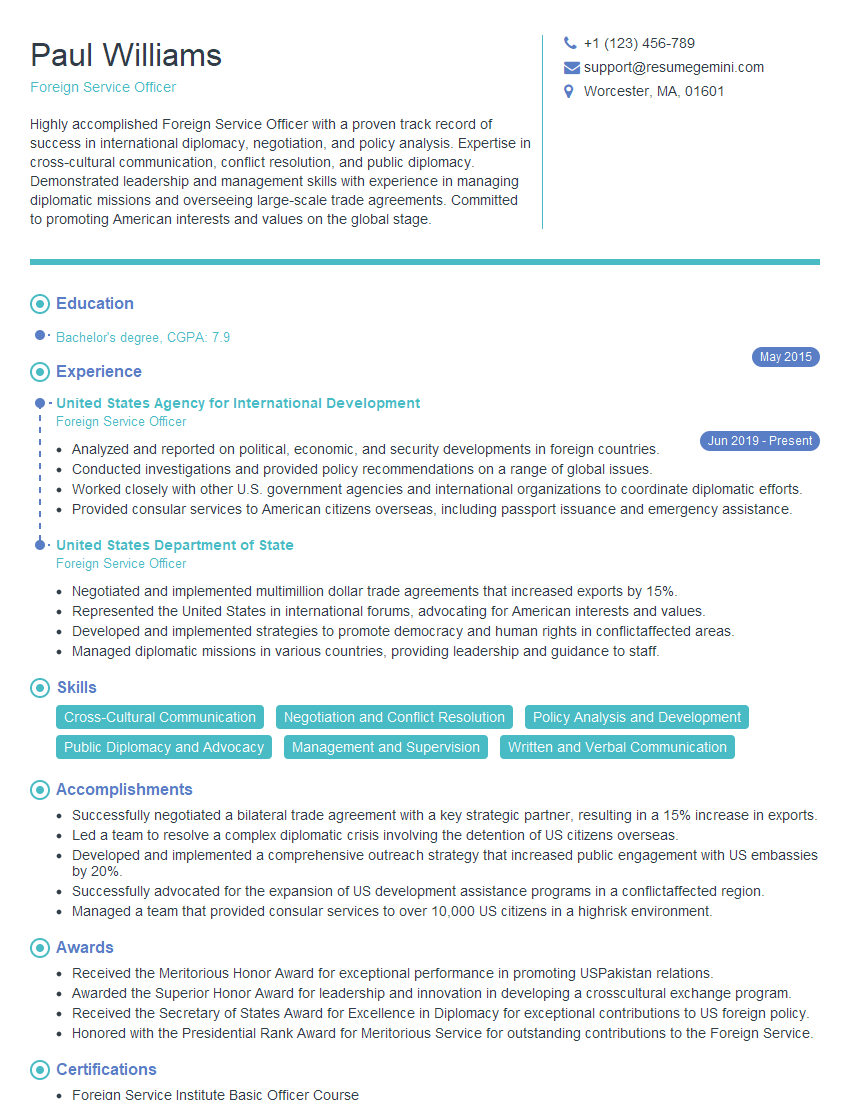
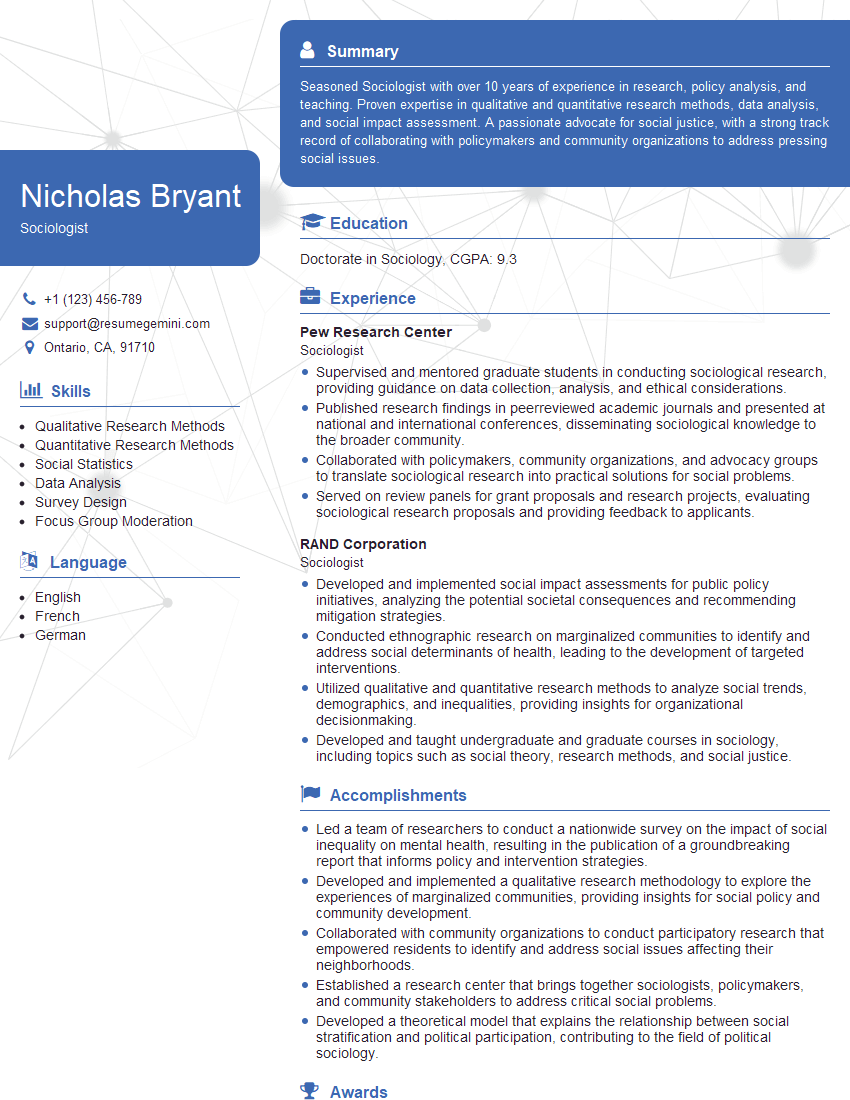
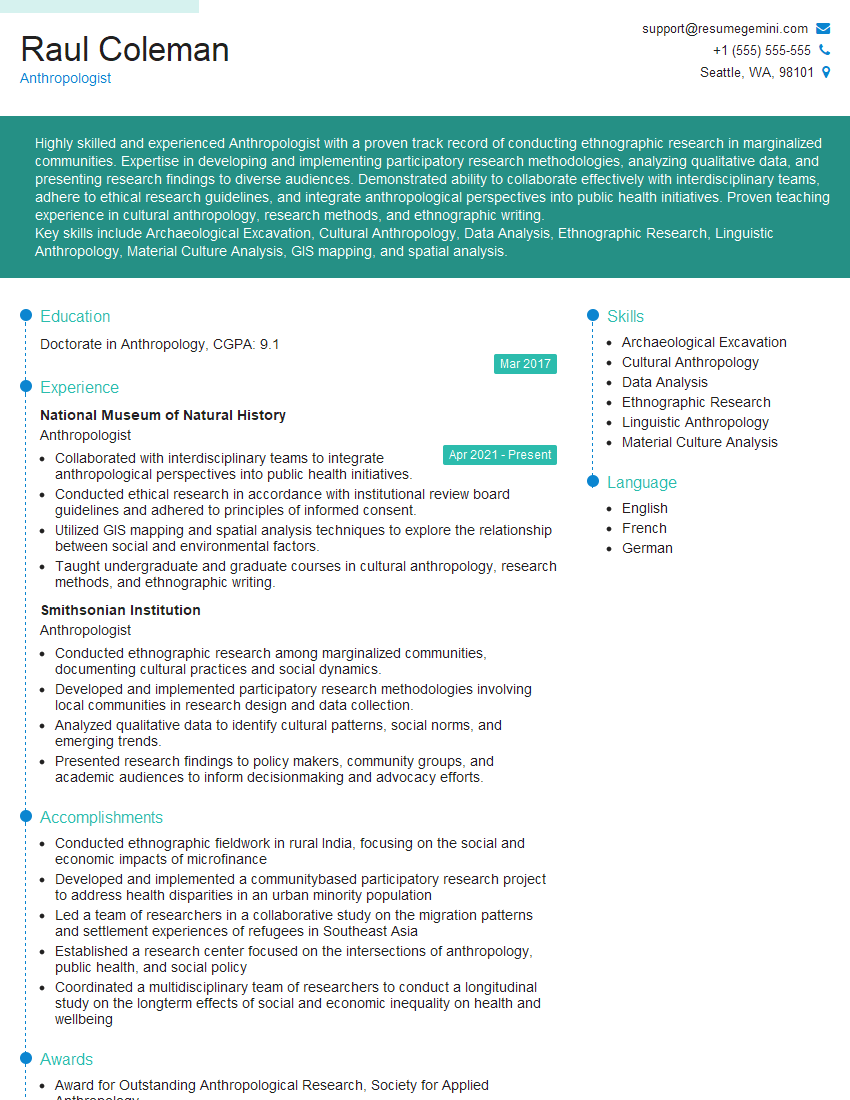
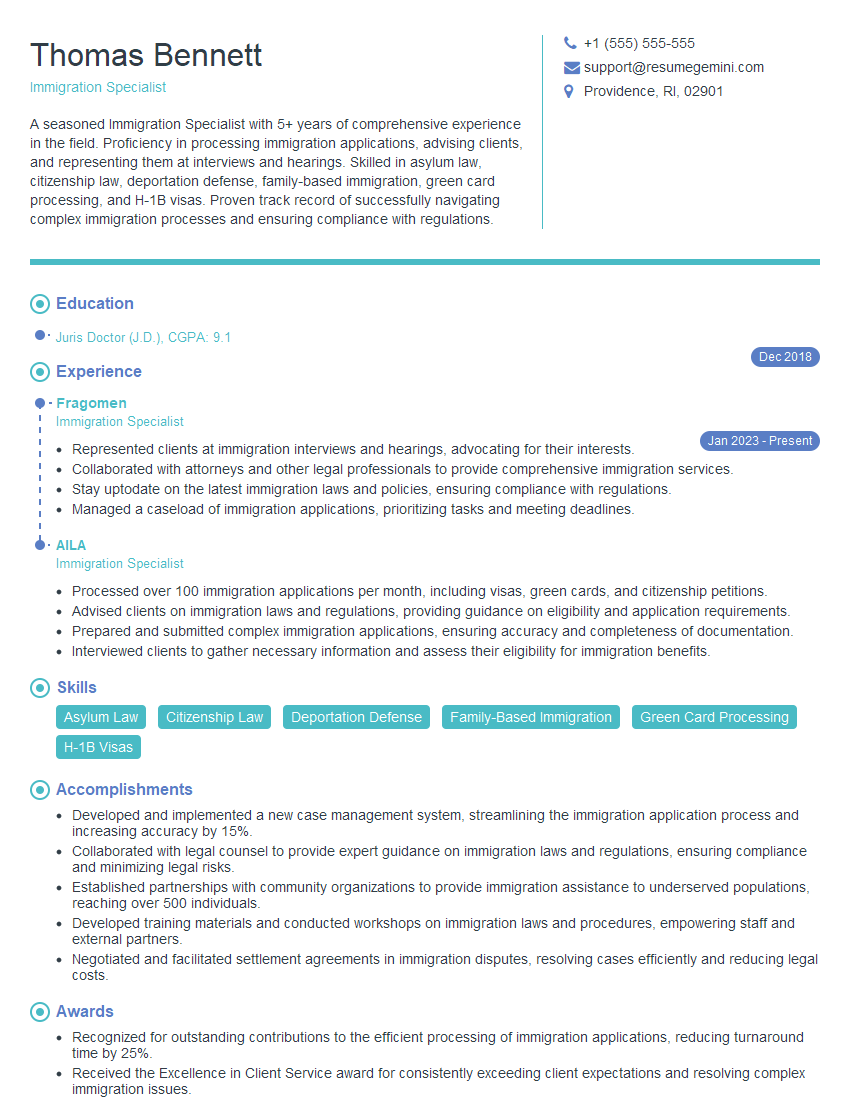
Mastering cross-cultural competency is crucial for career advancement in today’s globalized world. It demonstrates valuable skills employers highly seek, opening doors to exciting opportunities and enhancing your professional profile. To maximize your job prospects, create an ATS-friendly resume that effectively showcases your abilities. ResumeGemini is a trusted resource to help you build a professional and impactful resume. We provide examples of resumes tailored to highlight CrossCultural Competency, allowing you to craft a compelling document that captures the attention of recruiters.
Explore more articles
Users Rating of Our Blogs
Share Your Experience
We value your feedback! Please rate our content and share your thoughts (optional).
What Readers Say About Our Blog
Very informative content, great job.
good