Interviews are more than just a Q&A session—they’re a chance to prove your worth. This blog dives into essential CTP Plate Exposure interview questions and expert tips to help you align your answers with what hiring managers are looking for. Start preparing to shine!
Questions Asked in CTP Plate Exposure Interview
Q 1. Explain the process of CTP plate exposure from file input to plate output.
The CTP (Computer-to-Plate) plate exposure process begins with a digital file, typically a PDF, containing the artwork for printing. This file is sent to a RIP (Raster Image Processor). The RIP processes the file, converting the vector information into a raster image composed of dots (halftones) with precise position and tone values. This rasterized image then drives the exposure process.
The RIP sends the data to the CTP imager. The imager uses a laser to expose the photosensitive CTP plate. The laser creates a latent image on the plate, changing the solubility of the photopolymer according to the image data. Areas exposed to the laser become less soluble during the developing process. After exposure, the plate is developed, removing the unexposed areas, leaving behind the image that represents the print. Finally, the plate is post-processed (often including a cleaning and baking stage) to prepare it for mounting on the printing press.
Think of it like creating a photographic negative, but instead of film, we’re using a metal plate and a laser instead of light. The higher the resolution of the raster image, the more detail the plate can capture. This is why the RIP is crucial for converting our design file into a precise blueprint for the printing plate.
Q 2. Describe the different types of CTP plates and their applications.
Several types of CTP plates exist, each with its strengths and weaknesses. They are primarily categorized by their photosensitive material and resolution capabilities. Common types include:
- Thermal Plates: These plates use heat from a laser to expose the photopolymer. They are generally less expensive but can have lower resolution and a shorter lifespan. This makes them suitable for short runs or less demanding applications.
- Violet Laser Plates: These plates utilize a violet laser for exposure. They offer higher resolution and finer detail, leading to improved print quality, especially for complex designs and fine lines. They’re more durable and suited for high-volume printing.
- UV Laser Plates: Using ultraviolet lasers, these plates typically offer high sensitivity and a wide exposure latitude. This is excellent for a more forgiving workflow and is often a preference for those working with difficult or highly detailed artwork. They also boast a strong resistance to scratches and degradation.
The choice of plate depends heavily on the print job’s specific requirements – the budget, the print quality required, and the volume of prints needed. For example, a small print shop doing short runs of business cards might choose thermal plates, whereas a large commercial printer working on high-end publications would likely opt for violet or UV laser plates.
Q 3. What are the key parameters to adjust during CTP plate exposure (e.g., laser power, speed)?
Several key parameters influence CTP plate exposure quality and consistency. These include:
- Laser Power: This determines the intensity of the laser beam. Higher power can lead to faster exposure but may also increase the risk of plate damage or uneven exposure. It needs to be carefully balanced to achieve optimal exposure depth and sensitivity to the plate’s chemistry.
- Exposure Speed: The speed at which the laser scans across the plate affects the overall exposure time. Faster speeds can increase throughput but might compromise image quality if the laser power isn’t sufficiently adjusted. A compromise between speed and quality should be found based on the requirements of the print job.
- Plate Resolution: The resolution, expressed in dots per inch (dpi), determines the level of detail captured on the plate. Higher resolutions mean finer details but also necessitate longer exposure times and can potentially increase costs.
- Frequency Modulation (FM): This technique involves varying the laser power to create smoother tones and reduce the appearance of banding in the final print. Carefully controlled FM is crucial for high-fidelity colour reproduction.
Fine-tuning these parameters requires expertise and understanding of the interaction between the laser, the plate chemistry, and the specific RIP settings. Often, a calibration process is involved to find optimal values for a specific setup.
Q 4. How do you troubleshoot common CTP plate exposure issues (e.g., banding, ghosting, pinholes)?
Troubleshooting CTP plate exposure problems requires a systematic approach. Here’s how to address common issues:
- Banding: This often arises from inconsistencies in laser power or speed during exposure. Check for laser power fluctuations, ensure even plate movement, and verify RIP settings. Cleaning the imaging optics and calibration is also crucial.
- Ghosting: This refers to faint, secondary images appearing near the primary image. This might indicate issues with plate cleaning, residual image from a previous exposure, or issues with the laser’s overall performance. Thorough cleaning and appropriate pre-press procedures can prevent this.
- Pinholes: Tiny holes in the image area can stem from dust particles on the plate during exposure, damage to the plate’s surface, or insufficient exposure levels in localized areas. Precise cleaning procedures, regular inspection of the plate, and adjusting exposure settings are key solutions.
- Uneven Exposure: Inconsistent exposure can manifest as light and dark areas. Check laser power stability, plate condition and scan speed. Proper calibration of the CTP imager is essential to resolve this.
A logbook documenting settings and observations aids in problem-solving. Regular maintenance of the equipment and the use of high-quality plates contribute significantly to preventing these problems.
Q 5. What is the role of the RIP in the CTP workflow?
The RIP (Raster Image Processor) is the heart of the CTP workflow. Its role is to translate the digital artwork, which is usually in vector format (like Adobe Illustrator files), into a format that the CTP imager can understand: a raster image composed of dots (halftones). It essentially creates the blueprint for the plate.
Besides this conversion, the RIP also manages colour profiles, performs image processing functions like sharpening or colour correction, and applies specific settings for the CTP imager and chosen plate type. It ensures accurate color representation, manages image resolution, and handles various aspects of image processing to create the optimal image for exposure.
Without the RIP, the CTP imager wouldn’t be able to interpret the artwork. Think of the RIP as a translator between your design software and the machine that produces the printing plate, guaranteeing accurate and effective reproduction.
Q 6. Explain the concept of plate resolution and its impact on print quality.
Plate resolution, measured in dots per inch (dpi), directly impacts print quality. Higher resolution (e.g., 2400 dpi or even higher) means more dots per inch, leading to finer details, smoother gradients, and sharper images. Lower resolution (e.g., 1200 dpi) results in coarser images, potential banding in gradients, and a loss of fine detail.
The choice of resolution depends on the application. High-resolution plates are essential for fine-detail work like high-end brochures or packaging where very detailed imagery and smooth color transitions are critical. Lower resolution plates are suitable for simpler applications such as simple posters or large-format printing where the lack of fine detail might not be very noticeable.
Choosing the appropriate resolution involves balancing print quality with production costs and time. Higher resolution requires more processing time and may potentially increase the cost. Hence, a balance between quality needs and cost-effectiveness should always be prioritized.
Q 7. How do you ensure accurate color reproduction in CTP plate exposure?
Accurate color reproduction in CTP plate exposure is critical for matching the digital artwork to the final printed output. Several steps ensure color accuracy:
- Color Profiles (ICC Profiles): These profiles characterize the color spaces of various devices (monitor, RIP, CTP imager, press). Using accurate ICC profiles throughout the workflow ensures that the colors are consistently interpreted and rendered.
- Calibration: Regular calibration of the entire workflow, from monitor to CTP imager, is vital. This process ensures that the devices are correctly aligned for color reproduction, minimizing discrepancies.
- Proofing: Soft and hard proofs are essential for comparing the on-screen appearance with the expected print output. Soft proofing uses software simulations, while hard proofs involve printing a test print using a similar process.
- RIP Settings: The RIP’s color management settings, including the chosen color space (e.g., CMYK, RGB), should be carefully configured to match the press and the printing substrate to obtain the target gamut.
- Plate Type and Chemistry: The choice of CTP plate also affects color reproduction. Selecting a plate with suitable spectral sensitivity and accurate color response is crucial for high-fidelity output.
A comprehensive color management strategy, involving careful calibration and profiling, ensures that the final print accurately reflects the designer’s intent. Regular quality control checks with color measurement devices verify the accuracy of the color reproduction.
Q 8. Describe the importance of proper plate handling and storage.
Proper plate handling and storage are paramount to ensuring consistent print quality and minimizing waste in CTP (Computer-to-Plate) workflows. Think of a CTP plate like a highly sensitive photographic negative; any damage will directly impact the final print.
- Storage: Plates should be stored in a cool, dry, and dark environment, ideally in their original packaging or in specially designed plate storage racks. Exposure to light, moisture, or extreme temperatures can degrade the plate’s imaging layer, leading to inconsistencies in printing. For example, leaving plates exposed to direct sunlight can cause premature degradation and loss of image density.
- Handling: Always handle plates by their edges to avoid fingerprints or scratches on the imaging surface. Fingerprints can act as obstructions, preventing proper ink transfer during printing. Additionally, use clean gloves and avoid touching the imaging layer. Dust particles can also hinder the printing process. During the handling process, be very careful not to drop the plates as this will most certainly damage them.
- Organization: Clearly label plates with job information, date, and other relevant details. This ensures easy identification and prevents confusion, especially in high-volume production environments. A well-organized storage system is as crucial as proper environmental conditions.
Q 9. What safety precautions are essential when working with CTP equipment?
Safety is paramount when operating CTP equipment, which involves high-powered lasers and complex chemical processes. A few crucial precautions include:
- Laser Safety: Never look directly into the laser beam. The laser used in CTP exposure is powerful enough to cause serious eye damage. Always ensure the laser safety interlocks are functioning correctly and that the machine is properly shielded.
- Chemical Handling: CTP plate processing involves chemicals that can be harmful if mishandled. Always wear appropriate personal protective equipment (PPE), including gloves, eye protection, and a lab coat. Follow the manufacturer’s safety data sheets (SDS) meticulously. Understand the proper disposal methods for used chemicals and plates. A spill response kit should be readily available.
- Electrical Safety: CTP machines operate at high voltages. Ensure all electrical connections are secure and that the equipment is properly grounded to prevent electrical shocks. Never work on the machine while it is powered on, unless you’re qualified to do so.
- Mechanical Safety: Moving parts within CTP machines can pose a risk of injury. Be aware of pinch points and moving belts, and keep your hands clear of these areas. Follow the manufacturer’s operating instructions and safety procedures.
Regular safety training and adherence to established safety protocols are essential for preventing accidents and maintaining a safe working environment.
Q 10. How do you calibrate a CTP system to ensure consistent output?
Calibrating a CTP system is crucial for ensuring consistent output and maintaining high print quality. It involves a series of steps that verify the accuracy and precision of the entire imaging process.
- Density Calibration: This checks the output density of the exposed plate, ensuring it matches the desired level for optimal printing. This is often done using a densitometer and standardized test targets.
- Dot Gain Measurement: This measures the increase in dot size during the printing process. Proper calibration minimizes dot gain variations, resulting in sharper images with cleaner lines.
- Laser Power Calibration: CTP systems use lasers of varying power levels. Precise calibration of laser power is essential for maintaining consistent exposure across the plate. This involves using specific test patterns and software to fine-tune the laser output.
- Registration Calibration: This ensures that the images are correctly aligned across different color plates (CMYK). Misregistration leads to blurred colors and unwanted artifacts. Registration is usually verified with specialized test targets.
- Software Calibration: This involves checking the color profiles and other software settings to ensure accurate color representation from the design to the final plate.
Regular calibration – often daily or weekly depending on usage – is necessary to maintain high quality and avoid costly reprints.
Q 11. What software and hardware are commonly used in CTP plate exposure?
CTP plate exposure relies on a combination of sophisticated software and specialized hardware.
- Software: Prepress software packages like Adobe InDesign, QuarkXPress, and others create the original design files. These files are then processed using RIP (Raster Image Processor) software, which converts vector-based files into the raster images required for CTP exposure. RIP software includes crucial settings for controlling the image quality and output.
- Hardware: The core hardware includes the CTP imager itself, which contains the laser system, the plate transport mechanism, and the imaging head. This is complemented by a computer workstation that runs the RIP software, a plate processor (for wet processing plates), and a plate reader (optional, for quality control).
Examples of common RIP software include Creo (now part of Kodak) and Agfa Apogee. The specific hardware configuration depends on the chosen CTP system’s manufacturer and model. Different manufacturers will often integrate specialized hardware and software.
Q 12. Explain the difference between thermal and violet CTP plates.
Thermal and violet CTP plates differ primarily in the way they are exposed and their sensitivity to light:
- Thermal CTP Plates: These plates use heat from a laser to expose the imaging layer. The laser’s heat causes a chemical change in the imaging layer that makes it receptive to ink. Thermal plates generally offer higher resolution and sharper dots, but can be more sensitive to variations in temperature and humidity.
- Violet CTP Plates: These plates utilize a violet laser to activate a photopolymer imaging layer. Violet lasers are more sensitive and require less energy, resulting in lower power consumption. They often offer better stability and broader compatibility with different printing presses. They can be a bit more resistant to temperature and humidity variations.
The choice between thermal and violet plates depends on factors like budget, desired resolution, print press compatibility, and environmental conditions. For example, a high-volume printing facility with very precise color requirements might choose violet plates, while a smaller print shop may opt for the cost-effectiveness of thermal plates.
Q 13. How do you manage different file formats in a CTP workflow?
Managing different file formats in a CTP workflow involves ensuring seamless conversion and compatibility. Most RIP software can handle common file formats like PDF, TIFF, and JPEG. However, variations and issues are possible.
- File Format Conversion: Ensure files are in the correct color space (e.g., CMYK) and resolution. Incompatible file formats (e.g. PSD) need to be converted to appropriate formats (e.g., TIFF) by using appropriate graphics software prior to being processed by the RIP. Incorrect color spaces or resolutions may lead to color shifts or blurry images.
- Color Profile Management: Use color profiles (ICC profiles) to maintain color consistency from design software to the final output. Color management is critical for accurate reproduction of colors.
- Error Handling: RIP software provides error checking and reporting features to identify and resolve problems with files before plate exposure. This helps prevent issues like missing fonts or corrupted images.
- Workflow Automation: Using a well-structured workflow system (including automated job submission) and standardized file naming conventions minimizes human error and ensures efficient processing of files, even in environments where numerous files need to be processed.
Efficient file handling is a cornerstone of a smooth and error-free CTP workflow. Think of it as a meticulous assembly line: each step needs to be accurate and coordinated to get the desired outcome.
Q 14. Describe your experience with plate processing chemistry.
My experience with plate processing chemistry encompasses both the practical aspects of handling and processing chemicals, as well as the understanding of the chemical reactions that occur during plate development.
- Processor Operation: I am proficient in operating various types of automatic plate processors, understanding their settings and maintenance requirements. This includes loading and unloading plates, monitoring chemical levels, and performing routine cleaning and maintenance to keep the equipment in optimal working condition. I have experience working with both aqueous and solvent-based chemistries, understanding the safety implications of each.
- Chemistry Understanding: I understand the role of different chemicals in the development process, including developers, gum removers, and other conditioning agents. I can troubleshoot issues related to plate processing chemistry, such as uneven development or insufficient contrast, and take appropriate actions to rectify them.
- Environmental Considerations: I am aware of the environmental impact of plate processing chemicals and implement safe disposal procedures according to regulations. This involves using appropriate recycling or neutralization procedures to minimize the environmental footprint.
- Quality Control: I regularly monitor the quality of processed plates by conducting visual inspections and utilizing appropriate measuring equipment. This allows me to identify and resolve any processing defects early on.
Careful handling and understanding of plate processing chemistry directly translates to high-quality plates and cost-effective production. A good understanding of the chemical processes ensures efficiency and consistent output quality.
Q 15. What is the significance of dot gain in CTP platemaking?
Dot gain in CTP (Computer-to-Plate) platemaking refers to the increase in the size of a printed dot compared to its size on the plate. Think of it like this: you design a tiny 1mm dot on your computer screen; when printed, it might actually be 1.2mm. This difference is the dot gain.
This is a crucial factor because it directly impacts the final print’s color density and overall appearance. Too much dot gain leads to muddy, dark prints with a loss of detail and contrast. Too little, and the print appears pale and weak. Factors influencing dot gain include the type of plate, the exposure settings of the CTP imager, the type of printing press, and even the ink and paper used.
Controlling dot gain is essential for achieving accurate color reproduction and maintaining consistency across different print runs. We use sophisticated color management systems and carefully calibrated exposure settings to minimize unwanted dot gain and ensure the printed result matches the digital design as closely as possible.
Career Expert Tips:
- Ace those interviews! Prepare effectively by reviewing the Top 50 Most Common Interview Questions on ResumeGemini.
- Navigate your job search with confidence! Explore a wide range of Career Tips on ResumeGemini. Learn about common challenges and recommendations to overcome them.
- Craft the perfect resume! Master the Art of Resume Writing with ResumeGemini’s guide. Showcase your unique qualifications and achievements effectively.
- Don’t miss out on holiday savings! Build your dream resume with ResumeGemini’s ATS optimized templates.
Q 16. How do you perform a pre-flight check before exposing a plate?
A pre-flight check before exposing a CTP plate is paramount to avoid costly errors and wasted plates. It’s a methodical process that involves several key steps:
- File Verification: Checking the file format (e.g., PDF/X-1a), resolution, color space (CMYK recommended for print), and the presence of any embedded fonts or linked images. We use specialized software to analyze the file’s structure and integrity.
- RIP Settings: Reviewing and adjusting the RIP (Raster Image Processor) settings like screening frequency, dot shape (AM, FM), and dot gain compensation to ensure they match the plate and press characteristics. Incorrect settings can lead to significant color deviations.
- Image Inspection: A visual inspection of the file to check for any anomalies like missing elements, color banding, or unintended artifacts that could manifest on the plate. This often involves zooming in to check for subtle inconsistencies.
- Proofing: Generating a soft proof to preview the output before committing to plate exposure. This allows us to identify any color or image issues early on, saving time and resources. We often use a calibrated monitor and proofing software for accurate representation.
By rigorously following this procedure, we dramatically reduce the risk of errors that could affect the final print quality.
Q 17. How do you handle plate defects and rejections?
Plate defects and rejections are unfortunately part of the CTP process. Our handling approach focuses on identification, analysis, and prevention.
- Defect Identification: We visually inspect each plate for scratches, pinholes, or inconsistencies in the image. Automatic inspection systems can also help to detect subtle defects.
- Root Cause Analysis: If a defect is found, we investigate its origin. This might involve checking the CTP imager for issues, reviewing the platemaking process, or examining the pre-press files for errors.
- Corrective Actions: Depending on the cause, we implement corrective actions. This could range from adjusting the imager settings, replacing a faulty component, or retraining staff on proper handling procedures.
- Rejection Protocol: Rejected plates are documented, and the reasons for rejection are carefully recorded to track trends and improve processes. We maintain detailed records for quality control analysis.
A robust system of quality control and preventive maintenance significantly minimizes plate rejections and helps to maintain a high level of efficiency.
Q 18. What is your experience with different types of screening techniques?
I have extensive experience with various screening techniques, including Amplitude Modulation (AM) and Frequency Modulation (FM) screening.
- AM Screening: This traditional method uses dots of varying sizes to create tonal values. It’s relatively simple to implement but can exhibit moiré patterns (unwanted interference patterns) under specific conditions. We primarily use it for situations where print speed is paramount, and the risk of moiré is carefully managed.
- FM Screening: This stochastic screening technique utilizes dots of consistent size but varying density to create halftones. FM screening offers superior print quality with reduced moiré, better detail reproduction, and smoother tonal transitions. It’s our preferred method for high-quality printing projects.
The choice between these techniques depends on the specific requirements of the print job. For high-quality, detailed images, FM screening offers superior results; however, AM screening can be a more efficient choice for simpler work.
Q 19. Explain your experience with color profiling and color management systems.
Color profiling and color management are integral aspects of CTP platemaking. My experience encompasses working with various color management systems (CMS) such as those from Adobe and X-Rite.
We employ ICC profiles to accurately represent colors from the digital design through to the final print. This involves creating and using device-specific ICC profiles for the monitor, the RIP, the CTP imager, and even the printing press. A well-defined color workflow using calibrated equipment and software is essential to ensure color accuracy across the entire print production process. This minimizes discrepancies between the digital design and the final product and is paramount for projects requiring exact color reproduction.
For example, we’ve successfully used color profiling to ensure consistent color reproduction across multiple print runs for a client’s high-end product catalog, guaranteeing brand consistency.
Q 20. How do you maintain the quality and consistency of CTP plates?
Maintaining the quality and consistency of CTP plates requires a multifaceted approach combining proper handling, regular maintenance, and careful monitoring.
- Plate Storage: Plates should be stored in a clean, dry, and dark environment to prevent degradation. Proper storage significantly extends their lifespan and avoids quality issues.
- CTP Imager Maintenance: Routine maintenance of the CTP imager is crucial. This includes cleaning the laser unit, regularly checking the exposure settings, and calibrating the system according to the manufacturer’s recommendations. Regular maintenance prevents inconsistencies and ensures optimal performance.
- Process Monitoring: Continuous monitoring of the platemaking process through regular quality checks and analysis of rejected plates helps identify potential problems early on. This allows for timely adjustments and prevents widespread issues.
- Plate Handling: Proper handling of plates from the moment they leave the imager until they are mounted on the press is key. Avoiding scratches and other physical damage is crucial for maintaining print quality.
A combination of these best practices ensures consistent plate quality and reliability, contributing to the overall success of our print production.
Q 21. Describe your experience with workflow automation software.
My experience with workflow automation software is extensive. I’ve worked with various systems designed to streamline the pre-press workflow, from job submission and pre-flighting to plate exposure and output management.
These systems typically integrate with other software, such as MIS (Management Information Systems), allowing for efficient job tracking and improved communication between different departments. Automation reduces manual intervention, minimizes human errors, and speeds up the overall production cycle. This results in increased efficiency, improved accuracy, and better cost control.
For instance, we implemented a workflow automation system that integrated our order management, pre-flight, CTP exposure, and quality control systems, resulting in a 20% reduction in production time and a significant decrease in errors.
Q 22. How do you troubleshoot connectivity issues with the RIP and CTP device?
Troubleshooting connectivity issues between a RIP (Raster Image Processor) and a CTP (Computer-to-Plate) device requires a systematic approach. First, we need to verify the most basic elements. Is the network cable securely connected to both devices and is the cable itself functioning correctly? A simple swap with a known good cable often resolves seemingly mysterious issues.
Next, we check the IP addresses. Are they correctly configured and within the same subnet? A simple ping test (ping ) from the RIP to the CTP and vice-versa can confirm network connectivity. If the ping fails, we move to check network switches and routers, ensuring they are functioning correctly and not causing packet loss. We might look at firewall rules, making sure ports required for communication between the RIP and CTP are open. Each system’s network settings need close scrutiny to check for any misconfigurations.
If the network connection is verified, the problem might lie within the devices themselves. We should check the RIP and CTP logs for error messages, which often pinpoint the source of the problem. For example, we might find a log showing that the CTP isn’t responding to requests from the RIP, suggesting a problem within the CTP’s operating system or its communication interfaces. Manufacturer-provided diagnostic tools are crucial in such cases and may require technical assistance from the vendor.
Finally, it’s worth considering the possibility of driver conflicts or outdated firmware on either the RIP or the CTP. Updating drivers and firmware is often overlooked, but can resolve many connectivity and performance issues. Always back up your system settings before attempting firmware updates. Remember, documenting each step taken during the troubleshooting process is critical for future reference and efficient problem solving.
Q 23. Explain your understanding of different plate mounting systems.
CTP plate mounting systems are designed for consistent and accurate plate placement within the printing press. Different systems cater to different press types and production volumes. The most common systems are vacuum systems, which use suction to hold the plate firmly in place, and clamping systems which use mechanical pressure.
Vacuum Systems: These are highly prevalent, offering a reliable and even plate surface. They work by creating a vacuum between the plate and the mounting cylinder. Air leaks can be a significant problem and usually require regular maintenance to address. Vacuum systems are generally easier to load and unload plates than clamping systems.
Clamping Systems: These systems use mechanical clamps to secure the plates, often favored in high-speed presses where the strong vacuum needed by vacuum systems may cause delays. They can be more complex to operate and often need very precise adjustments to avoid damaging plates. They offer excellent stability during high speed printing runs.
Hybrid Systems: Some newer systems combine aspects of both vacuum and clamping mechanisms, aiming to combine the benefits of both approaches. Such hybrid systems typically offer enhanced stability and quicker plate changes.
The choice of mounting system depends heavily on the specific requirements of the printing press and workflow. Factors like printing speed, plate size, and the type of printing plates used all influence the decision.
Q 24. What are the advantages and disadvantages of different CTP technologies?
Several CTP technologies exist, each with its strengths and weaknesses. The main technologies are Thermal, Violet, and UV laser based systems.
- Thermal CTP: Uses heat to expose the plate. It’s relatively low-cost and easy to maintain, making it ideal for smaller print shops. However, it has lower resolution compared to other technologies and the plates are generally less durable.
- Violet Laser CTP: Uses a violet laser to expose the plate. Offers higher resolution and sharper images compared to thermal, leading to better print quality. It’s known for its high precision and durability but the initial investment is typically higher. The plates also tend to have a longer processing time.
- UV Laser CTP: Uses a UV laser for exposure. The most advanced technology, offering the highest resolution and longest plate life, making it suitable for high-volume and high-quality printing. The initial investment, maintenance costs, and plates are significantly more expensive.
The choice depends on your budget, required print quality, production volume, and operational demands. A small print shop might find thermal CTP perfectly adequate, while a large commercial printer might opt for UV laser for its superior quality and longevity.
Q 25. How do you ensure optimal plate life and longevity?
Optimizing plate life and longevity involves a multi-faceted approach that encompasses proper handling, storage, and processing techniques.
- Proper Handling: Always wear clean gloves when handling plates to avoid fingerprints or other contaminants that can interfere with the imaging process or damage the plate surface. Avoid scratching or dropping plates.
- Storage Conditions: Store plates in a cool, dry, and dark environment. Exposure to light, heat, and moisture can significantly degrade plate quality and shorten their lifespan.
- Processing Chemistry: Use the correct processing chemicals recommended by the plate manufacturer. Ensure proper chemical concentration and maintain clean processing equipment. Expired or contaminated chemistry negatively impacts plate quality.
- Exposure Parameters: Correct exposure settings are crucial. Overexposure can lead to plate degradation and shortening of the plate life. Under exposure will lead to poor image quality and printing problems.
- Press Conditions: Ensure proper press conditions, such as consistent ink-water balance and appropriate press speed. Aggressive press conditions can put excessive wear and tear on plates, reducing their life.
Regular maintenance of the CTP system is equally important. This includes cleaning the laser unit, ensuring proper functioning of the vacuum system (if applicable), and performing regular calibration checks. Following the manufacturer’s guidelines meticulously is vital for both safe operation and maximizing plate longevity.
Q 26. Describe your experience with maintaining and troubleshooting CTP equipment.
My experience in maintaining and troubleshooting CTP equipment spans several years and various technologies. I’m proficient in preventative maintenance tasks, such as cleaning laser heads and checking the vacuum system integrity in thermal and violet CTP systems. I’ve also performed several corrective maintenance operations. For example, I once diagnosed a recurring error code on a violet CTP system that indicated a problem with the laser power supply. By systematically checking the power supply’s components and replacing a faulty capacitor, I successfully resolved the issue, avoiding a costly service call. In another instance, I identified a malfunctioning vacuum pump on a thermal CTP system by systematically checking vacuum levels at various points in the system. The pump was replaced and the system returned to normal operation.
My experience extends to troubleshooting issues related to plate processing, including those arising from incorrect chemical concentrations, clogged processing rollers, and issues with the plate processor’s temperature control. I’m adept at analyzing error codes and logs, which is frequently the starting point in isolating the root cause of problems. I also have experience with firmware updates, calibration procedures, and working with technical support from manufacturers when advanced expertise is needed. A key aspect of my approach involves comprehensive documentation of maintenance and troubleshooting activities, promoting consistency and enabling faster problem resolution in the future.
Q 27. How would you approach optimizing the CTP workflow for improved efficiency and throughput?
Optimizing the CTP workflow for improved efficiency and throughput requires a holistic approach. It starts with evaluating the current workflow, identifying bottlenecks, and leveraging technology and best practices to streamline operations.
- Automation: Implementing automated plate handling and processing systems can significantly reduce manual labor and increase throughput. Automated systems reduce human error and inconsistencies.
- Workflow Software: Utilizing sophisticated workflow software helps in optimizing job sequencing, reducing setup times, and enabling efficient management of jobs. Such software can also integrate with other parts of the prepress workflow, creating a seamless operation.
- Plate Selection: Choosing the right CTP plates, balancing cost and quality based on application requirements plays a big role. This includes selecting plates with optimal durability and processing characteristics.
- Preventive Maintenance: Regular preventive maintenance of the CTP system and other prepress equipment minimizes downtime and unexpected repairs that hinder productivity. Scheduling maintenance during less busy periods is highly recommended.
- Operator Training: Training operators on best practices for plate handling, processing, and troubleshooting is critical. Well-trained operators can identify and fix minor issues promptly, preventing major problems.
- Process Optimization: Analyzing the entire workflow including job submission, RIP processing time, exposure time, plate development, and mounting can help identify areas for improvement. Lean manufacturing principles can be effectively used here.
By addressing these areas, a significant improvement in CTP workflow efficiency and throughput can be achieved, translating to reduced operational costs and increased profitability. Regular monitoring and analysis are crucial for continuous improvement.
Key Topics to Learn for CTP Plate Exposure Interview
- CTP Plate Exposure Fundamentals: Understanding the entire process from digital file to exposed plate, including the role of different light sources (laser, LED) and their impact on plate resolution and quality.
- Plate Types and Characteristics: Familiarize yourself with various CTP plate types (thermal, violet, UV), their respective properties, and suitability for different printing applications. Understand the impact of plate thickness, surface treatment, and chemical composition on print quality and press performance.
- Exposure Parameters and Optimization: Learn how to adjust critical parameters like laser power, exposure time, and resolution to achieve optimal plate quality. Understand the relationship between these parameters and factors like dot gain, highlight detail, and overall print density.
- Troubleshooting and Quality Control: Develop a strong understanding of common problems encountered during CTP plate exposure, such as pinholes, scratches, and uneven exposure. Be prepared to discuss troubleshooting techniques and quality control measures used to ensure consistent and high-quality plate production.
- Prepress Workflow Integration: Understand how CTP plate exposure integrates with other prepress processes such as file preparation, color management, and proofing. This includes knowledge of file formats, color spaces, and quality assurance checks.
- Automation and Software: Gain familiarity with common CTP plate exposure software and automation systems. Be prepared to discuss your experience with different interfaces, software settings, and workflow optimization techniques.
- Health and Safety: Be aware of the relevant health and safety procedures and regulations related to working with CTP plates and chemicals.
Next Steps
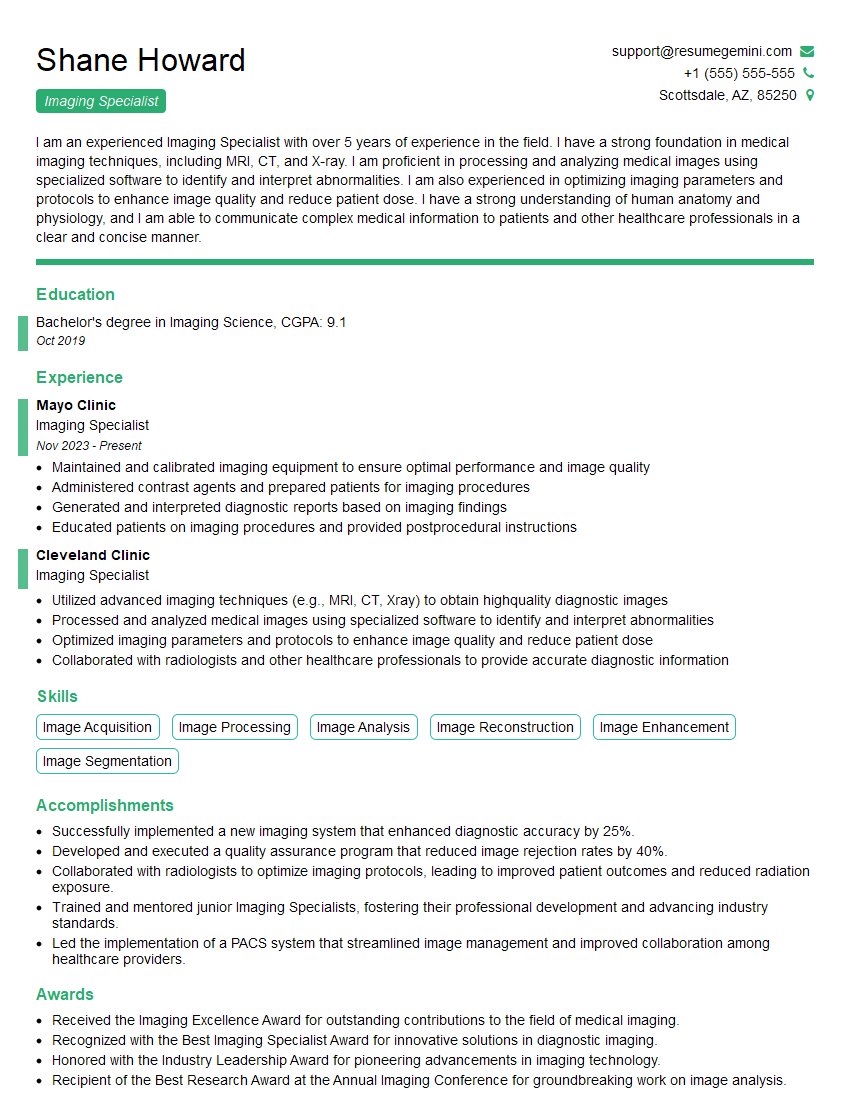
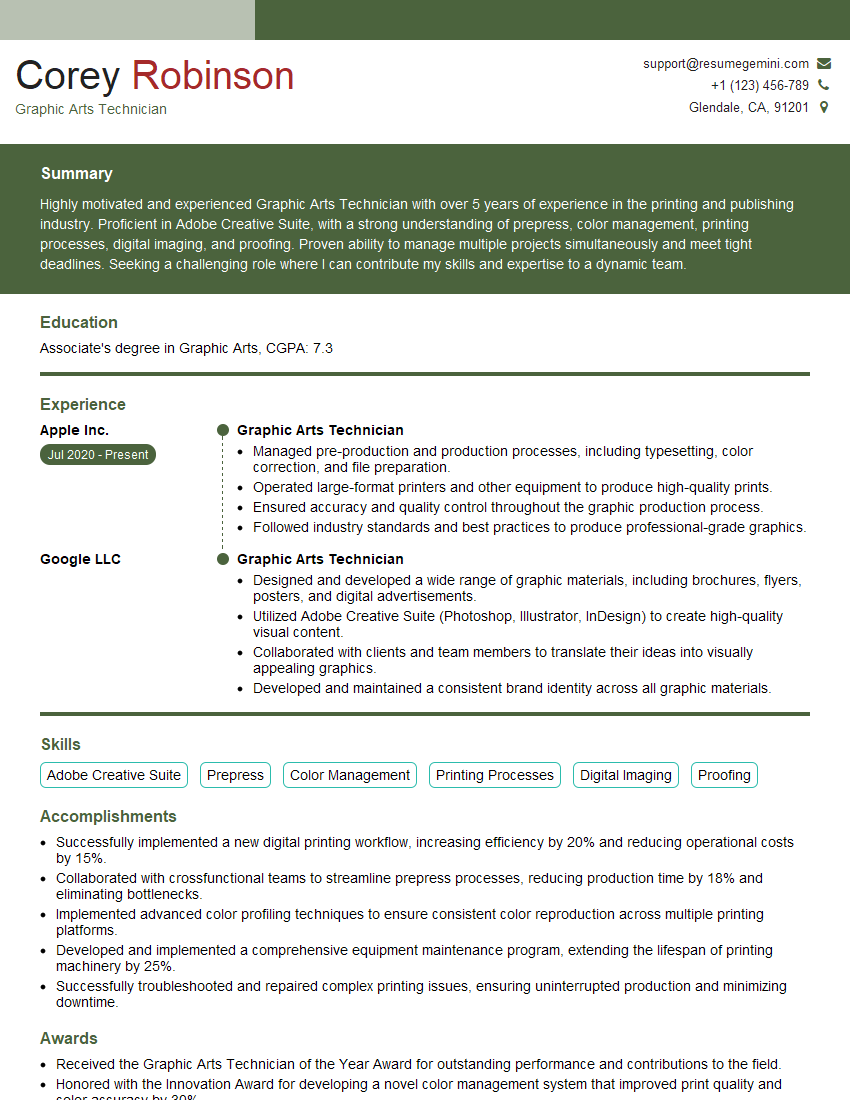
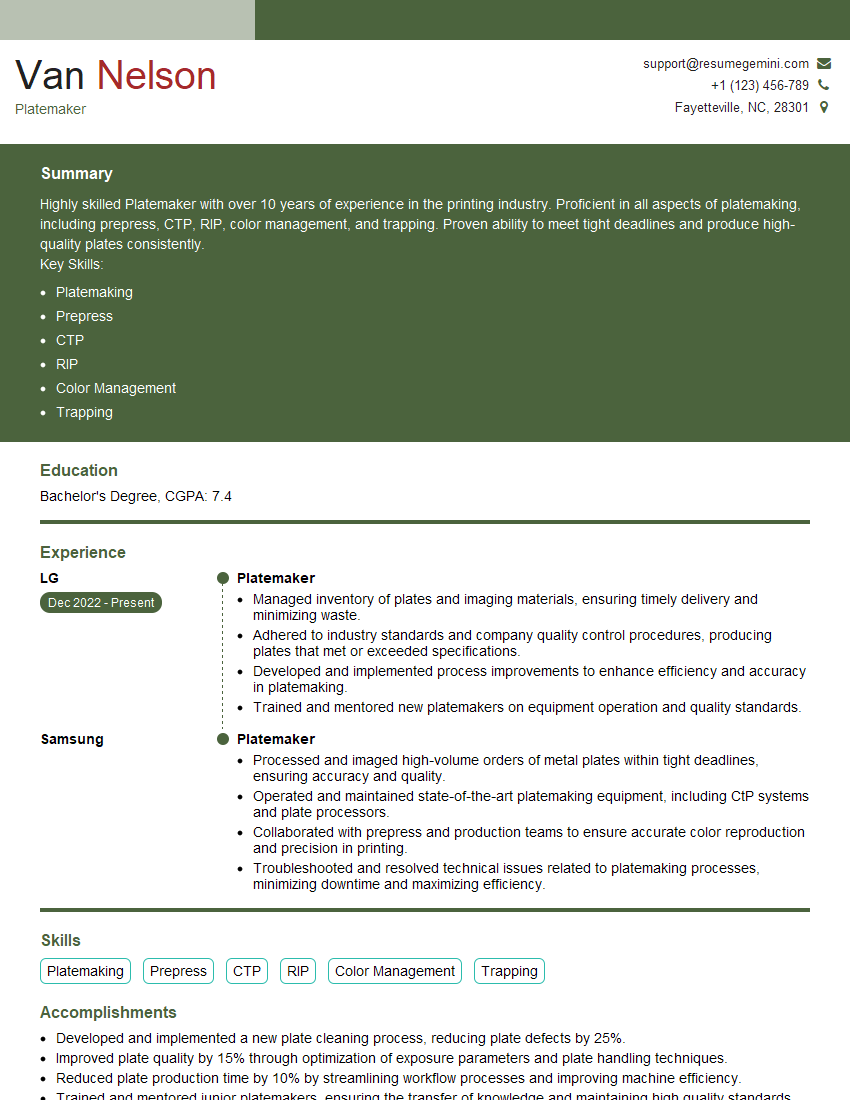
Mastering CTP Plate Exposure is crucial for advancement in the printing industry, opening doors to specialized roles and increased earning potential. A strong understanding of this process demonstrates valuable technical skills and problem-solving abilities highly sought after by employers. To maximize your job prospects, it’s essential to present your skills effectively. Create an ATS-friendly resume that highlights your expertise in CTP Plate Exposure and relevant experience. ResumeGemini is a trusted resource for building professional, impactful resumes. They offer examples of resumes tailored to CTP Plate Exposure to help you showcase your qualifications effectively.



Explore more articles
Users Rating of Our Blogs
Share Your Experience
We value your feedback! Please rate our content and share your thoughts (optional).
What Readers Say About Our Blog
Very informative content, great job.
good