Are you ready to stand out in your next interview? Understanding and preparing for Culling and Disposal interview questions is a game-changer. In this blog, we’ve compiled key questions and expert advice to help you showcase your skills with confidence and precision. Let’s get started on your journey to acing the interview.
Questions Asked in Culling and Disposal Interview
Q 1. Describe your experience with different culling methods.
Culling methods vary greatly depending on the type of material being culled and the overall goals. Think of it like cleaning out a closet – you wouldn’t treat a pile of old clothes the same way you’d handle broken electronics. My experience encompasses several approaches:
Visual Inspection: This is the most basic method, involving manually checking items for defects, damage, or obsolescence. For example, in a warehouse setting, we might visually inspect inventory for expired products or damaged packaging.
Automated Sorting: For large-scale culling, automated systems like conveyor belts with sensors and scanners are employed. These systems can identify defective products based on size, weight, or other characteristics. Imagine a sorting facility for recyclable materials – optical sensors identify different types of plastics.
Data-Driven Culling: This method utilizes inventory management systems and data analytics to identify underperforming or obsolete items. For instance, we might analyze sales data to identify slow-moving products in a retail setting and cull them to free up space and resources.
Sampling: When dealing with a very large batch of items, a statistically valid sample may be selected for inspection, extrapolating the results to the larger population. This is cost-effective for culling large shipments of raw materials, where full inspection would be impractical.
Q 2. What are the key factors to consider when determining disposal methods?
Choosing the right disposal method is crucial for environmental protection and cost-effectiveness. Several key factors must be considered:
Waste Composition: The type of waste (hazardous, non-hazardous, recyclable) dictates the appropriate disposal pathway. Hazardous waste, like solvents or heavy metals, requires specialized treatment.
Volume and Quantity: Large volumes of waste might necessitate different methods compared to smaller quantities. Landfilling is practical for large volumes of non-hazardous waste, while incineration might be more suitable for smaller amounts of specific hazardous materials.
Environmental Regulations: Compliance with local, regional, and national environmental regulations is paramount. These regulations vary widely based on geographical location.
Cost: Each disposal method has associated costs. Recycling might be cost-effective in the long run, but upfront investments might be higher than landfilling.
Accessibility: The location of the disposal facility and its accessibility affect transportation costs and logistics.
Q 3. Explain the importance of waste segregation in culling and disposal.
Waste segregation is the cornerstone of efficient and environmentally responsible culling and disposal. It’s like organizing your recycling – separating paper, plastic, and glass makes the recycling process much more effective. Proper segregation:
Enhances Recycling Rates: Separating recyclable materials from non-recyclable materials significantly increases the amount of materials that can be reused and reduces landfill burden.
Reduces Disposal Costs: Recycling and reusing materials is often cheaper than landfilling or incineration. It also helps reduce transportation costs.
Improves Safety: Proper segregation prevents hazardous materials from mixing with non-hazardous ones, reducing the risk of dangerous reactions or contamination.
Simplifies Disposal: Segregated waste is easier to handle and process, streamlining the entire disposal process.
Q 4. How do you ensure compliance with environmental regulations in disposal processes?
Ensuring compliance with environmental regulations is critical. This involves:
Knowing the Regulations: Thoroughly understanding and staying updated on all applicable federal, state, and local environmental laws and regulations is crucial.
Record Keeping: Maintaining detailed records of all waste generated, processed, and disposed of is essential. This includes waste manifests, permits, and disposal facility documentation.
Permits and Licenses: Obtaining necessary permits and licenses for waste handling, transportation, and disposal is mandatory.
Regular Audits: Conducting regular internal audits and external compliance audits ensures adherence to regulations and identifies potential areas for improvement.
Training: Providing employees with thorough training on environmental regulations, safe waste handling procedures, and emergency response protocols is crucial.
Working with Licensed Facilities: Only using licensed and permitted disposal facilities ensures that waste is disposed of properly and in accordance with environmental regulations.
Q 5. Describe your experience with hazardous waste handling and disposal.
Handling hazardous waste requires specialized knowledge, equipment, and procedures. My experience includes working with:
Chemical Wastes: This includes solvents, acids, bases, and other chemical substances requiring specialized containers and disposal methods. We always follow stringent safety protocols, including personal protective equipment (PPE).
Medical Waste: Sharps, contaminated dressings, and other medical waste necessitates careful handling to prevent infection and contamination. Proper segregation and autoclaving (sterilization using high-pressure steam) are crucial.
Electronic Waste (e-waste): This includes computers, phones, and other electronics containing hazardous materials such as lead and mercury. Specialized recycling facilities are used for proper dismantling and material recovery.
In each case, strict adherence to regulations and the use of appropriate PPE are paramount to worker safety and environmental protection. Proper documentation and manifest tracking are also crucial.
Q 6. What are the different types of waste you have experience culling and disposing of?
Throughout my career, I’ve worked with a wide variety of waste streams, including:
Industrial Waste: This includes manufacturing byproducts, packaging materials, and other waste generated from industrial processes.
Commercial Waste: This encompasses waste generated from offices, retail stores, and other commercial establishments.
Municipal Solid Waste (MSW): This covers household garbage, yard waste, and other waste from residential areas.
Construction and Demolition (C&D) Waste: This includes materials from construction and demolition projects, such as wood, concrete, and metals.
Agricultural Waste: This can include crop residues, animal manure, and other waste from agricultural operations.
Q 7. How do you manage inventory during the culling process?
Inventory management during culling is crucial for efficiency and accuracy. I utilize several methods:
Barcoding and RFID: Using barcodes or RFID tags allows for quick identification and tracking of items, facilitating efficient culling processes.
Inventory Management Software: Software systems track inventory levels, product location, and other relevant data. This helps identify candidates for culling based on criteria like age, slow-moving status, or damage.
Regular Audits: Regular physical inventory audits verify the accuracy of the inventory management system and identify discrepancies.
First-In, First-Out (FIFO): Applying FIFO principles helps ensure that older items are culled first, reducing the risk of spoilage or obsolescence.
Designated Culling Areas: Establishing designated areas for culled items helps maintain organization and prevents accidental reintegration into active inventory.
Q 8. Explain your experience with record-keeping and documentation in culling and disposal.
Record-keeping is paramount in culling and disposal. It ensures accountability, traceability, and compliance with regulations. My experience involves meticulous documentation at every stage, from initial assessment and categorization of waste to final disposal records. This includes generating detailed inventory lists, specifying waste types (hazardous, non-hazardous, recyclable), tracking quantities, and recording disposal methods. We utilize both manual and digital systems – spreadsheets for smaller projects and dedicated Environmental Management Systems (EMS) software for larger-scale operations. For example, in a recent project involving the decommissioning of a data center, we documented every hard drive’s secure erasure process, its subsequent disposal method, and the associated certification. Every record is date-stamped, signed by the responsible personnel, and stored securely for audit purposes. This robust system helps in demonstrating compliance, minimizing liabilities, and providing valuable data for future improvement strategies.
- Inventory Lists: Detailed descriptions of each waste item with quantities.
- Disposal Records: Records of disposal dates, methods (incineration, landfill, recycling), and disposal facility information.
- Chain of Custody: Documentation tracing the waste from generation to final disposal.
Q 9. How do you identify and address potential safety hazards in culling and disposal operations?
Safety is my top priority. Identifying and mitigating hazards begins with a thorough risk assessment before any operation. This involves evaluating potential dangers such as exposure to hazardous materials, sharp objects, heavy lifting, and confined spaces. We implement stringent safety protocols including appropriate Personal Protective Equipment (PPE) – respirators, gloves, safety glasses, and specialized suits depending on the waste type. We also conduct thorough site surveys to identify potential trip hazards or unstable structures. Regular safety training is crucial, covering topics like handling hazardous waste, emergency procedures, and the proper use of equipment. In one instance, we discovered asbestos-containing materials during a demolition project. We immediately halted the work, secured the area, and contracted a certified asbestos abatement company to handle the removal, following strict guidelines and ensuring the safety of our personnel and the environment.
- Risk Assessment: Identifying and analyzing potential hazards.
- PPE Provision: Ensuring appropriate protective equipment is used.
- Safety Training: Regular training on safe handling procedures.
- Emergency Procedures: Well-defined protocols for handling emergencies.
Q 10. Describe your experience with waste reduction and recycling initiatives.
Waste reduction and recycling are core components of my approach. We actively promote a ‘reduce, reuse, recycle’ philosophy. This starts with designing processes that minimize waste generation. For instance, in a recent office relocation, we carefully assessed the furniture and equipment to determine what could be reused in the new location, donated to charity, or responsibly recycled. We partnered with certified recyclers to process electronic waste, ensuring proper data destruction and environmentally sound disposal. We measure the success of these initiatives through tracking diversion rates – the percentage of waste diverted from landfills through recycling and reuse. The goal is to consistently maximize diversion rates, reducing our environmental footprint and operational costs. For example, by implementing a comprehensive recycling program in one facility, we increased our diversion rate from 20% to 65% within six months.
- Waste Audits: Assessing the types and quantities of waste generated.
- Recycling Programs: Implementing efficient recycling systems for various waste streams.
- Reuse Initiatives: Finding ways to reuse materials instead of disposing of them.
- Donation Programs: Donating reusable items to charitable organizations.
Q 11. What metrics do you use to measure the effectiveness of culling and disposal operations?
Measuring the effectiveness of culling and disposal involves several key metrics. We track the volume of waste generated and disposed of, the costs associated with each stage of the process, and the diversion rate (percentage of waste recycled or reused). Additionally, we monitor compliance with regulations through audit trails and incident reports. Safety performance is also a vital metric, including the number of safety incidents and near misses. For example, we track the cost per ton of waste disposed of to identify areas for cost optimization, and analyze our diversion rates to assess the success of our recycling initiatives. We aim for continuous improvement by regularly reviewing these metrics and adjusting our processes as needed.
- Waste Volume: Total amount of waste generated and disposed of.
- Cost per Ton: Cost of disposal per unit weight of waste.
- Diversion Rate: Percentage of waste diverted from landfills.
- Compliance Rate: Percentage of compliance with relevant regulations.
- Safety Performance: Number of safety incidents and near misses.
Q 12. How do you handle discrepancies or errors in the culling process?
Discrepancies or errors in the culling process are addressed promptly and systematically. We begin by identifying the root cause of the error, reviewing the relevant documentation, and interviewing involved personnel. This helps us determine whether the error occurred during the initial assessment, sorting, or recording stages. Depending on the nature and severity of the error, corrective actions may include re-sorting the affected materials, updating records, or adjusting procedures to prevent future occurrences. For example, if an error is found in the classification of a hazardous material, we would immediately quarantine the material, re-classify it according to the correct guidelines, and initiate the appropriate disposal procedure in consultation with relevant regulatory bodies. Comprehensive documentation of the error, its root cause, and the corrective actions taken is crucial for improving future processes.
- Root Cause Analysis: Determining the cause of the error.
- Corrective Actions: Implementing steps to rectify the error.
- Preventive Measures: Modifying procedures to prevent similar errors in the future.
- Documentation: Detailed recording of the error, its cause, and the corrective actions taken.
Q 13. Explain your problem-solving approach when encountering unexpected waste materials.
Encountering unexpected waste materials requires a methodical approach. First, we identify and characterize the material, determining its composition and potential hazards. Then, we consult relevant regulations and data sources such as Material Safety Data Sheets (MSDS) to determine the appropriate handling and disposal methods. If needed, we engage specialists or regulatory agencies to provide guidance. For example, if we encounter an unknown chemical substance, we would immediately isolate it, contact a hazardous materials specialist for identification and analysis, and follow their recommendations for safe handling and disposal. The key is to prioritize safety, ensure compliance, and avoid taking any action that could pose environmental or human health risks. Thorough documentation is maintained throughout the process.
- Material Identification: Determining the composition and properties of the material.
- Regulatory Compliance: Checking relevant regulations and guidelines.
- Expert Consultation: Seeking advice from specialists as needed.
- Safe Handling: Implementing safe procedures for handling the unexpected material.
Q 14. How do you ensure efficient and cost-effective culling and disposal operations?
Efficient and cost-effective culling and disposal operations involve strategic planning, optimized processes, and technological integration. We select appropriate disposal methods based on cost-effectiveness and environmental impact, negotiating favorable contracts with disposal facilities. Technology plays a crucial role, from using software for inventory management and tracking to employing automated sorting systems for recyclable materials. We also focus on waste minimization strategies throughout the process to reduce the overall volume of waste needing disposal. For instance, negotiating long-term contracts with disposal facilities often results in reduced per-unit costs. Utilizing data analytics to identify trends in waste generation helps us optimize our procedures for better efficiency and cost savings. A well-trained and motivated team is also crucial to the success of our operations.
- Strategic Planning: Developing comprehensive plans to optimize operations.
- Negotiation with Vendors: Securing favorable contracts with waste disposal providers.
- Technology Integration: Utilizing technology to improve efficiency and tracking.
- Waste Minimization: Implementing strategies to reduce waste generation.
- Team Training: Ensuring personnel are properly trained and motivated.
Q 15. Describe your experience with different types of disposal facilities.
My experience encompasses a wide range of disposal facilities, from small-scale municipal landfills to large-scale hazardous waste treatment centers and recycling plants. I’ve worked with facilities employing various technologies, including incineration, anaerobic digestion, and material recovery facilities (MRFs). For example, at one site, we utilized a state-of-the-art MRF to sort and process recyclables, significantly reducing landfill waste. In another instance, I oversaw the operation of a secure landfill designed for the disposal of hazardous industrial waste, emphasizing strict adherence to environmental regulations and safety protocols. This experience provided hands-on knowledge of different facility designs, operational procedures, and the unique challenges associated with each type of waste stream.
- Landfills: Experience in managing both municipal solid waste (MSW) and specialized landfills for hazardous waste, including site monitoring and leachate management.
- Incineration Plants: Knowledge of incineration processes, emission control technologies, and ash management. I’ve overseen projects involving the optimization of incineration processes to maximize energy recovery.
- Recycling Facilities: Extensive experience with MRFs, including the design, operation, and maintenance of equipment for sorting, processing, and baling recyclable materials.
- Anaerobic Digestion Plants: Familiarity with the principles of anaerobic digestion for the treatment of organic waste, including biogas capture and utilization.
Career Expert Tips:
- Ace those interviews! Prepare effectively by reviewing the Top 50 Most Common Interview Questions on ResumeGemini.
- Navigate your job search with confidence! Explore a wide range of Career Tips on ResumeGemini. Learn about common challenges and recommendations to overcome them.
- Craft the perfect resume! Master the Art of Resume Writing with ResumeGemini’s guide. Showcase your unique qualifications and achievements effectively.
- Don’t miss out on holiday savings! Build your dream resume with ResumeGemini’s ATS optimized templates.
Q 16. What is your understanding of the waste hierarchy?
The waste hierarchy is a prioritized framework for managing waste, aiming to minimize environmental impact. It emphasizes preventing waste generation, then prioritizing reuse, recycling, recovery, and finally, disposal as the least desirable option. Think of it like a pyramid: the preferred options are at the top, and the least preferred (disposal) is at the bottom.
- Prevention: Reducing waste generation at the source through design, production, and consumption changes. For example, promoting reusable shopping bags or reducing packaging.
- Reuse: Finding new uses for items before discarding them, such as repurposing containers or donating used clothing.
- Recycling: Processing materials into new products, like turning plastic bottles into fleece jackets.
- Recovery: Extracting energy or other valuable resources from waste, such as through incineration with energy recovery or composting.
- Disposal: The final option, involving sending waste to landfills or other disposal facilities. This is only used when other options are not feasible.
My approach always prioritizes the waste hierarchy, striving to implement prevention and reuse strategies before considering more resource-intensive options.
Q 17. How do you stay updated with the latest regulations and best practices in waste management?
Staying updated is critical in this field. I actively participate in professional organizations like the Institute of Waste Management, attend industry conferences and workshops, and subscribe to relevant journals and publications. I also regularly review government websites for updates on regulations and best practices at both the local and national levels. For example, I recently completed a course on the updated EPA regulations for hazardous waste management. Furthermore, I maintain a professional network of colleagues and experts to share insights and best practices.
Q 18. Describe your experience with using specialized equipment in culling and disposal.
My experience includes operating and maintaining various specialized equipment, including excavators, front-end loaders, compactors, and specialized waste handling vehicles. For example, I’ve used excavators to bury waste in landfills, ensuring proper compaction and cover, and front-end loaders to manage material flow in recycling facilities. I also have experience with specialized equipment for handling hazardous waste, such as vacuum trucks for liquid waste and containerized systems for transporting hazardous materials. Safety training and certification are paramount for using this equipment, and I ensure all team members are adequately trained before operating any equipment.
Q 19. How do you manage and supervise a team involved in culling and disposal?
Managing a team in culling and disposal requires strong leadership and communication skills. I emphasize safety training and adherence to regulations. My approach involves clear task assignments, regular performance feedback, and fostering a collaborative work environment. I utilize regular team meetings to address challenges, share best practices, and maintain morale. A key aspect is ensuring compliance with health and safety regulations – regular safety inspections and providing personal protective equipment (PPE) are essential.
Q 20. How do you communicate effectively with stakeholders about culling and disposal plans?
Effective communication is key. I use clear, concise language, avoiding technical jargon where possible. I tailor my communication to the audience—explaining complex topics simply for non-technical stakeholders. For example, when communicating with local residents, I use visual aids and present information in an easily understandable format. I also actively solicit feedback and address concerns. Transparency and open communication build trust, which is essential for managing expectations and building consensus around culling and disposal plans.
Q 21. Explain your experience with budgeting and cost control in culling and disposal operations.
Budgeting and cost control are crucial. I start with detailed project planning, identifying all costs, from equipment and labor to waste disposal fees and permits. I utilize cost-tracking software to monitor expenses against the budget, identifying areas for potential savings. Negotiating favorable contracts with waste disposal companies and recycling facilities is a key strategy for reducing costs. Furthermore, continuous improvement initiatives, such as optimizing operational efficiency, can significantly impact overall costs. For instance, by improving the sorting efficiency in our recycling facility, we were able to reduce labor costs and increase the volume of recyclable materials processed.
Q 22. How do you handle complaints or concerns related to culling and disposal processes?
Handling complaints about culling and disposal is crucial for maintaining trust and compliance. My approach involves a multi-step process: First, I acknowledge the complaint promptly and empathetically, assuring the complainant that their concern is important. Next, I thoroughly investigate the complaint, gathering all relevant information, including dates, times, locations, and witness accounts. This often involves reviewing documentation, interviewing personnel, and potentially inspecting the site. Once the investigation is complete, I analyze the findings to identify the root cause of the issue. This might reveal a procedural flaw, equipment malfunction, or training deficiency. Based on the root cause, I implement corrective actions, which could range from retraining staff on proper procedures, to upgrading equipment, or revising our operational protocols. Finally, I communicate the findings and the corrective actions taken to the complainant, keeping them informed throughout the process. For example, a complaint about improper disposal of confidential documents might lead to a review of our shredding procedures, additional employee training on confidential waste handling, and a potential change in our vendor for secure document destruction.
Q 23. Describe your experience with using software or systems for managing waste data.
I have extensive experience using various software systems for managing waste data. In my previous role, we utilized a comprehensive Environmental Management System (EMS) software that tracked all aspects of our culling and disposal operations, from initial waste generation to final disposal. This system allowed for real-time monitoring of waste streams, generation rates, and disposal costs. The software included features for generating reports, tracking compliance with environmental regulations, and managing waste manifests. We also used a separate database to track sensitive materials throughout the entire disposal process, ensuring chain of custody and compliance with data privacy regulations. For example, the software enabled us to generate reports demonstrating our adherence to specific regulations like the HIPAA Privacy Rule or GDPR, should sensitive medical or personal data be involved. Example data entry: Waste Type: Confidential Documents, Quantity: 5 boxes, Disposal Method: Secure Shredding, Date: October 26, 2023, Vendor: SecureShred Inc.
Q 24. What are some common challenges faced in culling and disposal operations and how have you addressed them?
Culling and disposal operations present several challenges. One common issue is managing fluctuating waste volumes. Seasonal changes or unexpected events can significantly impact waste generation, requiring flexible and adaptable solutions. We address this by implementing a dynamic scheduling system that allows for adjustments based on real-time data. Another challenge is maintaining cost-effectiveness. Disposal costs can be substantial, so optimizing processes and negotiating favorable contracts with vendors is critical. We achieve this through a continuous process improvement approach, analyzing disposal data to identify opportunities for cost savings, such as exploring alternative disposal methods or negotiating better pricing with vendors. Finally, ensuring regulatory compliance is paramount. Environmental regulations constantly evolve, demanding continuous monitoring and adaptation. We address this by establishing a robust compliance program that includes regular training for our staff, keeping up-to-date with relevant legislation, and engaging legal and environmental consultants when needed. For example, navigating complex regulations around hazardous waste disposal requires careful planning and coordination with regulatory agencies.
Q 25. How do you ensure the security of sensitive materials during the disposal process?
Security of sensitive materials during disposal is paramount. Our approach is built around several key principles: chain of custody, secure transportation, and proper destruction methods. Chain of custody is maintained through detailed documentation, tracking materials from origin to final disposal. This involves using barcodes or unique identifiers to track each item. Secure transportation is ensured through the use of locked containers and trusted vendors with robust security protocols. Finally, appropriate destruction methods are selected based on the sensitivity of the materials. For highly confidential documents, we utilize secure shredding services certified to meet specific security standards. For electronic devices, we use data wiping and physical destruction methods to prevent data recovery. We regularly audit our vendors to confirm adherence to our security protocols. For example, we might insist on witnessing the destruction of sensitive hard drives to ensure data has been completely erased and the device physically destroyed.
Q 26. Explain your experience with conducting audits or inspections of culling and disposal processes.
I have considerable experience conducting audits and inspections of culling and disposal processes. My approach follows a standardized framework, starting with a review of existing documentation, including procedures, training materials, and environmental permits. Next, I conduct on-site inspections to verify compliance with established procedures and regulations. This includes visually inspecting waste storage areas, observing disposal procedures, and reviewing waste manifests. I then interview staff to assess their understanding of procedures and to identify any potential gaps in training or compliance. Finally, I compile my findings into a comprehensive report, highlighting areas of compliance and areas needing improvement. This report includes specific recommendations for corrective actions and a plan for follow-up inspections to ensure improvements are implemented effectively. For instance, a recent audit revealed a lack of proper labeling for hazardous waste, which resulted in recommendations for enhanced training, improved labeling procedures, and an updated hazardous waste management plan.
Q 27. What is your approach to risk assessment and mitigation in culling and disposal operations?
Risk assessment and mitigation are integral to successful culling and disposal operations. My approach starts with identifying potential hazards, such as environmental contamination, workplace injuries, and regulatory non-compliance. This is done through a combination of brainstorming sessions, review of historical data, and analysis of potential scenarios. Once hazards are identified, we assess the likelihood and severity of each risk. This allows us to prioritize the risks and focus on the most critical ones. For each identified risk, we develop mitigation strategies, which may include implementing new procedures, investing in safety equipment, or providing additional training. The effectiveness of these strategies is continuously monitored and reviewed, allowing for adjustments as needed. For example, a risk assessment might identify the potential for spills during the transfer of hazardous waste. Mitigation measures would include providing appropriate safety training, using spill containment equipment, and implementing a robust spill response plan.
Q 28. Describe your experience with developing and implementing culling and disposal plans.
Developing and implementing culling and disposal plans requires a systematic approach. First, I start with a comprehensive assessment of waste generation, identifying the types and quantities of waste produced. This assessment considers factors such as the organization’s operations, regulatory requirements, and environmental considerations. Next, I develop a detailed plan that outlines procedures for segregating, storing, transporting, and disposing of different waste streams. This plan includes clear responsibilities, timelines, and performance indicators. The plan also addresses emergency situations and contingency plans. Finally, the plan is implemented, with regular monitoring to ensure compliance and effectiveness. This involves tracking waste generation, disposal costs, and compliance with regulations. The plan is reviewed and updated periodically to reflect changing circumstances or regulatory updates. For example, a plan for an office might include procedures for recycling paper, disposing of electronic waste, and securely shredding confidential documents, following all relevant local and national regulations.
Key Topics to Learn for Culling and Disposal Interview
- Ethical Considerations in Culling and Disposal: Understanding the humane aspects of animal culling, waste management regulations, and environmental impact assessments.
- Culling Methods and Techniques: Familiarize yourself with various culling methods, their effectiveness, and appropriate selection based on species, context, and regulations. Consider the practical implications of each method.
- Waste Management Strategies: Explore different waste disposal strategies, including incineration, composting, landfilling, and recycling. Understand the environmental impact and cost-effectiveness of each.
- Safety Protocols and Risk Management: Master the safety procedures and risk mitigation strategies associated with culling and disposal operations, including personal protective equipment (PPE) and emergency response plans.
- Data Collection and Analysis: Learn how to effectively collect and analyze data related to culling operations and waste management, including population counts, waste volume, and environmental impact.
- Regulatory Compliance: Understand relevant local, national, and international regulations pertaining to culling and disposal practices. This includes permits, licensing, and reporting requirements.
- Technological Advancements: Explore the latest technologies used in culling and disposal, such as advanced waste sorting systems and humane culling equipment. Be prepared to discuss their advantages and limitations.
- Problem-Solving and Decision-Making: Practice applying your knowledge to real-world scenarios. Be ready to discuss challenges you might encounter and how you would approach problem-solving in the field.
Next Steps
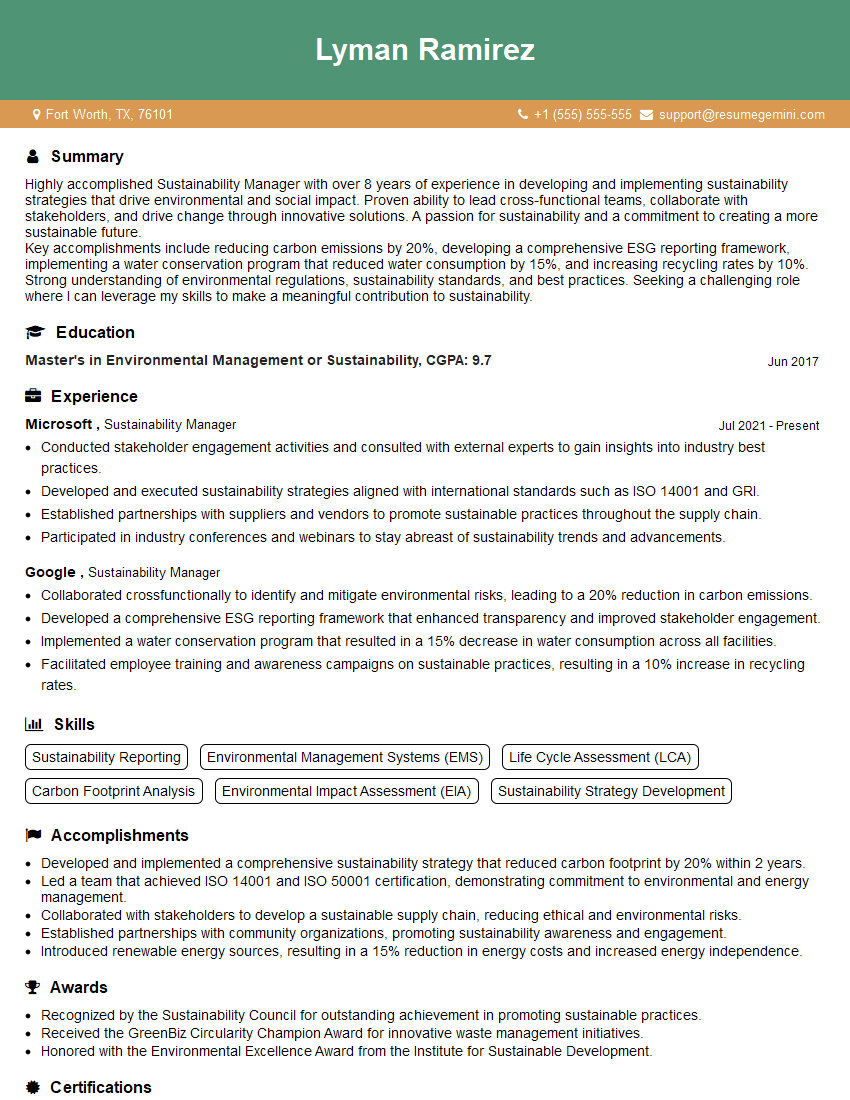
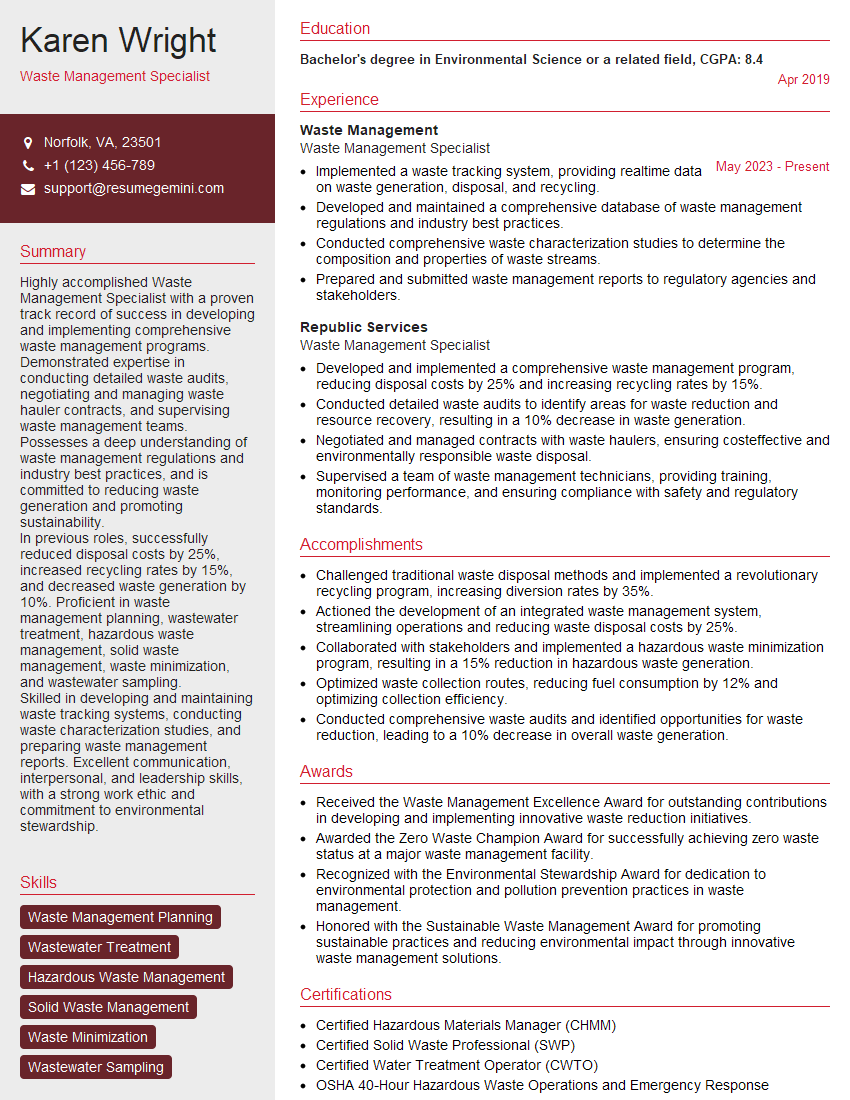
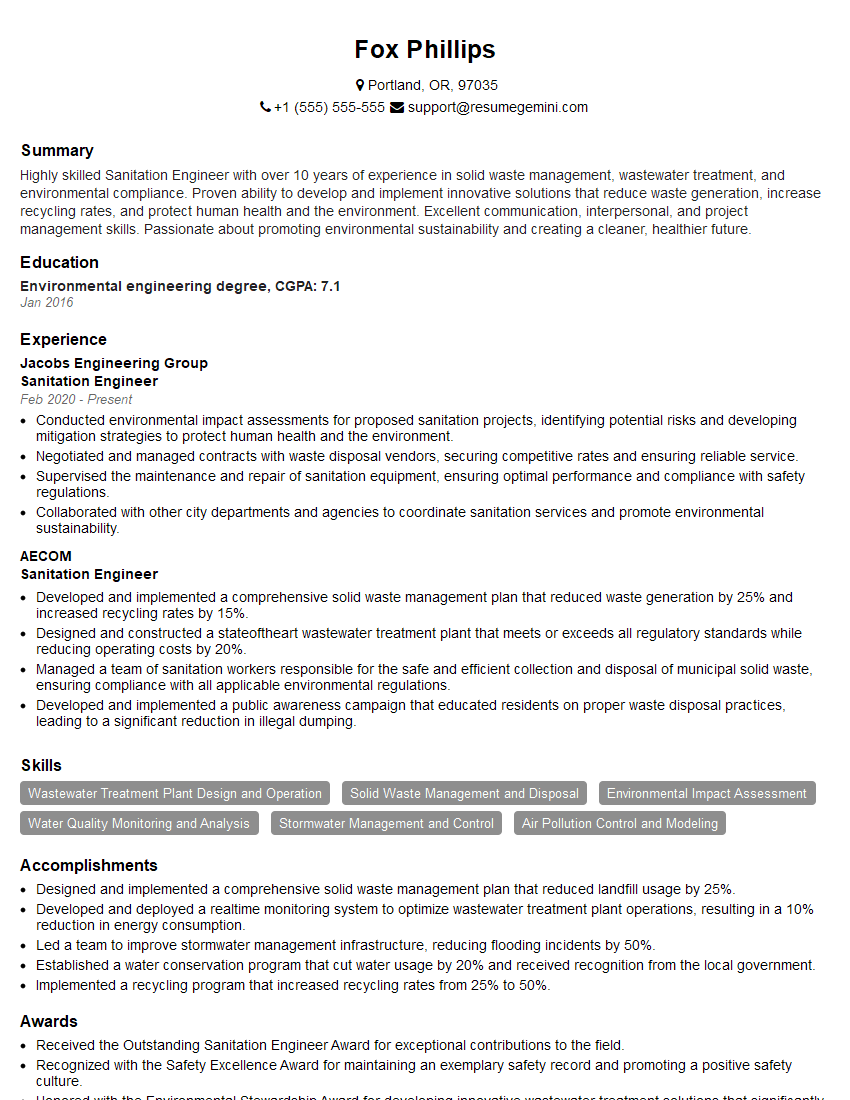
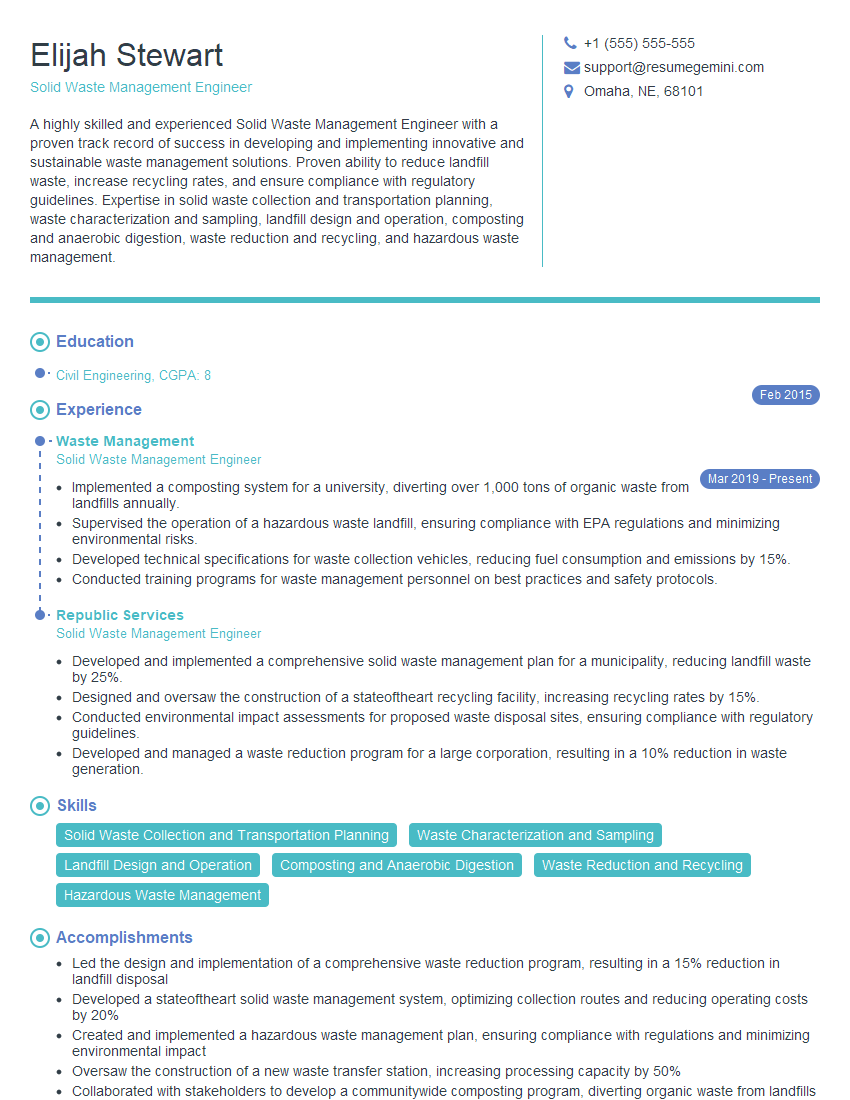
Mastering Culling and Disposal techniques and understanding its ethical and regulatory frameworks are crucial for career advancement in this specialized field. A strong understanding of these areas demonstrates professionalism and commitment, leading to greater opportunities. To maximize your job prospects, it’s essential to present your skills effectively. Creating an ATS-friendly resume is key to getting your application noticed. We strongly encourage you to utilize ResumeGemini, a trusted resource for building professional resumes, to craft a compelling document that showcases your expertise. ResumeGemini provides examples of resumes tailored to the Culling and Disposal industry, allowing you to create a powerful application that stands out from the competition.
Explore more articles
Users Rating of Our Blogs
Share Your Experience
We value your feedback! Please rate our content and share your thoughts (optional).
What Readers Say About Our Blog
Very informative content, great job.
good