Interviews are more than just a Q&A session—they’re a chance to prove your worth. This blog dives into essential Customer Service (if applicable) interview questions and expert tips to help you align your answers with what hiring managers are looking for. Start preparing to shine!
Questions Asked in Customer Service (if applicable) Interview
Q 1. Describe your experience handling difficult customer interactions.
Handling difficult customer interactions requires a calm, empathetic, and solution-oriented approach. It’s about understanding the customer’s perspective, validating their feelings, and working collaboratively to find a resolution. I’ve found that active listening is paramount. This means truly hearing what the customer is saying, both verbally and nonverbally, and reflecting back their concerns to ensure understanding.
For example, I once dealt with a customer whose order was significantly delayed due to unforeseen logistical issues. Instead of getting defensive, I acknowledged the frustration caused by the delay, apologized sincerely for the inconvenience, and proactively offered a solution – expedited shipping and a discount on their next purchase. I also kept them updated regularly on the progress of their order. This transparency and proactive communication significantly improved their experience and ultimately salvaged the situation.
Another approach I use is to break down complex problems into smaller, manageable steps. This helps to avoid feeling overwhelmed and allows for a more focused and efficient resolution process. It also helps the customer feel more involved and reassured.
Q 2. How do you prioritize multiple customer requests simultaneously?
Prioritizing multiple customer requests requires a well-organized approach and strong time management skills. I typically use a combination of techniques to effectively manage multiple interactions simultaneously. I start by assessing the urgency and importance of each request.
- Urgency: How quickly does this request need to be addressed? (e.g., a critical system outage versus a general inquiry)
- Importance: What’s the potential impact of not addressing this request promptly? (e.g., a major account issue versus a minor technical glitch)
Using this framework, I create a prioritized list, focusing on high-urgency, high-importance requests first. I might use a task management system or even a simple to-do list to keep track of everything and ensure nothing falls through the cracks. I also communicate proactively with customers, setting realistic expectations about response times and keeping them informed of my progress. This transparency is key to managing expectations and maintaining a positive customer relationship.
Q 3. What is your preferred method for de-escalating angry or frustrated customers?
De-escalating angry or frustrated customers relies on empathy, active listening, and a calm demeanor. My preferred method involves a multi-step approach:
- Active Listening: Let the customer vent without interruption (unless the conversation becomes abusive). Show you are listening by using verbal and nonverbal cues like nodding and summarizing their concerns.
- Empathy and Validation: Acknowledge their feelings and validate their frustrations. Phrases like “I understand your frustration,” or “I can see why you’re upset” can go a long way in making the customer feel heard.
- Apologize (when appropriate): If a mistake was made on our part, a sincere apology is crucial. It’s important to take ownership without making excuses.
- Offer Solutions: Propose concrete solutions to address the problem. Give the customer options whenever possible, empowering them to participate in the resolution.
- Follow Up: After resolving the issue, follow up to ensure the customer is satisfied and to prevent future similar issues.
The key is to remain calm and professional, even when faced with aggressive behavior. Remaining calm sets a positive tone and helps de-escalate the situation. Remember, the goal is to find a solution that satisfies both parties.
Q 4. Explain your understanding of customer relationship management (CRM) systems.
Customer Relationship Management (CRM) systems are software applications designed to manage and analyze customer interactions and data throughout the customer lifecycle. They provide a centralized repository of information about customers, allowing businesses to track interactions, manage leads, and improve customer service.
My understanding of CRM systems extends beyond simply data entry. I see them as powerful tools for improving customer experience and business efficiency. A well-implemented CRM system can provide valuable insights into customer behavior, helping identify trends and areas for improvement. For example, a CRM might reveal that a particular product frequently leads to customer complaints, highlighting a potential area for product development or process improvement. The data within a CRM system can be used to personalize customer interactions, anticipate needs, and proactively address potential issues.
I’m familiar with various CRM systems, including Salesforce, HubSpot, and Zoho CRM. I understand how to use these systems to manage customer accounts, track interactions, segment customer data, and generate reports for analysis.
Q 5. How do you measure your own success as a customer service professional?
I measure my success as a customer service professional through several key metrics:
- Customer Satisfaction (CSAT): This is a crucial metric reflecting how satisfied customers are with their interactions. High CSAT scores indicate successful interactions.
- Resolution Time: The speed with which I resolve customer issues. Faster resolution times demonstrate efficiency and effectiveness.
- First Contact Resolution (FCR): The percentage of issues resolved on the first contact. High FCR rates signify efficient problem-solving and thorough knowledge.
- Customer Retention: Ultimately, my success contributes to higher customer retention rates, demonstrating the positive impact of my interactions.
- Positive Customer Feedback: Receiving positive comments or compliments directly from customers is a strong indicator of a successful interaction.
These metrics, when combined, provide a holistic view of my performance and highlight areas for improvement. Regular monitoring of these metrics enables continuous improvement and refinement of my customer service skills.
Q 6. How do you stay updated on new products, services, or company policies?
Staying updated on new products, services, and company policies is crucial for providing effective customer service. I utilize a multi-pronged approach:
- Regular Training Sessions: Attending company-provided training sessions on new products, services, and policy updates.
- Internal Communication Channels: Actively monitoring company intranet, newsletters, emails, and internal memos for important announcements.
- Product Documentation: Referring to up-to-date product manuals, FAQs, and knowledge bases.
- Collaboration with Colleagues: Discussing new developments with colleagues and sharing knowledge.
- Self-directed Learning: Proactively seeking out additional information through online resources and industry publications.
By actively participating in these activities, I ensure I possess the most current and accurate information to effectively assist customers and address their inquiries.
Q 7. Describe a time you had to resolve a complex customer issue. What was your approach?
One complex issue I resolved involved a customer whose account had been unexpectedly suspended due to a billing error. The customer was extremely upset, as this suspension affected their ability to access critical business applications.
My approach was systematic and empathetic:
- Understanding the Issue: I carefully listened to the customer’s concerns and gathered all the relevant information regarding their account and the suspension.
- Investigation: I investigated the billing system to identify the root cause of the error and to understand why the suspension occurred.
- Communication and Transparency: While investigating, I kept the customer updated on my progress, explaining the steps I was taking and setting realistic expectations about the timeframe for resolution. This transparency built trust and minimized further frustration.
- Solution and Remediation: Once I identified the error, I immediately reinstated the customer’s account and corrected the billing information. I also provided a detailed explanation of the error and steps taken to prevent it from happening again.
- Follow Up: I followed up with the customer to ensure everything was functioning correctly and to apologize for the inconvenience. I also offered a small compensation for the disruption caused.
This situation highlighted the importance of methodical investigation, clear communication, and proactive problem-solving in handling complex customer issues.
Q 8. What customer service metrics are you familiar with (e.g., CSAT, NPS)?
Customer service metrics are crucial for measuring the effectiveness of our efforts. They provide quantifiable data to track performance and identify areas for improvement. I’m familiar with several key metrics, including:
- Customer Satisfaction (CSAT): This measures how satisfied customers are with a specific interaction or experience. It’s typically measured through surveys asking customers to rate their satisfaction on a scale (e.g., 1-5 or 1-10).
- Net Promoter Score (NPS): This gauges customer loyalty and the likelihood of them recommending your service. It’s based on a single question: “On a scale of 0 to 10, how likely are you to recommend [company/product/service] to a friend or colleague?” Responses are categorized into Promoters (9-10), Passives (7-8), and Detractors (0-6).
- Average Handling Time (AHT): This metric tracks the average time spent resolving a customer’s issue. A lower AHT generally indicates efficiency, but it’s important to balance speed with resolution quality.
- First Call Resolution (FCR): This shows the percentage of customer issues resolved on the first contact. High FCR indicates effective problem-solving and reduces customer frustration.
- Customer Effort Score (CES): This measures how much effort customers had to put in to resolve their issue. A lower CES score suggests a more seamless and positive experience.
Analyzing these metrics together gives a comprehensive view of customer service performance and guides strategic decision-making.
Q 9. How do you handle situations where you cannot immediately resolve a customer’s problem?
When I can’t immediately resolve a customer’s problem, my approach focuses on transparency, empathy, and clear communication. I begin by acknowledging their frustration and assuring them I’m committed to finding a solution. I then explain what steps I’ll take next, such as escalating the issue to a specialist or investigating the problem further. I provide them with an estimated timeframe for a resolution and a clear way to follow up (e.g., a reference number, scheduled callback time).
For example, if a customer is experiencing a technical glitch with our software, and I’m unable to troubleshoot it directly, I’d document the issue in our ticketing system, escalate it to our engineering team, and provide the customer with a ticket number and an estimated response time from the engineers. I would also follow up with them proactively to keep them updated on the progress.
This proactive communication keeps the customer informed and prevents them from feeling neglected or ignored, building trust even in situations where an immediate solution isn’t possible.
Q 10. What are some common customer service challenges, and how do you address them?
Common customer service challenges include:
- Long wait times: This can lead to frustration and dissatisfaction. Addressing this requires optimizing staffing levels, improving processes, and utilizing tools like call-back systems to manage demand.
- Lack of information or unclear communication: This can lead to confusion and increased effort for the customer. Solutions include investing in knowledge bases, training agents thoroughly, and using clear, concise language in all communications.
- Difficult or angry customers: Handling these situations requires patience, empathy, and active listening. De-escalation techniques and effective communication are crucial. Sometimes it’s best to let the customer speak to get their frustration off their chest before offering solutions.
- Technical issues: These require a strong technical understanding, clear troubleshooting skills, and effective escalation processes. Proactive system monitoring and regular maintenance are also important to prevent issues.
- Varying customer needs and expectations: Meeting diverse needs demands personalized service and flexibility. Understanding each customer’s unique situation is key to providing a successful resolution.
The key to addressing these challenges is a combination of process improvement, robust technology, well-trained agents, and a customer-centric approach that prioritizes empathy and understanding.
Q 11. How do you personalize the customer experience?
Personalizing the customer experience goes beyond simply using the customer’s name. It’s about making them feel valued and understood. I achieve this through:
- Using customer data: Accessing relevant information about the customer’s past interactions, purchases, and preferences allows for more tailored support. If I know a customer has previously contacted us about a specific issue, I can proactively address related concerns.
- Active listening and empathy: Paying attention to the customer’s needs and showing genuine concern creates a stronger connection. Understanding their situation helps to tailor solutions to their specific circumstances.
- Proactive communication: Anticipating potential issues and providing helpful information before they are needed enhances the customer experience. For example, sending a follow-up email after a purchase to ensure satisfaction, or providing relevant resources based on their recent activity.
- Tailoring communication style: Adapting my language and communication style to match the customer’s preferences (e.g., formal or informal) demonstrates respect and understanding.
By combining data-driven insights with genuine empathy and proactive communication, I can deliver a personalized experience that leaves a lasting positive impression.
Q 12. Explain your experience with ticketing systems.
I have extensive experience with ticketing systems, having used several platforms including [Mention specific systems, e.g., Zendesk, ServiceNow, Jira Service Desk]. I’m proficient in using these systems to:
- Create, manage, and prioritize tickets: I can accurately categorize and prioritize tickets based on urgency and importance, ensuring timely resolution.
- Document customer interactions: I meticulously document all interactions, including the issue details, actions taken, and the resolution outcome. This ensures clarity and accountability.
- Track ticket status and progress: I use the system’s features to monitor ticket progress and keep customers updated on resolution timelines.
- Collaborate with colleagues: Ticketing systems facilitate seamless collaboration with other team members, allowing for effective knowledge sharing and efficient problem-solving.
- Generate reports and analyze data: I leverage ticketing system reports to identify trends, track key metrics (like AHT and FCR), and identify areas for improvement in our customer service processes.
My experience with these systems allows for efficient organization, increased transparency, and improved customer satisfaction.
Q 13. Describe your approach to proactive customer service.
Proactive customer service is about anticipating customer needs and addressing potential issues before they arise. My approach involves:
- Monitoring customer behavior and data: Analyzing customer interactions and data to identify potential problems or areas for improvement. For example, noticing a sudden increase in complaints about a specific product feature.
- Regular communication and updates: Providing regular updates and information to customers, even when no issue exists. This could include announcements about new features, service updates, or helpful tips.
- Personalized recommendations and offers: Proactively suggesting relevant products or services based on customer history and preferences.
- Providing helpful resources and tutorials: Creating and sharing easily accessible resources, such as FAQs, tutorials, and knowledge base articles to address common questions and issues.
- Follow-up after interactions: Checking in with customers after an interaction to ensure satisfaction and address any remaining concerns.
Proactive service shows customers that you value their business and are committed to providing a positive experience. It builds loyalty and strengthens relationships.
Q 14. How do you handle complaints and negative feedback?
Handling complaints and negative feedback requires a calm, empathetic, and solution-oriented approach. My process typically involves:
- Active listening: Allowing the customer to fully express their concerns without interruption. This demonstrates respect and helps to understand the root cause of the complaint.
- Empathy and validation: Acknowledging the customer’s feelings and validating their experience. Phrases like “I understand your frustration” or “I’m sorry you had this experience” can go a long way in de-escalating the situation.
- Taking ownership and apologizing: Taking responsibility for the issue, even if it’s not directly my fault. A sincere apology can go a long way in restoring trust.
- Finding a solution: Working collaboratively with the customer to find a mutually agreeable solution. This could involve a refund, replacement, or other form of compensation.
- Following up: Checking in with the customer after the issue has been resolved to ensure satisfaction and prevent future occurrences.
- Learning from feedback: Using the feedback to identify areas for improvement in our processes and services.
Effectively handling complaints and negative feedback not only resolves immediate issues but also strengthens customer relationships and provides valuable insights for improvement.
Q 15. How familiar are you with different communication channels (phone, email, chat)?
I’m highly proficient in utilizing various communication channels for customer service. Each channel presents unique strengths and requires a slightly different approach.
- Phone: Phone calls allow for immediate interaction and a more personal connection. I excel at active listening and clarifying customer needs quickly over the phone. I’m adept at handling complex issues and conveying empathy through tone of voice.
- Email: Email is beneficial for detailed inquiries or issues requiring documentation. I maintain a professional and organized approach, ensuring clear, concise responses with all relevant information. I prioritize prompt responses and manage my email inbox efficiently to minimize wait times.
- Chat: Live chat demands efficient typing skills and the ability to multitask while assisting multiple customers simultaneously. I’m comfortable with this fast-paced environment and utilize chat features effectively, such as canned responses for frequently asked questions to streamline the process while ensuring personalized service.
My experience spans across all three, allowing me to adapt my communication style to the context and customer preference.
Career Expert Tips:
- Ace those interviews! Prepare effectively by reviewing the Top 50 Most Common Interview Questions on ResumeGemini.
- Navigate your job search with confidence! Explore a wide range of Career Tips on ResumeGemini. Learn about common challenges and recommendations to overcome them.
- Craft the perfect resume! Master the Art of Resume Writing with ResumeGemini’s guide. Showcase your unique qualifications and achievements effectively.
- Don’t miss out on holiday savings! Build your dream resume with ResumeGemini’s ATS optimized templates.
Q 16. Describe a time you went above and beyond for a customer.
In my previous role, a customer experienced a significant technical issue that resulted in the loss of crucial data. While the situation was frustrating for the customer and beyond my immediate scope of support, I recognized the urgency and emotional distress. I stayed late that day, going above and beyond my regular duties. I first calmed the customer by actively listening and empathizing with their situation. Then, I collaborated with our IT team, escalating the issue and advocating for the customer’s priority support. Ultimately, we were able to recover a significant portion of their lost data. Although a full recovery wasn’t possible, the customer was incredibly grateful for my persistence and proactive problem-solving. The experience reinforced the importance of empathy and collaboration in delivering exceptional customer service.
Q 17. How do you maintain a positive attitude when dealing with stressful situations?
Maintaining a positive attitude during stressful situations is crucial in customer service. My approach is multifaceted:
- Deep breaths and mindfulness: I take a moment to step back, breathe deeply, and center myself before responding to a challenging interaction. This helps me regulate my emotions and approach the situation with a clear head.
- Empathy and active listening: I focus on understanding the customer’s perspective, acknowledging their frustration, and validating their feelings. This can often de-escalate a tense situation.
- Positive self-talk: I remind myself of past successes and my abilities to resolve difficult issues. Maintaining a positive internal dialogue helps prevent burnout.
- Seeking support when needed: I don’t hesitate to seek help from colleagues or supervisors if I’m struggling to handle a particularly difficult situation. Collaboration and support are crucial to maintaining a healthy work-life balance.
Essentially, it’s about combining emotional intelligence with practical strategies to manage stress and maintain a professional demeanor.
Q 18. How do you handle confidential customer information?
Confidentiality is paramount in customer service. I strictly adhere to company policies and regulations regarding the handling of sensitive information. This includes:
- Access restrictions: I only access information I need to perform my job duties, and I never share information with unauthorized individuals.
- Secure systems: I utilize secure systems and adhere to password protocols.
- Data protection: I am trained in recognizing and reporting potential security breaches.
- Data disposal: I follow proper procedures for disposing of sensitive documents and information.
I understand that breaches of confidentiality can have severe consequences for both the customer and the company. I’m committed to maintaining the highest standards of data security at all times.
Q 19. What are your strengths and weaknesses in customer service?
My strengths lie in my empathy, problem-solving abilities, and efficient communication. I’m adept at quickly understanding customer needs and finding creative solutions, even under pressure. I also possess excellent communication skills across various channels.
One area I’m actively working on is delegation. While I’m capable of handling a high volume of tasks independently, I recognize the value of delegating tasks when appropriate to improve efficiency and team collaboration. I’m currently participating in a workshop focused on effective delegation to better refine this skill.
Q 20. What are your salary expectations?
Based on my experience and research of similar roles, my salary expectations are in the range of $[Lower Bound] to $[Upper Bound] annually. I am, however, open to discussing this further based on the specifics of the role and benefits package.
Q 21. Why are you interested in this specific customer service role?
I am drawn to this specific customer service role because of [Company Name]’s reputation for [mention company values or aspects that appeal to you, e.g., innovative products, exceptional customer service, positive work environment]. The opportunity to contribute to a company with such a strong commitment to [mention specific value or goal] aligns perfectly with my professional goals and values. I am particularly excited about the opportunity to [mention a specific aspect of the role or company that interests you].
Q 22. Why are you leaving your current job (if applicable)?
I’m seeking a new opportunity that offers greater professional growth and challenges. My current role, while rewarding, has reached a plateau in terms of learning and development. I’m eager to contribute my skills to a company where I can take on more responsibility and further enhance my expertise in customer service, specifically in the area of [mention specific area like proactive customer support or escalation management]. I’m confident that this role at [Company Name] aligns perfectly with my aspirations.
Q 23. How do you handle situations where a customer is being unreasonable?
Handling unreasonable customers requires a calm and empathetic approach. My strategy involves active listening to understand their concerns, even if expressed in an aggressive manner. I validate their feelings by saying something like, “I understand your frustration,” before calmly explaining the situation from our perspective. I focus on finding a solution, even if it requires bending company policy slightly (within reason and ethical boundaries). For example, if a customer is furious about a late delivery despite our clear delivery window policy being explained prior to purchase, I might offer a small discount or expedited shipping on their next order to show goodwill and de-escalate the situation. The key is to remain professional, patient, and focus on resolving the issue to their satisfaction.
Q 24. What is your experience with providing remote customer support?
I have extensive experience providing remote customer support, utilizing various communication channels including phone, email, chat, and social media. In my previous role at [Previous Company Name], I was responsible for handling a significant volume of remote support requests daily. I’m proficient in using ticketing systems like Zendesk and ServiceNow to track and manage customer interactions, ensuring timely responses and efficient resolution. My remote support skills include troubleshooting technical issues remotely, guiding customers through processes via screen sharing, and effectively communicating solutions through written and verbal channels. I’m comfortable working independently and managing my time effectively in a remote environment.
Q 25. Describe your experience using a knowledge base or help desk software.
I’m highly proficient in utilizing knowledge bases and help desk software. In my previous roles, I’ve extensively used [mention specific software, e.g., Zendesk, Salesforce Service Cloud, Freshdesk]. I’m adept at searching for and applying relevant articles to resolve customer issues quickly. I also contribute to the knowledge base by updating articles, creating new ones based on frequently asked questions, and suggesting improvements to ensure the information is always current and accurate. I understand the importance of a well-organized and easily searchable knowledge base for both customer and agent efficiency. For example, using Zendesk’s macros has significantly streamlined my response times to common queries.
Q 26. What is your preferred method for documenting customer interactions?
My preferred method for documenting customer interactions is through detailed and concise notes within the ticketing system. These notes include the customer’s issue, the steps taken to resolve it, the outcome, and any relevant details like product information or account numbers. I ensure my notes are easy to understand for other agents who might need to follow up. I use clear and consistent language, avoiding jargon, and focus on the facts rather than subjective opinions. This meticulous documentation ensures seamless handovers, avoids repeated inquiries, and enables efficient issue tracking for quality assurance and performance analysis.
Q 27. How do you adapt your communication style to different customer personalities?
Adapting my communication style is crucial for effective customer service. I assess each customer’s personality and communication preferences quickly. For example, I use a more formal and detailed approach for customers who prefer structured communication, while adopting a more informal and conversational style for those who prefer a friendly and relatable interaction. With technically-minded customers, I use precise terminology; with less technical customers, I employ simple language and avoid jargon. I always aim to mirror the customer’s communication style, ensuring they feel understood and comfortable. Active listening and observing their verbal and non-verbal cues are vital to this process.
Q 28. Describe a time you had to make a difficult decision related to customer service.
I once had to make a difficult decision regarding a customer’s request for a refund on a product that was clearly misused, violating our terms of service. The customer was extremely upset and threatened legal action. While the company policy strictly disallowed a refund in this situation, I recognized the potential for a negative impact on our reputation. After carefully weighing the options, I escalated the situation to my supervisor, presenting a reasoned argument for a partial refund, coupled with a proactive suggestion to improve our product instructions to avoid future misunderstandings. This solution balanced upholding company policy with maintaining customer satisfaction and preventing further escalation. The result was a positive resolution, preserving the customer relationship while maintaining the company’s integrity.
Key Topics to Learn for a Customer Service Interview
- Active Listening and Communication: Mastering the art of truly understanding customer needs and conveying empathy and solutions clearly. This includes both verbal and non-verbal communication techniques.
- Problem-Solving and Conflict Resolution: Developing strategies for efficiently identifying the root cause of customer issues and finding effective, customer-centric solutions, even in challenging situations. Practice handling complaints professionally and calmly.
- Product Knowledge and Technical Skills: Demonstrate a thorough understanding of the products or services you’ll be supporting. Practice explaining complex information in a simple, accessible manner. For technical roles, highlight relevant software and systems expertise.
- Empathy and Customer Relationship Building: Showcasing your ability to connect with customers on an emotional level and build rapport. Understand the importance of exceeding customer expectations and creating positive interactions.
- Time Management and Prioritization: Highlight your skills in managing multiple tasks and prioritizing requests efficiently, especially under pressure. Explain your approach to handling urgent requests and maintaining productivity.
- Teamwork and Collaboration: Demonstrate your ability to work effectively within a team to resolve customer issues and share knowledge. Explain how you contribute to a positive and supportive team environment.
- Professionalism and De-escalation Techniques: Show your ability to maintain a professional demeanor even in stressful or confrontational situations. Practice de-escalation techniques to calm upset customers and find mutually agreeable solutions.
Next Steps
Mastering customer service skills is crucial for career advancement in any field. Excellent customer service is highly valued by employers and directly translates to improved job satisfaction and career progression. To maximize your job prospects, it’s essential to present your skills effectively. Building an ATS-friendly resume is key to getting your application noticed. ResumeGemini is a trusted resource that can help you create a professional, impactful resume that highlights your skills and experience. Examples of resumes tailored to Customer Service roles are available through ResumeGemini, helping you showcase your qualifications effectively and land your dream job.
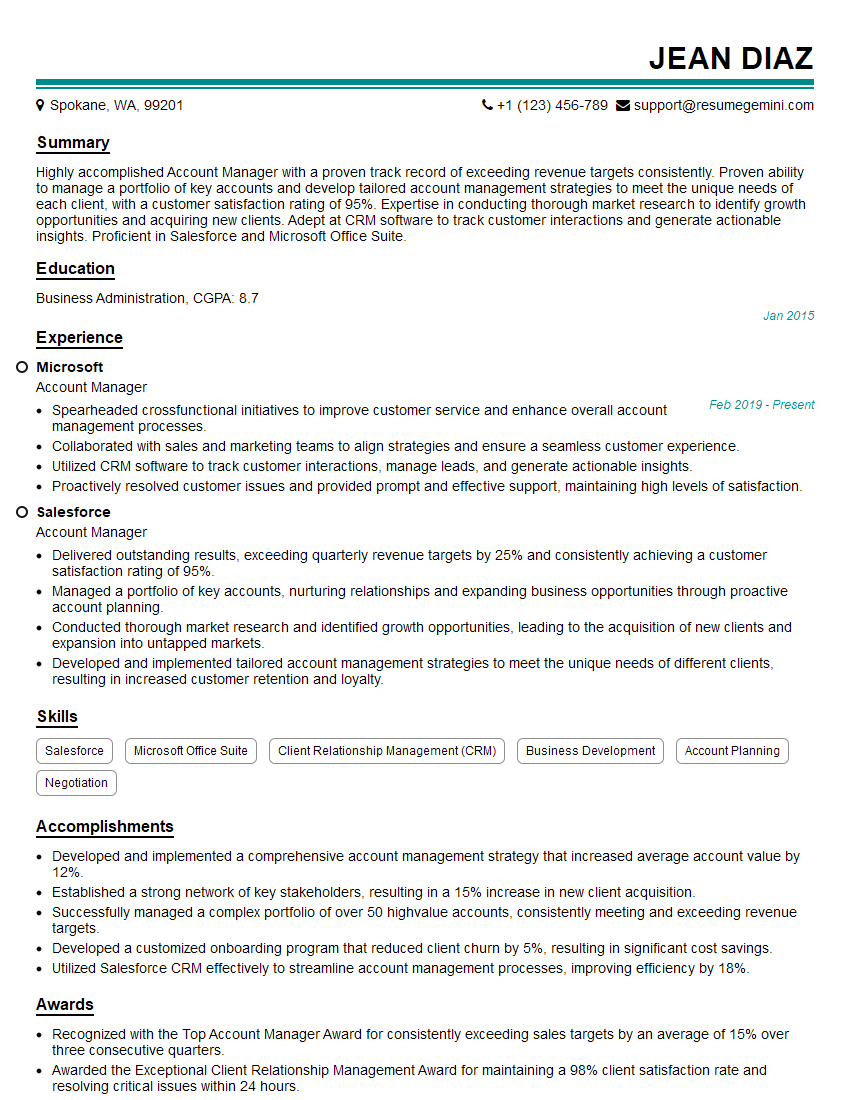
Account Manager Resume Sample

Customer Service Manager Resume Sample
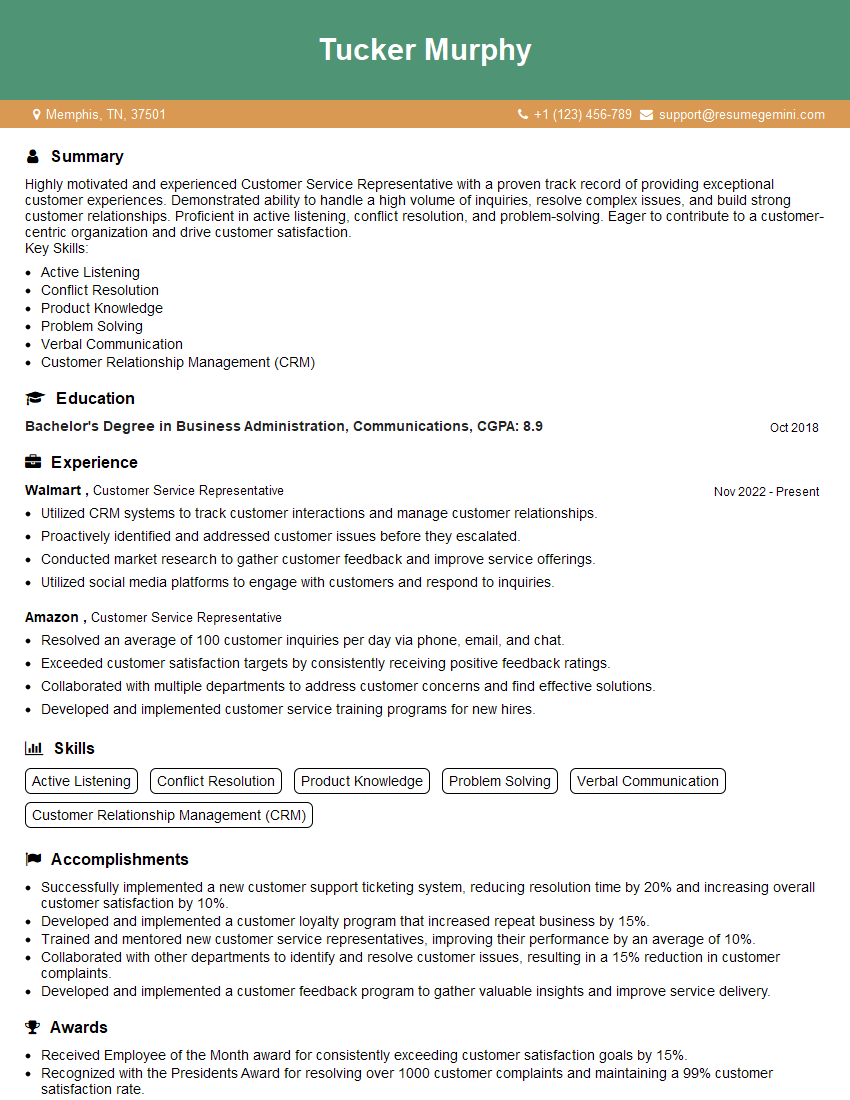
Customer Service Representative Resume Sample
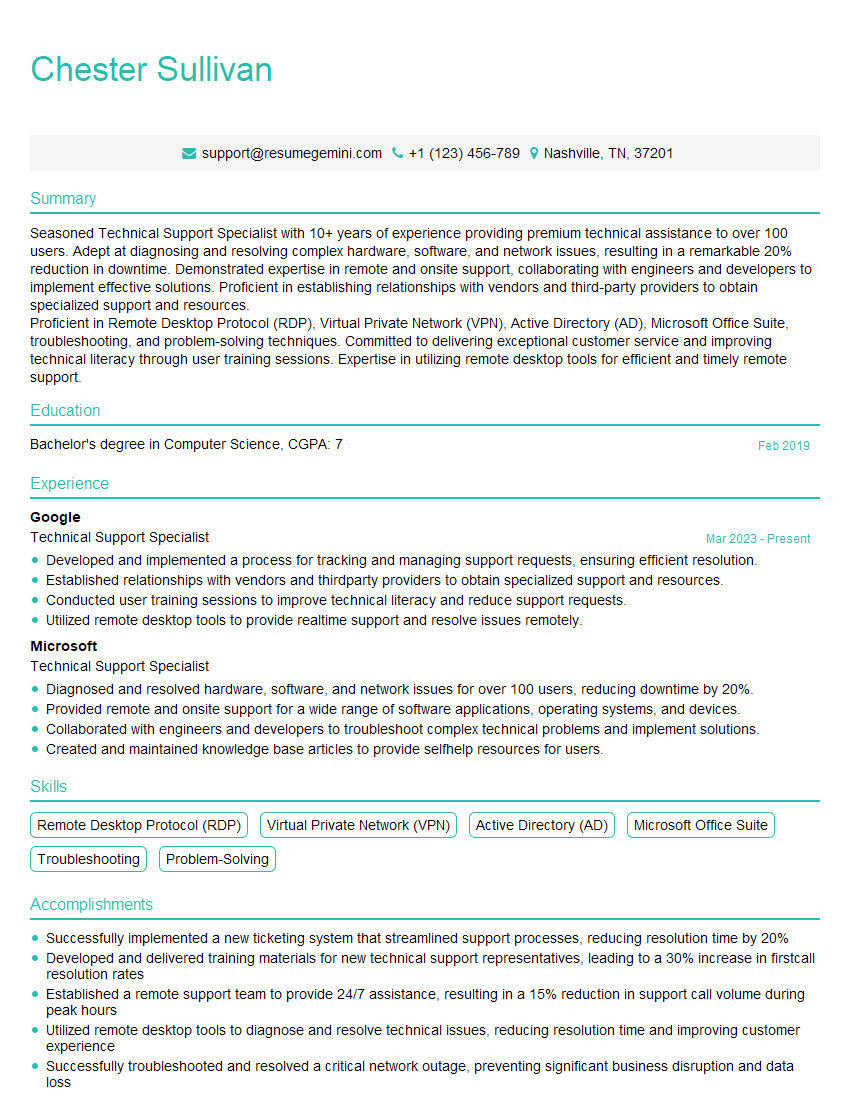
Technical Support Specialist Resume Sample
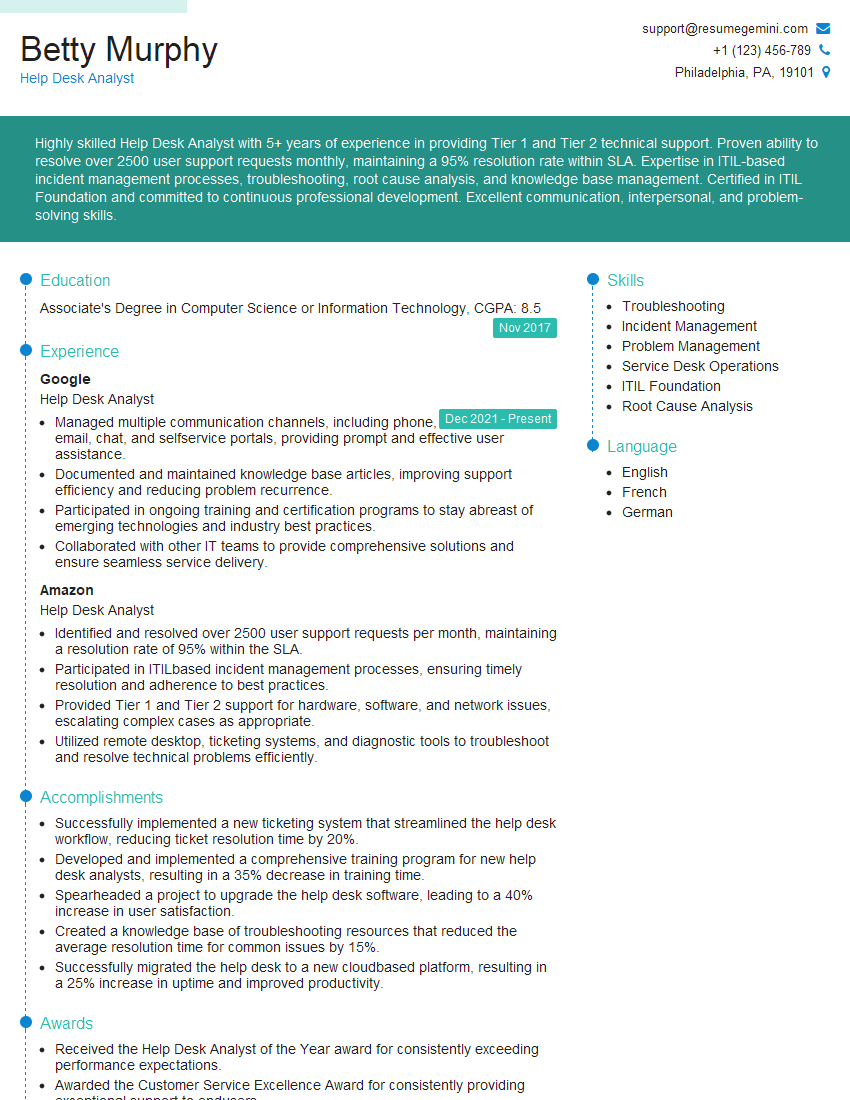
Help Desk Analyst Resume Sample
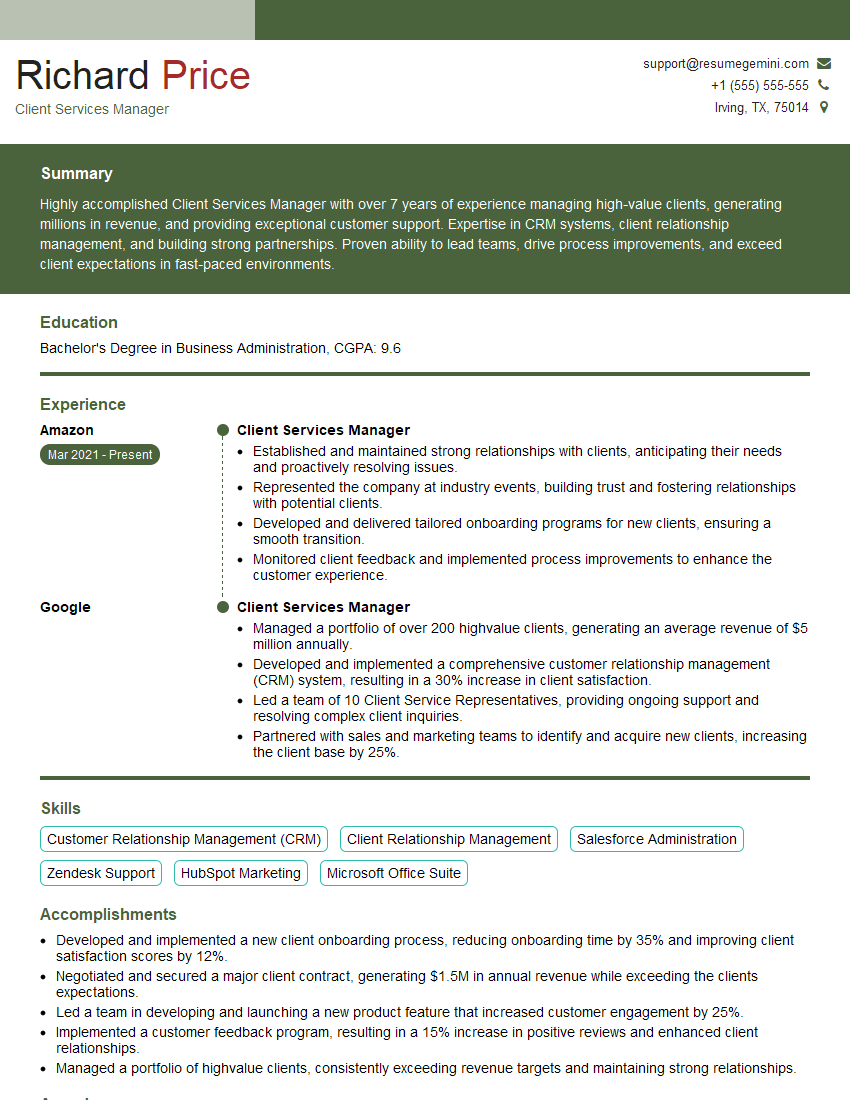
Client Services Manager Resume Sample
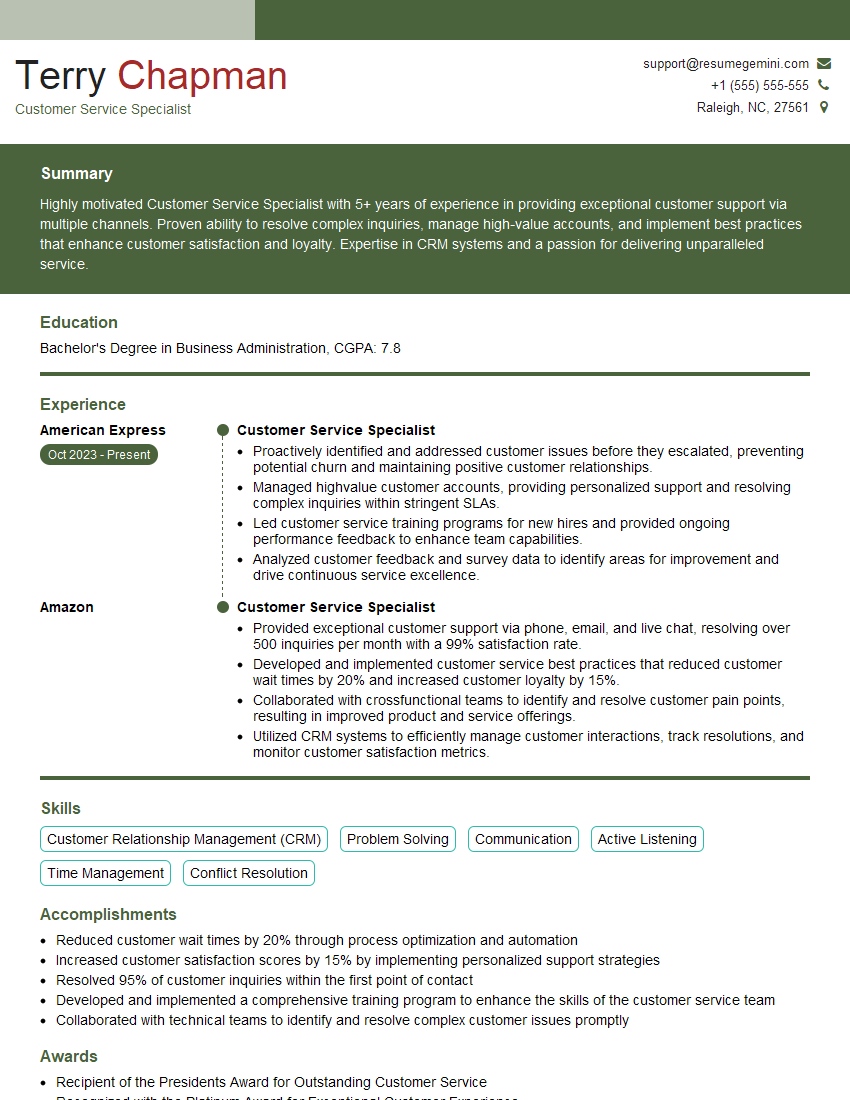
Customer Service Specialist Resume Sample
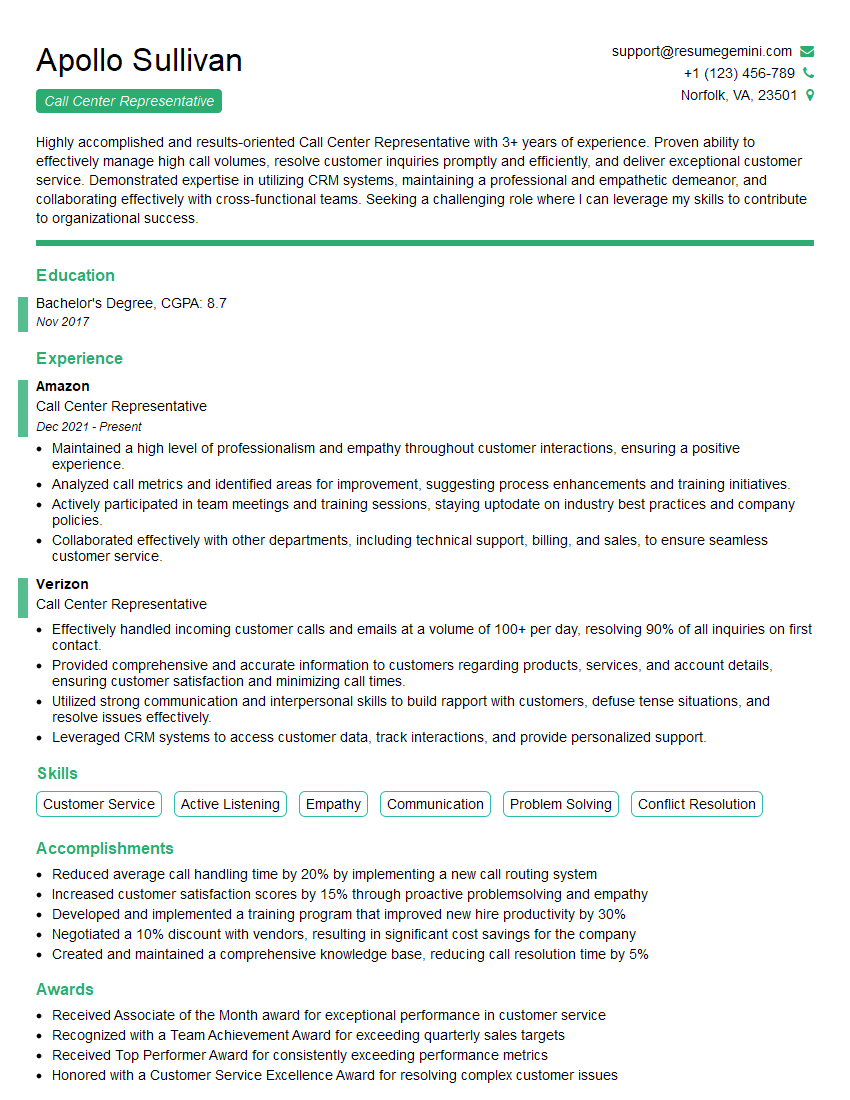
Call Center Representative Resume Sample
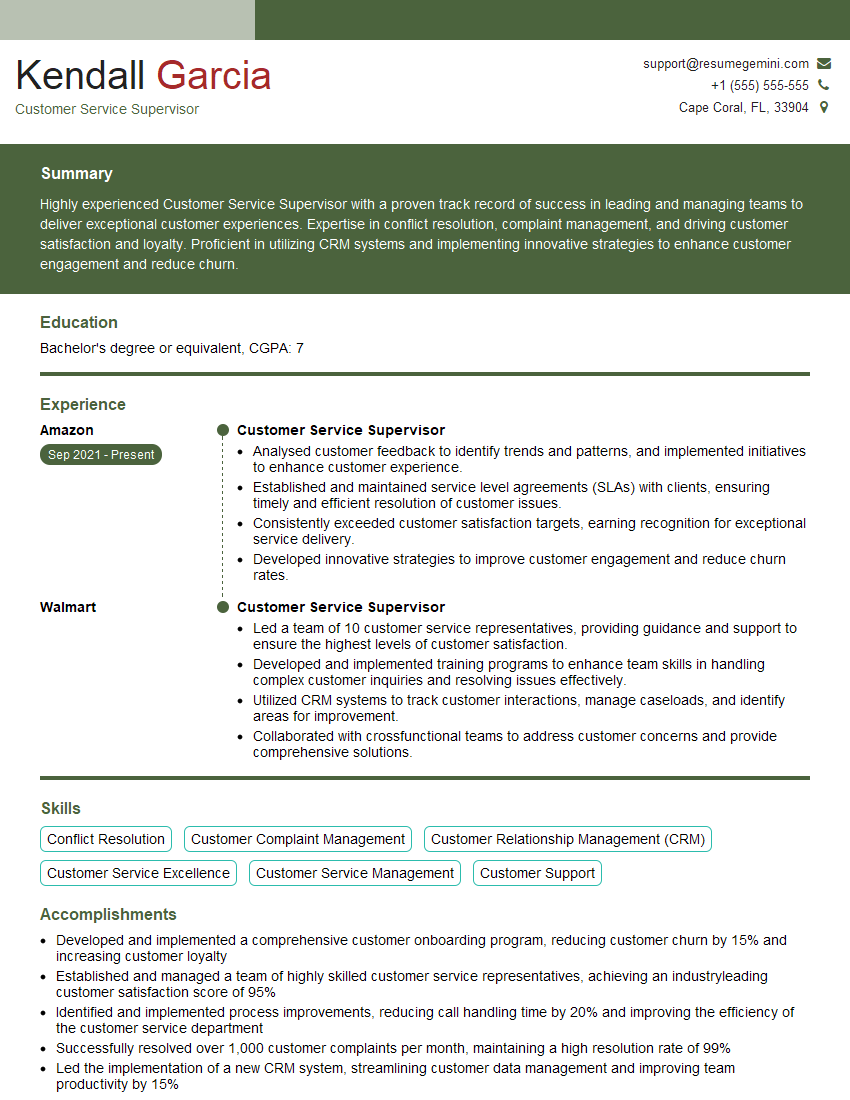
Customer Service Supervisor Resume Sample
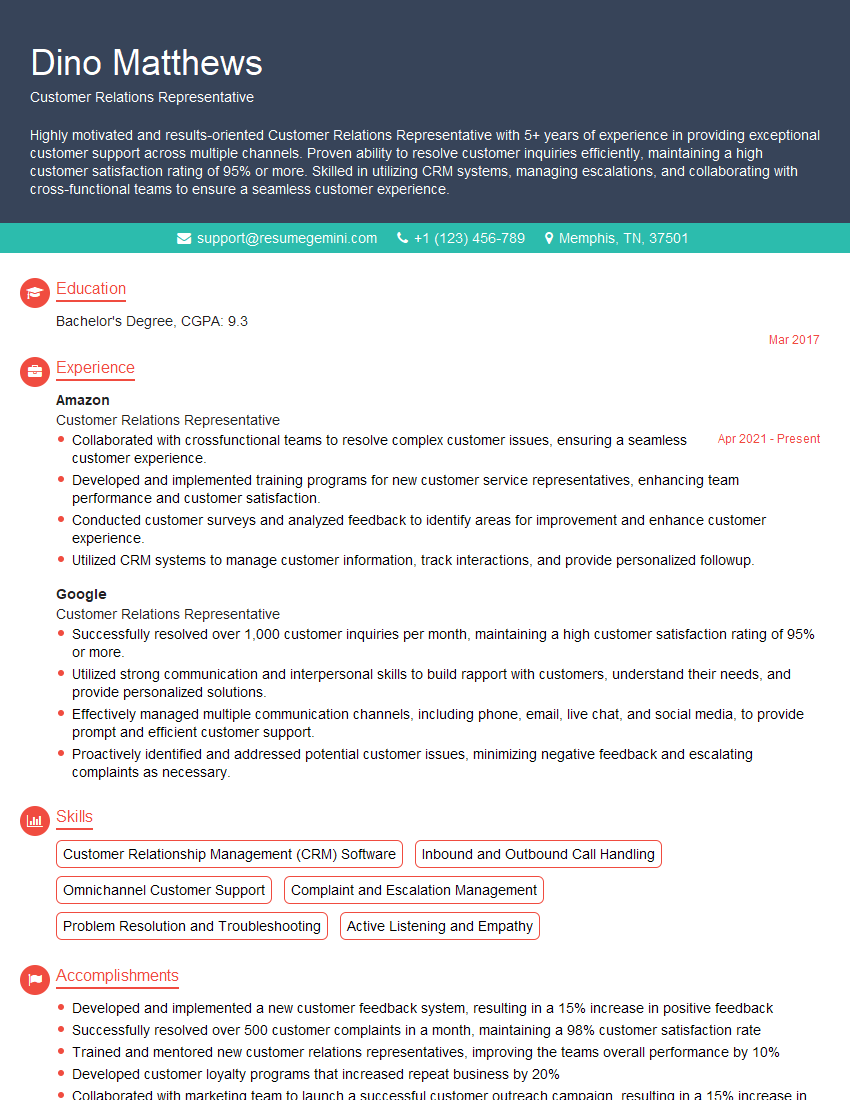
Customer Relations Representative Resume Sample
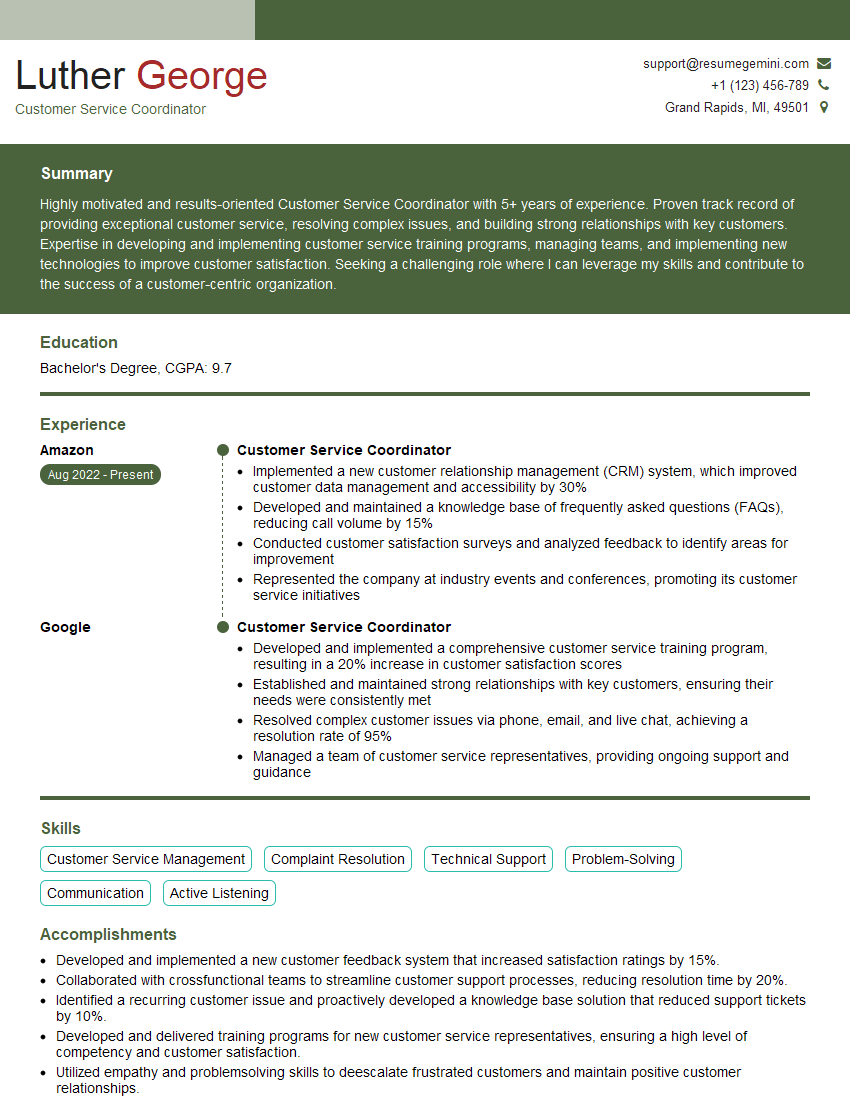
Customer Service Coordinator Resume Sample
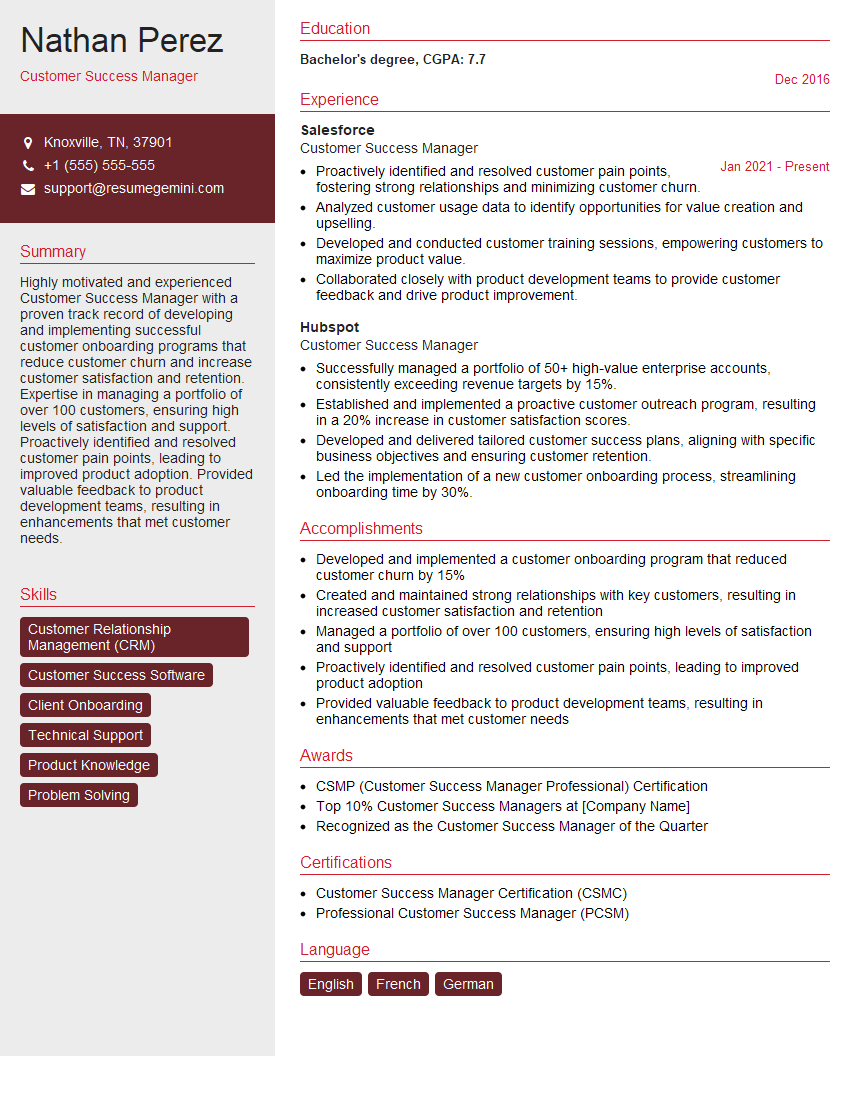
Customer Success Manager Resume Sample
- Account Manager
- Customer Service Manager
- Customer Service Representative
- Technical Support Specialist
- Help Desk Analyst
- Client Services Manager
- Customer Service Specialist
- Call Center Representative
- Customer Service Supervisor
- Customer Relations Representative
- Customer Service Coordinator
- Customer Success Manager
Explore more articles
Users Rating of Our Blogs
Share Your Experience
We value your feedback! Please rate our content and share your thoughts (optional).
What Readers Say About Our Blog
Very informative content, great job.
good