Cracking a skill-specific interview, like one for Cutting and Folding, requires understanding the nuances of the role. In this blog, we present the questions you’re most likely to encounter, along with insights into how to answer them effectively. Let’s ensure you’re ready to make a strong impression.
Questions Asked in Cutting and Folding Interview
Q 1. What are the different types of cutting blades used in your industry and their applications?
The cutting blade selection in cutting and folding is crucial for achieving precise cuts and minimizing material waste. Different materials require different blades for optimal results.
- Rotary Blades: These circular blades are commonly found in high-speed cutting machines. They’re ideal for large-scale projects and consistent cutting of materials like paper, cardboard, and some fabrics. The sharpness and diameter are crucial for clean cuts and reduced fraying. For instance, a sharper blade with a larger diameter would be better for thicker cardboard compared to thinner paper.
- Shearing Blades: These blades use a guillotine-style action, slicing through material with a straight, powerful cut. They are excellent for clean, precise cuts on heavier materials like textiles or multiple layers of paperboard. The alignment and sharpness are vital for accurate cuts across the whole width.
- Die-Cutting Blades: These custom-made blades are used in die-cutting machines. They’re designed to cut intricate shapes and patterns precisely. This is often used in packaging, creating custom shapes for boxes or labels. The accuracy of the die and the pressure applied are key to consistent results.
- Laser Cutters: While not strictly a ‘blade,’ laser cutting uses a focused laser beam to cut through materials with incredible precision. It’s ideal for intricate designs on various materials, including paper, wood, acrylic, and fabric. However, the laser power and focus settings need careful calibration for the specific material.
Choosing the right blade depends on factors like material thickness, desired cut quality, production volume, and the complexity of the design.
Q 2. Explain the process of setting up a folding machine for a specific project.
Setting up a folding machine, for example a folder-gluer, for a specific project involves a detailed process to ensure consistent and accurate folds. It’s like setting up a complex recipe – each step is vital for the final product.
- Machine Selection: The first step is selecting the right machine for the job. Different machines handle various paper weights, sizes, and fold types. For example, a simpler machine might be suitable for single parallel folds, while a more advanced folder-gluer is needed for complex multi-panel brochures with glue binding.
- Paper Feed Setup: This involves adjusting the paper feeders to accommodate the paper size and ensure smooth, wrinkle-free feeding. This needs to be precisely aligned for the length and width. Incorrect alignment could lead to misfeeds or skewed folds.
- Folding Section Adjustments: The core of the setup is adjusting the folding section. Each fold has specific settings for blade position, pressure, and timing. For example, a half-fold requires aligning the folder plates precisely to achieve a clean 90-degree fold. Improper settings might lead to skewed folds or creases in the wrong place.
- Delivery Section: The delivery section handles the folded output, often stacking it neatly. Adjusting this ensures the folded pieces are properly collected and ready for the next step, such as packaging.
- Test Run: Before full production, a small test run helps identify and correct any issues. Adjusting parameters based on the test run is crucial for achieving quality and efficiency.
Each machine will have a specific manual with detailed instructions for its setup and operation. Following these guidelines closely is crucial to avoid errors and maximize productivity.
Q 3. Describe your experience with different types of folding techniques (e.g., parallel, half-fold, letter fold).
My experience encompasses a wide range of folding techniques, each serving a specific purpose and requiring different machine settings and expertise.
- Parallel Fold: This is a simple fold where the paper is folded in half repeatedly along the same axis, creating multiple sections. It’s commonly used in brochures and leaflets, enabling multiple panels with different content.
- Half-Fold: This involves folding the paper in half once, resulting in a single crease down the middle. It is an extremely common technique for creating simple leaflets, cards, and notes. Mastering this means perfectly aligning the central fold for aesthetic appeal.
- Letter Fold: This is a more complex fold, generally involving multiple parallel folds followed by a perpendicular fold. Think of a business letter – it’s folded three times to fit a standard envelope. The precision of each fold must be spot-on for a crisp, clean final product.
- Roll Fold: This involves a series of parallel folds, each successively folded in opposite directions. This is often seen in maps or leaflets, creating a compact, accordion-like structure.
- Gate Fold: This fold creates panels that open like a gate or door, adding a unique, eye-catching visual element to invitations or brochures.
Each technique requires a precise understanding of the folding machine’s capabilities and a keen eye for detail to ensure consistent and accurate results.
Q 4. How do you ensure accurate cutting and folding dimensions?
Ensuring accurate cutting and folding dimensions is paramount for quality and efficiency. It’s like building a house – precision in the foundation is vital for a sturdy structure.
- Precise Measurement Tools: Using calibrated tools, such as precision rulers, digital calipers, and measuring tapes is essential. Regular calibration ensures accuracy.
- Die-Cutting and Cutting Machine Calibration: Proper calibration of cutting machines, including the blade position and pressure, is key to consistent cuts. Regular maintenance and checks are crucial.
- Pre-flight Checks: Before production, verifying designs and cut lines through software and proofing ensures the dimensions are correct. Software such as Adobe Illustrator or similar design packages allows for accurate measurements and visual representation.
- Regular Monitoring: Monitoring the cutting and folding process ensures that dimensions remain accurate. This includes regularly checking the output against the specifications.
- Feedback Loops: Implementing a system for feedback and adjustments allows for timely correction of any discrepancies.
A combination of preventative measures, accurate tools, and monitoring ensures consistent accuracy and minimizes errors.
Q 5. What are common quality control checks for cutting and folding processes?
Quality control in cutting and folding involves multiple checks at various stages of the process. It’s like a chef tasting the dish at different stages to ensure it’s perfect.
- Visual Inspection: A thorough visual inspection of the cut and folded pieces is performed to check for any discrepancies, like misaligned cuts, uneven folds, or damaged material.
- Dimensional Checks: Regular measurements using calibrated tools ensure the dimensions match the specifications. This often includes random sampling of the output.
- Burr and Crease Checks: Examining the edges of the cuts and the quality of the creases ensures a clean and professional finish. Burrs on cuts indicate potential problems with the blade.
- Material Quality Checks: Inspection of the material before the cutting and folding process, to ensure the material is free of defects that could cause issues during the process.
- Statistical Process Control (SPC): Implementing SPC methods allows for monitoring of the process and identification of trends or anomalies that might indicate a potential problem before it affects a large batch of production.
A robust quality control system minimizes defects, improves efficiency, and maintains high-quality standards.
Q 6. How do you handle discrepancies in cutting or folding during production?
Discrepancies in cutting or folding during production require immediate attention to prevent further problems. It’s akin to finding a leak in a pipeline – you need to stop the flow, find the leak, and fix it.
- Immediate Stoppage: The process is stopped immediately to prevent further production of faulty items.
- Root Cause Analysis: An investigation is launched to pinpoint the cause of the discrepancy. This may involve checking machine settings, blade sharpness, material quality, or operator errors.
- Corrective Actions: Once the root cause is identified, corrective actions are implemented to fix the problem. This could range from blade sharpening to machine recalibration or operator retraining.
- Rework or Scrap: Depending on the severity of the discrepancy, the faulty items may be reworked or scrapped. Rework might be economical for minor errors, while scrapping is necessary for significant flaws.
- Process Improvement: After fixing the immediate problem, steps are taken to prevent similar issues in the future. This could involve process optimization, updated training procedures, or equipment upgrades.
A systematic approach to handling discrepancies minimizes waste, improves efficiency, and prevents future problems.
Q 7. What is your experience with different types of folding equipment?
My experience with folding equipment is extensive, ranging from simple manual folders to complex automated systems. Understanding the nuances of each type is key to efficient production.
- Manual Folders: I’ve worked with basic manual folders, perfect for small-scale projects or specialized folding techniques that require a human touch. They offer versatility but are limited in speed and capacity.
- Electric Folders: Electric folders offer automated folding with increased speed and precision. They are ideal for higher-volume projects and provide more consistent results than manual folding.
- Folder-Gluers: These sophisticated machines combine folding and gluing capabilities, perfect for creating brochures, leaflets, or packaging that requires both folding and adhesive bonding. They incorporate sophisticated controls and multiple folding sections for complex designs.
- High-Speed Folders: High-speed folding machines are built for high-volume production, and can process thousands of pieces per hour. They require specific training and maintenance.
- Digital Cutting and Folding Systems: Cutting-edge digital systems integrate cutting and folding processes, often with automated material handling, for precision and speed. They offer flexibility for complex shapes and layouts, often integrating directly with design software.
Choosing the right equipment for a project involves considering factors like project size, complexity, budget, and desired output quality. My expertise lies in utilizing the specific strengths of each type of equipment to maximize efficiency and produce high-quality results.
Q 8. Describe your experience troubleshooting folding machine malfunctions.
Troubleshooting folding machine malfunctions requires a systematic approach. I start by observing the problem – is it a jam, misfold, or something else? Then, I consult the machine’s manual and diagnostic codes to pinpoint the likely cause. For example, a paper jam might indicate a problem with the rollers, sensors, or feed mechanism. A consistent misfold could point to incorrect settings in the folding program, worn parts in the folding section, or even an issue with the paper itself (e.g., excessive moisture).
My approach involves a series of checks: checking for physical obstructions, inspecting sensor functionality (using test tools), examining roller alignment and wear, and verifying the programming parameters. If the problem persists, I’ll systematically replace suspect parts, starting with the most likely culprits. I also keep detailed records of the malfunction, the troubleshooting steps, and the solution, to aid future repairs and improve preventative maintenance.
For example, I once worked on a machine that was producing consistently skewed folds. After checking the settings, I discovered that a small roller in the folding section was slightly misaligned, causing the skew. A simple adjustment fixed the issue, preventing hours of wasted material and downtime.
Q 9. How do you maintain the accuracy and efficiency of cutting and folding machinery?
Maintaining accuracy and efficiency in cutting and folding machinery relies on a combination of preventative maintenance, regular cleaning, and operator training. Preventative maintenance involves a scheduled program of checks and adjustments, based on the manufacturer’s recommendations. This might include lubricating moving parts, checking for wear and tear on blades and rollers, and inspecting the alignment of cutting and folding sections. Regular cleaning removes dust and paper scraps that can interfere with the machine’s operation and cause jams. Finally, well-trained operators are crucial for minimizing errors and maximizing efficiency. They understand the machine’s limitations, know how to identify potential problems early on, and are capable of performing basic maintenance tasks.
Think of it like maintaining a high-performance car – regular oil changes, tire rotations, and inspections keep it running smoothly and prevent costly repairs down the line. Similarly, proactive maintenance of cutting and folding machines minimizes downtime, improves output quality, and extends the machine’s lifespan.
Q 10. Explain the importance of safety procedures related to cutting and folding equipment.
Safety procedures around cutting and folding equipment are paramount. They include using appropriate personal protective equipment (PPE) like safety glasses, hearing protection (especially with high-speed machines), and cut-resistant gloves. Before starting any work, it’s critical to ensure the machine is properly powered off and locked out, preventing accidental starts. Regular safety checks are also essential, verifying guard integrity, emergency stop functionality, and the proper operation of safety interlocks. Operator training is vital to ensure everyone understands these safety procedures and their importance.
I always emphasize the importance of following all safety protocols. Failing to do so can lead to serious injuries like cuts, crushes, or hearing loss. It’s not just about following rules; it’s about fostering a safety-first culture in the workplace.
Q 11. How do you prioritize tasks and manage your time during peak production periods?
During peak production, effective task prioritization and time management are crucial. I utilize techniques like prioritizing jobs based on deadlines and material availability, using a Kanban system to visualize workflow and identify bottlenecks, and delegating tasks where possible. I also proactively communicate with the team to manage expectations and ensure everyone is aware of priorities. Identifying potential problems early – such as material shortages or machine issues – allows me to anticipate and mitigate disruptions to the schedule.
For example, I might prioritize jobs with tight deadlines and then move to larger volume orders. This requires a good understanding of the capabilities of the equipment and the skill levels of my team.
Q 12. What are your preferred methods for material handling in cutting and folding operations?
Material handling in cutting and folding operations needs to be efficient and safe. I prefer using automated systems like conveyor belts and stackers where feasible, as these minimize manual handling and reduce the risk of injury. For smaller jobs or where automation isn’t practical, I use properly sized carts, pallets, and lift assistance devices. Materials are always stored neatly and organized, preventing damage and simplifying retrieval. Implementing proper material handling procedures ensures a smooth workflow and prevents costly mistakes.
Careful handling prevents damage to materials, which is particularly crucial when working with delicate or high-value papers.
Q 13. Describe your experience working with different paper types and their unique cutting and folding characteristics.
My experience encompasses a wide range of paper types, each with its own cutting and folding characteristics. For example, heavier papers like cardstock might require sharper blades and slower cutting speeds to prevent tearing, while lighter papers require more careful handling to avoid creasing or wrinkling. The moisture content of paper also significantly impacts its behavior; overly damp paper can cause jams, while overly dry paper can become brittle and tear easily. Understanding the properties of each material is crucial for optimizing the cutting and folding process and ensuring consistent, high-quality results.
I’ve worked with everything from delicate tissue paper to thick board, each requiring unique settings and approaches. This knowledge allows me to adapt to varying needs quickly and efficiently.
Q 14. How do you ensure the proper alignment of materials before cutting and folding?
Ensuring proper alignment of materials is critical for accurate cutting and folding. I utilize alignment guides and registration marks, both physical (on the machine) and digital (in the cutting/folding program). These guides ensure the material is correctly positioned before each operation. Regular checks on the alignment of the guides themselves are crucial for consistent accuracy. For complex projects, I might use advanced alignment techniques like camera-based systems that automatically detect and correct for misalignment.
Inaccurate alignment can lead to significant waste and reduce the quality of the final product. Precise alignment is a cornerstone of successful cutting and folding operations.
Q 15. How familiar are you with different cutting and folding software programs?
My familiarity with cutting and folding software spans a wide range of programs, from basic design software like Adobe Illustrator and CorelDRAW, which I use for creating cutting patterns and templates, to specialized software like Esko ArtiosCAD and AutoCAD, which I utilize for advanced die-cutting design and automated production planning. I’m also proficient in operating the software that controls various cutting and folding machines, including those from companies like Bobst and Heidelberg. This includes programming cut paths, fold lines, and managing production parameters within the machine’s software interface. My experience isn’t limited to just using the software; I also possess the skills to troubleshoot software malfunctions and optimize settings for maximum efficiency.
For instance, when working on a complex packaging project involving intricate die-cuts, I leveraged Esko ArtiosCAD to create highly accurate cutting dies, significantly reducing material waste and improving production speed. In another project, I used the machine’s integrated software to adjust the pressure and speed settings to perfect the fold on a delicate material, resulting in a superior quality final product.
Career Expert Tips:
- Ace those interviews! Prepare effectively by reviewing the Top 50 Most Common Interview Questions on ResumeGemini.
- Navigate your job search with confidence! Explore a wide range of Career Tips on ResumeGemini. Learn about common challenges and recommendations to overcome them.
- Craft the perfect resume! Master the Art of Resume Writing with ResumeGemini’s guide. Showcase your unique qualifications and achievements effectively.
- Don’t miss out on holiday savings! Build your dream resume with ResumeGemini’s ATS optimized templates.
Q 16. Explain your experience with different types of cutting and folding materials (e.g., paper, cardboard, plastics).
My experience encompasses a diverse range of cutting and folding materials, including paper (various weights and types), cardboard (single and multiple layers), corrugated board, plastics (thin films, sheets), and even some textiles. I understand the unique properties of each material and how they affect the cutting and folding processes. For example, thicker materials require more robust cutting tools and potentially slower speeds to prevent damage, whereas thinner materials necessitate adjustments to pressure and blade sharpness to avoid tearing. Working with plastics requires a different approach entirely, considering factors such as material flexibility and potential static cling.
A memorable project involved creating intricate folded brochures from a heavy, textured paper stock. To avoid tearing or creasing, I had to carefully adjust the folding machine’s settings, using specialized rollers and slower speeds to ensure clean, crisp folds. Similarly, when working with a thin plastic film for packaging, I employed a laser cutting system to minimize heat damage and maintain the structural integrity of the material.
Q 17. What are the most common causes of cutting or folding errors?
Cutting and folding errors stem from several common sources. Improperly designed cutting dies or templates are a major culprit, leading to inaccurate cuts or inconsistent folding. Dull blades or incorrect cutting pressure also contribute significantly to errors, causing jagged edges, incomplete cuts, or damage to the material. Problems with the folding mechanism, such as improper alignment or pressure settings, can result in uneven or misaligned folds. Material inconsistencies, like variations in thickness or moisture content, can also influence the quality of the final product.
Furthermore, human error plays a role, such as incorrect loading of materials, faulty alignment, or improper operation of the equipment. Finally, insufficient quality control checks during and after the process can allow flawed products to go unnoticed.
- Example: Dull blades can lead to inaccurate cuts, resulting in a product that doesn’t assemble correctly.
- Example: Incorrect pressure settings in a folding machine can lead to creased or damaged products.
Q 18. Describe your experience in maintaining accurate inventory of cutting and folding materials.
Maintaining accurate inventory of cutting and folding materials is crucial for efficient production and cost control. I utilize a combination of methods to achieve this. This includes a computerized inventory management system that tracks material usage, restocking levels, and order history. I also conduct regular physical inventory checks to reconcile the system data with physical stock. This involves verifying quantities, assessing material quality (checking for damage or spoilage), and noting any discrepancies. Furthermore, I work closely with procurement to ensure timely ordering of materials based on projected demand, preventing shortages that could halt production.
For instance, I implemented a system of barcodes and RFID tags to track materials throughout the production process, providing real-time visibility into stock levels and location. This improved accuracy and reduced the time spent on manual inventory checks considerably.
Q 19. How do you improve the speed and efficiency of cutting and folding processes?
Improving the speed and efficiency of cutting and folding processes involves a multi-faceted approach. Firstly, optimizing machine settings is critical. This includes adjusting cutting speeds, pressure, and blade sharpness based on the material being processed. Secondly, efficient workflow design is crucial; this minimizes material handling and maximizes machine uptime. This might involve implementing lean manufacturing principles to eliminate waste and streamline processes. Finally, regular preventative maintenance on equipment is essential to prevent downtime and ensure consistent performance.
For example, I implemented a system of color-coded material bins to streamline material handling, reducing the time spent searching for specific materials. We also implemented a preventative maintenance schedule that reduced machine downtime by 20%, significantly increasing overall production.
Q 20. Explain your experience working with automated cutting and folding systems.
I have extensive experience working with automated cutting and folding systems, including high-speed die-cutting machines, automated folding machines, and integrated systems that combine cutting, folding, and other finishing operations. This experience includes programming and operating these machines, troubleshooting malfunctions, and optimizing production parameters for maximum output and quality. My skills extend to understanding the safety protocols associated with these systems, ensuring safe operation and preventative measures against accidents.
In one project, I successfully integrated a new automated folding machine into our production line, resulting in a 30% increase in productivity. The implementation involved not only programming the machine but also training the team on its operation and troubleshooting common issues.
Q 21. Describe your experience with quality control and assurance processes within cutting and folding.
Quality control and assurance are integral to my work. My process involves conducting regular inspections at various stages of the cutting and folding process – from incoming material inspection to final product inspection. This includes checking for dimensional accuracy, proper folding, and the absence of defects like cuts, creases, or misalignments. Statistical process control (SPC) techniques are used to monitor key process parameters and identify potential problems before they impact production. I also implement rigorous quality control checks and use inspection tools, such as calipers and rulers, to measure dimensions and ensure accuracy. Documentation of all inspection results and any corrective actions taken is meticulously maintained.
In one instance, a consistent defect in folding was identified through SPC charts. By analyzing the data, we traced the problem back to a slight misalignment in the folding machine. Adjusting the alignment resolved the issue, preventing the production of faulty products.
Q 22. What metrics do you use to evaluate the efficiency of cutting and folding operations?
Evaluating the efficiency of cutting and folding operations requires a multifaceted approach, focusing on both speed and quality. Key metrics include:
- Throughput: Measured in pieces per minute or hour, this reflects the overall production rate. A higher throughput indicates greater efficiency, assuming quality remains consistent.
- Waste Rate: This is the percentage of material lost due to cutting errors, misaligned folds, or unusable scraps. Minimizing waste is crucial for profitability.
- Defect Rate: The percentage of finished products with flaws like incorrect folds, misaligned cuts, or damaged materials. A low defect rate signifies high precision and quality control.
- Machine Uptime: The percentage of time the cutting and folding machines are actively producing. Downtime due to maintenance or malfunctions significantly impacts efficiency.
- Labor Cost per Unit: This metric shows the cost of labor involved in producing each unit. Streamlining processes and optimizing workflows can reduce this cost.
- Setup Time: The time required to prepare the machines for a new production run. Reducing setup time improves overall efficiency, especially for smaller batch sizes.
By tracking and analyzing these metrics, we can identify bottlenecks and areas for improvement, ultimately optimizing the entire cutting and folding process. For example, a high waste rate might indicate a need for better material planning or machine calibration, while a high defect rate might suggest the need for improved operator training or stricter quality checks.
Q 23. How do you adapt to changing production requirements or deadlines?
Adapting to changing production requirements and deadlines is a core skill in this field. My approach involves a combination of flexibility, proactive communication, and efficient resource allocation.
Firstly, I prioritize clear communication with stakeholders to fully understand the revised requirements, including any changes to volume, specifications, or deadlines. This ensures everyone is on the same page and avoids misunderstandings.
Secondly, I evaluate the impact of these changes on the existing workflow. This might involve re-prioritizing tasks, adjusting machine settings, or reallocating personnel to address the critical needs. For instance, if a deadline is shortened, I might prioritize high-demand items and temporarily put lower-priority tasks on hold.
Finally, I closely monitor progress and actively seek solutions to any potential roadblocks. This might involve adjusting cutting parameters to maximize material usage, implementing tighter quality checks, or collaborating with other departments to ensure timely material delivery. Regularly updating stakeholders on progress helps maintain transparency and allows for timely corrective action if needed.
Q 24. Describe your experience with different types of adhesives used in cutting and folding.
My experience encompasses a wide range of adhesives, each with its strengths and weaknesses in cutting and folding applications. These include:
- Hot Melt Adhesives: These are widely used for their fast setting time and strong bond, ideal for high-speed production lines. However, they require specialized equipment and can be sensitive to temperature variations.
- Water-Based Adhesives: Environmentally friendly and easier to clean up, they are suitable for applications requiring less immediate adhesion. Their longer drying times, however, might impact throughput.
- Pressure-Sensitive Adhesives (PSAs): These are used in self-adhesive materials, offering convenience and ease of application. They are less versatile than hot melt or water-based adhesives and may not be suitable for all substrate combinations.
- Solvent-Based Adhesives: These offer strong bonds and good durability, but their volatile organic compounds (VOCs) raise environmental and safety concerns. Their use is becoming increasingly restricted.
The choice of adhesive depends heavily on the specific material being used, the required bond strength, the production speed, and environmental considerations. For instance, I’d choose a hot melt adhesive for high-volume packaging where speed and strength are paramount, but I’d opt for a water-based adhesive for a project requiring eco-friendly practices.
Q 25. How do you ensure that the finished product meets customer specifications?
Ensuring the finished product meets customer specifications is paramount. My approach is based on a robust quality control system involving multiple checkpoints throughout the process.
Firstly, I meticulously review the customer’s specifications before commencing production. This includes verifying dimensions, material type, finish requirements, and any other relevant details. Any ambiguities are clarified upfront to avoid costly errors.
Secondly, I implement rigorous in-process inspections to detect and correct any deviations from the specifications early on. This might involve visual inspections, measuring instruments, or specialized testing equipment, depending on the product’s complexity.
Thirdly, a final quality check is conducted before shipment. This typically involves a 100% inspection for critical parameters and sampling for others, ensuring that only products meeting the highest standards leave our facility. This stage often includes packaging verification to guarantee the finished product’s safe transportation.
Finally, I maintain comprehensive documentation of the entire process, including quality control data. This enables traceability and assists in continuous improvement efforts. A well-documented quality control system helps ensure consistency and adherence to customer requirements.
Q 26. Describe a time you had to solve a challenging problem related to cutting or folding.
A particularly challenging problem arose when we were producing a high-volume order of complex, intricately folded brochures. The final fold was consistently misaligned, resulting in a high defect rate and impacting delivery deadlines.
Initially, we suspected machine malfunction, but thorough checks revealed the machine was functioning correctly. We then investigated the paper itself. We discovered that subtle variations in paper humidity were causing expansion and contraction, leading to the misalignment.
To solve this, we implemented a two-pronged approach. First, we introduced a controlled humidity environment in the production area to mitigate the effects of humidity fluctuations. Second, we adjusted the cutting and folding machine settings to compensate for the minor paper inconsistencies. This involved precise calibration and multiple test runs to optimize the settings.
Through this systematic approach, combining environmental control and machine recalibration, we were able to resolve the issue, meet the deadline, and prevent similar problems in the future. This experience underscored the importance of considering environmental factors alongside machine performance and the effectiveness of a methodical problem-solving approach.
Q 27. What are your strengths and weaknesses in relation to cutting and folding operations?
My strengths lie in my meticulous attention to detail, problem-solving abilities, and experience with a wide range of cutting and folding equipment and materials. I’m highly proficient in optimizing workflows for efficiency and quality, and I excel at troubleshooting unexpected challenges. I’m also a team player and effectively communicate with colleagues and stakeholders.
One area I’m actively working to improve is my proficiency with the latest cutting-edge software used for automated cutting and folding machine programming. While I can operate these machines effectively, further training will enhance my ability to optimize their capabilities fully and reduce production setup times even further.
Q 28. What are your salary expectations for this role?
My salary expectations are in the range of [Insert Salary Range] annually, commensurate with my experience and skills in this field. I’m confident that my contributions will significantly benefit your organization, and I’m open to discussing this further based on the specifics of the role and compensation package.
Key Topics to Learn for Cutting and Folding Interview
- Material Understanding: Understanding different fabric types, their properties (drape, stretch, weight), and how these impact cutting and folding techniques. This includes knowledge of common material defects and how to handle them.
- Cutting Techniques: Mastering various cutting methods (e.g., straight cuts, bias cuts, pattern matching) and the use of different cutting tools (e.g., rotary cutters, shears). Practical application includes understanding efficient cutting layouts to minimize waste and maximize yield.
- Folding Techniques: Proficiency in various folding methods for efficient storage, transportation, and presentation of cut materials. This includes understanding the importance of precise folds for pattern matching and minimizing wrinkles.
- Quality Control: Identifying and correcting errors in cutting and folding processes to ensure consistent quality and meet production standards. This involves understanding quality metrics and inspection techniques.
- Safety Procedures: Demonstrating knowledge and adherence to safety protocols related to cutting tools and handling materials. This includes proper blade maintenance, safe handling practices, and awareness of potential hazards.
- Production Processes: Understanding the role of cutting and folding within the larger production process, including its relationship to other stages like sewing and packaging. This includes knowledge of production flow and optimization techniques.
- Problem-Solving: Ability to troubleshoot issues that may arise during cutting and folding, such as pattern mismatches, material defects, or equipment malfunctions. This involves analytical thinking and practical problem-solving skills.
Next Steps
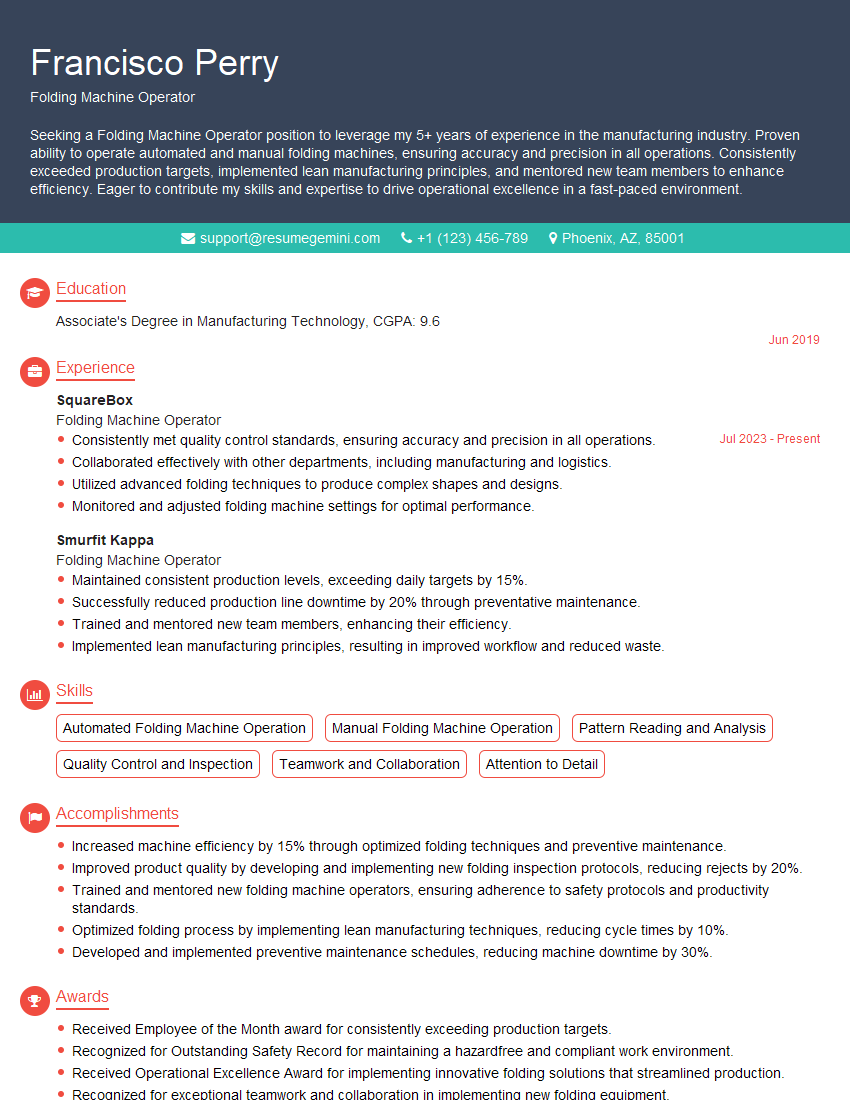
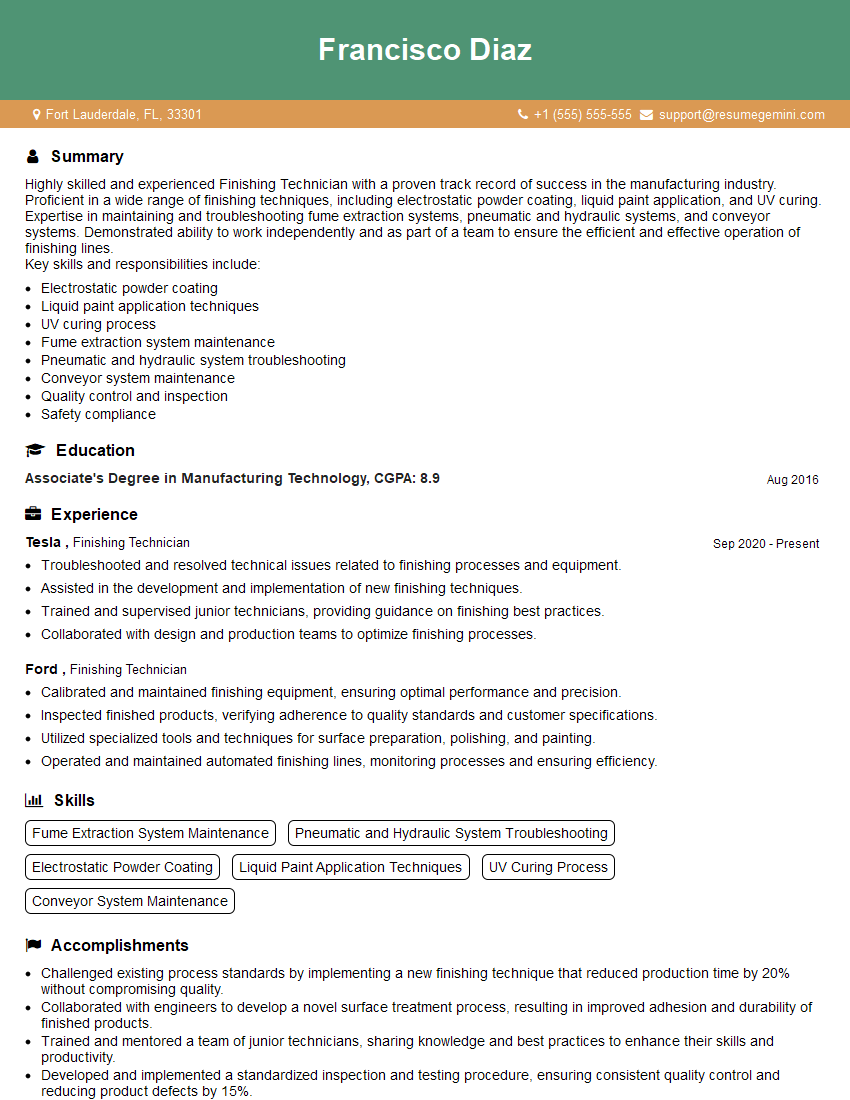
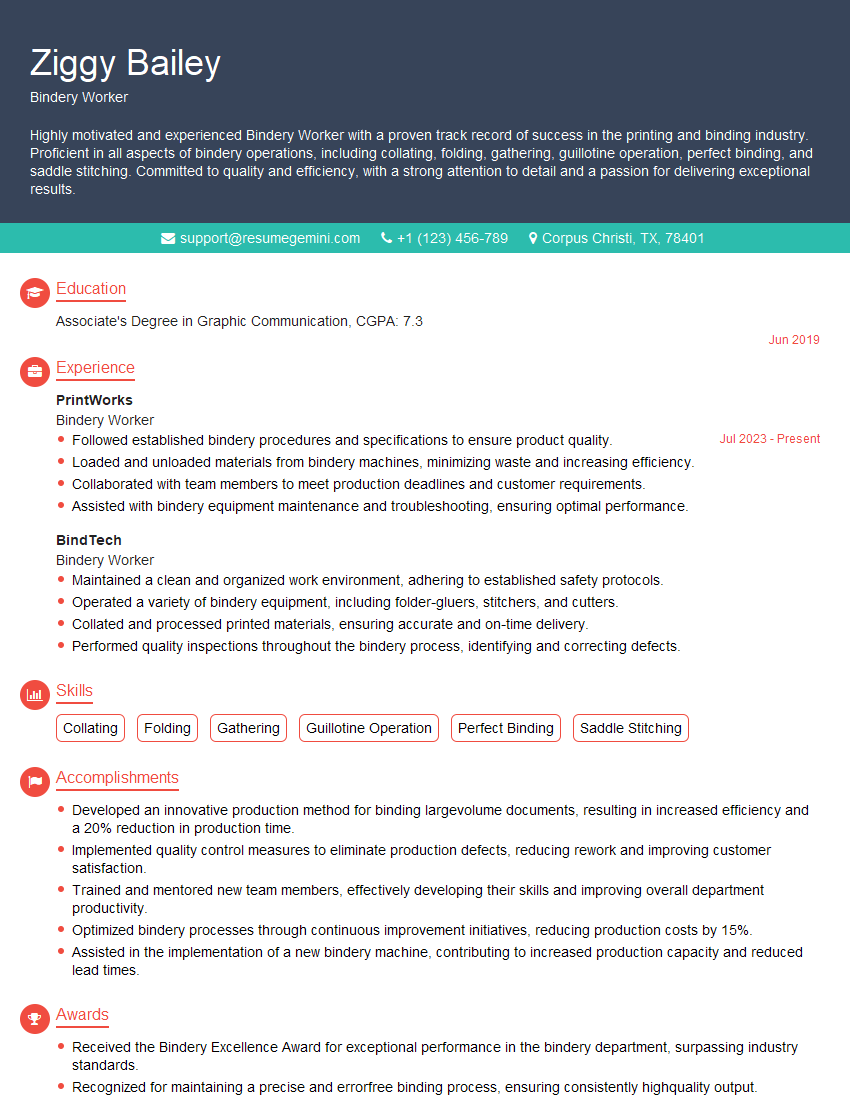
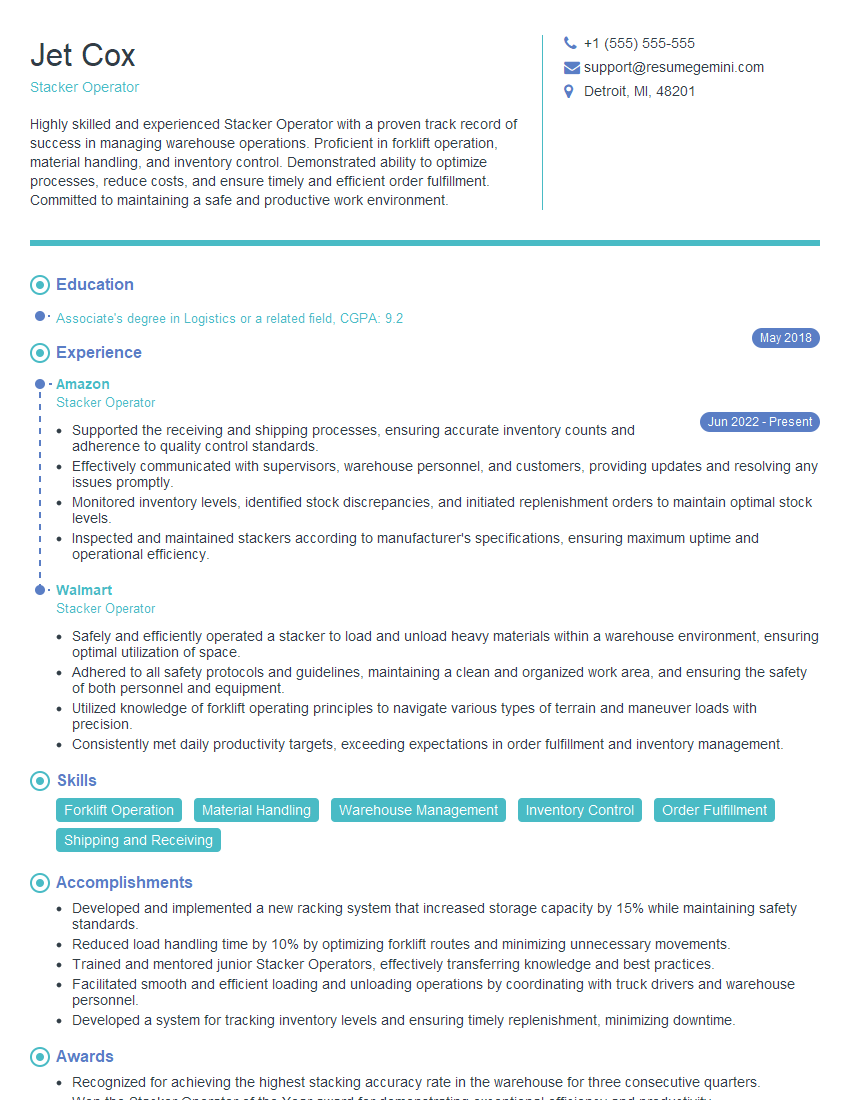
Mastering cutting and folding techniques is crucial for career advancement in the apparel and textile industries, opening doors to skilled positions with increased responsibility and earning potential. An ATS-friendly resume is essential for getting your application noticed by potential employers. To enhance your job prospects, leverage ResumeGemini to create a professional and impactful resume that highlights your skills and experience effectively. ResumeGemini offers examples of resumes tailored to the Cutting and Folding field to guide you in crafting a compelling application.


Explore more articles
Users Rating of Our Blogs
Share Your Experience
We value your feedback! Please rate our content and share your thoughts (optional).
What Readers Say About Our Blog
Very informative content, great job.
good