Interviews are more than just a Q&A session—they’re a chance to prove your worth. This blog dives into essential Internal Mobility and Succession Planning interview questions and expert tips to help you align your answers with what hiring managers are looking for. Start preparing to shine!
Questions Asked in Internal Mobility and Succession Planning Interview
Q 1. Describe your experience developing and implementing an internal mobility program.
Developing and implementing a successful internal mobility program requires a strategic approach. It’s not just about moving people around; it’s about strategically allocating talent to optimize organizational performance. My approach involves several key phases:
- Needs Assessment: This initial phase involves identifying current and future skill gaps, analyzing organizational structure, and understanding employee aspirations. I would use tools like skills gap analysis matrices and employee surveys to gather this information. For example, analyzing attrition data can highlight areas where we might need to build internal talent pipelines.
- Program Design: This phase focuses on creating a framework that facilitates internal movement. This includes developing clear internal job posting procedures, creating a robust internal talent marketplace (perhaps a dedicated intranet portal), establishing mentorship programs, and defining clear career paths within the organization. I’d ensure the program is flexible and adaptable to accommodate different employee needs and organizational changes.
- Implementation and Communication: Successful implementation hinges on clear communication. Employees need to understand the program’s benefits and how to participate. Training for managers on effectively using the system is critical, too. This phase would involve regular communication updates, feedback mechanisms, and potentially pilot programs to refine the system before full-scale rollout.
- Evaluation and Refinement: Continuous monitoring and evaluation are crucial. We’d track metrics (detailed later) to assess the program’s effectiveness and identify areas for improvement. Regular feedback from employees and managers is essential for iterative enhancements.
For instance, in a previous role, I implemented an internal mobility program that resulted in a 20% increase in employee engagement and a 15% reduction in time-to-fill for key positions. This was achieved by creating a user-friendly online talent marketplace and providing targeted training to managers on succession planning and talent identification.
Q 2. How do you identify high-potential employees for succession planning?
Identifying high-potential employees (HiPos) is crucial for effective succession planning. My approach is multi-faceted and relies on a combination of qualitative and quantitative data:
- Performance Reviews and Data Analysis: I analyze performance data, looking beyond just numbers to assess consistent high performance, exceeding expectations, and demonstrating leadership potential. This includes examining past performance reviews, 360-degree feedback, and project performance metrics.
- Assessment Centers and Talent Reviews: Assessment centers provide a structured environment for evaluating potential using simulations and exercises. Talent reviews, involving senior management, allow for a holistic evaluation of HiPos considering various perspectives. This allows us to identify not just high performers, but those with leadership traits and the capacity for development.
- Behavioral Interviews and Potential Indicators: I look for specific behavioral indicators during interviews, such as initiative-taking, problem-solving skills, adaptability, and a willingness to learn and grow. I am always looking for evidence of exceeding expectations and proactive contributions beyond job description.
- Mentoring and Development Programs: Participation in and success in mentoring and development programs can also signal high potential. These programs provide opportunities for HiPos to learn and showcase their capabilities.
For example, in a previous company, we used a combination of performance data, 360-degree feedback, and a competency-based assessment center to identify several HiPos. This allowed us to create tailored development plans to prepare them for future leadership roles.
Q 3. Explain your process for assessing the skills gap within an organization.
Assessing skills gaps involves a systematic approach to identify discrepancies between current employee skills and the organization’s future needs. My process includes:
- Future Workforce Planning: This starts with forecasting future business needs and translating them into specific skill requirements. What skills will be necessary for success in the coming years? This includes considering technological advancements, market trends and strategic goals.
- Skills Inventory: A comprehensive inventory of current employee skills is crucial. This might involve leveraging HRIS data, conducting skills assessments, and reviewing employee resumes and performance reviews. It’s important to consider both hard and soft skills.
- Gap Analysis: Comparing the future skill requirements with the current skills inventory reveals the gaps. This analysis helps pinpoint areas where additional training, hiring, or internal mobility initiatives are needed. Visual tools like gap analysis matrices can be very helpful here.
- Prioritization: Not all skills gaps are created equal. I prioritize gaps based on their criticality to the organization’s strategic objectives and the potential impact of unfilled roles.
For instance, I once conducted a skills gap analysis that revealed a significant shortage of data analytics expertise within a marketing team. This led to the implementation of a training program and the internal promotion of an employee with transferable skills to address this critical need.
Q 4. What metrics do you use to measure the success of an internal mobility program?
Measuring the success of an internal mobility program requires a balanced approach, using both qualitative and quantitative metrics. Key metrics include:
- Internal Promotion Rate: Tracks the percentage of employees promoted from within, reflecting the program’s effectiveness in developing internal talent.
- Time-to-Fill for Internal Positions: Measures the speed of filling vacancies using internal candidates, demonstrating efficiency gains.
- Employee Engagement and Satisfaction: Surveys and feedback mechanisms assess employee perception of career development opportunities and overall job satisfaction.
- Employee Retention Rate: Tracks the percentage of employees who remain with the organization after participating in the mobility program. A higher retention rate indicates increased job satisfaction and commitment.
- Return on Investment (ROI): Calculates the financial benefits of internal mobility, considering reduced recruitment costs, increased productivity, and improved employee retention.
- Skill Development and Upgrading: Tracks the number of employees who have successfully upskilled or reskilled through internal mobility programs.
These metrics provide insights into program effectiveness and areas for improvement. Regular reporting allows for data-driven decisions to optimize the program’s impact.
Q 5. How do you address resistance to internal mobility initiatives?
Resistance to internal mobility initiatives can stem from various sources—managerial reluctance, employee concerns about new roles, or lack of awareness. Addressing this requires a multi-pronged approach:
- Communication and Transparency: Clearly communicating the program’s benefits to all stakeholders (employees, managers, and senior leadership) is crucial. This involves highlighting opportunities for career growth and development. Transparency regarding selection criteria and processes helps build trust.
- Addressing Concerns: Proactively addressing employee concerns regarding new roles, potential risks, and the impact on work-life balance is vital. This could involve providing training, mentoring, and support systems.
- Managerial Buy-in and Training: Managers play a key role in successful implementation. Training managers on how to identify and develop internal talent, along with providing them with the resources to support internal mobility, is essential. Their buy-in is crucial for creating a supportive environment.
- Incentives and Recognition: Creating incentives and rewards for managers who successfully utilize the program can encourage participation. Recognizing and celebrating internal promotions fosters a positive culture of growth.
- Pilot Programs and Gradual Implementation: Starting with a pilot program allows for testing and refining the system, reducing resistance by addressing any issues before full-scale implementation.
For example, in one instance, we addressed resistance by holding workshops for managers to discuss the benefits of internal mobility and providing them with tools and resources to support their teams.
Q 6. Describe a time you had to develop a succession plan for a critical role.
I once had to develop a succession plan for the critical role of Chief Technology Officer (CTO). This involved a high degree of urgency as the current CTO was planning retirement within the next year.
- Identifying Potential Successors: We began by identifying potential internal candidates through performance reviews, 360-degree feedback, and assessment centers. This included evaluating their technical expertise, leadership skills, and strategic thinking abilities.
- Gap Analysis and Development Plans: We assessed the skills and experience of each candidate against the CTO’s role requirements, identifying any skills gaps. This led to the creation of tailored development plans including mentorship programs, training courses, and exposure to strategic projects to prepare candidates for the role.
- Mentorship and Shadowing: We paired high-potential candidates with the current CTO for mentorship and shadowing opportunities. This allowed them to gain valuable insights into the role and build relationships with key stakeholders.
- Contingency Planning: We also developed a contingency plan to address the possibility that no internal candidate was ready to assume the role, which involved identifying external candidates and establishing a recruitment process.
The result was a successful internal succession, with one of the developed candidates seamlessly stepping into the CTO role ensuring minimal disruption to the organization. The process highlighted the importance of proactive succession planning.
Q 7. How do you ensure that succession plans are aligned with business objectives?
Aligning succession plans with business objectives is paramount. It ensures that the organization develops and retains the right talent to achieve its strategic goals.
- Strategic Alignment: Succession plans must be directly linked to the organization’s strategic goals. This involves understanding the organization’s future needs and aligning talent development initiatives accordingly. For example, if the company is expanding into a new market, succession planning should focus on developing individuals with expertise in that area.
- Regular Review and Updates: Succession plans aren’t static; they must be regularly reviewed and updated to reflect changing business needs and performance. This could involve annual reviews to ensure alignment with current objectives and priorities.
- Integration with Performance Management: Succession planning should be integrated with the organization’s performance management system. Performance reviews should include assessments of individuals’ potential for advancement and alignment with future needs.
- Communication and Collaboration: Open communication among senior management, HR, and line managers is crucial to ensure that succession plans are understood, supported, and implemented effectively. Cross-functional collaboration helps connect talent development initiatives with broader business strategy.
For instance, when developing a succession plan for a sales team, we aligned it with the company’s goal of expanding into new geographic territories by identifying and developing individuals with relevant experience and international market understanding.
Q 8. What are some common challenges in implementing successful succession planning?
Implementing successful succession planning faces several hurdles. One major challenge is securing buy-in from leadership and managers. Without their commitment to identifying and developing high-potential employees, the entire process falters. Another common obstacle is a lack of accurate and comprehensive talent data. Without knowing the skills, experience, and aspirations of employees, it’s impossible to effectively plan for future leadership needs. Resistance to change among employees, fear of the unknown and reluctance to participate in development programs, can also derail succession planning. Finally, inadequate resources, whether it be time, budget or dedicated personnel, significantly impact the effectiveness of any initiative.
- Lack of Leadership Buy-in: Imagine a company where senior management doesn’t see the value in succession planning; it simply won’t be prioritized, leading to gaps in leadership when needed.
- Data Deficiency: Think of trying to build a house without a blueprint – without accurate talent data, you’re building blindly, risking critical gaps in your future leadership pipeline.
- Employee Resistance: Employees may fear that participating in succession planning will make them a target for promotion, leading to increased workload without commensurate reward.
Q 9. How do you balance the needs of the business with the career aspirations of employees?
Balancing business needs with employee aspirations requires a strategic approach that integrates both. It’s not about prioritizing one over the other, but finding the synergy. This involves actively listening to employees’ career goals and ambitions through regular performance reviews, 360-degree feedback, and informal conversations. Simultaneously, a clear understanding of the organization’s future talent requirements and succession plan is critical. Then, a carefully crafted development plan can be created, tailored to the individual’s aspirations while addressing the business’s needs. This could involve targeted training, mentoring, stretch assignments, or lateral moves to broaden experience.
For example, if a high-potential employee expresses interest in moving into a leadership role, but the current openings don’t align, a carefully designed development plan could involve taking on project management responsibilities to build leadership skills. The employee’s aspirations are considered while simultaneously building capabilities beneficial to the company.
Q 10. Explain your approach to talent mapping and identifying future leadership potential.
My approach to talent mapping and identifying future leadership potential is multi-faceted and data-driven. It begins with a thorough assessment of current and future business needs. Then, I use a combination of methods to identify high-potential individuals, including performance reviews, 360-degree feedback, skills assessments, potential assessments, and behavioral interviews. These assessments help evaluate not just current capabilities, but also the potential for future growth and leadership. I also leverage various talent management tools to organize and analyze the data, creating a comprehensive talent map that visualizes employee skills, experience, and career aspirations.
For example, I might use a competency framework to define the key skills and behaviors required for future leadership roles, and then use assessment tools to measure employee proficiency in those areas. This ensures that the selection process is fair, objective, and aligned with the company’s strategic goals.
Q 11. How do you use technology to support internal mobility and succession planning?
Technology plays a crucial role in supporting internal mobility and succession planning. Talent management systems (TMS) are essential tools for managing employee data, tracking performance, and identifying high-potential individuals. These systems often include features such as skills inventories, succession planning modules, and internal job posting boards. Furthermore, learning management systems (LMS) can be used to track employee training and development, ensuring that individuals have the skills needed for future roles. Collaboration tools, such as project management software, encourage cross-functional collaboration and provide visibility into employee contributions across the organization, aiding in identifying hidden talent.
For instance, a TMS could automate the process of identifying potential successors for critical roles, flagging individuals with the necessary skills and experience. An LMS might track the completion of leadership development programs, ensuring that individuals are well-prepared for promotion. This technology-driven approach ensures efficient and transparent processes.
Q 12. What are the key components of a successful internal talent marketplace?
A successful internal talent marketplace requires several key components. First, a comprehensive inventory of skills and capabilities is crucial. Employees need to be able to easily showcase their talents and experience. Second, a user-friendly interface is essential to ensure that employees can easily search for opportunities, apply for jobs, and communicate with managers. Third, clear job descriptions and transparent selection processes are critical to maintain fairness and transparency. Fourth, robust communication and marketing are needed to promote the internal talent marketplace and encourage employee participation. Finally, a system for tracking and measuring the effectiveness of the marketplace is essential to ensure continuous improvement.
Imagine a marketplace where employees can create detailed profiles highlighting their skills and aspirations, while managers can easily search for individuals with the required competencies for specific projects or roles. This promotes internal mobility and development, ultimately benefitting both the employee and the company.
Q 13. Describe your experience with talent development programs to support mobility.
My experience includes designing and implementing a variety of talent development programs specifically to support internal mobility. This has involved mentoring programs pairing high-potential employees with senior leaders, leadership development workshops focused on building key skills, job shadowing opportunities allowing employees to gain exposure to different roles, and stretch assignments that challenge employees to step outside their comfort zones and develop new capabilities. I also have experience in creating customized training programs to address specific skill gaps identified through talent assessments. Success is measured through improved employee engagement, increased internal promotions, and the successful filling of critical roles from within the organization.
For example, I once implemented a rotational program for entry-level employees, allowing them to rotate through different departments within the first two years of their employment. This program was incredibly successful in identifying hidden talents and creating a pipeline of versatile and adaptable employees.
Q 14. How do you ensure diversity and inclusion in succession planning?
Ensuring diversity and inclusion in succession planning is paramount. It starts with actively seeking diverse candidates for high-potential programs and leadership roles. This involves reviewing existing talent data to identify potential biases and gaps in representation across different demographic groups. It also means actively recruiting from diverse sources and implementing blind recruitment practices to reduce unconscious bias in the selection process. Furthermore, creating inclusive development opportunities ensures that all employees, regardless of background, have the chance to acquire the necessary skills and experience for advancement. Regular monitoring of diversity metrics throughout the succession planning process is vital to ensure that progress is being made and adjustments can be made as needed.
For instance, setting diversity goals for leadership positions and regularly reviewing the pipeline to ensure these goals are met is crucial. Equally important is actively creating a culture of inclusion, where all employees feel valued, respected, and have equal opportunities for growth.
Q 15. How do you communicate succession planning initiatives effectively to employees?
Effective communication is crucial for the success of any succession planning initiative. It’s not enough to simply announce a program; you need to build buy-in and demonstrate its value to employees at all levels. My approach involves a multi-pronged strategy:
Transparency and Open Communication: Regular town halls, departmental meetings, and internal communications (e.g., newsletters, intranet articles) should be used to clearly explain the goals of succession planning, the process involved, and the benefits for both individuals and the organization. For example, I’d highlight how the program offers opportunities for career growth, skill development, and increased job satisfaction.
Individualized Feedback and Coaching: One-on-one discussions with employees are critical. I would provide personalized feedback on their career aspirations, identify skill gaps, and create tailored development plans. This creates a sense of personal investment and ownership in the process.
Success Stories and Case Studies: Showcasing the success of previous internal promotions builds confidence and trust in the system. Highlighting how employees have benefited from the program – whether through increased responsibilities, promotions, or skill development – reinforces the positive impact of succession planning.
Interactive Workshops and Training: Workshops focusing on career development, leadership skills, and succession planning best practices can actively engage employees and empower them to take ownership of their career paths.
Ultimately, effective communication fosters a culture of transparency and trust, making employees feel valued and invested in the organization’s future.
Career Expert Tips:
- Ace those interviews! Prepare effectively by reviewing the Top 50 Most Common Interview Questions on ResumeGemini.
- Navigate your job search with confidence! Explore a wide range of Career Tips on ResumeGemini. Learn about common challenges and recommendations to overcome them.
- Craft the perfect resume! Master the Art of Resume Writing with ResumeGemini’s guide. Showcase your unique qualifications and achievements effectively.
- Don’t miss out on holiday savings! Build your dream resume with ResumeGemini’s ATS optimized templates.
Q 16. What are some best practices for onboarding employees who have been internally promoted?
Onboarding internally promoted employees requires a different approach than onboarding external hires. The focus shifts from teaching fundamental company processes to facilitating a smooth transition into a new role and responsibilities. My best practices include:
Targeted Training and Development: While the employee possesses existing company knowledge, specific training for the new role is crucial. This might involve specialized software training, leadership development programs, or mentorship opportunities focusing on the new responsibilities.
Mentorship and Sponsorship: Pairing the promoted employee with a mentor from within the company provides valuable guidance and support. A sponsor, ideally someone senior, can advocate for the employee and champion their success in the new role.
Clear Expectations and Goals: A detailed performance plan outlining clear goals, key performance indicators (KPIs), and expectations for the first 30, 60, and 90 days helps the employee quickly understand their priorities and responsibilities.
Networking and Team Integration: Facilitating introductions to key stakeholders and team members fosters a sense of belonging and collaboration. Organized team-building activities can also help.
Regular Check-ins and Feedback: Frequent check-in meetings allow for open communication, address any challenges, and provide timely feedback and support.
For example, I once worked with an employee promoted to a project management role. We paired them with a senior project manager as a mentor and provided them with project management certification training to build their skillset. Regular check-ins ensured a smooth transition and addressed any challenges promptly.
Q 17. How do you handle situations where there isn’t a clear internal candidate for a critical role?
When a critical role lacks a clear internal candidate, a multi-faceted approach is necessary. This includes:
Comprehensive Internal Search: First, we exhaust all internal options. This might involve broadening the search criteria, considering lateral moves, or exploring potential candidates who need additional development to meet the role’s requirements.
Targeted External Recruitment: If an internal candidate isn’t found, we launch a targeted external recruitment campaign. This requires a clear understanding of the required skills and experience and crafting a compelling job description that attracts the right talent.
Succession Planning Gap Analysis: This situation highlights a gap in our succession planning. We analyze the reasons for the lack of internal candidates, whether it’s skill gaps, limited career development opportunities, or other factors. This allows for proactive changes in talent development strategies.
Development and Upskilling of Existing Employees: Proactive identification of high-potential employees and providing them with targeted training to prepare them for future critical roles.
For instance, if a crucial technical role lacks qualified internal candidates, we might partner with a training institute to upskill existing employees. This is a long-term solution, but it cultivates future talent and strengthens the internal pipeline.
Q 18. Describe your experience with performance management systems and their role in succession planning.
Performance management systems are fundamentally linked to succession planning. They provide the data and insights needed to identify high-potential employees, assess their strengths and weaknesses, and create tailored development plans. My experience involves leveraging performance data in the following ways:
Identifying High-Potential Employees: Performance reviews, 360-degree feedback, and performance data analysis help pinpoint employees consistently exceeding expectations and demonstrating leadership qualities. These individuals often become priority candidates for succession planning.
Assessing Skill Gaps: Performance reviews highlight areas where employees need improvement. This information helps tailor development plans to address skill gaps and prepare employees for future roles.
Tracking Progress: Performance management systems track employee progress against development plans, measuring the effectiveness of interventions and ensuring employees are on track for future advancement.
Calibration and Alignment: Regular calibration meetings with managers ensure consistent performance evaluations and objective identification of high-potential employees.
For example, I used performance data to identify a consistently high-performing sales representative who lacked leadership experience. We developed a tailored plan involving mentorship and leadership training, positioning them for a future management role.
Q 19. What is your experience with different internal mobility models (e.g., job rotations, lateral moves)?
I have extensive experience with various internal mobility models, understanding their strengths and weaknesses in different contexts. These models serve different purposes and contribute to employee development and organizational agility.
Job Rotations: These involve systematically moving employees between different departments or roles for a set period. This broadens their skill set, enhances their understanding of the organization, and prepares them for future opportunities. For example, rotating a marketing associate through sales and product development gives them a holistic view of the business.
Lateral Moves: These involve transferring employees to roles with similar levels of responsibility but different functions or departments. This allows employees to explore different areas of interest and develop new skills without necessarily progressing up the hierarchical ladder. For example, an engineer moving to a project management role within the same department.
Promotions: These are vertical moves representing advancement within the organization. They recognize employee achievements and provide increased responsibility and compensation. The success of promotions depends heavily on effective onboarding and ongoing support.
Talent Pools: These are groups of high-potential employees identified for future leadership roles. They are provided with tailored development opportunities and receive ongoing mentorship and support.
The best approach depends on the organization’s structure, strategic goals, and the specific needs of both the employee and the organization.
Q 20. How do you measure the ROI of an internal mobility program?
Measuring the ROI of an internal mobility program requires a multi-faceted approach, focusing on both qualitative and quantitative metrics. Key indicators include:
Reduced Recruitment Costs: Tracking the number of positions filled internally versus externally provides a clear indication of cost savings. This includes costs associated with recruitment agencies, advertising, and onboarding.
Improved Employee Retention: Monitoring employee turnover rates, particularly among those participating in the program, shows the impact of internal mobility on employee satisfaction and loyalty.
Enhanced Employee Engagement: Surveys and feedback sessions can assess employee engagement levels and their perception of career growth opportunities provided by the program.
Increased Productivity and Performance: Tracking performance metrics for employees who have participated in internal mobility initiatives reveals any improvements in productivity or performance.
Faster Time-to-Fill Critical Roles: Analyzing the time taken to fill critical roles using internal candidates compared to external recruitment highlights the efficiency gains.
For example, I’d track the cost of filling a managerial role internally versus externally, comparing recruitment costs, training investment, and employee performance data. This allows for a comprehensive assessment of the ROI.
Q 21. How do you manage employee expectations related to career progression and internal mobility?
Managing employee expectations regarding career progression and internal mobility is essential for maintaining a motivated and engaged workforce. My approach focuses on:
Transparent Career Paths: Clearly defining career progression pathways and opportunities within the organization helps set realistic expectations. This could involve creating internal career ladders or skill matrices.
Regular Performance Feedback and Goal Setting: Regular feedback sessions provide opportunities to discuss career aspirations, identify skill gaps, and set mutually agreed-upon development goals. This ensures employees understand their strengths, areas for improvement, and potential future opportunities.
Open Communication and Dialogue: Creating a culture of open communication encourages employees to discuss their career aspirations and concerns with their managers. This fosters trust and prevents misunderstandings.
Development Plans and Training Opportunities: Offering tailored development plans and training opportunities helps employees develop the skills and experience necessary for advancement within the organization.
Mentorship and Sponsorship Programs: Connecting employees with mentors and sponsors provides guidance, support, and advocacy, helping them navigate their career paths effectively.
For example, I worked with an employee who felt their career progress was stalled. Through open communication, we identified skill gaps and created a development plan that included targeted training and mentorship, leading to their eventual promotion.
Q 22. Describe a situation where you had to adapt your succession plan due to unforeseen circumstances.
Adapting a succession plan requires agility and a proactive approach. Imagine a scenario where a key executive unexpectedly leaves the company mid-year, leaving a critical leadership gap in a rapidly growing department. Our original plan had a different individual slated for succession in two years’ time. This unforeseen circumstance forced us to reassess the timeline and qualifications needed.
We immediately convened a meeting of the relevant stakeholders. This included HR, the department head, and the executive team. We then engaged in a thorough review of high-potential employees within and outside of the department. We considered factors beyond just technical skills, focusing on leadership potential, adaptability, and team-building abilities. We also accelerated the development plan for the identified candidate, focusing on specific skills needed to immediately fill the gap while also ensuring a longer-term succession plan remained in place.
The revised plan incorporated a compressed timeline for training and mentorship, creating tailored development programs focused on the critical skills and knowledge areas needed. This included accelerated onboarding, shadowing opportunities with other senior leaders, and a mentorship program with the outgoing executive, which allowed for a smooth transition and knowledge transfer. We also implemented contingency plans for unexpected challenges, creating more flexibility in the succession strategy.
Q 23. What are your thoughts on the use of psychometric assessments in succession planning?
Psychometric assessments are valuable tools in succession planning, but they shouldn’t be the sole determinant. These assessments provide objective data on an individual’s personality traits, cognitive abilities, and behavioral patterns. This data can provide insights into leadership potential, team dynamics, and problem-solving skills which may not be readily apparent through traditional performance reviews. Think of them as a powerful diagnostic tool, rather than a definitive judgment.
For example, a psychometric assessment might reveal that a high-performing individual is strong in technical skills but lacks strong communication skills, highlighting an area for development. This provides an opportunity for focused training and coaching to improve those aspects, ensuring a more well-rounded candidate for future roles. However, it’s crucial to use these assessments in conjunction with other methods, including performance reviews, 360-degree feedback, and behavioral interviews to get a holistic picture.
Using psychometric tests alone could lead to biases and inaccurate conclusions. We need to consider the cultural context, potential biases in the tests themselves and always interpret the results cautiously within a broader framework of assessment.
Q 24. How do you ensure that succession plans are regularly reviewed and updated?
Regular review and updates of succession plans are essential for their effectiveness. Think of a succession plan as a living document, not a static one. To ensure this, I recommend a multi-pronged approach combining scheduled reviews with triggered reviews.
Scheduled reviews are conducted annually or semi-annually, depending on the organizational structure and the pace of change within the company. This would involve a formal review of the identified successors, assessing their progress against development plans, and identifying any emerging challenges or changes in their career trajectories. We use performance data, feedback from managers and peers, and self-assessments to inform this process.
Triggered reviews, on the other hand, are initiated by events such as unexpected departures, organizational restructuring, or significant changes in the business strategy. These reviews allow for a quicker response to unforeseen circumstances and help maintain the plan’s relevance. For instance, a sudden retirement could necessitate a rapid reassessment of the succession plan for the affected role.
Q 25. How do you ensure compliance with relevant employment laws and regulations related to mobility?
Ensuring compliance with employment laws and regulations is paramount in internal mobility. This involves adhering to all relevant anti-discrimination laws, ensuring fairness and equity in the selection and promotion process, and maintaining transparent processes. For example, the use of objective criteria in the selection process helps prevent bias and ensures compliance.
We also document all aspects of the mobility program meticulously. This includes job descriptions, selection criteria, assessment methods, and the decisions made at each stage of the process. This documentation ensures transparency and allows us to demonstrate compliance if ever questioned. Furthermore, providing employees with clear and consistent information about mobility opportunities and processes is crucial to ensure transparency and fair treatment.
We need to conduct regular audits of our mobility program to make sure it continues to align with the evolving legal landscape. This includes staying informed about changes in employment laws and regulations, reviewing internal policies and practices, and conducting internal audits to verify adherence.
Q 26. How do you deal with conflicts between business needs and individual career aspirations?
Balancing business needs and individual career aspirations is a delicate act requiring careful consideration and communication. It’s about finding a win-win scenario whenever possible. Let’s say a highly skilled employee in department A expresses a strong desire to move to department B, but department A is facing a critical project requiring their expertise. A straightforward denial might damage morale and could lead to the loss of a valuable employee.
Our approach would involve open communication and collaborative problem-solving. We would sit down with the employee to understand their aspirations and explore ways to meet both their needs and the business’s needs. This could involve a phased transition, where the employee assists in training their replacement in department A before moving to department B, or it could involve negotiating a timeline for the move, ensuring the critical project in department A is successfully completed. Another solution might involve offering alternative opportunities for growth within department A.
Ultimately, we aim to foster a culture of transparency and mutual respect, allowing us to find solutions that satisfy both individual and organizational goals. The goal is to retain talent while still fulfilling business objectives.
Q 27. How would you design an internal mobility program for a company undergoing significant organizational change?
Designing an internal mobility program for a company undergoing significant organizational change requires a strategic approach focused on adaptability and employee engagement. Imagine a company undergoing a merger or a digital transformation. The existing structure and skill sets may no longer be relevant. The mobility program becomes an integral part of the change management process.
The first step is to conduct a thorough skills gap analysis to identify the future talent needs of the organization. Then we would assess the current workforce’s skills and capabilities, identifying any gaps and the potential for internal mobility. Based on this, we would develop targeted training and development programs to equip employees with the necessary skills for new roles.
A crucial element of the program would be clear communication and transparency. Employees need to understand the rationale behind the organizational changes, the opportunities available through internal mobility, and the support mechanisms in place to help them transition. This might include workshops, mentoring programs, and career counseling services. We’d also create a user-friendly internal job portal, allowing employees to easily browse and apply for suitable opportunities. This ensures a smooth and supportive process for employees navigating this change.
Key Topics to Learn for Internal Mobility and Succession Planning Interview
- Understanding Internal Mobility: Explore the strategic benefits of internal talent movement, including increased employee engagement, reduced recruitment costs, and faster skill development. Consider the various types of internal mobility (promotions, lateral moves, rotations).
- Succession Planning Fundamentals: Learn to identify critical roles, assess talent pools, develop high-potential employees, and create robust succession plans. Understand different succession planning methodologies and their application.
- Talent Assessment and Development: Grasp the importance of accurate talent assessment tools and methods for identifying skills gaps and development needs. Explore performance management systems and their role in succession planning.
- Building a Talent Pipeline: Discuss strategies for attracting, retaining, and developing internal talent to ensure a strong pipeline of qualified candidates for future roles. Consider the role of training and mentorship programs.
- Technological Applications: Familiarize yourself with HR technology and software used in talent management, succession planning, and internal mobility tracking. Understand how these systems support data-driven decision making.
- Legal and Ethical Considerations: Understand the legal and ethical implications of internal mobility and succession planning, including fair hiring practices, equal opportunity, and data privacy.
- Metrics and Evaluation: Learn how to measure the effectiveness of internal mobility and succession planning initiatives. Understand key performance indicators (KPIs) and how to track progress towards goals.
- Change Management and Communication: Explore the importance of effectively communicating changes related to internal mobility and succession planning to employees at all levels. Understand the role of change management strategies in mitigating resistance.
Next Steps
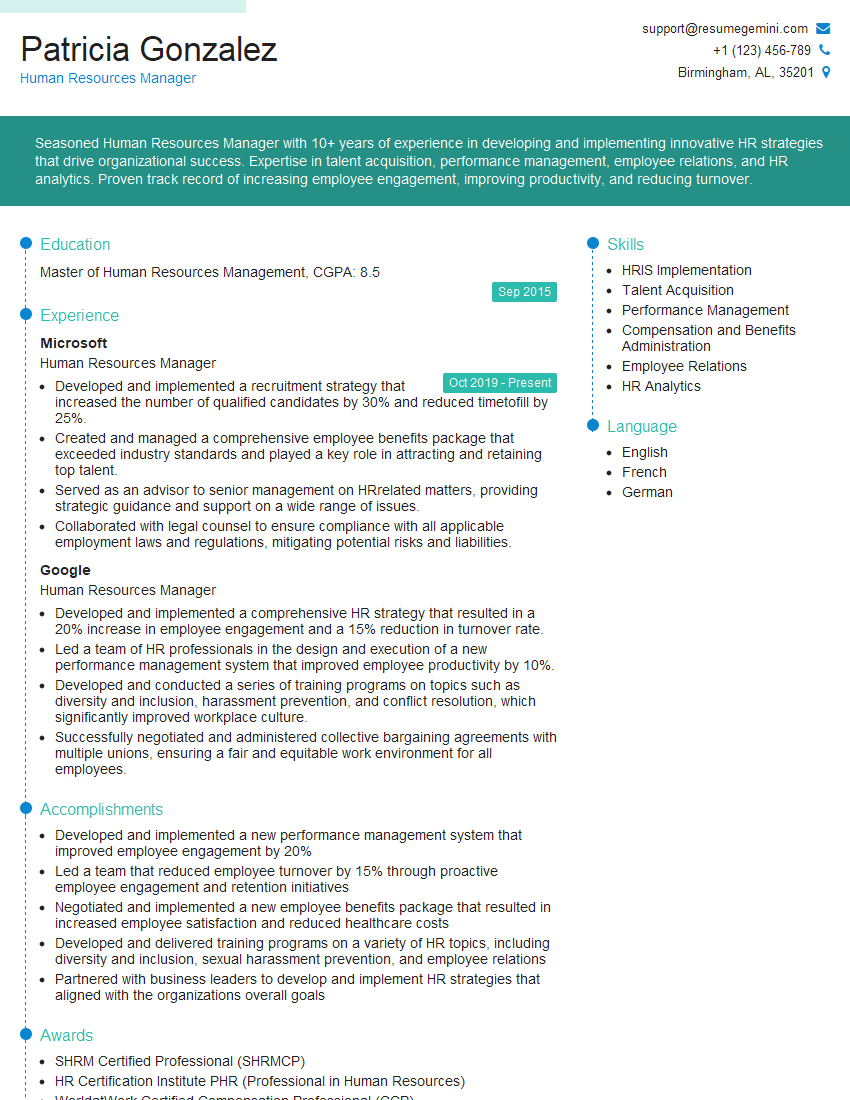
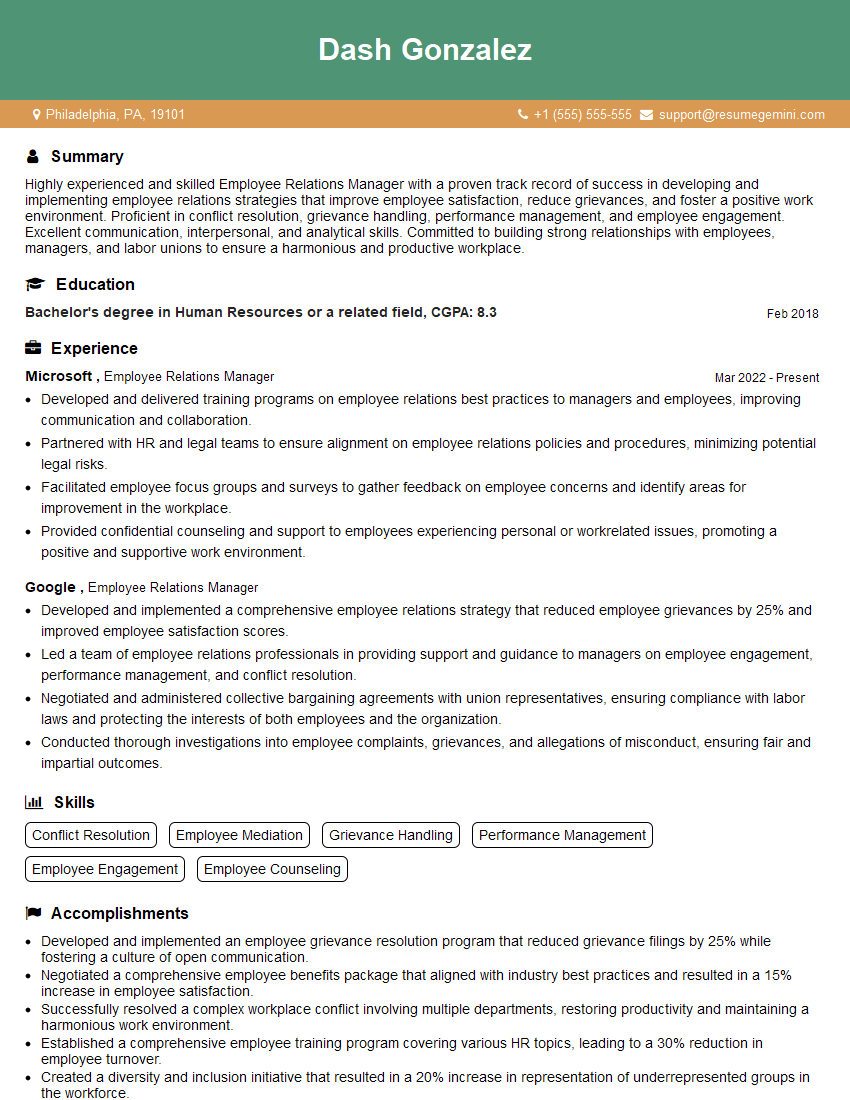
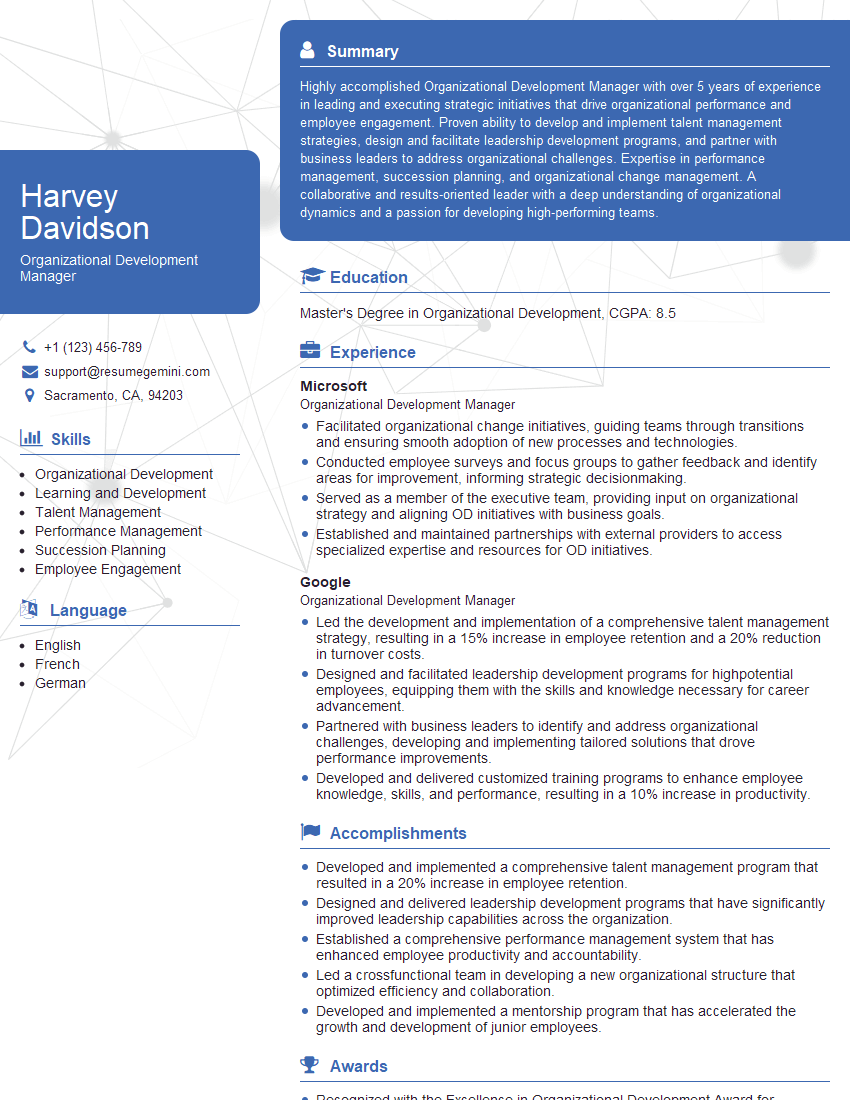
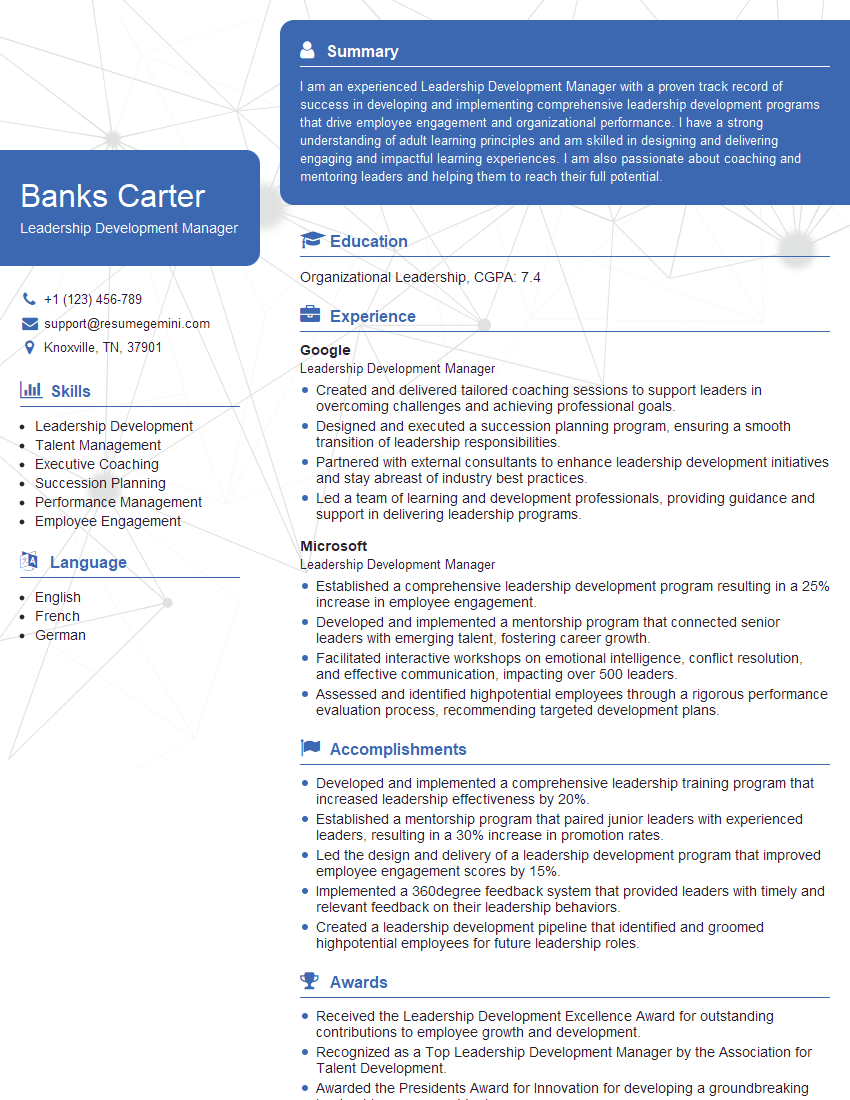
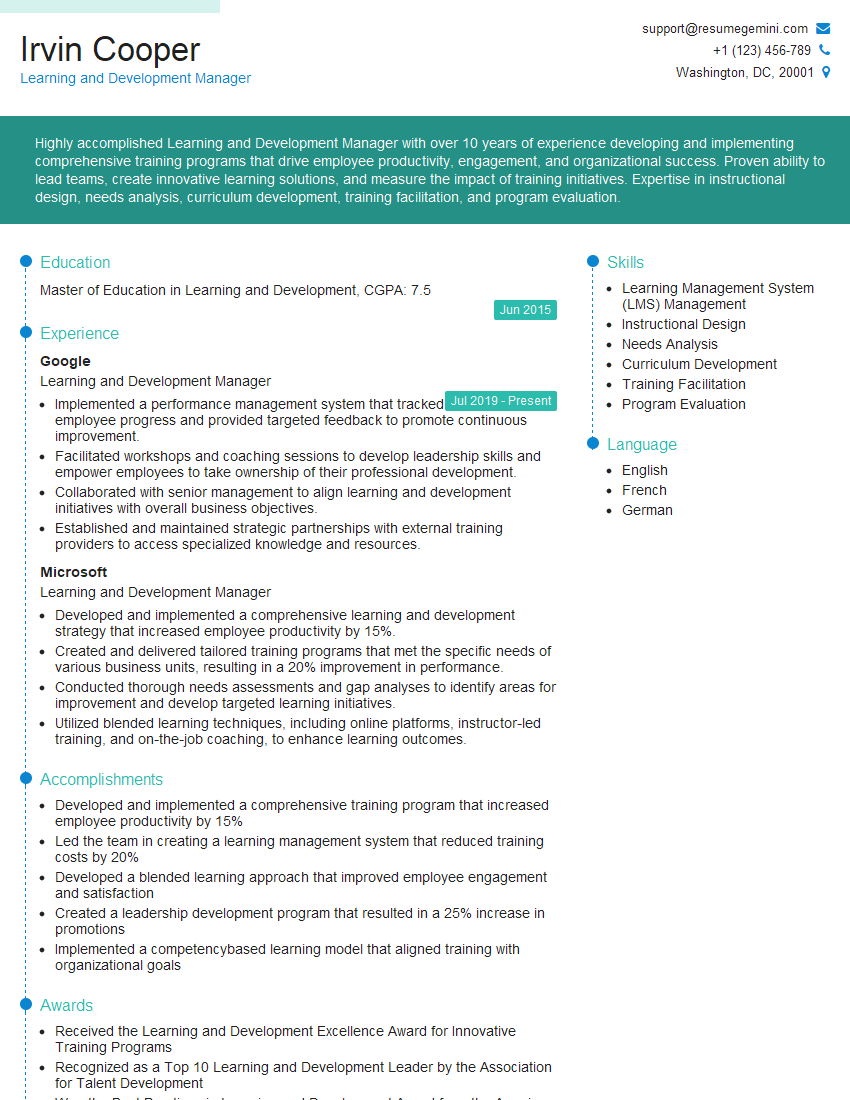
Mastering Internal Mobility and Succession Planning significantly enhances your career prospects, demonstrating valuable strategic thinking and leadership potential. To maximize your chances of securing your desired role, creating a compelling and ATS-friendly resume is crucial. ResumeGemini is a trusted resource to help you build a professional and effective resume that showcases your skills and experience in this area. Examples of resumes tailored to Internal Mobility and Succession Planning are available to help guide your efforts.
Explore more articles
Users Rating of Our Blogs
Share Your Experience
We value your feedback! Please rate our content and share your thoughts (optional).
What Readers Say About Our Blog
Very informative content, great job.
good