Interviews are opportunities to demonstrate your expertise, and this guide is here to help you shine. Explore the essential CWI Certification interview questions that employers frequently ask, paired with strategies for crafting responses that set you apart from the competition.
Questions Asked in CWI Certification Interview
Q 1. Explain the difference between a fillet weld and a groove weld.
The key difference between fillet and groove welds lies in how they join the base materials. A fillet weld is used to join two members that intersect, forming a triangular-shaped weld bead in the corner. Think of it like adding a reinforcing bead of weld material to strengthen the joint. It’s a relatively simple weld to perform and is commonly used in structural steel applications. A groove weld, on the other hand, is used to join two members edge-to-edge, creating a continuous weld within a groove prepared in the base metal. This groove ensures complete penetration, creating a stronger, more reliable joint compared to a fillet weld. Groove welds are ideal for applications requiring high strength and integrity, such as pressure vessels or pipelines.
Example: Imagine building a simple shelf. You might use fillet welds to attach the supports to the shelf’s top surface. Conversely, if you were constructing a high-pressure pipe, you’d likely utilize a groove weld to ensure a leak-proof, structurally sound joint.
Q 2. Describe the various types of welding defects and their causes.
Welding defects are imperfections that compromise the integrity and strength of a weld. These can significantly impact the overall performance and safety of the welded structure. Several factors contribute to these defects, including improper welding techniques, inadequate equipment, or poor material quality.
- Porosity: Small holes or voids within the weld metal caused by gas entrapment during welding. This reduces strength and can lead to leaks in pressure vessels.
- Inclusion: Non-metallic materials such as slag or oxides trapped within the weld. These weaken the weld and act as stress concentrators.
- Undercut: A groove melted into the base metal adjacent to the weld toe, weakening the weld and creating a stress riser.
- Lack of Fusion: Incomplete melting and bonding of the weld metal to the base metal. This creates a weak point where the weld doesn’t properly adhere.
- Cracks: Fractures in the weld metal or heat-affected zone (HAZ), often caused by stresses created during cooling or improper preheating.
- Incomplete Penetration: In groove welds, this refers to the weld not reaching full depth into the joint, leaving an unwelded area.
Causes can range from improper welding parameters (like amperage, voltage, and travel speed) to insufficient cleaning of the base metal prior to welding, incorrect electrode selection, or even environmental factors such as wind or moisture.
Q 3. What are the different methods for visual inspection of welds?
Visual inspection is the most common and initial method of weld inspection, offering a quick assessment of the weld’s overall quality. It involves a thorough examination of the weld surface to detect any readily apparent defects.
- Direct Visual Inspection: A close-up examination of the weld using the naked eye or magnifying glasses, often with the aid of good lighting. This helps identify surface defects such as cracks, porosity, or undercut.
- Indirect Visual Inspection: Utilizing tools like borescopes or mirrors to access and inspect welds in hard-to-reach areas, such as inside pipes or complex structures.
- Reference Standards Comparison: Comparing the weld’s appearance against established reference standards or photographic examples to assess the severity of detected defects. This ensures consistency and objectivity.
Practical Application: A visual inspection is always the first step in any weld inspection process. It’s a relatively inexpensive and quick method, allowing for the rapid identification of major defects. However, visual inspection is limited to surface defects; other NDT methods are necessary to detect internal flaws.
Q 4. Explain the importance of pre-qualification procedures for welders.
Pre-qualification procedures for welders are crucial for ensuring the consistent quality and reliability of welded joints. These procedures establish a welder’s competency to produce welds that meet specified standards. Without pre-qualification, there is a higher risk of producing defective welds leading to structural failures and safety hazards.
Importance:
- Safety: Qualified welders consistently produce high-quality welds, minimizing the risk of failures in critical structures.
- Quality Control: Pre-qualification ensures welders meet minimum standards, reducing the likelihood of defects and rework.
- Cost Savings: Reducing defects through proper welder qualification translates to less rework, materials waste, and project delays.
- Legal Compliance: Many industries require welders to be pre-qualified to meet regulatory standards and demonstrate compliance.
Procedures typically involve practical welding tests, demonstrating proficiency in various welding processes and positions, along with visual inspection of the completed weld tests to evaluate the welder’s skill.
Q 5. How do you interpret welding symbols according to AWS standards?
AWS (American Welding Society) welding symbols provide a standardized method of communicating welding requirements on engineering drawings. Understanding these symbols is paramount for proper weld fabrication and inspection.
A welding symbol typically includes several elements:
- Reference Line: The main horizontal line that serves as a baseline.
- Arrow: Indicates the location of the weld on the drawing.
- Basic Weld Symbol: Represents the type of weld (e.g., groove, fillet, spot).
- Dimension and Other Data: Specifies size, length, spacing, and other details of the weld.
- Tail: Located on the other side of the reference line, this area contains supplementary information about the weld.
Example: A basic groove weld symbol might appear as ←---→ where the arrow points to the joint and a symbol on the line above indicates the type of groove weld.
Interpreting symbols requires careful attention to detail and familiarity with the AWS standards. Incorrect interpretation can lead to miscommunication and production of non-compliant welds.
Q 6. What are the different types of NDT methods used in welding inspection?
Non-destructive testing (NDT) methods are crucial for evaluating the internal quality of welds without causing damage to the component. Several NDT techniques are employed in welding inspection, each with its strengths and limitations:
- Radiographic Testing (RT): Uses X-rays or gamma rays to penetrate the weld and reveal internal flaws through variations in density on a film or digital image. Excellent for detecting internal defects such as porosity, inclusions, and cracks.
- Ultrasonic Testing (UT): Employs high-frequency sound waves to detect internal flaws. Highly sensitive to internal discontinuities and can be used to assess weld thickness.
- Magnetic Particle Testing (MT): Suitable for ferromagnetic materials. Magnetic fields and iron particles reveal surface and near-surface flaws by attracting particles to areas of discontinuity.
- Liquid Penetrant Testing (PT): A surface inspection method that uses a dye to reveal surface-breaking defects by capillary action. Excellent for detecting cracks, porosity, and other surface discontinuities.
The choice of NDT method depends on factors such as the type of weld, the material, the expected types of defects, and the accessibility of the weld.
Q 7. Describe your experience with radiographic testing (RT).
My experience with radiographic testing (RT) spans several years and includes a wide variety of applications. I’m proficient in interpreting radiographs, identifying various weld defects, and preparing detailed reports. I have extensive experience with both film-based and digital RT methods, and I am familiar with relevant safety procedures and radiation protection protocols. I’ve worked on projects ranging from small-scale pressure vessels to large-diameter pipelines, consistently ensuring high-quality results and precise defect analysis. For instance, on a recent project involving the inspection of a critical pipeline weld, RT helped identify minute porosity clusters that were undetectable through visual inspection, preventing potential failure and ensuring the integrity of the pipeline.
My understanding of radiographic techniques extends to selecting appropriate radiation sources (X-ray or gamma), optimizing exposure settings, and ensuring proper film processing or digital image acquisition. I also possess a strong understanding of image interpretation techniques, including density variations, defect sizing, and characterizing the types of defects observed in the radiographs. This has allowed me to consistently provide accurate and reliable inspection reports that are crucial for ensuring project compliance and client satisfaction.
Q 8. Explain the principles of ultrasonic testing (UT).
Ultrasonic testing (UT) uses high-frequency sound waves to detect internal flaws in materials. Think of it like sonar, but for inspecting welds and other structures. A transducer sends ultrasonic waves into the material, and these waves reflect off internal discontinuities such as cracks, voids, or inclusions. The reflected waves are then received by the same or a separate transducer, and their time of flight is measured. The time of flight, along with the wave velocity in the material, allows us to determine the location and size of the flaw.
The principles are based on the interaction of sound waves with the material. Different types of flaws cause different reflections. For example, a large, flat crack will produce a strong, sharp reflection, while a small, porous inclusion might produce a weaker, more diffuse reflection. We use different types of wave modes (like longitudinal and shear waves) to optimize detection for different types of flaws and material geometries. The technique requires skilled operators who can interpret the resulting waveforms (A-scans, B-scans, C-scans) accurately.
Practical Application: UT is widely used in various industries, including aerospace, nuclear power, and pipeline inspection, to ensure the structural integrity of critical components. I’ve personally used UT to inspect welds in pressure vessels, identifying potential cracks that could lead to catastrophic failure.
Q 9. What is magnetic particle testing (MT) and when is it used?
Magnetic particle testing (MT) is a non-destructive testing (NDT) method used to detect surface and near-surface flaws in ferromagnetic materials (materials that can be magnetized, like iron, steel, and nickel). It works by magnetizing the component under inspection, then applying ferromagnetic particles (usually a fine powder) to its surface. These particles are attracted to any discontinuities (cracks, porosity, etc.) in the material that disrupt the magnetic field, allowing us to visualize the flaws.
There are two main methods: dry particle and wet particle. Dry particle uses a powder that is dusted onto the magnetized part, while wet particle uses a suspension of particles in a liquid medium. The choice of method depends on the type of flaw being sought and the surface condition of the component.
When is it used? MT is used for detecting surface and near-surface cracks, seams, laps, and other discontinuities in ferromagnetic materials. It is particularly useful for detecting fatigue cracks in highly stressed components, like aircraft landing gear or railway axles. I’ve applied this technique in various projects, identifying subtle cracks in high-pressure pipe fittings which would have caused significant risks.
Q 10. How do you interpret radiographic film or digital images?
Interpreting radiographic film or digital images requires a trained eye and knowledge of the specific technique used. The images show the internal structure of the material, with different densities appearing as different shades of gray. Denser materials (like the base metal in a weld) appear lighter, while less dense areas (like a void or porosity) appear darker.
Film Interpretation: With film, we look for indications of discontinuities like porosity, slag inclusions, lack of fusion, and cracks. The size, shape, and distribution of these indications are crucial in determining the acceptability of the weld. Experience helps in distinguishing between significant flaws and minor artifacts.
Digital Interpretation: Digital radiography offers improved image quality and manipulation capabilities. Software tools can enhance contrast, measure dimensions, and even create 3D reconstructions of the flaws. However, the fundamental principles of interpretation remain the same: identifying indications, characterizing their nature, and assessing their significance based on relevant codes and standards. A thorough understanding of the radiographic technique and the specific application is essential for accurate interpretation.
Example: A dark, elongated indication in a weld radiograph could represent a crack, requiring further investigation and potentially rejection of the weld.
Q 11. Explain the concept of weld penetration and its importance.
Weld penetration refers to the depth to which the weld filler material has fused with the base material. It’s crucial for ensuring the structural integrity of the weld. Insufficient penetration means the weld isn’t fully bonded to the base metal, creating a weakness that can lead to failure under stress. It’s like trying to build a strong wall with gaps between the bricks—it’s not going to hold up well.
Importance: Adequate penetration ensures complete fusion, providing the necessary strength and leak-tightness (in pressure vessels or pipelines). Lack of penetration creates a zone of weakness, increasing the risk of cracking or failure. Excessive penetration can also be a problem, causing weakening of the base material. Visual inspection, radiography, and ultrasonic testing are commonly used to check for correct penetration. In my experience, improper penetration is a major cause of weld failures, often leading to costly repairs or replacements.
Q 12. How do you assess weld reinforcement?
Weld reinforcement refers to the excess weld metal that protrudes above the surface of the base metal. It’s often undesirable because it can create stress concentrations, act as a source for cracks, and reduce fatigue life. However, a certain amount of reinforcement is often acceptable, and sometimes even necessary to guarantee proper weld fusion.
Assessment: The assessment of weld reinforcement involves measuring its height and width using appropriate tools like calipers or rulers. Then, we compare these measurements to the acceptance criteria specified in the relevant welding codes or project specifications. Excessive reinforcement is generally undesirable, while insufficient reinforcement can indicate a lack of proper weld fusion or other problems. I often use visual inspection with measuring tools, and sometimes cross-sections for more detailed assessment.
Q 13. What are the acceptance criteria for welds according to relevant codes?
Acceptance criteria for welds vary depending on the application, material, and relevant codes (like AWS D1.1 for structural welding, ASME Section IX for pressure vessels). These codes define acceptable limits for various weld defects, including:
- Porosity: The amount of small, gas-filled holes.
- Inclusions: The presence of foreign materials (slag, tungsten).
- Lack of Fusion: Incomplete bonding between the weld and base material.
- Undercut: A groove melted into the base material at the edge of the weld.
- Cracks: Breaks in the weld metal.
- Incomplete Penetration: The weld not reaching the full thickness of the joint.
Each code specifies acceptable levels for these defects, usually expressed as maximum permissible sizes or numbers of defects per unit length or area. Exceeding these limits generally results in weld rejection or repair. The acceptance criteria are crucial in ensuring that the welded joint meets the required safety and performance standards.
Q 14. Explain your experience with various welding processes (e.g., SMAW, GMAW, GTAW).
My experience encompasses several welding processes, including Shielded Metal Arc Welding (SMAW), Gas Metal Arc Welding (GMAW), and Gas Tungsten Arc Welding (GTAW).
SMAW (Stick Welding): I’m proficient in SMAW, often used for its simplicity and portability in various field applications. I have experience welding different steel grades and have a good understanding of electrode selection for different applications. It’s a good method for thicker materials and outdoor settings.
GMAW (MIG Welding): GMAW is a highly productive method, ideal for high-volume production. I’m experienced in using different shielding gases and wire feed speeds to achieve high-quality welds. I also have experience with pulse MIG for applications requiring precise control of the weld bead.
GTAW (TIG Welding): GTAW is my go-to method for critical applications requiring high-quality welds with excellent appearance and precision. I’m skilled in controlling the arc and manipulating the tungsten electrode to produce consistent welds. I’ve used this extensively in projects where meticulous attention to detail is crucial.
In all processes, my focus is on producing welds that meet the required specifications, maintaining strict adherence to safety procedures, and ensuring the overall quality of the welds produced.
Q 15. Describe the importance of proper weld preparation.
Proper weld preparation is crucial for achieving strong, reliable, and visually acceptable welds. Think of it like preparing a foundation for a house – if the foundation is weak, the entire structure is at risk. Improper preparation leads to defects that compromise weld integrity and potentially the entire structure.
- Surface Cleaning: Removing contaminants like oil, grease, paint, rust, and mill scale is paramount. These impurities can prevent proper fusion between the base metals and the filler material, leading to porosity (tiny holes in the weld) and reduced strength.
- Edge Preparation: The shape and angle of the weld joint are critical. Common edge preparations include beveling, J-groove, and U-groove, each designed for different thicknesses and weld processes. Incorrect preparation can result in incomplete penetration (the weld not reaching all the way through the joint) or excessive weld metal deposition, leading to stress concentrations and potential cracking.
- Joint Alignment: Accurate alignment of the parts to be welded is essential. Misalignment introduces stress and can cause cracking or weakening of the weld. Think of trying to weld two pieces of wood that are slightly misaligned – it’s difficult to achieve a strong, even joint.
- Preheating (when required): Certain materials, especially those susceptible to cracking, require preheating to reduce the cooling rate and prevent cracking during the welding process. The preheating temperature depends on the material type, thickness, and welding procedure. For example, preheating is crucial when welding high-carbon steel to mitigate the risk of cold cracking.
In short, proper weld preparation ensures a sound weld by promoting good fusion, minimizing defects, and preventing failures.
Career Expert Tips:
- Ace those interviews! Prepare effectively by reviewing the Top 50 Most Common Interview Questions on ResumeGemini.
- Navigate your job search with confidence! Explore a wide range of Career Tips on ResumeGemini. Learn about common challenges and recommendations to overcome them.
- Craft the perfect resume! Master the Art of Resume Writing with ResumeGemini’s guide. Showcase your unique qualifications and achievements effectively.
- Don’t miss out on holiday savings! Build your dream resume with ResumeGemini’s ATS optimized templates.
Q 16. How do you handle non-conforming welds?
Handling non-conforming welds involves a systematic approach that prioritizes safety, quality, and compliance. The first step is identifying the defect. Then a documented investigation needs to occur to determine the root cause. A formal Non-Conformance Report (NCR) will be needed.
- Identification and Documentation: Thoroughly document the non-conformity, including location, type of defect (e.g., porosity, cracking, undercut), size, and any other relevant information using photographs, sketches, and measurements. This information is crucial for the investigation and corrective action.
- Root Cause Analysis: Determine the root cause of the non-conformity. Was it due to improper weld preparation, incorrect welding parameters, operator error, or a problem with the welding materials? A thorough investigation is critical to prevent recurrence.
- Corrective Action: Implement corrective actions to address the root cause. This might involve retraining welders, adjusting welding parameters, improving weld preparation techniques, or replacing faulty materials. Corrective actions should be documented and verified.
- Repair or Removal: Depending on the severity and location of the non-conformity, the weld may be repaired, ground out and re-welded, or removed entirely and replaced. All repairs must be made according to the approved welding procedure and inspected to ensure they meet the required standards.
- Acceptance Criteria: Finally, the repaired or replacement weld must meet the acceptance criteria specified in the relevant welding code and standards. This often involves visual inspection, non-destructive testing (NDT), and documentation to verify the integrity of the weld.
Proper handling of non-conforming welds ensures that defects are corrected and doesn’t compromise the structural integrity and safety of the welded structure. This is critical, especially in high-risk applications, such as bridges or pipelines, where failure could have disastrous consequences.
Q 17. Explain the documentation requirements for welding inspection.
Welding inspection documentation is essential for maintaining traceability, ensuring quality, and complying with regulatory requirements. Imagine building a house without blueprints – you wouldn’t know where to place the walls or the roof. Similarly, without proper documentation, you can’t verify the quality or origin of the welds.
- Welding Procedure Specification (WPS): A WPS documents the specific parameters for a particular weld, including the base material, filler material, preheat temperature, welding process, and other critical variables. Each WPS is qualified according to the relevant code.
- Procedure Qualification Record (PQR): A PQR documents the results of the tests performed to qualify a WPS and verifies that the weld process meets the required performance standards. It serves as proof that the WPS works as intended.
- Welder Qualification Records: Welder qualification records document the results of welder qualification tests (such as bend tests or radiographic testing). They confirm that the welder has the necessary skills to produce welds that meet the specified quality standards.
- Inspection Reports: Inspection reports document the results of visual and non-destructive inspections, noting any defects and the actions taken to address them. These reports must clearly identify the location of the weld, the type of inspection, and the results of the inspection.
- Material Traceability Records: These records ensure that all the materials used (filler metals, shielding gases etc.) conform to the specified requirements, including origin, batch numbers, and chemical composition.
In addition to these, any specific client requirements need to be documented and adhered to. This robust documentation provides a complete history of the welding process, ensuring that the welds are safe, reliable and meet all required standards.
Q 18. How do you ensure the traceability of welding materials?
Traceability of welding materials is crucial for ensuring quality, safety, and compliance. It allows you to track the origin and history of each material, ensuring it meets the required specifications and identifying the source if a problem arises. Think of it like a detective investigating a crime – you need to follow the trail of evidence to find the culprit.
- Material Identification: Each welding material should be clearly identified with a unique identification number or code that links it to its purchase order, batch number, and supplier certification. This might be a label, tag, or stamp that is permanently affixed to the material itself.
- Supplier Certification: Verify that suppliers provide certificates of compliance that confirm that the materials meet the required specifications, such as chemical composition, mechanical properties, and other relevant criteria. These certificates must be readily available and archived.
- Heat Codes/Lot Numbers: Carefully track the heat codes or lot numbers of each material used in a weld. This allows you to identify and isolate a specific batch of material if a problem arises.
- Documentation and Record-Keeping: Maintain detailed records of material use, including the quantity used, the location of use, the date of use, and the identification number or code of each material. This data should be organized and easily accessible.
- Storage and Handling: Proper storage and handling procedures are crucial to prevent material degradation or contamination. Moisture or physical damage can affect the properties of welding materials and affect the weld quality.
A well-maintained traceability system allows for prompt identification and replacement of defective materials and facilitates thorough investigations in the event of failures, saving time and resources in the long run.
Q 19. Describe your experience with developing or reviewing welding procedures.
I have extensive experience in both developing and reviewing welding procedures, focusing on the creation of WPSs that are both safe and compliant with relevant codes and standards. I have written and reviewed WPSs for diverse projects across various industries. For instance, in a recent project involving the fabrication of offshore structures, I was responsible for creating several WPSs for different weld joints and materials.
- Development Process: When developing a WPS, I start by carefully analyzing the joint design, material specifications, and the required performance characteristics. This includes selecting the appropriate welding process, filler material, preheat temperature (if needed), and welding parameters such as current, voltage, and travel speed. I then conduct detailed calculations to ensure that the chosen parameters result in sufficient penetration and weld integrity.
- Review Process: When reviewing a WPS, I meticulously check for completeness, accuracy, and compliance with the relevant codes and standards. I pay close attention to the selection of materials, welding parameters, and the pre- and post-weld procedures. I always look for potential hazards and ensure that appropriate safety measures are in place.
- Qualification Testing: Crucially, I ensure that all developed WPSs are rigorously qualified through PQR testing. This involves performing several weld tests under the specified parameters and subjecting them to various destructive and non-destructive tests to verify their structural integrity.
- Software and Documentation: I am proficient in utilizing industry-standard software for WPS creation and management. I also ensure that all procedures are well-documented and easily accessible to all involved parties.
My experience emphasizes a meticulous and rigorous approach to WPS development and review, guaranteeing the consistent production of high-quality, safe, and code-compliant welds.
Q 20. What are the different types of welding codes and standards?
Various welding codes and standards exist, each developed by different organizations and tailored for specific applications. These codes are vital for ensuring the quality, safety, and reliability of welded structures. They serve as guidelines and provide minimum requirements that must be met.
- ASME Section IX: This code, published by the American Society of Mechanical Engineers, is widely used for pressure vessels, boilers, and other high-pressure applications. It specifies the requirements for welder qualification, welding procedure specifications (WPSs), and the inspection of welds. It’s known for its strict requirements for quality and traceability.
- AWS D1.1: The American Welding Society (AWS) publishes this code, focusing on structural welding codes for steel. It provides requirements for the design, fabrication, and inspection of steel structures, and it addresses various aspects of weld design and execution.
- ISO 15614: This international standard addresses the welding of metallic materials, providing a framework for quality management systems in welding. It is recognized globally and focuses on ensuring consistent quality in welding processes.
- EN ISO 15614: This European standard is largely similar to the international ISO 15614 standard but might have specific requirements or interpretations applicable to the European market.
- Other Codes: Many other codes address specific industries or materials such as offshore standards, railway standards, nuclear standards and more. The code selection depends on the application, industry, and regulatory requirements of the welded structure.
Staying up-to-date with relevant codes and standards is crucial for any CWI. Understanding the nuances of each code is essential for ensuring the quality and safety of welds in various applications.
Q 21. Explain your experience with using different codes (e.g., ASME Section IX, AWS D1.1).
I have extensive practical experience using various welding codes, including ASME Section IX and AWS D1.1, adapting my approach to the specific requirements of each. This has allowed me to manage diverse projects successfully.
- ASME Section IX Experience: I’ve worked extensively with ASME Section IX in projects involving the fabrication of pressure vessels. My experience includes developing and qualifying WPSs according to the code’s stringent requirements. This involved detailed material traceability, rigorous welder qualification, and meticulous record-keeping to ensure compliance.
- AWS D1.1 Experience: In structural steel projects, I’ve utilized AWS D1.1 extensively for the design and fabrication of steel structures, ensuring that all aspects – from joint design to welding parameters – align with the code’s stipulations. This experience also includes overseeing NDT processes and ensuring compliance with the code’s requirements for defect acceptance criteria.
- Code Interpretation and Application: My proficiency extends to interpreting the nuances of each code, understanding the implications of specific clauses, and resolving any ambiguities that may arise during project execution. I understand the differences between requirements and recommendations, and the implications of those distinctions.
- Compliance and Auditing: I am well-versed in the procedures for ensuring compliance with each code, including documentation review, weld inspection, and the management of non-conformances. I have experience conducting internal audits to identify potential areas of non-compliance.
My hands-on experience with these and other welding codes underscores my deep understanding of their requirements and my ability to apply them effectively in diverse real-world projects.
Q 22. How do you manage conflicts or disagreements during inspections?
Conflict resolution during welding inspections requires a structured approach emphasizing collaboration and adherence to established procedures. My strategy begins with active listening to understand all perspectives involved – the welder, the supervisor, and other inspectors if present. I facilitate open communication, encouraging everyone to express their concerns and supporting evidence.
Next, I meticulously review the relevant welding code(s) and specifications, referencing specific clauses to identify the acceptable standard. If the disagreement centers on interpretation, I clarify the code and its application to the specific weld. If the issue is a factual discrepancy (e.g., a measurement disagreement), I utilize appropriate measuring instruments to objectively assess the situation.
Finally, I document all findings, including the nature of the conflict, the different viewpoints, the evidence considered, and the final decision reached. This documented process ensures transparency and aids in preventing future similar conflicts. If a consensus cannot be reached, I escalate the matter to the designated authority, such as a senior inspector or project manager, for resolution, ensuring that all parties understand the process and the reasons behind the decision.
Q 23. Describe a situation where you had to make a critical decision during a welding inspection.
During an inspection of a critical pressure vessel weld, I detected a significant undercut exceeding the permissible limits as defined in ASME Section VIII, Division 1. This undercut posed a substantial risk to the structural integrity of the vessel, potentially leading to catastrophic failure. My immediate action was to halt further welding activities on that joint.
Next, I carefully documented the finding, including photographs and precise measurements. I then informed the welding supervisor and the project engineer of the defect, explaining the potential consequences. We discussed the repair options, weighing factors such as cost, schedule implications, and the necessity of maintaining structural integrity. We collectively decided on grinding out the undercut and re-welding the section, adhering to stricter quality control measures throughout the repair process.
Post-repair, I conducted a thorough re-inspection of the weld, ensuring that the repair met all the specified code requirements. Only after I was confident in its structural integrity did I authorize the continuation of the project. This situation emphasized the critical role of a CWI in ensuring safety and preventing costly failures.
Q 24. How do you stay current with changes in welding codes and standards?
Staying current with welding codes and standards is essential for any CWI. I achieve this through a multi-faceted approach:
- Active Membership in Professional Organizations: I am an active member of organizations like the American Welding Society (AWS) which provides access to the latest codes, standards, and educational resources through publications, seminars and online platforms.
- Regular Code Updates and Subscription Services: I subscribe to relevant code update services to receive notifications of any changes or revisions to codes like ASME, API, and other relevant industry standards. This ensures that I am promptly aware of any modifications impacting my work.
- Participation in Continuing Education: I actively pursue continuing education opportunities such as workshops, seminars, and online courses to enhance my knowledge of new welding techniques, materials, and code interpretations.
- Networking with Peers: Engaging with other CWIs, engineers and industry professionals allows me to share best practices and stay informed about industry trends and emerging challenges.
This combined approach ensures I am always equipped with the latest information to make informed decisions and maintain the highest standards of inspection.
Q 25. Explain your understanding of quality control and quality assurance in welding.
In welding, quality control (QC) and quality assurance (QA) are distinct but complementary functions aimed at achieving consistent product quality. Quality control focuses on the process itself. It involves inspecting and testing the weld during production to identify and correct defects. This is a reactive approach that deals with detected non-conformances and strives for defect prevention.
Quality assurance, on the other hand, focuses on the system used to produce welds. It’s a proactive approach that ensures that the welding process is consistently capable of producing welds that meet predetermined quality standards. QA involves setting up and maintaining a system of procedures, inspections, and documentation to ensure the entire welding process adheres to applicable codes and standards.
For example, QC may involve visual inspection, radiographic testing, or mechanical testing of individual welds, while QA might involve welder qualification procedures, inspection planning, and the regular calibration of testing equipment. Both QC and QA are crucial for ensuring the quality, safety and reliability of welded structures.
Q 26. How do you maintain impartiality and objectivity during inspections?
Maintaining impartiality and objectivity is paramount in welding inspection. I achieve this through several key practices:
- Following established procedures: Adhering strictly to relevant welding codes and standards removes personal bias from the inspection process. Decisions are based on objective criteria rather than personal judgment.
- Thorough documentation: Meticulous documentation of all inspection activities, including observations, measurements, and conclusions, provides a clear and verifiable record, reducing the potential for bias or disputes.
- Avoiding conflicts of interest: I avoid any situations that could create a conflict of interest, ensuring my independence and preventing any influence on my decisions. This includes disclosing any potential conflicts and abstaining from inspections where conflicts might arise.
- Continuous self-reflection: Regular reflection on my inspection activities helps to identify and address any potential biases I might have. Openness to feedback from others and continuous learning contribute to impartiality.
By adhering to these practices, I ensure that my inspections are fair, unbiased, and focused solely on ensuring the quality and safety of the welds inspected.
Q 27. What are your strengths and weaknesses as a welding inspector?
Strengths: My strengths lie in my meticulous attention to detail, my thorough understanding of welding codes and standards, my ability to effectively communicate technical information, and my proactive approach to identifying and resolving potential issues. I have proven experience in various welding processes and materials, and a strong track record of delivering accurate and timely inspection reports.
Weaknesses: Like any professional, I am constantly striving for improvement. One area I’m actively working on is expanding my knowledge of advanced non-destructive testing (NDT) techniques, such as phased array ultrasonic testing (PAUT). Another area is my time management skills under high pressure. While I manage multiple projects effectively, I am working on refining my prioritization techniques to ensure timely completion of all tasks even in demanding situations.
Q 28. Describe your salary expectations.
My salary expectations are commensurate with my experience, qualifications, and the responsibilities of the role. Considering my extensive experience as a Certified Welding Inspector (CWI), my proficiency in various codes and standards, and my proven ability to deliver high-quality inspections, I am seeking a competitive salary within the range of [Insert Salary Range]. However, I am open to discussing this further based on the specifics of the position and the company’s compensation structure.
Key Topics to Learn for CWI Certification Interview
- Welding Codes and Standards: Understand the intricacies of relevant welding codes (e.g., AWS D1.1, ASME Section IX) and their practical application in ensuring weld quality and safety.
- Welding Processes: Demonstrate a thorough understanding of various welding processes (e.g., SMAW, GMAW, GTAW) including their advantages, limitations, and appropriate applications. Be prepared to discuss specific process parameters and their impact on weld properties.
- Weld Joint Design and Metallurgy: Master the principles of weld joint design, including selection criteria based on stress and loading conditions. Discuss the metallurgical aspects of welding, including heat-affected zones (HAZ) and potential issues like cracking or porosity.
- Weld Inspection and Testing: Familiarize yourself with various non-destructive testing (NDT) methods used for weld inspection (e.g., visual inspection, radiographic testing, ultrasonic testing). Understand the interpretation of NDT results and their implications for weld acceptability.
- Welding Procedures and Qualification: Develop a strong grasp of the procedures for developing and qualifying welding procedures. Be prepared to discuss the importance of WPS (Welding Procedure Specification) and PQR (Procedure Qualification Record) documentation.
- Quality Control and Assurance: Explain the principles of quality control and quality assurance in welding, including the role of the CWI in maintaining consistent weld quality and adherence to codes and standards. Discuss practical problem-solving approaches related to quality control issues.
- Safety and Health in Welding: Showcase your awareness of relevant safety regulations and procedures related to welding. Understand the potential hazards associated with welding and the necessary precautions to mitigate risks.
Next Steps
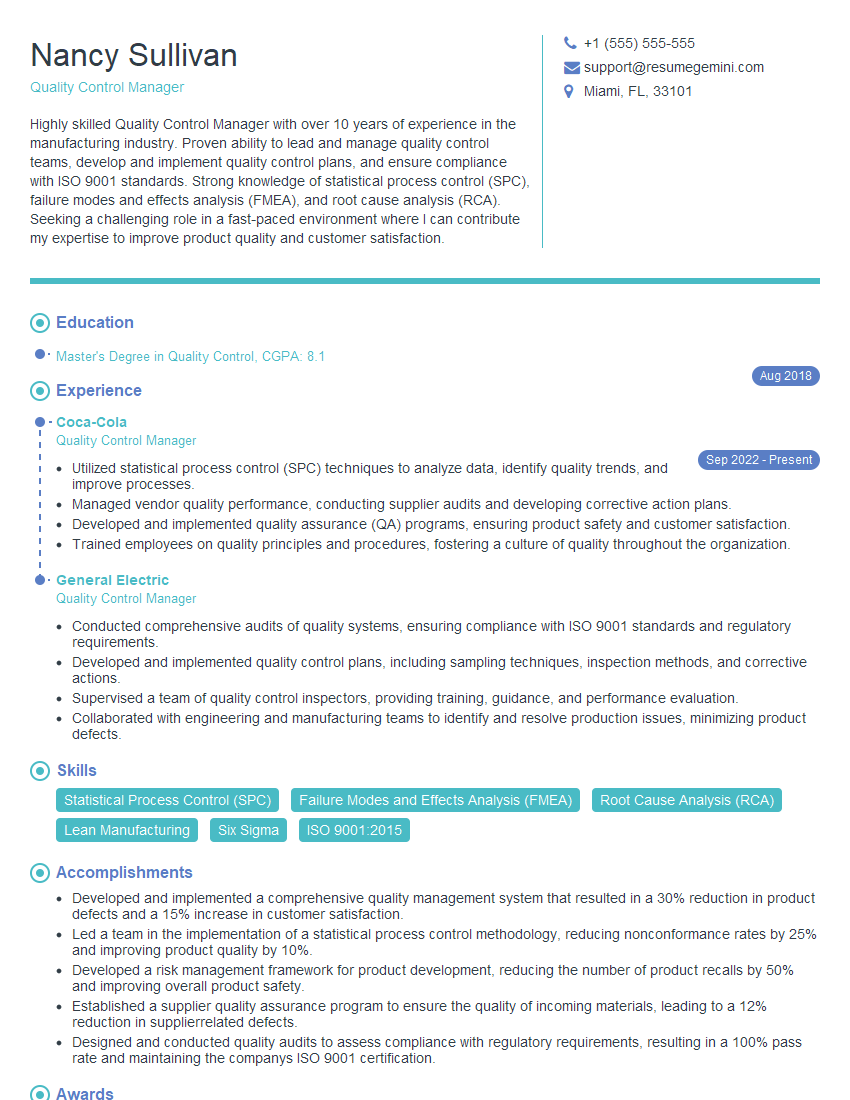
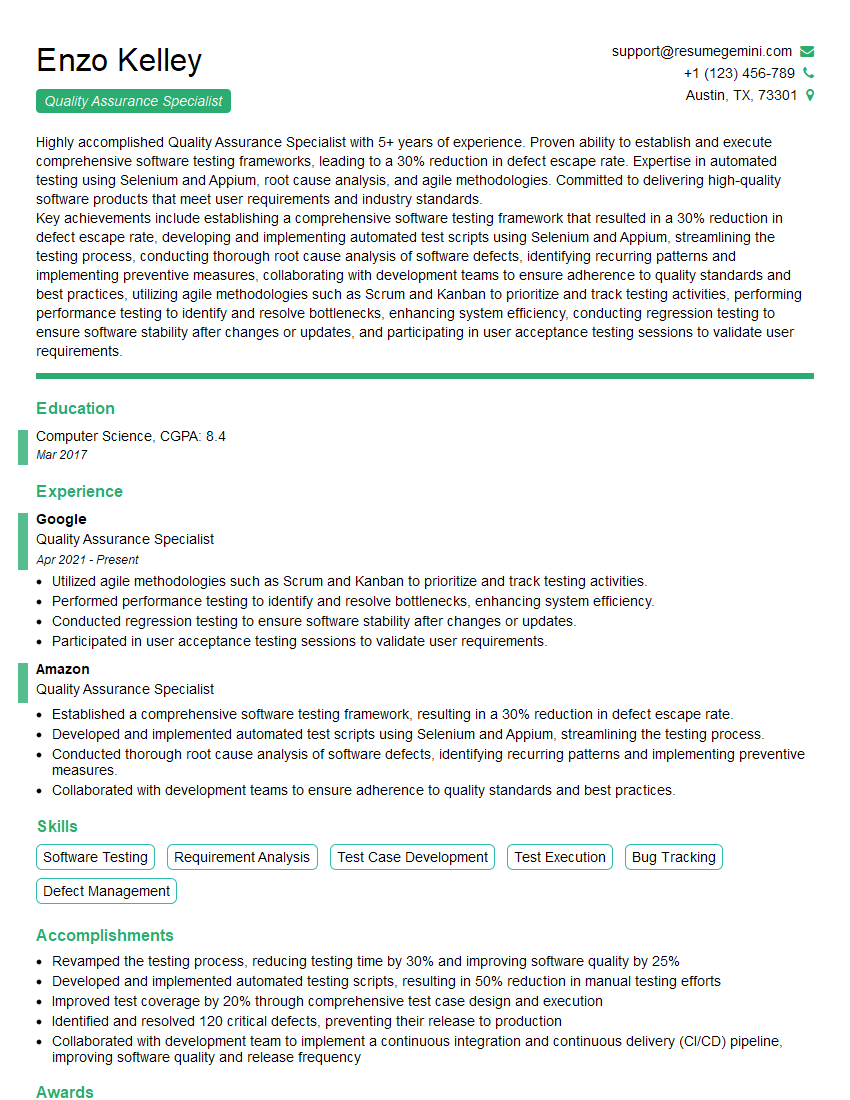
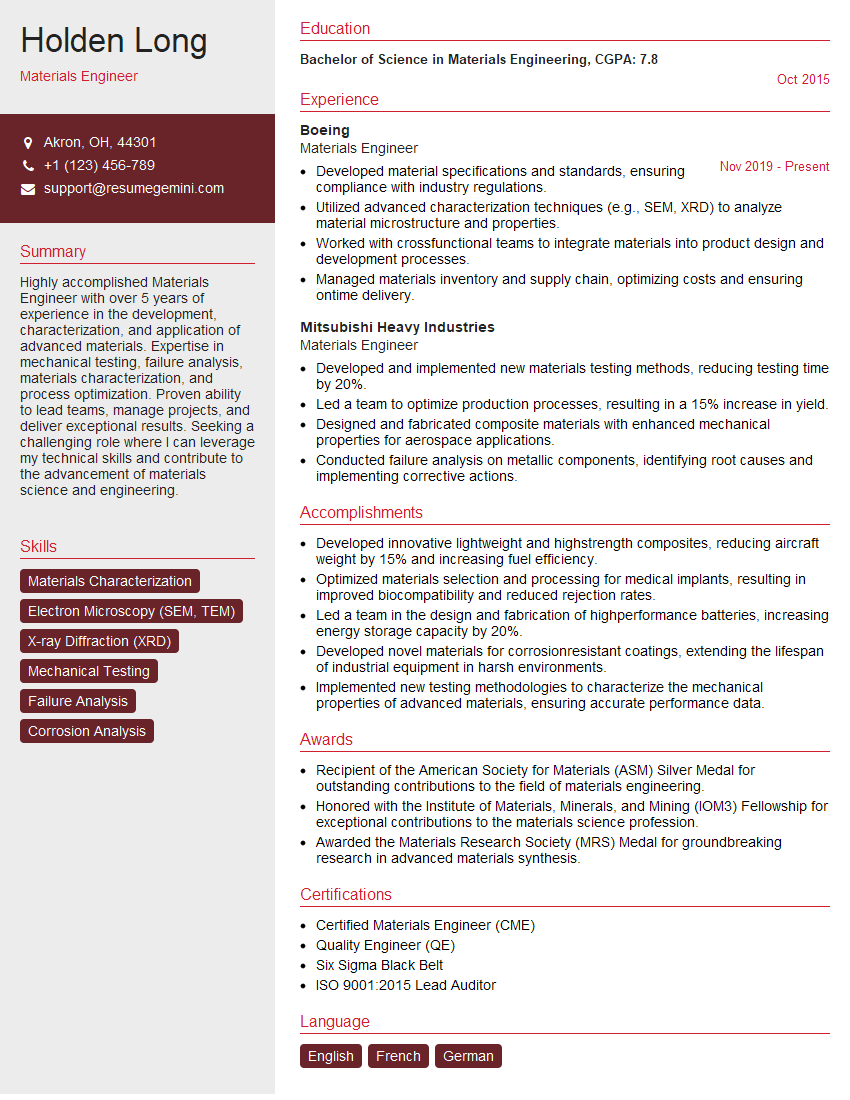
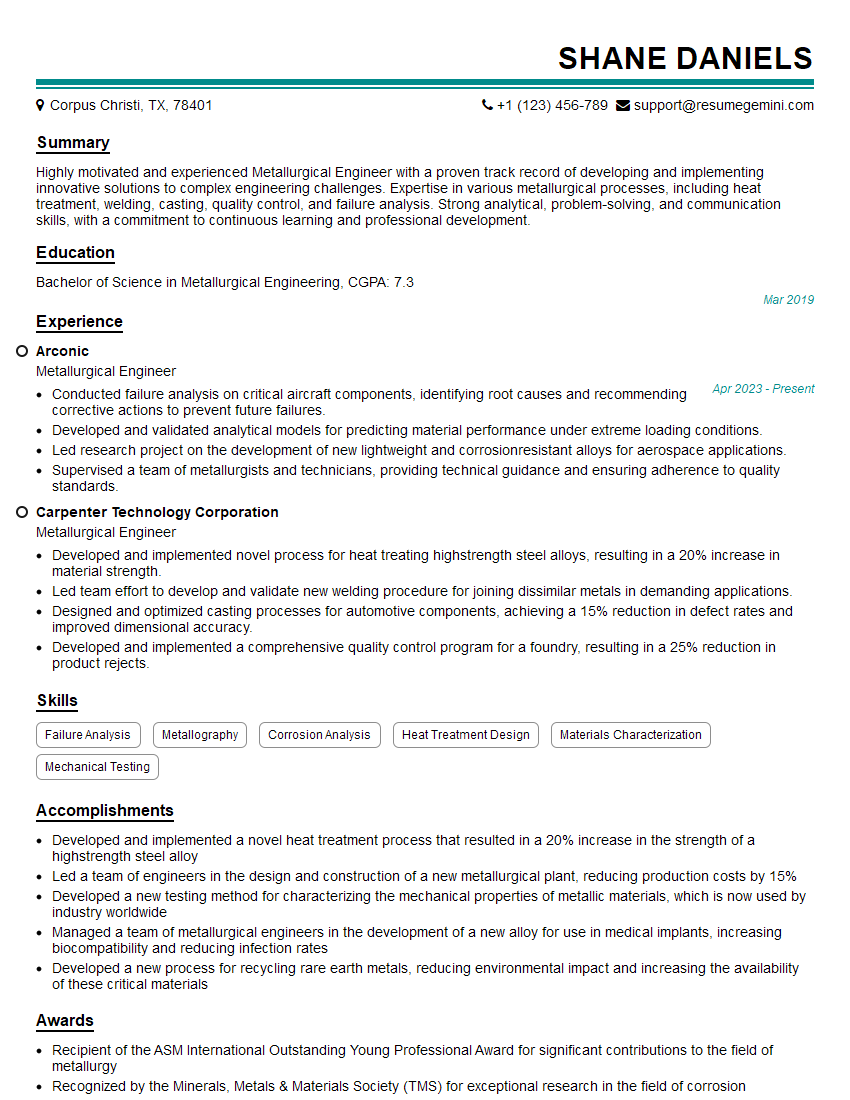
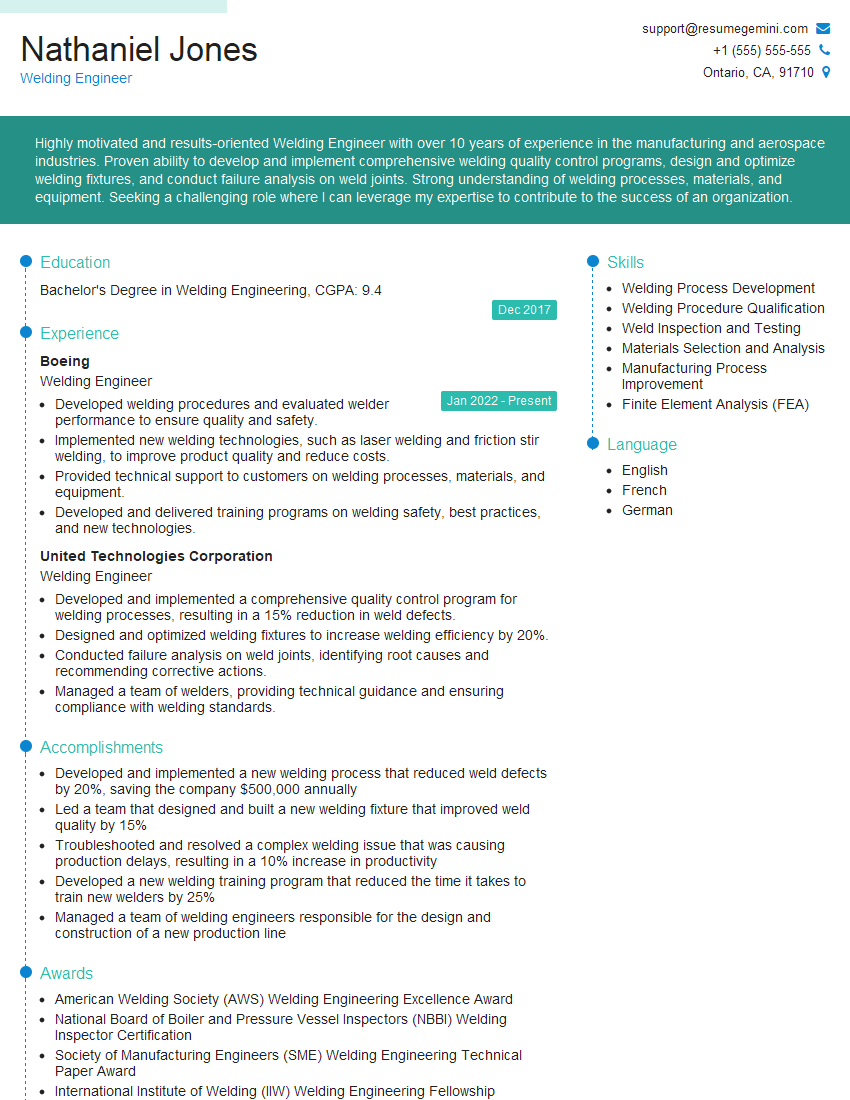
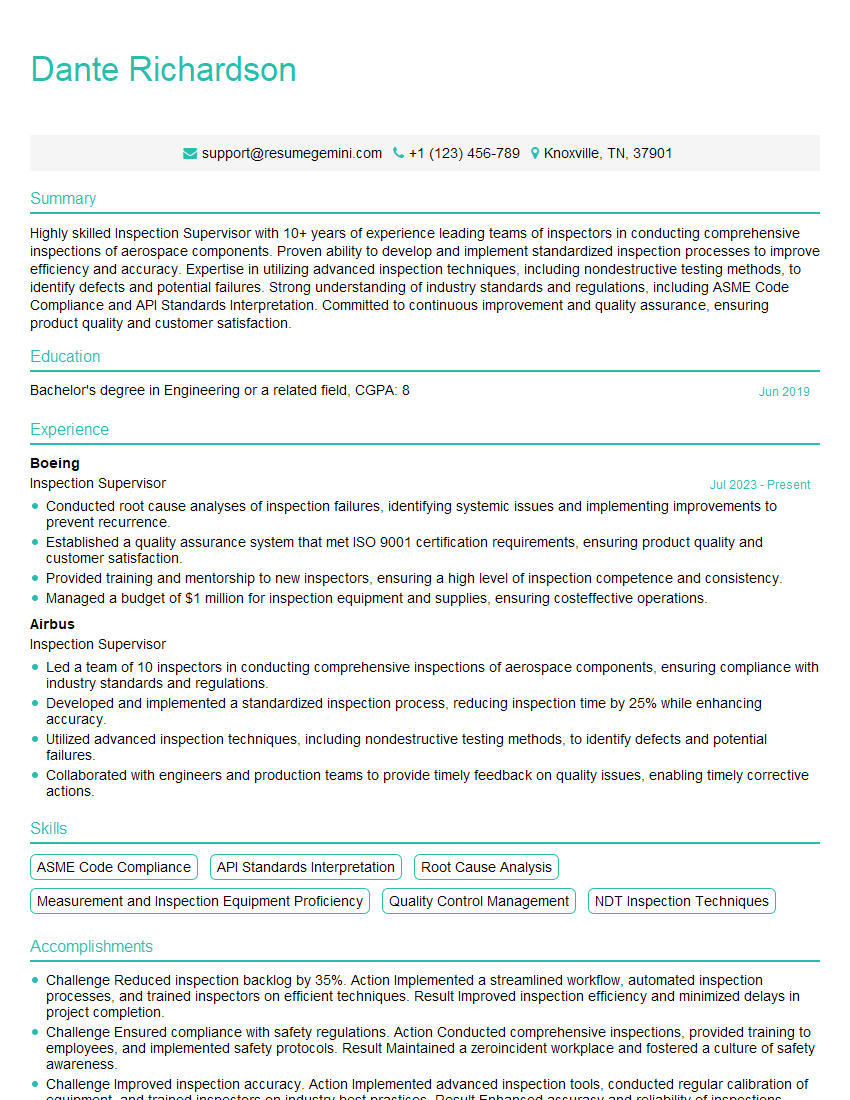
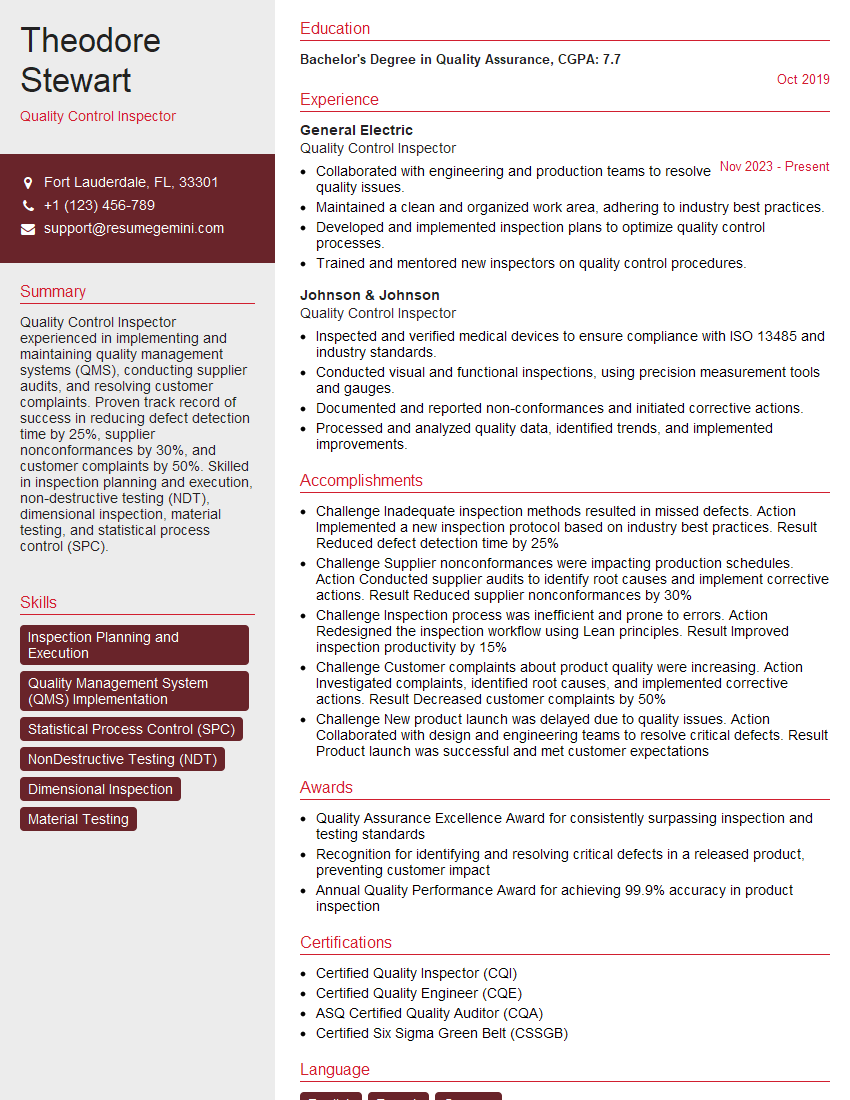
Earning your CWI Certification significantly enhances your career prospects, opening doors to leadership roles and increased earning potential within the welding industry. To maximize your chances of securing your dream job, it’s crucial to have an ATS-friendly resume that highlights your skills and experience effectively. ResumeGemini is a trusted resource that can help you craft a professional and impactful resume tailored to the CWI Certification. Examples of resumes specifically designed for CWI certified professionals are available to help guide you in this process. Invest in your future – invest in a standout resume.
Explore more articles
Users Rating of Our Blogs
Share Your Experience
We value your feedback! Please rate our content and share your thoughts (optional).
What Readers Say About Our Blog
Very informative content, great job.
good