Interviews are more than just a Q&A session—they’re a chance to prove your worth. This blog dives into essential Cyber Threat Detection interview questions and expert tips to help you align your answers with what hiring managers are looking for. Start preparing to shine!
Questions Asked in Cyber Threat Detection Interview
Q 1. Explain the difference between signature-based and anomaly-based detection.
Signature-based and anomaly-based detection are two fundamental approaches to identifying cyber threats. Think of them like two different ways to find a needle in a haystack.
Signature-based detection works like searching for a specific needle. It relies on predefined patterns, or ‘signatures,’ representing known malware or malicious activities. These signatures are essentially fingerprints of known threats. When a system detects an event matching a signature, it triggers an alert. This method is highly accurate for known threats but is ineffective against new or previously unseen attacks (zero-day exploits).
Anomaly-based detection, on the other hand, is like looking for anything unusual in the haystack. It establishes a baseline of normal system behavior. Any deviation from this baseline is flagged as a potential threat. This approach can detect novel attacks because it focuses on deviations rather than specific signatures. However, it’s more prone to false positives, as normal activities might sometimes appear anomalous.
Example: Imagine a signature-based system detecting a known ransomware variant by matching its specific code sequence. An anomaly-based system might detect the same attack by noticing an unusual spike in file encryption activity exceeding the established baseline.
Q 2. Describe the MITRE ATT&CK framework and its use in threat detection.
The MITRE ATT&CK framework is a globally-accessible knowledge base of adversary tactics and techniques based on real-world observations. It’s a crucial tool for threat detection and security planning. Imagine it as a comprehensive map of the adversary’s landscape, detailing common attack paths.
It categorizes attack techniques across various stages of an attack lifecycle, from initial reconnaissance to data exfiltration. Each technique is described with details, including common tools and procedures used by threat actors. This allows security professionals to understand how attacks unfold, anticipate potential threats, and build more effective defenses.
Use in Threat Detection: By mapping observed events in an organization to the ATT&CK framework, security teams can:
- Identify attack stages: Understand where an attacker is in their attack lifecycle.
- Prioritize alerts: Focus on threats that align with high-impact techniques.
- Improve threat hunting: Proactively search for indicators of compromise (IOCs) related to specific ATT&CK techniques.
- Develop better detection rules: Create more effective security controls that specifically target common attack methods.
For instance, if an organization detects a suspicious process creating a new user account with elevated privileges, they can map it to the ‘Create Account’ technique within the ‘Privilege Escalation’ tactic in ATT&CK, enhancing their situational awareness and response.
Q 3. What are the common types of cyber threats you’ve encountered?
Throughout my career, I’ve encountered a broad spectrum of cyber threats, including:
- Malware: Viruses, worms, Trojans, ransomware, and spyware, each designed to infiltrate systems and cause damage.
- Phishing and Social Engineering: Attacks that manipulate users into revealing sensitive information or executing malicious code.
- Denial-of-Service (DoS) and Distributed Denial-of-Service (DDoS) attacks: Overwhelming systems with traffic to make them unavailable to legitimate users.
- SQL Injection: Exploiting vulnerabilities in database applications to gain unauthorized access.
- Cross-Site Scripting (XSS): Injecting malicious scripts into websites to steal user data or redirect users to malicious sites.
- Insider Threats: Malicious or negligent actions from individuals within the organization.
- Advanced Persistent Threats (APTs): Sophisticated, long-term attacks often carried out by state-sponsored actors or highly organized criminal groups.
Each threat type requires a different approach to detection and mitigation. Understanding the tactics, techniques, and procedures (TTPs) associated with these threats is key to developing effective security strategies.
Q 4. How do you prioritize alerts in a Security Operations Center (SOC)?
Alert prioritization in a SOC is critical, as analysts face a constant stream of alerts. We use a multi-faceted approach that combines:
- Severity: High-severity alerts (e.g., ransomware detection, system compromise) are prioritized immediately.
- Relevancy: Alerts impacting critical assets or sensitive data are prioritized over those affecting less important systems.
- Context: Combining multiple alerts to understand the bigger picture. An isolated alert might be insignificant, but when correlated with others, it could reveal a significant threat.
- False Positive Rate: Using machine learning or other techniques to reduce false positives helps focus on truly malicious activities.
- Asset Value: Prioritizing alerts affecting high-value assets like customer databases or financial systems.
Example: An alert indicating a login attempt from an unusual geographic location might be low priority on its own. However, if combined with an alert of unusual file access patterns on a critical server, it becomes a high-priority investigation, potentially indicating an active intrusion attempt.
Q 5. Explain the process of incident response.
Incident response follows a structured process to effectively handle security incidents. It typically involves these phases:
- Preparation: Establishing incident response plans, defining roles and responsibilities, and creating communication protocols.
- Identification: Detecting and confirming a security incident. This often involves analyzing security logs, alerts, and reports.
- Containment: Isolating the affected systems or networks to prevent further damage or spread of the incident.
- Eradication: Removing the threat and restoring the affected systems to a secure state.
- Recovery: Restoring the affected systems to normal operation and ensuring data integrity.
- Post-Incident Activity: Analyzing the incident to identify weaknesses, improve security controls, and update incident response plans.
Throughout the process, accurate documentation and communication are critical to success. Each phase requires careful consideration and action to minimize the impact of the incident.
Q 6. What are the key components of a SIEM system?
A Security Information and Event Management (SIEM) system is the central nervous system of many security operations centers. Its key components include:
- Log Collection: Gathering security logs from various sources, including servers, network devices, and applications.
- Log Normalization: Transforming logs into a consistent format for easier analysis.
- Correlation Engine: Identifying relationships between events to uncover patterns and potential threats. This is where the magic happens.
- Alerting: Generating alerts based on predefined rules or anomaly detection.
- Reporting and Dashboarding: Providing visualizations and reports on security events and trends. This aids in identifying recurring issues and overall security posture assessment.
- Security Analytics: Using advanced analytics techniques like machine learning to detect threats and gain insights from the data.
A well-configured SIEM system acts as a single pane of glass, providing a comprehensive view of security events across the organization.
Q 7. How do you correlate security events to identify a potential threat?
Correlating security events involves analyzing multiple events to identify patterns indicating a potential threat. This is like connecting the dots to reveal a larger picture.
The process often begins by establishing a baseline of normal activity. Deviations from this baseline trigger further investigation. For instance, unusual login attempts from unexpected geographical locations combined with failed authentication attempts against multiple accounts might suggest a credential stuffing attack.
Example: Imagine an attacker attempting to compromise a system. The SIEM might detect the following events:
- Multiple failed login attempts from an unusual IP address.
- An unusual spike in network traffic from the same IP address.
- A successful login to an administrative account.
- Suspicious file activity (e.g., creation of unusual files or processes).
By correlating these seemingly unrelated events, a security analyst can infer a potential compromise, significantly aiding in the response to the incident. The correlation engine within the SIEM would play a vital role in identifying these connections automatically, greatly improving response times and efficacy.
Q 8. Describe your experience with threat hunting.
Threat hunting is a proactive, intelligence-driven approach to cybersecurity that goes beyond simply reacting to alerts. Instead of waiting for an intrusion to be detected, threat hunters actively search for malicious activity within an organization’s network and systems. It’s like being a detective, meticulously searching for clues and evidence of compromise, even when there’s no immediate alarm.
In my experience, threat hunting involves a deep understanding of attacker tactics, techniques, and procedures (TTPs). This allows me to develop hypotheses about potential threats and then systematically investigate those hypotheses using a combination of tools and techniques. This can include analyzing logs, network traffic, and endpoint data, as well as leveraging threat intelligence feeds. For example, I once identified a sophisticated malware infection by analyzing unusual DNS queries that weren’t flagged by our SIEM system. This discovery led to the remediation of the malware and a significant hardening of our defenses. Another instance involved using a combination of YARA rules and custom scripting to hunt for specific malicious code signatures associated with a known APT group targeting our industry.
My approach emphasizes building a detailed understanding of the organization’s assets, its normal behavior (the baseline), and any deviations from that baseline that might signal malicious activity. The process involves a continuous cycle of hypothesis generation, data collection, analysis, and validation, ultimately leading to the identification and mitigation of threats before they cause significant damage.
Q 9. How do you stay up-to-date with the latest cybersecurity threats and vulnerabilities?
Staying current in cybersecurity is a continuous process, requiring a multifaceted approach. I leverage various resources to stay informed about emerging threats and vulnerabilities.
- Threat intelligence platforms: I regularly subscribe to and actively monitor reputable threat intelligence platforms like Recorded Future, ThreatConnect, and CrowdStrike Falcon Intelligence, analyzing reports on newly discovered vulnerabilities and attack campaigns.
- Security newsletters and blogs: I follow security blogs and newsletters from reputable sources like KrebsOnSecurity, SANS Institute, and various vendor blogs (e.g., CrowdStrike, Palo Alto Networks) to gain insights into current trends and emerging threats.
- Vulnerability databases: I regularly check vulnerability databases such as the National Vulnerability Database (NVD) and Exploit-DB to stay updated on newly disclosed vulnerabilities and potential exploits.
- Industry conferences and webinars: Attending security conferences (like Black Hat, DEF CON, RSA) and participating in webinars provide valuable networking opportunities and insights from leading experts.
- Open-source intelligence (OSINT): I utilize OSINT techniques to proactively monitor forums and dark web sites that discuss and share information about malicious actors and newly developed exploits. This is crucial for identifying zero-day threats before they become widespread.
Beyond these resources, continuous learning through online courses, certifications, and self-study is crucial to maintain a deep and practical understanding of the ever-evolving landscape of cybersecurity threats.
Q 10. Explain the concept of a kill chain.
The kill chain is a model that describes the stages an attacker goes through to successfully compromise a target. Think of it as a roadmap of an attack, breaking it down into distinct phases. Understanding the kill chain is crucial for building effective defenses because it helps pinpoint where an attack can be most effectively stopped. While different models exist, a common seven-stage kill chain includes:
- Reconnaissance: The attacker gathers information about the target.
- Weaponization: The attacker develops or obtains a weapon (malware, exploit).
- Delivery: The attacker delivers the weapon to the target (e.g., phishing email, USB drive).
- Exploitation: The attacker uses a vulnerability to gain access.
- Installation: The attacker installs malware on the target system.
- Command and Control (C2): The attacker establishes communication with the compromised system.
- Actions on Objectives: The attacker achieves their goals (data exfiltration, system disruption).
By understanding each stage, we can implement security controls that disrupt the attacker’s progress. For example, robust email security can prevent delivery, strong endpoint security can hinder installation, and network monitoring can detect C2 communication.
Q 11. What are some common indicators of compromise (IOCs)?
Indicators of Compromise (IOCs) are pieces of evidence that suggest a compromise has occurred or is underway. They are crucial for detecting and responding to cyberattacks. Common IOCs include:
- Malicious IP addresses: IP addresses known to be involved in malicious activity.
- Malicious domain names: Domain names associated with phishing or malware distribution.
- Hash values (MD5, SHA-1, SHA-256): Unique fingerprints of malicious files.
- URLs: Links to malicious websites or phishing pages.
- Registry keys: Unusual registry entries created by malware.
- File paths: Locations of malicious files on a system.
- Network traffic anomalies: Unusual patterns of network communication.
- Process IDs (PIDs): Identifiers of suspicious processes running on a system.
- Suspicious login attempts: Failed login attempts from unusual locations or times.
Detecting these IOCs often involves using security information and event management (SIEM) systems, endpoint detection and response (EDR) solutions, and threat intelligence platforms. The effectiveness of IOCs depends heavily on their timeliness and accuracy. A delayed or inaccurate IOC can result in missed opportunities to contain a breach.
Q 12. How do you investigate a potential phishing attack?
Investigating a potential phishing attack involves a multi-step process that focuses on containment, analysis, and remediation.
- Contain the threat: Immediately isolate any compromised systems or accounts to prevent further damage. This might involve disabling user accounts, blocking malicious URLs, or taking the affected system offline.
- Analyze the phishing email: Examine the email headers, sender address, links, and attachments. Look for inconsistencies, suspicious language, grammatical errors, and unusual attachments. Analyzing the email headers, using tools like mail header analyzers, can help you trace its origin.
- Identify IOCs: Extract IOCs such as malicious URLs, IP addresses, and email addresses from the phishing email and other related artifacts. These will be crucial in identifying other potentially compromised systems.
- Analyze network traffic: Review network logs and security logs for any suspicious activity related to the phishing email, such as unusual outbound connections or data exfiltration attempts.
- Examine endpoint activity: Use EDR solutions to examine the endpoints of users who clicked the phishing link to identify any malware that may have been installed.
- Determine the impact: Assess the extent of the compromise. What data was accessed? What systems were affected?
- Remediate the issue: Remove any malware, reset compromised passwords, and implement security measures to prevent future attacks. This can include security awareness training for employees and updating security policies.
- Document findings: Thoroughly document all findings and actions taken during the investigation, including the IOCs, affected systems, and remediation steps. This documentation is crucial for future investigations and incident response.
Throughout the investigation, I would actively coordinate with other security teams, legal teams, and potentially law enforcement if the attack is particularly severe or involved a significant data breach.
Q 13. What are your experiences with different security information and event management (SIEM) tools?
I have extensive experience with several SIEM tools, including Splunk, QRadar, and Elastic Stack (ELK). My experience extends beyond simply using these tools; it involves designing, implementing, and optimizing them for efficient threat detection and incident response.
Splunk: I’ve used Splunk to build custom dashboards and alerts to monitor critical security events, analyze large volumes of log data, and create visualizations to facilitate threat hunting. I’ve also developed Splunk apps for specific security use cases, such as detecting anomalous login attempts and malicious file activity.
QRadar: With QRadar, I’ve focused on its rules engine to develop custom rules for detecting known and unknown threats, integrating it with other security tools for correlation and enrichment of security events. QRadar’s ability to correlate events from multiple sources provides a comprehensive view of the security landscape.
Elastic Stack (ELK): I’ve leveraged the power of the Elastic Stack (Elasticsearch, Logstash, Kibana) for log aggregation, analysis, and visualization. Its scalability and flexibility make it ideal for organizations of all sizes. I’ve used it to build custom dashboards and visualizations, often in combination with custom scripts for more advanced threat detection capabilities.
My experience with these tools includes configuring data ingestion, developing custom dashboards, creating and tuning alerts, and optimizing performance for large-scale deployments. I have also been involved in integrating these tools with other security technologies such as EDR and SOAR platforms to create a more comprehensive security infrastructure.
Q 14. Describe your experience with endpoint detection and response (EDR) solutions.
Endpoint Detection and Response (EDR) solutions are critical for providing visibility into and protecting individual endpoints within an organization’s network. My experience encompasses deploying, managing, and utilizing several EDR solutions, such as CrowdStrike Falcon, Carbon Black, and SentinelOne.
CrowdStrike Falcon: I’ve leveraged CrowdStrike’s extensive threat intelligence capabilities, real-time monitoring, and incident response features to detect and respond to advanced threats on endpoints. Its proactive threat hunting capabilities and ability to rapidly isolate infected systems are significant advantages.
Carbon Black: I have experience using Carbon Black for deep endpoint visibility, enabling me to analyze system processes, memory, and file activity in detail. This level of granularity is essential for identifying and investigating complex malware infections.
SentinelOne: SentinelOne’s AI-powered threat detection and response capabilities have proven invaluable in identifying and automatically responding to sophisticated threats. Its autonomous response capabilities minimize the time it takes to respond to incidents.
My experience with EDR solutions goes beyond basic deployment. I focus on configuring alerts for critical security events, leveraging the threat hunting capabilities offered by these solutions, and integrating them with other security tools such as SIEM and SOAR platforms to automate incident response processes. I also work on developing custom detection rules to identify threats specific to our organization’s infrastructure and data.
Q 15. How do you handle false positives in threat detection?
False positives are a significant challenge in threat detection. They occur when a security system flags a benign event as malicious, leading to wasted time and resources investigating non-threats. Effectively managing false positives involves a multi-layered approach.
- Refine Alerting Rules: The first step is to carefully review and tune the detection rules within your security information and event management (SIEM) system or other threat detection tools. Overly broad or poorly defined rules are major contributors to false positives. For example, a rule triggering on any connection to a known malicious IP address might generate false positives if that IP is legitimately used by a service provider.
- Contextual Analysis: Analyze the alerts in context. Consider the source IP, destination IP, time of day, user activity, and other relevant information. Many seemingly suspicious events are benign when viewed within a larger context. A late-night login attempt from an unusual location might be suspicious, but if it’s your colleague working remotely, it’s not a threat.
- Machine Learning and AI: Advanced security solutions leverage machine learning to identify patterns and reduce false positives. By training these systems on large datasets of both malicious and benign activities, they learn to differentiate between the two more accurately than traditional rule-based systems.
- Threat Intelligence Integration: Enriching your alerts with threat intelligence feeds provides additional context. If an alert aligns with known malicious campaigns or indicators of compromise (IOCs), it’s more likely to be a true positive. Conversely, if the alert’s characteristics don’t match any known threats, it further supports a false positive classification.
- Regular Review and Tuning: Continuously review your alert thresholds and rules. What was effective six months ago might not be now. Regularly analyzing false positives helps refine your rules and improve accuracy over time.
Think of it like a smoke alarm. A sensitive alarm might go off from burnt toast (false positive), but a well-tuned alarm will primarily alert you to actual fires.
Career Expert Tips:
- Ace those interviews! Prepare effectively by reviewing the Top 50 Most Common Interview Questions on ResumeGemini.
- Navigate your job search with confidence! Explore a wide range of Career Tips on ResumeGemini. Learn about common challenges and recommendations to overcome them.
- Craft the perfect resume! Master the Art of Resume Writing with ResumeGemini’s guide. Showcase your unique qualifications and achievements effectively.
- Don’t miss out on holiday savings! Build your dream resume with ResumeGemini’s ATS optimized templates.
Q 16. What is your experience with malware analysis?
My malware analysis experience encompasses both static and dynamic techniques. Static analysis involves examining the malware without executing it – looking at its code, metadata, and file structure for clues about its behavior. This helps identify suspicious patterns, strings, or functions before running the file and risking infection. I’m proficient in using tools like IDA Pro, Ghidra, and PEiD for this purpose.
Dynamic analysis involves executing the malware in a controlled environment (like a sandbox) and monitoring its behavior. This allows me to observe its actions, network connections, registry modifications, and other indicators of malicious activity. I use sandboxing tools like Cuckoo Sandbox and analyze the resulting reports. I’m experienced in analyzing different types of malware, including viruses, worms, Trojans, ransomware, and rootkits.
For instance, I once analyzed a piece of ransomware that used a unique encryption algorithm. Through dynamic analysis, I observed its network communication and identified its command-and-control server, which allowed us to prevent further infections. By combining static and dynamic techniques, I can create a comprehensive profile of a malware sample, identifying its capabilities, victims, and potential remediation strategies.
Q 17. Explain the difference between prevention, detection, and response in cybersecurity.
Prevention, detection, and response are three core pillars of a robust cybersecurity strategy. They represent a sequential process aimed at minimizing risk and mitigating the impact of cyberattacks.
- Prevention: This focuses on proactively stopping attacks before they occur. Examples include firewalls, intrusion prevention systems (IPS), anti-malware software, strong passwords, multi-factor authentication (MFA), and security awareness training for employees.
- Detection: This involves identifying malicious activity that has already occurred, despite prevention measures. This relies on techniques like security information and event management (SIEM), intrusion detection systems (IDS), threat intelligence platforms, and security monitoring tools.
- Response: This is the process of reacting to a detected threat. It includes containing the breach, eradicating the malicious actor, recovering from the attack, and conducting a post-incident analysis to learn from the experience. This might involve incident response plans, forensics analysis, and system restoration.
Think of it as a layered security system. Prevention is the outer layer, aiming to stop threats at the door. Detection acts as an internal alarm system, alerting you if something gets through. Response is the cleanup crew, dealing with the aftermath of a successful attack. Ideally, a strong approach combines all three for comprehensive security.
Q 18. How do you use threat intelligence to improve your detection capabilities?
Threat intelligence is crucial for improving detection capabilities. It provides proactive information about emerging threats, attack techniques, and malicious actors, enabling more effective threat hunting and proactive security measures.
- Enriching Alerts: Threat intelligence feeds provide context to security alerts. By correlating alerts with known threat actors, malware families, or attack techniques, we can prioritize alerts and more accurately distinguish true positives from false positives. For example, if an alert matches a known phishing campaign, the likelihood of it being a genuine threat significantly increases.
- Proactive Threat Hunting: Threat intelligence allows us to actively search for threats rather than passively waiting for alerts. By leveraging information on specific attack techniques or malicious infrastructure, security analysts can proactively hunt for potential threats before they trigger alerts.
- Improving Security Controls: Threat intelligence can inform the improvement of existing security controls. For instance, if new malware is found exploiting a specific vulnerability, that intelligence can be used to patch systems and update security controls accordingly.
- Developing Custom Detection Rules: Threat intelligence reports often include specific indicators of compromise (IOCs), which can be translated into custom detection rules for SIEM and other security tools. This enables the detection of previously unseen attacks that share similarities with known threats.
Imagine threat intelligence as a detective’s case files. It helps to build the profile of the criminals, predict their next move, and build up a defense against their actions.
Q 19. Describe your experience with network security monitoring (NSM).
My experience with Network Security Monitoring (NSM) includes the implementation and management of various NSM tools and technologies. I’ve worked with both commercial and open-source solutions to collect, analyze, and correlate network traffic data, identifying anomalies and potential threats. This involves deploying network sensors, configuring data collection protocols, and developing custom rules for threat detection.
I’m proficient in analyzing network flows, NetFlow, sFlow, and packet captures (PCAPs) to identify suspicious activity like port scanning, unauthorized access attempts, data exfiltration, and lateral movement within the network. I utilize tools like Wireshark and tcpdump for deep packet inspection. I’ve also been involved in the creation of dashboards and reports to visualize network traffic patterns and security events to facilitate quicker incident response.
For example, in a previous role, I used NSM to detect a sophisticated APT (Advanced Persistent Threat) attempting to exfiltrate sensitive data. By analyzing network flows and correlating them with logs from other systems, I identified the compromised system, the attacker’s tactics, and stopped the data breach.
Q 20. Explain your experience with log analysis and data interpretation.
Log analysis and data interpretation are fundamental skills in cyber threat detection. I have extensive experience in collecting, analyzing, and interpreting logs from various sources, including operating systems, applications, security devices, and databases. This involves understanding log formats, using log management tools, and developing queries to extract meaningful insights.
I’m proficient in using tools like Splunk, ELK stack (Elasticsearch, Logstash, Kibana), and other SIEM platforms. I can extract relevant data using structured query languages like SPL (Splunk Processing Language) and create visualizations to highlight anomalies or trends. I regularly utilize techniques like anomaly detection, pattern matching, and correlation analysis to identify threats hidden within large volumes of log data. I can differentiate between normal activity and suspicious behavior by leveraging statistical methods and contextual knowledge.
For instance, I used log analysis to pinpoint a compromised server that was sending out spam emails. By examining the system logs, I identified the malicious process and the compromised user account, which allowed us to quickly contain the threat and prevent further damage.
Q 21. How do you validate a potential security threat?
Validating a potential security threat involves a rigorous process to ensure it’s not a false positive and to understand its full impact. This includes several key steps:
- Verification of Indicators: First, I meticulously verify the indicators associated with the potential threat. This might include checking the IP address against threat intelligence feeds, validating domain names, or analyzing malware samples using sandbox analysis.
- Correlation with Other Data: I correlate the potential threat with other relevant data sources, such as security logs, network traffic data, and endpoint detection and response (EDR) information. This provides a broader context and helps determine if the indicator is part of a larger attack.
- Analysis of Impact: Once the threat is confirmed, I assess its potential impact on the organization. This includes determining the affected systems, sensitive data compromised, and potential business disruptions.
- Reproduction in a Controlled Environment: In many cases, I will attempt to reproduce the attack in a controlled environment (like a sandbox) to understand the attack mechanism and verify its effectiveness.
- Root Cause Analysis: Finally, I conduct a root cause analysis to determine the vulnerabilities that allowed the threat to occur. This ensures that necessary steps are taken to prevent similar attacks in the future.
Think of it like a detective investigating a crime scene. They don’t just take a single piece of evidence at face value; they gather multiple pieces of evidence, analyze them in context, and reconstruct the events to determine the truth. Threat validation is a similarly methodical process.
Q 22. Describe your experience working with different security frameworks (e.g., NIST, ISO 27001).
My experience encompasses a wide range of security frameworks, primarily NIST Cybersecurity Framework and ISO 27001. I’ve utilized NIST CSF to build comprehensive security programs, mapping its five functions (Identify, Protect, Detect, Respond, Recover) to specific organizational needs. For example, in a previous role, we used the NIST CSF to guide our implementation of threat intelligence feeds, aligning them with our organization’s risk appetite. This involved identifying critical assets, developing protection mechanisms, implementing detection strategies, crafting incident response plans, and outlining recovery procedures. With ISO 27001, my focus was on its implementation and compliance, ensuring the Information Security Management System (ISMS) effectively addresses risks and protects sensitive information. This includes conducting risk assessments, establishing controls, and managing ongoing compliance efforts. I’ve found that combining these frameworks provides a robust approach to cybersecurity, with the NIST CSF offering a flexible, risk-based approach, while ISO 27001 provides a structured, internationally recognized standard for information security management.
Q 23. What are your preferred methods for documenting your findings?
My preferred method for documenting findings is to employ a structured approach leveraging a combination of tools and techniques. This typically involves creating comprehensive reports using a standardized format, incorporating clear and concise language, and avoiding technical jargon where possible. For detailed technical information, I utilize tools like markdown and create detailed wikis for continuous updates. Visual representations like flowcharts and diagrams are crucial for illustrating complex attack chains or system vulnerabilities. I also frequently use ticketing systems to track findings and their associated remediation activities. The key is to create a clear audit trail that can be easily understood and acted upon by both technical and non-technical audiences. For example, after identifying a phishing campaign, my report would include details about the attack vector, compromised systems, affected users, the containment strategy, and recommendations for remediation and preventative measures.
Q 24. Explain your experience in using scripting languages for threat detection (e.g., Python, PowerShell).
I’m proficient in both Python and PowerShell for threat detection and automation. Python’s versatility allows me to develop custom scripts for log analysis, threat hunting, and security information and event management (SIEM) integration. For instance, I’ve built a Python script to parse firewall logs, identify suspicious network activity based on predefined rules (like unusual connections to external IPs or large data transfers), and generate alerts. PowerShell’s strength lies in its Windows environment integration; I’ve extensively used it for tasks like automating security audits, performing vulnerability scans, and responding to security incidents. A recent example involves a PowerShell script I developed to automate the detection and removal of malware by querying event logs, identifying malicious processes, and terminating them. Combining both languages allows for cross-platform solutions and maximized efficiency.
#Example Python code snippet (simplified):
import re
log_file = open('firewall.log', 'r')
for line in log_file:
    if re.search(r'Suspicious IP', line):
        print('Alert: Suspicious activity detected!')
Q 25. How do you identify and respond to zero-day exploits?
Identifying and responding to zero-day exploits requires a multi-faceted approach combining proactive measures with reactive incident handling. Proactively, this involves close monitoring of threat intelligence feeds, participating in vulnerability disclosure programs, and maintaining up-to-date security patching across all systems. Reactively, this means leveraging advanced threat detection techniques like anomaly detection and behavioral analysis. Anomaly detection looks for deviations from established baselines in system activity, while behavioral analysis focuses on identifying malicious patterns in software execution. When a zero-day exploit is suspected, the first step is containment: isolating affected systems to limit further damage. This is followed by thorough investigation, including reverse engineering of the malware to understand its functionality and attack vectors, as well as root cause analysis to prevent future occurrences. Finally, post-incident activities involve patching vulnerabilities, implementing stronger security controls, and documenting the entire incident for future reference. The key is swift action and collaboration across different security teams.
Q 26. How do you work with other security teams (e.g., incident response, penetration testing)?
Collaboration is key in cybersecurity. I work closely with incident response, penetration testing, and other security teams to ensure a cohesive and effective security posture. With incident response, this includes collaborating during investigations, providing threat intelligence, and assisting in the remediation process. For instance, if a ransomware attack occurs, my expertise helps in identifying the attack vector and the extent of data compromise. With penetration testing teams, I review their findings, validating the results and assisting in the prioritization of remediation activities. This cross-functional interaction prevents information silos and ensures a holistic security approach. Regular communication and knowledge sharing through meetings, documentation, and collaboration platforms are critical to this process. Open communication is vital; I strive to make technical explanations understandable to non-technical colleagues.
Q 27. What is your experience with cloud security threat detection?
Cloud security threat detection requires a different approach than traditional on-premise environments. My experience includes leveraging Cloud Security Posture Management (CSPM) tools to assess the security configurations of cloud resources and identify vulnerabilities. I also utilize Cloud Workload Protection Platforms (CWPPs) to monitor and protect workloads running in the cloud. Furthermore, I’m familiar with Security Information and Event Management (SIEM) solutions designed for cloud environments, which aggregate and analyze security logs from various cloud services, identifying suspicious activities. Threat detection in the cloud also involves understanding the shared responsibility model and focusing on securing the customer-managed components. For example, I’ve worked with organizations migrating to cloud environments, assisting in building secure cloud architectures and implementing appropriate security controls to minimize the risk of data breaches and other security incidents. This involves using cloud-native security tools and integrating them with existing on-premise security infrastructure.
Q 28. Describe a situation where you had to make a critical decision under pressure in a security situation.
During a major distributed denial-of-service (DDoS) attack against our organization’s website, I had to make a critical decision under immense pressure. Initial mitigation strategies weren’t effective, and the website remained unavailable. We were under immense pressure to restore service, as it was impacting critical business functions. I had to quickly assess the situation, analyzing the attack traffic and identifying the attack vector. Based on this analysis, I made the critical decision to implement an emergency mitigation strategy involving redirecting traffic to a backup server cluster while simultaneously engaging our cloud provider’s DDoS protection service. This decision, while risky, proved successful. The website was restored within a few hours, minimizing the business impact. This experience highlighted the importance of having well-defined incident response plans, quick decision-making capabilities, and strong collaboration with other teams.
Key Topics to Learn for Cyber Threat Detection Interview
- Network Security Monitoring: Understanding network traffic analysis, intrusion detection systems (IDS), and security information and event management (SIEM) systems. Practical application: Analyzing network logs to identify suspicious activity patterns.
- Endpoint Detection and Response (EDR): Knowledge of endpoint security solutions and their role in threat detection. Practical application: Investigating malware infections and determining the extent of compromise on endpoints.
- Security Information and Event Management (SIEM): Mastering SIEM technologies, log aggregation, correlation, and alert management. Practical application: Developing and tuning SIEM rules to detect specific threats and reduce false positives.
- Threat Intelligence: Understanding threat actors, tactics, techniques, and procedures (TTPs), and leveraging threat intelligence feeds to proactively identify and mitigate risks. Practical application: Using threat intelligence to prioritize vulnerabilities and improve incident response.
- Incident Response: Knowledge of the incident response lifecycle, including containment, eradication, recovery, and post-incident activity. Practical application: Developing and practicing incident response plans.
- Vulnerability Management: Understanding vulnerability scanning, assessment, and remediation processes. Practical application: Prioritizing vulnerabilities based on risk and impact.
- Cloud Security: Familiarity with cloud security best practices, threat detection in cloud environments (AWS, Azure, GCP), and cloud security tools. Practical application: Identifying and responding to security incidents within cloud infrastructure.
- Data Loss Prevention (DLP): Understanding methods and tools used to prevent sensitive data from leaving the organization. Practical application: Implementing and managing DLP policies and tools.
- Log Analysis and Forensics: Proficiency in analyzing various log types (system, application, network) to identify malicious activities. Practical application: Performing digital forensics investigations to determine the root cause of security incidents.
Next Steps
Mastering Cyber Threat Detection is crucial for a thriving career in cybersecurity, opening doors to high-demand roles with excellent growth potential. To significantly boost your job prospects, focus on creating a compelling and ATS-friendly resume that highlights your skills and experience. ResumeGemini is a trusted resource that can help you craft a professional and effective resume tailored to the Cyber Threat Detection field. Examples of resumes specifically designed for this area are available to guide you.
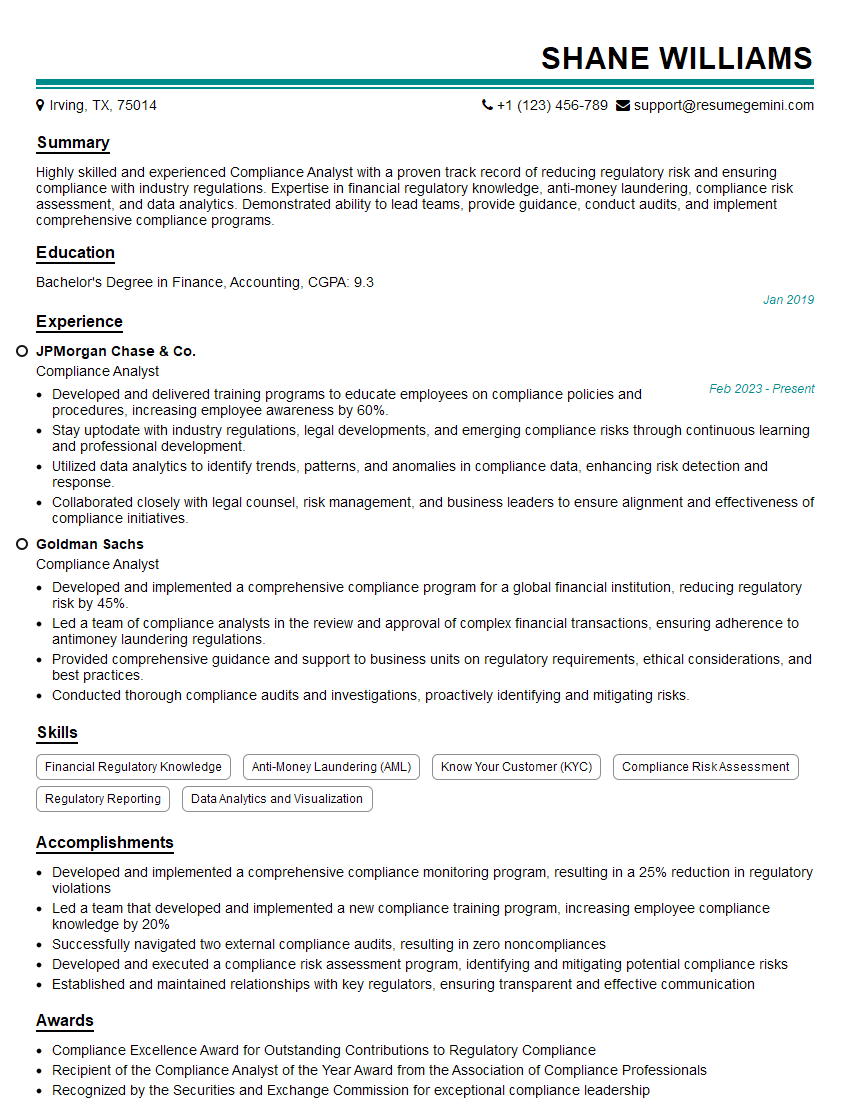
Compliance Analyst Resume Sample
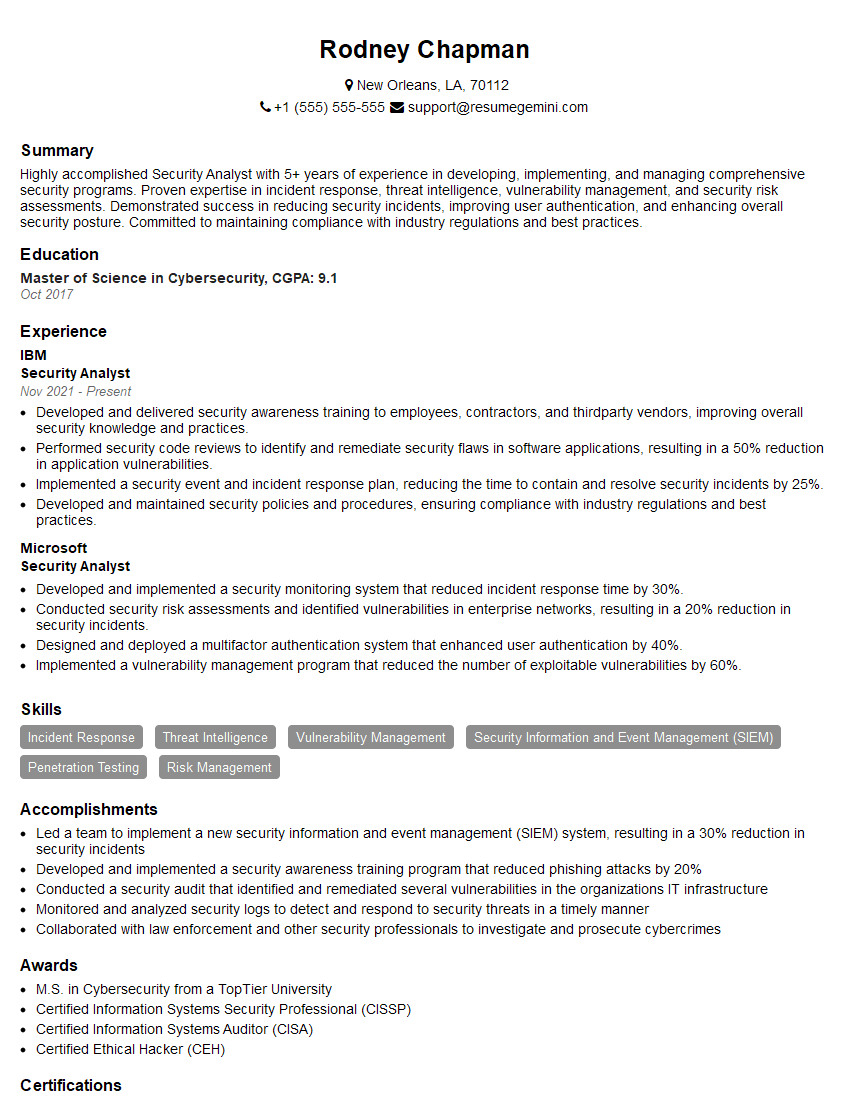
Security Analyst Resume Sample
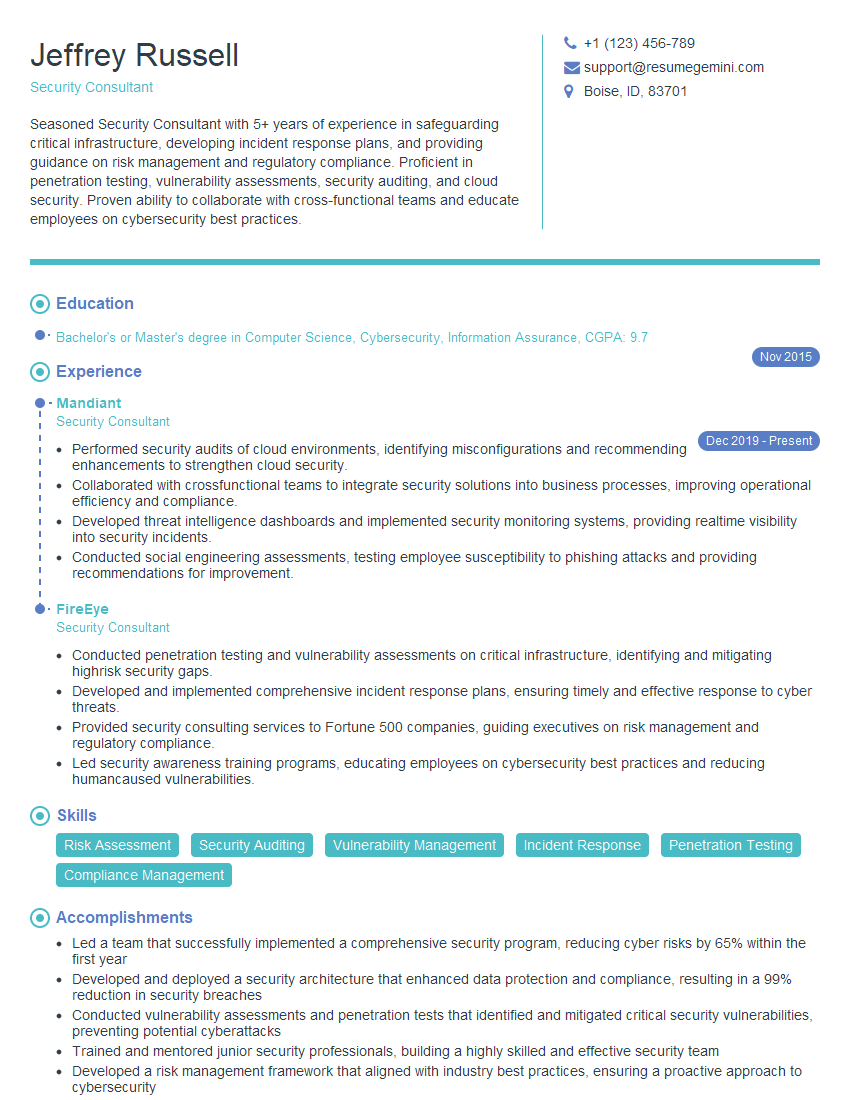
Security Consultant Resume Sample
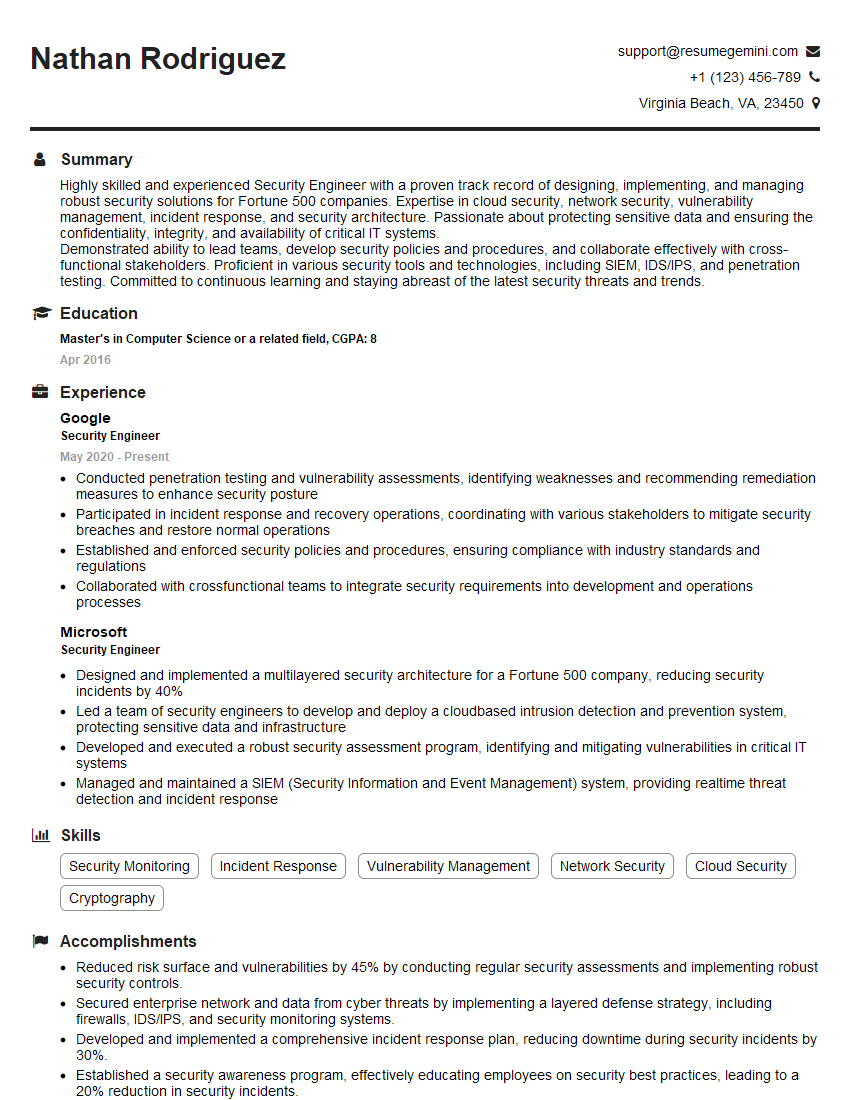
Security Engineer Resume Sample
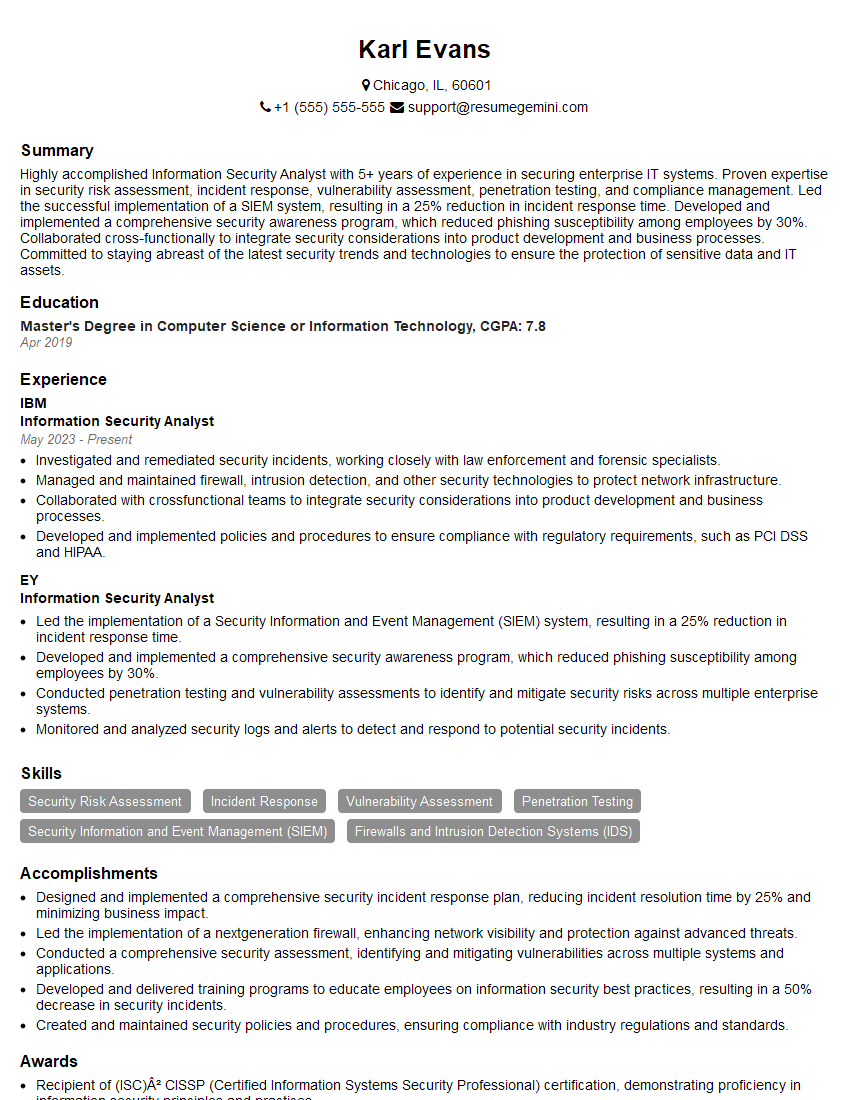
Information Security Analyst Resume Sample
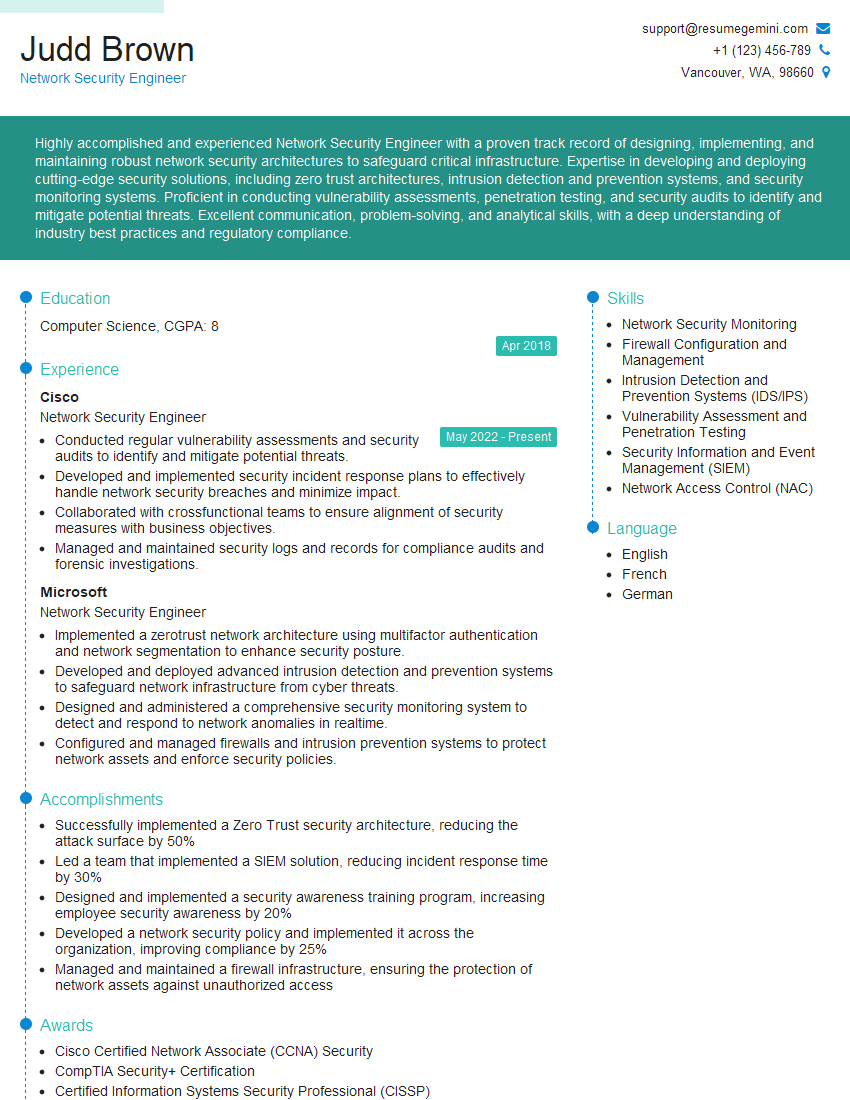
Network Security Engineer Resume Sample
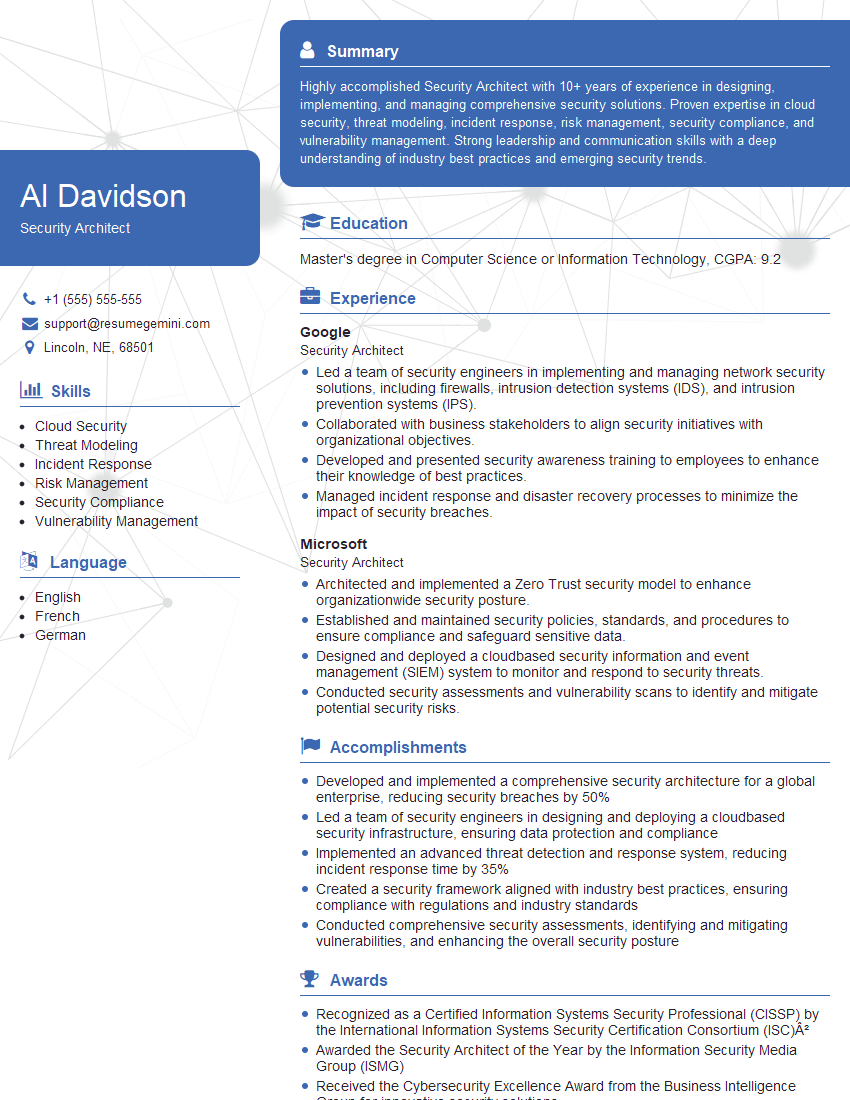
Security Architect Resume Sample
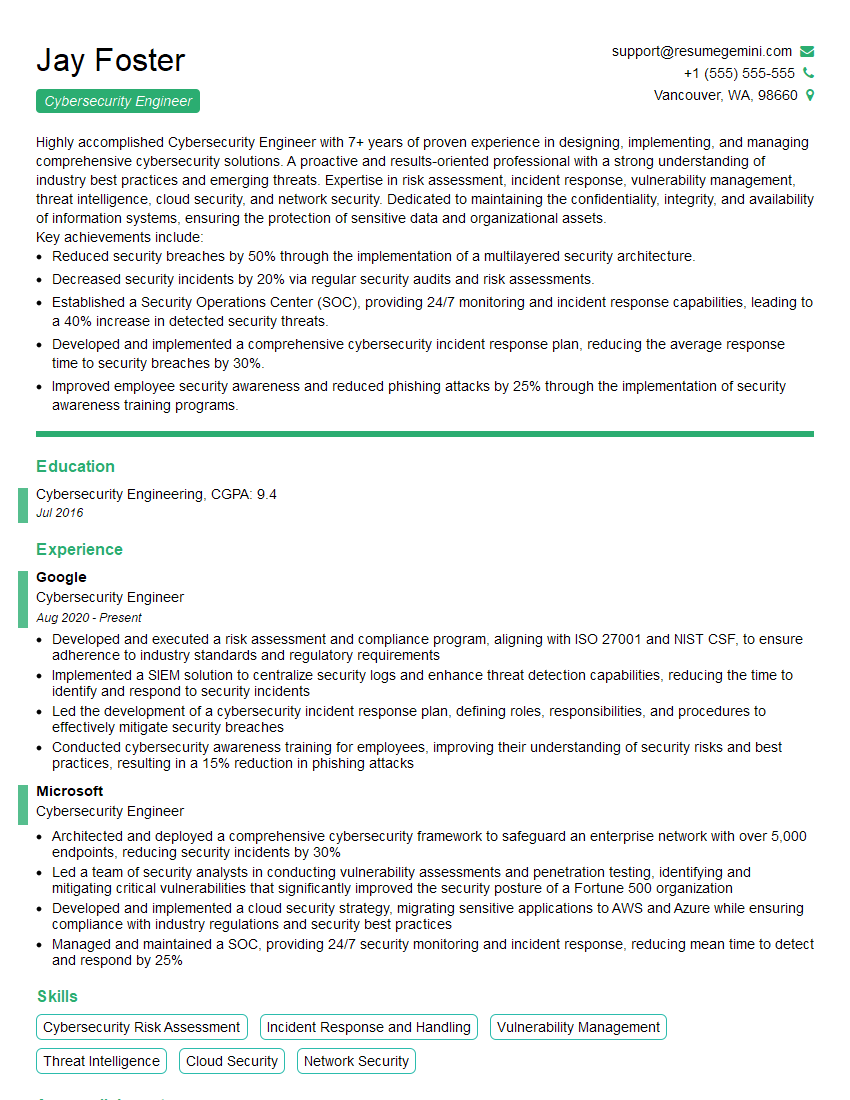
Cybersecurity Engineer Resume Sample
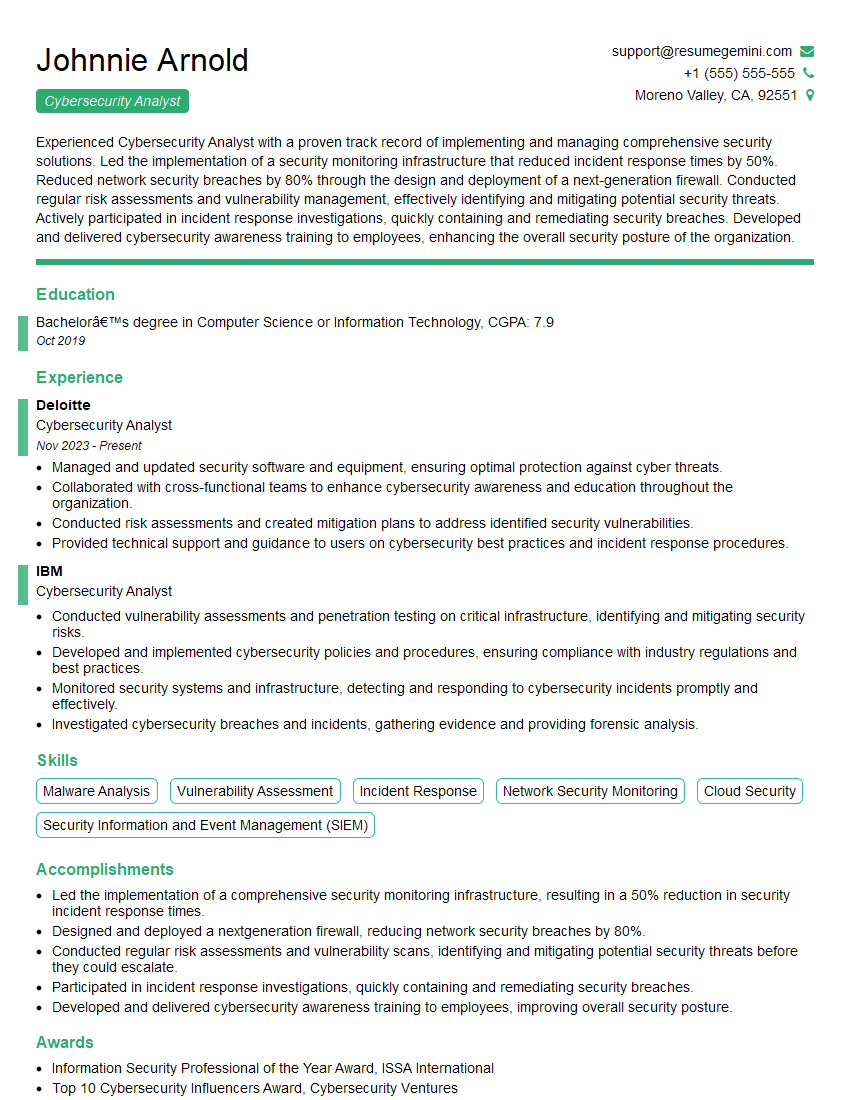
Cybersecurity Analyst Resume Sample
Explore more articles
Users Rating of Our Blogs
Share Your Experience
We value your feedback! Please rate our content and share your thoughts (optional).
What Readers Say About Our Blog
Very informative content, great job.
good