Interviews are opportunities to demonstrate your expertise, and this guide is here to help you shine. Explore the essential Daily Equipment Maintenance interview questions that employers frequently ask, paired with strategies for crafting responses that set you apart from the competition.
Questions Asked in Daily Equipment Maintenance Interview
Q 1. Describe your experience with preventative maintenance schedules.
Preventative maintenance schedules are the backbone of any reliable equipment operation. They are meticulously planned routines designed to inspect, lubricate, clean, and replace components before they fail. This proactive approach significantly reduces downtime, extends equipment lifespan, and ultimately saves money.
In my experience, creating these schedules involves a detailed analysis of the equipment’s operational manual, understanding its typical wear and tear patterns, and factoring in the specific operating conditions. For example, a piece of equipment operating in a dusty environment will require more frequent cleaning than one in a controlled climate. I’ve worked with schedules ranging from daily lubrication checks on critical machinery to quarterly inspections of less frequently used tools. The key is to tailor the schedule to the specific needs of each piece of equipment, balancing the cost of maintenance with the potential cost of a failure.
- Example: For a conveyor belt system, a preventative maintenance schedule might include daily visual inspections for wear and tear, weekly lubrication of moving parts, and monthly checks of the tension and alignment.
- Example: For a forklift, a schedule might include daily pre-operational checks of fluids, tires, and safety systems, monthly battery inspections, and annual safety inspections by a certified technician.
Q 2. Explain the importance of daily equipment inspections.
Daily equipment inspections are crucial because they are the first line of defense against costly breakdowns. Think of it like a regular health check-up; catching a small problem early is far easier and cheaper than treating a major ailment later. These inspections help identify minor issues before they escalate, preventing major equipment failures and ensuring safety.
During a daily inspection, I typically look for things like leaks, unusual noises, vibrations, loose connections, and any signs of wear and tear. Documentation is key; I use checklists and logbooks to ensure consistency and to track any trends or potential problems. For example, noticing a gradual increase in vibration might signal an impending bearing failure, allowing for preventative maintenance before a catastrophic event occurs.
Ignoring these daily checks can lead to significant risks, including production delays, safety hazards, and unexpected repair costs that far exceed the time investment in a routine inspection.
Q 3. What are the common causes of equipment failure you’ve encountered?
Over my career, I’ve encountered numerous causes of equipment failure, and they often fall into a few broad categories. One of the most common is lack of proper maintenance – neglecting routine tasks like lubrication, cleaning, or component replacements eventually leads to premature wear and tear. Another frequent cause is operator error, such as improper operation or overloading equipment. Environmental factors also play a significant role; extreme temperatures, humidity, and dust can accelerate equipment degradation.
- Example: A failed bearing in a motor often stems from insufficient lubrication or contamination.
- Example: A hydraulic system leak might be caused by a damaged hose due to improper handling or exposure to harsh chemicals.
- Example: Overloading a forklift can lead to premature failure of its components and even structural damage.
Beyond these, other causes include faulty components, inadequate design, and even unforeseen events like power surges.
Q 4. How do you troubleshoot malfunctioning equipment?
Troubleshooting malfunctioning equipment is a systematic process. I start by gathering information: What is the specific problem? When did it start? What were the conditions when the malfunction occurred? This often involves visually inspecting the equipment, checking gauges and indicators, and listening for unusual noises.
Then, I use a methodical approach, often working from the simplest potential causes to more complex ones. For example, if a machine isn’t turning on, I’d first check the power supply, fuses, and circuit breakers before investigating internal components. I rely on both my experience and available resources like schematics, manuals, and online forums for guidance. I carefully document each step of my troubleshooting process, recording findings and solutions. If the issue is beyond my expertise, I wouldn’t hesitate to call in a specialist or contact the manufacturer for support.
Safety is always paramount; I ensure the equipment is properly isolated from power before conducting any repairs or inspections.
Q 5. Describe your experience with different types of maintenance (preventive, corrective, predictive).
My experience encompasses all three types of maintenance: preventive, corrective, and predictive. Preventive maintenance, as discussed earlier, focuses on preventing failures through scheduled inspections and servicing. Corrective maintenance addresses issues that have already occurred; it’s essentially reactive, fixing problems after they manifest. Predictive maintenance, a more advanced approach, leverages data and technology to anticipate potential failures before they occur. This might involve using sensors to monitor vibrations, temperatures, or other critical parameters.
I’ve found a balanced approach to be most effective. A strong preventive maintenance program forms the foundation, minimizing the need for corrective maintenance. Predictive maintenance complements this by adding a layer of intelligence, allowing for more targeted and efficient interventions. For instance, using vibration analysis on a pump allows for the replacement of a bearing before it fails catastrophically, thus avoiding costly downtime.
Q 6. What software or CMMS systems are you familiar with?
I’m proficient in several CMMS (Computerized Maintenance Management System) software packages. I have extensive experience with UpKeep, finding its mobile-first approach and user-friendly interface particularly helpful for managing tasks and tracking maintenance records in real-time. I’m also familiar with Fiix and MPulse, each having its own strengths in terms of reporting and analytics. My experience also includes working with more basic spreadsheet-based systems, demonstrating an adaptability to different technological environments. Familiarity with these systems allows for efficient scheduling, inventory management, and tracking of maintenance history, improving overall equipment reliability and reducing operational costs.
Q 7. How do you prioritize maintenance tasks?
Prioritizing maintenance tasks requires a multi-faceted approach. I typically use a combination of factors to establish priorities:
- Criticality: Equipment crucial for production or safety takes precedence. A failed conveyor belt halting an entire production line would obviously rank higher than a minor issue with a seldom-used tool.
- Urgency: Issues that pose an immediate safety hazard or threaten significant downtime are addressed immediately.
- Cost of failure: The potential cost associated with a failure guides the priority. A minor repair might be deferred if the cost of failure is low, but a large-scale issue requiring extensive downtime warrants immediate action.
- Preventative vs. Corrective: Preventative maintenance tasks are often scheduled proactively, but critical corrective tasks always supersede planned preventative measures.
Using a CMMS system helps immensely in this process, allowing me to efficiently track task assignments, manage resources, and generate reports that help identify trends and inform future scheduling decisions.
Q 8. How do you document maintenance activities?
Thorough documentation is the backbone of effective equipment maintenance. It ensures accountability, facilitates troubleshooting, and allows for informed decision-making regarding future maintenance needs. My approach involves a multi-faceted system.
- Work Orders: Each maintenance task begins with a detailed work order specifying the equipment, the problem, the actions taken, parts used (with serial numbers if applicable), and the time spent. This is crucial for tracking labor costs and parts inventory.
- Inspection Checklists: For routine inspections, I utilize pre-designed checklists to ensure consistency and thoroughness. These checklists are tailored to the specific equipment and highlight key components needing attention. Any deviations from the norm are carefully noted.
- Maintenance Logs: A comprehensive maintenance log acts as a central repository for all work orders, inspection reports, and any other relevant documentation. This provides a complete history of the equipment’s maintenance, allowing for trend analysis and predictive maintenance strategies.
- Digital Systems: I’m proficient in using Computerized Maintenance Management Systems (CMMS) software. These systems allow for efficient data entry, reporting, and scheduling of maintenance tasks, improving overall efficiency and reducing downtime.
For example, during a recent preventative maintenance check on a conveyor belt system, I used a checklist to inspect the rollers, belts, and motor. The checklist ensured every aspect was covered, and any minor wear detected (e.g., slight belt slippage) was meticulously documented in the work order and maintenance log.
Q 9. Explain your experience with safety procedures related to equipment maintenance.
Safety is paramount in equipment maintenance. My experience emphasizes a proactive approach, incorporating risk assessment and adherence to established safety protocols at every stage.
- Lockout/Tagout (LOTO): I am certified in LOTO procedures and strictly adhere to them when working on equipment with potential energy sources (electrical, hydraulic, pneumatic). This involves de-energizing equipment, applying locks and tags, and verifying the absence of energy before commencing work.
- Personal Protective Equipment (PPE): I consistently use appropriate PPE, including safety glasses, gloves, hearing protection, and steel-toe boots, tailored to the specific task and hazards present.
- Hazard Identification & Risk Assessment: Before undertaking any maintenance activity, I carefully assess the potential hazards, identifying risks associated with the task and implementing control measures to mitigate those risks. This may involve creating temporary barriers, using specialized tools, or implementing additional safety procedures.
- Emergency Procedures: I am familiar with emergency procedures, including reporting accidents, providing first aid, and knowing how to utilize emergency shut-off mechanisms. Regular safety training refreshes this knowledge.
In one instance, while repairing a hydraulic press, I meticulously followed LOTO procedures, ensuring the hydraulic system was completely depressurized and locked out before initiating repairs. This prevented a potential serious injury.
Q 10. How do you handle unexpected equipment breakdowns?
Unexpected equipment breakdowns necessitate a swift and organized response to minimize downtime and potential safety risks. My approach involves a structured process.
- Immediate Actions: The first step is securing the area and ensuring the safety of personnel. This might involve shutting down the equipment using emergency stops or isolating it from power sources.
- Troubleshooting: I systematically diagnose the problem, starting with the most obvious causes and progressively investigating more complex issues. This often involves checking power supplies, fuses, sensors, and critical components.
- Reporting: The breakdown is immediately reported to the relevant supervisor and maintenance team, providing a clear description of the problem and its potential impact on operations.
- Repair or Replacement: Once the problem is diagnosed, repairs are implemented using available resources. If a repair isn’t feasible immediately, a temporary fix might be implemented to restore partial functionality while awaiting replacement parts.
- Root Cause Analysis: After the equipment is repaired, I conduct a root cause analysis to determine the underlying reason for the failure, preventing similar breakdowns in the future.
For example, during an unexpected shutdown of a packaging machine, I quickly assessed the situation, de-energized the machine, and systematically checked sensors, motors, and control circuits. I identified a faulty sensor, replaced it, and reported the incident and root cause to prevent recurrence.
Q 11. Describe your experience with hydraulic systems maintenance.
My experience with hydraulic systems maintenance encompasses a wide range of tasks, from preventative maintenance to complex repairs. I’m proficient in diagnosing and resolving issues related to hydraulic pumps, valves, cylinders, and accumulators.
- Preventative Maintenance: This involves regularly checking fluid levels, filter condition, and hose integrity. I also inspect for leaks, unusual noises, and temperature fluctuations.
- Troubleshooting: Diagnosing hydraulic system malfunctions requires a systematic approach. I use pressure gauges, flow meters, and other diagnostic tools to pinpoint the source of the problem. Common issues include leaks, blocked filters, worn seals, or malfunctioning valves.
- Repair and Replacement: I am experienced in repairing or replacing hydraulic components, including pumps, valves, cylinders, and hoses. This involves disassembling components, cleaning parts, replacing worn seals, and reassembling the system.
- Fluid Analysis: I understand the importance of hydraulic fluid analysis for early detection of contamination or degradation, allowing for proactive maintenance and preventing more extensive damage.
I once resolved a hydraulic press malfunction by systematically checking the system’s pressure and flow rates. I identified a failing pressure relief valve and replaced it, restoring the press to full functionality.
Q 12. Describe your experience with pneumatic systems maintenance.
Pneumatic systems are integral to many industrial processes, and my maintenance experience with these systems includes routine inspections, troubleshooting, and repair of components such as air compressors, valves, cylinders, and actuators.
- Air Compressor Maintenance: This involves checking oil levels, air filters, and pressure gauges. I also monitor the compressor’s operational parameters to detect any unusual behavior.
- Valve and Cylinder Inspection: I regularly inspect pneumatic valves and cylinders for leaks, wear, and damage. This may involve checking seals, piston rods, and air connections.
- Leak Detection and Repair: Locating and repairing leaks in pneumatic systems is critical to maintaining efficiency and preventing safety hazards. This involves using specialized leak detection equipment and appropriate repair techniques.
- System Pressure Regulation: Understanding and adjusting pneumatic system pressure is important for optimal performance and safety. Improper pressure can lead to component damage or system malfunction.
During a recent maintenance check, I discovered a significant air leak in a pneumatic control system. By carefully tracing the air lines, I pinpointed the leak to a damaged fitting, which I promptly replaced, restoring the system’s functionality.
Q 13. Describe your experience with electrical systems maintenance.
Electrical systems maintenance requires a high level of expertise and adherence to safety protocols. My experience encompasses preventative maintenance, troubleshooting, and repair of electrical components in industrial machinery.
- Preventative Maintenance: This includes checking wiring, connections, insulation, and control circuits for wear or damage. I also monitor electrical parameters like voltage, current, and resistance.
- Troubleshooting: Diagnosing electrical malfunctions often requires systematic fault-finding, using multimeters, oscilloscopes, and other diagnostic tools to identify the source of the problem.
- Repair and Replacement: I am experienced in repairing or replacing electrical components, including motors, switches, relays, sensors, and control circuits. This work requires careful attention to safety procedures, including lockout/tagout.
- Electrical Safety: I possess a comprehensive understanding of electrical safety regulations and always prioritize safety when working with electrical equipment.
In one instance, I diagnosed a motor failure in a production line by using a multimeter to check the motor windings for continuity and insulation resistance. The results pinpointed a short circuit, prompting a motor replacement and restoration of production.
Q 14. Describe your experience with mechanical systems maintenance.
Mechanical systems maintenance is a broad field encompassing a variety of tasks, including lubrication, alignment, balancing, and repair of mechanical components such as bearings, gears, shafts, and couplings.
- Lubrication: Regular lubrication is vital for reducing friction and wear in mechanical systems. I use appropriate lubricants and follow manufacturers’ recommendations for lubrication schedules and procedures.
- Alignment and Balancing: Proper alignment and balancing of rotating equipment is crucial for minimizing vibration, extending component life, and preventing premature failure. I use precision instruments to ensure proper alignment and balance.
- Inspection and Repair: I regularly inspect mechanical components for wear, damage, or misalignment. This may involve checking bearings for play, inspecting gears for wear, and assessing shaft alignment.
- Component Replacement: I am experienced in replacing worn or damaged mechanical components, ensuring that the replacement parts are of appropriate quality and meet the required specifications.
For example, I once resolved a vibration issue in a large pump by carefully aligning the pump shaft using laser alignment tools. This significantly reduced vibration and prevented further damage to the pump bearings.
Q 15. What are the key performance indicators (KPIs) you track for equipment maintenance?
Key Performance Indicators (KPIs) in equipment maintenance are crucial for measuring the effectiveness and efficiency of our maintenance programs. We track several metrics, focusing on both the preventative and reactive aspects of maintenance. These KPIs help us identify areas for improvement and demonstrate the value of our maintenance efforts to stakeholders.
- Mean Time Between Failures (MTBF): This metric tells us the average time between equipment failures. A higher MTBF indicates improved reliability and fewer disruptions.
- Mean Time To Repair (MTTR): This measures the average time it takes to repair a failed piece of equipment. A lower MTTR indicates quicker repairs and reduced downtime.
- Equipment Uptime Percentage: This represents the percentage of time the equipment is operational and available for use. A high uptime percentage is a primary goal.
- Maintenance Cost per Unit Produced: This tracks the cost of maintenance relative to production output, helping us optimize maintenance spending.
- Preventative Maintenance Compliance Rate: This KPI measures the percentage of scheduled preventative maintenance tasks completed on time. High compliance is essential for preventing failures.
- Safety Incidents Related to Maintenance: Tracking this is vital for ensuring a safe work environment. A reduction in these incidents indicates a more effective safety program.
For example, in a previous role, we tracked MTBF for our packaging line. By implementing a predictive maintenance program using vibration sensors, we increased the MTBF by 25%, resulting in significant cost savings due to reduced downtime.
Career Expert Tips:
- Ace those interviews! Prepare effectively by reviewing the Top 50 Most Common Interview Questions on ResumeGemini.
- Navigate your job search with confidence! Explore a wide range of Career Tips on ResumeGemini. Learn about common challenges and recommendations to overcome them.
- Craft the perfect resume! Master the Art of Resume Writing with ResumeGemini’s guide. Showcase your unique qualifications and achievements effectively.
- Don’t miss out on holiday savings! Build your dream resume with ResumeGemini’s ATS optimized templates.
Q 16. How do you improve equipment efficiency through maintenance?
Improving equipment efficiency through maintenance is a multifaceted process focusing on both proactive and reactive strategies. The goal is to maximize uptime and minimize production disruptions while controlling costs.
- Preventative Maintenance (PM): Regularly scheduled PM tasks, such as lubrication, cleaning, and inspections, prevent small issues from escalating into major failures. Think of it like regular car servicing – it prevents larger, more expensive problems later.
- Predictive Maintenance: Utilizing technologies like vibration analysis, oil analysis, and infrared thermography allows us to detect potential failures *before* they occur. This is like having a mechanic use advanced tools to identify potential problems before they cause a breakdown.
- Corrective Maintenance: Addressing equipment failures quickly and effectively is essential to minimize downtime. This involves having the necessary spare parts and skilled technicians available to address problems efficiently.
- Optimization of Maintenance Procedures: Continuously reviewing and improving maintenance procedures helps to streamline workflows and reduce the time required for tasks.
- Operator Training: Training operators on proper equipment operation and basic maintenance procedures can prevent many minor issues from occurring in the first place.
In one instance, implementing a predictive maintenance program using vibration sensors on our manufacturing line reduced unscheduled downtime by 40% and saved our company a considerable amount of money.
Q 17. How do you manage spare parts inventory for equipment maintenance?
Managing spare parts inventory is a delicate balance between having enough parts to handle repairs quickly and avoiding excessive storage costs and obsolescence. We use a combination of techniques to optimize our spare parts inventory.
- ABC Analysis: We categorize parts based on their criticality and consumption rate. ‘A’ parts are critical and high-usage, requiring close monitoring and sufficient stock. ‘B’ parts are moderately important, and ‘C’ parts are low-usage items. This prioritizes our efforts and ensures we have enough of the most crucial items.
- Minimum/Maximum Stock Levels: We set minimum and maximum stock levels for each part to ensure we have enough on hand while preventing overstocking. This is like having a well-stocked pantry – you don’t want to run out of essentials, but you also don’t want to stockpile items that expire.
- Just-in-Time (JIT) Inventory: For some less critical parts, we utilize a JIT approach, ordering them only when needed to minimize storage costs.
- Inventory Management Software: We use specialized software to track inventory levels, automate reordering, and provide insights into consumption patterns.
For example, we recently implemented an ABC analysis for our spare parts inventory. This allowed us to focus our resources on maintaining sufficient stock levels for our critical ‘A’ parts, while reducing our investment in less critical ‘C’ parts.
Q 18. What are some common maintenance challenges you’ve faced and how did you overcome them?
Over the years, I’ve encountered various maintenance challenges. One common issue is the lack of proper documentation for older equipment. This makes troubleshooting and repair more difficult and time-consuming. To overcome this, we have started a project of creating detailed equipment records and digitalizing existing manuals.
Another challenge is balancing preventative maintenance with production demands. Sometimes, scheduled maintenance needs to be postponed due to urgent production requirements. To mitigate this, we utilize a well-defined maintenance schedule, prioritized tasks, and a flexible team who can adapt to changing circumstances. We also have strong communication among the maintenance, production, and management teams to ensure everyone is on the same page.
Finally, dealing with unexpected equipment failures that require quick repairs and sourcing of specialized parts can be a major hurdle. We have established strong relationships with several suppliers and can expedite the delivery of essential parts when needed.
Q 19. Explain your experience working with technical manuals and schematics.
Working with technical manuals and schematics is a core competency for me. I’m proficient in reading and interpreting various types of technical documentation, including electrical schematics, hydraulic diagrams, and pneumatic system drawings. I can use this information to troubleshoot problems, identify the root cause of failures, and guide repair procedures.
My experience includes working with both hard-copy and digital versions of manuals. I’m familiar with using software to view and annotate schematics, and I’m comfortable using online resources to access information about specific equipment models. I often use this knowledge to guide troubleshooting procedures and to explain complex technical information to less technically-inclined personnel in a clear and understandable way. This is critical for seamless teamwork during maintenance tasks.
Q 20. How do you stay updated on new maintenance techniques and technologies?
Staying current with new maintenance techniques and technologies is essential for maintaining a competitive edge and optimizing our maintenance strategies. We utilize various methods to ensure we are up-to-date:
- Professional Development Courses: I regularly attend training courses and workshops focused on new maintenance technologies and best practices.
- Industry Publications and Journals: I subscribe to industry journals and regularly read articles and publications related to advancements in maintenance.
- Conferences and Trade Shows: Attending industry conferences and trade shows provides valuable exposure to new products and technologies and allows me to network with other professionals in the field.
- Online Resources and Webinars: I utilize online resources, such as technical websites and webinars, to stay informed about the latest developments.
- Manufacturer Training: We frequently participate in training provided by equipment manufacturers, ensuring we understand the best practices for maintaining their specific equipment.
For example, I recently completed a course on predictive maintenance using machine learning algorithms, which has significantly improved our ability to anticipate and prevent equipment failures.
Q 21. How do you ensure compliance with safety regulations during maintenance?
Ensuring compliance with safety regulations during maintenance is paramount. We have a robust safety program that integrates into every aspect of our maintenance work. This includes:
- Lockout/Tagout (LOTO) Procedures: We strictly adhere to LOTO procedures to prevent accidental energization of equipment during maintenance tasks. This involves physically locking out energy sources before beginning work.
- Personal Protective Equipment (PPE): All maintenance personnel are required to use appropriate PPE, such as safety glasses, gloves, and hearing protection, based on the specific tasks being performed.
- Regular Safety Training: We provide regular safety training to ensure our team is aware of potential hazards and knows how to mitigate them.
- Hazard Identification and Risk Assessment: Before commencing any maintenance task, a thorough hazard identification and risk assessment is conducted to identify potential hazards and develop safe work practices.
- Compliance Documentation: We maintain detailed records of all safety training, inspections, and incident reports to demonstrate our commitment to safety and compliance.
We treat safety not just as a set of regulations, but as a core value ingrained in our culture. Regular safety meetings and open communication channels ensure continuous improvement in our safety performance.
Q 22. Describe your experience with root cause analysis of equipment failures.
Root cause analysis (RCA) is crucial for preventing equipment failures. It’s not just about fixing the immediate problem, but understanding why it happened to prevent recurrence. My approach involves a structured methodology, often using techniques like the 5 Whys or fishbone diagrams.
For example, if a conveyor belt breaks, I wouldn’t just replace the belt. I’d ask ‘Why did it break?’ (e.g., excessive wear). Then, I’d repeatedly ask ‘Why?’ – perhaps uncovering issues like inadequate lubrication, overloading, or a faulty motor. The fishbone diagram helps visualize contributing factors like materials, methods, manpower, machinery, and environment. Documenting each step ensures a thorough investigation and prevents overlooking subtle yet critical factors. Once the root cause is identified, corrective actions are implemented and documented, often including preventative maintenance tasks.
Q 23. How do you communicate maintenance issues to your team and management?
Clear and timely communication is vital in maintenance. I use a multi-pronged approach. For my team, I use daily briefings, task management software, and informal check-ins to discuss ongoing issues, assign tasks, and address immediate concerns. For management, I provide regular reports using metrics like equipment uptime, maintenance costs, and planned vs. unplanned downtime. These reports highlight critical issues, proposed solutions, and their associated costs and benefits. I always prioritize transparency, making sure everyone understands the situation, the proposed actions, and the potential consequences.
For urgent issues, I use immediate communication channels like phone calls or instant messaging to ensure rapid response and collaboration.
Q 24. Describe a time you had to work under pressure to fix a critical equipment failure.
During a peak production season, our main packaging machine malfunctioned, causing a significant backlog. The pressure was immense as each minute of downtime resulted in substantial financial losses. I immediately assembled my team, prioritizing safety and efficiency. We conducted a quick but thorough diagnostic assessment, identifying a faulty sensor as the likely cause. We had a spare sensor, but its installation required precise calibration. We worked collaboratively, dividing tasks efficiently. One person retrieved the spare, another calibrated it, while I oversaw the process and coordinated with production to minimize disruption. We successfully installed and calibrated the sensor within 30 minutes, restoring operations and minimizing production losses. This experience highlighted the importance of rapid response, teamwork, and a well-stocked spare parts inventory.
Q 25. What is your experience with different types of lubrication and their applications?
Lubrication is critical for equipment longevity and efficiency. My experience encompasses various types, including grease, oils (mineral, synthetic, biodegradable), and specialized lubricants like Molykote. Grease is ideal for slow-moving parts requiring long-term protection, while oils are better for high-speed components. Synthetic oils offer superior performance in extreme temperatures and environments. The selection depends on the specific equipment, operating conditions (temperature, load, speed), and material compatibility. For instance, a high-temperature bearing in a furnace would require a specialized high-temperature grease, while a food processing machine needs food-grade lubricant. Incorrect lubrication can lead to premature wear, friction, and even equipment failure.
Q 26. How do you ensure the accuracy of maintenance records?
Accurate maintenance records are the backbone of effective maintenance programs. I ensure accuracy through several methods: using computerized maintenance management systems (CMMS) to track maintenance activities; implementing a system of checks and balances, such as double-checking entries; utilizing barcodes or RFID tags for easy identification and tracking of parts and equipment; and conducting regular audits of maintenance logs to identify and correct any discrepancies. Furthermore, providing clear instructions and training to the team regarding accurate data entry, alongside regular reviews, is essential to avoid human errors. Accurate records facilitate better decision-making regarding preventative maintenance schedules, spare parts inventory, and overall equipment life cycle management.
Q 27. Explain your experience with predictive maintenance techniques.
Predictive maintenance is about moving from reactive (fixing breakdowns) to proactive (preventing breakdowns) maintenance. I have experience using various techniques including vibration analysis, oil analysis, and thermal imaging. Vibration analysis helps detect imbalances or bearing wear, while oil analysis reveals contamination or degradation of lubricants. Thermal imaging identifies overheating components, indicating potential problems before they escalate. This data-driven approach helps prioritize maintenance tasks, optimize maintenance schedules, and extend equipment lifespan. For instance, analyzing vibration data from a pump might reveal an impending bearing failure, allowing for a timely replacement before catastrophic breakdown. This significantly reduces downtime and maintenance costs.
Q 28. What are your salary expectations for this role?
My salary expectations are commensurate with my experience and the demands of this role. Considering my extensive background in daily equipment maintenance, proven expertise in root cause analysis and predictive maintenance, and strong communication skills, I am seeking a competitive salary in the range of [Insert Salary Range Here]. I am flexible and open to discussing this further based on a complete understanding of the responsibilities and benefits package.
Key Topics to Learn for Daily Equipment Maintenance Interview
- Preventive Maintenance Schedules: Understanding the creation and implementation of preventative maintenance schedules, including frequency, tasks, and record-keeping.
- Equipment Inspection Techniques: Mastering visual inspection methods, identifying potential wear and tear, and using diagnostic tools to detect early signs of malfunction.
- Troubleshooting Common Equipment Issues: Developing practical problem-solving skills to diagnose and rectify minor equipment failures, reducing downtime and improving efficiency.
- Safety Procedures and Regulations: Demonstrating a strong understanding of relevant safety protocols, lockout/tagout procedures, and hazard identification.
- Lubrication and Fluid Management: Knowing the importance of proper lubrication techniques, fluid levels, and their impact on equipment lifespan and performance.
- Record Keeping and Documentation: Understanding the importance of accurate and detailed maintenance logs, including date, time, performed tasks, and any identified issues.
- Parts Inventory and Management: Familiarizing yourself with common parts needed for maintenance, inventory control methods, and ordering procedures.
- Basic Mechanical and Electrical Knowledge: Possessing a foundational understanding of mechanical components, electrical systems, and their interaction within the equipment.
- Communication and Teamwork: Highlighting your ability to effectively communicate maintenance needs, collaborate with colleagues, and report findings clearly.
- Continuous Improvement and Optimization: Demonstrating your ability to identify areas for improvement in maintenance processes and suggest solutions for increased efficiency and reduced costs.
Next Steps
Mastering Daily Equipment Maintenance is crucial for career advancement in many industries. It demonstrates your commitment to efficiency, safety, and proactive problem-solving – skills highly valued by employers. To significantly improve your job prospects, creating an ATS-friendly resume is essential. This ensures your application is effectively screened by applicant tracking systems, increasing your chances of securing an interview. We highly recommend using ResumeGemini to build a professional and impactful resume. ResumeGemini offers a user-friendly platform and provides examples of resumes tailored to Daily Equipment Maintenance, helping you present your skills and experience in the best possible light.
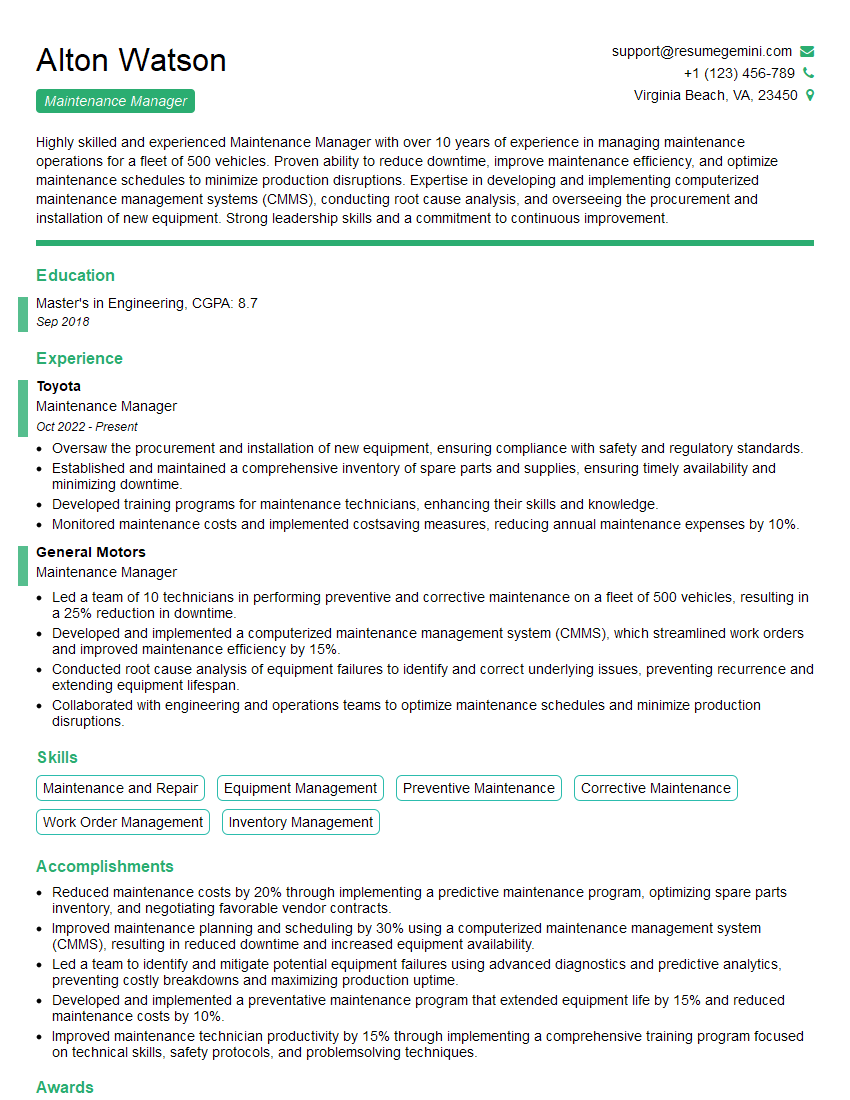
Maintenance Manager Resume Sample
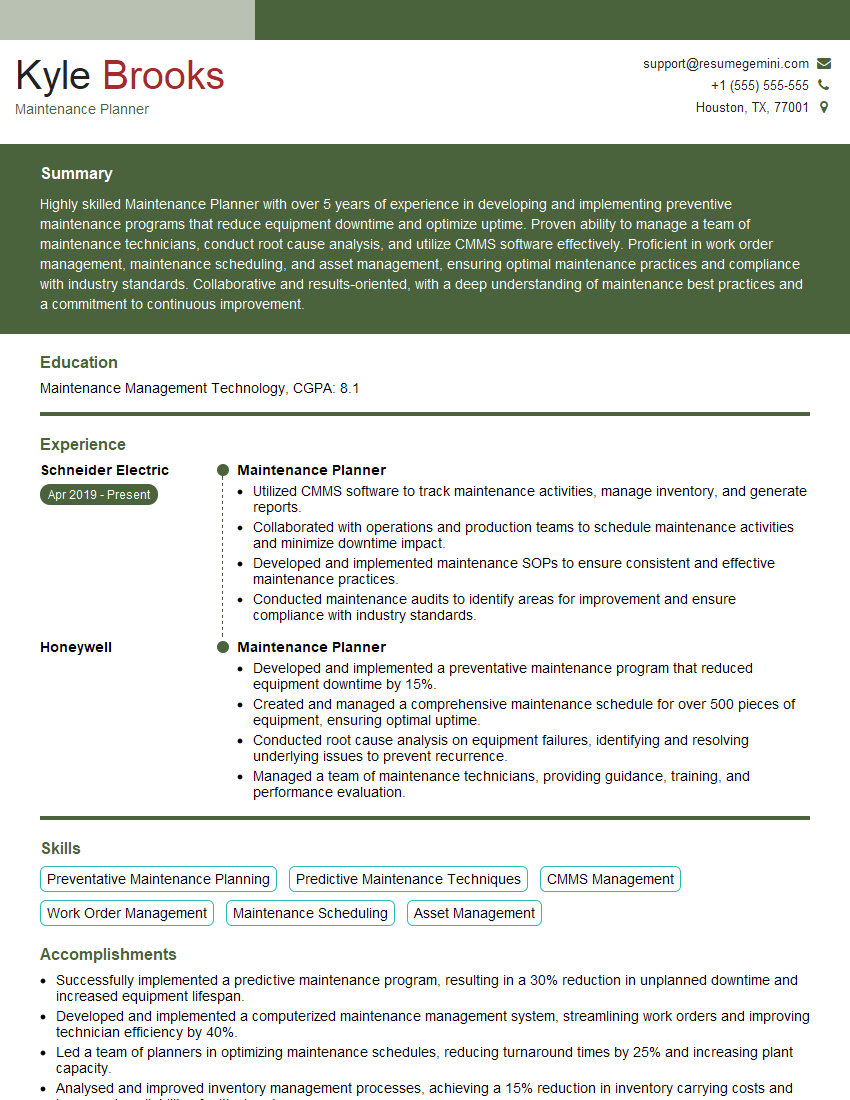
Maintenance Planner Resume Sample
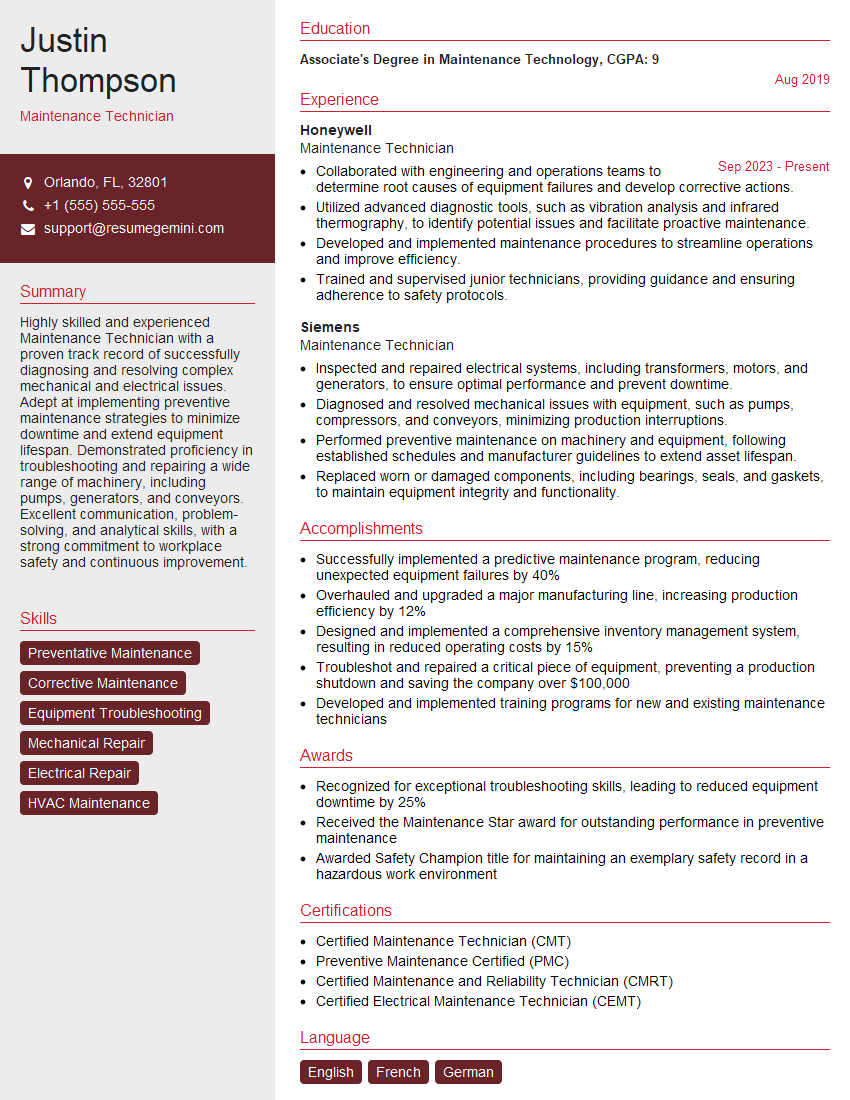
Maintenance Technician Resume Sample
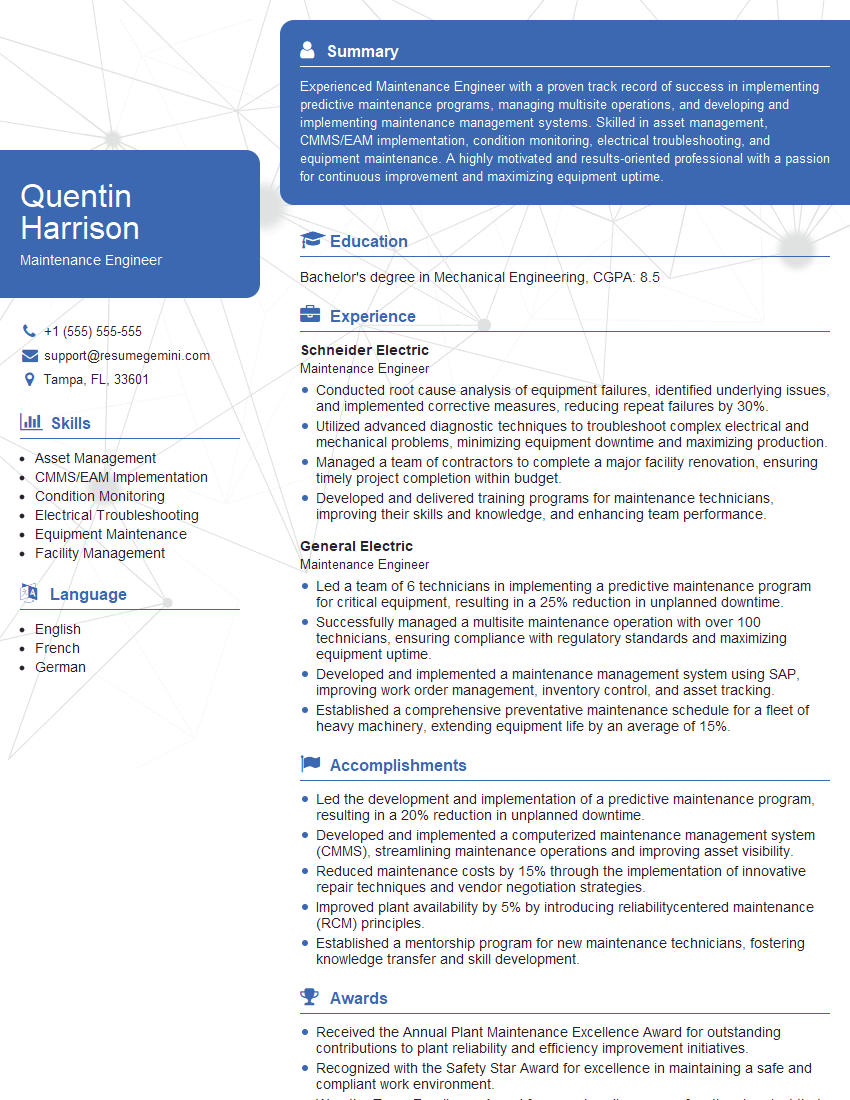
Maintenance Engineer Resume Sample
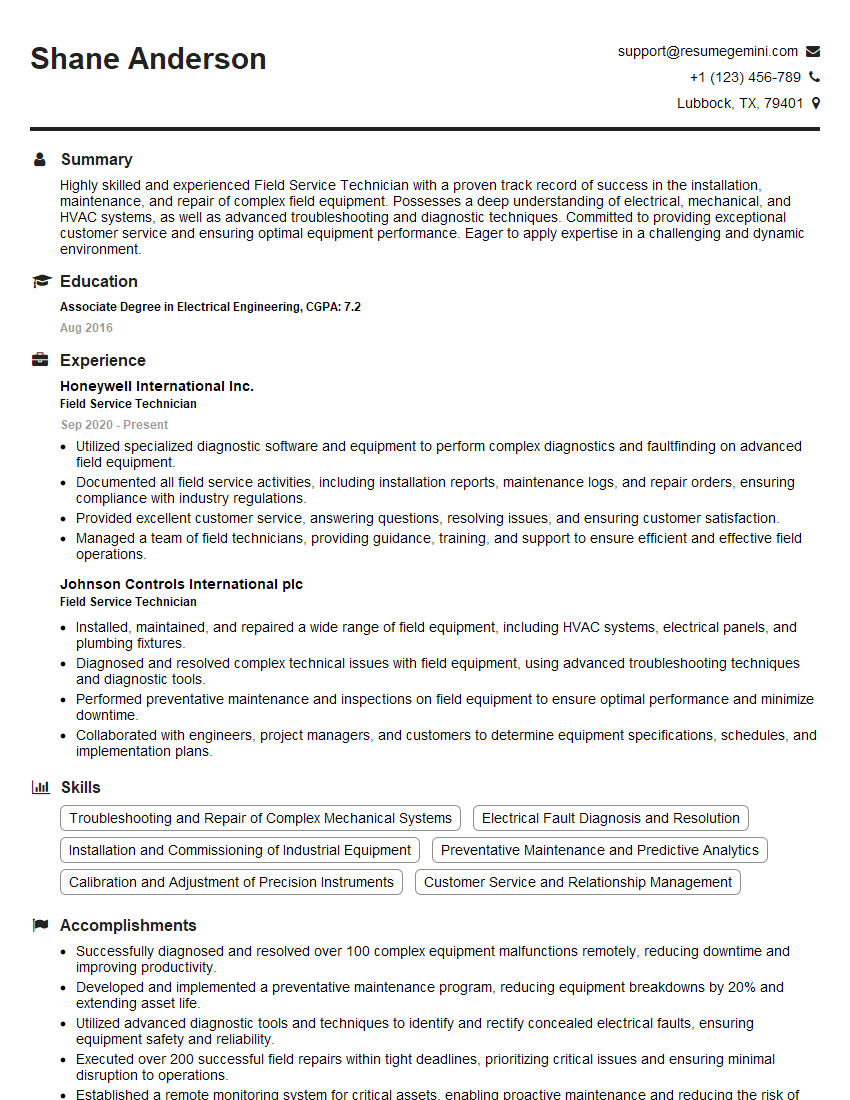
Field Service Technician Resume Sample
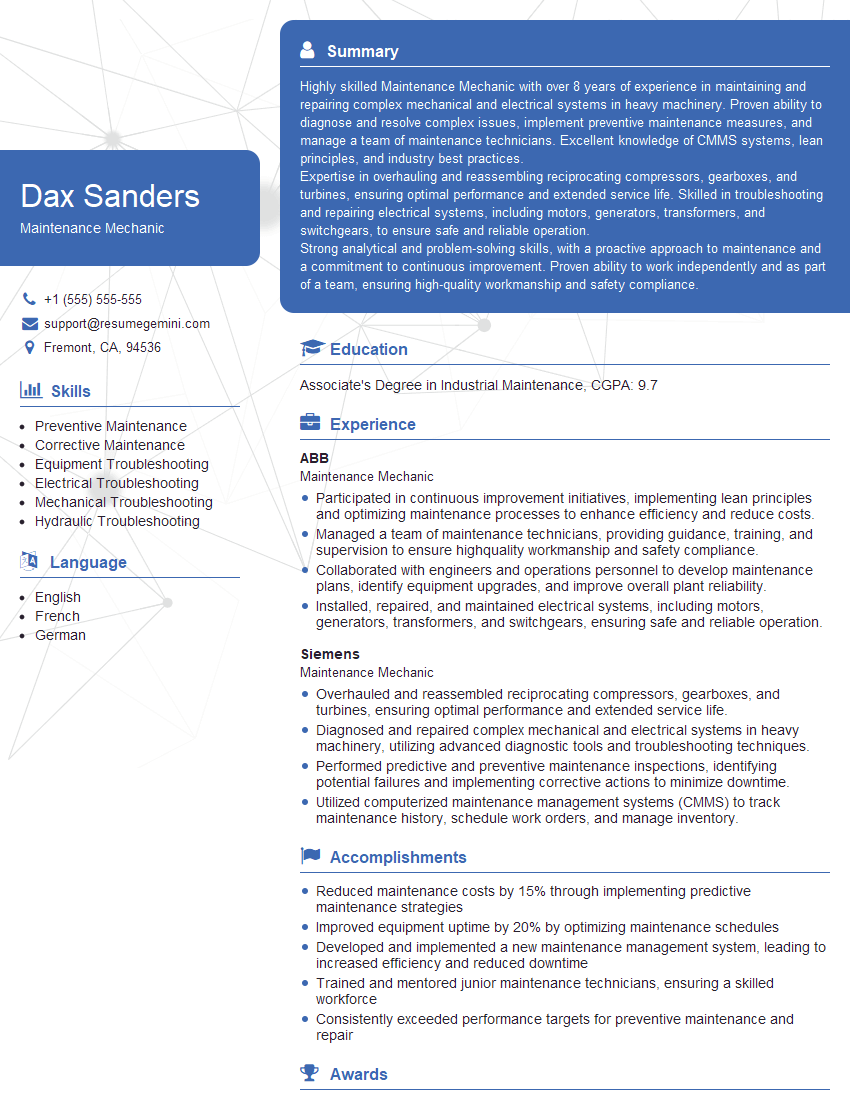
Maintenance Mechanic Resume Sample
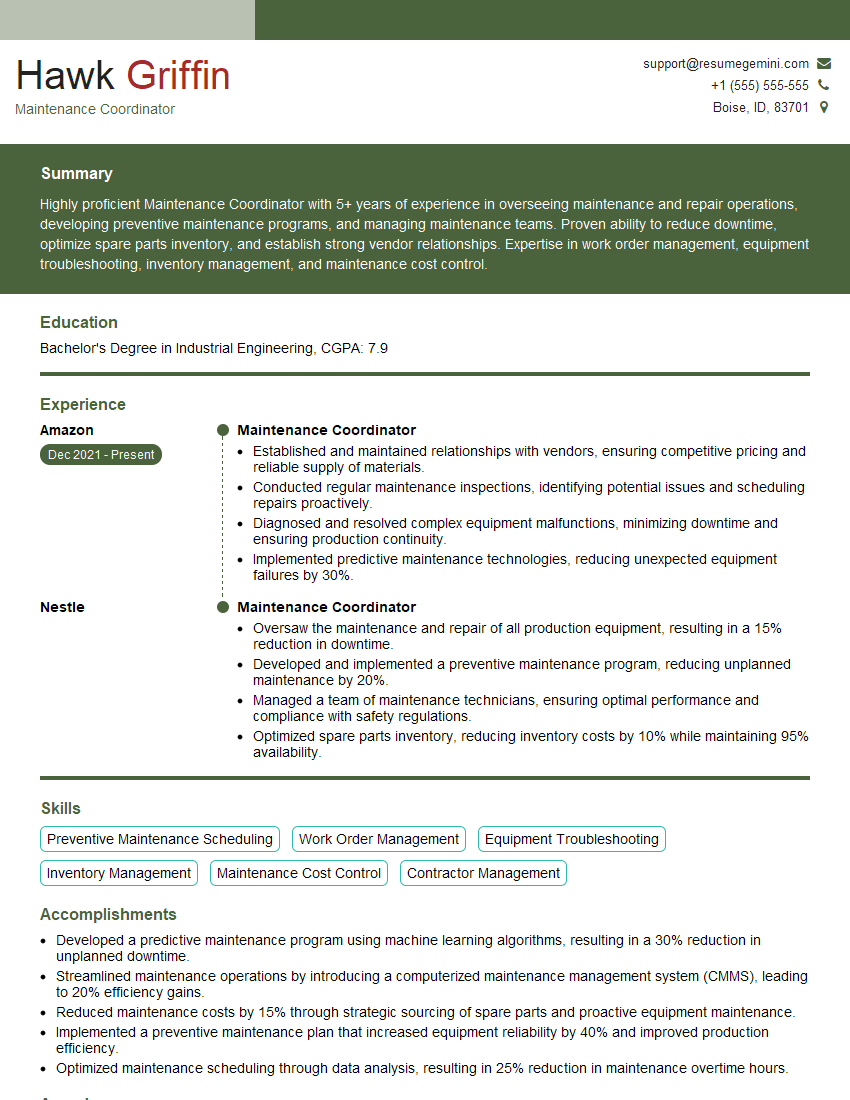
Maintenance Coordinator Resume Sample

Electrical Maintenance Technician Resume Sample
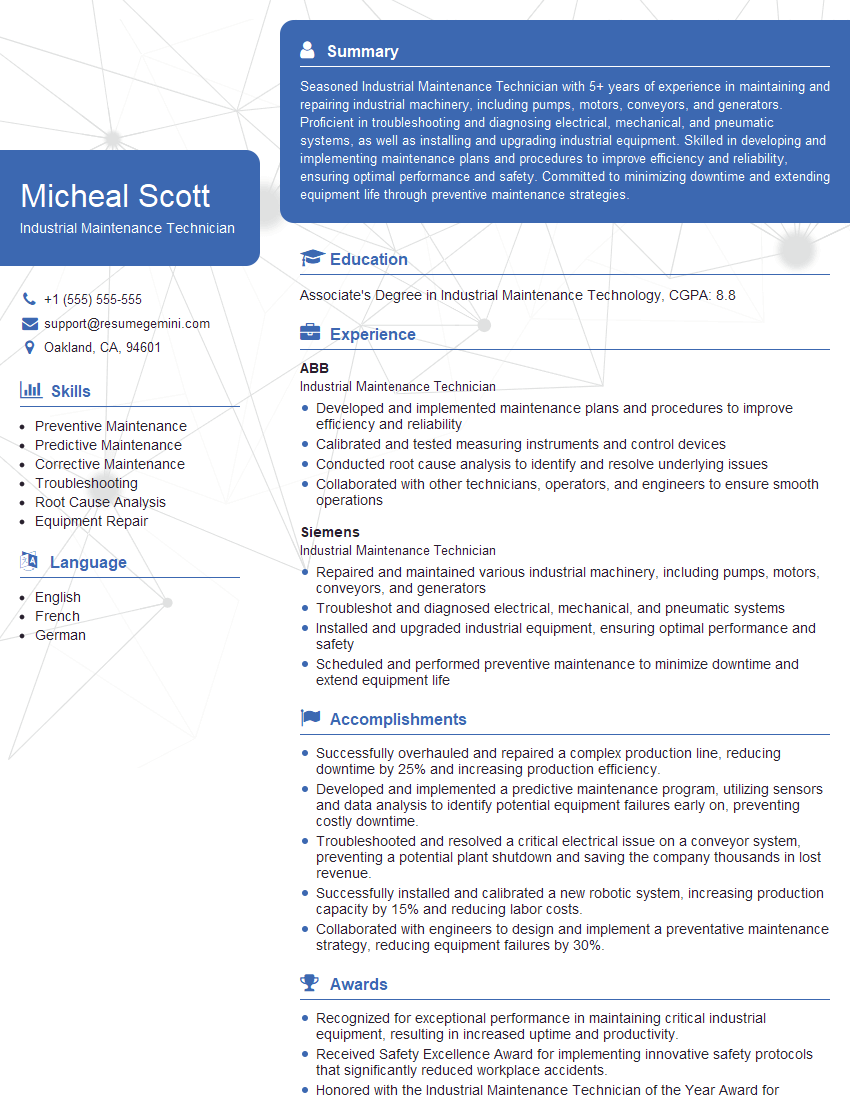
Industrial Maintenance Technician Resume Sample
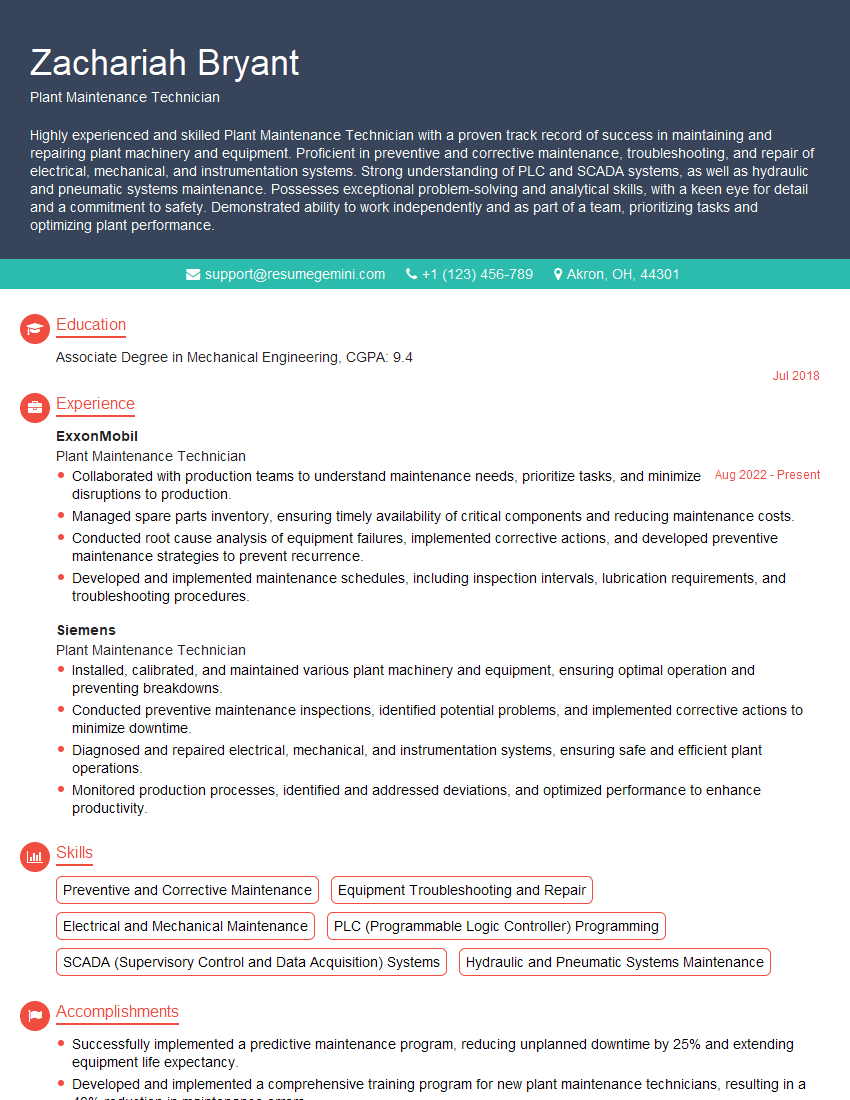
Plant Maintenance Technician Resume Sample
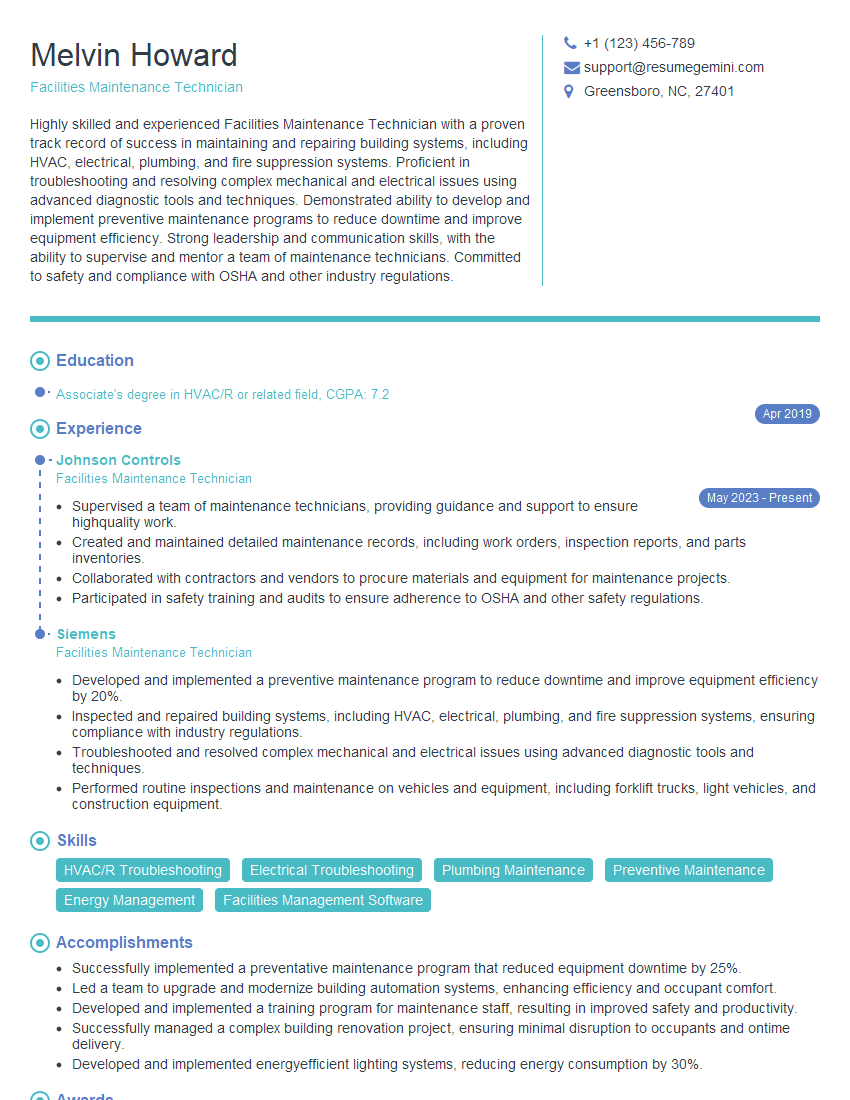
Facilities Maintenance Technician Resume Sample
Explore more articles
Users Rating of Our Blogs
Share Your Experience
We value your feedback! Please rate our content and share your thoughts (optional).
What Readers Say About Our Blog
Very informative content, great job.
good