Unlock your full potential by mastering the most common Damage Control and Recovery Operations interview questions. This blog offers a deep dive into the critical topics, ensuring you’re not only prepared to answer but to excel. With these insights, you’ll approach your interview with clarity and confidence.
Questions Asked in Damage Control and Recovery Operations Interview
Q 1. Describe your experience in developing and implementing a disaster recovery plan.
Developing and implementing a disaster recovery plan (DRP) is a crucial aspect of ensuring business continuity. It involves a systematic approach to identifying potential threats, assessing their impact, and establishing procedures to minimize disruption and facilitate a swift recovery. My experience encompasses the entire lifecycle, from initial risk assessment and impact analysis to plan development, testing, and ongoing maintenance.
For example, in my previous role at a financial institution, I led the development of a comprehensive DRP encompassing various scenarios, including natural disasters, cyberattacks, and hardware failures. This involved:
- Risk Identification and Analysis: We utilized a combination of qualitative and quantitative methods to identify potential threats and their likelihood and impact. This included brainstorming sessions with stakeholders, reviewing past incidents, and utilizing industry best practices.
- Recovery Strategy Definition: Based on the risk assessment, we defined recovery strategies for critical systems and applications, including backup and recovery procedures, failover mechanisms, and alternative processing sites.
- Plan Development and Documentation: The DRP was meticulously documented, outlining roles and responsibilities, communication protocols, recovery timelines, and resource requirements. The plan incorporated detailed step-by-step instructions and checklists for easy execution.
- Testing and Training: We conducted regular drills and simulations to test the plan’s effectiveness and ensure personnel were adequately trained. This involved simulating various scenarios, analyzing the response, and making necessary adjustments.
- Maintenance and Updates: The DRP wasn’t a static document. We regularly updated it based on changes in the business environment, system upgrades, and lessons learned from previous incidents.
This iterative process ensured the DRP remained relevant, robust, and effective in mitigating the impact of potential disasters.
Q 2. Explain your approach to prioritizing tasks during a crisis.
Prioritizing tasks during a crisis requires a structured approach that balances urgency and impact. My approach follows a framework that prioritizes critical functions and ensures rapid response to the most significant threats. I use a matrix that weighs the urgency and impact of each task. This ensures that life-saving actions and those critical to preventing further damage are handled first.
Think of it like a triage system in a hospital. You address the most critical cases first – those with immediate life-threatening injuries. Similarly, in a crisis, we identify the tasks that pose the greatest immediate threat to life, safety, or business continuity and tackle those first.
- Immediate Actions (Life-Safety): Addressing immediate threats to life and safety, such as evacuations, securing hazardous materials, or providing first aid.
- Critical Actions (Business Continuity): Actions critical to maintaining essential business functions, preventing significant financial losses, or protecting vital data.
- Important Actions (Recovery): Actions crucial for restoring business operations to normal. This might involve restoring systems, communicating with stakeholders, and assessing damages.
- Less Urgent Actions: Tasks that can be postponed without significantly impacting the overall recovery effort.
This prioritization ensures efficient resource allocation and prevents the diversion of effort toward less critical tasks while vital aspects are still at risk.
Q 3. How do you assess the impact of an incident on business operations?
Assessing the impact of an incident on business operations requires a holistic view encompassing various aspects of the organization. My approach involves a structured process that combines quantitative and qualitative data to determine the severity and scope of the disruption.
This starts with a rapid initial assessment to identify the immediate impact. Then a more detailed analysis follows, utilizing a variety of methods. This might include:
- Financial Impact: Estimating lost revenue, repair costs, potential legal liabilities, and business interruption insurance claims.
- Operational Impact: Assessing the disruption to key business processes, service availability, production capacity, and supply chains.
- Reputational Impact: Evaluating the potential damage to the organization’s brand image, customer trust, and investor confidence.
- Compliance Impact: Determining the extent of non-compliance with relevant regulations and legal obligations.
- Data Loss: Assessing the extent of data loss, including the potential for sensitive information breaches.
This assessment forms the basis for developing a recovery strategy, resource allocation, and communication with stakeholders.
Q 4. What metrics do you use to measure the effectiveness of damage control efforts?
Measuring the effectiveness of damage control efforts requires a blend of quantitative and qualitative metrics to gauge the success of the recovery process and identify areas for improvement. Key metrics I use include:
- Recovery Time Objective (RTO): The time it takes to restore systems and operations to an acceptable level. A shorter RTO indicates a more effective response.
- Recovery Point Objective (RPO): The maximum amount of data loss that an organization can tolerate. A smaller RPO means less data is lost during an outage.
- Mean Time To Recovery (MTTR): The average time taken to restore a failed component or system. A lower MTTR indicates better resilience.
- Cost of Downtime: The financial losses incurred due to the disruption. This includes lost revenue, repair costs, and other expenses.
- Customer Satisfaction: Feedback from customers regarding the service disruption and recovery efforts. High satisfaction scores indicate a successful response.
- Employee Morale: Assessing employee morale and stress levels after the incident. Positive morale shows effective leadership and support during the recovery.
These metrics provide valuable insights for continuous improvement of the DRP and overall disaster response capabilities. Regularly reviewing these metrics helps in evaluating the effectiveness of our mitigation strategies and refining our approach.
Q 5. Describe a time you had to manage conflicting priorities during a crisis.
During a significant data center fire, I faced conflicting priorities: the immediate need to evacuate personnel and secure the facility while simultaneously initiating data backups and system failover to our secondary site. The evacuation was paramount for life safety, but delaying the data backup risked severe data loss and extended downtime.
My approach involved a rapid prioritization process. First, I ensured all personnel were safely evacuated, delegating the responsibility to a designated team member. Simultaneously, I contacted our IT team and instructed them to immediately begin the data backup and system failover, utilizing remote access and pre-established procedures. The communication was transparent and clear, emphasizing the importance of both tasks and the need for coordinated action.
This involved close monitoring of both the evacuation and the IT recovery efforts. Regular updates were provided to all stakeholders, ensuring everyone was informed and contributing effectively. While the fire caused significant damage, the swift action minimized data loss and service disruption, showcasing the importance of clear communication and decisive prioritization even amidst conflicting demands.
Q 6. How do you communicate effectively during a high-pressure situation?
Effective communication during a high-pressure situation is critical to coordinating efforts and maintaining control. My approach focuses on clarity, conciseness, and proactive information sharing. This involves:
- Clear and Concise Messaging: Using straightforward language, avoiding jargon, and delivering key information quickly.
- Pre-Established Communication Channels: Utilizing pre-defined communication protocols and channels to ensure consistent and reliable information flow.
- Regular Updates: Providing timely and regular updates to all stakeholders, keeping them informed of the situation and recovery progress.
- Designated Spokesperson: Designating a single spokesperson to manage media and public communications to prevent conflicting information.
- Active Listening: Actively listening to feedback and concerns from all parties, incorporating this input into decision-making.
- Transparency and Honesty: Being open and honest about the situation, even if the news is unfavorable, fostering trust and collaboration.
A calm and reassuring demeanor is essential to maintaining confidence among team members and stakeholders. Practice and preparation through drills and simulations are crucial for honing these skills and ensuring effective communication under stress.
Q 7. Explain your understanding of business continuity planning.
Business Continuity Planning (BCP) is a broader, more comprehensive strategy than Disaster Recovery Planning (DRP). While DRP focuses on recovering from specific incidents, BCP addresses the overall ability of an organization to continue operating during and after disruptions of any kind. It encompasses a wider range of scenarios, including natural disasters, cyberattacks, pandemics, and even economic downturns.
BCP involves a multi-faceted approach encompassing:
- Risk Assessment: Identifying potential threats and their impact on the organization.
- Business Impact Analysis (BIA): Determining the critical business functions and their dependencies.
- Strategy Development: Developing strategies to mitigate risks and ensure business continuity, including DRP as a key component.
- Resource Allocation: Allocating resources to support the continuity strategies.
- Plan Development and Documentation: Creating detailed plans and procedures for various scenarios.
- Testing and Training: Regularly testing and updating the plan to ensure effectiveness.
- Communication and Coordination: Establishing clear communication protocols and ensuring coordinated response.
Essentially, BCP provides a holistic framework to ensure the organization’s resilience and ability to withstand and recover from various disruptions. It is an ongoing process that requires continuous monitoring, review, and adaptation.
Q 8. What are the key elements of a robust incident response plan?
A robust incident response plan is the cornerstone of effective damage control and recovery. It’s a meticulously crafted document outlining the procedures to be followed when a disruptive event occurs. Think of it as a detailed emergency manual, specifying actions for every scenario, from a minor software glitch to a major natural disaster.
- Preparation: This phase involves identifying potential threats (e.g., cyberattacks, natural disasters, equipment failures), assessing their likelihood and impact, and establishing preventative measures. This includes regular system backups, security audits, and employee training on security protocols.
- Detection & Analysis: This stage focuses on quickly identifying an incident, understanding its scope and impact, and gathering crucial information. This might involve monitoring system logs, analyzing network traffic, or interviewing affected personnel.
- Containment: Once an incident is identified, immediate steps must be taken to limit its spread and prevent further damage. This could involve isolating infected systems, shutting down vulnerable services, or implementing access controls.
- Eradication: This phase involves eliminating the root cause of the incident. This might involve removing malware, patching vulnerabilities, or replacing faulty equipment.
- Recovery: After the incident is contained and eradicated, systems and data must be restored to their operational state. This includes restoring backups, reinstalling software, and conducting thorough testing.
- Post-Incident Activity: This final stage involves analyzing the incident to understand what happened, identify weaknesses in the existing security measures, and implement improvements to prevent future occurrences. A thorough post-mortem is crucial.
For example, during a ransomware attack, the plan would dictate steps for isolating affected systems, negotiating with attackers (if necessary), restoring data from backups, and improving security to prevent future attacks. A well-defined plan ensures a coordinated and efficient response, minimizing downtime and damage.
Q 9. How do you ensure compliance with relevant regulations during recovery operations?
Compliance with relevant regulations is paramount during recovery operations. Failure to comply can lead to hefty fines, legal action, and reputational damage. My approach involves a multi-faceted strategy:
- Identifying Applicable Regulations: The first step is to determine which regulations apply, such as HIPAA for healthcare data, GDPR for European personal data, or PCI DSS for payment card information. This requires a thorough understanding of the legal landscape and the specific industry.
- Integrating Compliance into the Plan: Compliance measures are integrated directly into the incident response plan. This includes specific procedures for data handling, notification requirements, and evidence preservation. For example, if a data breach occurs, the plan must specify steps for notifying affected individuals and regulatory bodies within the legally mandated timeframe.
- Regular Audits and Assessments: Regular audits ensure compliance is maintained throughout the recovery process. This includes verifying the integrity of data backups, reviewing security controls, and testing the effectiveness of the incident response plan.
- Documentation: Meticulous documentation throughout the entire process is essential. This provides evidence of compliance and can be invaluable during any investigation or audit. Every step taken, from initial detection to final recovery, should be carefully documented.
For instance, during a system failure affecting patient data, I’d ensure that all actions taken adhere strictly to HIPAA guidelines, meticulously documenting every step, including the notification to patients and the Department of Health and Human Services.
Q 10. How do you identify and mitigate potential risks before they escalate into crises?
Proactive risk mitigation is crucial. Instead of reacting to crises, I focus on identifying and addressing potential problems before they escalate. My approach involves a combination of techniques:
- Risk Assessment: A comprehensive risk assessment identifies potential threats, vulnerabilities, and their potential impact on the organization. This might involve reviewing system security, business continuity planning, and disaster recovery planning.
- Vulnerability Scanning and Penetration Testing: Regularly scanning systems for vulnerabilities and conducting penetration tests help identify and address weaknesses in security before attackers exploit them. This includes checking for outdated software, weak passwords, and other security flaws.
- Security Awareness Training: Educating employees about security best practices significantly reduces the risk of human error, a frequent cause of security breaches. Training includes phishing awareness, password management, and safe data handling practices.
- Business Continuity and Disaster Recovery Planning: Developing and regularly testing business continuity and disaster recovery plans ensures that the organization can continue operations during disruptions. This includes identifying critical systems and processes, developing backup and recovery plans, and establishing alternate sites.
- Incident Simulation Exercises: Regularly conducting incident simulation exercises allows the team to practice responding to various scenarios and identify areas for improvement in the incident response plan.
For example, by regularly scanning our systems for vulnerabilities and proactively patching them, we prevented a recent ransomware attack that affected a competitor. This proactive approach saves time, money, and reputational damage.
Q 11. Describe your experience with data recovery and backup procedures.
Data recovery and backup procedures are essential aspects of my work. I’ve extensive experience with various backup strategies, including full, incremental, and differential backups, utilizing both on-site and off-site storage solutions. My experience spans various technologies, including cloud-based backup solutions (e.g., AWS S3, Azure Blob Storage), and on-premises solutions using tape libraries and network-attached storage (NAS).
I’m proficient in using recovery tools such as rsync for efficient data synchronization and restoration, and various vendor-specific tools for restoring databases and virtual machines. I adhere to the 3-2-1 rule (3 copies of data, on 2 different media, with 1 copy offsite) to ensure data availability and protection against data loss.
In a recent project, a server failure resulted in data loss. By using our regularly tested incremental backups, I was able to restore the server and its data within four hours, minimizing the impact on the business. The experience highlighted the importance of regularly testing backups and having a detailed recovery plan.
Q 12. How do you handle stakeholder communication during a crisis?
Stakeholder communication during a crisis is critical for maintaining trust, minimizing panic, and ensuring a smooth recovery. My strategy emphasizes transparency, accuracy, and timeliness.
- Identifying Key Stakeholders: The first step is to identify all stakeholders who may be affected by the incident, including customers, employees, investors, and regulatory bodies.
- Developing a Communication Plan: A communication plan outlines the messages, channels, and frequency of communication. This plan ensures consistent messaging across all channels.
- Establishing a Central Communication Point: A single point of contact helps manage information flow and prevent misinformation.
- Regular Updates: Regular, timely updates keep stakeholders informed about the situation, the actions being taken, and the expected timeline for recovery.
- Transparency and Honesty: Open communication, even about negative aspects of the situation, builds trust and prevents rumors.
During a major security incident, I established a central communication hub to manage updates to our clients, employees, and the media. This ensured everyone received consistent, accurate information, maintaining transparency and trust.
Q 13. What is your experience with crisis communication strategies?
Crisis communication strategies focus on managing information flow during a crisis to minimize damage and maintain trust. My experience encompasses a range of approaches, tailored to the specific situation.
- Message Control: Establishing a clear, consistent message ensures all communications convey the same information.
- Media Relations: Proactive engagement with the media helps control the narrative and prevent misinformation from spreading.
- Internal Communication: Keeping employees informed helps maintain morale and ensures a coordinated response.
- Social Media Monitoring: Monitoring social media for relevant mentions and addressing concerns publicly helps manage public perception.
- Post-Crisis Review: Analyzing the effectiveness of the communication strategy identifies areas for improvement in future crises.
In one instance, a product recall required swift and effective communication. By proactively engaging with the media and using social media to address concerns, we minimized negative publicity and ensured the safety of our customers.
Q 14. Explain your experience using various recovery tools and technologies.
My experience encompasses a wide range of recovery tools and technologies. I’m proficient in using various operating system recovery tools, database recovery tools (such as Oracle’s Recovery Manager), and virtualization technologies (such as VMware vSphere and Microsoft Hyper-V) for restoring virtual machines.
I’m familiar with various backup and replication software solutions, including Veeam, Commvault, and Acronis. I’ve also used various network monitoring and forensic tools to aid in incident response and investigation. My expertise extends to cloud-based recovery solutions, enabling quick recovery of data and applications from cloud storage.
For example, in a recent project involving a failed storage array, I utilized Veeam to quickly restore critical virtual machines from backups, minimizing downtime. The use of appropriate tools and technologies is essential for efficient and effective recovery operations.
Q 15. How do you conduct a post-incident review?
A post-incident review (PIR) is a critical process for learning from past events and improving future responses. It’s not just about assigning blame, but about understanding what went right, what went wrong, and how to prevent similar incidents from occurring. Think of it as a highly structured autopsy of the event.
My approach to conducting a PIR follows a structured methodology:
- Data Gathering: This involves collecting all relevant data, including logs, incident reports, communication records, and interviews with involved personnel. The more comprehensive the data, the more accurate the analysis.
- Chronological Reconstruction: We meticulously reconstruct the timeline of events, identifying key decision points and the actions taken at each stage. This helps pinpoint critical junctures where things went awry or excelled.
- Root Cause Analysis: This is the heart of the PIR. We use techniques like the ‘5 Whys’ to drill down and identify the underlying causes of the incident, not just the surface-level symptoms. For example, if a server crashed, simply stating ‘server failure’ isn’t enough; we need to determine *why* the server failed – was it hardware, software, or a configuration issue?
- Lessons Learned: Based on the root cause analysis, we identify actionable lessons learned. These aren’t just observations; they are specific, measurable, achievable, relevant, and time-bound (SMART) recommendations for improvement.
- Action Plan and Implementation: Finally, we develop a concrete action plan to implement the lessons learned, assigning responsibilities and timelines. This ensures the PIR doesn’t just gather dust on a shelf but leads to tangible improvements.
For example, during a recent data breach, our PIR revealed a vulnerability in our firewall configuration. This led to the implementation of a new security protocol and mandatory security awareness training for all staff, preventing similar breaches in the future.
Career Expert Tips:
- Ace those interviews! Prepare effectively by reviewing the Top 50 Most Common Interview Questions on ResumeGemini.
- Navigate your job search with confidence! Explore a wide range of Career Tips on ResumeGemini. Learn about common challenges and recommendations to overcome them.
- Craft the perfect resume! Master the Art of Resume Writing with ResumeGemini’s guide. Showcase your unique qualifications and achievements effectively.
- Don’t miss out on holiday savings! Build your dream resume with ResumeGemini’s ATS optimized templates.
Q 16. How do you ensure the security of sensitive data during recovery operations?
Securing sensitive data during recovery operations is paramount. It requires a multi-layered approach that prioritizes confidentiality, integrity, and availability (CIA triad).
- Data Encryption: All sensitive data, both at rest and in transit, should be encrypted using strong, industry-standard encryption algorithms. This prevents unauthorized access even if the data is compromised.
- Access Control: Strict access control measures must be implemented, ensuring only authorized personnel with a legitimate need to access the data can do so. This often involves multi-factor authentication (MFA) and role-based access control (RBAC).
- Data Loss Prevention (DLP): DLP tools can monitor data movement and prevent sensitive data from leaving the organization’s control. This includes preventing unauthorized downloads, copies, or emails containing sensitive information.
- Secure Storage and Backup: Data should be stored securely, ideally in geographically diverse locations, with regular backups performed to a secure offsite location. These backups should be encrypted and tested regularly for recoverability.
- Incident Response Plan: A well-defined incident response plan should detail procedures for handling data breaches, including notification protocols, forensic analysis, and remediation steps.
For instance, during a ransomware attack, we leveraged our encrypted backups and strict access control policies to restore our systems without compromising sensitive client data. The incident response plan ensured coordinated and timely actions were taken to minimize the impact.
Q 17. Describe your experience in managing a team during a crisis.
Managing a team during a crisis requires a blend of strong leadership, clear communication, and empathy. It’s about fostering a sense of calm and control in a chaotic environment.
During a major server outage impacting a critical client application, I led a team of engineers, system administrators, and communications specialists. My approach involved:
- Clear Communication: I established a central communication hub using a dedicated chat channel and regular update calls, keeping everyone informed of the situation and our progress. Transparency is key; uncertainty fuels panic.
- Delegation: I delegated tasks based on individual skills and expertise, ensuring everyone understood their role and responsibilities. Empowering the team reduces the burden and fosters ownership.
- Problem Solving: We used a structured approach to problem-solving, focusing on identifying and addressing the root cause of the outage, rather than just addressing symptoms.
- Stress Management: I made sure to check in with team members regularly, addressing their concerns and providing support. Recognizing the pressure they were under was crucial. Providing breaks and opportunities to de-stress helped maintain morale and productivity.
The success of this operation was largely due to the team’s collaborative spirit and clear communication. We were able to restore service within hours, minimizing the impact on the client.
Q 18. How do you delegate tasks effectively during a high-pressure situation?
Effective delegation during high-pressure situations hinges on trust, clear communication, and a thorough understanding of team members’ skills. It’s not just about assigning tasks; it’s about empowering individuals to succeed.
My approach involves:
- Assessing Skills and Expertise: I quickly assess team members’ strengths and weaknesses, matching tasks to their expertise to maximize efficiency and reduce errors.
- Clear Instructions: I provide clear, concise instructions, outlining expectations, deadlines, and available resources. Ambiguity is the enemy of speed in a crisis.
- Empowerment: I empower team members to make decisions within their defined scope of responsibility. Micromanagement during a crisis is counterproductive.
- Regular Check-ins: I maintain regular communication with team members, providing support and addressing any roadblocks they encounter. This ensures tasks stay on track and allows for adjustments as needed.
- Open Communication Channels: I encourage open communication and feedback, fostering a collaborative environment where challenges can be addressed proactively.
For example, during a hurricane response, I delegated tasks to different team members based on their geographical location and specific skillsets – some focused on infrastructure assessments, others on communication and logistics. The clear delegation, combined with open communication, enabled us to respond effectively and efficiently.
Q 19. How do you handle pressure and stress during a crisis?
Handling pressure and stress during a crisis requires a proactive approach that focuses on both mental and physical well-being. It’s about building resilience and developing coping mechanisms.
My strategies include:
- Structured Approach: I utilize structured problem-solving methodologies to break down complex situations into manageable steps. This reduces feelings of being overwhelmed.
- Time Management: Prioritizing tasks based on urgency and importance helps avoid feeling overwhelmed by the sheer volume of work.
- Self-Care: I prioritize self-care practices, such as regular breaks, proper nutrition, and hydration. These are not luxuries; they are necessities during stressful situations.
- Mindfulness Techniques: I employ mindfulness techniques like deep breathing exercises to calm my nerves and improve focus.
- Team Support: I foster a supportive team environment where members feel comfortable expressing their concerns and seeking help. A team that supports each other is a resilient team.
During a particularly intense cyberattack, I found that taking short breaks to practice deep breathing exercises helped maintain my focus and clarity, enabling me to make better decisions under pressure.
Q 20. What is your experience with different types of crises (e.g., natural disasters, cyberattacks)?
My experience spans various types of crises, each requiring a unique approach:
- Natural Disasters: I’ve been involved in response efforts following hurricanes and earthquakes. These situations require strong logistical coordination, immediate needs assessment, and collaboration with external agencies.
- Cyberattacks: I have extensive experience in responding to ransomware attacks, data breaches, and denial-of-service attacks. These require rapid containment, forensic analysis, and a focus on data security and recovery.
- Technical Failures: I’ve managed incidents involving major system outages, requiring rapid diagnostics, system restoration, and communication with affected users.
- Human Errors: I’ve also handled incidents stemming from human error, emphasizing the importance of preventative measures, thorough training, and robust processes to prevent recurrence.
Each crisis presents unique challenges. A hurricane might require evacuations and physical security, while a cyberattack demands digital forensics and rapid data recovery. The adaptability to handle varied situations is a crucial skill for this role. For example, my experience in hurricane response provided invaluable skills in logistical planning that were directly applicable during the distribution of emergency supplies after a significant network outage.
Q 21. How do you balance speed and accuracy during recovery operations?
Balancing speed and accuracy during recovery operations is a delicate act. Rushing can lead to errors, while delaying action can exacerbate the problem. The key is a structured approach that prioritizes critical tasks.
My strategy involves:
- Prioritization: I prioritize tasks based on their impact and urgency, addressing the most critical issues first. This ensures the most significant problems are tackled quickly.
- Phased Approach: I adopt a phased approach, breaking down the recovery process into smaller, manageable steps. This allows for quality checks at each stage.
- Automation: Where possible, I leverage automation tools to speed up tasks without compromising accuracy. This might include automated backups, system restore procedures, or incident monitoring systems.
- Cross-checks and Verification: I incorporate cross-checks and verification processes to ensure accuracy. This might involve independent validation of data or a review of decisions by a second party.
- Post-Recovery Validation: I perform thorough post-recovery validation to ensure that all systems are functioning correctly and that no further issues remain.
For example, during a database recovery, we used automated scripts to restore data from backups, while manually validating critical data points to ensure accuracy before fully restoring the database to production. This ensured speed without sacrificing data integrity.
Q 22. What is your experience with financial recovery and insurance claims?
My experience with financial recovery and insurance claims encompasses a wide range of scenarios, from navigating complex property damage claims after natural disasters to managing reputational damage following product recalls. I’ve worked extensively with insurance adjusters, legal teams, and accounting firms to meticulously document losses, negotiate settlements, and ensure complete financial recovery for clients. This includes detailed cost analysis, budgeting for repairs and remediation, and securing interim funding during protracted recovery processes. For instance, after a major hurricane impacted a client’s hotel chain, I spearheaded the claim process, successfully negotiating a settlement that exceeded initial expectations by 15% through diligent documentation and expert negotiation of business interruption claims.
A crucial aspect of my work is understanding various insurance policies – their coverage limits, exclusions, and claim procedures. This understanding allows me to strategically guide the claim process, ensuring that all eligible costs are included and properly substantiated. I’m also proficient in using various software and platforms to track expenses, manage documentation, and communicate effectively with stakeholders.
Q 23. How do you manage expectations during a protracted recovery process?
Managing expectations during a protracted recovery process is crucial for maintaining client relationships and preventing further damage. My approach involves establishing clear and realistic communication channels from the outset. This starts with a transparent initial assessment of the situation, providing a realistic timeline, and regularly updating stakeholders with progress reports and potential challenges. I emphasize proactive communication, even when progress is slow, providing explanations for delays and outlining alternative solutions where applicable.
For example, during a data breach incident, we faced a longer-than-expected recovery time due to the complexity of the forensic investigation. By consistently communicating the challenges and providing regular updates on the investigation’s progress, we maintained client trust and avoided unfounded speculation. We utilized regular progress meetings, and established a dedicated communication portal for quick updates, addressing concerns proactively and maintaining a positive relationship despite the prolonged process.
Q 24. Describe your experience with regulatory compliance in crisis situations.
Regulatory compliance is paramount in crisis management. My experience includes navigating the complexities of various regulations, including HIPAA, GDPR, and industry-specific compliance requirements, depending on the nature of the incident. I’ve developed and implemented crisis communication plans that adhere to all relevant legal and regulatory obligations, ensuring transparency and accountability in reporting. This involves working closely with legal counsel to ensure all communications and actions are compliant.
In one instance, we faced a significant product recall due to a manufacturing defect. Immediate regulatory notification was critical. We followed a strict protocol, meticulously documenting all steps, promptly notifying the relevant authorities, and launching a thorough product recall campaign in strict accordance with FDA regulations. This included developing and distributing clear and concise communications to customers, retailers, and regulatory bodies, minimizing further damage and demonstrating our commitment to responsible product stewardship.
Q 25. How do you use technology to improve damage control and recovery operations?
Technology plays a vital role in enhancing damage control and recovery operations. We leverage various tools to improve efficiency and effectiveness. For example, we use specialized software for data recovery and analysis following cyberattacks. This includes forensic software to identify the source of the breach, tools to restore compromised data, and cybersecurity monitoring systems to prevent future incidents. Cloud-based collaboration tools allow for seamless communication and data sharing among team members and stakeholders, regardless of their location. Project management software helps track progress, manage resources, and maintain clear accountability throughout the recovery process.
During a large-scale disaster, utilizing GIS mapping technology to assess damage and coordinate resources proved invaluable. We could track the locations of affected individuals, deploy resources effectively, and update stakeholders in real-time. The use of drone technology facilitated damage assessment in dangerous or inaccessible areas, significantly accelerating the initial phases of our response.
Q 26. What is your approach to identifying and addressing root causes of incidents?
Identifying and addressing root causes is fundamental to preventing future incidents. My approach involves a multi-faceted investigation employing a structured methodology, such as the ‘5 Whys’ technique, to delve deeply into the sequence of events leading to the incident. This involves gathering data from various sources, including incident reports, interviews with personnel, and technical analysis. We use root cause analysis (RCA) tools and techniques to identify underlying systemic issues, not just symptoms. This may include reviewing operational procedures, training programs, and technology infrastructure to identify weaknesses or vulnerabilities.
For instance, after a series of equipment failures at a manufacturing plant, our investigation revealed inadequate maintenance procedures as the root cause. Implementing a revised maintenance program, with improved training and technology, prevented future occurrences and significantly reduced operational downtime.
Q 27. Describe a time you failed in a damage control or recovery operation and what you learned from it.
During a crisis communication response following a public relations mishap, I initially focused solely on immediate damage control, neglecting a thorough investigation of the root cause. While we successfully mitigated the immediate negative publicity, the underlying issues remained unresolved, leading to a recurrence of similar problems later. This taught me the importance of a comprehensive approach that balances immediate response with a thorough, in-depth investigation to identify and address the root causes. A more thorough investigation upfront would have saved time and resources in the long run.
The learning outcome was a significant shift in my approach. I now prioritize a parallel process—immediate response combined with an in-depth root cause analysis—to effectively manage both the immediate and long-term implications of crises.
Q 28. How do you measure the success of your damage control and recovery efforts?
Measuring the success of damage control and recovery efforts involves evaluating multiple factors. We use key performance indicators (KPIs) tailored to the specific incident. These may include: the speed of recovery, the financial losses mitigated, the level of reputational damage avoided, the effectiveness of crisis communications, and the number of incidents prevented in the future through implemented changes. We also conduct post-incident reviews to evaluate the effectiveness of our response, identify areas for improvement, and document lessons learned for future reference.
For example, after a cyberattack, we measured our success by the speed of data recovery, the extent of data loss prevented, the number of customers unaffected, the cost savings from avoiding a major data breach, and the improvements made to our cybersecurity protocols. A post-incident review helped refine our processes, reducing vulnerabilities and improving the efficiency of our response to future incidents.
Key Topics to Learn for Damage Control and Recovery Operations Interview
- Incident Response & Management: Understanding incident lifecycle, escalation procedures, and effective communication strategies during critical events. Practical application: Developing and practicing incident response plans for various scenarios (e.g., cyberattacks, natural disasters).
- Risk Assessment & Mitigation: Identifying potential vulnerabilities, analyzing risks, and implementing preventative measures. Practical application: Conducting a risk assessment of a specific system or process and proposing mitigation strategies.
- Data Backup & Recovery: Mastering data backup and recovery procedures, including disaster recovery planning and execution. Practical application: Designing a robust data backup and recovery strategy for a critical business system.
- Business Continuity Planning (BCP): Developing and implementing BCP strategies to ensure business operations continue during and after disruptive events. Practical application: Participating in a BCP tabletop exercise and contributing to plan improvements.
- Communication & Collaboration: Effective communication with stakeholders (internal and external) during crises. Practical application: Describing your experience in coordinating teams and communicating information clearly under pressure.
- Technical Expertise (Specific to Role): Depending on the role, this may include expertise in specific technologies, systems, or processes relevant to damage control and recovery. Examples include network security, database administration, or specific software applications. Explore the job description thoroughly for relevant details.
- Problem-solving & Decision-making under pressure: Demonstrating your ability to analyze situations rapidly, make sound decisions under pressure, and adapt to changing circumstances. Practical application: Providing examples from past experiences where you successfully resolved critical incidents.
Next Steps
Mastering Damage Control and Recovery Operations is crucial for career advancement in today’s dynamic environment. Proficiency in these areas demonstrates valuable skills in problem-solving, critical thinking, and leadership, opening doors to higher-level roles and increased responsibility. To significantly improve your job prospects, building an ATS-friendly resume is essential. ResumeGemini is a trusted resource that can help you craft a professional and impactful resume tailored to the specific requirements of Damage Control and Recovery Operations roles. We provide examples of resumes tailored to this field to help you create a compelling application. Take the next step towards your dream career today!
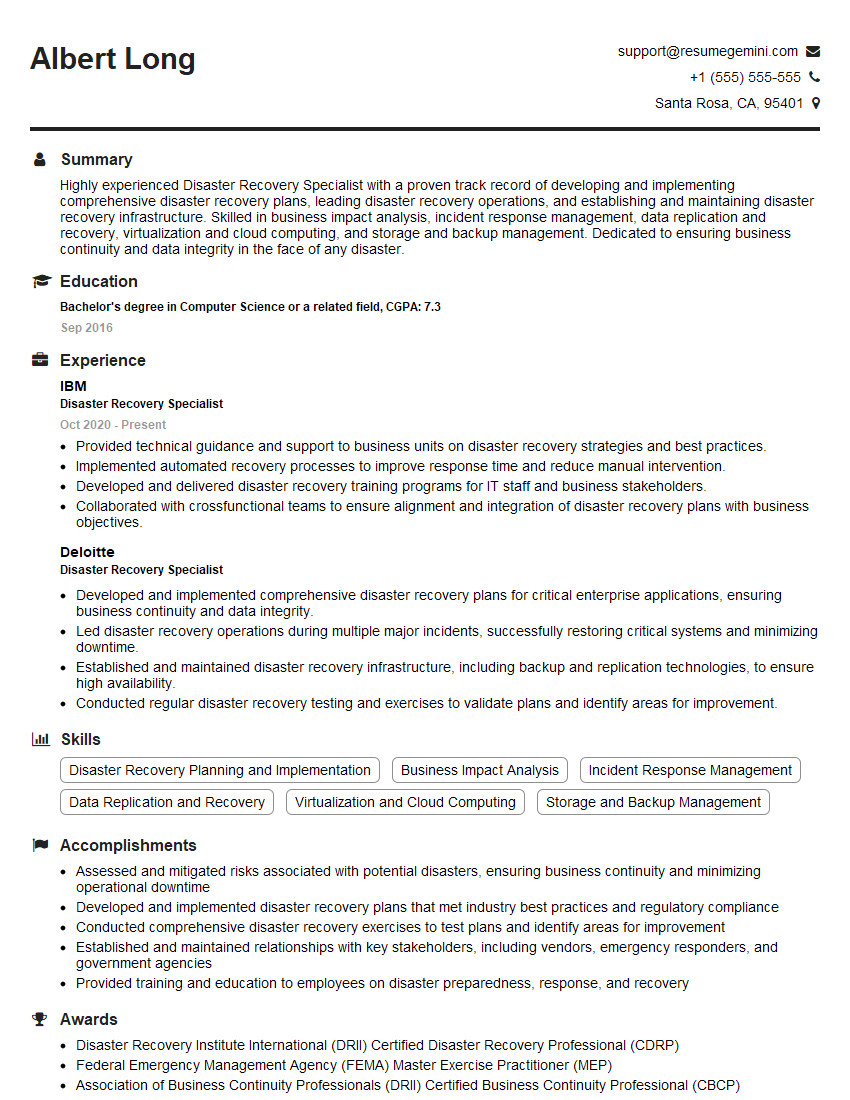
Disaster Recovery Specialist Resume Sample

Compliance Officer Resume Sample
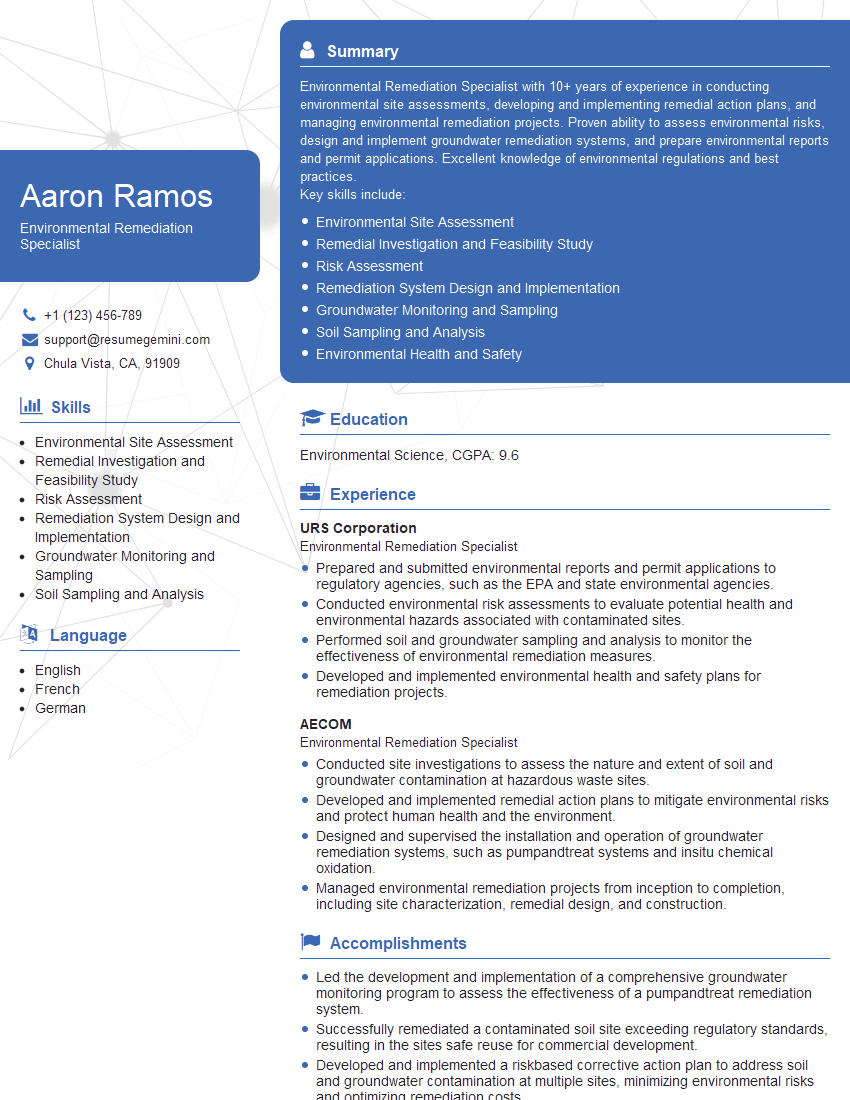
Environmental Remediation Specialist Resume Sample
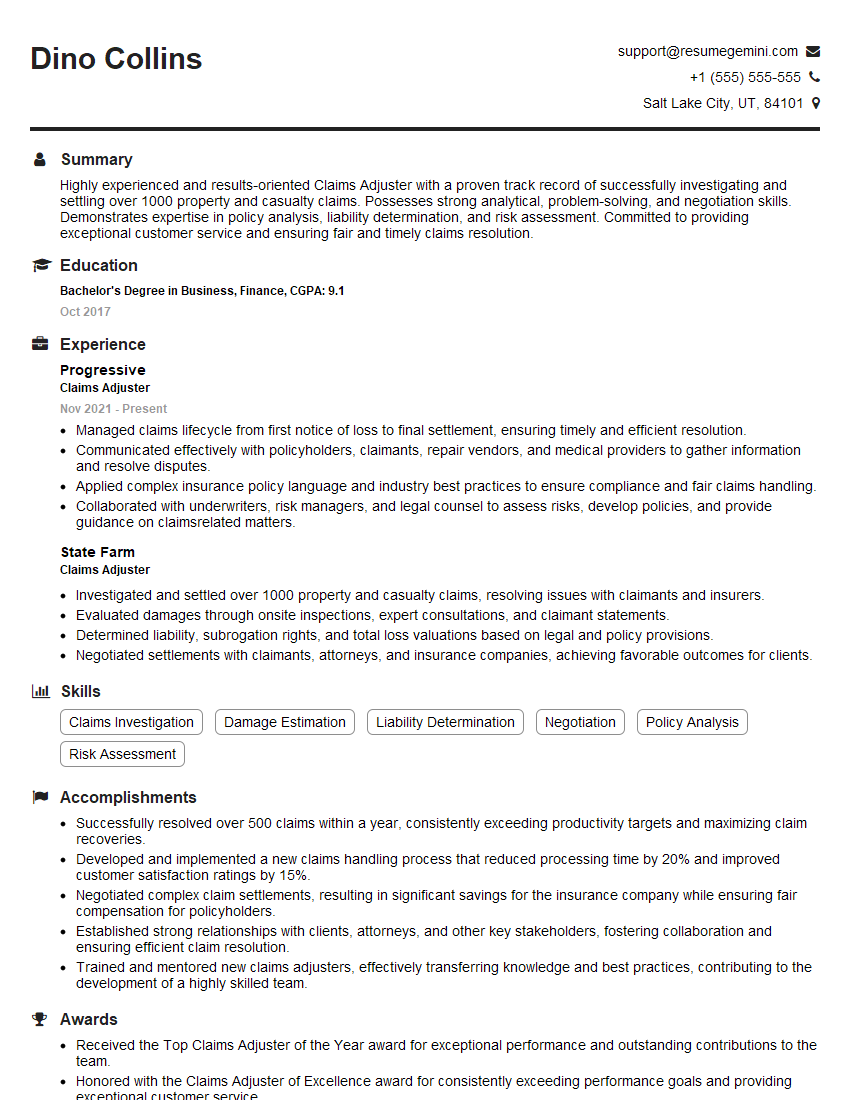
Claims Adjuster Resume Sample
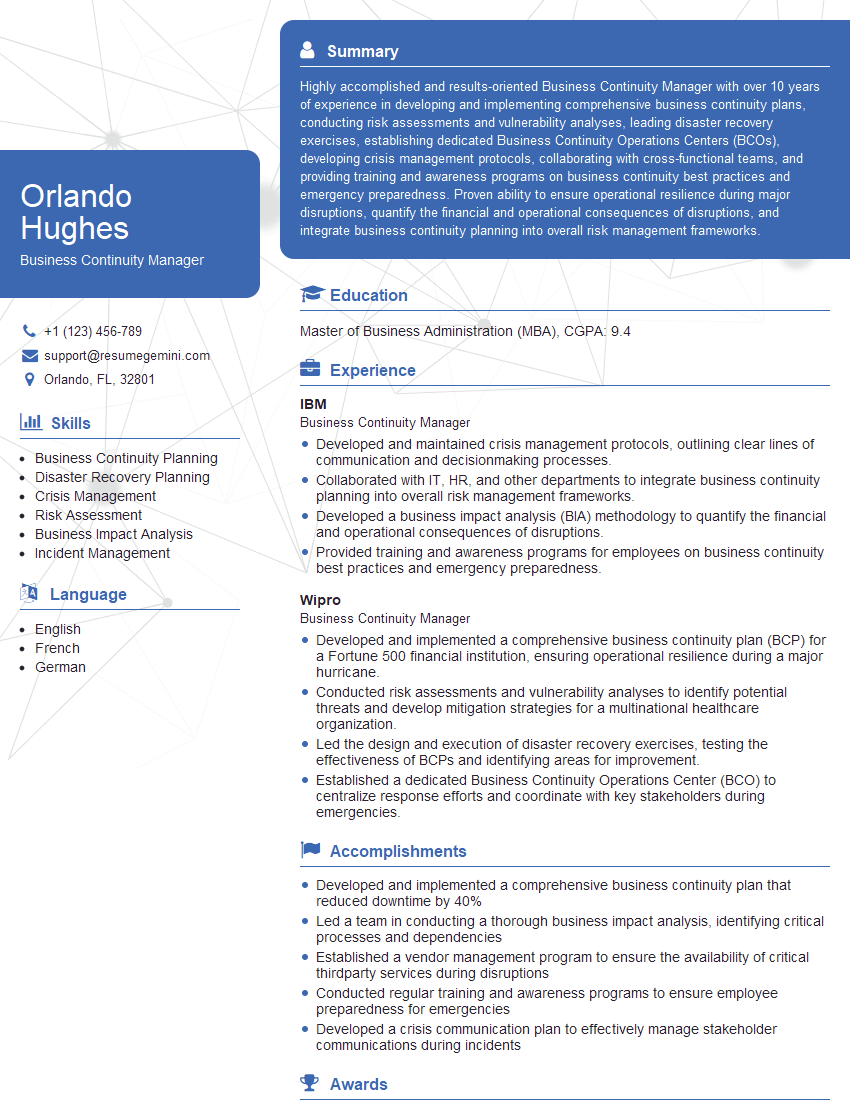
Business Continuity Manager Resume Sample
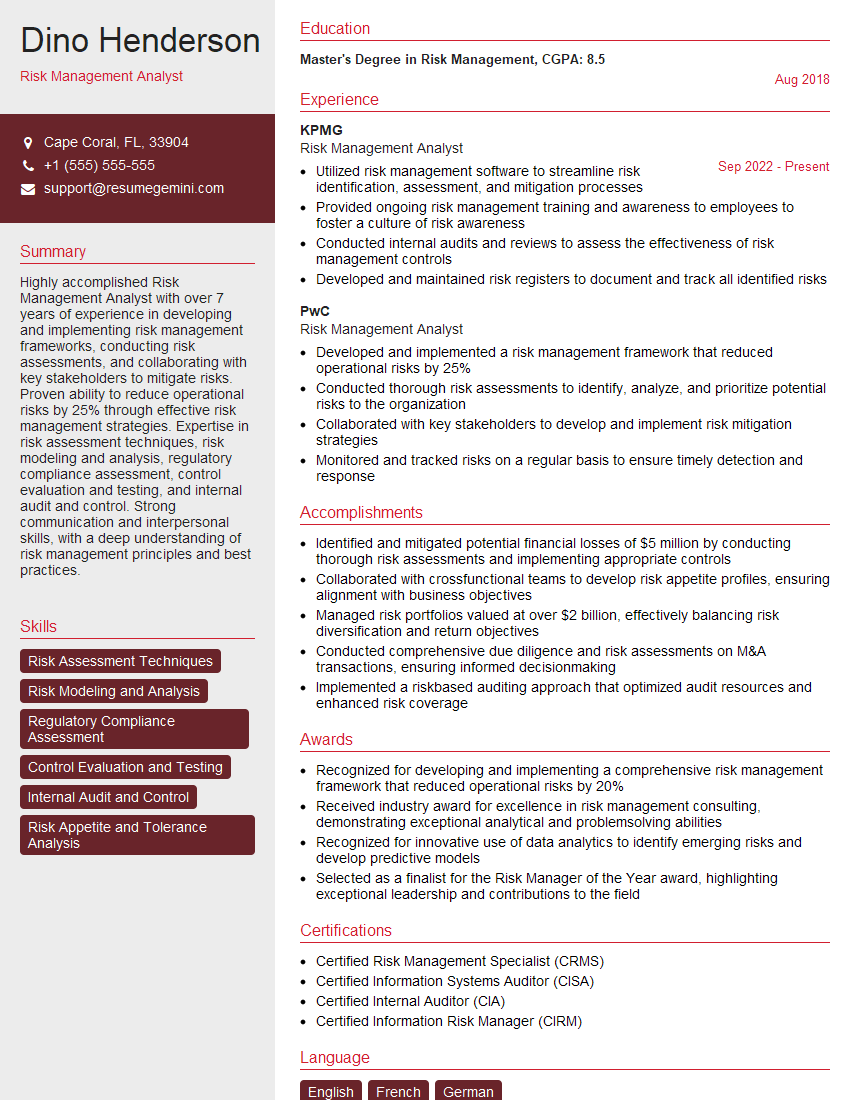
Risk Management Analyst Resume Sample
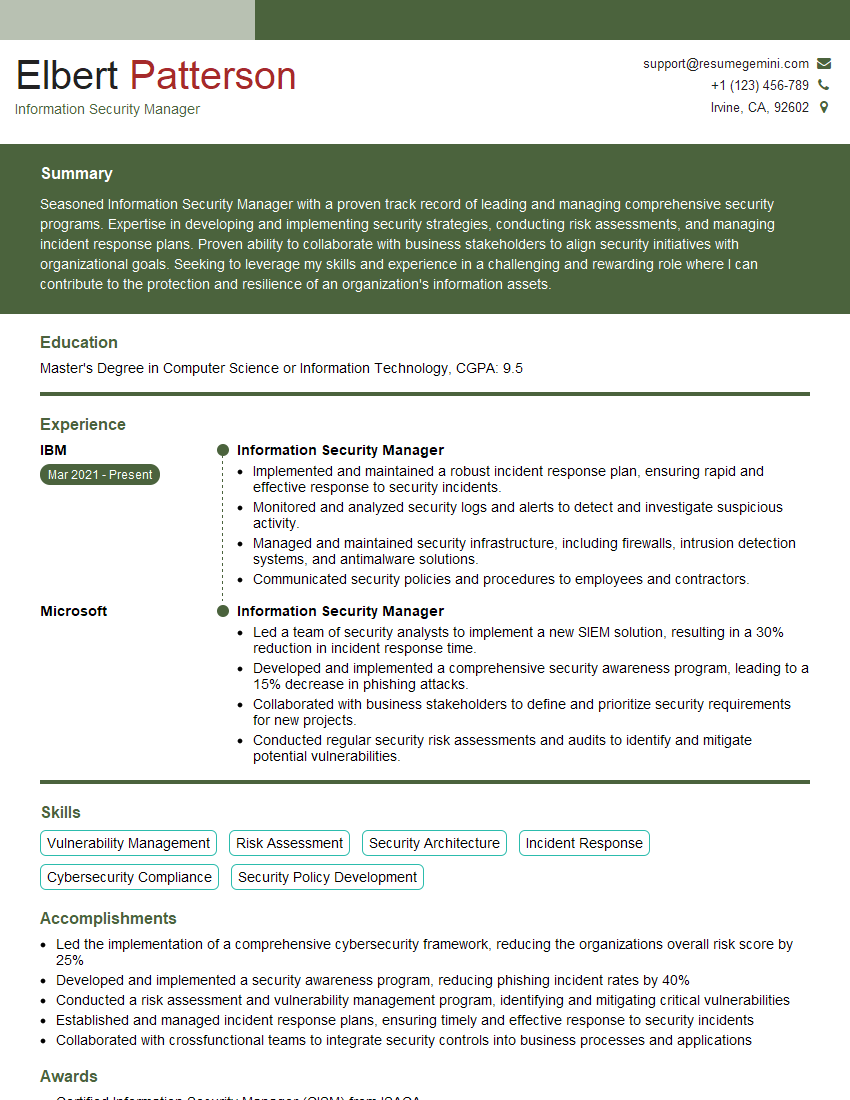
Information Security Manager Resume Sample
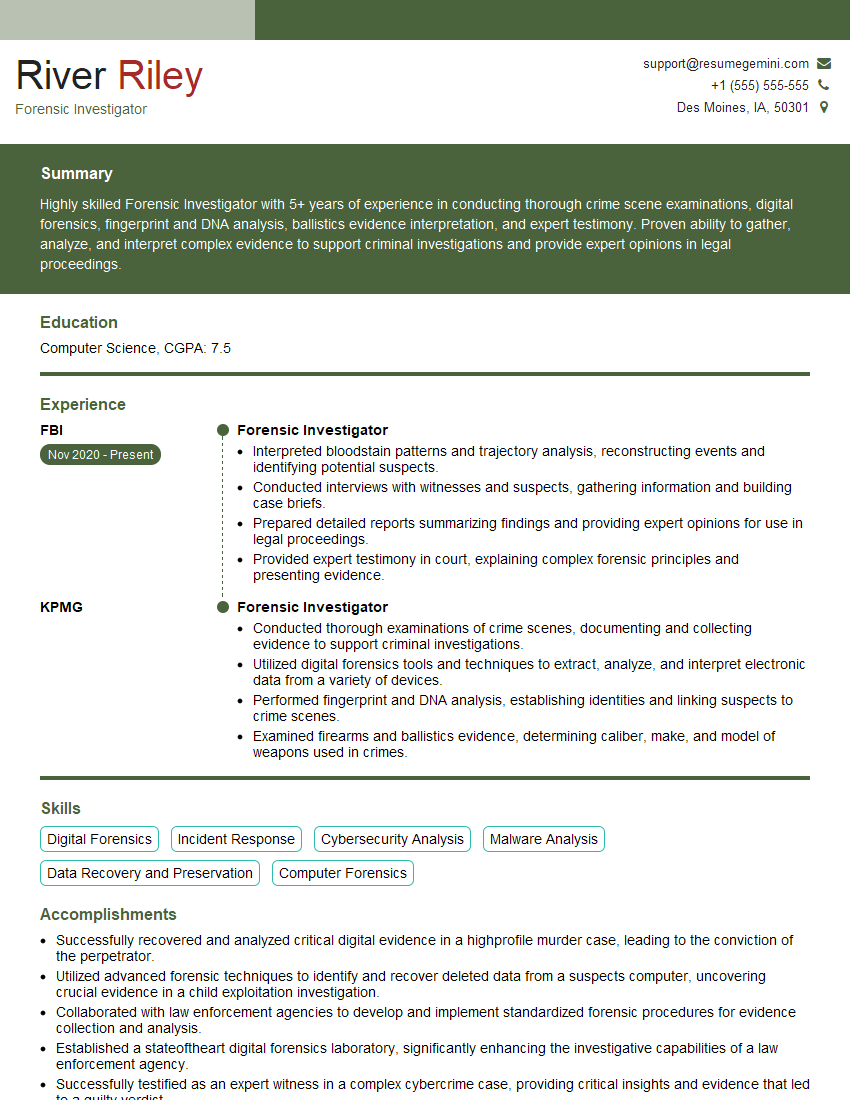
Forensic Investigator Resume Sample
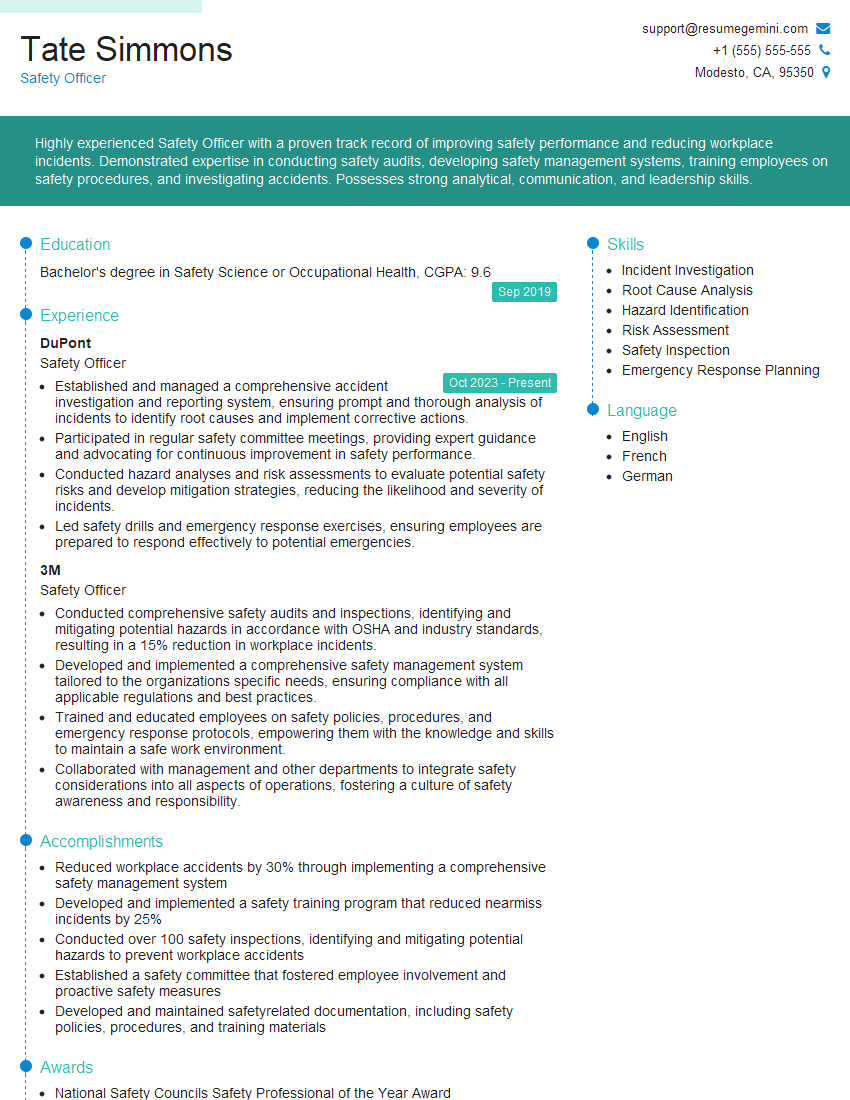
Safety Officer Resume Sample
Explore more articles
Users Rating of Our Blogs
Share Your Experience
We value your feedback! Please rate our content and share your thoughts (optional).
What Readers Say About Our Blog
Very informative content, great job.
good