The right preparation can turn an interview into an opportunity to showcase your expertise. This guide to Heel Leadership interview questions is your ultimate resource, providing key insights and tips to help you ace your responses and stand out as a top candidate.
Questions Asked in Heel Leadership Interview
Q 1. Describe your experience managing complex projects with multiple stakeholders.
Managing complex projects with multiple stakeholders requires a structured approach and strong communication skills. Think of it like orchestrating a symphony – each section (stakeholder) has its own part, but they must all work together harmoniously to create a beautiful whole (successful project). I leverage project management methodologies like Agile or Waterfall, adapting them to the specific project’s needs. This involves defining clear roles and responsibilities, establishing frequent communication channels (regular meetings, shared documents, project management software), and proactively addressing conflicts or disagreements. For example, in a recent project involving the launch of a new software platform, I used a Kanban board to visualize tasks, ensuring transparency for all stakeholders. This allowed for immediate identification of roadblocks and facilitated collaborative problem-solving. Regular stakeholder meetings were crucial for managing expectations and ensuring alignment on project goals.
Q 2. How do you prioritize competing demands and deadlines in a fast-paced environment?
Prioritizing competing demands in a fast-paced environment requires a strategic approach. I utilize a prioritization matrix, often a MoSCoW method (Must have, Should have, Could have, Won’t have), to categorize tasks based on urgency and importance. This provides a clear framework for decision-making. Timeboxing is another critical tool; allocating specific time blocks to high-priority tasks ensures focus and prevents scope creep. It’s like a surgeon operating – precision and focus on the critical tasks are paramount. I also proactively communicate constraints and potential delays to stakeholders, managing expectations and building consensus on priorities. Transparency fosters trust and prevents conflicts down the line. In a recent project with tight deadlines, using this matrix enabled us to deliver the core functionalities on time, while deferring less critical features to a later release.
Q 3. Explain your approach to problem-solving when faced with ambiguous or incomplete information.
My approach to problem-solving with ambiguous information involves a structured, investigative process. It’s like being a detective; I start by gathering as much data as possible from various sources. Then, I define the problem clearly, breaking it down into smaller, manageable parts. I explore multiple hypotheses and test them using available data or by conducting further research. This might involve brainstorming sessions, data analysis, or simulations. For example, faced with incomplete market research data for a new product launch, I developed a robust data analysis plan, incorporating secondary research and conducting targeted surveys to fill information gaps. This data-driven approach allowed us to make informed decisions despite the initial uncertainty.
Q 4. How do you build and maintain strong working relationships with senior executives?
Building strong relationships with senior executives requires understanding their priorities and communication styles. It’s about being a trusted advisor, not just an employee. I proactively communicate project updates, highlighting both successes and challenges, and tailoring my communication to their individual preferences – some prefer concise summaries, while others prefer more detailed reports. Regular check-ins, both formal and informal, are crucial for building rapport. Anticipating their needs and proactively addressing potential issues demonstrates my commitment and builds trust. For example, I anticipate executive concerns by providing regular, concise reports that highlight key metrics and potential risks, empowering them to make strategic decisions based on factual data.
Q 5. Describe a time you had to influence a decision without direct authority.
In a previous project, I needed to influence a decision regarding a critical vendor selection without direct authority. I compiled a comprehensive analysis comparing different vendors based on key criteria like cost, reliability, and innovation. I then presented this data in a clear, concise report, highlighting the potential risks and benefits of each option. I also proactively engaged in discussions with stakeholders, addressing their concerns and building consensus. This data-driven approach, coupled with my proactive engagement, successfully influenced the decision in favor of the vendor I believed was best suited for the project’s success.
Q 6. How do you identify and mitigate potential risks to project success?
Identifying and mitigating potential risks is a proactive and iterative process. I utilize risk management frameworks, such as a risk register, to systematically identify potential issues throughout the project lifecycle. This involves brainstorming sessions with the team, reviewing past project experiences, and analyzing potential external factors. Once identified, I assess the likelihood and impact of each risk, prioritizing those with the highest potential for negative consequences. For each high-priority risk, I develop mitigation strategies and contingency plans. Regular monitoring and reassessment of risks are essential to ensure effectiveness. For example, in a recent project, we identified the risk of supply chain disruptions. We mitigated this by diversifying our suppliers and building buffer stock, which allowed us to continue the project even with unexpected delays.
Q 7. How do you anticipate and proactively address the needs of your executive team?
Anticipating and proactively addressing the needs of the executive team involves a deep understanding of their strategic priorities and business objectives. It’s about being a strategic partner, not just a project manager. I achieve this through regular communication, actively listening to their concerns, and understanding their broader business context. I provide them with strategic insights and recommendations, not just operational updates. By analyzing project data and market trends, I can identify potential opportunities and challenges, enabling the executive team to make well-informed decisions. For example, by anticipating a potential market shift, I proactively developed a contingency plan that allowed the executive team to adapt swiftly and minimize negative impact.
Q 8. Describe your experience with process improvement and streamlining workflows.
Process improvement and workflow streamlining are crucial for efficiency. My approach involves a combination of Lean methodologies and Six Sigma principles. I begin by thoroughly analyzing existing processes, identifying bottlenecks and inefficiencies using tools like value stream mapping. This visual representation clearly highlights areas for improvement.
For example, in a previous role, we were experiencing significant delays in client onboarding. By mapping the process, we discovered redundant steps and communication breakdowns. We implemented a new system using project management software, automating several tasks and creating a centralized communication hub. This reduced onboarding time by 40% and improved client satisfaction significantly.
I also utilize data analysis to track process performance before and after improvements, ensuring the changes are truly effective. This data-driven approach allows for continuous optimization and prevents reverting to old, less efficient methods.
Q 9. How do you ensure effective communication and information flow within your team and across departments?
Effective communication is paramount. I foster open communication within my team through regular team meetings, both formal and informal. These meetings provide opportunities for updates, feedback, and brainstorming. I utilize a combination of communication channels – email for formal announcements, instant messaging for quick queries, and project management software for task tracking and collaboration.
Cross-departmental communication requires a more structured approach. I champion the use of clearly defined communication protocols and utilize regular cross-functional meetings to ensure everyone is aligned on goals and progress. Creating a shared communication platform, such as a company intranet or shared document repository, ensures everyone has access to the same information. Transparency is key to building trust and facilitating efficient information flow.
Q 10. How do you handle confidential information and maintain discretion?
Confidentiality is a core value. I strictly adhere to all company policies regarding data protection and handle sensitive information with the utmost care. This includes using secure communication channels, encrypting sensitive data when necessary, and limiting access to confidential information on a need-to-know basis.
I’ve had experience handling sensitive client data, financial reports, and internal strategic plans. In each case, I’ve prioritized security by using password-protected documents, secure servers, and following strict protocols for data disposal. Training on data privacy regulations and best practices is vital, and I actively participate in such training to stay informed and compliant. I also regularly review and update my understanding of company policies and regulations to ensure I’m operating within legal and ethical boundaries.
Q 11. Explain your experience with budget management and resource allocation.
Budget management and resource allocation are critical for achieving organizational goals. I approach this systematically, starting with a clear understanding of departmental objectives and priorities. I then develop a detailed budget, breaking down expenses into categories and justifying each item. Regular monitoring is crucial to track spending against the budget and identify any potential overruns or under-utilizations of resources.
For example, in a prior project, I was responsible for managing a $500,000 budget. By using project management software and regularly tracking expenses, I successfully kept the project under budget, saving the company approximately 10%. This involved proactively identifying potential cost overruns and finding alternative solutions, often through negotiation with vendors or by exploring more cost-effective alternatives.
Q 12. How do you stay organized and manage multiple tasks effectively?
Staying organized and managing multiple tasks effectively is a skill honed over time. I rely heavily on time management techniques like prioritization matrices (such as Eisenhower Matrix), task lists, and project management software. I break down large tasks into smaller, manageable steps, setting realistic deadlines for each.
For instance, I utilize project management software to create detailed project plans, assign tasks, set deadlines, and track progress. This allows me to visualize the workflow, identify potential bottlenecks, and adjust my approach as needed. Regular review and reassessment of my task list ensures I’m focusing on the most critical tasks while preventing feeling overwhelmed.
Q 13. Describe your experience with meeting planning and coordination.
Effective meeting planning and coordination are essential for productivity. I start by defining the meeting’s objectives and desired outcomes. I then identify the necessary participants, ensuring everyone’s attendance contributes meaningfully to the discussion. I distribute a clear agenda in advance, providing context and encouraging pre-reading.
During the meeting, I facilitate discussions, ensuring everyone has a chance to contribute and that the meeting stays focused. After the meeting, I distribute minutes summarizing key decisions and action items. This ensures that the time spent in the meeting is productive and leads to tangible outcomes.
Q 14. How do you utilize technology to enhance efficiency and productivity?
Technology plays a significant role in enhancing efficiency and productivity. I leverage various tools for communication, collaboration, and project management. This includes utilizing project management software like Asana or Trello for task assignment, progress tracking, and communication, video conferencing tools for remote meetings, and cloud storage for seamless data access.
Data analytics tools help me monitor progress, identify trends, and make data-driven decisions. I am also proficient in using various software for automating repetitive tasks, reducing manual effort and freeing up time for more strategic initiatives. Continuous learning and exploration of new technologies are key to staying ahead of the curve and maximizing efficiency.
Q 15. Describe a time you had to navigate a challenging interpersonal dynamic.
Navigating challenging interpersonal dynamics is a crucial skill for any leader, especially within the framework of Heel Leadership, which emphasizes support and empowerment. In one instance, I was working on a cross-functional project with a team member who had a vastly different working style and communication preference than my own. This led to misunderstandings and occasional friction. Instead of direct confrontation, I opted for a more empathetic approach.
- Understanding: I began by actively listening to their perspective and understanding their motivations. Why were they communicating in this way? What were their concerns?
- Open Communication: I initiated a one-on-one conversation, expressing my appreciation for their contributions while addressing the communication challenges. I focused on ‘I’ statements to avoid blaming or accusing. For example, I said, ‘I’ve noticed that our communication styles differ, and I’m wondering if we could find a way to work more effectively together.’
- Finding Common Ground: We collaboratively established clear communication protocols. We agreed on regular check-ins using a preferred method (e.g., daily email updates) and outlined expectations for project deliverables. This ensured clarity and reduced misunderstandings.
This approach not only resolved the immediate conflict but also built a stronger working relationship based on mutual respect and understanding. It reinforced the Heel Leadership principle of fostering collaboration and support, even amidst differences in approach.
Career Expert Tips:
- Ace those interviews! Prepare effectively by reviewing the Top 50 Most Common Interview Questions on ResumeGemini.
- Navigate your job search with confidence! Explore a wide range of Career Tips on ResumeGemini. Learn about common challenges and recommendations to overcome them.
- Craft the perfect resume! Master the Art of Resume Writing with ResumeGemini’s guide. Showcase your unique qualifications and achievements effectively.
- Don’t miss out on holiday savings! Build your dream resume with ResumeGemini’s ATS optimized templates.
Q 16. How do you handle stressful situations and maintain composure under pressure?
Maintaining composure under pressure is essential in a leadership role, particularly when employing a Heel Leadership style which demands patience and emotional intelligence. My approach is threefold:
- Mindfulness: I prioritize mindfulness techniques, such as deep breathing exercises, to regulate my physiological response to stress. This helps me stay calm and think clearly even in high-pressure situations.
- Strategic Prioritization: I analyze the situation, identify the most critical tasks, and delegate appropriately. This prevents feeling overwhelmed and ensures that resources are allocated effectively.
- Positive Self-Talk: I consciously engage in positive self-talk, focusing on my strengths and previous successes. This boosts my confidence and resilience, helping me approach challenges with a proactive and optimistic mindset.
For example, during a major project launch with a tight deadline and unforeseen technical glitches, I utilized these techniques. By prioritizing tasks, delegating responsibilities, and maintaining a calm demeanor, I reassured the team and guided them through the crisis. We successfully launched the project within the revised timeline, demonstrating the effectiveness of a calm and strategic approach even under extreme pressure.
Q 17. How do you adapt to changing priorities and unexpected challenges?
Adaptability is key in today’s dynamic environment, especially within a Heel Leadership framework where supporting team members requires flexibility. My approach involves a combination of proactive planning and reactive problem-solving:
- Flexible Planning: I avoid rigid plans; instead, I favor agile methodologies, incorporating buffer time and contingency plans to account for unforeseen challenges. I regularly review and adjust plans based on new information.
- Open Communication: Keeping stakeholders informed about changes is crucial. I emphasize transparency and actively seek feedback to ensure everyone is on the same page and understands the rationale behind adjustments.
- Embracing Change: I view change as an opportunity for growth and learning. I actively encourage my team to embrace change and find creative solutions to new obstacles, fostering a culture of adaptability.
In a recent scenario, a key supplier unexpectedly withdrew from a project. Using my flexible planning, I quickly identified alternative suppliers, negotiated terms, and communicated the adjustments to stakeholders proactively. This minimized disruption and ensured project success, showcasing the importance of adaptability and effective communication in Heel Leadership.
Q 18. Describe your experience with strategic planning and implementation.
Strategic planning and implementation are integral parts of effective Heel Leadership. My approach involves a collaborative, data-driven process:
- Defining Goals: I begin by clearly defining long-term and short-term goals, ensuring alignment with the overall organizational vision. I involve key stakeholders in this process to foster buy-in and ownership.
- Data Analysis: I use data-driven insights to inform decision-making throughout the process. This ensures that the plan is realistic, achievable, and tailored to the specific needs of the team and organization.
- Implementation and Monitoring: I implement the plan using agile methods, allowing for regular review and adjustments. I track key metrics to monitor progress and identify areas for improvement.
For instance, in a previous role, I led the development of a new training program. Through collaborative goal setting, rigorous data analysis to understand training needs, and agile implementation with regular feedback loops, we saw a significant improvement in employee performance and engagement. This demonstrates how strategic planning and effective implementation can produce measurable results in alignment with Heel Leadership’s focus on empowerment and support.
Q 19. How do you measure your success in a supporting role?
Measuring success in a supporting role, within the context of Heel Leadership, requires shifting focus from personal achievements to the accomplishments of the team and individuals I support. I measure success using the following:
- Team Performance: I track the overall performance of the team, analyzing key metrics related to productivity, quality, and efficiency. Improvements in these areas directly reflect my effectiveness in supporting the team.
- Individual Growth: I track the individual growth and development of team members. This includes evaluating skill improvements, increased confidence, and enhanced job satisfaction.
- Improved Collaboration: I monitor improvements in teamwork, communication, and collaboration among team members. This indicates my success in fostering a positive and supportive work environment.
- Positive Feedback: I seek regular feedback from the team members I support. Their feedback provides valuable insights into my effectiveness and areas where I can improve my support.
For example, I once supported a team struggling with a complex project. By providing targeted guidance, mentorship, and removing obstacles, I helped them deliver exceptional results. The team’s success and their positive feedback validated my contributions as a supportive leader.
Q 20. How do you build consensus and gain buy-in from diverse stakeholders?
Building consensus and gaining buy-in from diverse stakeholders is paramount in Heel Leadership, where collaboration and shared understanding are prioritized. My approach centers on:
- Active Listening: I prioritize actively listening to the perspectives of all stakeholders, understanding their concerns and priorities.
- Transparency and Open Communication: I maintain transparent communication, ensuring that everyone is fully informed about decisions and their rationale.
- Finding Common Ground: I facilitate discussions to identify shared goals and values, highlighting areas of agreement.
- Compromise and Negotiation: I encourage compromise and negotiation, finding solutions that address the concerns of all stakeholders as much as possible.
In a recent project, I had to secure buy-in from various departments with differing priorities. By employing active listening, transparent communication, and collaborative negotiation, I was able to reach a consensus that met the needs of all departments. This successful collaboration demonstrated the power of a Heel Leadership approach to stakeholder management.
Q 21. Describe your experience with conflict resolution.
Conflict resolution is an unavoidable aspect of leadership, even within a supportive Heel Leadership style. My approach is based on empathy, fairness, and finding mutually beneficial solutions.
- Understanding the Root Cause: I begin by carefully listening to all parties involved, seeking to understand the underlying causes of the conflict rather than focusing solely on the symptoms.
- Neutral Facilitation: I act as a neutral facilitator, creating a safe space for open and honest communication, guiding the discussion towards a resolution.
- Collaborative Problem-Solving: I encourage collaborative problem-solving, helping parties find a solution that satisfies the needs of all involved to the greatest extent possible. This reinforces the supportive aspects of Heel Leadership.
- Follow-up: After a resolution is reached, I follow up with all parties to ensure that the agreement is being upheld and that any lingering issues are addressed.
In a past situation, a disagreement arose between two team members regarding project priorities. By facilitating a constructive dialogue, identifying the root causes of the conflict, and helping them find a compromise, I not only resolved the immediate issue but also strengthened their working relationship. This underscored the importance of proactive conflict resolution in maintaining a positive and productive team environment.
Q 22. How do you identify and leverage opportunities for improvement?
Identifying and leveraging opportunities for improvement is a core component of Heel Leadership, focusing on continuous growth and refinement. It involves a proactive, data-driven approach, combined with a keen understanding of both individual and team performance.
- Data Analysis: I begin by analyzing performance metrics, customer feedback, and market trends to pinpoint areas needing attention. For example, if sales figures for a specific product line are consistently lower than projected, I’d investigate the underlying reasons – is it pricing, marketing, product quality, or something else?
- Team Collaboration: I then engage my team in brainstorming sessions, encouraging open communication and diverse perspectives. This collaborative process allows us to uncover hidden opportunities and identify innovative solutions. For instance, a team discussion might reveal a critical piece of feedback from customers that wasn’t initially highlighted in standard surveys, providing a crucial insight for improvement.
- Implementation and Tracking: Once opportunities are identified, I develop and implement targeted improvement plans, ensuring these plans align with broader strategic goals. Regular monitoring and data analysis allow us to track progress, make necessary adjustments, and celebrate successes. A project management tool, coupled with regular progress reports, helps maintain accountability and transparency.
This iterative process ensures that we are continuously refining our processes and maximizing our potential.
Q 23. How do you proactively identify and address potential issues?
Proactive issue identification is crucial for effective Heel Leadership. It involves anticipating potential problems, employing preventive measures, and building resilience within the team.
- Risk Assessment: I regularly conduct risk assessments, considering various internal and external factors that could impact our operations or goals. This might include reviewing market trends, assessing supply chain vulnerabilities, or analyzing team capacity. For example, identifying a potential upcoming economic downturn allows us to proactively adjust our budgeting and resource allocation.
- Early Warning Systems: I build early warning systems into our operations. This could involve setting key performance indicators (KPIs) and monitoring them closely for deviations. Any significant variation from established norms triggers immediate investigation and corrective actions. Think of this like a car’s dashboard warning lights – they signal potential problems before they escalate into major issues.
- Communication and Transparency: Open and honest communication within the team is vital for proactive issue management. Encouraging employees to voice concerns without fear of reprisal empowers us to address issues early on, preventing them from snowballing into larger problems. A regular team meeting dedicated to open discussion and potential roadblocks is a powerful tool.
By proactively identifying and addressing potential issues, we reduce the likelihood of major disruptions and enhance our overall effectiveness.
Q 24. Describe your experience with data analysis and reporting.
Data analysis and reporting are essential tools in my leadership approach. I am proficient in using various software and analytical techniques to extract meaningful insights from raw data.
- Data Collection and Cleaning: I’m experienced in gathering data from multiple sources, ensuring its accuracy, and cleaning it to prepare it for analysis. This may involve using SQL to query databases or utilizing data visualization tools to explore trends.
- Statistical Analysis: I apply various statistical techniques, such as regression analysis or hypothesis testing, to identify patterns, correlations, and causal relationships within the data. This allows for a deeper understanding of performance drivers and areas for improvement.
- Reporting and Visualization: I use data visualization tools to create compelling reports that clearly communicate complex information to stakeholders. This might include creating dashboards showcasing key performance metrics or generating presentations summarizing findings and recommendations. Clear, concise visualizations are key to effective communication.
For example, I recently used data analysis to identify a correlation between employee training and customer satisfaction scores, leading to an investment in enhanced employee training programs.
Q 25. How do you maintain confidentiality and protect sensitive information?
Maintaining confidentiality and protecting sensitive information is paramount. I adhere to strict ethical guidelines and organizational policies to ensure the privacy and security of all data under my purview.
- Data Encryption: I utilize encryption techniques to protect sensitive data both in transit and at rest. This includes using secure protocols for data transmission and employing strong password policies for access control.
- Access Control: I implement strict access control measures, ensuring that only authorized personnel have access to sensitive information on a need-to-know basis. This includes regular audits of access privileges to prevent unauthorized access.
- Data Loss Prevention (DLP): I implement data loss prevention measures to monitor and prevent the unauthorized transfer of sensitive information. This involves utilizing software tools that scan for sensitive data and block its transmission through unauthorized channels.
- Security Training: I ensure that all team members receive regular training on data security best practices and organizational policies, emphasizing the importance of responsible data handling.
My commitment to data security is unwavering, and I consistently prioritize the protection of sensitive information above all else.
Q 26. How do you contribute to a positive and collaborative work environment?
Contributing to a positive and collaborative work environment is central to my leadership philosophy. I believe that a supportive and inclusive team is the key to high performance and innovation.
- Open Communication: I foster open communication by encouraging regular feedback, both upward and downward. I actively solicit input from team members and make myself accessible to address their concerns. Regular team meetings and informal check-ins help maintain open dialogue.
- Team Building: I organize team-building activities to foster camaraderie and strengthen relationships within the team. These activities could range from simple social gatherings to more structured team-building exercises designed to improve communication and collaboration.
- Recognition and Appreciation: I consistently recognize and appreciate the contributions of individual team members and the team as a whole. This includes both formal and informal recognition, highlighting achievements and celebrating successes.
- Conflict Resolution: I actively address conflicts and disagreements in a constructive manner, mediating disputes and seeking win-win solutions. Addressing issues promptly prevents smaller problems from escalating into larger ones.
By cultivating a positive and collaborative work environment, I empower my team to perform at their best and achieve shared goals.
Q 27. Describe your experience with crisis management.
My experience with crisis management involves a structured, decisive approach focused on minimizing damage and ensuring rapid recovery.
- Assessment and Response: In a crisis, I begin by quickly assessing the situation, identifying the immediate impact, and taking immediate action to mitigate the problem. This involves prioritizing tasks and assigning responsibilities clearly and concisely.
- Communication and Transparency: Transparent and consistent communication with all stakeholders is crucial. I keep everyone informed of the situation, the actions being taken, and the expected outcomes. Open communication minimizes fear and rumors.
- Collaboration and Coordination: Crisis management often requires collaboration with internal and external stakeholders. I facilitate communication and coordination across teams, ensuring everyone works towards a common goal.
- Post-Crisis Analysis: After the crisis has been resolved, I conduct a thorough post-crisis analysis to identify lessons learned, improve our response capabilities, and prevent similar situations from occurring in the future. This might involve conducting interviews with individuals involved, reviewing data, and updating crisis management plans accordingly.
For example, during a recent unexpected supply chain disruption, I successfully navigated the crisis by diversifying our suppliers, ensuring timely communication with clients, and minimizing the overall impact on our operations.
Q 28. How do you utilize your knowledge and skills to support your team’s strategic goals?
I utilize my knowledge and skills to support my team’s strategic goals by aligning individual efforts with overarching objectives, providing guidance and mentorship, and leveraging data-driven insights.
- Strategic Alignment: I ensure that individual tasks and project goals are clearly aligned with broader strategic objectives. This involves setting clear expectations, establishing key performance indicators (KPIs), and regularly monitoring progress.
- Mentorship and Coaching: I provide mentorship and coaching to team members, helping them develop their skills, enhance their performance, and achieve their career goals. This includes regular one-on-one meetings, constructive feedback, and opportunities for professional development.
- Resource Allocation: I efficiently allocate resources, including personnel, budget, and technology, to ensure optimal performance and the achievement of strategic goals. This involves careful planning, prioritization, and continuous monitoring of resource utilization.
- Data-Driven Decision Making: I use data analysis to inform decision-making, ensuring that strategies and tactics are grounded in evidence and insights. This enables informed choices and enhances the likelihood of achieving strategic goals.
By effectively aligning individual efforts, providing guidance, and leveraging data-driven insights, I contribute to the successful achievement of my team’s strategic goals.
Key Topics to Learn for Heel Leadership Interview
- Understanding Heel Leadership Principles: Explore the core tenets of Heel Leadership, including its emphasis on collaboration, empowerment, and servant leadership. Consider the ethical implications and the impact on team dynamics.
- Practical Application in Diverse Settings: Analyze how Heel Leadership principles translate into real-world scenarios. Think about examples from your own experience or hypothetical situations requiring strategic decision-making and team management under pressure.
- Conflict Resolution and Team Building: Examine effective strategies for navigating disagreements and fostering a positive and productive work environment. How can Heel Leadership principles mitigate conflict and enhance team cohesion?
- Strategic Planning and Vision: Consider how a Heel Leadership approach informs strategic planning. How can you articulate a clear vision and inspire your team to achieve ambitious goals while prioritizing the well-being and development of each team member?
- Performance Management and Feedback: Explore best practices for providing constructive feedback, coaching team members, and managing performance effectively within a Heel Leadership framework. How do you balance support and accountability?
- Adaptability and Change Management: Discuss how Heel Leadership can help navigate organizational change and adapt to evolving challenges. How can you foster resilience and adaptability within your team?
Next Steps
Mastering Heel Leadership principles is crucial for career advancement, demonstrating your ability to build high-performing teams and drive positive organizational change. An ATS-friendly resume is vital for getting your application noticed by recruiters. To maximize your job prospects, we highly recommend using ResumeGemini, a trusted resource for creating professional and effective resumes. Examples of resumes tailored to highlight Heel Leadership experience are available below to help guide your resume creation.
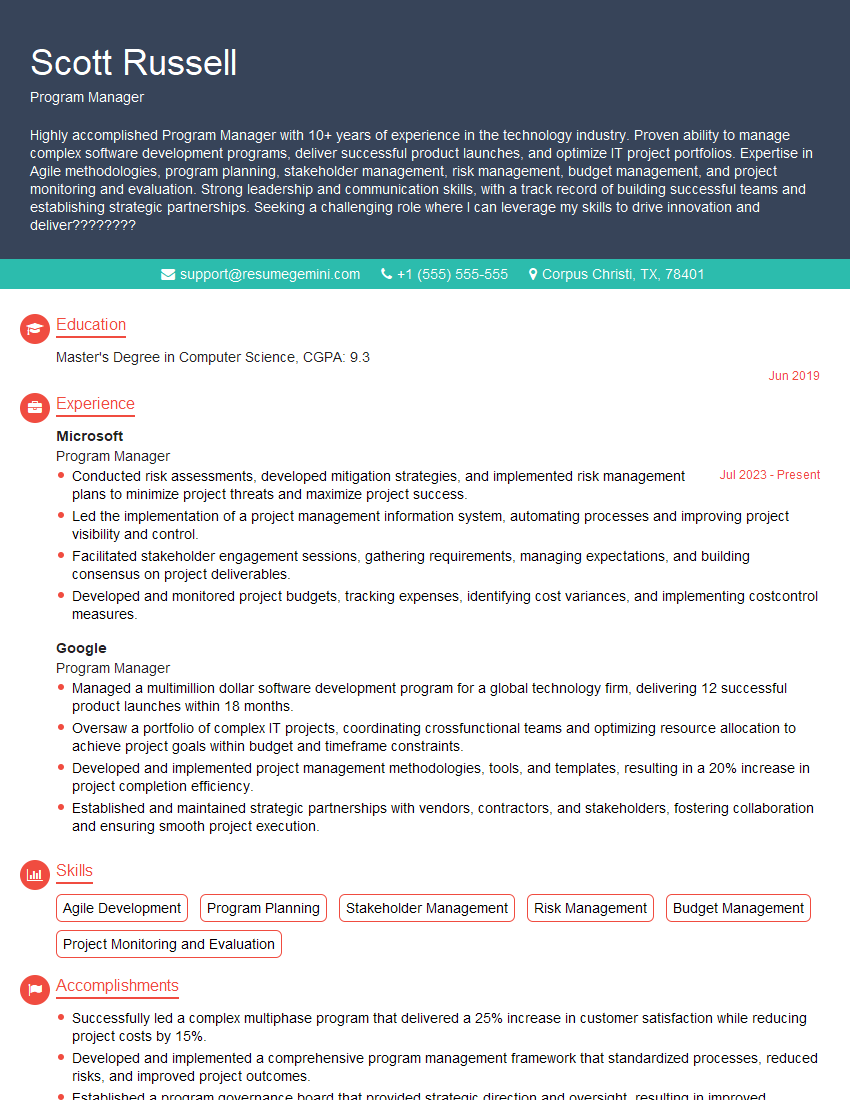
Program Manager Resume Sample
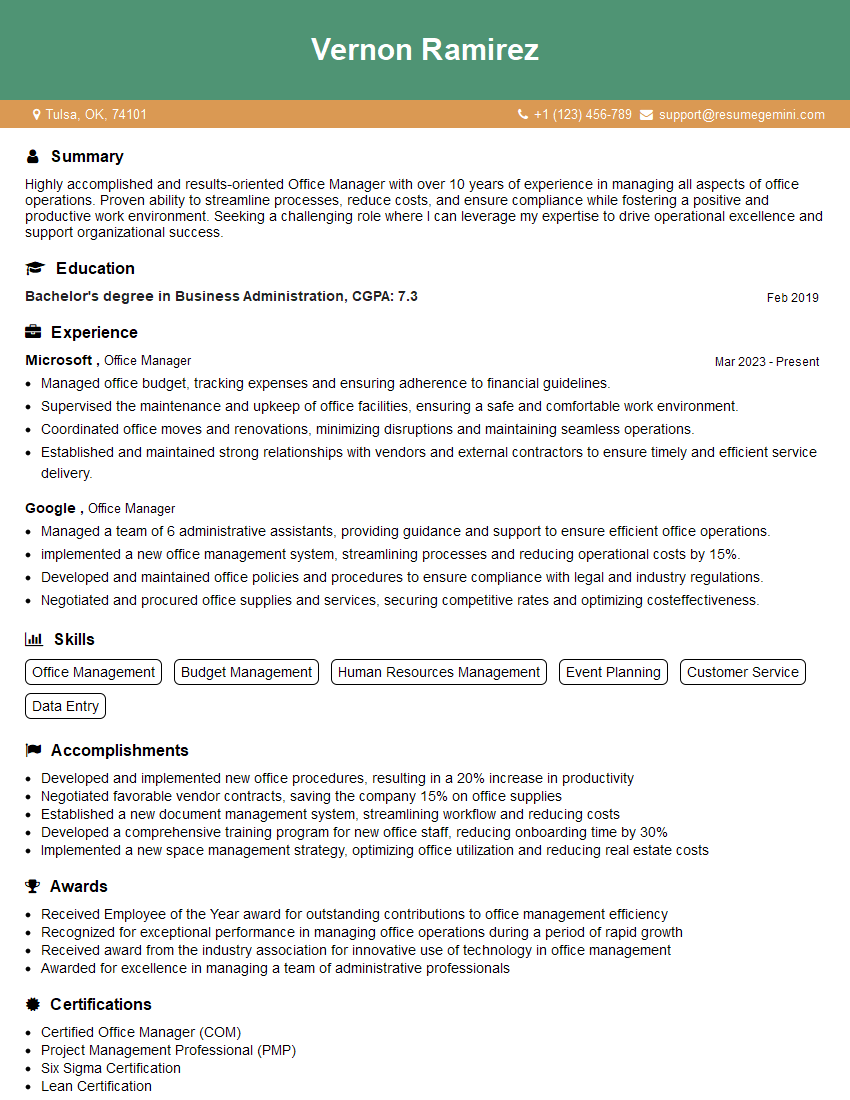
Office Manager Resume Sample

Operations Manager Resume Sample
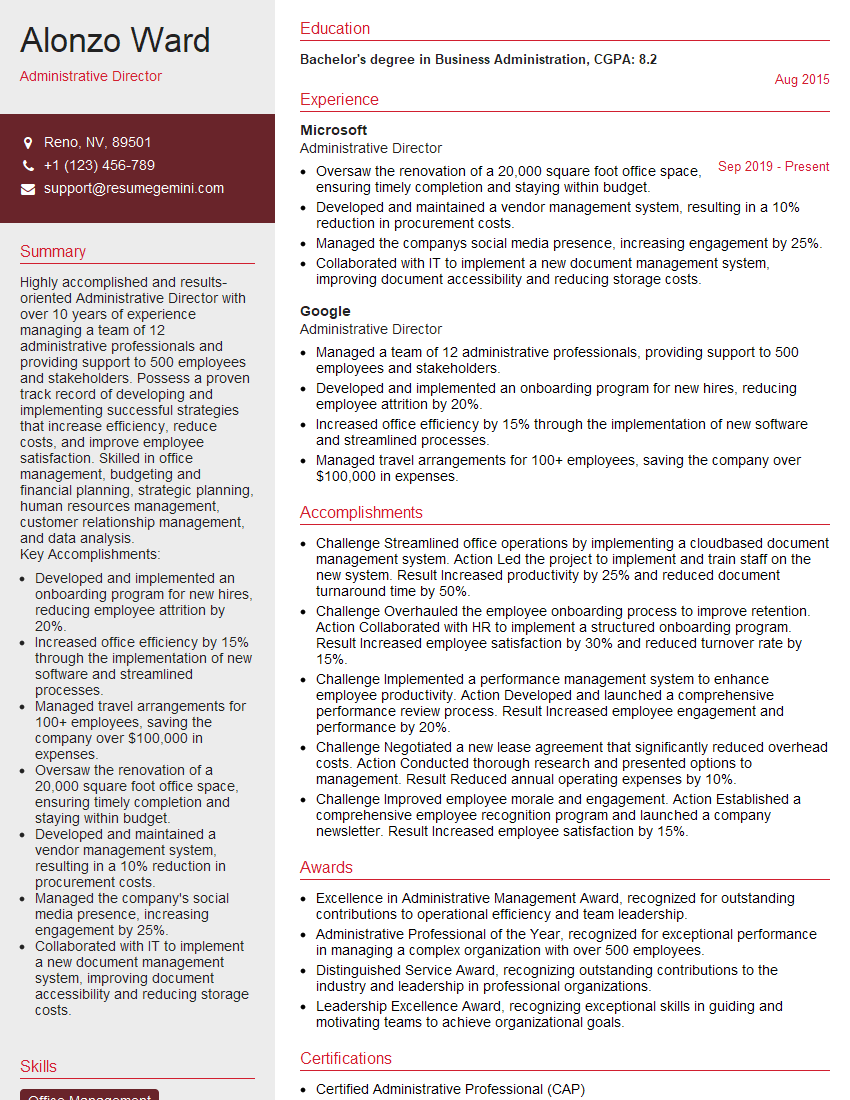
Administrative Director Resume Sample
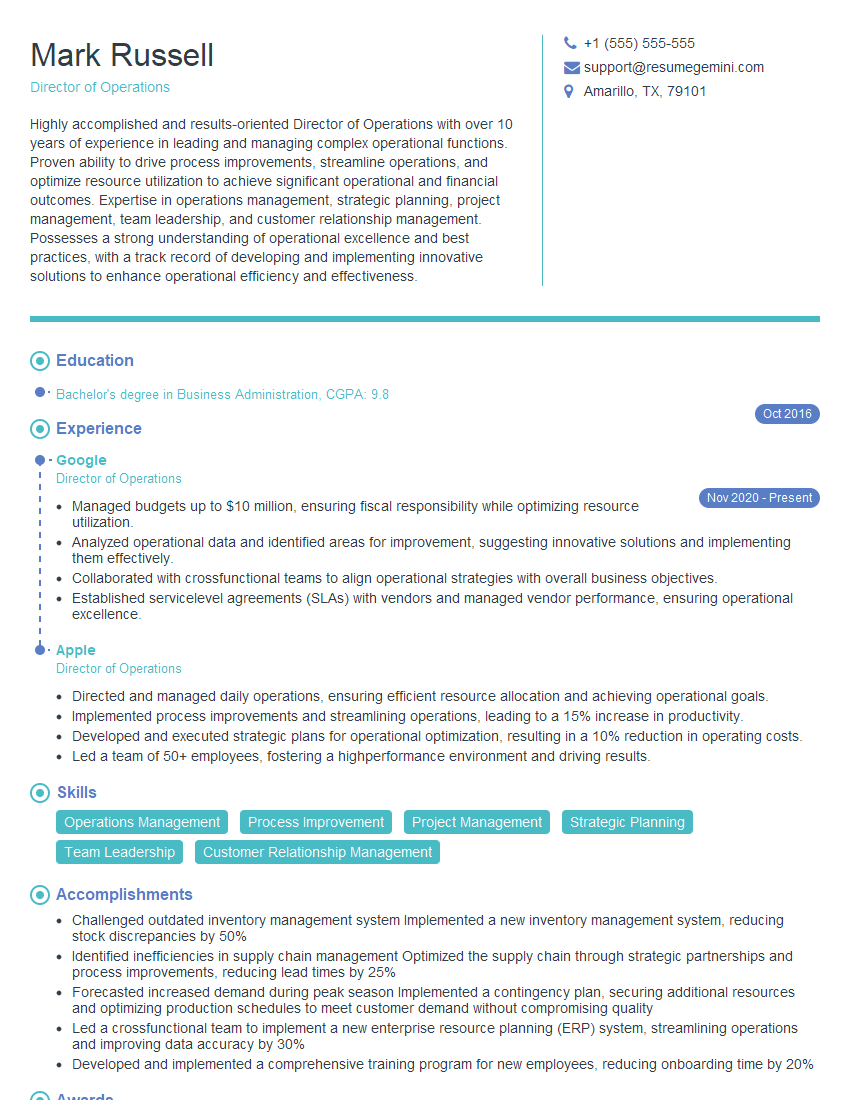
Director of Operations Resume Sample

Project Manager Resume Sample

Chief of Staff Resume Sample
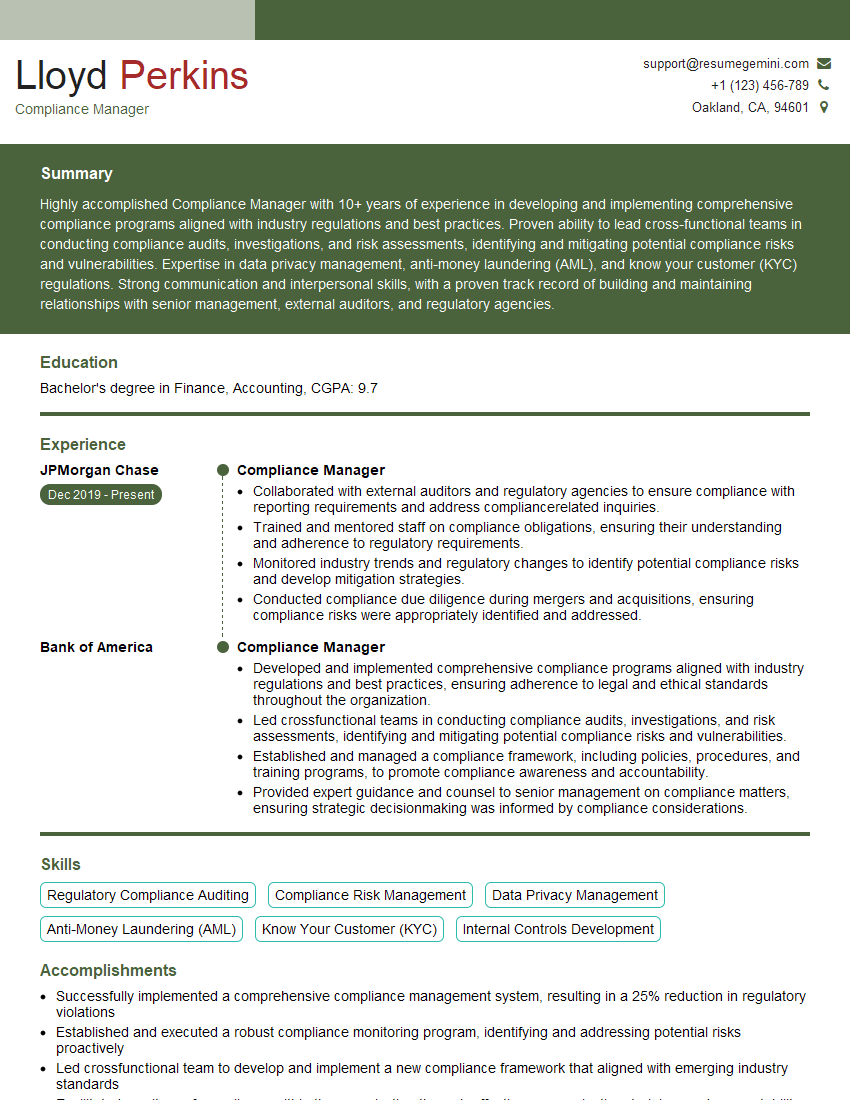
Compliance Manager Resume Sample
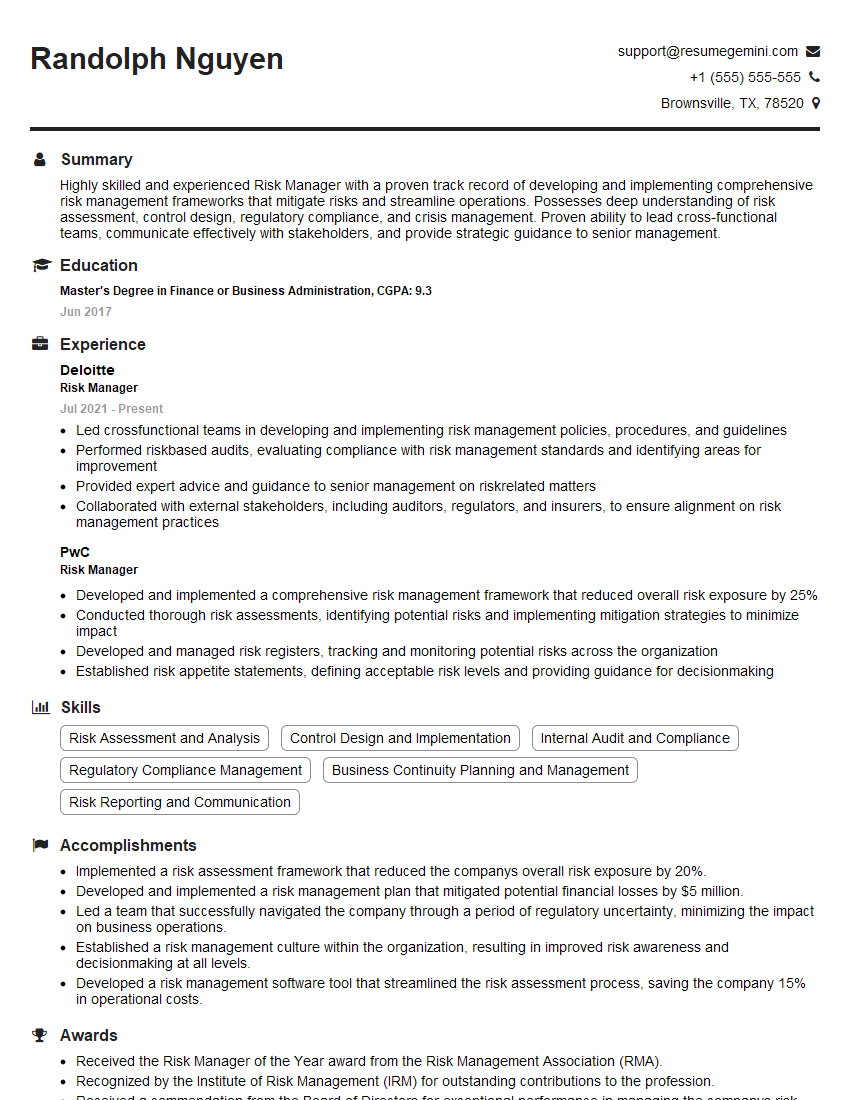
Risk Manager Resume Sample
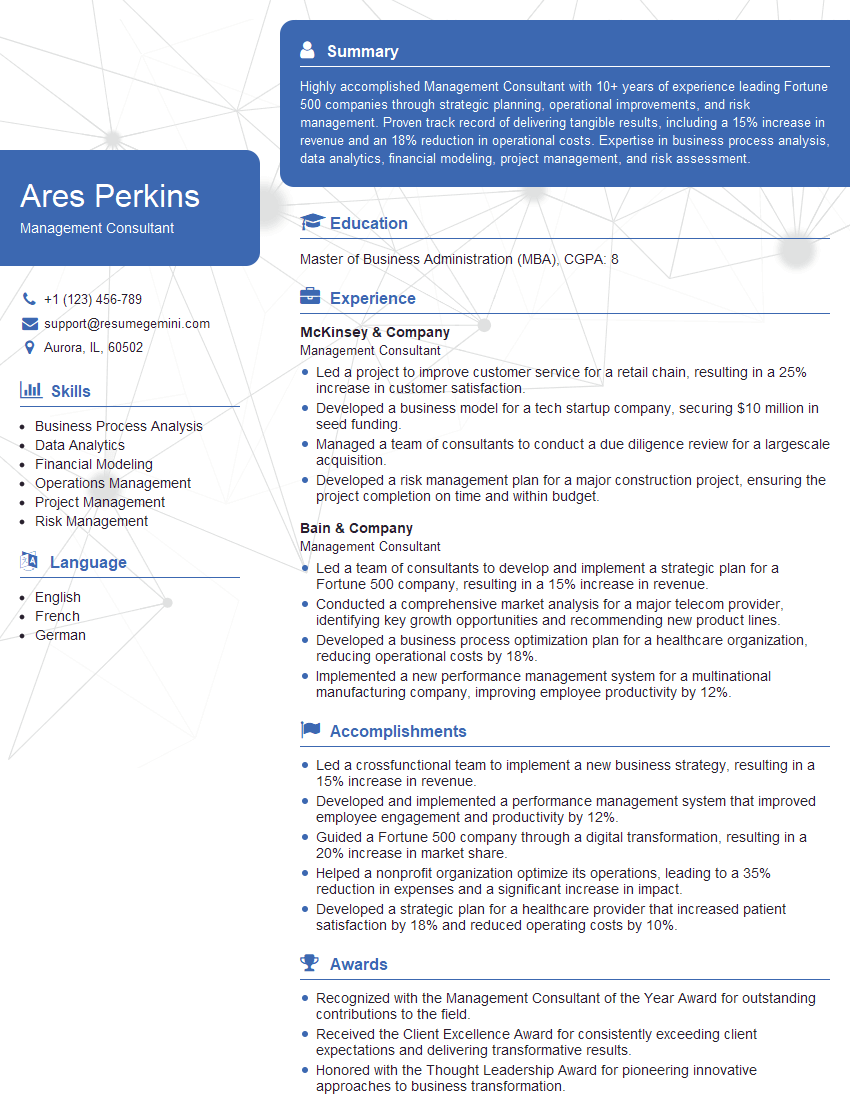
Management Consultant Resume Sample
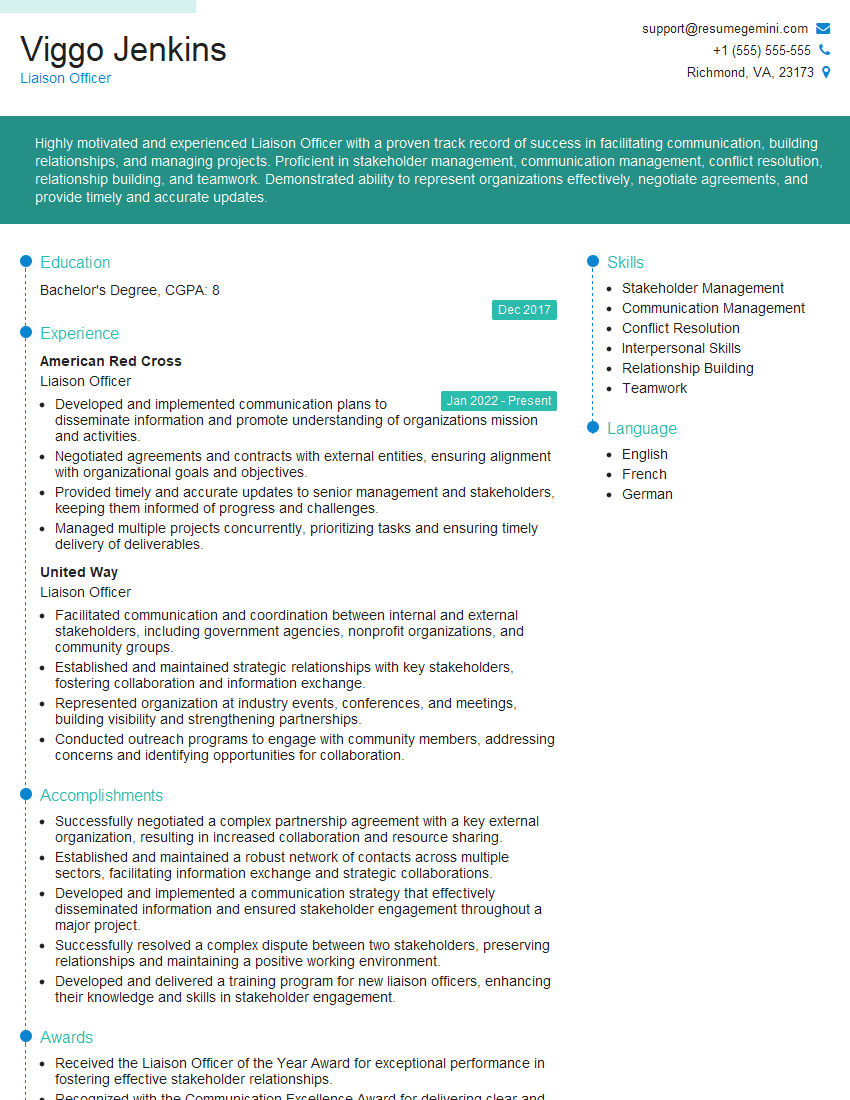
Liaison Officer Resume Sample
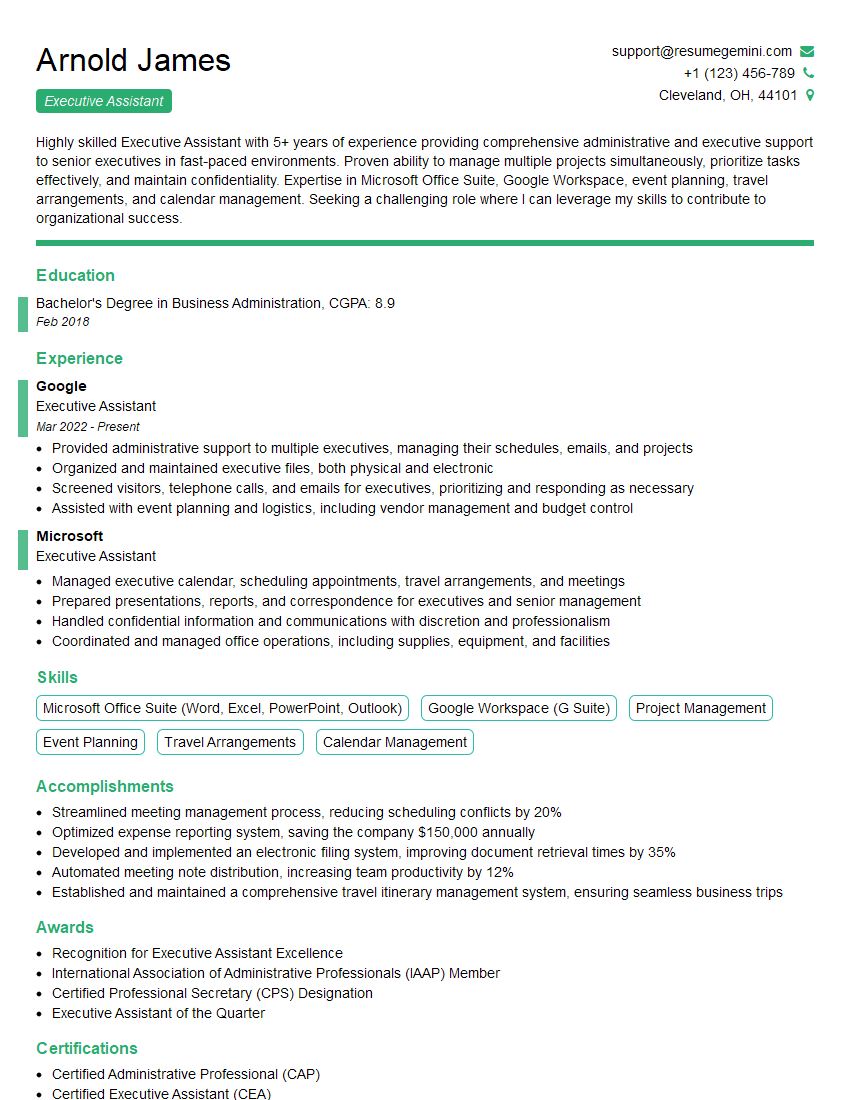
Executive Assistant Resume Sample
Explore more articles
Users Rating of Our Blogs
Share Your Experience
We value your feedback! Please rate our content and share your thoughts (optional).
What Readers Say About Our Blog
Very informative content, great job.
good