Every successful interview starts with knowing what to expect. In this blog, we’ll take you through the top Data Analytics and AI interview questions, breaking them down with expert tips to help you deliver impactful answers. Step into your next interview fully prepared and ready to succeed.
Questions Asked in Data Analytics and AI Interview
Q 1. Explain the difference between supervised and unsupervised learning.
Supervised and unsupervised learning are two fundamental approaches in machine learning, differing primarily in how they use data to train models.
Supervised learning uses labeled datasets, meaning each data point is tagged with the correct answer. Think of it like learning with a teacher who provides feedback on your work. The algorithm learns to map inputs to outputs based on these labeled examples. Examples include image classification (where images are labeled with their corresponding objects) and spam detection (where emails are labeled as spam or not spam).
Unsupervised learning, on the other hand, works with unlabeled data. It’s like exploring a new city without a map – you try to find patterns and structures within the data without explicit guidance. The algorithm aims to discover hidden patterns, structures, or groupings within the data. Common applications include clustering (grouping similar data points together) and dimensionality reduction (reducing the number of variables while retaining important information).
- Supervised Learning Example: Training a model to predict house prices based on features like size, location, and number of bedrooms. The dataset would include the house features (inputs) and their corresponding sale prices (outputs).
- Unsupervised Learning Example: Clustering customers based on their purchasing behavior to identify distinct customer segments for targeted marketing campaigns. The dataset would only contain customer purchasing data, without pre-defined segments.
Q 2. What is the bias-variance tradeoff?
The bias-variance tradeoff is a central concept in machine learning that describes the balance between the model’s ability to fit the training data (variance) and its ability to generalize to unseen data (bias).
Bias refers to the error introduced by approximating a real-world problem, which is often complex, by a simplified model. High bias leads to underfitting, where the model is too simple to capture the underlying patterns in the data. It performs poorly on both training and test data.
Variance refers to the model’s sensitivity to fluctuations in the training data. High variance leads to overfitting, where the model learns the training data too well, including its noise, and performs poorly on unseen data. It performs well on training data but poorly on test data.
The goal is to find a sweet spot where both bias and variance are low. A model with low bias and low variance is ideal, but this is often difficult to achieve. Increasing model complexity usually reduces bias but increases variance, and vice versa. Techniques like regularization, cross-validation, and ensemble methods help manage this tradeoff.
Analogy: Imagine you’re aiming an arrow at a target. High bias is like consistently missing the target to one side – your aim is consistently off. High variance is like your arrows being scattered all over the target, even though your average aim might be centered – your aim is inconsistent.
Q 3. Describe different types of data cleaning techniques.
Data cleaning, also known as data cleansing, is the process of identifying and correcting (or removing) inaccurate, incomplete, irrelevant, duplicated, or improperly formatted data in a dataset. It’s a crucial step before any analysis or modeling can be done.
- Handling Missing Values: This can involve imputation (filling in missing values using techniques like mean, median, or mode imputation, or more advanced methods like k-Nearest Neighbors), or removing rows or columns with excessive missing data.
- Identifying and Removing Duplicates: Duplicate rows can skew results. Techniques involve sorting and comparing rows to identify and remove duplicates.
- Smoothing Noisy Data: Noise refers to random errors in the data. Techniques include binning (grouping data into intervals) and regression (fitting a model to smooth out the noise).
- Resolving Inconsistent Data: This involves standardizing data formats, correcting spelling errors, and ensuring consistency in data entry (e.g., using consistent units of measurement).
- Data Transformation: This involves changing the format or scale of data. For example, converting categorical variables into numerical representations (one-hot encoding) or applying logarithmic transformations to reduce skewness.
Example: In a customer database, inconsistent data might include addresses written in different formats, inconsistent date formats, and inconsistent spellings of customer names. Data cleaning would involve standardizing these formats to ensure consistency and accuracy.
Q 4. How do you handle missing data in a dataset?
Missing data is a common problem in datasets. The best approach depends on the extent of missing data, the reason for its absence (Missing Completely at Random (MCAR), Missing at Random (MAR), or Missing Not at Random (MNAR)), and the nature of the data.
- Deletion: This involves removing rows or columns with missing values. Listwise deletion removes entire rows with any missing values, while pairwise deletion removes data only for the specific analyses where that variable is involved. This is simplest but can lead to information loss, particularly if many values are missing.
- Imputation: This involves filling in missing values with estimated values. Common methods include:
- Mean/Median/Mode Imputation: Replacing missing values with the mean, median, or mode of the respective variable. Simple but can distort the distribution.
- K-Nearest Neighbors (KNN) Imputation: Filling missing values based on the values of similar data points.
- Multiple Imputation: Creating multiple plausible imputed datasets and analyzing them separately, then combining the results. More sophisticated and accounts for uncertainty.
- Prediction Models: You can use a predictive model (e.g., regression, classification) to predict the missing values based on other variables in the dataset.
Choosing the right method requires careful consideration. If data is MCAR, deletion might be acceptable for a small number of missing values. However, for larger datasets or if missingness is not random, imputation or predictive modeling is often preferred. Always document the chosen method and its potential impact.
Q 5. Explain different types of model evaluation metrics.
Model evaluation metrics quantify how well a machine learning model performs. The choice of metric depends on the type of problem (classification, regression, clustering) and the specific goals.
- Classification Metrics:
- Accuracy: The percentage of correctly classified instances.
- Precision: The proportion of true positives among all positive predictions.
- Recall (Sensitivity): The proportion of true positives among all actual positives.
- F1-score: The harmonic mean of precision and recall.
- AUC-ROC (Area Under the Receiver Operating Characteristic Curve): Measures the ability of the classifier to distinguish between classes.
- Regression Metrics:
- Mean Squared Error (MSE): The average squared difference between predicted and actual values.
- Root Mean Squared Error (RMSE): The square root of MSE.
- Mean Absolute Error (MAE): The average absolute difference between predicted and actual values.
- R-squared: Represents the proportion of variance in the dependent variable explained by the model.
- Clustering Metrics:
- Silhouette Score: Measures how similar a data point is to its own cluster compared to other clusters.
- Davies-Bouldin Index: Measures the average similarity between each cluster and its most similar cluster.
Choosing the right metric is crucial for interpreting model performance accurately. For example, in a medical diagnosis scenario, high recall might be prioritized over high precision, as missing a positive case (false negative) can have serious consequences.
Q 6. What is overfitting and how do you prevent it?
Overfitting occurs when a model learns the training data too well, including its noise and outliers, resulting in poor generalization to unseen data. It essentially memorizes the training set instead of learning the underlying patterns.
Imagine a student who memorizes the answers to a specific exam without understanding the concepts. They’ll do well on that exam but will fail any other exam covering similar material. That’s overfitting.
Preventing overfitting involves various techniques:
- Cross-validation: Evaluating the model on multiple subsets of the training data to get a more robust estimate of its performance.
- Regularization: Adding penalty terms to the model’s loss function to discourage complex models.
- Feature selection/engineering: Selecting relevant features and creating new ones that are more informative.
- Data augmentation: Creating synthetic data to increase the size and diversity of the training set.
- Early stopping: Stopping the training process before the model starts overfitting, often monitored through a validation set.
- Ensemble methods: Combining multiple models to reduce individual model variance.
- Dropout (for neural networks): Randomly ignoring neurons during training to prevent over-reliance on individual neurons.
The best approach often involves a combination of these techniques.
Q 7. What is regularization and why is it used?
Regularization is a technique used to prevent overfitting by adding a penalty term to the model’s loss function. This penalty discourages the model from learning overly complex relationships that might fit the training data well but generalize poorly to new data.
There are two main types of regularization:
- L1 Regularization (Lasso): Adds a penalty term proportional to the absolute value of the model’s coefficients. It tends to shrink less important coefficients to exactly zero, effectively performing feature selection.
- L2 Regularization (Ridge): Adds a penalty term proportional to the square of the model’s coefficients. It shrinks coefficients towards zero but rarely sets them to exactly zero.
The strength of the regularization penalty is controlled by a hyperparameter (often denoted as λ or α). A larger hyperparameter value results in stronger regularization and simpler models (with smaller coefficients).
Example: In linear regression, the loss function without regularization is the sum of squared errors. With L2 regularization, the loss function becomes the sum of squared errors plus λ times the sum of squared coefficients. This added term penalizes large coefficients, leading to a less complex model.
Regularization is widely used in various machine learning models, including linear regression, logistic regression, support vector machines, and neural networks, to improve their generalization ability and prevent overfitting.
Q 8. Explain the concept of cross-validation.
Cross-validation is a powerful resampling technique used to evaluate machine learning models and prevent overfitting. Imagine you’re baking a cake – you wouldn’t just taste one tiny slice to determine if it’s good; you’d sample several pieces from different parts of the cake. Cross-validation does the same for your model. It divides your dataset into multiple subsets (folds), trains the model on some folds, and validates its performance on the remaining held-out fold. This process is repeated multiple times, with different folds used for training and validation each time. The final performance metric is the average of the results from all folds.
k-fold cross-validation is the most common type. If k=5 (5-fold cross-validation), the dataset is split into five equal parts. The model is trained on four parts and tested on the remaining part. This process is repeated five times, with each part serving as the test set once. The average performance across all five iterations provides a robust estimate of the model’s generalization ability.
Example: Let’s say you’re building a model to predict customer churn. Using 5-fold cross-validation, you’d split your customer data into five folds. In the first iteration, you train on folds 1-4 and test on fold 5. Then you train on folds 1-3, 5 and test on fold 4, and so on. The average accuracy across all five iterations gives a much more reliable measure of your model’s accuracy on unseen data compared to simply training and testing on a single train-test split.
Q 9. What is a confusion matrix and how is it used?
A confusion matrix is a visual representation of the performance of a classification model. It’s a table that summarizes the counts of true positives (TP), true negatives (TN), false positives (FP), and false negatives (FN). Think of it as a report card for your model, showing where it made correct and incorrect predictions.
True Positive (TP): Correctly predicted positive cases (e.g., correctly identifying a spam email as spam).
True Negative (TN): Correctly predicted negative cases (e.g., correctly identifying a non-spam email as not spam).
False Positive (FP): Incorrectly predicted positive cases (e.g., identifying a non-spam email as spam – a Type I error).
False Negative (FN): Incorrectly predicted negative cases (e.g., identifying a spam email as not spam – a Type II error).
The confusion matrix allows you to calculate key metrics like accuracy, precision, recall, and F1-score, providing a comprehensive understanding of your model’s strengths and weaknesses. For instance, a high number of false positives might indicate a need to adjust the model’s threshold to be more stringent.
Q 10. Explain the difference between precision and recall.
Precision and recall are two crucial metrics used to evaluate the performance of a classification model, especially when dealing with imbalanced datasets. They offer different perspectives on the model’s accuracy.
Precision answers: Of all the instances predicted as positive, what proportion was actually positive? It’s the ratio of true positives to the total number of predicted positives (TP / (TP + FP)). A high precision means that when the model predicts a positive outcome, it’s likely to be correct.
Recall answers: Of all the actual positive instances, what proportion did the model correctly identify? It’s the ratio of true positives to the total number of actual positives (TP / (TP + FN)). A high recall means the model is good at capturing most of the actual positive cases.
Example: Imagine a medical test for a rare disease. High precision is important because you don’t want to falsely diagnose someone with the disease. High recall is crucial because you want to identify as many people who actually have the disease as possible, even if it means a few false positives.
Often, there’s a trade-off between precision and recall. Increasing one might decrease the other. The F1-score, the harmonic mean of precision and recall, helps balance these two metrics.
Q 11. What are some common algorithms used in machine learning?
Machine learning algorithms are numerous and diverse, categorized into several types depending on their learning style and application.
Supervised Learning:
- Linear Regression: Predicts a continuous target variable using a linear relationship with input features.
- Logistic Regression: Predicts a binary outcome (0 or 1).
- Support Vector Machines (SVM): Finds an optimal hyperplane to separate data points into different classes.
- Decision Trees: Creates a tree-like structure to classify or regress data based on decision rules.
- Random Forest: An ensemble method that combines multiple decision trees to improve accuracy and robustness.
- Gradient Boosting Machines (GBM): Another ensemble method that sequentially builds trees, correcting errors of previous trees.
Unsupervised Learning:
- K-Means Clustering: Groups data points into clusters based on similarity.
- Principal Component Analysis (PCA): Reduces the dimensionality of data while preserving most of the variance.
Deep Learning:
- Artificial Neural Networks (ANN): Inspired by the human brain, consisting of interconnected nodes (neurons) processing information.
- Convolutional Neural Networks (CNN): Specialized for image recognition and processing.
- Recurrent Neural Networks (RNN): Designed for sequential data like text and time series.
The choice of algorithm depends heavily on the specific problem, data characteristics, and desired outcome.
Q 12. Describe your experience with different types of databases.
Throughout my career, I’ve worked extensively with various database systems, each with its own strengths and weaknesses. My experience spans relational, NoSQL, and cloud-based solutions.
Relational Databases (SQL): I’m proficient with MySQL, PostgreSQL, and SQL Server. I’ve used them for structured data management in projects involving customer relationship management (CRM), financial analysis, and inventory tracking. SQL’s strength lies in its ACID properties (Atomicity, Consistency, Isolation, Durability), ensuring data integrity in transactional systems.
NoSQL Databases: I have experience with MongoDB and Cassandra. These are valuable for handling unstructured or semi-structured data, such as social media posts or sensor data. Their scalability and flexibility make them ideal for big data applications and high-volume data streams.
Cloud-based Databases: I’m familiar with AWS RDS (Relational Database Service), Amazon DynamoDB (NoSQL), and Google Cloud SQL. These managed services simplify database administration and offer scalability on demand. I’ve utilized them to build scalable and robust data solutions in cloud environments.
My experience extends to data warehousing and ETL (Extract, Transform, Load) processes, enabling me to efficiently handle and process large datasets from disparate sources.
Q 13. How do you handle imbalanced datasets?
Imbalanced datasets, where one class significantly outnumbers others, are a common challenge in machine learning. For instance, in fraud detection, fraudulent transactions are far fewer than legitimate ones. This imbalance can lead to biased models that perform poorly on the minority class (the class we actually care about).
Several techniques can address this issue:
- Resampling Techniques:
- Oversampling: Increase the number of instances in the minority class by duplicating existing samples or generating synthetic samples using techniques like SMOTE (Synthetic Minority Over-sampling Technique).
- Undersampling: Reduce the number of instances in the majority class by randomly removing samples. This can lead to information loss if not done carefully.
- Cost-Sensitive Learning: Assign different misclassification costs to different classes. Penalize misclassifying the minority class more heavily than misclassifying the majority class. This encourages the model to pay more attention to the minority class.
- Algorithm Selection: Some algorithms are inherently more robust to class imbalance than others. For example, decision trees and ensemble methods often perform well on imbalanced data.
- Anomaly Detection Techniques: If the minority class represents anomalies (like fraudulent transactions), consider using anomaly detection algorithms specifically designed for identifying rare events.
The best approach depends on the specific dataset and the problem at hand. Experimentation and careful evaluation are key to finding the optimal strategy.
Q 14. What are some common challenges faced in data science projects?
Data science projects present a unique set of challenges, many stemming from the inherent complexity of real-world data and the iterative nature of the modeling process.
- Data Quality Issues: Inconsistent data formats, missing values, outliers, and noisy data are common problems requiring significant data cleaning and preprocessing efforts.
- Data Collection and Integration: Gathering data from multiple sources can be challenging, requiring careful planning and coordination. Data integration often involves handling different data formats and schemas.
- Feature Engineering: Creating effective features that capture relevant information is crucial for model performance. This is often an iterative process requiring domain expertise and experimentation.
- Model Selection and Tuning: Choosing the right algorithm and optimizing its hyperparameters requires a deep understanding of machine learning concepts and techniques.
- Interpretability and Explainability: Understanding why a model makes specific predictions is essential for building trust and ensuring responsible AI. Many complex models lack transparency, presenting a significant challenge.
- Deployment and Maintenance: Deploying a model into a production environment and maintaining its performance over time require engineering expertise and robust monitoring systems.
- Ethical Considerations: Addressing potential biases in data and models and ensuring fairness and privacy are critical aspects of responsible data science.
Successfully navigating these challenges requires a combination of technical skills, domain expertise, effective communication, and a systematic approach to problem-solving.
Q 15. Explain your experience with data visualization tools.
Data visualization is crucial for turning raw data into actionable insights. My experience spans various tools, each with its strengths and weaknesses. I’m proficient in Tableau, Power BI, and Python libraries like Matplotlib and Seaborn. Tableau excels at creating interactive dashboards for business intelligence, perfect for presenting complex data to non-technical stakeholders. Power BI offers similar capabilities with strong integration into the Microsoft ecosystem. For more customized visualizations and programmatic control, I rely on Python’s Matplotlib and Seaborn, which allow for highly flexible and aesthetically pleasing charts and graphs. For example, I once used Tableau to create an interactive dashboard showing sales trends across different regions, enabling the sales team to quickly identify underperforming areas and tailor their strategies accordingly. In another project, I leveraged Seaborn in Python to visualize the correlation between various features in a dataset, which was instrumental in feature selection for a machine learning model.
Career Expert Tips:
- Ace those interviews! Prepare effectively by reviewing the Top 50 Most Common Interview Questions on ResumeGemini.
- Navigate your job search with confidence! Explore a wide range of Career Tips on ResumeGemini. Learn about common challenges and recommendations to overcome them.
- Craft the perfect resume! Master the Art of Resume Writing with ResumeGemini’s guide. Showcase your unique qualifications and achievements effectively.
- Don’t miss out on holiday savings! Build your dream resume with ResumeGemini’s ATS optimized templates.
Q 16. How do you select appropriate features for a machine learning model?
Feature selection is a critical step in building effective machine learning models. Poor feature selection can lead to overfitting, underfitting, or simply a model that doesn’t perform well. My approach is multi-faceted and involves a combination of techniques. First, I begin with domain expertise – understanding the data and its context is paramount. This helps me prioritize relevant features and discard irrelevant ones. Then, I use statistical methods like correlation analysis to identify features strongly correlated with the target variable. For example, using Pearson’s correlation coefficient can show linear relationships between variables. I also employ techniques like Recursive Feature Elimination (RFE) or feature importance scores from tree-based models (like Random Forest) to identify the most predictive features. Finally, I often use dimensionality reduction techniques like Principal Component Analysis (PCA) to reduce the number of features while preserving important information. The best approach often involves combining these techniques – no single method is always optimal. Imagine building a model to predict customer churn. Instead of including every piece of customer data, I’d focus on features like recent purchase frequency, customer service interactions, and account age – those directly related to churn behavior.
Q 17. What is A/B testing and how is it used?
A/B testing, also known as split testing, is a controlled experiment where two or more versions of a variable (e.g., a webpage, an email, an advertisement) are shown to different groups of users to determine which version performs better. The goal is to measure the impact of changes and optimize for key metrics like conversion rates, click-through rates, or engagement. A crucial aspect is ensuring random assignment of users to different groups to minimize bias. Let’s say we’re testing two versions of a website landing page. We randomly split traffic between the two versions, Version A and Version B. We then track metrics like conversion rate (percentage of visitors who complete a desired action) for each version. By analyzing the data collected, we can determine statistically whether one version significantly outperforms the other.
Q 18. Explain different types of deep learning architectures.
Deep learning architectures are complex neural networks with multiple layers. Several key architectures exist, each suited for different types of data and tasks.
- Convolutional Neural Networks (CNNs): Excellent for image and video processing due to their ability to learn spatial hierarchies of features.
- Recurrent Neural Networks (RNNs): Designed for sequential data like text and time series, as they maintain an internal state that remembers past information.
- Long Short-Term Memory networks (LSTMs) and Gated Recurrent Units (GRUs): Variants of RNNs designed to overcome the vanishing gradient problem, making them better at handling long sequences.
- Autoencoders: Used for dimensionality reduction, feature extraction, and anomaly detection. They learn compressed representations of input data.
- Generative Adversarial Networks (GANs): Consist of two networks, a generator and a discriminator, that compete to generate realistic data.
- Transformer Networks: Based on the attention mechanism, they’re highly effective for natural language processing tasks and are the foundation of models like BERT and GPT-3.
Q 19. What is the difference between a convolutional neural network (CNN) and a recurrent neural network (RNN)?
CNNs and RNNs are both deep learning architectures, but they are fundamentally different in how they process data. CNNs excel at processing grid-like data like images, leveraging convolutional layers to extract features from local regions. They are translation invariant, meaning that the same feature detected at different locations is treated similarly. RNNs, on the other hand, are designed for sequential data, maintaining a hidden state that carries information across time steps. They’re excellent for tasks involving sequences, such as text generation, machine translation, and time series analysis. Think of it this way: a CNN is like scanning an image piece by piece, focusing on local patterns, while an RNN is like reading a sentence word by word, maintaining context throughout the sentence. A CNN might classify images of cats and dogs, while an RNN might generate a poem or translate a sentence from English to Spanish.
Q 20. How do you choose the right algorithm for a given problem?
Choosing the right algorithm is a crucial aspect of successful machine learning. There’s no one-size-fits-all answer, but a systematic approach can guide the decision. First, consider the type of problem: is it classification, regression, clustering, or something else? The problem type narrows down the algorithm choices considerably. Next, examine the characteristics of your data: is it large or small, labeled or unlabeled, high-dimensional or low-dimensional, linear or non-linear? The data’s properties will influence algorithm selection. For instance, linear regression is suitable for linearly separable data, while support vector machines (SVMs) are better for non-linearly separable data. Finally, consider factors like computational cost, interpretability, and the desired level of accuracy. A simple algorithm might suffice for smaller datasets, while a more complex algorithm might be necessary for larger ones. Often, experimentation and evaluation are essential. I usually start with simpler algorithms and progressively move to more complex ones if performance isn’t satisfactory. I also use techniques like cross-validation to evaluate the performance of different algorithms on unseen data and to choose the best one.
Q 21. Describe your experience with cloud computing platforms like AWS, Azure, or GCP.
I have extensive experience working with cloud computing platforms, primarily AWS (Amazon Web Services) and Azure (Microsoft Azure). I’m comfortable deploying and managing machine learning models, processing large datasets, and building scalable data pipelines on these platforms. On AWS, I’ve used services like EC2 (virtual machines), S3 (object storage), EMR (Hadoop cluster), and SageMaker (machine learning platform). On Azure, I’ve worked with Virtual Machines, Blob Storage, HDInsight (Hadoop cluster), and Azure Machine Learning. I’ve used these services to build and deploy end-to-end machine learning solutions, from data ingestion and preprocessing to model training and deployment. For example, I built a scalable data pipeline on AWS using S3 for storage, EMR for processing terabytes of data, and SageMaker for training a large language model. My experience with cloud computing ensures that my projects are cost-effective, scalable, and readily deployable.
Q 22. Explain your experience with big data technologies like Hadoop or Spark.
My experience with big data technologies like Hadoop and Spark is extensive. I’ve used Hadoop’s distributed file system (HDFS) for storing and processing massive datasets that wouldn’t fit on a single machine. This involved working with HDFS commands to manage data, using MapReduce for parallel processing of large datasets, and leveraging the power of YARN (Yet Another Resource Negotiator) for resource management. For example, in a project analyzing customer transaction data spanning several terabytes, HDFS provided the robust storage, while MapReduce efficiently handled the complex aggregations needed for trend analysis.
Spark, on the other hand, offers a more sophisticated and faster approach to big data processing. I’ve used Spark’s Resilient Distributed Datasets (RDDs) to perform in-memory computations, significantly accelerating processing times compared to Hadoop’s MapReduce. I’m proficient in using Spark SQL for querying data stored in various formats like Parquet and Avro, and I’ve utilized Spark’s machine learning library (MLlib) for building predictive models on large-scale data. For instance, I built a real-time recommendation engine using Spark Streaming and MLlib to provide personalized recommendations to users based on their browsing history and purchase patterns. This allowed for significantly faster model training and prediction compared to batch processing methods.
Q 23. What is the difference between batch processing and real-time processing?
Batch processing and real-time processing represent two distinct approaches to data processing, differing primarily in their latency and how they handle data ingestion and processing.
- Batch Processing: This approach processes data in large batches at scheduled intervals. Think of it like processing a month’s worth of transactions at the end of the month. It’s ideal for tasks where immediate results aren’t critical and where processing large volumes of data efficiently is paramount. Examples include nightly data warehousing updates or monthly reporting.
- Real-time Processing: This handles data as it arrives, with minimal latency. Imagine a fraud detection system flagging suspicious transactions immediately. Real-time processing requires specialized technologies like Apache Kafka or Apache Flink to handle the high data velocity and ensure low latency. It is crucial for applications requiring immediate insights and actions.
The key difference lies in the trade-off between speed and resource utilization. Batch processing is more resource-efficient but slower, while real-time processing is faster but demands more resources. The choice depends on the application’s requirements. For instance, analyzing website traffic for long-term trends might use batch processing, while monitoring social media sentiment for immediate brand reputation management would demand real-time processing.
Q 24. Describe your experience with data storytelling and presenting insights.
Data storytelling is a crucial skill for a data analyst. My approach focuses on translating complex data insights into clear, concise, and compelling narratives that resonate with the audience, regardless of their technical expertise. I begin by identifying the key insights and the story they tell. This is usually done through careful exploratory data analysis and a thorough understanding of the business context.
I then choose the most appropriate visualization tools – be it charts, graphs, dashboards, or even interactive presentations – to effectively communicate those findings. For example, instead of just presenting a table of sales figures, I might use a line chart showing trends over time to highlight periods of growth or decline. I also ensure the visualisations are clean and well-labeled, making them easy to understand.
Finally, I practice active listening and tailor my presentation to suit the audience’s knowledge level and interests, ensuring they understand the importance of the insights and the impact they can have on decision-making. I always end by making sure the audience understands the next steps and how to leverage the presented insights.
Q 25. Explain your experience working with SQL and NoSQL databases.
I have extensive experience with both SQL and NoSQL databases. SQL databases, like PostgreSQL or MySQL, are relational and excel in managing structured data with well-defined schemas. I use SQL regularly for querying, manipulating, and managing data in relational databases. For instance, I’ve used SQL to join multiple tables, perform aggregations, and create views to gain insights from complex relational datasets.
NoSQL databases, such as MongoDB or Cassandra, are better suited for unstructured or semi-structured data and excel in handling high volumes of data and high write loads. I’ve used MongoDB for document-oriented data storage, leveraging its flexibility to handle evolving data structures. For example, I used MongoDB to store user profiles and preferences where the schema can vary across users. Similarly, I’ve utilized Cassandra’s distributed nature and high availability for building applications that require high scalability and fault tolerance. The choice between SQL and NoSQL hinges on the specific needs of the project, with SQL being preferred for structured data and relationships, and NoSQL favored for scalability, flexibility, and handling large volumes of unstructured data.
Q 26. How do you ensure the ethical implications of your AI models?
Ensuring the ethical implications of AI models is paramount. My approach involves a multi-faceted strategy that considers fairness, transparency, accountability, and privacy.
- Bias Detection and Mitigation: I actively look for biases in the training data and employ techniques like data augmentation or algorithmic adjustments to mitigate them. This involves carefully examining the data for potential biases related to gender, race, or other sensitive attributes, and taking steps to ensure fairness in the model’s output.
- Explainability and Transparency: I prefer using explainable AI (XAI) techniques to understand the model’s decision-making process. This helps identify potential biases and ensures accountability. This might involve using tools and techniques that provide insight into the model’s internal workings and how it arrives at its predictions.
- Privacy Preservation: I utilize techniques like differential privacy or federated learning to protect sensitive data during model training and deployment. This involves employing methods to protect individual privacy while still allowing the model to learn effectively.
- Accountability and Monitoring: After deployment, I continuously monitor the model’s performance for any unexpected bias or ethical concerns, making adjustments as needed. This requires a rigorous testing and monitoring strategy to ensure the model continues to perform ethically.
Ethical AI is not a one-time effort but an ongoing process that demands continuous vigilance and adaptation.
Q 27. Explain a time you had to debug a complex data issue.
In a previous project involving customer churn prediction, I encountered a complex data issue where the model’s accuracy was unexpectedly low. Initial investigations suggested a problem with the model itself, but after careful analysis, I discovered that the dataset contained a significant number of duplicate entries, with slightly varying attributes. These duplicates skewed the results and led to poor model performance.
My debugging process involved several steps:
- Data Exploration: I used data profiling tools to identify anomalies and inconsistencies in the dataset, including duplicate records.
- Root Cause Analysis: Once duplicates were identified, I investigated the source of the error, tracing back to a flawed data extraction process.
- Data Cleaning: I implemented a data cleaning strategy to identify and remove duplicate entries using SQL queries and deduplication techniques. I carefully considered the best way to handle the duplicates (removal, merging, or flagging) based on data characteristics and business requirements.
- Model Retraining: After cleaning the dataset, I retrained the churn prediction model. The model’s accuracy improved significantly, demonstrating the impact of data quality on model performance.
This experience highlighted the importance of thorough data quality checks and the need for a robust data validation framework before model training.
Q 28. Walk me through your approach to solving a data science problem.
My approach to solving a data science problem follows a structured methodology:
- Problem Definition: Clearly define the problem, including the specific business objective, key metrics, and success criteria. This might involve translating vague business questions into concrete analytical problems.
- Data Acquisition and Exploration: Gather relevant data from various sources. Thoroughly explore the data through visualization and summary statistics to understand its characteristics, identify potential issues (missing values, outliers), and gain initial insights.
- Feature Engineering: Select relevant features and engineer new features from existing ones to improve model performance. This is often the most creative and crucial step, where domain knowledge is particularly useful.
- Model Selection and Training: Choose appropriate machine learning models based on the problem type (classification, regression, clustering) and dataset characteristics. Train the models using a suitable training methodology and hyperparameter tuning.
- Model Evaluation and Selection: Evaluate model performance using appropriate metrics and choose the best-performing model. This involves rigorous testing and validation to ensure the model generalizes well to unseen data.
- Deployment and Monitoring: Deploy the model to a production environment and continuously monitor its performance, retraining or adjusting it as needed.
This iterative process ensures a robust and effective solution to the data science problem, and allows for adjustments and improvements based on continuous feedback and monitoring.
Key Topics to Learn for Data Analytics and AI Interview
- Statistical Analysis: Understanding hypothesis testing, regression analysis, and probability distributions is crucial for interpreting data and drawing meaningful conclusions. Practical applications include A/B testing and predictive modeling.
- Machine Learning Algorithms: Familiarize yourself with supervised (regression, classification), unsupervised (clustering, dimensionality reduction), and reinforcement learning techniques. Consider exploring practical applications like fraud detection or customer segmentation.
- Data Wrangling and Preprocessing: Mastering data cleaning, transformation, and feature engineering is vital. This includes handling missing values, outliers, and scaling data for optimal model performance. Practical application involves preparing datasets for analysis and model training.
- Data Visualization: Effectively communicating insights through visualizations is key. Explore various charting techniques and best practices for presenting complex data clearly and concisely. Practical application includes creating dashboards and reports to communicate findings.
- Database Management Systems (SQL): Proficiency in SQL is essential for querying and manipulating large datasets. Practice writing efficient queries and understanding database design principles. Practical application includes extracting data from relational databases for analysis.
- Deep Learning Fundamentals (Neural Networks): Understand the basic architectures and workings of neural networks. Explore applications such as image recognition and natural language processing. This is particularly important for AI-focused roles.
- Ethical Considerations in AI: Be prepared to discuss bias in algorithms, fairness, accountability, and transparency in AI systems. This demonstrates a responsible approach to the field.
- Problem-Solving & Algorithm Design: Practice approaching analytical challenges systematically. Be ready to discuss your approach to problem-solving and your ability to design efficient algorithms.
Next Steps
Mastering Data Analytics and AI significantly enhances your career prospects, opening doors to high-demand roles with excellent growth potential. Creating an ATS-friendly resume is crucial for maximizing your chances of landing interviews. ResumeGemini is a trusted resource to help you build a professional and impactful resume that stands out to recruiters. We provide examples of resumes tailored to Data Analytics and AI to guide you in crafting your perfect application. Take advantage of these resources and confidently present your skills and experience to potential employers.
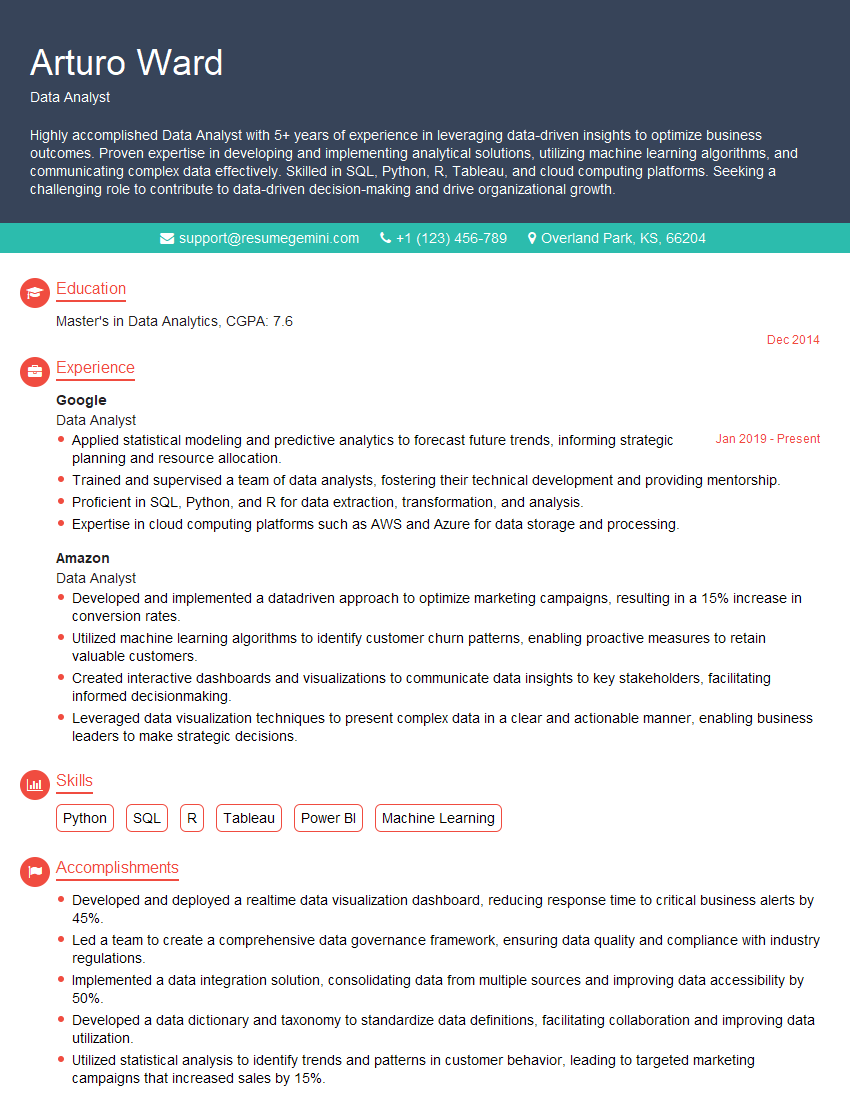
Data Analyst Resume Sample
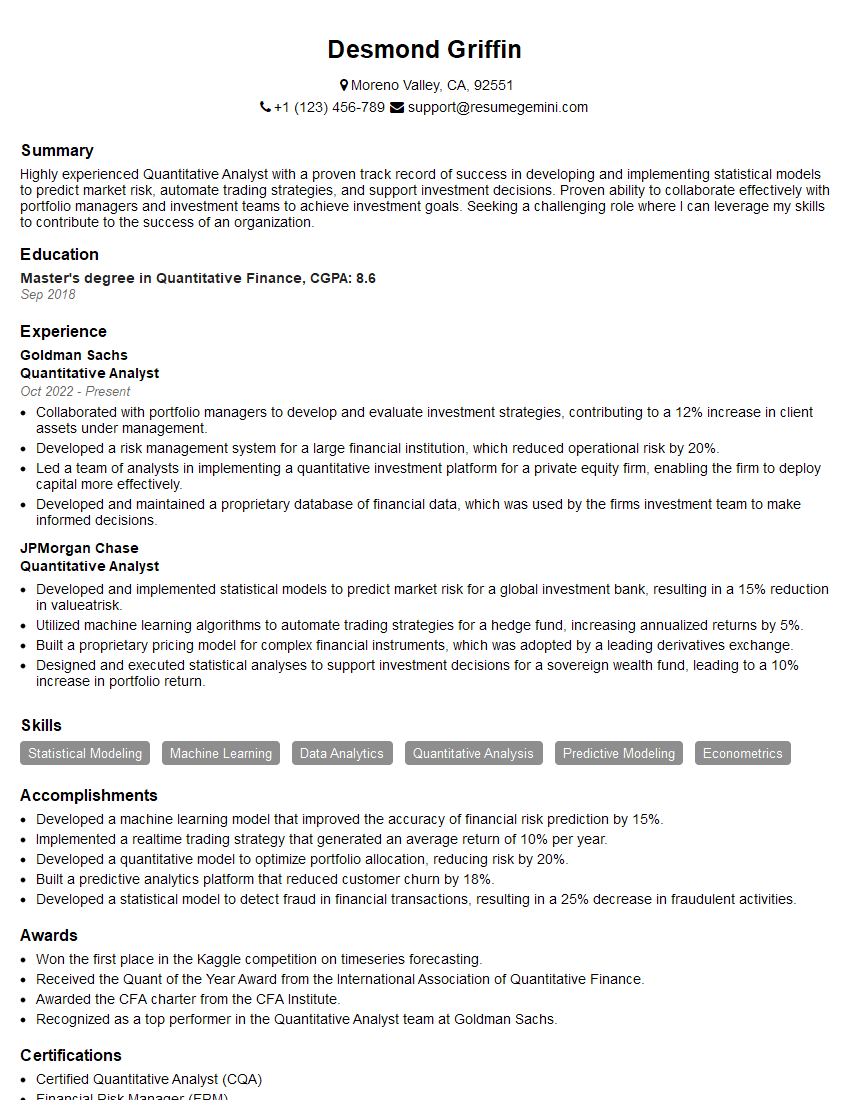
Quantitative Analyst Resume Sample
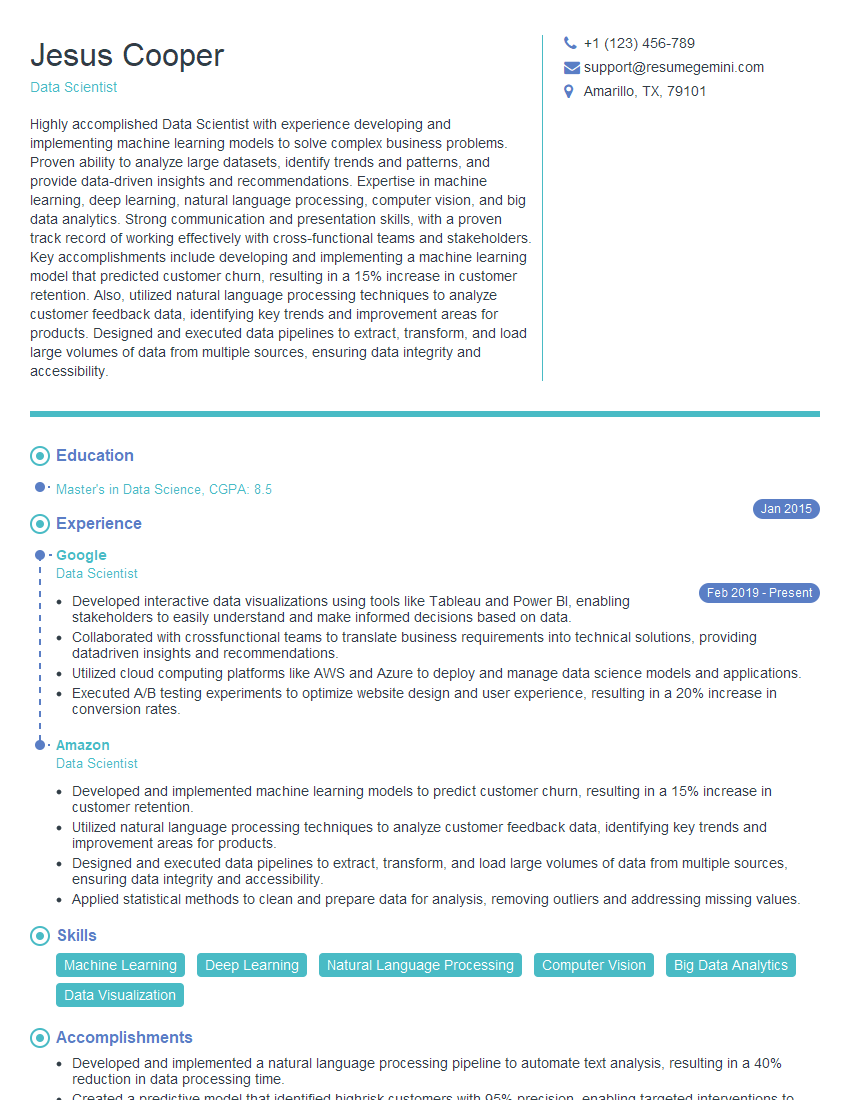
Data Scientist Resume Sample
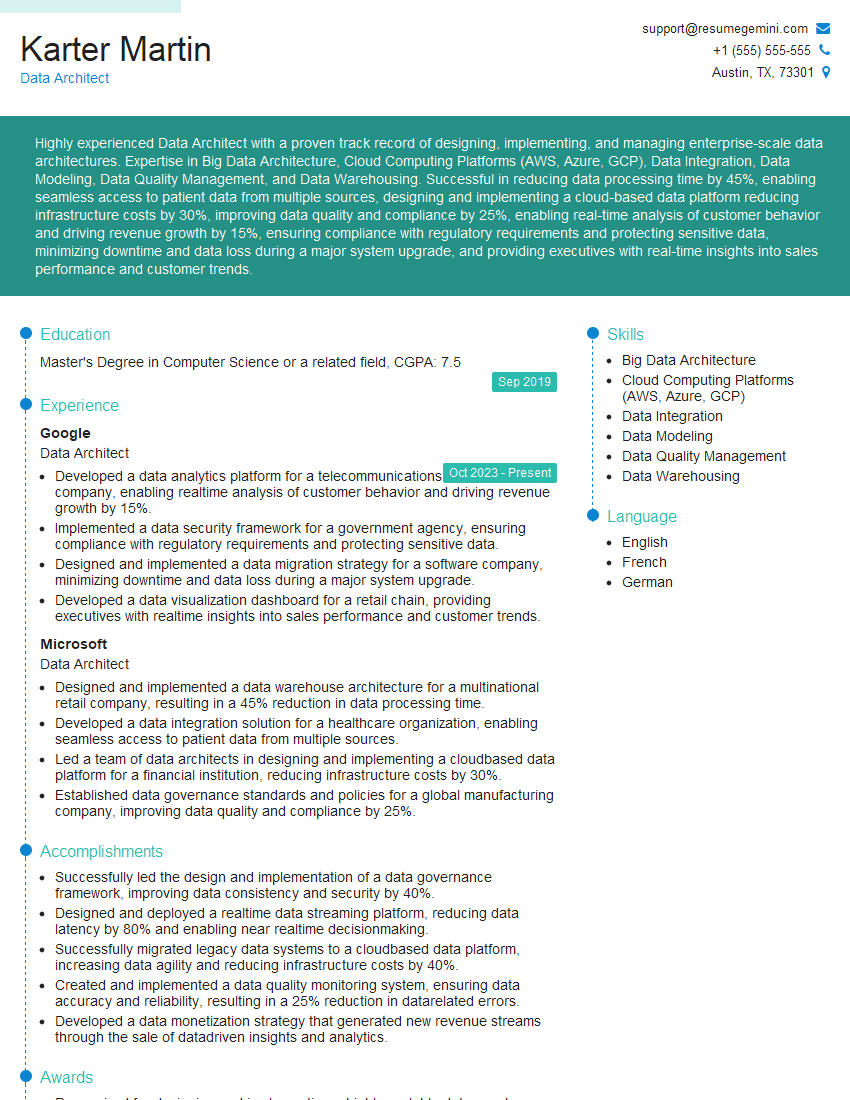
Data Architect Resume Sample
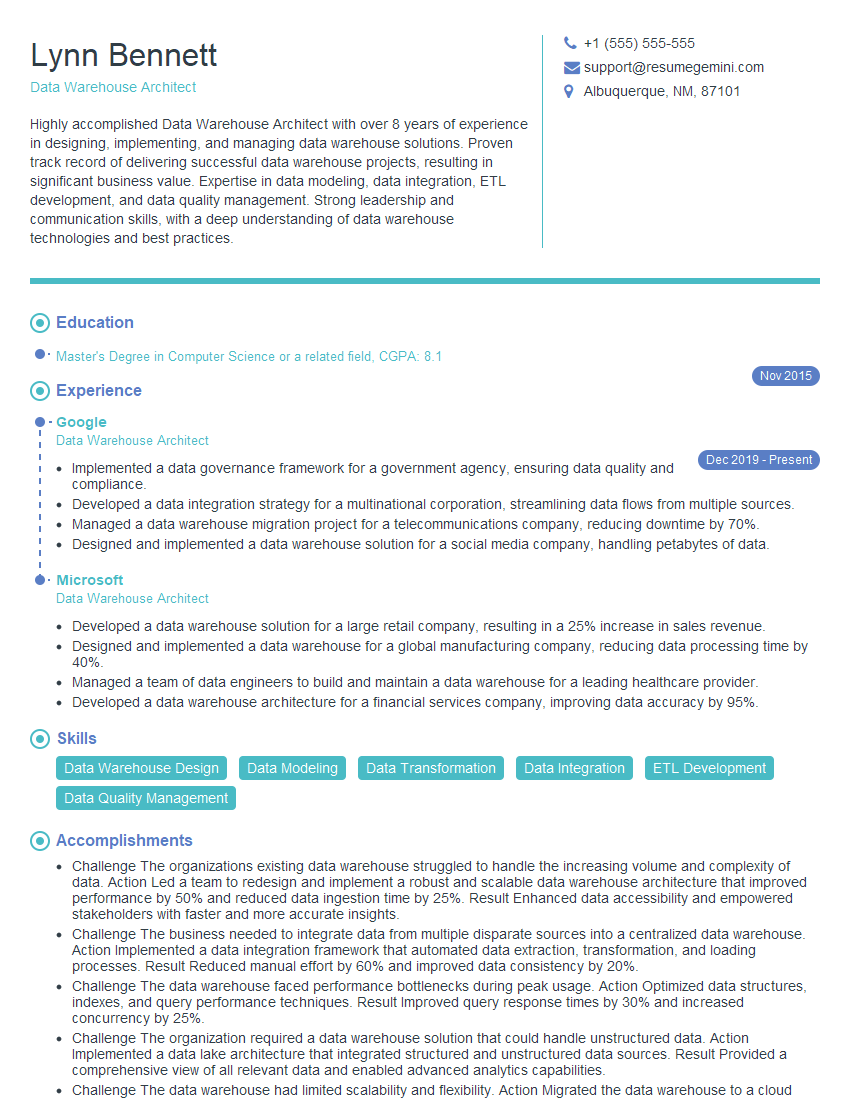
Data Warehouse Architect Resume Sample
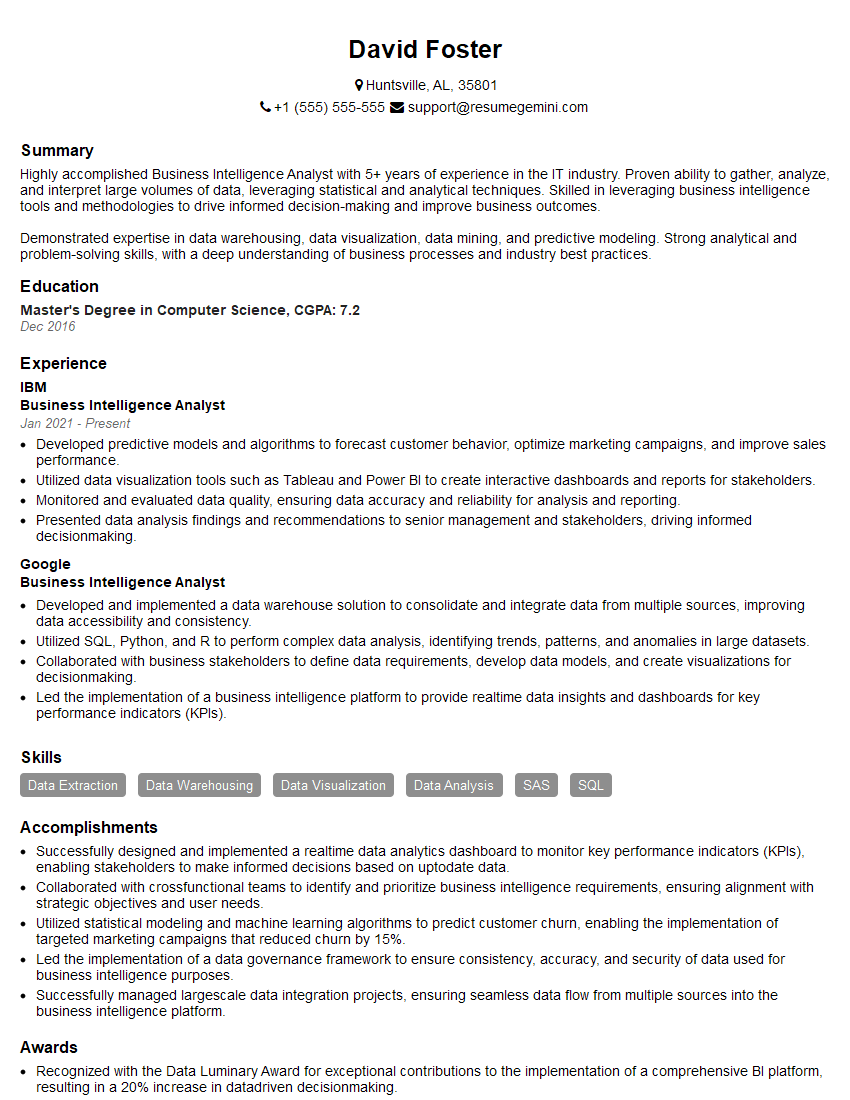
Business Intelligence Analyst Resume Sample

Statistical Analyst Resume Sample
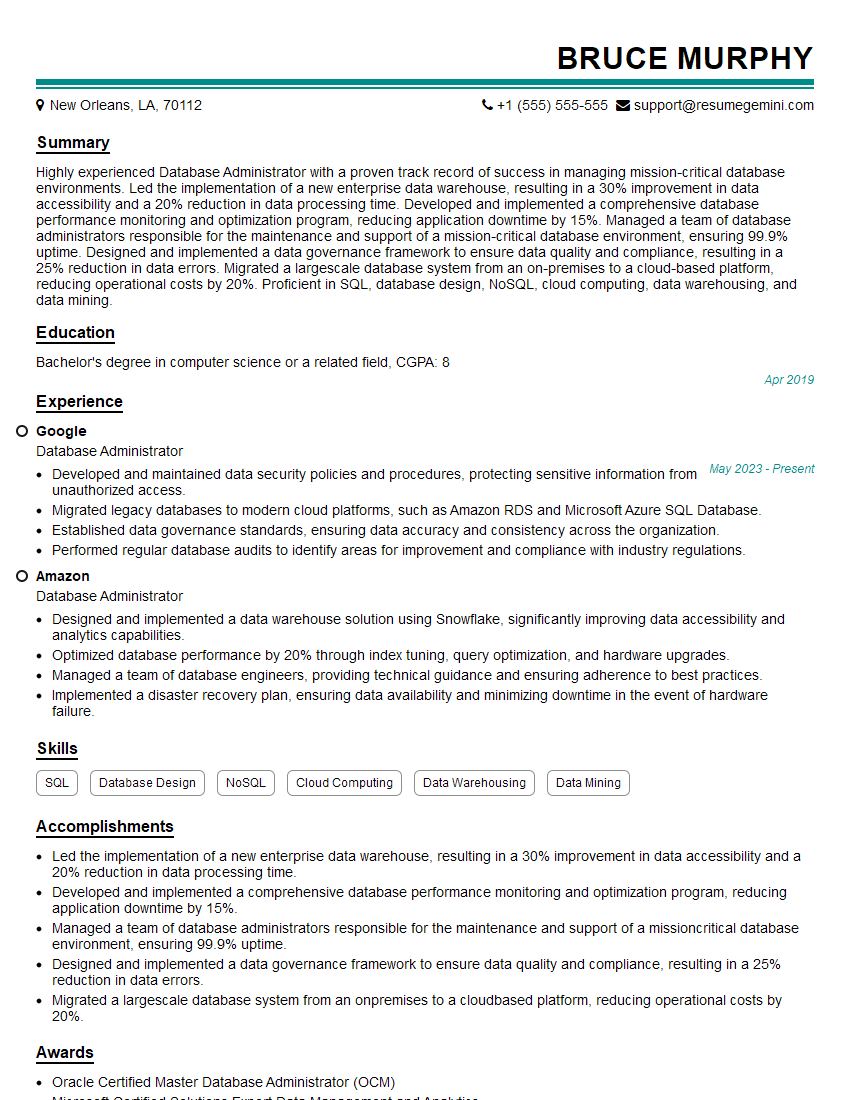
Database Administrator Resume Sample
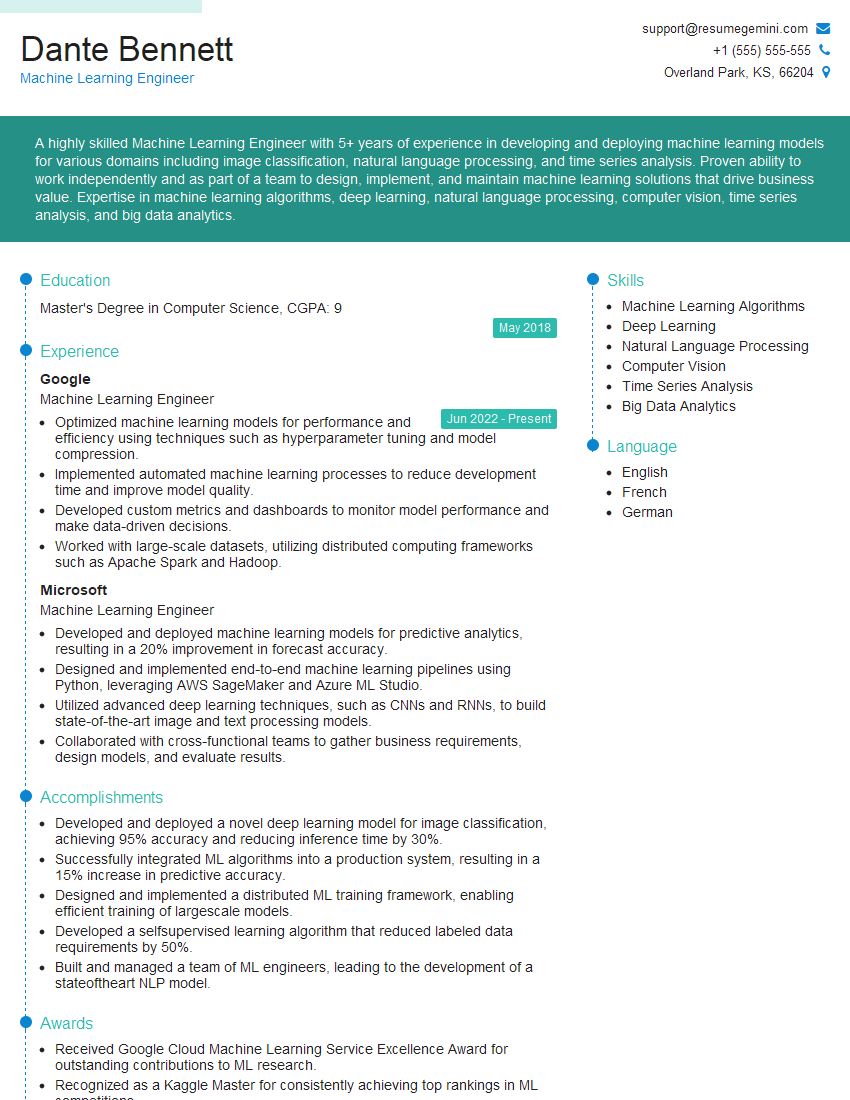
Machine Learning Engineer Resume Sample
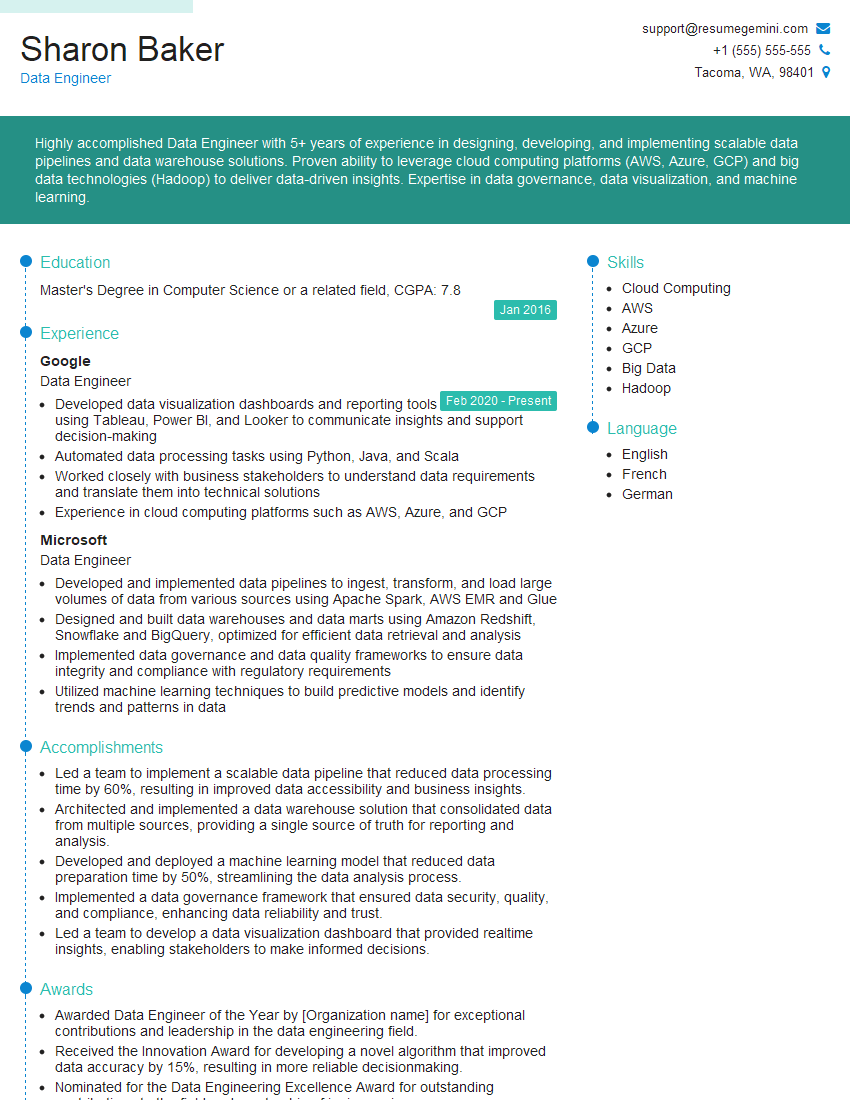
Data Engineer Resume Sample
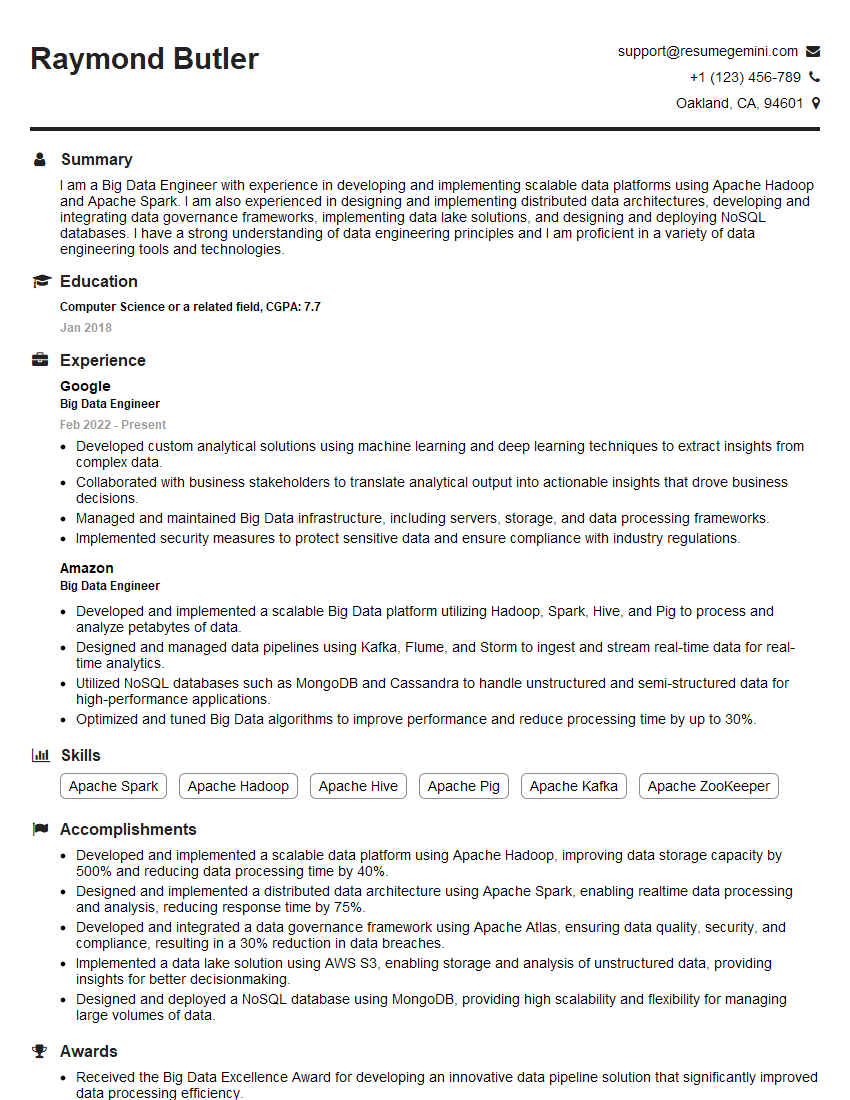
Big Data Engineer Resume Sample
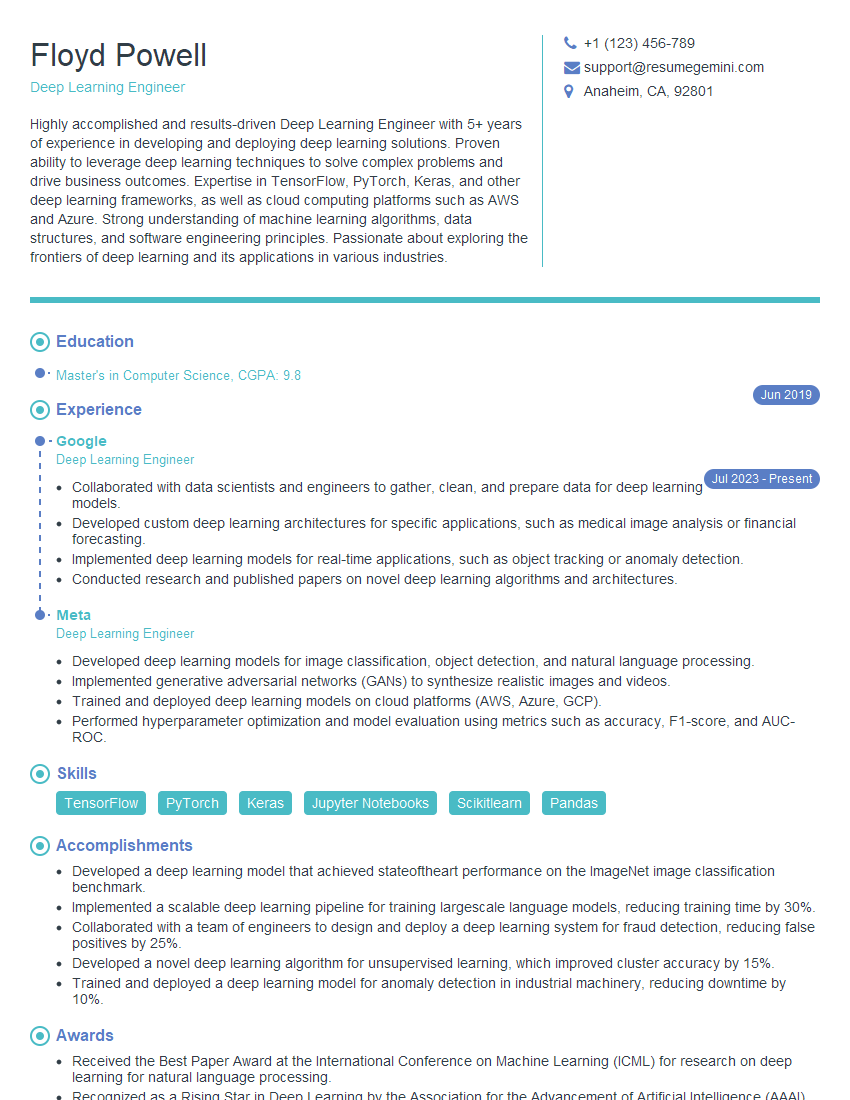
Deep Learning Engineer Resume Sample
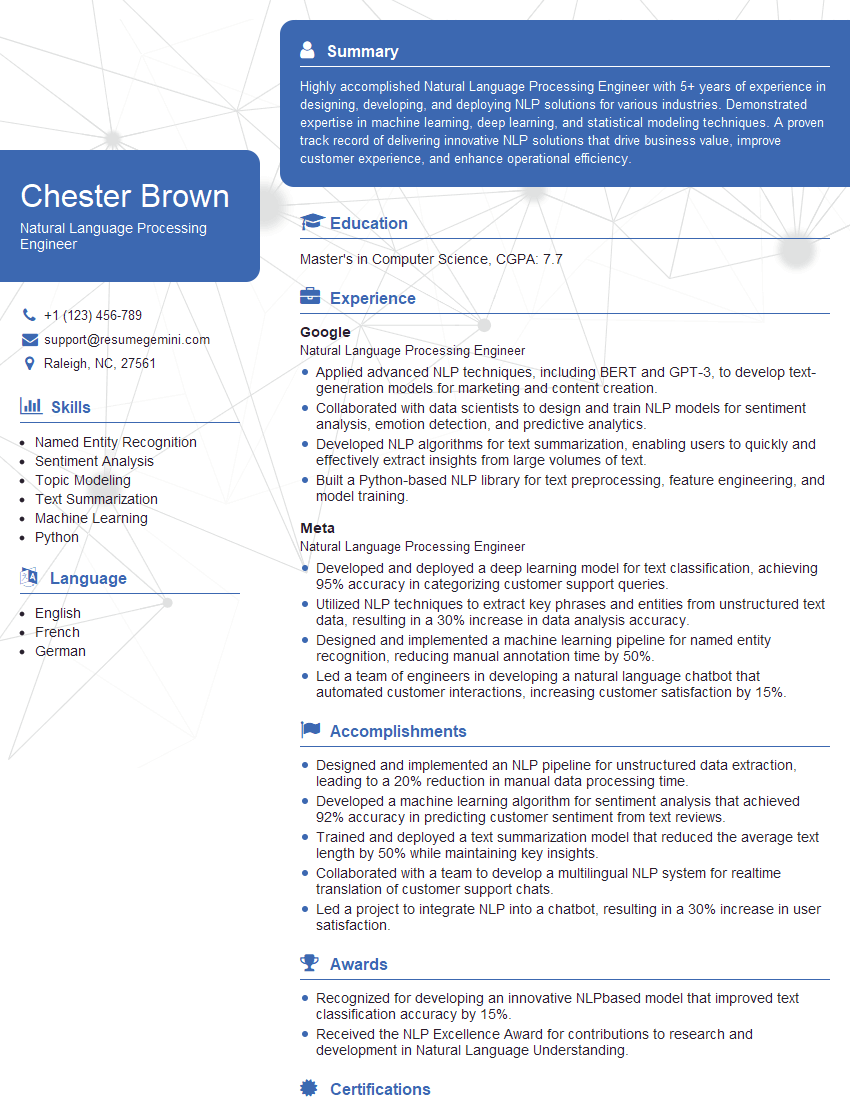
Natural Language Processing Engineer Resume Sample

Computer Vision Engineer Resume Sample
- Data Analyst
- Quantitative Analyst
- Data Scientist
- Data Architect
- Data Warehouse Architect
- Business Intelligence Analyst
- Statistical Analyst
- Database Administrator
- Machine Learning Engineer
- Data Engineer
- Big Data Engineer
- Deep Learning Engineer
- Natural Language Processing Engineer
- Computer Vision Engineer
Explore more articles
Users Rating of Our Blogs
Share Your Experience
We value your feedback! Please rate our content and share your thoughts (optional).
What Readers Say About Our Blog
Very informative content, great job.
good