Are you ready to stand out in your next interview? Understanding and preparing for Defect Tracking and Reporting interview questions is a game-changer. In this blog, we’ve compiled key questions and expert advice to help you showcase your skills with confidence and precision. Let’s get started on your journey to acing the interview.
Questions Asked in Defect Tracking and Reporting Interview
Q 1. Explain the defect lifecycle.
The defect lifecycle, also known as the bug lifecycle, is a structured process that details the journey of a defect from its discovery to its resolution and closure. Think of it like a product’s journey through a quality assurance pipeline. It ensures that all defects are tracked, analyzed, and resolved efficiently.
- New/Open: The defect is identified and reported. Imagine finding a typo on a website – you’d report it as a new defect.
- Assigned: A developer or team is assigned the responsibility of fixing the defect. This is like assigning the typo correction to a specific web developer.
- In Progress: The assigned team member is working on the fix. They’re actively tackling that typo.
- Testing: The fix is tested to ensure it resolves the issue and doesn’t introduce new problems. This is like checking if the typo is actually fixed and the website still functions properly.
- Resolved/Fixed: The defect is considered fixed and ready for final verification. The typo is corrected in the code.
- Verified: The tester validates the fix. They verify that the typo is indeed gone.
- Closed: The defect is officially closed once it’s verified as resolved. The issue is considered resolved and the report closed.
- Reopened: If, after closure, the defect reappears, it’s reopened and the cycle begins again. Perhaps the typo reappeared after a new update.
Understanding and meticulously following the defect lifecycle is key to effective defect management. Skipping steps can lead to missed defects and compromised product quality.
Q 2. Describe your experience with different defect tracking systems (e.g., Jira, Bugzilla, Azure DevOps).
I have extensive experience with several defect tracking systems, including Jira, Bugzilla, and Azure DevOps. Each has its strengths and weaknesses, and my choice depends on the project’s needs and the team’s familiarity with the tools.
- Jira: I’ve used Jira extensively in agile environments. Its flexibility in customizing workflows, Kanban boards, and scrum boards makes it ideal for managing sprints and tracking progress efficiently. Its robust reporting features are invaluable for monitoring team performance and overall project health.
- Bugzilla: Bugzilla is a powerful, open-source solution. I’ve found it especially useful for projects requiring highly detailed defect tracking and reporting, particularly in large teams with complex workflows. Its strength lies in its configurability and extensive reporting capabilities.
- Azure DevOps: I’ve leveraged Azure DevOps for projects integrated with the Microsoft ecosystem. Its seamless integration with other Azure services, such as Azure Repos and Azure Pipelines, streamlines the development lifecycle. The ability to link defects directly to code commits and build results is a significant advantage.
My experience spans configuring and customizing these systems to meet specific project requirements, including defining custom fields, creating workflows, and generating tailored reports. For example, in one project, I customized Jira to include a severity-based escalation process, ensuring critical bugs received immediate attention.
Q 3. How do you prioritize defects?
Prioritizing defects involves a careful consideration of several factors, essentially ranking them by their impact and urgency. It’s like deciding which fire to put out first in a burning building – the most dangerous one gets priority.
I typically use a prioritization matrix considering these factors:
- Severity: How critical is the defect? A crashing bug (critical) takes precedence over a minor cosmetic issue (low).
- Frequency: How often does the defect occur? A bug that impacts many users needs immediate attention.
- Impact on Business: How much revenue or user satisfaction is affected? A bug preventing users from making purchases is more urgent than a stylistic inconsistency.
- Risk: What are the potential consequences of not fixing the defect? Security vulnerabilities, for instance, are high-risk and require immediate action.
Often, I employ a scoring system. Each factor is assigned a weight (e.g., Severity: 5, Frequency: 3, Impact: 4), and defects are ranked based on their total score. This ensures objectivity and transparency in the prioritization process.
Q 4. What metrics do you use to track defect resolution?
Several key metrics track defect resolution effectiveness. These provide insights into the quality of the software development process and identify areas for improvement. Think of these metrics as the dashboard for your software’s health.
- Defect Density: Number of defects per lines of code or per unit of functionality. Lower is better.
- Defect Detection Rate: Percentage of defects detected in each testing phase. Higher is better, indicating effective testing.
- Defect Resolution Time: Average time taken to resolve a defect. Shorter is better, showing efficient bug fixing.
- Defect Leakage Rate: Number of defects escaping to production. Lower is critical, ensuring high-quality releases.
- Mean Time To Resolution (MTTR): The average time it takes to fix a defect after its discovery. A lower MTTR is desirable.
I regularly analyze these metrics to identify trends, pinpoint bottlenecks, and propose improvements to the development process. For example, consistently high defect leakage might indicate weaknesses in testing, prompting us to refine our testing strategies.
Q 5. How do you handle conflicting priorities in defect resolution?
Conflicting priorities in defect resolution are common, especially in fast-paced development environments. It’s like juggling multiple urgent tasks – you need a strategic approach.
My approach to handling such conflicts involves:
- Prioritization Meeting: A collaborative discussion involving developers, testers, and stakeholders to re-evaluate priorities based on the latest information. This is where we weigh the severity and impact of all competing defects.
- Risk Assessment: Evaluating the potential business impact and risk associated with each defect to help reach a consensus.
- Negotiation and Compromise: Sometimes, compromises are necessary. We might agree to address a less severe bug later, focusing on critical ones first. Good communication is crucial here.
- Documentation: Clearly documenting the decisions made and the rationale behind them ensures transparency and accountability.
This process ensures that the most critical defects are addressed promptly, while still considering the importance of other issues. Good communication and teamwork are essential for resolving these conflicts effectively.
Q 6. Describe your experience with root cause analysis for defects.
Root cause analysis (RCA) is crucial for preventing defects from recurring. It’s about digging deep to find the underlying problem, not just fixing the symptom. Think of it as diagnosing a disease – you need to find the root cause, not just treat the symptoms.
My experience with RCA includes using techniques such as:
- 5 Whys: Repeatedly asking ‘why’ to drill down to the root cause. For example, ‘Why did the application crash? Because of a memory leak. Why was there a memory leak? Because of a coding error…’
- Fishbone Diagram (Ishikawa): A visual tool to brainstorm potential causes categorized by different factors (people, materials, methods, machines, environment).
- Fault Tree Analysis: A top-down approach that starts with the undesired event and traces back to the potential contributing factors.
The goal is to identify systemic issues in the development process rather than blaming individuals. This approach ensures that recurring issues are addressed comprehensively, leading to higher software quality and reduced defect rates.
Q 7. How do you ensure accurate and complete defect reporting?
Accurate and complete defect reporting is paramount for effective defect management. Think of a defect report as a detective’s case file – every detail counts.
To ensure accuracy and completeness, I follow these best practices:
- Reproducible Steps: The report must clearly outline the steps to reproduce the defect. Vague descriptions are unhelpful.
- Expected vs. Actual Results: Clearly state what was expected and what actually happened. This helps developers understand the discrepancy.
- Environment Details: Include information about the operating system, browser, hardware, and any other relevant environmental factors. This ensures the issue can be recreated.
- Attachments: Include screenshots, screen recordings, or log files that illustrate the defect. Visual evidence is invaluable.
- Severity and Priority: Accurately assess the severity and priority of the defect to guide the prioritization process.
- Clear and Concise Language: Use clear and concise language to avoid ambiguity. Technical jargon should be minimized or explained.
Using a standardized defect reporting template enforces consistency and ensures all necessary information is captured. Regular training for reporters helps maintain high quality and consistency across reports.
Q 8. What is the difference between a bug, a defect, and a failure?
While the terms ‘bug,’ ‘defect,’ and ‘failure’ are often used interchangeably, there are subtle but important distinctions. A defect is a flaw in the design, development, or implementation of a software system. It’s a variance from the specified requirements or from reasonable expectations of functionality. A bug is a specific manifestation of a defect, often a coding error that causes unexpected behavior. Finally, a failure is the inability of a system to perform its required function. A failure is the consequence of one or more defects.
Example: Imagine a website’s ‘Add to Cart’ button. A defect might be the requirement that the button should only be enabled when an item is selected. A bug could be a coding error preventing the button from enabling even when an item is selected. A failure would be the inability to add items to the cart, resulting from the bug (and ultimately, the defect).
Q 9. How do you verify defect fixes?
Verifying defect fixes requires a rigorous approach. It’s not enough to simply re-run the test case that originally revealed the defect; we need to ensure the fix doesn’t introduce new issues and that the underlying problem is solved. My approach typically involves these steps:
- Retest with the original test case: This confirms the immediate issue is resolved.
- Regression testing: Execute related test cases to ensure the fix hasn’t broken other functionalities.
- Boundary testing and edge cases: Test the boundaries and edge cases of the fix to make sure it holds under various conditions.
- Exploratory testing: Conduct some ad-hoc testing to explore areas around the fix to uncover any unforeseen issues.
- Documentation: Thoroughly document the retesting process, results, and any new issues found.
For example, if a bug caused a crash when a user entered a large number into a field, I wouldn’t just test the fix with that one number. I’d test it with different sizes, formats, and characters to ensure it’s robust across all scenarios.
Q 10. How do you handle defects found in production?
Handling defects found in production requires a rapid and measured response. The priority is to minimize disruption to users and to prevent further issues. My approach is guided by a structured process:
- Immediate Assessment: Quickly determine the severity of the issue and its potential impact on users.
- Emergency Fix or Workaround: If the defect is critical, deploy a quick fix or a workaround to minimize disruption.
- Root Cause Analysis: Thoroughly investigate to determine the underlying cause of the defect to prevent recurrence.
- Documentation: Document the issue, the resolution, and the analysis in detail.
- Communication: Communicate the issue and resolution to affected users and stakeholders, acknowledging any disruption.
- Post-mortem: Conduct a review to understand why the defect reached production, and identify process improvements to prevent similar issues in the future.
For instance, if a critical defect results in a system outage, we may deploy a temporary workaround while working on a comprehensive fix. This could involve a manual process or a simplified version of the feature until a more robust update is ready.
Q 11. Explain your experience with test case management and its relation to defect tracking.
Test case management is intrinsically linked to defect tracking. Effective test case management ensures comprehensive testing and allows for efficient defect tracking. My experience includes using tools like TestRail or Jira to manage test cases, linking them directly to defects. When a defect is found, I update the associated test case, noting the specific steps that led to the failure. This establishes a clear traceability between testing efforts and defects, allowing for easier analysis of the testing process. For instance, if we see a high concentration of defects linked to a specific area of testing or a set of test cases, that suggests improvements needed in that area, whether it’s related to test design, execution, or coverage.
Q 12. Describe a time you identified a critical defect. How did you handle it?
During testing a crucial e-commerce application, I discovered a critical defect affecting the payment gateway. Users could successfully checkout and provide payment information, but the order would never be processed. This was a revenue-impacting and potentially reputation-damaging issue. My immediate actions:
- Escalation: I immediately escalated the issue to the development and management teams, highlighting its critical nature.
- Detailed Report: Provided detailed reproduction steps and screenshots to aid in immediate investigation.
- Impact Assessment: Worked with the team to quantify the potential financial loss and reputational damage.
- Solution Contribution: Provided initial suggestions based on my understanding of the system architecture.
- Monitoring: Closely monitored the progress of the fix and kept stakeholders updated throughout the resolution process.
The defect was quickly fixed with a hotfix deployment. A post-mortem analysis identified weaknesses in the integration testing process, leading to improvements in our test coverage and validation.
Q 13. How do you work with developers to resolve defects?
Collaborating with developers is crucial for efficient defect resolution. I believe in open communication and clear expectations. My approach involves:
- Clear and concise defect reports: Provide detailed and reproducible steps to reproduce the defect, including screenshots and logs, as needed.
- Prioritization: Discuss the severity and priority of each defect with the developers to ensure resources are allocated effectively.
- Regular updates: Maintain consistent communication throughout the defect lifecycle, providing regular updates on the progress.
- Joint debugging sessions: Participate in debugging sessions to provide insights and observations.
- Constructive feedback: Provide constructive feedback on the developer’s solution, ensuring it adheres to the quality standards.
By building a collaborative relationship with developers, we can resolve defects more efficiently and ensure high-quality software.
Q 14. What are some common challenges in defect tracking and how do you overcome them?
Common challenges in defect tracking include:
- Inconsistent defect reporting: Lack of standardized templates and procedures leads to incomplete or ambiguous reports.
- Lack of traceability: Difficulty linking defects to specific test cases or requirements.
- Inadequate defect prioritization: Insufficient clarity on the severity and impact of defects.
- Delayed resolution: Delays in assigning and fixing defects can impact project timelines.
- Tooling issues: Difficulties in using the defect tracking system and integrating it with other tools.
To overcome these challenges, I advocate for implementing a standardized defect reporting process, utilizing a robust defect tracking system, establishing clear communication channels, and proactively identifying and addressing process bottlenecks. Regular training and team discussions are essential to ensure consistent practices and address any arising issues promptly.
Q 15. What techniques do you use to prevent defects?
Preventing defects is far more efficient than fixing them. My approach is proactive and multifaceted, focusing on early detection and prevention throughout the software development lifecycle (SDLC).
- Robust Requirements Gathering: I ensure clear, concise, and unambiguous requirements are documented, using techniques like user stories and use cases. This minimizes misunderstandings and prevents defects stemming from unclear specifications. For example, instead of saying “The system should be fast,” we’d define “The system should load the homepage in under 2 seconds on a standard broadband connection.”
- Code Reviews: I actively participate in peer code reviews, focusing on code readability, maintainability, and adherence to coding standards. This helps catch errors early in the development process before they become larger issues. We use a checklist to ensure consistent review practices.
- Static Analysis: I leverage static analysis tools to automatically detect potential code defects, vulnerabilities, and coding style violations. These tools provide early warnings that can prevent deployment of flawed code.
- Unit and Integration Testing: Encouraging developers to write unit tests alongside their code is crucial. These tests verify the correct functionality of individual components before integration. We also perform integration testing to ensure seamless interaction between different parts of the system.
- Best Practices and Coding Standards: Adherence to well-defined coding standards and best practices is paramount. This promotes consistency, readability, and maintainability, reducing the likelihood of errors.
Think of it like building a house: A strong foundation (clear requirements) and careful construction (code reviews, testing) drastically reduce the need for costly renovations (defect fixes) later.
Career Expert Tips:
- Ace those interviews! Prepare effectively by reviewing the Top 50 Most Common Interview Questions on ResumeGemini.
- Navigate your job search with confidence! Explore a wide range of Career Tips on ResumeGemini. Learn about common challenges and recommendations to overcome them.
- Craft the perfect resume! Master the Art of Resume Writing with ResumeGemini’s guide. Showcase your unique qualifications and achievements effectively.
- Don’t miss out on holiday savings! Build your dream resume with ResumeGemini’s ATS optimized templates.
Q 16. How do you manage a large number of defects?
Managing a large number of defects effectively requires a systematic approach. Simply listing them all is not enough; we need to prioritize, categorize, and track them efficiently. My strategy involves:
- Defect Triaging: This involves prioritizing defects based on severity and priority. We utilize a well-defined system, often a matrix, to categorize each defect and assign it to the appropriate team member.
- Defect Tracking System: Employing a robust defect tracking system (like Jira, Bugzilla, or Azure DevOps) is essential. This provides a centralized repository for all defects, facilitating tracking, reporting, and analysis.
- Defect Categorization: Organizing defects by module, type (e.g., functional, performance, security), or source helps identify patterns and trends, guiding efforts toward root cause analysis.
- Prioritization and Assignment: Using severity and priority (explained in the next answer), we assign defects to developers based on their expertise and availability. We use agile methodologies like Scrum to manage the backlog efficiently.
- Regular Reporting and Monitoring: We regularly monitor the defect count, resolution rate, and open defect status to assess progress and identify bottlenecks.
Imagine trying to manage a large inbox without a filing system! A structured approach is key to efficient defect management.
Q 17. Explain your understanding of different severity and priority levels for defects.
Severity and priority are distinct but related concepts when classifying defects. Severity reflects the impact of the defect on the system, while priority indicates the urgency of fixing it.
- Severity: This describes the impact of the defect on the system or the user. Examples include:
- Critical: System crash, data loss, security vulnerability.
- Major: Significant functionality loss, major usability issues.
- Minor: Minor usability issues, cosmetic defects.
- Trivial: Negligible impact on functionality or usability.
- Priority: This reflects the urgency of fixing the defect. Examples include:
- High: Must be fixed immediately; impacts critical functionality or security.
- Medium: Should be fixed soon; impacts important functionality.
- Low: Can be fixed later; minor impact on functionality.
For example, a minor spelling error (low severity) might have high priority if it appears on a publicly facing website. Conversely, a critical security vulnerability (high severity) always has high priority, regardless of the affected user base.
Q 18. How do you utilize defect reports for improvement?
Defect reports are invaluable for process improvement. Analyzing defect data reveals patterns and trends, leading to proactive measures.
- Identifying Root Causes: Analyzing the types and causes of defects helps pinpoint weaknesses in the development process, such as inadequate testing, unclear requirements, or skill gaps.
- Process Optimization: By understanding the root causes, we can improve development practices, implement better testing strategies, or enhance training programs.
- Improving Requirements Gathering: Frequent defects related to a particular requirement suggest a lack of clarity or completeness in the requirements document. This feedback loop is crucial for improving the requirements phase.
- Data-Driven Decision Making: Defect data informs decisions regarding resource allocation, prioritizing features, and setting realistic deadlines.
Imagine a manufacturing plant tracking defects in its products. By identifying recurring problems, they can adjust their assembly line, improve quality control, and ultimately improve their product.
Q 19. Describe your experience with reporting defect metrics to stakeholders.
Reporting defect metrics to stakeholders is crucial for transparency and accountability. My approach involves:
- Clear and Concise Reporting: I use clear visuals like charts and graphs to present key metrics, avoiding technical jargon. Key metrics include defect density, defect resolution rate, and open defect count.
- Tailored Reporting: Reports are tailored to the audience’s needs. For example, technical teams might need detailed defect reports, while management might focus on high-level summaries and trends.
- Regular Reporting Cadence: Regular reporting, perhaps weekly or bi-weekly, keeps stakeholders informed of progress and emerging issues. We use dashboards to provide real-time updates.
- Proactive Communication: I proactively communicate significant findings or issues, rather than waiting for scheduled reports. This ensures prompt attention to critical problems.
Effective communication ensures that everyone is aligned and aware of the project’s health.
Q 20. How do you ensure traceability between requirements, test cases, and defects?
Traceability between requirements, test cases, and defects is vital for efficient defect management and accountability. This ensures that each defect can be traced back to its origin, facilitating root cause analysis and preventing recurrence.
- Unique Identifiers: Assigning unique identifiers (IDs) to requirements, test cases, and defects allows for easy linking and tracing.
- Requirement Traceability Matrix (RTM): An RTM maps requirements to test cases and defects, clearly showing the relationships between them.
- Test Management Tools: Using test management tools (like TestRail or Zephyr) facilitates linking test cases to requirements and defects automatically.
- Defect Tracking System Integration: Integrating the defect tracking system with requirements and test case management tools enables automatic linking and tracking of defects back to their source.
This traceability is like a detective’s case file: each clue (defect) leads back to the crime scene (root cause) by following the chain of evidence.
Q 21. What is your experience with defect trend analysis?
Defect trend analysis is crucial for proactive defect prevention. By analyzing historical defect data, we can identify patterns and predict future issues.
- Data Collection and Aggregation: We collect data on various defect metrics, such as defect density, type, severity, and resolution time.
- Visualization and Analysis: We use charts and graphs to visualize trends over time, identifying periods of high defect counts or specific modules with recurring issues.
- Root Cause Analysis: Identifying trends helps focus root cause analysis on specific areas or processes.
- Predictive Modeling: In some cases, we can use predictive modeling techniques to forecast future defect rates based on historical data.
Imagine a doctor monitoring a patient’s vital signs. By analyzing trends, the doctor can identify potential health problems before they become critical.
Q 22. How do you communicate effectively about defects to technical and non-technical audiences?
Communicating about defects effectively requires tailoring the message to the audience. For technical audiences, I use precise language, including technical details like stack traces, error logs, and code snippets. I focus on the root cause, the impact on the system, and propose specific solutions. For non-technical audiences, I use simpler language, avoiding jargon. I emphasize the impact on the user experience, focusing on the problem’s effect rather than technical details. I might use analogies or visual aids to illustrate the issue and its resolution.
Example: If a database query is slow (technical audience), I’d describe the specific query, its execution time, and suggest database indexing. For non-technical stakeholders, I’d say something like, “The system is experiencing slowdowns when processing large amounts of data, leading to longer wait times for users. We are optimizing the database to improve performance.”
Q 23. Explain your experience with different testing methodologies and their impact on defect tracking.
I have extensive experience with various testing methodologies, including Waterfall, Agile (Scrum and Kanban), and DevOps. Each methodology impacts defect tracking differently. In Waterfall, defect tracking often occurs in distinct phases, with formal defect reports and a more structured process. Agile emphasizes iterative development, leading to faster defect identification and resolution. This requires agile defect tracking tools that integrate with sprints and support frequent updates. DevOps focuses on automation and continuous integration/continuous deployment (CI/CD), requiring highly automated defect tracking and integration with monitoring tools.
Impact on Defect Tracking: Waterfall might lead to a larger number of defects found later in the cycle, whereas Agile aims to catch them early. DevOps strives for near-zero defects through continuous monitoring and automated testing. The choice of methodology dictates the tools, frequency, and formality of defect tracking.
Q 24. What tools and technologies are you familiar with for defect tracking and reporting?
I’m proficient in several defect tracking and reporting tools, including Jira, Bugzilla, Azure DevOps, and MantisBT. I’m also familiar with integrating these tools with test management systems like TestRail and automation frameworks like Selenium and JUnit. My experience extends to using reporting features to generate dashboards visualizing defect trends, severity levels, and resolution times. I can create custom reports to track specific metrics based on project needs. For example, I’ve used Jira’s reporting capabilities to create burn-down charts tracking defect resolution during sprints, and used custom queries to analyze defect distribution across modules.
Q 25. How do you handle situations where a defect is disputed?
Disputes over defects require careful handling. My approach involves a structured process: First, I clearly document the defect, including steps to reproduce, expected and actual results, screenshots or video recordings if necessary. Then, I initiate a discussion with the developer or team member who disputes the defect. I present my evidence and listen to their perspective. If a misunderstanding exists, I clarify the issue. If the dispute persists, I escalate the issue to a senior team member or project manager for mediation. A clear definition of “done” and acceptance criteria upfront greatly reduces these situations.
Example: A developer might argue a UI issue is “minor.” I would show the impact on user experience, perhaps using user testing data showing users are confused by the issue, proving its significance despite being visually small.
Q 26. How do you contribute to continuous improvement in defect management processes?
I actively contribute to continuous improvement in defect management by analyzing defect data and identifying trends. This includes analyzing defect reports to pinpoint frequent error types, modules with the highest defect density, or phases of the development lifecycle with the most problems. I then propose solutions, such as improved testing strategies, better code reviews, or additional training for developers. I also participate in retrospectives, sharing data-driven insights and collaborating on improvements to the development process itself. For instance, identifying a recurring issue with database interactions led to the implementation of a standardized database access layer, reducing future defects.
Q 27. Describe your experience with automation in defect tracking and reporting.
I have significant experience with automation in defect tracking and reporting. This includes integrating test automation frameworks (Selenium, Appium) with defect tracking systems (Jira, Azure DevOps) to automatically log defects found during automated tests. This reduces manual effort, ensures consistency, and increases efficiency. I’ve also used scripting to automate report generation, custom dashboards, and data analysis to track key metrics. For example, I’ve automated the process of generating weekly defect reports, which used to be a time-consuming manual task. This automation allows for more efficient monitoring and identification of emerging trends.
Q 28. How do you manage defects across multiple projects?
Managing defects across multiple projects requires a structured approach. I typically use a central defect tracking system with customizable workflows and filtering capabilities to organize and prioritize issues from different projects. I often employ tags, custom fields, and project-specific dashboards to differentiate and track defects across various projects. This allows for effective monitoring and reporting on the overall health of all projects simultaneously. For very large-scale projects, hierarchical structures or dedicated teams for each project might be necessary within the same tracking system.
Key Topics to Learn for Defect Tracking and Reporting Interview
- Defect Life Cycle: Understand the various stages of a defect’s journey, from identification to closure. Consider the processes and statuses involved.
- Defect Reporting Techniques: Master the art of writing clear, concise, and reproducible bug reports. Practice documenting steps to reproduce, expected vs. actual results, and relevant system information.
- Defect Tracking Tools: Familiarize yourself with popular defect tracking systems (e.g., Jira, Bugzilla, Azure DevOps). Understand their functionalities and how to effectively utilize them.
- Prioritization and Triage: Learn how to assess the severity and priority of defects, and understand the processes involved in prioritizing bug fixes.
- Reporting and Metrics: Gain experience in generating reports to track defect trends, identify patterns, and measure software quality. Understand key metrics like defect density and open defect count.
- Communication and Collaboration: Practice effective communication with developers, testers, and stakeholders. Understand how to clearly convey technical information and collaborate effectively on bug resolution.
- Testing Methodologies and their impact on Defect Reporting: Explore how different testing approaches (e.g., Agile, Waterfall) influence the defect tracking process and reporting.
- Root Cause Analysis: Develop your ability to go beyond simply identifying defects and delve into finding the underlying causes of recurring issues.
Next Steps
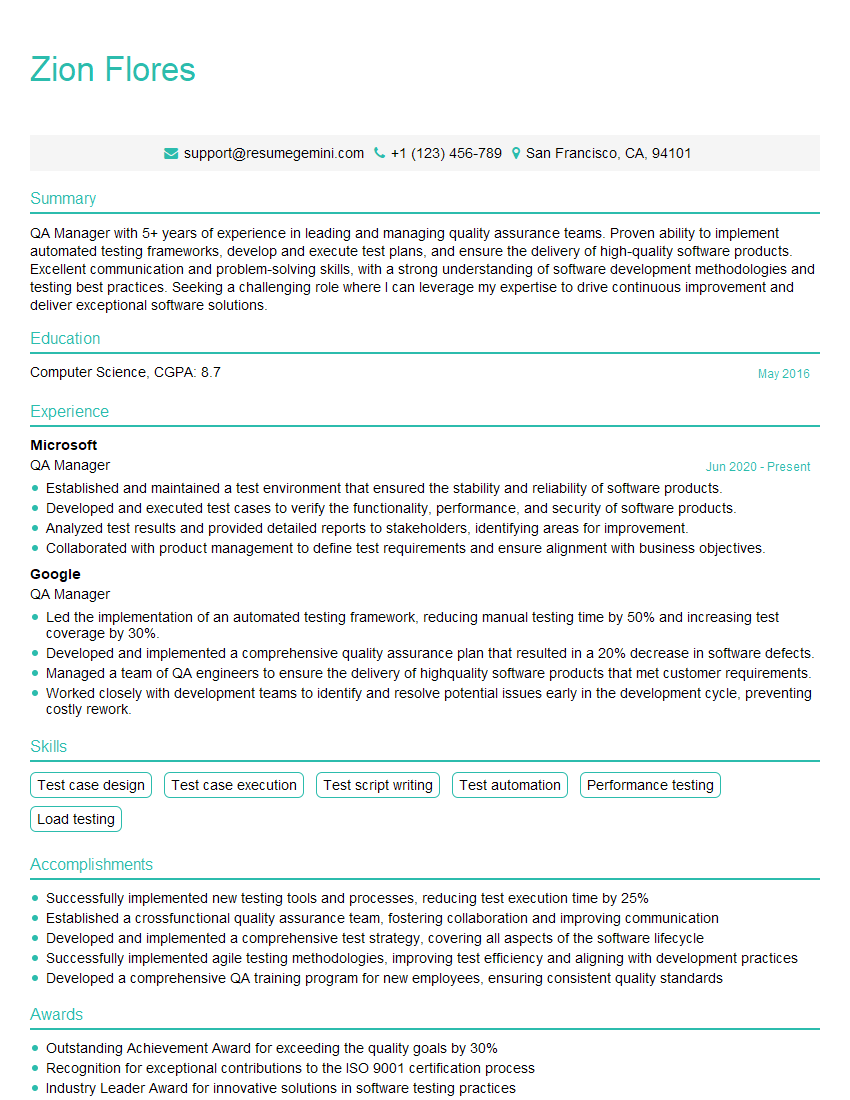
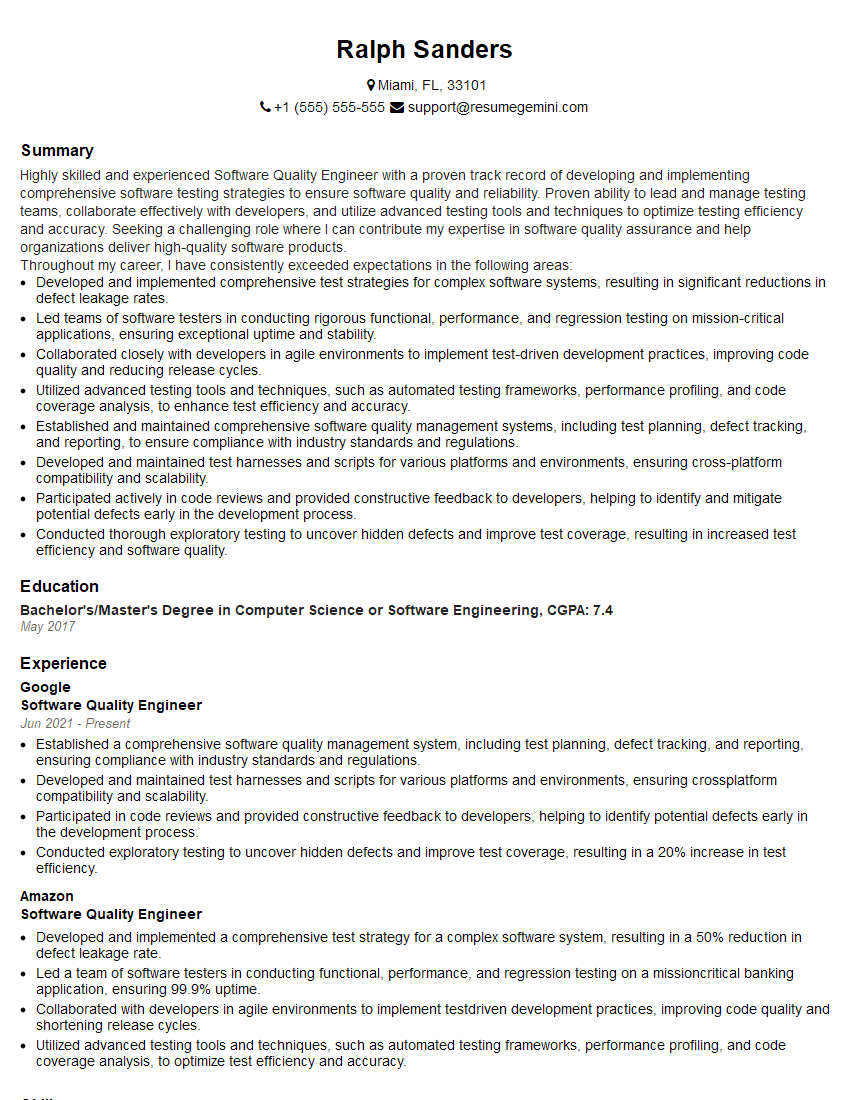
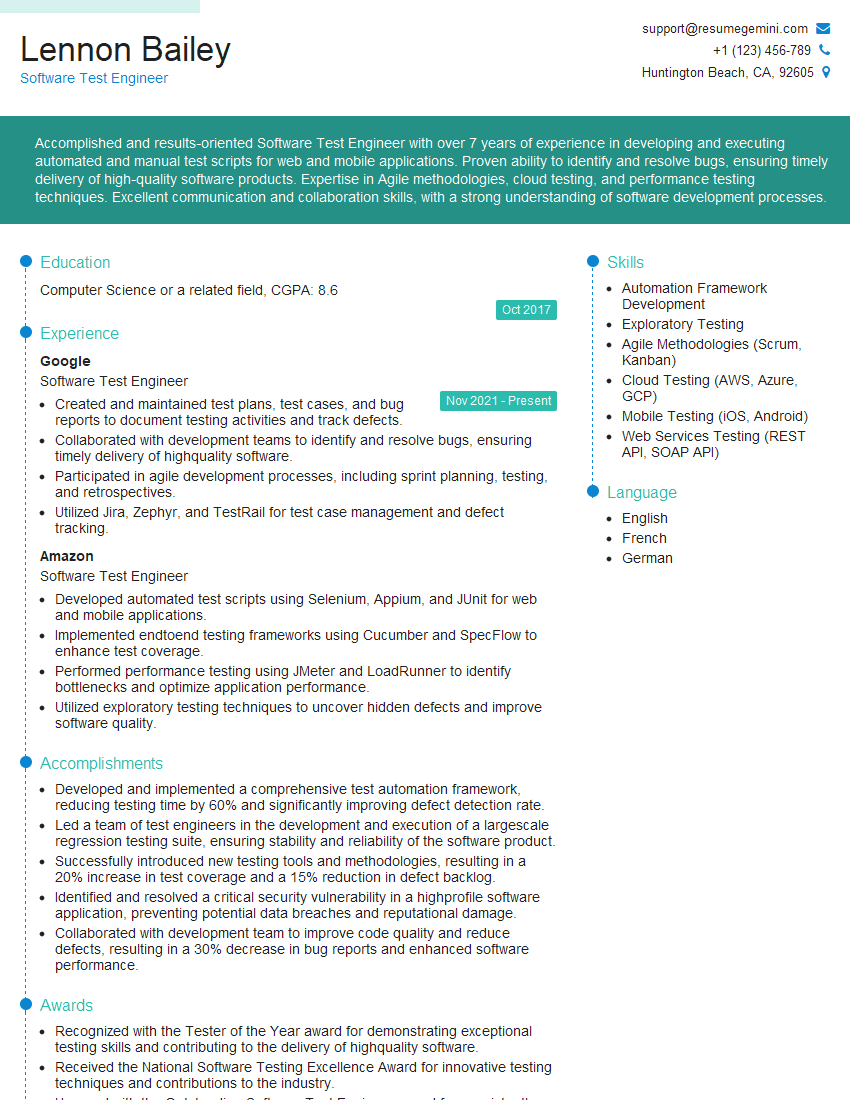
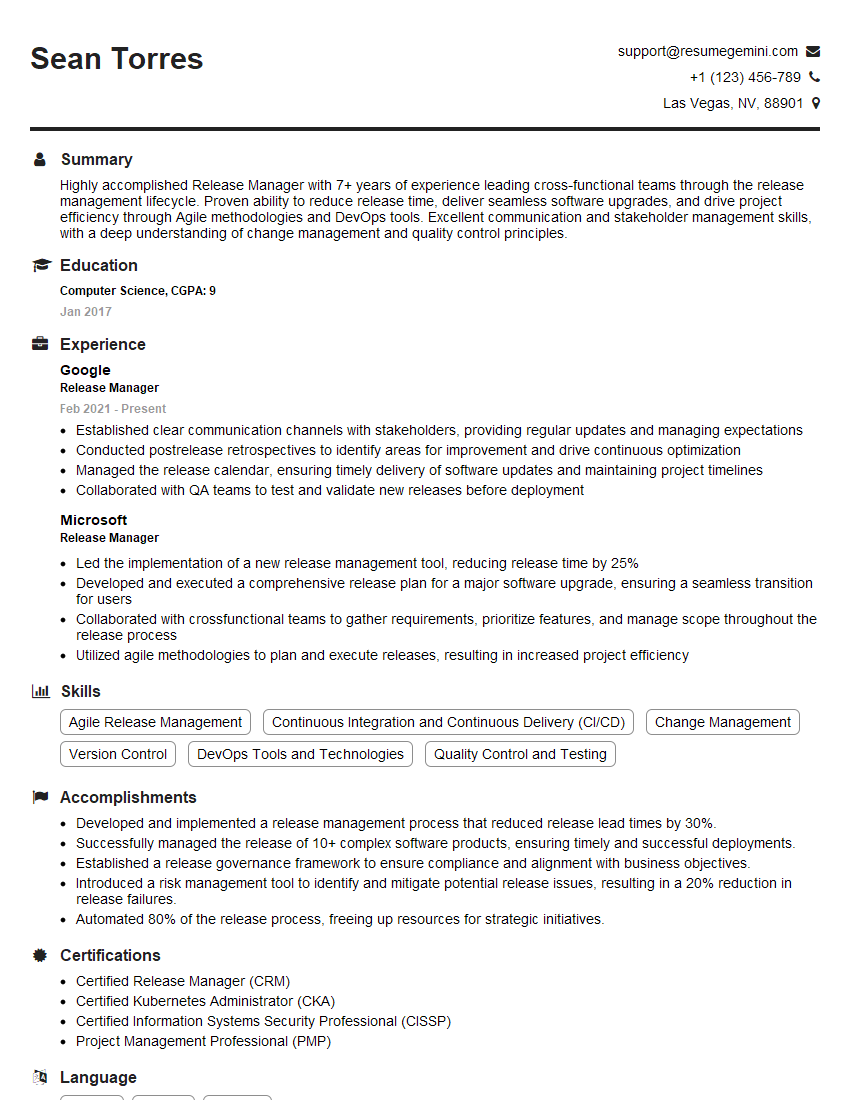
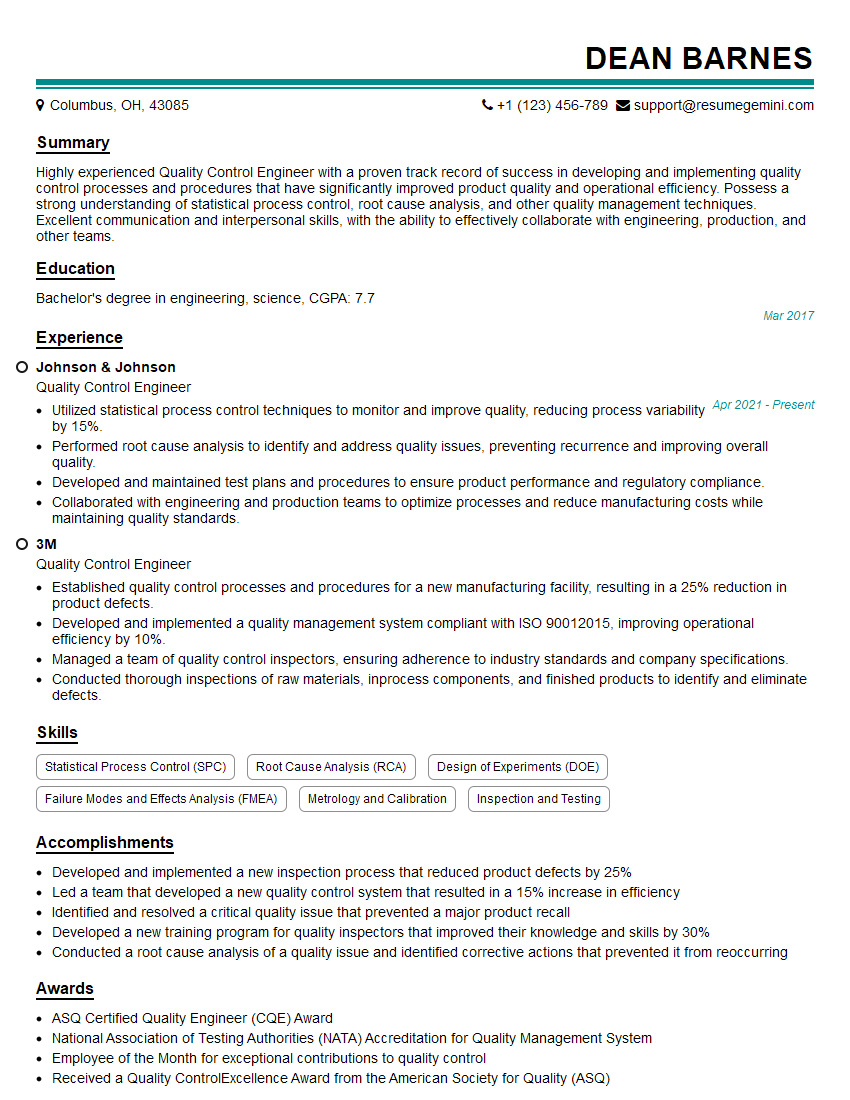
Mastering defect tracking and reporting is crucial for career advancement in software quality assurance and related fields. It demonstrates your attention to detail, problem-solving abilities, and your commitment to delivering high-quality software. Building a strong, ATS-friendly resume is essential for showcasing these skills to potential employers. ResumeGemini is a trusted resource to help you craft a compelling and effective resume that highlights your expertise. Examples of resumes tailored to Defect Tracking and Reporting are available to help guide you in this process.

Explore more articles
Users Rating of Our Blogs
Share Your Experience
We value your feedback! Please rate our content and share your thoughts (optional).
What Readers Say About Our Blog
Very informative content, great job.
good