Every successful interview starts with knowing what to expect. In this blog, we’ll take you through the top Dehorning Adult Cattle interview questions, breaking them down with expert tips to help you deliver impactful answers. Step into your next interview fully prepared and ready to succeed.
Questions Asked in Dehorning Adult Cattle Interview
Q 1. What are the most common methods for dehorning adult cattle?
Dehorning adult cattle is significantly more challenging than dehorning calves due to the size and strength of the horns. The most common methods involve surgical removal, and the choice depends on factors such as horn size, the cow’s temperament, and available resources. These include:
- Surgical Removal with a Saw or Guillotine: This involves cutting the horn at the base. This method requires significant expertise and appropriate tools to avoid injury to the cow and the handler.
- Burning with a Dehorning Iron: This method uses heat to cauterize the horn and underlying tissue. While it can be effective, it requires precision to avoid excessive burning and damage.
- Surgical Removal with a Dehorning Knife: This necessitates a sharp knife and a skilled individual, as it involves precise cutting to remove the horn close to the skull without causing excessive bleeding or damage to the frontal sinus.
It’s crucial to note that dehorning adult cattle is a major procedure that should only be performed by experienced individuals with proper training and the necessary tools. It is also important to consider the ethical implications of performing this procedure on older animals.
Q 2. Describe the proper use of each dehorning method.
Proper use of each method necessitates significant skill and experience. Inexperienced individuals should not attempt this. Always prioritize safety and minimize pain.
- Surgical Removal (Saw/Guillotine): The animal must be properly restrained. The horn should be cut cleanly at the base using a sharp, clean saw or guillotine. Hemorrhage should be controlled promptly.
- Burning (Dehorning Iron): The iron must be heated to the proper temperature. The horn base should be burned evenly to cauterize the blood vessels, minimizing bleeding. The operator must be careful to avoid burning the skin excessively.
- Surgical Removal (Dehorning Knife): Precise incisions are crucial. The knife should be very sharp to minimize trauma. The process requires a deep understanding of bovine anatomy to avoid hitting the frontal sinus.
Regardless of the method, proper restraint is paramount. This often involves a specialized headstock or other methods to immobilize the animal safely.
Q 3. What are the potential risks and complications associated with dehorning adult cattle?
Dehorning adult cattle carries significant risks. The larger horn size and tougher tissues increase the complexity of the procedure and potential for complications. These include:
- Hemorrhage: Excessive bleeding is a major concern, particularly with sawing or knifing techniques.
- Infection: Open wounds are susceptible to infection, leading to abscesses or other complications.
- Pain: Adult cattle experience considerable pain, even with appropriate analgesia.
- Damage to the Frontal Sinus: Penetration of the frontal sinus can cause serious complications, including sinusitis.
- Nerve Damage: Improper technique can damage nerves in the horn area, resulting in nerve damage or paralysis.
- Death: In rare cases, severe complications can result in the death of the animal.
Minimizing these risks requires proper technique, skilled personnel, and appropriate post-operative care.
Q 4. How do you ensure the safety of both the animal and the handler during the dehorning process?
Safety is paramount. Both the animal and the handler must be protected. This involves:
- Proper Restraint: Using a crush or headstock to safely restrain the animal prevents injury to both the animal and the handler.
- Experienced Personnel: Only trained and experienced individuals should perform the procedure.
- Sharp Instruments: Sharp instruments minimize trauma and ensure a clean cut, reducing bleeding and risk of infection. Dull instruments cause excessive pain and prolong the procedure.
- Appropriate Personal Protective Equipment (PPE): Handlers should wear appropriate PPE, including gloves, eye protection, and sturdy clothing.
- Emergency Plan: A plan should be in place to handle unforeseen events like excessive bleeding or adverse reactions.
Consider this analogy: Think of dehorning an adult cow as performing major surgery – it requires precision, preparation, and a highly skilled surgeon (handler).
Q 5. What are the signs of infection after dehorning?
Signs of infection after dehorning include:
- Swelling: Significant swelling around the dehorned area.
- Discharge: Pus or other discharge from the wound.
- Heat: The area might feel warmer than the surrounding tissue.
- Pain: The animal may exhibit signs of pain, such as reluctance to eat or drink, or aggressive behavior.
- Fever: A high temperature is a clear indicator of systemic infection.
If any of these signs are present, veterinary attention is urgently needed.
Q 6. How do you treat pain and manage post-operative care?
Pain management and post-operative care are critical. This should begin *before* the procedure with appropriate pre-operative analgesia.
- Analgesics: Non-steroidal anti-inflammatory drugs (NSAIDs) are commonly used to manage pain. The choice and dosage depend on the animal’s size and the procedure. A veterinarian should guide this selection.
- Antibiotics: Prophylactic antibiotics can prevent infection, especially if there is significant bleeding or trauma. However, the decision should be made by a veterinarian based on the case.
- Wound Care: The wound should be kept clean and dry. Fly control is essential to prevent contamination.
- Monitoring: Regular monitoring for signs of infection, pain, or other complications is necessary.
Post-operative care ensures rapid healing and minimizes suffering. A veterinarian should be consulted for the most appropriate treatment plan.
Q 7. What type of anesthesia is appropriate for dehorning adult cattle?
Dehorning adult cattle is a painful procedure. While local anesthesia can be used, it’s often insufficient for the level of pain involved. Therefore, general anesthesia is usually recommended for dehorning adult cattle. The type of anesthesia (e.g., intravenous, inhalant) will depend on several factors, including the animal’s health status, the experience of the veterinary professional, and the available resources.
Important Note: Dehorning adult cattle requires the expertise of a qualified veterinarian. Attempting this procedure without proper training and anesthesia is unethical and can cause significant suffering and risk the animal’s life. Always consult a veterinarian.
Q 8. What are the legal regulations and ethical considerations related to dehorning adult cattle in your area?
Dehorning adult cattle is governed by strict regulations that vary by location. In many areas, it’s legal but requires adherence to animal welfare standards. These standards usually mandate the use of appropriate pain relief (local anesthetic or systemic analgesics) and proper restraint techniques to minimize animal stress and suffering. Ethical considerations center on the balance between the perceived benefits of dehorning (reduced injury risk to humans and other animals, easier herd management) and the inherent pain and stress caused to the animal. Veterinary oversight is often recommended, particularly for adult cattle dehorning due to the increased complexity and risk involved. Failure to comply with regulations can result in fines or other penalties.
For example, in some regions, specific dehorning methods might be prohibited, or there might be limitations on when dehorning can be performed (e.g., during certain weather conditions or stages of pregnancy). Always consult your local animal welfare and agricultural authorities to understand your area’s specific regulations.
Q 9. What are the different types of dehorning equipment available?
Several dehorning tools are available, each with its own advantages and disadvantages. These include:
- Barnes Dehorners: These are typically used on calves but can be used on older animals with smaller horns. They involve a circular cutting action to remove the horn.
- Gibb Dehorners: These are similar to Barnes dehorners but are designed to cut through the horn base more easily.
- Electric Dehorners: These utilize heat to cauterize the horn base as it’s removed, minimizing bleeding. They’re generally quicker than other methods.
- Surgical Saw or Knife: These methods require advanced training and skill to ensure a clean and efficient removal, minimizing trauma and excessive bleeding. They are often used for adult cattle and larger horn removal.
- Chemical Dehorning Paste/Creams: These are applied to the horn buds of young calves and cause them to detach over time. This method is not suitable for adult cattle.
The choice of equipment depends on the size of the animal, size and maturity of the horns, the experience of the operator, and the available resources. Always prioritize animal welfare and choose a method that minimizes pain and stress.
Q 10. How do you select the appropriate dehorning equipment for different situations?
Selecting the right dehorning equipment is crucial for both efficacy and animal welfare. Consider these factors:
- Age and Size of the Animal: Calves have smaller, less developed horns and are generally dehorned with smaller instruments like Barnes or Gibb dehorners. Adult cattle with large, mature horns require more robust tools, such as surgical saws or electric dehorners.
- Horn Size and Maturity: Larger, more firmly attached horns need tools capable of efficiently removing them without causing excessive trauma. This frequently necessitates a saw or specialized dehorner for adults.
- Operator Experience: Those with limited experience might find electric dehorners or smaller, simpler tools less challenging to use and easier to control. Surgical methods require highly developed skills to ensure efficient and safe horn removal.
- Availability of Resources and Anesthesia: Access to veterinary care, anesthesia, and specialized equipment will greatly influence the selection of the dehorning method.
For instance, a dairy farmer dehorning calves might use Barnes dehorners, whereas a rancher dealing with mature beef cattle might opt for an electric dehorner or a surgical saw with the guidance of a veterinarian.
Q 11. How do you maintain and sanitize dehorning equipment?
Maintaining and sanitizing dehorning equipment is paramount to prevent the spread of disease. After each use, the equipment should be thoroughly cleaned to remove any organic material (blood, tissue, etc.). This often involves scrubbing with warm, soapy water. Subsequent disinfection is crucial; a suitable disinfectant, such as a dilute solution of bleach or a veterinary-approved disinfectant, should be used to kill any bacteria or viruses. Equipment should then be rinsed with clean water and allowed to air dry completely. For electric dehorners, ensure the blades or heating elements are cleaned according to the manufacturer’s instructions. Regular inspection for damage or wear is also essential. Tools showing significant wear or damage should be replaced.
Proper sanitation prevents cross-contamination and reduces the risk of introducing infections into the herd. Think of it like sterilizing surgical instruments in a hospital— it’s a critical step in ensuring animal welfare.
Q 12. Describe the steps involved in dehorning an adult cow using the [specific method] technique.
Let’s assume the method chosen is surgical removal with a saw. This is a complex procedure and should ONLY be performed by experienced individuals with proper training and ideally under veterinary supervision. It is crucial to emphasize that improper techniques can lead to severe injury and suffering for the animal.
Steps (This is not a guide, merely an overview for informational purposes; consult with a professional for proper execution):
- Restraint: Securely restrain the cow using appropriate methods, such as a head catch or chute, to ensure safety for both the animal and the operator. Sedation or local anesthesia is highly recommended, possibly under veterinary guidance.
- Preparation: Clean the horn base area thoroughly with an antiseptic solution.
- Incision: Make a precise incision at the horn base, following the natural contour of the skull to avoid damaging underlying tissues.
- Removal: Carefully use the saw to sever the horn base, ensuring a clean cut to minimize bleeding. Control bleeding throughout the procedure.
- Cauterization (Optional): Use an electric cautery device or other appropriate method to stop any remaining bleeding.
- Wound Care: Apply an appropriate antiseptic and bandage the wound to minimize infection and encourage healing.
- Post-operative Care: Monitor the cow for any signs of infection, pain, or distress. Pain relief medication may be administered.
This is a simplified description. Improper technique can cause significant complications. This procedure requires the expertise of a trained professional who can assess the individual cow’s needs and choose the safest, most effective approach.
Q 13. What are the differences between dehorning calves and dehorning adult cattle?
Dehorning calves and adult cattle differ significantly in complexity and potential risks. Calf dehorning is generally less complicated and involves removing smaller, less developed horns, often using simpler tools like Barnes or Gibb dehorners. The horn base is less firmly attached, making removal easier and often resulting in less bleeding and tissue damage. Pain management is also typically less complex, often requiring only local anesthesia at the site, or less powerful pain medications.
Dehorning adult cattle, on the other hand, is substantially more challenging. The horns are larger, more firmly attached to the skull, and the procedure may require more sophisticated equipment (e.g., surgical saws or electric dehorners) and advanced skill to avoid complications. The potential for significant bleeding and tissue damage is much higher, necessitating careful attention to pain management. The use of systemic analgesics (pain medication delivered through an injection) and potentially even general anesthesia, is typically recommended to manage pain effectively and improve animal welfare. The recovery period is also longer.
Q 14. How do you handle aggressive or difficult cattle during dehorning?
Handling aggressive or difficult cattle during dehorning requires careful planning and safety precautions. This often involves using specialized restraint equipment, such as head catches, chutes, and side gates, designed to safely secure the animal without causing additional stress or injury. Always prioritize safety; never attempt to dehorn an animal that is overly agitated or resisting restraint. Having a trained assistant or team is often necessary to manage the animal’s movements and ensure the operator’s safety.
In some cases, sedation or tranquilizers, administered by a veterinarian, may be necessary to calm the animal sufficiently to proceed with the procedure safely. This approach dramatically improves the safety of the procedure, reduces the stress on the animal, and minimizes the risk of injury to both animal and handler. Proper training is paramount in these situations. Knowing how to effectively handle cattle and use the proper restraint techniques is crucial. Never compromise safety by working with an uncontrolled animal.
Q 15. What are the signs of a successful dehorning procedure?
A successful dehorning procedure in adult cattle is characterized by minimal bleeding, a clean wound site free from infection, and the absence of significant pain or distress in the animal. The animal should exhibit a relatively normal gait and appetite post-procedure.
Signs of Success:
- Minimal bleeding: Only minor oozing of blood is expected. Significant hemorrhaging is a clear sign of complication.
- Clean wound: The dehorned area should be free from significant debris or infection. Proper wound care is crucial here.
- Reduced pain and distress: The animal should show minimal signs of pain, such as restlessness, vocalization, or decreased appetite. Appropriate pain management is key to success.
- Normal behavior: The animal should return to its normal behavior patterns within a reasonable timeframe.
For example, a successful dehorning might only show a small scab forming over the wound site within a couple of days, and the cow quickly resumes her normal grazing pattern.
Career Expert Tips:
- Ace those interviews! Prepare effectively by reviewing the Top 50 Most Common Interview Questions on ResumeGemini.
- Navigate your job search with confidence! Explore a wide range of Career Tips on ResumeGemini. Learn about common challenges and recommendations to overcome them.
- Craft the perfect resume! Master the Art of Resume Writing with ResumeGemini’s guide. Showcase your unique qualifications and achievements effectively.
- Don’t miss out on holiday savings! Build your dream resume with ResumeGemini’s ATS optimized templates.
Q 16. What are the long-term implications of dehorning adult cattle?
Dehorning adult cattle carries several long-term implications, both positive and negative. It’s crucial to weigh these carefully before proceeding.
Potential Negative Implications:
- Increased risk of infection: Adult cattle have thicker horns and a greater blood supply in the horn base, increasing the risk of significant bleeding and subsequent infection if the procedure isn’t performed correctly.
- Pain and stress: While pain management techniques are crucial, adult cattle experience significant pain and stress during and after the procedure. This can negatively impact their well-being and productivity.
- Potential for cosmetic deformity: If the procedure is not performed precisely, it can result in an uneven or unattractive appearance.
- Risk of nerve damage: Improper technique can lead to nerve damage, resulting in long-term sensory loss or facial paralysis.
Potential Positive Implications:
- Improved herd safety: Reduced risk of injury to both cattle and handlers.
- Easier management: Easier to handle during routine procedures like vaccination and examination.
For instance, the potential for reduced injury within the herd is a significant long-term benefit, though the pain and stress endured during dehorning must always be mitigated through careful planning and aftercare.
Q 17. How do you assess the animal’s health before dehorning?
A thorough pre-dehorning health assessment is paramount. This involves a careful visual inspection and potentially further investigation depending on the animal’s condition.
Assessment Steps:
- Visual inspection: Check for any signs of illness, such as fever, respiratory distress, lameness, or skin lesions.
- Body condition score (BCS): Assess the animal’s nutritional status; severely underweight animals may not tolerate the procedure well.
- Hydration status: Dehydration can exacerbate stress and increase the risk of complications. Ensure the animal is adequately hydrated.
- Recent procedures or illnesses: Consider any recent medical treatments or illnesses that might affect the animal’s ability to heal.
For example, an animal showing signs of illness like a high fever might need to be treated for that illness first before considering dehorning. Otherwise, the procedure may place undue stress on an already compromised immune system.
Q 18. What are the common causes of complications during dehorning?
Complications during adult cattle dehorning can stem from several factors. Proper preparation, technique, and aftercare are crucial to minimize these risks.
Common Causes of Complications:
- Excessive bleeding: Damage to blood vessels can lead to significant blood loss. This is more common in adult cattle due to the increased blood supply in the horn base.
- Infection: Contamination of the wound site can result in infection, often requiring antibiotic treatment.
- Pain and distress: Inadequate pain management can lead to prolonged suffering and potentially impact the animal’s overall health.
- Nerve damage: Improper technique can damage nerves in the area, leading to sensory loss or facial paralysis.
- Sinus damage: Penetration of the frontal sinus can cause serious complications.
For instance, using blunt instruments or improper dehorning techniques may cause excessive bleeding and increase the likelihood of infection.
Q 19. How do you prevent and manage bleeding during dehorning?
Preventing and managing bleeding is a critical aspect of adult cattle dehorning. Effective techniques include using appropriate tools and applying proper hemostasis.
Bleeding Prevention and Management:
- Sharp instruments: Using sharp, clean instruments minimizes tissue damage and reduces bleeding.
- Electrocautery: This method uses heat to cauterize blood vessels and seal them, minimizing blood loss.
- Chemical cautery: Certain chemicals can be applied to the wound site to help stop bleeding.
- Pressure application: Applying direct pressure to the wound using clean gauze can help control bleeding.
- Local anesthetic: Reduces pain and can constrict blood vessels.
Example: In a scenario where excessive bleeding occurs, applying direct pressure with sterile gauze while simultaneously seeking veterinary assistance to possibly cauterize the bleeding vessel would be critical.
Q 20. How do you handle an emergency situation during dehorning?
Emergency situations during dehorning require swift and decisive action. Recognizing signs of distress and having a prepared plan is crucial.
Handling Emergency Situations:
- Excessive bleeding: Immediately apply direct pressure, if possible cauterize bleeding vessels, and contact a veterinarian.
- Severe pain or distress: Administer appropriate analgesics as per veterinary guidelines.
- Signs of infection: Administer antibiotics as prescribed by a veterinarian.
- Shock: Administer fluids and seek veterinary attention immediately.
For example, a scenario involving profuse, uncontrollable bleeding would require immediately applying direct pressure, using cautery if available, and contacting a veterinarian for emergency treatment. This might involve intravenous fluids and possibly a blood transfusion.
Q 21. What is your experience with different types of cattle breeds?
My experience encompasses a broad range of cattle breeds, including but not limited to dairy breeds like Holstein Friesian and Jersey, beef breeds such as Angus, Hereford, and Charolais, and various crossbreeds. Each breed can present unique challenges during dehorning, primarily related to horn size, shape, and the thickness of the horn base.
Breed-Specific Considerations:
- Dairy breeds: Generally have smaller horns, potentially making dehorning easier. However, their sensitivity and higher propensity for stress should be carefully managed.
- Beef breeds: Often have larger and thicker horns, requiring more powerful instruments and potentially increasing the risk of complications.
- Horn types: Horn shape and size significantly influence technique. Some breeds have long, curved horns that require a different approach than shorter, straighter horns.
For example, dehorning a mature Charolais bull with its large, thick horns necessitates different techniques and safety measures compared to dehorning a young Jersey heifer.
Q 22. How do you determine the best time to dehorn adult cattle?
Dehorning adult cattle is significantly more challenging and risky than dehorning calves. The ideal time is dictated by several factors, primarily the animal’s temperament and the horn size. It’s crucial to choose a time when the animal is relatively calm, possibly during cooler parts of the day, and avoid times of high stress like immediately after transport or during breeding season. The size of the horns also plays a crucial role; smaller horns are easier and safer to remove. For very large horns, other considerations, such as the availability of specialized equipment or veterinary expertise, might come into play. Ultimately, the best time minimizes stress and risk for both the animal and the handler.
For example, a calmer, older cow with smaller horns might be a better candidate for dehorning than a younger, more aggressive bull with large, mature horns. Consider the individual animal’s history and temperament when making your decision. A consultation with a veterinarian experienced in bovine dehorning is always recommended for adult cattle.
Q 23. What are your experience with different types of restraining methods?
Restraining adult cattle for dehorning is paramount for safety. I’ve extensive experience with various methods, each with its pros and cons. These include:
- Chutes: These provide excellent control, especially for larger animals, but they require specialized equipment and space. Proper training is essential for safe and efficient use to prevent injury to both animal and handler.
- Headgates: Offer good head and neck control but still require careful handling to prevent injury during the procedure. A properly designed and maintained headgate is crucial.
- Side-restraining devices: These are useful for some procedures, but might not always offer the level of control needed for safe dehorning of adults. Proper training and selection of appropriate equipment are key.
- Chemical Restraint: In some circumstances, veterinarians may use sedatives or tranquilizers, improving safety, but it should only be done under veterinary supervision due to the increased risk of complications.
Choosing the right method depends on factors like the size and temperament of the animal, available resources, and the handler’s experience. For example, a larger, more aggressive bull would necessitate the use of a sturdy chute and potentially chemical restraint, whereas a calmer cow might be safely managed in a well-designed headgate.
Q 24. What is your understanding of animal welfare guidelines related to dehorning?
Animal welfare is my top priority. Dehorning adult cattle involves pain, so adherence to strict guidelines is essential. These guidelines usually emphasize the use of appropriate pain management techniques, including local anesthetic before and during the procedure. Post-operative pain relief and regular monitoring of the wound site are crucial to ensure optimal healing and minimize suffering. The method chosen should minimize trauma and stress, and proper training of personnel is absolutely necessary. The procedure must be done quickly and efficiently to reduce the duration of discomfort. Following established protocols and recording details of the procedure, including the method used, pain management protocols, and post-operative observations, is important for both animal welfare and record keeping.
Q 25. Describe your experience with dehorning different sizes and ages of adult cattle.
My experience spans a wide range of adult cattle sizes and ages. Dehorning older, larger animals presents unique challenges. The horns are typically larger and more firmly attached to the skull, requiring more force and precision. This increases the risk of complications, such as excessive bleeding or damage to the surrounding tissues. Younger adult cattle often have smaller, less firmly attached horns, thus making the procedure less complex and risky. In any case, appropriate restraint and meticulous technique are essential to minimize trauma and complications.
For instance, a large bull with heavily developed horns might necessitate the use of a power saw and specialized equipment, whereas a smaller, less aggressive cow may allow for removal with a dehorning knife or electric dehorner. Each case requires individual assessment and adaptation of techniques.
Q 26. How do you ensure proper wound healing and recovery after dehorning?
Post-dehorning care is crucial for proper wound healing and recovery. I always apply a suitable antiseptic or antibiotic ointment to prevent infection. Wound closure techniques are chosen according to the size and nature of the wound; in some cases, stitches may be necessary. I carefully monitor the wound site for signs of infection, such as swelling, excessive bleeding, or discharge. In case of issues, proper treatment (antibiotics, wound dressing changes) will be implemented. Pain management continues after dehorning to ensure the animal is comfortable during the healing process. Close observation of the animal’s behavior (activity level, appetite) in the days following dehorning is essential for early detection of any potential complications. Regular fly control helps prevent infection and irritation.
Q 27. What are some alternative methods to dehorning adult cattle?
Alternatives to dehorning adult cattle exist, but they often depend on the circumstances and the animal’s age at the time of consideration. These include:
- Disbudding Calves: This is the preferred method, removing horn buds before they fully develop. It’s less stressful and traumatic for the animal.
- Genetic Selection: Breeding cattle with polled (naturally hornless) genetics eliminates the need for dehorning entirely. This is a longer-term solution requiring careful breeding programs.
- Horn Covering/Protection: While not a replacement for dehorning, protective headgear can minimize the risk of injury from horns in situations where dehorning is not practical.
However, for already horned adult cattle, effective alternatives are limited, and dehorning often remains the most practical solution for safety and herd management.
Q 28. How do you document the dehorning process for record-keeping purposes?
Accurate record-keeping is essential for both animal welfare and herd management. My documentation includes the following information:
- Date and Time: Precise record of when the dehorning took place.
- Animal Identification: Clear identification of the animal(s) dehorned (ear tags, brands, etc.).
- Method Used: Specific details about the dehorning method (e.g., type of instrument, sedation used).
- Pain Management: Record of any pain relief methods employed (type of anesthetic, dosage).
- Post-Operative Care: Details about the aftercare (e.g., wound treatment, antibiotics used).
- Observations: Notes on any complications or unusual observations during and after the procedure.
This comprehensive record allows for efficient tracking of animal health and assists in evaluating the success and potential improvements of the dehorning process. It’s also crucial for veterinary compliance and potential liability considerations.
Key Topics to Learn for Dehorning Adult Cattle Interview
- Cattle Behavior and Handling: Understanding bovine temperament, stress indicators, and safe handling techniques for adult cattle. This includes recognizing signs of aggression and implementing appropriate restraint methods.
- Dehorning Methods and Equipment: Familiarization with various dehorning techniques (e.g., surgical, chemical, or mechanical), their suitability for adult cattle, and the proper use and maintenance of associated equipment. Understanding the advantages and disadvantages of each method is crucial.
- Pain Management and Animal Welfare: Knowledge of appropriate pain management strategies for adult cattle during and after dehorning. This includes understanding local anesthetics, analgesics, and post-operative care to minimize stress and ensure animal welfare compliance.
- Safety Procedures and Risk Mitigation: Detailed understanding of safety protocols to minimize risks to both the animal and the handler. This encompasses personal protective equipment (PPE), emergency response plans, and hazard identification.
- Post-Dehorning Care and Wound Management: Knowledge of proper wound care procedures, including cleaning, disinfecting, and monitoring for signs of infection. Understanding how to identify and address complications.
- Regulatory Compliance and Best Practices: Familiarity with relevant regulations, industry best practices, and ethical considerations related to dehorning adult cattle. This may include understanding relevant legislation and guidelines.
- Practical Application & Problem Solving: Be prepared to discuss real-world scenarios, such as dealing with difficult animals, equipment malfunctions, or unexpected complications during the dehorning process. Demonstrate your problem-solving skills and ability to adapt to challenging situations.
Next Steps
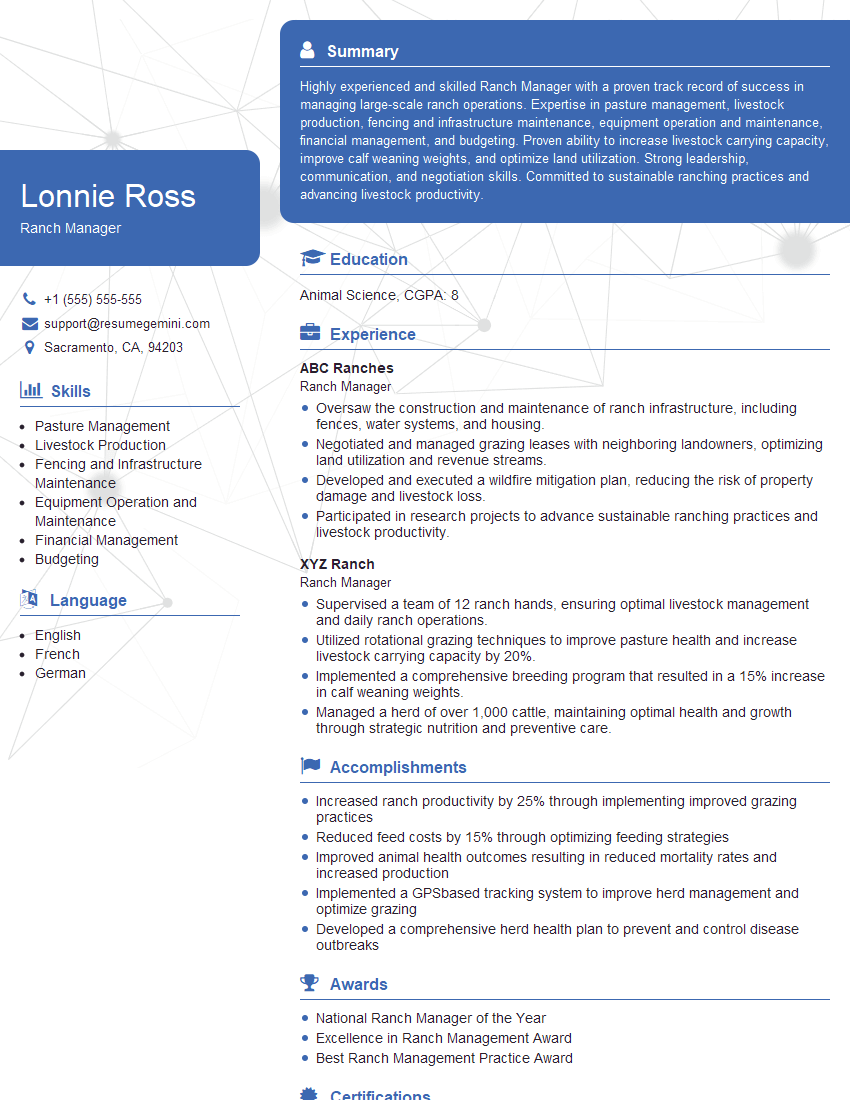
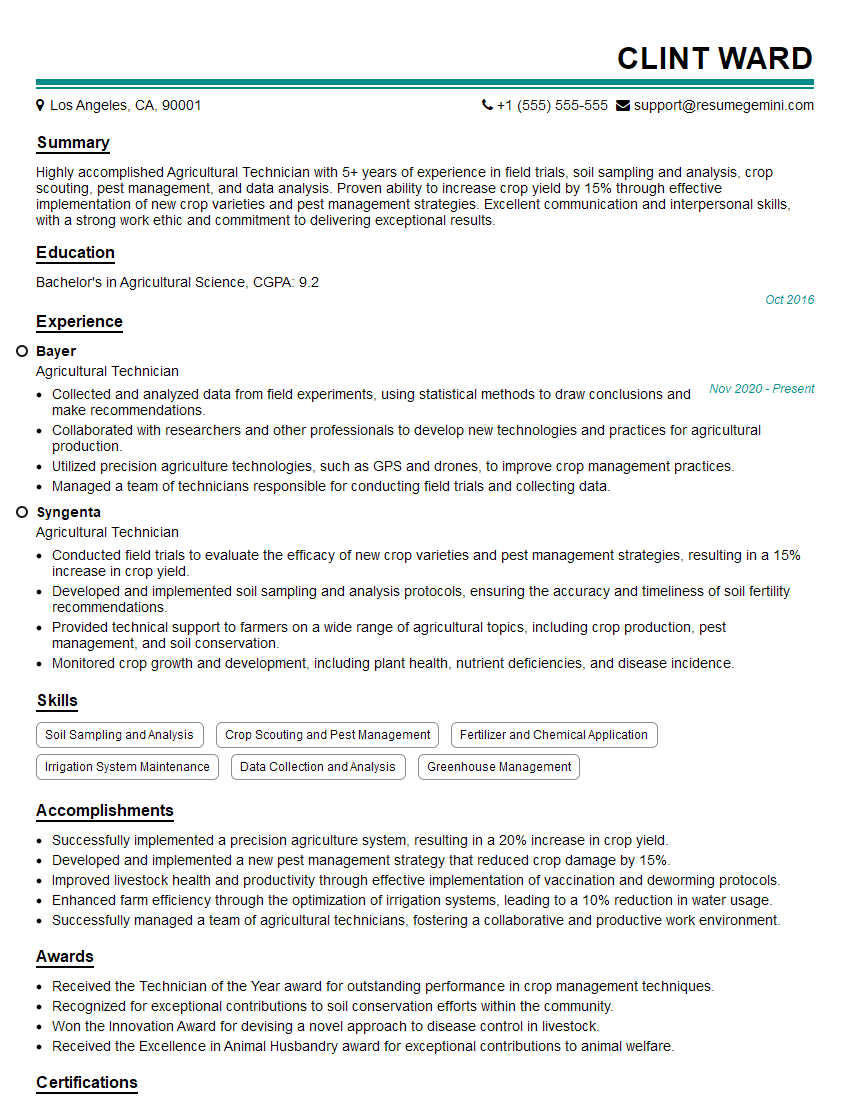
Mastering the art of dehorning adult cattle demonstrates crucial skills in animal handling, welfare, and practical problem-solving – highly valuable assets for career advancement in the agricultural sector. To significantly boost your job prospects, crafting an ATS-friendly resume is essential. ResumeGemini is a trusted resource to help you build a professional and impactful resume that highlights your expertise. Examples of resumes tailored to Dehorning Adult Cattle are available to guide you through the process. Invest in your future – build a resume that gets noticed!






Explore more articles
Users Rating of Our Blogs
Share Your Experience
We value your feedback! Please rate our content and share your thoughts (optional).
What Readers Say About Our Blog
Very informative content, great job.
good